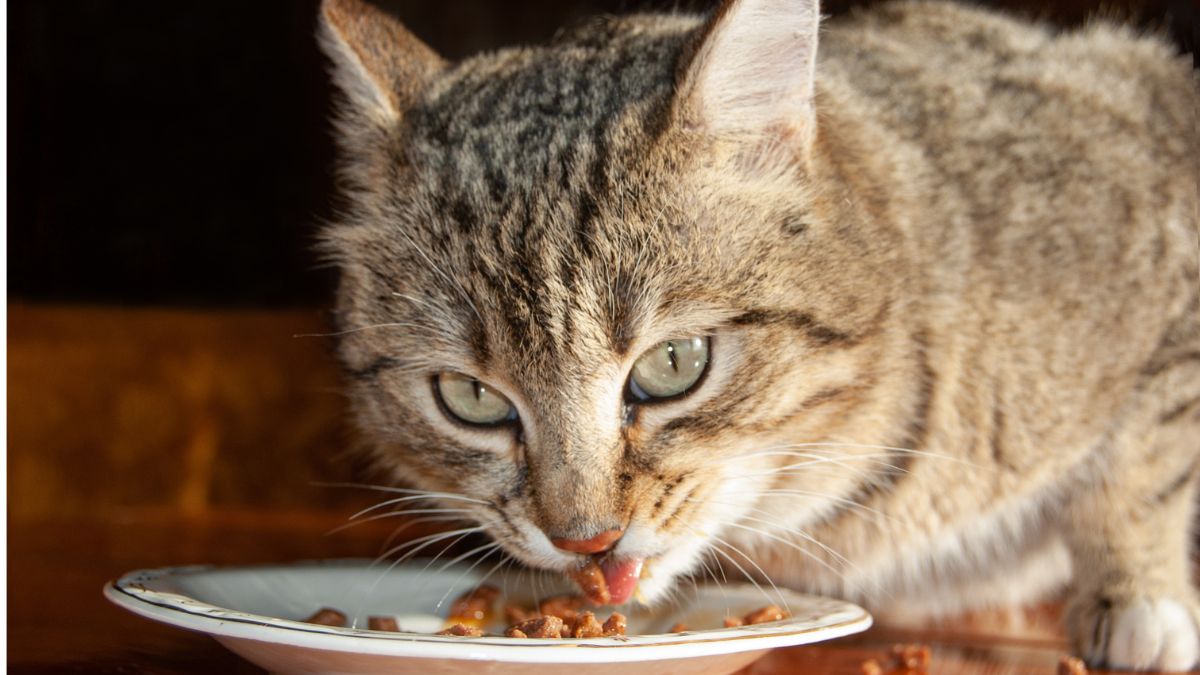
Cats are curious creatures with a habit of investigating whatever lands on the kitchen counter or dinner table. While many human foods seem harmless, a surprising number of everyday ingredients can cause serious harm to feline health. Understanding which foods pose a threat is one of the most important things any cat owner can do to keep their pet safe and thriving. This list covers thirty foods that should never make their way into your cat’s bowl or within easy reach of their paws.
Onions
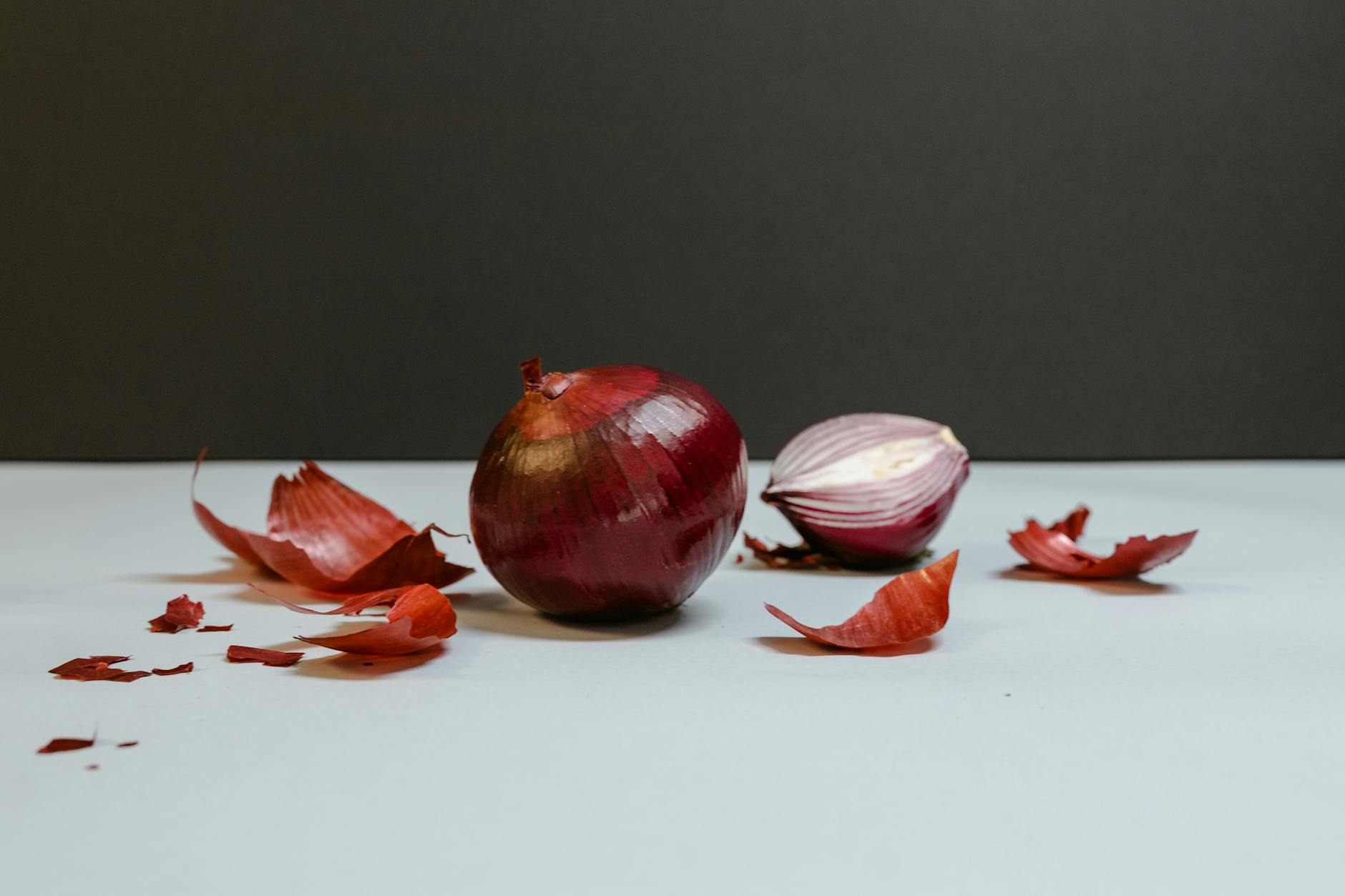
Onions contain compounds called thiosulfates that destroy red blood cells in cats, leading to a condition known as hemolytic anemia. Even small amounts consumed regularly can accumulate to dangerous levels in the body. Symptoms of onion toxicity include weakness, lethargy, reduced appetite, and pale or yellowish gums. All forms of onion are harmful, including raw, cooked, powdered, and dehydrated varieties.
Garlic
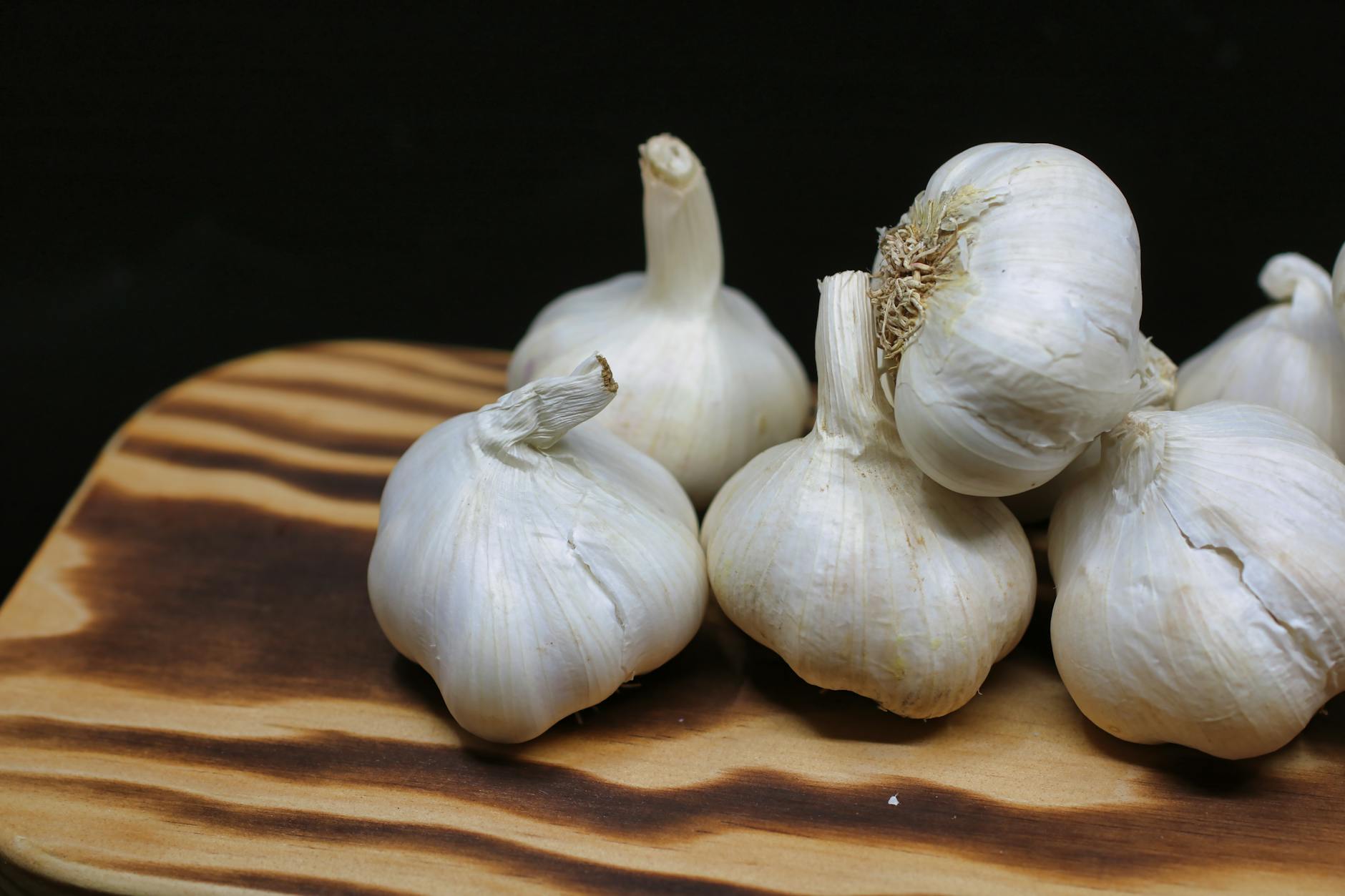
Garlic belongs to the same plant family as onions and carries similar toxic compounds that are even more concentrated by comparison. A small amount relative to body weight is enough to cause oxidative damage to feline red blood cells. Cats that consume garlic may show signs of gastrointestinal distress before more serious symptoms develop. Garlic powder found in many seasoned human foods makes accidental exposure a common concern.
Chocolate

Chocolate contains theobromine and caffeine, both of which cats are unable to metabolize effectively. Dark chocolate and baking chocolate carry the highest concentration of these compounds and pose the greatest risk. Ingestion can lead to vomiting, diarrhea, elevated heart rate, muscle tremors, and in severe cases, seizures. Even small quantities can be dangerous, making chocolate one of the most well-known feline hazards.
Grapes

Grapes have been linked to acute kidney failure in cats, though the exact toxic compound responsible has not yet been fully identified by researchers. Both fresh grapes and raisins carry this risk, with raisins being particularly concentrated in their effects. Early signs of grape toxicity include vomiting, lethargy, and a sudden decrease in urination. Veterinary attention should be sought immediately if any amount of grape is consumed.
Raisins
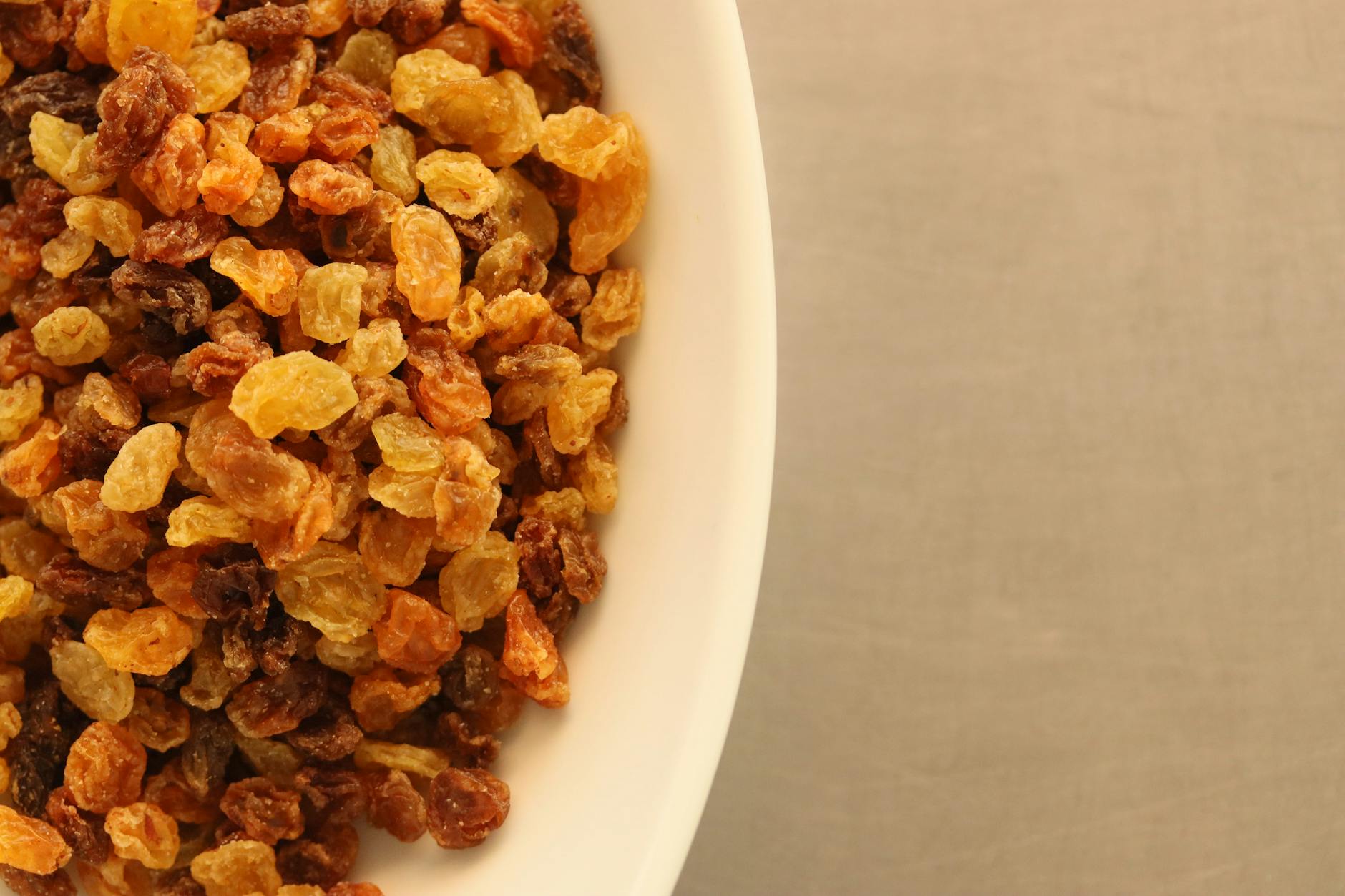
Raisins are dried grapes and carry the same kidney-damaging potential in a more concentrated form due to reduced water content. Even a small quantity can trigger a rapid and severe toxic response in susceptible cats. Symptoms develop quickly and can progress to complete kidney shutdown without prompt treatment. Raisins are commonly found in baked goods and trail mixes, making vigilance in the kitchen especially important.
Alcohol
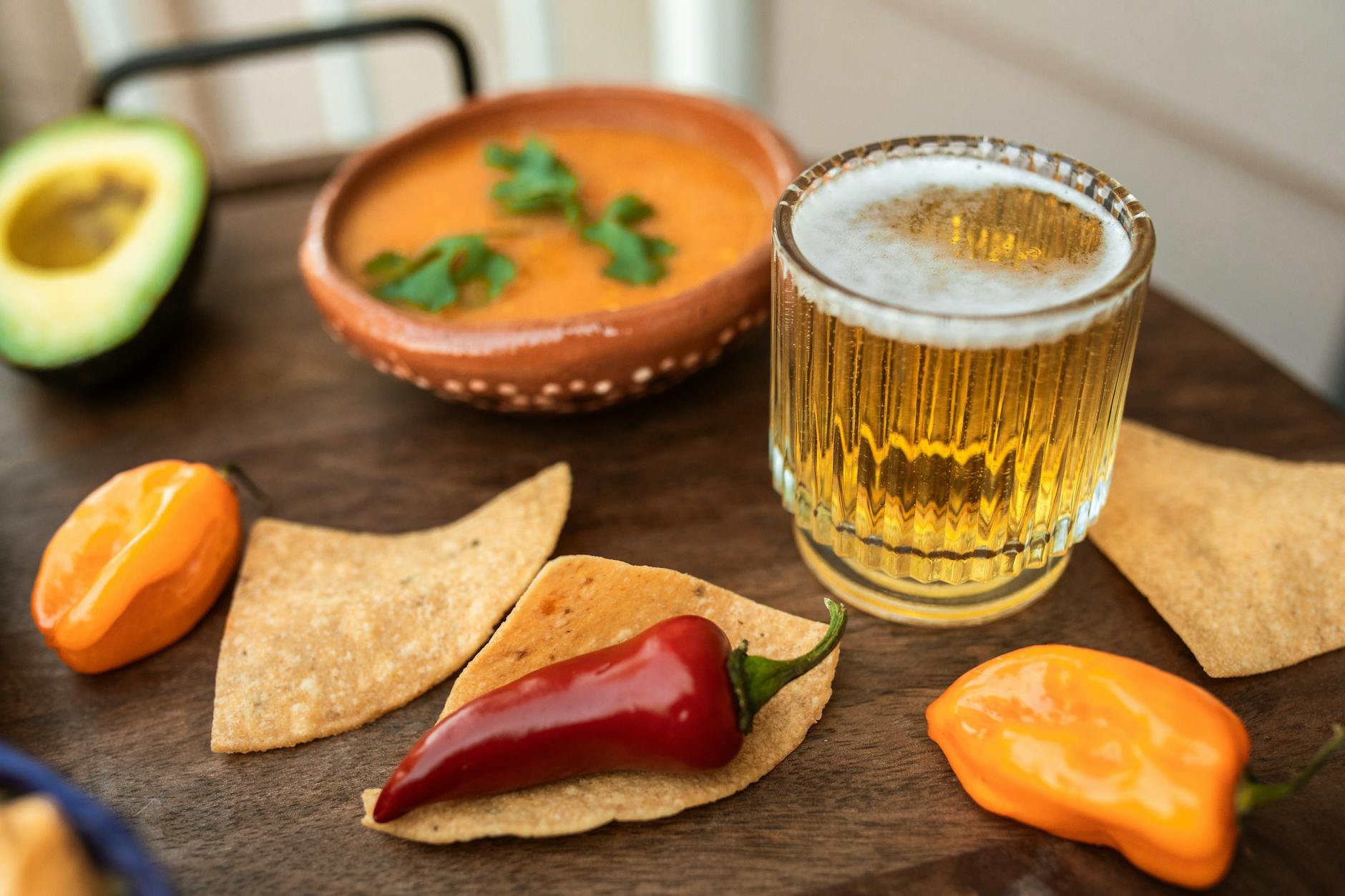
Alcohol affects cats far more severely than it affects humans due to their smaller body size and different metabolic pathways. Even a teaspoon of wine or beer can cause significant central nervous system depression in a cat. Symptoms include disorientation, vomiting, difficulty breathing, dangerously low blood sugar, and potential coma. There is no safe level of alcohol consumption for cats under any circumstances.
Caffeine
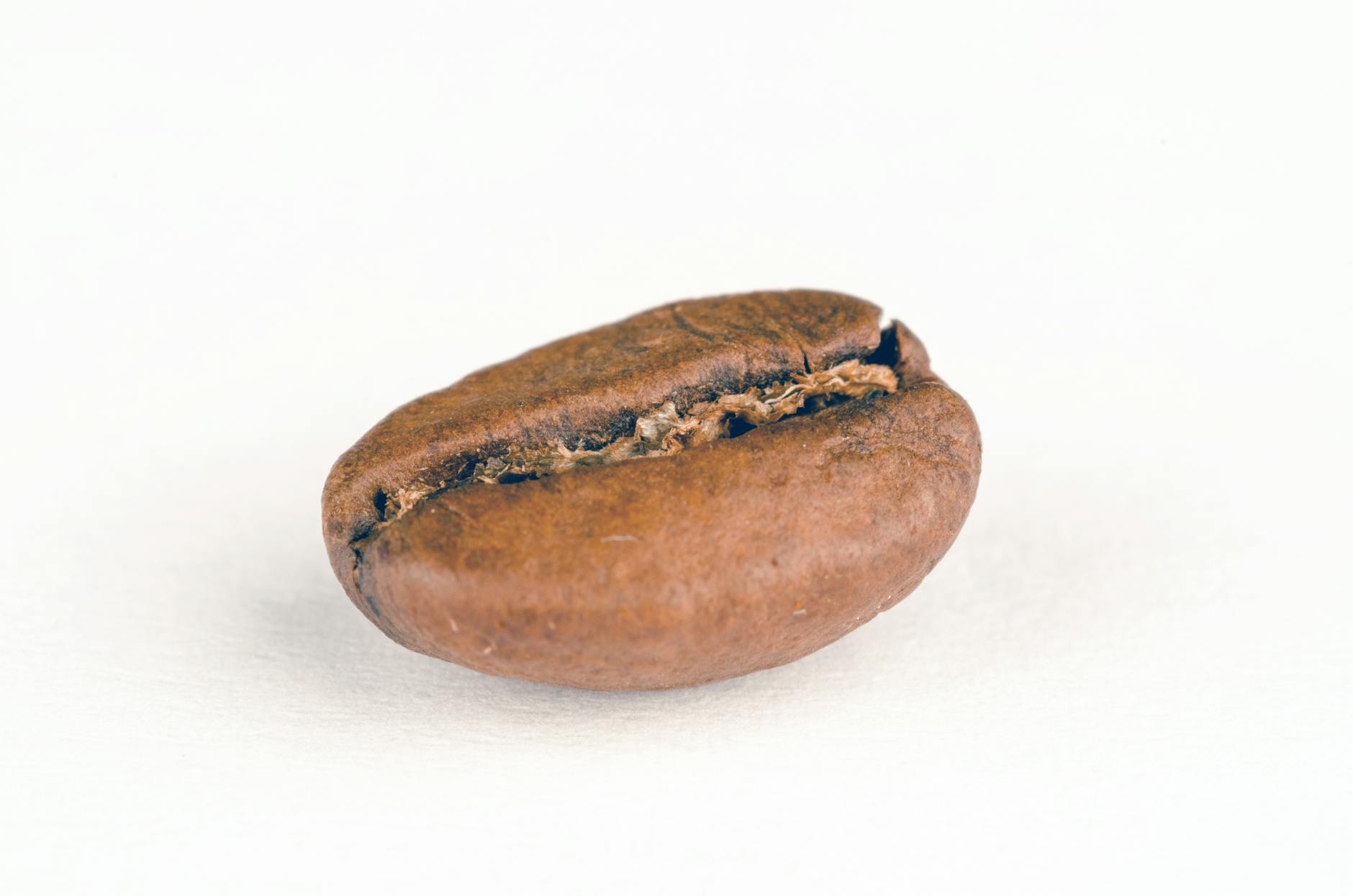
Caffeine is a stimulant that cats cannot process safely, and it is found in coffee, tea, energy drinks, certain sodas, and some medications. Toxic doses can cause restlessness, rapid breathing, heart palpitations, muscle tremors, and fits. Cats are more sensitive to caffeine than dogs, meaning smaller quantities carry greater risk for feline companions. Coffee grounds and tea bags left within reach are particularly hazardous due to their concentrated caffeine content.
Xylitol

Xylitol is an artificial sweetener found in sugar-free gum, candies, baked goods, and some peanut butters that triggers a dangerous drop in blood sugar in cats. The liver can also be severely affected, with toxicity sometimes leading to liver failure within days of ingestion. Initial signs include vomiting, loss of coordination, and lethargy that can rapidly escalate. Pet owners should carefully read labels on any sugar-free product kept in the home.
Raw Dough

Raw yeast dough can expand inside a cat’s stomach after ingestion, causing painful bloating and potentially life-threatening gastric distension. As the yeast ferments, it also produces alcohol as a byproduct, leading to the same risks associated with direct alcohol consumption. The expanding dough can put dangerous pressure on surrounding organs and restrict normal breathing. Cats should be kept well away from any kitchen counter where bread or pizza dough is rising.
Macadamia Nuts
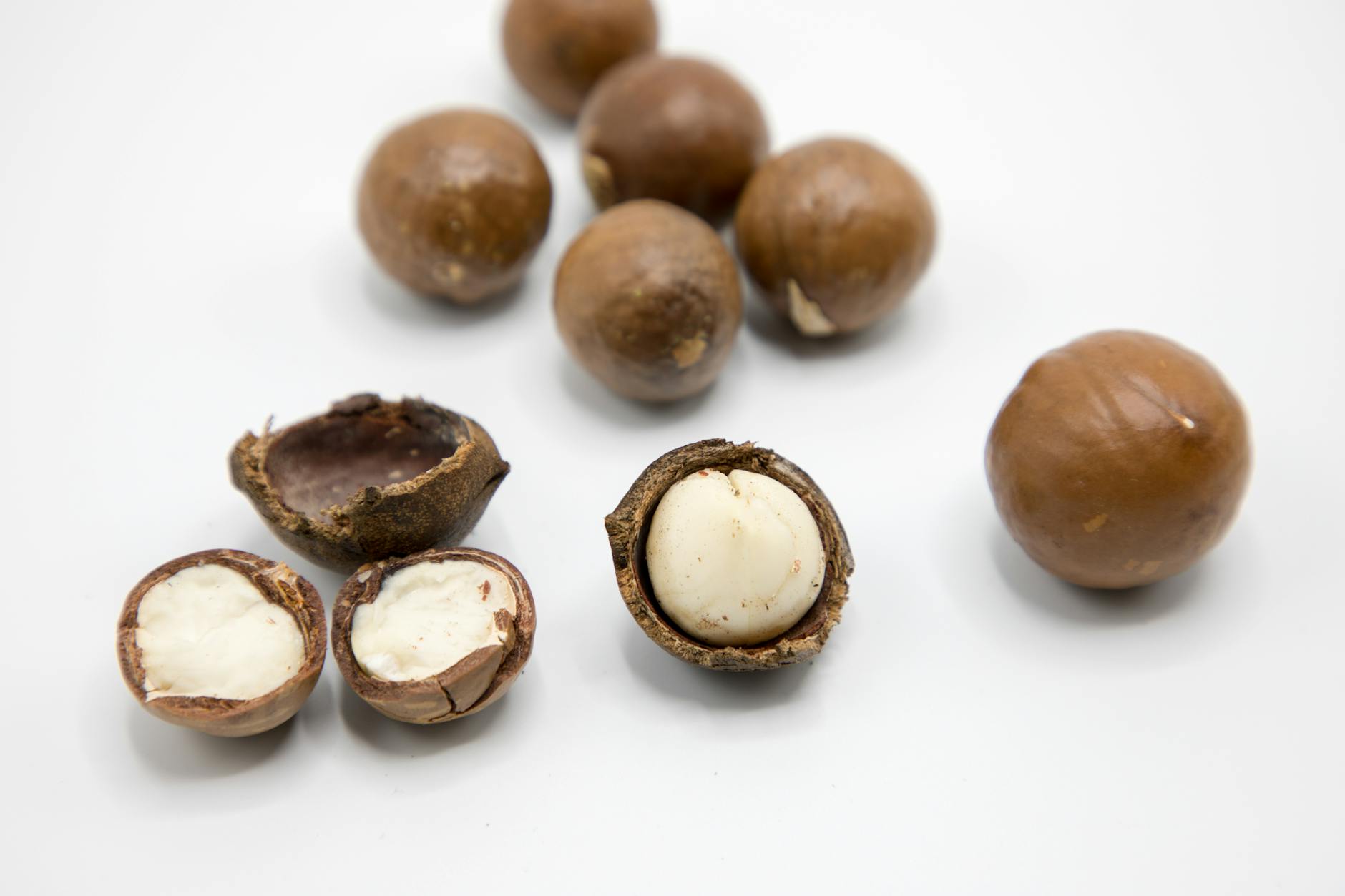
Macadamia nuts are known to cause toxic reactions in cats, producing symptoms such as weakness, hyperthermia, vomiting, and tremors. The mechanism of toxicity is not fully understood, but reactions can occur within twelve hours of consumption. Even small amounts appear capable of triggering noticeable clinical signs that require veterinary evaluation. These nuts are frequently found in cookies and snack mixes, increasing the risk of accidental ingestion.
Avocado
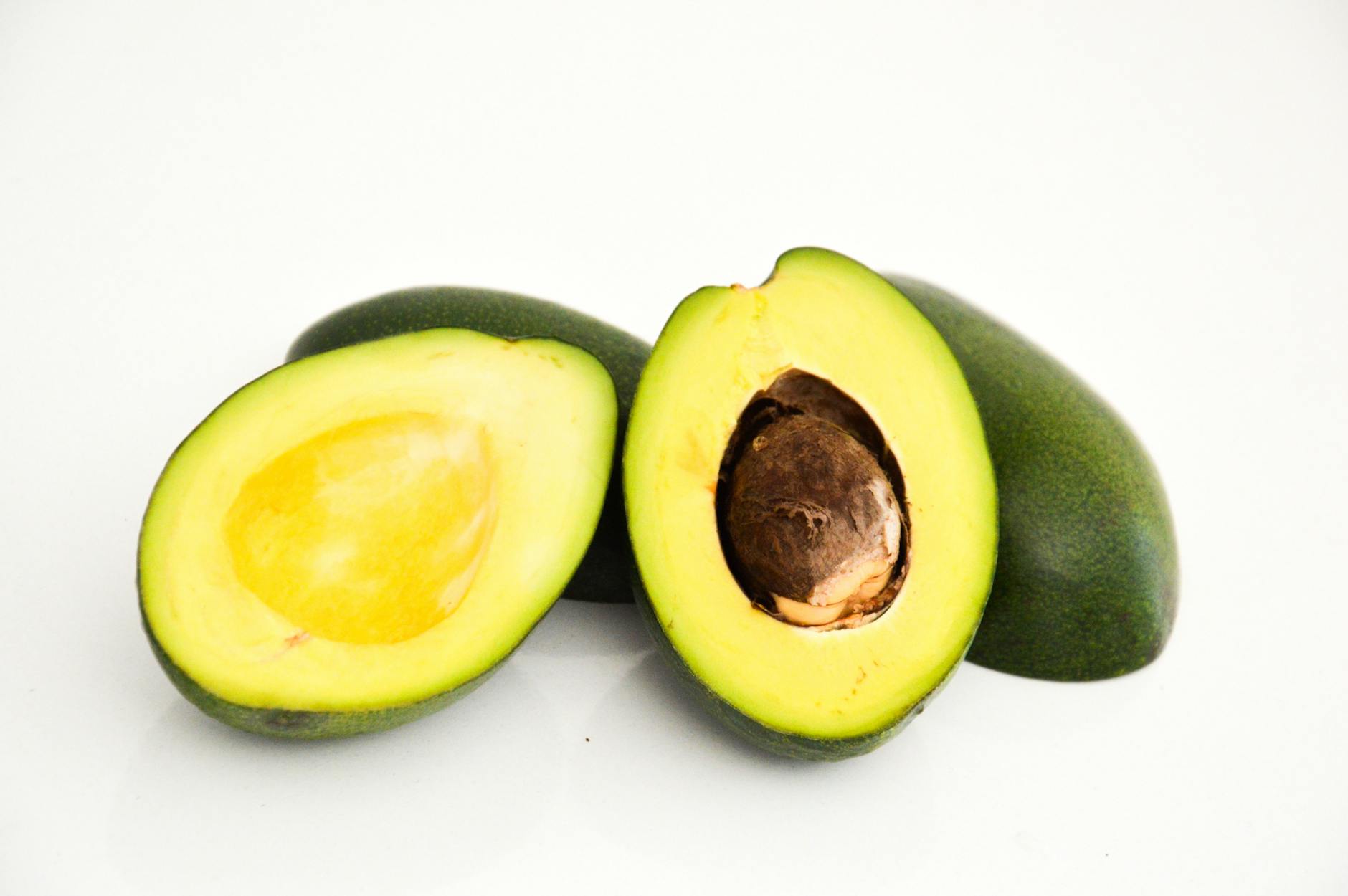
Avocado contains a fungicidal toxin called persin that is present in the fruit, leaves, skin, and pit of the plant. While cats tend to be somewhat less sensitive to persin than some other animals, consumption can still cause vomiting and diarrhea. The large pit also poses a significant choking and intestinal obstruction hazard if swallowed. Guacamole is doubly dangerous as it combines avocado with other toxic ingredients like onion and garlic.
Raw Fish
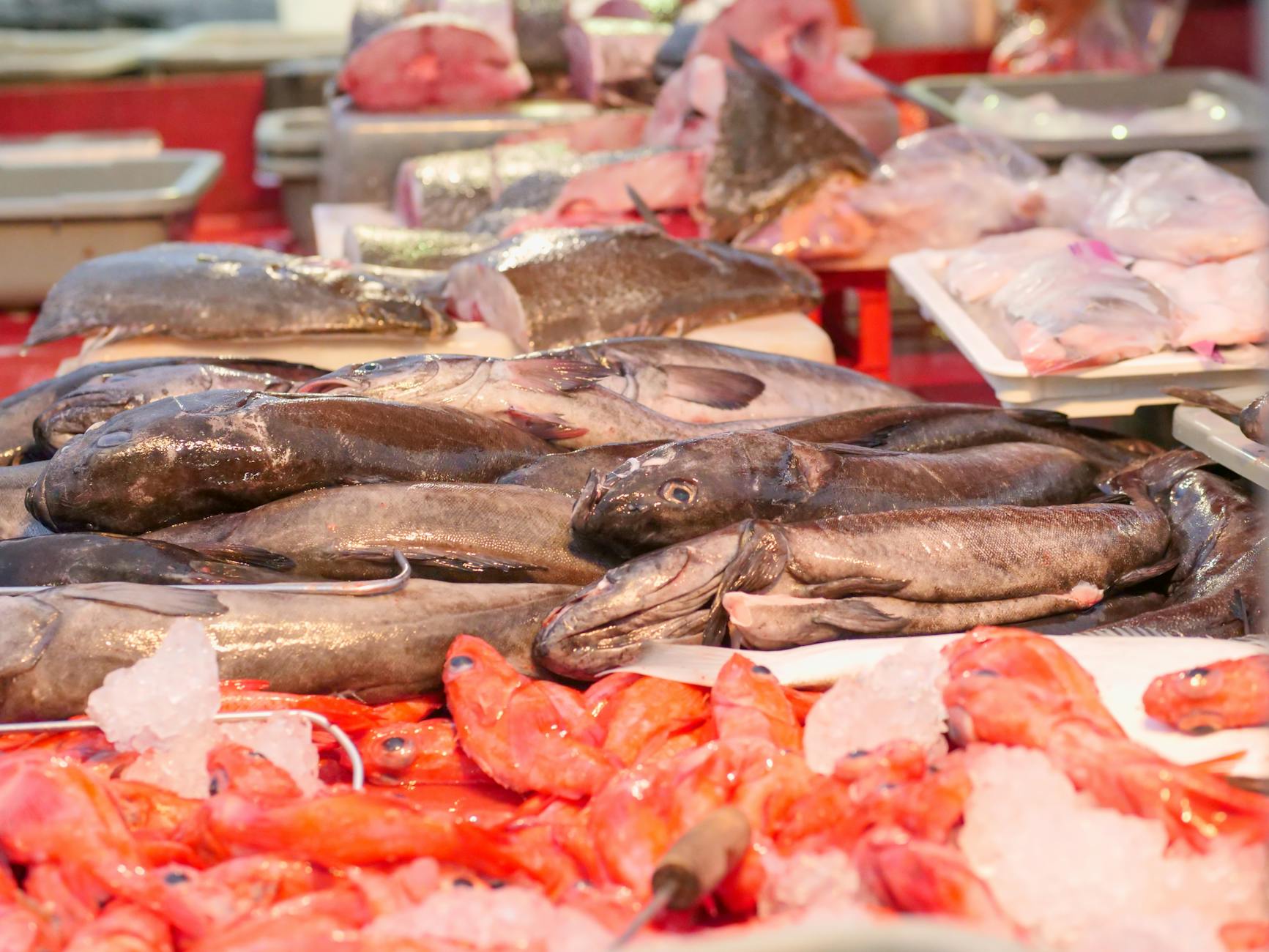
Raw fish contains an enzyme called thiaminase that breaks down thiamine, an essential B vitamin required for proper neurological function in cats. Regular consumption of raw fish can lead to thiamine deficiency, causing neurological symptoms including seizures, loss of balance, and dilated pupils. Raw fish may also carry harmful bacteria and parasites that cooked fish would not. Despite the popular cultural image of cats eating fish, raw varieties pose a genuine health threat.
Raw Eggs
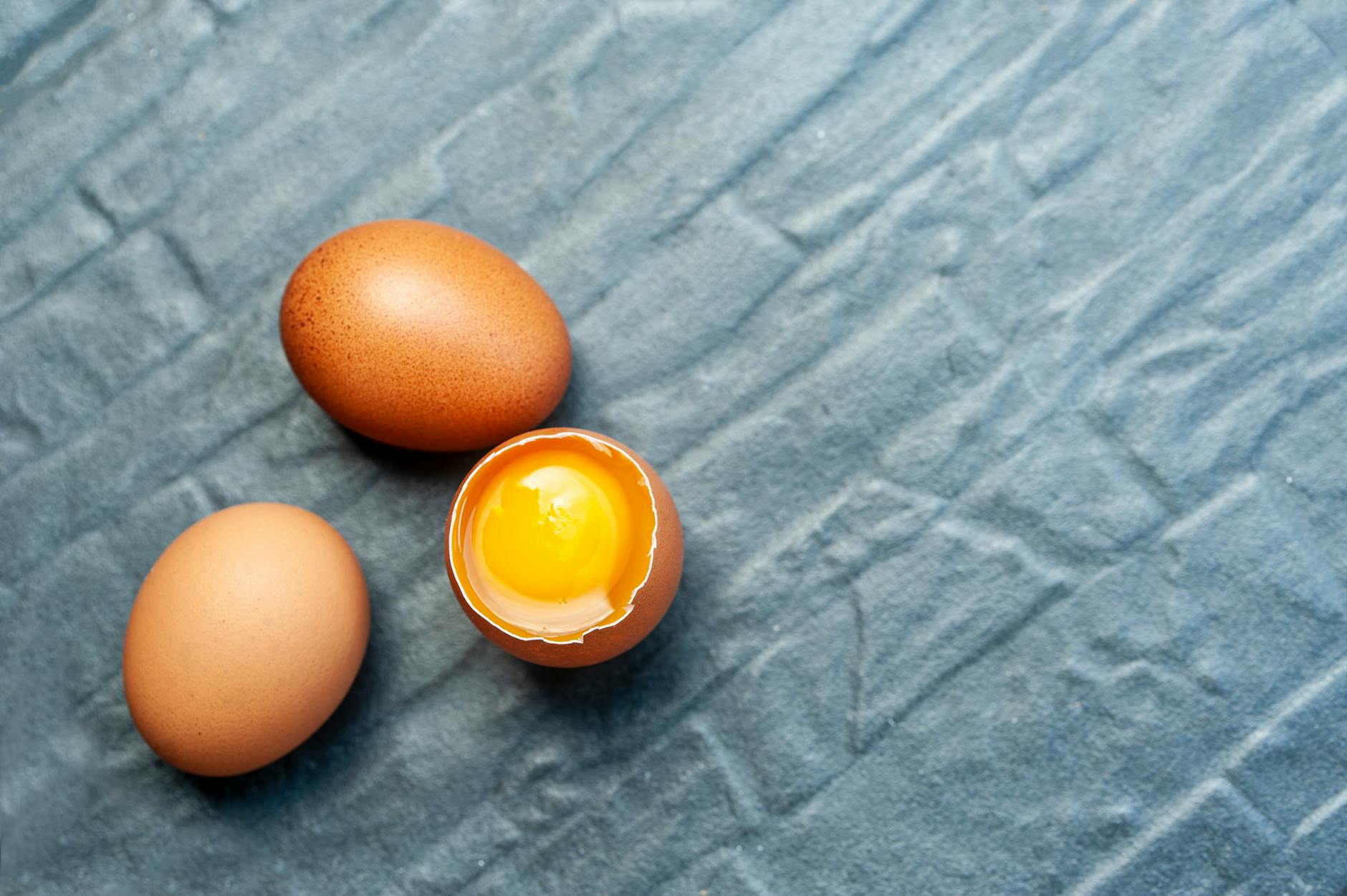
Raw eggs carry the risk of bacterial contamination from Salmonella and E. coli, both of which can cause severe gastrointestinal illness in cats. Raw egg whites also contain avidin, a protein that interferes with the absorption of biotin, an important B vitamin. Biotin deficiency resulting from regular raw egg consumption can cause skin and coat problems over time. Cooked eggs without seasoning are a safer alternative if eggs are to be offered as an occasional treat.
Milk and Dairy
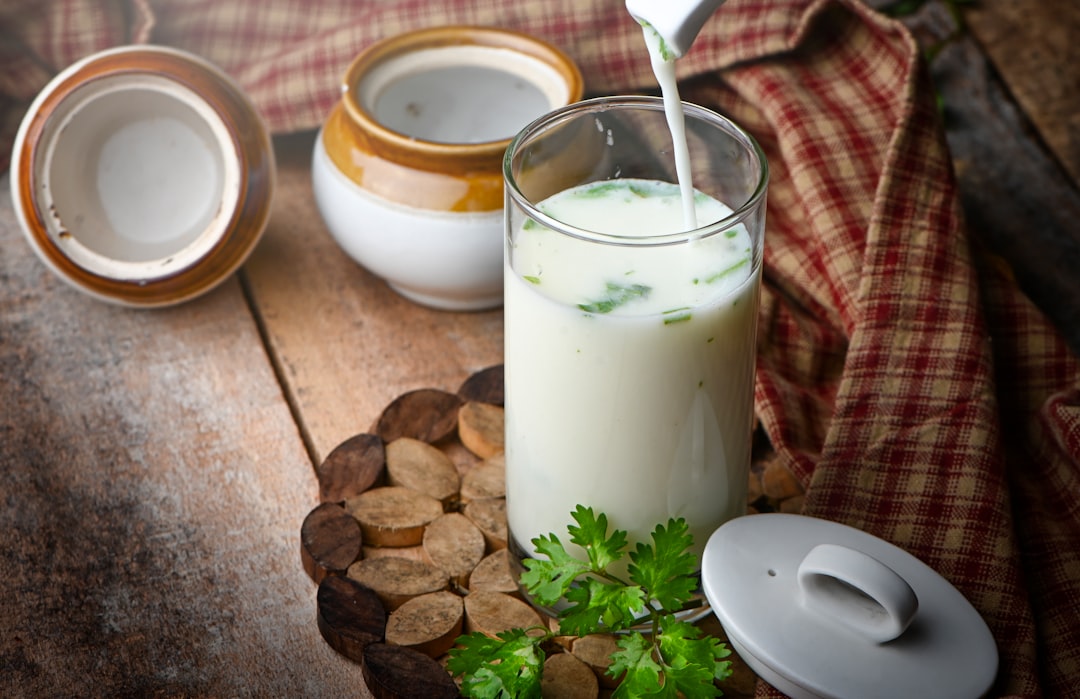
Most adult cats are lactose intolerant, meaning they lack sufficient amounts of the enzyme lactase needed to properly digest dairy products. Consuming milk, cheese, or cream can lead to stomach upset, bloating, gas, and diarrhea shortly after ingestion. The popular image of cats lapping up bowls of milk does not reflect the reality of how feline digestion works. Specially formulated cat milk products with reduced lactose are available for owners who wish to offer a dairy-style treat.
Tuna in Excess
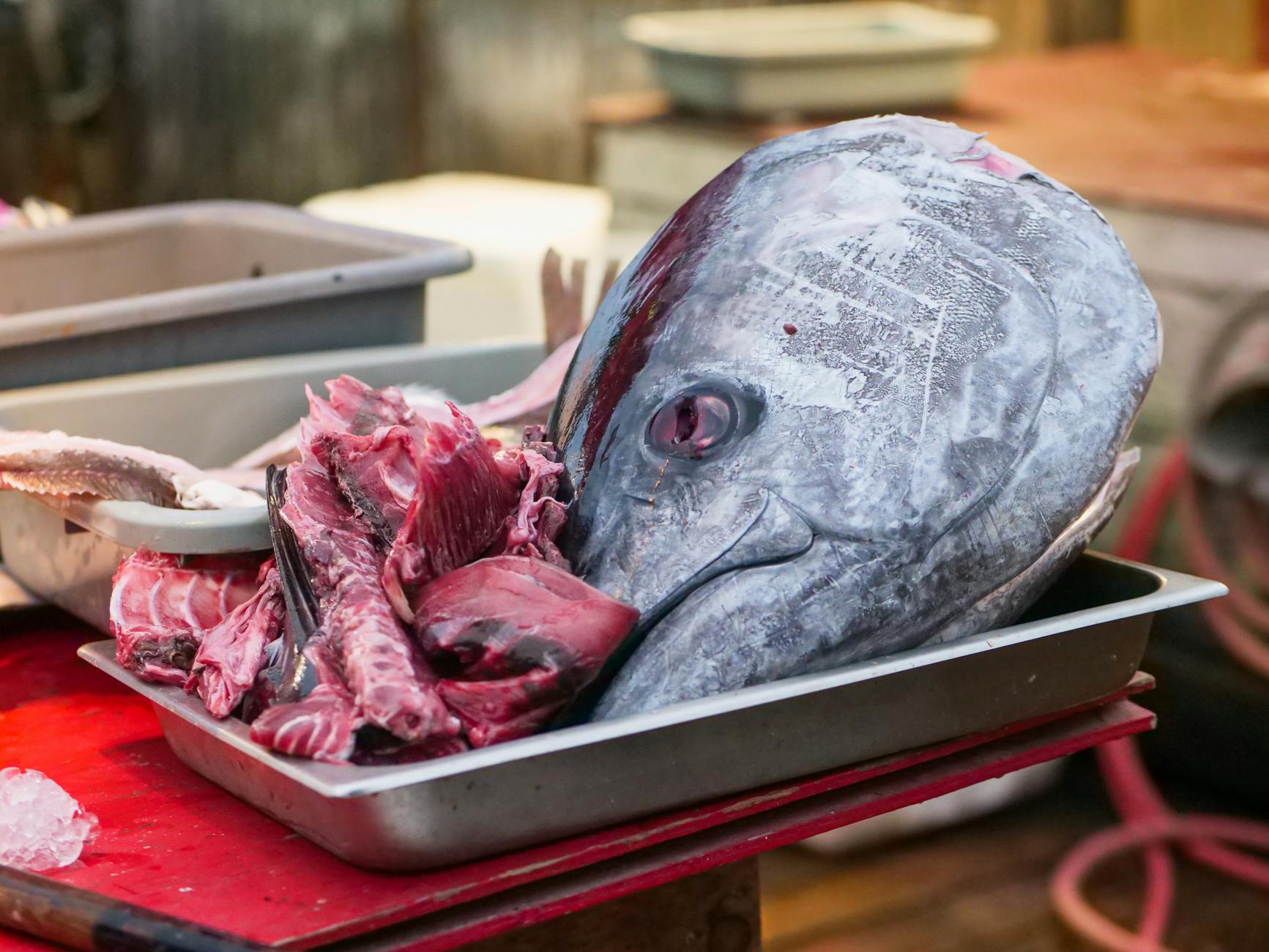
While small amounts of plain tuna are not immediately toxic, regular or excessive consumption poses several health risks for cats. Tuna intended for human consumption is often high in sodium and may contain additives that are not appropriate for feline diets. Feeding tuna too frequently can lead to mercury accumulation in the body over time, potentially causing neurological damage. An exclusive or heavy tuna diet can also lead to a painful inflammatory condition called steatitis.
Dog Food

Dog food is formulated to meet the nutritional requirements of dogs, which differ significantly from those of cats. Cats require higher levels of protein, taurine, arachidonic acid, and vitamin A than dog food provides. Occasional accidental ingestion is unlikely to cause immediate harm, but using dog food as a regular substitute for cat food leads to serious nutritional deficiencies. Taurine deficiency in particular can cause heart disease and vision problems in cats over time.
Liver in Excess

Liver is not toxic to cats in small quantities and can actually be a good source of nutrients when offered occasionally. However, feeding liver in large or frequent amounts leads to vitamin A toxicity, a condition known as hypervitaminosis A. This condition causes painful bone deformities, including abnormal bone growths on the spine and joints that severely impair movement. Symptoms can develop gradually over months of excessive liver consumption before becoming apparent.
Coconut and Coconut Oil
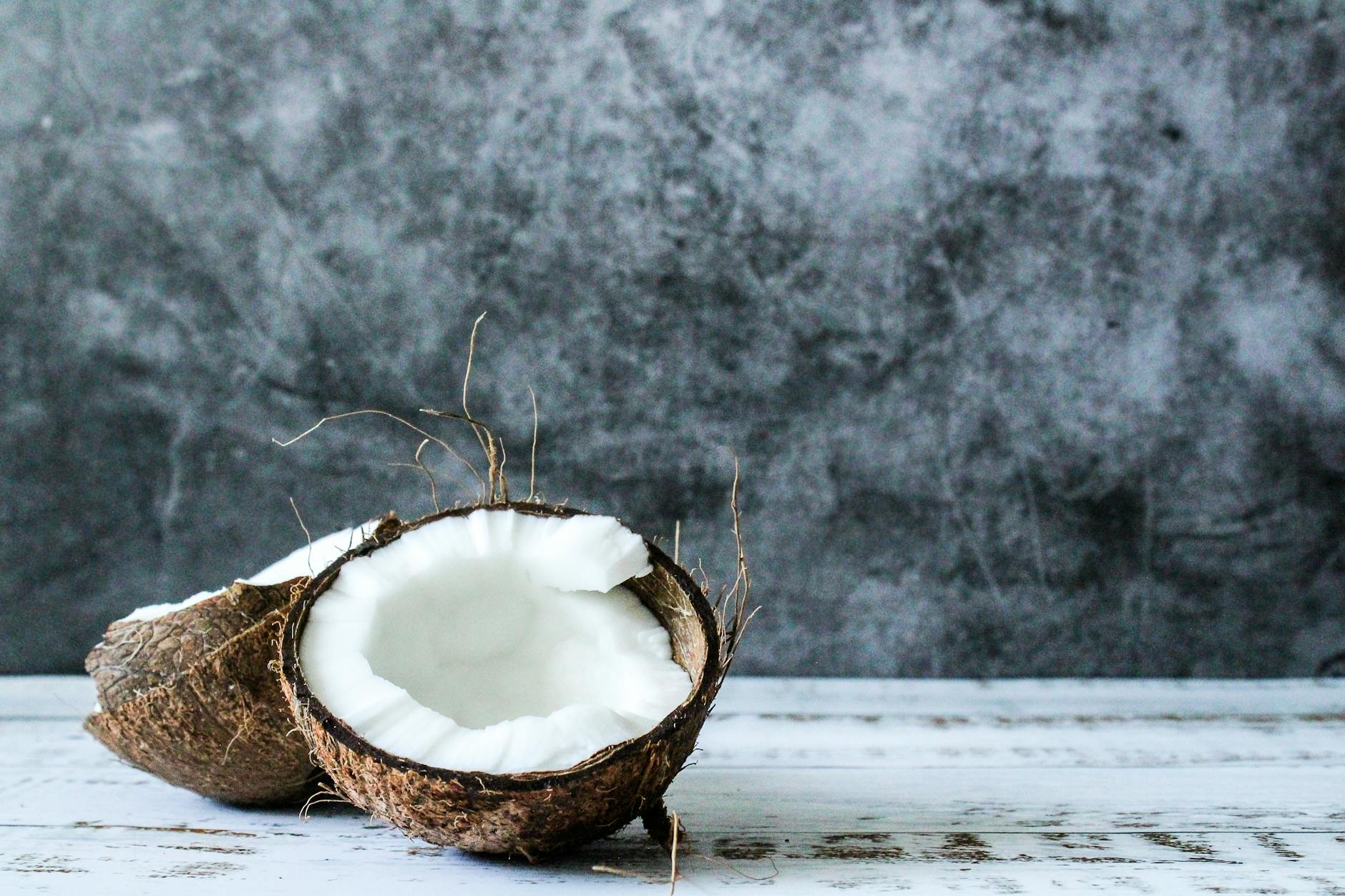
Coconut flesh and coconut oil contain medium-chain triglycerides that can cause digestive upset and diarrhea in cats when consumed in more than trace amounts. Coconut milk and coconut water contain high levels of potassium that can upset a cat’s electrolyte balance. While coconut is not acutely toxic in the way onions or chocolate are, it offers no nutritional benefit and carries real digestive risk. Products marketed for human use that contain coconut as a primary ingredient should be kept out of reach.
Nutmeg
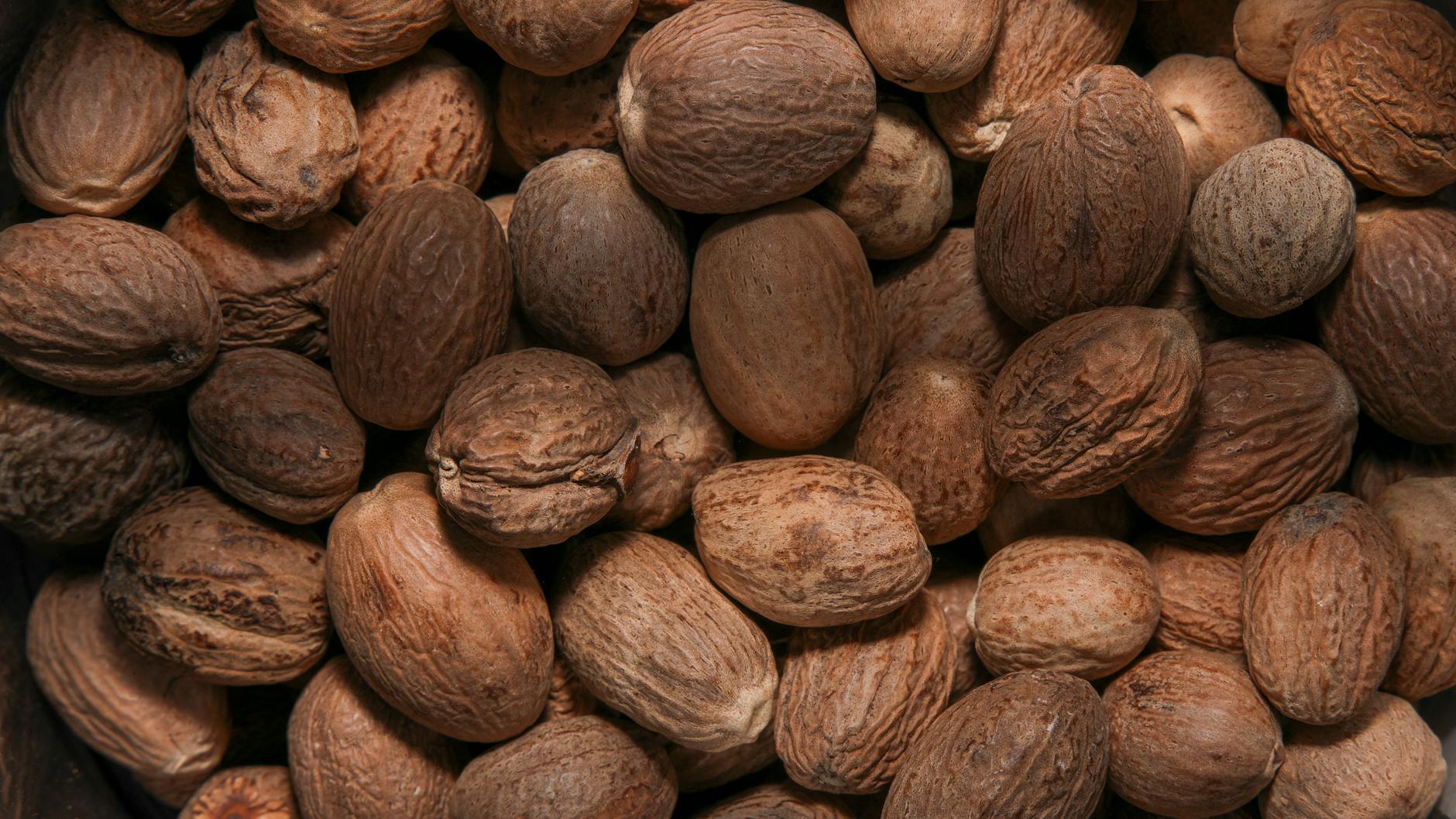
Nutmeg contains a compound called myristicin that is toxic to cats and can cause serious neurological symptoms when ingested in even small amounts. Affected cats may show disorientation, increased heart rate, high blood pressure, abdominal pain, and seizures. The spice is commonly used in holiday baking and savory dishes, making kitchen safety especially important during festive cooking seasons. Even a small lick of nutmeg-seasoned food warrants a call to a veterinary professional.
Chives

Chives belong to the same allium family as onions and garlic and carry similar toxic properties that damage feline red blood cells. They are commonly used as a garnish or ingredient in soups, salads, and savory pastries, increasing the chance of accidental exposure. Symptoms of chive toxicity include drooling, nausea, vomiting, and signs of anemia developing over one to several days. Dried and powdered forms of chives are more concentrated and therefore more dangerous per unit of weight.
Leeks
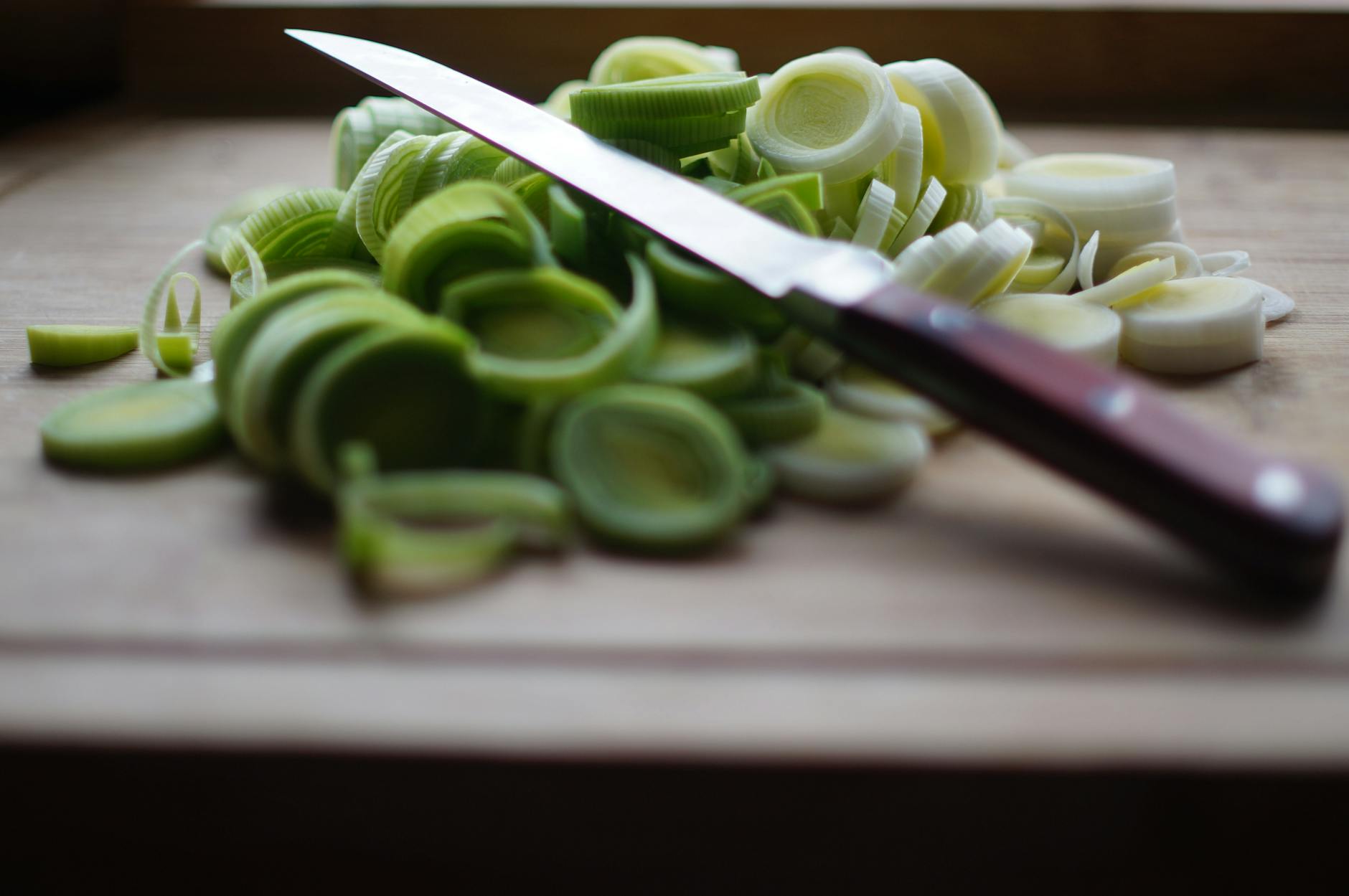
Leeks are another member of the allium family that pose the same red blood cell damage risk as onions, garlic, and chives. Their milder flavor and common use in soups and casseroles means they are frequently present in household cooking. Cats that consume leeks may not show immediate symptoms, with signs of toxicity sometimes taking several days to appear. The delay in visible symptoms can cause owners to underestimate the seriousness of the exposure until anemia is already developing.
Salt
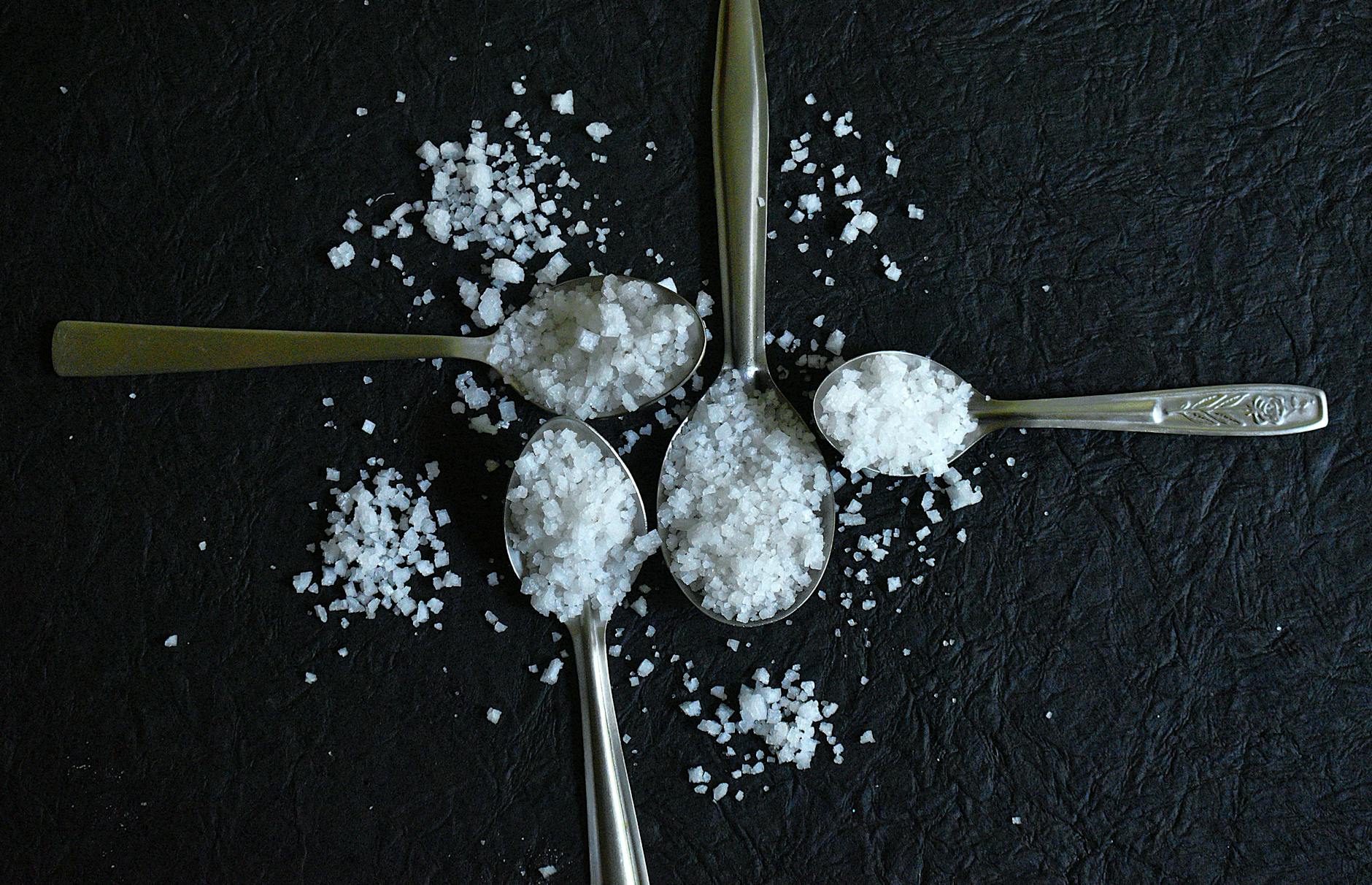
High quantities of salt can disrupt the electrolyte balance in a cat’s body, leading to a condition known as sodium ion poisoning. Symptoms include excessive thirst, frequent urination, vomiting, diarrhea, tremors, and in severe cases, seizures or death. Cats are much smaller than humans, meaning the amount of salt found in a single salty snack can exceed a safe threshold for feline consumption. Salty snacks like chips, pretzels, and seasoned crackers should never be shared with cats regardless of how much they beg.
Spicy Foods
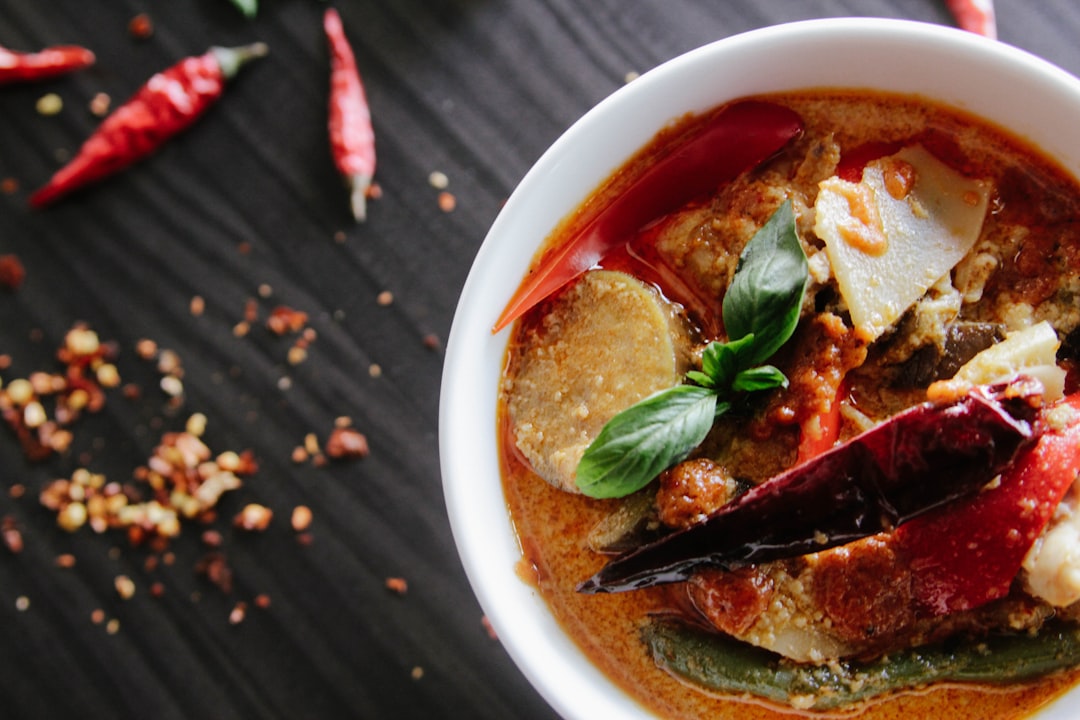
Spicy foods can cause significant gastrointestinal distress in cats, including vomiting, diarrhea, and stomach cramping. Capsaicin, the compound responsible for heat in chili peppers, irritates feline mucous membranes and digestive tissue. Cats generally find spicy smells aversive, but curious individuals may still investigate and accidentally ingest spiced food. Beyond immediate discomfort, repeated exposure to spicy ingredients can contribute to chronic digestive issues over time.
Cherries
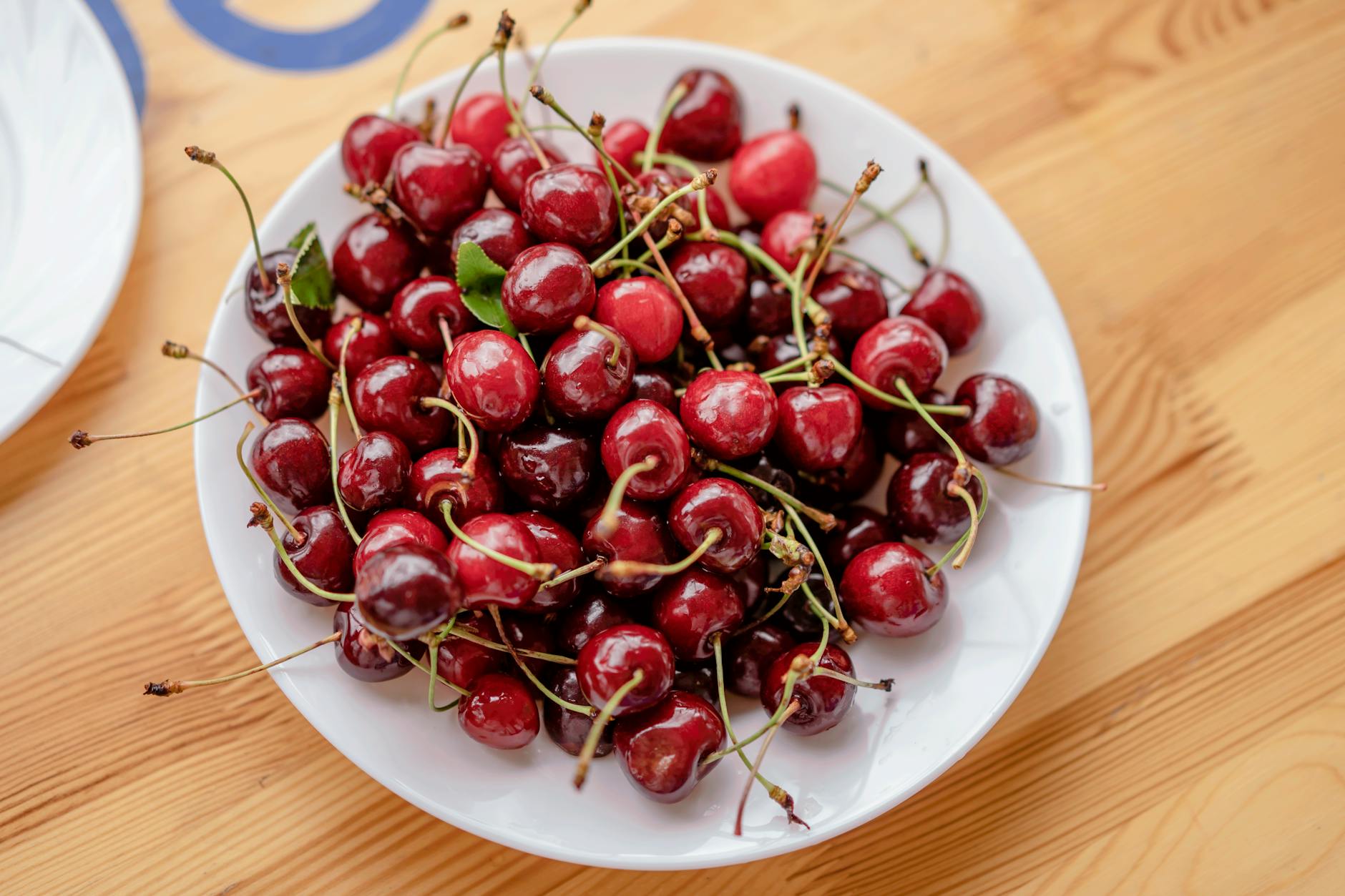
Cherry pits, stems, and leaves contain cyanogenic glycosides that release cyanide when metabolized inside a cat’s body. Even a small number of pits could deliver a dangerous dose of cyanide to a cat of average size. The fleshy fruit portion carries less risk but still contains compounds that can cause digestive upset. Any product containing cherry flavoring derived from natural sources should be treated with caution around feline companions.
Tomato Leaves and Stems
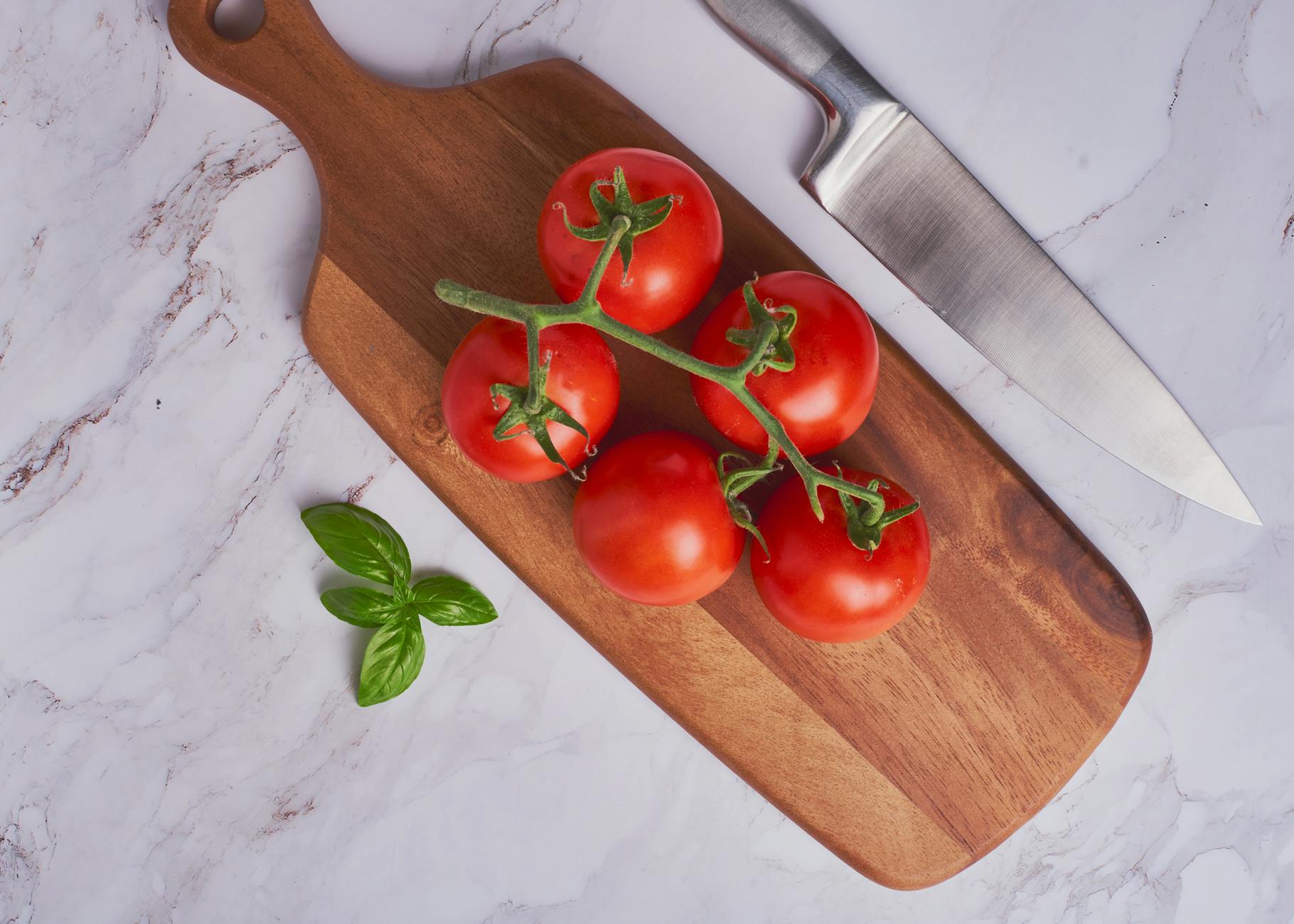
While ripe tomato flesh is generally considered low risk in very small amounts, the leaves, stems, and unripe green tomatoes contain solanine, a toxic glycoalkaloid. Solanine ingestion can cause severe digestive distress, lethargy, weakness, and confusion in cats. Tomato plants grown indoors or in accessible garden spaces pose a particular risk to cats that like to chew on plants. Cats should be kept away from tomato plants entirely rather than relying on distinguishing between the safe and unsafe parts.
Potato (Raw or Green)
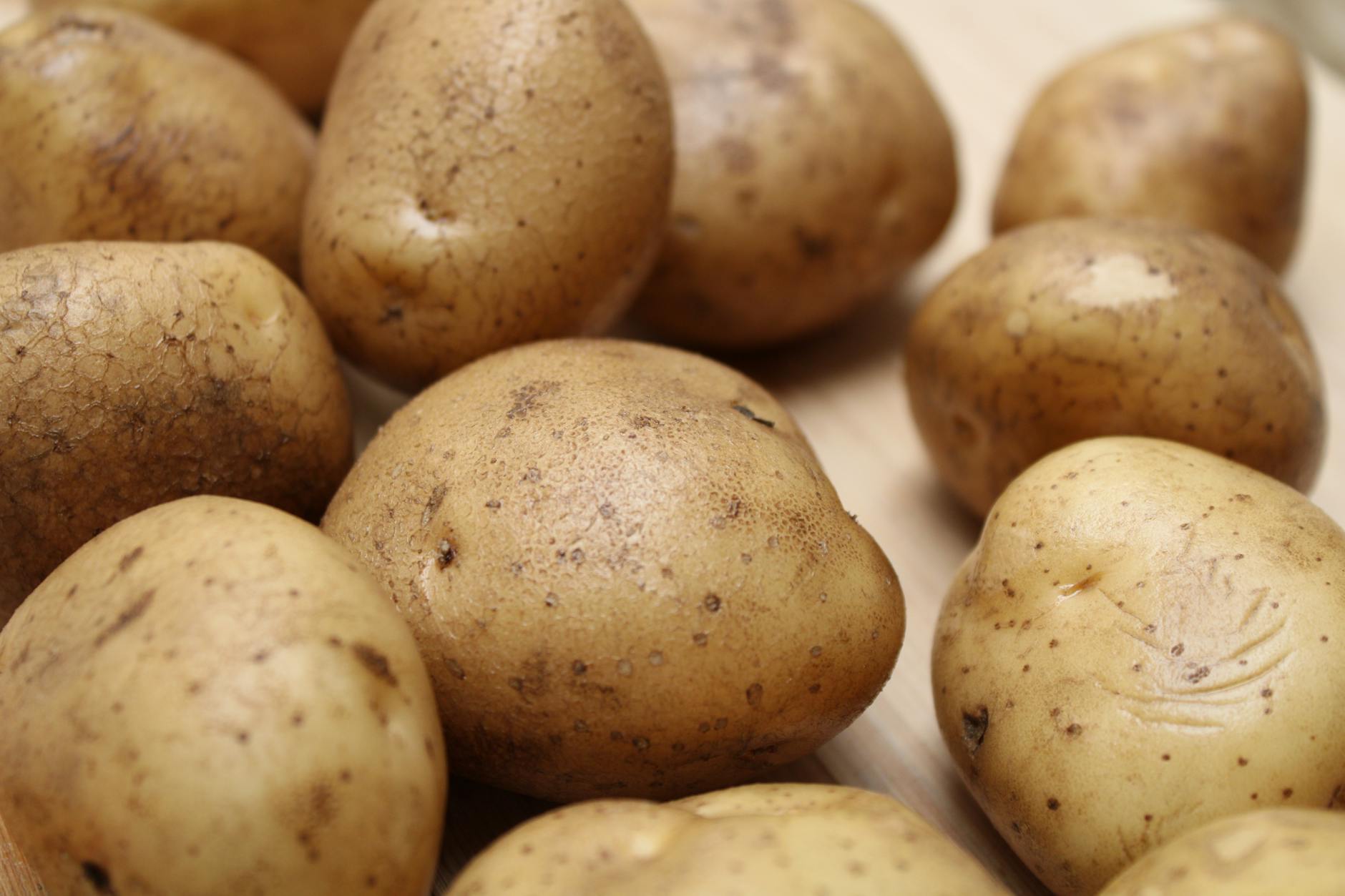
Raw and green potatoes contain solanine in significant concentrations, posing a similar toxicity risk as tomato leaves and stems. Cooking potatoes largely neutralizes solanine, but raw potato flesh, peels, and any green-tinged portions should be kept away from cats. Symptoms of solanine poisoning include gastrointestinal upset, lethargy, and neurological disturbances in more serious cases. Even cooked plain potato offers little nutritional value to cats and is best avoided as a food choice entirely.
Mackerel in Brine
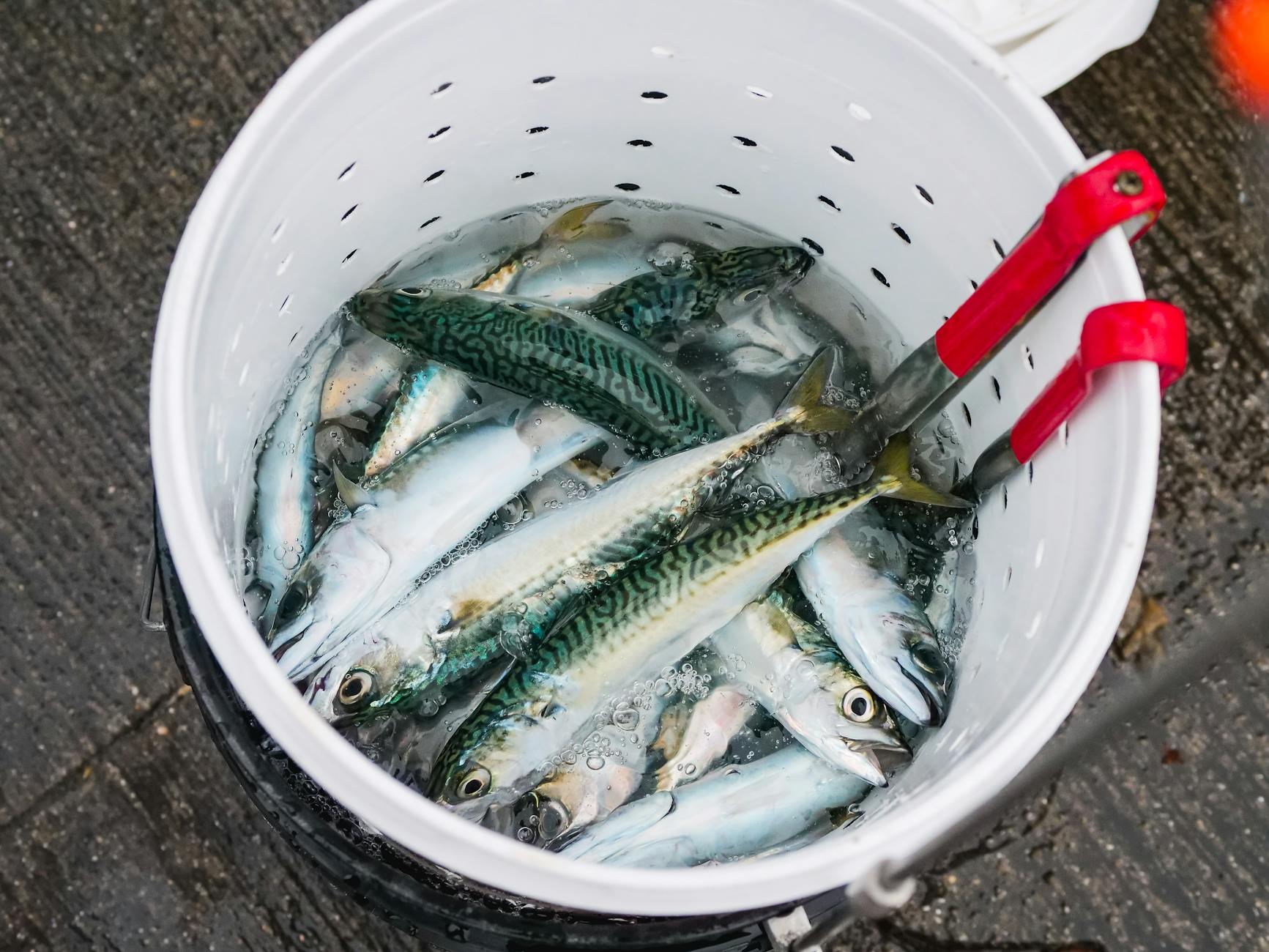
Mackerel packed in brine contains extremely high levels of salt that can quickly overwhelm a cat’s kidneys and upset electrolyte balance. Regular consumption of brined fish products can contribute to kidney strain and high blood pressure in cats over time. The sodium content of a single can of brine-packed mackerel can far exceed the daily safe limit for an average-sized cat. Plain cooked mackerel without added salt is a safer option when fish is being considered as an occasional protein supplement.
Persimmon Seeds
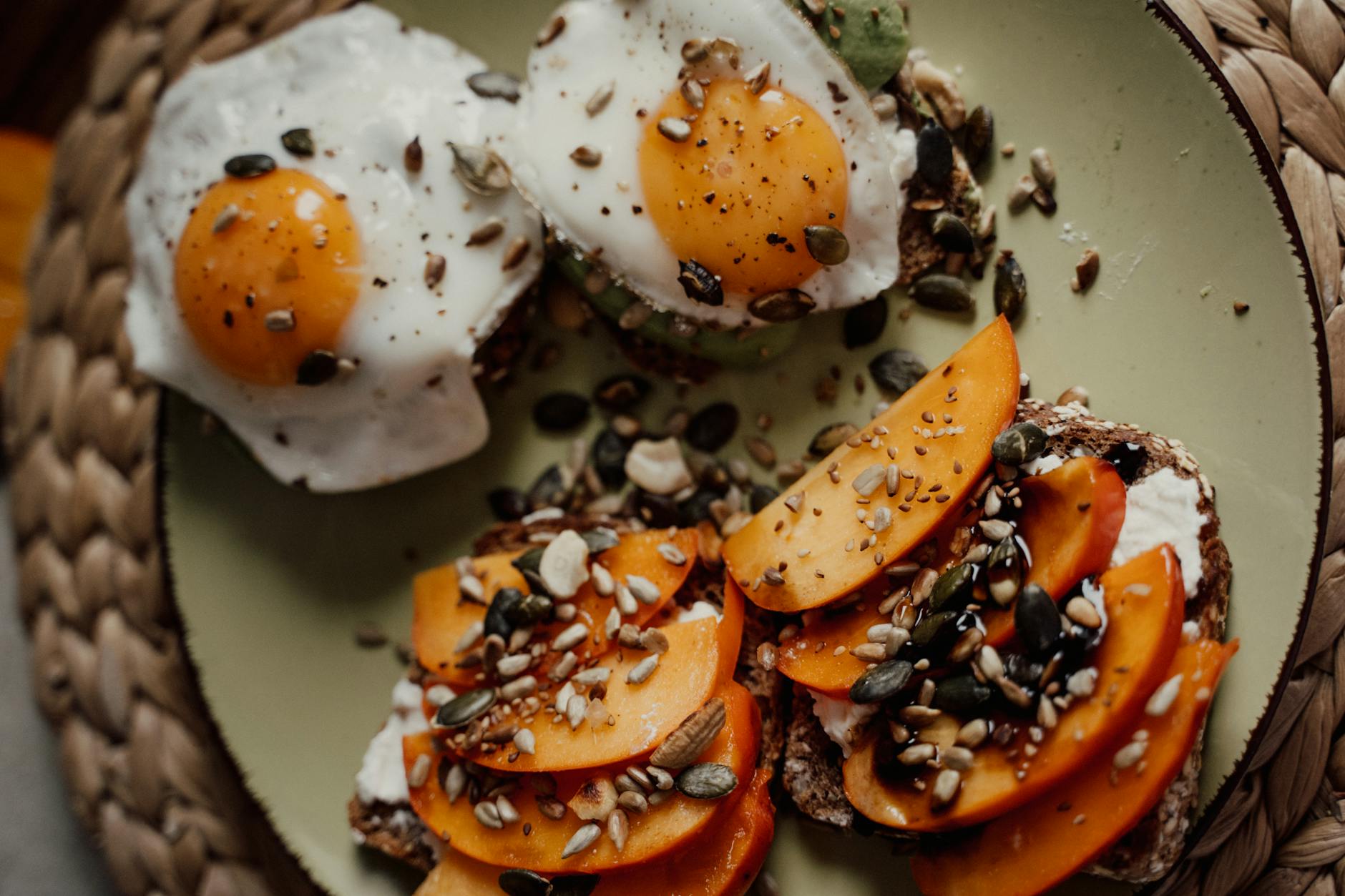
Persimmon seeds can cause intestinal inflammation and blockages in cats if ingested, creating a potentially life-threatening obstruction that may require surgical intervention. The fruit flesh itself is not considered highly toxic but can cause digestive upset due to its high sugar content. Cats are obligate carnivores and lack the digestive enzymes needed to process high-sugar fruits effectively. The combination of obstruction risk and digestive disruption makes persimmons a fruit best kept entirely out of feline reach.
Peach and Apricot Pits
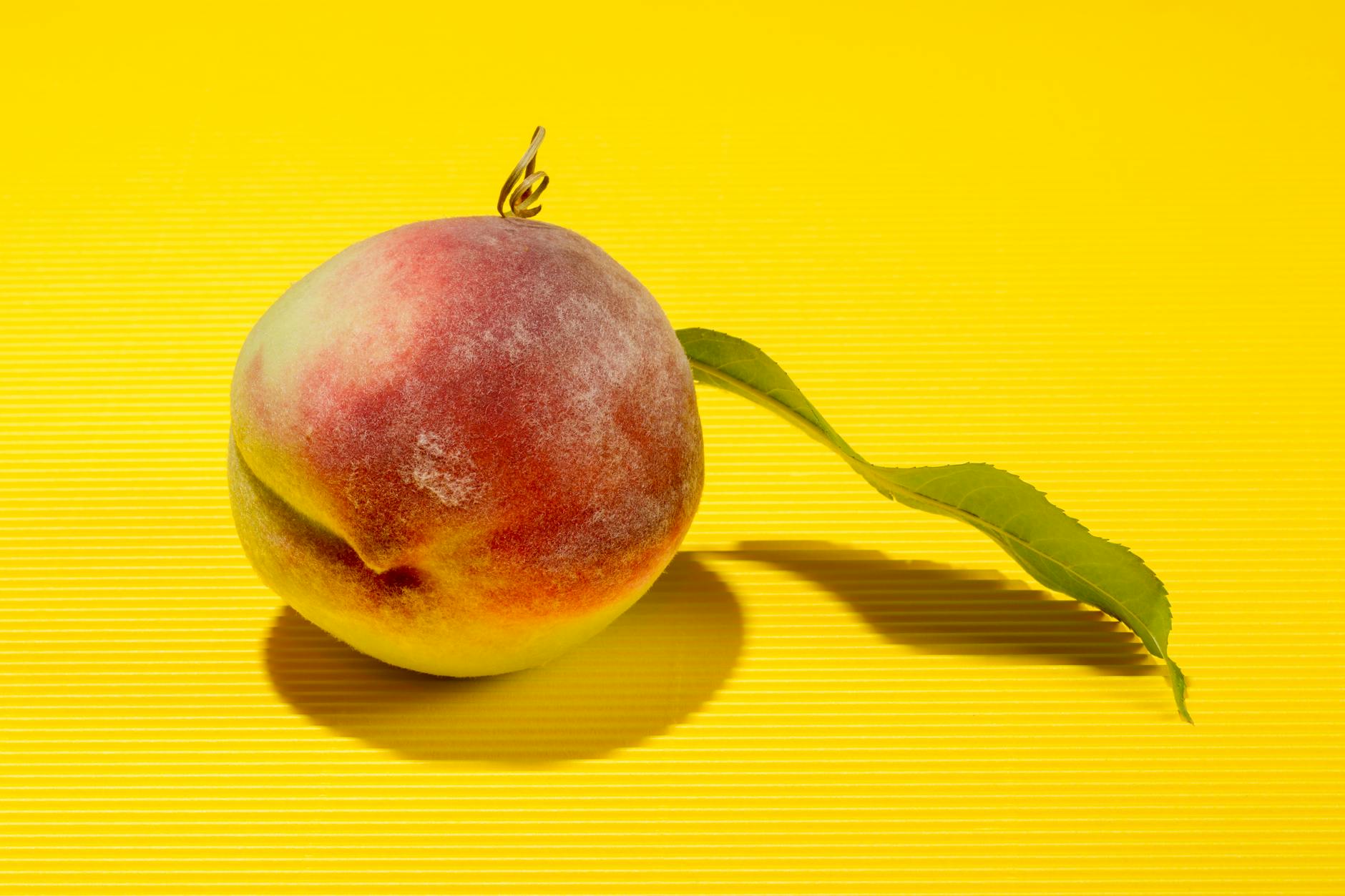
The pits of peaches, apricots, and other stone fruits contain amygdalin, a compound that the body converts into cyanide upon digestion. Even partial chewing of a pit can release enough cyanide to cause symptoms including difficulty breathing, dilated pupils, and shock. The flesh of these fruits carries lower risk but still contains sugars and compounds that do not suit feline digestion well. Stone fruit trees in accessible outdoor spaces should be considered a hazard if fallen fruit with pits is left on the ground.
Energy Drinks
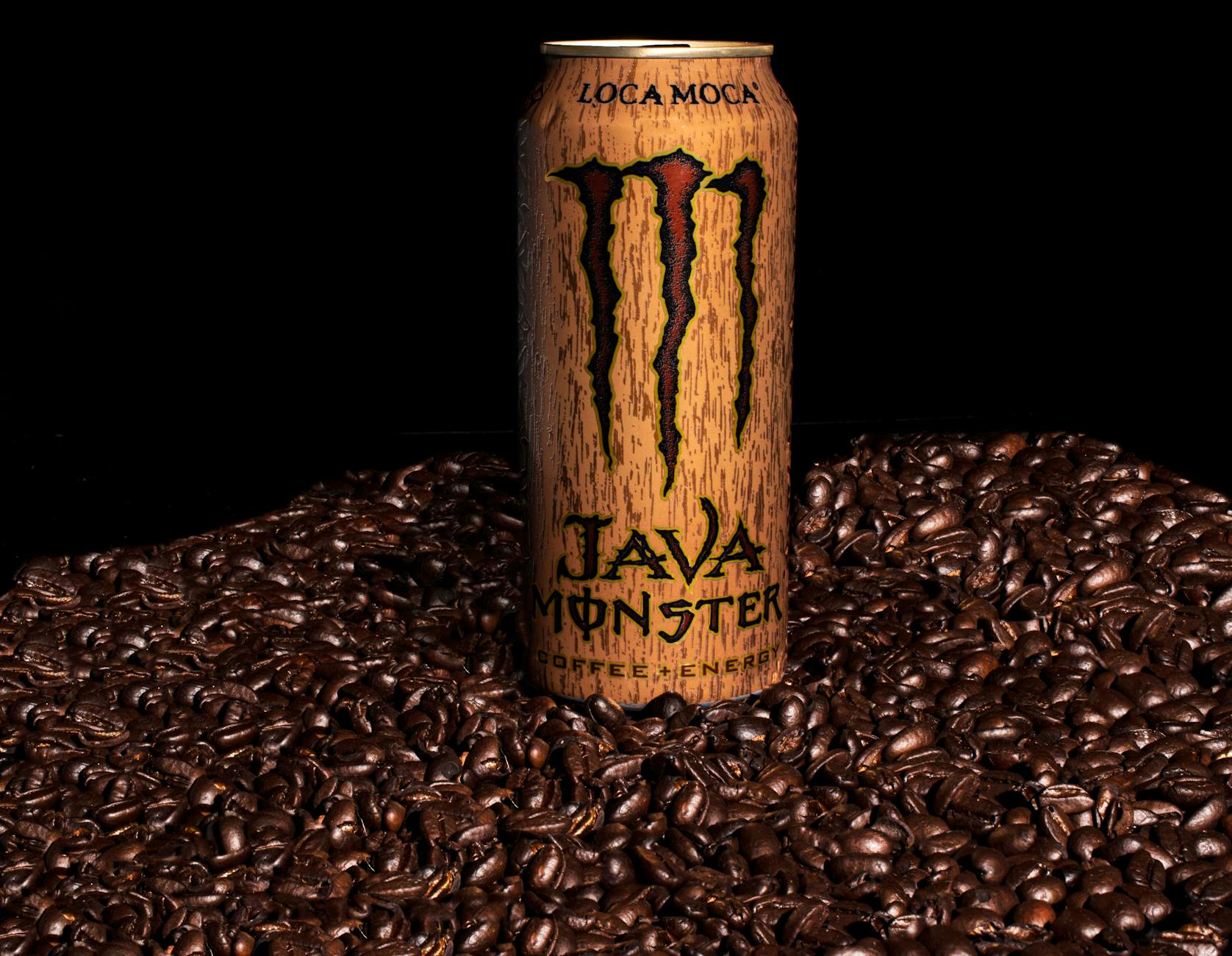
Energy drinks combine caffeine with other stimulant compounds including taurine supplements, B vitamins in concentrated forms, and artificial sweeteners like xylitol, creating a multi-layered toxic risk for cats. The caffeine content alone is sufficient to cause serious cardiac and neurological symptoms in a cat of any size. Additional compounds such as guarana extract amplify stimulant effects in ways that make toxicity even more unpredictable. An open can or spilled energy drink in a cat’s environment should be cleaned up immediately and the cat monitored closely for any signs of distress.
If you found this list helpful, share which foods surprised you the most in the comments.