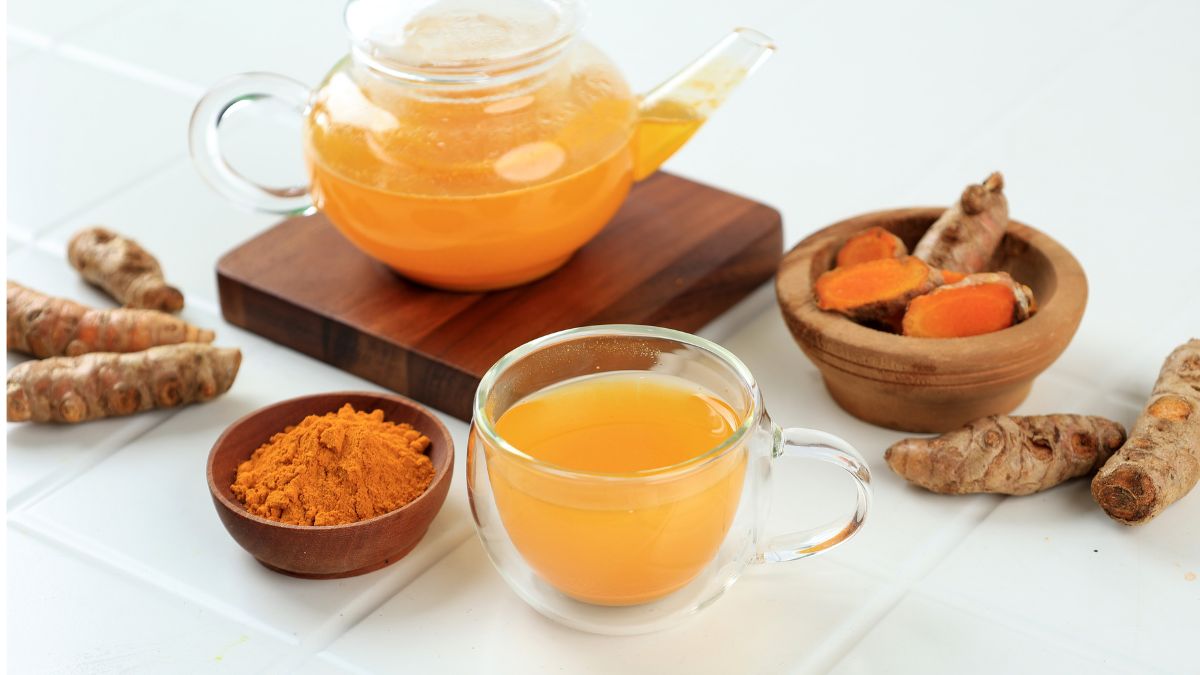
Chronic inflammation is linked to a wide range of health issues, from joint pain and fatigue to more serious long-term conditions. One of the most powerful ways to manage inflammation naturally is through everyday food choices. These thirty ingredients have been studied extensively for their ability to calm the body’s inflammatory response and support overall wellness. Adding even a handful of these foods to a regular diet can make a meaningful difference over time.
Turmeric
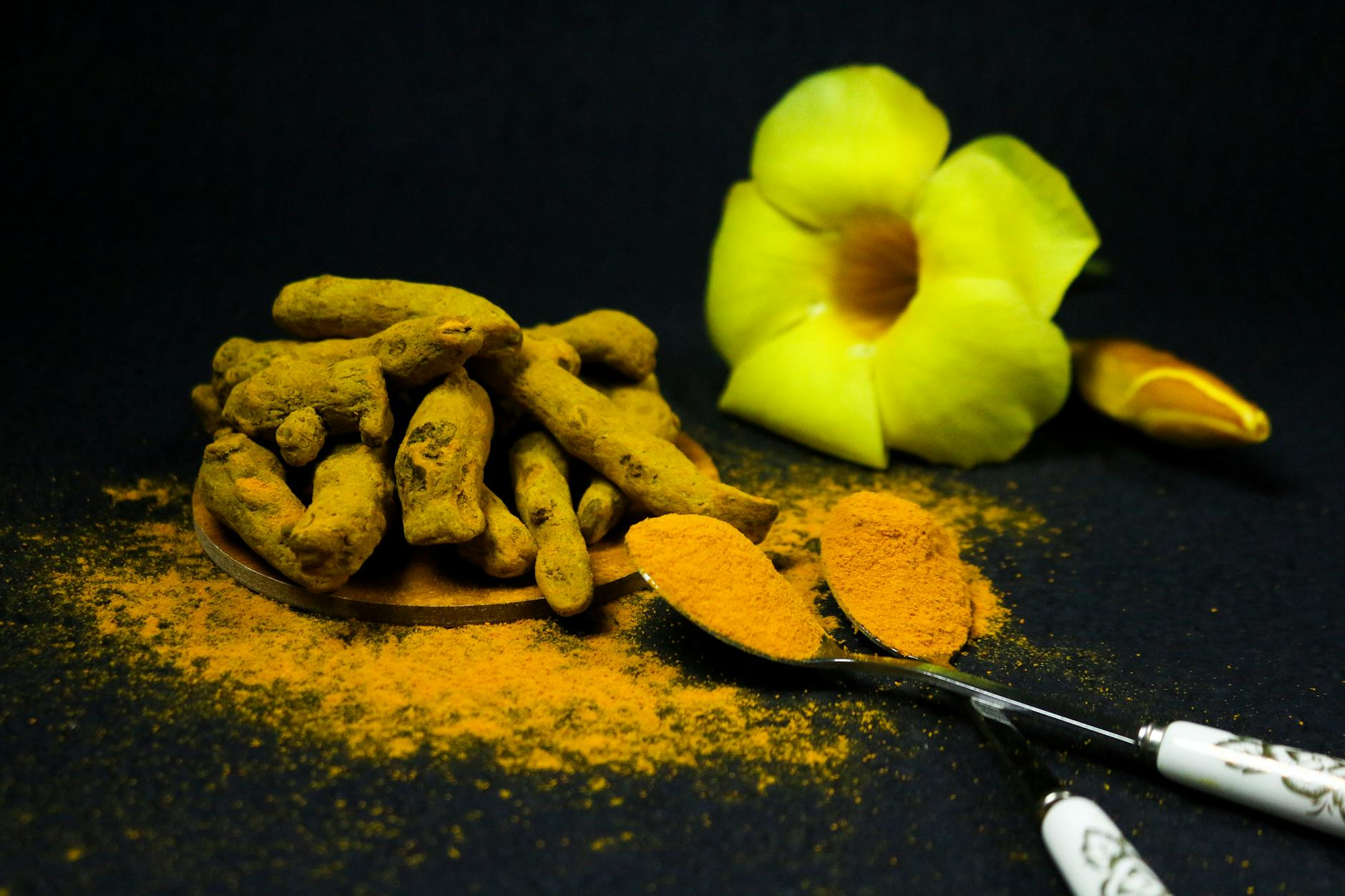
Turmeric contains a powerful compound called curcumin, which has been widely studied for its ability to reduce inflammation at the cellular level. It is commonly used in South Asian cuisines and has gained significant popularity in wellness circles around the world. The bright yellow spice works best when consumed with black pepper, which dramatically increases the body’s ability to absorb curcumin. Turmeric can be stirred into soups, smoothies, rice dishes, and golden milk for a daily anti-inflammatory boost.
Ginger
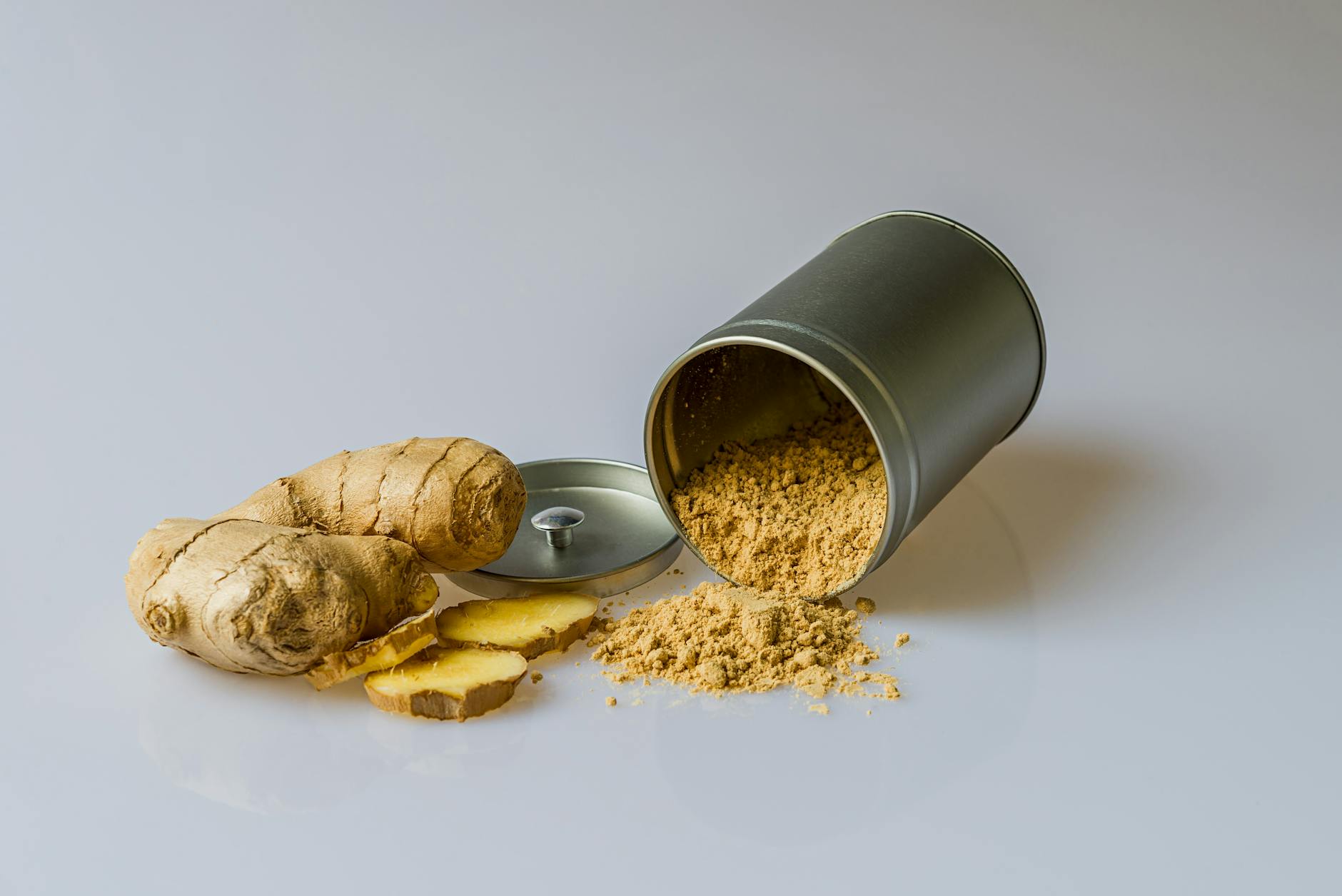
Ginger contains bioactive compounds called gingerols and shogaols that have been shown to inhibit inflammatory pathways in the body. It has been used in traditional medicine for thousands of years to treat pain, nausea, and digestive discomfort. Fresh ginger root can be grated into teas, stir-fries, dressings, and juices with ease. Research suggests that regular ginger consumption may help reduce muscle soreness and joint inflammation over time.
Blueberries

Blueberries are packed with anthocyanins, a type of flavonoid that gives them their deep blue color and powerful anti-inflammatory properties. They rank among the highest antioxidant-rich fruits available and are accessible year-round in fresh or frozen form. Regular consumption has been associated with reduced markers of inflammation in the blood. Blueberries pair well with yogurt, oatmeal, smoothies, and salads, making them one of the easiest anti-inflammatory foods to incorporate daily.
Extra Virgin Olive Oil
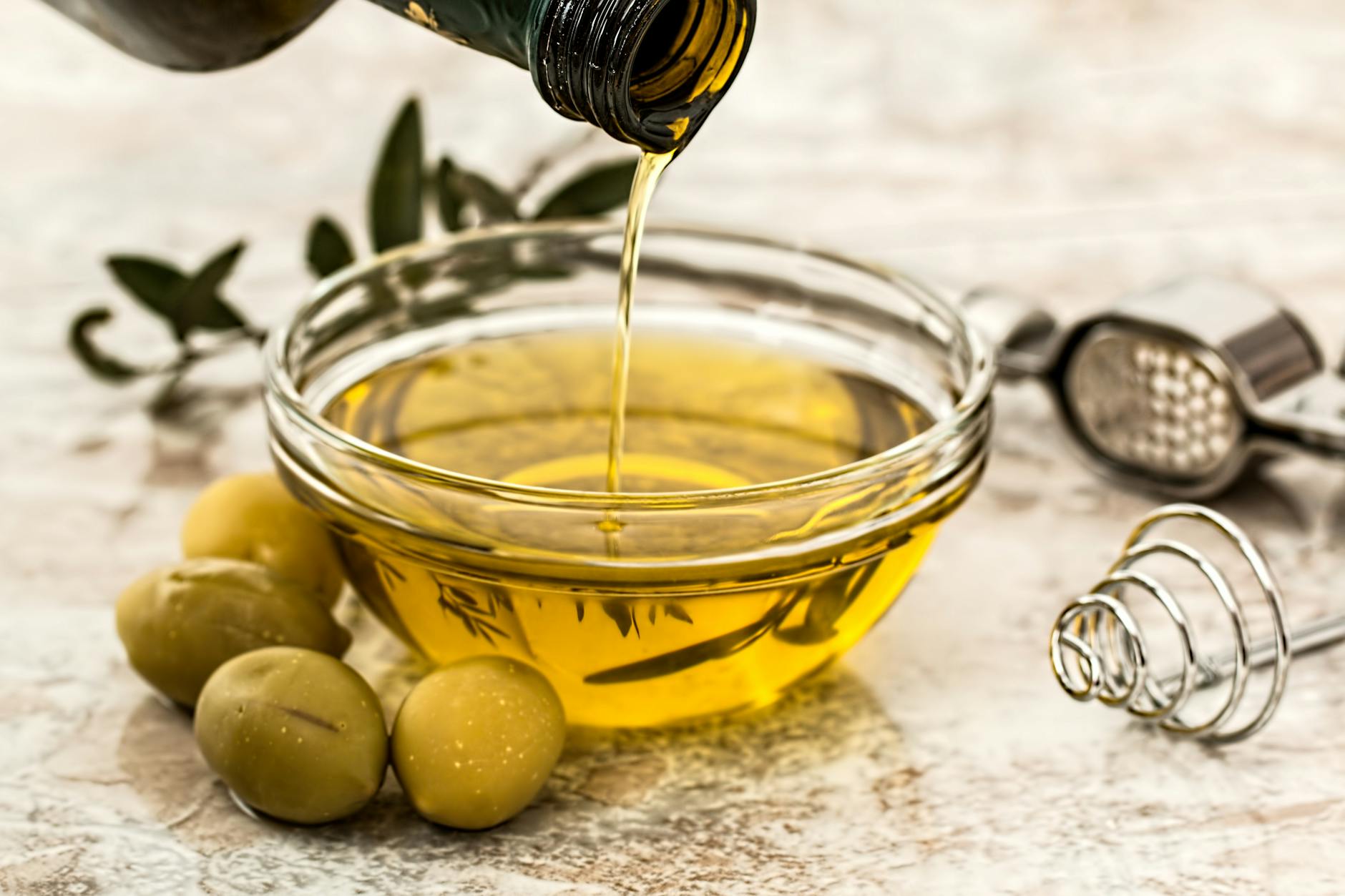
Extra virgin olive oil is a cornerstone of the Mediterranean diet, which is widely recognized as one of the most anti-inflammatory eating patterns in the world. It contains oleocanthal, a natural compound that functions similarly to ibuprofen in reducing inflammation. The oil is best consumed raw or at low heat to preserve its beneficial polyphenols. Drizzling it over roasted vegetables, salads, and whole grain bread is a simple and delicious way to enjoy its protective benefits.
Salmon
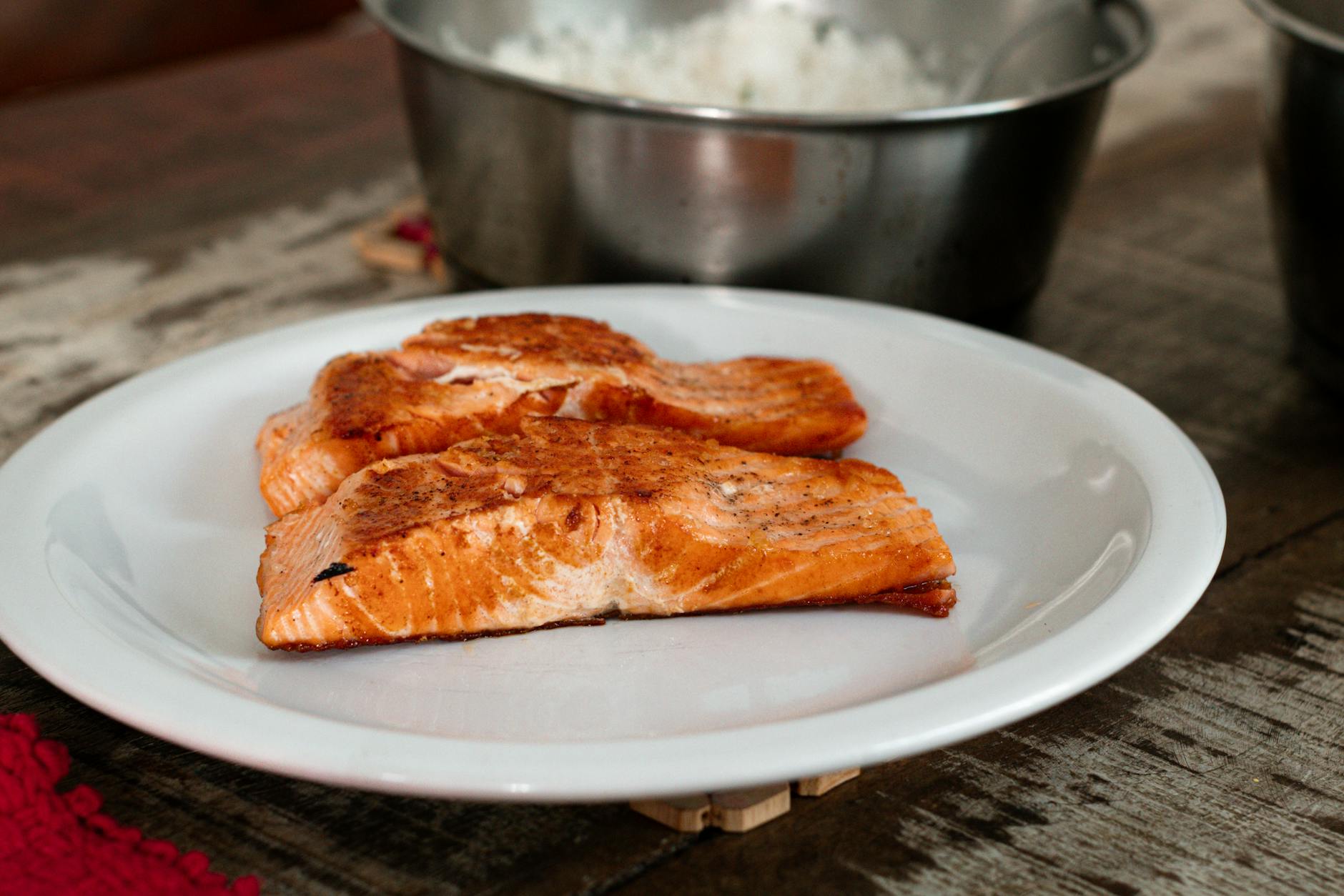
Salmon is one of the richest sources of omega-3 fatty acids, particularly EPA and DHA, which are among the most effective natural anti-inflammatory compounds known to nutrition science. These fatty acids work by reducing the production of molecules and substances linked to inflammation in the body. Wild-caught salmon tends to contain higher concentrations of beneficial omega-3s compared to farmed varieties. Eating salmon two to three times per week is a practical strategy for managing systemic inflammation through diet.
Leafy Greens
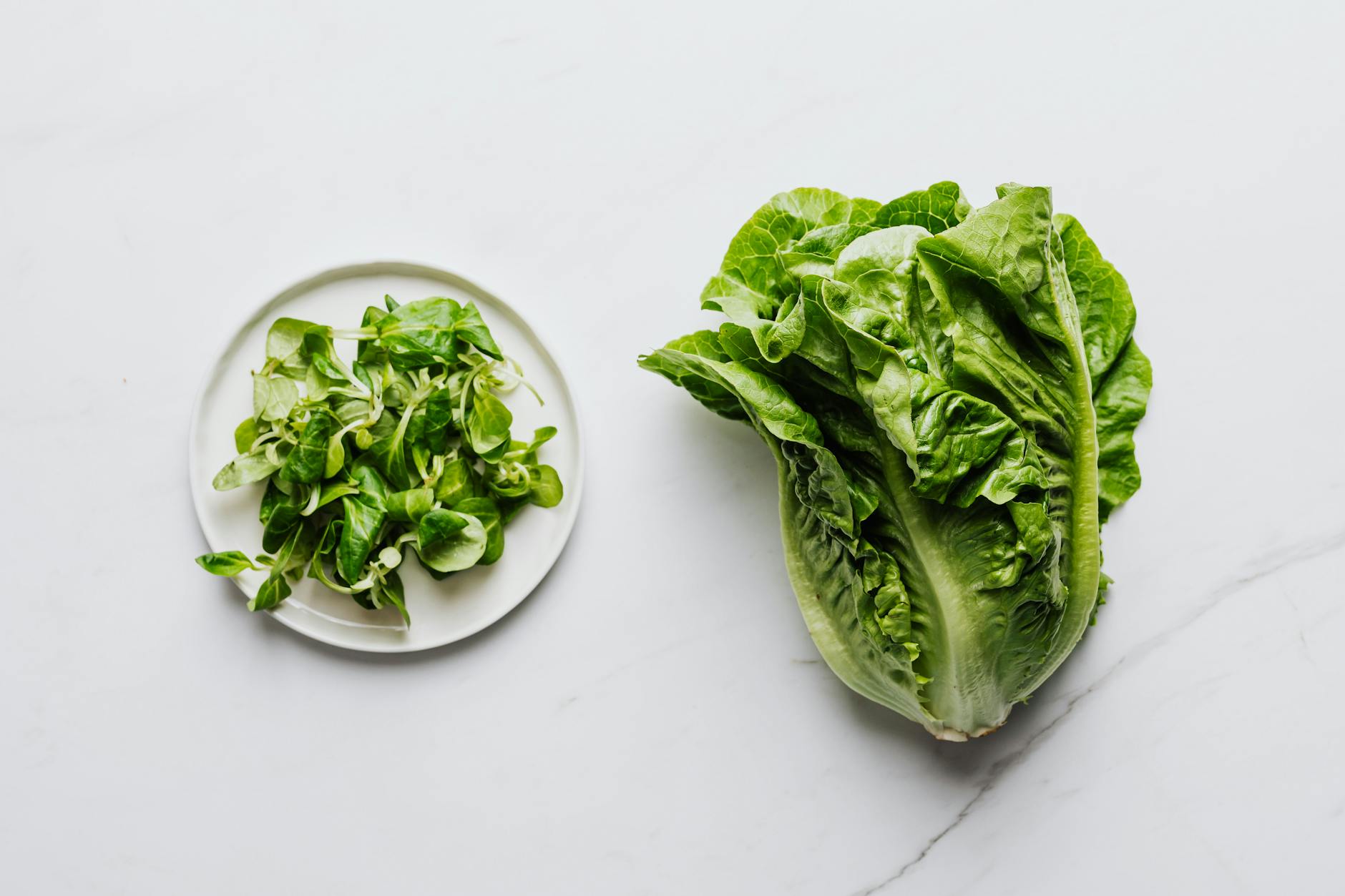
Dark leafy greens such as spinach, kale, and Swiss chard are loaded with vitamins, minerals, and antioxidants that combat oxidative stress and inflammation. They are particularly high in vitamin K, which plays a key role in regulating the body’s inflammatory response. Leafy greens also provide magnesium, a mineral that many people are deficient in and that is closely linked to inflammatory markers. Incorporating a generous serving of greens into at least one meal per day is a straightforward and highly effective dietary habit.
Walnuts
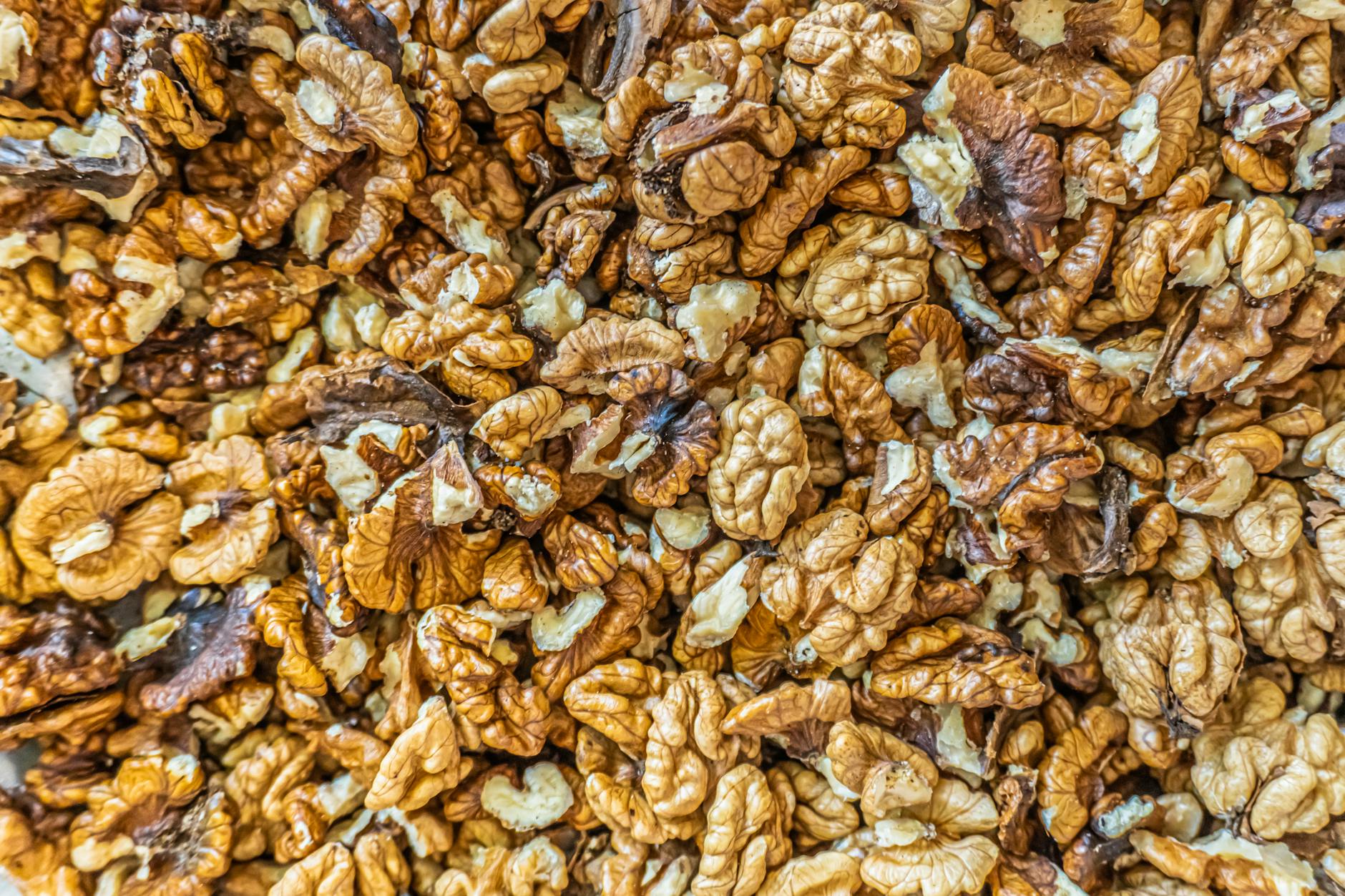
Walnuts are the only tree nut that provides a significant amount of plant-based omega-3 fatty acids, making them a particularly valuable food for managing inflammation. They also contain polyphenols and vitamin E, both of which contribute to reducing oxidative damage in the body. Research has linked regular walnut consumption to lower levels of C-reactive protein, a key marker of inflammation. A small handful eaten as a snack or sprinkled over oatmeal and salads makes them easy to include in any daily routine.
Green Tea
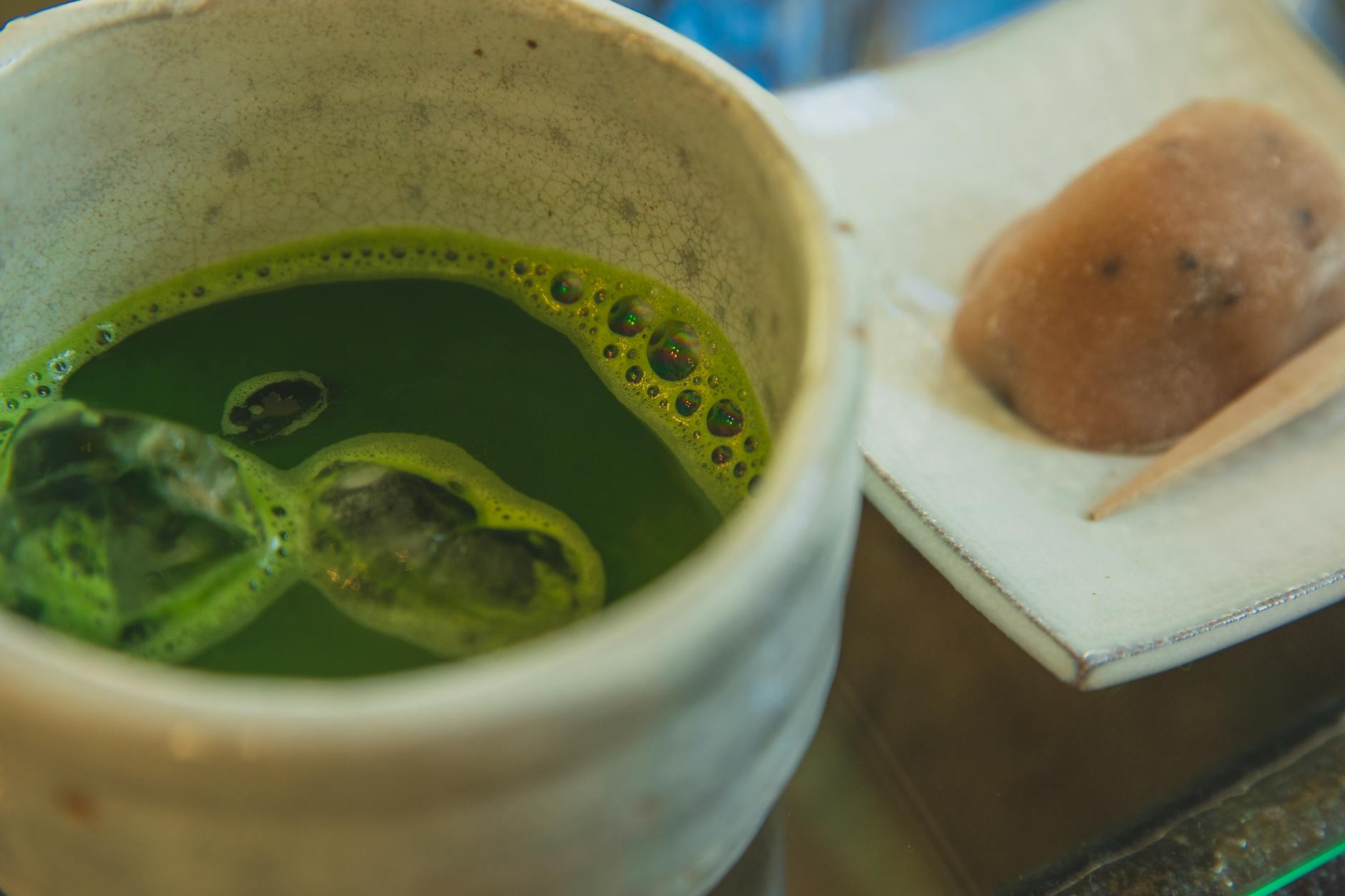
Green tea is rich in a catechin called epigallocatechin gallate, commonly known as EGCG, which is one of the most potent anti-inflammatory plant compounds studied to date. It works by suppressing the activity of inflammatory cytokines and reducing oxidative stress throughout the body. Drinking two to three cups of green tea per day has been associated with measurable reductions in inflammatory markers in clinical studies. Matcha, a concentrated powdered form of green tea, delivers an even higher concentration of these beneficial compounds.
Broccoli
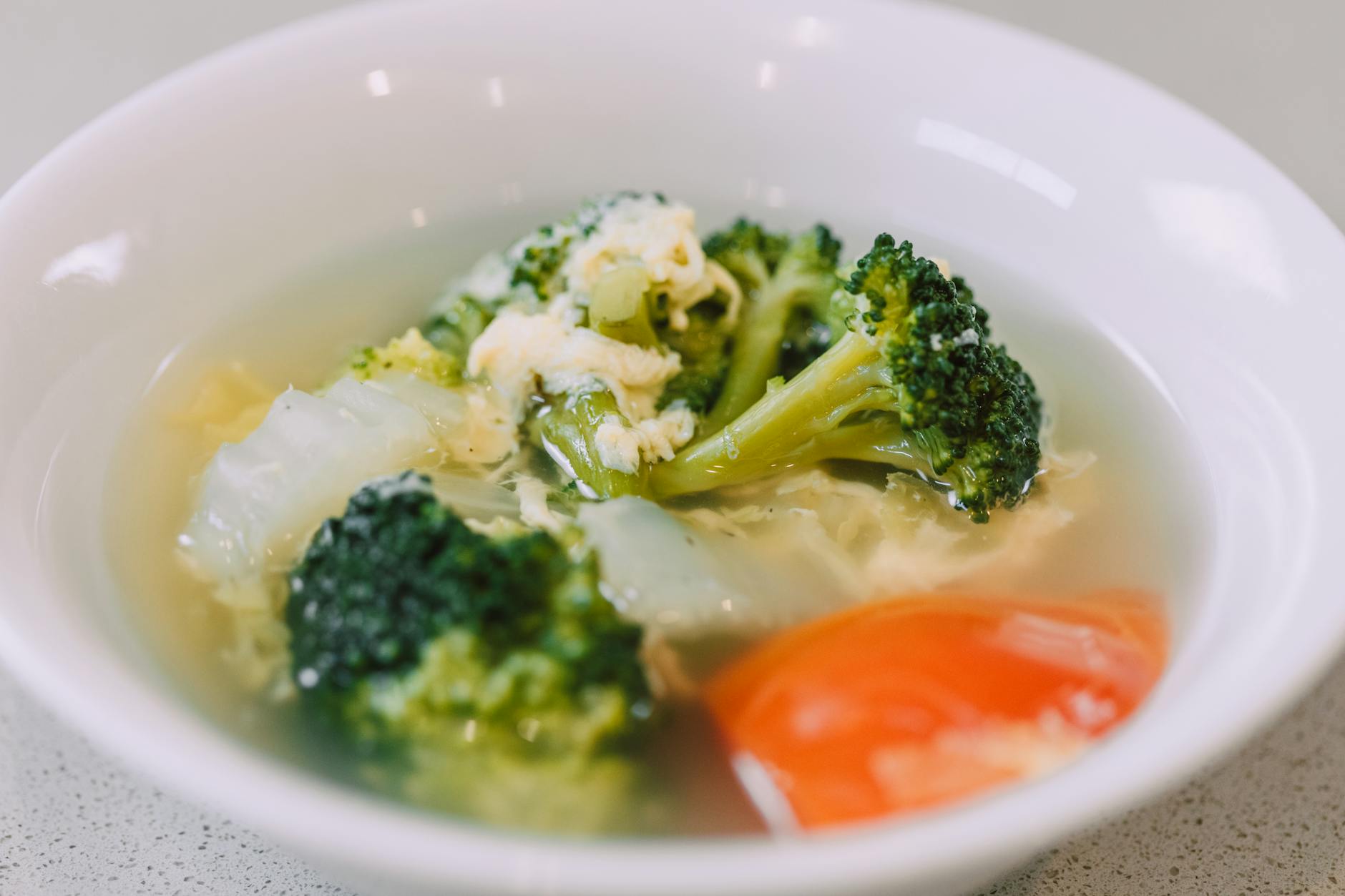
Broccoli is a cruciferous vegetable that contains sulforaphane, a sulfur-containing compound shown to block enzymes that drive joint destruction and inflammation. It is also an excellent source of vitamins C and K, folate, and fiber, all of which support a healthy immune and inflammatory response. Lightly steaming broccoli rather than boiling it helps preserve more of its beneficial compounds. Eating cruciferous vegetables several times a week is consistently associated with lower rates of chronic inflammatory conditions.
Avocado
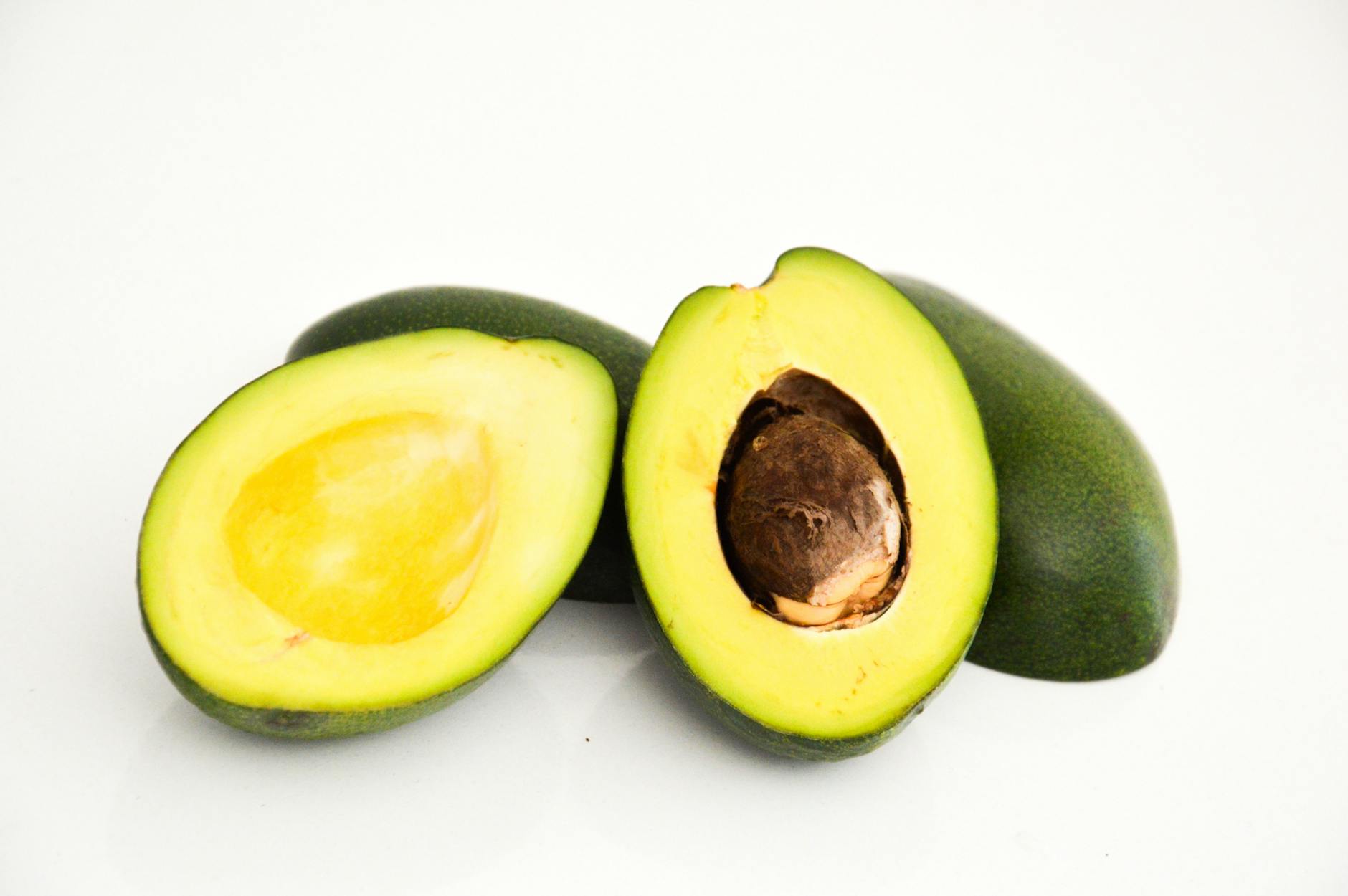
Avocados are rich in monounsaturated fats, particularly oleic acid, which has been shown to reduce levels of inflammatory markers in the body. They also provide tocopherols and carotenoids, plant-based antioxidants that work to neutralize free radicals and reduce cellular damage. The potassium and magnesium content in avocados further supports cardiovascular and inflammatory health. Avocados are incredibly versatile and can be eaten on toast, blended into smoothies, mashed into dips, or sliced into salads.
Cherries
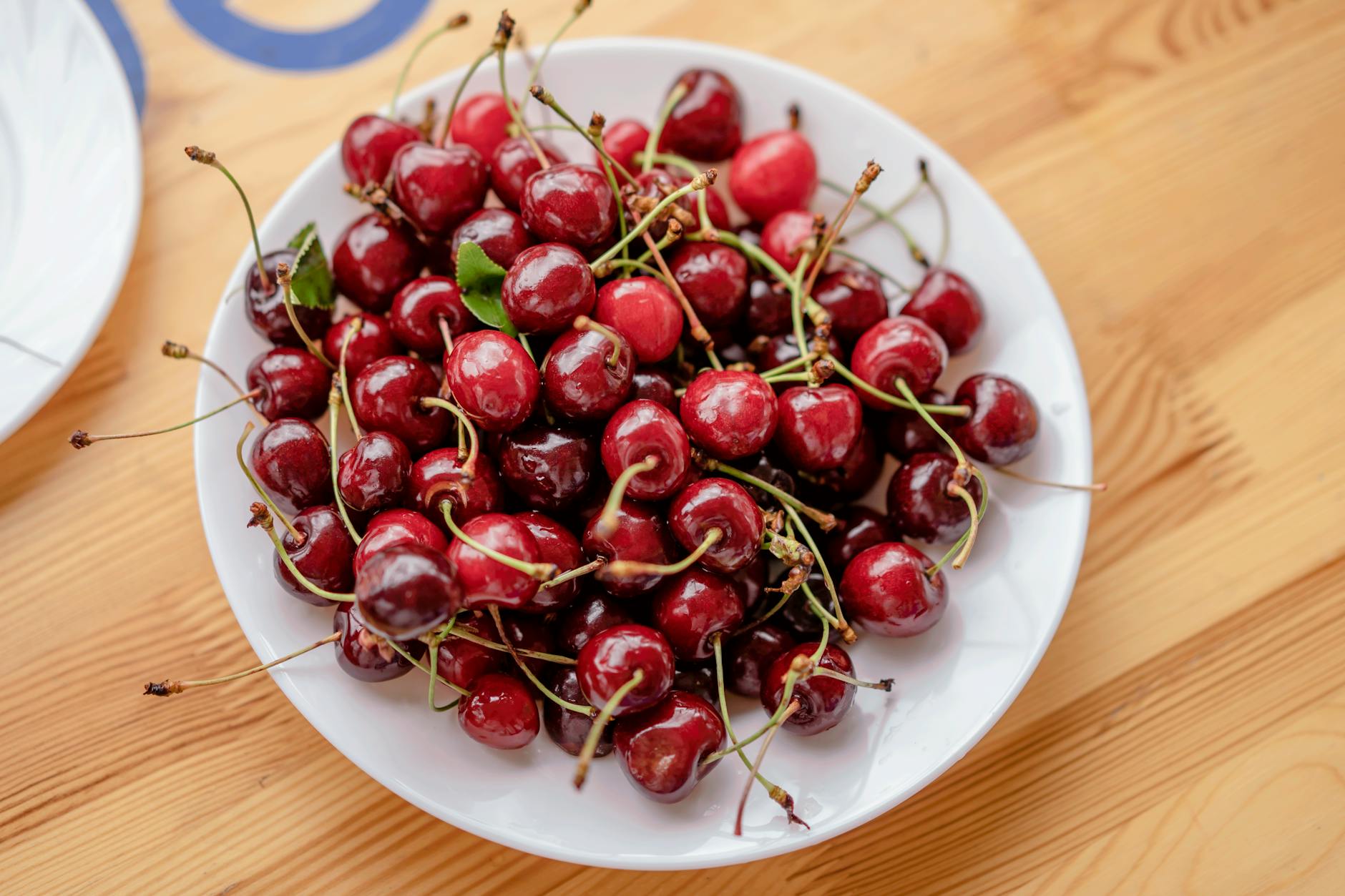
Cherries, particularly tart cherries, contain high concentrations of anthocyanins and quercetin, compounds that have been shown to reduce inflammation and oxidative stress. Athletes frequently use tart cherry juice to manage post-exercise muscle soreness and speed recovery. Regular consumption has also been studied in connection with reduced gout attacks and improved sleep quality, both of which are linked to inflammatory processes. Both sweet and tart varieties offer meaningful benefits and can be enjoyed fresh, frozen, or as a juice concentrate.
Beets
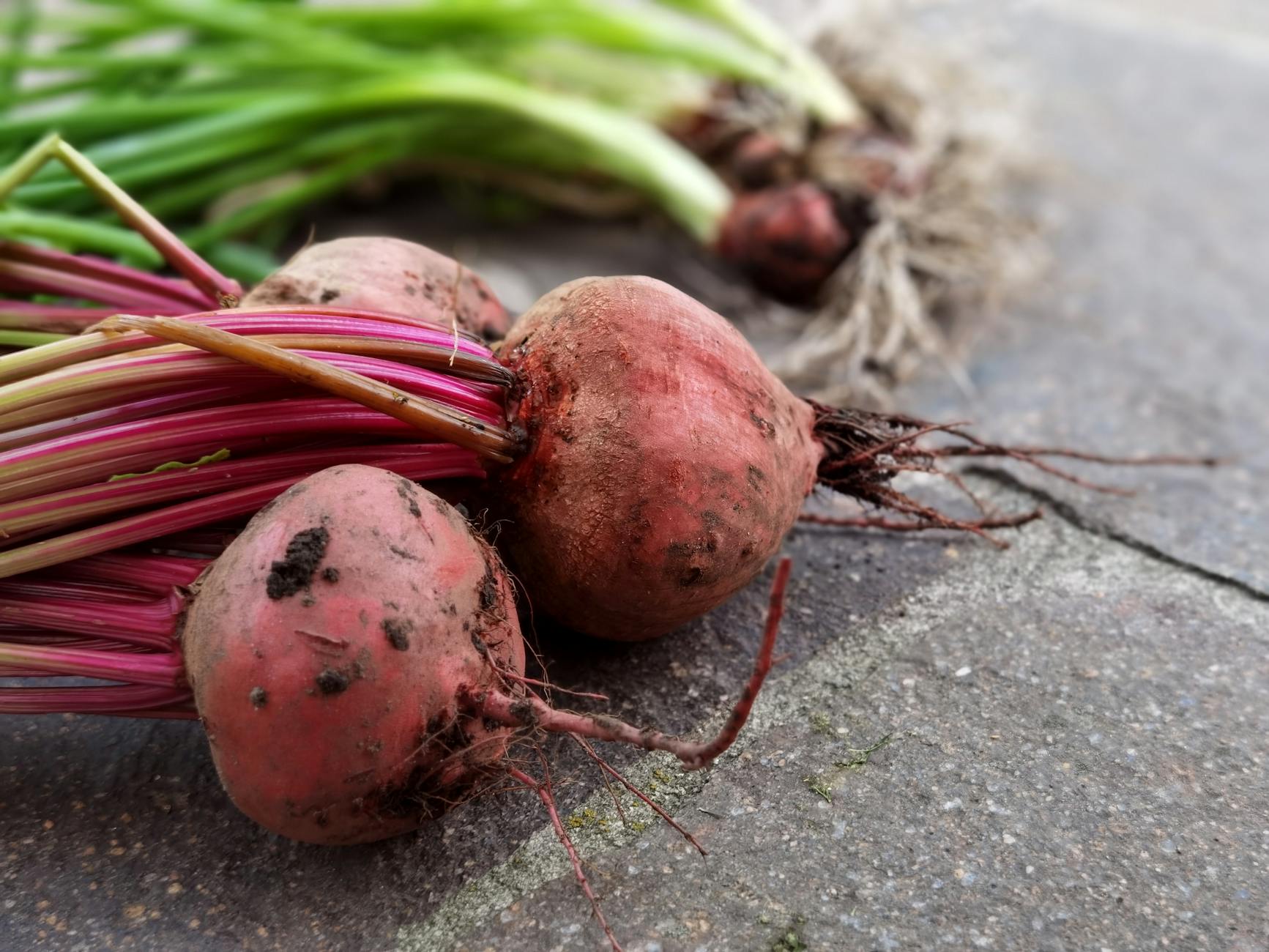
Beets contain betalains, a class of pigments with strong anti-inflammatory and antioxidant properties that help protect cells from damage. They are also high in nitrates, which the body converts into nitric oxide to support healthy blood flow and reduce vascular inflammation. Beet consumption has been associated with lower blood pressure and improved endurance in physical activity. Roasting, juicing, or adding beets to salads and grain bowls are all excellent ways to benefit from this vibrant root vegetable.
Flaxseeds

Flaxseeds are one of the best plant-based sources of alpha-linolenic acid, an omega-3 fatty acid with potent anti-inflammatory properties. They also contain lignans, a type of polyphenol that supports hormonal balance and reduces oxidative stress in the body. Ground flaxseeds are better absorbed than whole seeds and can be easily stirred into smoothies, oatmeal, yogurt, and baked goods. Just one to two tablespoons per day provides a meaningful contribution to overall anti-inflammatory nutrition.
Pineapple

Pineapple contains bromelain, a group of enzymes with well-documented anti-inflammatory and digestive properties. Bromelain has been studied for its ability to reduce swelling, bruising, and pain associated with injury, surgery, and inflammatory conditions. The fruit is also high in vitamin C and manganese, two nutrients that play important roles in immune function and antioxidant defense. Eating fresh pineapple provides the highest concentration of bromelain, as the compound is partially diminished during canning and processing.
Garlic
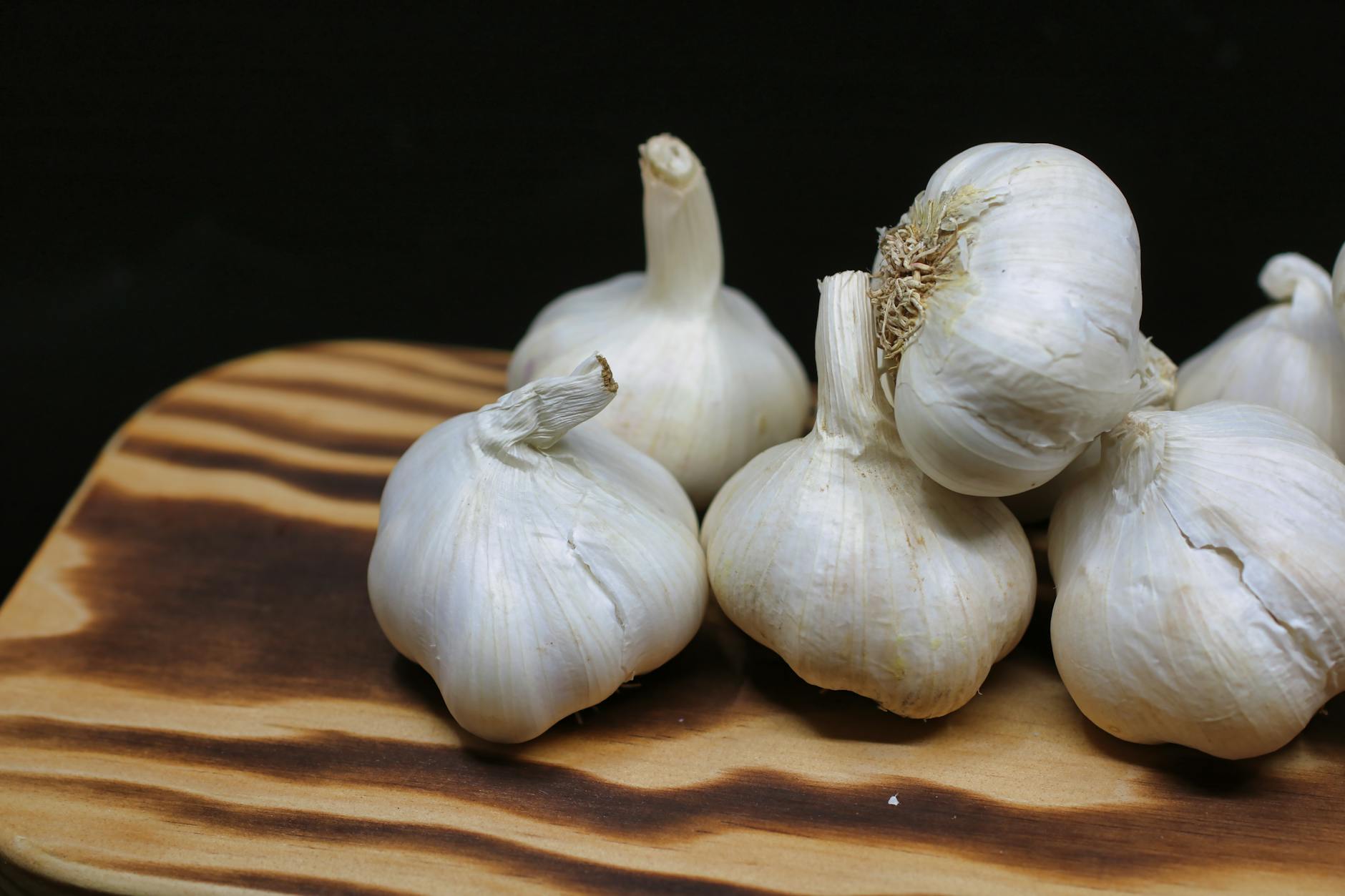
Garlic is widely recognized for its immune-boosting and anti-inflammatory properties, primarily due to a compound called allicin that forms when raw garlic is crushed or chopped. Regular garlic consumption has been associated with reduced markers of inflammation and improved cardiovascular health in numerous studies. It works synergistically with many other anti-inflammatory foods and can be added to almost any savory dish. Allowing chopped garlic to rest for several minutes before cooking helps preserve more of its bioactive compounds.
Tomatoes
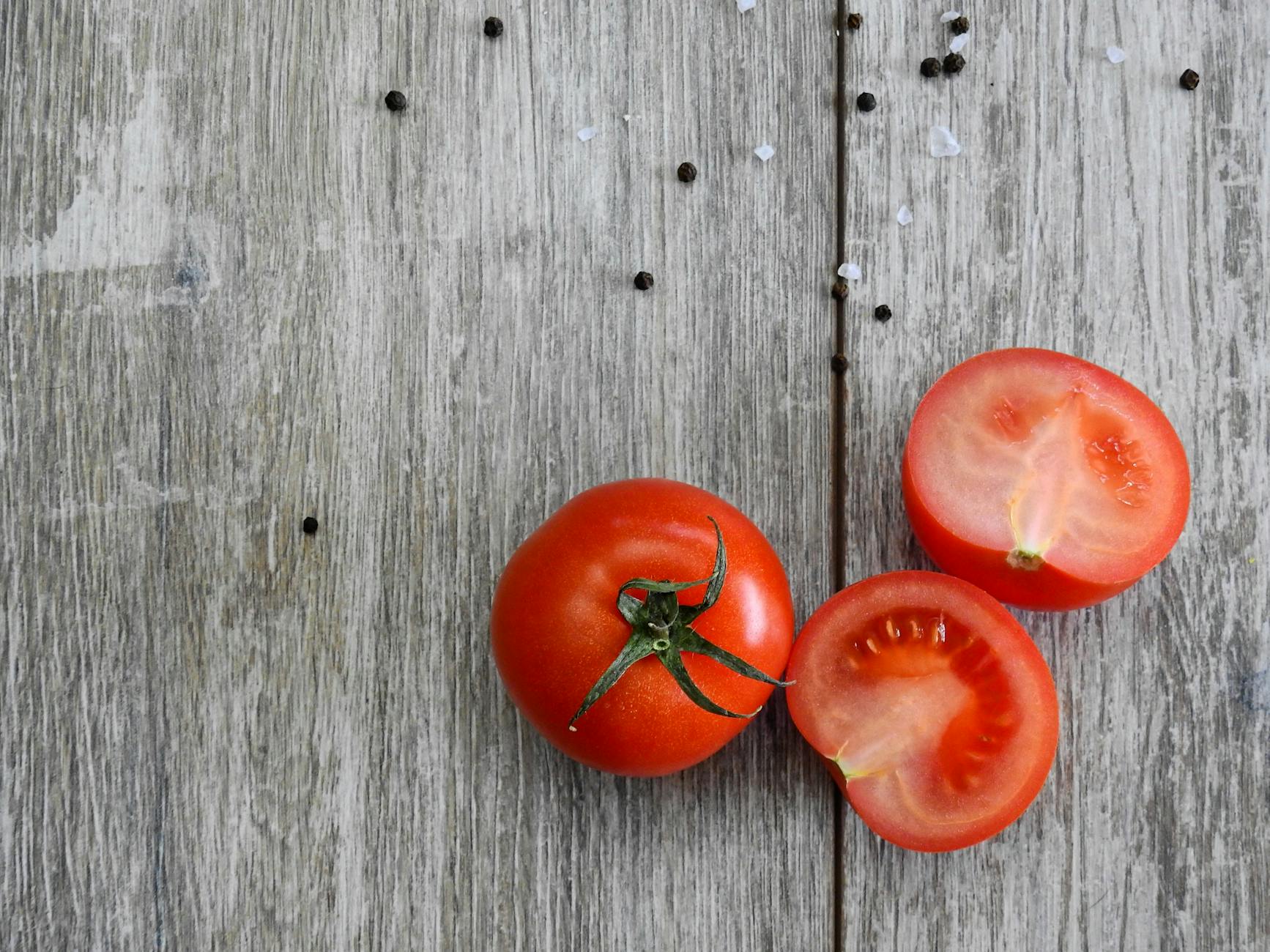
Tomatoes are an excellent source of lycopene, a carotenoid antioxidant that has been extensively studied for its ability to reduce inflammation in the body. Cooked tomatoes actually provide higher concentrations of lycopene than raw ones, making tomato sauce and roasted tomatoes particularly beneficial. They are also rich in vitamin C and potassium, which support broader immune and cardiovascular health. Regular tomato consumption has been linked to reduced risk of certain inflammatory conditions, including cardiovascular disease.
Chia Seeds
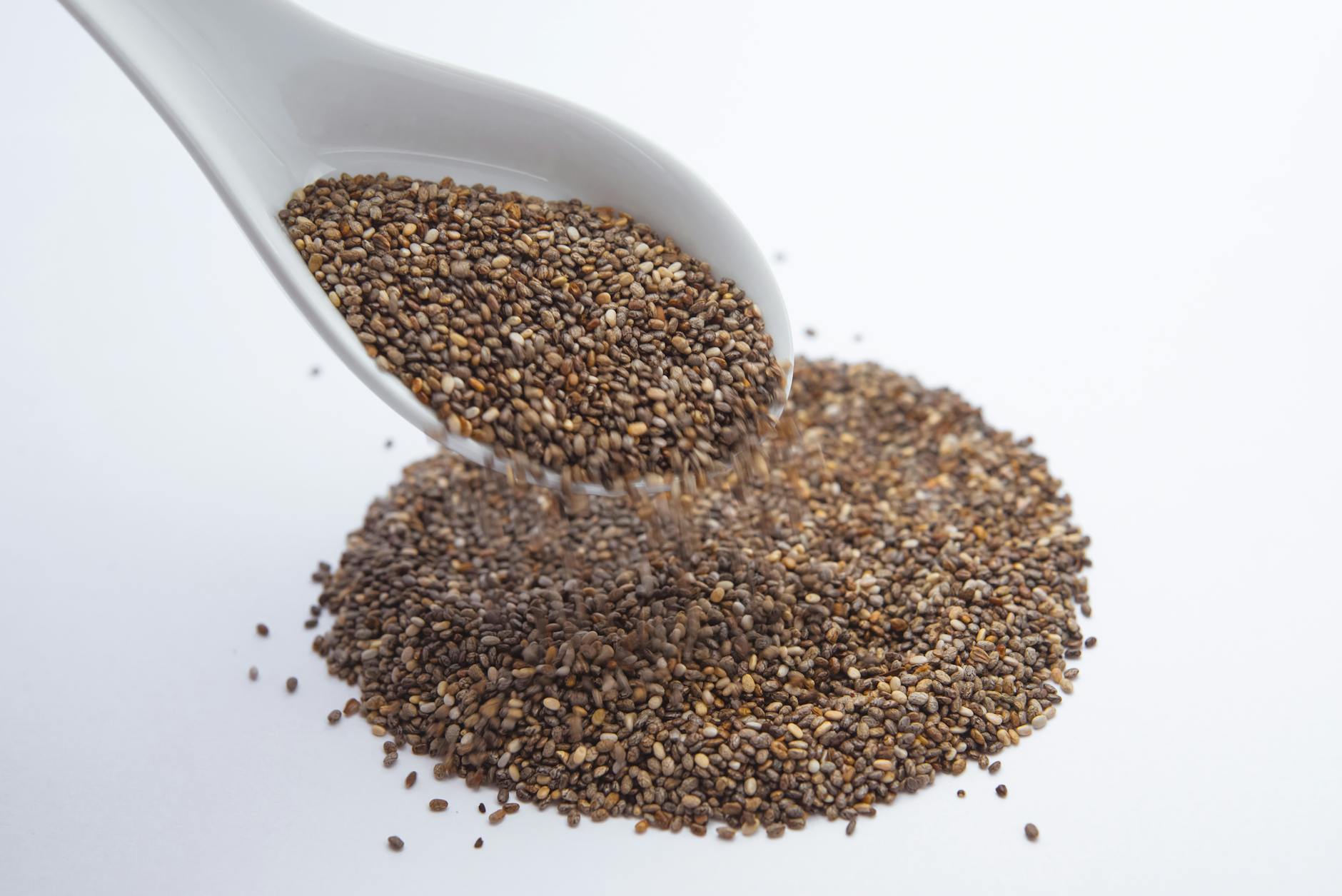
Chia seeds are among the most nutrient-dense plant foods available, offering a concentrated source of omega-3 fatty acids, fiber, and antioxidants in a compact serving size. Their high fiber content supports gut health, which is closely tied to the regulation of systemic inflammation throughout the body. Chia seeds absorb liquid and form a gel-like texture that makes them ideal for puddings, smoothies, and overnight oats. Just two tablespoons contain a significant portion of the daily recommended omega-3 intake for an adult.
Dark Chocolate

High-quality dark chocolate with a cocoa content of seventy percent or higher contains flavonoids that reduce inflammation and support healthy blood vessel function. Cocoa is particularly rich in epicatechin, a compound associated with reduced cardiovascular inflammation and improved endothelial health. The key is choosing minimally processed dark chocolate with limited added sugar to preserve its beneficial polyphenol content. A small square or two per day is a satisfying and evidence-supported way to include more antioxidants in the diet.
Pomegranate
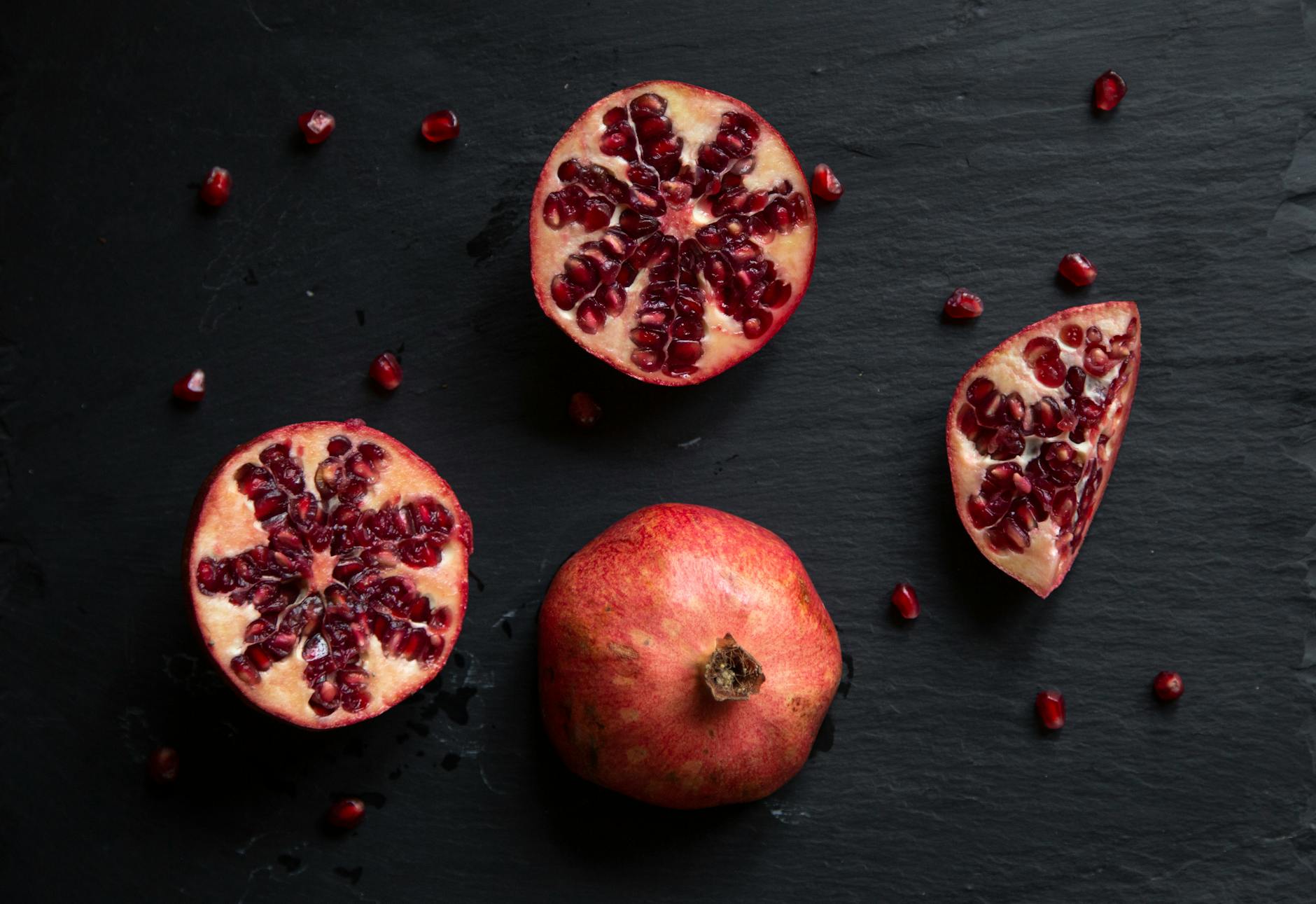
Pomegranates are exceptionally high in punicalagins and anthocyanins, antioxidants with powerful anti-inflammatory effects that are difficult to find in comparable concentrations elsewhere in the food supply. Research has shown that pomegranate extract can reduce the activity of inflammatory pathways associated with arthritis, heart disease, and metabolic disorders. The seeds and juice both deliver meaningful amounts of these protective compounds. Pomegranate arils make a beautiful and nutritious addition to salads, yogurt parfaits, and grain bowls.
Bone Broth
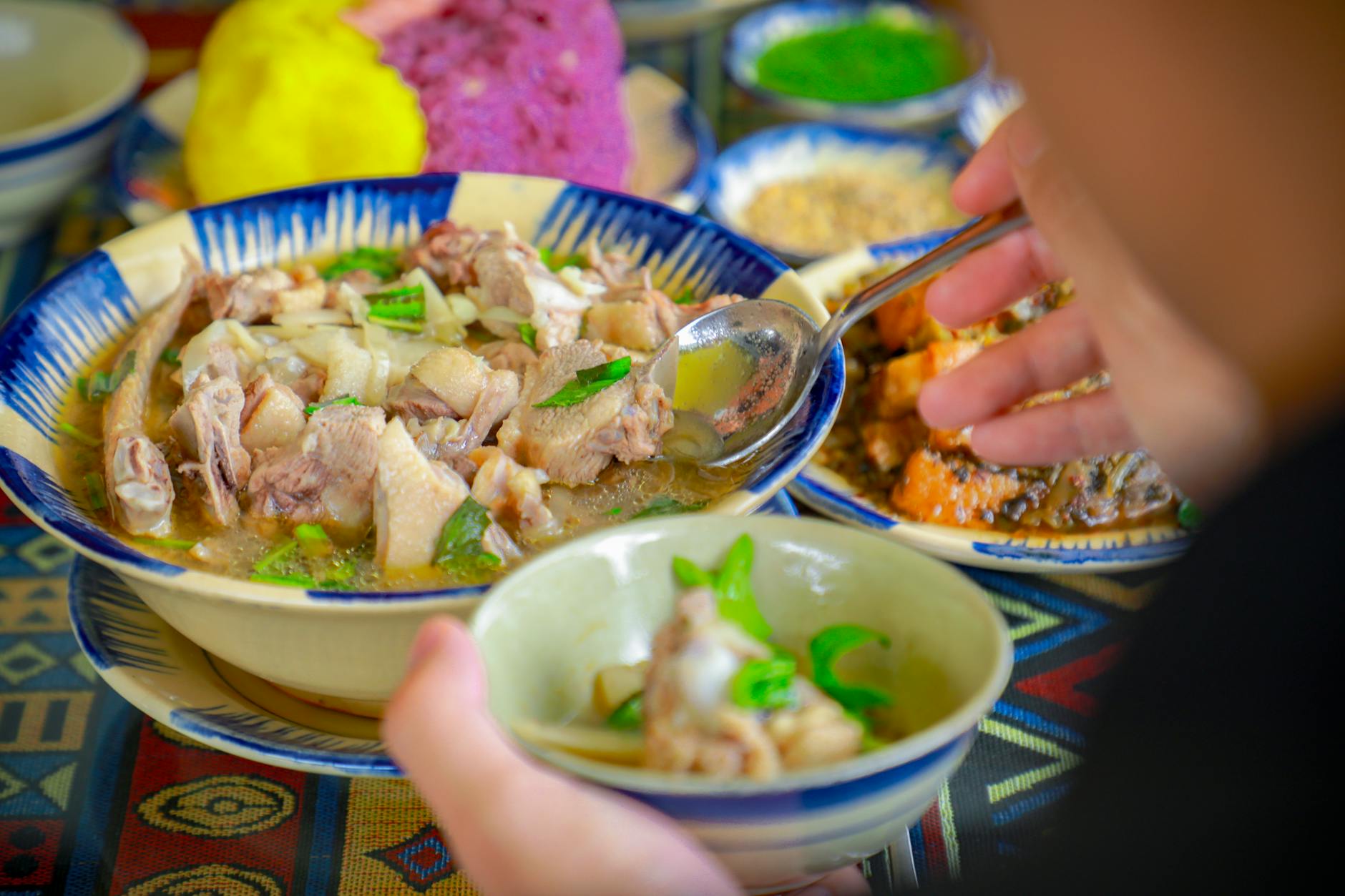
Bone broth contains glycine, proline, and other amino acids derived from collagen that have been shown to reduce gut inflammation and support the integrity of the intestinal lining. Because gut health is deeply connected to systemic inflammation, consuming bone broth regularly can have a broad positive effect on the body. It also provides minerals such as calcium, magnesium, and phosphorus in a highly bioavailable form. Sipping warm bone broth or using it as a base for soups and sauces is a simple and nourishing daily habit.
Oranges

Oranges and other citrus fruits are among the most concentrated food sources of vitamin C, a potent antioxidant that plays a direct role in reducing inflammation and supporting immune function. Vitamin C inhibits the production of pro-inflammatory cytokines and helps regenerate other antioxidants within the body. The flavonoids in oranges, including hesperidin, provide additional anti-inflammatory benefits that work alongside the vitamin C content. Eating the whole fruit rather than drinking processed juice provides more fiber and a fuller range of beneficial compounds.
Almonds
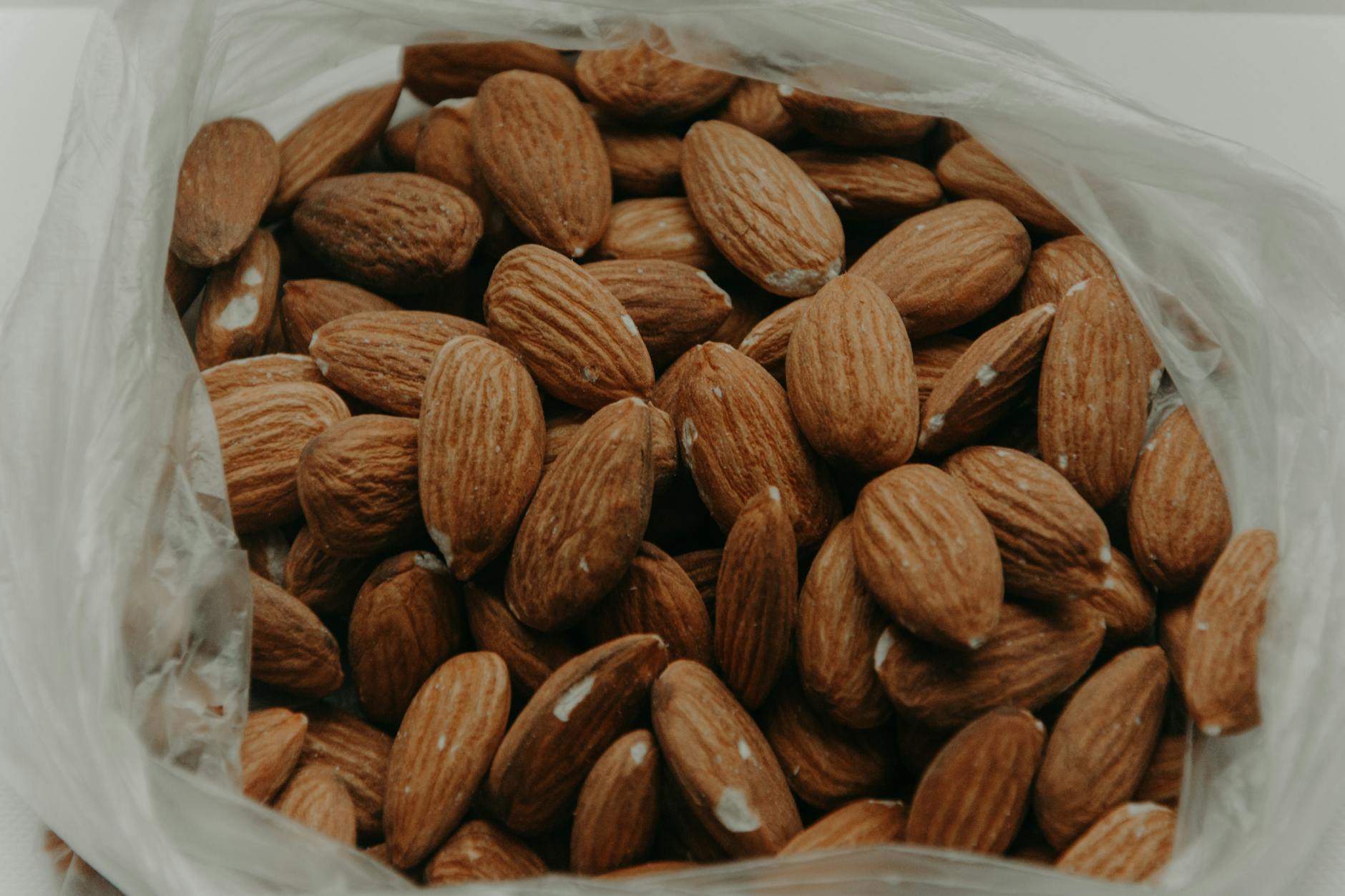
Almonds are rich in vitamin E, a fat-soluble antioxidant that protects cell membranes from inflammatory damage and supports healthy immune responses. They also contain magnesium and monounsaturated fats, both of which have been linked to reduced inflammation in the body. Research has associated regular almond consumption with lower levels of several inflammatory biomarkers in healthy adults. A small serving makes for an ideal snack and can also be incorporated into granola, energy balls, and savory dishes.
Black Beans
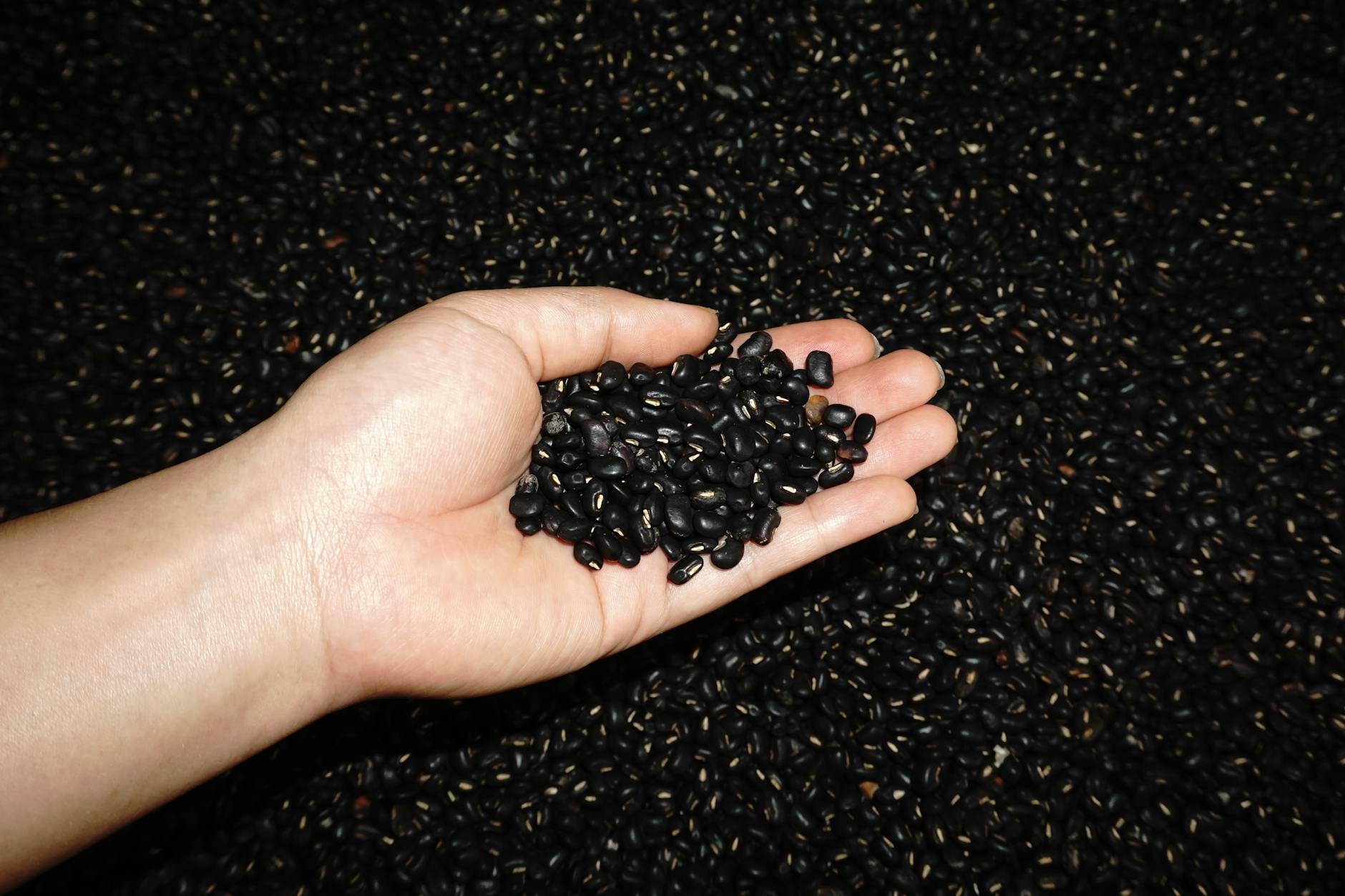
Black beans and other legumes are excellent sources of polyphenols, fiber, and plant-based protein, all of which contribute to a reduction in inflammatory activity in the body. Their high fiber content feeds beneficial gut bacteria, which in turn produce short-chain fatty acids that actively suppress inflammation. Black beans also contain folate and magnesium, nutrients that support a healthy inflammatory response at the cellular level. Including legumes several times per week is a practical and affordable strategy for improving overall anti-inflammatory nutrition.
Papaya
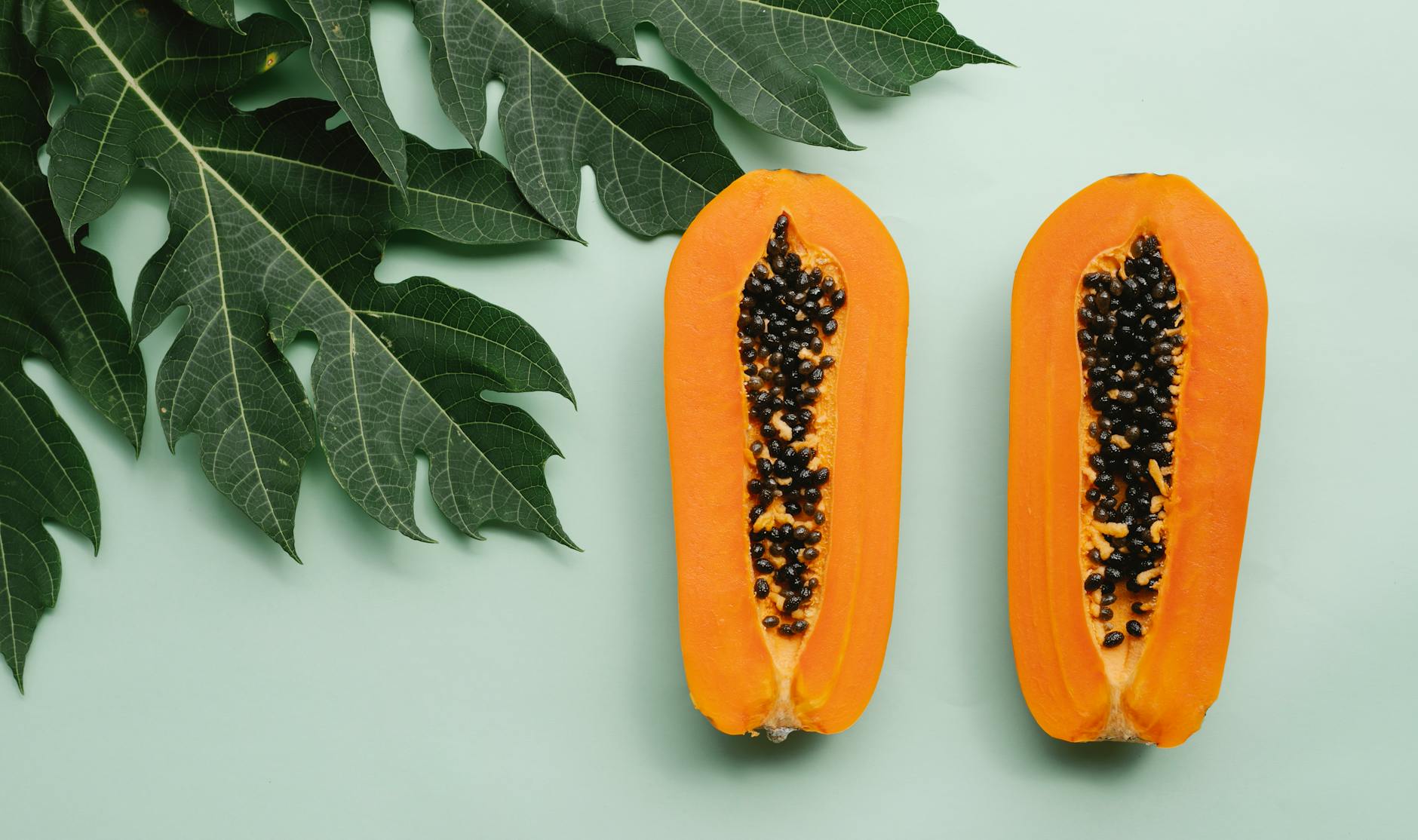
Papaya contains an enzyme called papain along with high levels of vitamins C and A, all of which work together to reduce inflammation and support immune defenses. The fruit is particularly valued in tropical traditional medicine for its ability to soothe digestive inflammation and promote healing. Its beta-carotene content also contributes to antioxidant protection and long-term reduction of oxidative stress. Fresh papaya can be enjoyed on its own, blended into smoothies, or paired with lime juice for a refreshing anti-inflammatory snack.
Mushrooms
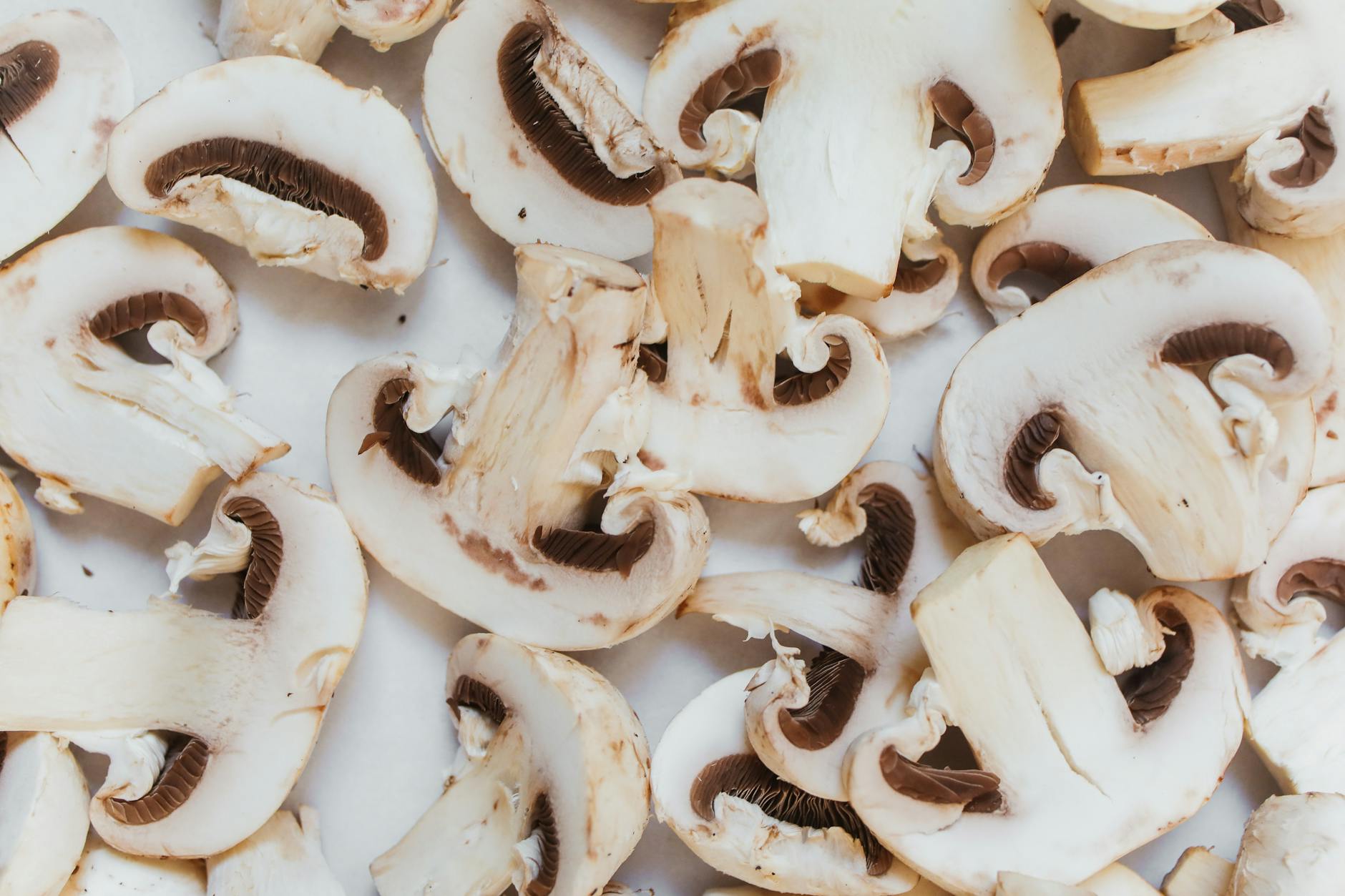
Medicinal and culinary mushrooms such as shiitake, maitake, and reishi are rich in polysaccharides and ergothioneine, compounds with notable anti-inflammatory and immune-modulating properties. They are one of the few non-animal food sources of vitamin D, a nutrient strongly associated with the regulation of inflammatory processes in the body. Regular consumption of culinary mushrooms has been linked to reduced inflammatory markers and improved immune function in research studies. Sautéing, roasting, or adding mushrooms to broths and stews are all effective ways to unlock their nutritional benefits.
Hemp Seeds
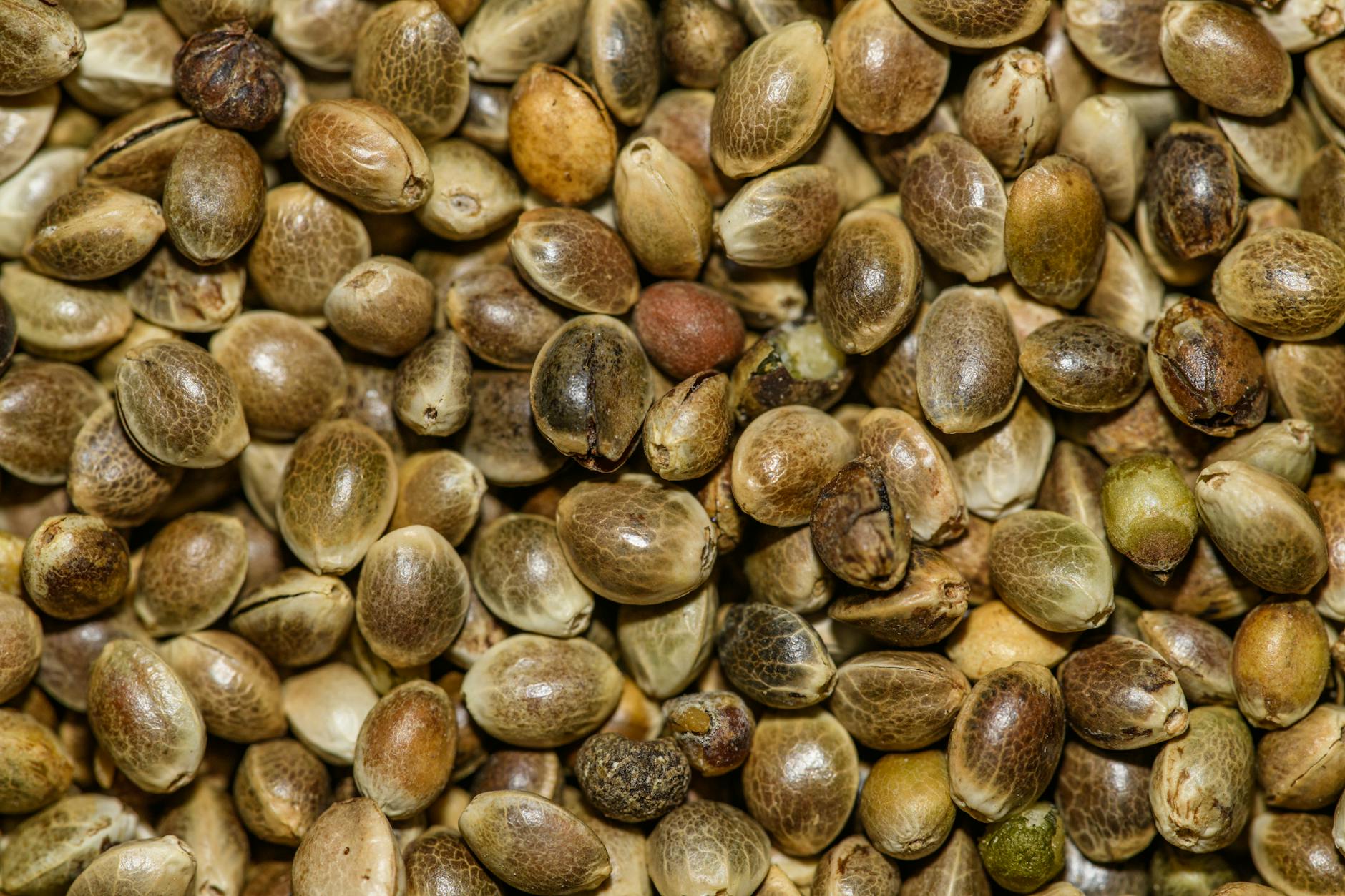
Hemp seeds contain an ideal ratio of omega-6 to omega-3 fatty acids, which is important for maintaining the balance needed to keep inflammation in check. They are also a complete protein source, providing all nine essential amino acids in addition to gamma-linolenic acid, a plant-based fatty acid with direct anti-inflammatory activity. Hemp seeds have a mild, nutty flavor that makes them easy to sprinkle over smoothies, salads, and grain dishes. Three tablespoons deliver a meaningful serving of healthy fats and protein with minimal preparation required.
Cinnamon

Cinnamon contains cinnamaldehyde and other polyphenols that actively block certain inflammatory pathways and help regulate blood sugar, which is closely tied to systemic inflammation. Ceylon cinnamon is considered the preferred variety for regular use, as it contains lower levels of coumarin compared to the more common Cassia cinnamon. Sprinkling cinnamon into coffee, oatmeal, yogurt, or baked goods is one of the easiest ways to incorporate its benefits into a daily routine. Research suggests that even small daily amounts can produce a measurable effect on inflammatory and metabolic markers over time.
Edamame

Edamame, or young green soybeans, are rich in isoflavones, plant compounds that have been shown to reduce inflammatory cytokines and support hormonal balance in the body. They provide a high-quality plant-based protein along with folate, vitamin K, and fiber, creating a nutritional profile that broadly supports anti-inflammatory health. Studies have linked regular soy consumption to lower levels of C-reactive protein and other key inflammatory markers. Steamed edamame makes for a satisfying snack, and shelled beans can be tossed into grain bowls, soups, and stir-fries.
Sweet Potatoes

Sweet potatoes are one of the most nutrient-dense root vegetables available, offering high amounts of beta-carotene, vitamin C, and manganese, all of which have antioxidant and anti-inflammatory properties. Beta-carotene is converted to vitamin A in the body, a nutrient that plays a critical role in regulating immune responses and reducing cellular inflammation. Their natural fiber content also supports gut health and the microbiome, indirectly reducing systemic inflammation throughout the body. Roasting sweet potatoes enhances their natural sweetness and preserves a strong concentration of their beneficial compounds.
Sardines

Sardines are a small but exceptionally nutrient-dense fish that provides some of the highest concentrations of omega-3 fatty acids per serving of any food in the diet. Because they are low on the food chain, sardines accumulate far fewer heavy metals than larger fish, making them a safer option for frequent consumption. They also provide vitamin D, calcium, and selenium, nutrients that work together to reduce inflammation and support bone and immune health. Canned sardines in olive oil are a convenient and affordable pantry staple that can be eaten on whole grain crackers, in salads, or on toast.
Share your favorite anti-inflammatory ingredients and how you use them in the comments.