Nature offers a pharmacy of potent ingredients that can alleviate discomfort and reduce inflammation throughout the body. Incorporating specific nutrient-dense foods into your daily diet provides a holistic approach to managing chronic aches and acute soreness. These natural remedies often work by blocking pain signals or reducing the swelling that causes stiffness in joints and muscles. Understanding the medicinal properties of common pantry staples empowers you to support your physical well-being through culinary choices. A diet rich in these anti-inflammatory powerhouses promotes long-term health while offering immediate relief for various ailments.
Turmeric

This bright yellow spice contains a powerful compound called curcumin which is famous for its anti-inflammatory abilities. It works by blocking enzymes and proteins that cause inflammation in the body. Many people use turmeric to manage arthritis pain and reduce joint swelling effectively. Adding black pepper to turmeric significantly increases absorption and enhances its pain-relieving effects. You can easily incorporate it into curries or warm milk for a soothing daily ritual.
Ginger

The active components in fresh ginger are known as gingerols and offer significant relief from muscle pain and soreness. This root acts similarly to anti-inflammatory drugs by inhibiting the formation of inflammatory compounds. Drinking ginger tea can help alleviate menstrual cramps and settle an upset stomach simultaneously. Regular consumption has been linked to reduced knee pain in people with osteoarthritis. It provides a warming sensation that soothes the body from the inside out.
Tart Cherries

These deep red fruits are packed with anthocyanins that function as powerful antioxidants to fight inflammation. Athletes frequently consume tart cherry juice to recover faster and reduce muscle damage after intense workouts. Research suggests that they can block pain enzymes in a way similar to over-the-counter painkillers. Eating a bowl of tart cherries may lower the risk of gout attacks by reducing uric acid levels. They offer a delicious and natural way to manage post-exercise stiffness.
Salmon

Fatty fish like salmon are rich in omega-3 fatty acids which are essential for reducing inflammation in the body. These healthy fats help suppress the production of enzymes that erode cartilage and cause joint pain. Regular consumption supports cardiovascular health while simultaneously easing the discomfort of rheumatoid arthritis. It also contains calcitonin which is a bioactive peptide known to protect bones and joints. Grilled or baked salmon makes for a nutritious dinner that fights pain at a cellular level.
Extra Virgin Olive Oil
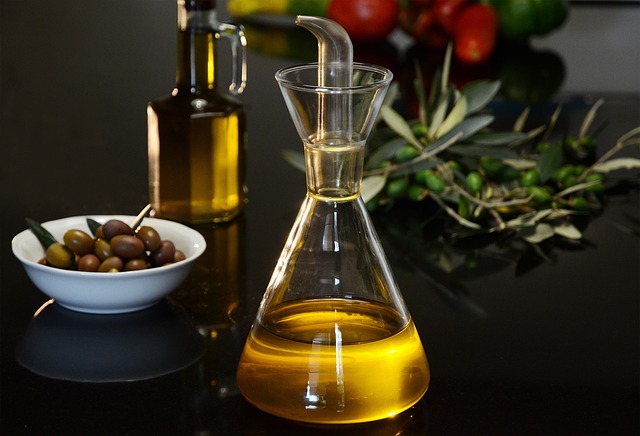
This pantry staple contains a compound called oleocanthal that has effects similar to ibuprofen. It works by inhibiting the inflammatory enzymes COX-1 and COX-2 to reduce pain sensitivity. A diet rich in olive oil is a cornerstone of the Mediterranean lifestyle and supports long-term joint health. Using it cold in salads preserves its medicinal properties better than cooking at high heat. It serves as a healthy fat source that lubricates joints and reduces systemic inflammation.
Chili Peppers

Hot peppers contain capsaicin which creates a burning sensation that desensitizes nerve receptors to pain. This compound causes the release of endorphins which are the body’s natural painkillers. Topical creams containing capsaicin are often used to treat arthritis and nerve pain effectively. Eating spicy foods can trigger a reaction that temporarily blocks pain signals from traveling to the brain. Incorporating chilies into meals adds flavor while acting as a natural analgesic.
Peppermint

The menthol found in peppermint acts as a natural muscle relaxant and pain reliever. It is particularly effective for soothing tension headaches and alleviating the discomfort of irritable bowel syndrome. Drinking peppermint tea can relax the spasms in the gastrointestinal tract that cause cramping. Applying diluted peppermint oil to the temples creates a cooling sensation that distracts from headache pain. This herb offers a refreshing way to calm both the mind and physical tension.
Red Grapes

The skin of red grapes contains resveratrol which is a powerful compound that helps stop enzymes from causing tissue degeneration. This antioxidant protects cartilage and prevents joint pain associated with aging and wear. Eating grapes whole provides fiber along with their anti-inflammatory benefits. They improve blood flow which can help reduce swelling and speed up the healing process. Snacking on red grapes is a heart-healthy way to manage chronic pain.
Coffee

Caffeine acts as a vasoconstrictor which can help relieve headaches by narrowing enlarged blood vessels. It is often added to pain medications to boost their effectiveness and speed up absorption. Drinking a moderate amount of coffee can reduce muscle pain following rigorous exercise. The antioxidants in coffee also fight inflammation and protect cells from damage. It serves as a stimulating beverage that offers surprising pain-relief benefits when consumed responsibly.
Blueberries

These small berries are loaded with phytonutrients that fight inflammation and reduce oxidative stress. Free radicals can damage tissues and increase pain but the antioxidants in blueberries neutralize them. Regular intake can preserve muscle function and prevent soreness after physical activity. They contain polyphenols that have been shown to reduce the inflammatory markers in the blood. Adding them to oatmeal or smoothies provides a sweet defense against chronic pain.
Pumpkin Seeds
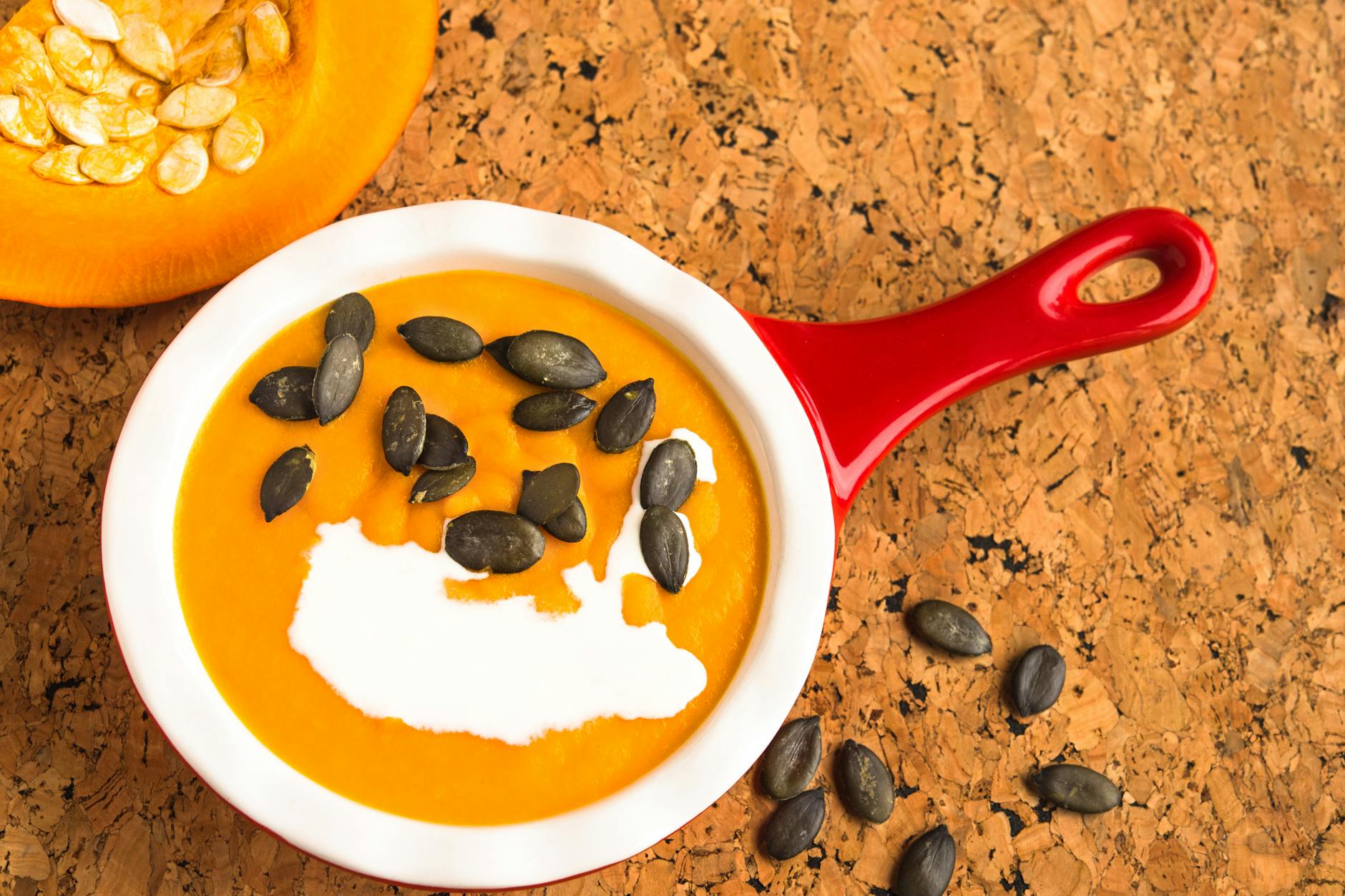
Magnesium is a vital mineral for stopping migraines and muscle spasms and pumpkin seeds are an excellent source. Low levels of magnesium are often linked to headaches and muscle tension so boosting intake helps. These seeds also contain zinc and omega-3s which support overall immune function and reduce inflammation. Snacking on a handful can help relax blood vessels and ease restriction. They are a crunchy and nutritious way to prevent pain before it starts.
Cinnamon

This warming spice helps reduce inflammation and lower blood sugar levels which can impact pain sensitivity. It has been used traditionally to treat menstrual cramps and muscle spasms effectively. The cinnamaldehyde in cinnamon works to stop the release of arachidonic acid which is a fatty acid that causes inflammation. Sprinkling it on breakfast foods or in coffee is an easy way to gain its medicinal benefits. It offers a comforting flavor profile while acting as a mild analgesic.
Cloves
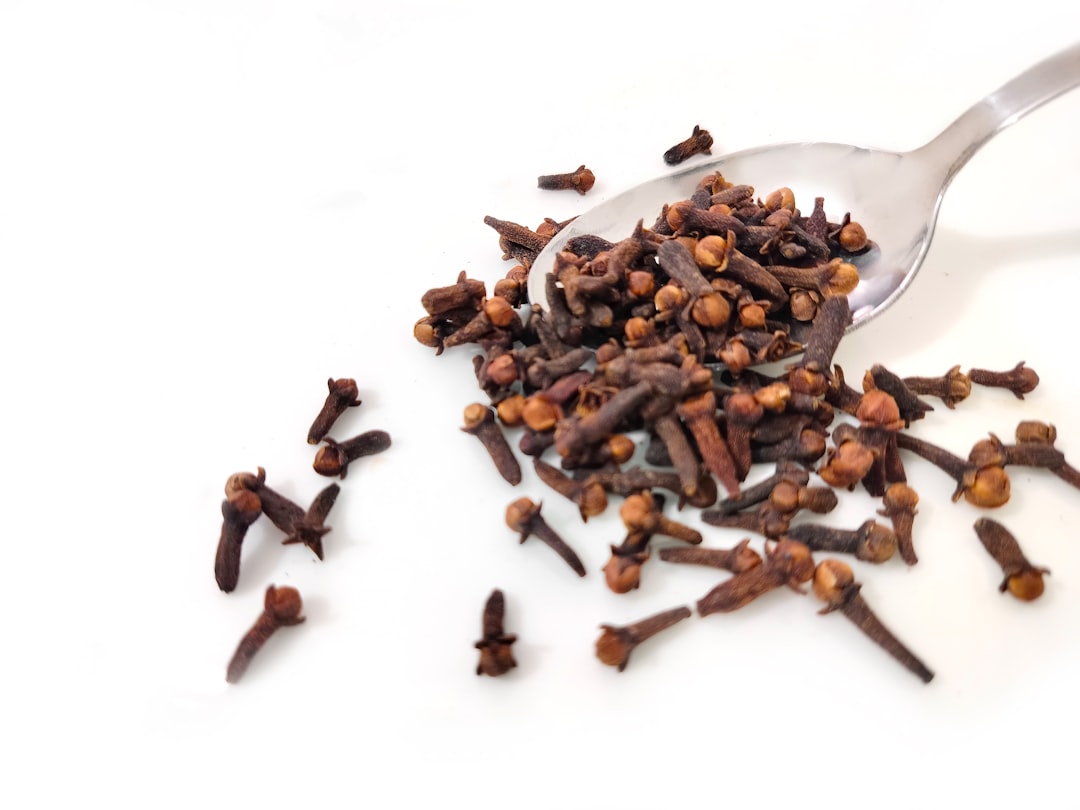
Cloves contain eugenol which is a natural anesthetic often used in dentistry to numb tooth pain. This spice has strong anti-inflammatory properties that can help with throat pain and gum inflammation. You can chew on a whole clove or apply clove oil to the affected area for temporary relief. It also fights fungal infections that can cause secondary pain or irritation. The intense flavor indicates the potency of its pain-numbing capabilities.
Pineapple

The stem and juice of fresh pineapple contain bromelain which is a protein-digesting enzyme. Bromelain is highly effective at reducing swelling and bruising after injury or surgery. It helps clear out damaged cells and accelerates the healing process in soft tissues. Eating fresh pineapple can soothe sinus pain and reduce nasal congestion caused by inflammation. This tropical fruit serves as a sweet remedy for acute injuries and post-surgical recovery.
Garlic
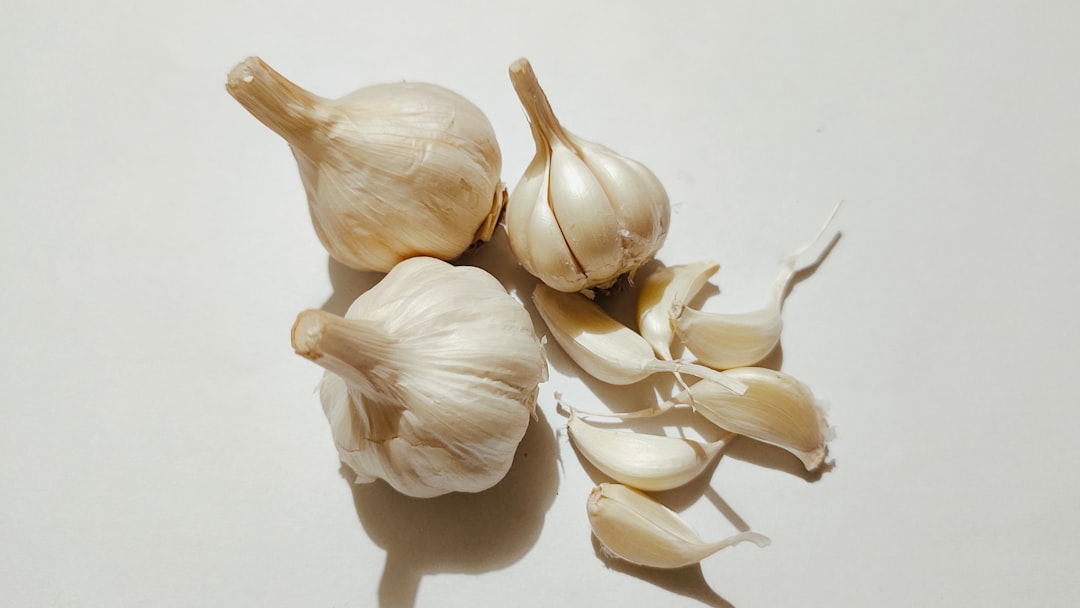
Garlic contains sulfur compounds like thiacremonone that inhibit inflammatory pathways in the body. It strengthens the immune system and helps the body fight off infections that cause aches. Crushing garlic and letting it sit before cooking activates its beneficial compounds for maximum effect. Topical application of garlic oil is a traditional remedy for soothing earaches and joint pain. Including garlic in daily meals supports joint health and reduces the severity of arthritis symptoms.
Cranberry Juice

Cranberries are famous for preventing urinary tract infections by stopping bacteria from adhering to bladder walls. This action prevents the painful burning sensation and inflammation associated with infections. They contain mild salicylic acid which is a key ingredient in aspirin and helps reduce swelling. Drinking unsweetened cranberry juice provides antioxidants that cleanse the system and reduce fluid retention. It is a tart beverage that offers specific relief for bladder and kidney discomfort.
Oranges

Vitamin C is crucial for the production of collagen which maintains the integrity of cartilage and bone. Oranges provide a high dose of this vitamin and help prevent the wear and tear that leads to joint pain. The antioxidants called beta-cryptoxanthin found in citrus fruits reduce the risk of developing inflammatory polyarthritis. Regular consumption supports tissue repair and strengthens the body’s natural defenses. Peeling an orange is a simple step toward stronger joints and less pain.
Fennel Seeds
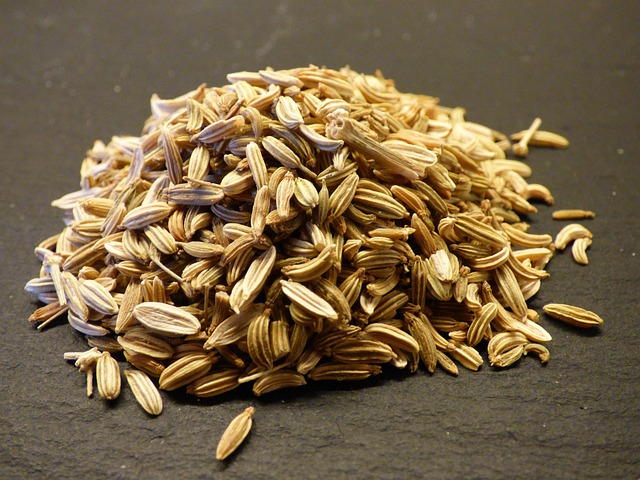
These seeds are excellent for digestion and can relieve painful bloating and menstrual cramps. Fennel contains anethole which reduces inflammation and works as an antispasmodic agent. Chewing on fennel seeds after a meal is a traditional way to prevent gas and stomach discomfort. Tea made from fennel can relax the muscles of the uterus and provide relief during menstruation. They offer a licorice-like flavor that calms the digestive system naturally.
Rosemary

This aromatic herb contains rosmarinic acid and carnosic acid which act as anti-inflammatory agents. Essential oil derived from rosemary is often used topically to treat muscle pain and arthritis. It stimulates blood circulation which warms the area and promotes faster healing of strained muscles. Brewing rosemary tea can help soothe headaches and improve mental clarity. Adding fresh rosemary to roasted vegetables enhances flavor while providing analgesic benefits.
Green Tea

Green tea is packed with polyphenols including EGCG which has been shown to reduce inflammation and slow cartilage destruction. It is particularly beneficial for people suffering from rheumatoid arthritis and joint stiffness. The antioxidants protect cells from damage and boost the overall immune response. Drinking several cups a day can lower the production of molecules that cause joint damage. It provides a gentle energy boost along with its protective health properties.
Spinach

Dark leafy greens like spinach are rich in antioxidants and plant compounds that fight inflammation. It contains high levels of Vitamin K which helps maintain strong bones and healthy cartilage. The presence of magnesium in spinach aids in muscle relaxation and prevents cramps. Adding a handful of spinach to a smoothie or salad boosts your intake of pain-fighting nutrients. It serves as a nutritional foundation for a pain-free and active lifestyle.
Walnuts

Walnuts have the highest omega-3 content of any nut and are excellent for fighting chronic inflammation. They contain protective phytonutrients that are rare in other foods and help reduce oxidative stress. Eating walnuts regularly can lower C-reactive protein levels which is a marker of inflammation in the blood. They provide a satisfying crunch and healthy fats that support brain and joint health. A small serving daily contributes significantly to an anti-inflammatory diet.
Dark Chocolate

High-quality dark chocolate with a high cocoa content is rich in chemicals that fight inflammation. It helps lower blood pressure and improves circulation which can alleviate vascular headaches. The flavonoids in cocoa inhibit the production of pro-inflammatory cytokines in the body. enjoying a small square can stimulate the release of endorphins to naturally mask pain. It is a decadent treat that offers legitimate health benefits when consumed in moderation.
Strawberries

These berries significantly lower the levels of C-reactive protein in the blood which signals inflammation. They are packed with vitamin C and antioxidants that protect the body from oxidative damage. Eating strawberries can help manage the pain associated with osteoarthritis in the knees. The ellagic acid found in the seeds fights inflammation and supports immune health. They are a versatile fruit that can be eaten fresh or frozen to reduce bodily aches.
Tomatoes

Tomatoes are the best source of lycopene which is an antioxidant known to reduce inflammation throughout the body. Cooking tomatoes increases the availability of lycopene and makes it easier for the body to absorb. They are particularly good for reducing pain associated with chronic diseases and tissue damage. Olive oil enhances the absorption of the nutrients in tomatoes for a synergistic effect. Including them in sauces and stews provides a savory way to fight pain.
Yogurt

Probiotics in yogurt help maintain a healthy gut microbiome which is linked to reduced systemic inflammation. A healthy gut can lower pain sensitivity and improve the body’s response to stress. It also contains calcium and vitamin D which are essential for bone strength and preventing skeletal pain. Eating plain yogurt avoids added sugars that can actually increase inflammation. It offers a creamy texture that soothes the stomach and supports overall wellness.
Soybeans

Edamame and tofu are rich in isoflavones which have antioxidant and anti-inflammatory properties. These compounds can help reduce the pain and stiffness associated with osteoarthritis. Soy protein is a plant-based alternative to red meat which can be inflammatory for some people. Regular consumption has been linked to better bone health and reduced joint discomfort. It is a versatile ingredient that absorbs flavors while providing medicinal benefits.
Sage
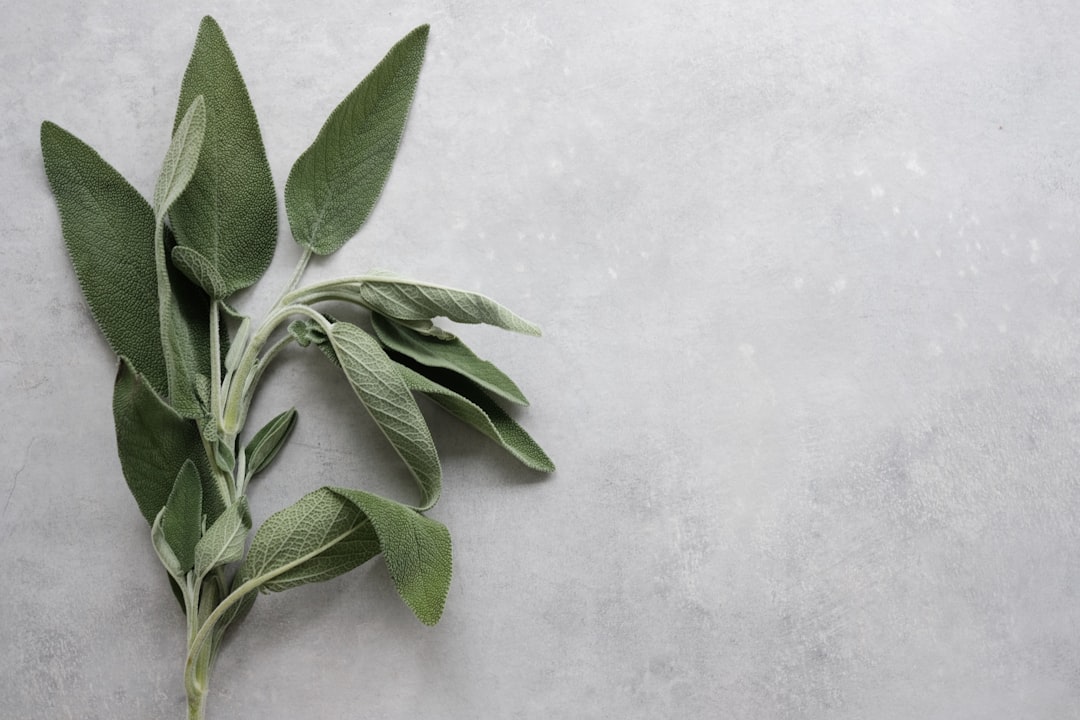
This herb is rich in antioxidants like rosmarinic acid and camphor which help relieve pain and inflammation. Sage tea is a traditional remedy for sore throats and painful gum irritations. It improves memory and focus while simultaneously calming the nervous system. You can use it to season meats or brew it into a tea for internal relief. It provides an earthy flavor that complements savory dishes and heals the body.
Honey

Raw honey has natural antibacterial and anti-inflammatory properties that speed up wound healing. It is often used to coat the throat and relieve the pain of a persistent cough. The enzymes in raw honey can reduce swelling when applied topically to minor burns or cuts. Adding it to warm tea creates a soothing beverage that relaxes the body. It serves as a natural sweetener that offers therapeutic benefits beyond just sugar.
Thyme

Thyme contains thymol which is an essential oil with strong antiseptic and pain-relieving qualities. It works by interfering with the pain perception pathways to reduce discomfort. Thyme tea is often used to treat respiratory infections and the chest pain that comes with coughing. The antimicrobial properties help prevent secondary infections that can cause further pain. It is a robust herb that supports respiratory health and muscle relaxation.
Tell us which of these natural remedies you plan to try first by leaving a note in the comments.