The gut is one of the most complex and sensitive systems in the human body, housing trillions of microorganisms that influence digestion, immunity and even mood. Many people focus on adding healthy foods to their diet without realising that certain everyday staples are quietly disrupting the delicate balance of gut bacteria. Some of the most disruptive foods are ones considered harmless or even nutritious by mainstream standards. Understanding what is working against your microbiome is just as important as knowing what supports it.
Artificial Sweeteners
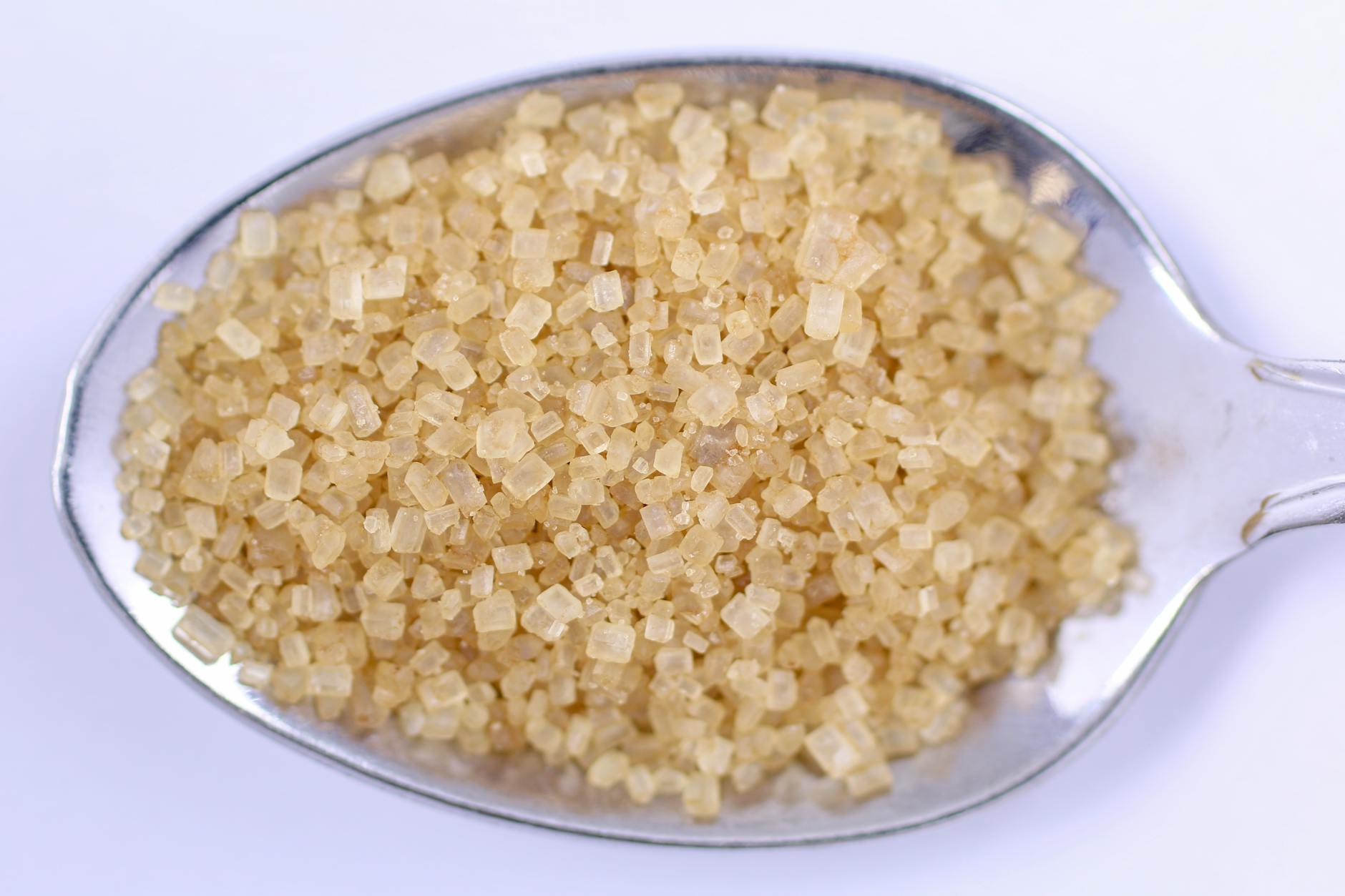
Artificial sweeteners such as aspartame, sucralose and saccharin are widely used as low-calorie sugar substitutes in diet products. Research has shown that these compounds can significantly alter the composition of gut bacteria in ways that negatively affect metabolic function. Regular consumption has been linked to glucose intolerance and disruptions in microbial diversity. They are found in thousands of products including diet sodas, sugar-free gums and flavoured yogurts. Despite being calorie-free, their impact on the gut microbiome is far from neutral.
Processed White Bread

White bread is made from heavily refined flour that has been stripped of its fibre and most of its nutritional content. Without fibre, this food moves quickly through the digestive system and fails to feed the beneficial bacteria that rely on prebiotic compounds to thrive. The rapid spike in blood sugar that follows consumption can create an environment in the gut that favours harmful bacterial strains. Many commercial white breads also contain additives and preservatives that further irritate the gut lining. Frequent consumption has been associated with increased intestinal permeability in several dietary studies.
Margarine

Margarine was once promoted as a healthier alternative to butter but its composition tells a more complicated story for gut health. Many varieties contain partially hydrogenated oils which introduce trans fats into the digestive system and promote systemic inflammation. Inflammation in the gut disrupts the mucosal lining and impairs the ability of beneficial microbes to colonise effectively. The emulsifiers often added to margarine products have also been studied for their potential to degrade the protective mucus layer of the intestine. Regular intake creates conditions that are broadly unfavourable for a balanced microbiome.
Farmed Salmon

Farmed salmon is frequently marketed as a heart-healthy protein source but its gut health implications are less flattering. Fish raised in crowded aquaculture environments are routinely given antibiotics to prevent disease spreading through densely packed populations. These residual antibiotics can enter the human digestive system and disrupt the balance of gut flora in ways that mirror the effects of prescribed antibiotic courses. Farmed salmon are also fed artificial colouring agents and processed meal rather than the natural diet of wild fish. The nutritional profile and microbial impact differs considerably from its wild-caught counterpart.
Canned Soup

Canned soups are a convenient meal option but many varieties contain extraordinarily high levels of sodium that can negatively affect gut bacteria. Excess sodium has been shown in research to reduce the population of Lactobacillus species which are among the most beneficial bacteria in the human gut. The canning process also involves high heat treatment that destroys many of the naturally occurring nutrients that would otherwise support digestive health. BPA used in the lining of many metal cans can leach into the food and act as an endocrine disruptor with downstream effects on gut function. Even soups labelled as healthy often contain preservatives and flavour enhancers that the microbiome processes poorly.
Alcohol

Alcohol is one of the most well-documented substances capable of damaging the integrity of the gut lining when consumed regularly. It disrupts the tight junctions between intestinal cells which can lead to increased intestinal permeability commonly referred to as leaky gut. This allows toxins and partially digested food particles to pass into the bloodstream and trigger widespread inflammation. Alcohol also has a directly toxic effect on many species of beneficial gut bacteria while simultaneously encouraging the overgrowth of harmful ones. Even moderate regular consumption has been shown to meaningfully alter microbial diversity over time.
Microwave Popcorn

Microwave popcorn bags are lined with perfluorooctanoic acid which is a chemical compound associated with hormonal disruption and gut inflammation. The artificial butter flavouring used in many varieties contains diacetyl which has been flagged in occupational health research for its potential respiratory and digestive effects. The high levels of sodium and partially hydrogenated oils in many flavoured versions compound the impact on microbial balance. Popcorn itself is not harmful but the chemical environment created by the packaging and flavouring agents is what poses the risk. Opting for air-popped varieties without chemical coatings is a markedly different proposition for gut health.
Soy Sauce
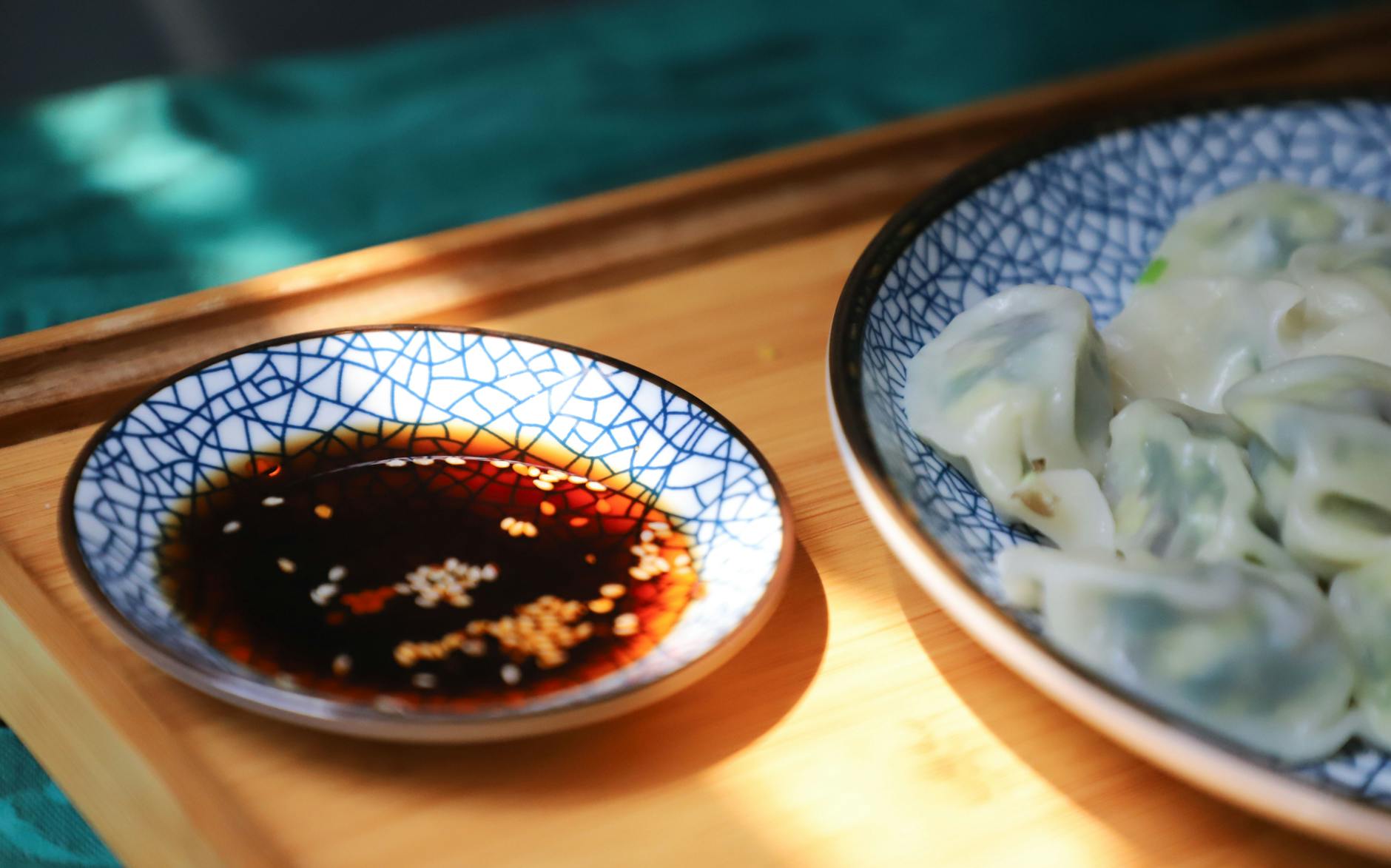
Soy sauce is a fermented condiment but its extremely high sodium content makes it problematic for gut health when used regularly and in large quantities. The sodium load can suppress the growth of beneficial Lactobacillus and Bifidobacterium species that play a central role in digestive balance. Many commercial soy sauces also contain wheat gluten which can cause digestive distress in individuals with non-coeliac gluten sensitivity. The fermentation process in mass-produced varieties is often accelerated using chemical hydrolysis rather than traditional methods, reducing any probiotic benefit. It is a condiment best used sparingly rather than as a staple flavouring.
Flavoured Yogurt
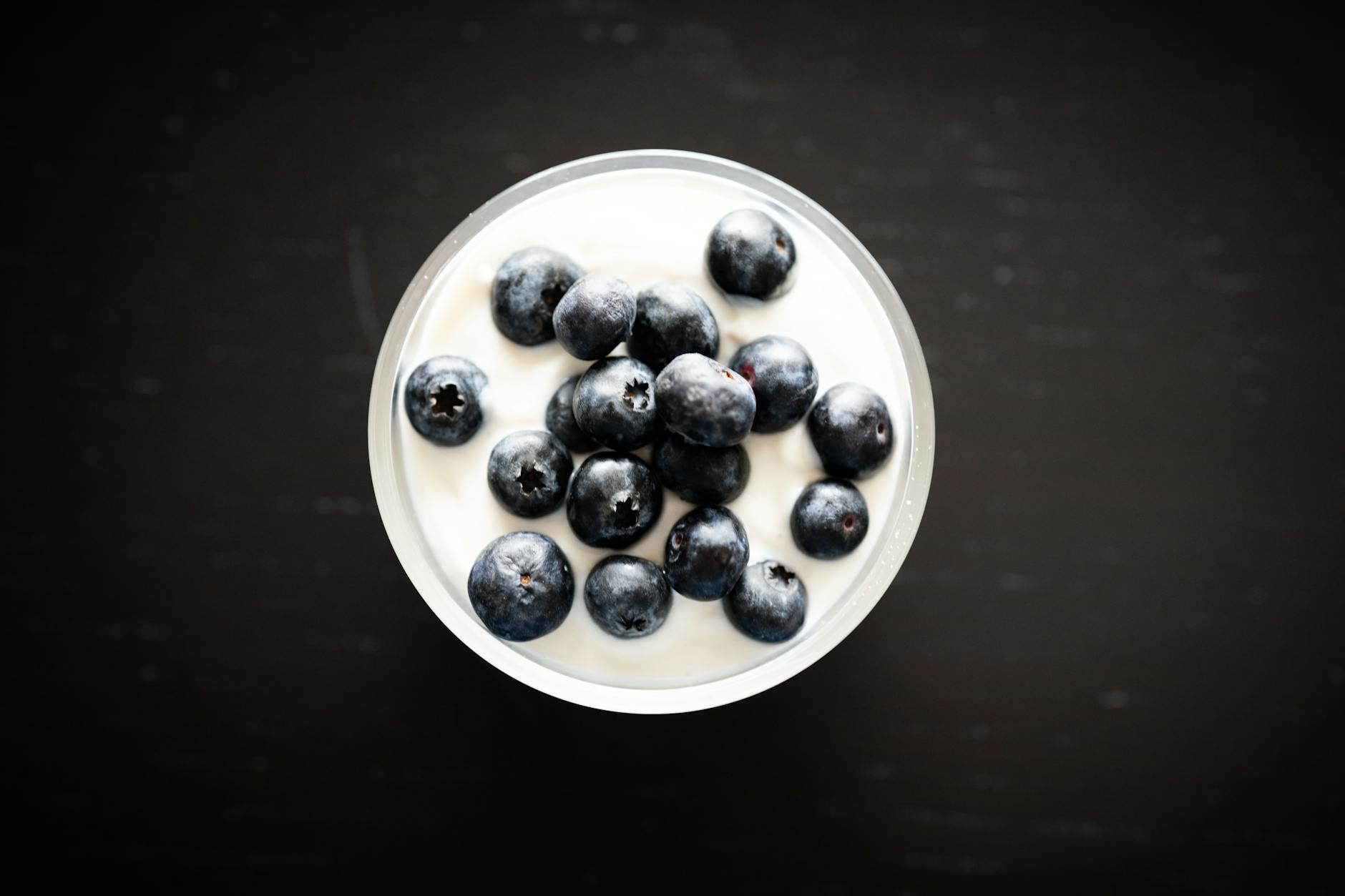
Flavoured yogurts are frequently positioned as gut-friendly foods due to their probiotic content but many commercial varieties undermine that benefit. The added sugar levels in popular flavoured yogurts can feed harmful bacteria and yeast in the gut more effectively than the probiotic cultures can counteract. Artificial colours and flavourings introduce compounds that the gut microbiome must process without any nutritional benefit. Many products that advertise live cultures contain strains that are not robust enough to survive the acidic journey through the stomach in meaningful quantities. Plain full-fat varieties with no added sugar represent a far more beneficial choice for microbiome support.
Energy Drinks
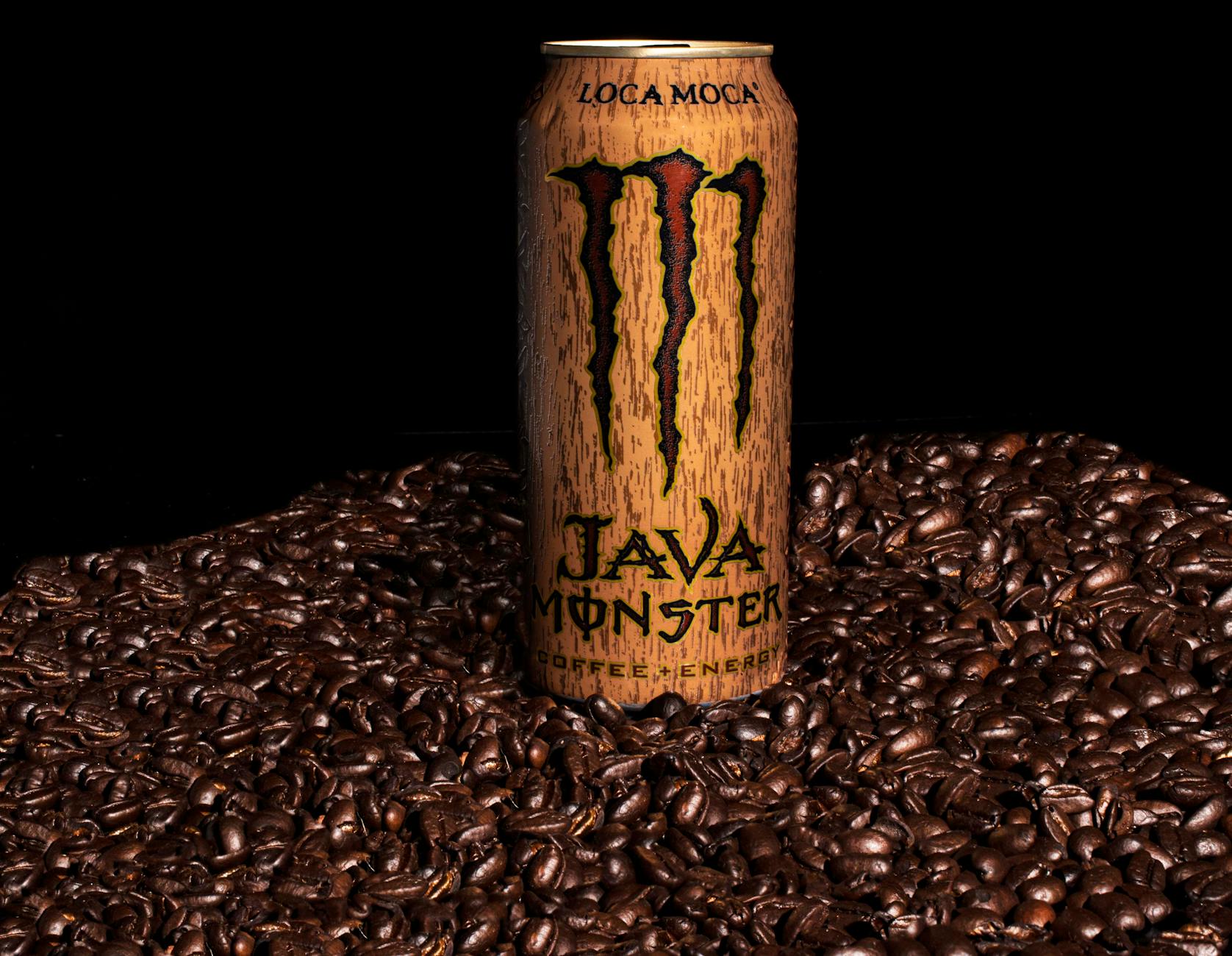
Energy drinks combine caffeine, artificial sweeteners, synthetic B vitamins and various stimulant compounds in a formulation that puts considerable stress on the gut lining. The high acidity of most energy drinks can erode the mucosal layer of the stomach and upper intestine over time. Ingredients such as taurine and guarana have been shown in some studies to alter gut motility in ways that cause either constipation or urgency. The combination of stimulants can also disrupt the gut-brain axis which plays a significant role in regulating digestive function. Frequent consumption is associated with increased gut inflammation in young adults according to dietary health research.
Processed Cheese

Processed cheese products such as individually wrapped slices and cheese spreads bear little resemblance to naturally aged cheeses in terms of their composition. They typically contain emulsifying salts phosphates and a range of additives that the digestive system must break down without receiving meaningful nutritional return. The absence of live cultures means there is no probiotic benefit that natural aged cheeses can sometimes provide. High sodium and saturated fat content in combination with artificial ingredients creates a compound burden for the gut lining. The degree of processing involved fundamentally alters how the product interacts with intestinal microbiota.
Refined Breakfast Cereals

Many popular breakfast cereals are marketed with health claims while containing high levels of refined sugar and almost no meaningful fibre. The glycaemic spike caused by starting the day with refined carbohydrates feeds harmful bacteria and disrupts the stable blood sugar environment that supports a healthy microbiome. Artificial colours such as Red 40 and Yellow 5 found in many cereal products have been studied for their potential effects on gut permeability. The fortified vitamins added back after processing are synthetic forms that are metabolised differently from those found in whole foods. A breakfast built around these products can set a destabilising pattern for gut function throughout the day.
Diet Ice Cream

Diet ice cream relies heavily on sugar alcohols such as erythritol and sorbitol to achieve sweetness without the caloric load of sugar. These compounds are not fully absorbed in the small intestine and pass into the large intestine where they are fermented by bacteria in ways that commonly cause bloating, gas and loose stools. Artificial emulsifiers such as carrageenan and polysorbate 80 found in many low-fat frozen desserts have been linked in animal studies to disruptions of the gut mucosal barrier. The combination of multiple artificial ingredients in a single product creates a cumulative effect on gut microbiota that is difficult to quantify but broadly disruptive. The perception of these products as healthier choices does not extend to their impact on digestive wellbeing.
Bottled Salad Dressings

Bottled salad dressings transform an otherwise gut-supportive meal into a potential source of digestive disruption. Most commercial varieties contain refined seed oils high in omega-6 fatty acids which promote gut inflammation when consumed in excess of omega-3 rich alternatives. Emulsifiers including polysorbate 80 and carboxymethylcellulose have been directly studied in the context of gut barrier function with concerning results at regular consumption levels. Added sugars and high fructose corn syrup appear in many seemingly savoury dressings, feeding the kind of bacterial overgrowth associated with poor digestive health. The preservative systems used to extend shelf life further reduce the palatability of these products for a balanced microbiome.
Hot Dogs

Hot dogs and other processed meats are produced using a combination of low-quality meat scraps, preservatives, artificial flavourings and chemical additives. Sodium nitrite used as a preservative in most hot dogs has been associated with gut inflammation and has been classified as a probable carcinogen by major health organisations. The extremely low fibre content means hot dogs contribute almost nothing to feeding beneficial bacteria while introducing compounds that favour harmful microbial species. High sodium levels compound the suppressive effect on Lactobacillus populations that serve important protective functions in the gut lining. The degree of processing involved places this food among the most disruptive to microbiome diversity.
Instant Noodles
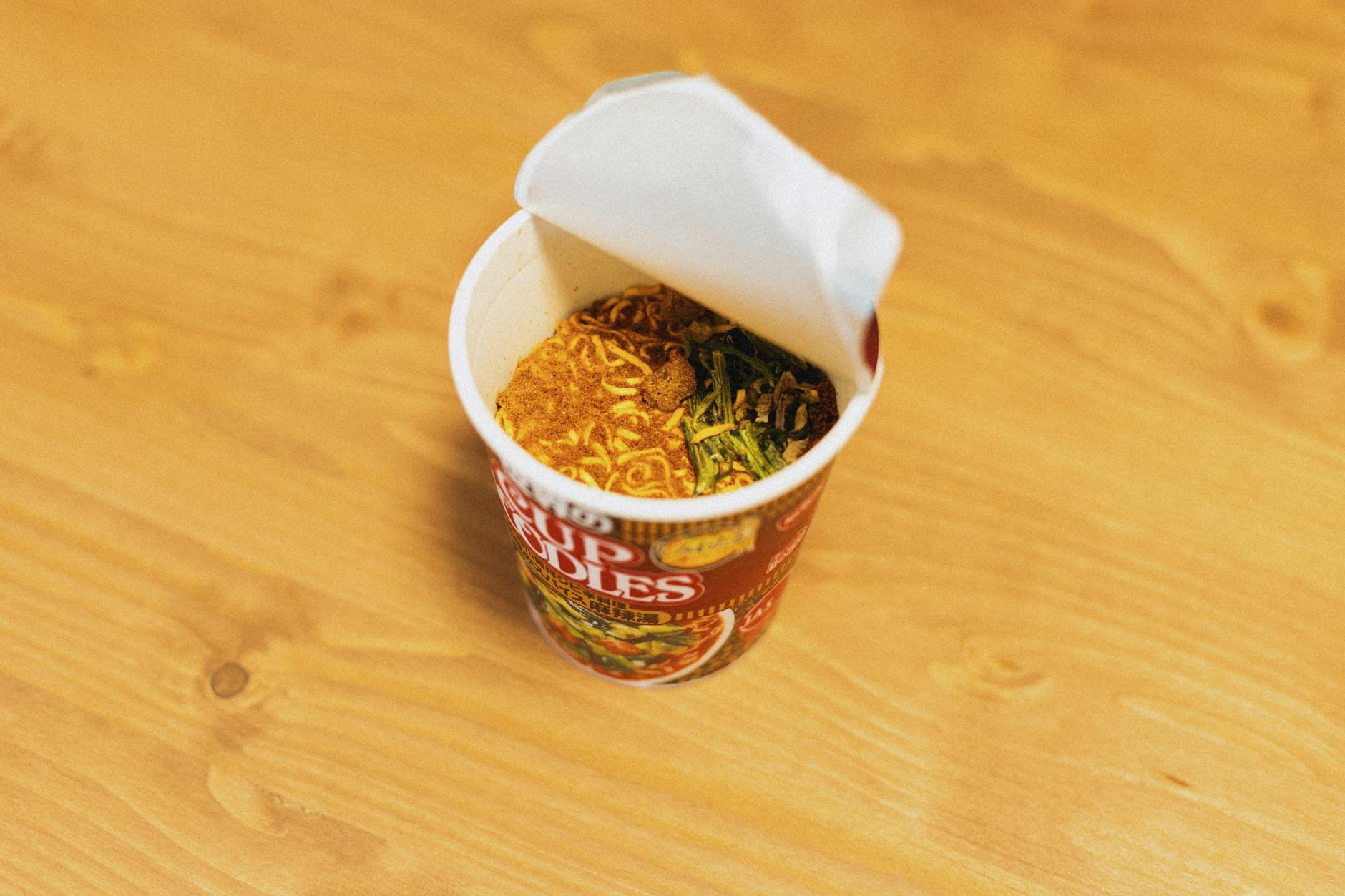
Instant noodles are among the most widely consumed convenience foods globally and among the most consistently problematic for gut health. They are typically made from refined wheat flour with added chemical preservatives such as tertiary butylhydroquinone which studies have shown can reduce the diversity of gut bacteria. The seasoning packets contain levels of sodium that far exceed recommended daily intake thresholds in a single serving. The noodles themselves have an extremely low fibre content which provides no support for the growth of beneficial microbiota. Regular consumption has been associated with poorer metabolic markers and reduced gut bacterial diversity in population studies.
Store-Bought Fruit Juice

Store-bought fruit juice is often perceived as a nutritious choice but the processing involved strips out the fibre that makes whole fruit gut-friendly. Without fibre, the concentrated fruit sugars in juice reach the gut rapidly and can feed populations of harmful bacteria and yeast. Many commercial juices contain added sugars and are pasteurised at high temperatures which destroys any natural enzymes or beneficial compounds that fresh fruit would provide. The fructose load delivered without fibre to slow absorption places stress on the liver and creates conditions in the large intestine that favour dysbiosis. Even juices labelled as 100 percent natural can contain far more sugar per serving than is beneficial for microbiome health.
Vegetable Shortening
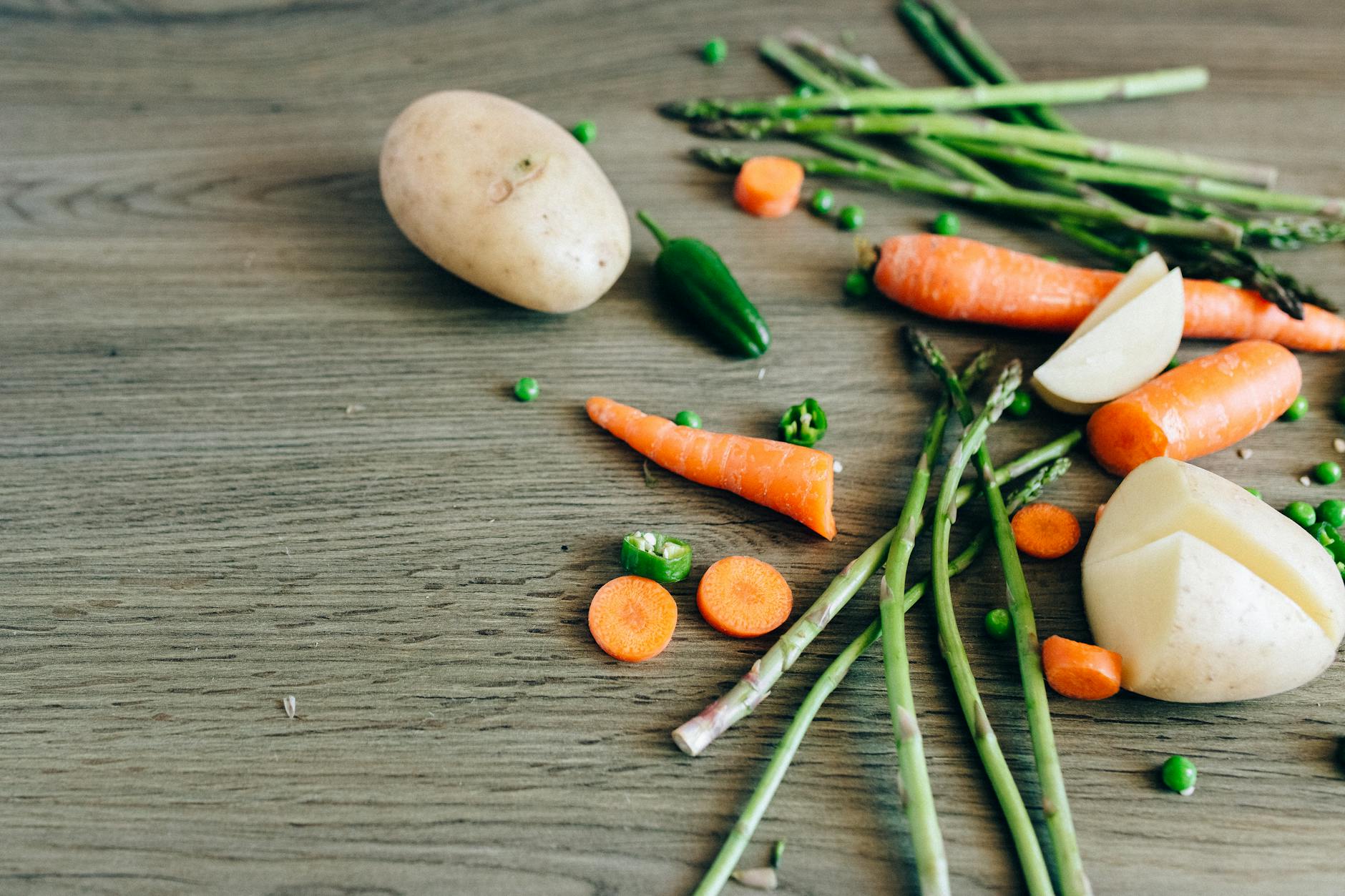
Vegetable shortening is a solid fat product created through the hydrogenation of plant oils, a process that produces trans fats as a byproduct. Trans fats are strongly associated with gut inflammation and have been shown to alter the composition of intestinal microbiota in a direction that favours pro-inflammatory bacterial species. They interfere with the integrity of cell membranes throughout the digestive tract including those of the cells lining the intestinal wall. Vegetable shortening is used extensively in commercially baked goods, fried foods and pastry products, making it a pervasive presence in many diets. Its effects on the gut microbiome are compounded by the fact that it is rarely consumed in isolation but rather as part of products that contain multiple other disruptive ingredients.
Canned Tomatoes
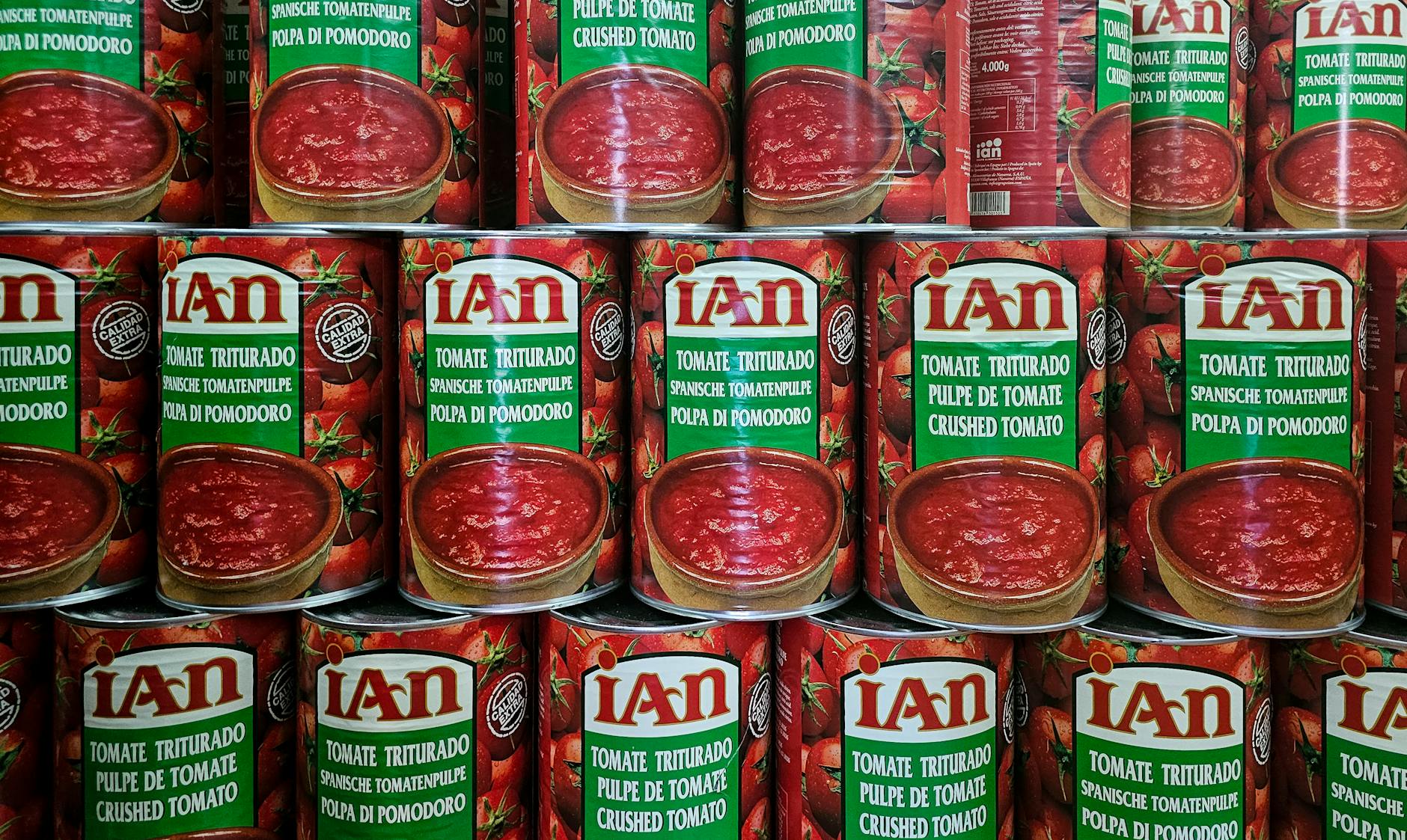
Canned tomatoes are a useful kitchen staple but the acidity of tomatoes accelerates the leaching of BPA from the lining of metal cans into the food more aggressively than less acidic products. BPA is an endocrine-disrupting compound that has been shown to interfere with gut barrier function and alter the microbial environment of the intestine. The canning process also destroys heat-sensitive beneficial compounds and reduces the nutritional complexity that fresh tomatoes provide to the digestive system. Individuals with pre-existing gut sensitivity to nightshade vegetables may find that the concentrated form intensifies digestive symptoms. Opting for tomatoes stored in glass jars significantly reduces the BPA exposure concern.
Flavoured Crackers
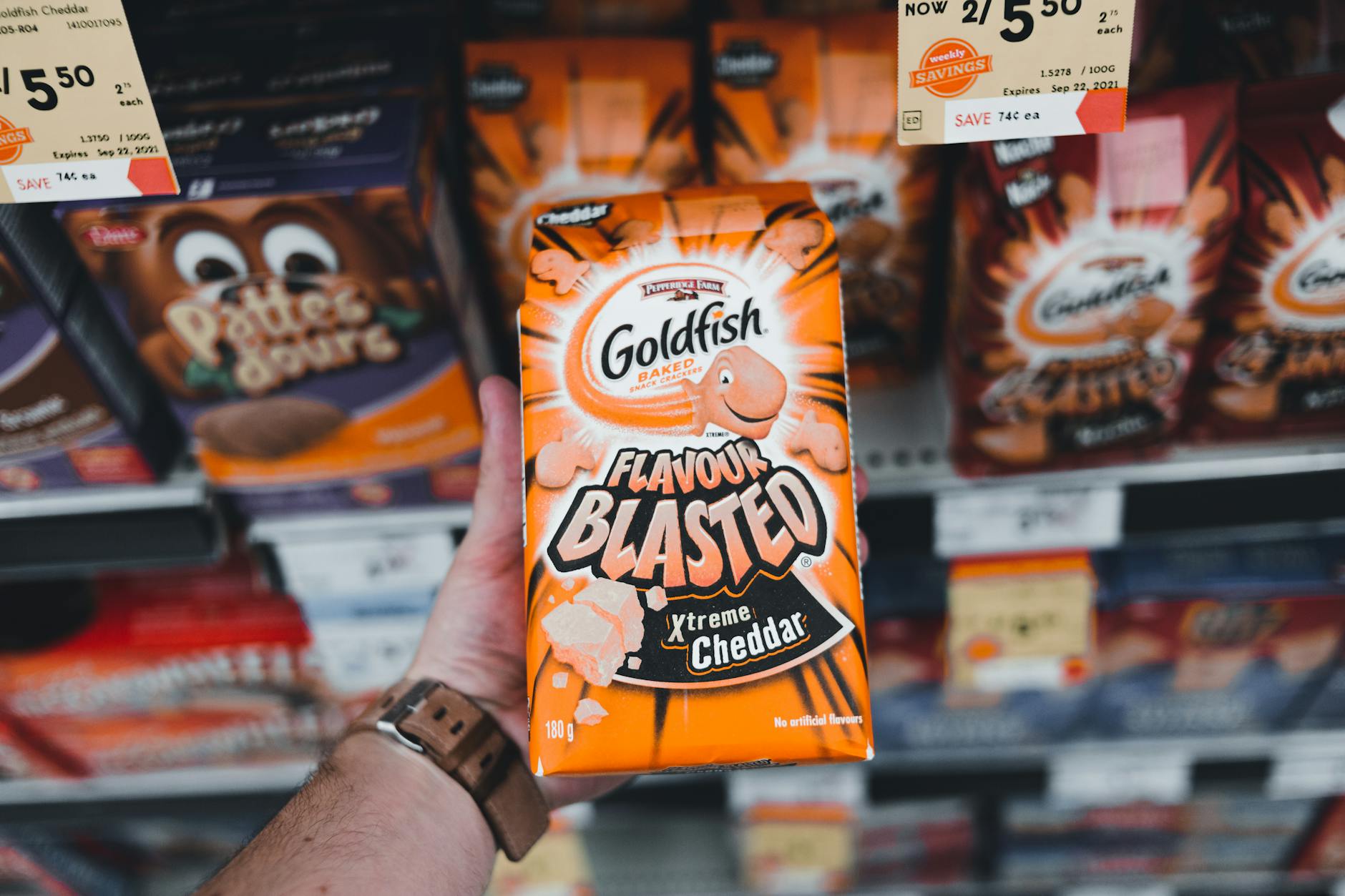
Flavoured crackers such as those coated in cheese powder or barbecue seasoning combine refined white flour with artificial flavouring compounds, synthetic colours and high sodium levels. The refined flour base provides almost no fibre, failing to support the beneficial bacteria that depend on prebiotic fermentation for their growth. Artificial flavour compounds often contain glutamates and additives that the gut microbiome encounters as foreign substances with no nutritional value. Many varieties also contain palm oil or partially hydrogenated vegetable oils that contribute to intestinal inflammation. The combination of these factors makes flavoured crackers a meaningfully disruptive snack choice despite their widespread popularity.
Sports Drinks

Sports drinks are designed to replenish electrolytes during intense physical activity but they are frequently consumed by people in sedentary contexts where their formulation is unnecessary and potentially harmful. The high sugar content in most sports drinks feeds harmful bacteria in the gut and disrupts the balance of microbial populations when consumed regularly without the physiological demand to justify it. Artificial colours including Yellow 5 and Blue 1 found in many popular varieties have been investigated for their effects on intestinal permeability. The citric acid used as a flavouring agent is often derived from mould fermentation and can cause inflammatory responses in sensitive individuals. Regular consumption outside of athletic recovery contexts contributes to a gut environment that favours dysbiosis.
Packaged Pastries

Packaged pastries such as commercially produced muffins, croissants and Danish pastries are among the most concentrated sources of refined flour, trans fats and added sugar in the modern diet. This triple combination represents a significant challenge for gut microbiota, feeding harmful species while providing virtually no substrate for beneficial bacteria to thrive. The preservative systems used to extend the shelf life of these products introduce compounds that the intestinal microbiome must contend with without any accompanying nutritional benefit. Emulsifiers added to improve texture and consistency have been specifically studied for their potential to erode the protective mucus layer of the gut wall. The palatability and convenience of these products masks a composition that is deeply at odds with gut health.
Low-Fat Peanut Butter

Low-fat peanut butter removes the naturally occurring healthy fats from peanuts and replaces them with added sugars and corn syrup solids to compensate for the loss of flavour and texture. The added sugar load directly feeds harmful gut bacteria and yeast while offering none of the prebiotic fibre benefit that minimally processed nut butters can provide. Many varieties also contain hydrogenated vegetable oils to maintain a spreadable consistency, reintroducing the trans fat problem through the back door. The processing required to achieve the low-fat formulation also reduces the polyphenol content of the peanuts which in their natural state offer some antioxidant support to the gut lining. Full-fat natural peanut butter with no additives is a substantially different product from a gut health perspective.
Frozen Meals
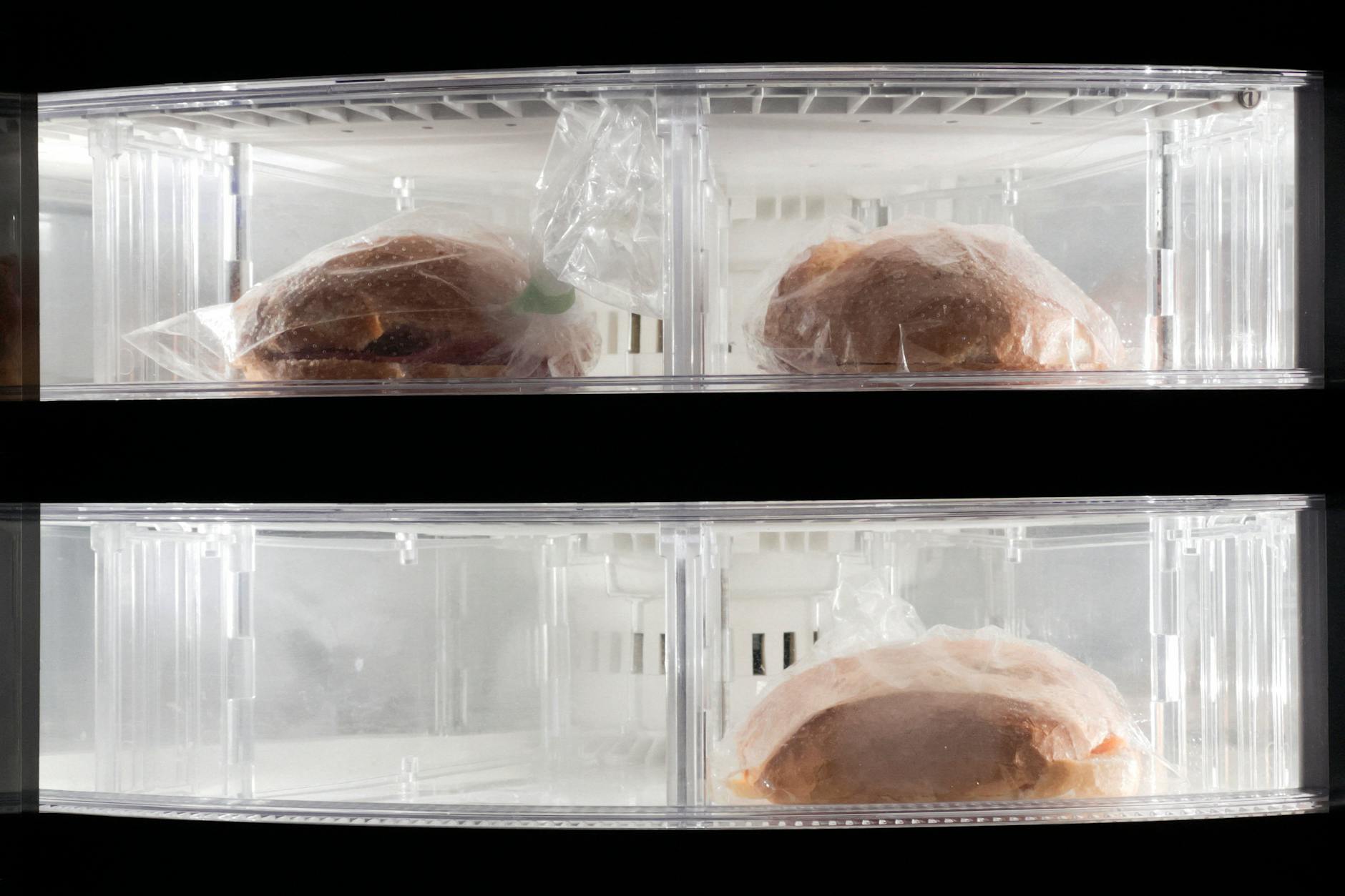
Frozen meals offer convenience but the formulation required to make them shelf-stable and palatable after freezing and reheating involves a significant array of additives. Sodium levels in frozen meals are typically very high, often supplying more than half of a recommended daily intake in a single serving, suppressing beneficial microbial populations. Artificial preservatives such as sodium benzoate and potassium sorbate are used to inhibit bacterial growth during storage but they are not selective about which bacteria they suppress once ingested. The texture-modifying agents and emulsifiers added to prevent separation during freezing have been directly implicated in gut barrier disruption in controlled studies. The cumulative additive load of a regular frozen meal habit places sustained pressure on the microbiome.
Chewing Gum

Chewing gum is often overlooked as a dietary consideration but its composition includes multiple compounds that affect gut health in indirect but meaningful ways. Most commercial gums contain sorbitol or other sugar alcohols which pass undigested into the large intestine and cause fermentation-related bloating and alterations in microbial balance. The act of prolonged chewing stimulates gastric acid production without delivering food to the stomach, which over time can irritate the stomach lining. Artificial sweeteners present in sugar-free varieties carry the same microbiome-disrupting effects documented in other products containing these compounds. Some gum bases also contain polyvinyl acetate and synthetic resins that the body cannot digest and which may accumulate in the digestive tract with habitual use.
Tomato Ketchup
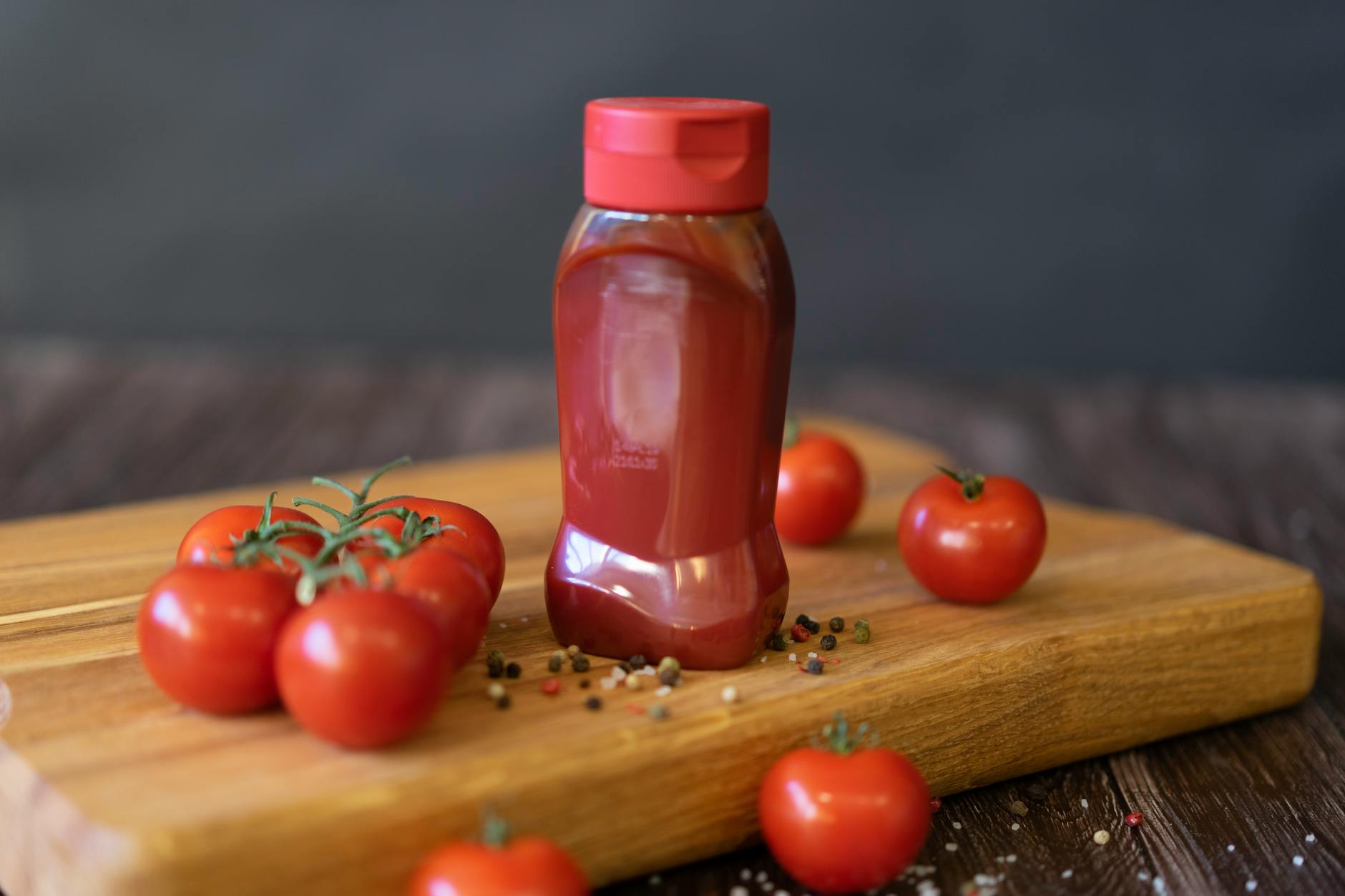
Tomato ketchup is one of the most universally consumed condiments but its gut health profile is considerably less benign than its tomato base might suggest. Most commercial varieties contain high fructose corn syrup as their primary sweetener which feeds harmful bacteria and yeast in the gut far more effectively than conventional sugar. The combination of high sugar and high acidity creates a digestive environment that can irritate the mucosal lining over time. Artificial flavour compounds and preservatives are added to most mass-produced ketchups to ensure a consistent taste and extended shelf life. The quantities in which ketchup is typically consumed mean that its cumulative impact on the microbiome is not insignificant despite its condiment status.
Flavoured Oat Products
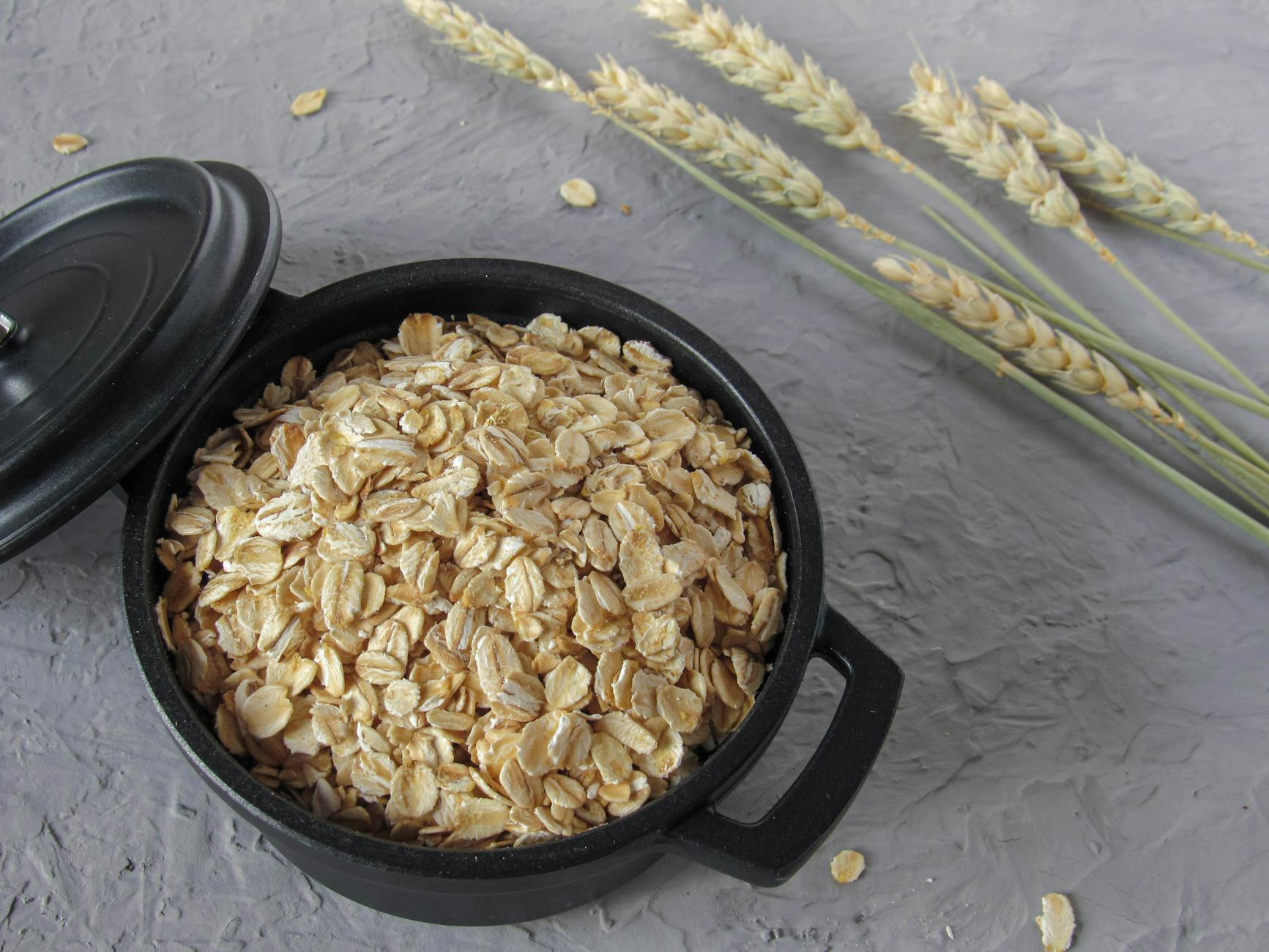
Instant and flavoured oat products have acquired a health halo that does not fully account for the sugar and additive content many of them contain. The instant processing of these oats raises their glycaemic index significantly compared to whole rolled or steel-cut varieties, delivering a rapid sugar load to the gut. Many flavoured sachets and packets contain as much added sugar per serving as a dessert food, actively feeding harmful bacteria under the guise of a nutritious breakfast. Artificial flavourings and sweeteners in these products add a further layer of compounds that the microbiome must process without benefit. The difference in gut health outcome between instant flavoured oats and minimally processed plain varieties is substantial and frequently underappreciated.
Packaged Deli Meats

Packaged deli meats are a processed protein source that introduces a concentrated combination of sodium, nitrates and artificial preservatives into the digestive system. Nitrate preservatives used to extend colour and shelf life are converted in the gut into nitrosamines which are strongly associated with inflammatory processes in the intestinal lining. The low fibre content of a deli meat-heavy diet provides no fermentation substrate for beneficial bacteria, contributing to a reduction in microbial diversity over time. Many packaged deli products also contain carrageenan as a binder which has been studied specifically for its effects on gut inflammation and barrier integrity. The convenience of these products has made them a dietary staple in many households despite their well-documented impact on digestive health.
Rice Cakes

Rice cakes are frequently recommended as a light and gut-friendly snack but their nutritional profile reveals significant limitations. Made from highly refined puffed rice, they have an extremely high glycaemic index, producing rapid blood sugar spikes that create a gut environment favouring harmful bacterial overgrowth. Their near-zero fibre content means they contribute nothing to the prebiotic feeding of beneficial bacteria that is essential for microbiome balance. Flavoured varieties often contain artificial seasonings, sodium and additives that compound the disruption to gut microbial diversity. The perception of rice cakes as a neutral or safe food choice for digestive health is not well supported by their actual composition.
Agave Syrup

Agave syrup has been widely marketed as a natural and low-glycaemic sweetener but its impact on gut health deserves more scrutiny than its reputation typically receives. It contains a higher proportion of fructose than almost any other common sweetener, including high fructose corn syrup, and excess fructose is poorly absorbed in the small intestine in many individuals. The unabsorbed fructose travels to the large intestine where it is rapidly fermented by bacteria, causing bloating, gas and alterations in microbial composition. This fermentation process can selectively feed species associated with gut inflammation and contribute to the overgrowth of harmful organisms. The natural origin of agave syrup does not protect the gut from the physiological consequences of its unusually high fructose concentration.
Share your thoughts on which of these foods surprised you most in the comments.