Body language and daily behaviors often communicate much more than words ever could in professional and social settings. Subtle movements and verbal patterns can accidentally broadcast a lack of confidence to everyone in the room. Recognizing these small actions provides an opportunity to adjust outward behavior and project a stronger presence. Addressing these unconscious tendencies helps individuals align their external communication with their internal capabilities.
Constant Apologizing

Saying sorry for things outside of personal control suggests an underlying fear of displeasing others. This habit diminishes the value of a genuine apology when an actual mistake occurs. People may start to view frequent apologizers as lacking conviction in their own actions and choices. Replacing unnecessary apologies with expressions of gratitude shifts the focus back to positive interactions.
Avoiding Eye Contact

Looking away during conversations signals a desire to hide or escape from the current interaction. A steady gaze demonstrates active listening and mutual respect between speakers. Dropping eye contact frequently makes the speaker appear doubtful about the truth or value of their own words. Maintaining relaxed eye contact establishes a solid foundation of trust and openness.
Fidgeting With Objects

Playing with jewelry or tapping pens creates a visual distraction that detracts from the verbal message. These repetitive physical movements physically manifest internal nervous energy for everyone else to see. Observers naturally interpret this restlessness as a sign of discomfort in the current environment. Keeping hands still or using purposeful gestures reinforces a calm and collected demeanor.
Overexplaining Simple Choices

Providing excessive justification for minor decisions reveals an anxious need for external validation. Confident individuals feel comfortable making choices without detailing every step of their thought process. Going into unnecessary detail often invites unwarranted opinions from others who would have otherwise accepted the decision. Stating choices plainly communicates self trust and establishes clear personal boundaries.
Seeking Constant Reassurance

Asking others for continuous feedback on personal work creates an impression of incompetence. Relying too heavily on external approval prevents the development of strong internal confidence. Colleagues and friends may eventually feel drained by the emotional labor required to constantly uplift someone. Trusting personal judgment allows individuals to present their work with quiet authority.
Slouching Body Posture

Rounding the shoulders and sinking into chairs physically minimizes a person in any given space. This closed body language indicates a subconscious desire to remain unseen and avoid drawing attention. An upright posture naturally commands respect and signals readiness to engage with the world. Standing tall literally and figuratively elevates how others perceive an individual during any interaction.
Frequent Self Deprecation

Making oneself the punchline of every joke quickly shifts from humble to noticeably insecure. While occasional modesty is charming people will eventually start believing the negative statements. Undermining personal achievements publicly makes it difficult for others to celebrate those successes. Accepting compliments gracefully projects a much healthier level of self worth.
Laughing Nervously

Adding a small giggle to the end of serious statements undermines the gravity of the message. This auditory tic often surfaces when individuals feel uncomfortable expressing their genuine opinions. Listeners may interpret the laughter as a sign that the speaker does not take themselves seriously. Delivering statements with a steady and measured tone ensures the audience receives the intended message.
Mirroring Opinions

Changing viewpoints to match the dominant voice in the room displays a clear fear of conflict. Agreeing with everyone prevents individuals from establishing a distinct personal or professional identity. People quickly notice when someone lacks the conviction to stand behind their original thoughts. Respectfully maintaining an opposing viewpoint demonstrates intellectual courage and deep personal security.
Speaking Too Quietly

Lowering vocal volume forces listeners to strain and creates an immediate power imbalance. A quiet voice suggests the speaker believes their words are not important enough to be heard clearly. Projecting the voice from the diaphragm ensures the message reaches the entire room. Speaking clearly and at a moderate volume establishes an immediate sense of authority.
Hedging Statements

Starting sentences with phrases like I think or maybe waters down the impact of the core idea. These qualifiers give the speaker an easy out if their idea faces any criticism. Removing these weak introductory words instantly transforms a timid suggestion into a strong declarative statement. Direct communication shows that the speaker fully believes in the value of their contribution.
Checking Phones Constantly

Looking at a screen during lulls in conversation acts as an electronic security blanket. This habit indicates an inability to sit comfortably alone with personal thoughts or silence. People perceive this action as a disrespectful avoidance tactic rather than actual busyness. Keeping the device tucked away forces genuine engagement with the present moment and surroundings.
Overcompensating With Boasting

Loudly listing personal accomplishments often stems from a deep seated fear of being inadequate. Secure individuals let their work and reputation speak for themselves over time. Constant bragging signals to others that the speaker is desperately trying to prove their worth. True confidence is quiet and relies on consistent actions rather than noisy self promotion.
Avoiding Decision Making

Deferring every choice to others reveals an intense fear of making the wrong move. This chronic indecision frustrates colleagues and friends who want equal participation in planning. Taking the lead on small choices builds the necessary muscle to handle larger responsibilities later. Decisive action even when flawed shows a willingness to accept responsibility and grow.
Overthinking Text Messages

Drafting and deleting brief electronic replies repeatedly wastes time and emotional energy. The fear of being misunderstood leads to unnaturally stiff or overly wordy communications. Sending prompt and natural replies reflects a comfort with authentic personal expression. Casual communication should flow easily without requiring intense strategic planning for every word.
Hiding Behind Others

Standing physically behind a friend or colleague at social events broadcasts immense social anxiety. This physical positioning literally places a barrier between the individual and new opportunities. Stepping up to stand shoulder to shoulder creates an equal dynamic in group conversations. Claiming physical space in a room is the first step toward claiming social presence.
Agreeing Too Quickly
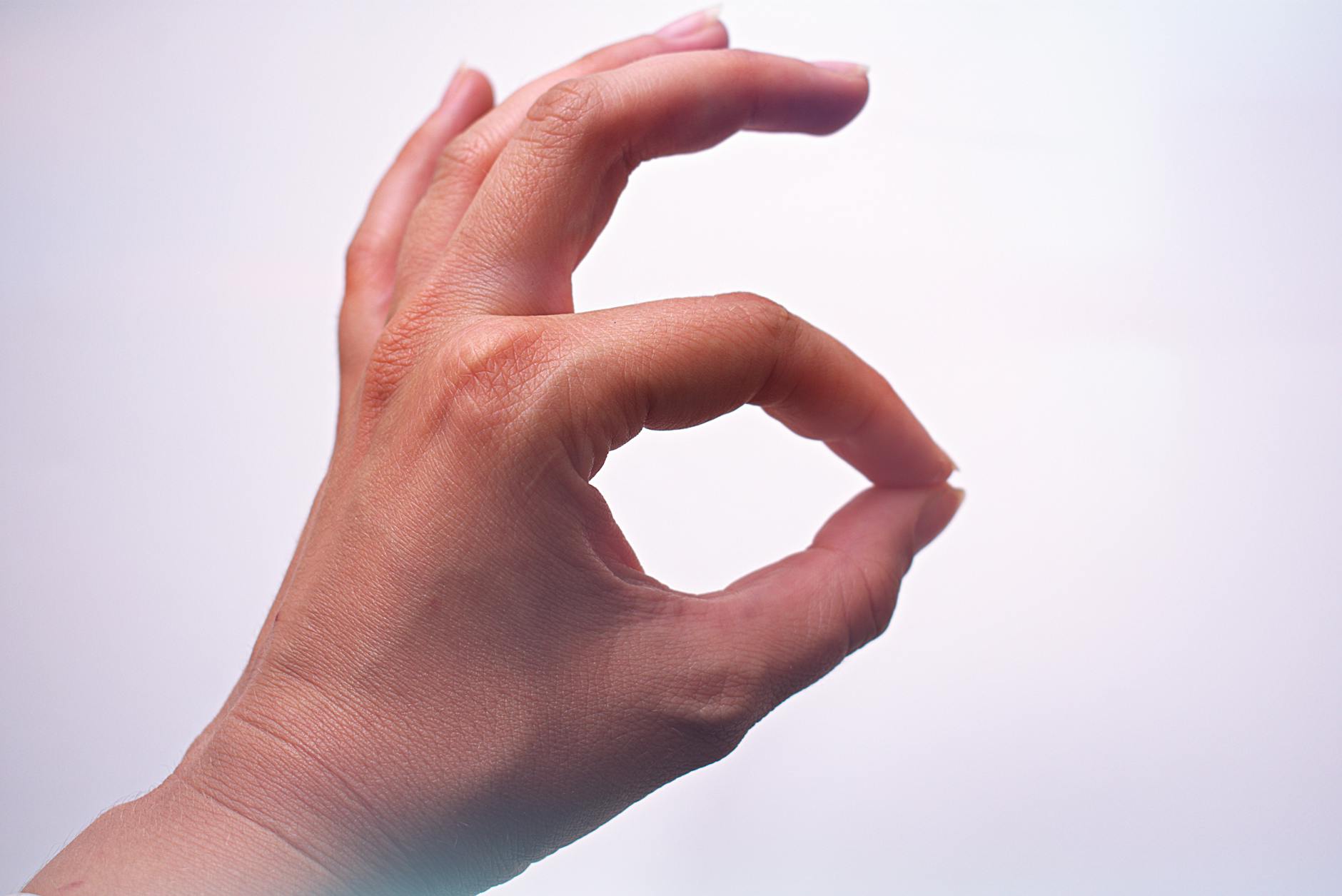
Nodding vigorously before the other person finishes speaking looks more anxious than attentive. This behavior stems from a desperate desire to be liked and accepted by the speaker. Active listening requires pausing to actually process information before offering agreement. A thoughtful pause before responding demonstrates genuine intellectual engagement rather than blind compliance.
Shifting Weight Excessively
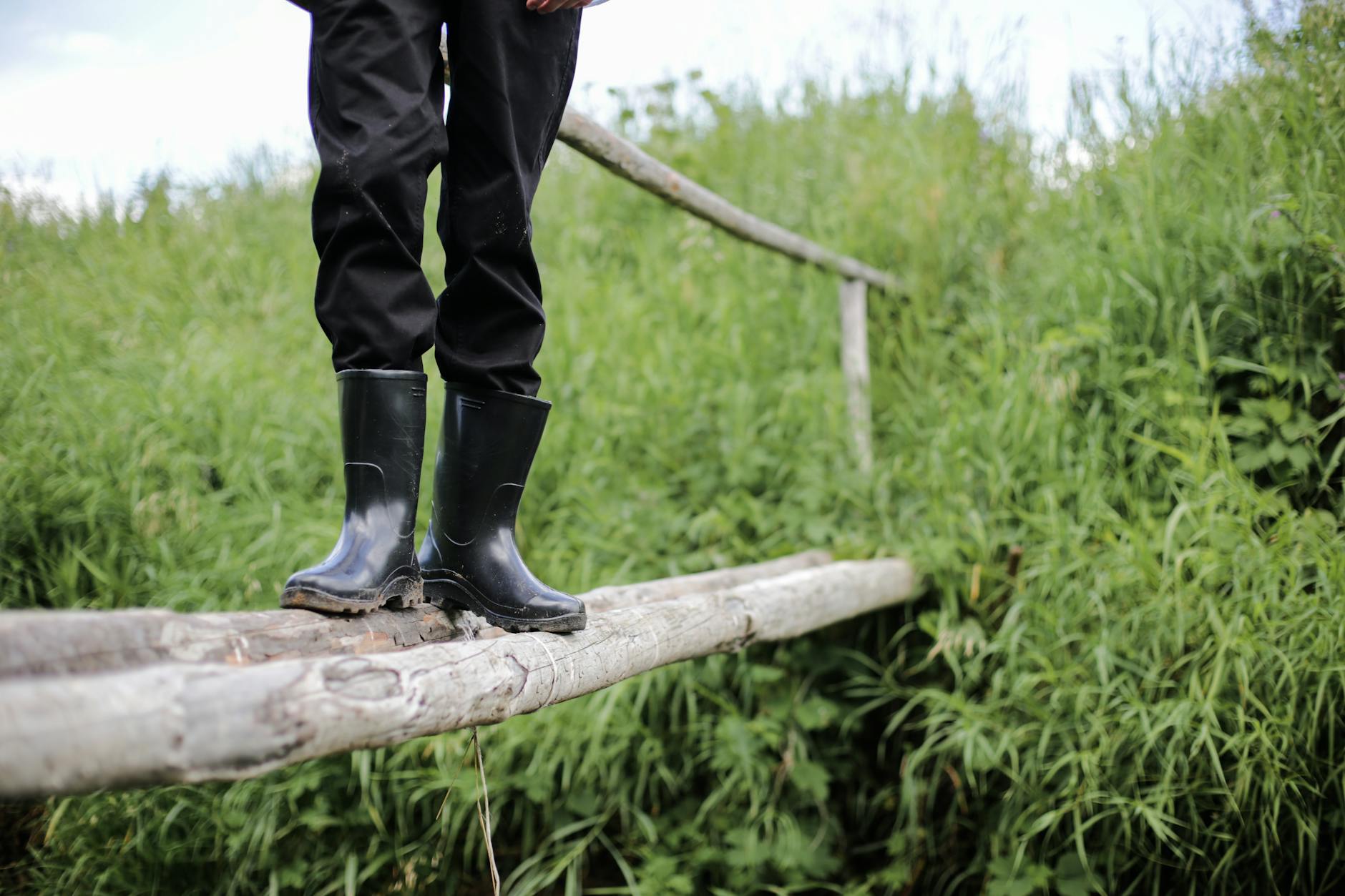
Swaying back and forth while standing betrays a lack of physical and mental grounding. This constant motion makes the speaker look unstable and unsure of their footing. Planting both feet firmly on the ground projects strength and unwavering stability. A still body forces the audience to focus entirely on the words being spoken.
Fishing For Compliments

Making negative statements just to prompt others to disagree is a transparent validation tactic. This manipulative approach to gathering praise exhausts peers and damages authentic relationships. Secure individuals know their value without needing to extract verbal confirmation from their social circle. Letting compliments arrive naturally makes them feel significantly more meaningful and genuine.
Deflecting Praise Immediately

Rushing to attribute success to luck or other people diminishes personal hard work. This habit signals a discomfort with taking up space and receiving positive attention. A simple thank you acknowledges the compliment without requiring a lengthy explanation. Owning success graciously is a hallmark of true professional and personal maturity.
Fearing Brief Silence

Rushing to fill every quiet moment with chatter reveals an intolerance for stillness. Nervous talking often leads to oversharing or making unforced errors in conversation. Confident communicators use silence strategically to emphasize points and let ideas resonate. Being comfortable with a pause shows a deep sense of internal peace and control.
Crossing Arms Defensively

Placing arms tight across the chest creates a physical wall against the outside world. This posture is universally read as closed off or resistant to new ideas. Leaving the arms relaxed at the sides signals openness and a welcoming attitude. An open physical posture invites collaboration and warmer interactions from others.
Overusing Filler Words
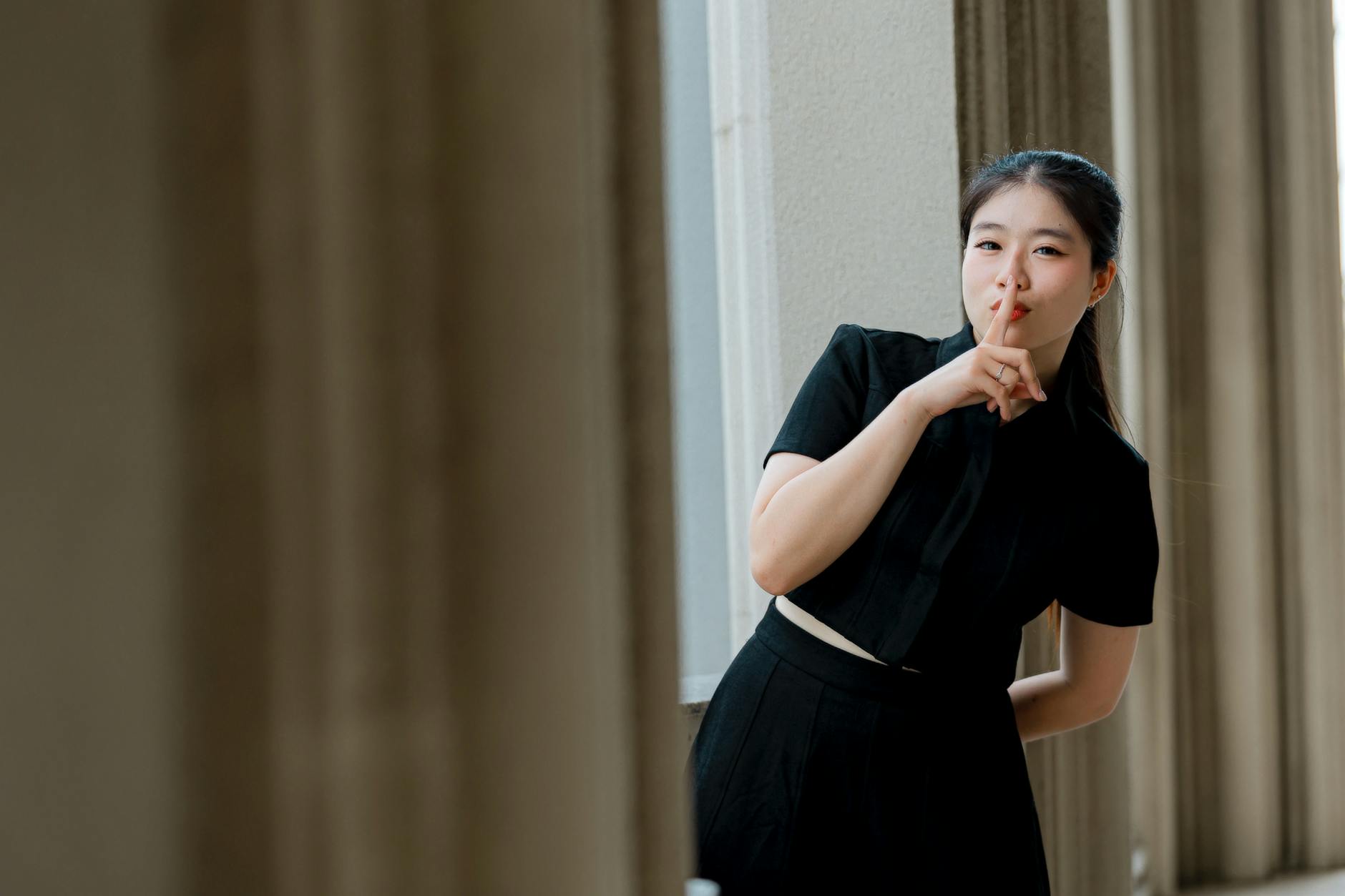
Relying on words like um and like completely dilutes the power of spoken thoughts. These fillers act as a verbal crutch when the brain scrambles to find the next thought. Taking a silent breath instead of using a filler word makes the speaker sound remarkably composed. Articulate speech relies on clean phrasing and intentional pacing.
Avoiding Group Participation

Remaining entirely silent during team meetings suggests a lack of valuable insight. This withdrawal makes colleagues assume the quiet person has nothing worthwhile to contribute. Sharing just one well considered thought per meeting gradually builds professional visibility. Active participation proves that an individual believes their perspective matters to the group.
Changing Personal Style Suddenly

Completely overhauling a wardrobe to match a new friend group indicates an unstable sense of identity. Copying the aesthetic of others looks inauthentic and desperate for belonging. Developing a consistent personal style requires understanding and embracing unique physical traits. Authentic self expression naturally attracts people who appreciate genuine individuality.
Pointing Out Own Flaws

Drawing attention to a minor physical blemish before anyone else notices stems from preemptive shame. This habit actually directs negative attention to things others would have completely ignored. Confident people focus their energy on their positive attributes rather than perceived defects. Moving confidently through the world encourages others to see the whole person rather than minor imperfections.
Pretending To Be Busy

Creating artificial chaos to look important usually masks a fear of being seen as irrelevant. Rushing around aimlessly communicates poor time management rather than high value. Truly successful individuals often project calm control over their schedules and responsibilities. Moving with deliberate purpose looks far more impressive than frantic and disorganized activity.
Taking Everything Personally
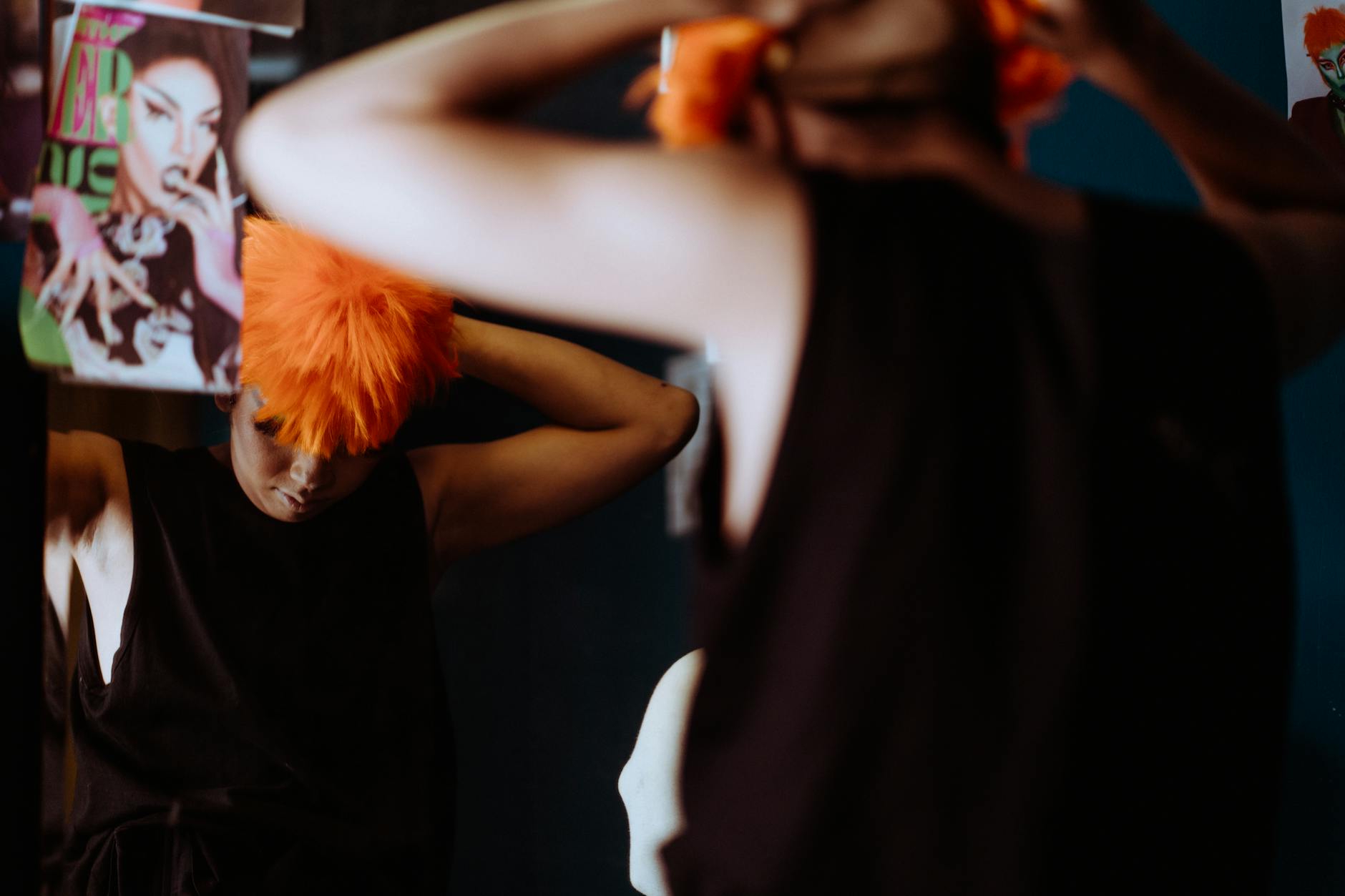
Assuming every vague comment is a direct attack reveals a highly fragile ego. This defensive mindset turns innocent conversations into emotionally draining conflict zones. Developing a thicker skin allows individuals to process feedback objectively without emotional collapse. Giving people the benefit of the doubt fosters much healthier and more productive relationships.
Holding Breath When Speaking

Speaking in long rushed bursts without breathing properly raises the vocal pitch to a nervous squeak. This physiological response to stress literally starves the brain and body of needed oxygen. Taking deep diaphragmatic breaths between sentences lowers the voice and slows the heart rate. Proper breathing is the physical foundation of all commanding and authoritative speech.
Mimicking Body Language Unnaturally

Overdoing the psychological trick of copying gestures makes the interaction feel incredibly staged. Forced mirroring makes the other person feel subtly mocked or aggressively analyzed. Natural rapport develops through genuine interest rather than calculated physical mimicry. Allowing movements to happen organically ensures that conversations remain authentic and relaxed.
Share your thoughts on these habits in the comments and let me know if you would like me to generate a personalized guide on building self confidence.