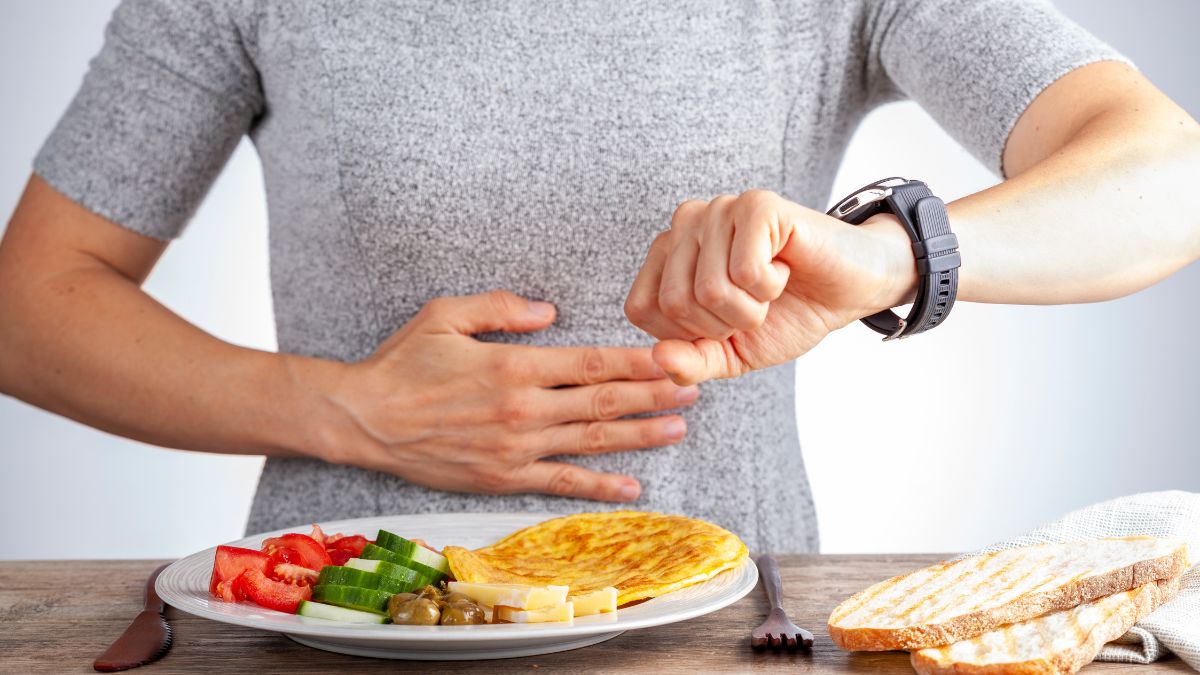
Most pantry staples carry printed dates that reflect peak quality rather than true safety or usability. Manufacturers are required to label products conservatively, which means millions of perfectly usable items are discarded every year based on misleading timestamps. Understanding what those dates actually mean can save money, reduce food waste, and give you a much clearer picture of what is really happening on your shelves. The following items are among the most commonly misunderstood when it comes to how long they genuinely last.
White Rice
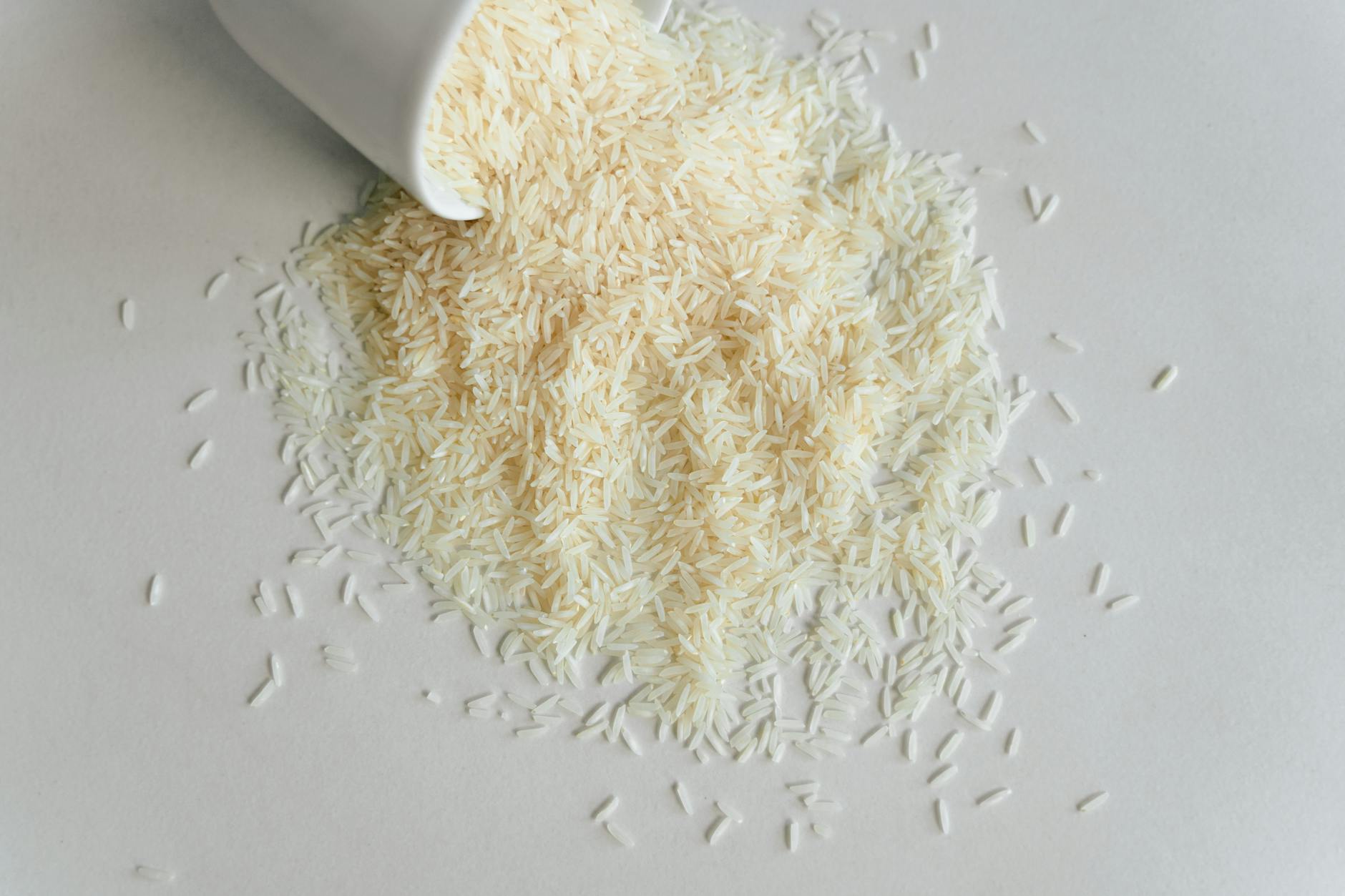
White rice is one of the most shelf-stable foods in existence and can last up to 25 to 30 years when stored in airtight containers in a cool and dry environment. The printed date on the package typically reflects a one to two year window for best flavor, not an expiration in any meaningful sense. Brown rice is a different story due to its natural oils, but white rice simply does not spoil the way most people assume. Moisture and pests are the real threats, not the passage of time itself.
Honey
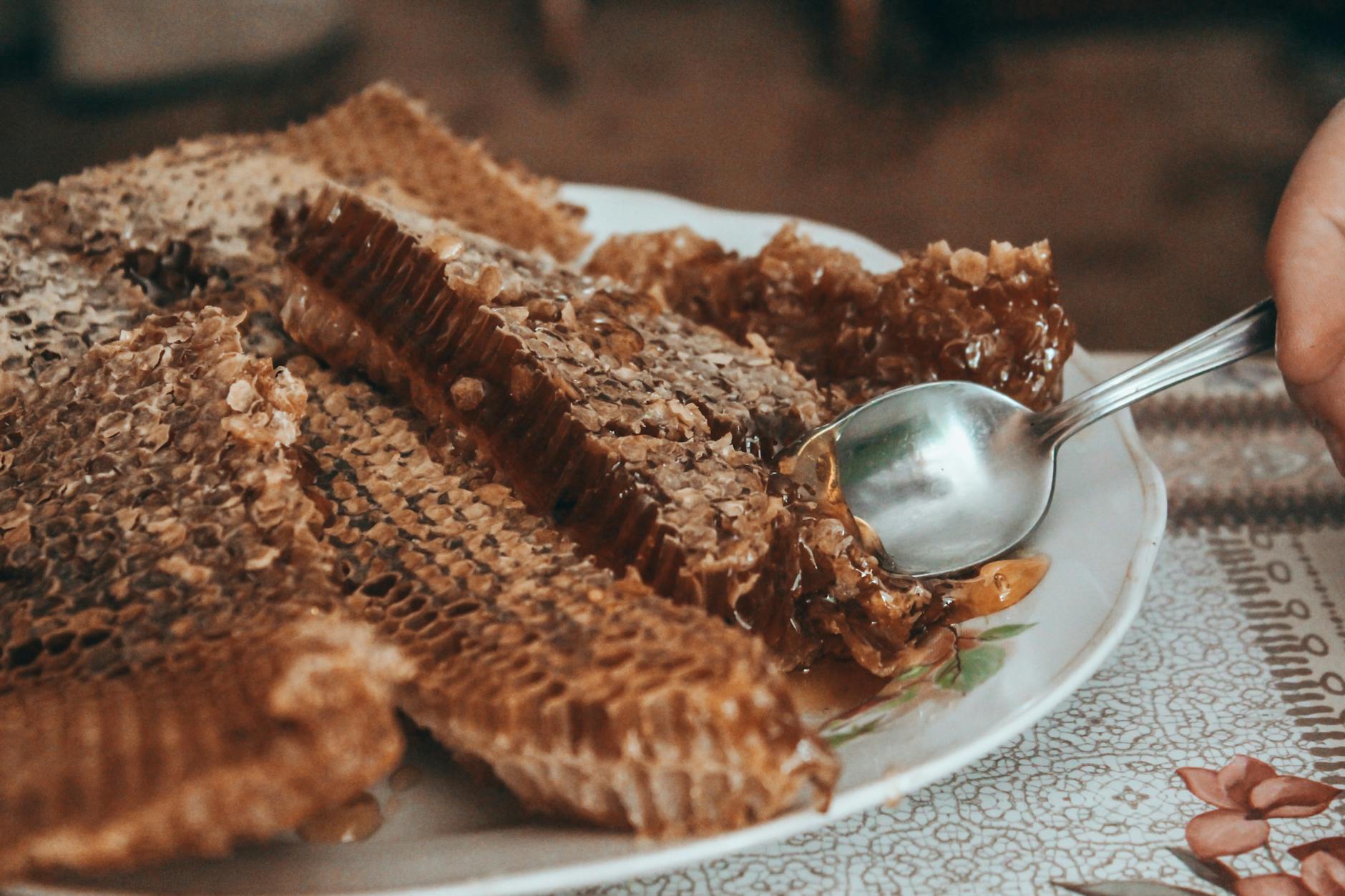
Honey has been discovered in ancient Egyptian tombs and was still perfectly edible after thousands of years. Its naturally low moisture content and acidic pH create an environment where bacteria and mold simply cannot survive. The crystallization that often occurs over time is a natural physical change and does not mean the honey has gone bad. Gently warming the jar in warm water returns it to a smooth and pourable consistency within minutes.
Salt
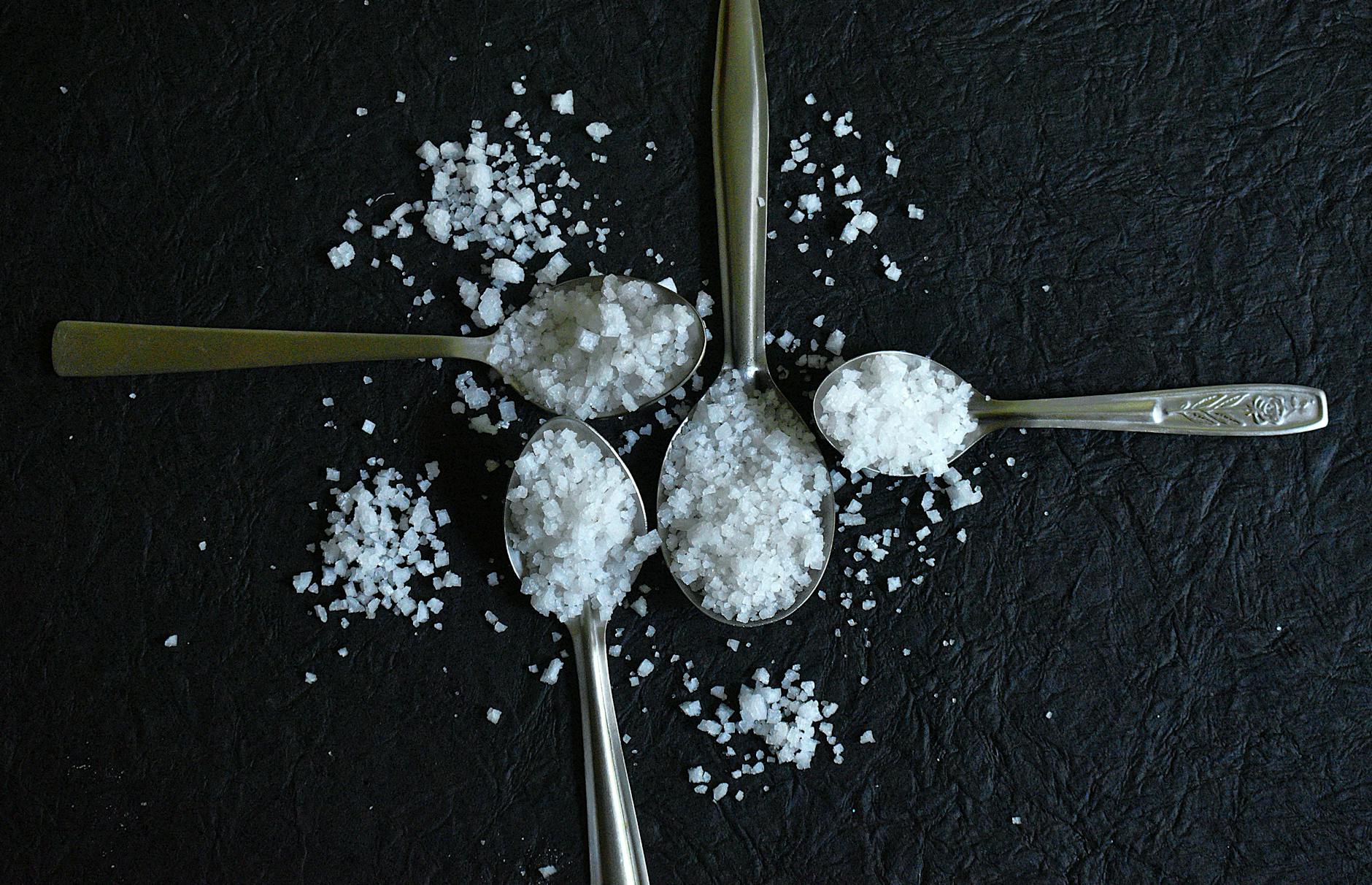
Table salt does not expire and has no meaningful degradation over time when stored properly. It is a mineral, not an organic compound, which means it does not support microbial growth or break down chemically. Iodized salt may see a very gradual reduction in iodine content over years, but the salt itself remains fully usable. The date printed on the container is largely a regulatory formality rather than a reflection of any real change in the product.
Sugar
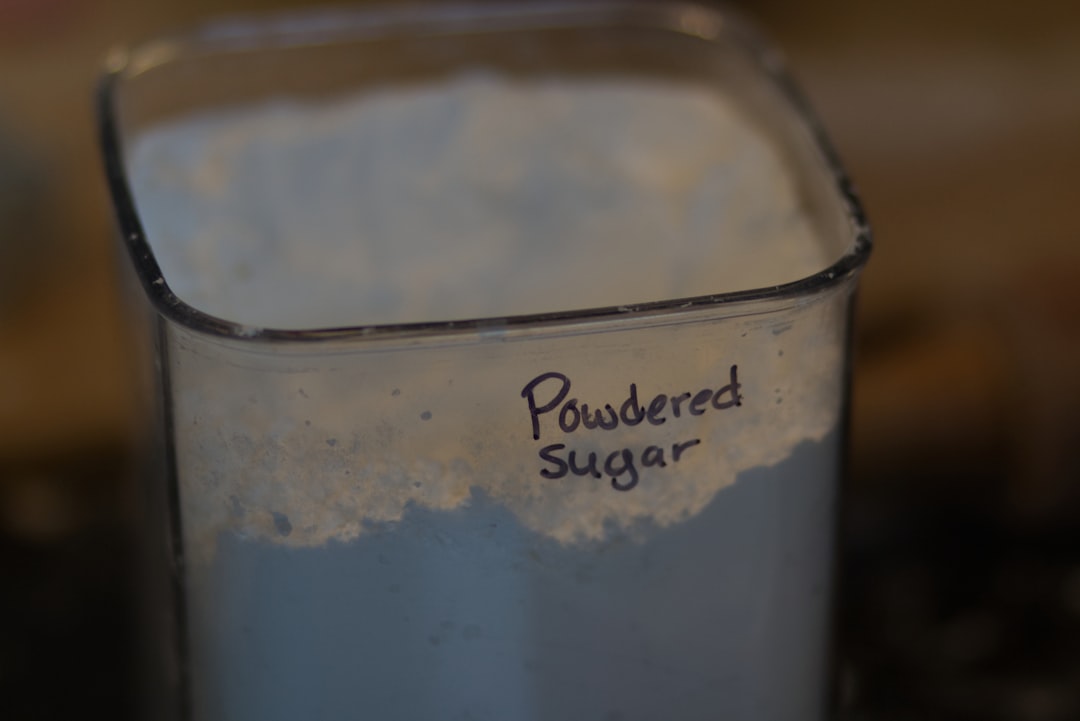
Granulated white sugar has an indefinite shelf life when kept away from moisture and pests. Hardening is the most common issue consumers encounter, but this is caused by humidity absorption rather than spoilage. Breaking up clumped sugar or sifting it restores its usability without any loss of quality. Brown sugar and powdered sugar behave similarly, though they may clump more readily due to their composition.
Pure Vanilla Extract
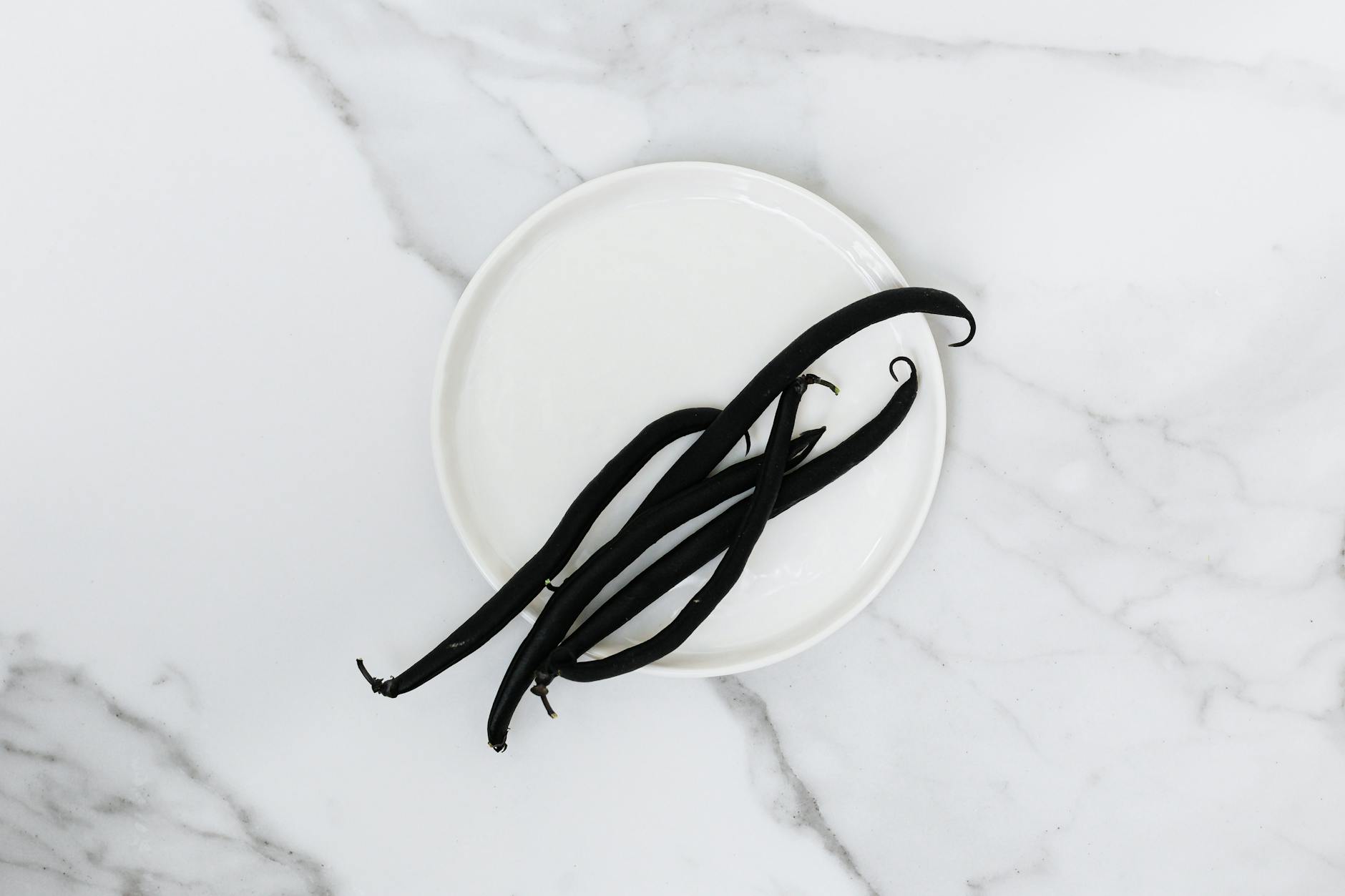
Pure vanilla extract contains a significant amount of alcohol, which acts as a natural preservative and keeps the product stable almost indefinitely. The flavor actually continues to develop and deepen the longer the extract sits, making older bottles arguably more valuable than fresh ones. The printed best-by date is there because regulations require it, not because the product deteriorates in any meaningful way. Proper storage away from heat and direct sunlight is all that is needed to maintain its quality.
Distilled White Vinegar
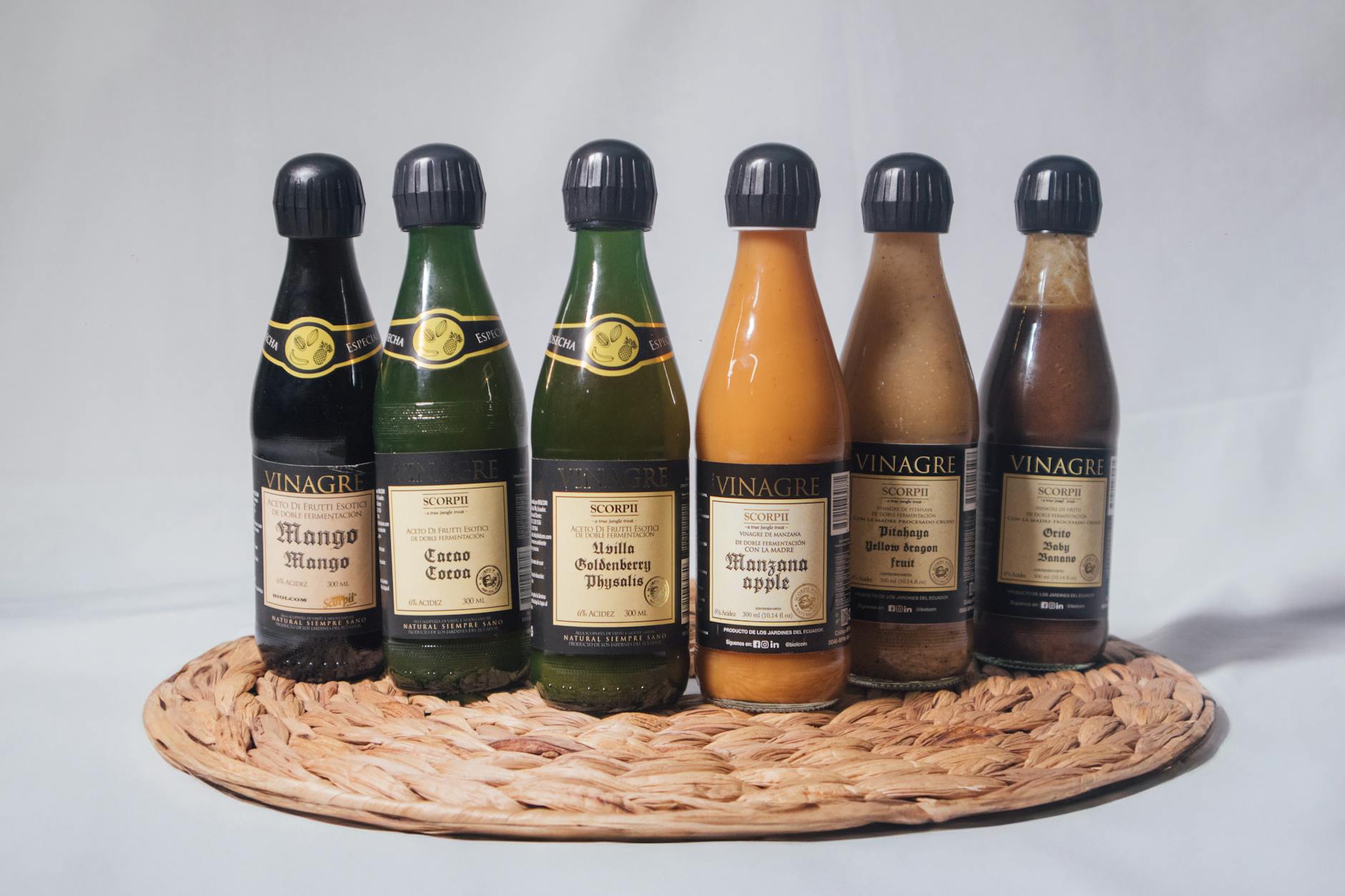
Distilled white vinegar is essentially a diluted acid with an almost unlimited shelf life. Its highly acidic nature makes it inhospitable to bacteria, mold, and other microorganisms that cause spoilage. Some very minor aesthetic changes like slight cloudiness can occur over time, but these do not affect its cleaning or culinary performance. The printed date reflects manufacturer preference rather than any genuine safety concern.
Cornstarch

Cornstarch is a shelf-stable powder that does not go bad as long as it is kept dry and sealed properly. The biggest risk is moisture getting into the container, which can cause clumping or mold, but a dry and sealed package will remain fully effective for years beyond its printed date. It retains its thickening power regardless of how long it has been sitting in the pantry. Many home cooks have used decade-old cornstarch with perfectly consistent results.
Baking Soda
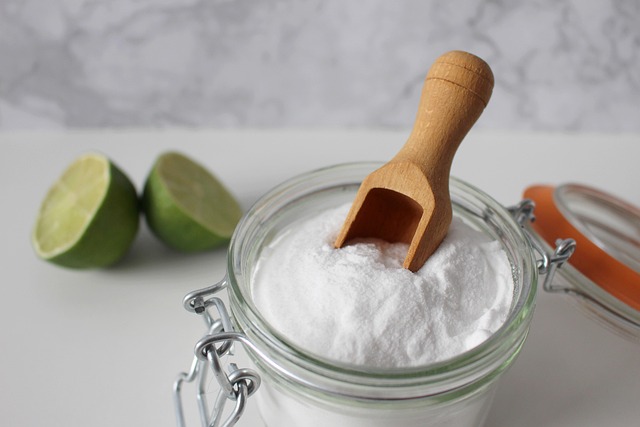
Baking soda has an almost indefinite shelf life as a pure compound, but its leavening effectiveness does diminish over time once the box is opened. An opened box used for baking should ideally be replaced every six to twelve months, but the product itself is not unsafe to use beyond that point. The common practice of placing an open box in the refrigerator to absorb odors works for roughly three months before the box should be swapped out. Sealed and unopened boxes can sit in the pantry for years without issue.
Dried Pasta
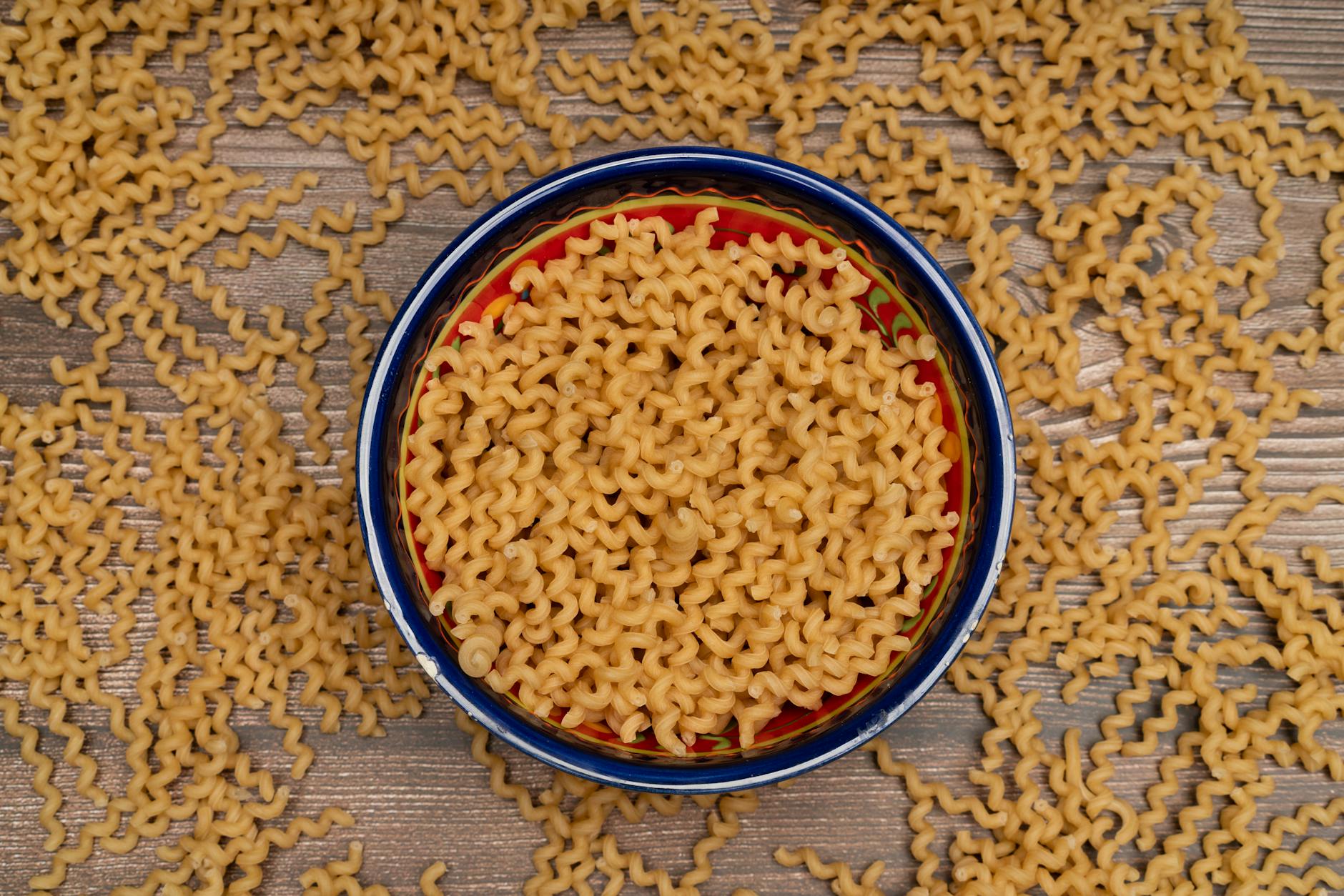
Dried pasta is one of the most forgiving pantry staples when it comes to longevity and can easily remain good for two years past its printed date. The low moisture content in dried pasta prevents bacterial growth, making it a genuinely long-lasting staple. Quality can decline slightly over very long periods, with some loss of firmness and texture when cooked, but it remains safe and edible. Proper storage in airtight containers protects it from insects and humidity, which are its only real threats.
Canned Beans
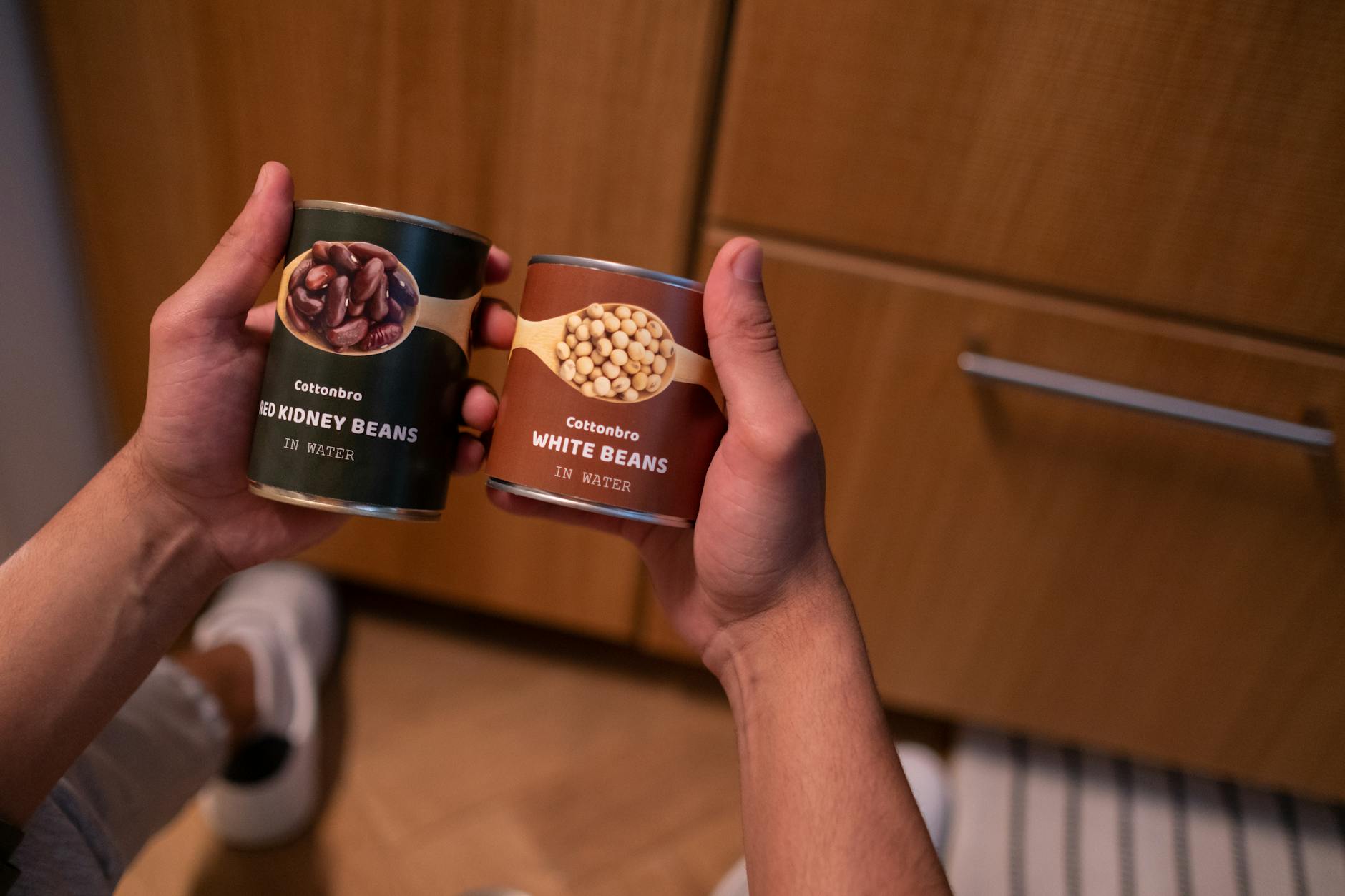
Canned beans are shelf-stable for far longer than their labels suggest, with studies showing they remain safe and nutritious well beyond the printed date. The USDA has confirmed that commercially canned goods remain safe indefinitely as long as the can is undamaged and has not been exposed to extreme temperatures. The main change over time is a gradual softening of texture and subtle flavor shift rather than any safety concern. Always inspect the can for bulging, rust, or deep dents before opening, which are the actual indicators to watch for.
Soy Sauce
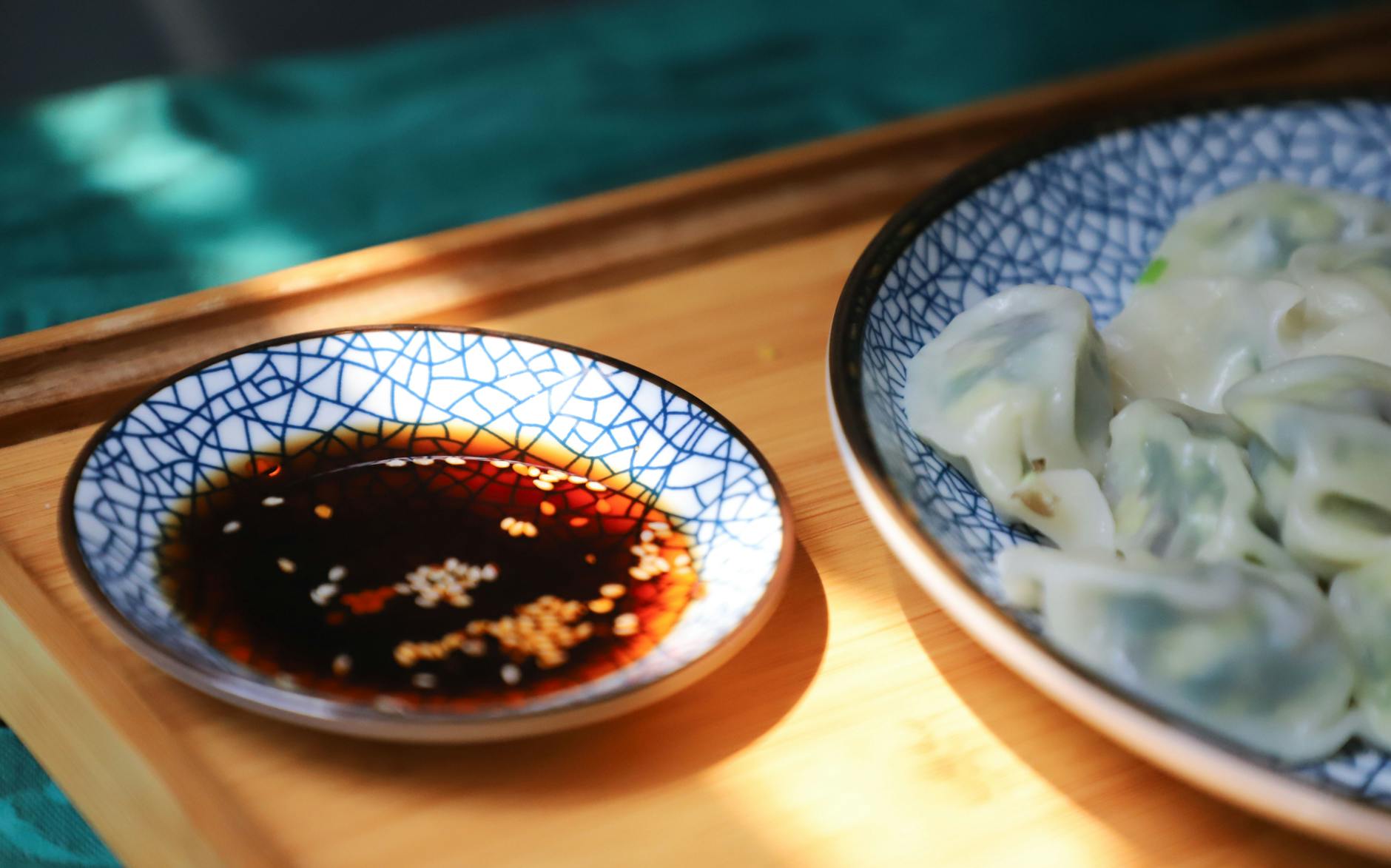
An unopened bottle of soy sauce can last for two to three years past its printed date and remains quite usable for years after opening when refrigerated. Its high sodium content acts as a powerful preservative that prevents microbial activity. A slight darkening in color or change in aroma intensity may occur over time, but neither indicates spoilage. Refrigerating after opening is recommended to maintain flavor, but the product itself poses no safety risk if stored at room temperature either.
Hot Sauce
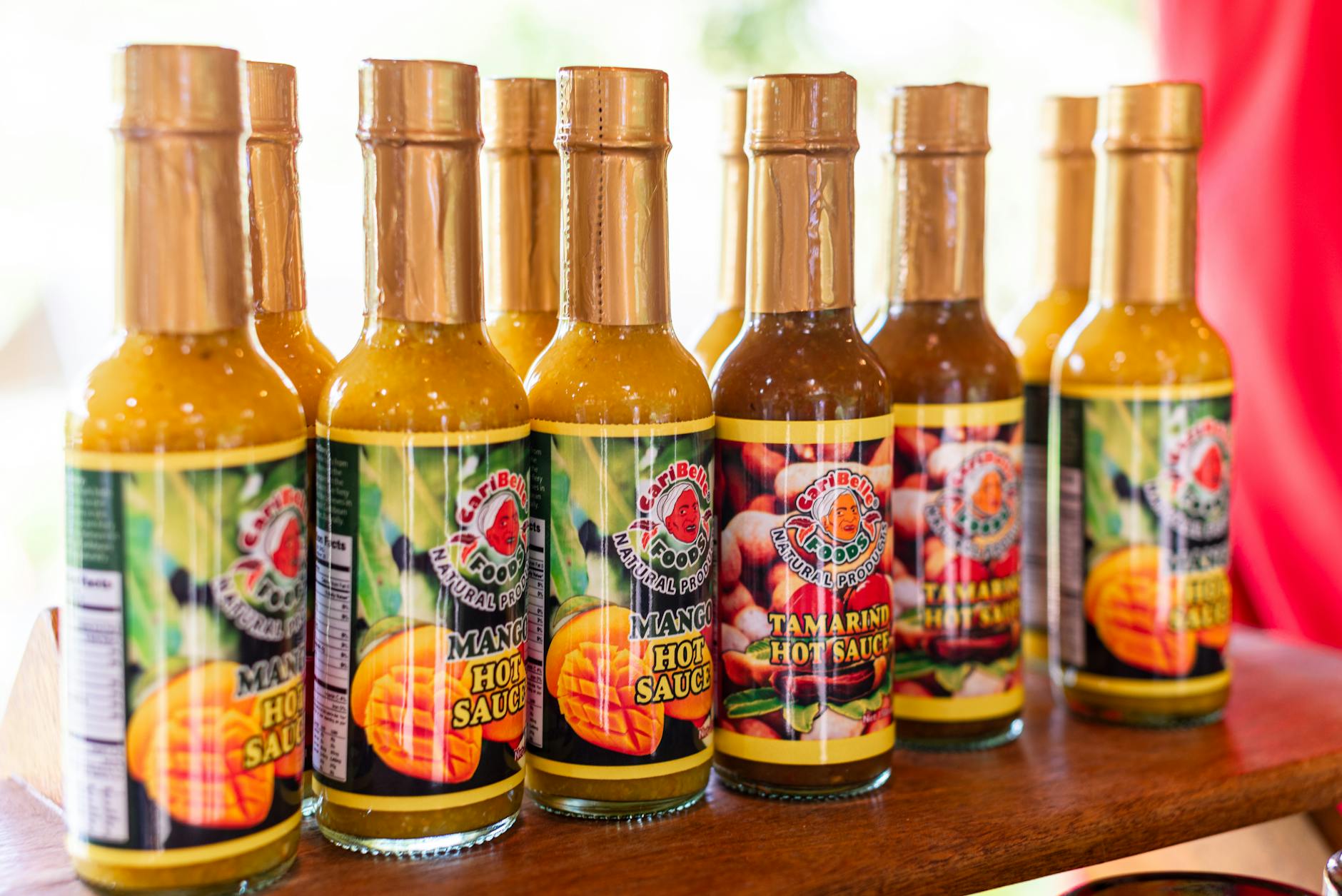
Most commercially produced hot sauces contain vinegar and salt as key ingredients, both of which extend the product’s life well beyond its printed date. An opened bottle kept in the refrigerator can remain excellent for three to five years. The capsaicin compounds responsible for heat are remarkably stable and do not degrade significantly over time. Some color change is normal, but a strong and pungent aroma is typically a sign the sauce is still very much alive.
Maple Syrup
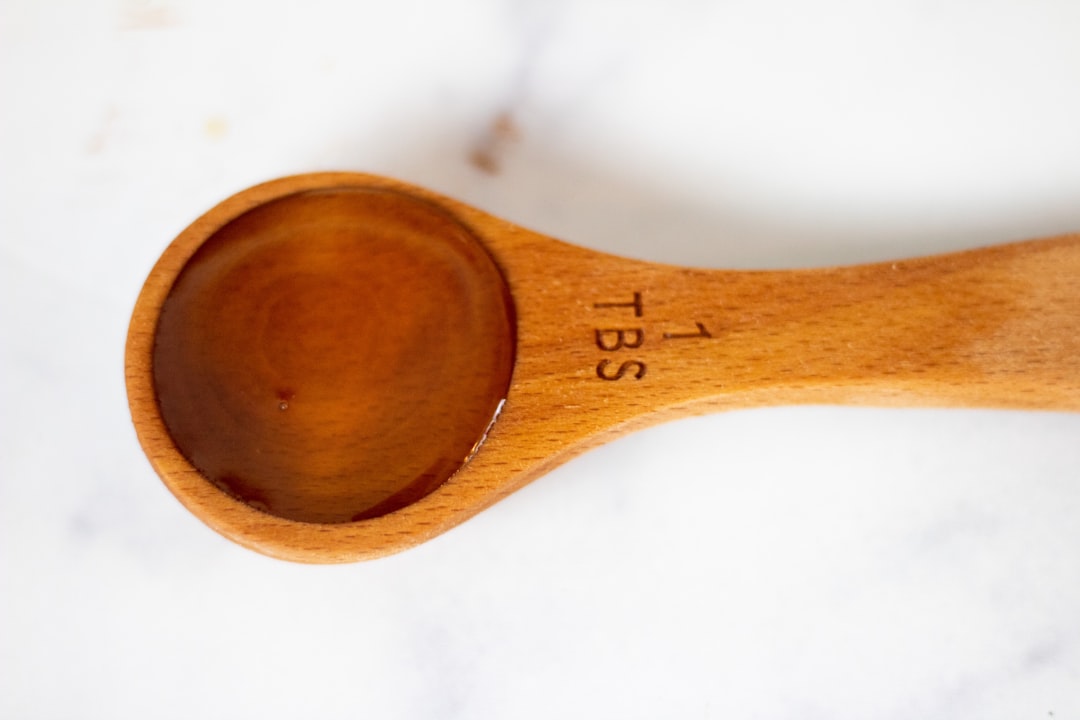
Pure maple syrup is shelf-stable indefinitely when kept sealed and refrigerated after opening. Its high sugar concentration and relatively low water activity make it resistant to spoilage under proper storage conditions. Mold can occasionally form on the surface of an opened bottle left unrefrigerated, but this can simply be skimmed off and the syrup below heated briefly to eliminate any remaining concern. Many producers and preservationists consider properly stored maple syrup one of the most stable natural sweeteners available.
Olive Oil
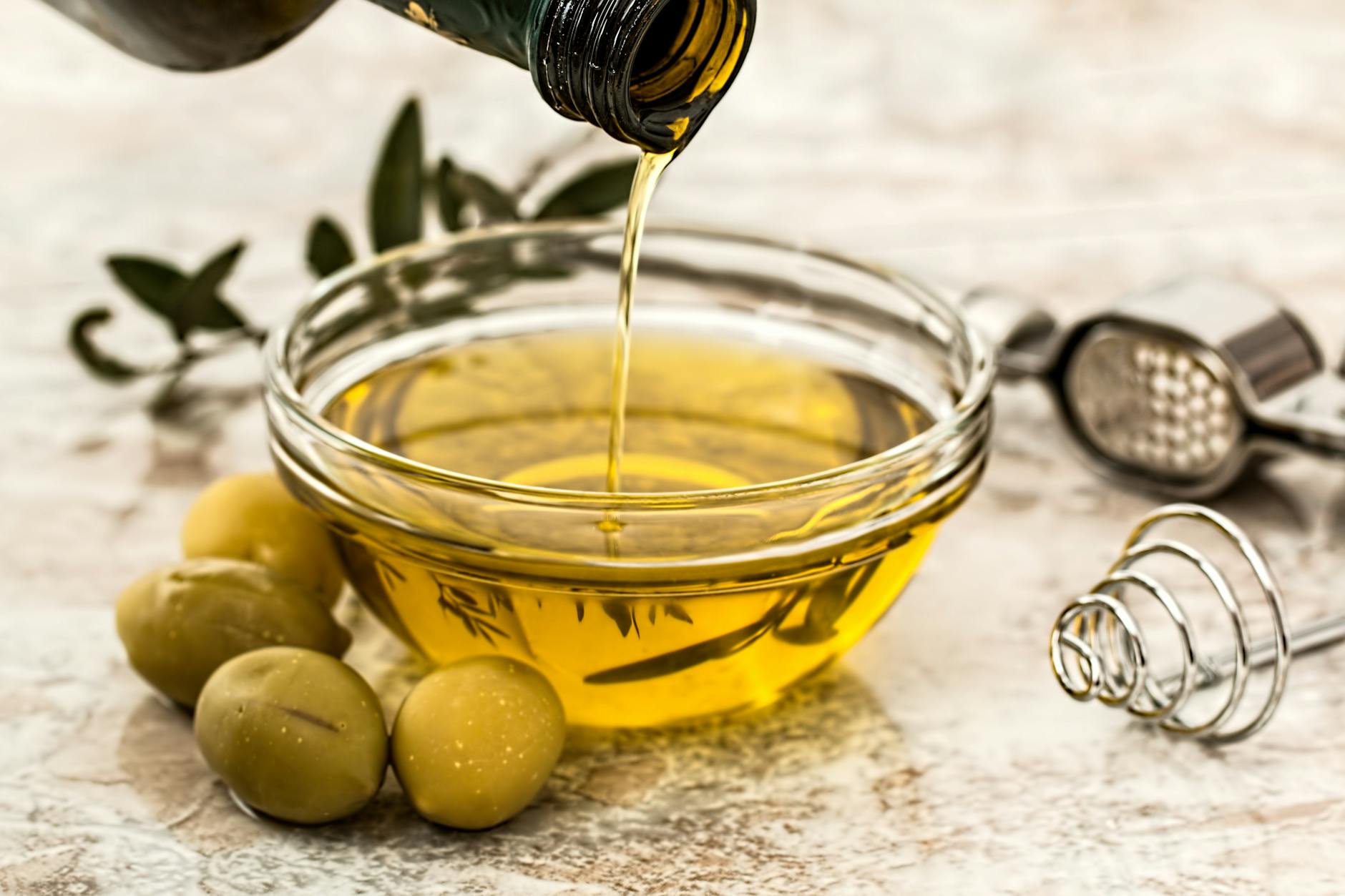
Olive oil does not become unsafe past its best-by date, but it does eventually go rancid, which affects flavor and aroma rather than safety. An unopened bottle stored away from heat and light can remain pleasant for up to two years past the printed date. Rancid oil has a distinctly stale or crayon-like smell and a flat, unpleasant taste that makes it easy to detect. For cooking purposes where strong flavors are involved, slightly aged olive oil is often still entirely functional.
Rolled Oats
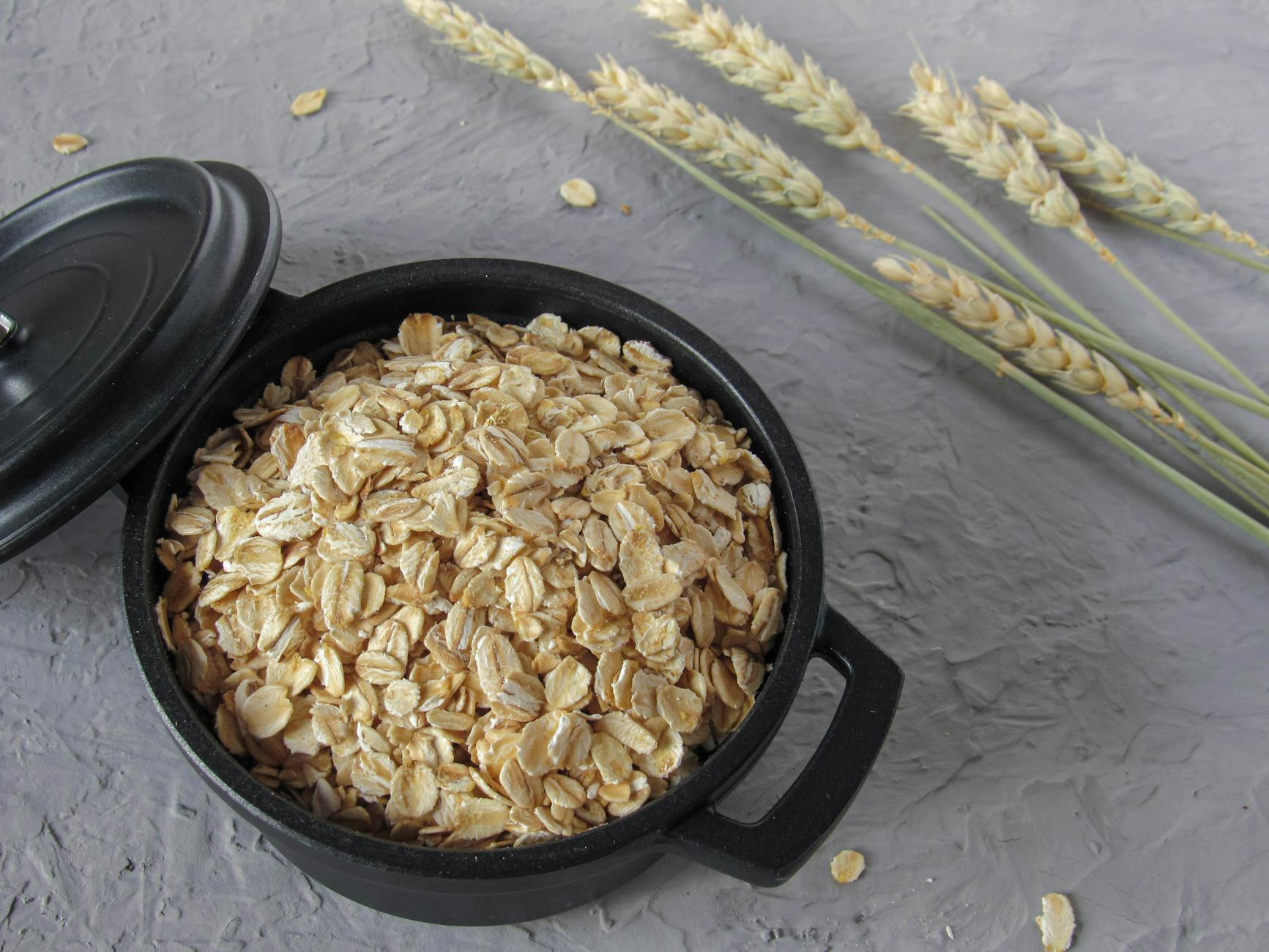
Rolled oats stored in a sealed container in a cool and dry environment can remain usable for up to two years past their printed date. The natural oils in oats can eventually turn rancid, which produces a noticeable off smell before any safety issue arises. Steel-cut oats and instant oats follow a similar timeline, with slight variations based on processing method. Fortified oats may see some nutrient degradation over time, but the product as a food source remains viable for a considerable period beyond what the label states.
Dried Lentils
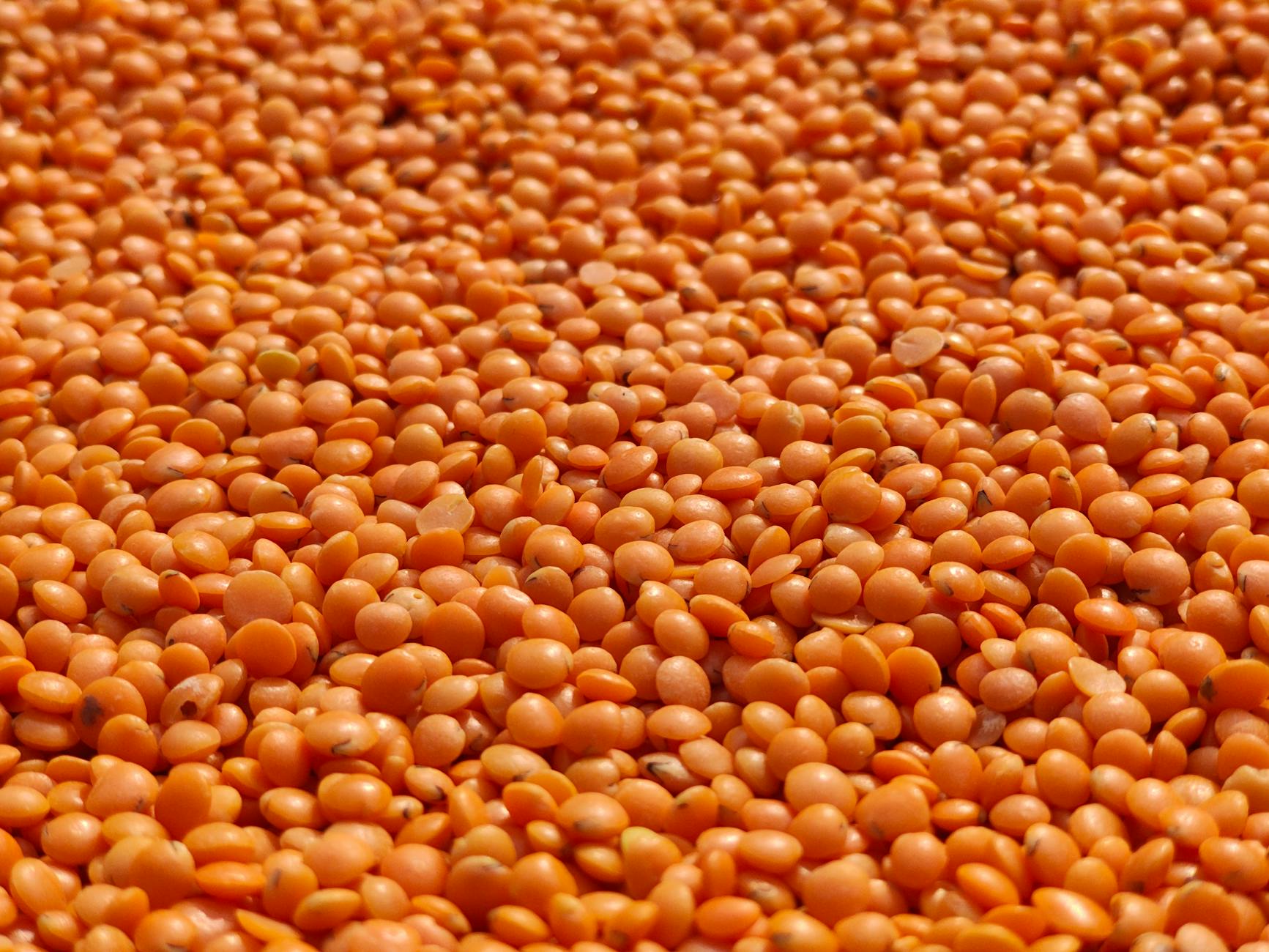
Dried lentils can last five or more years past their printed date without becoming unsafe, making them one of the most economical and durable pantry staples available. Very old lentils may take longer to cook and could remain slightly firmer in texture even after extended simmering. Their nutritional profile remains largely intact over time, with some very gradual degradation of certain vitamins. Storing them in a sealed container away from light and moisture is all that is required to preserve their quality.
Instant Coffee
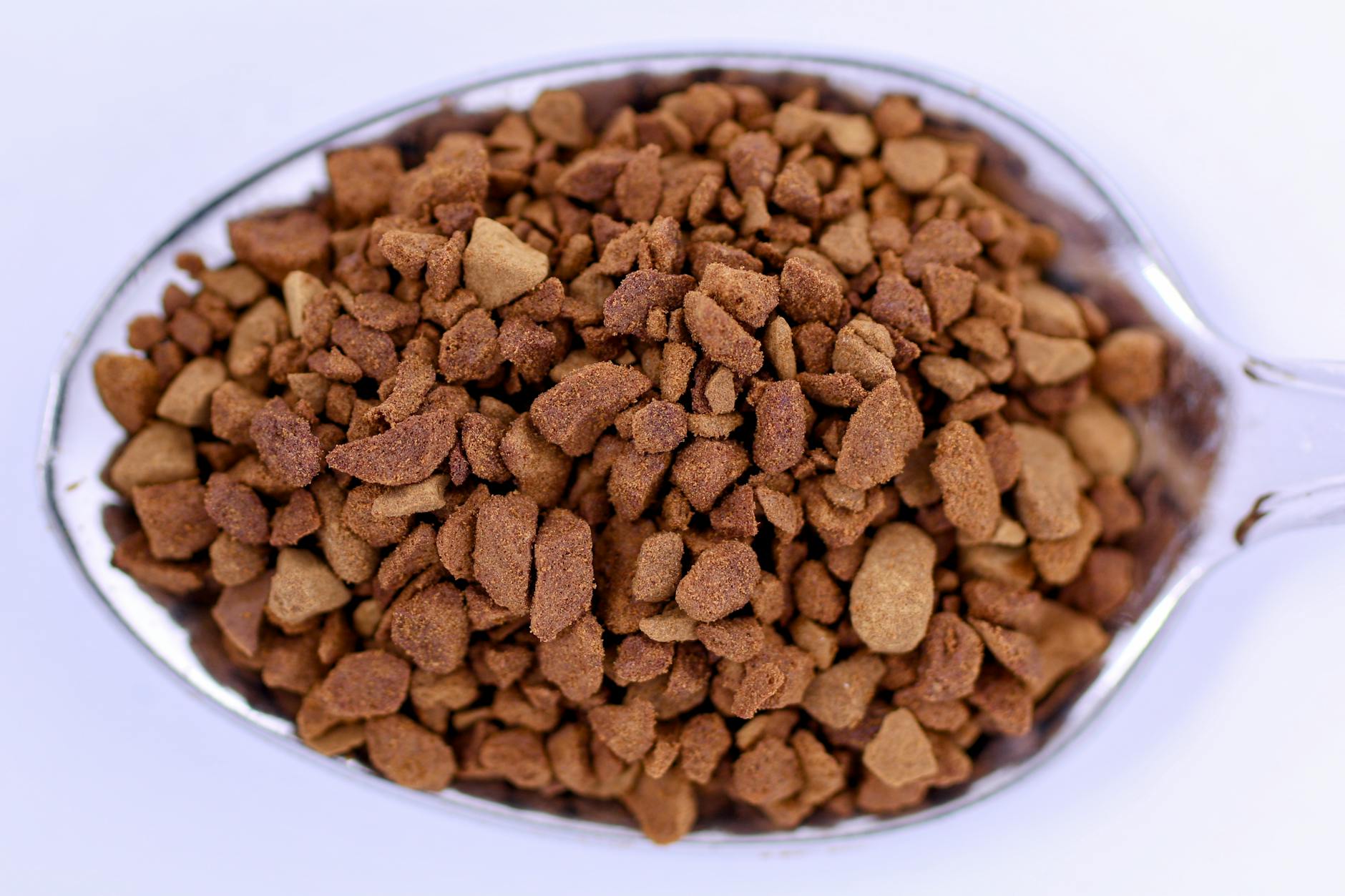
Sealed jars of instant coffee can remain perfectly palatable for up to twenty years, far exceeding the one to two year window printed on most packaging. The freeze-drying process used to produce instant coffee removes moisture that would otherwise cause spoilage and flavor loss. Once opened, the main concern is humidity getting into the jar, which causes clumping and a gradual reduction in the intensity of flavor. Keeping the lid tightly sealed and storing the jar away from the stove significantly extends its functional life.
Tea Bags
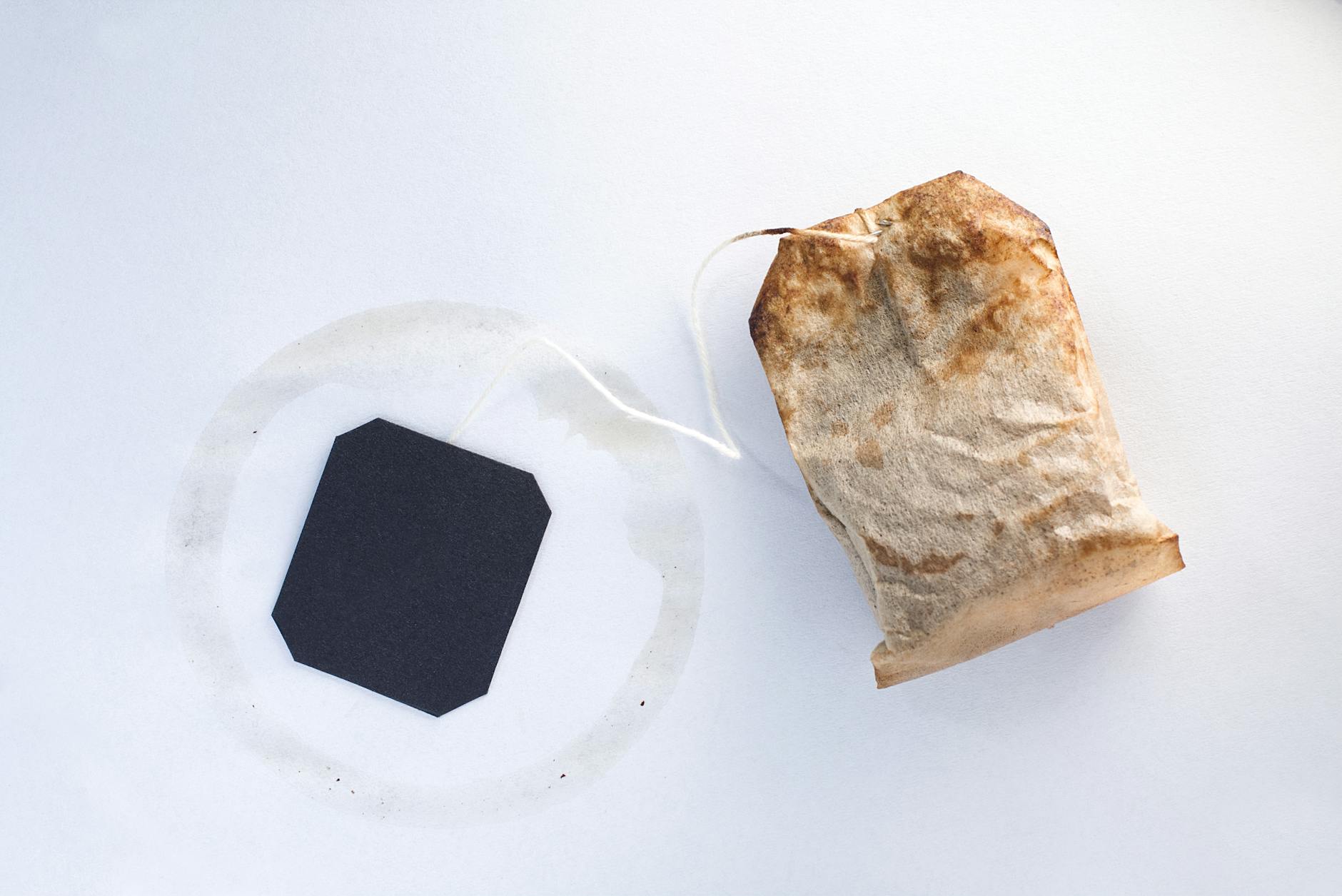
Commercially packaged tea bags do not expire in any meaningful safety sense and remain drinkable for years past their printed date. Flavor potency is what diminishes over time, with older teas producing a lighter and less aromatic cup. Black teas tend to hold their character better than green or herbal varieties, which are more sensitive to oxidation over extended storage. Keeping tea bags in a sealed tin away from strong odors, heat, and moisture preserves their flavor for significantly longer than the label suggests.
Dark Chocolate
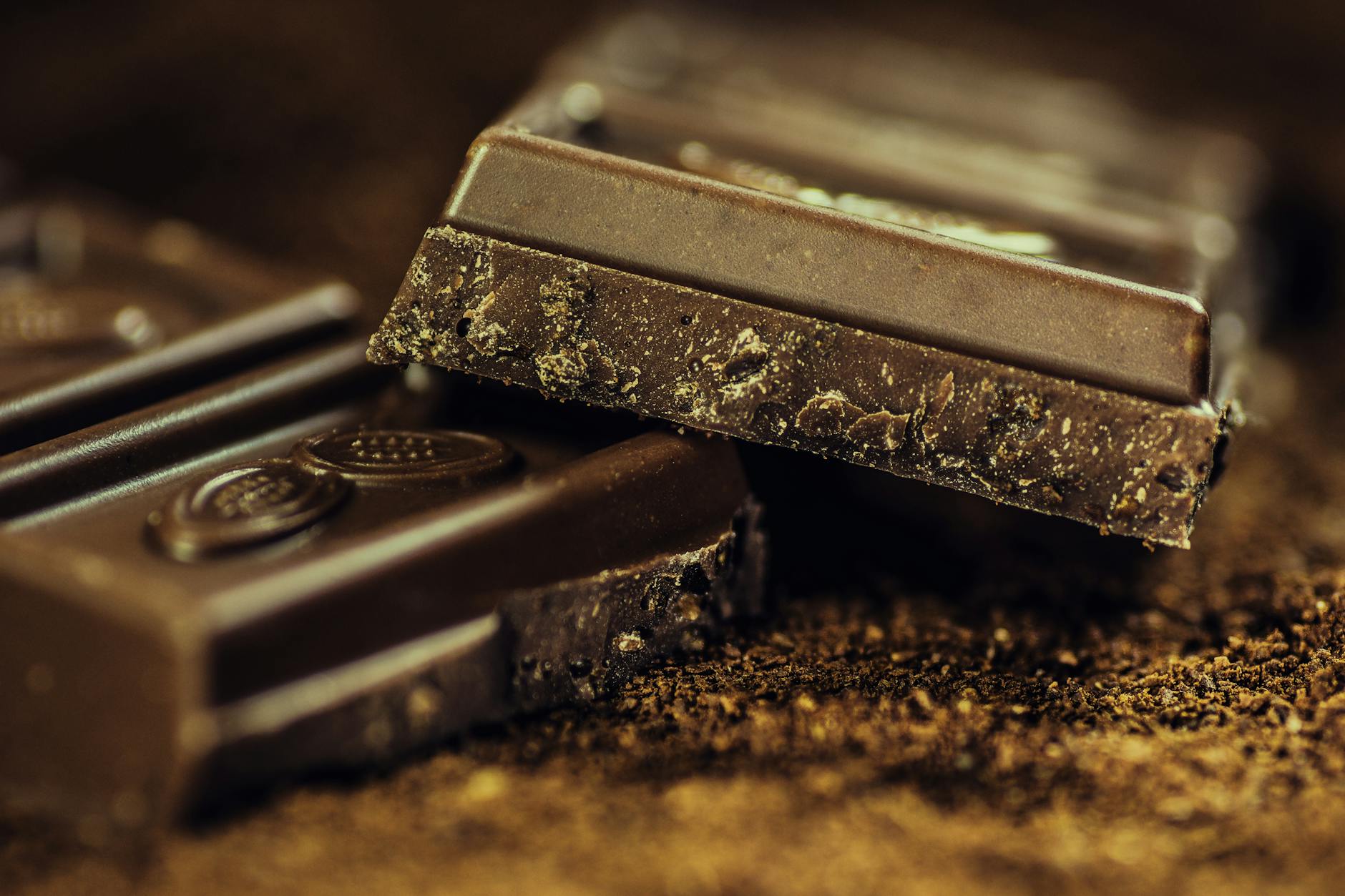
Dark chocolate has a considerably longer shelf life than milk or white chocolate due to its lower dairy content and higher concentration of natural antioxidants. An unopened bar of high-quality dark chocolate can remain enjoyable for two to five years past its best-by date when stored in a cool and stable environment. The white coating that sometimes appears is called fat bloom and results from temperature fluctuations causing cocoa butter to migrate to the surface. This bloom affects appearance but not the flavor or safety of the chocolate.
Coconut Oil
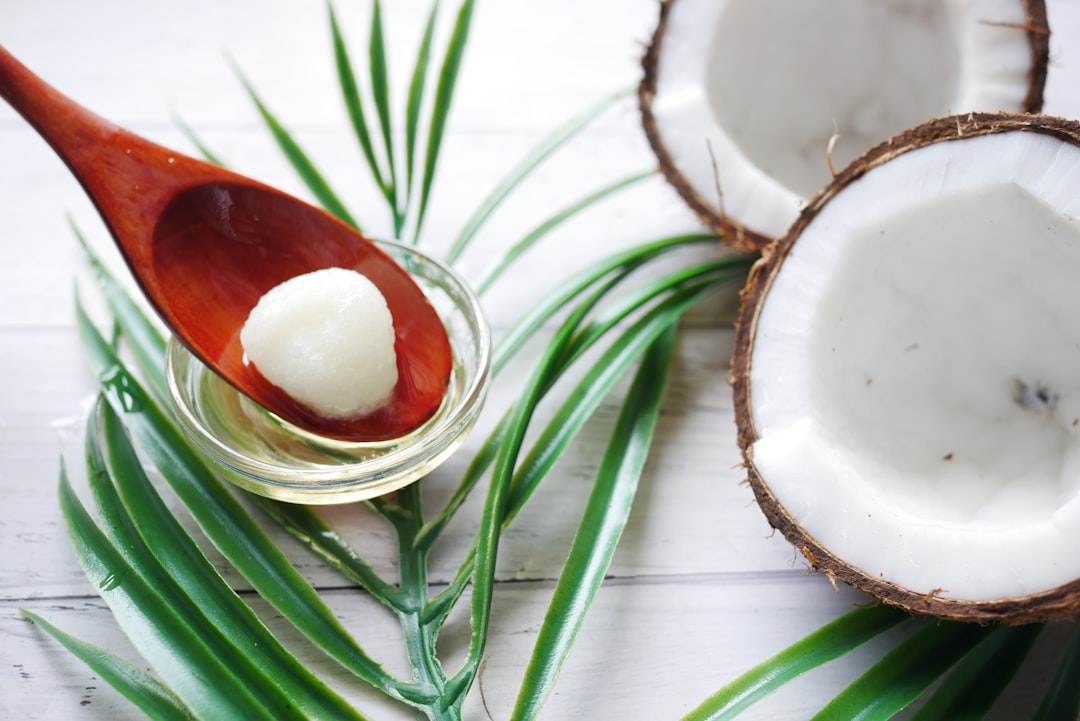
Refined coconut oil has a shelf life of up to five years when stored properly, and virgin coconut oil can last two to three years with little degradation. Its high saturated fat content makes it highly resistant to oxidation compared to other cooking oils. The solidifying and melting cycles that occur with temperature changes do not harm the oil or indicate spoilage. A sour or unpleasant smell is the clearest sign that coconut oil has genuinely gone rancid and should be discarded.
Dried Herbs and Spices
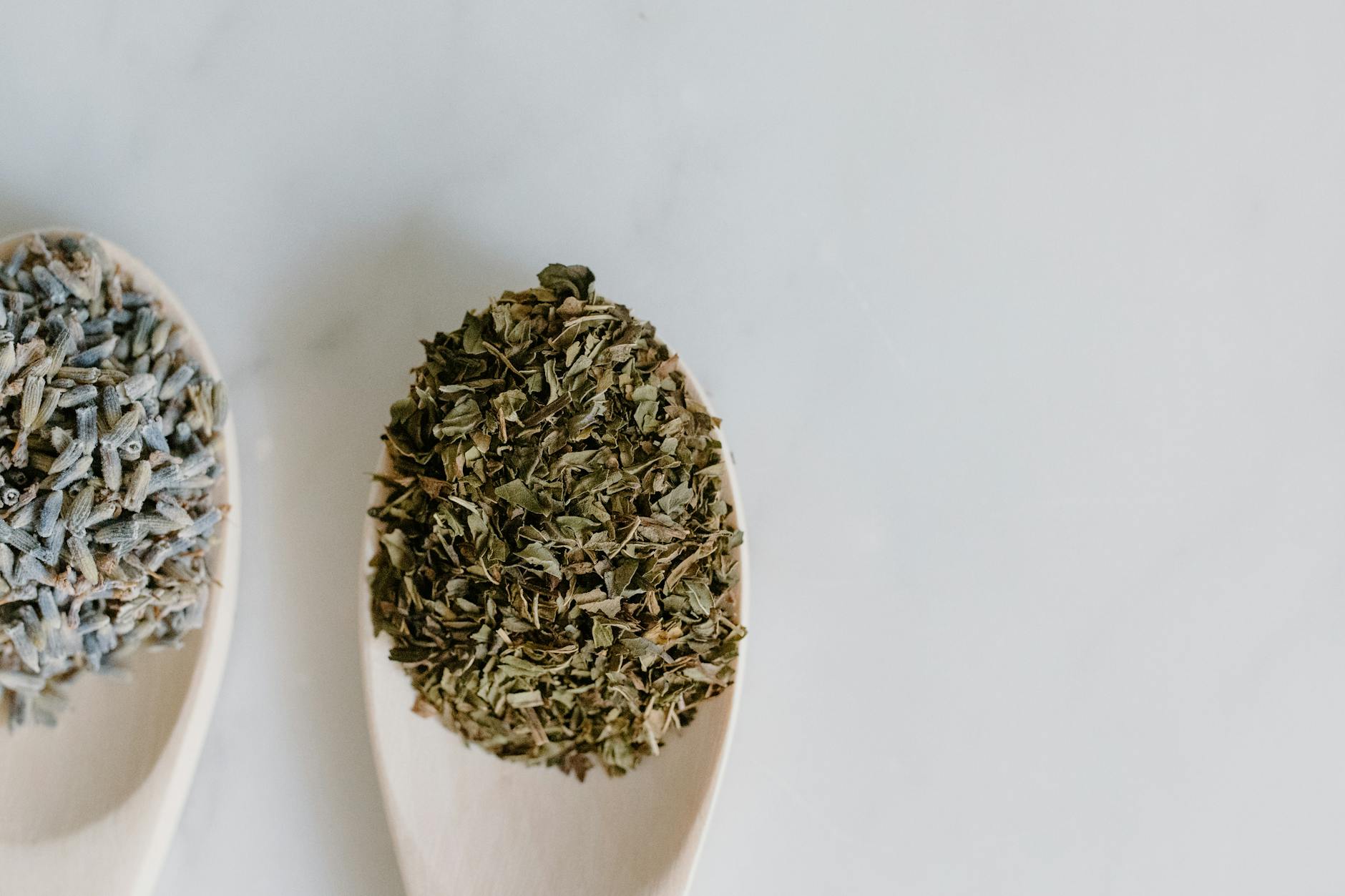
Dried herbs and spices do not expire in a safety sense but do lose potency and aromatic complexity over time. Ground spices typically retain strong flavor for about two to three years, while whole spices like peppercorns, cloves, and cinnamon sticks can remain vibrant for four to five years or longer. Rubbing a small pinch between your fingers and smelling it is a reliable way to assess whether a spice still has enough potency to be worth using. Replacing spices based on smell and flavor rather than printed dates leads to much less waste and more accurate pantry management.
Bouillon Cubes
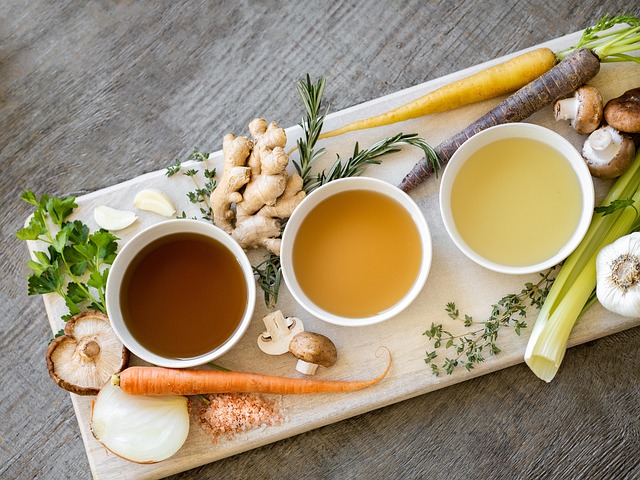
Commercially produced bouillon cubes are loaded with salt and dehydrated ingredients that make them remarkably resistant to spoilage. They commonly remain flavorful and fully functional for two years or more beyond their printed best-by date. The cubes may harden or crumble over time, but this is a textural change caused by moisture absorption rather than an indicator of spoilage. Properly sealed in their original packaging or a dry airtight container, bouillon cubes are one of the longest-lasting flavoring agents in the pantry.
Breadcrumbs
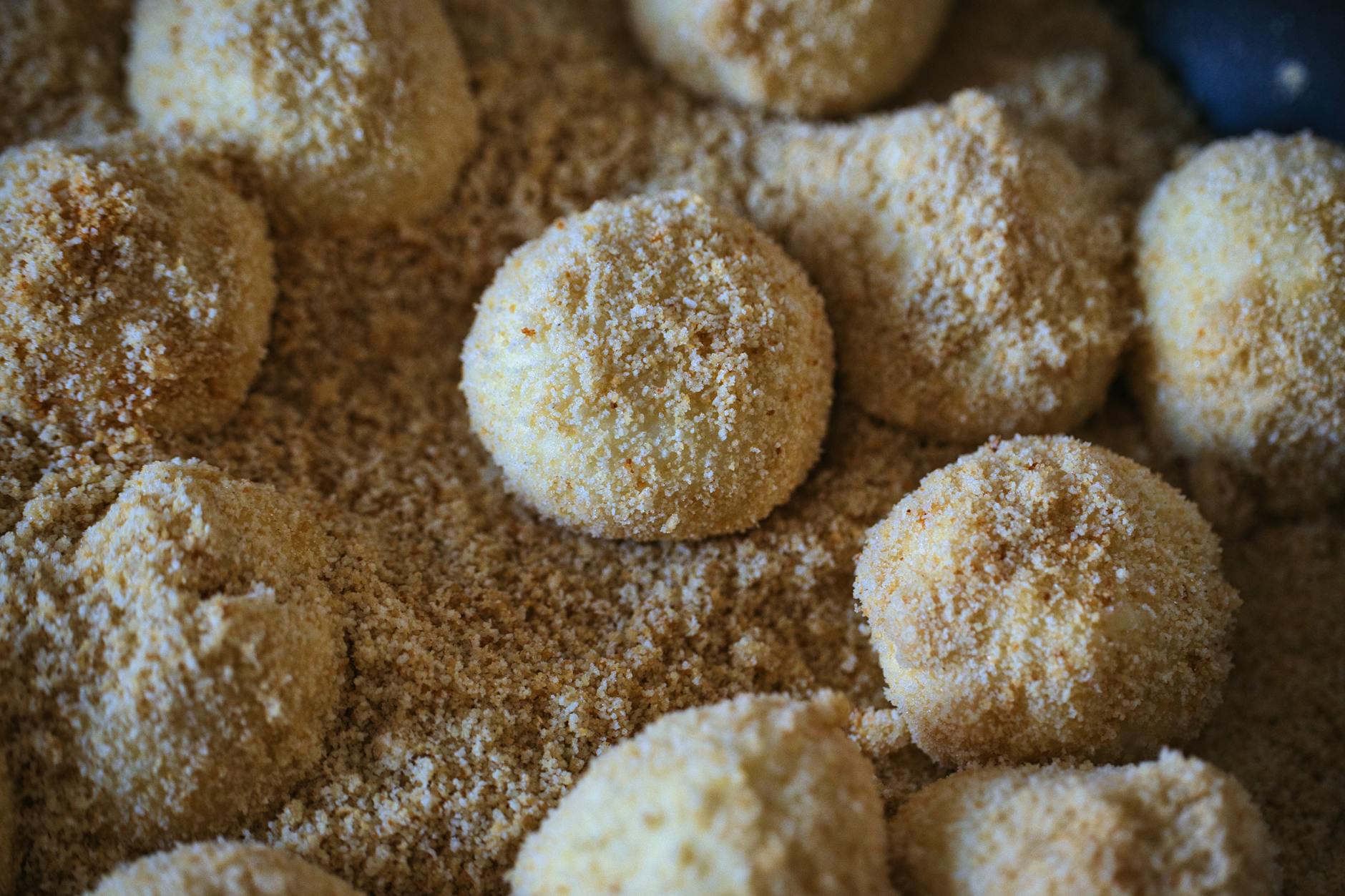
Store-bought dried breadcrumbs can last up to two years past their printed date when kept in a sealed container in a dry pantry. Their very low moisture content creates an unfriendly environment for mold and bacteria, making spoilage uncommon under proper storage conditions. A rancid or stale smell is the main signal that the fats in the breadcrumbs have degraded beyond the point of pleasant use. Homemade breadcrumbs have a shorter lifespan due to the absence of commercial preservatives, but store-bought varieties are quite durable.
Canned Tomatoes
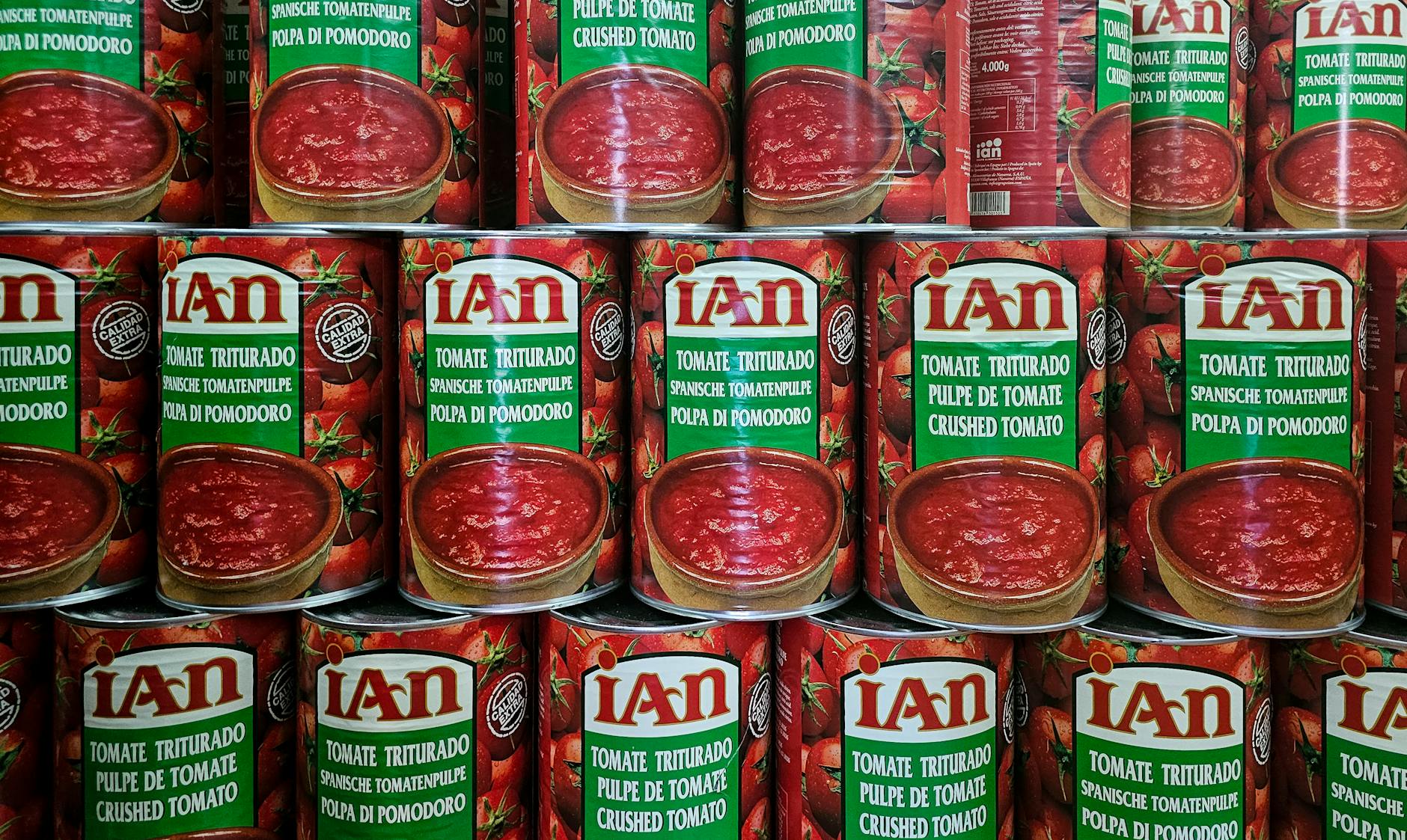
Canned tomatoes have an almost indefinite safety window, though peak quality is generally maintained for about two years from the canning date. The USDA classifies properly sealed canned goods as safe beyond their printed dates as long as the can shows no signs of damage. High-acid canned foods like tomatoes may experience some flavor changes over longer periods, with a very gradual softening of texture and minor shifts in taste. Dented cans that have not compromised the seal are generally still safe, while bulging or rusted cans should always be discarded.
Peanut Butter
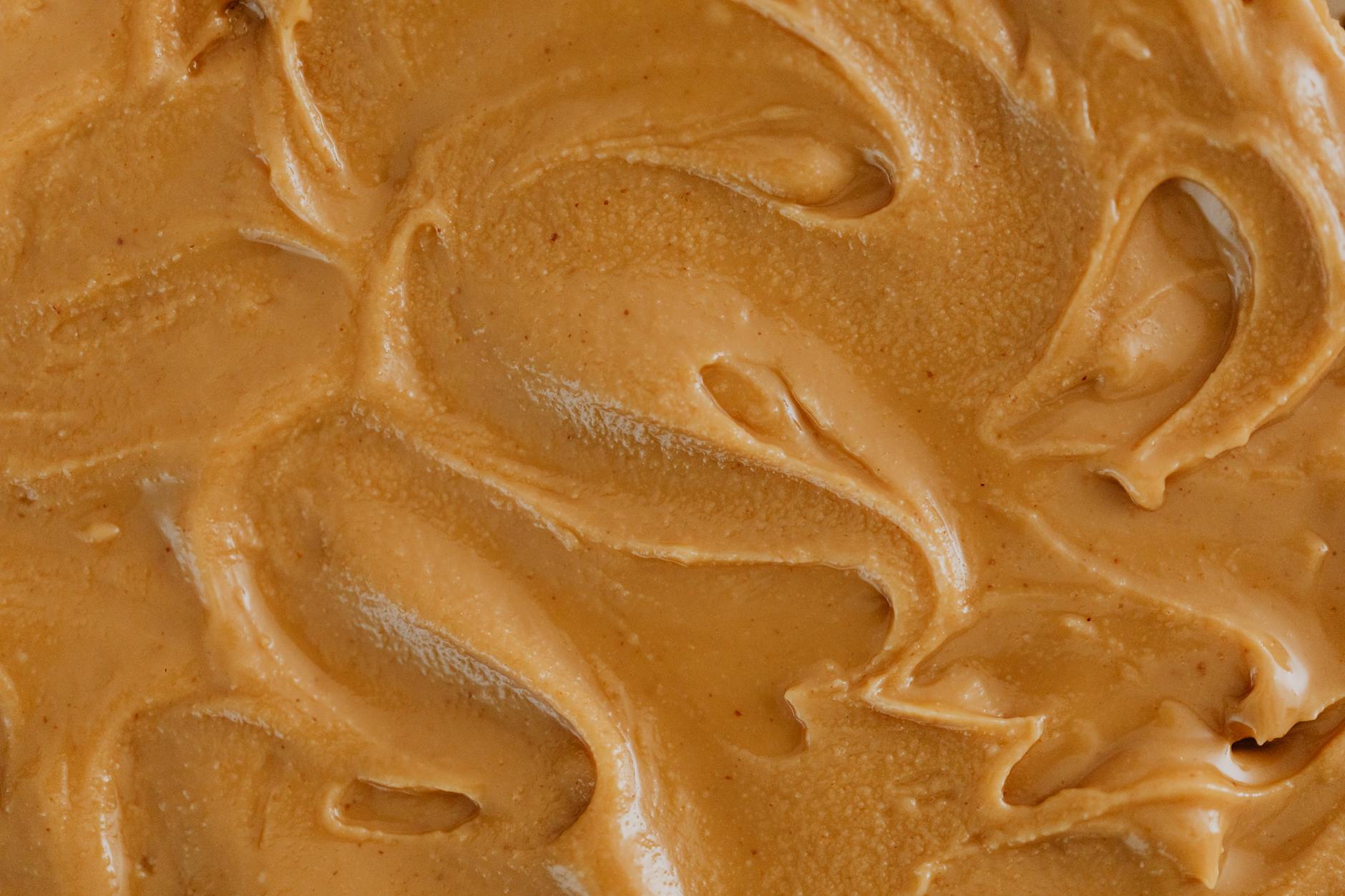
Commercially processed peanut butter contains stabilizers that prevent the oil from separating and keep the product fresh for up to a year past its printed date. Natural peanut butter, which lacks these additives, has a shorter functional window but can still be refrigerated to extend its usability significantly. The oils in peanut butter will eventually turn rancid, producing a noticeable off-taste that makes the change easy to detect without any health risk. Keeping the jar tightly sealed and stored in a cool pantry location dramatically slows this process.
Apple Cider Vinegar
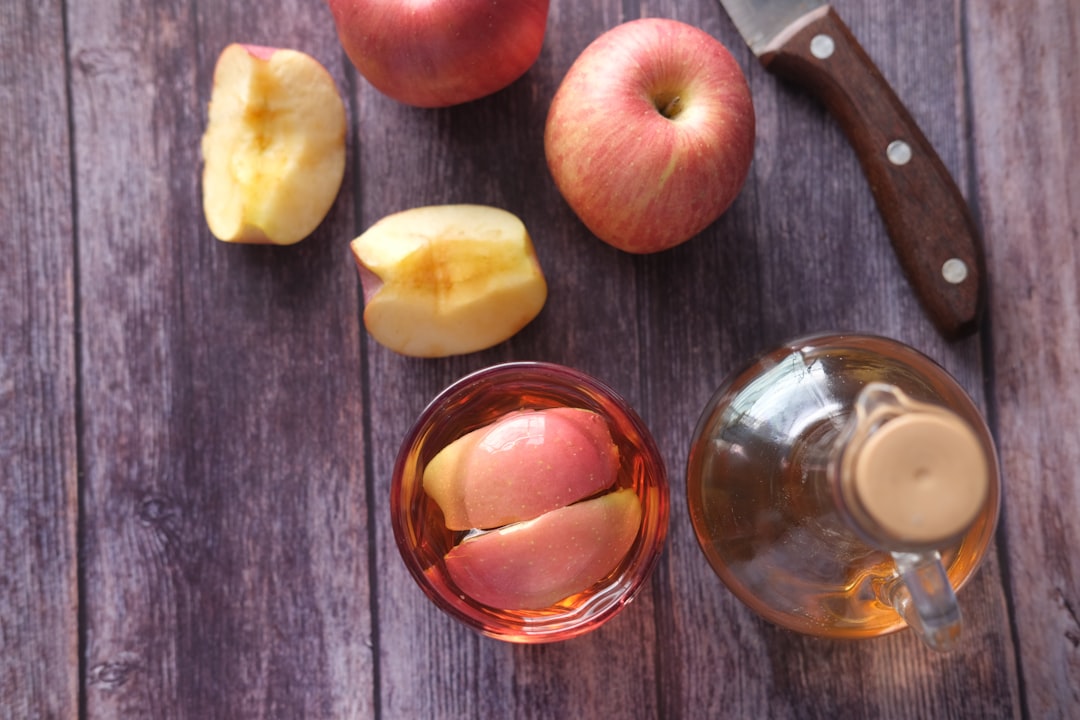
Apple cider vinegar is one of the most self-preserving liquids you can store, with an indefinite shelf life backed by its acidity and antimicrobial properties. The murky sediment that sometimes develops in the bottle over time is the natural mother of vinegar, a colony of beneficial bacteria that is completely harmless. Flavor and aroma may mellow slightly over very long storage periods, but the product remains safe and functional well beyond any printed date. It requires no refrigeration and is best stored in a cool cupboard away from direct sunlight.
Powdered Milk
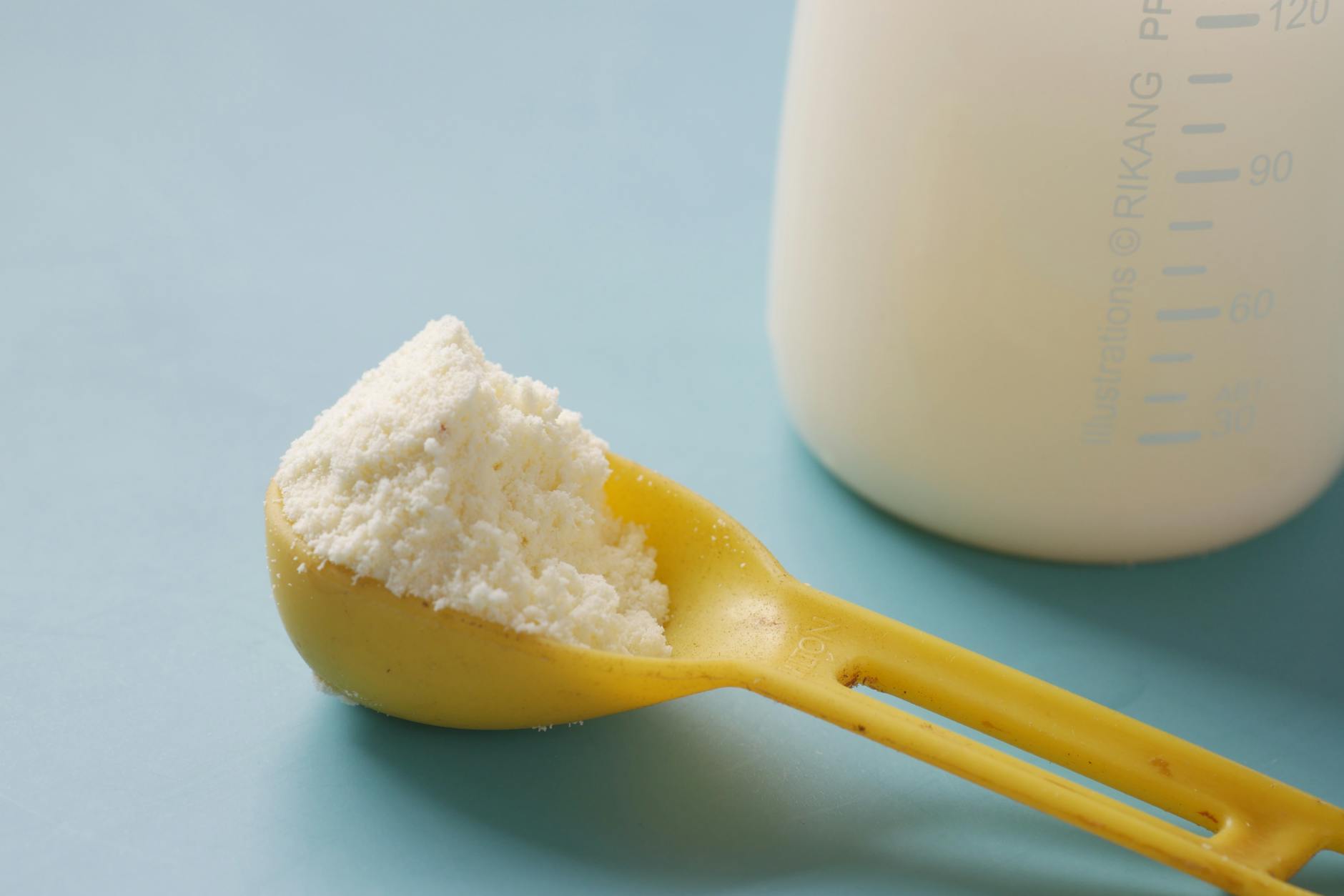
Unopened non-fat powdered milk can remain safe and nutritionally adequate for two to ten years past its printed date depending on storage conditions. Its extremely low moisture content makes it resistant to the microbial growth that spoils liquid dairy products. Once opened, the shelf life shortens considerably and it should be used within a few months for best quality. Keeping the container sealed tightly and stored away from humidity is the most important factor in preserving both its taste and nutritional profile.
All-Purpose Flour
All-purpose white flour can remain good for one to two years past its printed date when stored in a sealed container in a cool and dry environment. The natural oils present in whole wheat flour make it far more susceptible to rancidity, but refined white flour lacks these oils and is consequently much more stable. A musty or sour odor or the visible presence of pests are the true indicators that flour should be discarded. Freezing flour in an airtight bag is a highly effective strategy for extending its life to several years without any loss of baking performance.
Protein Powder
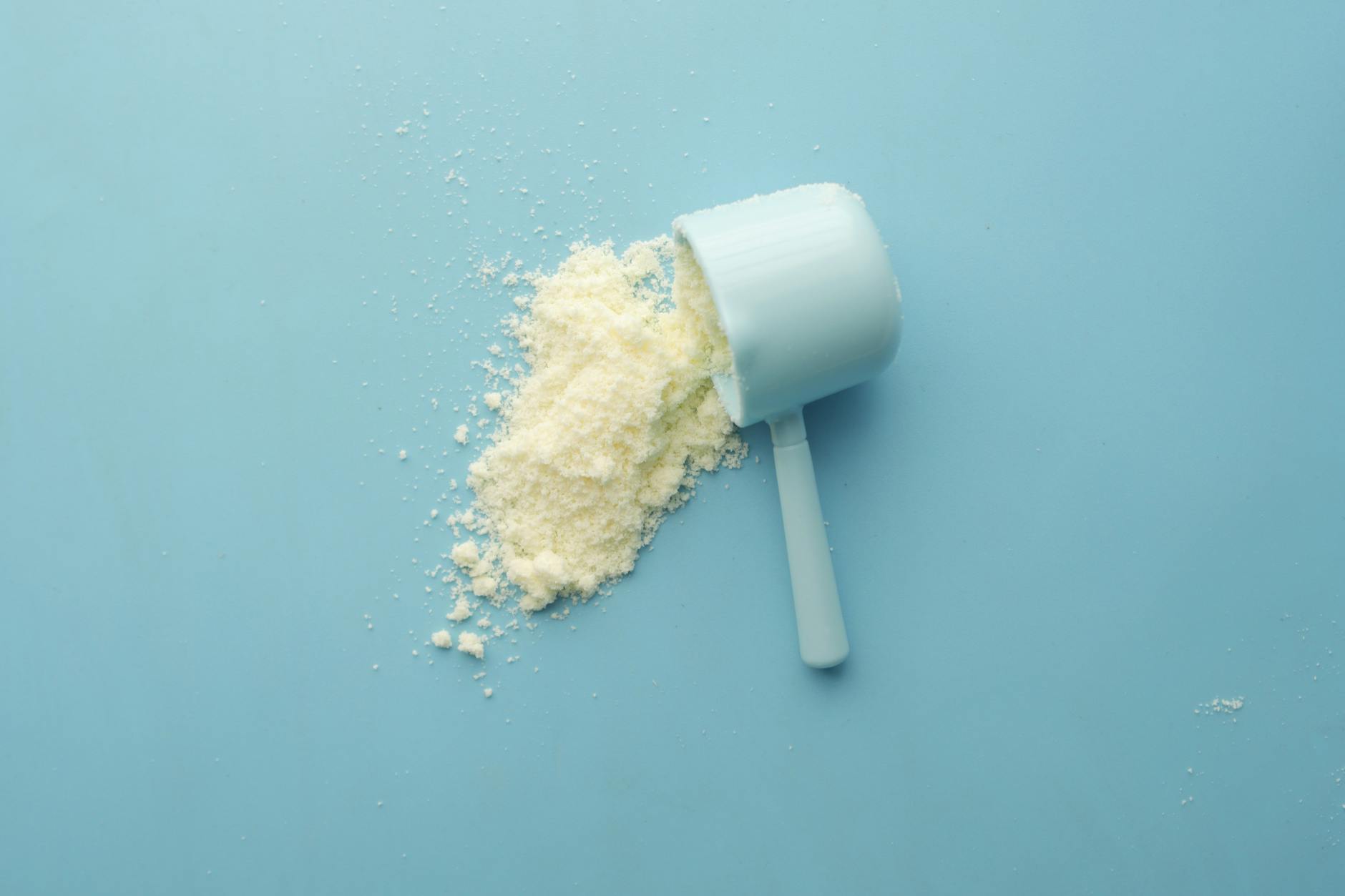
Commercially packaged protein powder typically carries a best-by date of two years from production, but research suggests it remains safe to consume for years beyond that window. The primary change that occurs over time is a degradation of the amino acid lysine, which reduces the powder’s overall protein quality but does not make it unsafe. Clumping, off odors, or a rancid taste are the practical signs to watch for when evaluating older powder. Storing it in a sealed container away from heat and humidity is the most effective way to maintain its functional shelf life.
Cooking Spray
Cooking spray canisters carry best-by dates that are more about propellant pressure and spray performance than about the oil going bad. The oil inside can turn rancid over time, but this is detected by smell long before any safety issue arises. Most cans remain functional and odor-free for up to two years past the printed date when stored at stable room temperature. Extreme heat causes the canister pressure to drop and can affect the evenness of the spray, so keeping it away from the stove area significantly extends its practical life.
What pantry items have you discovered lasting far longer than expected? Share your finds in the comments.