The ketogenic diet has surged in popularity as a powerful method for shedding excess weight and improving metabolic health. Many individuals start this high-fat and low-carb journey with enthusiasm but eventually hit a frustrating plateau where the scale simply refuses to budge. Understanding the nuanced biological shifts required for ketosis is essential for long-term success and sustained energy levels. Small errors in macronutrient tracking or lifestyle habits can easily disrupt the delicate state of fat adaptation. This comprehensive guide highlights common pitfalls that might be hindering progress and preventing the body from becoming an efficient fat-burning machine.
Fear of Dietary Fat

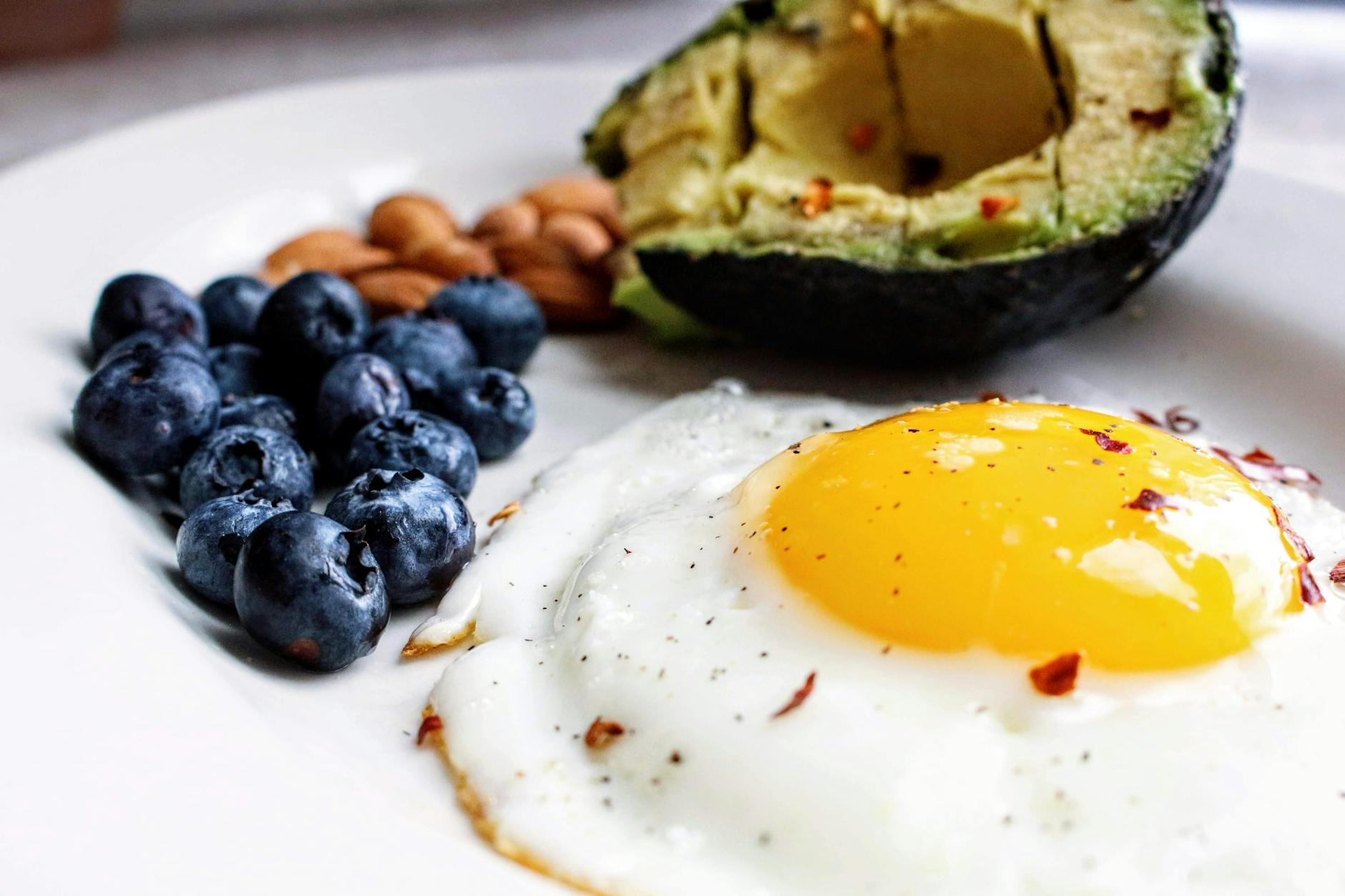
Newcomers often struggle to overcome years of conditioning that labeled fat as the enemy of weight loss. The ketogenic diet requires a significant intake of healthy fats to fuel the body in the absence of carbohydrates. Failing to consume enough fat forces the body to rely on protein or its limited glucose reserves for energy. This deficit leads to hunger cravings and fatigue that make sticking to the plan incredibly difficult. Embracing sources like avocados and olive oil is necessary to signal the body to burn fat for fuel.
Excessive Protein Consumption
Many people mistakenly treat keto as an all-you-can-eat meat diet without realizing the metabolic consequences. The body can convert excess protein into glucose through a process called gluconeogenesis when intake is too high. This internal production of sugar raises insulin levels and can instantly kick the body out of the metabolic state of ketosis. A moderate protein intake is crucial for maintaining muscle mass while ensuring fat remains the primary energy source.
Disregarding Hidden Carbohydrates

Carbohydrates often lurk in unexpected places such as store-bought sauces and salad dressings. Condiments like ketchup or barbecue sauce usually contain high amounts of added sugar that add up quickly throughout the day. Even certain medications and supplements use starch as a binder which contributes to the daily carb count. Reading nutritional labels with extreme care prevents these stealthy carbs from sabotaging daily limits.
Dehydration

The body sheds a significant amount of water and stored glycogen during the initial phases of carbohydrate restriction. This rapid water loss creates a high risk of dehydration if fluid intake is not consciously increased. Water is vital for metabolizing fat and flushing out toxins released during weight loss. Staying adequately hydrated supports energy levels and helps curb false hunger signals that are actually thirst.
Electrolyte Imbalance
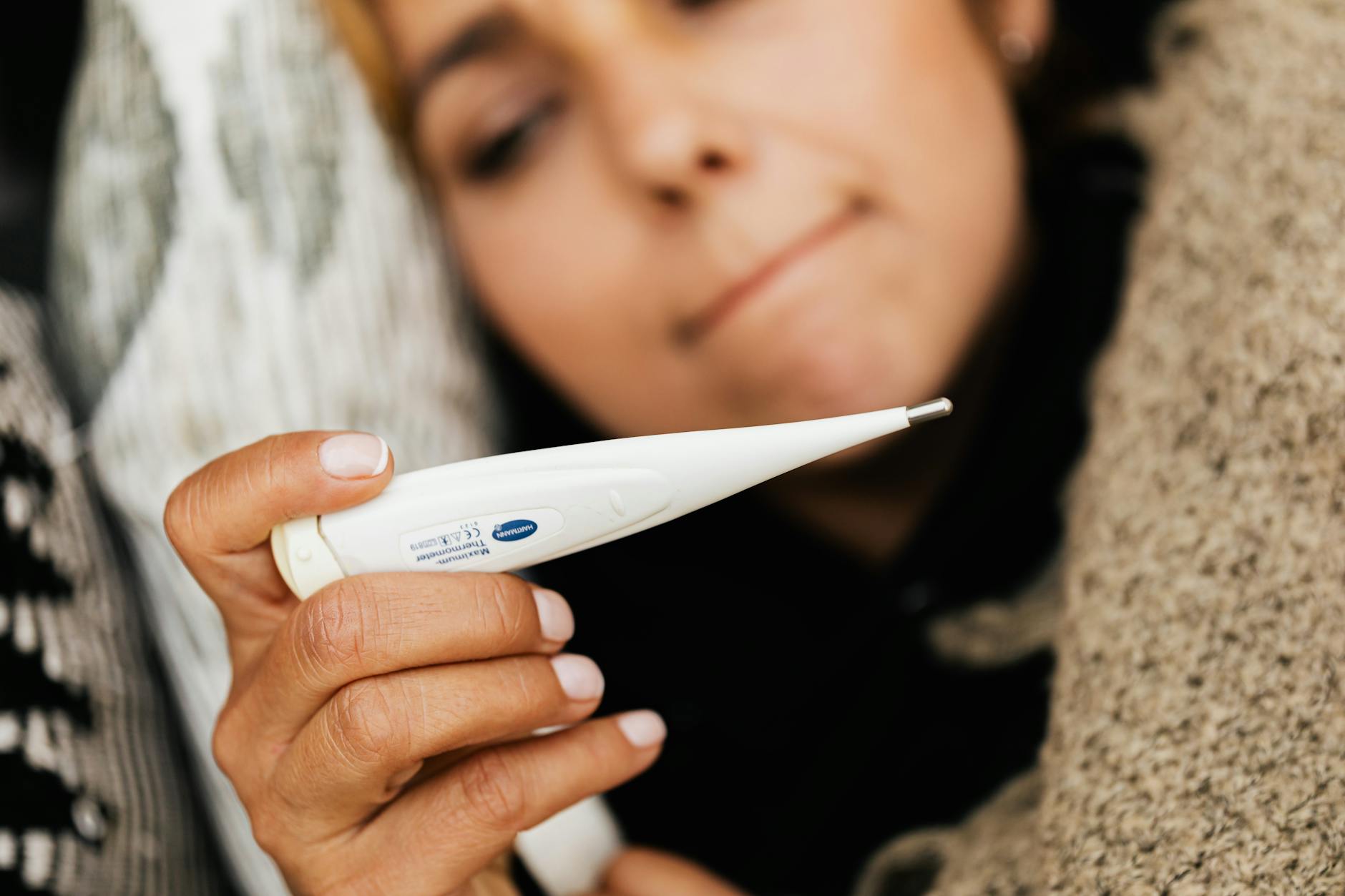
Flushing out water also depletes essential minerals like sodium and magnesium and potassium. This depletion is the primary cause of the dreaded keto flu which includes symptoms like headaches and muscle cramps. Simply drinking plain water without replacing these electrolytes can dilute the remaining minerals further. Salting food to taste or taking specific mineral supplements helps maintain equilibrium and physical performance.
Overeating Processed Keto Snacks
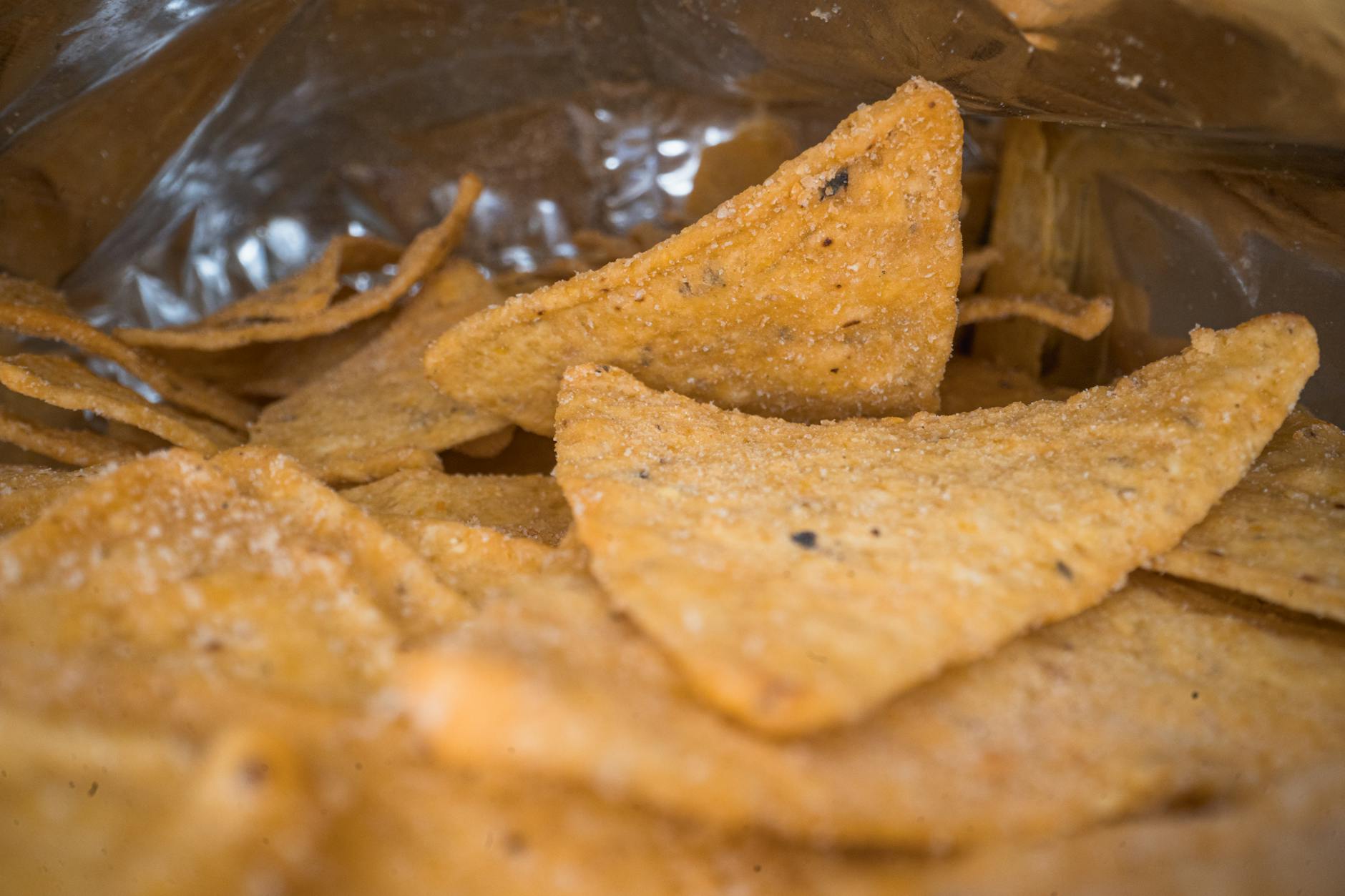
The market is flooded with packaged bars and cookies labeled as keto-friendly. These products often contain highly processed ingredients and fibers that may still spike blood sugar levels in sensitive individuals. Relying on these treats instead of whole foods can lead to overconsumption of calories and inflammatory additives. Whole foods like eggs and leafy greens should always form the foundation of the diet.
Snacking Frequently

Constant grazing keeps insulin levels elevated throughout the day and prevents the body from accessing stored body fat. Each time food is consumed the body pauses fat burning to digest the new nutrients. Limiting intake to distinct meals allows insulin to drop sufficiently for fat mobilization to occur. Intermittent fasting often pairs well with keto to naturally reduce meal frequency.
Ignoring Total Calories

Ketosis alters fuel usage but the fundamental law of energy balance still applies to weight management. It is entirely possible to gain weight on a ketogenic diet by consuming more energy than the body expends. Foods like nuts and cheese are extremely calorie-dense and easy to overeat without noticing. Tracking intake for a few weeks provides a realistic picture of portion sizes and total energy consumption.
Lack of Sleep

Sleep deprivation triggers the release of cortisol which is a stress hormone that encourages fat storage. Poor sleep quality also disrupts hunger hormones causing an increase in appetite and cravings for sugar. The body repairs itself and regulates metabolic processes primarily during deep sleep cycles. Prioritizing seven to nine hours of rest is as important as the food on the plate.
Excessive Stress

Chronic stress keeps the body in a fight-or-flight mode that consistently elevates blood sugar levels. High cortisol levels can prevent weight loss even when the diet is followed perfectly. Finding management techniques like meditation or walking can lower stress hormones and support metabolic health. A calm nervous system is better equipped to burn fat efficiently.
Inadequate Vegetable Intake
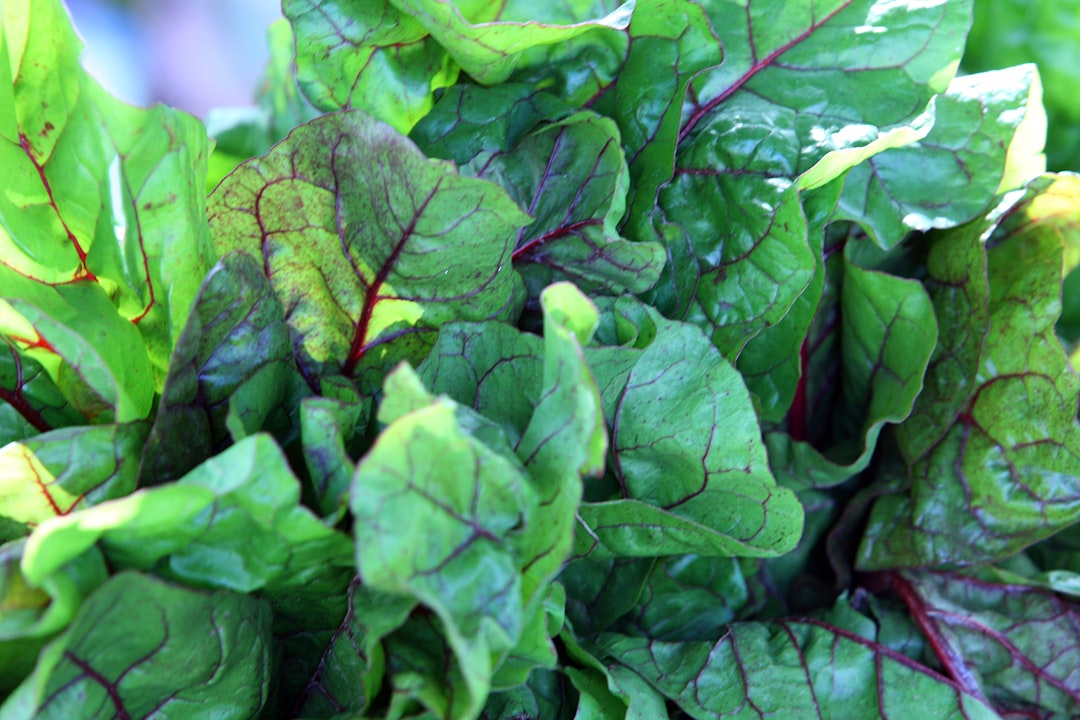
Cutting carbs should not mean eliminating nutrient-dense vegetables from the diet. Leafy greens and cruciferous vegetables provide essential fiber that aids digestion and gut health. Skipping these foods can lead to constipation and a lack of vital micronutrients. These low-carb vegetables add volume to meals which helps with satiety and fullness.
Overconsumption of Dairy

Dairy products can be inflammatory for some people and contain natural sugars like lactose that affect insulin. Cheese and heavy cream are calorically dense and very easy to overconsume in large quantities. Some individuals find that removing dairy breaks a stall and accelerates weight loss results. Moderation is key when including these high-fat items in daily meal plans.
Too Many Nuts
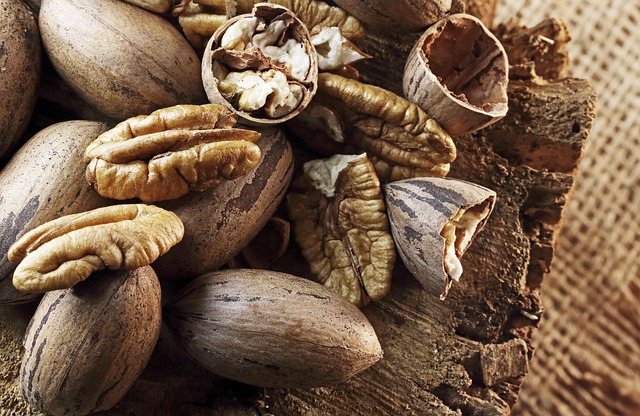
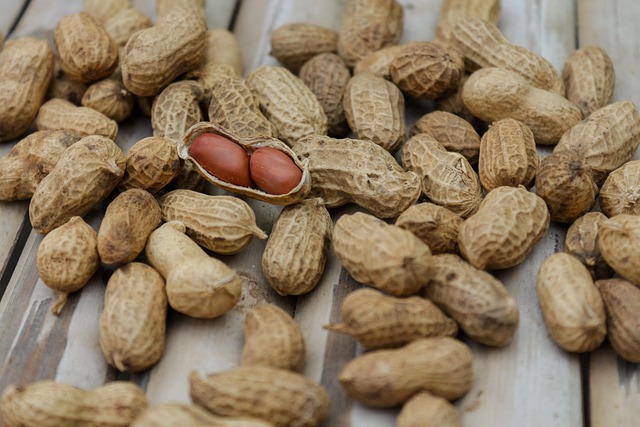
Nuts are a convenient keto snack but they carry a high calorie count and significant carbohydrates in large portions. The crunch and saltiness make them a trigger food that is hard to stop eating after just a handful. Certain nuts like cashews and pistachios have higher carb counts than macadamias or pecans. Measuring out portions beforehand prevents accidental overindulging during snack time.
Artificial Sweetener Reliance

Replacing sugar with zero-calorie sweeteners can help transition away from sweets but may cause issues for some. Certain sweeteners can stimulate an insulin response despite having no calories. They can also perpetuate cravings for sweet tastes rather than helping the palate adjust to savory foods. limiting these additives helps reset taste buds and reduces dependence on hyper-palatable treats.
Drinking Alcohol

Alcohol pauses fat burning because the liver prioritizes metabolizing the toxin over everything else. Many alcoholic drinks also contain hidden sugars and carbs that disrupt ketosis immediately. Even low-carb options like clear spirits contribute empty calories that displace nutrient-dense food. Frequent drinking slows down progress significantly and lowers inhibitions regarding food choices.
Lack of Meal Planning

Wingning meals often leads to poor decisions when hunger strikes unexpectedly. Without a plan it is easy to grab convenient foods that may not align with strict macronutrient goals. Prepping ingredients or full meals in advance ensures that compliant options are always available. Consistency becomes much easier when the decision-making process is removed from mealtime.
Obsessing Over the Scale

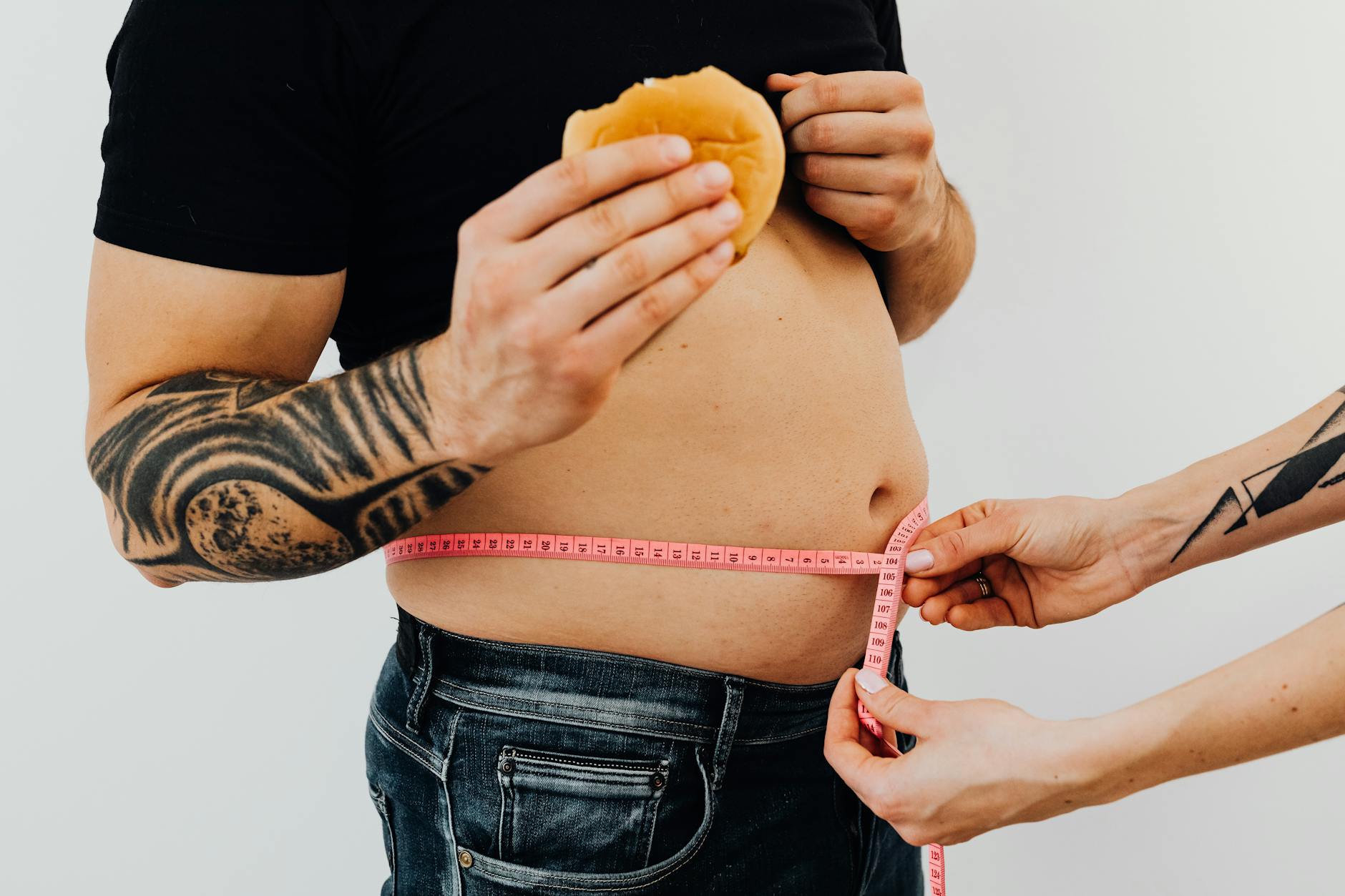
Weight loss is rarely linear and water weight fluctuations can mask fat loss progress. Relying solely on the scale can lead to discouragement and unnecessary tinkering with the diet. Body measurements and how clothes fit are often better indicators of body composition changes. Patience is required as the body heals and adjusts to the new metabolic environment.
Trusting Net Carbs Blindly
The concept of net carbs allows for fiber subtraction but labels can be misleading. Some manufacturers use processed fibers that may be partially digested and absorbed by the body. This means the actual impact on blood sugar could be higher than the package claims. sticking to total carb counts is a safer approach for those struggling to lose weight.
Vitamin Deficiencies
Restricting certain food groups can lead to gaps in essential vitamins and minerals. B vitamins and Vitamin D are crucial for energy production and overall metabolic function. A lack of nutrients can slow down the metabolism and cause general fatigue. Incorporating organ meats or high-quality supplements can bridge these nutritional gaps effectively.
Giving Up During Keto Flu

The transition period into ketosis can be physically uncomfortable and discouraging for beginners. Many people quit within the first week due to fatigue and headaches assuming the diet is unhealthy. These symptoms are temporary and usually resolve once the body becomes fat-adapted. Pushing through this initial phase unlocks the sustained energy and mental clarity that follows.
Overdoing Cheat Days
A single cheat day can undo a week of progress by refilling glycogen stores and stopping ketone production. It can take several days to re-enter ketosis after a high-carb binge. This cycle of entering and exiting ketosis prevents the body from ever becoming fully efficient at burning fat. Consistency is the primary driver of long-term metabolic adaptation.
Eating Too Often
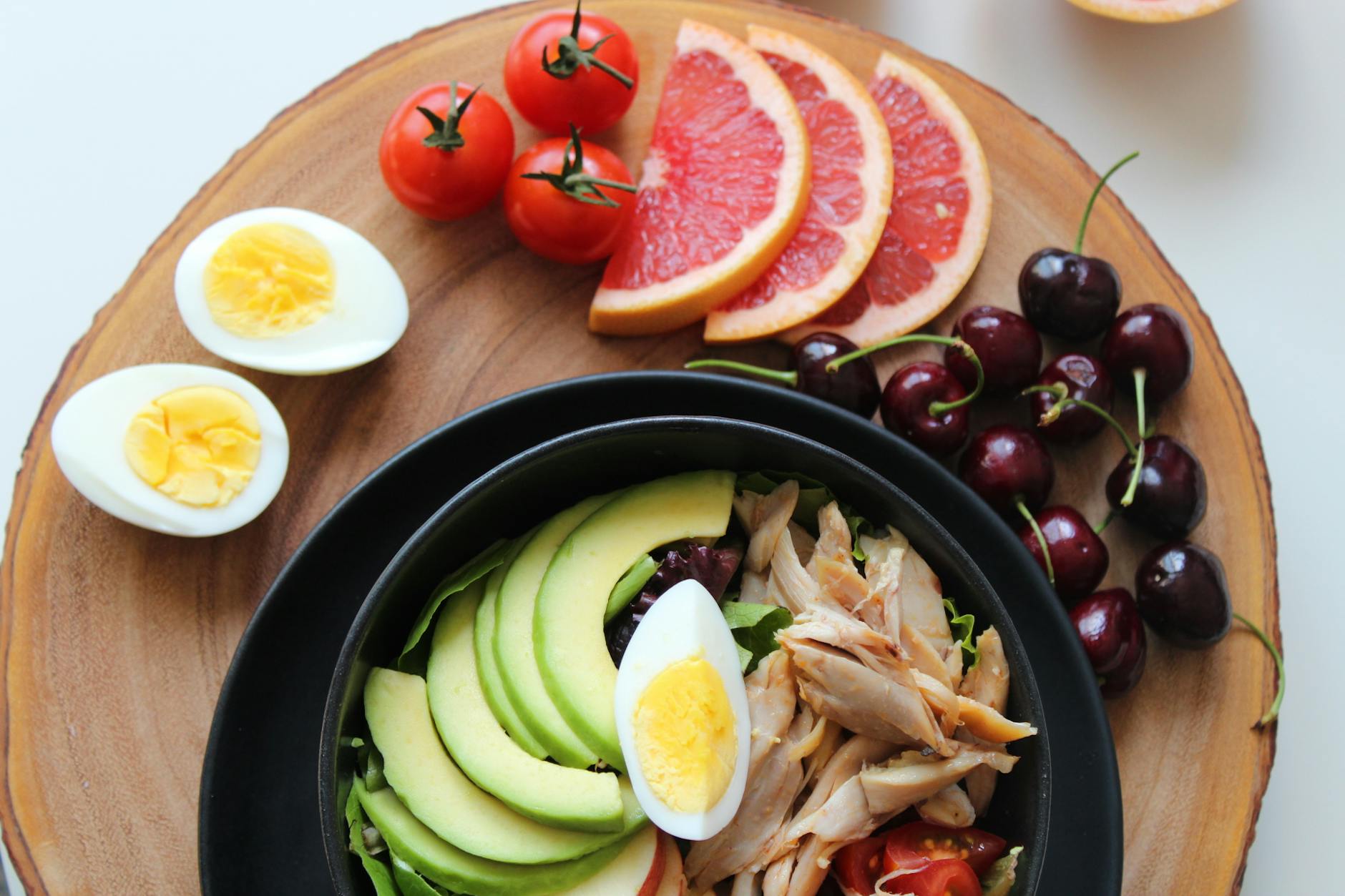
Constant snacking keeps digestion active and prevents the body from engaging in cellular repair processes like autophagy. The digestive system benefits from breaks between meals to rest and reset. spacing meals out allows insulin to return to baseline levels. This practice supports deeper ketosis and better appetite control.
Medical Conditions
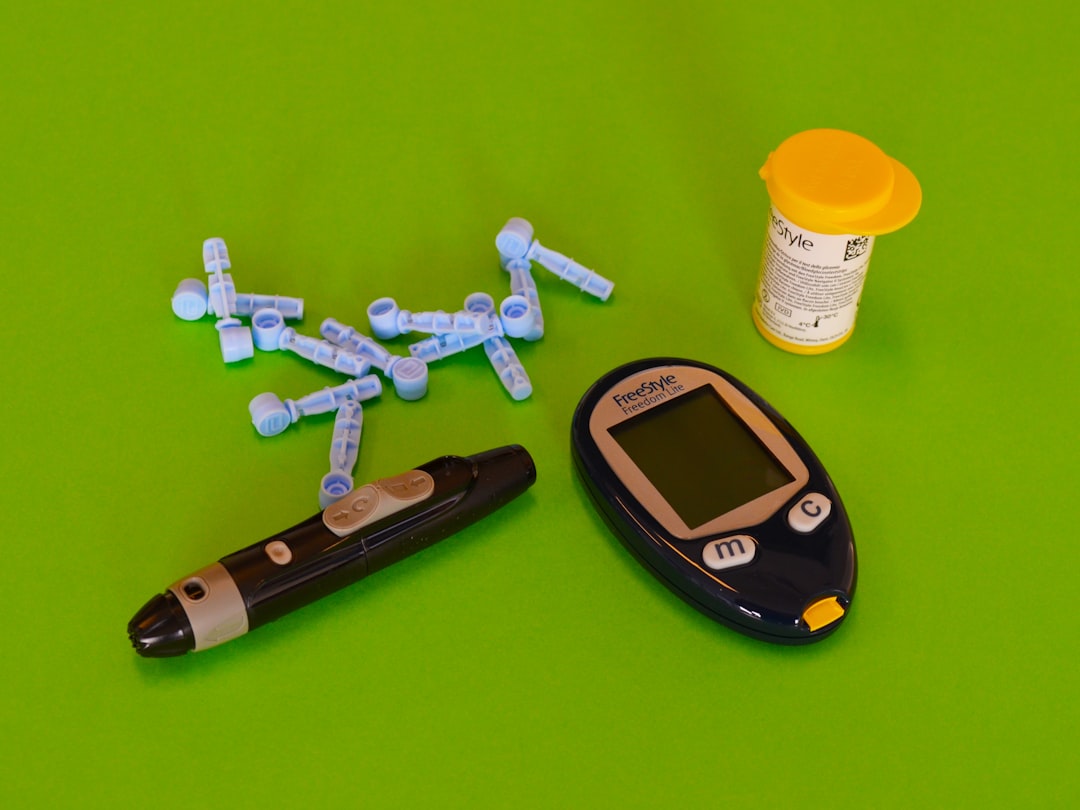
Underlying issues like hypothyroidism or insulin resistance can significantly slow down weight loss efforts. These conditions affect metabolic rate and how the body processes energy regardless of diet. A medical professional can run tests to identify hormonal imbalances that need addressing. medication adjustments may be necessary as the body changes during weight loss.
Too Much Caffeine

While black coffee is keto-friendly excessive caffeine can raise cortisol levels in sensitive individuals. High cortisol spikes blood sugar and mimics the effects of stress on the body. This response can hinder fat loss even in the absence of carbohydrates. monitoring caffeine intake helps maintain hormonal balance and sleep quality.
Ignoring Gut Health
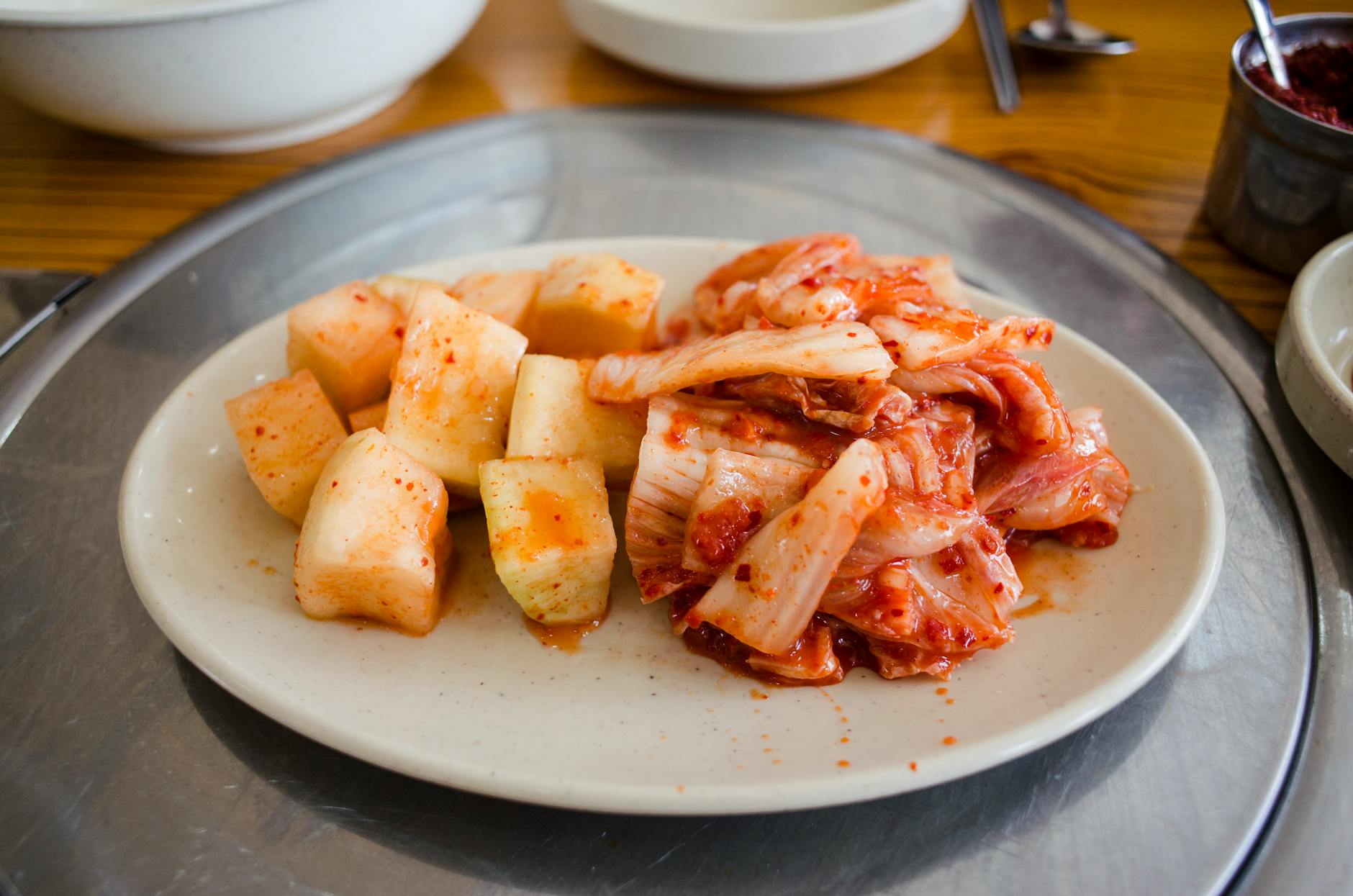
A healthy gut microbiome is essential for proper digestion and immune function. The drastic change in diet can disrupt gut bacteria if fiber and fermented foods are neglected. Probiotic-rich foods like sauerkraut or kimchi support a diverse bacterial ecosystem. A healthy gut reduces inflammation and supports efficient nutrient absorption.
Not Exercising

Diet is the main driver of weight loss but exercise accelerates results and improves body composition. Resistance training builds muscle which increases the resting metabolic rate. Relying only on diet can result in a “skinny fat” appearance due to muscle loss. diverse movement patterns support overall health and mobility.
Comparing Results to Others

Every body is unique and responds to the ketogenic diet at a different pace. Factors like age and gender and metabolic history play huge roles in the speed of weight loss. Comparison often leads to unrealistic expectations and unnecessary frustration. focusing on personal non-scale victories fosters a healthier mindset.
Hidden Sugars in Medications

Cough syrups and gummy vitamins often contain sugar or corn syrup to improve taste. These small amounts add up and can be enough to disrupt a strict ketogenic state. Checking the inactive ingredients list on all supplements is a necessary precaution. Switching to pill forms or sugar-free versions avoids this accidental intake.
Lack of Consistency

Jumping in and out of the diet prevents the body from fully adapting to using fat as fuel. Metabolic flexibility takes time to develop and requires steady adherence to the protocol. Sporadic effort yields sporadic results and makes the process feel harder than it is. Commitment to the lifestyle is the only way to see lasting change.
High Calorie Condiments

Mayonnaise and oil-based dressings are keto-compliant but extremely high in calories. pouring these freely over meals can easily push daily calorie intake into a surplus. Measuring spoons should be used to ensure portions remain within reasonable limits. Flavor can be added with herbs and spices instead of heavy fats.
Let us know in the comments which of these common hurdles you have faced on your journey.