Islands represent the ultimate escape from the hectic pace of modern life and offer unique ecosystems found nowhere else on Earth. Travelers flock to these isolated landmasses to experience distinct cultures and pristine natural environments that range from tropical beaches to rugged frozen landscapes. This collection highlights thirty destinations that are celebrated globally for their visual splendor and geographical significance. Each location offers a distinct blend of geological wonders and vibrant local traditions that attracts visitors from around the globe.
Santorini
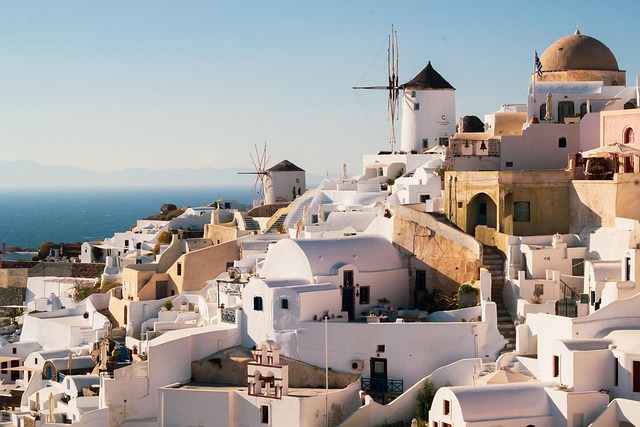
This Greek destination is immediately recognizable by its whitewashed buildings and iconic blue domes perched high above the Aegean Sea. The island is actually the remains of a volcanic caldera which creates dramatic cliffs that drop steeply into the deep blue water. Visitors often navigate the winding paths between the towns of Fira and Oia to witness sunsets that are considered some of the best in the world. The volcanic soil supports unique vineyards that produce distinct local wines enjoyed at tavernas across the island.
Bora Bora
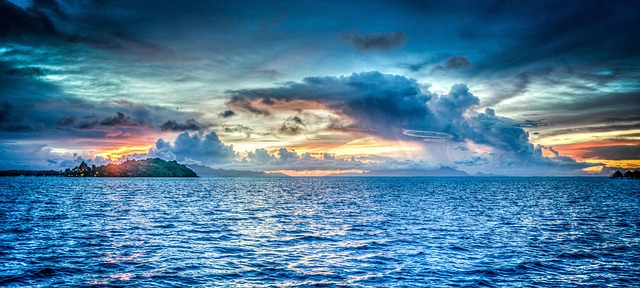
Bora Bora is often celebrated as the jewel of French Polynesia due to its stunning turquoise lagoon and protective barrier reef. The dormant volcano Mount Otemanu rises sharply from the center of the island and reaches an elevation of over 2,300 feet. Luxury resorts feature overwater bungalows that allow guests to observe marine life directly from their rooms. The crystal clear waters provide exceptional visibility for snorkeling with stingrays and blacktip reef sharks in their natural habitat.
Palawan
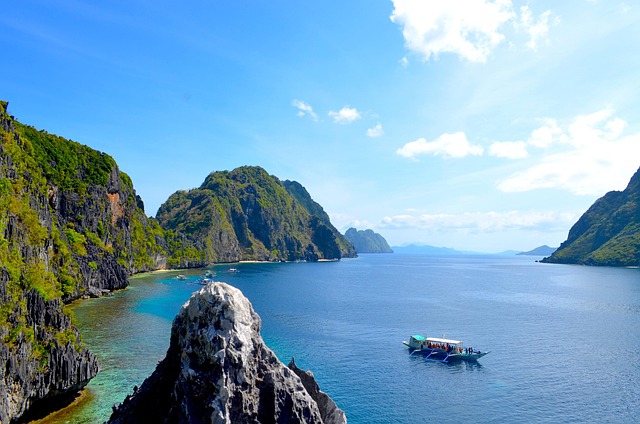
This archipelagic province in the Philippines is defined by its dramatic limestone karst cliffs and hidden lagoons. The Puerto Princesa Subterranean River allows travelers to explore a massive underground cave system by boat. El Nido serves as a gateway to the Bacuit Archipelago where secret beaches are tucked between towering rock formations. The water clarity is exceptional and attracts divers who wish to explore the vibrant coral gardens teeming with tropical fish.
Maui
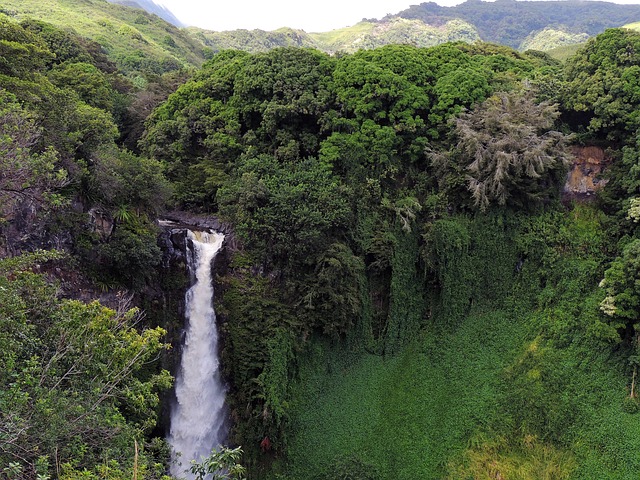
The second largest Hawaiian island offers a diverse landscape that ranges from pristine beaches to the summit of Haleakala. Visitors frequently drive the Road to Hana to experience over sixty miles of lush rainforests and cascading waterfalls. The island serves as a premier destination for whale watching during the winter months when humpback whales migrate to the warm waters. Lahaina creates a historic atmosphere while the resort areas of Kaanapali provide world class amenities for relaxation.
The Maldives
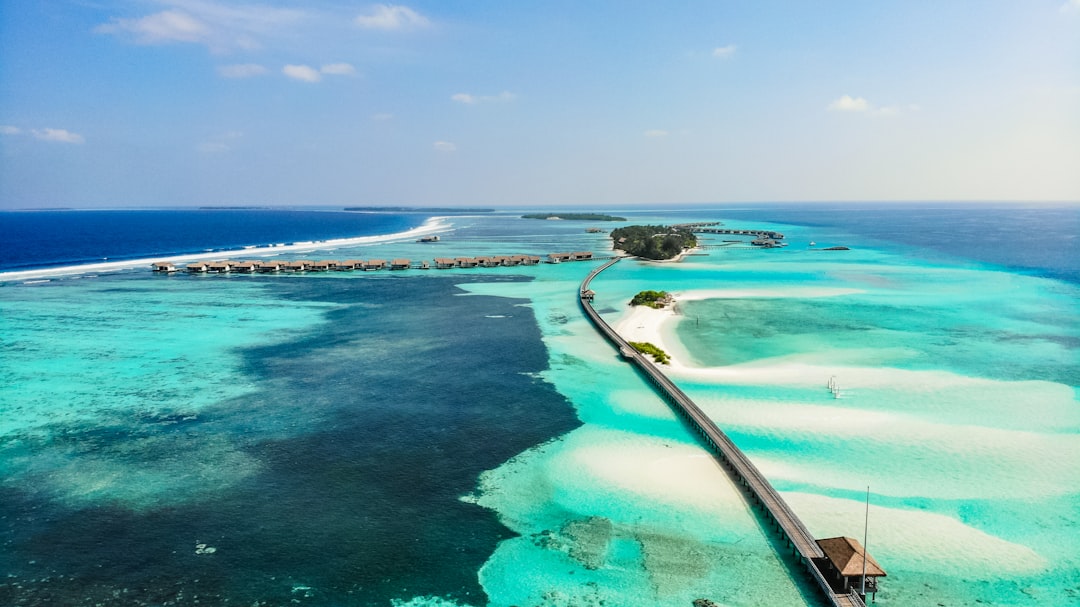
This nation consists of twenty-six natural atolls and over one thousand coral islands scattered across the Indian Ocean. Each resort typically occupies its own private island and offers a sense of complete seclusion and luxury. The elevation is incredibly low and the highest point on the islands stands only eight feet above sea level. Unrivaled scuba diving opportunities exist here due to the abundance of manta rays and whale sharks that inhabit the nutrient rich waters.
Bali
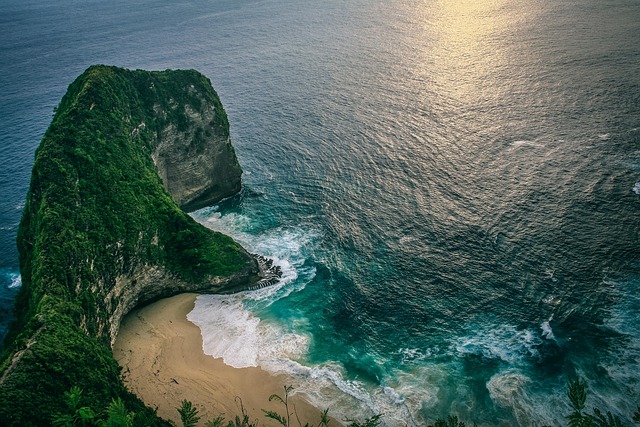
Bali is a province of Indonesia that blends spectacular natural scenery with a deeply spiritual Hindu culture. Emerald rice terraces in Ubud cascade down hillsides and showcase an ancient irrigation system that is still in use today. The coastline offers world class surfing breaks at Uluwatu alongside calm swimming beaches in Nusa Dua. Intricate temples such as Tanah Lot sit dramatically on rock formations just off the shore and create striking silhouettes at sunset.
Seychelles
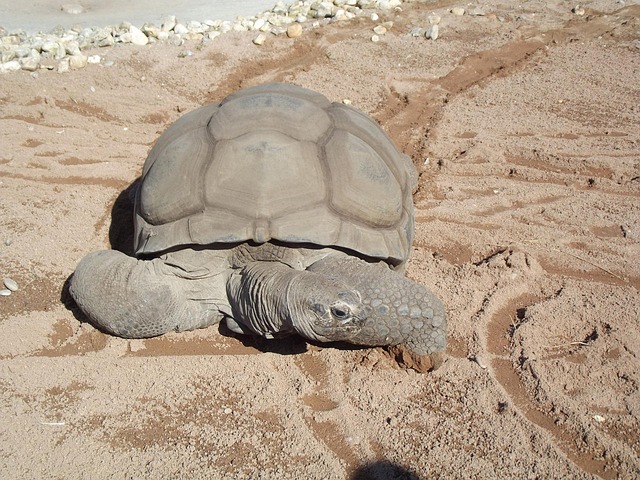
The Seychelles archipelago lies off the coast of East Africa and is famous for its prehistoric granite boulders that line the beaches of La Digue. Anse Source d’Argent is frequently photographed for its unique pink sands and shallow warm waters. The islands serve as a sanctuary for giant Aldabra tortoises which roam freely in conservation areas. Strict environmental regulations have preserved the lush jungles and ensure the native flora remains dominant throughout the granite islands.
Fiji
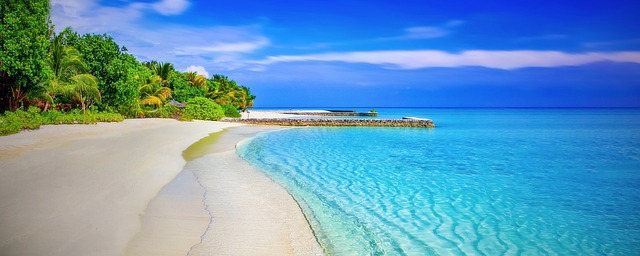
Fiji is comprised of more than three hundred islands that are renowned for their rugged landscapes and palm lined beaches. The Mamanuca Islands are particularly popular for their proximity to the main island and their quintessential tropical appearance. Soft coral diving here is legendary because the underwater currents feed vibrant reef systems that display a rainbow of colors. The local culture is warm and welcoming and visitors are often greeted with a traditional song upon arrival.
St. Lucia
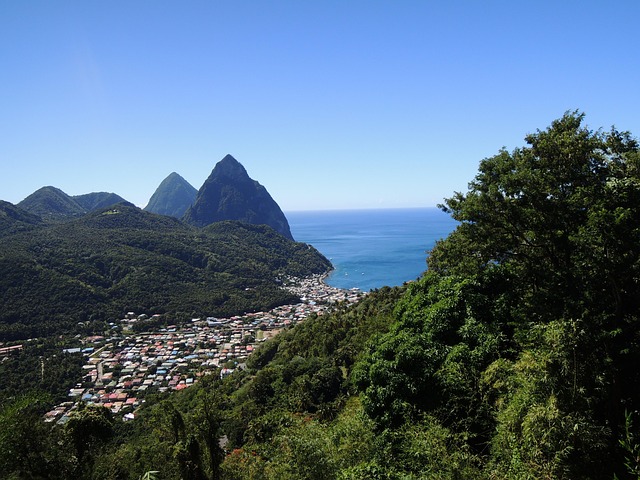
The landscape of St. Lucia is dominated by the Pitons which are two mountainous volcanic spires that rise abruptly from the sea. These iconic peaks are a designated World Heritage site and provide challenging hiking trails for adventurous travelers. The island features sulfur springs where visitors can bathe in volcanic mud baths that are said to have therapeutic properties. Lush rainforests cover the interior and provide a habitat for the rare St. Lucia amazon parrot.
Capri
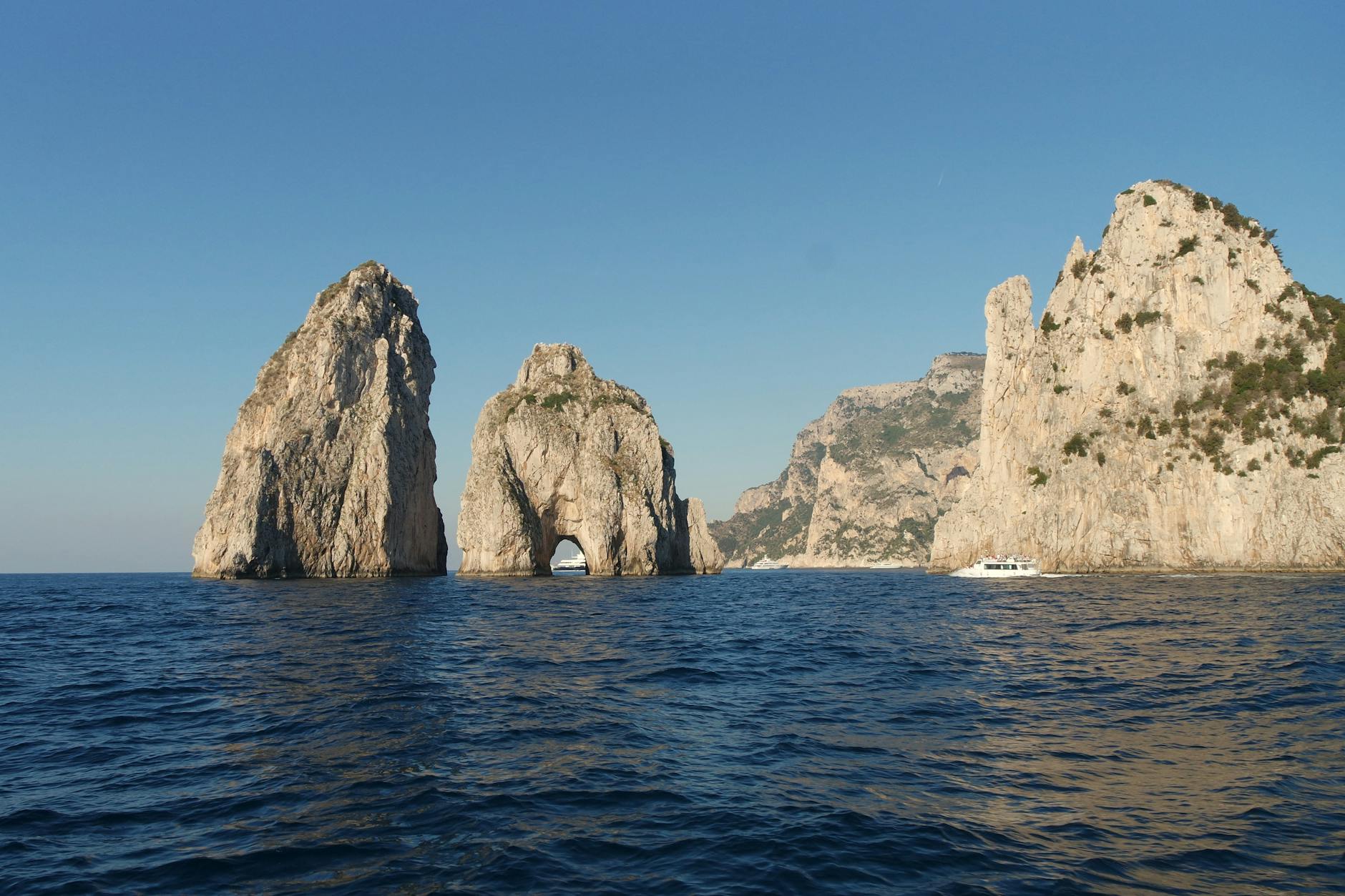
Capri sits in the Bay of Naples and has served as a resort destination since the time of the Roman Republic. The Blue Grotto is a famous sea cave where sunlight passes through an underwater cavity and illuminates the water in an electric blue hue. High cliffs offer sweeping views of the Tyrrhenian Sea and the Faraglioni rock formations that jut out of the water. The town features upscale shopping and gardens that bloom with lemons and vibrant bougainvillea flowers.
Kauai
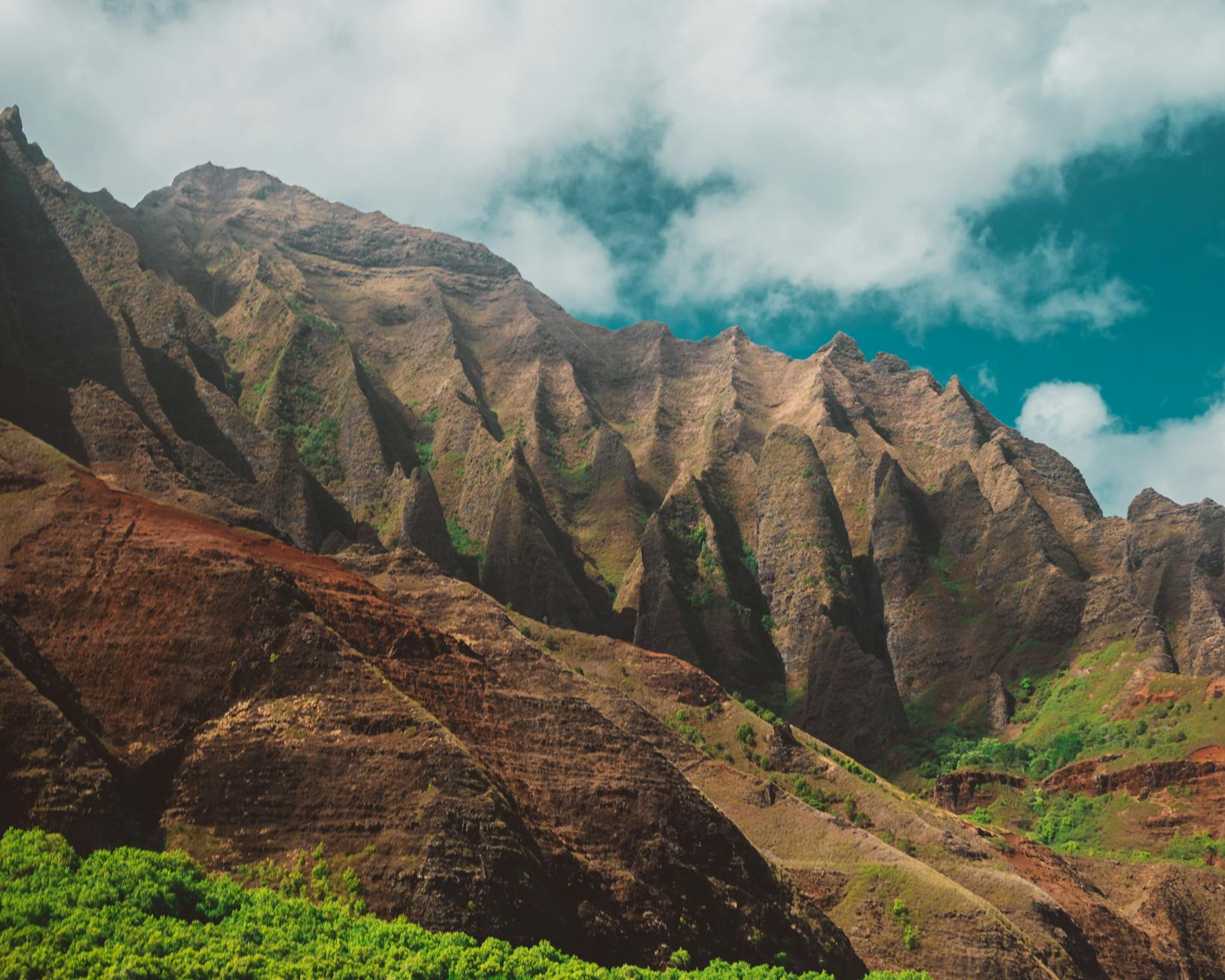
Known as the Garden Isle, Kauai is the oldest of the main Hawaiian islands and is covered in thick tropical rainforest. The Na Pali Coast features jagged cliffs that rise four thousand feet above the Pacific Ocean and are accessible only by boat or hiking trails. Waimea Canyon offers deep red gorges that contrast beautifully with the surrounding greenery and earned it the nickname of the Grand Canyon of the Pacific. Strict building codes ensure that no structure on the island stands taller than a coconut palm tree.
Galapagos Islands
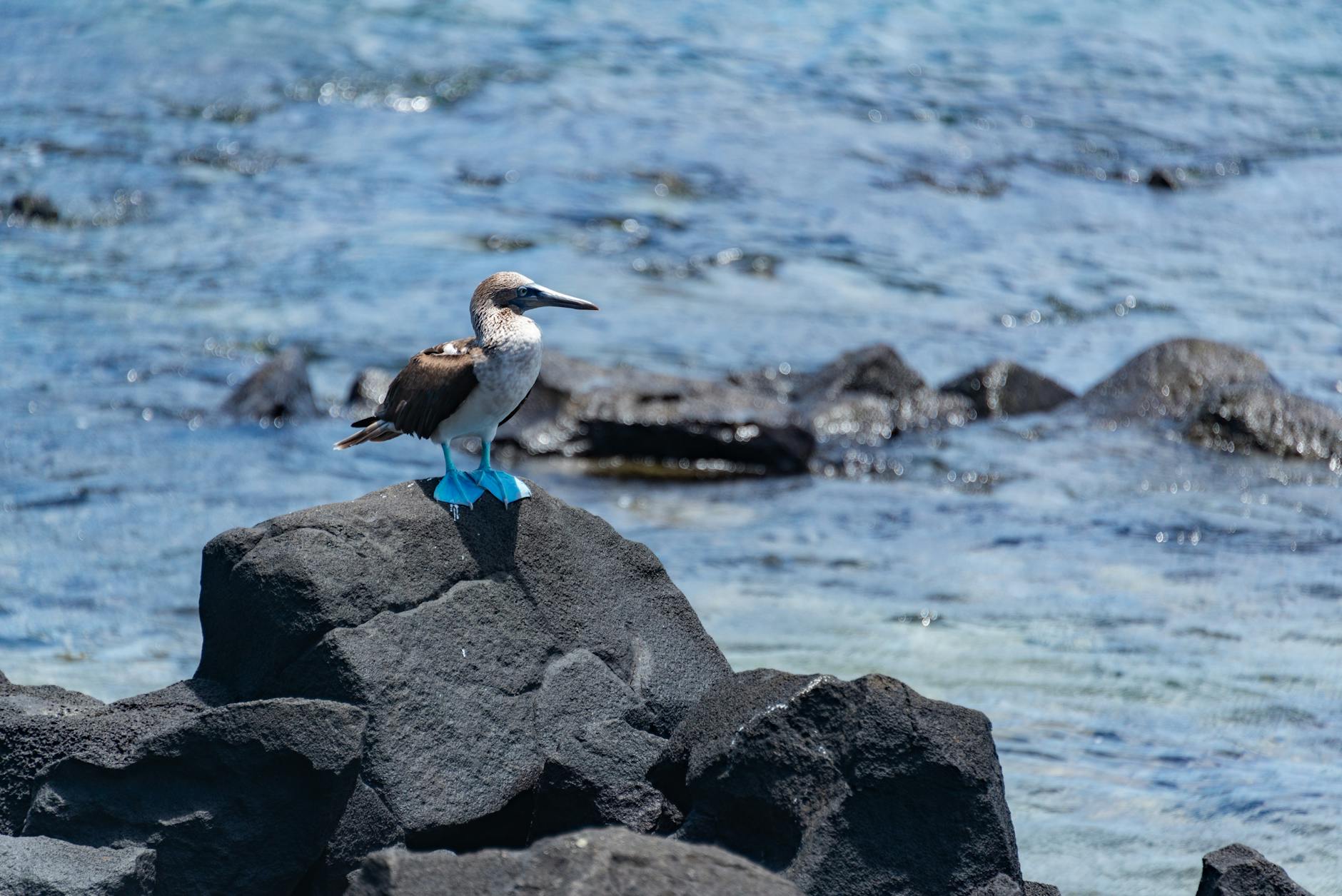
This volcanic archipelago in Ecuador is famous for its large number of endemic species that were studied by Charles Darwin. Travelers can observe marine iguanas and blue footed boobies that have no natural fear of humans. The landscape varies from stark lava fields to white sand beaches and highland forests. Strict conservation rules limit the number of visitors to protect the fragile ecosystem and its unique inhabitants.
Whitsunday Islands
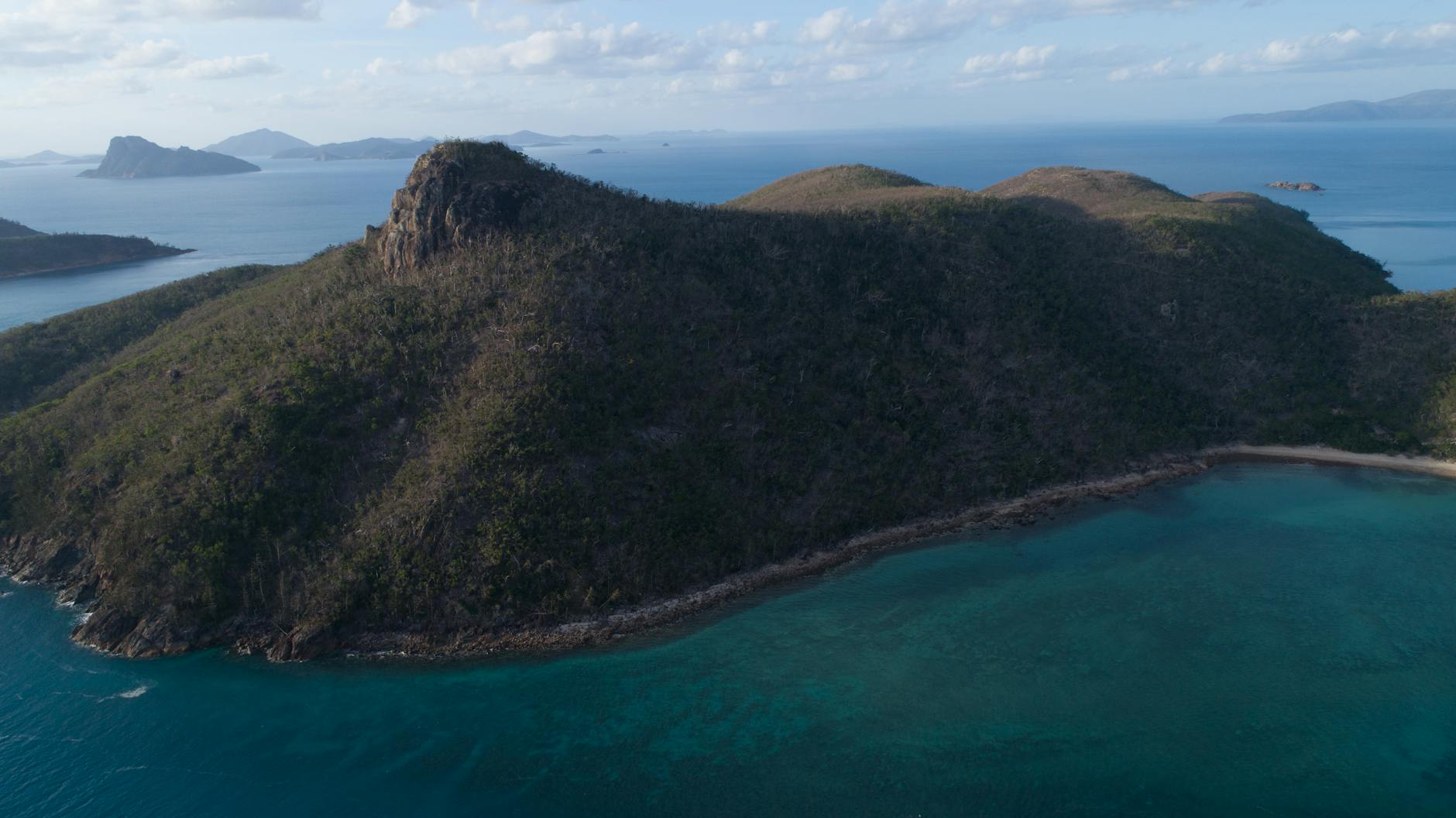
The Whitsundays are a collection of seventy-four continental islands located off the coast of Queensland in Australia. Whitehaven Beach is the most famous location and features swirling sands that are composed of ninety-eight percent pure silica. The islands act as a gateway to the Great Barrier Reef and offer unparalleled opportunities for sailing and snorkeling. Lush vegetation covers the hilly interiors of the islands and provides hiking trails with panoramic ocean views.
Hvar
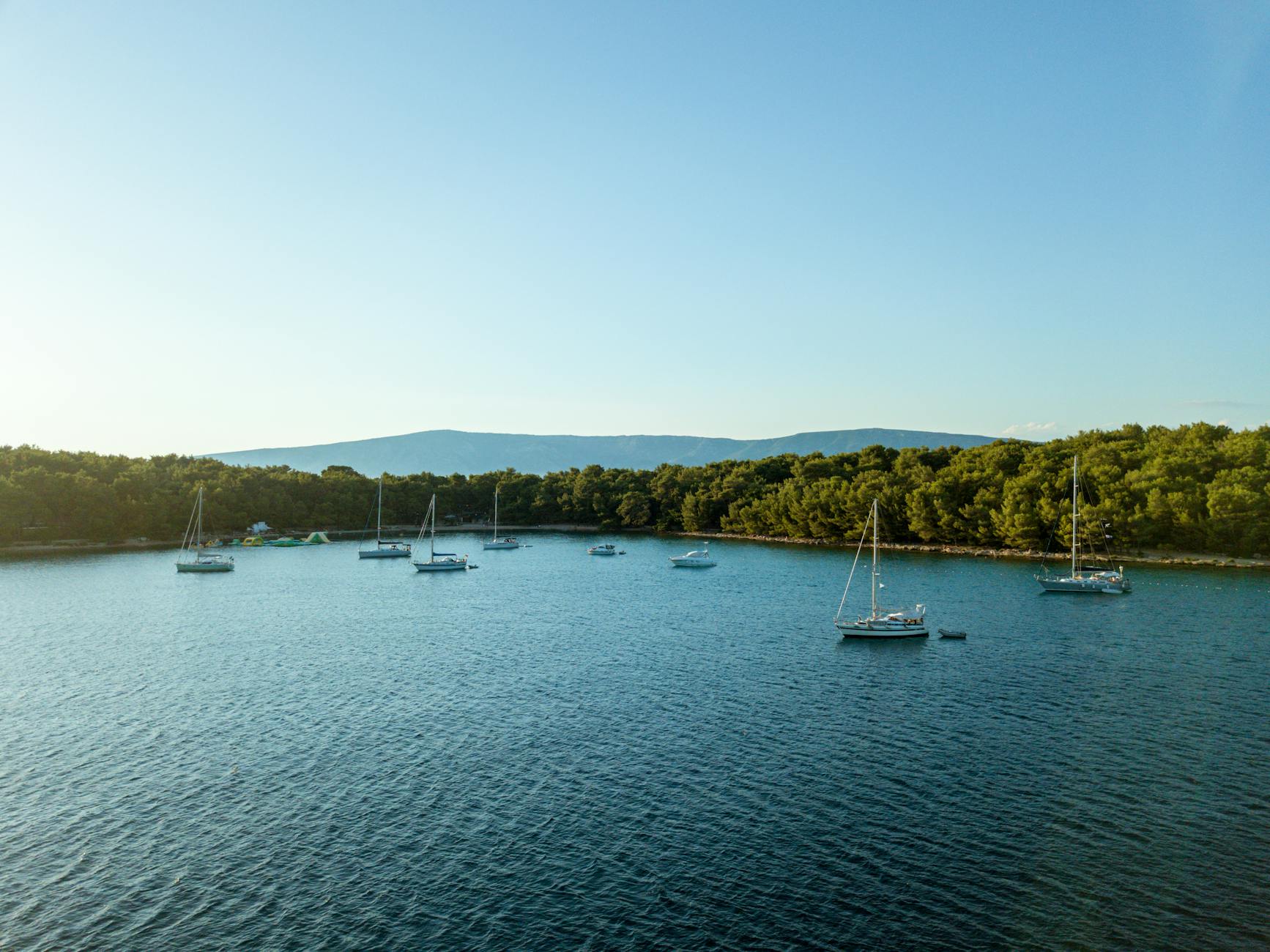
Hvar is a Croatian island in the Adriatic Sea that is celebrated for its sunniest weather in the country. Lavender fields bloom in early summer and fill the air with a distinct fragrance that travels across the interior hills. The main town features 13th-century walls and a hilltop fortress that overlooks a harbor filled with luxury yachts. Clear blue waters surround the Pakleni Islands nearby which are a popular destination for day trips and secluded swimming.
Crete
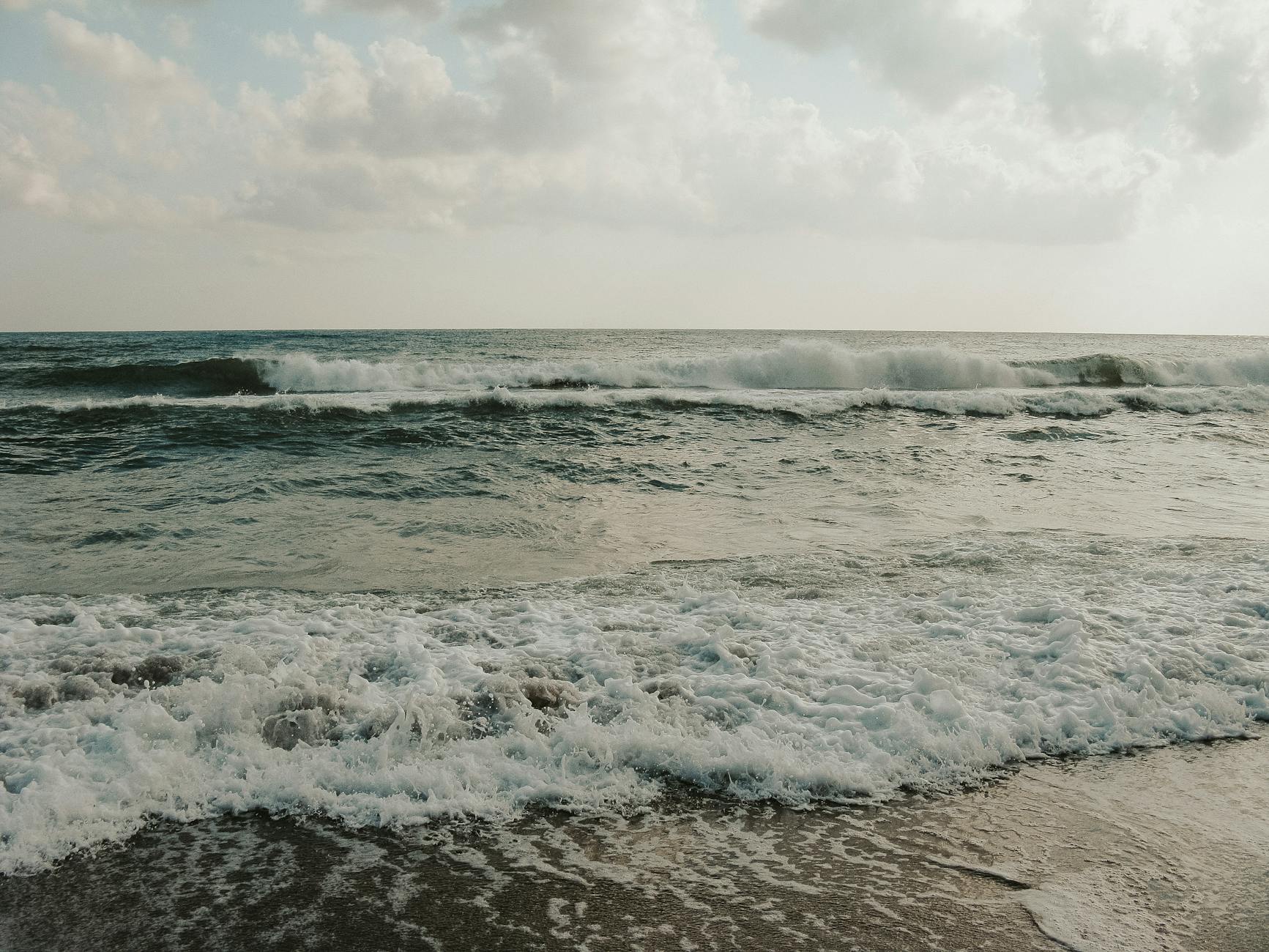
Crete is the largest island in Greece and offers a terrain that includes high mountain ranges and pink sand beaches like Elafonisi. The island was the center of the Minoan civilization and the ancient palace of Knossos remains a major archaeological attraction. Rugged gorges such as Samaria cut through the mountains and provide some of the most scenic hiking routes in Europe. Traditional villages in the interior maintain a distinct culture and culinary heritage based on local olive oil and cheese.
Sicily
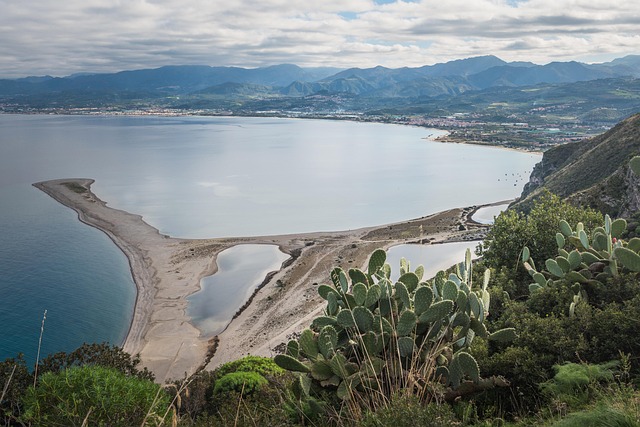
The largest island in the Mediterranean Sea is dominated by Mount Etna which is one of the most active volcanoes in the world. Sicily features a rich history reflected in its Valley of the Temples where ancient Greek ruins stand in remarkable condition. The coastline varies from sandy beaches to rocky coves and nature reserves like the Zingaro. Citrus orchards and vineyards thrive in the volcanic soil and produce renowned blood oranges and regional wines.
Mallorca
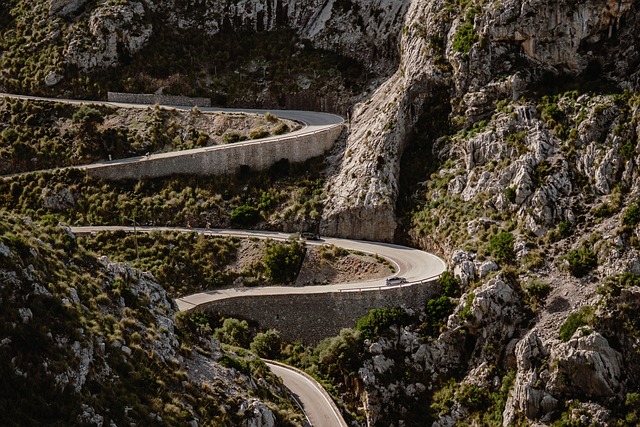
Mallorca belongs to the Balearic Islands of Spain and is known for its limestone mountains and sheltered coves. The Serra de Tramuntana mountain range runs along the northwest coast and is a World Heritage site popular with cyclists and hikers. Palma serves as the capital city and features a massive Gothic cathedral that overlooks the waterfront. Subterranean marvels like the Caves of Drach contain one of the largest underground lakes in the world.
Tasmania
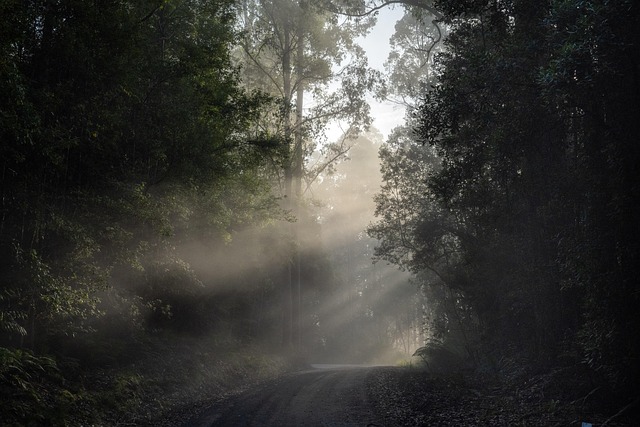
Tasmania is an island state of Australia that is separated from the mainland by the Bass Strait. A significant portion of the island is protected as wilderness and national parks that contain ancient rainforests and alpine heaths. The landscape is rugged and features iconic locations like Cradle Mountain and Wineglass Bay. Visitors can encounter unique wildlife such as the Tasmanian devil and wombats in their natural environment.
Phuket
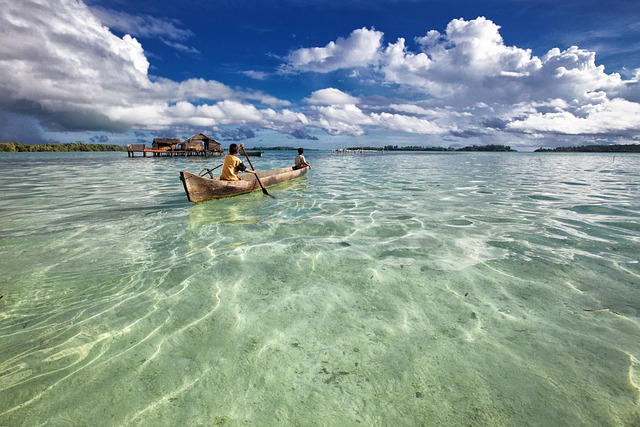
Phuket is the largest island in Thailand and is connected to the mainland by a bridge. The destination is famous for its limestone karsts that rise vertically out of the emerald waters in nearby Phang Nga Bay. Patong Beach offers a vibrant nightlife scene while other areas of the island provide quiet resorts and Buddhist temples. Old Phuket Town displays Sino-Portuguese architecture that reflects the history of the island as a major trading post.
Moorea
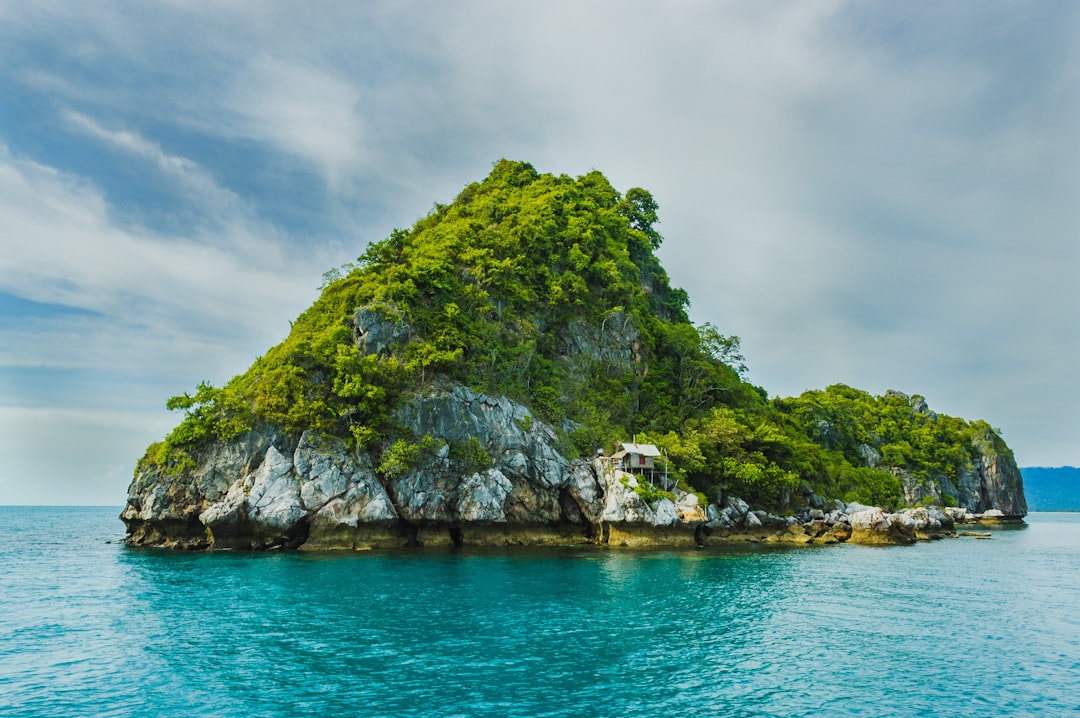
Moorea sits just ten miles northwest of Tahiti and is easily accessible by ferry or short flight. The island is shaped like a heart and is surrounded by a bright blue lagoon that is ideal for swimming and snorkeling. Jagged volcanic mountains covered in velvety green ferns dominate the skyline and offer spectacular hiking opportunities. Pineapple plantations cover the fertile slopes and produce sweet fruit that is a staple of the local agriculture.
Zanzibar
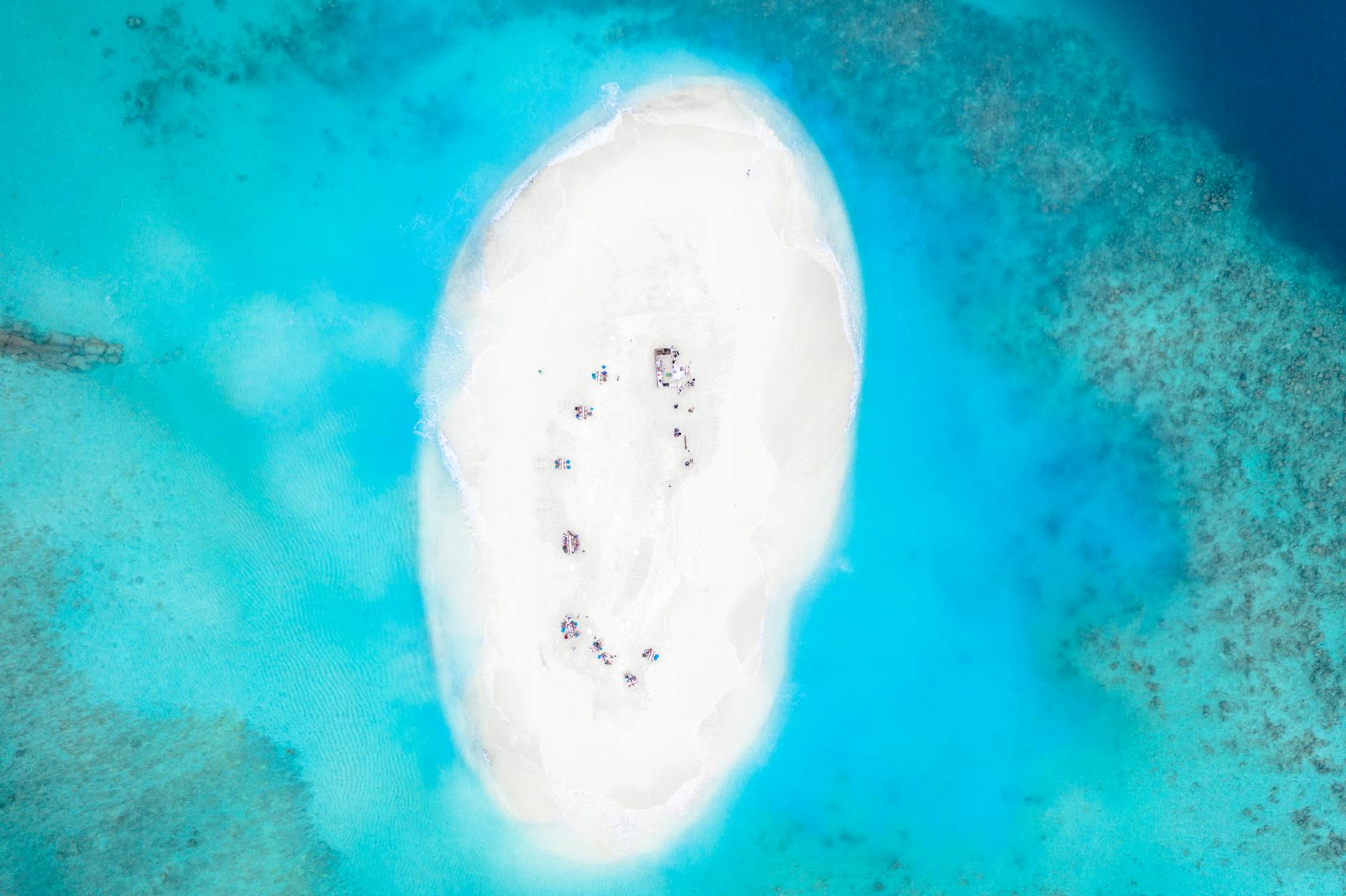
This archipelago off the coast of Tanzania is known as the Spice Islands due to its production of cloves and nutmeg. Stone Town is a historic trade center with winding alleys and carved wooden doors that reflect Arab and Indian influences. The northern beaches of Nungwi offer white sands that do not experience the extreme tidal changes found elsewhere on the island. The waters around the Mnemba Atoll are protected and provide a sanctuary for sea turtles and dolphins.
Mauritius
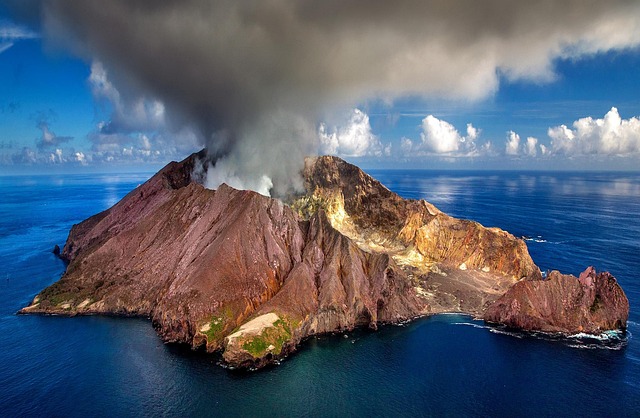
Mauritius is located in the Indian Ocean and is famous for its underwater waterfall illusion near Le Morne Brabant. The island is surrounded by the third largest coral reef in the world which creates calm lagoons for swimming. The interior features the Black River Gorges National Park where rainforests and waterfalls are accessible by hiking trails. The culture is a diverse mix of Indian and African influences that is reflected in the local cuisine and festivals.
Sri Lanka
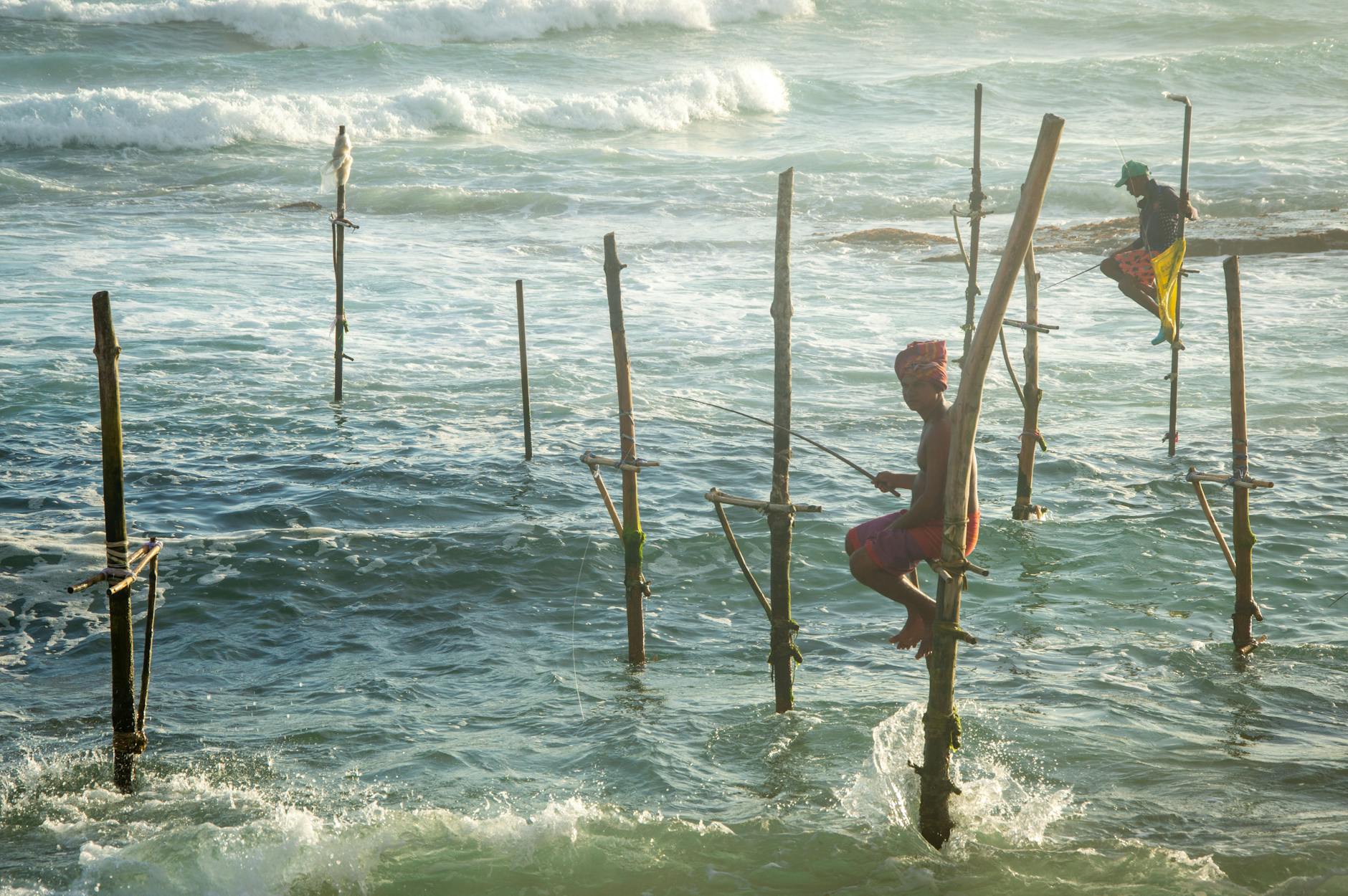
This island nation south of India offers a diverse topography that ranges from coastal plains to the central highlands. Endless tea plantations cover the misty hills and can be toured by scenic train rides that cross historic bridges. The southern coast is lined with golden beaches where stilt fishermen practice their traditional method of fishing. Ancient cities like Sigiriya feature fortresses built atop massive rock columns that rise dramatically from the forest.
The Azores
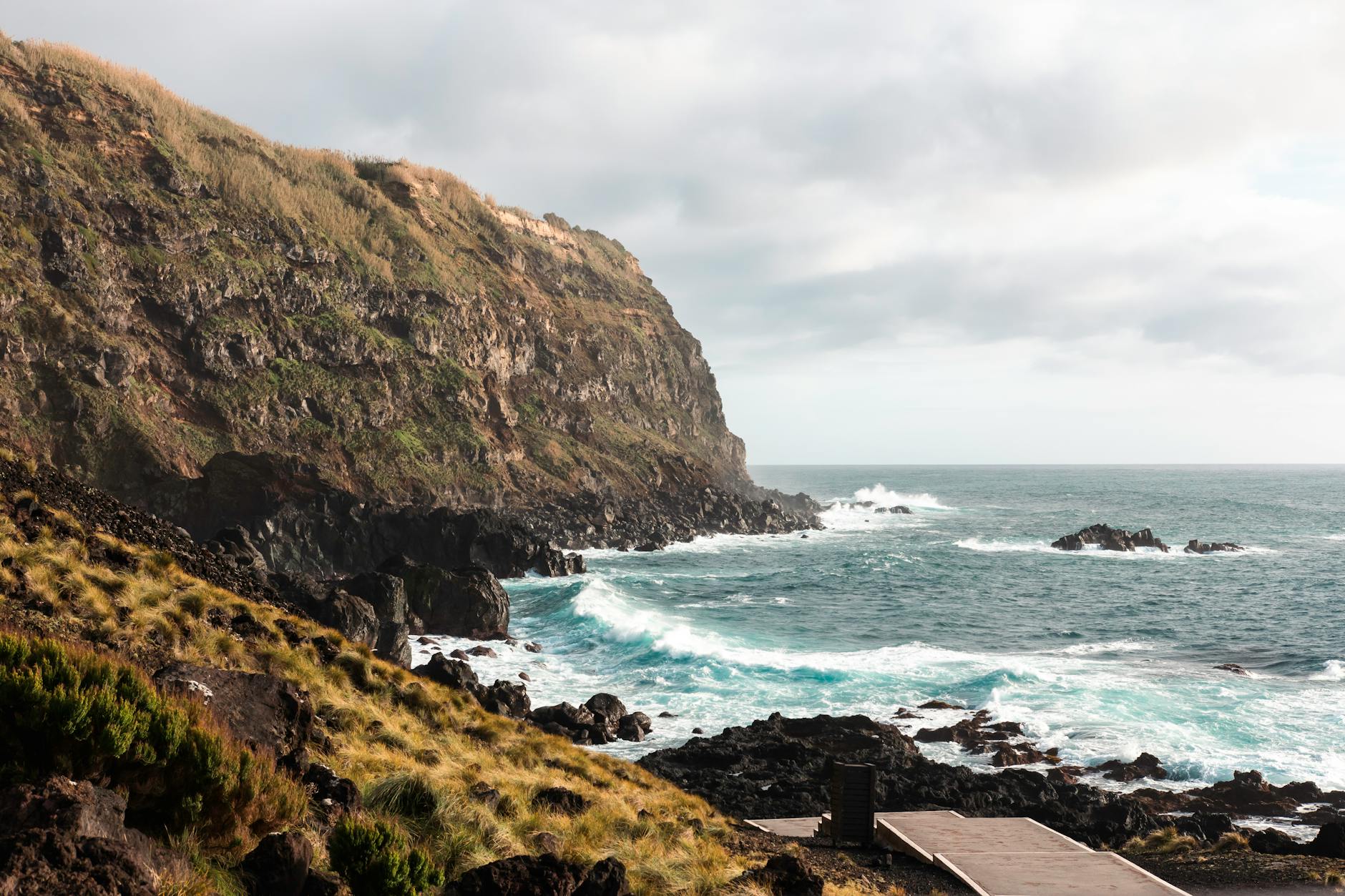
The Azores are an autonomous region of Portugal composed of nine volcanic islands in the North Atlantic. The landscape is incredibly green and features crater lakes like Sete Cidades which has one blue lake and one green lake. Hot springs and fumaroles are common on islands like Sao Miguel due to the ongoing volcanic activity. The surrounding ocean is one of the best places in the world to spot blue whales and sperm whales during their migration.
Madeira
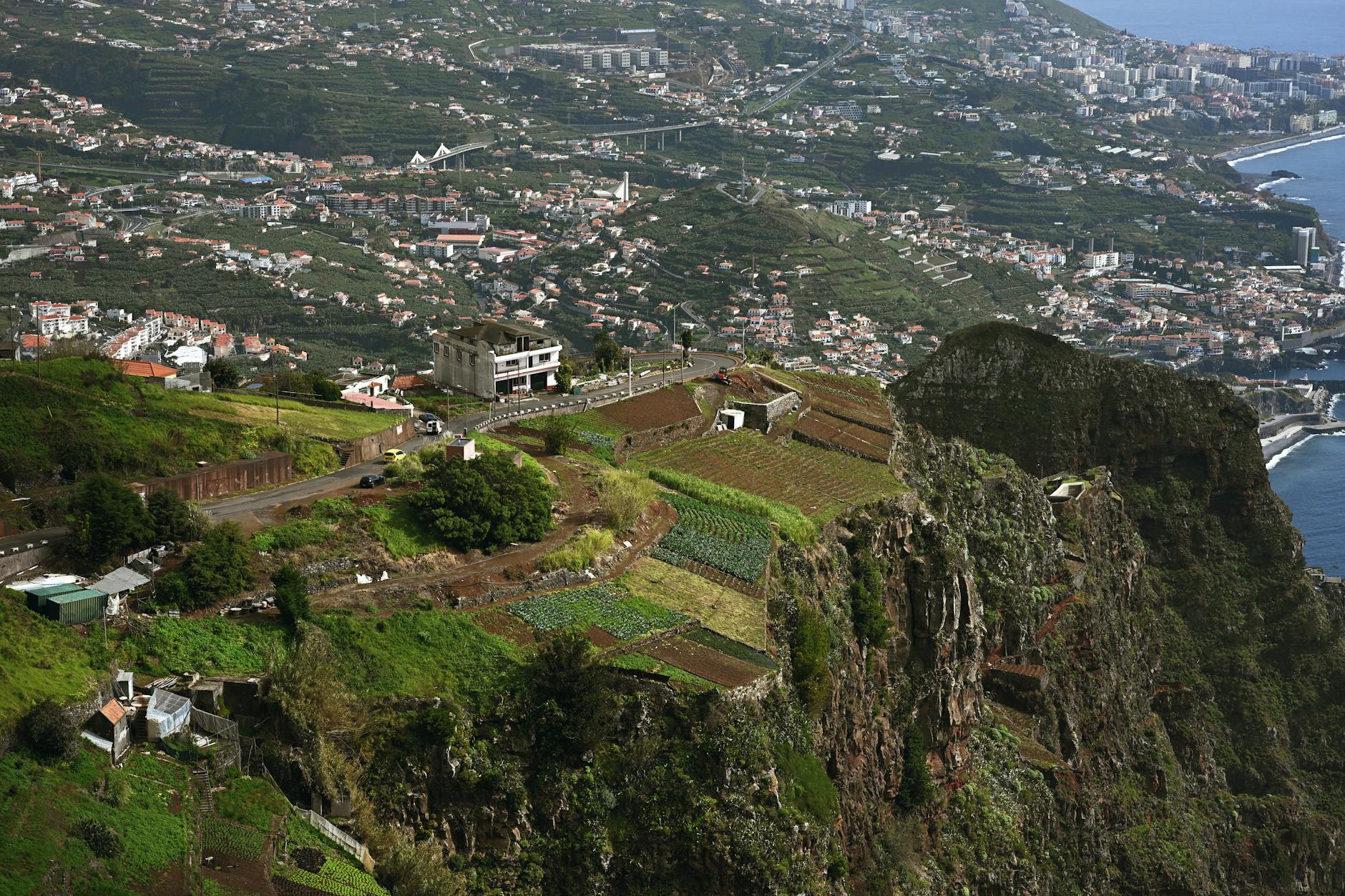
Madeira is a Portuguese archipelago situated north of the Canary Islands and is known as the island of eternal spring. The terrain is steep and rugged with irrigation channels known as levadas that double as popular hiking trails. A distinct laurel forest covers parts of the island and is considered a biological relic from the Tertiary period. The capital city of Funchal is famous for its botanical gardens and the thrilling toboggan rides down steep streets.
Lofoten Islands
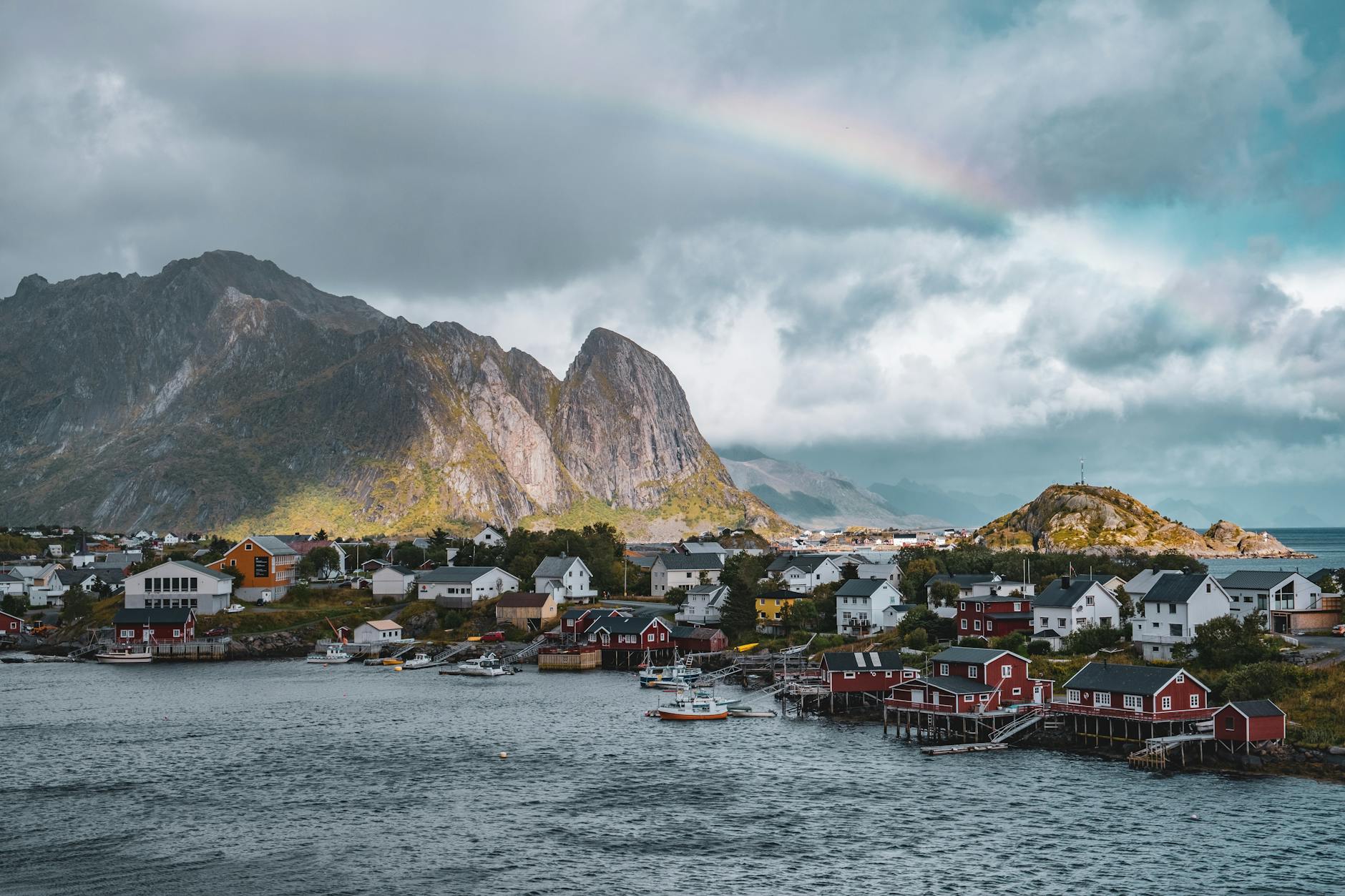
This Norwegian archipelago lies within the Arctic Circle and is known for its dramatic scenery of mountains sheltering open sea. The islands are connected by bridges and tunnels that allow visitors to drive through small fishing villages with red wooden cabins. In the winter the sky is often illuminated by the Northern Lights while the summer brings the midnight sun. The waters are rich in cod and support a fishing tradition that has existed since the Viking age.
Turks and Caicos
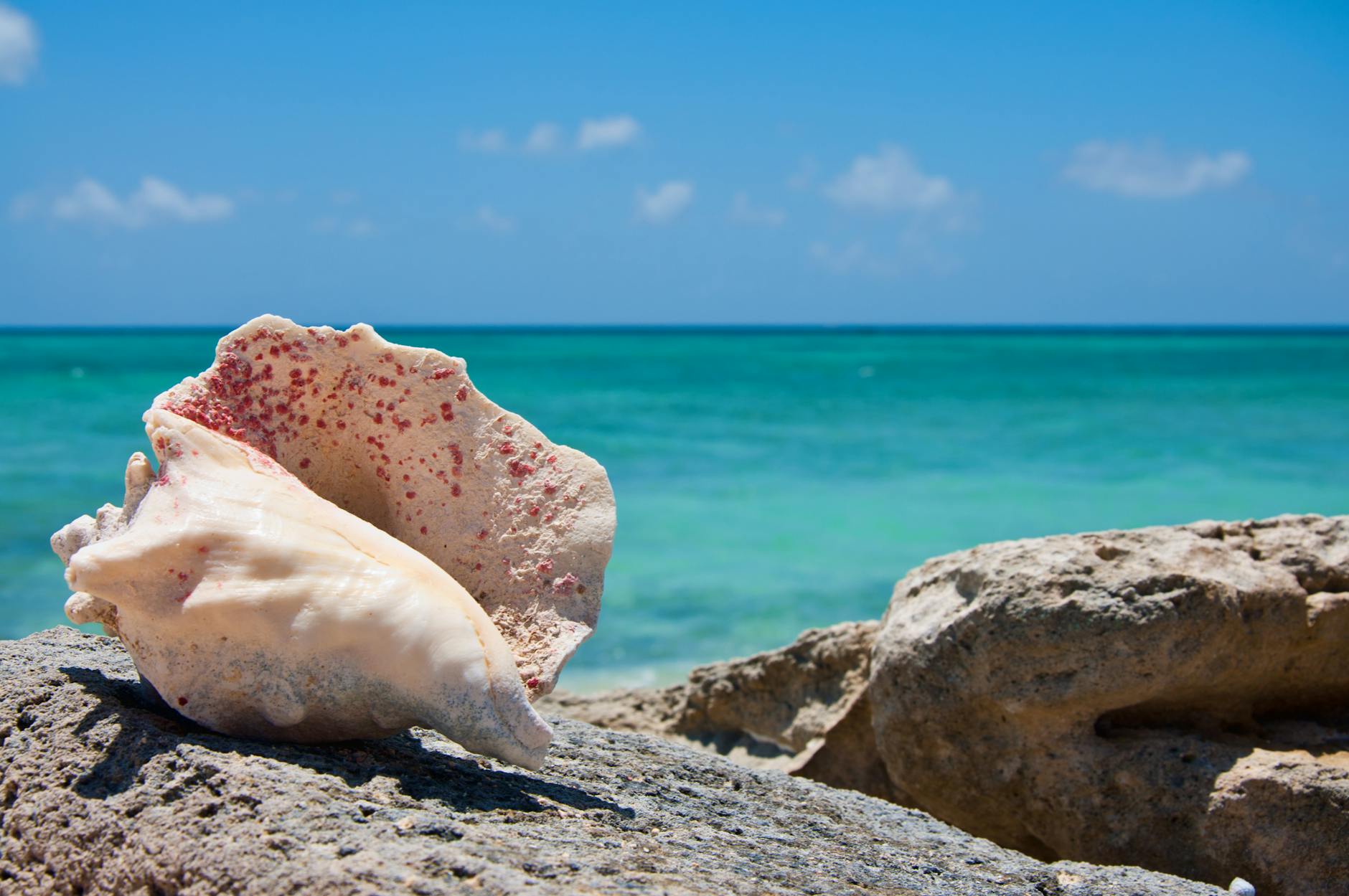
This British Overseas Territory is located southeast of the Bahamas and consists of forty islands and cays. Grace Bay Beach is frequently ranked among the best beaches in the world for its powder soft white sand. The islands sit on a large underwater plateau that creates varying shades of turquoise water visible from miles away. A massive barrier reef protects the shoreline and provides exceptional wall diving sites for scuba enthusiasts.
Bermuda
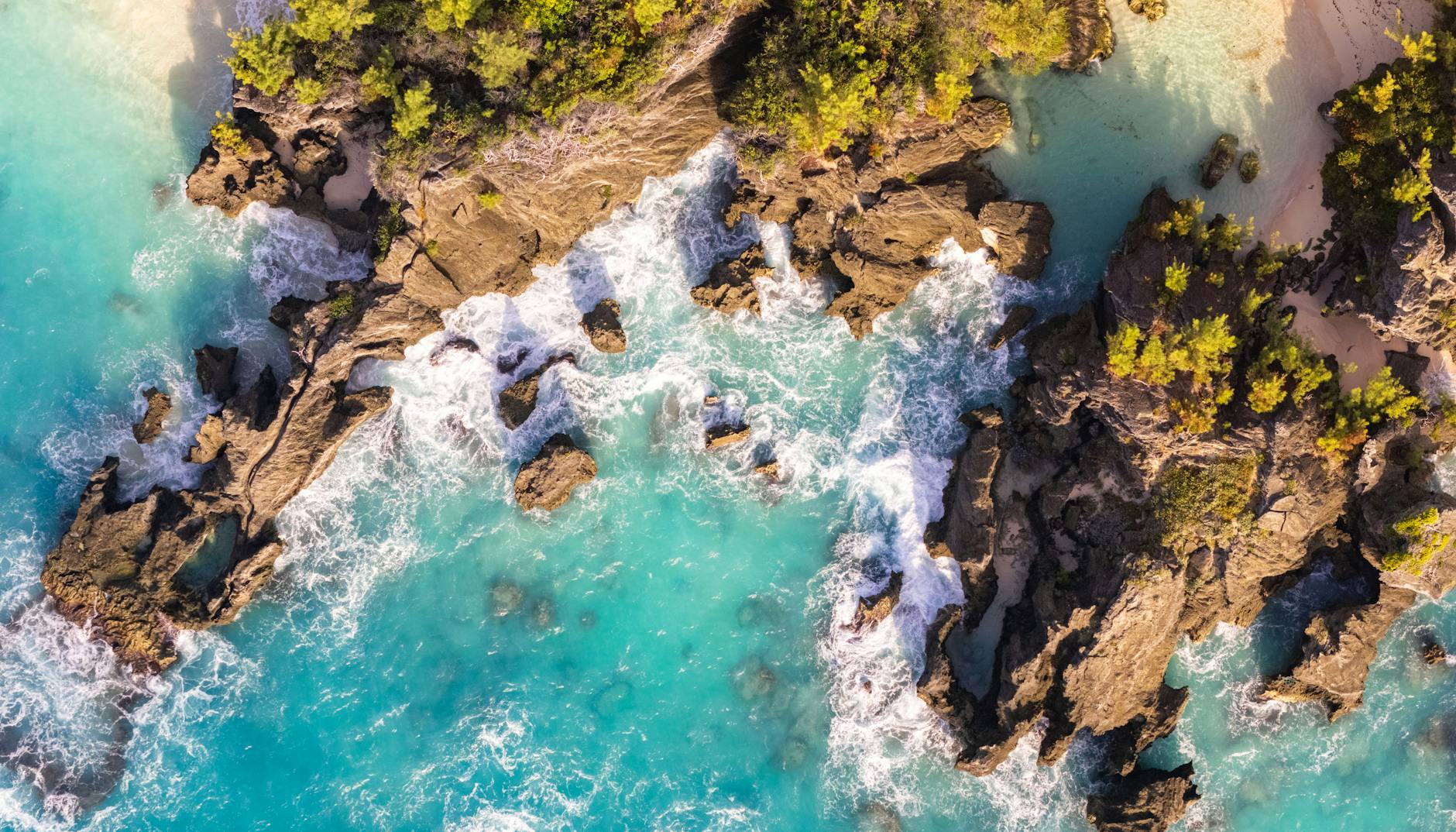
Bermuda is a British island territory in the North Atlantic Ocean famous for its pink sand beaches. The unique color of the sand comes from crushed coral and shells of tiny marine organisms called foraminifera. The island is surrounded by shallow reefs that have caused numerous shipwrecks which are now popular sites for divers. Pastel colored cottages with white stepped roofs are a signature architectural style designed to catch rainwater.
Mykonos
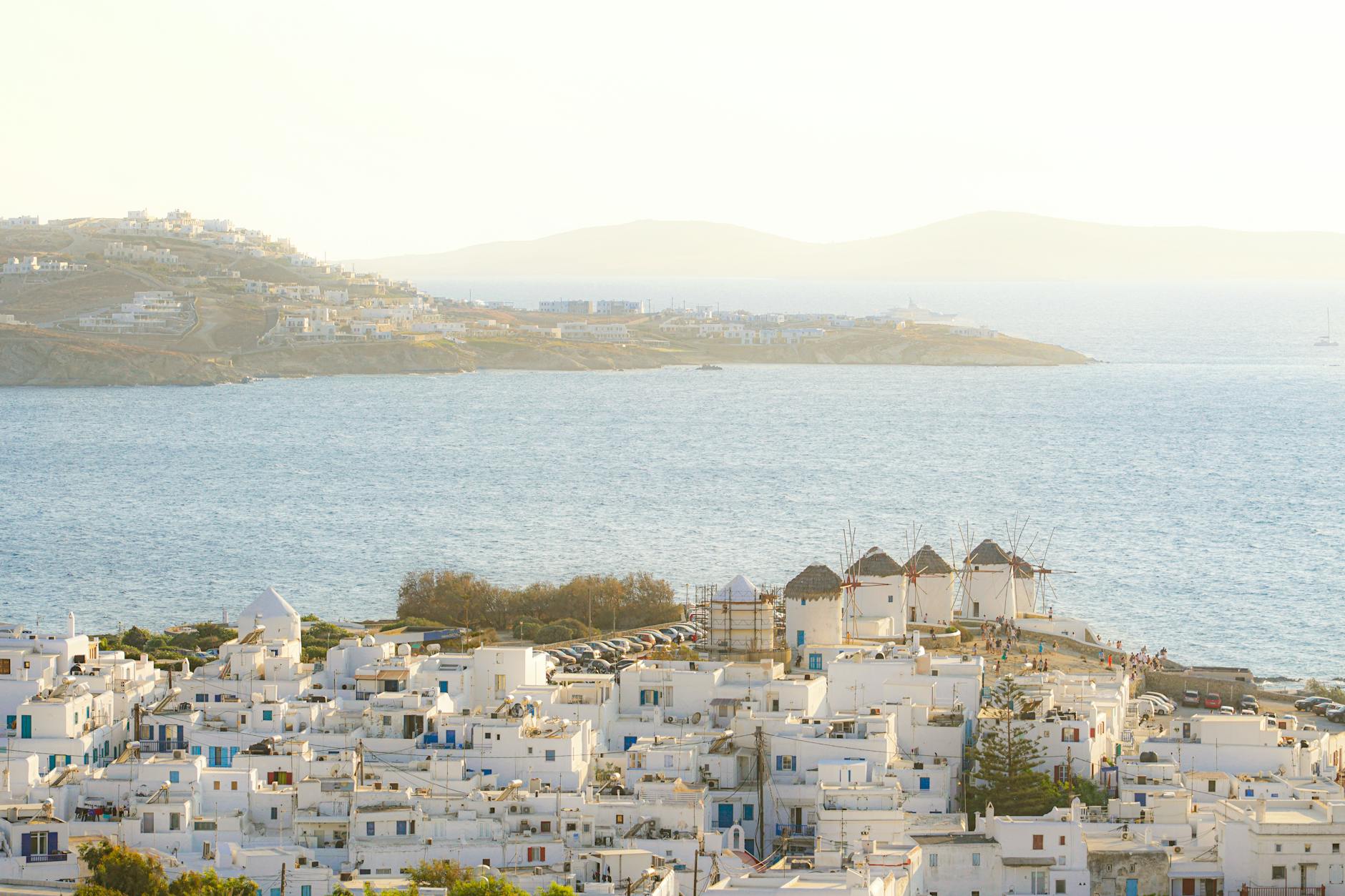
Mykonos is a Greek island in the Cyclades group known for its summer party atmosphere and strong winds. The iconic row of 16th-century windmills sits on a hill above the main town and serves as a symbol of the island. Little Venice is a waterfront district where colorful houses are built right up to the edge of the sea. The beaches on the south coast offer golden sand and beach clubs that attract international celebrities and DJs.
Komodo
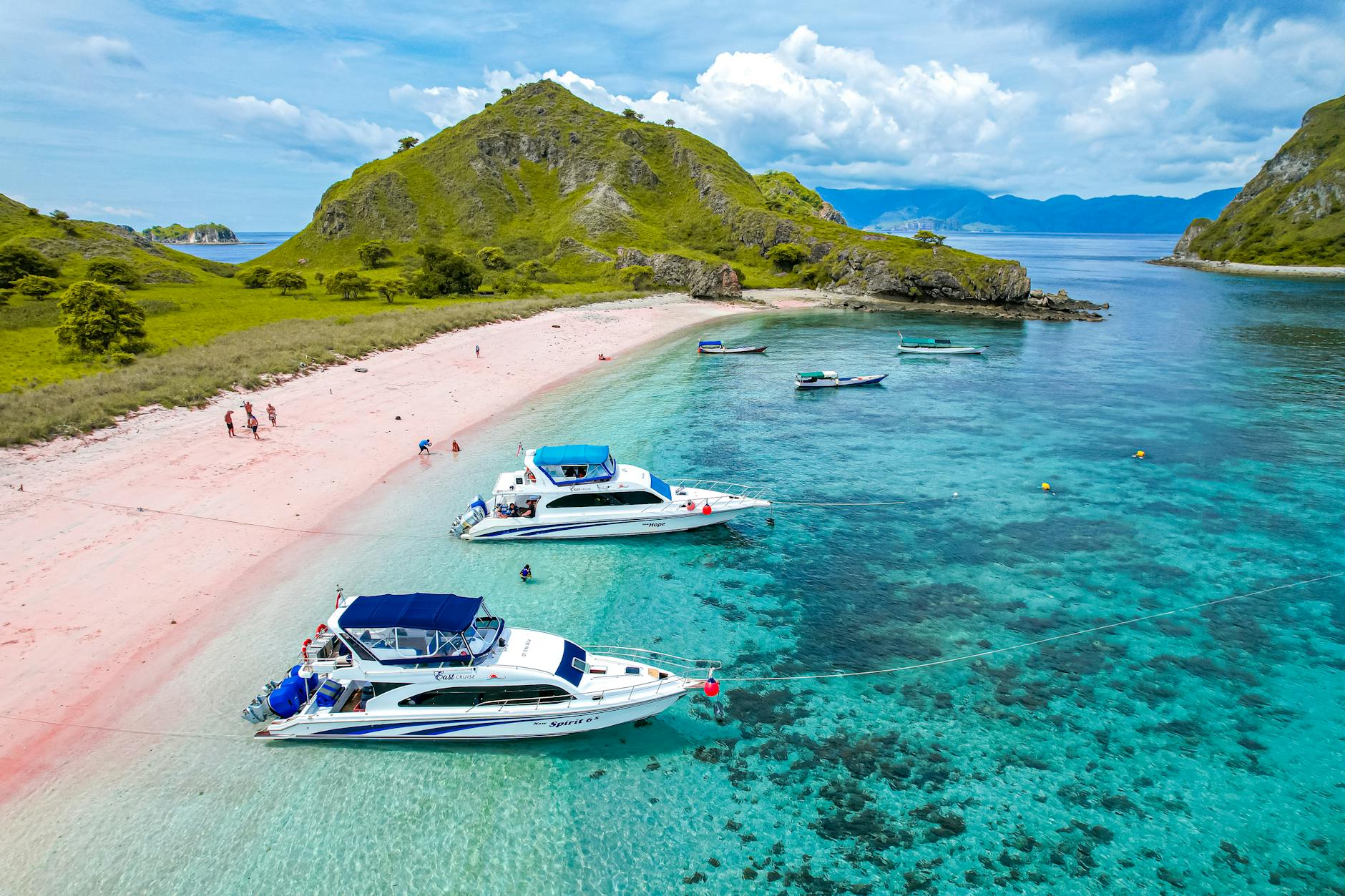
Komodo Island in Indonesia is the primary habitat of the Komodo dragon which is the largest lizard on Earth. The terrain is rugged with dry hills of rusty-red volcanic soil that contrast with the green vegetation. Pink Beach is one of only seven pink sand beaches in the world and gets its color from microscopic animals called Foraminifera. The surrounding waters are part of a national park and offer some of the most biodiverse marine environments in Asia.
Please share your own favorite island experiences or destinations in the comments.