The 1980s represented a unique era of child-rearing where freedom often trumped safety concerns. Parents operated under a different set of societal expectations that allowed for behaviors now deemed risky or negligent. Many common practices from this decade would result in immediate legal action or social services intervention in the modern world. The shift from free-range parenting to high-security supervision highlights a dramatic change in cultural values and legal frameworks. This list examines specific habits that have transitioned from normal routine to potentially criminal activity.
Riding in Pickup Truck Beds

Parents in the 1980s frequently allowed children to ride in the open cargo area of pickup trucks during warm weather. This practice was viewed as a fun novelty for kids and a convenient way to transport large groups to local events. The wind in their hair and the lack of confinement gave children a sense of adventure that defined many summer memories. Modern traffic laws universally prohibit passengers from riding in cargo areas without proper restraints due to the high risk of ejection. Drivers today face significant fines and potential child endangerment charges for permitting this once-common activity.
Smoking in Cars with Windows Up

Adults often smoked cigarettes inside vehicles while transporting their children without a second thought about air quality. The concept of secondhand smoke was not widely understood or acted upon by the general public during this decade. Windows remained rolled up during winter months or rainstorms while the cabin filled with dense gray haze. Many regions now have specific legislation that makes it a primary offense to smoke in a vehicle when a minor is present. This shift reflects a broader societal understanding of respiratory health and the rights of children to breathe clean air.
Latchkey Kids at Young Ages

A large percentage of elementary school children returned to empty homes after school and cared for themselves until parents returned from work. These children carried their own house keys and were expected to manage snacks and homework without adult supervision. It was a necessity for dual-income households and was rarely seen as a sign of neglect by the community. Child protective services today would likely investigate cases where children under a certain age are left alone for extended periods. Most states now have strict guidelines regarding the minimum age a child can be left home alone.
Lack of Car Seats
Infants and toddlers were frequently held in a parent’s lap or placed in simple household carriers during car rides. The rigorous crash testing and engineering standards for modern child safety seats did not exist in the same capacity. Parents often prioritized comfort or convenience over the restraint systems that are mandatory in modern transport. Law enforcement now enforces strict height and weight requirements for rear-facing seats and boosters. Failing to secure a child properly is considered a serious traffic violation and a significant safety hazard.
Buying Cigarettes for Parents

Children were often sent to the corner store with a handwritten note and cash to purchase tobacco products for their parents. Shopkeepers usually honored these notes and sold the cigarettes to the child without asking for identification. This errand was viewed as a helpful household chore rather than a violation of age-restricted sales laws. Federal and state regulations now strictly prohibit the sale of tobacco products to anyone under the legal age regardless of parental permission. Vendors face steep penalties and license revocation if they are caught selling these products to minors.
Unsupervised Roaming Until Dark
Neighborhood children were told to go outside and play with the only instruction being to return when the streetlights turned on. Parents often had no way of contacting their children and did not know their exact whereabouts for hours at a time. This freedom allowed for exploration and social development but also exposed children to potential hazards without immediate help. Modern parenting norms and safety concerns have made this level of unsupervised freedom almost nonexistent in many communities. Leaving young children to wander designated boundaries without oversight can now be classified as failure to supervise.
Leaving Kids in Cars During Errands
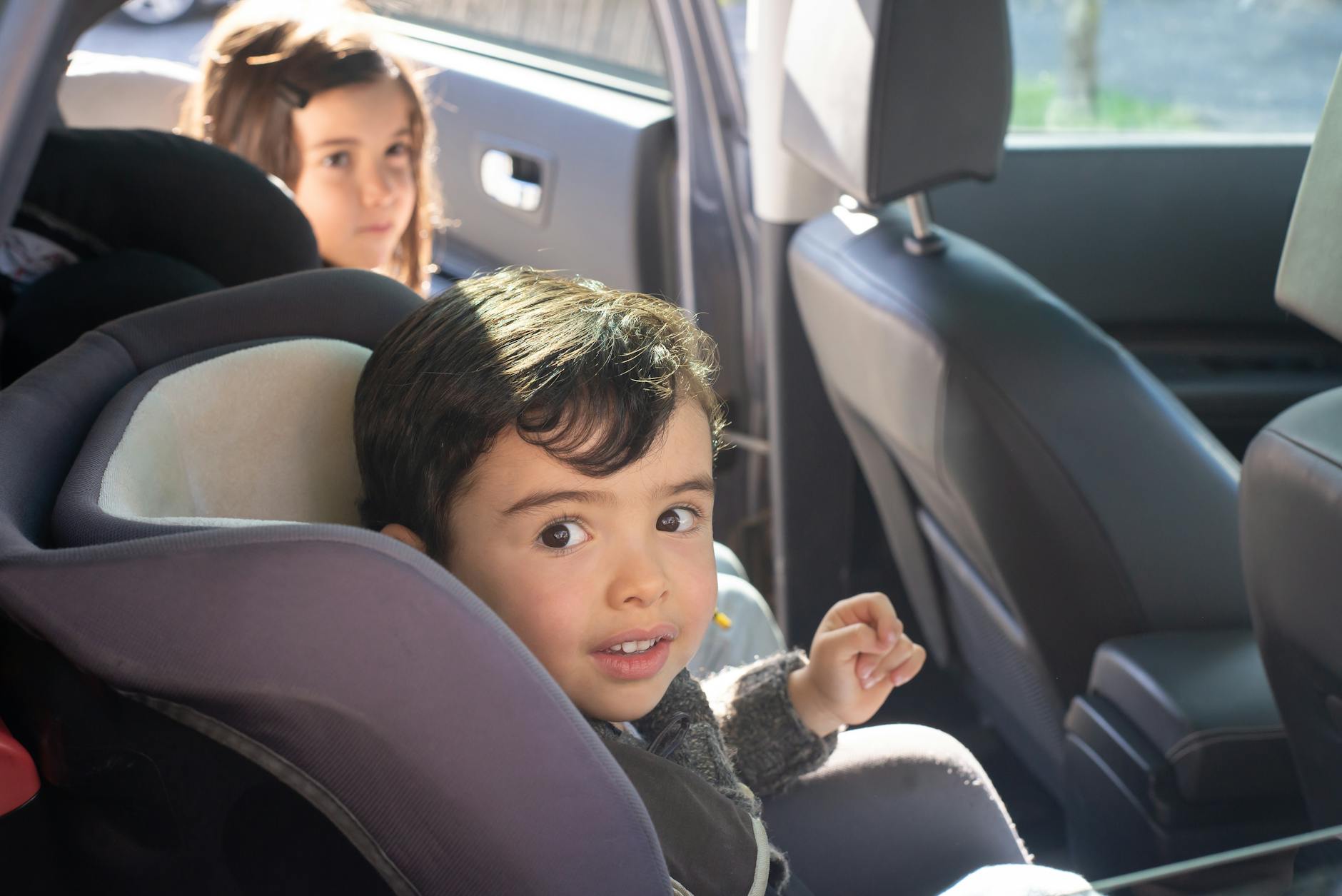
Parents frequently left children inside parked cars while they ran into the bank or grocery store for quick tasks. It was common to see kids waiting alone in vehicles with the windows cracked open for ventilation. This was accepted as a standard convenience for mothers who wanted to avoid dragging multiple children through a store. Most jurisdictions now have laws explicitly forbidding leaving a child unattended in a vehicle for any length of time. The risk of heatstroke or abduction has turned this convenience into a criminal offense.
Sunbathing with Baby Oil

Mothers and children often applied baby oil or iodine mixtures to their skin to accelerate the tanning process during beach trips. The use of high-SPF sunscreen was not a standard parenting practice or a requirement for outdoor play. Sunburns were treated with aloe vera after the fact rather than prevented with protective lotions. Child welfare agencies today consider severe or repeated sunburns due to lack of protection as a form of physical neglect. The understanding of skin cancer risks has made sun protection a mandatory aspect of responsible childcare.
Alcohol on Gums for Teething

Parents routinely rubbed brandy or whiskey on an infant’s gums to soothe the pain of incoming teeth. This home remedy was passed down through generations and recommended by older family members as an effective numbing agent. The sedative effect of the alcohol was seen as a secondary benefit that helped the fussy baby sleep. Medical professionals now universally condemn giving any amount of alcohol to an infant due to potential toxicity. Using alcohol as a sedative or painkiller for a child would immediately flag a parent for abuse or neglect.
Riding Bikes Without Helmets

Neighborhood streets were filled with children riding bicycles at high speeds without any head protection. Helmets were viewed as heavy or unnecessary accessories that were reserved for professional racers. Falls and scrapes were considered a rite of passage rather than serious medical risks requiring preventative gear. Many states and municipalities now have mandatory helmet laws for cyclists under a specific age. Parents can be fined for allowing their children to ride on public roads without an approved safety helmet.
Front Seat Riding
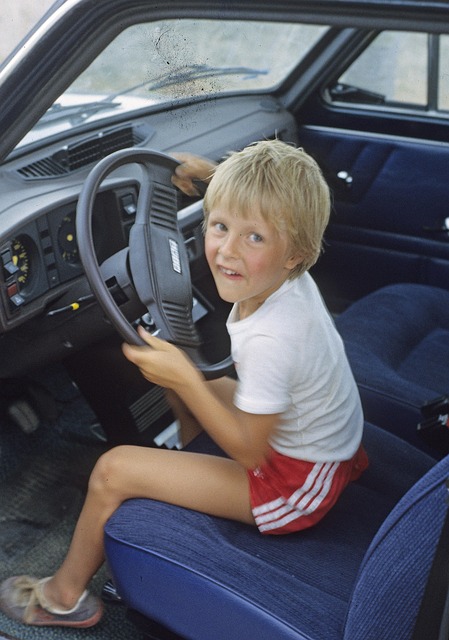
Children of all ages frequently claimed the front passenger seat as a position of status and better visibility. There were no regulations keeping children in the back seat to protect them from airbag deployment or dashboard impact. Parents often held babies or let toddlers stand on the seat to look out the window. Safety regulations now dictate that children under a certain age or weight must remain in the back seat. Placing a young child in the front seat is now a violation of traffic safety laws in most regions.
Crowded Vehicles

It was not unusual for parents to pile more children into a car than there were available seatbelts. Station wagons often carried extra passengers in the trunk area or sitting on laps during carpools. This overcrowding was seen as a practical solution for transporting sports teams or large families. Police today strictly enforce passenger limits based on the number of working seatbelts in the vehicle. Exceeding the occupancy limit of a vehicle is a traffic violation that endangers all passengers.
Young Babysitters

Children as young as ten or eleven were often hired to watch younger siblings or neighborhood kids for the evening. These pre-teens were given full responsibility for infant care and household safety without adult backup. Parents valued the low cost and availability of these young sitters over professional qualifications. Guidelines today generally suggest that children under a teen age lack the maturity to handle emergencies. Employing a clearly underage and unqualified sitter could be viewed as negligence in the event of an accident.
Dangerous Playground Equipment
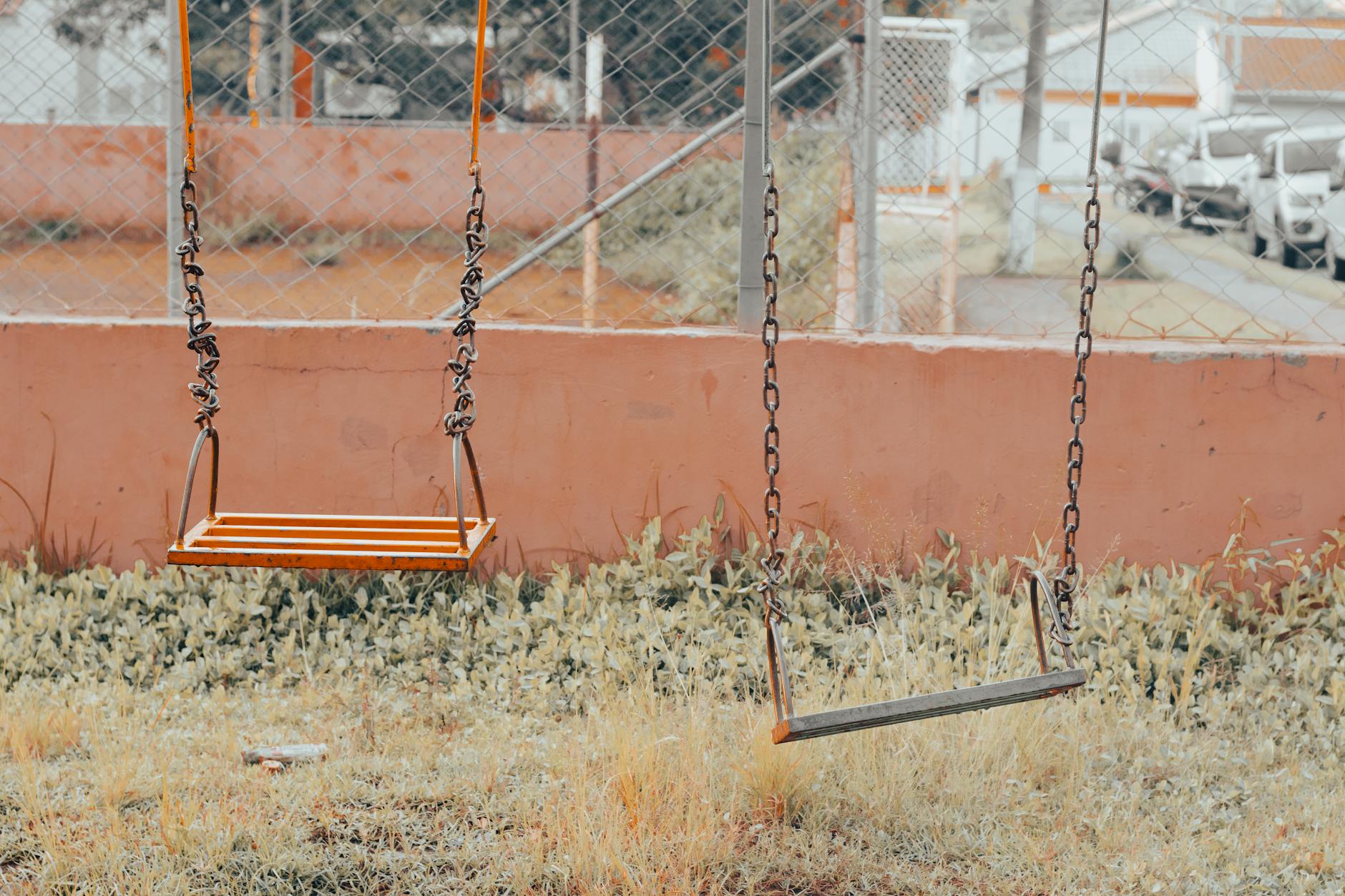
Parents allowed children to play on tall metal slides and climbing structures installed over concrete or asphalt surfaces. The risk of broken bones or concussions was accepted as part of the playground experience. Rusting metal and sharp edges were common features of public parks that saw little maintenance. Modern safety standards require impact-absorbing surfaces and specific height restrictions for play equipment. Allowing children to play on condemned or non-compliant structures would be considered reckless endangerment.
Corporal Punishment in Schools

Parents often signed permission slips allowing teachers or administrators to spank their children for misbehavior. This delegation of discipline was viewed as a partnership between the home and the school to ensure order. Wooden paddles were standard equipment in principal offices across the country. Corporal punishment has been banned in public schools in most states and is often subject to lawsuits. Hitting a child in an educational setting is now largely viewed as assault rather than discipline.
Secondhand Smoke in Restaurants

Families dined in restaurants where the smoking section was separated from the non-smoking section by nothing more than a few feet of air. Children were exposed to clouds of smoke throughout their meals as ventilation systems were often inadequate. Parents did not view this exposure as a health risk and continued to patronize establishments that allowed indoor smoking. Most states have now banned smoking in all enclosed public spaces to protect employees and patrons. Exposing children to such environments is now legally impossible in many parts of the country.
Hitchhiking
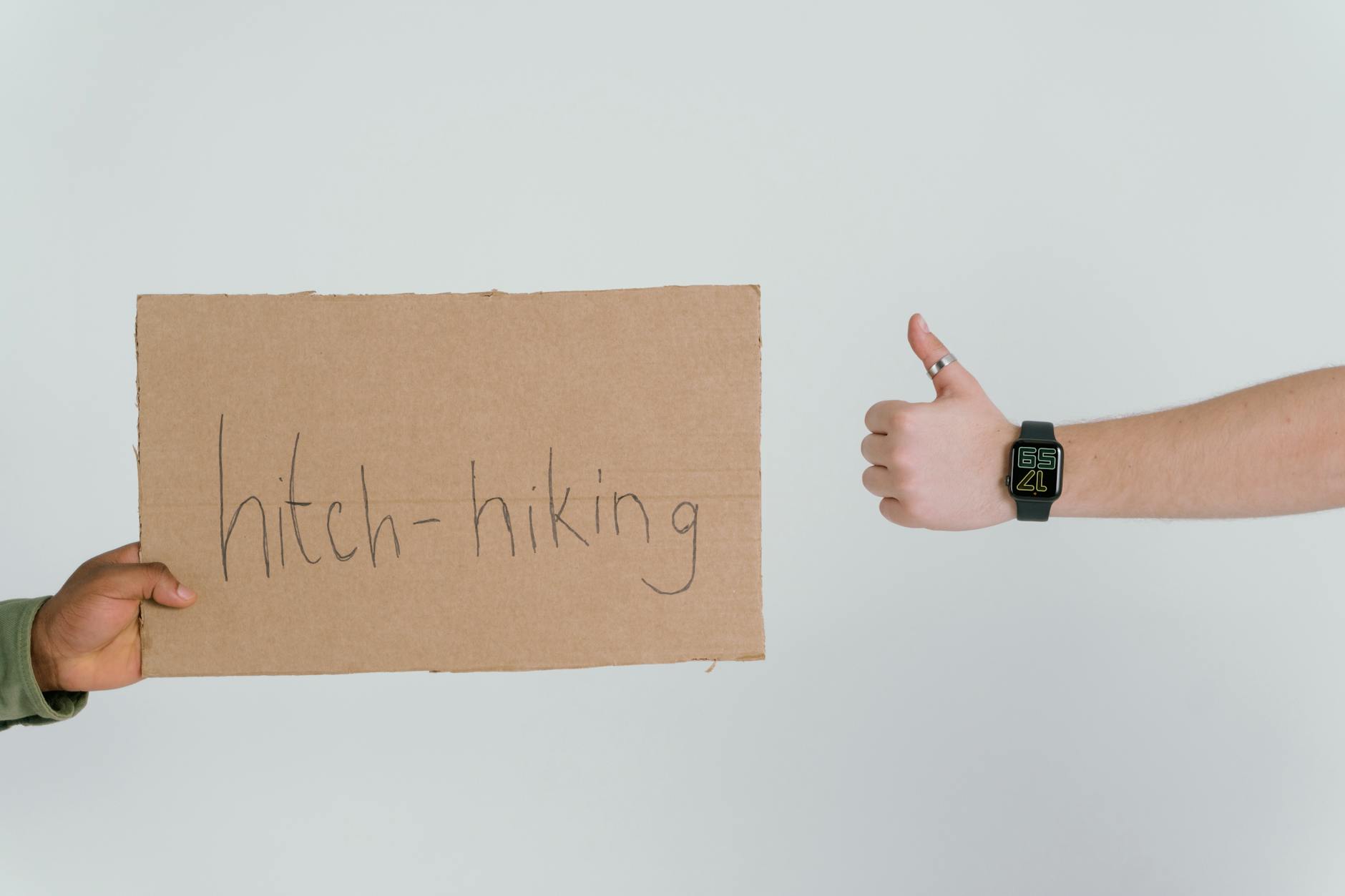
Older children and teenagers occasionally used hitchhiking as a means to get to school or a friend’s house when parents were unavailable. It was considered a community-based travel option in rural or suburban areas where neighbors helped neighbors. Parents were less suspicious of strangers and trusted the general goodwill of drivers. Police and safety experts now aggressively warn against this practice due to the high risk of predation. Encouraging or allowing a minor to hitchhike would be seen as a gross failure of parental duty.
BB Guns Without Supervision

Young boys were frequently gifted BB guns and allowed to roam the woods or neighborhood for target practice alone. Parents viewed these air rifles as toys rather than weapons and provided little instruction on their use. Shooting at cans or small birds was a common pastime that went largely unmonitored. Many jurisdictions now classify air rifles as weapons that require adult supervision for minors. Unsupervised use that results in injury or property damage leads to legal liability for the parents.
Drinking from Garden Hoses

Children playing outside were told to drink from the garden hose rather than coming inside for a glass of water. This water often sat in heated rubber tubing and contained chemicals or bacteria from the spigot. Parents prioritized keeping the house clean and the children occupied over the quality of the hydration source. We now know that garden hoses can contain lead and other plasticizers that are harmful to ingest. While not strictly illegal, knowingly providing contaminated water to a child falls under health and safety violations.
Lead Paint Exposure

Renovations in older homes were often done with children present despite the prevalence of lead-based paint layers. Parents would sand and scrape walls without specialized ventilation or protective gear for the family. The dust created from these projects settled on toys and surfaces that children touched frequently. Federal laws now mandate strict disclosure and containment procedures for lead paint handling. Exposing children to high levels of lead dust during home repairs is a serious health code violation.
Dangerous Chemistry Sets
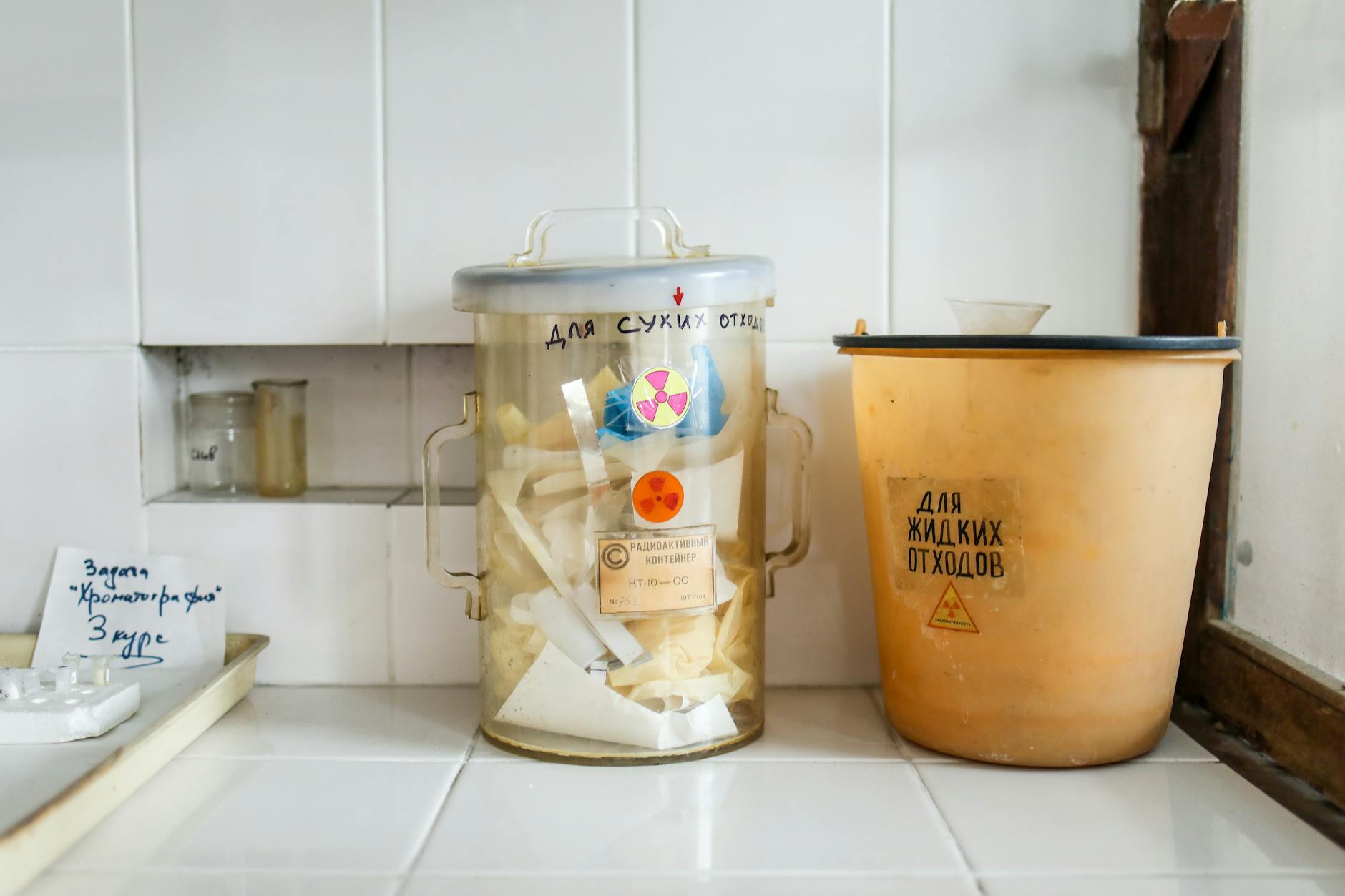
Toy stores sold chemistry sets that contained actual hazardous chemicals and glass test tubes. Parents bought these educational toys assuming they were safe for independent play in a bedroom. Some sets included substances that could create combustible reactions or toxic fumes. Consumer safety regulations have since banned or heavily restricted the contents of these kits. Providing a child with banned hazardous substances would be a violation of modern safety laws.
Lawn Darts

Backyard parties often featured the game of lawn darts which involved throwing heavy metal-tipped spikes into the air. Parents allowed children to play this game despite the obvious risk of impalement. The unpredictable trajectory of the darts caused numerous serious injuries and deaths. The Consumer Product Safety Commission banned lawn darts in the United States and Canada. Possession of these banned items is illegal and allowing children to use them is criminal negligence.
Unsecured Medications

Medicine cabinets were rarely locked and often contained aspirin or prescription drugs in non-childproof containers. Parents assumed that children would know not to eat pills that looked like candy. Child-resistant packaging was not yet the universal standard for all household pharmaceuticals. Leaving dangerous drugs accessible to toddlers is now considered a primary cause of accidental poisoning. Negligent storage of controlled substances can lead to charges if a child is harmed.
Allowing Underage Drinking at Home

Some parents believed that allowing teenagers to drink beer or wine at home would teach them responsible habits. This approach was often taken to keep kids off the roads but still allowed for intoxication. It was not uncommon for high school parties to be hosted by parents who collected car keys. Social host liability laws now hold parents criminally and civilly responsible for underage drinking on their property. Providing alcohol to minors is a crime regardless of the location or parental intent.
Chicken Pox Parties

Parents would intentionally gather healthy children with an infected child to expose them to the chicken pox virus. The goal was to get the illness over with at a young age rather than risking infection as an adult. This deliberate infection was seen as a practical medical strategy before the vaccine was available. Intentionally exposing a child to an infectious disease is now viewed by medical ethicists and legal authorities as endangerment. Vaccination is the required standard for preventing the spread of this virus in schools.
Leaving Kids at the Arcade All Day
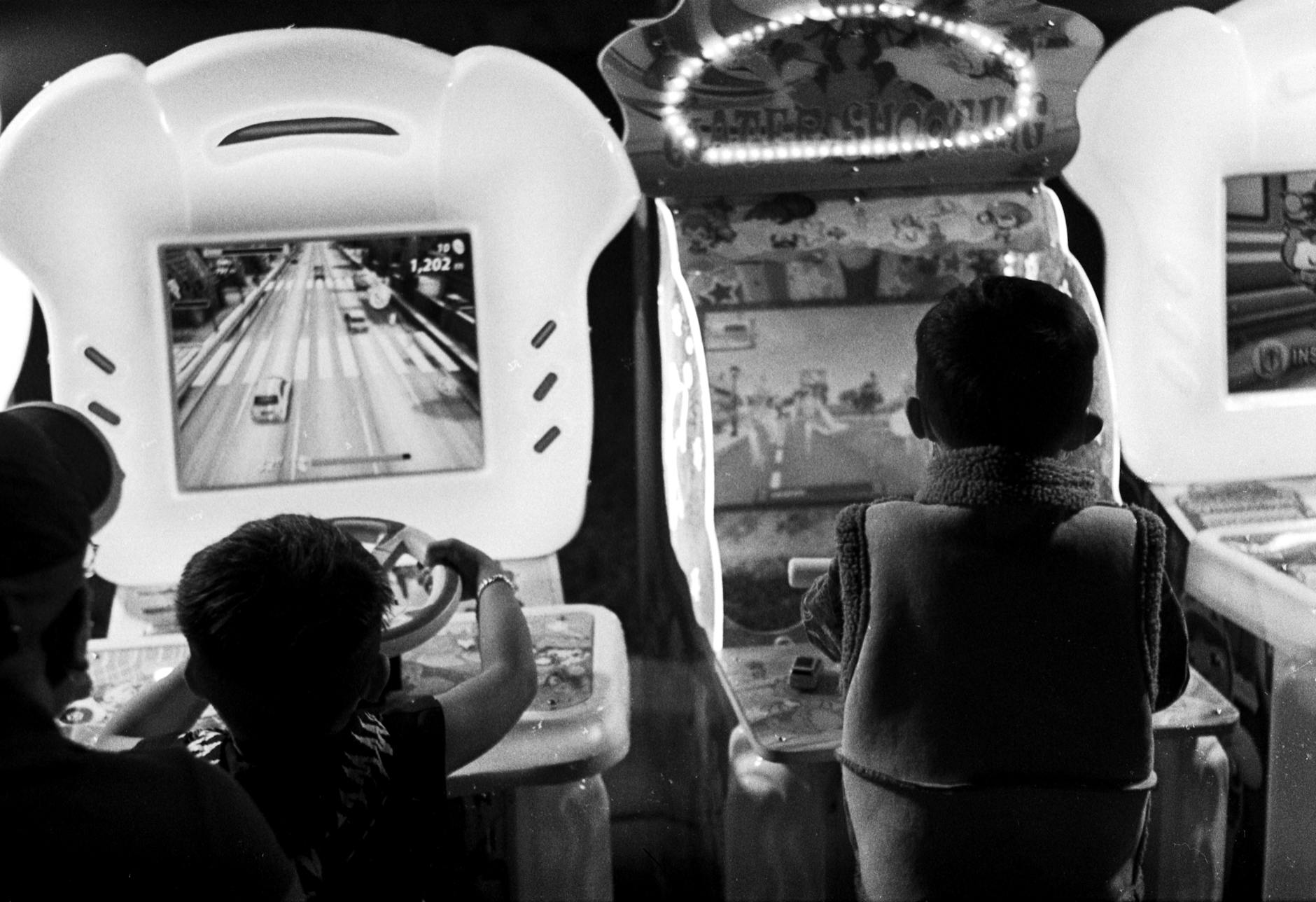
Parents frequently dropped children off at shopping mall arcades with a roll of quarters and returned hours later. These venues were dimly lit and crowded with strangers but were considered safe havens for youth. Mall security acted as de facto babysitters while parents shopped or went to work. Today’s curfews and mall policies strictly prohibit unaccompanied minors during certain hours. abandoning a child in a public place for an extended time is a legal issue.
Trampolines Without Nets

Backyard trampolines were metal death traps with exposed springs and no safety enclosure nets. Parents set these up on hard ground and allowed multiple children to jump simultaneously. The risk of flying off the side or landing on the frame was significant and frequent. Insurance companies now often require safety nets and pads as a condition of homeowner coverage. Allowing unsafe jumping practices that lead to injury can result in liability claims and negligence accusations.
Crystal Glassware for Kids

Holiday tables were often set with lead crystal glasses that children used for drinking juice or soda. Parents were unaware that lead could leach from the crystal into the acidic beverages over time. The aesthetic of a formal dinner was prioritized over the potential chemical hazard. Modern standards for children’s dining ware strictly limit lead content. Knowingly using lead-leaching vessels for children’s food service contradicts health safety recommendations.
Walking to School Alone

First graders were often expected to walk several blocks to school without an adult chaperone. Crossing guards were present at major intersections but the journey in between was unsupervised. This built independence but left young children vulnerable to traffic and strangers. Schools now have strict dismissal policies that require authorized adults to pick up young students. Allowing a six-year-old to commute alone would likely trigger a welfare check by authorities.
Playing in Construction Sites

Children frequently treated local construction sites or empty lots as adventure playgrounds on weekends. Parents rarely prohibited this exploration despite the presence of heavy machinery and open pits. The lack of fences or security guards made access easy for neighborhood groups. Trespassing laws and liability issues are now strictly enforced by property developers. Permitting children to play in dangerous industrial zones is considered a failure to protect them from harm.
Please share your own memories of these 80s trends in the comments to see how many you survived.