Passive-aggressive behavior is so deeply woven into everyday social interaction that most people engage in it without a second thought. These small acts of subtle hostility can quietly erode relationships at work, at home, and in public spaces. Each of the following behaviors is more common than most people care to admit and more damaging than it might appear on the surface. Recognizing these patterns is the first step toward healthier and more direct communication with the people around you.
Replying With “Fine”

When someone asks how you are doing or how something went, responding with a flat “fine” is rarely an honest answer. The word is short enough to shut down conversation while signaling that something is clearly wrong. It places the burden on the other person to dig deeper and extract information that could simply be stated outright. This single-word response is one of the most universally recognized signals of unexpressed frustration. Most people on the receiving end feel both dismissed and quietly blamed.
Leaving Someone on Read

Reading a message and choosing not to respond is a deliberate act of social control dressed up as busyness. The other person can see that the message has been opened, which transforms silence into a statement. It communicates displeasure or disinterest without requiring any direct confrontation or honest explanation. This behavior is particularly common in romantic relationships and close friendships where emotional stakes are high. It forces the other person into a position of uncertainty and low-level anxiety.
Saying “No Worries” When You Are Clearly Worried

Telling someone not to worry while your tone and body language communicate the opposite is a textbook passive-aggressive move. The phrase gives the speaker plausible deniability while still expressing dissatisfaction. It prevents any productive resolution because the issue is technically never acknowledged. People often use it as a way to appear gracious while actually applying quiet social pressure. The recipient almost always senses the contradiction even if they cannot immediately name it.
Giving Backhanded Compliments

Phrasing criticism as a compliment allows the speaker to deliver a negative message while avoiding accountability for it. Telling someone their presentation was “surprisingly good” or that they “actually look great today” undermines the praise entirely. The target of the comment is left feeling vaguely insulted but without a clear grievance to address. These remarks are common in competitive workplace environments and among people with complicated social dynamics. They allow the speaker to feel clever while creating confusion and self-doubt in others.
Forgetting Things Selectively

Consistently forgetting plans, requests, or responsibilities that involve a particular person sends a clear message without words. This pattern often emerges in relationships where one person wants to avoid a commitment but does not want to openly decline. The forgetfulness is rarely random and tends to cluster around tasks or people the individual finds inconvenient. Over time it creates a reliable dynamic where one person carries the organizational burden while the other escapes responsibility. Those on the receiving end often feel undervalued and chronically deprioritized.
Posting Vague Subtweeting Content

Sharing a quote, meme, or status update that is clearly directed at a specific person without naming them is a digital age staple of passive aggression. It allows the poster to vent frustration or send a message to a target audience while maintaining the appearance of general commentary. The intended recipient usually recognizes the reference while the poster can deny any specific intent. This behavior is common across social media platforms and tends to escalate tension rather than resolve it. It invites speculation from mutual connections and often makes a private conflict public.
Agreeing and Then Not Following Through

Saying yes to a request and then quietly failing to act on it is a way of avoiding direct conflict in the moment. The agreement provides temporary relief and placates the other person without any genuine commitment behind it. When the task goes undone the individual can claim forgetfulness or circumstance rather than admitting they never intended to comply. This pattern is especially frustrating in professional settings where deadlines and collaboration depend on reliable follow-through. Repeated instances of it train others to stop asking or to stop trusting entirely.
Heaving a Loud Sigh

A dramatic exhale in response to a request or situation communicates frustration without requiring any verbal commitment to the feeling. It is loud enough to be noticed but subtle enough to be dismissed as tiredness or a physical reflex. The message it sends is clear to everyone in the room even if nothing is technically said. This behavior is common in households and offices where direct disagreement feels unsafe or uncomfortable. It keeps the tension alive while giving the person an easy exit from accountability.
Offering Help and Then Doing It Wrong

Volunteering to assist with something and then executing it poorly or incompletely is a way of avoiding the task in the future. The behavior communicates reluctance and resistance far more effectively than a direct refusal would. It can be difficult to call out because the person did technically attempt to help. Over time this pattern trains others to stop delegating or asking for assistance from that individual. Psychologists often refer to this as a form of intentional incompetence used to reclaim autonomy.
Using Excessive Politeness as a Weapon

Responding to frustration with exaggerated courtesy and formal language is a way of creating emotional distance while appearing composed. Phrases like “I would greatly appreciate it if you could perhaps consider” are technically polite but carry an unmistakable edge. The over-formality signals that the speaker is suppressing significant irritation behind a veneer of civility. In workplaces this tone can make colleagues feel they are being spoken to by a lawyer rather than a peer. The message underneath the courtesy is rarely mistaken by anyone paying attention.
Showing Up Late Consistently
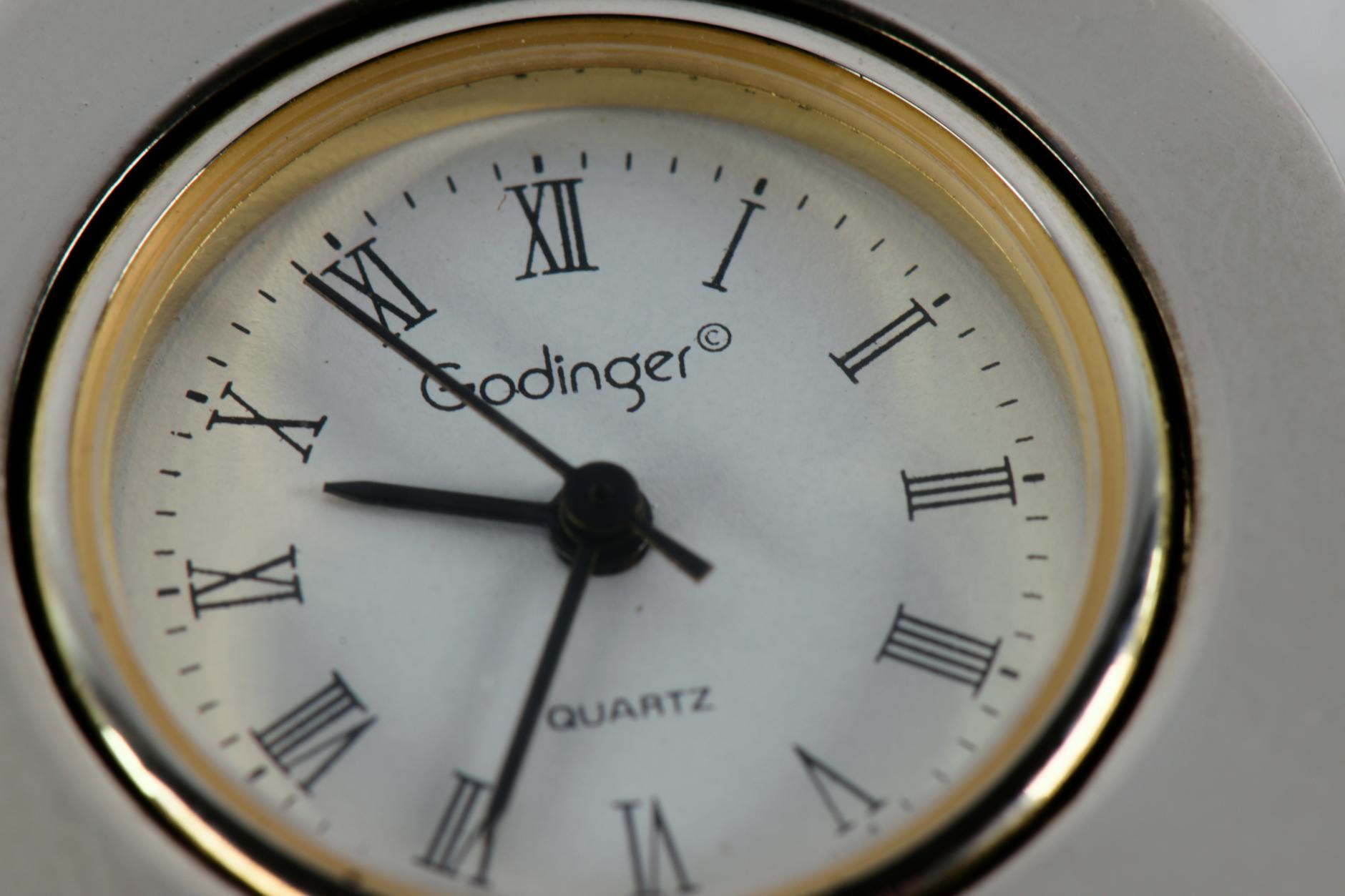
Arriving late to meetings, dinners, or events with people toward whom resentment is felt is a quiet assertion of dominance and devaluation. The behavior communicates that the other party’s time is less important without requiring any direct statement to that effect. It forces others to wait and to adjust around the latecomer’s schedule. When the tardiness is selective and tied to specific people or situations it moves beyond poor time management into deliberate social behavior. The frustration it generates tends to accumulate across multiple instances into genuine resentment.
Responding With One-Word Answers

Giving clipped single-word responses in a conversation where more engagement is clearly expected is a form of conversational withholding. The brevity is calculated to signal disengagement without technically being rude or confrontational. It places the entire burden of maintaining the exchange on the other person. This pattern tends to appear when someone wants to punish or disengage from another person without openly saying so. The cumulative effect is a conversation that feels exhausting and one-sided for whoever is trying.
Cleaning Loudly and Aggressively

Clattering dishes, slamming cupboards, or vacuuming with conspicuous force while someone else is present is a performance designed to communicate displeasure. The noise serves as an emotional broadcast that something is wrong without requiring an actual conversation about it. The person cleaning retains the defense that they are simply doing chores and cannot be accused of aggression. It is a common household behavior that partners and roommates tend to recognize immediately and find deeply grating. Conflict resolution research consistently identifies this pattern as a barrier to productive communication.
Withholding Information Strategically

Technically answering a question while omitting the most important details is a way of controlling outcomes without lying outright. The information withheld is usually whatever the other person most needs to make a good decision or feel included. This behavior appears frequently in workplaces where power dynamics discourage open confrontation. It creates a situation where the withholder can claim full transparency while the other person remains at a disadvantage. Those on the receiving end often sense the gap even without being able to identify exactly what is missing.
Making Plans and Canceling Last Minute

Accepting invitations and then canceling close to the time of the event is a pattern that communicates ambivalence or deliberate avoidance. The acceptance creates an expectation and sometimes causes the other person to make arrangements or turn down alternatives. The late cancellation then causes disruption while the canceler avoids the discomfort of a direct refusal. When this behavior is directed consistently toward specific people it signals a reluctance to spend time with them that is never openly stated. The impact on the other person includes wasted time, logistical disruption, and a growing sense of being deprioritized.
Rolling Your Eyes

Eye-rolling is one of the most recognizable nonverbal signals of contempt and dismissal recognized across cultures. It communicates that whatever the other person has said or done is not worthy of serious engagement. Research on relationship dynamics has identified eye-rolling as one of the most reliable predictors of long-term dissatisfaction in partnerships. Because it requires no words the person doing it can deny any intentional disrespect. The recipient almost universally reads it correctly and tends to feel belittled or mocked.
Asking Questions You Already Know the Answers To

Posing a question in order to highlight someone else’s mistake or ignorance rather than to gain information is a subtle but recognizable power move. The questioner already knows the answer and is using the question format to force an uncomfortable admission from the other person. This behavior is common among managers, partners, and siblings who want to demonstrate superiority without making an overt accusation. It can be difficult to address directly because questions are socially framed as neutral and curious. The intent behind them is rarely as innocent as the format suggests.
Mentioning You Are Not Angry When No One Asked

Preemptively stating “I’m not angry” or “I’m not upset” when the topic has not come up is a way of introducing the emotional subtext without taking ownership of it. It draws attention to the very feeling being denied and creates unease in the other person. The statement functions as a warning that something is wrong while technically maintaining that nothing is. This behavior keeps the other person in a state of alert and slightly off-balance. It is a common tactic in relationships where direct emotional expression has historically led to conflict.
Copying Someone Into an Email Unnecessarily

Including a supervisor or third party in an email exchange without a clear functional reason is a professional form of passive aggression. It raises the stakes of the conversation and introduces a potential witness or authority figure without direct confrontation. The person being copied on feels publicly checked or monitored without any explicit accusation being made. This behavior is particularly common in workplace disputes where individuals feel powerless to address conflict directly. Recipients almost always understand the implied threat even if it is never acknowledged.
Giving the Silent Treatment

Withdrawing communication entirely as a response to conflict or dissatisfaction is one of the oldest and most well-documented passive-aggressive strategies. It denies the other person the opportunity to address or resolve whatever caused the withdrawal in the first place. The silence functions as punishment while the person enacting it maintains the appearance of simply being quiet. Research consistently links prolonged silent treatment to significant psychological distress in the person on the receiving end. It tends to escalate conflict rather than de-escalate it because nothing is ever actually resolved.
Interrupting With “I Know”

Cutting someone off mid-explanation to say “I know” signals impatience and dismissiveness without open rudeness. It communicates that the speaker’s time is too valuable to absorb information being shared and that the other person is being unnecessarily lengthy. This habit is common in environments where competence is highly valued and admitting ignorance feels threatening. It shuts down the other person’s contribution and can discourage them from sharing information in future interactions. Over time it creates a dynamic where one party stops bothering to communicate thoroughly.
Mentioning Favors You Have Done

Bringing up past acts of generosity or helpfulness in the context of a new request or disagreement is a way of creating social debt. The mention reframes the current exchange in terms of what the other person owes rather than what is actually being discussed. It is rarely stated as an explicit demand but the implication is clear enough to create pressure. This behavior tends to arise in relationships where the person feels their contributions go unrecognized or unreciprocated. It shifts the emotional dynamic of a conversation in a way the other party often finds uncomfortable and manipulative.
Talking to Everyone Except the Person With Whom You Have a Problem

Venting about a conflict to mutual friends or colleagues while avoiding any direct conversation with the person involved is a classic pattern of relational avoidance. It builds a social narrative around the situation without giving the other party any opportunity to respond or clarify. The behavior often escalates tension because the person at the center of the complaints eventually hears about them secondhand. It can shift social allegiances and create factions in group settings like offices and friend groups. The original conflict rarely gets resolved and tends to grow more complicated with each retelling.
Sending a Message and Immediately Going Offline

Delivering a pointed or emotionally charged message and then becoming unreachable is a calculated way of controlling the terms of a conflict. The sender gets to make their statement and then removes themselves from any immediate response or accountability. The recipient is left holding the emotional weight of the message with no outlet for reaction. This behavior is common in text-based communication where disappearing is easy and consequence-free in the short term. It tends to heighten anxiety and frustration in the person left waiting for a response.
Qualifying Praise With “But”

Offering a genuine-sounding compliment and then immediately undermining it with a criticism introduced by “but” is a conversational pattern that negates whatever came before it. Psychologically the brain tends to weight the information after “but” more heavily than what preceded it. This structure allows the speaker to deliver criticism while appearing to have opened with positivity and good faith. It is common in performance reviews, creative feedback settings, and personal relationships. The recipient usually remembers the criticism and forgets the praise entirely.
Agreeing Loudly in Meetings and Doing the Opposite Afterward

Visibly supporting a decision or plan in a group setting and then undermining it through inaction or contrary behavior afterward is a particularly disruptive workplace pattern. It allows the individual to appear cooperative and agreeable in public while quietly resisting the outcome. Others in the group often cannot identify why initiatives stall because the resistance is never openly expressed. This behavior erodes team trust over time even when no single instance is dramatic enough to address directly. It creates a gap between the stated culture of a team and its actual functioning.
Using Humor to Deliver Real Criticism

Packaging a genuine complaint or attack inside a joke and then retreating behind “I was just kidding” when challenged is a socially accepted way of expressing hostility. The humor format gives the speaker automatic cover and places the recipient in the awkward position of appearing humorless if they object. The sting of the comment lands regardless of the delivery method. This behavior appears frequently in group social settings where direct criticism would be seen as inappropriate. The person on the receiving end often feels unable to respond without seeming oversensitive.
Performing Helpfulness in Front of Others Only

Offering assistance or acting considerately only when an audience is present and withdrawing that behavior in private is a form of social performance rather than genuine generosity. The behavior is calibrated to manage reputation rather than to actually support the other person. Those who experience this pattern privately while watching the public performance often feel a particular kind of frustration that is hard to articulate to others. It creates a credibility gap that the target of the behavior finds deeply disorienting. The disparity between public and private treatment is one of the hallmarks of this pattern.
Recommending Things You Know Someone Will Dislike

Suggesting a restaurant, movie, or activity that you know the other person has no interest in or has expressed discomfort with is a subtle way of prioritizing your own preferences while appearing collaborative. It frames selfishness as generosity and forces the other person either to go along reluctantly or to be the one who vetoes the plan. This shifts the social responsibility of the decision onto the person who declines rather than the person who proposed something unsuitable. The recommender can then frame their own preferences as a neutral starting point rather than a preference being imposed. Over time this pattern can make the other person feel consistently unheard in shared decision-making.
Pointedly Not Saying Thank You

Withholding acknowledgment or gratitude after someone has done something clearly worthy of it is a deliberate social omission designed to communicate displeasure. The absence of thanks is felt acutely because gratitude is a basic social expectation in most cultures. It punishes the other person for something unrelated to the action being withheld recognition for. This behavior is common in relationships where a grievance exists but has not been openly addressed. The person on the receiving end is left feeling both unappreciated and confused about what they may have done to deserve the cold response.
If any of these behaviors feel uncomfortably familiar, share your thoughts in the comments.