Europe has always rewarded the curious traveler willing to look beyond the obvious postcards, and right now a quiet window of opportunity remains open across the continent. From sun-bleached Adriatic villages to fog-wrapped Nordic islands, a remarkable collection of destinations still offers the kind of unhurried, authentic experience that made European travel legendary in the first place. Tourism experts and travel insiders are already tracking rising visitor numbers in many of these places, making now the ideal moment to go. The towns and landscapes ahead represent some of the most compelling and underappreciated corners of an endlessly fascinating continent.
Matera, Italy
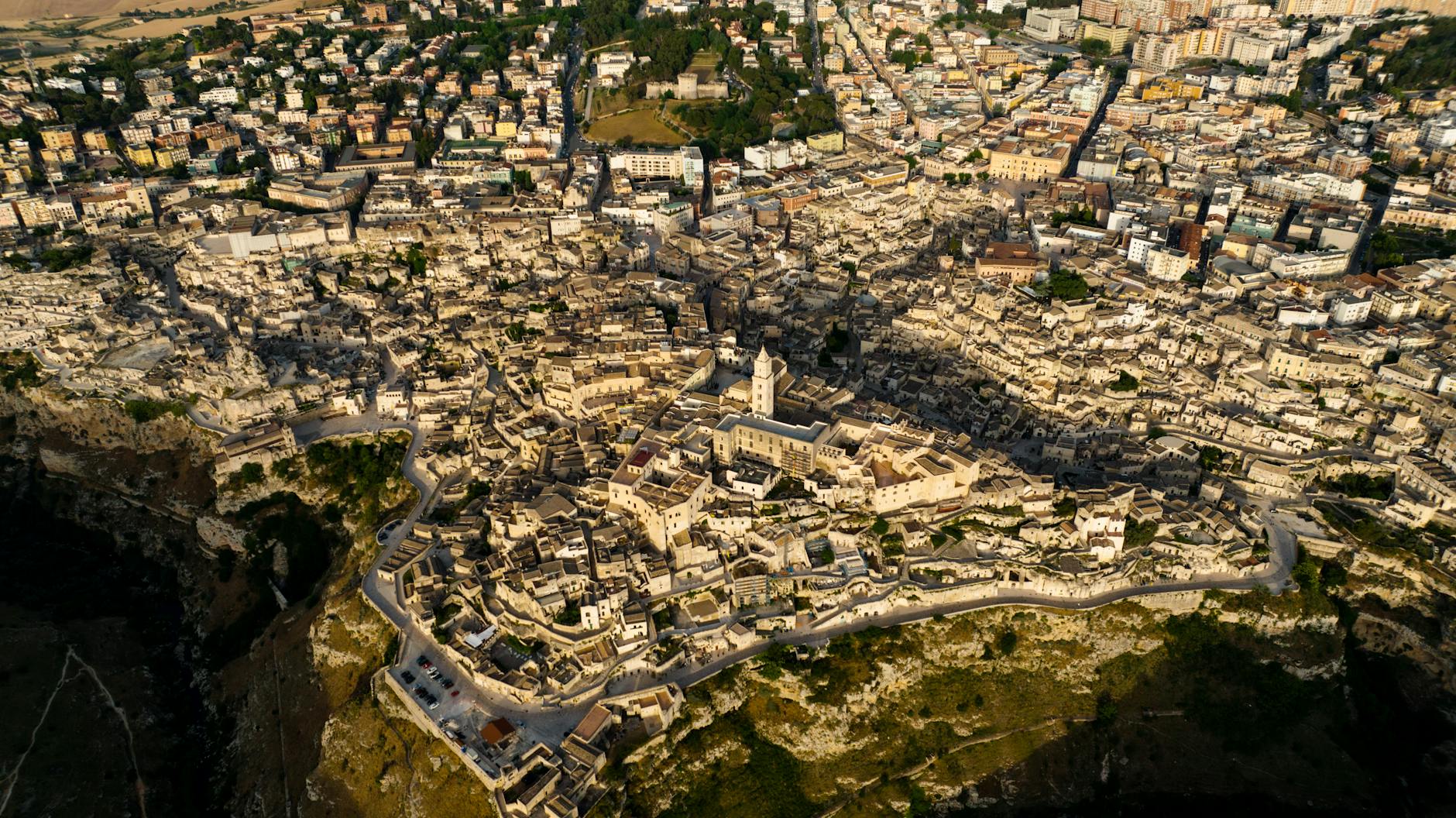
Carved directly into the limestone ravines of Basilicata, Matera is one of the oldest continuously inhabited cities on Earth. Its ancient cave dwellings known as sassi tumble down the hillside in a dramatic layered panorama that feels entirely unlike anywhere else in Italy. The city earned a UNESCO World Heritage designation and served as a European Capital of Culture in 2019, drawing growing international attention ever since. Golden-hour light transforms the stone facades into something almost painterly, making it a destination of rare visual power. Visitor numbers are climbing steadily so the window for a peaceful experience is narrowing.
Kotor, Montenegro

Tucked at the innermost point of a dramatic fjord-like bay on the Adriatic coast, Kotor is one of the best-preserved medieval walled cities in the entire Mediterranean region. Its labyrinthine old town is packed with Venetian palaces, Romanesque churches and marble-paved squares that reward slow and purposeful exploration. The surrounding Bay of Kotor offers some of the most striking scenery in the Balkans, with limestone mountains plunging sharply into dark blue water. Cruise ship traffic has increased significantly in recent years, changing the atmosphere on busy days. Visiting in the shoulder seasons still guarantees a far more intimate experience.
Plovdiv, Bulgaria
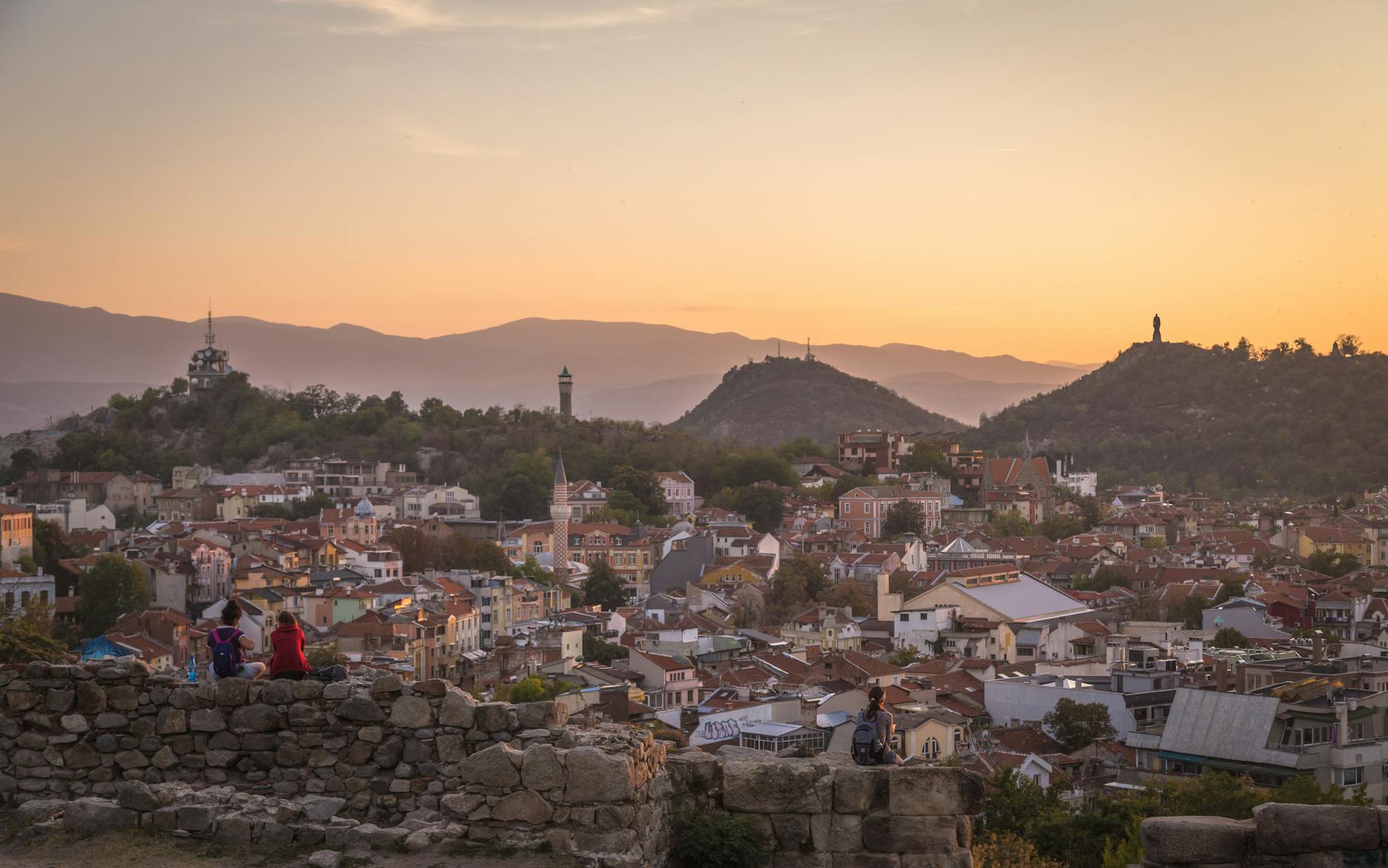
As one of the oldest continuously inhabited cities in Europe, Plovdiv carries an extraordinary weight of history across its seven hills. The Old Town district is filled with colorful Bulgarian Revival-era houses that jut out dramatically over cobblestone lanes, creating an architectural spectacle that feels genuinely theatrical. A thriving arts and food scene has taken root around the ancient Roman amphitheater, which still hosts live performances throughout the warmer months. Plovdiv held the title of European Capital of Culture in 2019 alongside Matera, bringing it firmly onto the international radar. Budget-friendly prices and easy access from Sofia make it increasingly attractive to a wider audience.
Faroe Islands
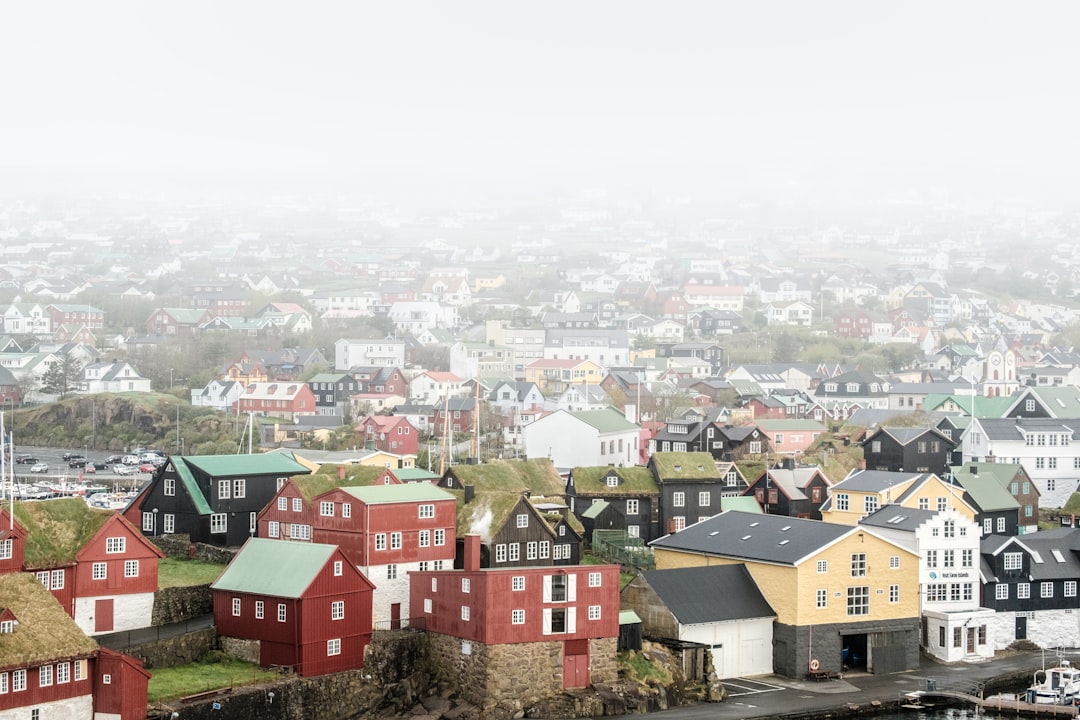
Rising from the North Atlantic in a series of dramatic volcanic cliffs and impossibly green valleys, the Faroe Islands deliver some of the most breathtaking natural scenery on the planet. This self-governing archipelago belonging to the Danish kingdom sits between Norway and Iceland, occupying a weather-swept landscape that feels genuinely remote and wild. Turf-roofed villages cling to hillsides above fjords where waterfalls spill directly into the sea in a scene of extraordinary beauty. The islands have introduced sustainable tourism measures including closed periods at certain hiking sites to protect the natural environment. Traveler interest is accelerating rapidly, making an early visit the wiser choice.
Valletta, Malta
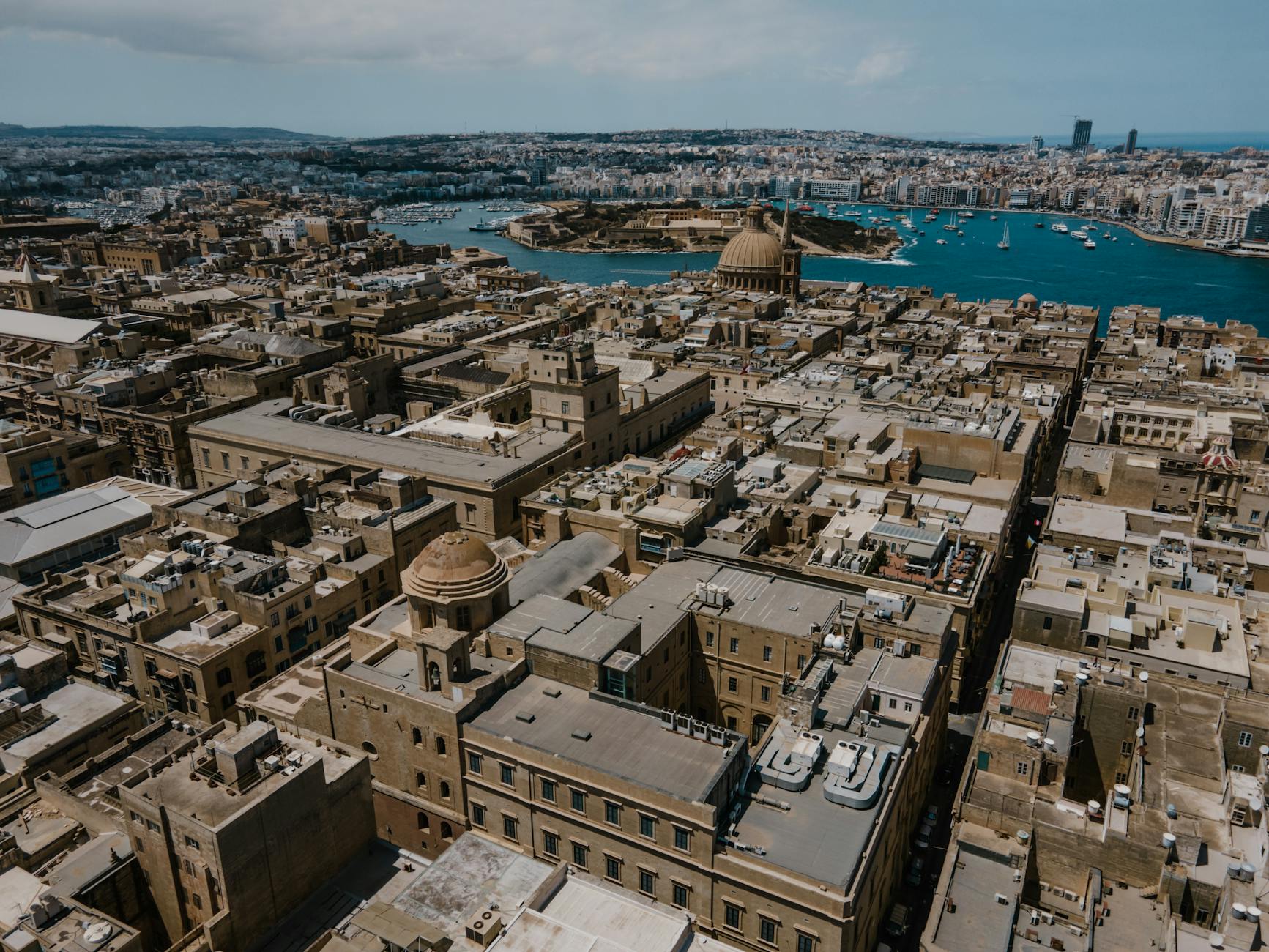
The smallest capital city in the European Union packs a staggering density of Baroque architecture, historic fortifications and cultural heritage into just under one square kilometre of land. Built by the Knights of St John in the sixteenth century, Valletta earned UNESCO World Heritage status and served as a European Capital of Culture in 2018. The Grand Harbour panorama viewed from the Upper Barrakka Gardens is considered one of the great views in the Mediterranean world. Malta’s warm climate, English-speaking population and excellent food scene make it unusually accessible for first-time visitors. Tourism infrastructure is growing fast and the city’s intimate character is already beginning to shift.
Ghent, Belgium
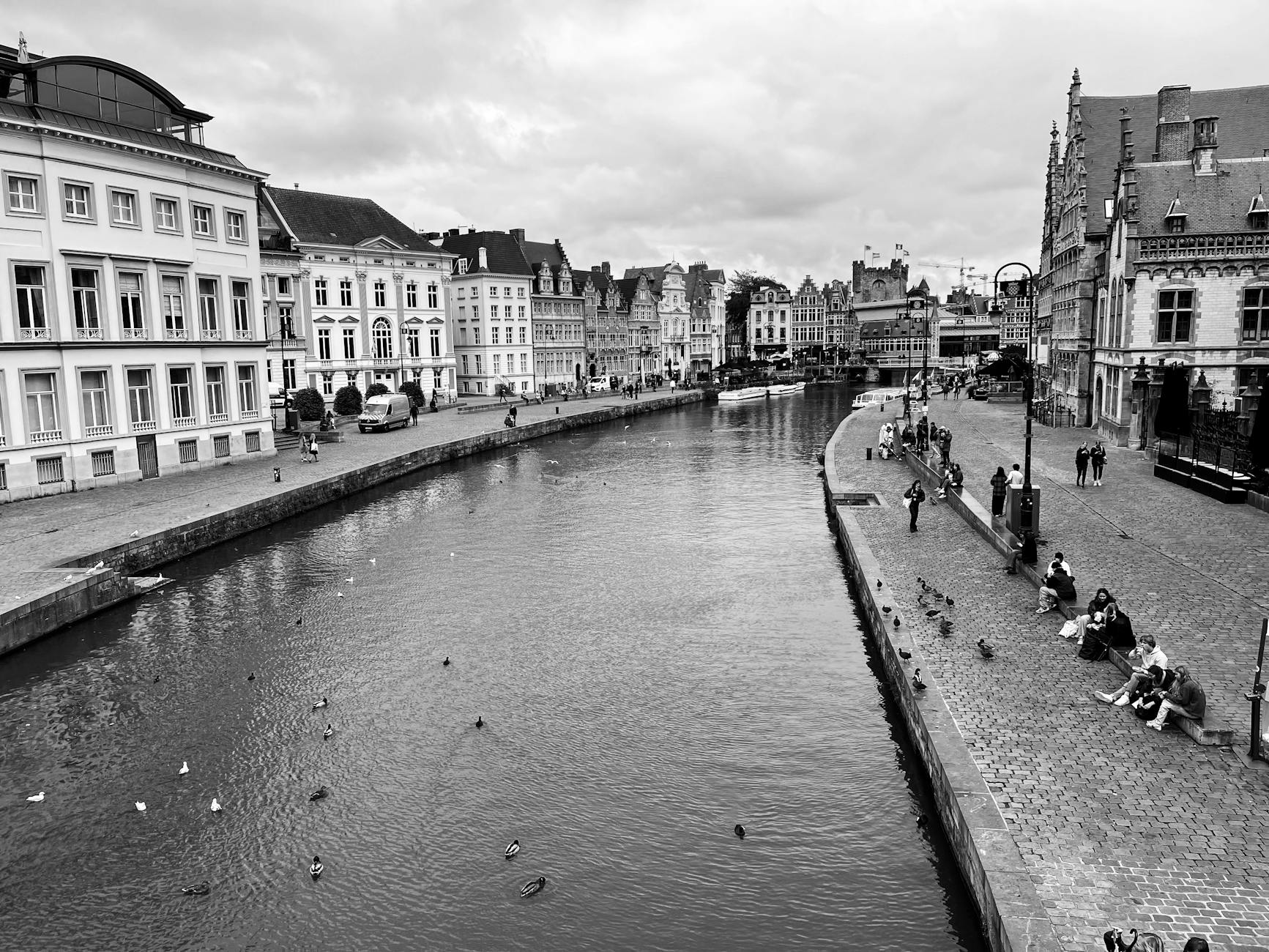
Often overshadowed by neighboring Bruges and Brussels, Ghent is a medieval Flemish city of remarkable elegance that continues to fly quietly under the radar of mass tourism. Three towering medieval structures dominate its skyline in a way that makes the historic center feel like a living illustration of the region’s prosperous past. The city’s waterways are lined with guild houses and merchant halls that reflect a centuries-old trading heritage, while a young university population brings a contemporary energy to its cafes and bars. Ghent’s culinary scene has earned significant recognition for championing local and plant-based ingredients with genuine creativity. Growing press attention suggests its under-the-radar status will not last much longer.
Mostar, Bosnia and Herzegovina
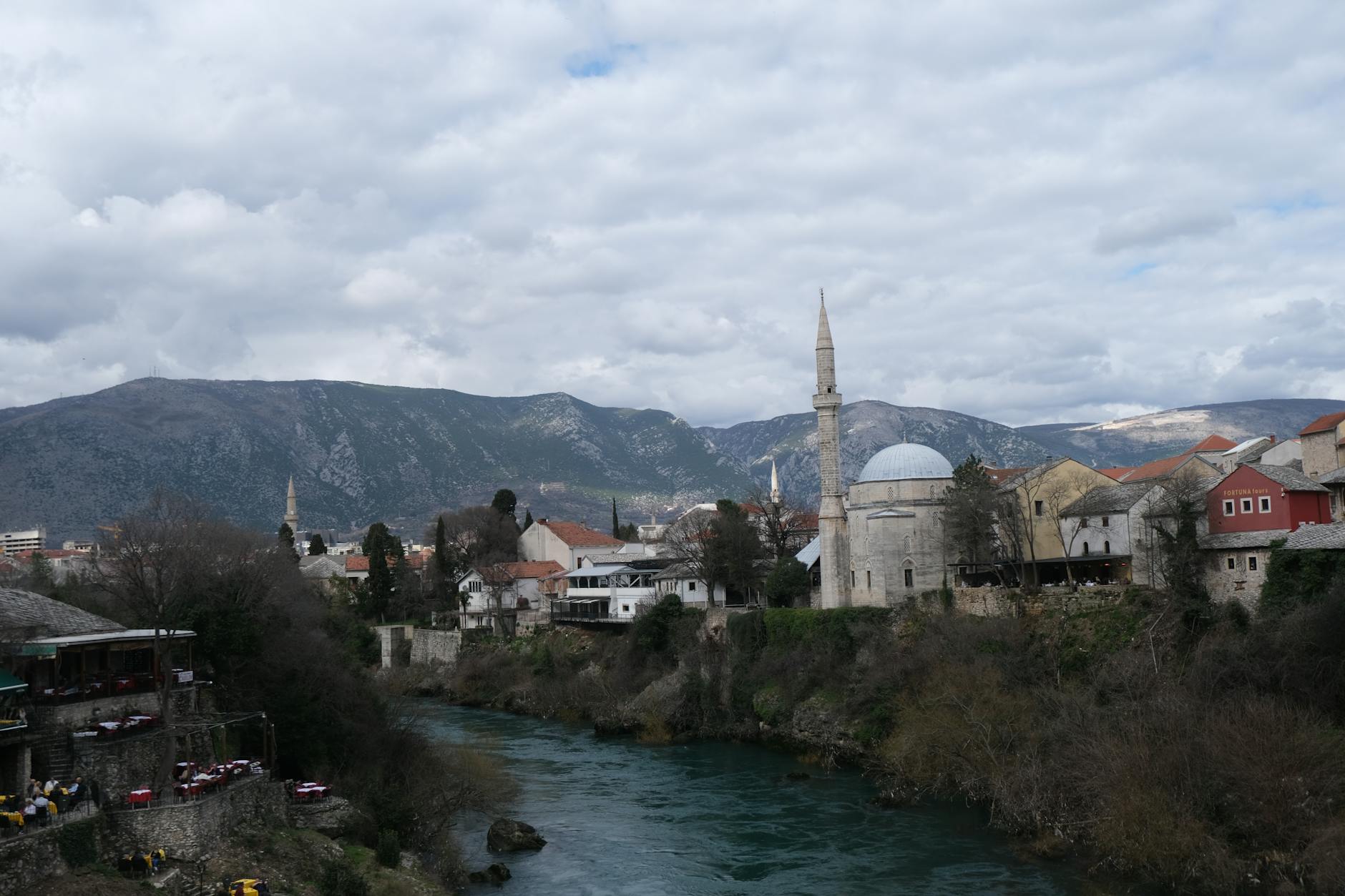
The rebuilt Stari Most bridge arching gracefully over the turquoise Neretva River is one of the most iconic and moving sights in the Balkans. Mostar’s old bazaar district blends Ottoman and Austro-Hungarian architectural influences into a streetscape of unusual historical richness and visual texture. The city sits in the Herzegovina region, which also offers outstanding wine, excellent produce and a warm Mediterranean microclimate that surprises many first-time visitors. Reconstruction following the devastating conflict of the 1990s has been remarkably successful, and the local population takes considerable pride in what has been preserved and rebuilt. Day-tripper numbers from Dubrovnik and Split are rising quickly, putting pressure on what remains a small and intimate destination.
Trieste, Italy
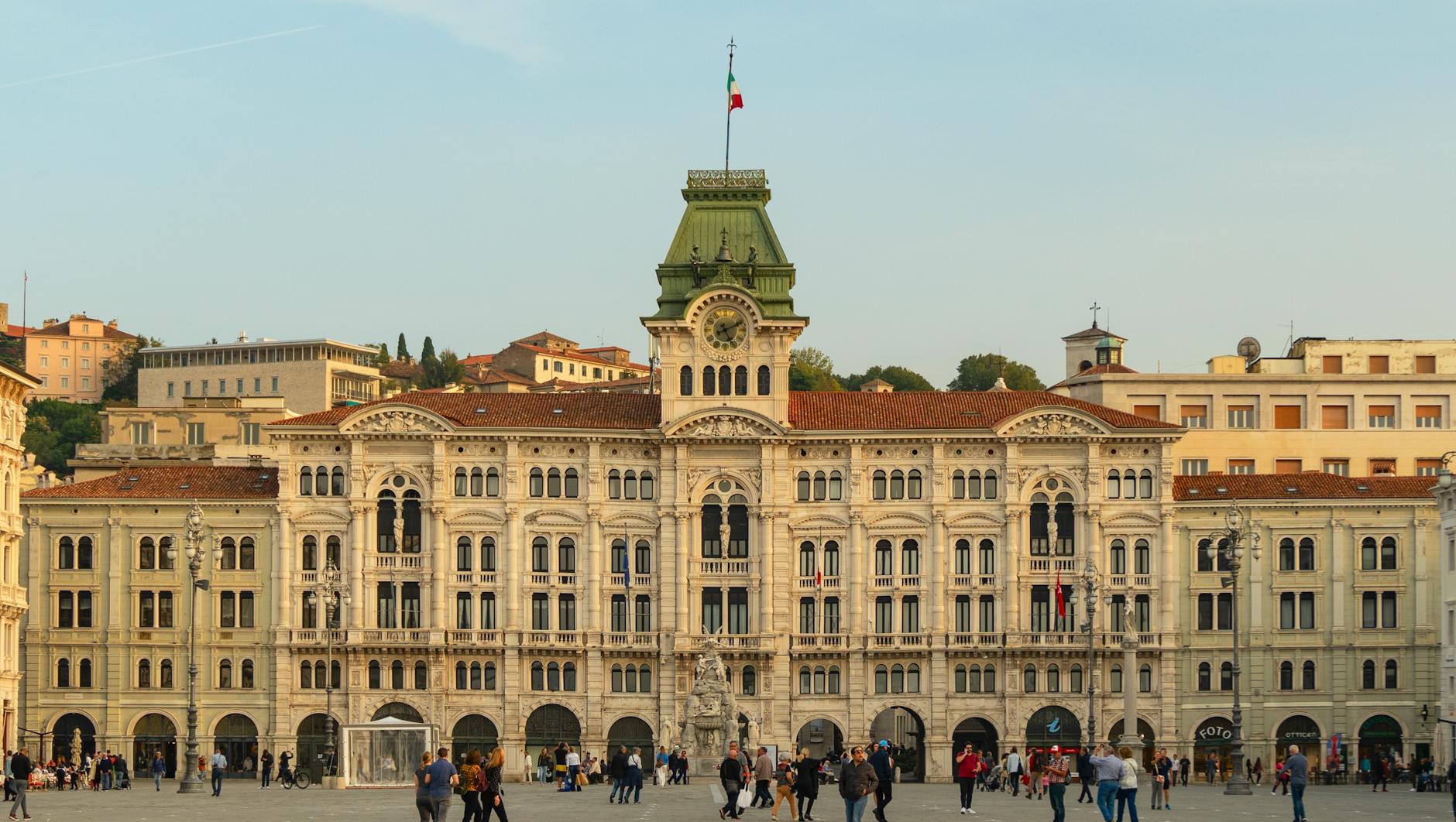
Perched in the far northeast corner of Italy at the meeting point of Latin, Slavic and Central European cultures, Trieste has one of the most distinctive and layered identities of any city in the country. Its grand Austro-Hungarian architecture lining the seafront reflects centuries of Habsburg rule and a cosmopolitan merchant history that shaped everything from its coffee culture to its literary life. The city was home to James Joyce during the years he worked on Dubliners and A Portrait of the Artist as a Young Man, and literary pilgrims are beginning to take note. A thriving espresso tradition unlike anything found in the rest of Italy draws dedicated food travelers seeking an authentic and unrepeatable local experience. Trieste remains significantly less visited than its cultural weight deserves.
Ohrid, North Macedonia
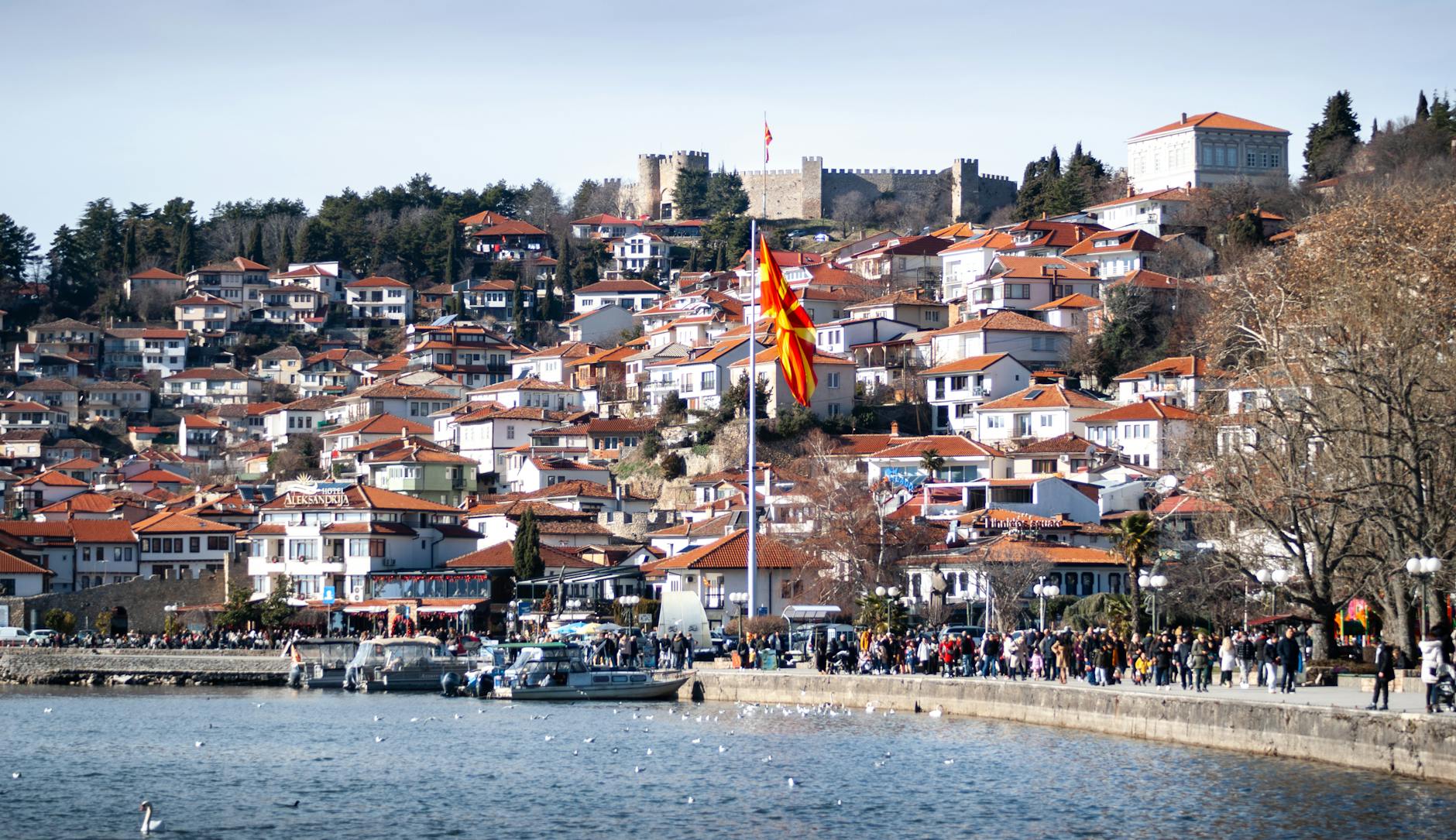
Sitting on the shores of one of Europe’s oldest and deepest lakes, Ohrid is sometimes called the Jerusalem of the Balkans for the extraordinary concentration of medieval churches and monasteries within its old town. Lake Ohrid itself holds UNESCO recognition both as a cultural and natural heritage site, a dual designation that reflects its exceptional value. The water is so clear and ancient that it supports endemic species found nowhere else on Earth. The old town climbs a hillside above the lake in a cascade of timber-framed houses, Byzantine chapels and Roman-era ruins that demand unhurried exploration. International visitor numbers remain modest compared to the scale of what the city offers, but travel media coverage has increased meaningfully in recent years.
Tbilisi, Georgia
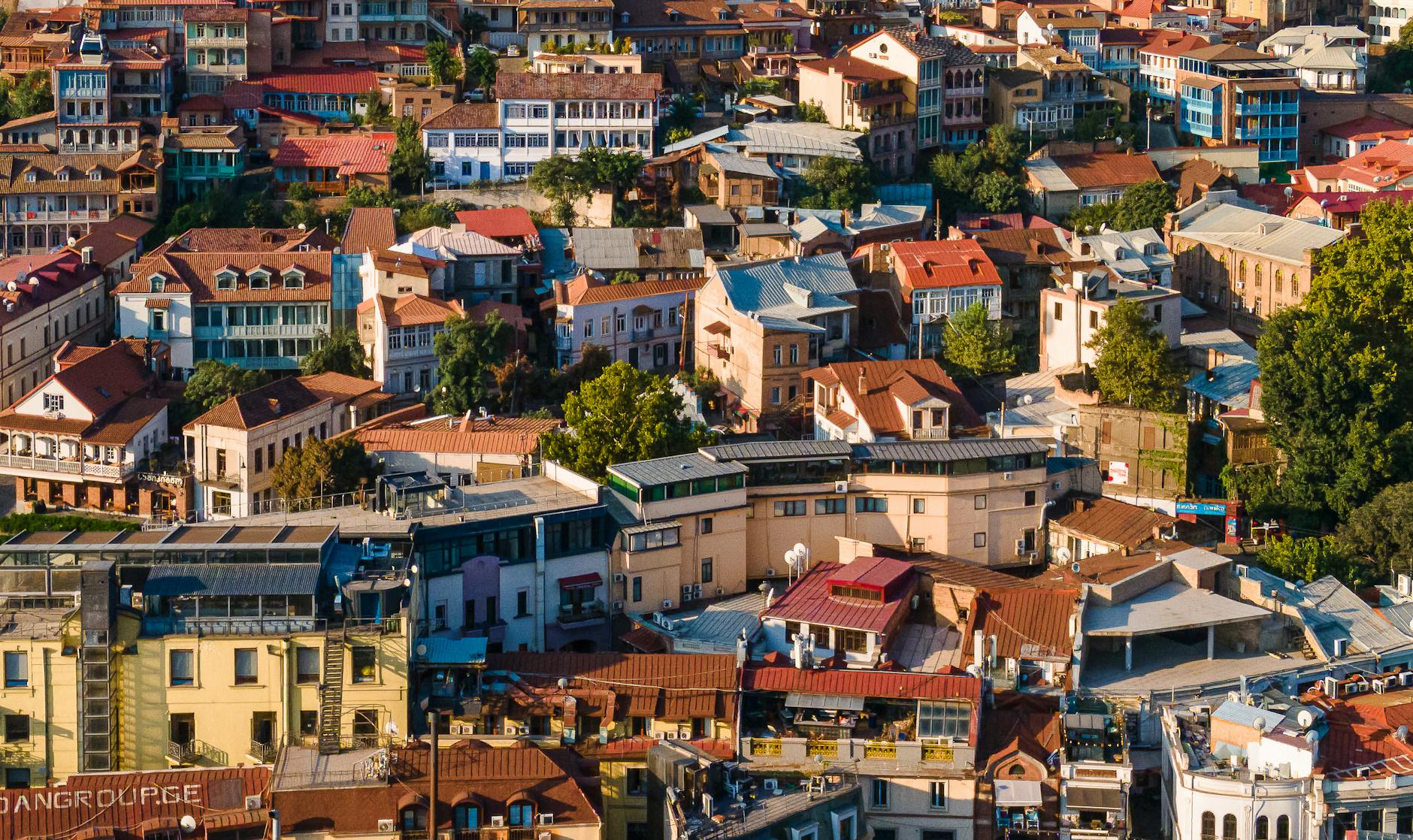
The capital of Georgia straddles the boundary between Europe and Asia in a way that makes it unlike almost any other city on the continent. Its old town of Abanotubani is famous for sulfuric bathhouses and ornately carved wooden balconies overhanging narrow lanes that wind between Persian-era and Soviet-era buildings in fascinating proximity. Georgian cuisine is widely regarded by food writers as one of the great undiscovered culinary traditions of the world, built around walnut-rich sauces, flatbreads and an extraordinary wine-making heritage dating back eight thousand years. A burgeoning arts and nightlife scene has made Tbilisi a firm favorite among creative travelers in recent years. The combination of affordability, warmth and sheer originality is drawing growing international attention.
Vis, Croatia
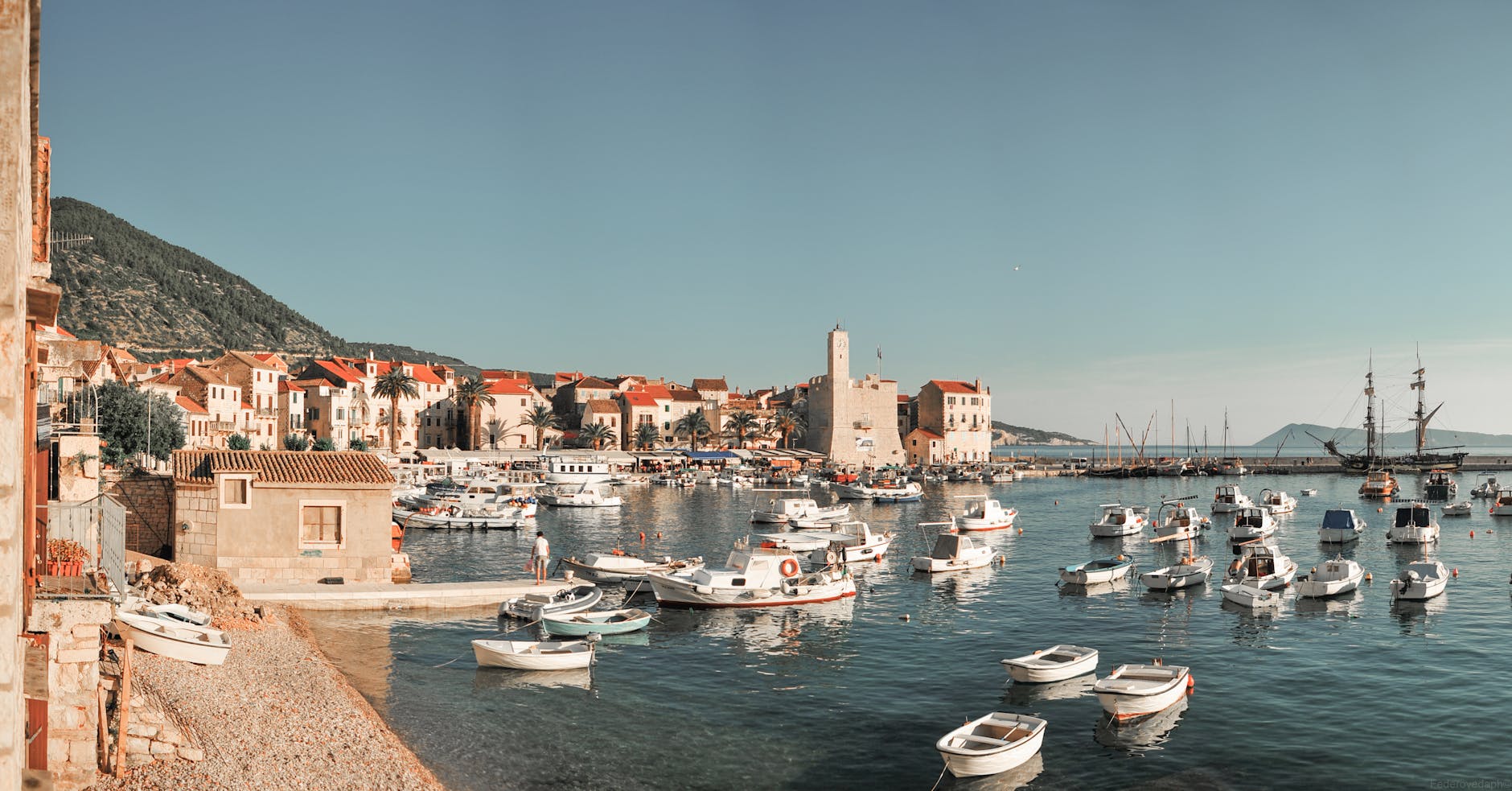
The furthest inhabited island from the Croatian mainland, Vis spent decades as a closed military zone under Yugoslav rule, which inadvertently preserved it from the tourist development that transformed much of the Dalmatian coast. Its two small towns of Vis and Komiža retain an unhurried fishing village character and a genuine sense of local life continuing alongside rather than for the benefit of visitors. The island’s cuisine is considered among the finest in Croatia, built on exceptional seafood, excellent local wine and old recipes handed down through generations of island families. Clear water, quiet coves and a landscape largely free of overdevelopment make it a rare find in a heavily touristed region. Ferry connections and holiday rental availability are improving, and word is spreading fast.
Eger, Hungary
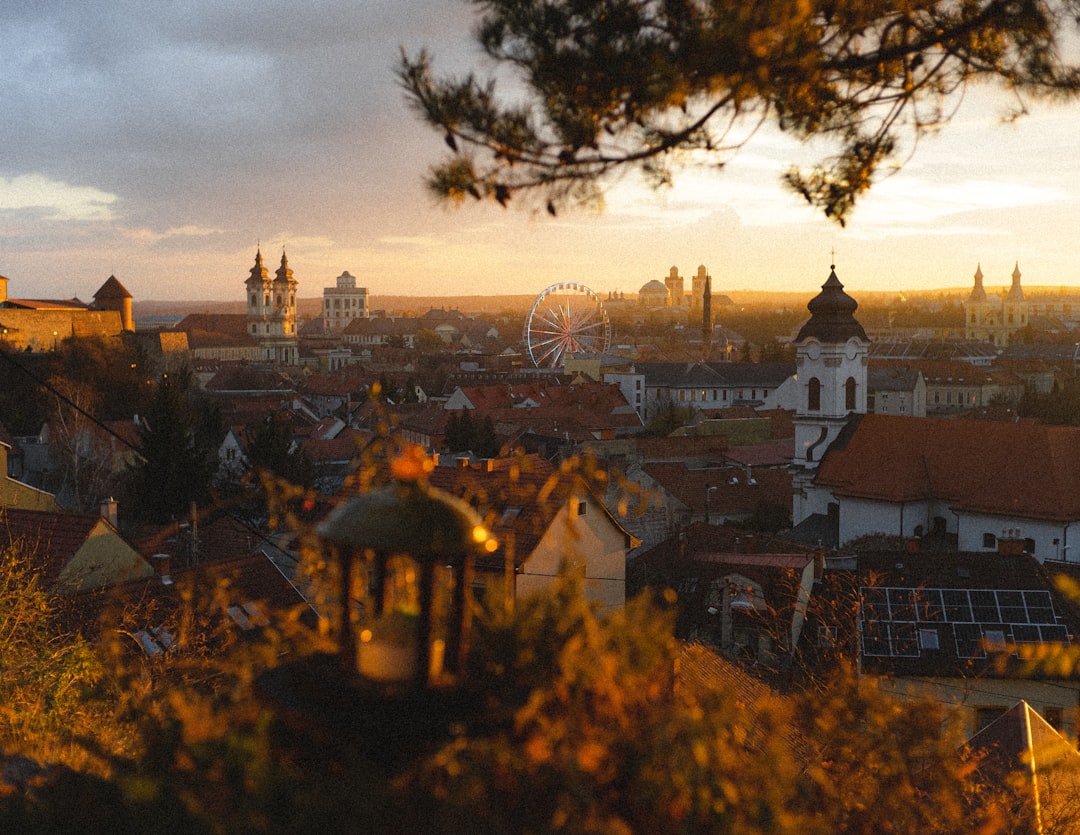
Set in a valley of vine-covered hills in northern Hungary, Eger is a beautifully preserved Baroque city that most international travelers have never heard of despite its significant historical and cultural importance. Its castle famously withstood an Ottoman siege in 1552 against overwhelming odds, and the event remains a central part of Hungarian national identity. The surrounding Eger wine region produces a robust red blend known as Egri Bikavér or Bull’s Blood, which can be tasted in atmospheric wine cellars carved directly into the volcanic hillside. The thermal baths, Turkish minaret and elegant cathedral make the city a genuinely rewarding destination for history and culture enthusiasts. Domestic tourism is strong but international visitor numbers remain low relative to the city’s appeal.
Berat, Albania
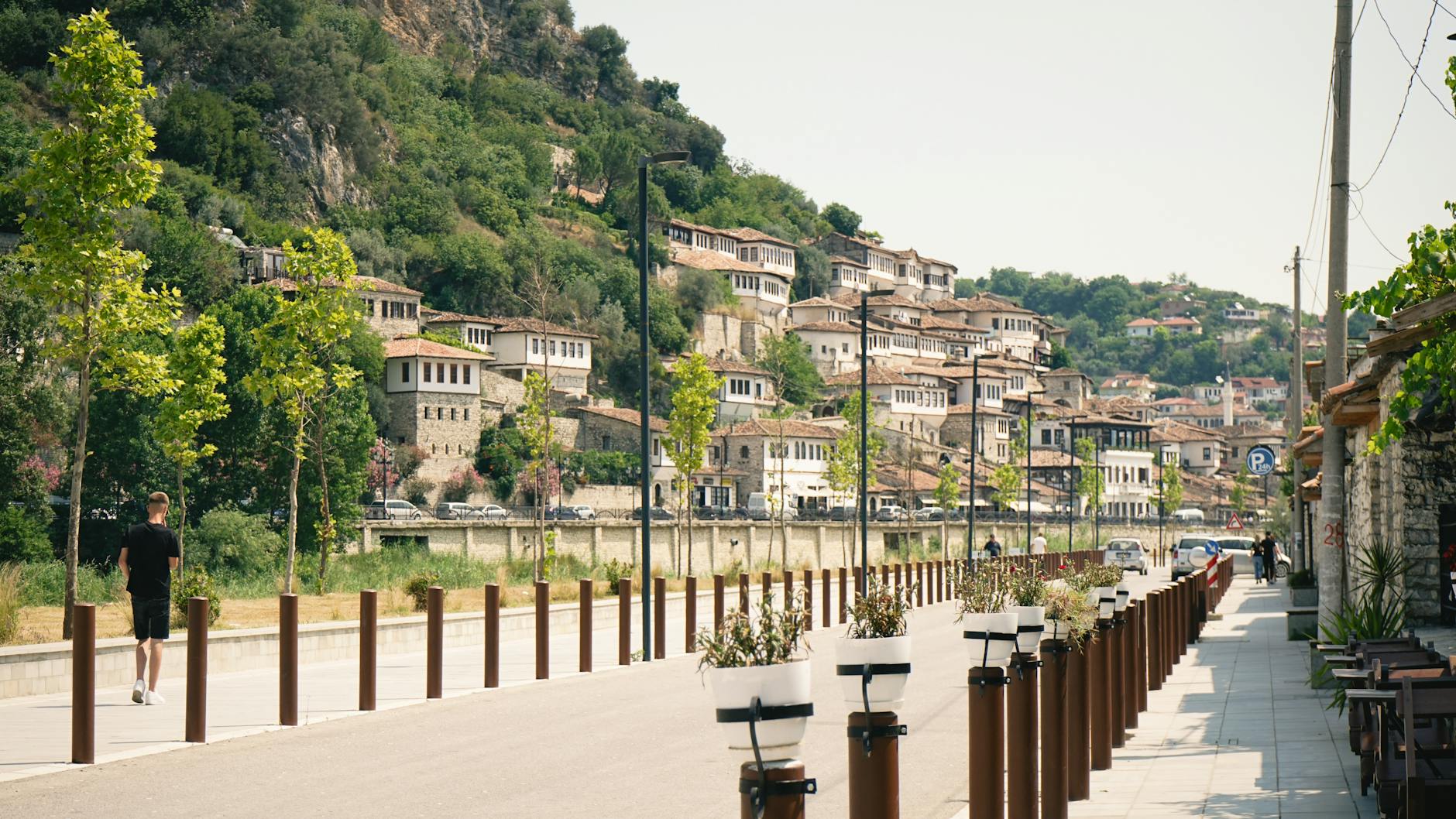
Known as the City of a Thousand Windows for the rows of large Ottoman-era windows staring out from whitewashed houses stacked up a steep hillside, Berat is one of the best-preserved historic towns in the entire Balkans. Its UNESCO-listed old town climbs toward a Byzantine castle that has been continuously inhabited for over two thousand years and still contains functioning churches with remarkable frescoes. The Osum River valley setting below the town adds a layer of natural drama that enhances the already striking townscape. Albania as a whole remains one of the least visited countries in Europe, which means Berat still offers the rare feeling of authentic discovery. Infrastructure improvements and growing airline connections are steadily making the country more accessible.
Nafplio, Greece

Widely regarded as one of the most elegant and romantic towns in the entire country, Nafplio served as the first capital of modern Greece and carries that history in every detail of its Venetian-influenced streetscape. The old town is compact enough to explore entirely on foot in a day and yet rich enough in texture and beauty to hold a visitor’s attention for several days without effort. Palamidi Fortress looms dramatically above the town on a sheer rocky outcrop, connected to the old town by a staircase of nearly a thousand steps that rewards the climb with sweeping Argolic Gulf views. The local restaurant scene is considered well above average for a Greek provincial town, with several kitchens drawing on the rich agricultural produce of the surrounding Peloponnese. Athens day-trippers are beginning to discover it in greater numbers, shifting its previously local character.
Colmar, France
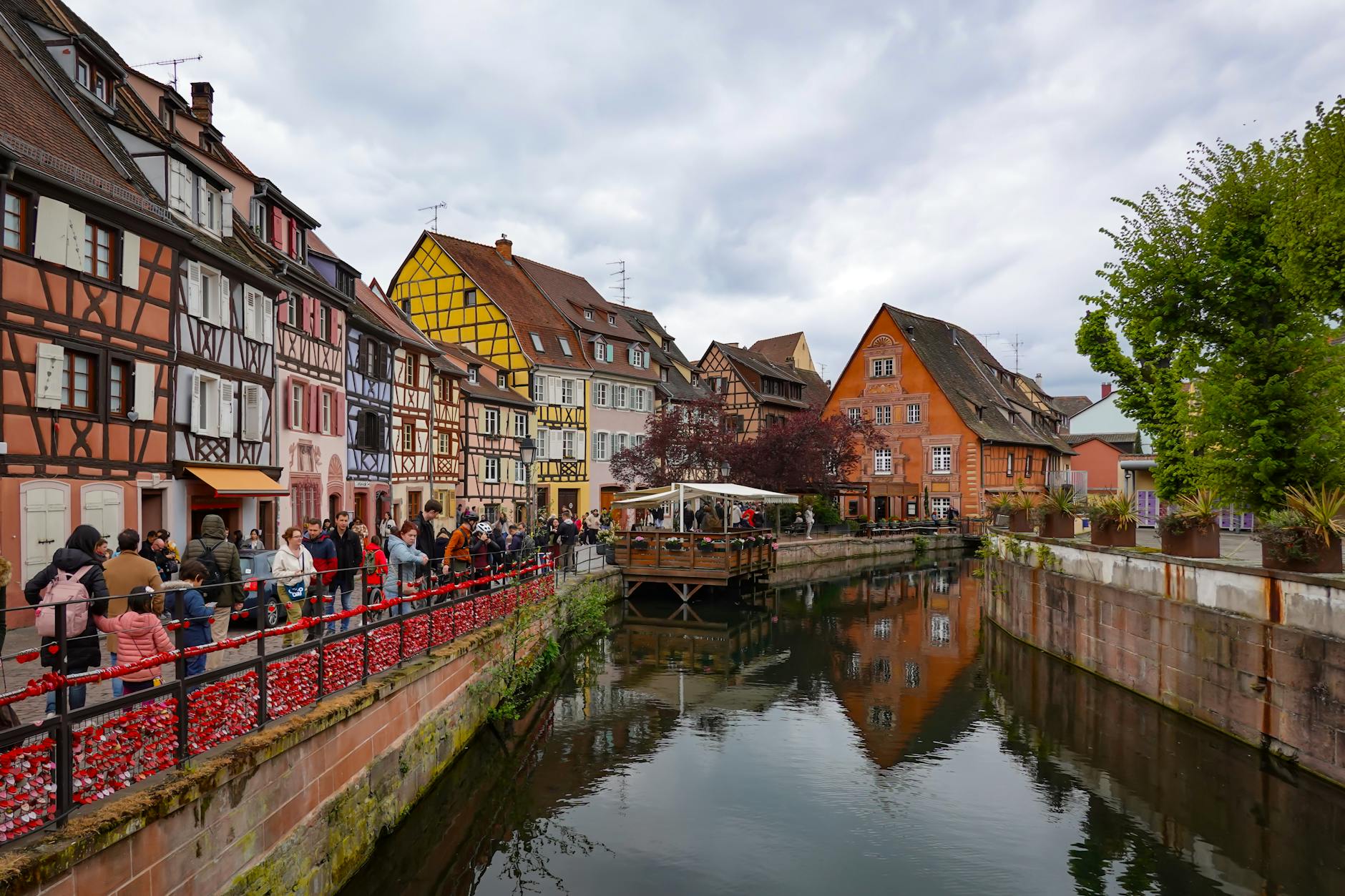
Sitting at the heart of Alsace in northeastern France, Colmar is a canal-laced town of half-timbered houses painted in pastels that has often been described as the inspiration for Disney’s fairy-tale aesthetic. Its Little Venice quarter reflects perfectly in the water of the Lauch River, creating a scene of almost surreal picturesqueness that stops visitors in their tracks. The town lies at the center of the Alsatian wine route and serves as an ideal base for exploring some of France’s most celebrated Riesling and Pinot Gris vineyards. Christmas market season draws very large crowds, but the spring and early autumn months offer the same beauty at a considerably more relaxed pace. Visitor pressure is increasing year-round as social media continues to amplify its visual appeal.
Piran, Slovenia
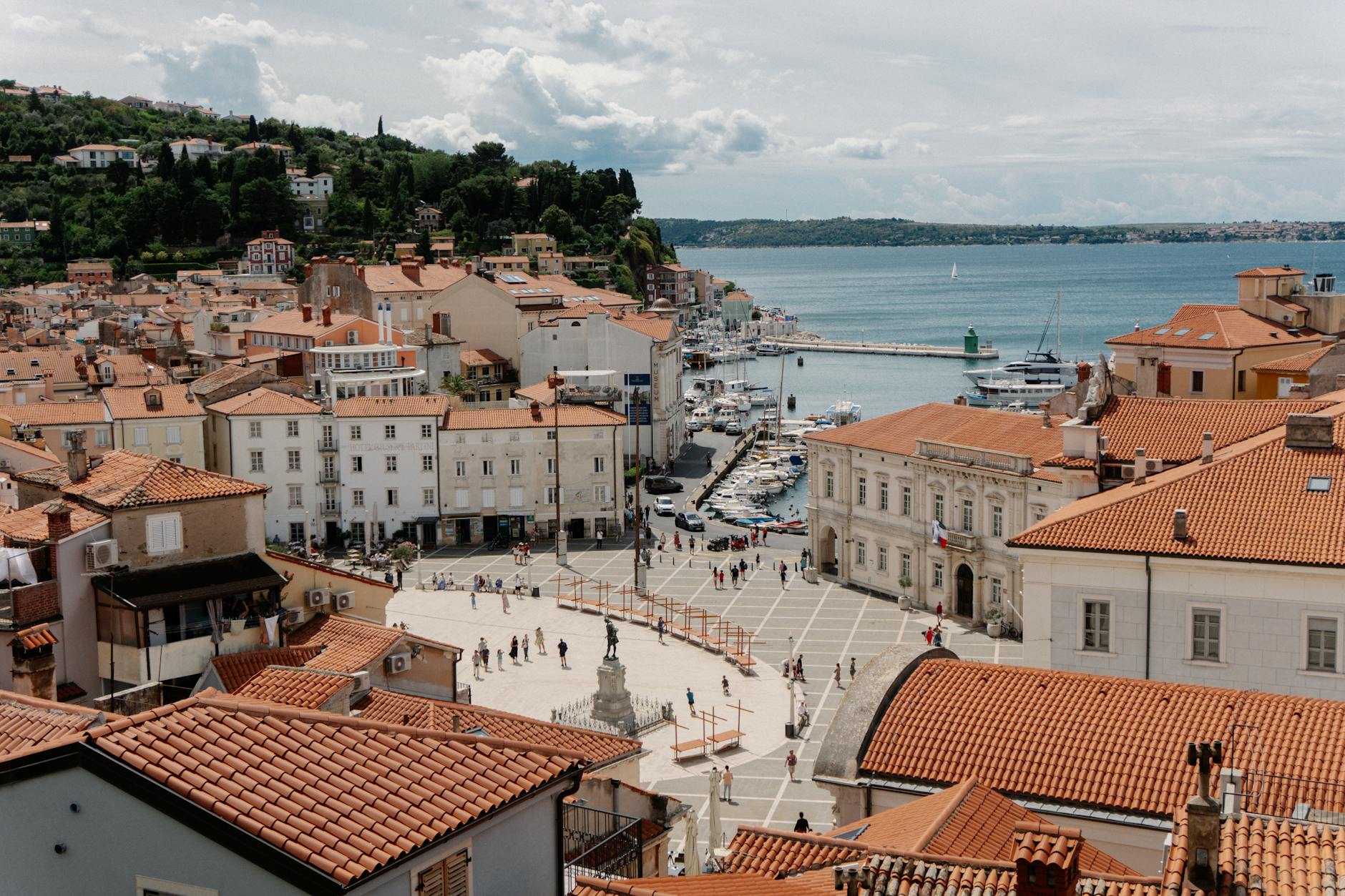
A Venetian-era town of remarkable preservation occupying the very tip of a small peninsula jutting into the Adriatic, Piran is arguably the most beautiful town on the entire Slovenian coast. Its tight medieval lanes, pointed bell tower and central square have an architectural quality that consistently surprises visitors who did not expect such refinement in this corner of the Adriatic. The town is small enough that its charm depends entirely on the absence of heavy tourist infrastructure, which makes timing a visit well increasingly important. The surrounding Slovenian Istria region produces an excellent local olive oil and a growing selection of noteworthy wines that give food travelers additional motivation to explore. Piran is drawing more attention as travelers look for alternatives to the more saturated Croatian coast.
Skopelos, Greece
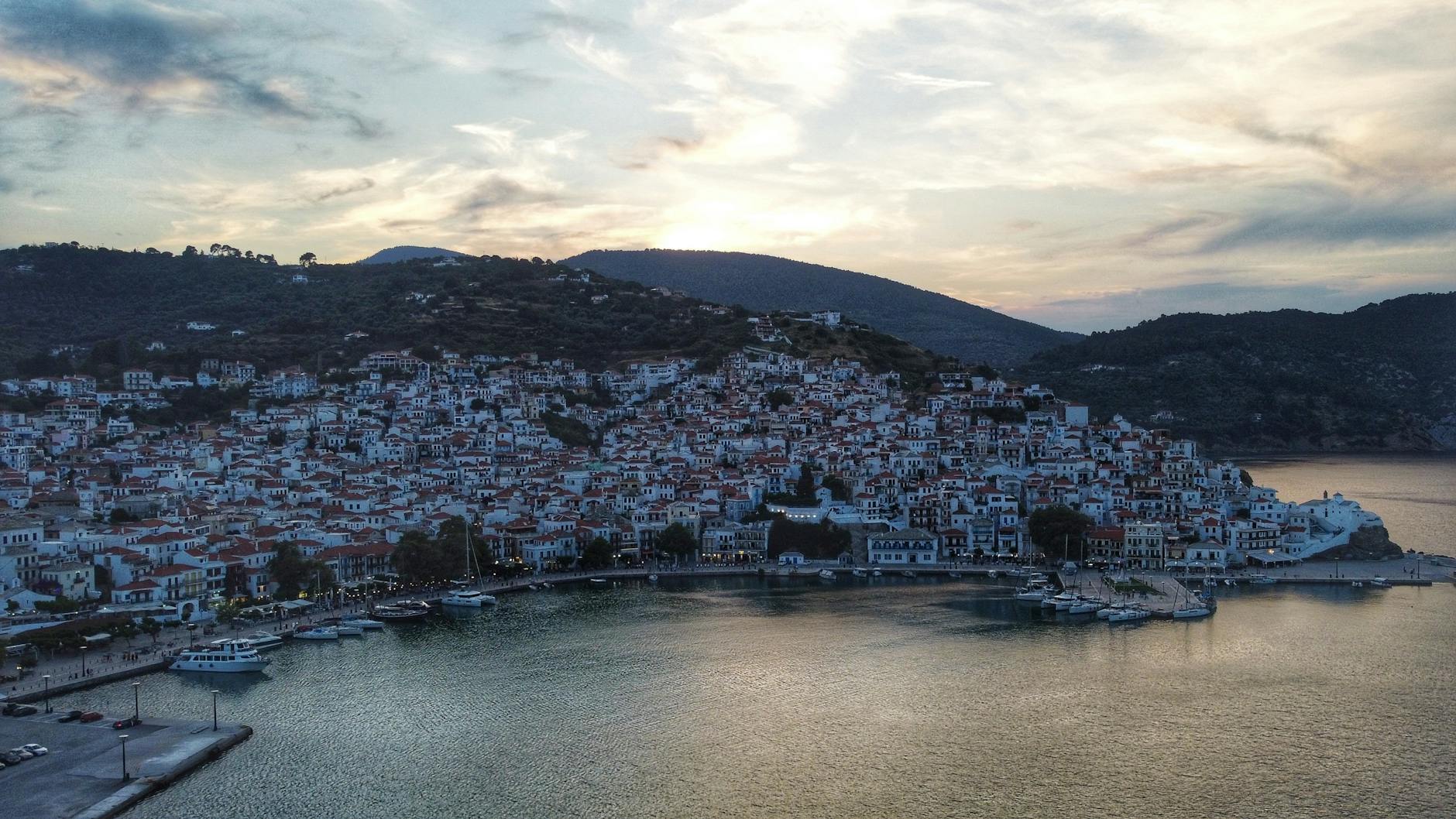
Made famous briefly by the filming of Mamma Mia, Skopelos quickly returned to its quiet rhythms and today remains one of the most genuinely unspoiled islands in the Aegean. Its main town is a cascade of whitewashed and blue-shuttered houses climbing a steep hillside above the harbor, punctuated by over a hundred small churches that give it an otherworldly density of devotional architecture. The interior of the island is covered in dense pine forest that runs all the way down to secluded pebble coves rarely marked on standard tourist maps. Local plum preserves, fresh seafood and a handful of family-run tavernas with honest cooking make the food experience genuinely rewarding. Ferry connections from Athens via Alonissos have improved, and visitor numbers are trending upward.
Gjirokastra, Albania
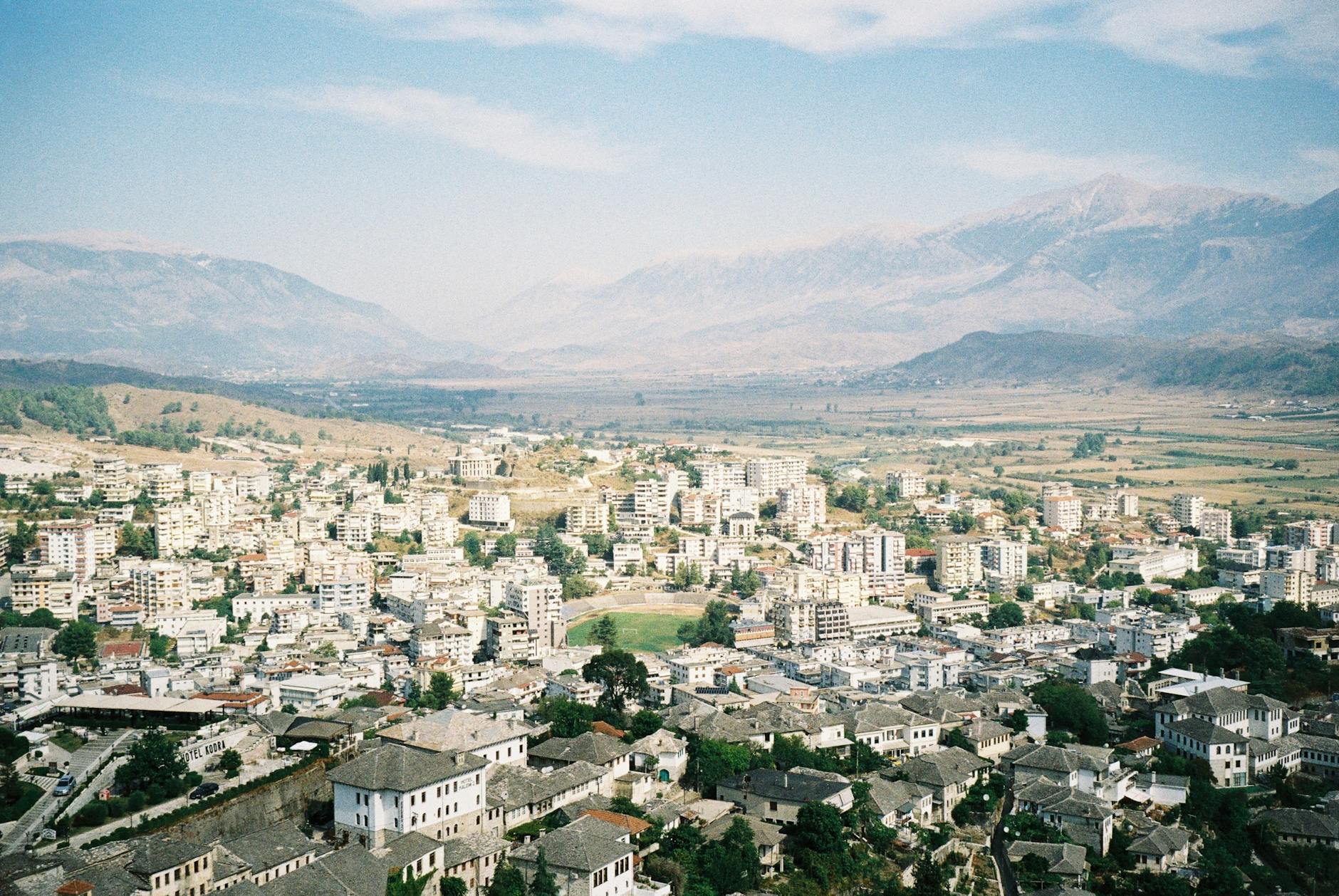
Carved into a mountain valley in southern Albania and protected by a UNESCO World Heritage designation, Gjirokastra is a town of haunting architectural beauty built almost entirely from local grey stone. Its steeply stacked Ottoman-era tower houses rise toward an imposing hilltop castle that contains a small military museum and a remarkably preserved collection of traditional Albanian domestic interiors. The birthplace of both the communist dictator Enver Hoxha and the Nobel Prize-nominated writer Ismail Kadare, Gjirokastra carries an unusually complex and layered cultural identity. The surrounding region offers access to the ancient ruins of Butrint on one side and the wild Vjosa River valley on the other, making it an excellent hub for deeper exploration. Albania’s continued emergence as a travel destination means that word about Gjirokastra is spreading at pace.
Lublin, Poland
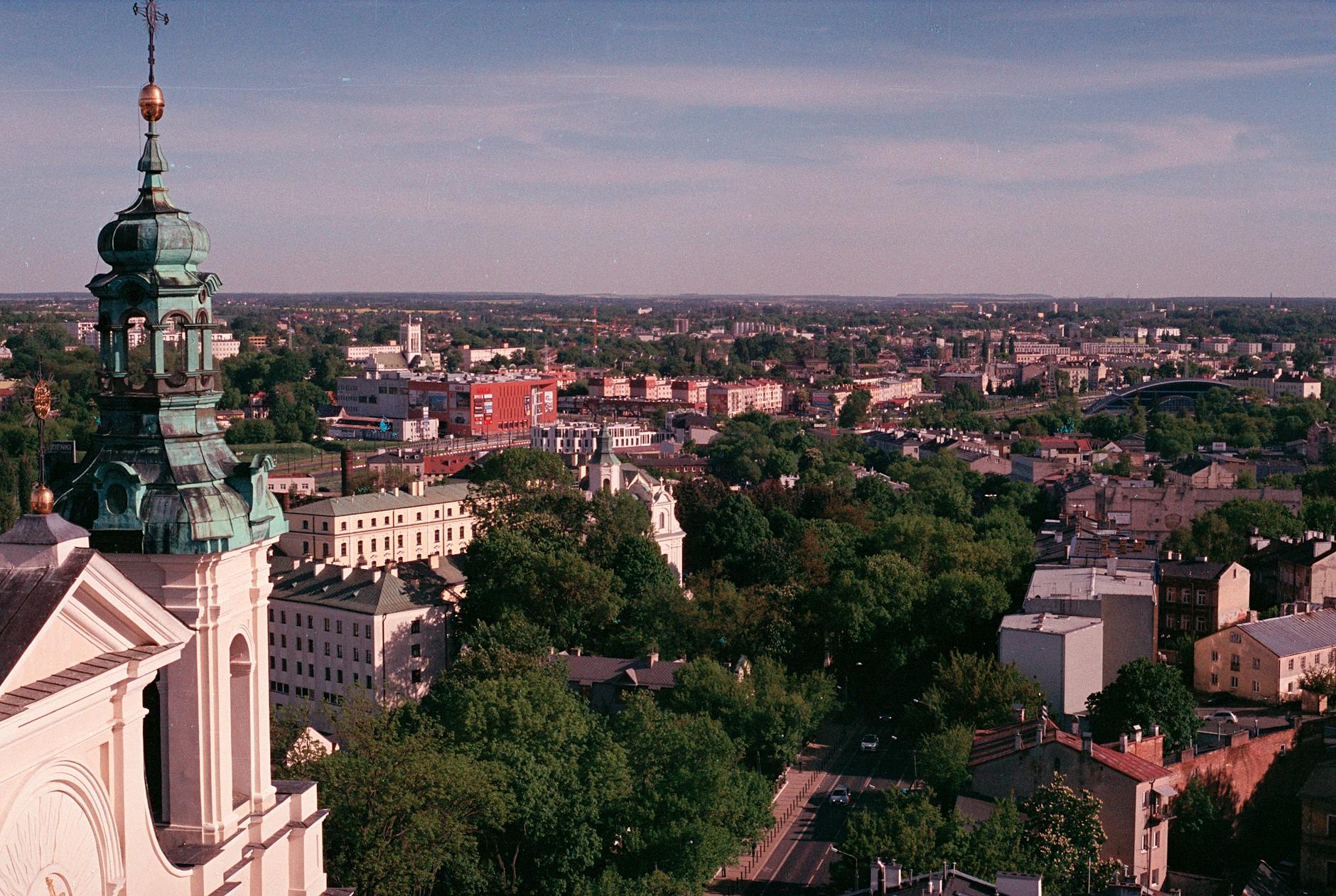
One of Poland’s oldest and most historically layered cities, Lublin sits in the eastern part of the country and receives a fraction of the international attention that Krakow and Warsaw attract despite having a remarkably rich historic center. Its Royal Castle houses an extraordinary Gothic chapel with Byzantine-influenced frescoes of exceptional quality that art historians regard as among the finest medieval artworks in Central Europe. The old town is compact and beautifully preserved, centered on a colorful market square and connected to the castle by a medieval gateway that frames views worth stopping for. A large student population drawn by several major universities gives the city a contemporary vitality that coexists comfortably with its heritage layers. Western European travelers are only beginning to discover its considerable appeal.
The Azores, Portugal
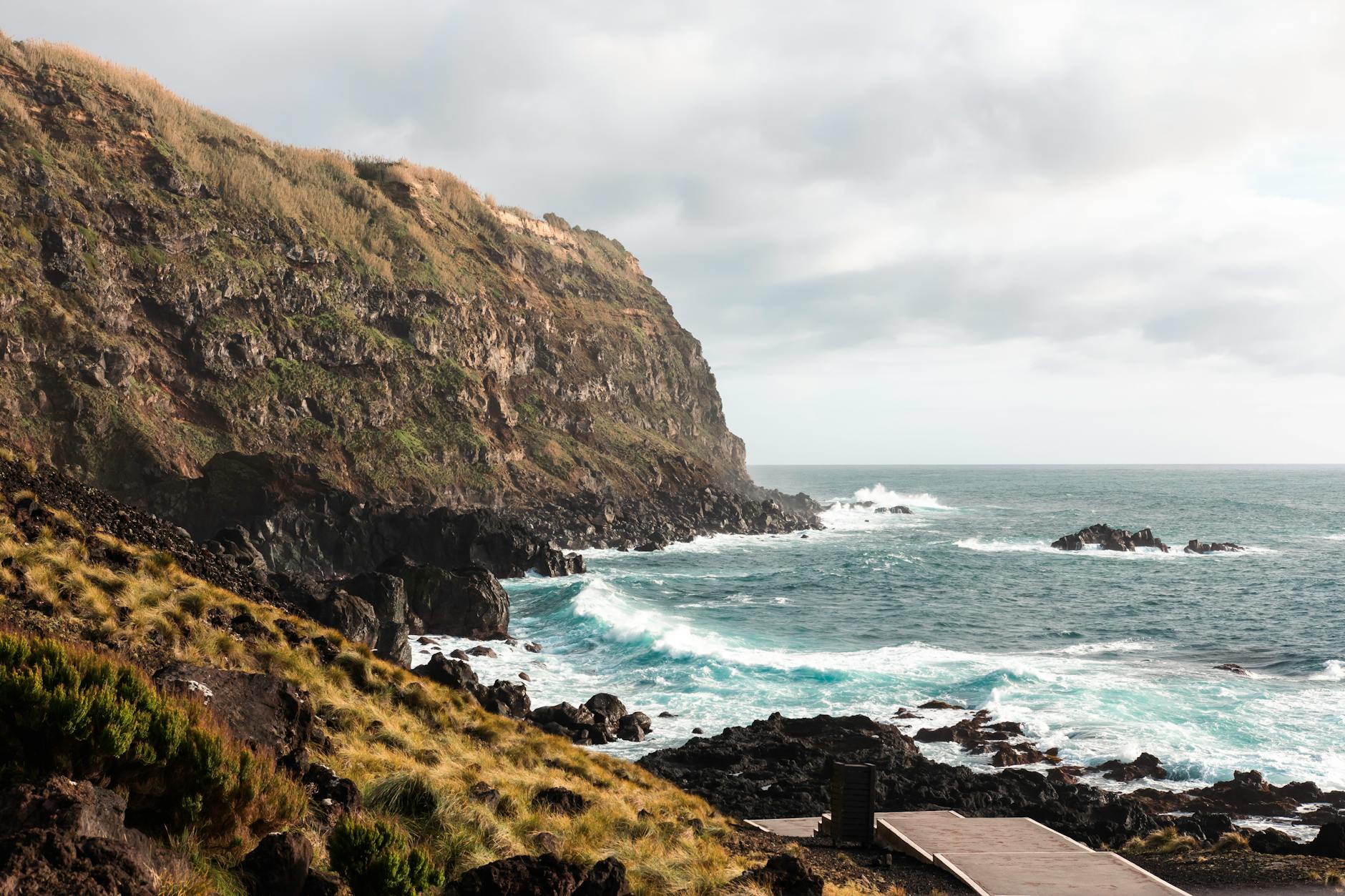
This Portuguese archipelago of nine volcanic islands rising from the middle of the Atlantic Ocean offers a landscape of such raw geological drama that comparisons to more distant destinations become entirely unnecessary. Crater lakes shimmering in greens and blues, steaming geothermal fields, waterfalls cutting through lush hydrangea-bordered valleys and black sand beaches formed by ancient lava flows create a visual variety that feels endlessly surprising. The islands sit at the meeting point of three tectonic plates, making them one of the best whale watching destinations in the entire world. São Miguel is the most accessible island and the most visited, but the outer islands of Flores and Corvo remain remarkably off the beaten path. Transatlantic flight connections are multiplying as the islands gain recognition among international travelers.
Olomouc, Czech Republic

Often described as a smaller and less-visited version of Prague by travelers lucky enough to find it, Olomouc is a university city in the Moravian region with a historic core of genuine grandeur. Its Trinity Column is one of the finest examples of Baroque sculpture in Central Europe and earned UNESCO World Heritage status on its own merit. Six elaborate Baroque fountains are scattered through the pedestrianized old town, each one more theatrically ornamented than the last, creating a kind of open-air museum of sculptural ambition. The local specialty of Olomoucké tvarůžky is a pungent ripened cheese with a centuries-old heritage that divides visitors strongly but defines the city’s culinary identity. Czech domestic tourists value it highly while international visitor numbers remain pleasingly modest.
Lecce, Italy
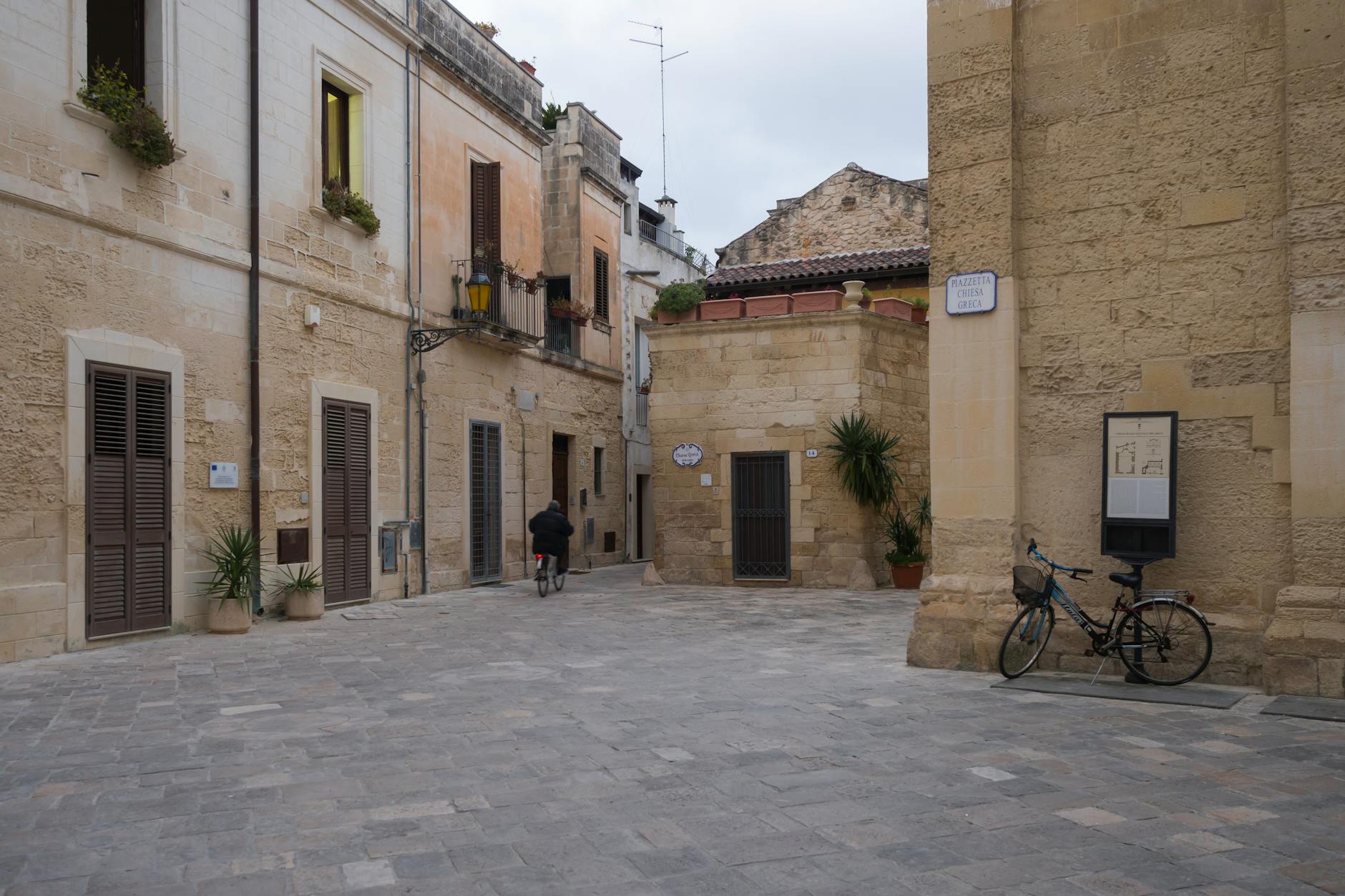
Known as the Florence of the South, Lecce is the capital of Baroque architecture in Italy’s Puglia region and one of the most visually extraordinary cities in the entire country. An abundance of local golden limestone called pietra leccese proved so soft and workable that craftsmen covered virtually every church facade and palazzo in an extravagant layer of carved figures, swirling foliage and theatrical decoration unlike anything found elsewhere in Italy. The surrounding Salento peninsula offers some of the most beautiful sea in the Mediterranean alongside a food culture centered on burrata, orecchiette pasta and outstanding local olive oil. Lecce itself is a working city of real scale and character rather than a preserved museum piece, which gives it an energy that purely tourist destinations often lack. Puglia’s rising profile in international travel media is beginning to shift visitor patterns in the region.
Évora, Portugal
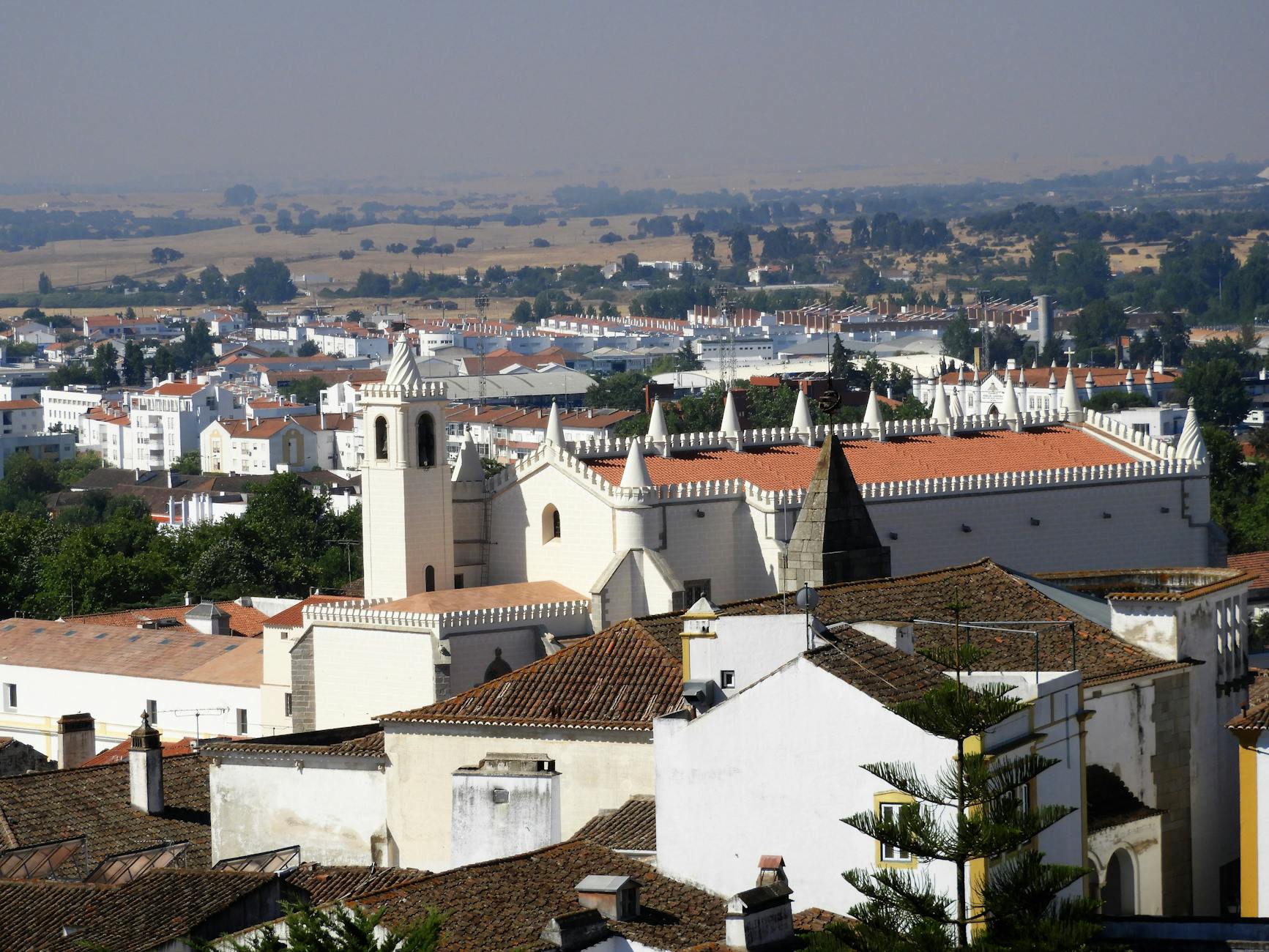
Set in the middle of the sun-bleached Alentejo plain, Évora is a walled Roman city of remarkable completeness whose entire historic center carries UNESCO World Heritage status. A well-preserved Roman temple stands in the center of town alongside a Gothic cathedral, a haunting bone chapel built from the remains of five thousand monks and a web of whitewashed lanes that have changed little in centuries. The surrounding region is Portugal’s premier wine country as well as a producer of outstanding cork, black pork and olive oil, giving the area an almost overwhelming richness of gastronomic interest. Évora receives consistent praise from travelers who make the effort to go beyond Lisbon and the Algarve, yet it remains genuinely quiet compared to the country’s most famous destinations. Growing food tourism across Alentejo is gradually raising its international profile.
Ronda, Spain
Perched on a sheer-sided plateau bisected by a dramatic gorge in the mountains of Andalusia, Ronda is a city whose physical setting is so extreme that it feels more like a work of imagination than a real place. The Puente Nuevo bridge spanning the El Tajo gorge at a height of over a hundred metres is one of the most photographed structures in Spain and frames views of astonishing verticality in every direction. The old Moorish quarter of La Ciudad contains a wealth of historic architecture including a thirteenth-century Arab baths complex in exceptional preservation. Ronda is also one of the birthplaces of modern bullfighting and its eighteenth-century bullring is considered the most architecturally significant in the country. Day trips from the Costa del Sol have always brought crowds but overnight stays and slow travel in the surrounding Serranía de Ronda remain surprisingly quiet.
Cavtat, Croatia
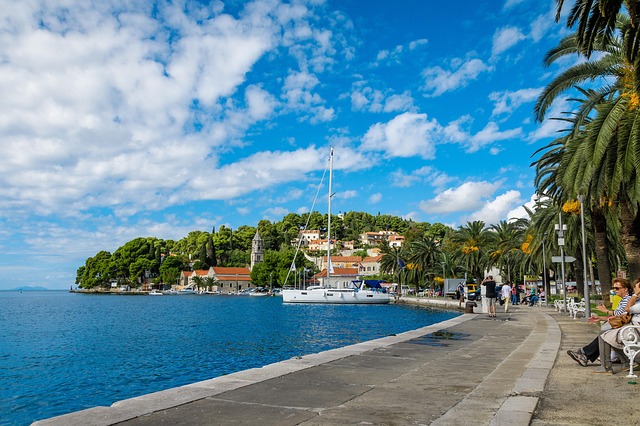
Sitting just fifteen kilometres south of Dubrovnik, Cavtat is a small walled town on a wooded peninsula that offers much of the Adriatic character of its famous neighbor at a fraction of the visitor pressure. Its waterfront promenade lined with palm trees and open-air restaurant terraces has an ease and warmth that Dubrovnik has largely lost to overtourism in recent years. The town contains the mausoleum designed by the celebrated Croatian sculptor Ivan Meštrović for the Račić family, a work of such beauty and emotional intensity that it alone justifies the journey. Cavtat was the original Roman settlement in the area before Dubrovnik was founded, giving it a layered historical identity that rewards the curious traveler. Its position as an alternative to Dubrovnik is becoming better known, meaning the window of relative quiet may be closing.
Sibiu, Romania
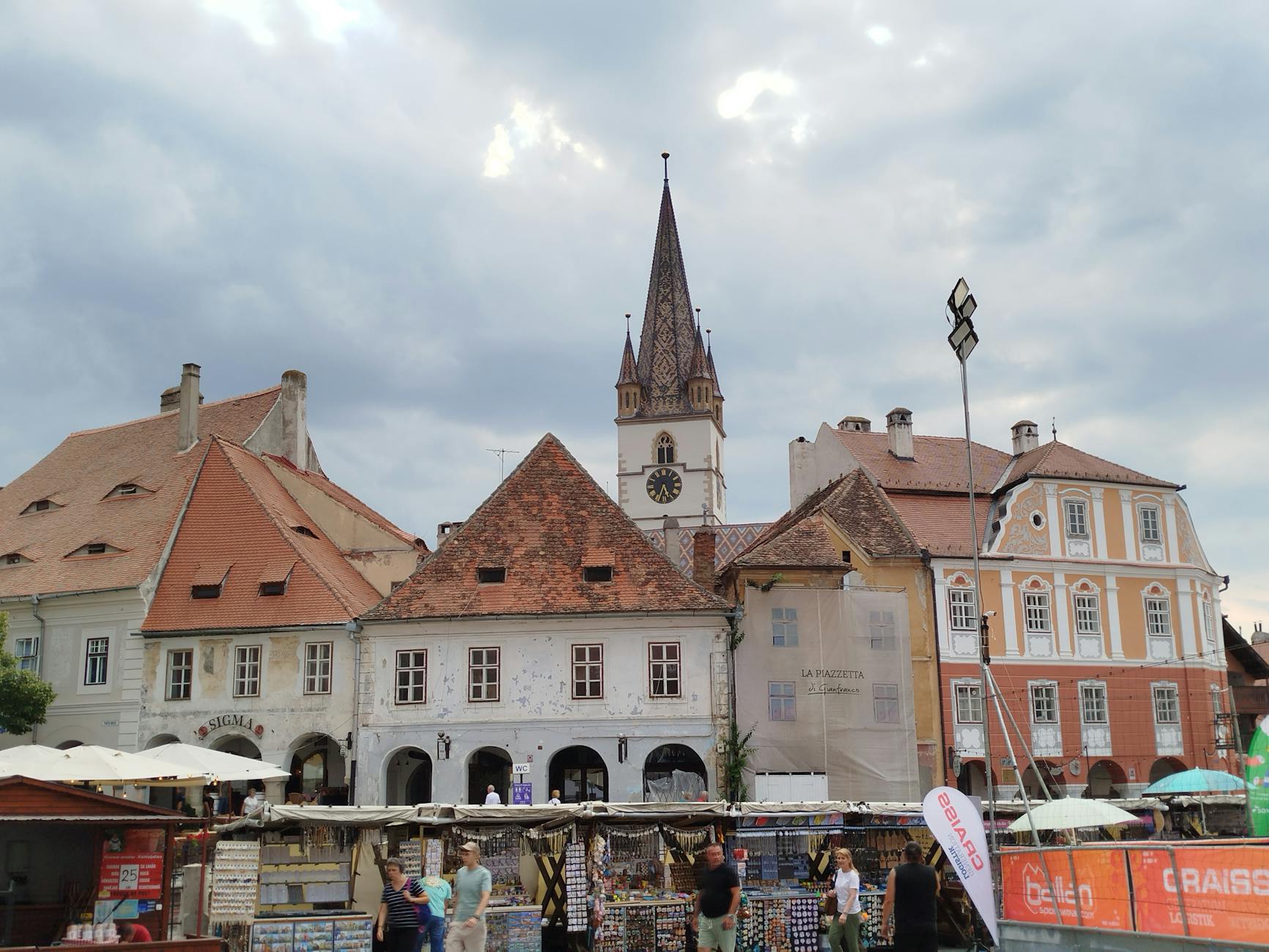
One of the most complete and beautiful medieval towns in Central Europe, Sibiu sits in the Transylvanian region of Romania and served as a European Capital of Culture in 2007, an experience that accelerated its development without fundamentally altering its character. Two historic squares connected by a vaulted passage form the heart of a German Saxon old town whose towers, merchants’ halls and Baroque facades have survived in exceptional condition. The surrounding Transylvanian countryside offers outstanding hiking, medieval fortified churches and castle visits including the legendary Bran Castle, making Sibiu an excellent base for regional exploration. The city has a sophisticated arts and cultural calendar including one of Eastern Europe’s most respected international theater festivals. Romania’s growing reputation as a travel destination means that Sibiu is attracting greater attention than at any previous point in its recent history.
Locarno, Switzerland
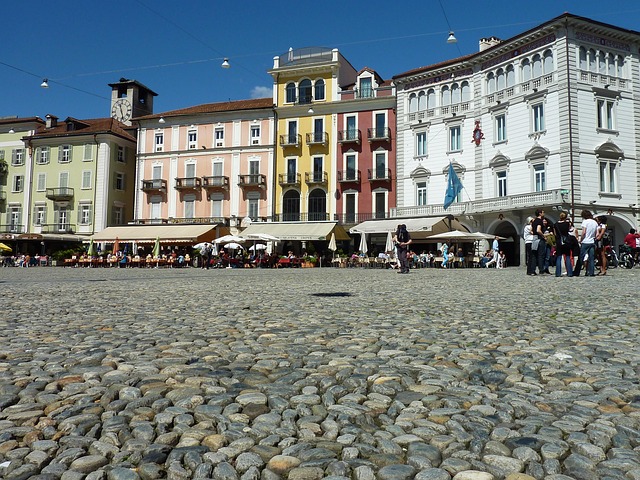
Sitting at the northern end of Lake Maggiore where Switzerland meets northern Italy, Locarno is a sun-drenched lakeside town that enjoys the warmest climate in the entire country and a cultural atmosphere shaped more by its Italian-speaking Ticinese heritage than by the Swiss interior. Its old town of arcaded piazzas, terracotta rooftops and subtropical vegetation growing along the lakefront has a Mediterranean quality that consistently surprises visitors arriving from the alpine north. The town is home to one of the world’s most prestigious film festivals, held each August in a spectacular open-air piazza with audiences of thousands gathered beneath the stars. Boat trips on the lake connect Locarno with the Borromean Islands and the outstanding gardens of Isola Bella. Its combination of Swiss accessibility and Italian character remains far less appreciated internationally than it deserves.
Visby, Sweden
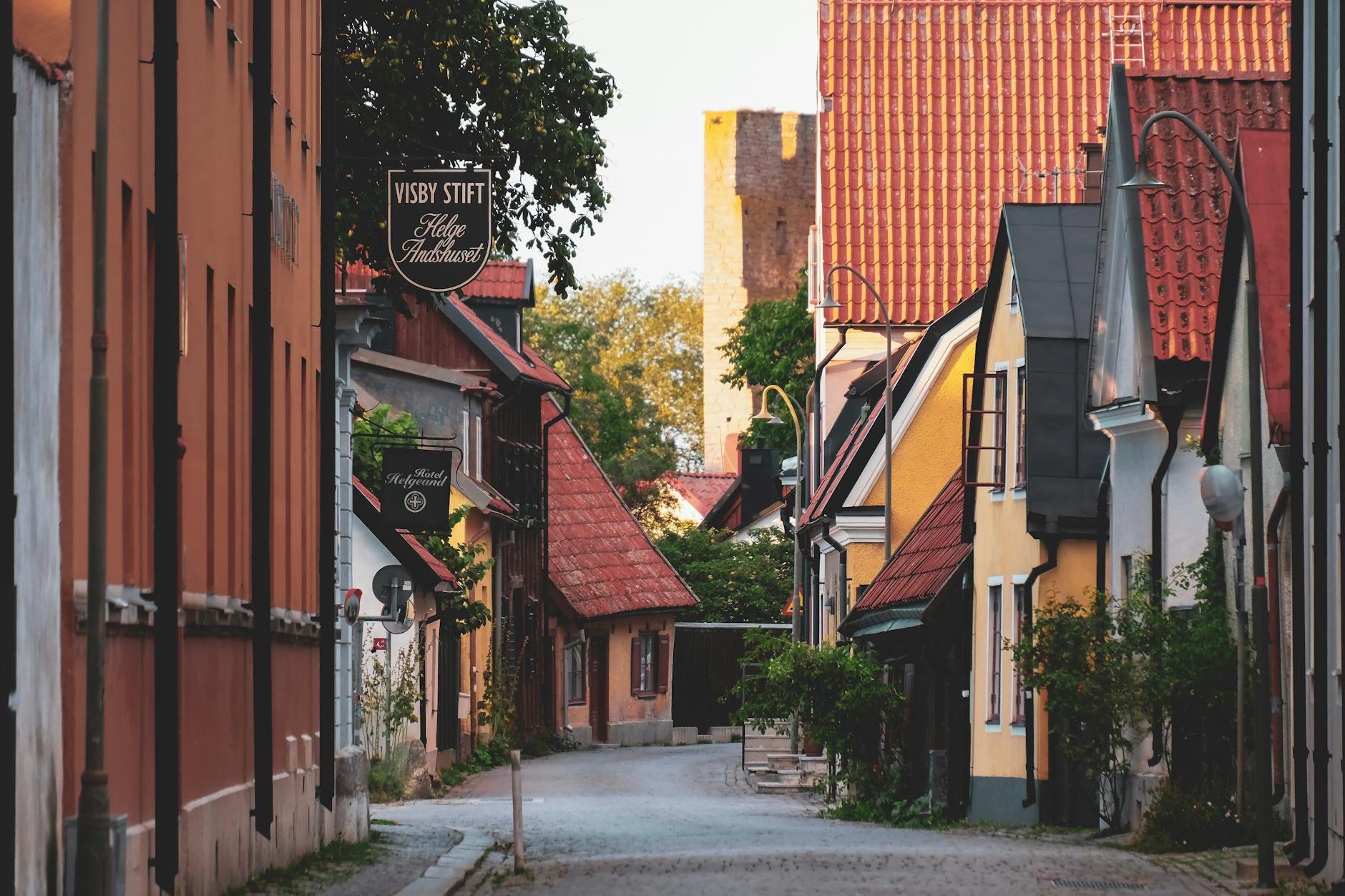
The medieval walled city of Visby on the Swedish island of Gotland in the Baltic Sea is one of the best-preserved Hanseatic trading towns in Northern Europe and carries UNESCO World Heritage status for the exceptional quality of its town walls and Gothic church ruins. Dozens of roofless medieval church shells scattered across the city create a haunting and poetic landscape of ruined arches and overgrown naves that gives Visby an atmosphere unlike any other Scandinavian town. The island itself offers a flat and cycle-friendly landscape of limestone formations, sandy beaches, ancient rune stones and a culinary scene built on Baltic seafood and locally grown produce. July brings the famous Medieval Week festival, transforming the old town into a theatrical immersion in fourteenth-century culture complete with jousting, markets and period costume. Gotland is enormously popular with Swedes but remains genuinely undiscovered by most international visitors.
Sintra, Portugal
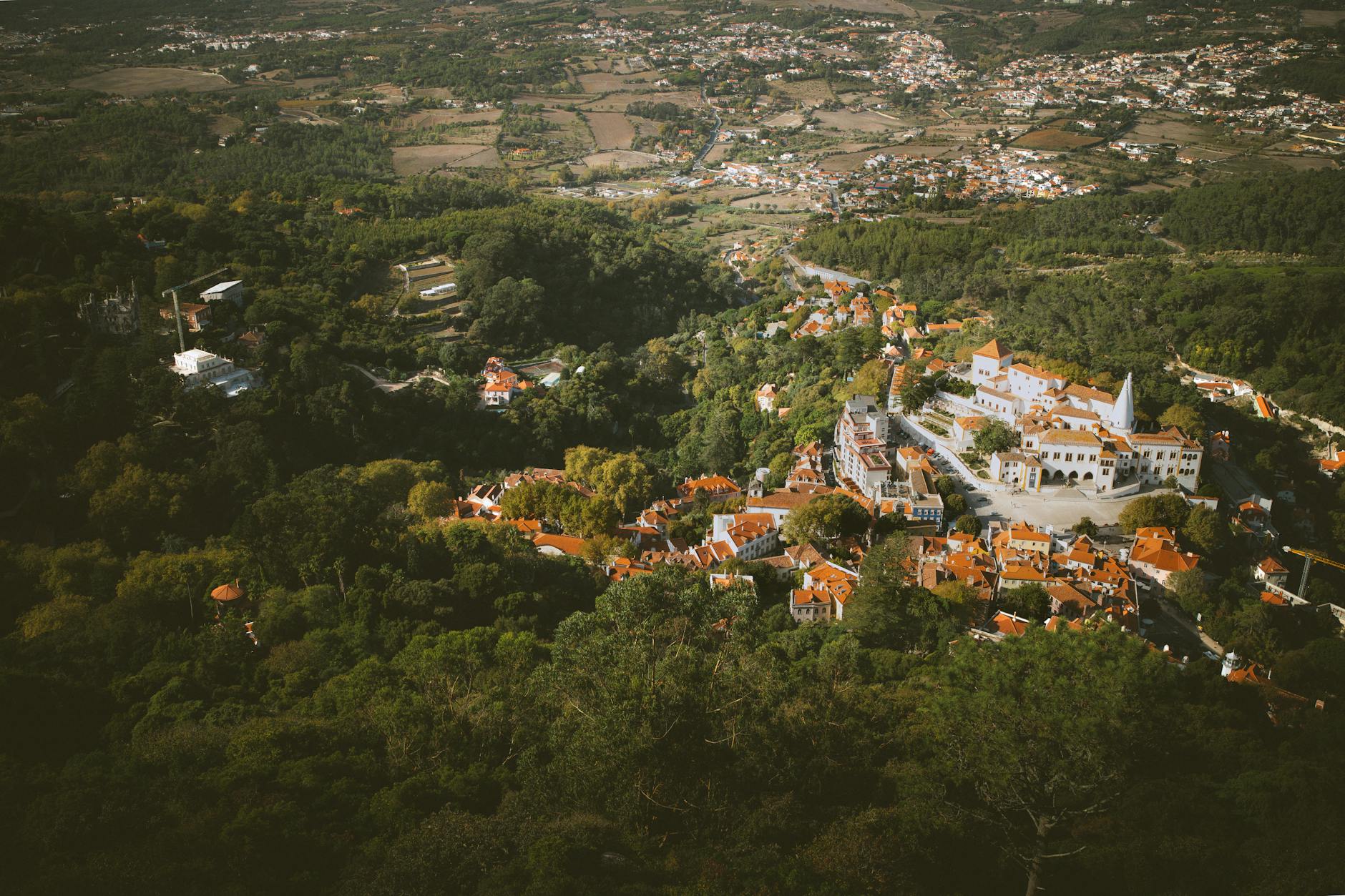
Cascading down forested hillsides thirty kilometres west of Lisbon, Sintra is a UNESCO World Heritage cultural landscape of royal palaces, Romanticist follies and Moorish castle ruins wrapped in Atlantic mist and subtropical gardens of extraordinary richness. The brightly colored Pena Palace sitting on the highest peak of the Serra de Sintra is one of the most flamboyant pieces of nineteenth-century architecture in Europe, visible for miles in clear weather and startling at close quarters. The village center below contains historic pastry shops producing the famous travesseiros and queijadas that have been made to the same recipes for centuries. Sintra is already experiencing significant visitor pressure from Lisbon day-trippers, with peak season crowds making the palace queues genuinely challenging. Arriving early in the morning or traveling in the off-season months of late autumn and winter still makes it possible to experience the landscape in something close to its intended contemplative mood.
Sighișoara, Romania
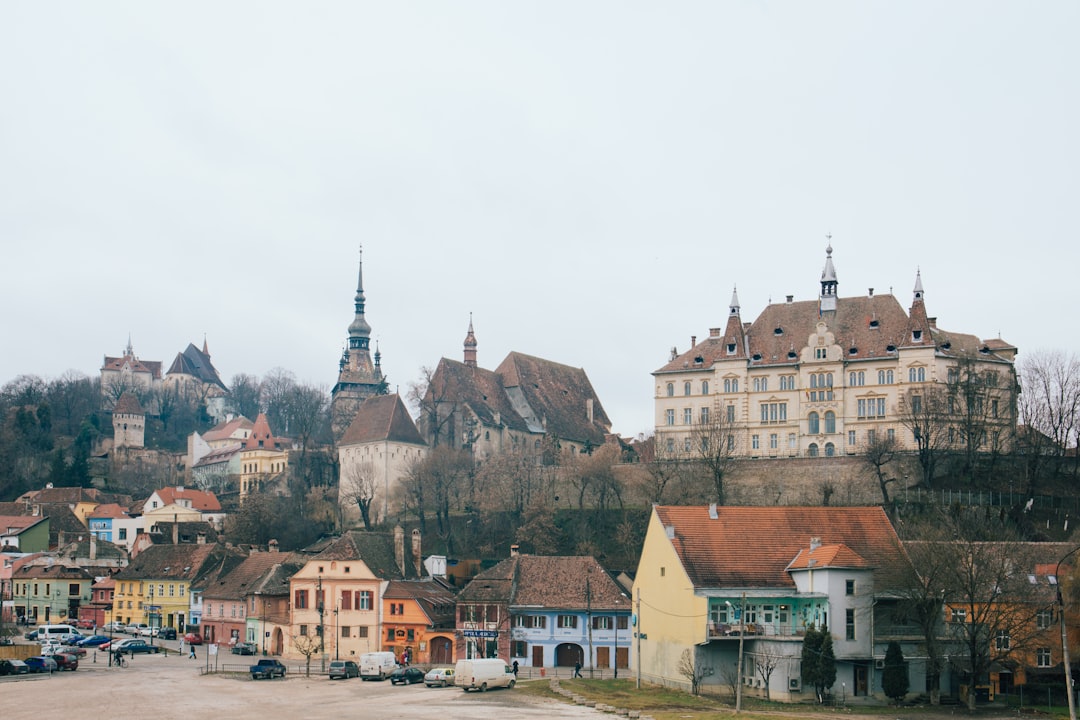
The only continuously inhabited medieval citadel in Europe, Sighișoara rises above the Transylvanian plain on a hilltop of cobblestone lanes, painted Saxon burgher houses and defensive towers that have stood since the twelfth century. Its remarkably complete state of preservation earned it UNESCO World Heritage status and gives the upper town a quality of visual authenticity that feels genuinely rare in a continent where so many historic centers have been reconstructed or compromised by modern development. The clock tower at the entrance to the citadel contains a museum of local history and offers panoramic views over the lower town and the surrounding hills at any time of year. Sighișoara is said to be the birthplace of Vlad III, the historical figure who inspired the Dracula legend, which adds an element of gothic mythology to an already richly textured destination. International visitor numbers are rising as Romania’s travel reputation grows, making now an excellent moment to go.
If any of these hidden gems are already on your radar or if you have discovered a European destination you think deserves a place on this list, share your thoughts in the comments.