From runway trends to viral social media challenges, many widely accepted beauty ideals carry serious health consequences that are rarely discussed openly. The pressure to conform to certain physical appearances has driven millions of people toward practices that can cause lasting physical and psychological harm. Dermatologists, nutritionists, and medical professionals have increasingly raised concerns about the beauty rituals society normalizes every day. Understanding the health risks behind these standards is an important step toward making more informed choices about personal care and body image.
Extreme Thinness

The glorification of extremely low body weight has long been embedded in fashion and media culture. Achieving and maintaining dangerously low body fat levels can result in malnutrition, bone density loss, and hormonal disruption. Organ function can be severely compromised when the body is deprived of adequate caloric and nutritional intake. Medical communities worldwide have linked the thin ideal directly to rising rates of eating disorders including anorexia and bulimia. The psychological toll of chasing this standard compounds the physical damage significantly.
Skin Bleaching

Skin lightening products are widely used across parts of Africa, Asia, Latin America, and the Caribbean in pursuit of lighter complexions. Many of these products contain mercury, hydroquinone, or corticosteroids at levels that are considered unsafe by health regulators. Prolonged use has been connected to kidney damage, nerve damage, and increased vulnerability to skin infections. The practice can also cause paradoxical darkening or permanent discoloration over time. Regulatory agencies in numerous countries have issued warnings and bans against many commercially available formulas.
Waist Training

Waist trainers and corsets have surged in popularity due to heavy promotion by influencers and celebrities on social media platforms. Wearing these devices for extended periods compresses the ribs, stomach, and surrounding organs into unnatural positions. Prolonged compression can impair breathing capacity and reduce lung function during physical activity. Consistent use has been associated with acid reflux, digestive issues, and weakened core muscles over time. Orthopedic and respiratory specialists have repeatedly cautioned against their use as a body-shaping tool.
Tanning
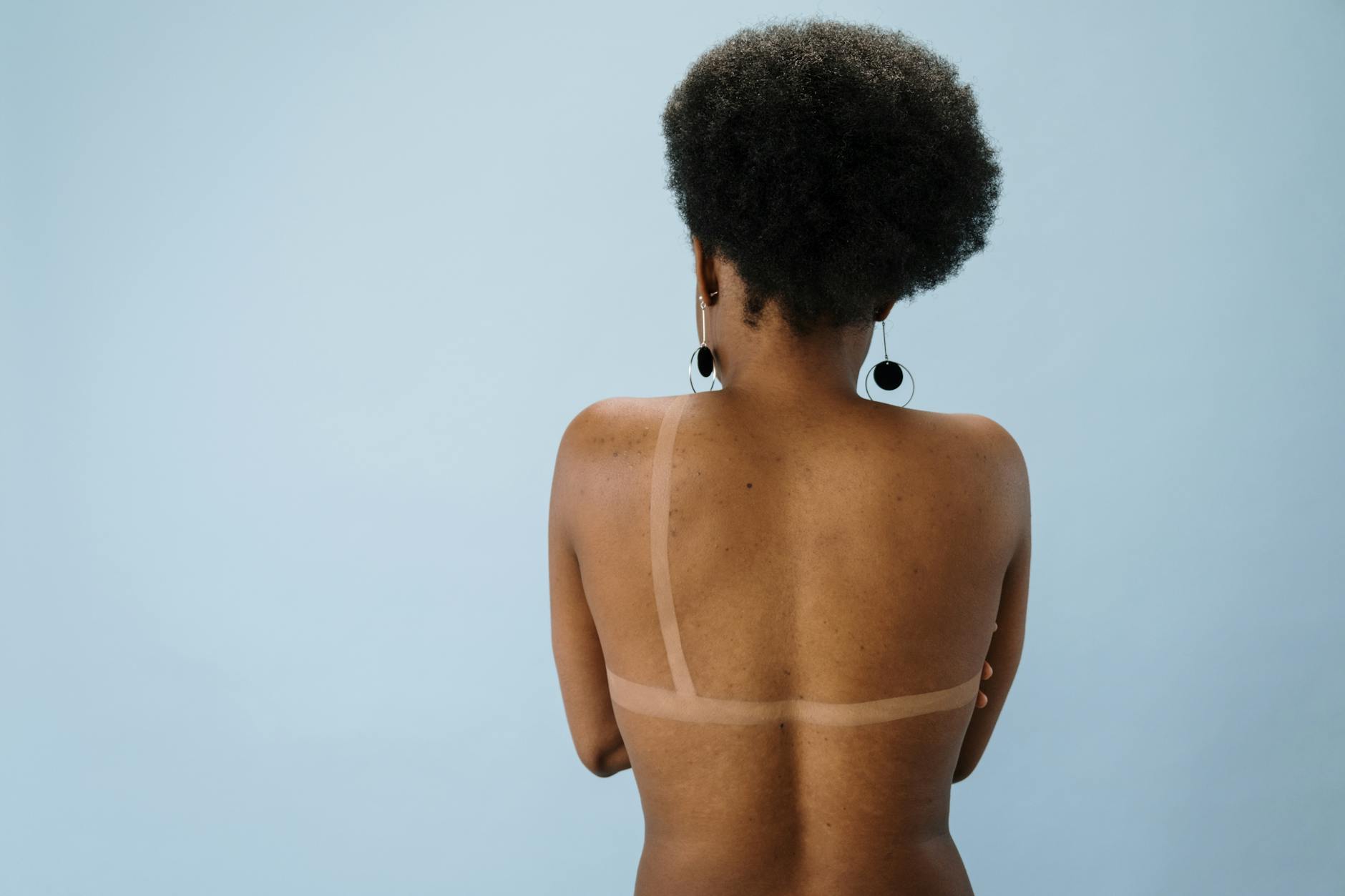
A deep golden tan became a symbol of health and attractiveness in Western cultures beginning in the mid-twentieth century. Ultraviolet radiation from both sun exposure and tanning beds causes direct DNA damage to skin cells with each session. This cellular damage accumulates over time and dramatically increases the risk of melanoma and other skin cancers. Premature aging, including deep wrinkles and hyperpigmentation, is a well-documented consequence of habitual tanning. Dermatologists classify tanning bed use as a Group 1 carcinogen alongside tobacco smoking.
Heavy Makeup Foundations
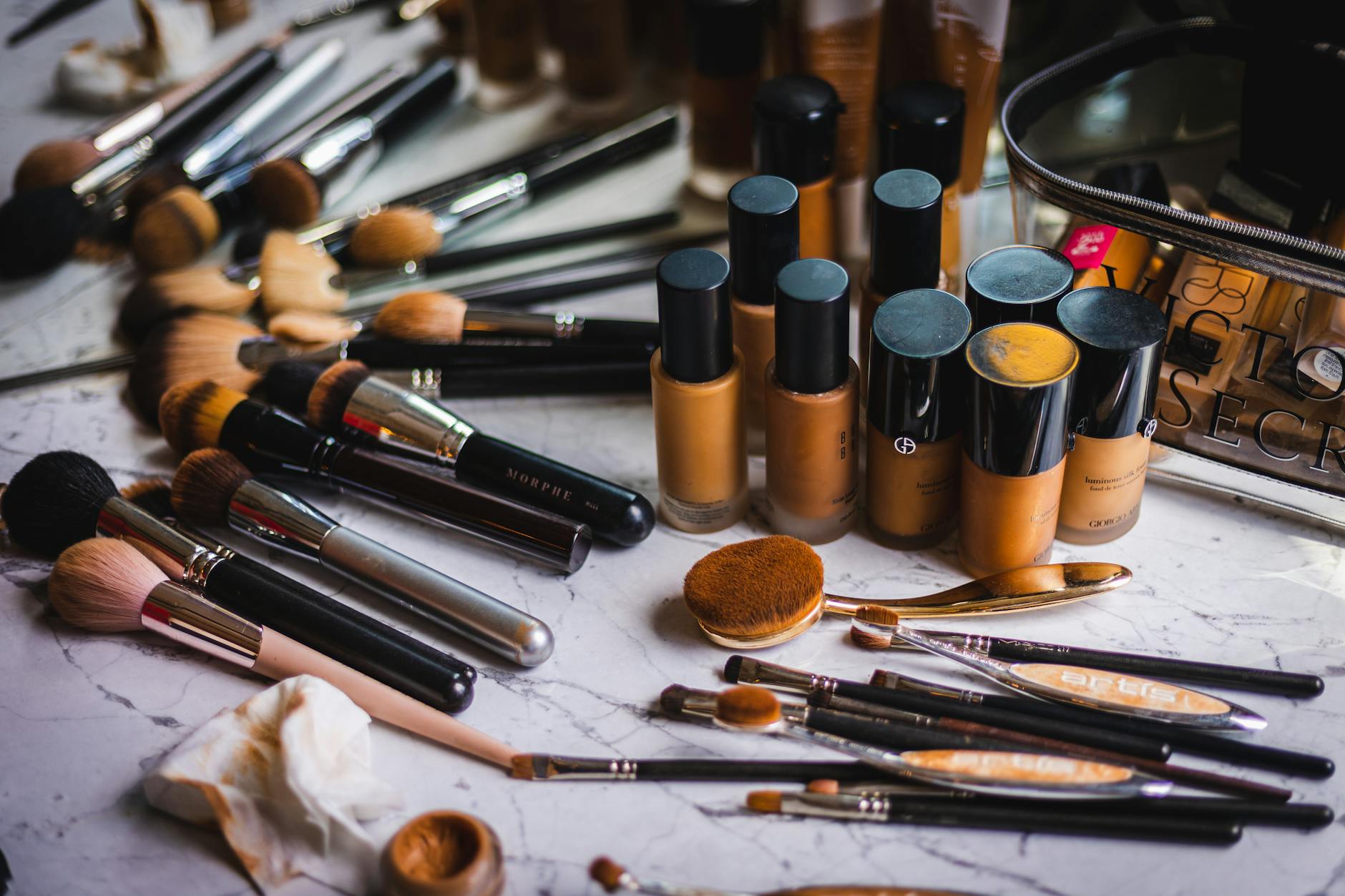
Full-coverage foundations worn daily are a staple of many beauty routines promoted through mainstream media and tutorials. Many conventional formulas contain parabens, synthetic fragrances, heavy metals, and pore-clogging silicones that affect skin health over time. Chronic use can disrupt the skin barrier, leading to increased sensitivity, breakouts, and long-term texture changes. Certain chemical ingredients found in foundations have been flagged by researchers for their potential endocrine-disrupting properties. The daily application of multiple layered products increases cumulative chemical exposure considerably.
Hair Relaxers

Chemical hair relaxers have been used for decades to straighten naturally textured and curly hair, particularly among Black women. These products typically contain lye or no-lye formulas with sodium hydroxide or guanidine that chemically alter the hair’s protein structure. Scalp burns, alopecia, and chronic scalp inflammation are among the most frequently reported side effects from regular use. Recent large-scale studies have investigated associations between long-term relaxer use and elevated risks of certain hormone-sensitive cancers. Researchers have called for greater regulatory scrutiny of the chemical compounds present in these formulations.
Nail Enhancements
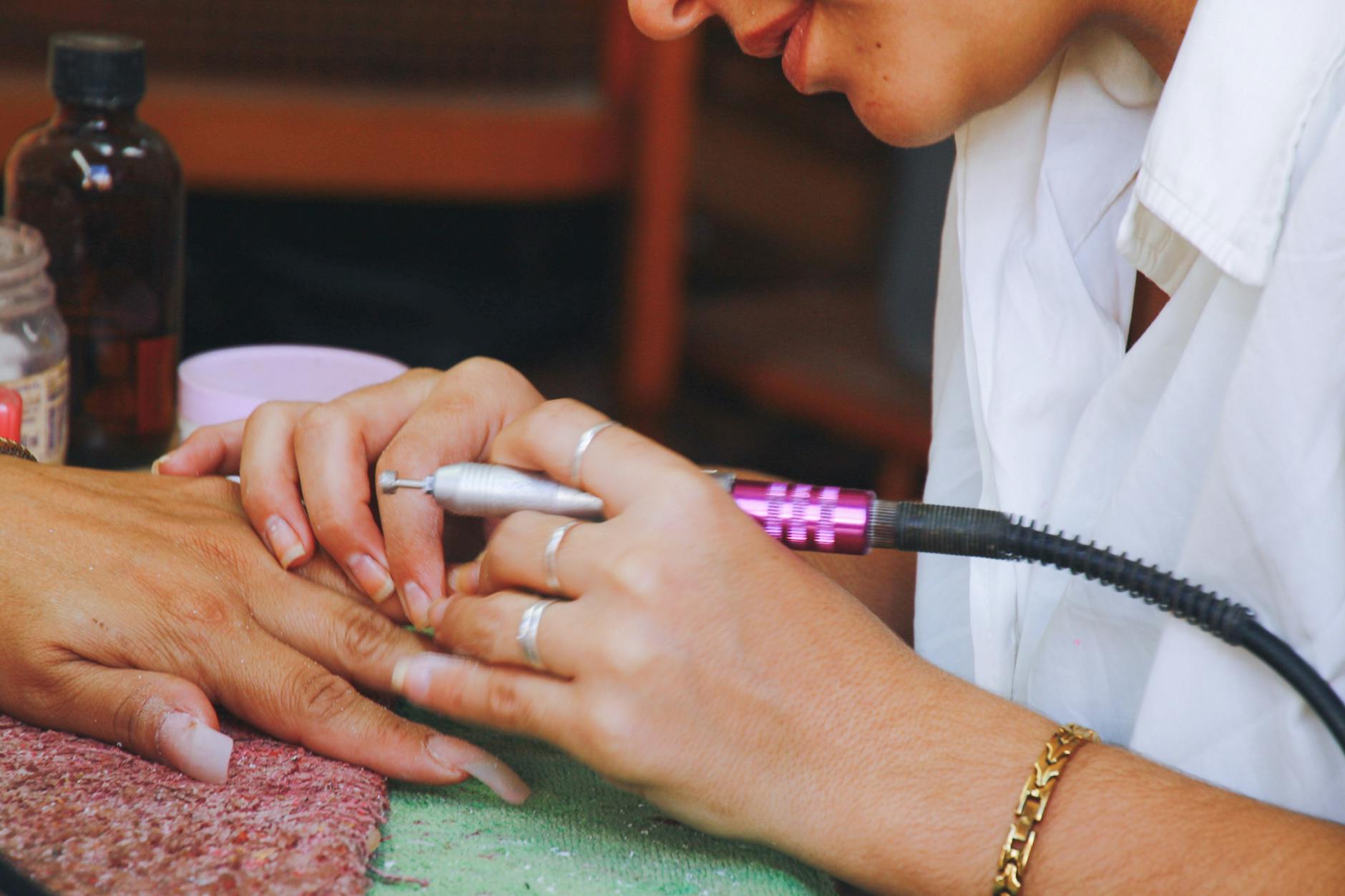
Acrylic and gel nail extensions have become a global standard for manicured and polished appearances. The chemicals used in application and removal processes include methacrylates and acetone-heavy solvents that cause repeated stress to the natural nail plate. Chronic use leads to thinning, brittleness, and permanent damage to the nail bed in many long-term clients. Nail technicians face occupational health risks from sustained inhalation of chemical vapors in poorly ventilated salon environments. Fungal infections beneath enhancements are a common complication when moisture becomes trapped between layers.
Lip Fillers
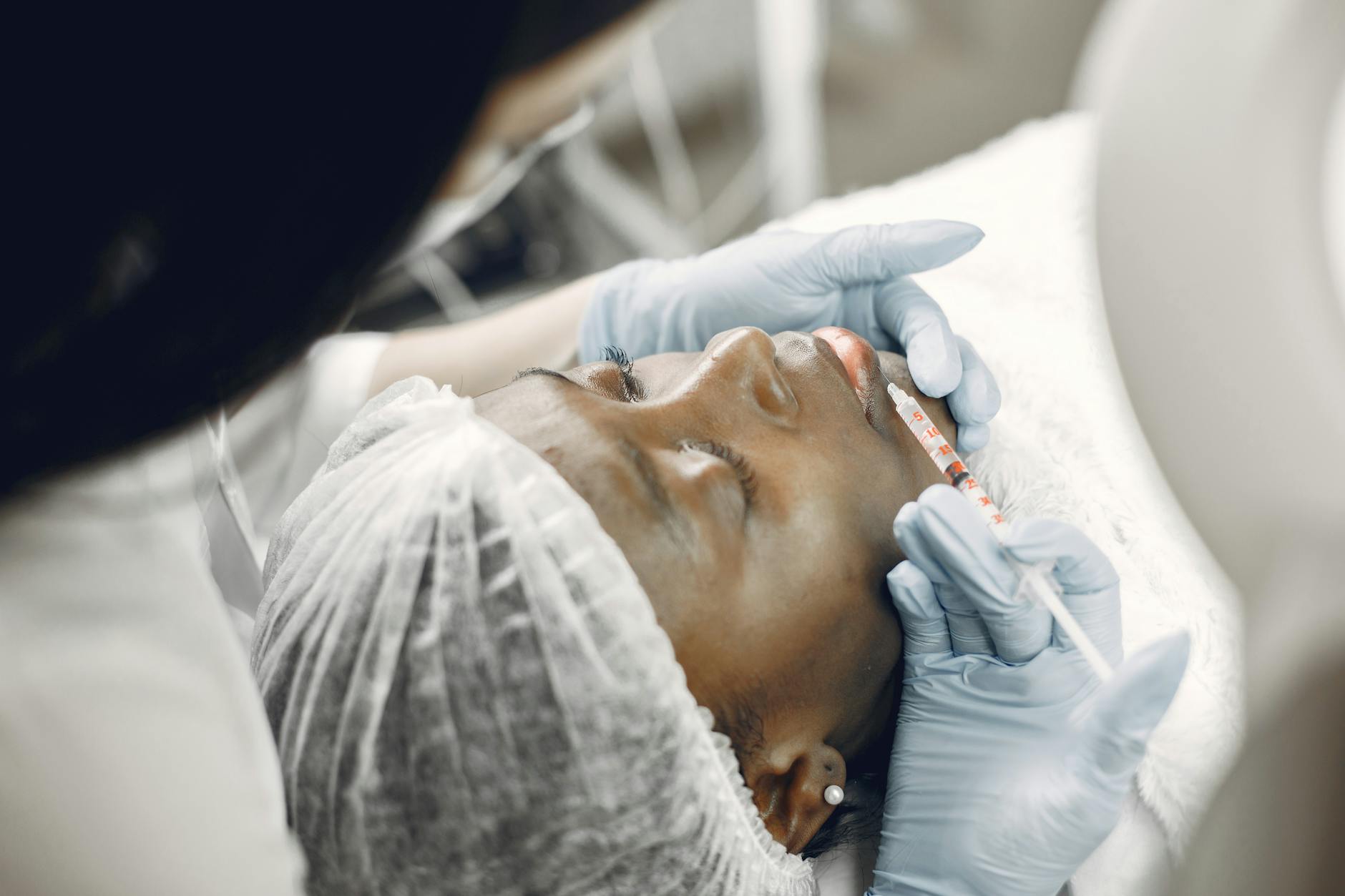
Full lips have become one of the most sought-after facial features in contemporary beauty culture largely influenced by celebrity aesthetics. Injectable hyaluronic acid fillers carry risks including asymmetry, bruising, tissue necrosis, and vascular occlusion when improperly administered. The growing accessibility of cheap or unregulated filler treatments has increased the incidence of serious complications globally. Repeated injections over time can lead to migration of filler material and distortion of natural lip architecture. Medical professionals stress that any injectable procedure carries inherent risks regardless of how routine it appears.
The Thigh Gap

The thigh gap became a widespread aspirational body feature after gaining traction on social media platforms and in fashion imagery. Achieving this look is largely determined by skeletal structure and bone width rather than fat reduction or fitness. Pursuing a thigh gap through extreme dieting or over-exercising can cause hormonal imbalances, stress fractures, and muscle atrophy. Young women in particular are statistically most affected by this trend and its associated disordered behaviors. Health professionals classify thigh gap obsession as a clinically significant body image concern.
Teeth Whitening Overuse
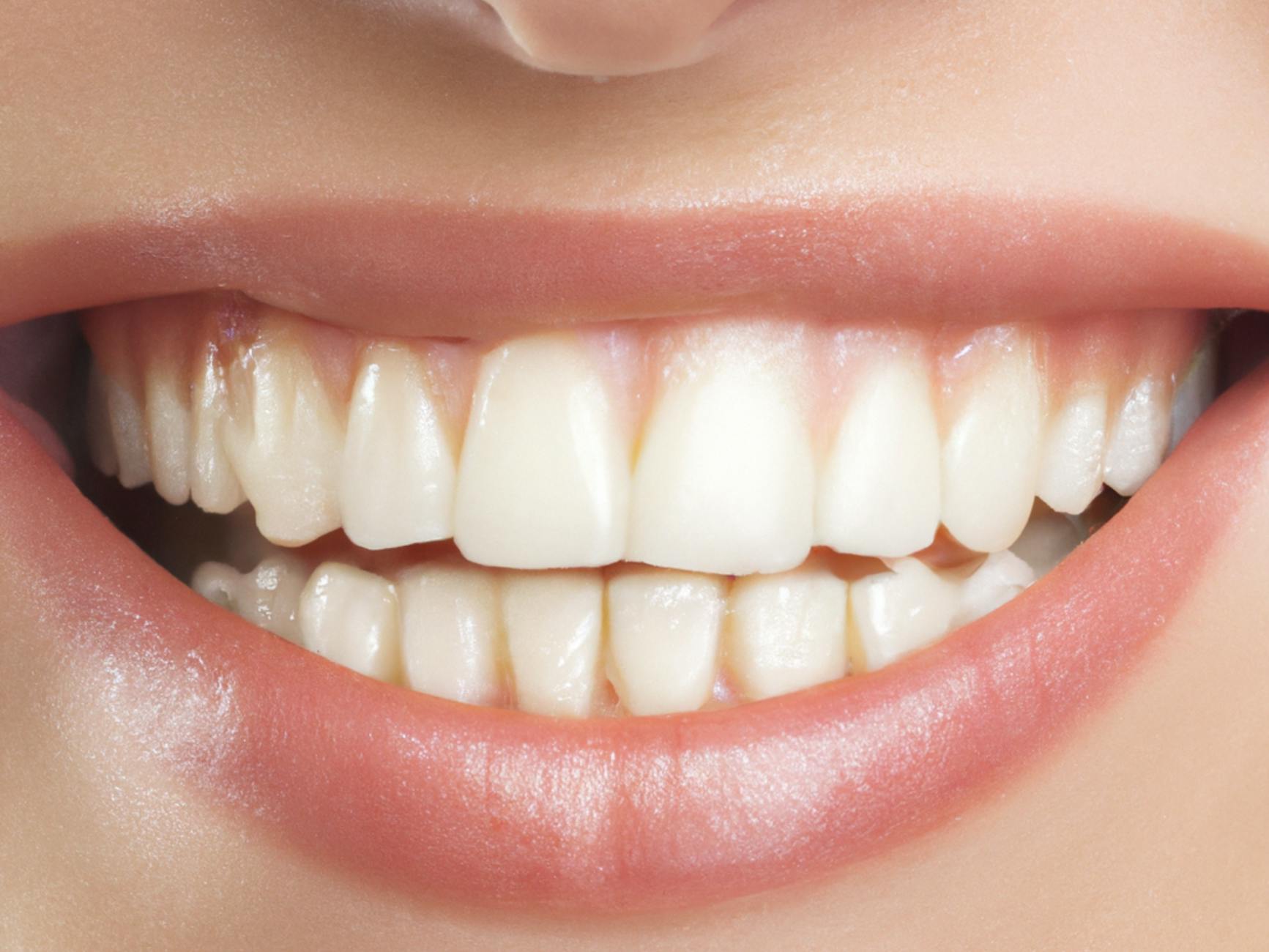
Bright white teeth have become a near-universal beauty expectation reinforced by celebrity culture and advertising. Overuse of bleaching agents containing high concentrations of hydrogen peroxide can severely erode tooth enamel. Enamel loss is irreversible and leads to heightened sensitivity, increased cavity risk, and eventual structural weakness. Unsupervised at-home treatments using unregulated products pose particular risks to gum tissue and oral mucosa. Dental associations recommend whitening be performed infrequently and always under professional supervision.
Extreme Muscle Definition

Hyper-defined physiques featuring minimal body fat and sharply visible musculature are widely celebrated in fitness culture. Achieving extremely low body fat percentages required for this look disrupts essential hormonal processes in both men and women. Women who maintain body fat below healthy thresholds commonly experience loss of menstruation and reduced bone density. Men pursuing extreme leanness often face testosterone suppression, fatigue, and psychological fixation on body composition. Sports medicine professionals note that the aesthetic ideal of extreme definition rarely aligns with optimal physiological health.
Sunken or Hollow Cheeks

High cheekbones with hollow or gaunt facial features have been a recurring ideal in high fashion and editorial photography. This appearance is frequently associated with very low caloric intake and overall low body weight. Facial fat loss is a natural consequence of malnutrition and can indicate serious underlying nutritional deficiencies. Buccal fat removal surgeries pursued to achieve this look are an increasingly popular but irreversible cosmetic procedure. Surgeons have warned that removing buccal fat in younger patients often leads to a prematurely aged appearance in later years.
Lash Extensions
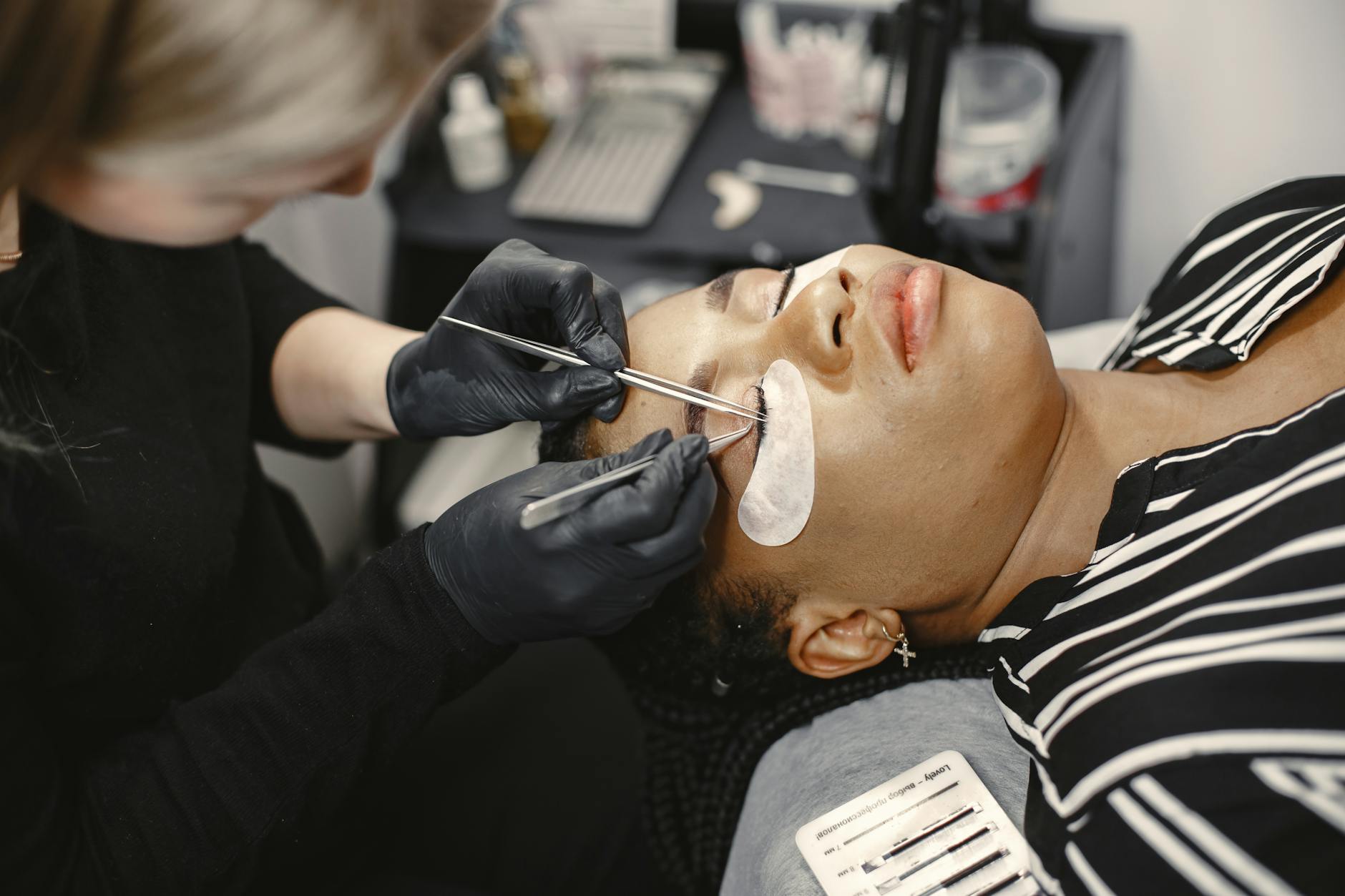
Long, full lashes are a dominant feature of contemporary beauty ideals across cultures and age groups. The adhesives used in professional lash extension application frequently contain formaldehyde-releasing compounds that can irritate eyes and surrounding skin. Traction alopecia of the natural lashes is a common outcome of repeated extension application and removal cycles. Corneal abrasions and infections have been reported when extensions are improperly applied or maintained. Ophthalmologists advise that the eye area requires particular care given its proximity to sensitive ocular structures.
Fat Freezing Trends
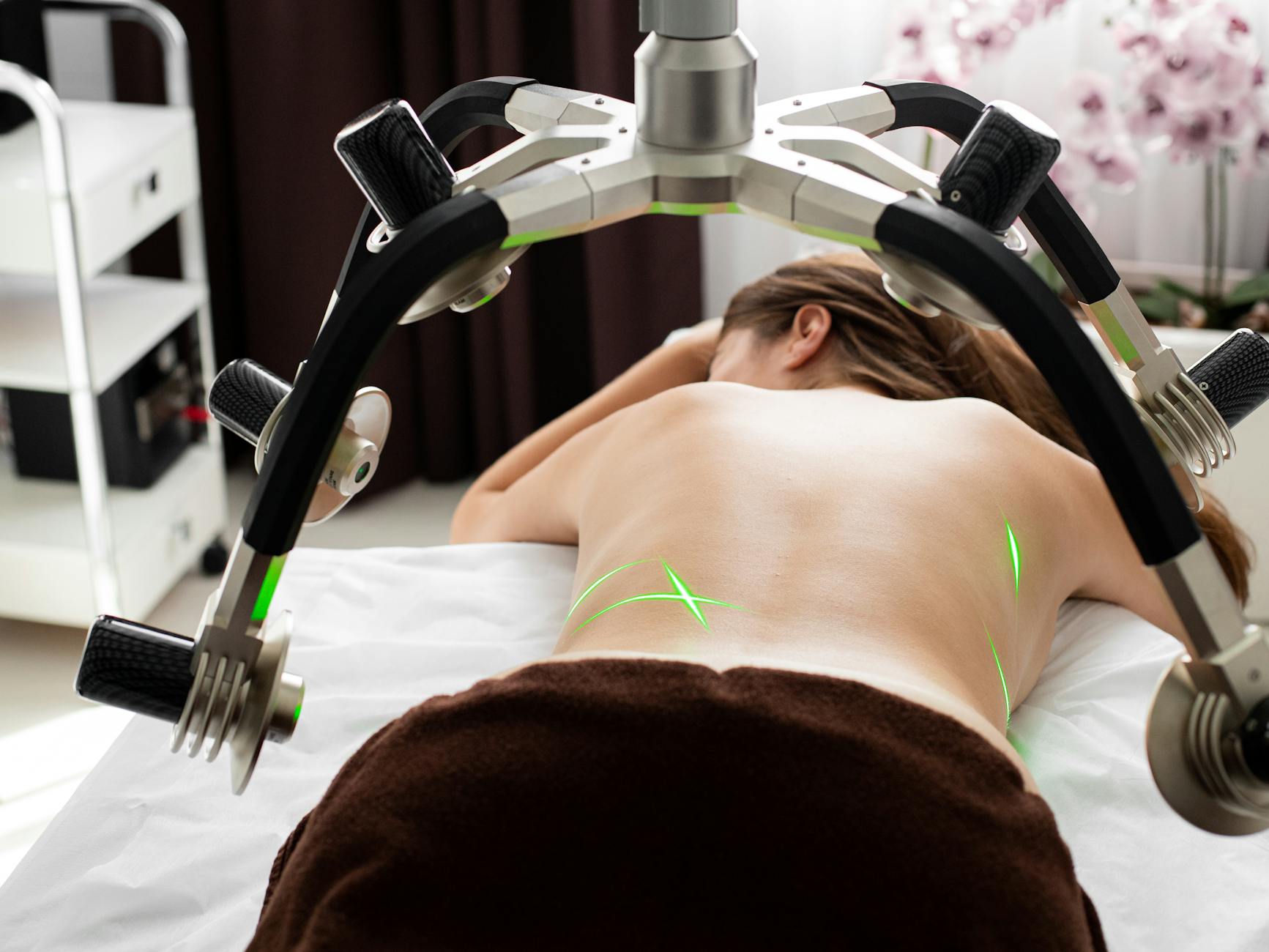
Non-surgical fat reduction procedures like cryolipolysis have grown rapidly in popularity as an accessible body contouring option. A rare but serious side effect known as paradoxical adipose hyperplasia can cause treated fat cells to enlarge rather than reduce. This complication is more common than originally disclosed and often requires surgical correction to address. Patients pursuing these treatments in unregulated or non-clinical settings face significantly elevated safety risks. Consumer advocacy groups have pushed for greater transparency from manufacturers regarding complication rates.
Ribcage Visibility
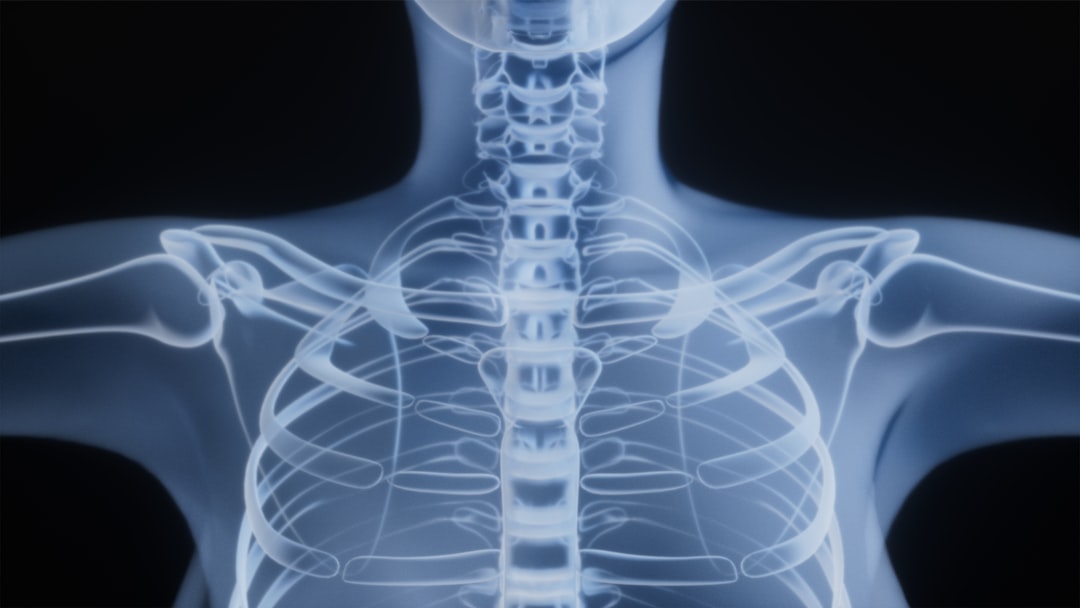
Visible ribs and prominent collarbones have been presented as aspirational body features in fashion editorials and social media content. This degree of thinness typically reflects body fat and muscle mass levels that fall well below healthy medical ranges. The health consequences associated with maintaining this physique include cardiac irregularities, immune suppression, and cognitive impairment. Research consistently identifies media normalization of underweight bodies as a contributing factor to eating disorder development. Clinicians use visible ribcage presentation as a potential clinical indicator of inadequate nutritional status.
Permanent Makeup
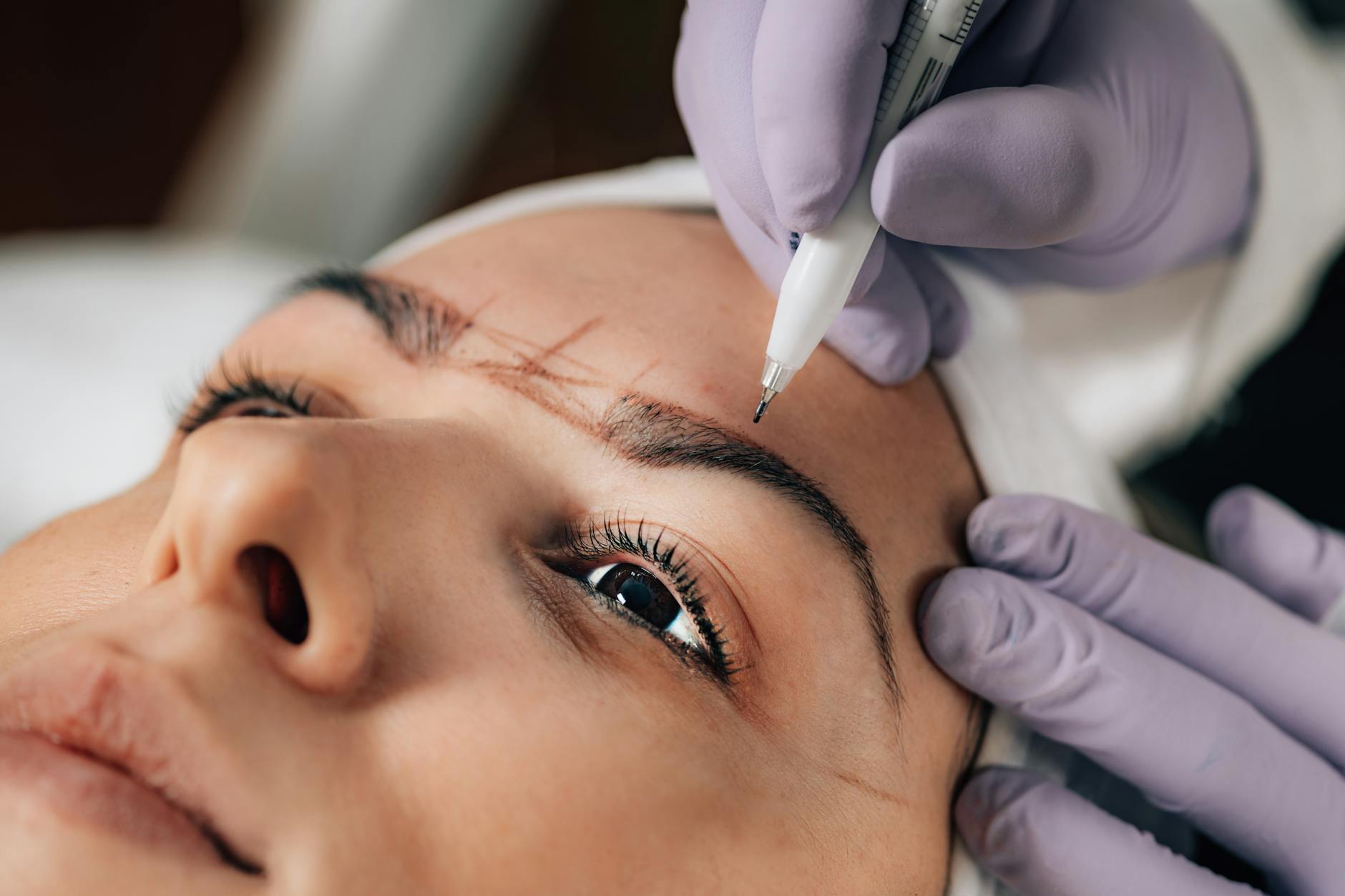
Tattooed eyebrows, lip liner, and eyeliner have grown popular as time-saving alternatives to daily cosmetic application. The pigments used in permanent makeup procedures are not uniformly regulated and can contain heavy metal compounds. Allergic reactions, granulomas, and infections are reported complications especially when procedures are performed outside clinical settings. MRI procedures can cause discomfort or image distortion in individuals with metallic pigments tattooed near the face. Removal of unwanted permanent makeup requires laser treatment and is often incomplete or scarring.
Dramatic Eyebrow Trends
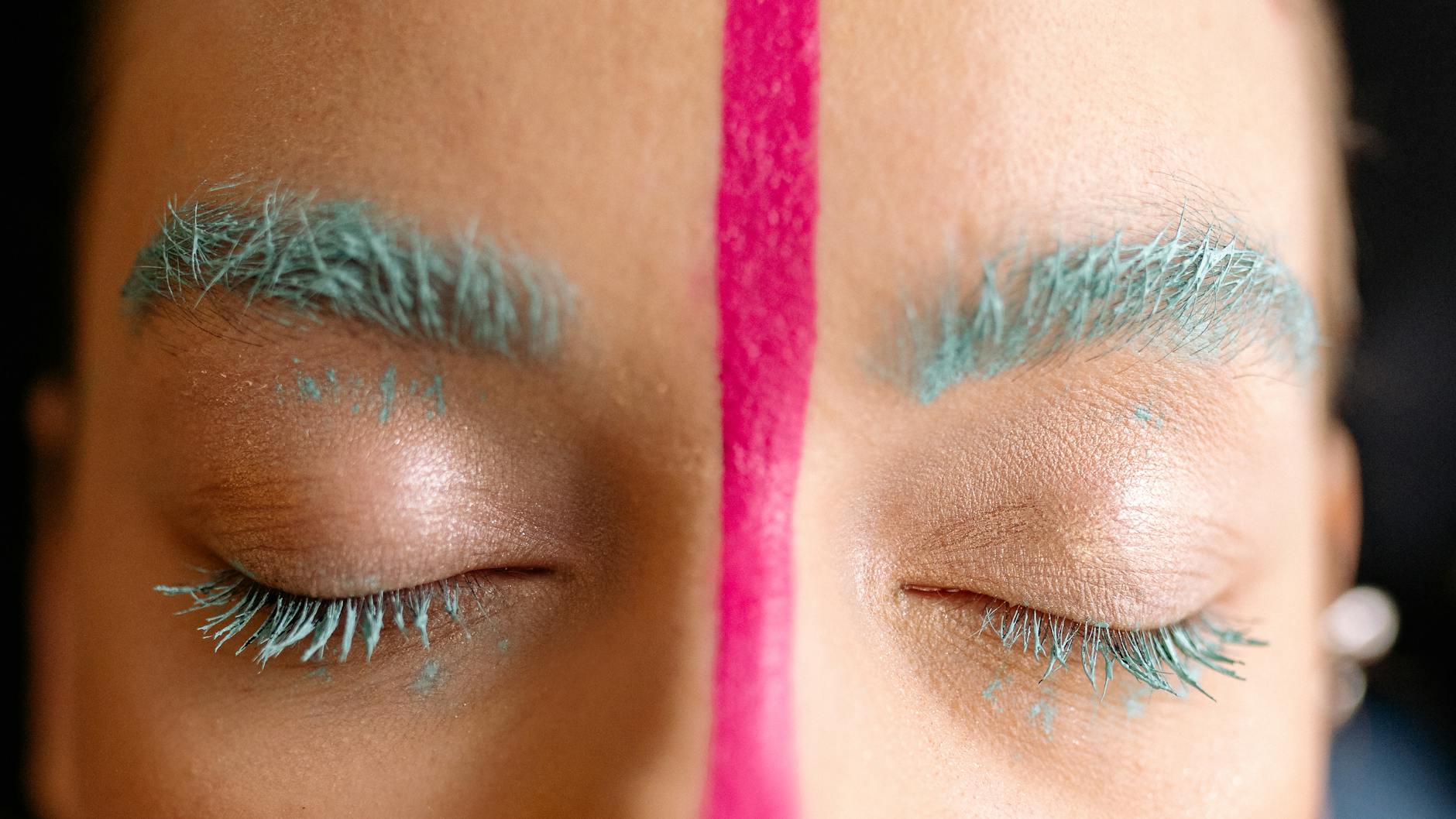
Overplucking, microblading, and extreme shaping trends have caused widespread and often permanent damage to brow follicles. Repeated removal of brow hairs through waxing and threading can cause follicle death and patches of permanent hair loss. Microblading involves creating small incisions in the skin which carry inherent risks of infection and allergic reaction. Pigment migration and color change over time are well-documented issues with semi-permanent brow procedures. Dermatologists note that the brow area is frequently overlooked when assessing cumulative cosmetic procedure risk.
Tight Shapewear

Full-body and waist-targeting shapewear has become a daily wardrobe staple for many people seeking a smoother silhouette. Prolonged compression of the abdomen has been linked to increased intra-abdominal pressure and worsening of acid reflux symptoms. Tight-fitting garments around the lower torso can restrict circulation and contribute to nerve compression in the thighs and hips. Gynecologists have noted that consistent pressure in the pelvic region may aggravate bladder and pelvic floor dysfunction. Heat retention and moisture buildup from synthetic shapewear fabrics also create conditions favorable to bacterial and yeast infections.
Hair Extensions
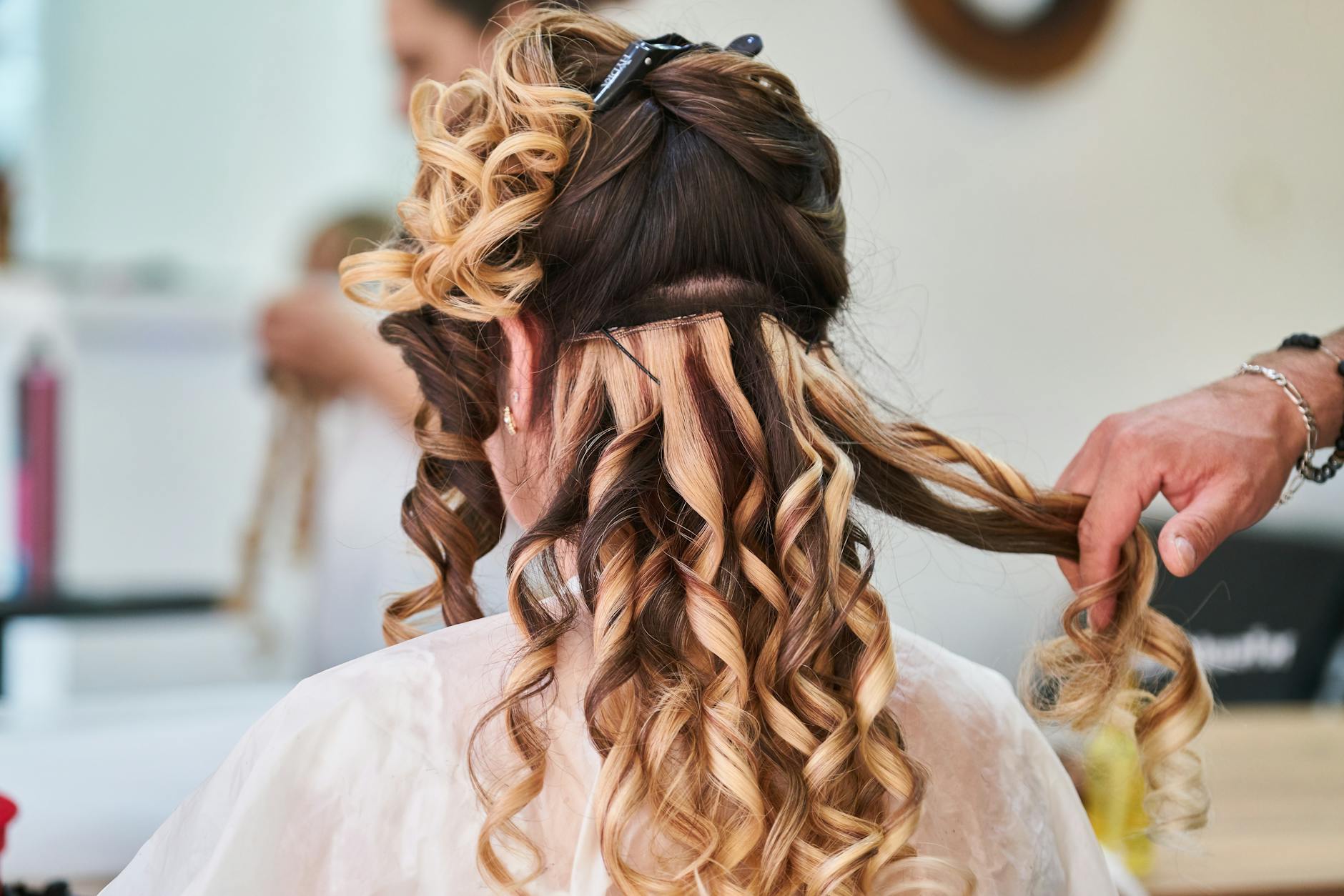
Long, thick hair achieved through clip-in or bonded extensions is a dominant aesthetic in beauty and entertainment industries. The mechanical weight and tension applied to natural hair follicles by extension attachment methods cause a condition called traction alopecia. Hairline recession and bald patches along the temples and crown are among the most visible long-term consequences. Bonded and sewn-in extensions also create environments beneath tracks where scalp infections can develop unnoticed. Trichologists report that the earlier hair extensions are adopted as a regular practice the greater the long-term follicle damage risk.
BBL Surgery

The Brazilian Butt Lift became one of the fastest growing cosmetic surgeries globally over the past decade. This procedure involves injecting harvested fat into the gluteal region and has historically carried the highest mortality rate of any elective cosmetic surgery. Fat embolism entering the bloodstream during injection is the primary cause of procedure-related fatalities. Regulatory bodies in multiple countries have issued warnings and restrictions targeting unsafe injection depth practices by unqualified providers. Safety improvements have been made in recent years but the procedure continues to carry significant risk.
Glass Skin Trend

The glass skin aesthetic originating from South Korean beauty culture demands an intensely luminous and poreless complexion. Achieving this look has driven consumers toward aggressive multi-step routines involving frequent exfoliation and heavy layering of actives. Over-exfoliation strips the skin’s natural barrier function and leads to chronic sensitivity, redness, and reactive skin conditions. The pressure to achieve a flawless pore-free appearance has also been linked to increased cosmetic anxiety and body dysmorphic tendencies. Dermatologists emphasize that visible pores are a normal and functional part of healthy skin anatomy.
Nail Biting as Aesthetic Anxiety
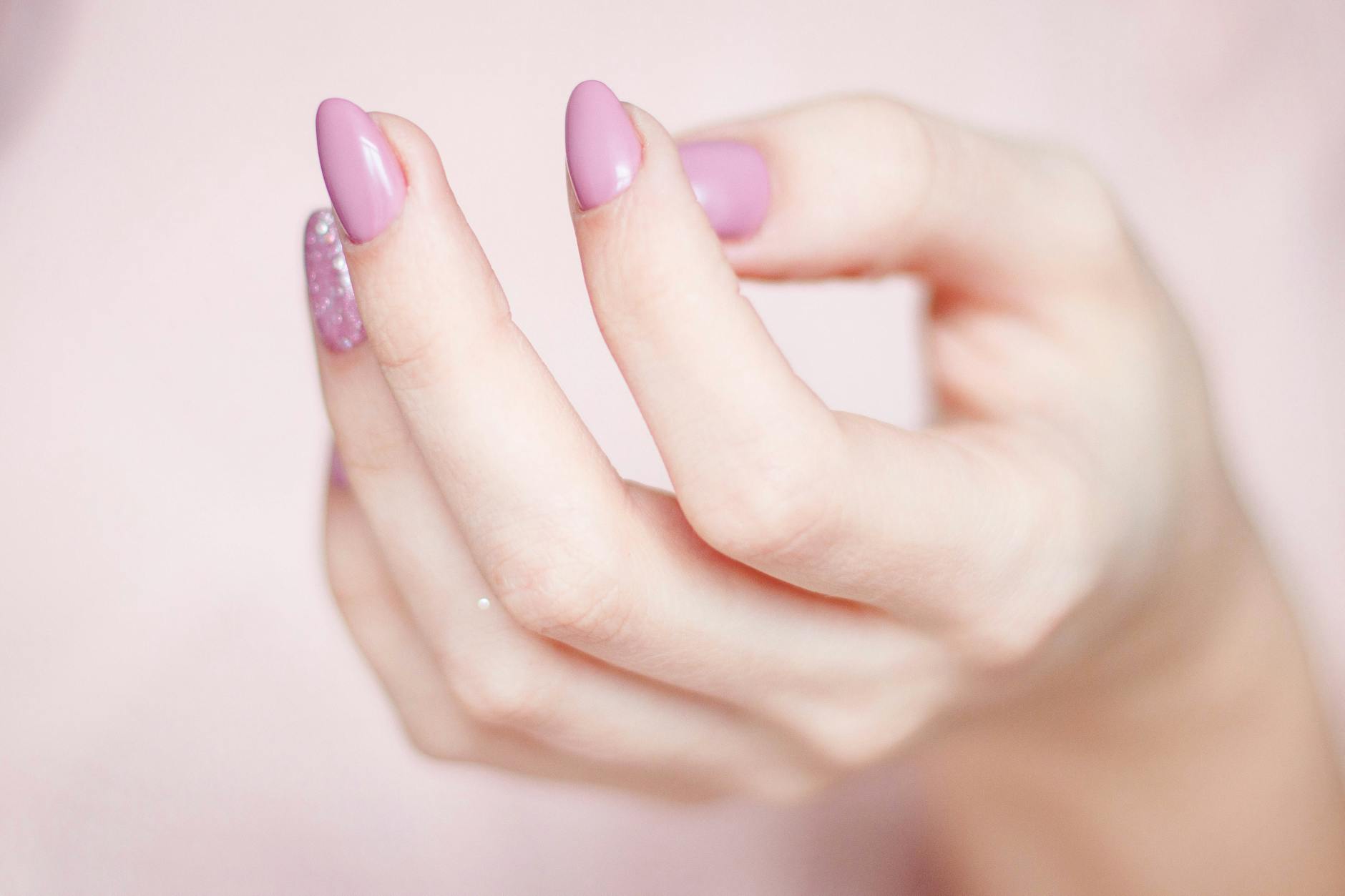
Nail biting normalized in anxious or perfectionist beauty-conscious communities reflects a wider pattern of body-focused repetitive behaviors. Chronic nail biting damages the nail matrix and the surrounding cuticle tissue causing structural nail deformities over time. The mouth-to-hand transmission pathway involved in nail biting significantly increases exposure to pathogens and oral bacteria. Dental consequences include enamel chipping and jaw stress from persistent clenching behaviors associated with this habit. Behavioral therapists classify body-focused repetitive behaviors as requiring clinical attention when they interfere with daily functioning.
Eye Drops for Brightness
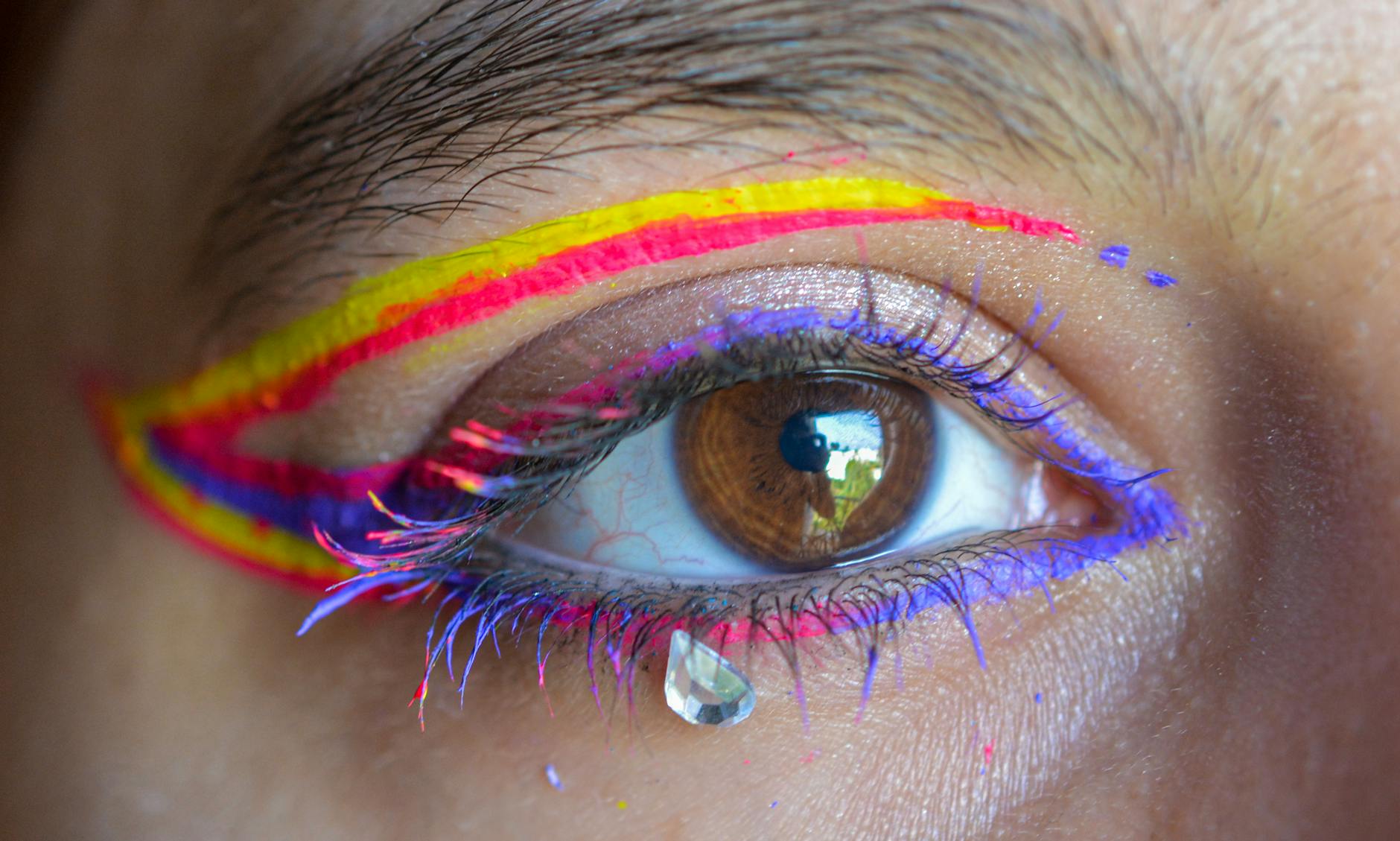
Using redness-reducing or brightening eye drops daily to maintain a bright-eyed appearance is a widely adopted beauty habit. These drops typically contain vasoconstrictors that temporarily reduce redness by narrowing blood vessels in the eye surface. Regular use of vasoconstrictor drops leads to rebound redness as vessels become dependent on the chemical to maintain constriction. Chronic use has also been associated with elevated intraocular pressure and masking of symptoms that may indicate underlying eye conditions. Optometrists recommend limiting redness-reducing drop use and consulting a clinician for persistent redness concerns.
High Heels

Heeled footwear remains a powerful symbol of femininity and professional polish across cultures and dress codes. Regular wear of high heels alters the natural alignment of the foot, ankle, knee, and lumbar spine. Shortened Achilles tendons, bunions, and stress fractures are among the most commonly reported orthopedic consequences of prolonged heel use. Podiatrists associate chronic high heel wear with accelerated development of osteoarthritis in the knee joint. The neurological condition known as Morton’s neuroma is also disproportionately prevalent among consistent high heel wearers.
Dramatic Weight Gain for Curves
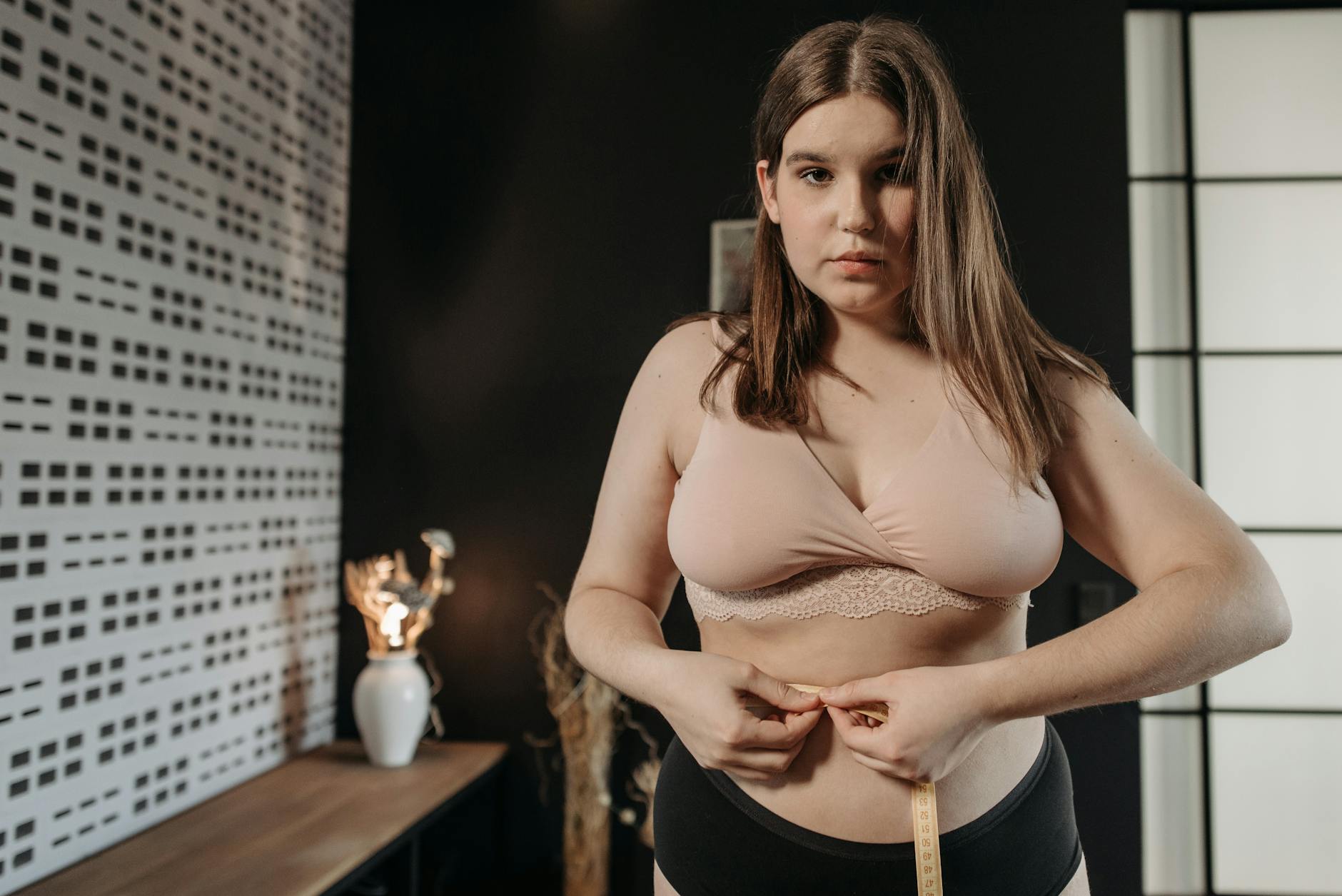
Body ideals celebrating very large curves concentrated in the hips and buttocks have grown prominent through celebrity influence and social media. Intentional and rapid weight gain pursued as an aesthetic strategy increases cardiovascular strain and metabolic risk factors. Excess adipose tissue concentrated in certain body regions elevates inflammatory markers and can disrupt hormonal balance. The psychological dimension of manipulating body weight rapidly creates disordered relationships with food and body image. Endocrinologists caution that weight gain pursued for aesthetic rather than health purposes rarely results in controlled or sustainable outcomes.
Porcelain Veneers
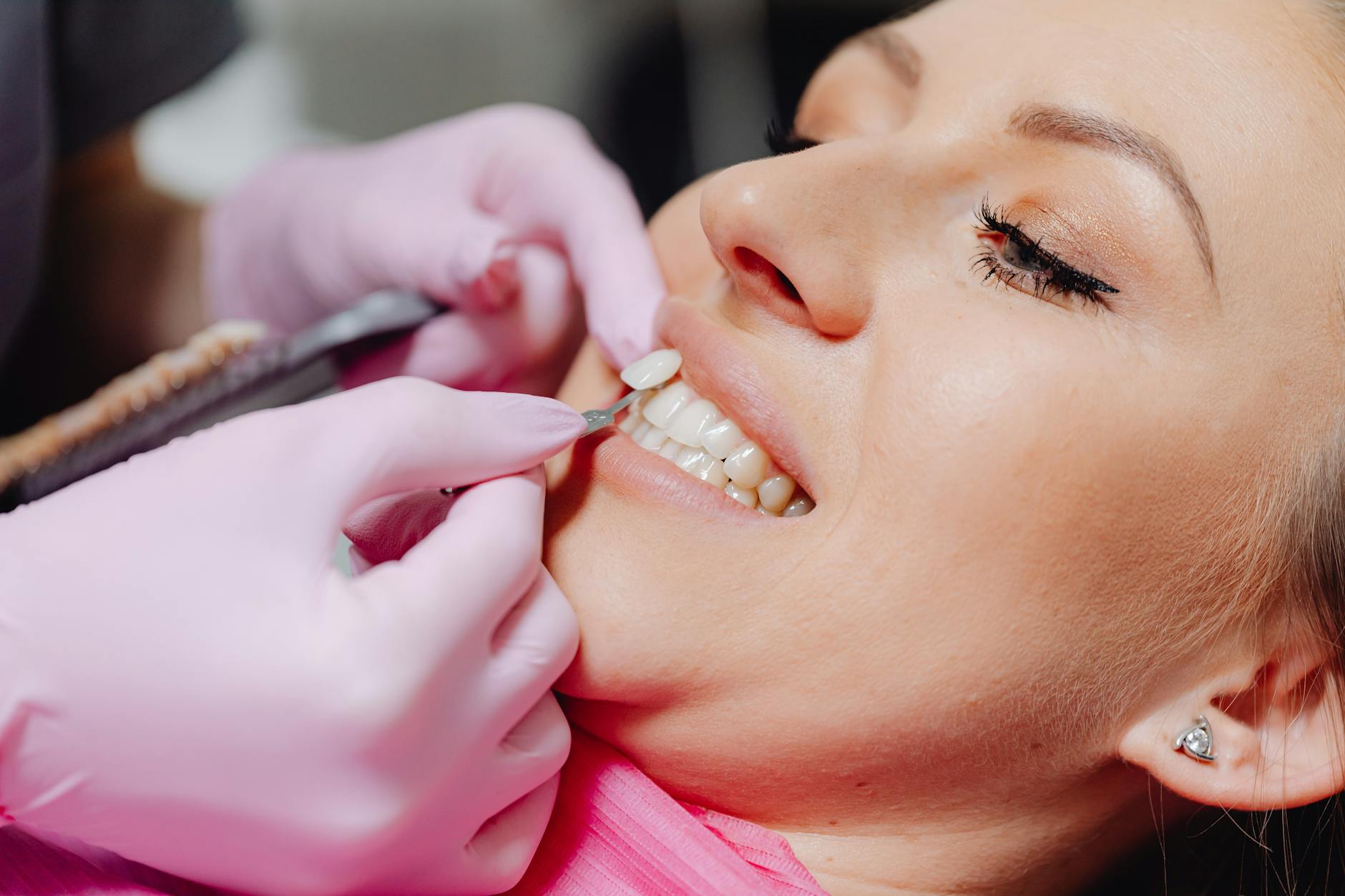
Perfect symmetrical smiles constructed with porcelain veneers have become an aspirational dental aesthetic heavily promoted online. Receiving veneers requires the irreversible removal of healthy enamel from the tooth’s surface to create room for the porcelain shell. Teeth prepared for veneers become permanently dependent on restorations and can never return to their natural unaltered state. Veneers have a finite lifespan and require replacement every ten to twenty years involving additional enamel reduction with each cycle. Dental professionals advocate for conservative cosmetic approaches wherever possible to preserve the integrity of natural tooth structure.
Toxic Hair Dye Chemicals
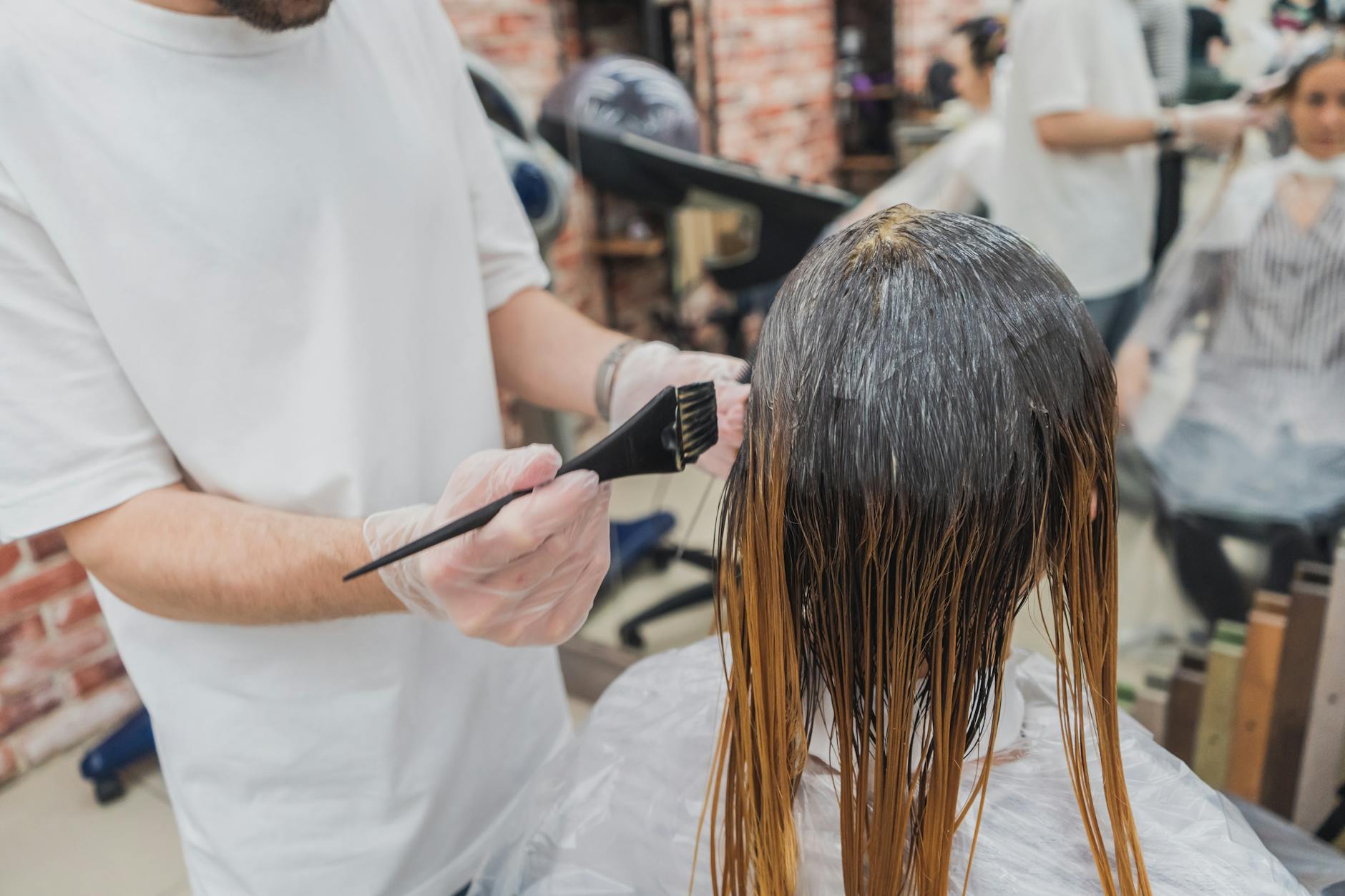
Regularly coloring hair with conventional dyes is one of the most universally practiced beauty rituals across all age groups. Many permanent hair color formulas contain para-phenylenediamine and resorcinol which are known skin sensitizers and potential endocrine disruptors. Scalp absorption of these chemicals raises concern among toxicologists due to the scalp’s high permeability relative to other skin surfaces. Occupational studies have examined elevated health risks in hairdressers exposed to these compounds professionally over extended careers. Consumer health researchers recommend patch testing before every application and exploring lower-chemical formulation alternatives where possible.
Fad Detox Diets

Juice cleanses and extreme detox programs are frequently marketed as beauty-enhancing practices promising clearer skin and weight loss. The human liver and kidneys perform continuous and sophisticated detoxification without requiring dietary restriction or special supplementation. Prolonged juice-only diets deprive the body of protein, essential fatty acids, and adequate caloric energy needed for tissue repair. Blood sugar dysregulation and muscle loss are documented physiological consequences of extended liquid detox protocols. Registered dietitians consistently classify commercial detox products as nutritionally unsound and unsupported by clinical evidence.
Plastic Surgery Tourism
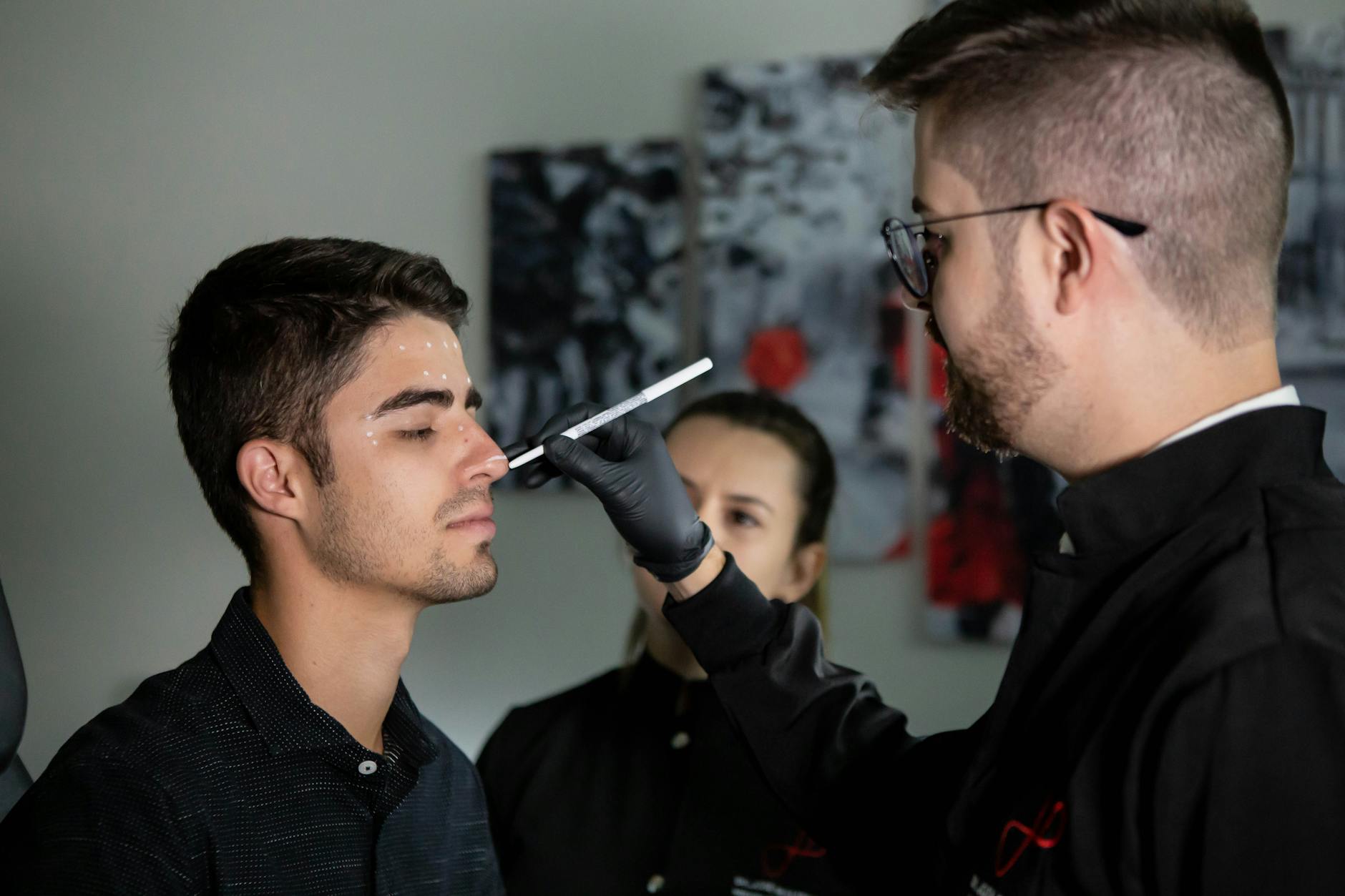
Traveling internationally to access lower-cost cosmetic surgical procedures has grown into a significant global industry. Cost reductions in destination countries are frequently achieved through less stringent regulatory oversight of facilities and practitioner credentials. Post-surgical complications arising abroad are often managed by local healthcare systems upon the patient’s return without access to the original surgical records. Wound dehiscence, infection, and thrombosis risk increase when patients fly long distances in the immediate post-operative recovery period. Plastic surgery associations in multiple countries have published formal guidelines warning patients against the risks of unverified overseas procedures.
Dramatic Contouring
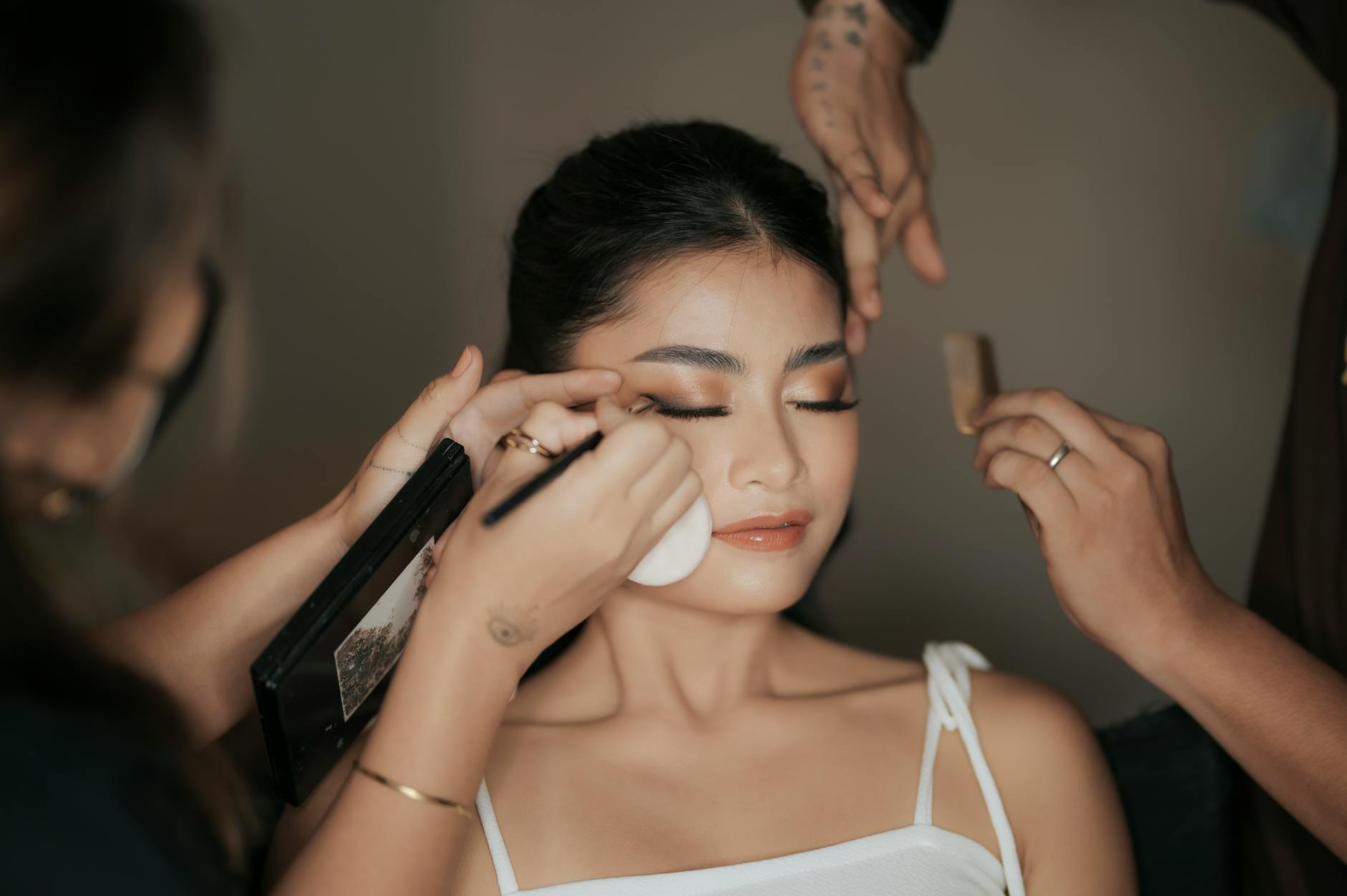
Heavy makeup contouring techniques designed to restructure the appearance of facial features became mainstream through television and social media tutorials. The heavy use of multiple pigmented products required for dramatic contouring involves prolonged skin contact with synthetic dyes and preservatives. Daily application of thick contouring layers contributes to pore congestion, breakouts, and cumulative barrier disruption in sensitive skin types. Research into makeup-related skin conditions has grown alongside the increasing complexity and volume of product layering in mainstream beauty routines. Psychologists have also flagged the normalization of concealing natural facial features as a potential contributor to body image dissatisfaction.
If any of these beauty standards have crossed your path, share your thoughts and experiences in the comments.