Modern dating has undergone a seismic shift over the past decade, leaving millions of people feeling more disconnected than ever despite being more reachable than at any point in human history. The tools designed to bring people together have quietly introduced new barriers that previous generations never had to navigate. Sociologists, therapists, and researchers are increasingly sounding the alarm about patterns that are quietly eroding romantic connection at scale. Understanding these forces is the first step toward reclaiming something more meaningful.
The Swipe Mentality
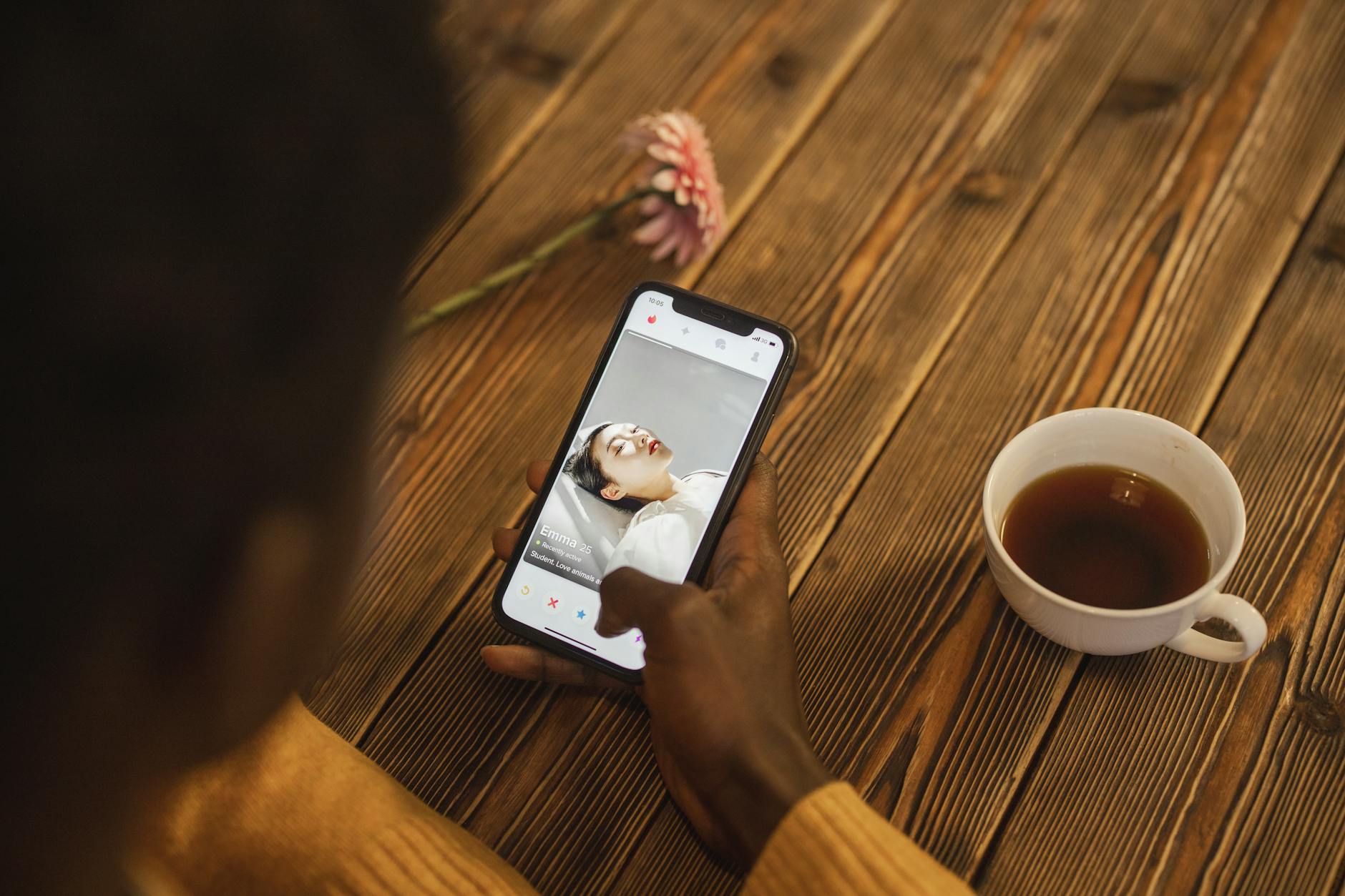
Dating apps have reduced human beings to a split-second visual judgment, conditioning users to make rapid dismissals based on a single photograph. This habit of swiping rewires the brain to treat potential partners as disposable inventory rather than complex individuals worth knowing. Studies in behavioral psychology consistently show that an abundance of choice leads to less satisfaction with any single option. The swipe model was designed for engagement metrics rather than genuine compatibility. It has quietly trained an entire generation to keep looking rather than commit to exploring what is already in front of them.
Ghosting as a Social Norm
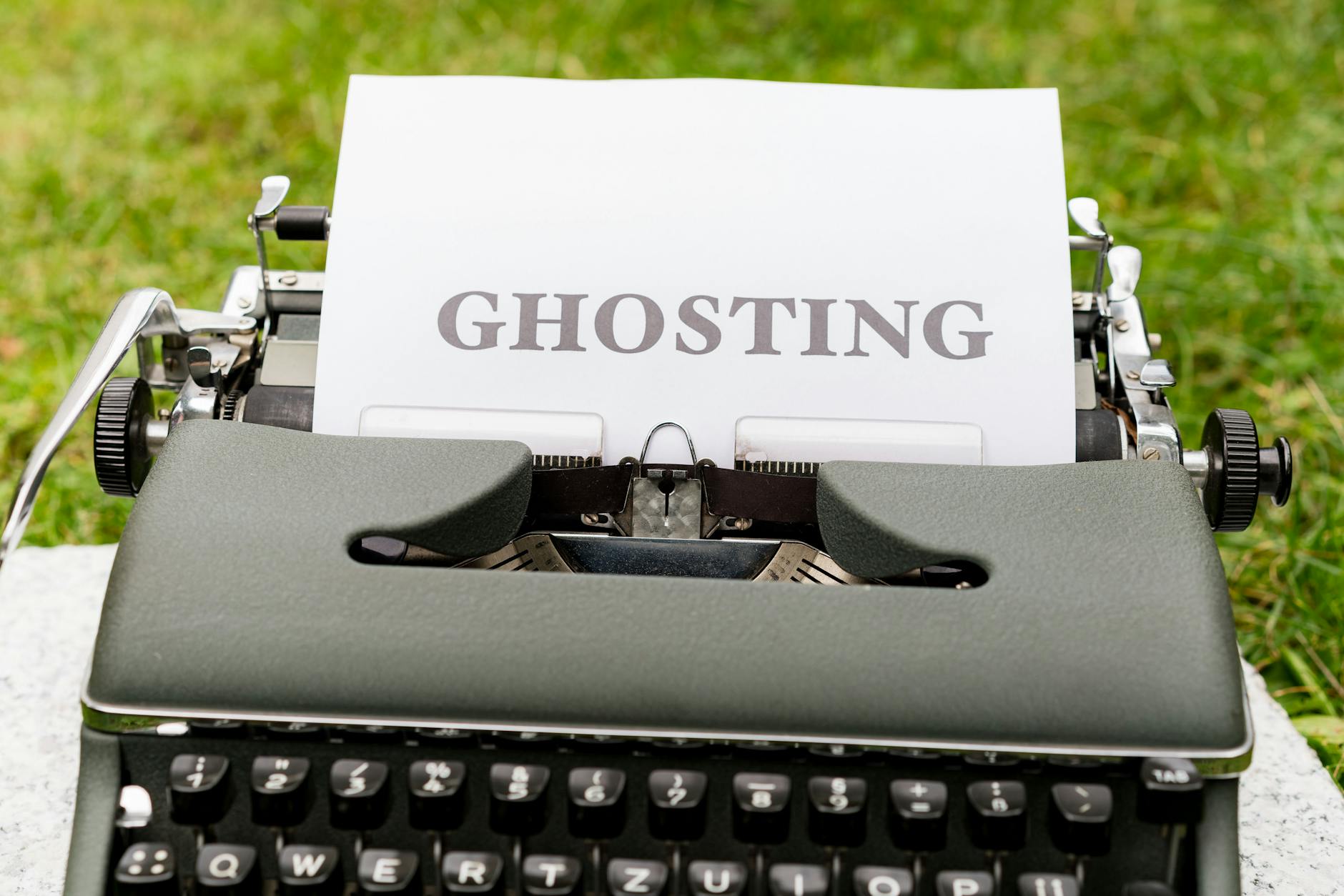
Ghosting has become so widespread that it is now considered an expected part of the dating experience rather than an exceptional act of rudeness. When someone disappears without explanation, the person left behind is denied the closure that allows them to process the end of a connection. Repeated experiences of ghosting accumulate into a generalized anxiety about emotional investment, making people reluctant to open up in future interactions. Therapists report a significant rise in clients who struggle to trust new partners because of unresolved ghosting experiences. The normalization of this behavior signals a broader cultural retreat from accountability in romantic contexts.
Situationship Ambiguity
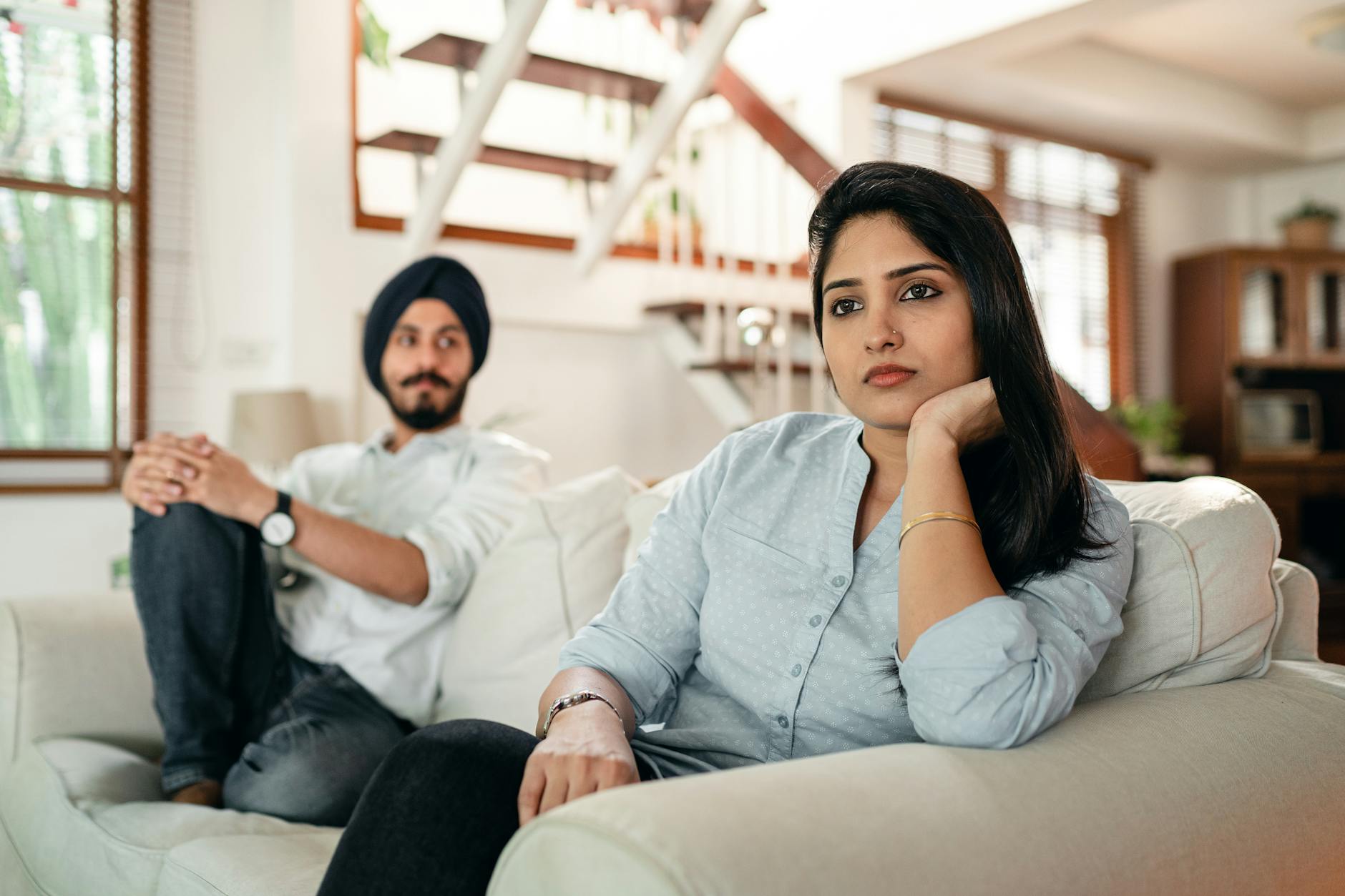
The rise of the situationship, an arrangement that carries the emotional weight of a relationship without its definition or commitment, has left many people in a prolonged state of uncertainty. These undefined connections often provide just enough intimacy to prevent someone from seeking a more fulfilling partnership elsewhere. One person frequently develops deeper feelings while the other remains strategically vague about their intentions. The emotional labor involved in managing these arrangements is disproportionately high relative to the security they offer. Prolonged situationships can erode self-worth and make formal commitment feel increasingly foreign or even threatening.
Paradox of Infinite Choice

When the dating pool feels limitless, the psychological pressure to find the perfect match becomes paralyzing. Behavioral economists have long documented that too many options lead to decision fatigue and chronic dissatisfaction with whatever choice is made. People scroll past genuinely compatible individuals because the algorithm always promises someone better just one swipe away. This creates a consumer mindset around romance that is fundamentally incompatible with the patience required to build real intimacy. The feeling that something better is always available prevents people from fully investing in the person they are already with.
Emotional Unavailability

A growing number of people entering the dating pool carry unresolved emotional wounds from childhood, previous relationships, or prolonged periods of isolation. Emotional unavailability manifests as an inability to be present, vulnerable, or consistent with a romantic partner over time. Unlike physical unavailability, this barrier is invisible and often unacknowledged by the person exhibiting it. Partners of emotionally unavailable individuals frequently internalize the disconnection as a personal failure rather than recognizing it as an external pattern. Mental health professionals note that emotional unavailability is one of the most common underlying factors in modern relationship breakdowns.
Unrealistic Romantic Expectations

Decades of romantic comedies, idealized social media relationships, and curated couple content have constructed a deeply unrealistic blueprint for what love should look and feel like. Real relationships involve conflict, monotony, and continuous negotiation, none of which features prominently in the content people consume daily. When reality inevitably falls short of the cinematic ideal, many people conclude that the relationship is simply wrong rather than that their expectations need recalibration. This gap between expectation and reality is cited by relationship counselors as one of the leading drivers of early relationship abandonment. Cultivating realistic expectations is foundational to sustaining long-term romantic connection.
Digital Communication Replacing Real Conversation

Text-based communication has become the primary medium through which modern relationships are built, maintained, and ended. The absence of tone, body language, and physical presence strips away the majority of the information humans rely on to build genuine trust and understanding. Misinterpretations multiply in text threads, creating conflict that would dissolve instantly in face-to-face conversation. Many people now feel more comfortable crafting a witty message than sitting with another person in meaningful silence. The convenience of digital communication has come at a significant cost to the depth of romantic connection.
Fear of Vulnerability
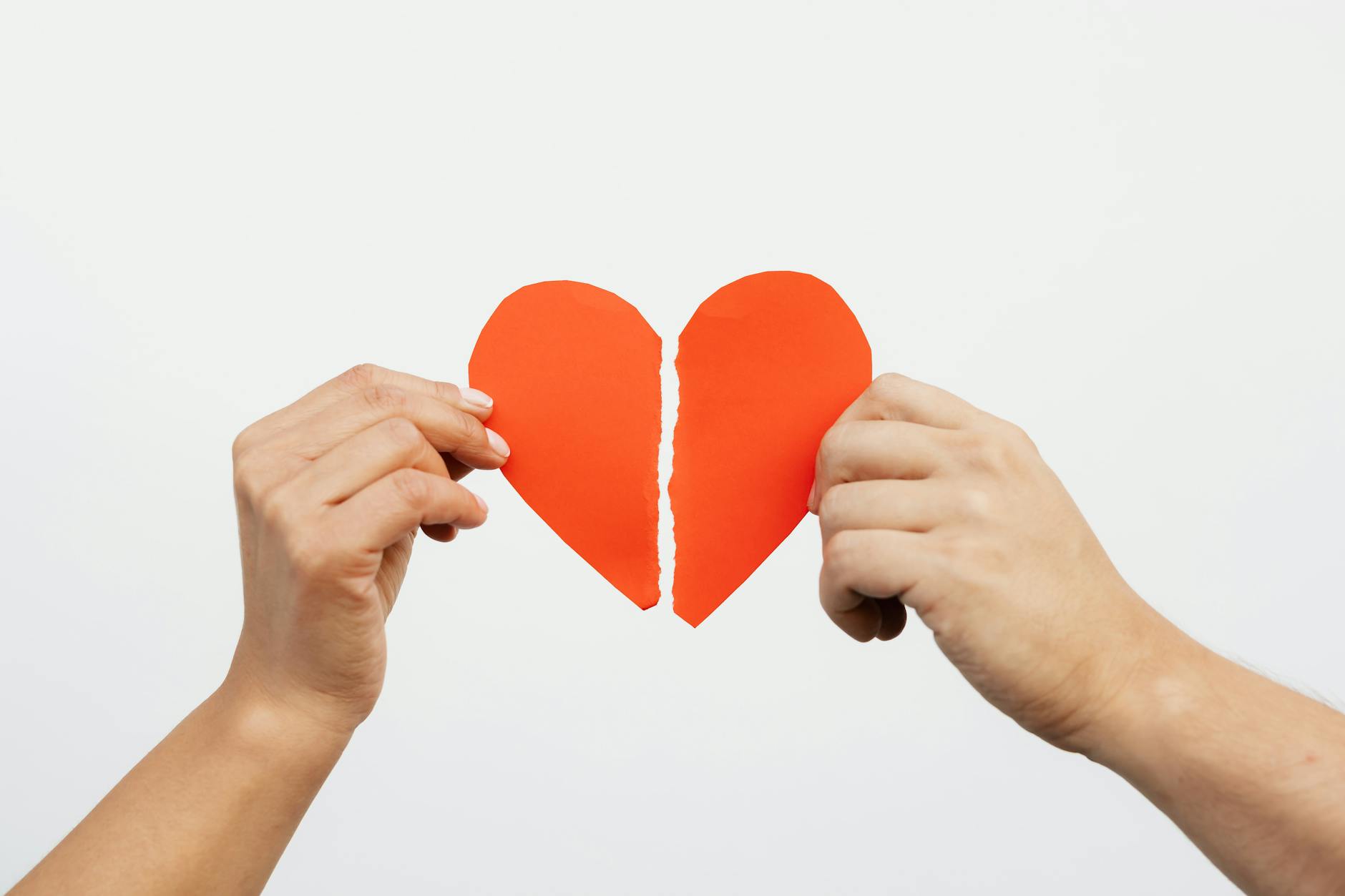
Vulnerability is the emotional engine of genuine intimacy, yet it has become increasingly associated with weakness or naivety in modern dating culture. Social media rewards curated confidence and punishes visible emotional need, conditioning people to suppress the very qualities that build romantic bonds. Many daters maintain a careful emotional distance even in seemingly close relationships, offering access to their lives without ever granting access to their inner world. Research by social psychologists consistently links the willingness to be vulnerable with the ability to form lasting romantic attachments. A culture that stigmatizes emotional openness will always struggle to produce enduring relationships.
Breadcrumbing Behavior

Breadcrumbing involves offering just enough attention and affection to maintain someone’s interest without any intention of pursuing a genuine relationship. This pattern exploits the neurological reward system by delivering intermittent positive reinforcement, which creates a powerful psychological bond in the recipient. The person receiving breadcrumbs often spends enormous emotional energy trying to earn more consistent attention, interpreting inconsistency as a challenge rather than a signal. Breadcrumbing is rarely a conscious strategy but rather a reflection of someone who wants the emotional benefits of connection without its responsibilities. It leaves lasting damage to the self-esteem and relational trust of those who experience it repeatedly.
Attachment Style Clashes

Attachment theory, developed across decades of psychological research, identifies distinct patterns in how individuals seek and respond to intimacy formed in early life. Anxious and avoidant attachment styles are particularly common in modern daters, and they tend to lock each other into cycles of pursuit and withdrawal that exhaust both parties. Without awareness of these patterns, couples repeat the same dynamics across multiple relationships without understanding why. The mental health conversation around attachment has grown louder, but mainstream dating culture has yet to fully integrate this understanding into how people approach romantic choice. Recognizing one’s own attachment style is one of the most practical tools available for improving relational outcomes.
The Performance of Dating

Social media has transformed romantic life into a form of content, where the documentation of a relationship can become more important than the relationship itself. Couples post coordinated photos, announce milestones, and curate an audience for their love story in ways that introduce external validation into what should be a private bond. When a relationship ends, it must be grieved not only emotionally but also publicly, adding another layer of complexity to an already difficult process. The pressure to appear happy and well-matched online can prevent partners from honestly addressing real problems. Authentic romantic connection struggles to survive when it is constantly being performed for an audience.
Declining Trust Between Genders

Broader cultural tensions between men and women have begun to seep into the personal space of romantic relationships, introducing suspicion and ideological defensibility where openness once existed. Many people now approach potential partners with a pre-formed set of grievances shaped by online discourse rather than individual experience. This dynamic creates an adversarial undercurrent in early dating that makes genuine curiosity about the other person increasingly difficult. Trust, which is the foundational element of any romantic relationship, is harder to extend when the cultural environment frames the opposite gender as a threat. Bridging this divide requires a willingness to meet individuals as individuals rather than as representatives of a group.
Instant Gratification Culture

The broader culture of immediate reward, from next-day delivery to on-demand streaming, has quietly shaped expectations around romantic timelines. Many people now expect to feel a strong, undeniable connection within the first one or two interactions, and abandon potential partners if that electricity is not immediately present. Research on long-term relationship satisfaction consistently shows that many couples who built lasting bonds did not experience overwhelming chemistry at the outset. Allowing attraction and trust to develop gradually is a practice that requires patience, which is an increasingly rare commodity. The inability to tolerate slow, unfolding connection closes the door on a significant portion of potentially meaningful relationships.
Hookup Culture Normalization
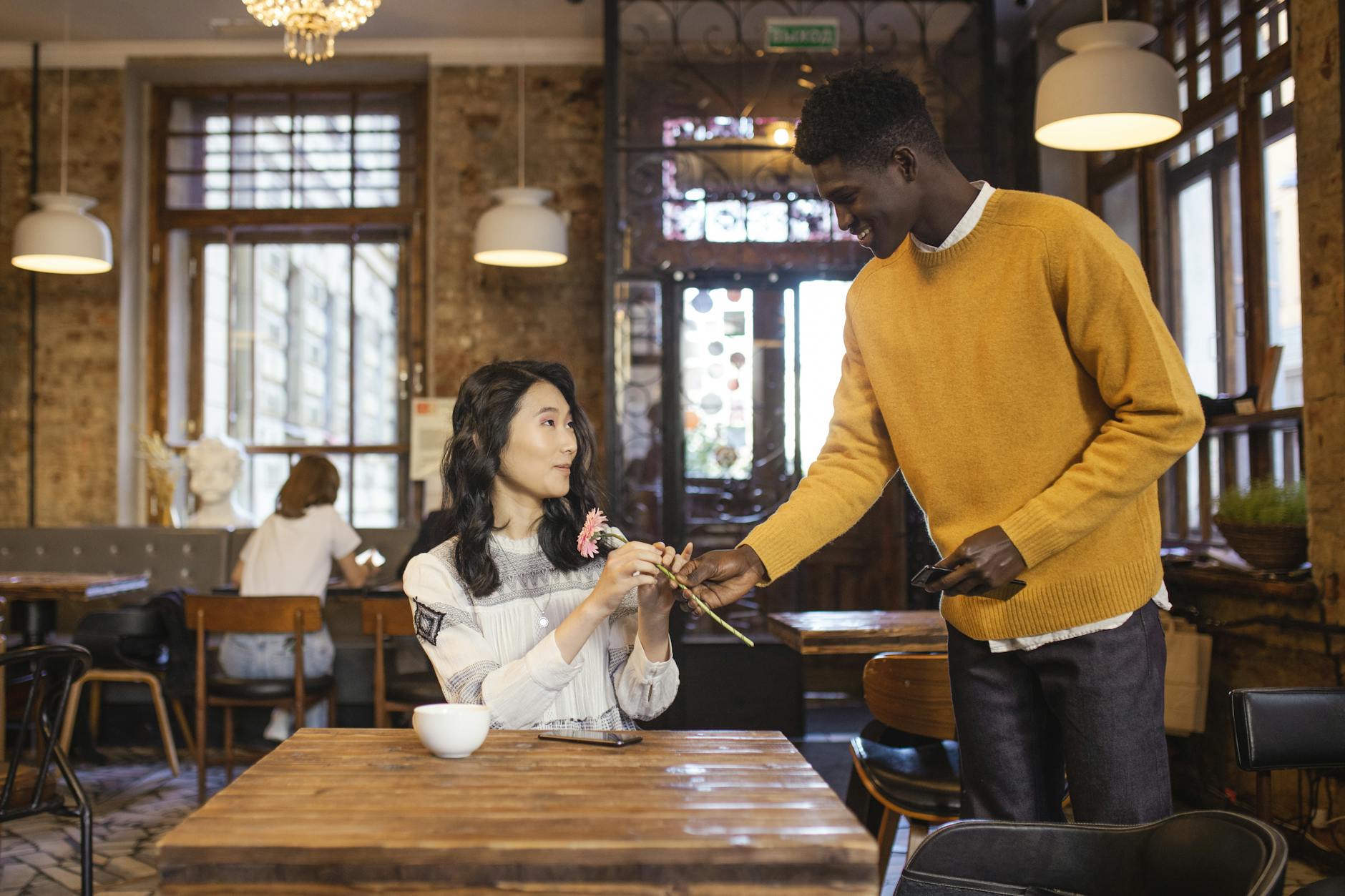
The widespread normalization of casual sexual encounters has created a landscape where clarifying one’s desire for emotional commitment can feel socially awkward or overly intense. Many people feel pressured to present themselves as relaxed and low-maintenance about intimacy in order to remain desirable, regardless of their actual emotional needs. This performance of indifference to commitment is exhausting to maintain and prevents honest communication about what individuals actually want from a connection. Over time, casual encounters without emotional grounding can lead to a dissociation between physical and emotional intimacy. A culture that treats desire for connection as a liability will inevitably produce lonelier people.
Analysis Paralysis

The volume of information available about relationships, dating psychology, attachment, red flags, and green flags has created a generation of over-thinkers who struggle to be present in actual romantic moments. People now arrive at first dates equipped with checklists, trauma-informed frameworks, and a highly developed capacity for identifying warning signs. While self-awareness is valuable, excessive analytical distance prevents the natural, somewhat irrational process of falling for someone from unfolding. Many promising connections are ended prematurely because one person over-analyzed a minor inconsistency into evidence of a fatal flaw. The intellectual management of romantic risk has become a barrier to the emotional risk that love actually requires.
Loneliness Economy Exploitation
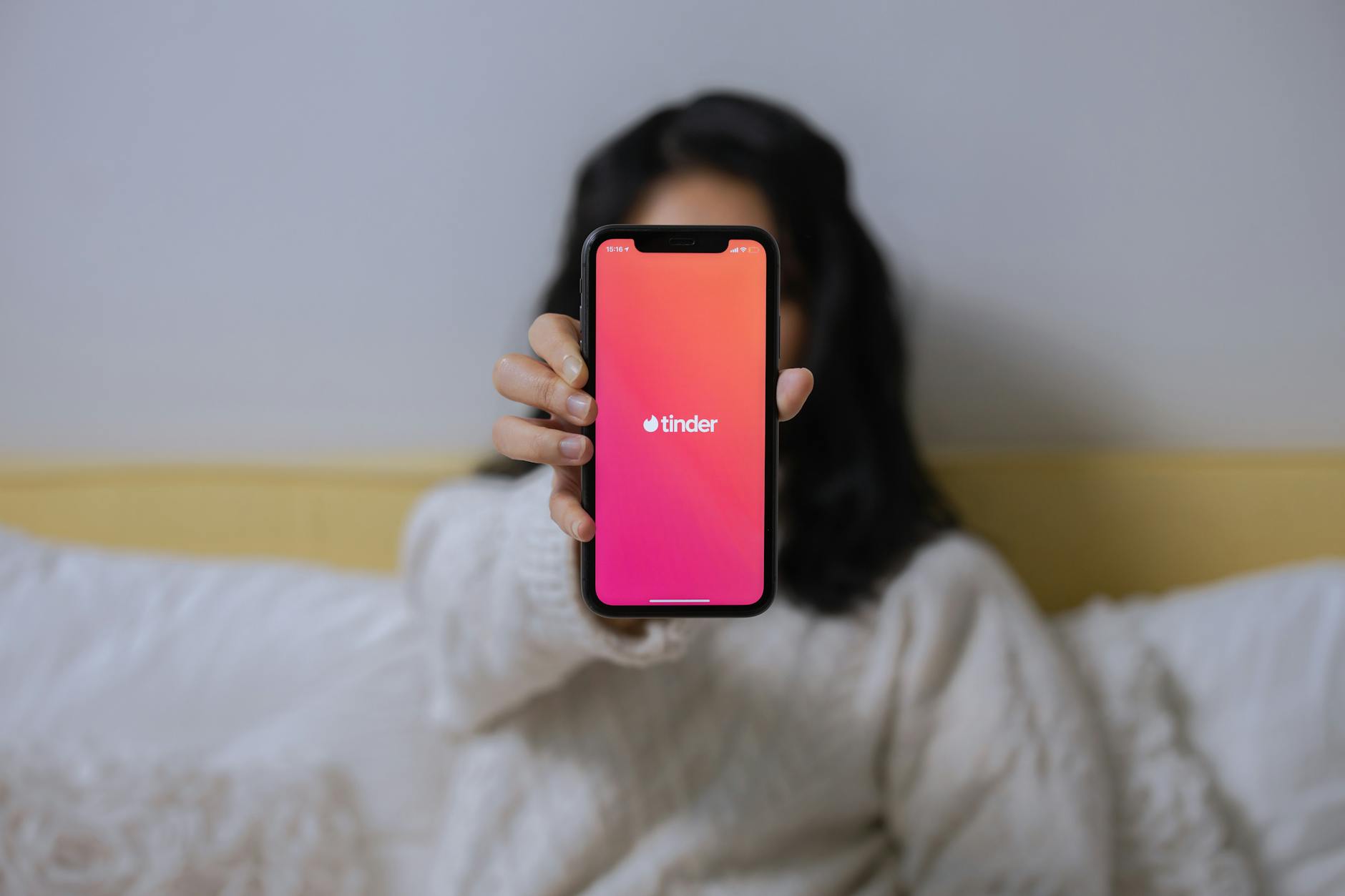
Dating apps are fundamentally businesses, and their revenue models are often better served by keeping users single and scrolling than by helping them find lasting partnerships. Premium subscriptions, super-likes, and boost features monetize loneliness by selling the promise of better visibility to people who are already vulnerable. The algorithmic design of most major platforms prioritizes session time over successful matches, meaning the longer someone remains single, the more profitable they are to the platform. This structural misalignment between what users want and what platforms financially benefit from is rarely discussed in mainstream conversations about modern dating. Recognizing the commercial incentives at play is essential for using these tools with realistic expectations.
Commitment Phobia
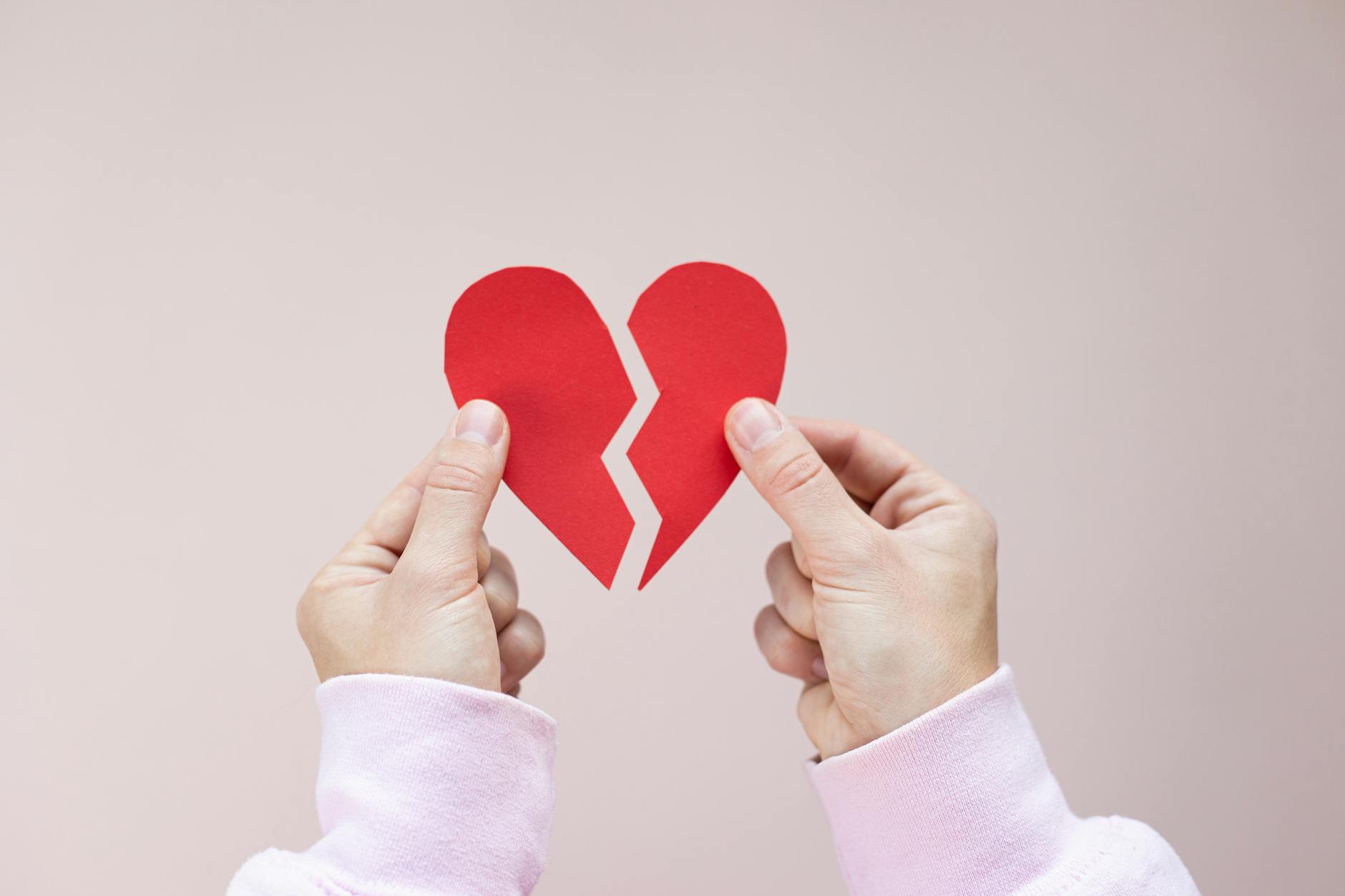
A fear of commitment has become remarkably common among modern daters, cutting across gender lines and age groups in ways that earlier generations did not experience at the same scale. This fear is often rooted in witnessing parental divorce, previous relationship trauma, or a cultural messaging that frames commitment as the end of personal freedom. Many commitment-averse individuals genuinely desire connection but find themselves self-sabotaging as relationships deepen and become more real. The therapy world has documented a steady rise in clients presenting with what practitioners describe as intimacy avoidance patterns. Commitment phobia thrives in a culture that glamorizes independence and treats emotional need as a personal weakness.
Geographic and Career Mobility

Modern professional life increasingly demands relocation, travel, and career pivots that make it structurally difficult to build and maintain romantic relationships. Long-distance relationships require extraordinary communication and commitment, and they face far higher dissolution rates than geographically stable partnerships. Many people in their twenties and thirties place career development above relationship investment not out of indifference to love but because economic pressures make that prioritization feel necessary. Frequent relocation severs newly forming social networks, which are also the most common source of organic romantic connection. The structural incompatibility between modern career culture and relationship-building is a systemic issue that individual effort alone cannot fully resolve.
Social Skills Attrition
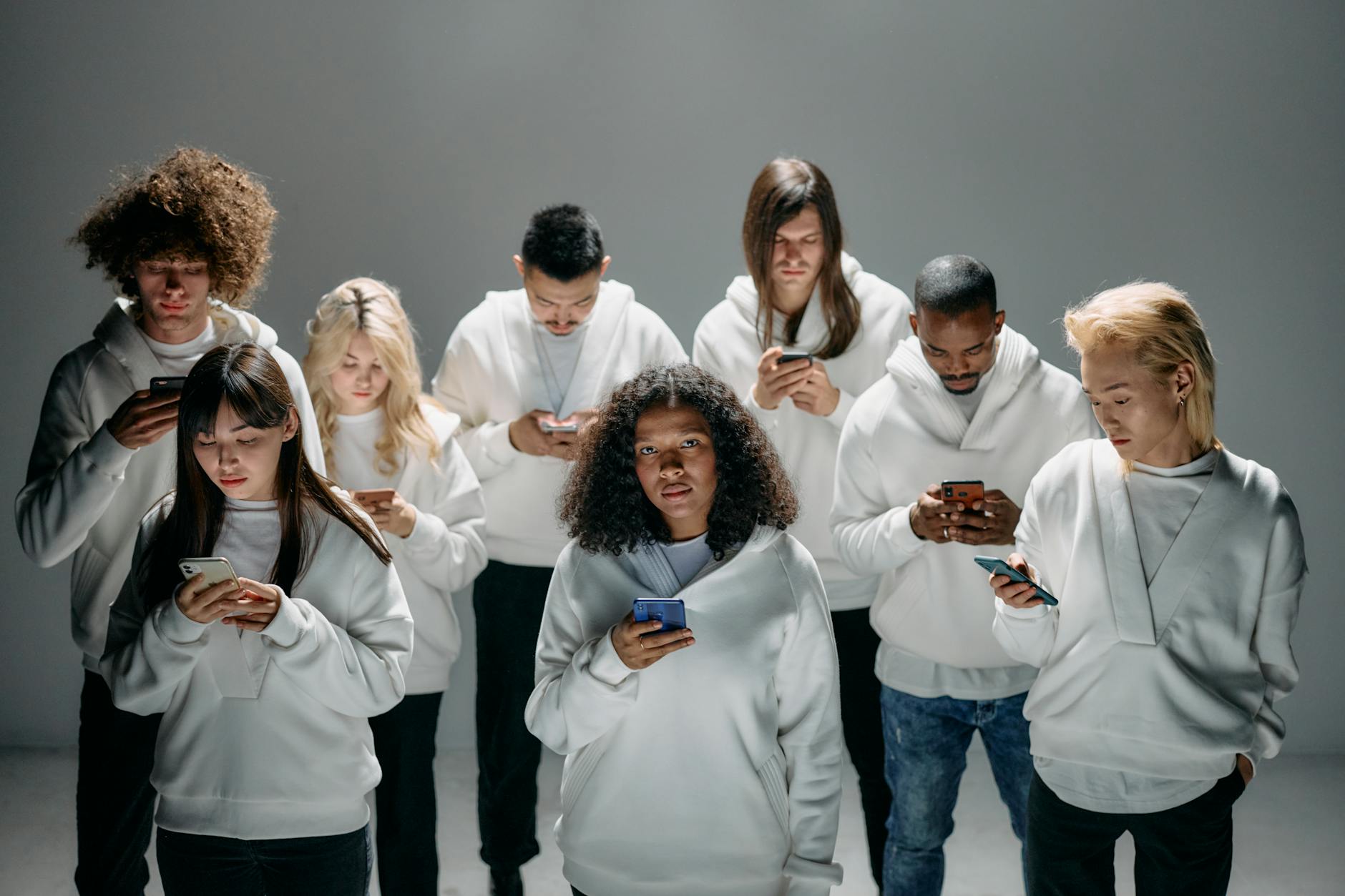
Younger generations who grew up with smartphones as primary social tools have had fewer opportunities to develop the face-to-face communication skills that romantic relationships demand. Flirting, reading body language, sustaining eye contact, and navigating awkward silences are all capacities that develop through repeated in-person practice. When digital interaction becomes the default, these muscles weaken, making real-world romantic encounters feel disproportionately high-stakes and anxiety-inducing. Many people who are highly articulate in text find themselves at a loss in the unscripted, immediate environment of an actual date. This attrition of social confidence compounds over time, creating a growing population of individuals who want connection but feel ill-equipped to pursue it in person.
Financial Stress as a Romantic Barrier

Economic pressure has a measurable and well-documented negative effect on romantic relationship formation and stability. The rising cost of housing, student debt, and wage stagnation have pushed the traditional milestones of adult life, including cohabitation and long-term partnership, further out of reach for millions of people. Financial insecurity generates chronic stress, which research consistently links to reduced empathy, lower patience, and diminished capacity for emotional generosity in relationships. Many people delay or avoid romantic commitment because they feel they need to reach a certain financial stability before they are a suitable partner. The intersection of economic inequality and romantic wellbeing is a structural issue that individual behavior cannot fully overcome.
Body Image and Self-Worth

The relentless visual culture of social media has intensified body image pressures for all genders to a degree that directly impacts romantic confidence and behavior. People who carry deep insecurity about their appearance often self-select out of dating opportunities before they begin, assuming rejection before it has occurred. Within relationships, body image anxiety can manifest as jealousy, withdrawal, or an inability to be physically present and uninhibited with a partner. Filtered, edited imagery has distorted the collective perception of what normal human bodies look like, creating a standard that is physiologically impossible to meet. These distorted self-perceptions diminish the sense of romantic worthiness that is prerequisite to healthy partnership.
Misaligned Timelines
Modern daters frequently encounter compatibility issues not of personality but of life stage, where two people are genuinely well-suited but want different things at different points in their lives. One person may be ready for long-term commitment while the other is still exploring, and this mismatch is no one’s fault but remains a genuine obstacle. The extended period between young adulthood and full life establishment means that people are dating across a wider range of life stage expectations than previous generations. These timeline misalignments often end relationships that might have flourished had both parties been at the same point in their personal development. Timing, in modern dating, has become as critical a compatibility factor as values or attraction.
Trauma Without Treatment
A significant portion of the modern dating population carries unaddressed relational trauma from previous partnerships, family dynamics, or adverse life experiences. Unprocessed trauma does not stay in the past but actively shapes current behavior, often causing people to repeat damaging patterns without conscious awareness. Partners of someone carrying unaddressed trauma frequently find themselves navigating reactions and defenses that have nothing to do with their actual relationship. The availability of therapy has improved substantially, but stigma and financial barriers continue to prevent many people from accessing the support they need. Widespread unaddressed trauma in the dating pool creates a cycle of hurt that perpetuates itself across relationships and generations.
Ideological Incompatibility

Political and ideological polarization has entered the realm of romantic compatibility in a way that is now widely acknowledged by relationship researchers. Many people explicitly filter potential partners by political alignment, and in a deeply divided cultural environment this significantly narrows the available pool. While shared values are genuinely important in long-term partnership, the intensity with which ideology now defines personal identity makes negotiation or difference increasingly difficult to tolerate. Romantic relationships across political difference, which were once common and generally unremarkable, are now treated by many as inherently untenable. The colonization of romantic life by political identity reduces the richness of human connection to a single dimension of compatibility.
Declining Patience for Conflict

Healthy romantic relationships require the ability to navigate disagreement, repair after conflict, and stay present during relational discomfort. Modern culture has a notably low tolerance for interpersonal friction, and many daters interpret any significant conflict as evidence that a relationship is fundamentally wrong. The belief that the right relationship should feel easy at all times is a damaging myth that causes people to abandon partnerships at precisely the moment that deeper intimacy could be built. Conflict resolution is a learnable skill, but it is rarely explicitly taught, and the cultural messaging around it is largely avoidant. Relationships that might have matured into something deeply meaningful are frequently abandoned at the first serious test.
Reduced Community Infrastructure

For most of human history, romantic relationships formed within dense social communities, religious institutions, neighborhood networks, and extended family structures that provided natural meeting environments and social accountability. The decline of these community structures has left modern people without the organic context in which romance historically developed. Dating apps emerged to fill this void but replaced the warmth and social embedding of community with an algorithmically mediated marketplace. Without shared social context, it is harder to verify character, establish trust, and integrate a new partner into a life that already has meaning and texture. The erosion of community infrastructure is one of the least discussed but most consequential factors in the modern loneliness epidemic.
Hyper-Independence as an Ideal
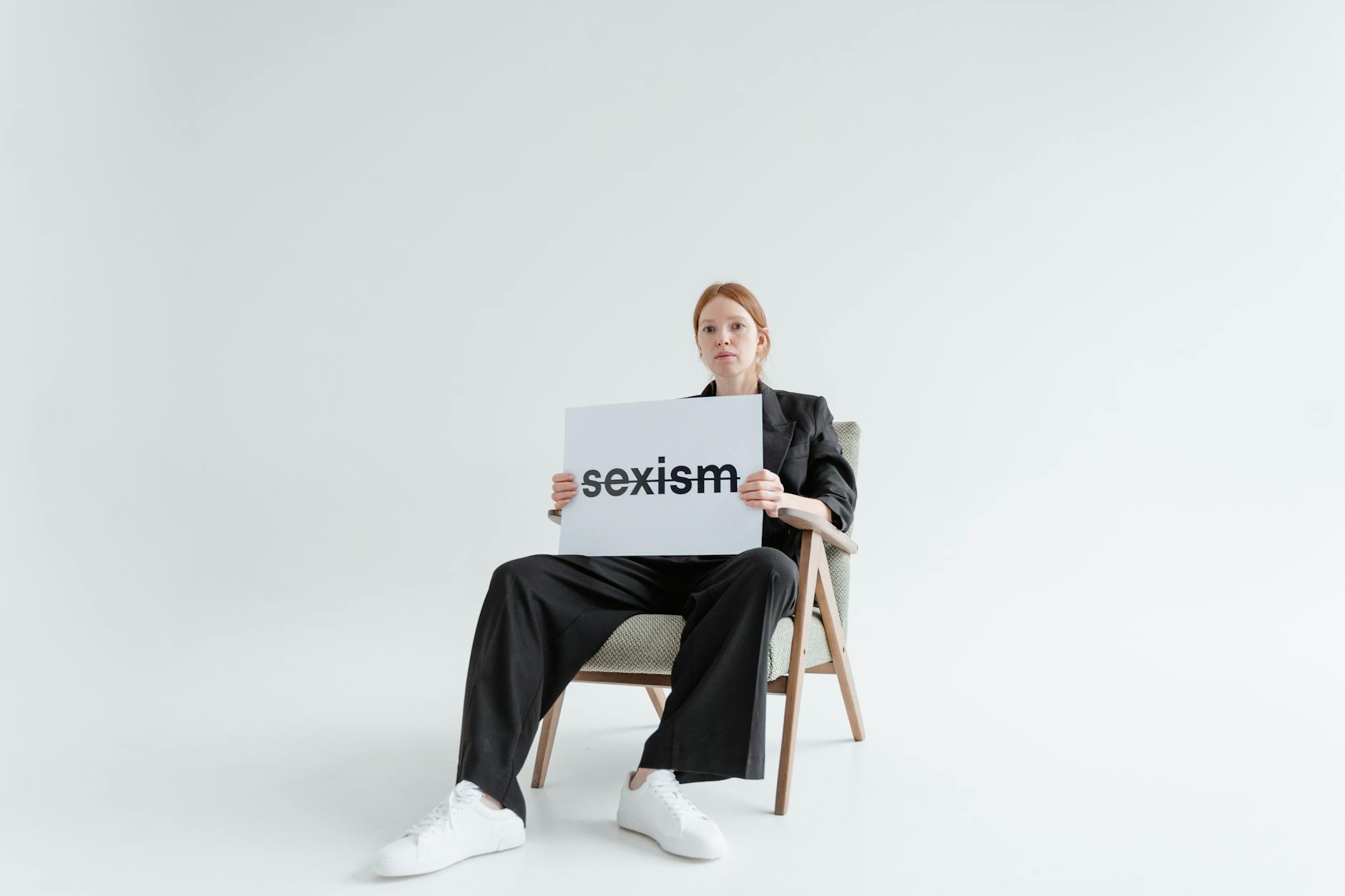
A cultural trend celebrating radical self-sufficiency has repositioned the desire for partnership as a psychological weakness rather than a natural human need. Messaging around independence, particularly directed at women, often frames the desire for a committed relationship as incompatible with personal empowerment. While autonomy and healthy partnership are not mutually exclusive, the cultural framing frequently presents them as opposites. Many people suppress or apologize for their genuine desire for companionship in order to appear self-possessed and modern. A culture that pathologizes the need for love will inevitably produce people who are lonely but unable to admit it.
The Grass Is Always Greener Syndrome

The permanent visibility of other people’s relationships through social media creates a persistent low-grade dissatisfaction with one’s own romantic situation. People in functional, loving relationships encounter constant content featuring what appears to be superior romance, adventure, and compatibility elsewhere. This phenomenon has been linked by researchers to elevated rates of relationship dissatisfaction and infidelity among people who report high social media use. The comparison mechanism is automatic and difficult to override, even when a person consciously knows that what they are seeing is curated and incomplete. Genuine contentment in partnership requires a degree of deliberate disconnection from the endless broadcast of other people’s romantic lives.
Loss of Romantic Ritual

Many of the rituals that once gave romantic courtship its gravity and meaning, handwritten letters, formal dates, meeting families, deliberate declaration of intent, have been replaced by ambiguous digital exchanges and undefined progression. Ritual creates meaning and marks transitions, signaling to both parties that something significant is occurring. Without these markers, relationships drift forward without clear milestones, making it difficult for either person to gauge where they stand or what they are building together. The casualization of courtship has introduced an ambiguity that benefits those who prefer to avoid commitment and disadvantages those who seek clarity. Restoring some element of intentional ritual to romantic pursuit could meaningfully address the ambiguity that defines so much of modern dating.
Algorithmic Compatibility Illusions

Dating platforms market themselves as sophisticated matchmaking systems capable of identifying compatibility through data, but the variables that predict long-term relationship success are largely invisible to algorithms. Shared humor, physical chemistry, the feeling of being truly seen by another person, and the capacity to grow together cannot be captured in a profile or a preference setting. People invest trust in algorithmic recommendations that are in reality optimized for engagement rather than genuine human compatibility. When algorithmically matched relationships fail, users return to the platform and repeat the cycle, reinforcing the illusion that the right data combination will eventually produce the right person. The reduction of human chemistry to a set of filterable variables is one of the foundational category errors of the modern dating landscape.
If any of these patterns resonate with your own experience or observations, share your thoughts in the comments.