Personal growth often leads to shifting dynamics in social circles that were once the cornerstone of your life. You may find that the connections which previously brought joy now create a sense of unease or stagnation. Recognizing these subtle indicators is crucial for maintaining your mental well-being and ensuring your relationships align with your current values. This transition is a natural part of human development rather than a failure of loyalty or affection. The following signs indicate that your path is diverging from the people you once held closest.
Reluctance to Share Good News

You hesitate to share your recent accomplishments or happy moments because you fear their reaction. The group may respond with indifference or subtle mockery instead of genuine celebration. This behavior often stems from a fear that your success will trigger jealousy or passive-aggressive comments. Keeping your wins to yourself becomes a protective mechanism to preserve the peace. A healthy circle should function as a support system that amplifies your joy rather than dampening it.
Conversations Feel Exhausting

Interactions that used to flow effortlessly now require significant mental energy to maintain. You might find yourself mentally preparing for conversations or feeling drained immediately after they end. This fatigue suggests that you are working too hard to bridge a widening gap in compatibility. The natural rhythm of dialogue has been replaced by forced pleasantries and repetitive topics. Meaningful connection should energize you rather than leaving you depleted.
Differing Core Values

Your fundamental beliefs about life and morality have evolved in a direction that conflicts with the group’s consensus. You may notice distinct friction when discussing politics or lifestyle choices that were once non-issues. These disagreements often reveal that the ethical foundation of the friendship has fractured over time. Staying silent to avoid conflict becomes a regular occurrence during gatherings. Shared values are essential for long-term relational sustainability.
You Are the Only Initiator

The friendship survives solely because you are the one sending texts and making plans. A clear imbalance exists where silence would prevail if you stopped reaching out. This one-sided effort indicates that the other parties may not value the connection as much as you do. Reciprocity is a key component of any functioning adult relationship. You deserve connections where the effort to maintain contact is mutual.
Reliance on Nostalgia

Conversations revolve almost exclusively around past events because there is nothing new to discuss. The glue holding the group together is shared history rather than current compatibility. You may realize that you have little in common with who these people are today. Relying solely on memories prevents the creation of new meaningful experiences. A friendship needs present relevance to survive beyond the past.
Constant Complaining

The primary mode of communication within the group has become venting or negativity. You notice that optimism or solution-oriented thinking is often shut down or ignored. This cycle of complaining can stifle your own positive outlook and personal progress. Being surrounded by perpetual dissatisfaction makes it difficult to maintain a growth mindset. You eventually crave environments where problems are solved rather than just discussed.
You Feel Lonely in Their Presence

Physical proximity to the group no longer guarantees a sense of emotional belonging. You can be sitting at a crowded table yet feel completely isolated from the people around you. This specific type of loneliness indicates an emotional disconnect that is difficult to repair. The understanding and validation you once received are conspicuously absent. True companionship requires an emotional resonance that has faded.
Lack of Ambition Support

Your goals for the future are met with skepticism or discouragement rather than encouragement. The group might view your aspirations as unrealistic or a threat to the status quo. You find yourself downplaying your dreams to avoid uncomfortable scrutiny or cynical remarks. Supportive friends encourage growth even when it takes you onto a different path. A lack of support suggests they prefer you to stay exactly where you are.
Frequent Cancellations

You feel a sense of relief rather than disappointment when plans get cancelled. This reaction is a strong subconscious signal that you view these interactions as obligations. The time you regain feels like a gift rather than a missed opportunity for connection. Prioritizing solitude over their company speaks volumes about your current preferences. Authentic friendship should be something you look forward to rather than avoid.
Gossip Dominates Conversation

The dialogue centers almost entirely on judging others rather than discussing ideas or personal lives. You may feel uncomfortable with the constant scrutiny of people outside the group. This habit often breeds an environment of mistrust where you worry you are discussed in your absence. Shallow discussion about others prevents the vulnerability needed for deep connection. You likely crave substance and authenticity over petty judgment.
You Hide Your True Self

You find yourself putting on a mask or reverting to an old version of yourself when you are with them. This performance prevents you from expressing your authentic thoughts and feelings. The need to edit your personality suggests a lack of safety or acceptance within the dynamic. Authentic relationships allow you to evolve without fear of rejection. Suppressing your identity is unsustainable in the long run.
Incompatible Lifestyles

The way you choose to spend your time and money no longer aligns with their habits. One side may prioritize partying while the other focuses on career or family stability. These logistical differences make it increasingly difficult to plan shared activities that everyone enjoys. Friction arises when compromises feel like sacrifices rather than simple adjustments. Divergent lifestyles naturally reduce the opportunities for organic connection.
Boundaries Are Ignored

Your attempts to set healthy limits are met with resistance or accusations of being difficult. The group may feel entitled to your time or resources regardless of your current capacity. Respecting boundaries is a fundamental aspect of mature and healthy relationships. Persistent disregard for your needs indicates a lack of respect for your autonomy. You should not have to defend your right to personal space.
Passive-Aggressive Behavior

Conflict is rarely addressed directly and instead manifests as snide comments or backhanded compliments. This indirect communication creates an underlying tension that makes relaxation impossible. You spend time decoding hidden meanings rather than enjoying open dialogue. Honest communication is necessary to resolve issues and move forward. A toxic undercurrent eventually erodes trust completely.
No Interest in Your Life

The group rarely asks questions about your job or family or inner world. Conversations invariably loop back to their own problems or interests without a pause. You function more as an audience member than an active participant in the relationship. This narcissism makes the friendship feel hollow and transactional. You deserve friends who are curious about your well-being.
You Dread Upcoming Events

Looking at a scheduled meetup on your calendar fills you with anxiety or dread. The anticipation of the event creates physical stress symptoms like a knot in your stomach. This visceral reaction is your body signaling that the environment is no longer healthy for you. You spend the days leading up to the event wishing you could be anywhere else. Listen to what your body is telling you about these interactions.
Arguments Over Petty Things

Small misunderstandings frequently escalate into disproportionate conflicts or grudges. The patience you once had for their quirks has evaporated completely. This irritability suggests that the underlying foundation of affection has worn thin. You find yourself snapping at behaviors that you used to ignore or find endearing. A lack of patience is often a precursor to a final break.
You Seek New Connections

You find yourself actively looking for new social groups or activities to join alone. The desire to meet strangers indicates that your current social needs are not being met. You are subconsciously scouting for people who align with your current interests and values. This exploration is a healthy step toward finding your tribe. It shows you are ready for a new chapter of socialization.
They Bring Up Past Mistakes

Your previous errors are frequently mentioned or used as ammunition during discussions. The group refuses to let you move on from who you were years ago. This behavior keeps you trapped in a past identity that you have worked hard to outgrow. True friends forgive mistakes and focus on who you are becoming. Constant reminders of the past prevent present growth.
Substance Use Disparities

The role of alcohol or substances in your gatherings has become a point of contention. You may have outgrown the desire to party while they still center every event around intoxication. This disconnect makes socialization awkward and often leads to peer pressure. Sobriety or moderation changes how you experience social settings significantly. Alignment on health habits is often necessary for long-term compatibility.
Financial Shaming

Differences in income or spending habits are highlighted in uncomfortable ways. You may feel judged for spending too much or shamed for not being able to keep up. Money conversations become a source of stress rather than open planning. A supportive group navigates financial disparities with grace and understanding. You should not feel guilty about your financial reality.
Lack of Intellectual Stimulation

You crave discussions about complex ideas but find the group uninterested in deep thinking. Your attempts to introduce new concepts are met with boredom or dismissal. This intellectual mismatch leaves you feeling mentally undernourished after hanging out. Growth often requires surrounding yourself with people who challenge your thinking. Stagnation occurs when curiosity is not shared.
You Feel Drained of Confidence

Leaving a gathering makes you feel worse about yourself than when you arrived. Subtle digs or a lack of validation slowly chip away at your self-esteem. A friend group should be a source of empowerment and confidence. Regularly feeling small or inadequate is a major red flag. Your social circle should help build you up.
Life Stages Have Shifted

One of you is married with children while the other is single and traveling. These distinct phases of life bring different priorities and schedule constraints. Relatability suffers when your day-to-day experiences are vastly different. While not impossible to overcome this gap requires effort that may not be present. It is natural to drift when life trajectories aim in different directions.
You Minimize Your Problems

You stop sharing your struggles because you know they will not be understood or cared for. The group lacks the empathy required to support you through difficult times. You process your challenges alone or with other people to avoid dismissal. Vulnerability requires a safe container that this group no longer provides. Friendship involves sharing burdens as well as joys.
Jealousy Is Palpable

You sense underlying envy when you achieve something or acquire something new. Compliments feel forced and eyes roll when you are not looking. This competitive energy creates a hostile environment where you cannot relax. True friends are secure enough to be happy for your success. Envy poisons the trust essential for connection.
You Are the Therapist

The dynamic has shifted so you are solely responsible for managing their emotional crises. They dump their problems on you without asking if you have the mental capacity to listen. This role is exhausting and ignores your own need for emotional support. A friendship should be an exchange rather than a service you provide. You are not responsible for fixing their lives.
Guilt Trips Are Common

You are made to feel bad for prioritizing your work or family over the group. They use emotional manipulation to force you into compliance with their demands. This tactic is a sign of possessiveness rather than affection. You have the right to manage your time without facing meaningful retribution. Healthy relationships respect your autonomy and other commitments.
Trust Has Eroded
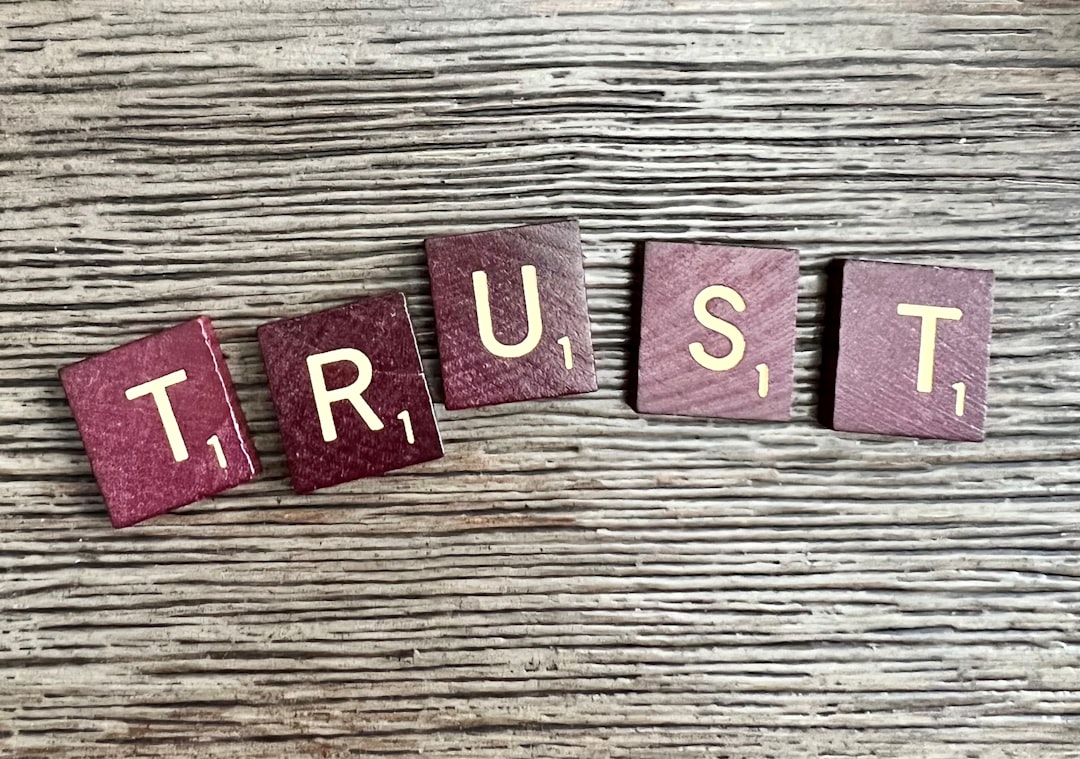
You no longer feel safe sharing sensitive information because secrets have been spilled before. The assurance of confidentiality is gone and leaves you guarded. Without trust the intimacy of the friendship cannot survive. You carefully curate what you say to prevent information from spreading. Rebuilding broken trust is often more difficult than finding new friends.
Intuition Says Go

Your gut feeling consistently tells you that these relationships have run their course. You may not have a specific incident to point to but the feeling persists. Intuition is often the subconscious processing of subtle cues you have ignored. Listening to this inner voice can save you months of unnecessary stress. It is okay to walk away simply because it feels right.
Please share your thoughts on which sign resonated with you the most in the comments.