Most burglaries are not random acts of opportunism. Experienced criminals often spend days or even weeks observing a property before making their move. Recognising the warning signs early can make the difference between a secure home and a devastating break-in. These 30 red flags are worth knowing so you can take action before a problem escalates.
Unfamiliar Vehicles Parked Nearby

A car or van that appears on your street repeatedly without an obvious reason can be a sign that someone is conducting surveillance on local properties. Burglars often use vehicles as a base from which to observe routines and identify the best time to strike. The same vehicle parked at different hours or on different days is worth noting. Take a mental note of the make, model and licence plate and report it to local authorities if the pattern continues.
Strangers Walking Past Repeatedly

A person who walks past your home multiple times within a short window is not always lost or out for exercise. Scouts working for burglary rings often conduct foot-based reconnaissance to assess entry points and note whether anyone is home. They may slow their pace near driveways or peer toward windows as they pass. If you notice the same individual more than twice in a single day with no clear purpose, trust your instincts and stay alert.
Unexpected Door-to-Door Visitors

Unsolicited visitors who ask unusual questions about your household or linger longer than necessary at the door may be gathering information. Some burglars pose as salespeople, charity workers or surveyors to get a closer look at a property and its security. They may ask how many people live in the home or whether you have a dog. Always ask for identification and avoid sharing personal details with anyone who arrives unannounced.
Flyers Left on Your Front Door

A flyer tucked into a door handle or letterbox is sometimes used as a test to see how long a home goes unoccupied. If the flyer remains in place for several days, it can signal to a watching criminal that the residents are away. This tactic is particularly common during holiday periods when homes are left empty for extended stretches. Asking a trusted neighbour to remove any materials left at your door while you are away is a simple but effective precaution.
Tampered Locks or Door Handles
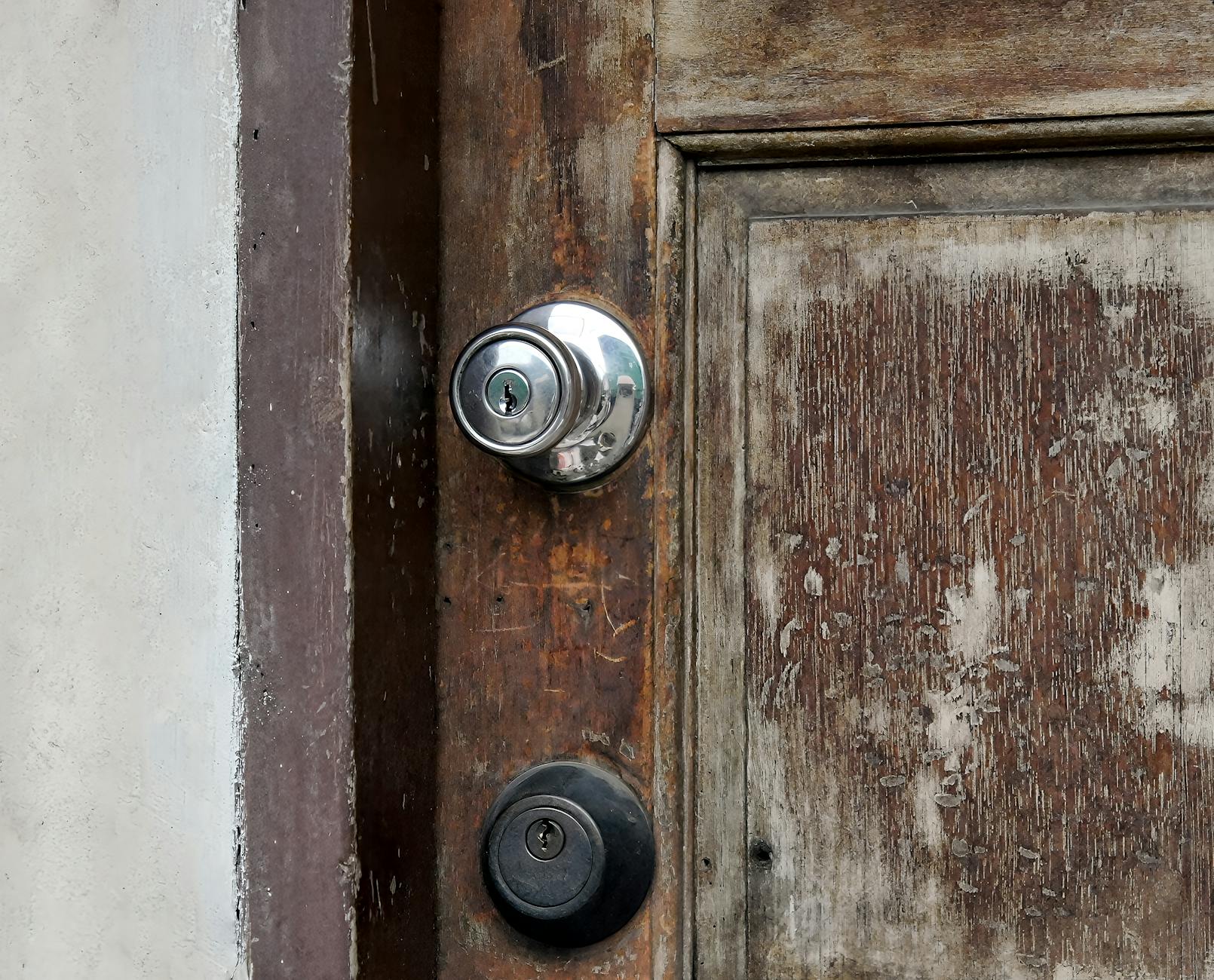
Scratches around a keyhole or a door handle that feels looser than usual can indicate that someone has attempted to pick or force the lock. Burglars sometimes test a property’s entry points days before committing a break-in to identify the easiest access. A deadbolt that no longer turns as smoothly as it once did deserves immediate professional inspection. Upgrading to high-security locks with anti-pick and anti-drill features significantly raises the barrier for would-be intruders.
Strange Markings Near Your Property

Small symbols, chalk marks or unusual scratches on fences, gate posts or pavements near your home have long been associated with criminal communication. Often referred to as “burglar codes,” these markings can convey information such as whether a property is occupied, whether a dog is present or whether security is minimal. The origins of this practice trace back to older criminal networks but modern variants still exist in some areas. Photographing any unusual markings and reporting them to your local police can help investigators identify wider patterns.
Disabled or Repositioned Security Cameras
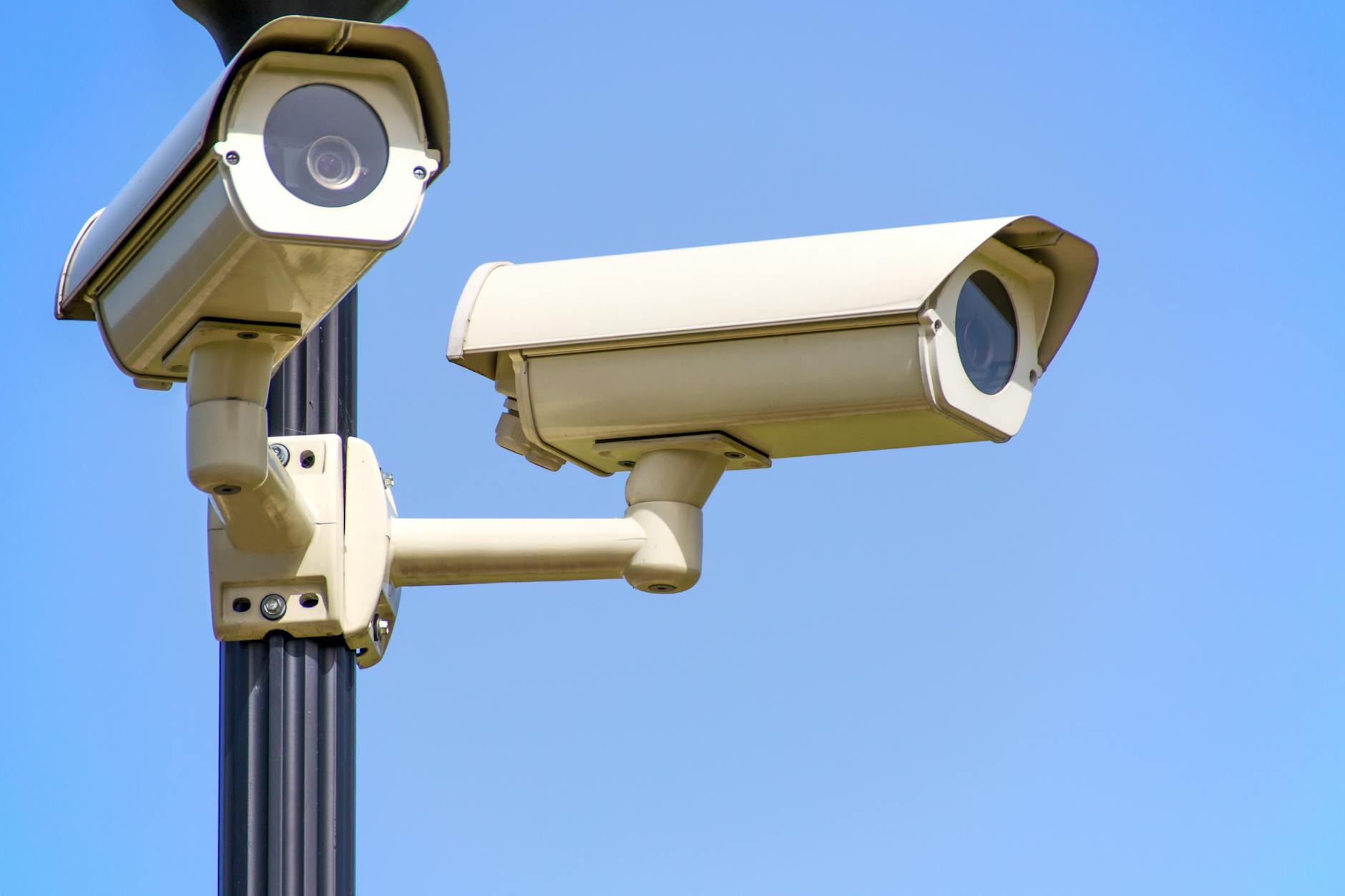
A security camera that has been physically turned away from its original position without your knowledge is a serious warning sign. Intruders who are planning a break-in may attempt to redirect cameras to create blind spots before making their move. Regularly checking that all cameras are aimed correctly and have not been interfered with is an important part of home security maintenance. Investing in tamper-resistant camera housings and receiving alerts when cameras are moved adds an extra layer of protection.
Motion Sensor Lights Triggered at Night
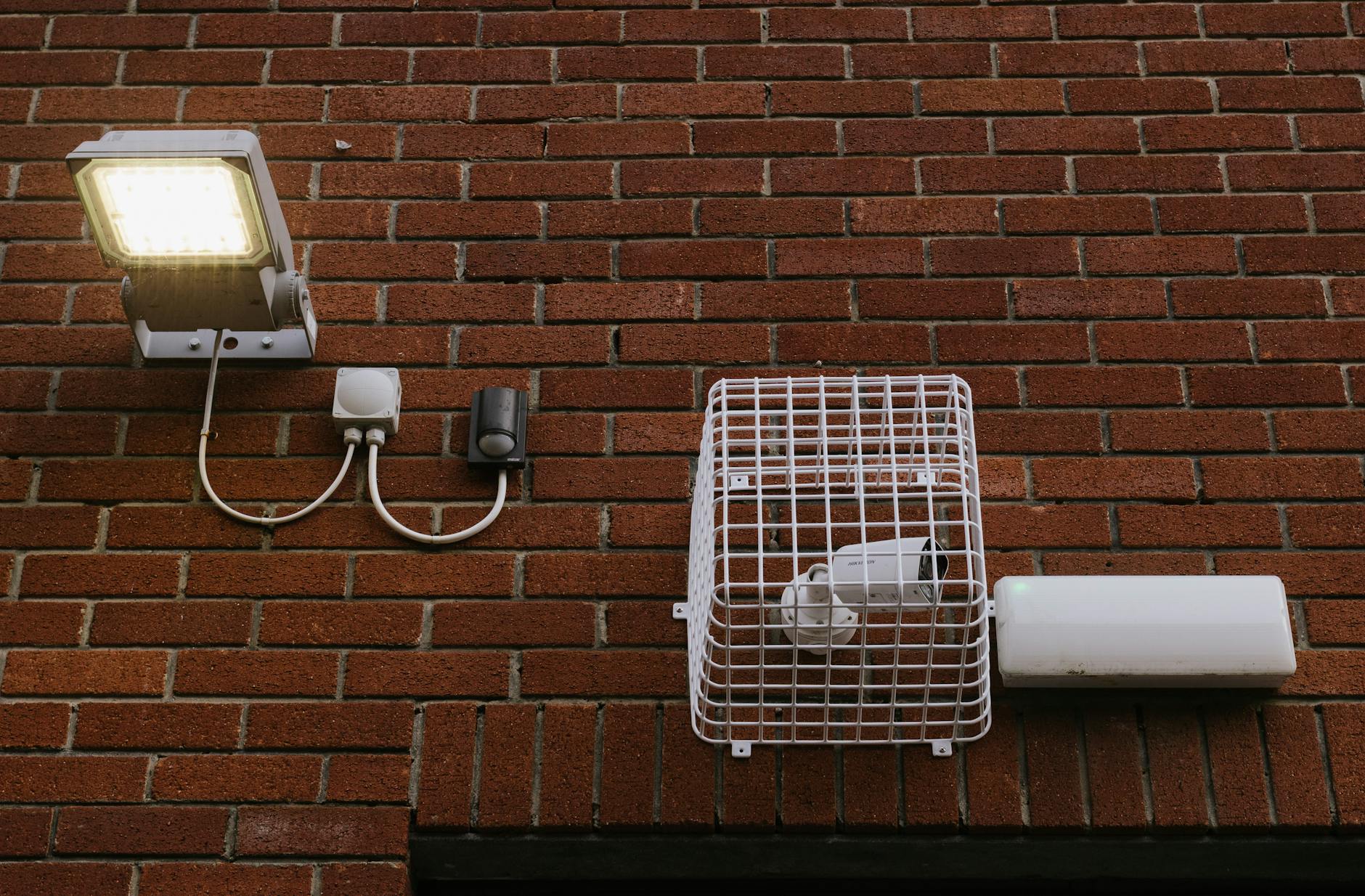
Motion-activated lights that switch on repeatedly during late hours when no obvious cause is present warrant closer attention. While animals can occasionally trigger sensors, a pattern of activation around entry points such as doors, gates or ground-floor windows deserves investigation. Burglars will sometimes test motion sensors in advance to understand their range and response time. Installing sensors with adjustable sensitivity and combining them with an audible alert or camera recording system greatly increases their deterrence value.
Neighbours Reporting Suspicious Activity

When more than one neighbour independently mentions that they noticed someone acting strangely near your property, it is worth taking seriously. Local residents who spend time at home during the day often notice unusual behaviour that homeowners who commute might miss entirely. A collective concern from multiple people on the same street can be an early indicator of organised criminal activity in the area. Joining or forming a neighbourhood watch group creates a communication network that makes it harder for criminals to operate undetected.
Mail and Packages Piling Up
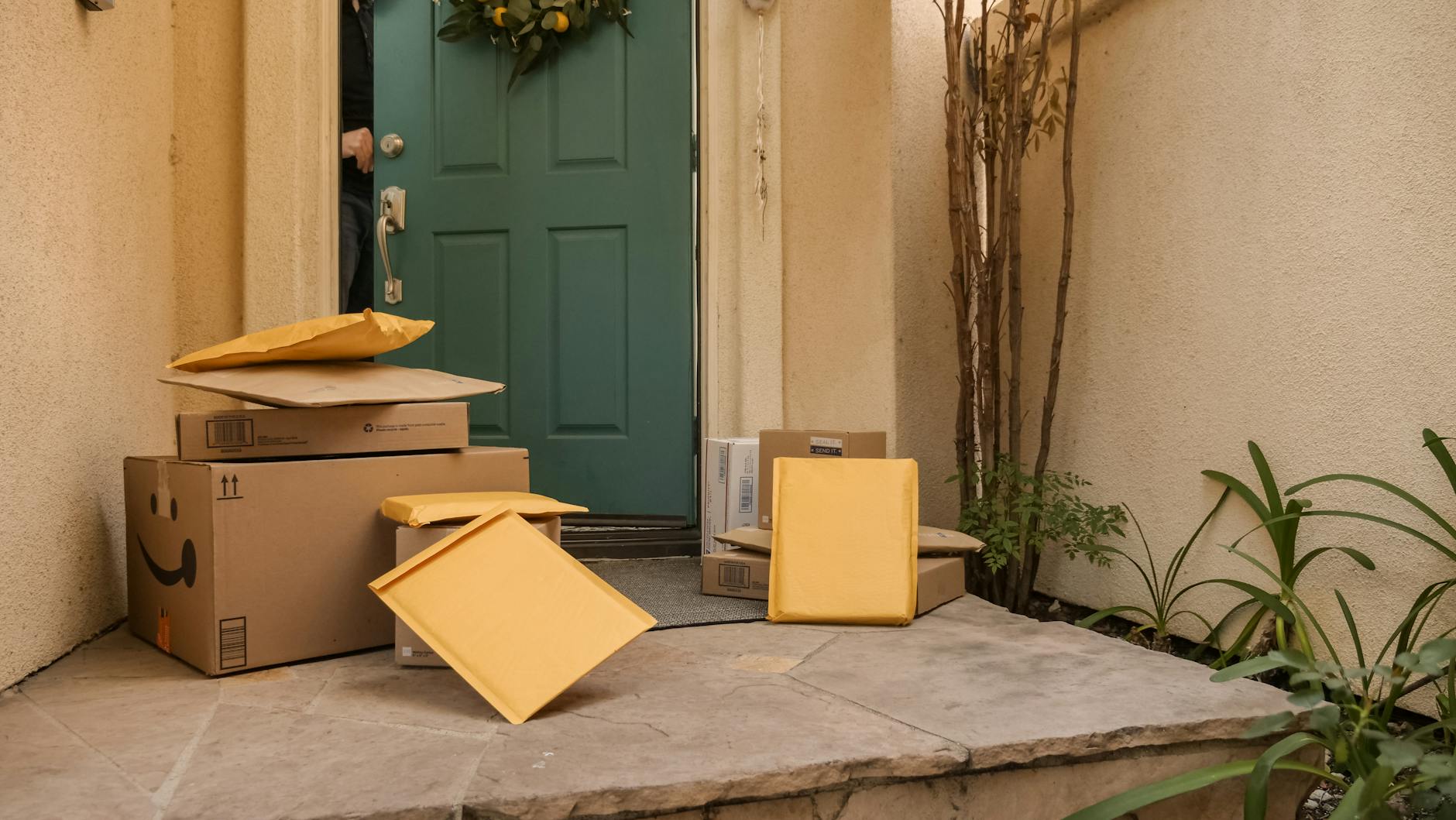
An accumulating stack of letters or uncollected parcels on a doorstep announces to anyone watching that the home is unoccupied. Burglars monitor for these signs with particular attention during school holidays and the summer months. Arranging for a trusted person to collect your post while you are away removes this visible signal entirely. Many postal services also offer mail-holding options that pause delivery for a set period and resume it upon your return.
Oversharing on Social Media
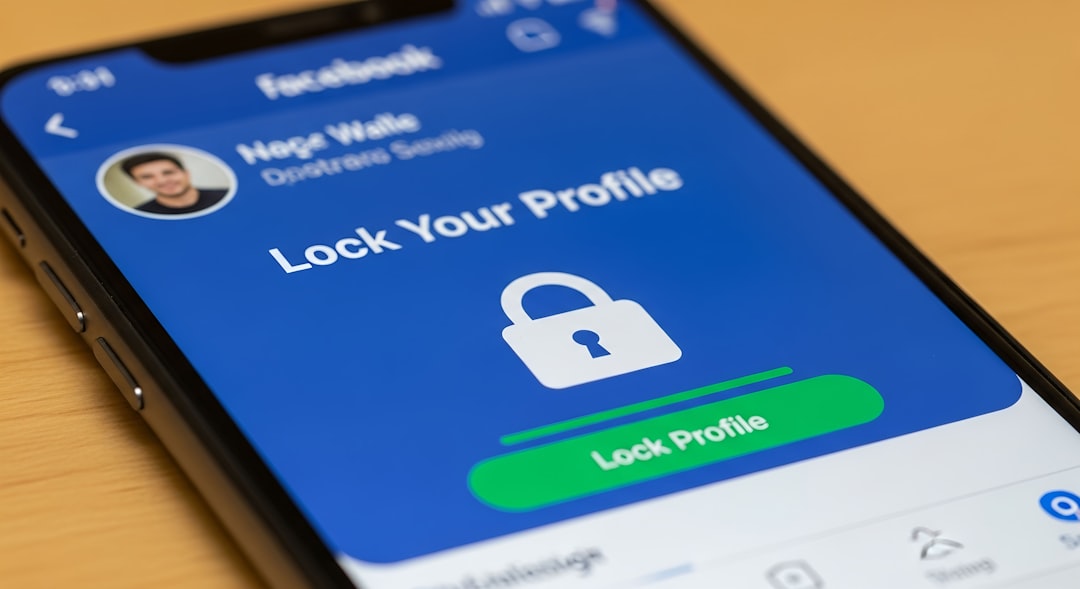
Posting holiday photos, travel plans or real-time location updates gives potential burglars a clear window of opportunity. Even seemingly innocent posts about attending an event for the evening reveal that a home may be empty. Privacy settings on social media accounts are frequently overlooked and can expose location details to people far beyond a trusted circle. Saving travel photos to share after returning home is one of the most effective ways to avoid advertising an empty property to strangers online.
Valuables Visible Through Windows

A laptop on a kitchen counter, a television set facing a street-side window or jewellery left on a dressing table visible from outside all act as advertisements for potential burglars. Criminals conducting reconnaissance will deliberately look through windows to assess what is worth stealing before committing to a break-in. Rearranging furniture so that high-value items are not visible from the street is a practical and cost-free security measure. Using window film that maintains natural light while reducing visibility from outside offers an effective solution for ground-floor rooms.
Gaps in Fencing or Hedges

A broken fence panel or a thinning section of hedge creates a discreet entry point that can be used without passing through a visible front gate. Criminals look for properties where they can approach and exit quickly without being seen from the street or by neighbours. Regularly inspecting the perimeter of your property and repairing any gaps promptly reduces these opportunities significantly. Thorny hedging plants used strategically along boundary lines act as a natural and visually appealing deterrent.
Unlocked or Accessible Side Gates
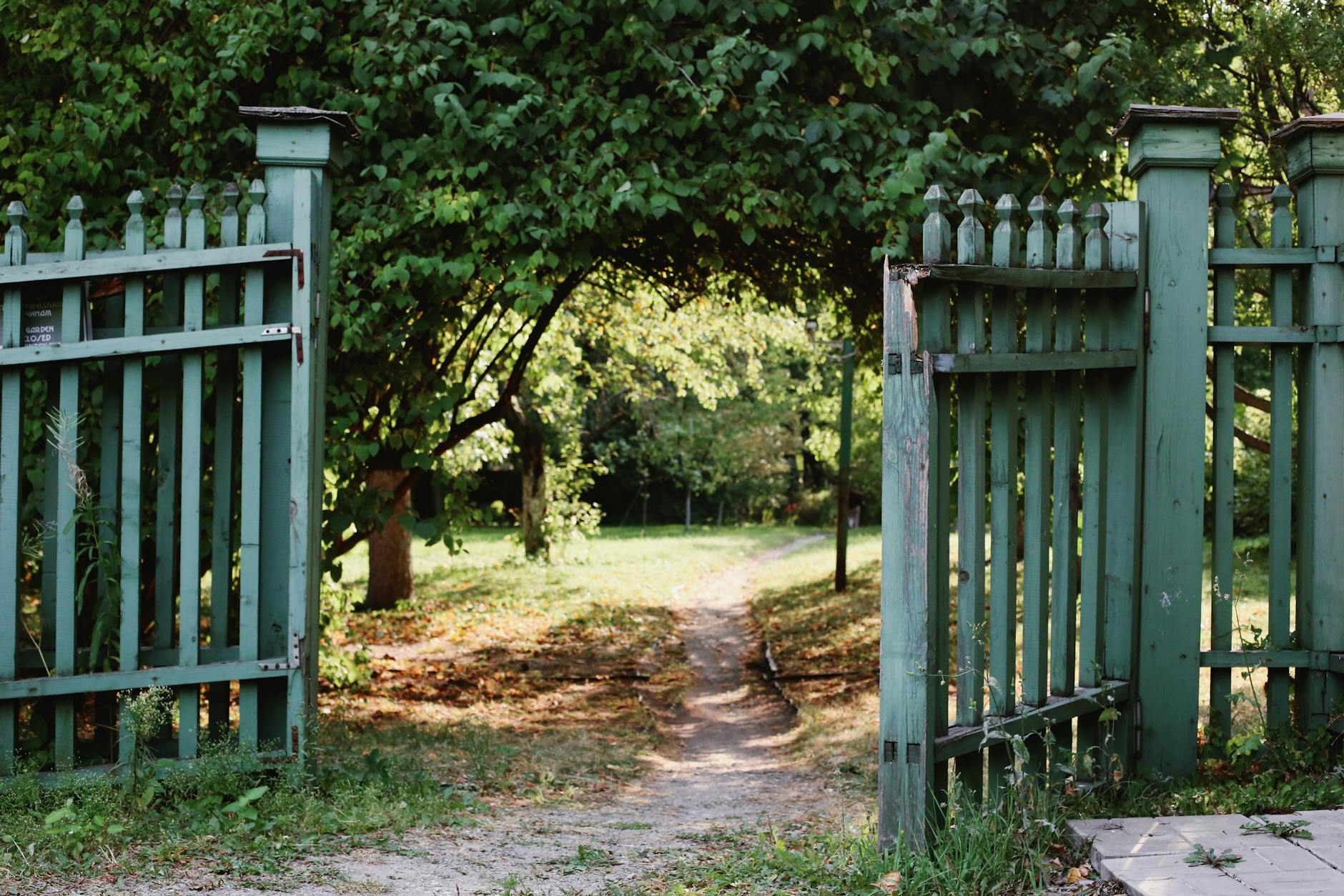
An unlocked side gate or one with a latch that can be reached over the top provides easy access to the rear of a property. The back of a home is a preferred entry point for many burglars because it offers more concealment than the front. Fitting a padlock or a self-locking mechanism that requires a key to open from either side dramatically reduces this vulnerability. Adding a secondary lock higher up the gate panel prevents intruders from reaching over and releasing the latch.
Poorly Lit Entry Points
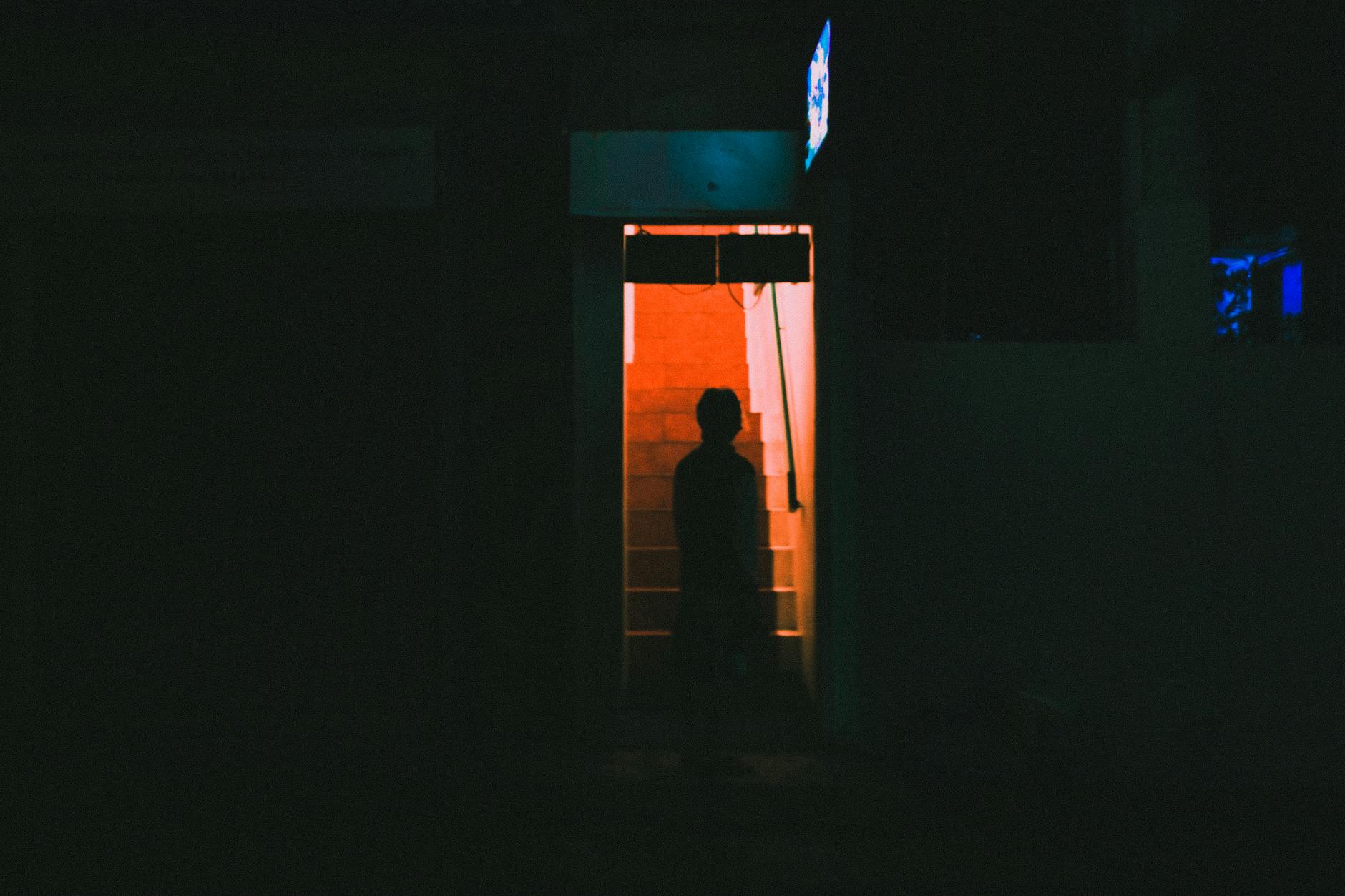
Darkness around front doors, side passages and back gardens creates ideal cover for anyone attempting to break in undetected. A poorly lit property is consistently rated as one of the top environmental factors that makes a home more attractive to burglars. Installing bright LED lighting with motion sensors across all entry and exit points removes this advantage entirely. Solar-powered security lights are a low-maintenance option that ensures consistent coverage even during power interruptions.
No Visible Security System

The absence of a security alarm box, visible cameras or any sign of a monitored system signals to a burglar that a property is relatively unprotected. Research consistently shows that visible deterrents cause criminals to abandon a target in favour of a less defended property nearby. Even a professionally installed alarm box placed at the front of a property without a full internal system can provide a degree of deterrence. Combining visible signage with a functioning alarm system and cameras offers the strongest overall protection.
Strangers Asking Personal Questions

Someone in your neighbourhood who asks detailed questions about your daily schedule, whether you live alone or when you are typically away should raise concern. This type of casual information gathering is a known tactic used by individuals who are scoping a property for a potential burglary. Politely declining to share personal details with people you do not know well is always a sensible approach. Reporting the interaction to local police provides them with useful information, particularly if similar reports come from others in the area.
Unexpected Utility or Repair Workers
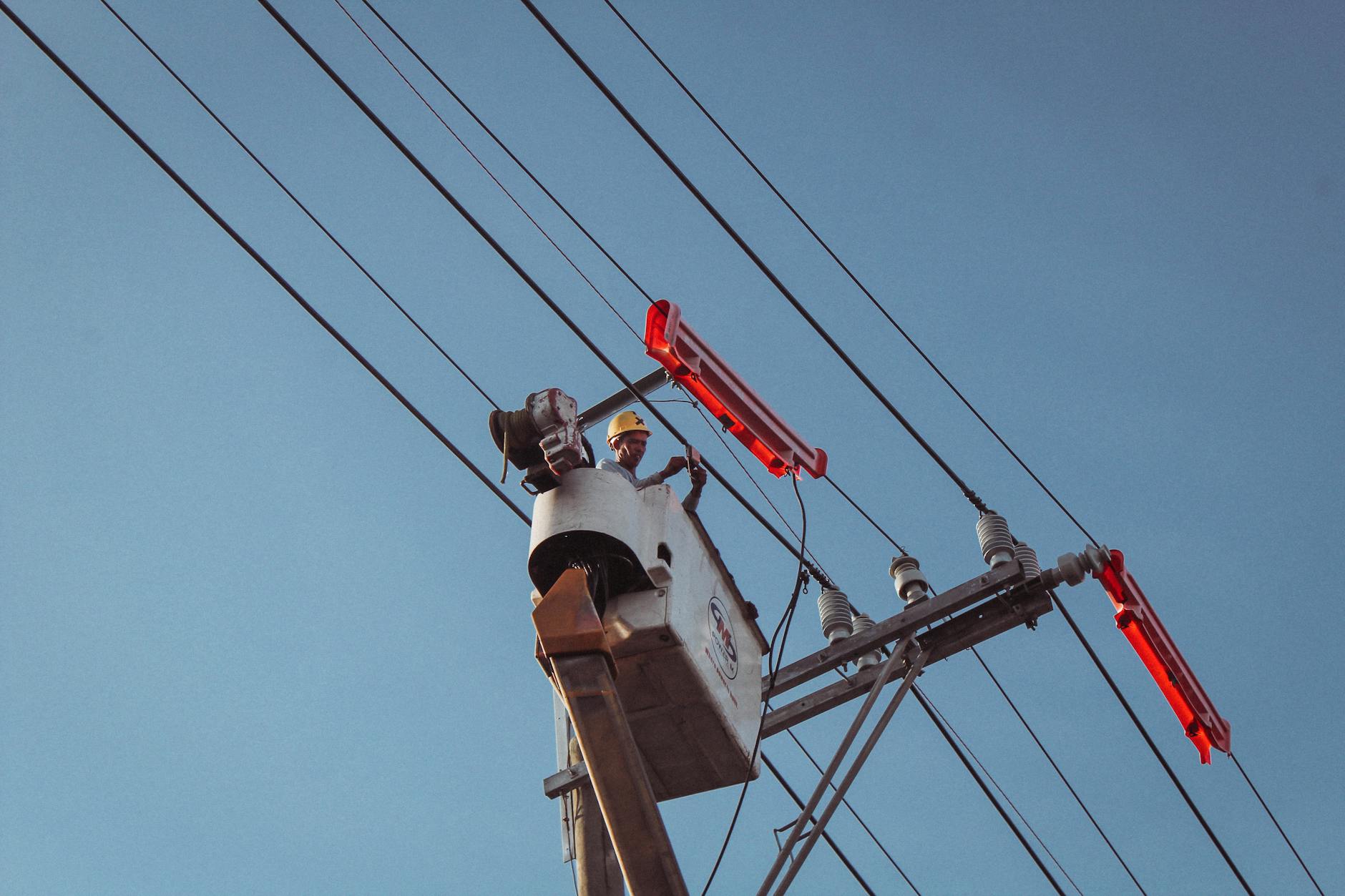
A person claiming to represent a utility company or repair service who arrives without a confirmed appointment may not be who they say they are. This ruse is used to gain a legitimate-looking reason to approach or even enter a property while assessing its layout and security. Always call the relevant company to verify that a visit is genuinely scheduled before opening the door to anyone in a uniform or high-visibility jacket. Legitimate service providers will never object to being verified before entering a home.
Garage Doors Left Open for Extended Periods
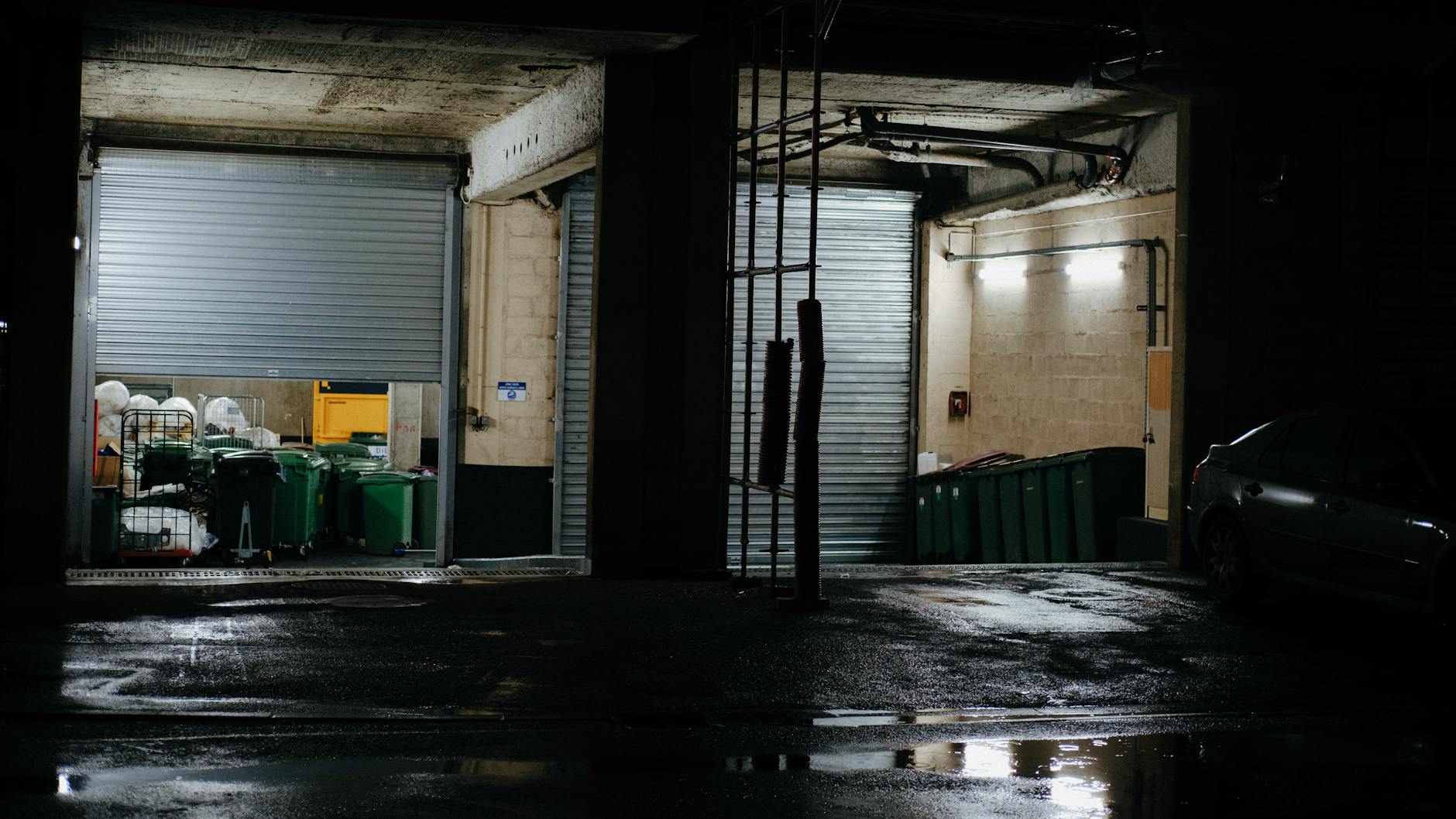
An open garage door is an open invitation for anyone to enter the property with minimal risk of being noticed. Garages frequently contain valuable items including tools, bicycles, sports equipment and in some cases direct access to the interior of the home. Making it a habit to close the garage door every time you leave, even for brief errands, eliminates this vulnerability entirely. Installing a smart garage controller that sends an alert to your phone if the door has been left open for more than a set period of time provides a useful safety net.
Vacation Plans Shared Publicly

Announcing an upcoming holiday through conversation with acquaintances, social media or community boards can reach people with harmful intentions. A property left empty for a week or more while the occupants are known to be away presents a low-risk opportunity for experienced burglars. Being selective about who you inform of your travel plans and limiting that circle to trusted friends and family reduces the risk considerably. Arranging for someone to park in your driveway periodically or vary the lights inside the home during your absence creates the impression of occupation.
Doorbells Rung With No Follow-Up

A doorbell that rings and then shows no one present on a camera recording can indicate that someone is testing whether a resident is home before proceeding. This tactic is particularly common in the early stages of targeting a property and may be repeated on consecutive days at different times. Smart video doorbells that record every activation and store footage in the cloud provide valuable evidence and a significant deterrent. Reviewing your doorbell footage regularly and flagging any unusual activity to your local neighbourhood watch creates an important layer of community awareness.
Footprints Near Windows or Doors

Unexplained footprints in soil, mud or snow around ground-level windows or side doors can indicate that someone has been walking close to the building at a time when no visitor was expected. This type of physical evidence is often found near windows that face away from the street and are less visible to passers-by. Checking the perimeter of your home after rain or snowfall takes only a few minutes and can reveal activity that would otherwise go unnoticed. Installing gravel or bark chips beneath windows makes it harder for anyone to approach without creating sound.
Pets Left Outside for Extended Periods

A dog left outside for long stretches without supervision inadvertently signals to observers that the owner may have left and is unlikely to return shortly. While a barking dog inside the home is a well-known deterrent, one left in a garden unattended provides less of a protective function. Varying the times at which pets are brought inside and outside prevents a predictable pattern from forming that could be exploited. Ensuring that a dog remains visible or audible from inside the home during regular hours reinforces the impression that the property is actively occupied.
Suspicious Phone Calls Inquiring About Occupancy

A phone call from an unknown number asking whether anyone is home or how many people live in the household should be treated with caution. This type of call is sometimes used to determine whether a property is occupied at a specific time before an attempt is made. Never confirming personal details or schedules to unidentified callers is a straightforward but important rule to follow. Registering your number with a telephone preference service and using call-screening features offered by most modern phones reduces the likelihood of receiving such inquiries.
Moved or Knocked Over Outdoor Items

A plant pot that has been shifted from its usual position, a welcome mat that has been moved or outdoor furniture that appears to have been touched can all point to someone having been in your garden without your knowledge. These small disturbances are easy to dismiss as the result of wind or animals but a pattern of similar incidents over several days merits attention. Photographing your outdoor areas in their usual state provides a useful baseline for comparison. Any persistent disturbance should be reported to local police alongside any other unusual activity you have noticed.
Overgrown Landscaping Near Entry Points

Tall hedges, dense shrubs and overgrown trees that obscure the front door or ground-floor windows create natural hiding spots that benefit intruders more than residents. Properties with concealed entry points are consistently associated with higher break-in rates because they allow criminals to work out of sight. Keeping hedges and shrubs trimmed so that doors and windows remain visible from the street removes this advantage. Working with a landscape professional to redesign planting around a property can improve both its appearance and its passive security at the same time.
A Spare Key Hidden Outdoors

A key placed under a doormat, inside a fake rock or on a ledge above the door is one of the oldest and most widely exploited vulnerabilities in home security. Experienced burglars know every common hiding spot and will check them systematically during a reconnaissance visit. Leaving a spare key with a trusted neighbour or family member is a far more secure alternative that eliminates the risk entirely. Smart locks that use keypad entry or smartphone authentication remove the need for physical spare keys altogether.
Predictable Daily Routines

Leaving for work and returning home at exactly the same time every day creates a reliable pattern that can be easily mapped by someone observing a property over several days. The more predictable a household’s routine, the simpler it is for a burglar to identify the window of time when the home will be empty. Varying your schedule where possible and using smart home devices to simulate activity during your absence reduces the information available to anyone watching. Asking trusted neighbours to keep an eye on your property and report anything unusual adds a valuable human element to your security strategy.
Loose or Damaged Window Frames
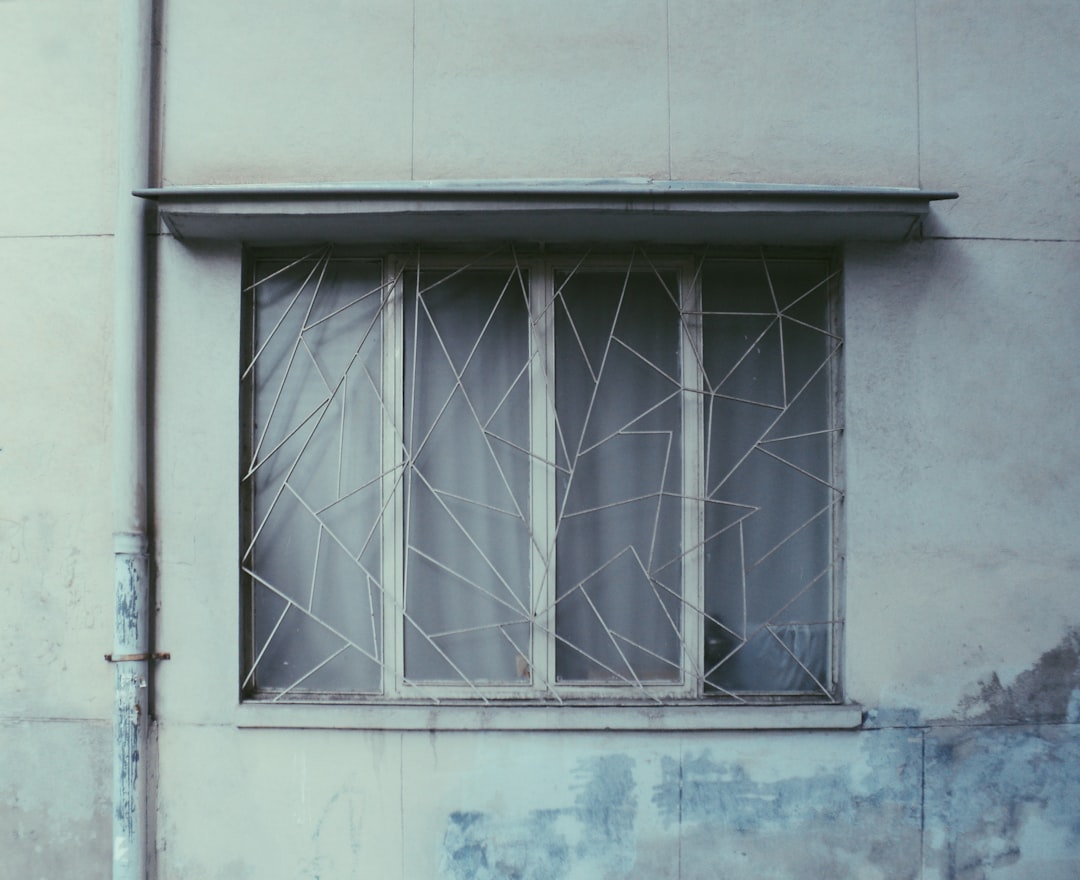
A window frame that has begun to warp, crack or separate from the wall weakens the physical barrier between the outside world and your home’s interior. Damaged frames are easier to force open quietly and quickly, making them a preferred point of entry for experienced burglars. Inspecting all window frames annually and repairing any damage promptly maintains the structural integrity of this critical security layer. Fitting secondary window locks or key-operated restrictors provides additional resistance even if a frame shows signs of wear.
Absence of a Neighbourhood Watch Presence

Streets with no organised neighbourhood watch scheme tend to experience higher rates of property crime because there are fewer eyes monitoring for unusual activity. A visible neighbourhood watch sign acts as a deterrent by communicating to potential criminals that residents are attentive and in communication with local police. Setting up or joining an existing scheme takes very little time and creates a support network that benefits everyone on the street. Areas with active community vigilance consistently report lower burglary rates and faster response times when suspicious behaviour is detected.
If any of these signs feel familiar, share your experiences and any additional tips you have spotted in the comments.