The transition from high school to college is one of the most significant shifts a young person will ever experience. It brings freedom, responsibility, and an entirely new set of life skills that no classroom fully prepares you for. From managing money to navigating relationships, the knowledge you carry into that first semester shapes everything that follows. These thirty essentials give every soon-to-be college student the foundation they need to thrive.
How to Do Your Own Laundry
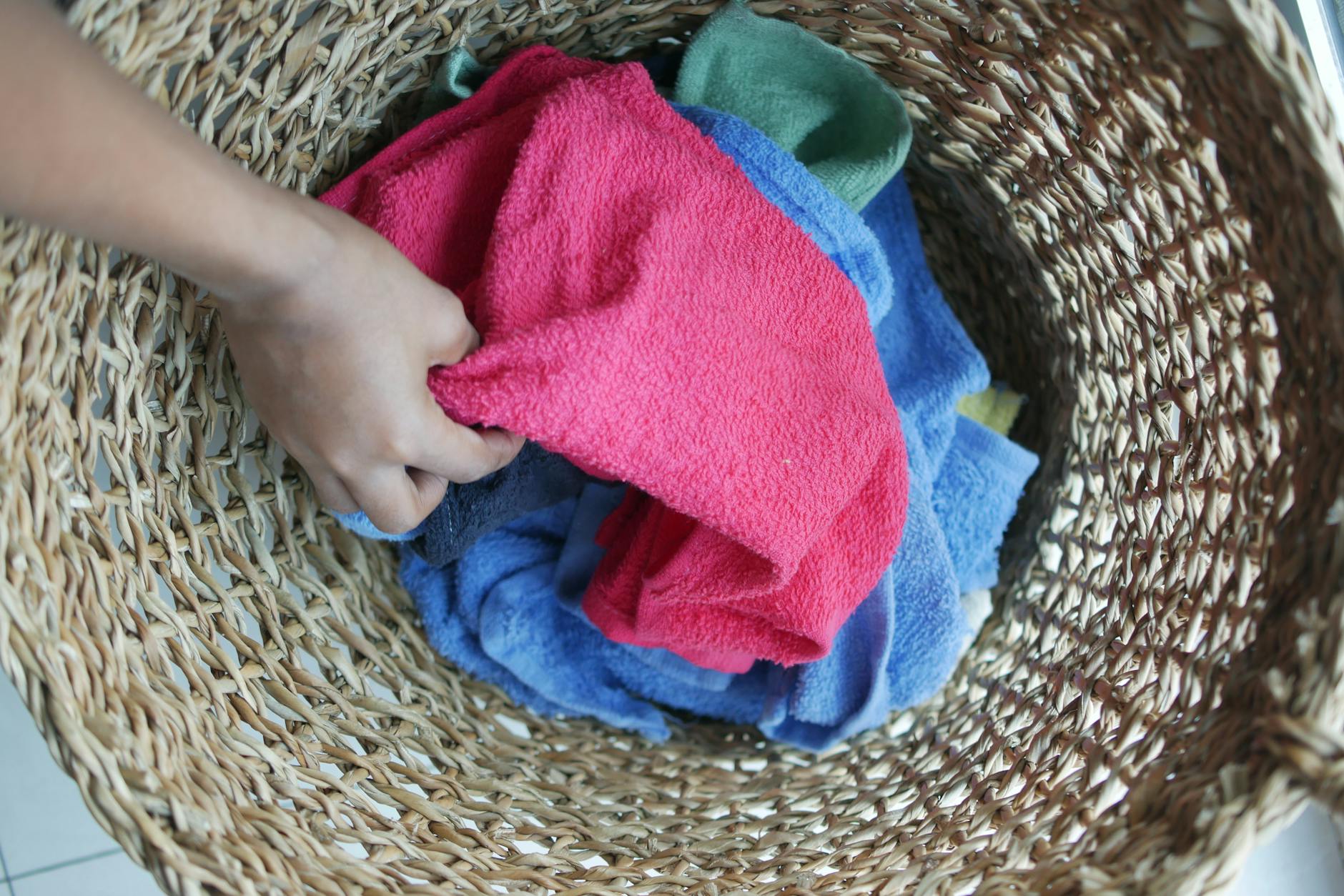
Sorting clothes by color and fabric type prevents costly mistakes like shrinking a favorite sweater or turning white shirts pink. Most campus laundry rooms use standard machines that require basic knowledge of water temperature settings and cycle types. Detergent amounts matter more than most people realize since using too much can leave residue and damage fabrics over time. Learning to read care labels before the first wash saves both money and wardrobe disasters in the long run.
How to Create a Budget

A monthly budget is the single most important financial tool a college student can have at their disposal. Tracking income from part-time jobs, family support, or scholarships against recurring expenses like food, supplies, and transportation prevents overspending. Free budgeting apps designed for students make it simple to set spending limits by category and monitor where money is going. Building this habit early creates financial discipline that pays dividends well beyond the college years.
How to Cook Basic Meals

Knowing how to prepare a handful of simple, nutritious meals reduces dependence on expensive dining halls and fast food options. Staples like pasta, stir-fry, eggs, and soups require minimal equipment and very little cooking experience to pull off successfully. Meal prepping on Sundays saves time during busy weekdays and helps students avoid the poor nutritional choices that come with last-minute hunger. Even a small collection of go-to recipes gives a college student both independence and a healthier lifestyle overall.
How to Manage Time Effectively

College schedules are far less structured than high school, which means self-discipline becomes the deciding factor between success and struggle. Using a digital planner or physical calendar to block out study time, class periods, and personal commitments prevents things from slipping through the cracks. The ability to prioritize tasks by deadline and importance rather than tackling whatever feels easiest first is a skill that separates high performers from the rest. Time management is not a natural talent but a practiced habit that improves with consistent effort.
How to Communicate With Professors

Professors are not high school teachers and they respond far better to students who approach them with professionalism and preparation. Sending a clear, respectful email with a specific subject line and a concise question demonstrates maturity and gets faster responses. Visiting office hours is one of the most underused resources in college and can significantly improve both grades and professional relationships. Learning to advocate for yourself academically is a skill that carries directly into every workplace environment.
How to Recognize a Toxic Friendship

The social landscape of college introduces a wide variety of personalities, not all of which are healthy influences. A toxic friendship often involves one-sided effort, persistent negativity, manipulation, or behavior that consistently leaves you feeling drained or diminished. Recognizing these patterns early allows students to protect their mental health and invest their energy in relationships that are genuinely supportive and reciprocal. Healthy friendships in college become some of the most important professional and personal networks of adult life.
How to Handle Homesickness
Homesickness is a universally common experience among first-year students and carries no shame whatsoever. It typically peaks in the first few weeks and tends to ease naturally as new routines, friendships, and a sense of belonging begin to form on campus. Staying connected with family through regular calls while also pushing yourself to engage in campus life creates a healthy balance between comfort and growth. Reaching out to campus counseling services is a completely valid and smart step if the feeling becomes overwhelming or persistent.
How to Read a Lease Agreement

Many college students sign their first apartment lease without fully understanding what they are agreeing to. Key clauses to review include the duration of the lease, what utilities are included, policies around guests, and the terms for breaking the contract early. Understanding your rights as a tenant and the landlord’s obligations protects you from unexpected charges or unfair treatment. Reading every document before signing is a life skill that applies far beyond the college housing search.
How to Do Basic First Aid
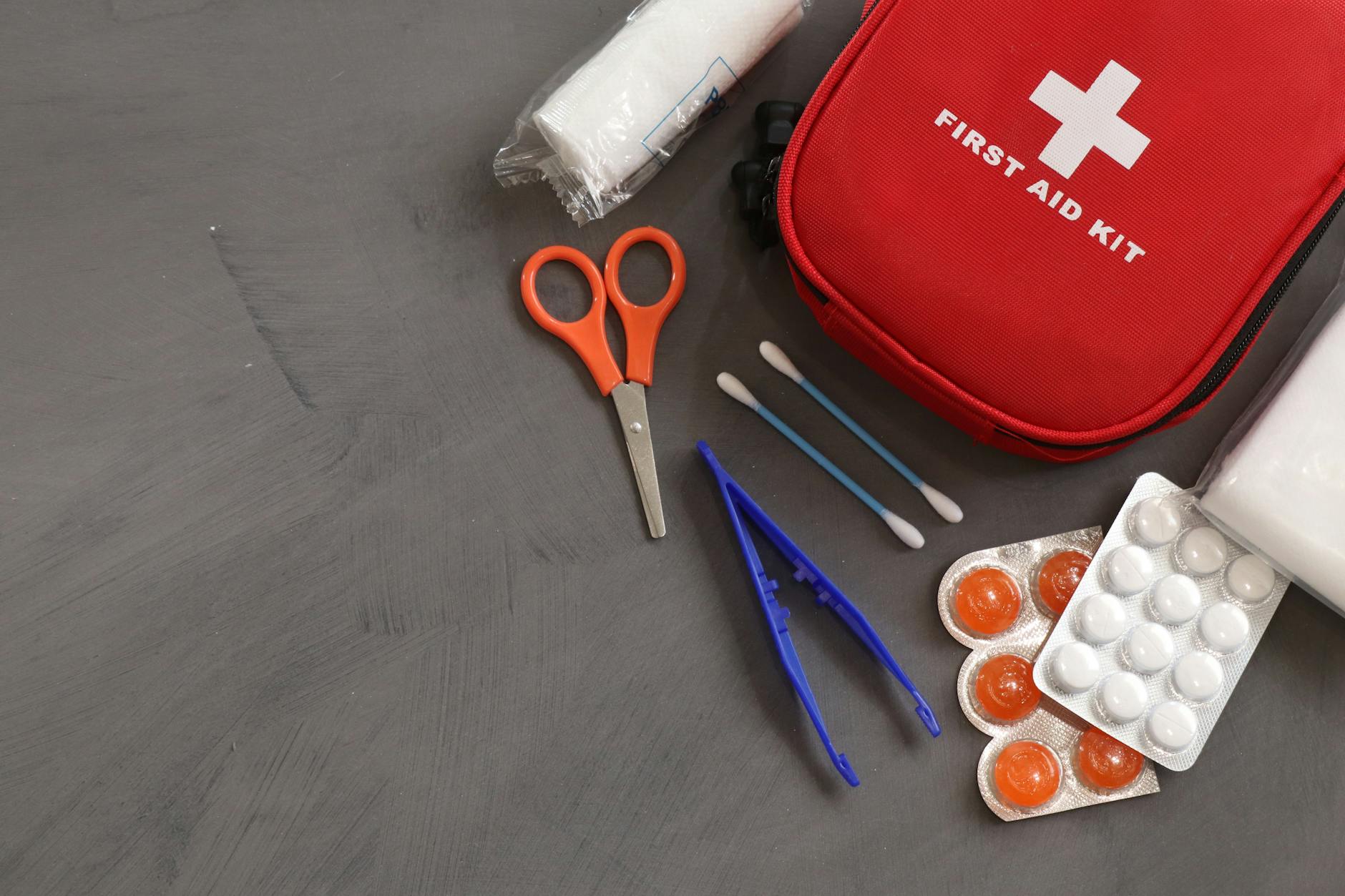
Knowing how to treat a minor cut, burn, or sprain without access to a parent or school nurse is a genuine life necessity. Every student should understand how to clean and bandage a wound properly to prevent infection from developing. Familiarity with over-the-counter medication guidelines ensures that common ailments like headaches, fevers, or stomach issues are managed safely and appropriately. Completing a basic first aid or CPR certification before leaving for college is a practical investment that benefits everyone around you.
How to Navigate Campus Mental Health Resources

College brings an increase in stress, anxiety, and emotional challenges that many students are not fully prepared to handle alone. Most universities offer free or low-cost counseling services, crisis hotlines, and peer support groups specifically designed for student needs. Knowing where these resources are located and how to access them before a crisis arises makes reaching out significantly easier when emotions are running high. Prioritizing mental health with the same seriousness as academic performance is one of the most important mindset shifts a college student can make.
How to Do Grocery Shopping on a Budget

Grocery shopping without a list or a budget is one of the fastest ways to drain a student bank account unnecessarily. Planning meals for the week before heading to the store dramatically reduces impulse purchases and food waste. Buying store-brand products instead of name brands on staple items like rice, canned goods, and bread delivers the same nutritional value at a fraction of the cost. Learning to shop seasonally and take advantage of weekly sales further stretches every grocery dollar spent.
How to Stay Safe Online

College students are frequent targets of phishing scams, identity theft, and social engineering attacks precisely because they handle financial aid, new account setups, and unfamiliar platforms all at once. Using strong, unique passwords for every account and enabling two-factor authentication wherever possible creates a meaningful layer of protection. Being cautious about what personal information is shared on social media or in group chats reduces the risk of exposure significantly. Cybersecurity awareness is no longer optional in a world where so much of academic and financial life happens digitally.
How to Understand Student Loan Terms

Taking on student debt without understanding the terms attached to it is a financial mistake that affects people for decades. The difference between subsidized and unsubsidized loans, the role of interest capitalization, and the available repayment plan options are all concepts every borrowing student needs to grasp. Knowing your expected monthly payment before graduation allows for realistic career and lifestyle planning from the very beginning. Financial literacy around student loans is one of the most impactful forms of education a young person can pursue before entering college.
How to Deal With a Difficult Roommate

Living with a stranger for the first time is one of the most socially challenging aspects of the college experience. Establishing clear expectations early around sleep schedules, guests, cleanliness, and study habits prevents minor frustrations from escalating into serious conflicts. Direct and respectful communication almost always resolves issues more effectively than passive avoidance or involving third parties prematurely. Resident advisors exist specifically to mediate roommate disputes and should be consulted without hesitation when honest conversation is not enough.
How to Register for Classes Strategically
Course registration at the college level is a skill that directly impacts your academic trajectory and daily quality of life. Understanding prerequisites, major requirements, and graduation checklists before meeting with an academic advisor leads to far more productive conversations and smarter scheduling decisions. Balancing heavy coursework semesters with lighter ones prevents burnout and allows space for internships, campus involvement, and personal development. Upperclassmen are an invaluable resource for honest course recommendations that official catalogs rarely provide.
How to Build a Professional Network

Networking is not something that only happens at career fairs and it is never too early to start building meaningful professional relationships. Professors, alumni guest speakers, internship supervisors, and even fellow students represent a web of connections that grows in value over time. Maintaining a LinkedIn profile with an updated resume and a professional photo signals seriousness to employers and industry contacts from the very beginning of college. Every conversation in a professional setting is an opportunity that compounds quietly over a four-year undergraduate career.
How to Do Basic Home Repairs
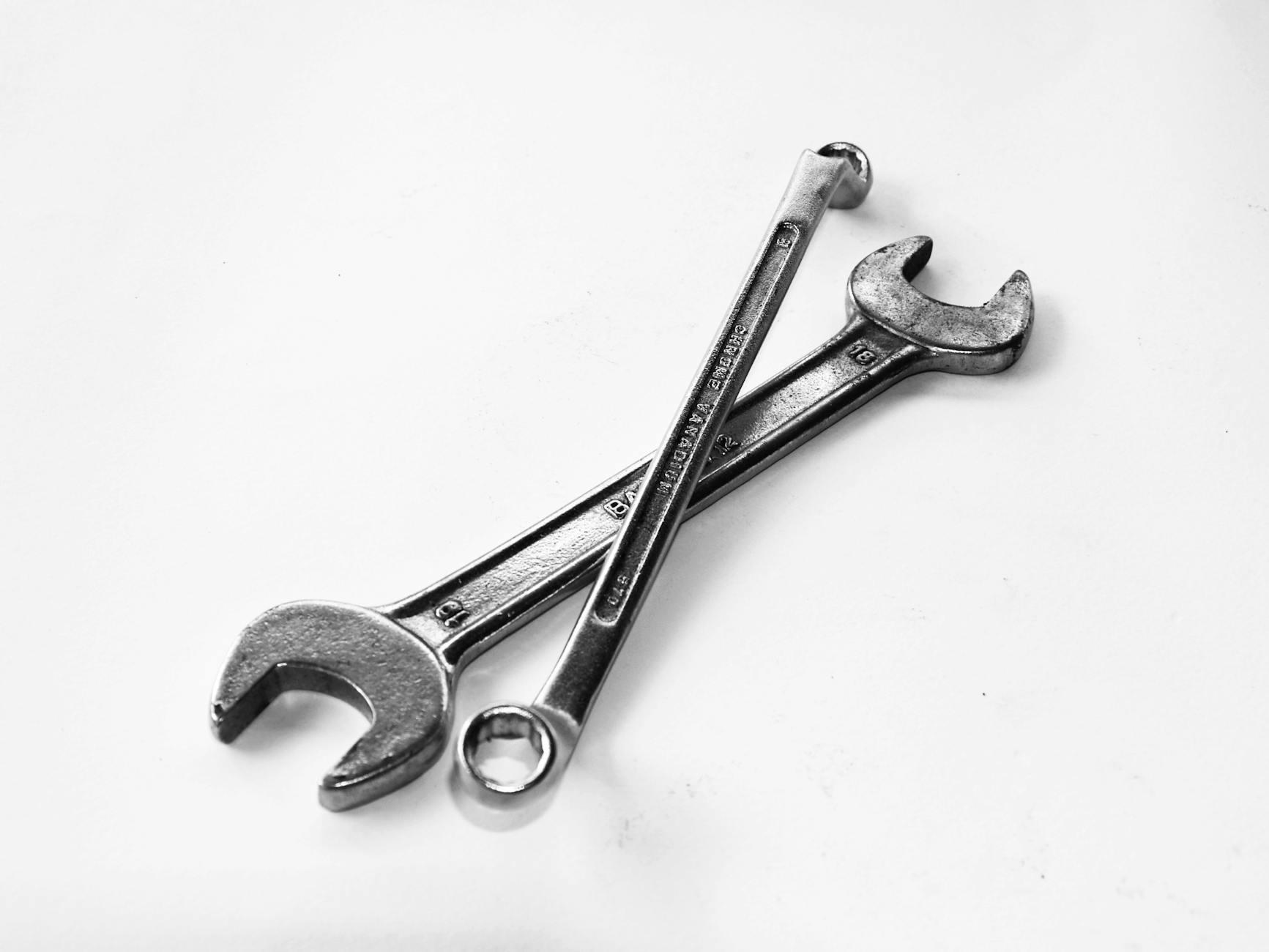
Knowing how to unclog a drain, change a lightbulb, reset a tripped circuit breaker, or patch a small hole in drywall prevents minor inconveniences from becoming expensive maintenance calls. College apartments often come with aging appliances and older infrastructure that require tenants to handle small issues independently. Watching instructional videos online before attempting any minor repair is a reliable and free starting point for students with no prior experience. A small toolkit with a hammer, screwdriver set, pliers, and measuring tape covers the majority of common situations that arise in off-campus housing.
How to Identify Reliable Sources for Research

The ability to distinguish credible academic sources from unreliable ones is a foundational college-level research skill. Peer-reviewed journal articles, university press publications, and established news organizations with editorial standards are generally safe starting points for any research paper. Understanding how to search databases like JSTOR or Google Scholar efficiently saves hours that would otherwise be lost sorting through low-quality search engine results. Professors can tell immediately when a student’s research foundation is weak and it consistently shows up in grades.
How to Exercise Consistently Without a Gym Routine

Physical activity has a direct and well-documented impact on academic performance, mood regulation, and sleep quality. Most college campuses offer free or heavily subsidized access to fitness centers, recreational sports leagues, yoga classes, and wellness programs that students underutilize. Building movement into a daily routine through walking, cycling, stretching, or bodyweight training requires no equipment and very little time when done consistently. Students who maintain even a modest exercise habit throughout college report better focus, lower stress levels, and stronger overall resilience.
How to Manage Academic Stress Without Burnout

College academic pressure is intense by design and learning to manage it sustainably is non-negotiable for long-term success. Breaking large assignments into smaller daily tasks eliminates the panic that leads to all-nighters and last-minute submissions that rarely reflect a student’s true ability. Study groups, tutoring centers, and writing labs are campus resources that exist precisely because no student is expected to navigate academic challenges entirely alone. Recognizing the early signs of burnout including chronic fatigue, loss of motivation, and declining performance allows for course correction before the damage becomes serious.
How to Write a Professional Email

The ability to write a clear, appropriately toned professional email is a skill that college students use from orientation week through graduation day and well beyond. Every professional email should include a specific subject line, a respectful greeting, a concise body that gets to the point quickly, and a courteous closing. Avoiding abbreviations, casual language, and emoji in correspondence with professors, employers, or administrative offices signals maturity and earns respect. Proofreading every message before sending takes less than sixty seconds and eliminates avoidable errors that make a poor first impression.
How to Sleep Well Under Pressure

Sleep deprivation is treated as a badge of honor in many college cultures but the science consistently shows it degrades memory, decision-making, and emotional stability. Maintaining a reasonably consistent sleep schedule even during midterms and finals preserves cognitive function at the moments when it matters most. Creating a wind-down routine that limits screen exposure in the hour before bed dramatically improves both the speed of falling asleep and the overall quality of rest. A well-rested student consistently outperforms a sleep-deprived one regardless of how many additional hours the latter spent studying.
How to Advocate for Yourself in Academic Settings

Self-advocacy is one of the most important and least-taught skills a student can develop before entering college. Whether it involves disputing a grade, requesting a deadline extension due to a genuine emergency, or seeking accommodations for a learning difference, every student has the right to speak up for their needs. Approaching these conversations with documentation, a calm tone, and a clear understanding of the relevant policies leads to significantly better outcomes than emotional or unprepared appeals. Universities have systems in place to support students but those systems only work for the students who know how to access them.
How to Stay Organized Digitally

Digital disorganization is a quiet productivity killer that affects a surprising number of college students throughout their academic career. Maintaining a clear folder structure for course materials, using cloud storage for backups, and keeping a synchronized calendar across devices prevents the chaos that emerges mid-semester when deadlines collide. Note-taking apps that allow tagging, searching, and cross-linking make studying for cumulative exams significantly more efficient than scattered paper notes. Building organized digital habits in the first semester creates a system that supports every year that follows.
How to Handle Alcohol and Social Pressure Responsibly

College social environments frequently involve situations where students encounter peer pressure around alcohol or other substances for the first time. Understanding personal limits, knowing the signs of alcohol poisoning, and feeling empowered to make independent decisions in social settings are all essential safety skills. Having a trusted friend who shares your values and can serve as an honest check in social situations provides a meaningful layer of protection. Campus health centers offer confidential harm reduction resources that are non-judgmental and accessible to every enrolled student.
How to Build a Morning Routine That Works
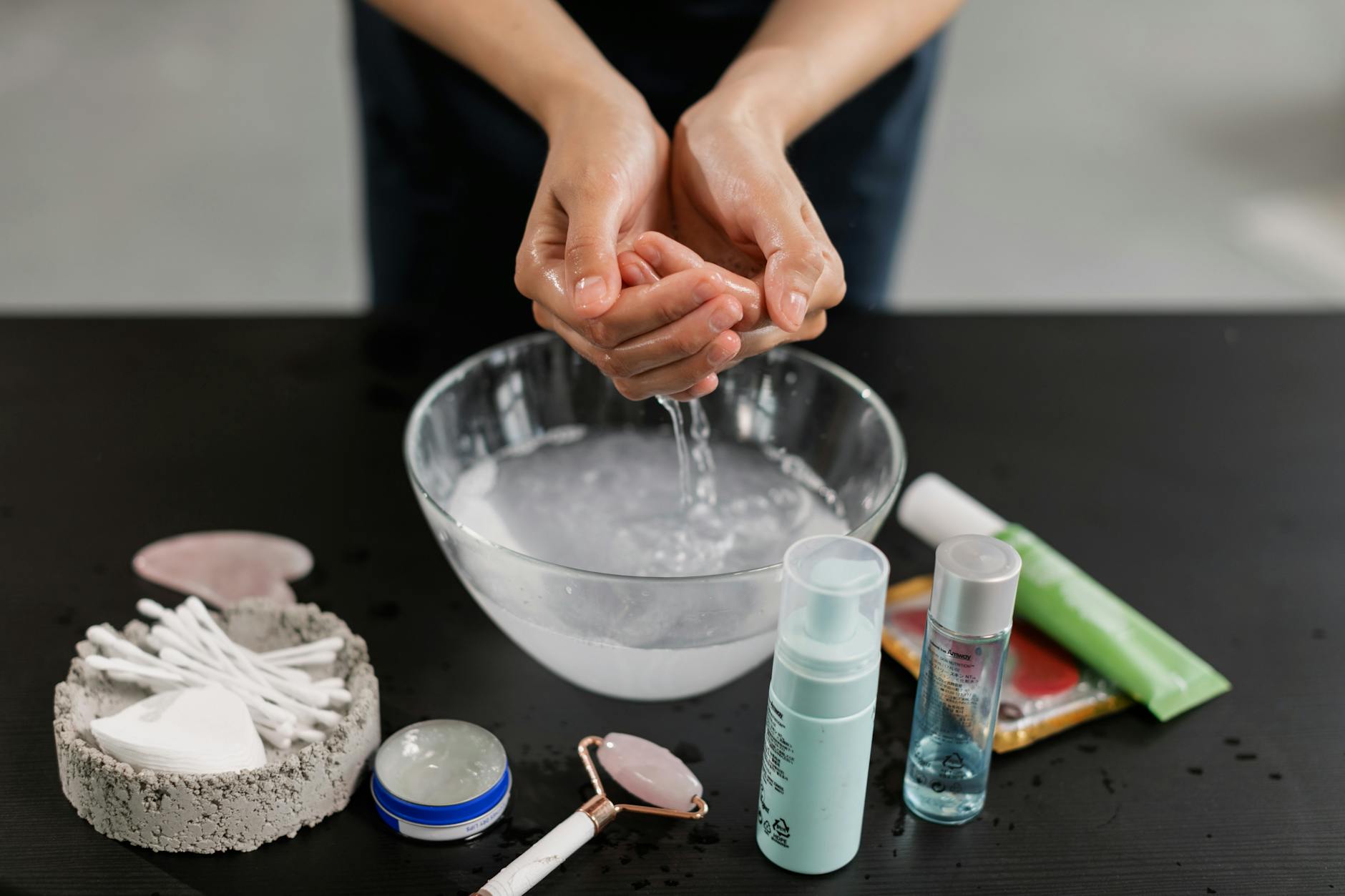
A functional morning routine does not need to be elaborate but it does need to be intentional to set a productive tone for demanding college days. Even thirty minutes of structured morning activity such as hydration, a light meal, a review of the day’s priorities, and a brief moment of quiet awareness creates measurable consistency. Students who begin their days reactively rather than intentionally tend to fall behind on deadlines and report higher levels of daily stress. Designing a morning sequence that fits realistically within your schedule and protects time for both productivity and self-care is a habit that compounds over four years.
How to Save Money on Textbooks

College textbooks represent one of the most significant and least necessary financial drains in a student’s academic budget. Renting through campus libraries, purchasing previous editions, using interlibrary loan services, and sourcing legal digital versions through platforms like Open Library or a professor’s own shared materials dramatically reduces costs. Many professors list required texts that are rarely referenced in class and checking a course syllabus in advance allows for smarter purchasing decisions. Connecting with upperclassmen who have completed the same courses is often the fastest and most reliable way to find affordable or free course materials.
How to Ask for Help Without Shame

One of the most limiting beliefs a college student can carry is the idea that asking for help signals weakness or incompetence. Every campus resource from tutoring centers and financial aid advisors to mental health counselors and academic coaches exists specifically because universities know that students need support to succeed. The highest-achieving students are typically the most proactive about seeking guidance early rather than waiting until a situation becomes a crisis. Reframing help-seeking as a strategic and intelligent behavior rather than an admission of failure is one of the most powerful mindset upgrades a teenager can make before leaving home.
How to Be a Respectful and Engaged Community Member

College campuses are profoundly diverse environments that bring together people from different backgrounds, cultures, beliefs, and life experiences in close daily proximity. Practicing active listening, approaching unfamiliar perspectives with genuine curiosity rather than defensiveness, and taking shared spaces seriously as a collective responsibility all contribute to a campus culture where everyone can thrive. Civic engagement through student government, volunteer organizations, or community partnerships extends that respect beyond campus boundaries and builds character that lasts a lifetime. The habits of empathy and accountability formed in college shape the kind of colleague, neighbor, and citizen a person becomes in adulthood.
How to Reflect and Adapt When Things Go Wrong

No college journey unfolds without setbacks and the ability to reflect honestly on failure without catastrophizing is one of the most valuable skills a student can develop. A failed exam, a friendship that ends, a dropped course, or a rejected internship application are all common experiences that carry lessons when approached with honesty and self-awareness. Journaling, speaking with a mentor, or simply allowing time for quiet reflection creates the mental space needed to identify what went wrong and what should change going forward. Resilience is not the absence of difficulty but the practiced habit of learning from it and continuing to move forward with intention.
Share your own must-know advice for incoming college students in the comments.