Japan is one of the most rewarding travel destinations in the world, offering a seamless blend of ancient tradition and cutting-edge modernity. First-time visitors are often struck by how different the cultural norms and daily rhythms feel compared to home. Knowing what to expect before you arrive can transform a confusing experience into an unforgettable one. The following guide covers the essential knowledge every traveler should carry before stepping off the plane in Tokyo, Osaka, or anywhere across this remarkable country.
IC Cards

An IC card such as Suica or Pasmo is a rechargeable smart card that works on trains, subways, and buses across most major cities in Japan. These cards can also be used to pay at convenience stores, vending machines, and many restaurants. Picking one up at the airport on arrival saves significant time navigating ticket machines with unfamiliar fare charts. Most modern smartphones can also store a digital version of these cards for added convenience.
Tipping Culture
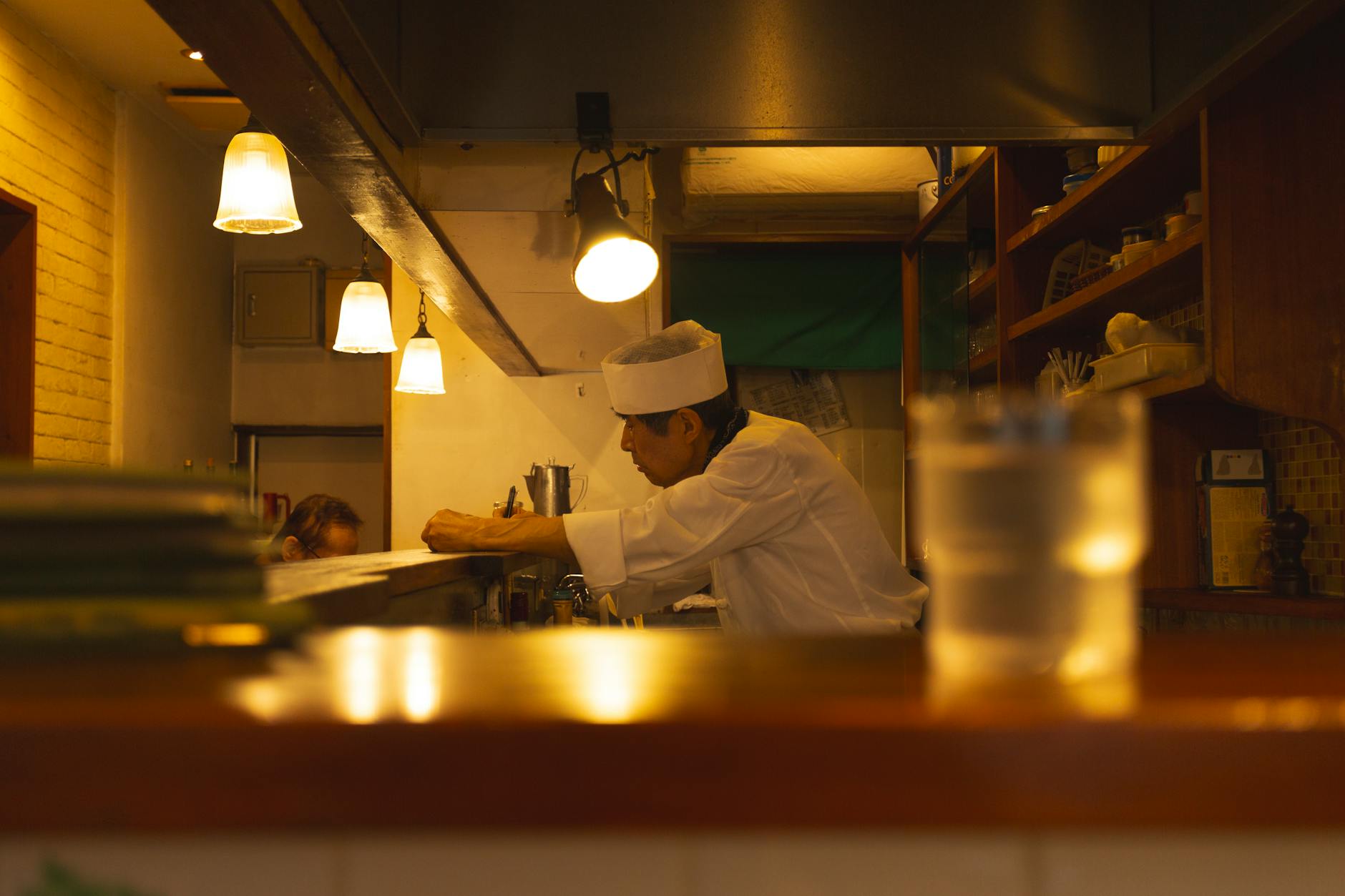
Tipping is not practiced in Japan and in many contexts it can be perceived as rude or confusing to service staff. Exceptional service is considered a professional standard rather than something requiring an additional monetary reward. Attempting to leave a tip at a restaurant may result in staff politely returning the money to you. The best way to show appreciation is through a sincere bow and a warm verbal thank you.
Cash Reliance
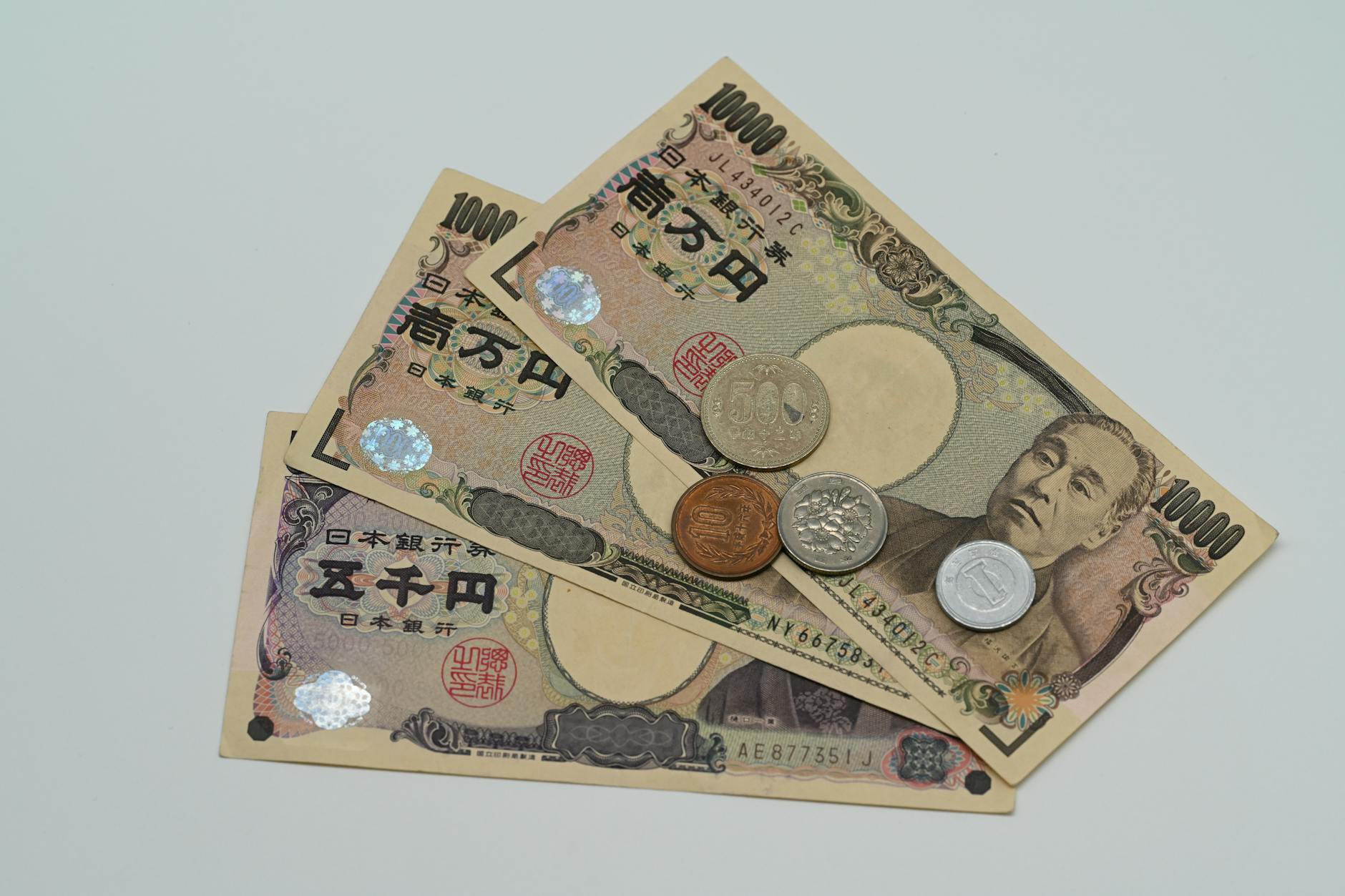
Japan remains a predominantly cash-based society despite recent moves toward digital payments in urban areas. Many smaller restaurants, rural guesthouses, and local shops still operate exclusively with yen. Carrying enough cash for each day is a practical habit that prevents awkward situations at checkout. ATMs at 7-Eleven and Japan Post locations reliably accept foreign bank cards and are widely available.
Quiet Zones on Public Transport
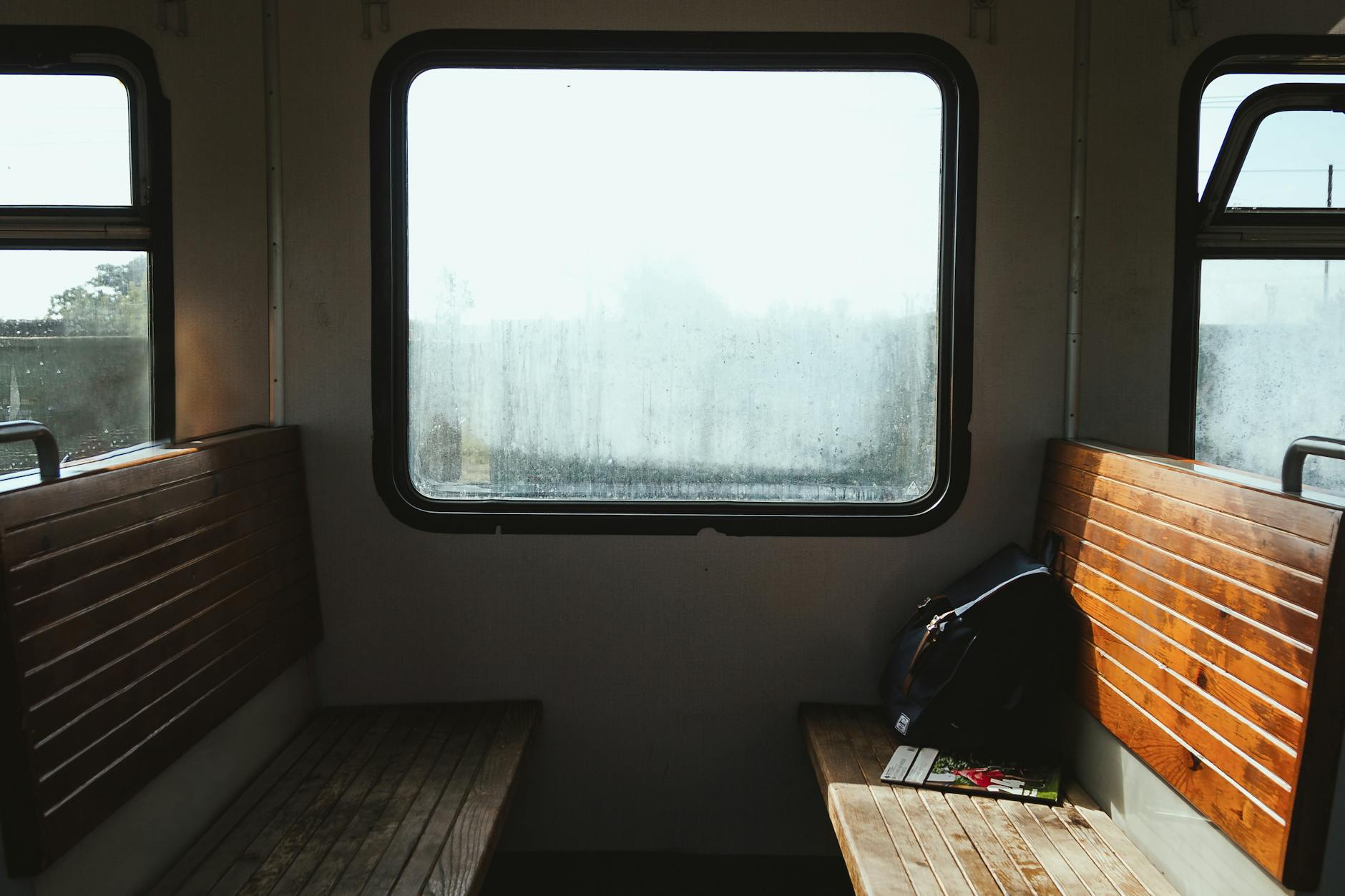
Trains and subways in Japan are remarkably quiet environments where passengers are expected to keep noise to a minimum. Phone calls are considered disruptive and should be avoided entirely in train carriages. Music should be kept low enough that it cannot be heard by nearby passengers even through earphones. This culture of consideration makes public transport a calm and efficient experience for everyone on board.
Trash Cans
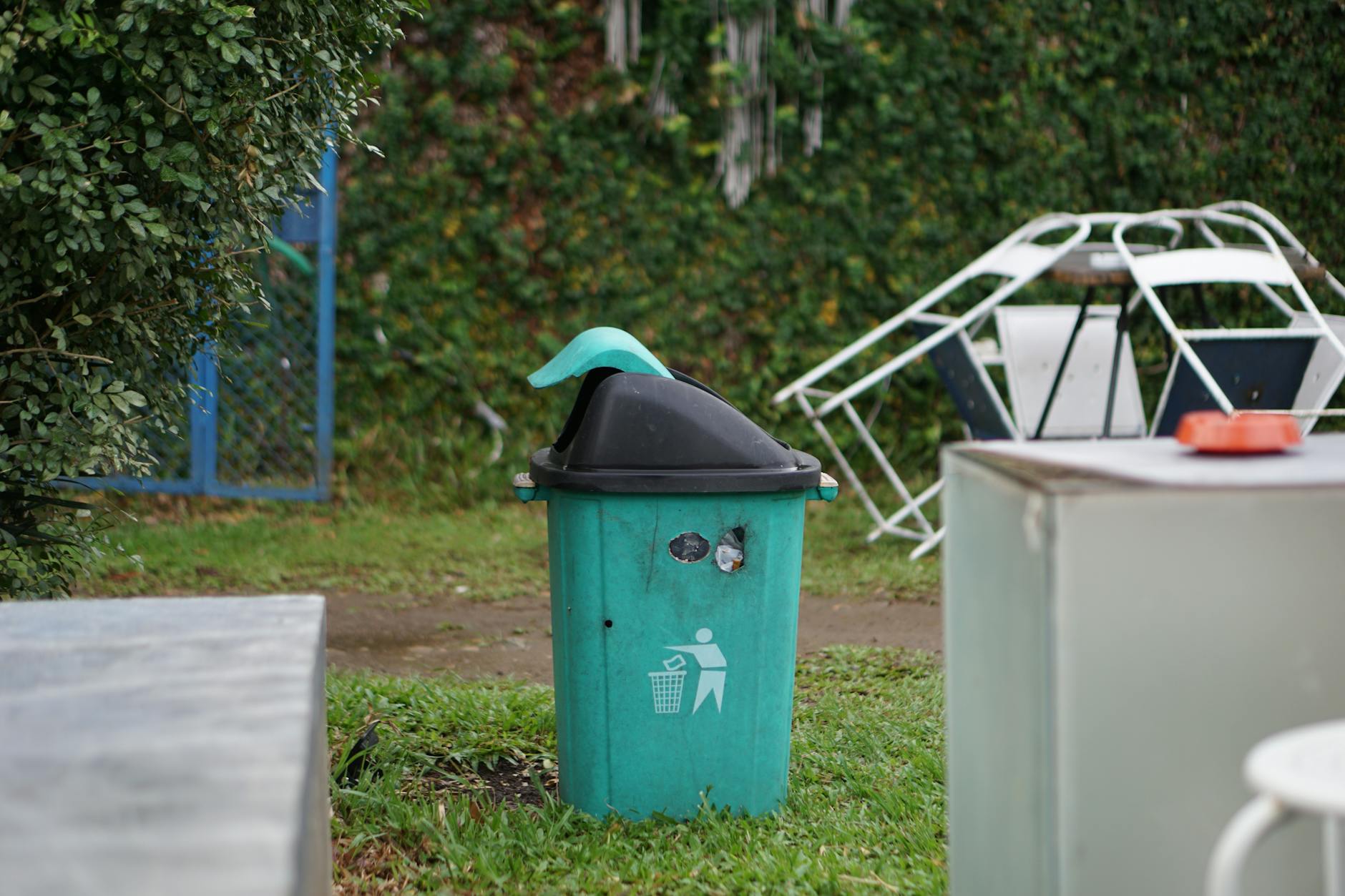
Public trash cans are extremely rare on streets throughout Japan, which initially surprises many visitors. The cultural norm is to carry your waste until you reach a convenience store recycling station or return to your accommodation. This practice is a large part of why Japanese cities remain remarkably clean despite heavy foot traffic. Packing a small reusable bag to hold wrappers and bottles throughout the day is a practical habit worth adopting immediately.
Convenience Stores
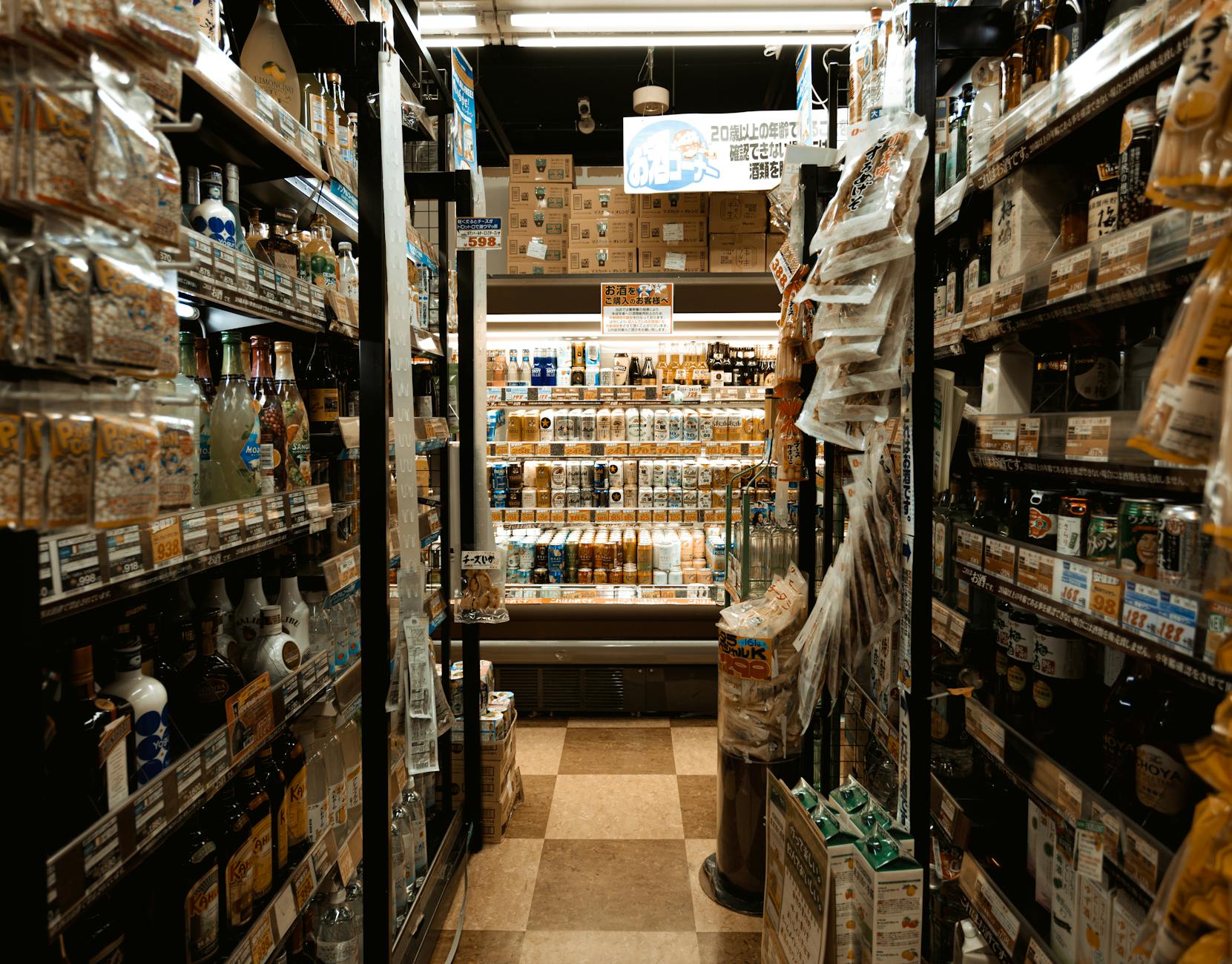
Japanese convenience stores known as konbini operate at a level of quality that sets them apart from anywhere else in the world. Chains such as 7-Eleven, FamilyMart, and Lawson offer freshly prepared meals, hot drinks, ATM services, and even basic toiletries. Many travelers find that konbini meals rival the quality of casual restaurants at a fraction of the cost. They also serve as useful spots for printing documents, paying bills, and accessing public WiFi.
Chopstick Etiquette
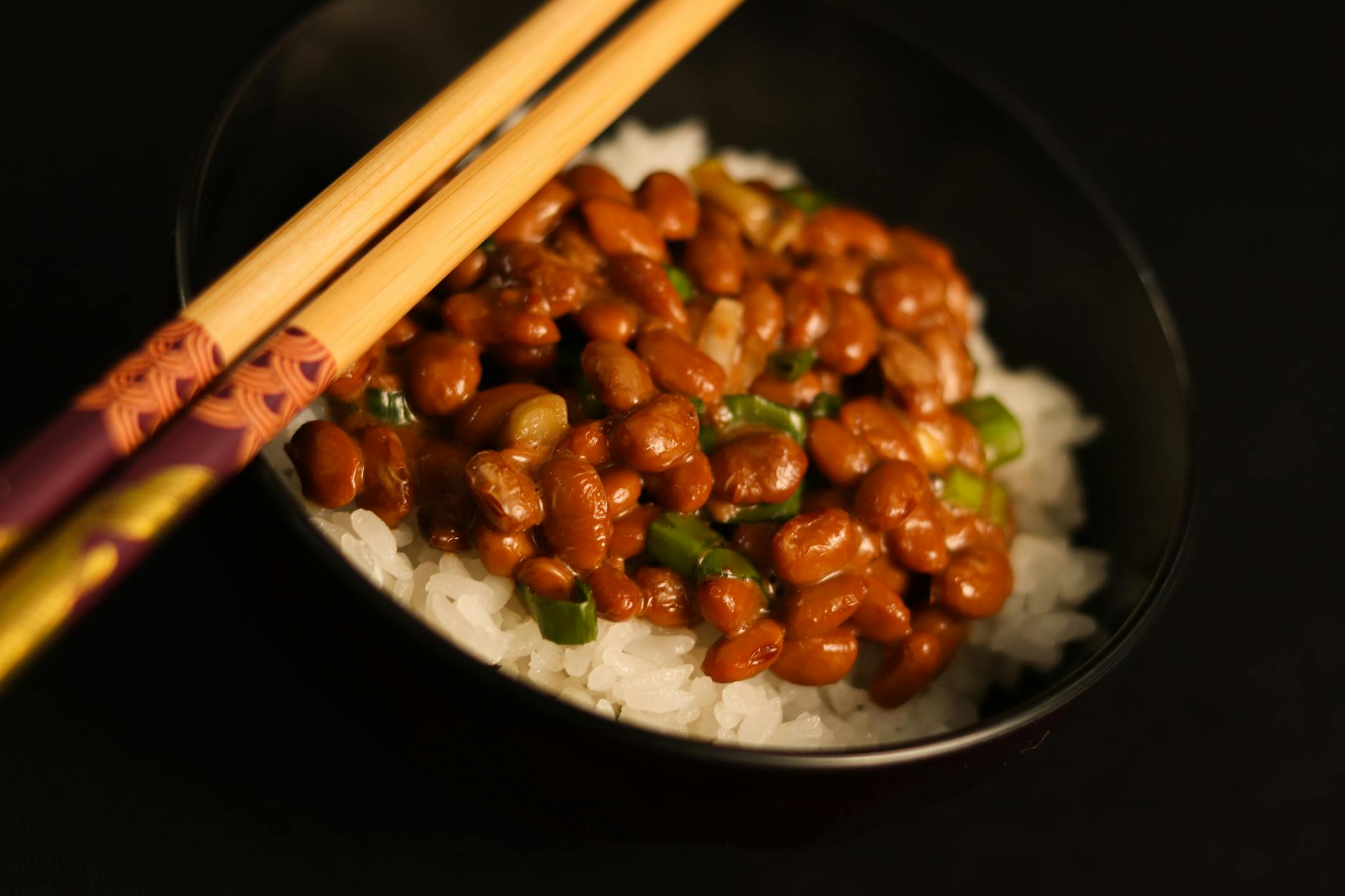
Using chopsticks correctly in Japan involves more than just picking up food from a bowl. Sticking chopsticks upright into a bowl of rice is associated with funeral rituals and should be avoided at the table. Passing food directly from chopstick to chopstick carries similar connotations and is considered inappropriate in dining settings. Resting chopsticks on a provided holder or across the edge of the bowl is the accepted practice between bites.
Onsen Rules
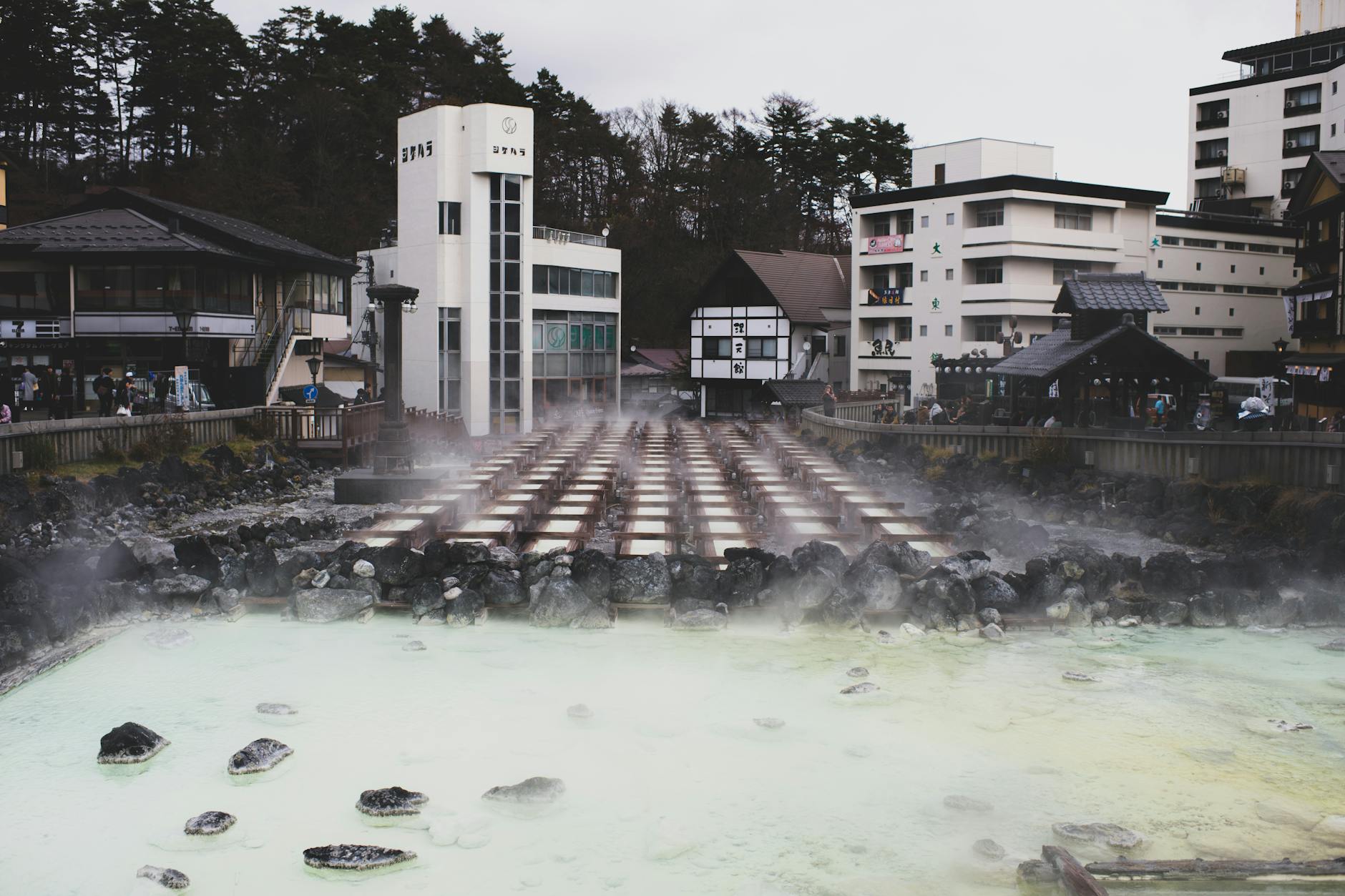
Hot spring baths called onsen are a cornerstone of Japanese culture and visiting one is a deeply relaxing experience. All bathers are required to wash thoroughly at individual shower stations before entering the communal bath. Swimwear is not permitted in traditional onsen as the water must remain clean for all guests. Many facilities ask visitors with tattoos to use private bath rooms due to longstanding cultural associations.
Tattoo Restrictions
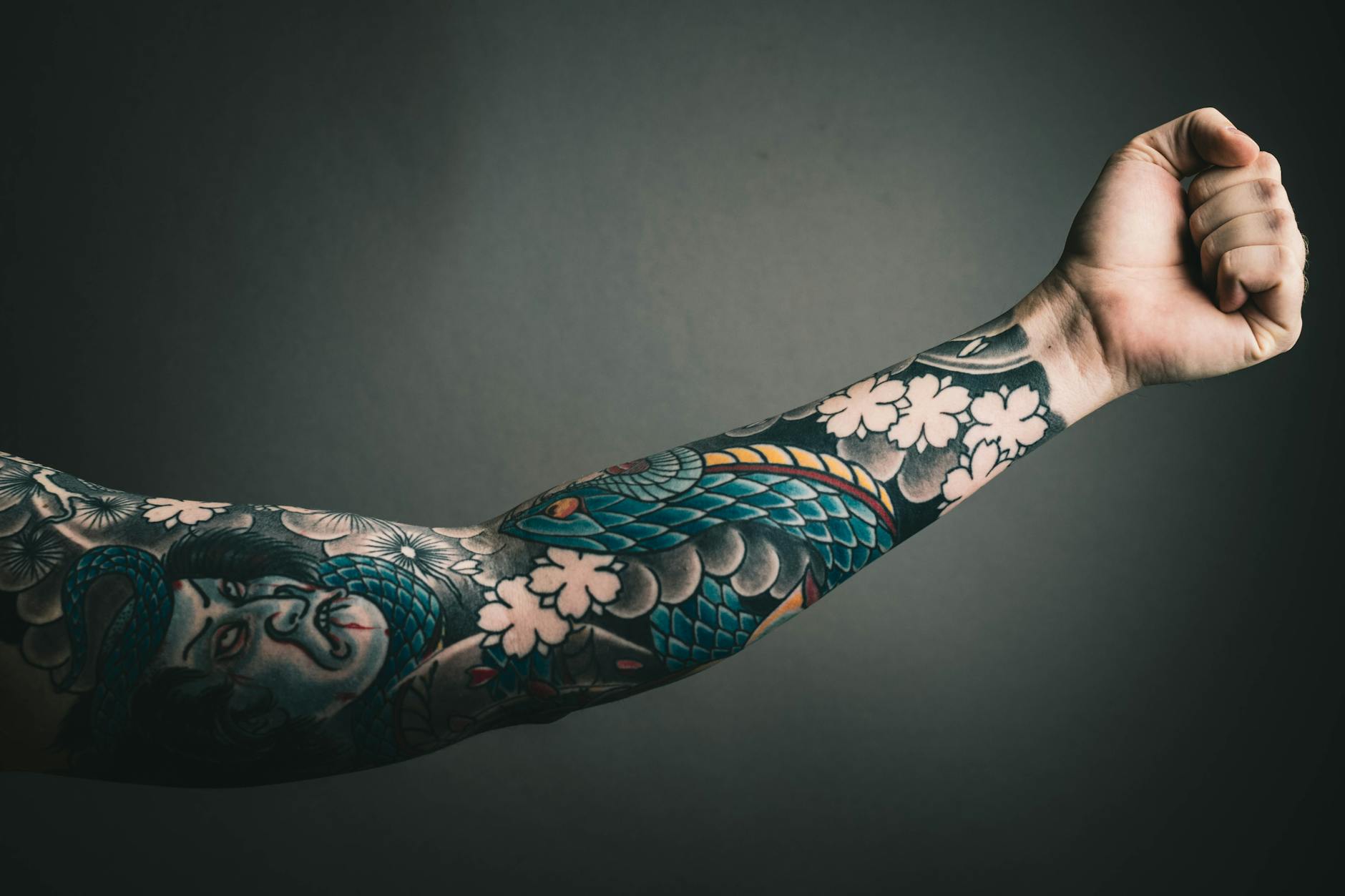
Tattoos carry historical associations with organized crime in Japan and as a result many onsen, public pools, and gyms prohibit tattooed visitors. This policy applies to foreign travelers in the same way it applies to Japanese nationals. Some facilities have begun relaxing their rules for smaller or covered tattoos, particularly in tourist-heavy areas. Researching tattoo policies before visiting a specific facility avoids disappointment upon arrival.
Pocket WiFi and SIM Cards
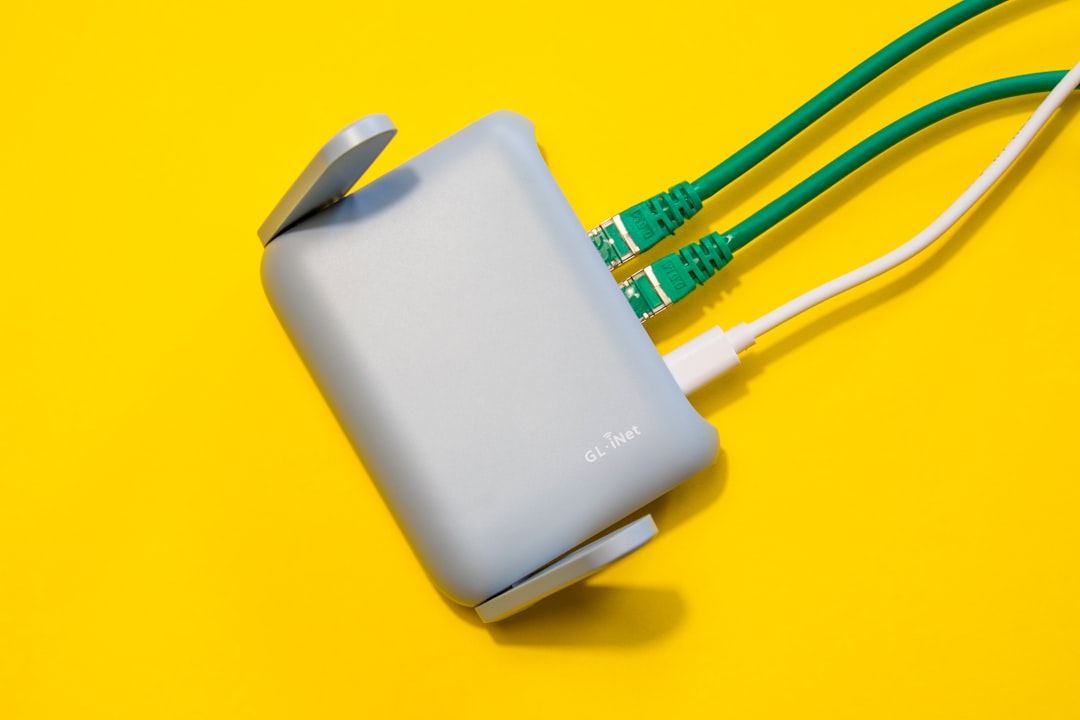
Staying connected in Japan is straightforward with the right preparation before departure. Pocket WiFi devices can be reserved online and collected at the airport upon arrival, providing a reliable connection for multiple devices simultaneously. Prepaid tourist SIM cards are another popular option available at major airports and electronics stores. Free WiFi is available at many convenience stores and train stations though the coverage is not always consistent enough for navigation-heavy days.
Shoe Removal

Removing shoes before entering homes, traditional restaurants, many ryokan, and some cultural sites is a firm and widely observed custom in Japan. A clear indicator that shoes must be removed is the presence of a raised entryway called a genkan at the door. Wearing shoes that slip on and off easily makes this transition smooth and quick throughout the day. Keeping socks clean and presentable is worth thinking about before heading out each morning.
Eating While Walking
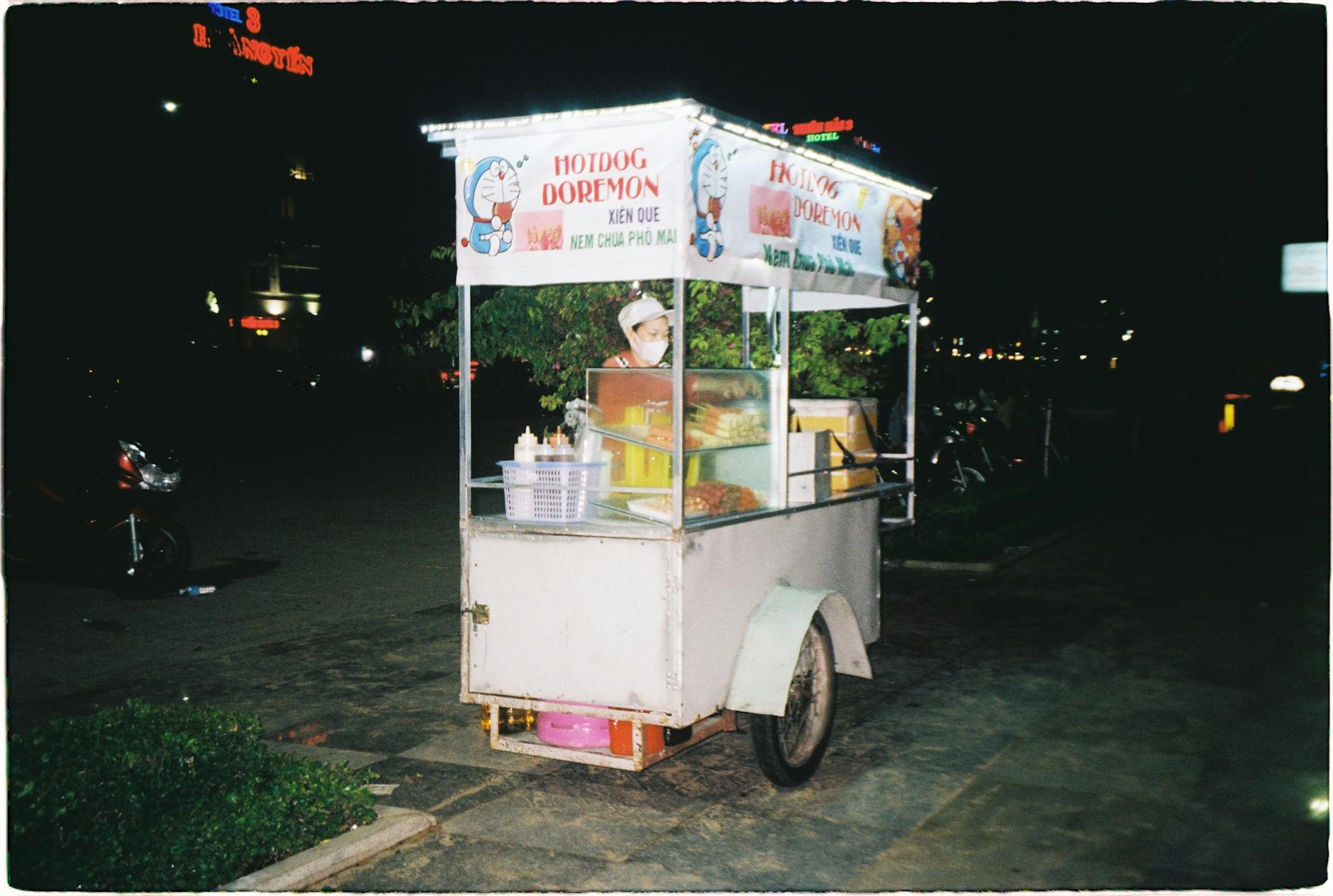
Eating or drinking while walking through busy streets is generally considered impolite in Japan. The exception is festival or market settings where street food vendors are specifically set up for that experience. Most people who buy food from a stall or convenience store will pause near the purchase point to eat before continuing on their way. Sitting down to enjoy food whenever possible aligns more naturally with local customs and also allows for a more enjoyable meal.
Bowing as a Greeting

Bowing is the standard form of greeting in Japan and varies in depth depending on the formality of the situation. A slight nod of the head is sufficient for casual everyday interactions such as thanking a cashier or greeting a hotel receptionist. Deeper bows are reserved for more formal encounters or as a sign of significant gratitude. Attempting a bow rather than defaulting to a handshake is genuinely appreciated by locals as a respectful effort.
The JR Pass
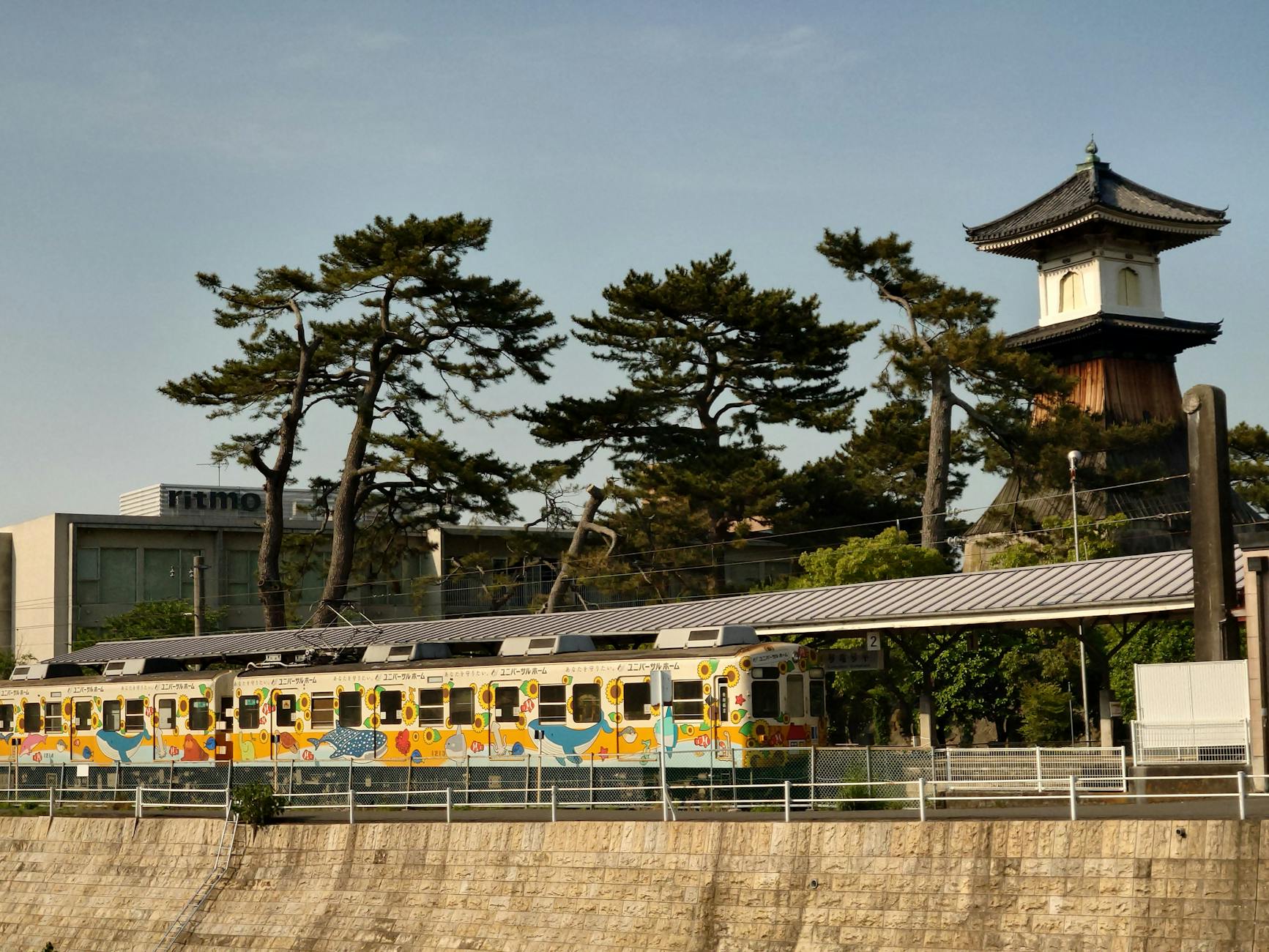
The Japan Rail Pass is a travel pass exclusively available to foreign tourists that provides unlimited travel on most JR-operated trains nationwide including the Shinkansen bullet train network. It must be purchased before arriving in Japan through authorized overseas vendors. Calculating whether the pass offers value depends entirely on the specific cities and distances included in an itinerary. For travelers planning to visit multiple regions such as Tokyo, Kyoto, and Hiroshima the pass frequently proves cost-effective.
Luggage Forwarding
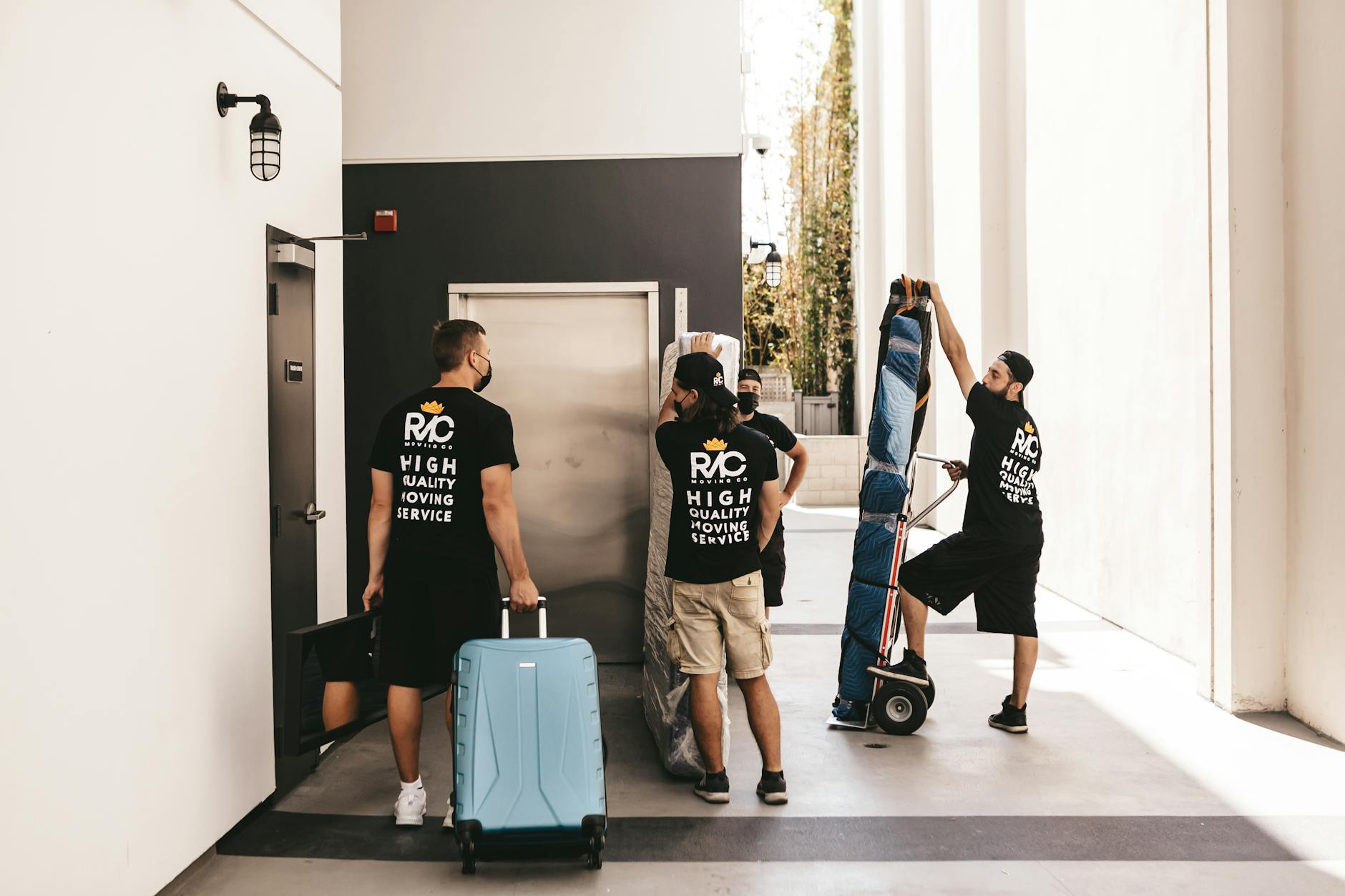
A service called takkyubin allows travelers to send luggage directly between hotels, airports, and even ski resorts ahead of their own arrival. This removes the burden of carrying large bags through busy train stations and narrow streets. The service is affordable, reliable, and widely used by both tourists and locals. Arranging a forwarding delivery the night before check-out at most accommodations is simple and typically handled by front desk staff.
Shrine and Temple Etiquette
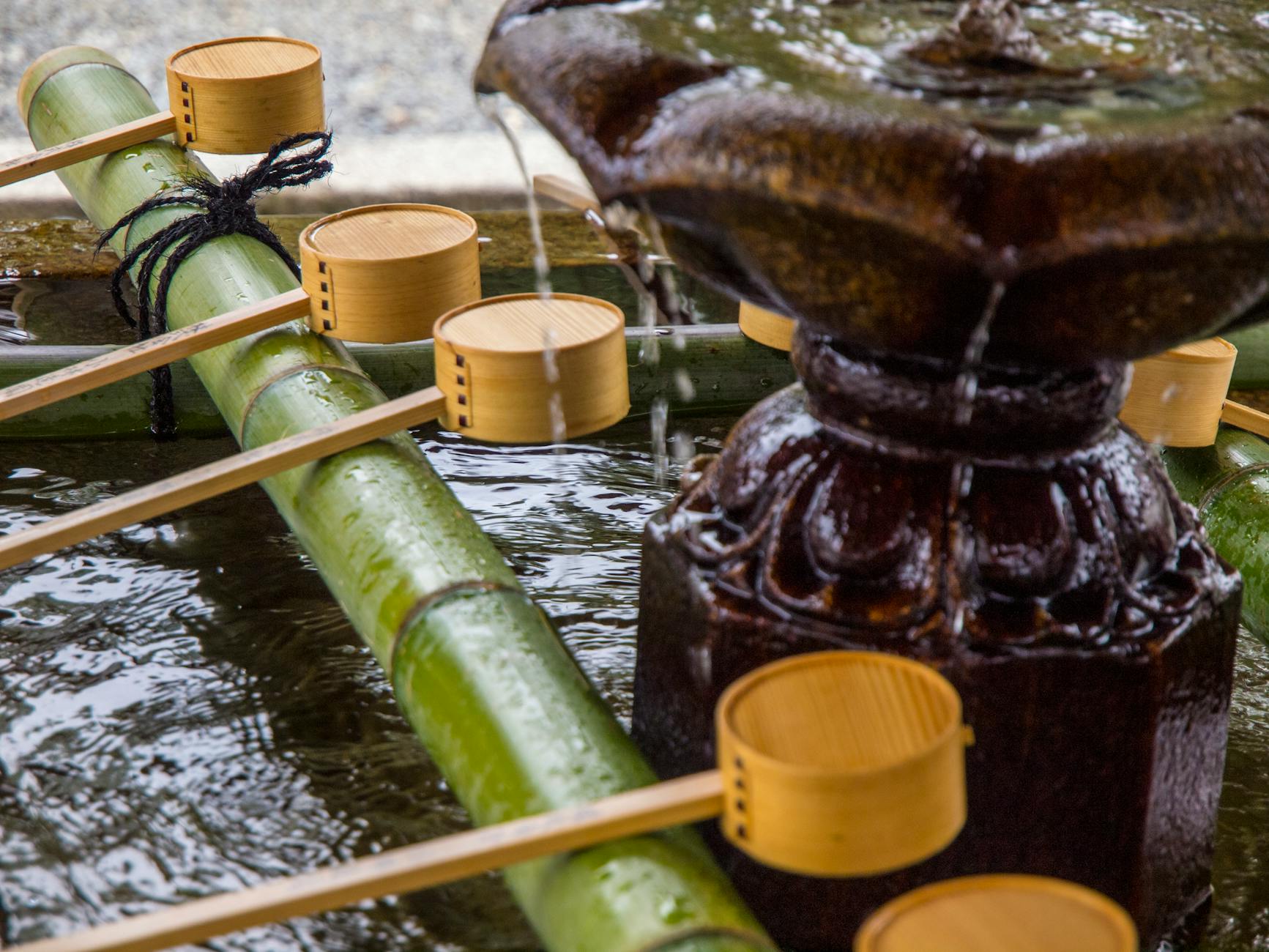
Japan is home to thousands of Shinto shrines and Buddhist temples, each with its own specific customs for visitors. At Shinto shrines it is customary to rinse both hands at the purification fountain near the entrance before approaching the main hall. Visitors should bow twice, clap twice, make a silent wish, and bow once more when standing before the main offering box. Photography is often restricted inside temple buildings and signage indicating this should always be respected.
Cherry Blossom Season
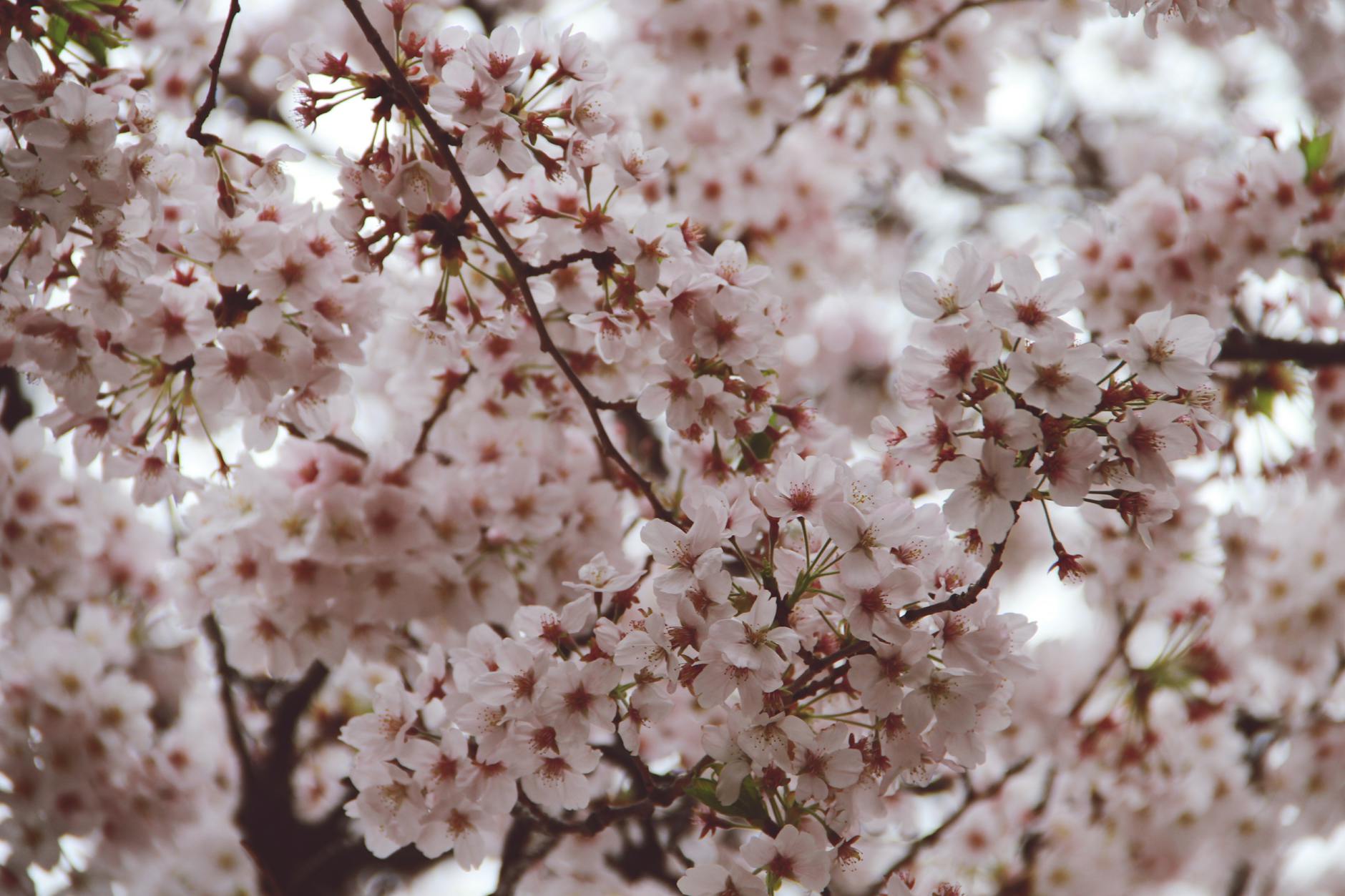
Sakura season typically runs from late March through early April and draws millions of visitors to Japan each year. The exact timing shifts by a week or more depending on weather patterns and the specific region being visited. Parks such as Maruyama in Kyoto and Ueno in Tokyo become extremely crowded with both locals and tourists enjoying hanami picnics beneath the blossoms. Booking accommodation and transport several months in advance is essential for anyone hoping to visit during this period.
Autumn Foliage Season
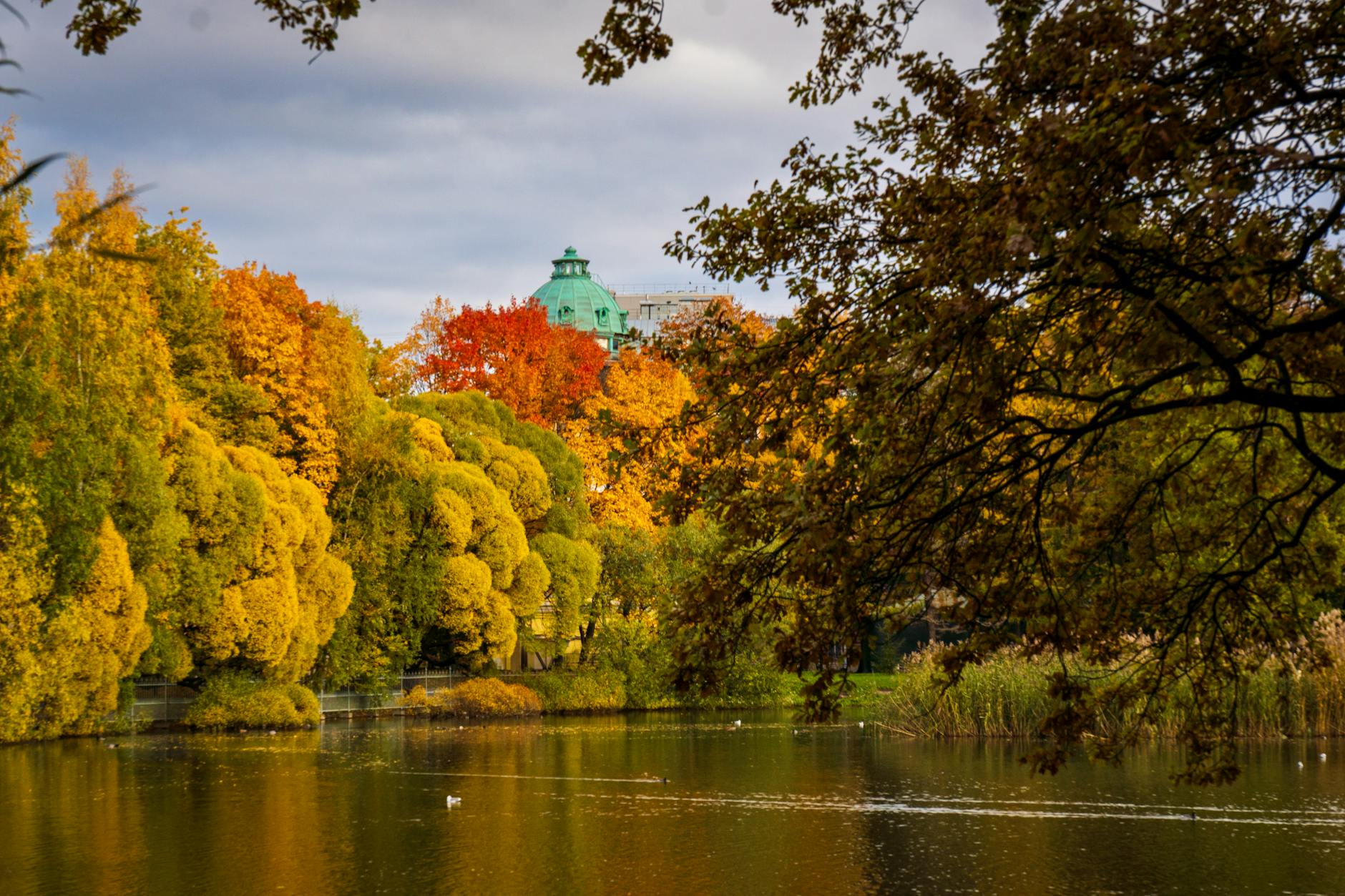
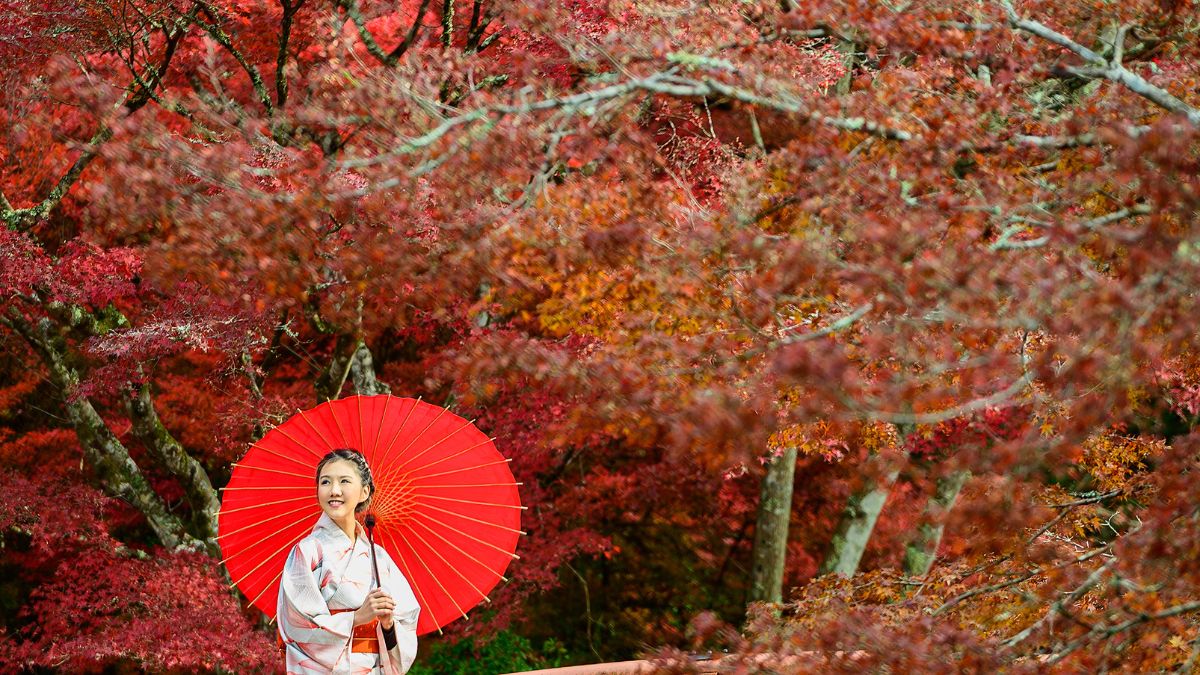
The autumn leaf season known as koyo typically runs from October through November and is considered by many to be as spectacular as cherry blossom season. Mountainous regions and temple gardens across Kyoto, Nikko, and Hokkaido are among the most celebrated spots for autumn color. The timing and peak intensity vary by region and altitude, with northern areas changing color earlier in the season. Accommodation books out quickly during this period and advance planning is strongly recommended.
Gift Giving

Bringing a small gift called omiyage when visiting someone in Japan or returning from a trip is a deeply embedded cultural practice. These gifts are typically local food specialties from the region visited and are meant to be shared rather than kept. Presentation matters greatly in Japanese gift culture and items should ideally be neatly wrapped before being offered. Gifts are traditionally received with both hands and a gracious bow regardless of the occasion.
Waste Sorting
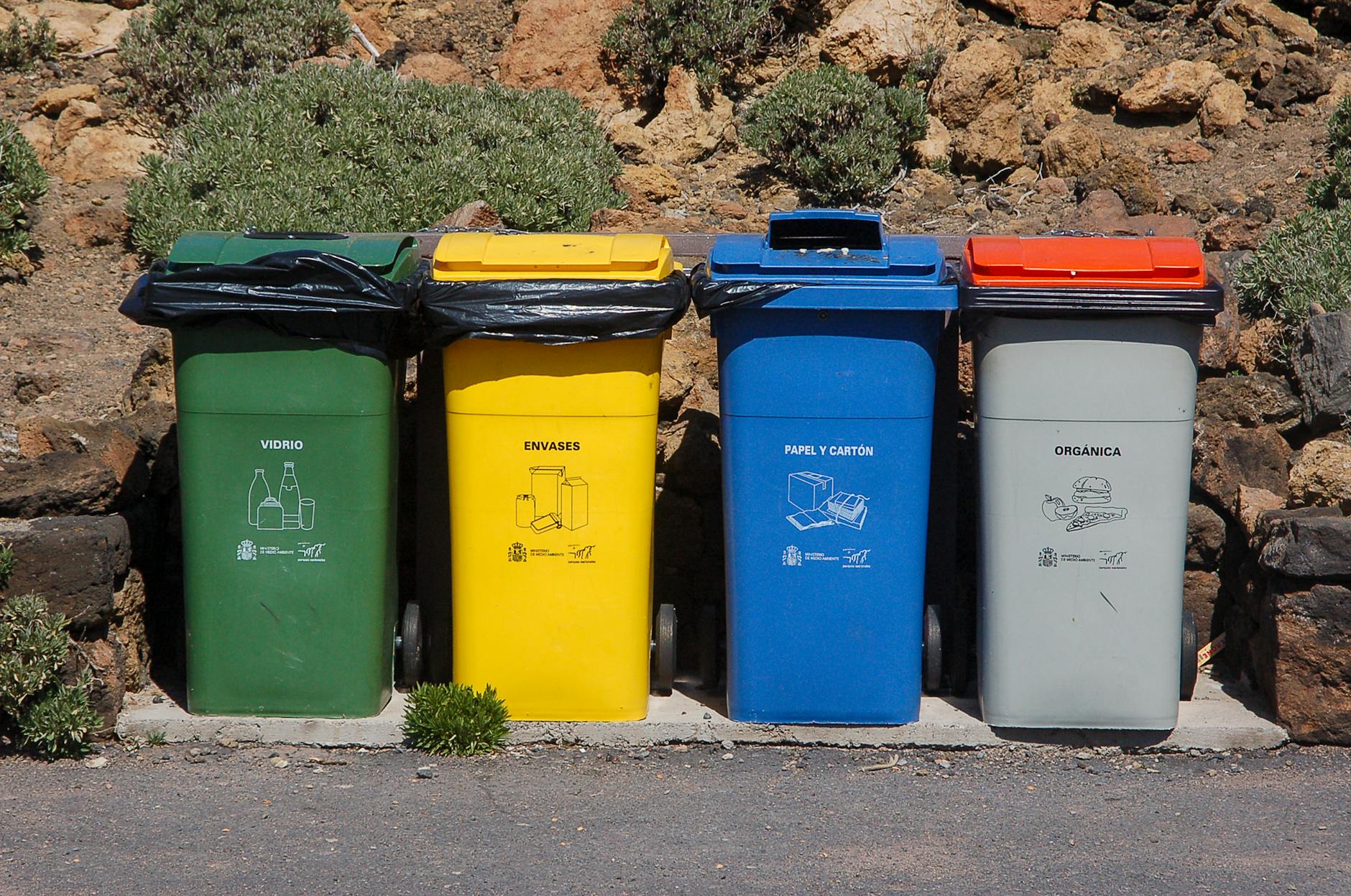
Japan takes waste separation seriously, with most households and accommodations sorting rubbish into several distinct categories including burnable, non-burnable, glass, and plastic. Travelers staying at apartments or guesthouses may be given specific instructions on how to separate waste correctly. Placing the wrong items in the wrong bags can result in collection being refused by local waste services. Following the sorting guidelines provided by your accommodation is a basic courtesy that helps maintain local systems.
Capsule Hotels

Capsule hotels offer a uniquely Japanese accommodation experience consisting of small individual sleeping pods stacked in rows within a shared facility. These hotels are practical, affordable, and surprisingly comfortable for solo travelers on tight budgets. Guests store belongings in lockers and share communal bathrooms, lounges, and sometimes onsen facilities. Capsule hotels are not designed for those who feel uncomfortable in enclosed spaces but are considered an iconic part of traveling through Japan.
Ryokan Stays
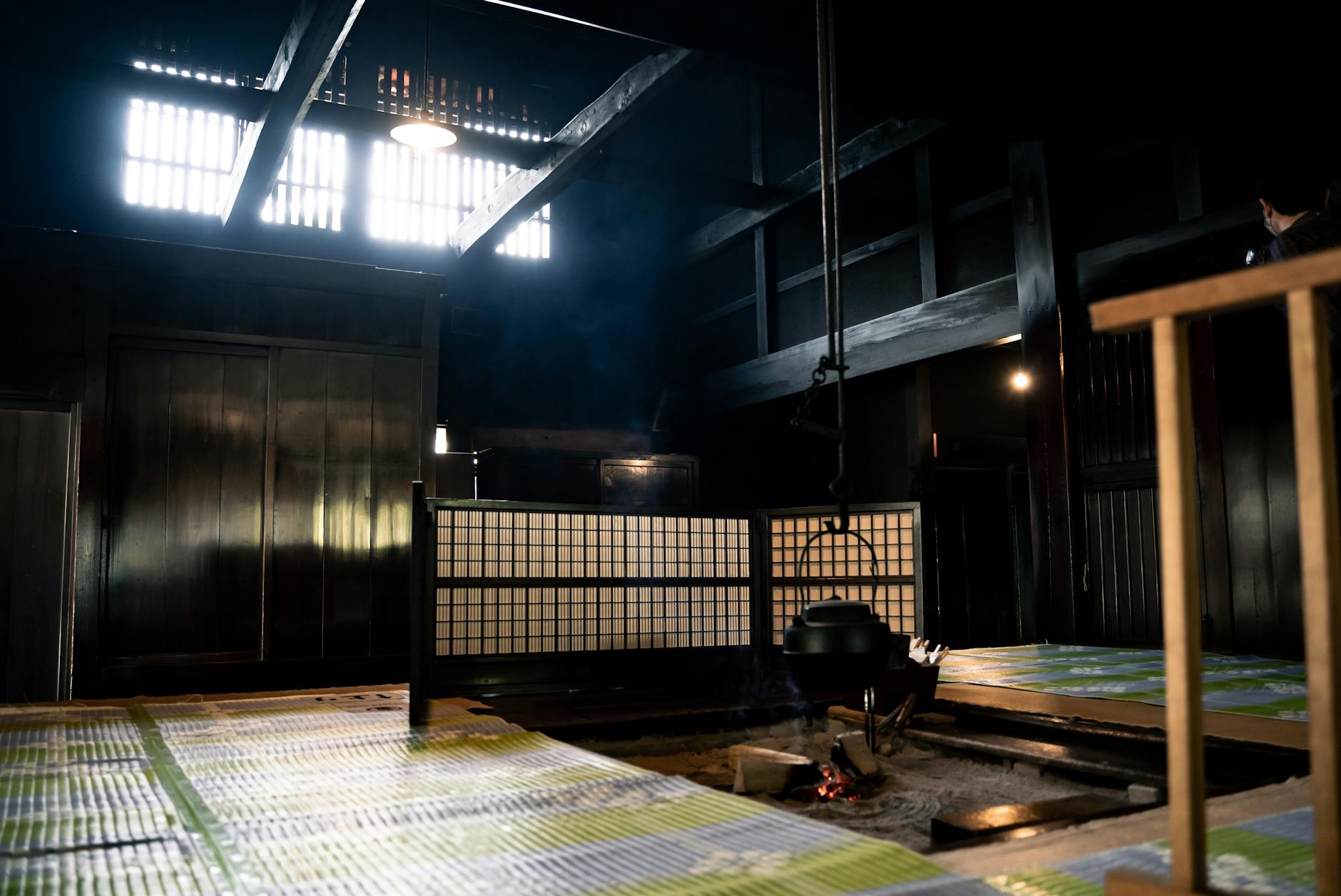
A ryokan is a traditional Japanese inn that offers a complete cultural immersion through its meals, room design, and bathing facilities. Guests sleep on futon bedding laid out on tatami mat floors and are typically served a multi-course kaiseki dinner and breakfast as part of the stay. Yukata robes are provided for wearing throughout the premises including to the communal baths. Staying even one night in a ryokan gives travelers an authentic sense of traditional Japanese hospitality known as omotenashi.
Vending Machines
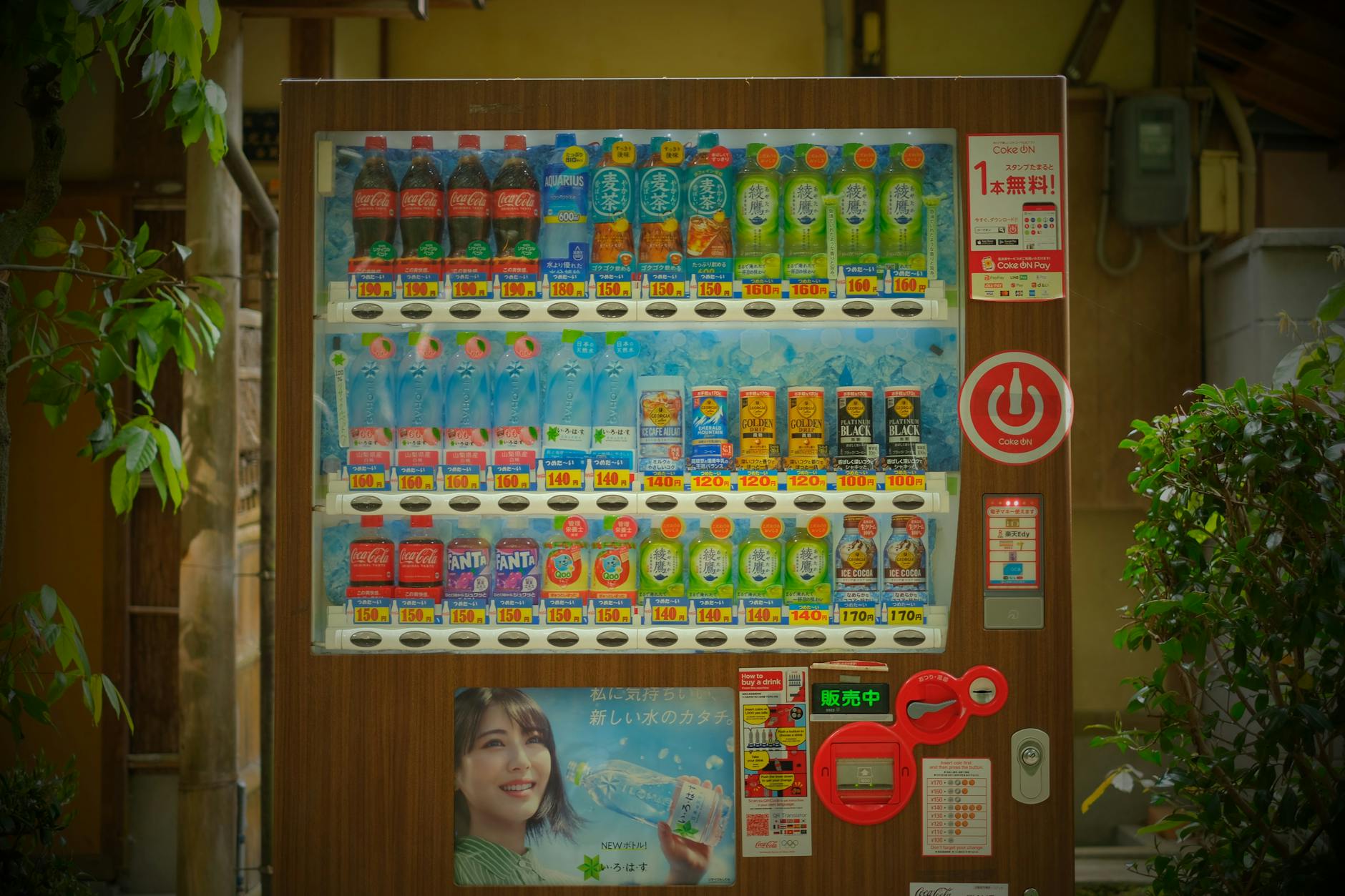
Japan is home to an estimated five million vending machines offering an extraordinary range of products beyond simple drinks and snacks. Hot and cold beverages, instant noodles, ice cream, umbrellas, and even fresh fruit are available from machines in streets, train stations, and hotel corridors. Prices are generally fair and the machines accept both coins and larger yen notes. They serve as a convenient and uniquely Japanese feature of daily urban life that visitors quickly come to appreciate.
Language Apps
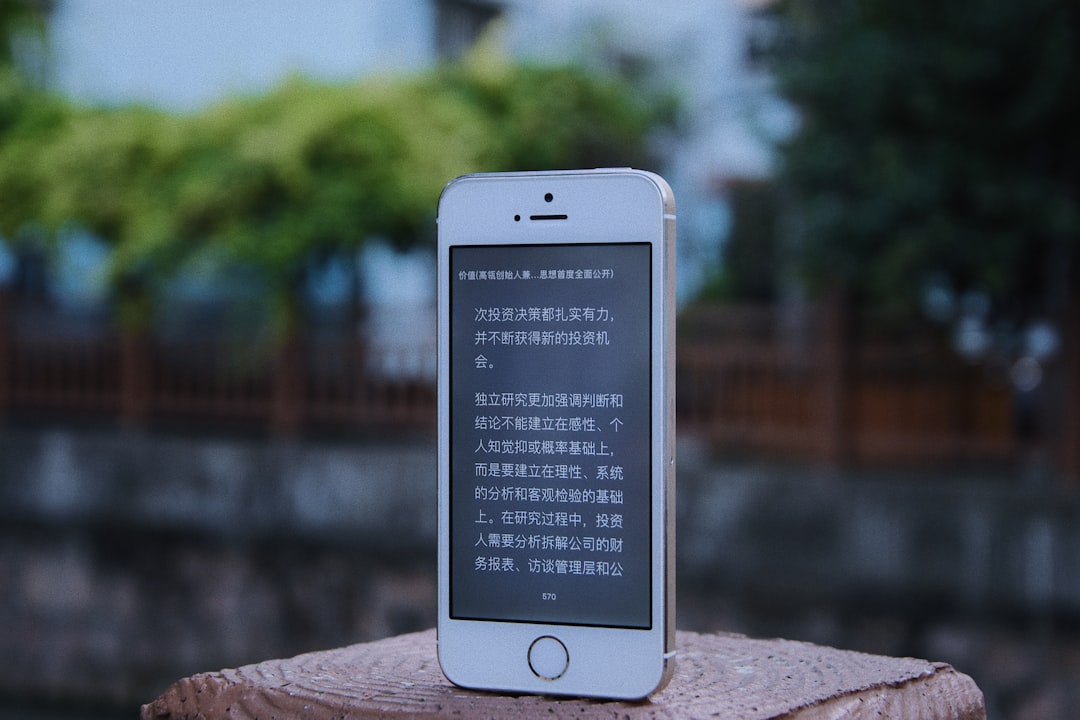
While English signage has improved significantly across major tourist areas, navigating rural Japan or reading menus can still present challenges without language support. Google Translate’s camera function allows real-time translation of Japanese text through a smartphone camera, making it especially useful in restaurants with no English menus. Downloading an offline Japanese language pack before departure ensures the app continues working without an internet connection. Learning a handful of basic phrases in Japanese such as greetings and thank you goes a long way in building goodwill with locals.
Queue Culture
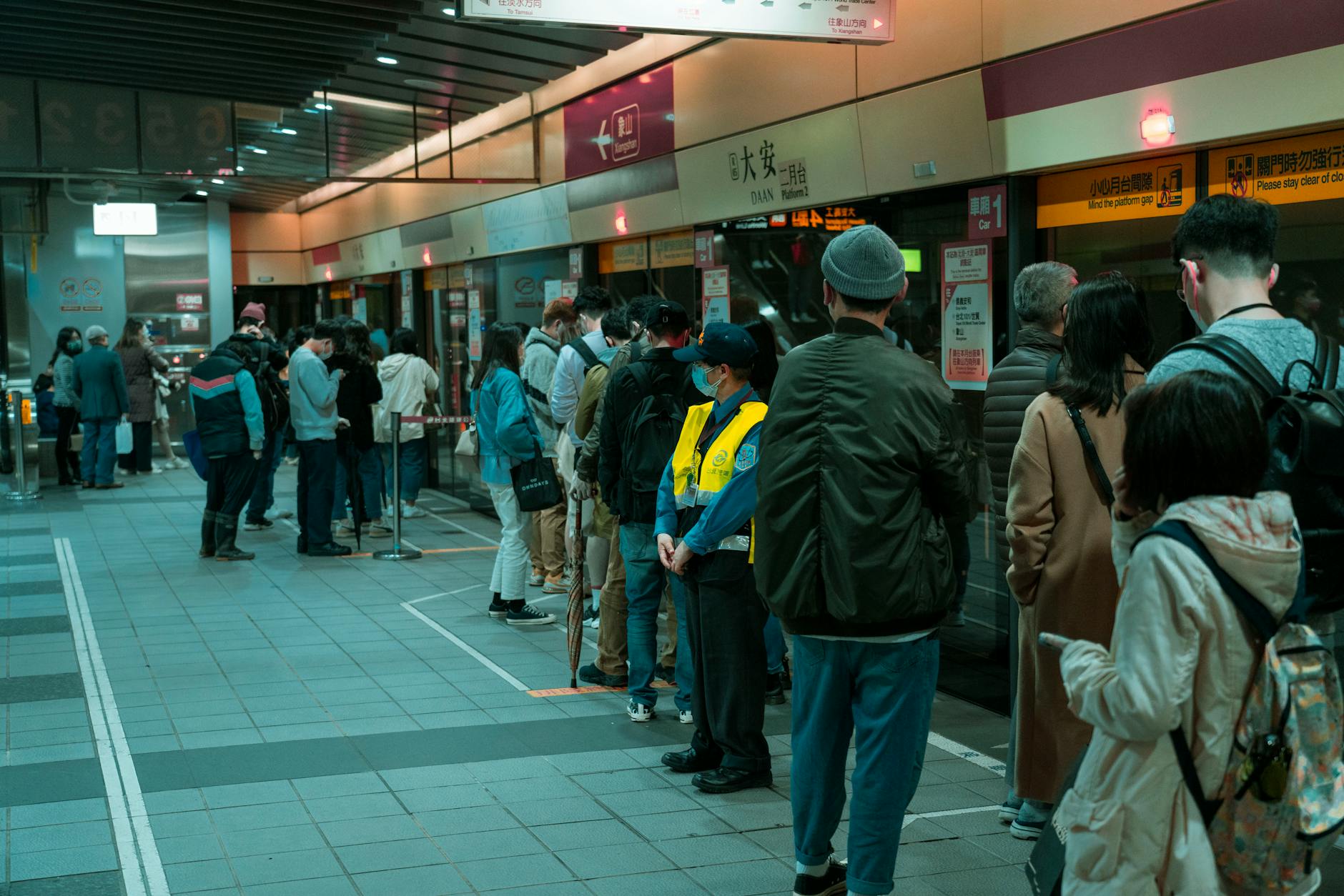
Queuing in Japan is practiced with extraordinary discipline and the lines that form at train doors, bus stops, and attractions are organized and orderly. Cutting in line is considered a serious breach of social conduct and will draw visible disapproval. Even during rush hour on crowded platforms, passengers wait patiently in marked positions until those exiting the train have fully cleared the doors. Observing and matching this behavior is one of the quickest ways to blend respectfully into daily Japanese life.
Typhoon Season
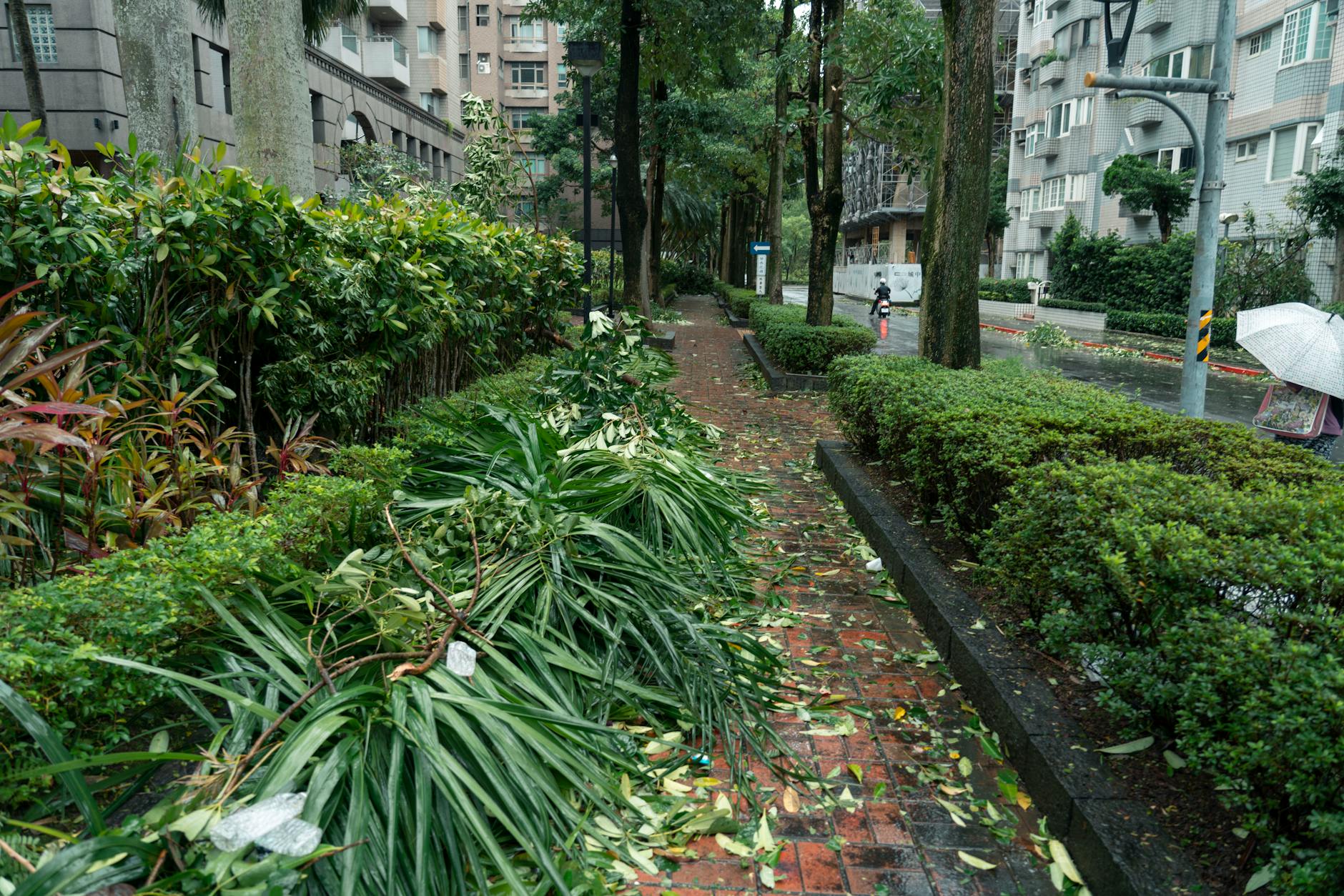
Japan experiences an active typhoon season that runs approximately from June through October with the highest activity in August and September. Typhoons can disrupt transport networks, close attractions, and in serious cases lead to evacuation orders in coastal and low-lying areas. Monitoring weather forecasts regularly during this period is important for travelers with fixed itineraries. Travel insurance that covers natural weather disruption is worth considering for anyone visiting during these months.
Photo Restrictions

Photography is restricted or prohibited entirely in many cultural and commercial spaces across Japan. Some temples ban photography inside the main hall while certain Kyoto geisha districts have introduced rules against photographing residents on private streets. Many shops, particularly in traditional craft areas, prefer that visitors ask permission before photographing products or staff. Being mindful of signs and following local photography norms prevents uncomfortable situations and shows respect for the spaces being visited.
Night Buses
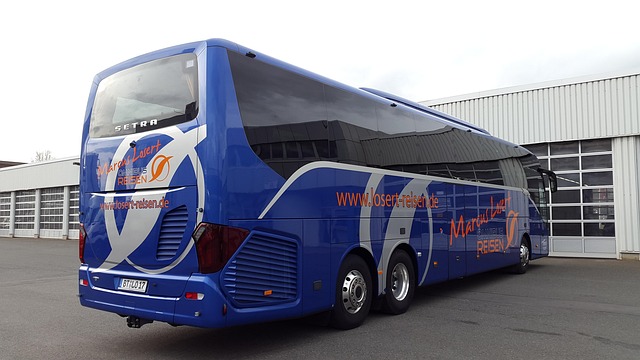
Overnight highway buses known as night buses connect major Japanese cities at a significantly lower cost than Shinkansen travel and are a practical option for budget-conscious travelers. Routes between Tokyo and Osaka or Tokyo and Kyoto are among the most popular and frequently operated services. Seats range from standard reclining chairs to more premium options featuring privacy curtains and additional legroom. Booking in advance through online platforms is recommended particularly during peak travel seasons.
Yen and Currency Exchange
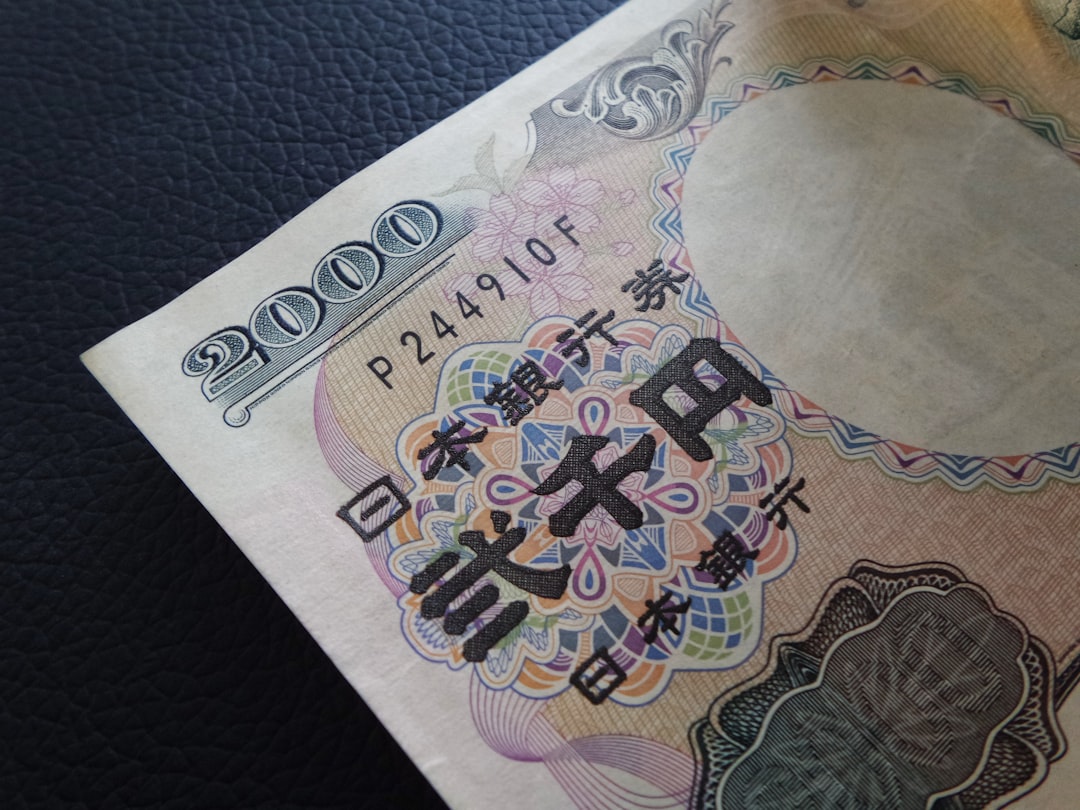
The Japanese yen is the only accepted currency throughout Japan and foreign currency exchanges are not widely accepted in shops or restaurants. Exchanging money at the airport upon arrival or using overseas-compatible ATMs at post offices and 7-Eleven stores are the most reliable methods. Currency exchange rates at hotels are typically less favorable than those available at dedicated exchange counters. Keeping a supply of smaller denomination coins and notes is useful as many vending machines and smaller establishments do not accept large bills.
Seasonal Foods
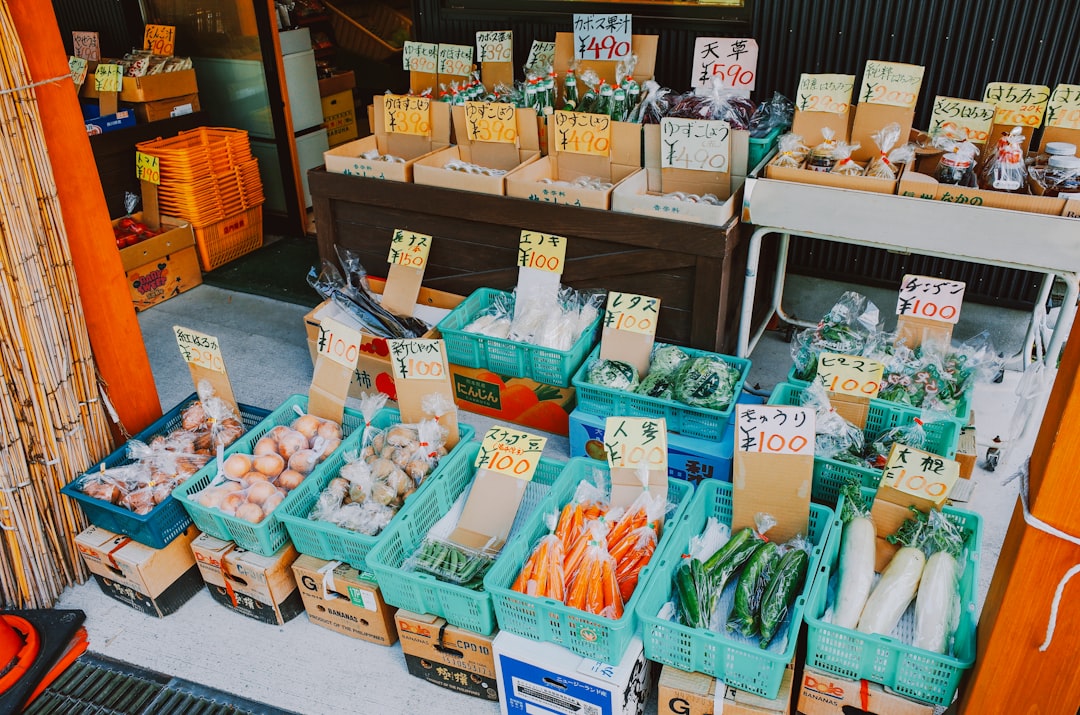
Japanese cuisine is deeply tied to the seasons and many dishes and ingredients are only available during specific times of the year. Spring brings dishes featuring bamboo shoots and cherry blossom-flavored sweets while autumn highlights matsutake mushrooms and sweet potato preparations. Summer festivals feature kakigori shaved ice and cold soba noodles while winter centers on warming hot pot dishes and rich ramen. Embracing seasonal eating rather than seeking familiar foods is one of the most rewarding ways to experience Japanese culinary culture.
If you have traveled to Japan or have additional tips to share from your own experience, let the community know in the comments.