Grocery store pharmacies offer undeniable convenience, but that ease often comes at a steep cost to your wallet and sometimes your health. Many of the products lining those shelves are marked up significantly compared to other retailers or come with serious quality concerns worth knowing about. Before you toss another item into your basket without a second thought, here are thirty things savvy shoppers consistently avoid buying at grocery store pharmacies.
Brand-Name Pain Relievers

Generic ibuprofen and acetaminophen contain the exact same active ingredients as their brand-name counterparts at a fraction of the price. Grocery store pharmacies tend to stock heavily marketed brands like Tylenol and Advil at full retail price with little to no discount. The markup on these products can be two to three times higher than what you would pay at a warehouse store or online retailer. Regulatory standards require generic medications to meet the same efficacy and safety benchmarks as branded versions. Choosing the store-brand alternative is one of the simplest ways to cut unnecessary spending on everyday health products.
Prescription Medications

Grocery store pharmacies frequently charge more for common prescriptions than dedicated pharmacy chains or discount programs. GoodRx and similar platforms can unlock dramatically lower prices at pharmacies that actively compete for prescription business. Many grocery chains do not participate in the most competitive discount programs, leaving customers paying full cash price. Insurance reimbursement rates also vary significantly between pharmacy networks, which can affect your out-of-pocket costs. Comparing prices before filling a prescription is a straightforward step that can save hundreds of dollars annually.
Vitamins and Supplements

The supplement selection at grocery store pharmacies is often limited to premium brands with significant marketing budgets behind them. These brands frequently charge two to four times more than comparable products available at dedicated supplement retailers or warehouse clubs. Third-party testing certifications are not always present on grocery pharmacy shelves, making quality verification difficult. Reputable supplement brands with independent testing certifications are widely available through online retailers at much lower price points. Purchasing vitamins in bulk from trusted alternative sources consistently offers better value and comparable or superior quality.
Sunscreen

Grocery store pharmacies tend to stock a narrow range of sunscreen options dominated by recognizable but expensive brands. Drugstore chains and large-box retailers carry a far broader selection that includes dermatologist-recommended options at more competitive prices. Many high-performing mineral sunscreens with clean ingredient profiles are rarely found in grocery pharmacy aisles. Seasonal restocking at grocery stores can also mean products sit on shelves longer, raising questions about freshness and potency. Purchasing sunscreen from a retailer with high product turnover ensures you receive a fresher and more reliable product.
Contact Lens Solution

Contact lens solution is a commodity product where formulation differences between brands are often minimal. Grocery store pharmacies charge a notable premium for the same solutions available at big-box retailers in larger and more economical sizes. Buying in smaller volumes at grocery stores increases the per-ounce cost substantially over time. Warehouse stores and online retailers regularly offer multipacks that dramatically reduce the ongoing cost for regular contact lens wearers. Stocking up through these alternative channels is a practical and consistent money-saving habit.
First Aid Kits
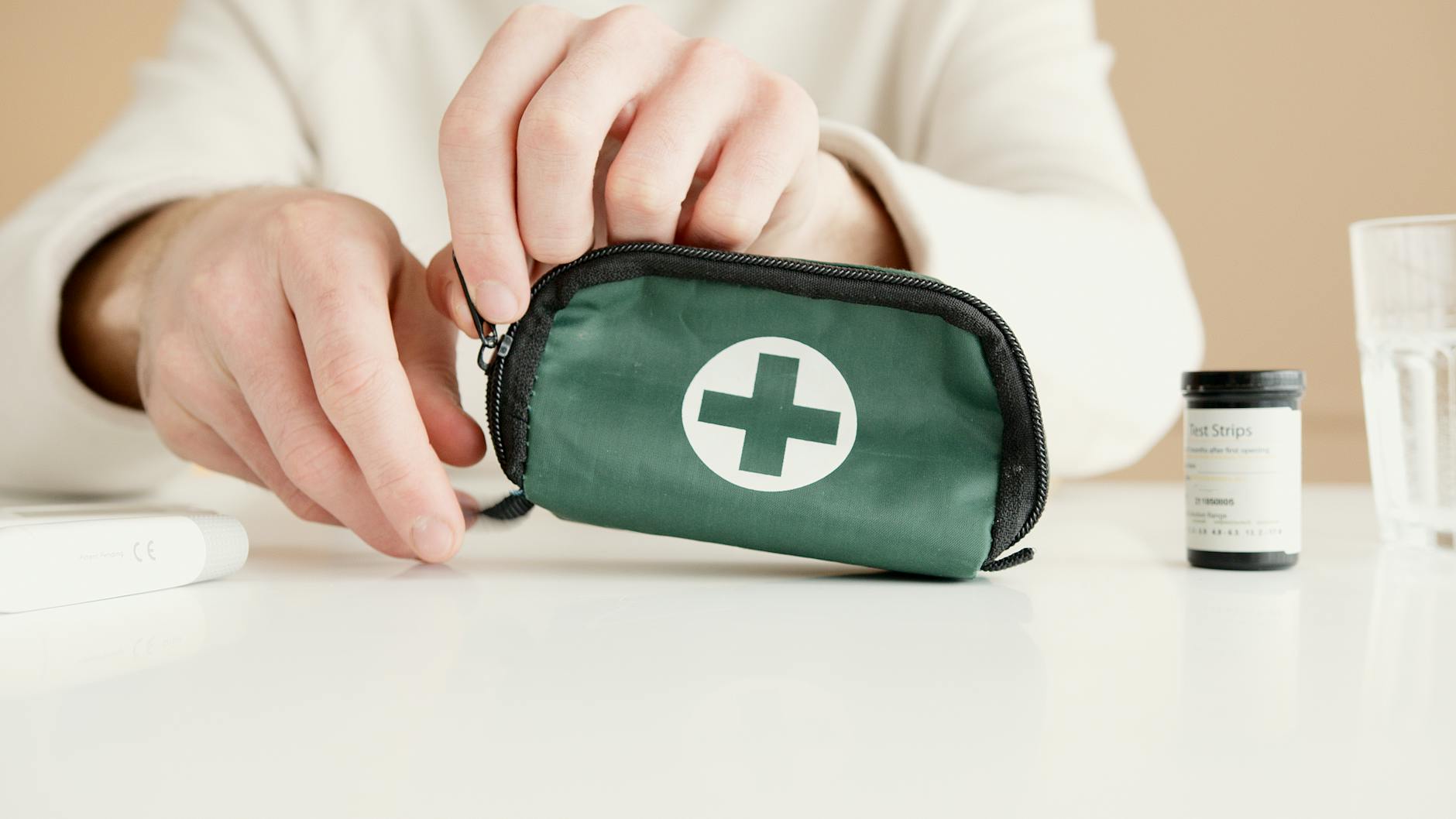
Pre-assembled first aid kits sold at grocery store pharmacies are often overpriced for what they actually contain. Many include low-quality bandages, minimal gauze, and a small number of antiseptic wipes packaged in a branded container that inflates the cost. Building a custom first aid kit by purchasing individual components separately almost always results in better quality and greater quantity for less money. Online retailers and warehouse clubs offer far superior pre-assembled options with more comprehensive contents at lower price points. A self-curated kit also allows you to tailor contents to your household’s specific health and activity needs.
Thermometers
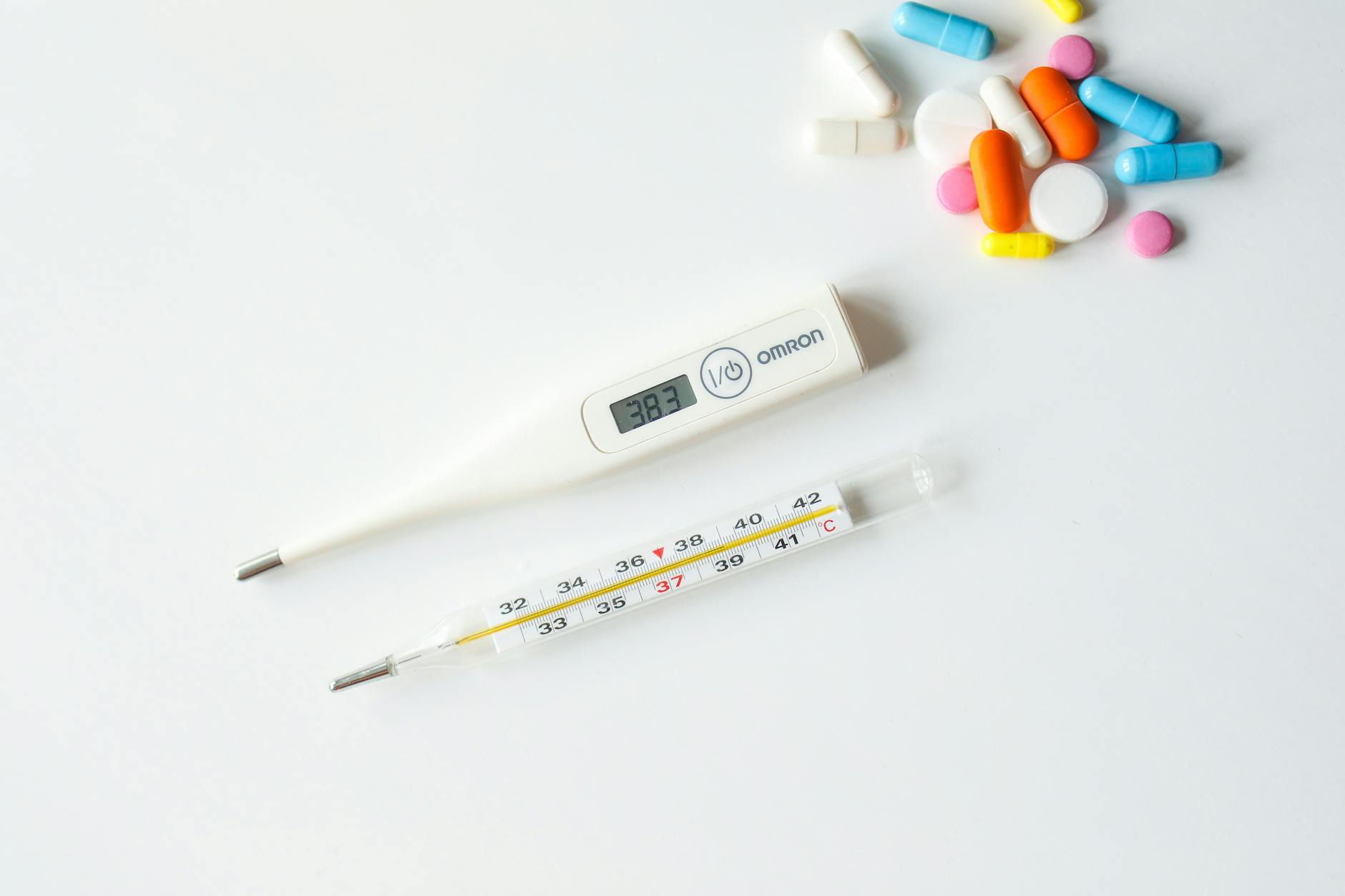
Digital and infrared thermometers at grocery store pharmacies frequently carry a significant price premium over identical or superior models available online. The technology in thermometers has advanced considerably and reliable options are now available at very accessible price points through major online marketplaces. Grocery pharmacies rarely discount these items and seldom carry the newest models with the most accurate readings. Medical device review platforms consistently highlight affordable alternatives that outperform the mid-range options stocked at grocery chains. Investing in a well-reviewed thermometer purchased outside the grocery store ensures accuracy without overpaying.
Antacids

Antacids like calcium carbonate tablets are widely available as store-brand generics that perform identically to products like Tums. Grocery store pharmacies frequently prioritize shelf space for brand-name antacid products at full price. The active ingredients and dosages in generic versions are regulated to match their brand-name equivalents precisely. Large quantity packs available at warehouse stores reduce the per-tablet cost to a fraction of what grocery pharmacies charge. For a product used as routinely as antacids, buying in bulk from an alternative retailer is a straightforward financial decision.
Allergy Medications
Cetirizine, loratadine, and fentanyl are available as affordable generics that match brand-name allergy medications in every meaningful way. Grocery store pharmacies often display Claritin, Zyrtec, and Allegra prominently at prices that far exceed their generic counterparts. Warehouse clubs sell large quantities of generic antihistamines for a fraction of the annual cost of buying small packages at grocery stores. Allergy sufferers who take medication daily can save a substantial amount annually by switching purchasing channels. Generic allergy medications are among the most validated and regulated generics available in any pharmacy setting.
Cough and Cold Medications
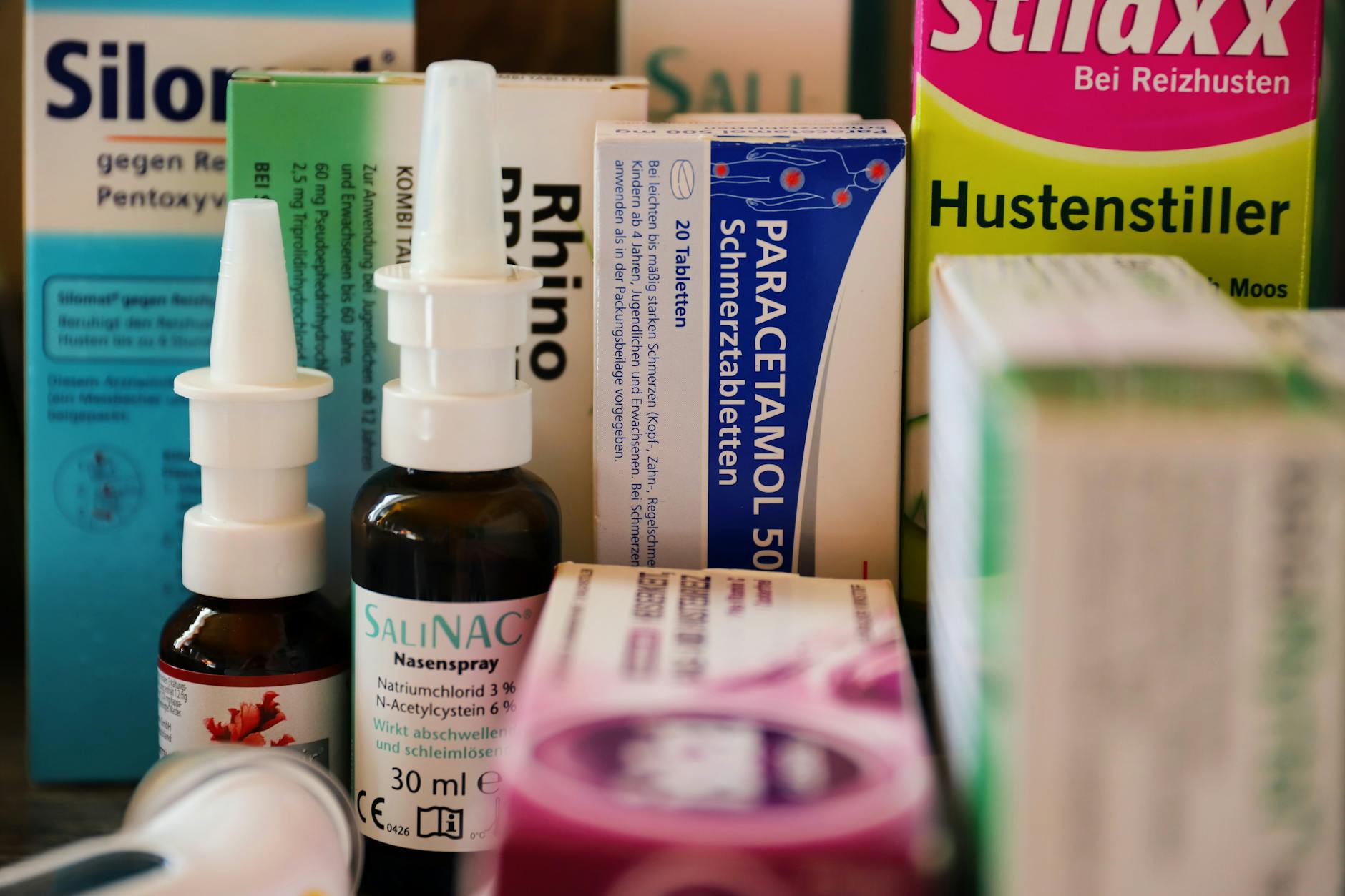
The cough and cold aisle at grocery store pharmacies is dominated by branded products with significant advertising premiums baked into the price. Generic versions of products containing dextromethorphan, guaifenesin, and pseudoephedrine are widely available and therapeutically equivalent. Many healthcare professionals note that the active ingredients in expensive branded cold medications are identical to their generic shelf neighbors. Grocery pharmacies rarely offer loyalty discounts or price-matching on these products the way dedicated pharmacy chains do. Shopping cold and flu remedies at discount or wholesale retailers during off-season periods also unlocks additional savings.
Blood Pressure Monitors
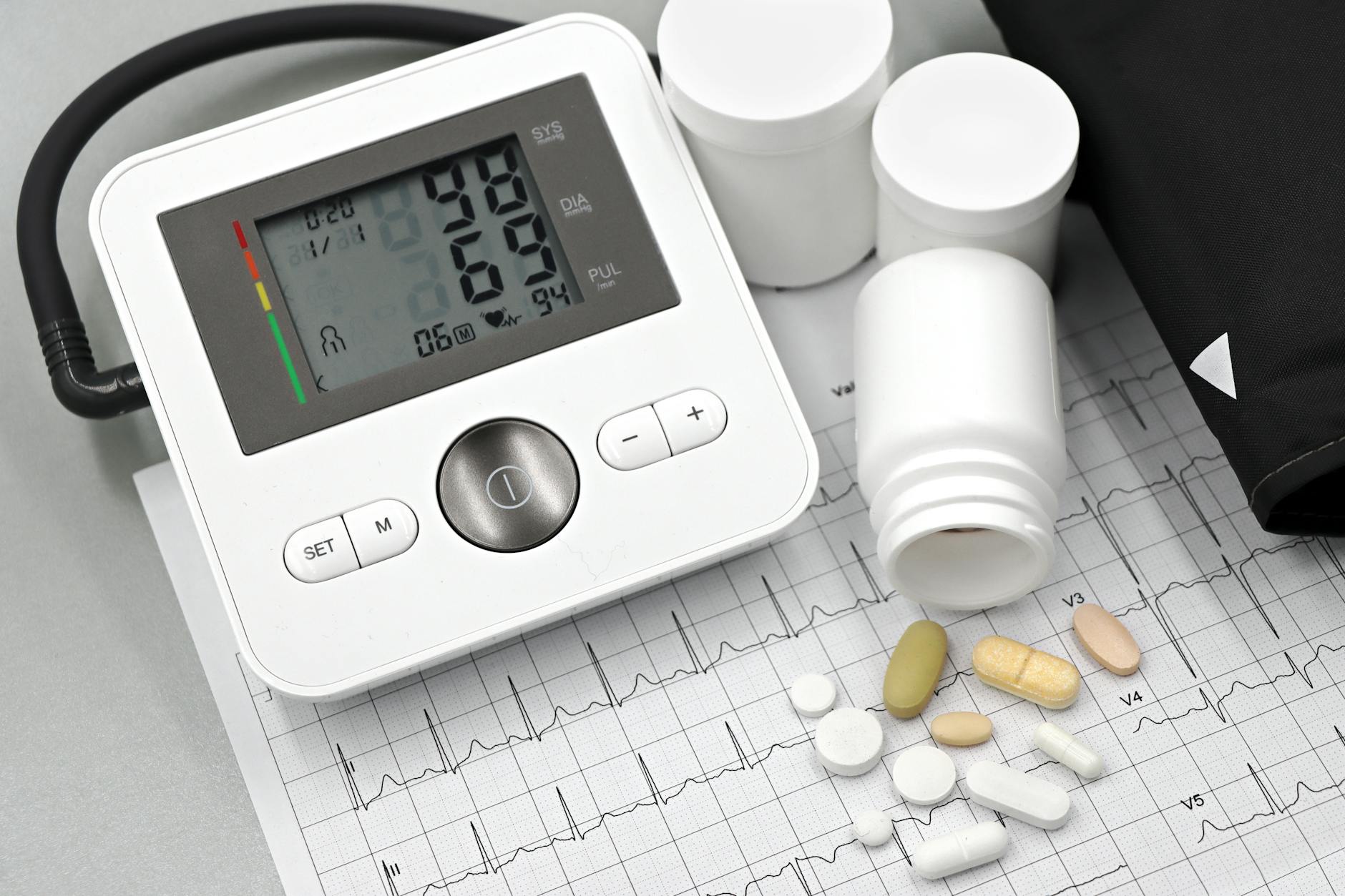
Home blood pressure monitors sold at grocery store pharmacies tend to carry inflated prices compared to what is available through online health retailers. The selection is often limited to one or two brands without the full range of validated and clinically accurate models that exist in the market. Independent reviews consistently identify highly accurate monitors at accessible prices that grocery stores simply do not stock. A blood pressure monitor is a long-term health investment where accuracy matters enormously and price should not be the only filter. Researching validated monitors through health organization recommendation lists and purchasing online ensures both quality and cost-effectiveness.
Pregnancy Tests
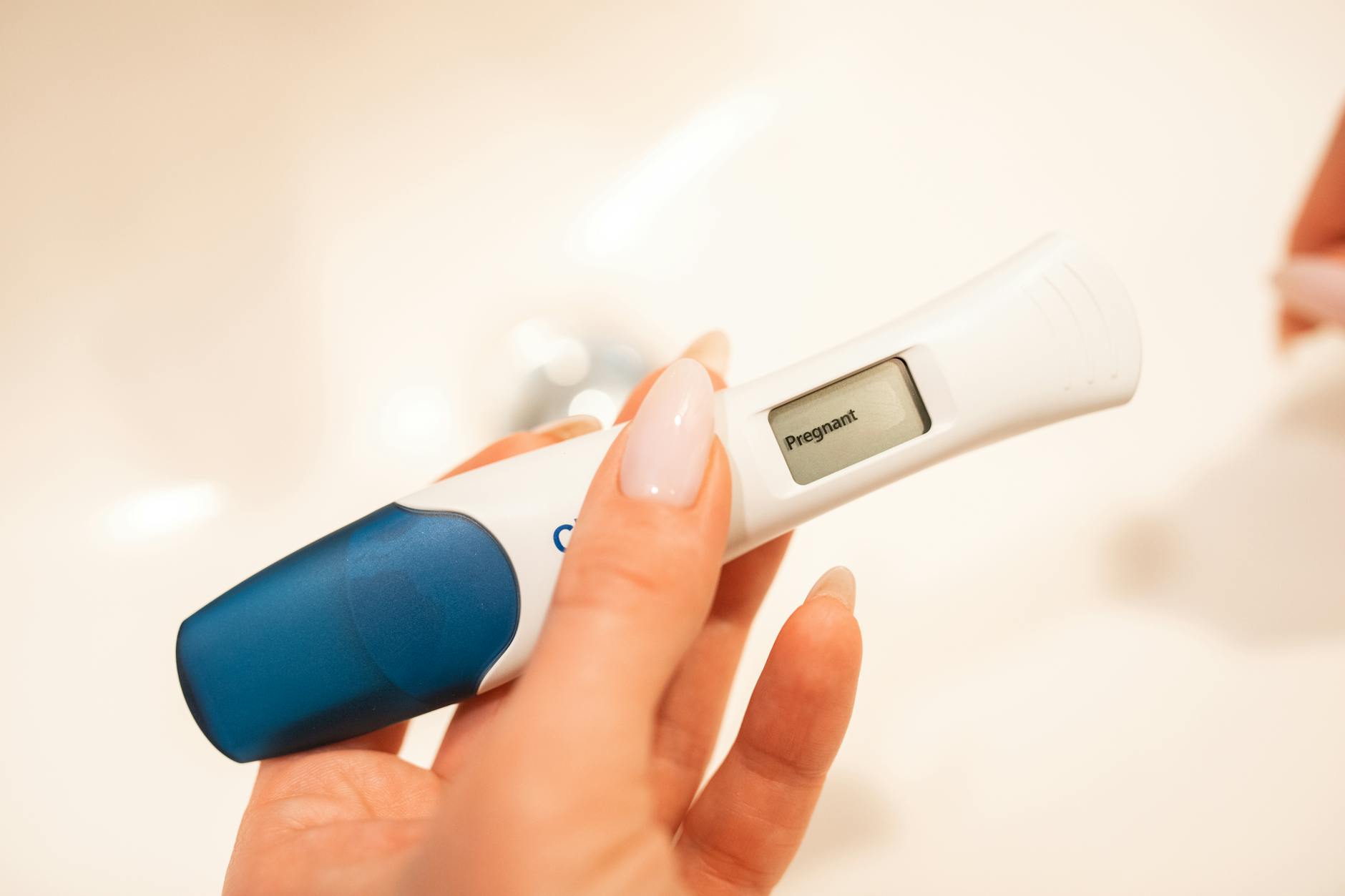
Pregnancy tests sold at grocery store pharmacies are among the most marked-up items in the entire store. Dollar store pregnancy tests use the same hCG detection technology as tests priced at ten to fifteen times more. Clinical studies have confirmed that inexpensive pregnancy tests perform with comparable sensitivity to premium branded products. Grocery store pharmacies rarely discount these tests and often position them behind locked cases, adding friction without adding value. Purchasing from discount retailers or buying in multipacks online reduces cost significantly without compromising reliability.
Feminine Hygiene Products

Branded feminine hygiene products at grocery store pharmacies are priced at a premium that adds up considerably over time. Large warehouse retailers and online subscription services offer the same products in bulk quantities at meaningfully lower per-unit costs. Store-brand alternatives available at dedicated drugstore chains often match the quality of premium brands at a lower price. The feminine hygiene category is also one where newer direct-to-consumer brands offer superior materials and eco-friendly options at competitive prices. Exploring alternatives outside the grocery pharmacy aisle frequently delivers better value and a wider range of product choices.
Sleeping Aids
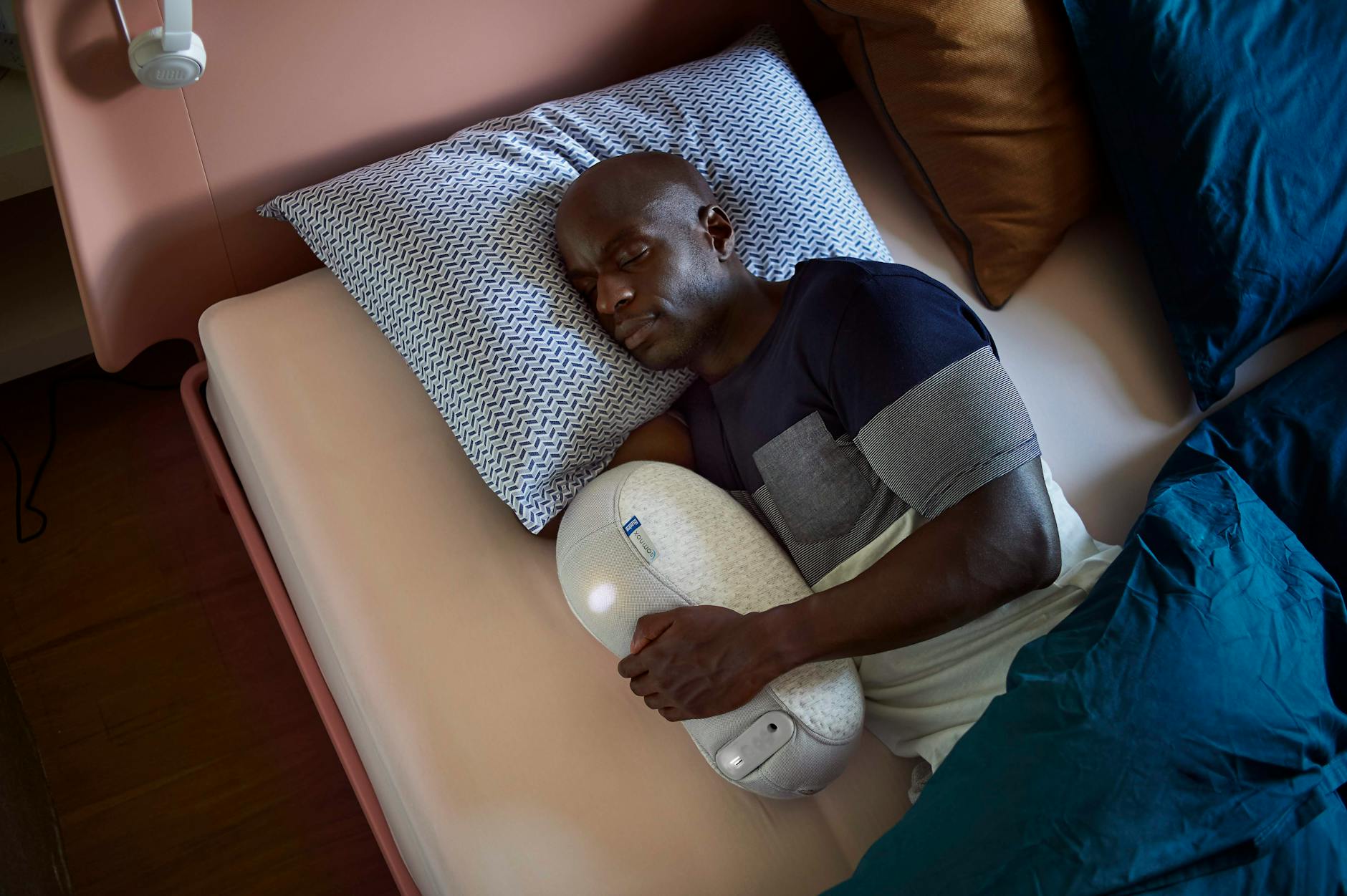
Over-the-counter sleep aids containing diphenhydramine are available as deeply affordable generics at most retailers. Grocery store pharmacies stock branded products like ZzzQuil and Unisom at prices that significantly exceed their generic equivalents. The active ingredients in these products are identical across brand-name and generic versions as regulated by governing health authorities. Long-term reliance on OTC sleep aids is generally discouraged by healthcare professionals regardless of brand or price point. For occasional use, purchasing the generic version from a discount retailer offers the same effect at a dramatically reduced cost.
Eye Drops

Basic lubricating eye drops and redness relievers are available as affordable generics that match branded options like Visine and Refresh. Grocery store pharmacies tend to stock the branded versions prominently with little generic visibility or competitive pricing. For contact lens wearers or those with chronic dry eye conditions, purchasing larger quantities online significantly reduces the ongoing cost. Preservative-free formulas, which are recommended for sensitive eyes, are available at much better prices through online health retailers. Checking the active ingredient list on any eye drop purchase confirms whether a less expensive alternative offers the same therapeutic benefit.
Heating Pads

Heating pads stocked at grocery store pharmacies are often basic models priced well above what the same product sells for online or at large electronics and home goods retailers. Features like auto-shutoff, moist heat capability, and multiple heat settings are standard in mid-range online options that cost less than grocery pharmacy versions. The limited shelf space in grocery pharmacies means selection is restricted to a small number of models with little competitive pricing incentive. Consumer reviews on major retail platforms provide detailed comparisons that help identify the best value options in this category. Purchasing a heating pad from a dedicated home goods or online retailer provides more choice and consistently better pricing.
Bandages and Wound Care
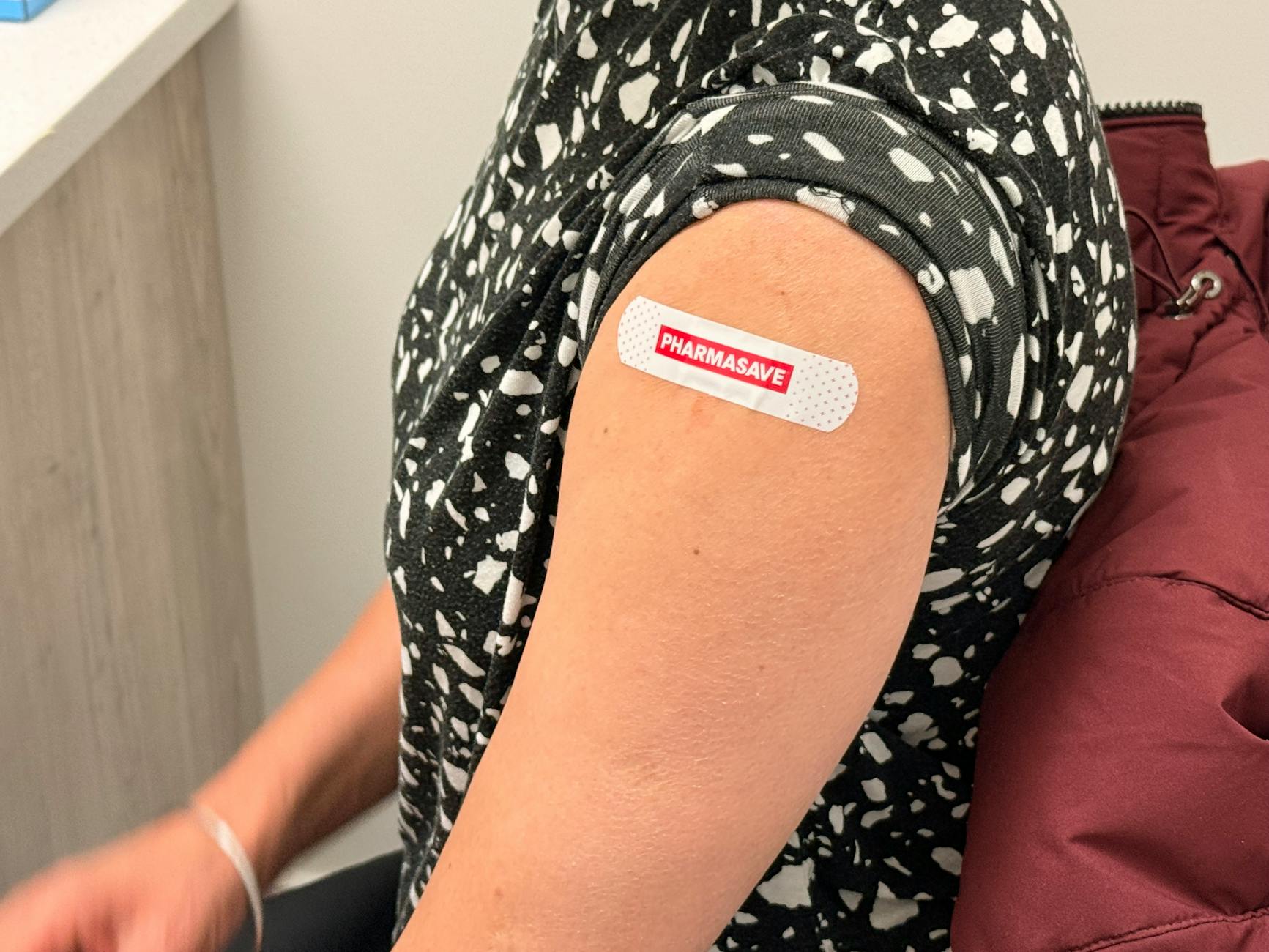
Basic adhesive bandages and wound care supplies carry a notable markup at grocery store pharmacies compared to warehouse retailers and online bulk suppliers. A box of one hundred generic bandages purchased online frequently costs less than a small branded box on a grocery pharmacy shelf. Wound care staples like gauze, medical tape, and antiseptic wipes follow the same pattern of inflated single-unit pricing at grocery stores. Stocking a home supply of wound care products in bulk ensures availability and reduces the per-use cost substantially. Warehouse clubs in particular offer excellent value on these everyday medical necessities.
Hair Loss Treatments

Minoxidil, the active ingredient in products like Rogaine, is available as a generic at prices far below what grocery store pharmacies typically charge. The FDA-approved generic versions contain identical concentrations and formulations to their branded counterparts. Grocery store pharmacies stock these products without the pricing competition found on online platforms where multiple generic brands compete. Subscription services for generic minoxidil have further lowered costs and added convenience for consistent long-term users. Comparing prices across purchasing channels before committing to a hair loss treatment routine can yield significant savings over time.
Medicated Skin Creams
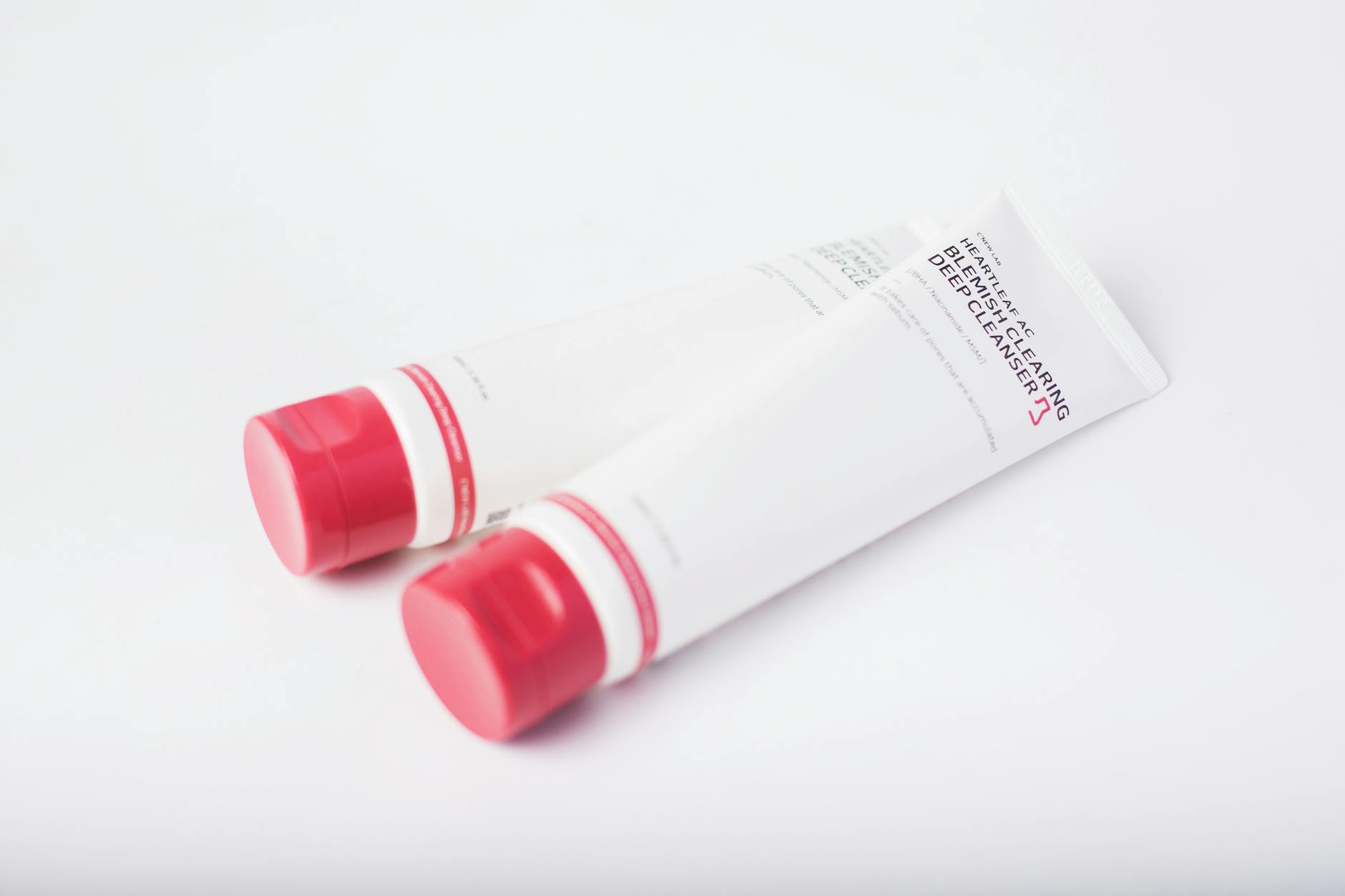
Hydrocortisone, antifungal creams, and antibiotic ointments are all available as generics that are therapeutically equivalent to branded versions. Grocery store pharmacies frequently display products like Neosporin and Lotrimin without prominently featuring the lower-cost alternatives. Generic topical medications are held to the same active ingredient standards as their branded counterparts by regulatory authorities. Buying these staples at a warehouse store or in multipacks online reduces cost per tube by a significant margin. Keeping a well-stocked medicine cabinet with generic topical treatments is a practical and economical household habit.
Compression Socks

Compression socks available at grocery store pharmacies are typically limited to a single brand at premium pricing with minimal size and compression level options. Dedicated medical supply retailers and online platforms offer a far broader selection with clinically validated compression ratings. Travelers, athletes, and those with circulatory concerns benefit from having access to the full range of compression levels, which grocery pharmacies rarely provide. Direct-to-consumer compression sock brands have made high-quality options available at competitive prices that grocery stores cannot match. Purchasing compression socks through a specialized retailer ensures the correct fit and therapeutic grade for your specific needs.
Nasal Sprays

Saline and medicated nasal sprays are available as generics at a fraction of the price of branded products like Flonase and Nasacort. Grocery store pharmacies consistently stock the branded versions at full price without meaningful generic alternatives nearby. Generic fluticasone and triamcinolone nasal sprays are regulated to the same standard as their brand-name counterparts and are widely recommended by allergists. Large quantity packs from warehouse retailers further reduce the per-dose cost for regular users. Reviewing the active ingredient label on any nasal spray confirms whether a less expensive product offers identical therapeutic benefits.
Baby Health Products

Baby thermometers, nasal aspirators, and infant pain relievers are priced at a premium in grocery store pharmacy sections. The infant health products market is dominated by a small number of brands that command outsized prices relative to their manufacturing cost. Pediatrician-recommended alternatives are often available at lower prices through dedicated baby product retailers and online marketplaces. Infant acetaminophen and ibuprofen in generic form are regulated identically to branded products like Infants’ Tylenol and Motrin. Parents who purchase baby health staples through warehouse clubs or online retailers can achieve meaningful savings over the course of a child’s early years.
Probiotic Supplements
Probiotic supplements at grocery store pharmacies tend to be premium-priced products from heavily marketed brands with proprietary strain naming that adds confusion rather than clarity. Independent lab testing has frequently found that less expensive probiotics deliver comparable or superior colony-forming unit counts to expensive grocery pharmacy options. Refrigeration requirements vary across probiotic products and grocery pharmacies do not always store these items under ideal conditions. Health-focused online retailers and warehouse clubs carry a broader selection of third-party tested probiotics at significantly lower prices. Reviewing independent certification labels when purchasing probiotics is a more reliable quality indicator than brand recognition alone.
Motion Sickness Remedies
Dimenhydrinate and meclizine, the active ingredients in motion sickness medications, are available as highly affordable generics. Grocery store pharmacies stock Dramamine and Bonine at branded prices that far exceed what the generic equivalent costs. These medications are among the most straightforward cases where the generic and brand-name product are functionally identical. Discount pharmacy chains and online retailers offer these generics in larger quantities that reduce per-dose cost substantially. Travelers who use motion sickness medication regularly stand to save a meaningful amount annually by making this simple switch.
Pill Organizers and Medical Accessories
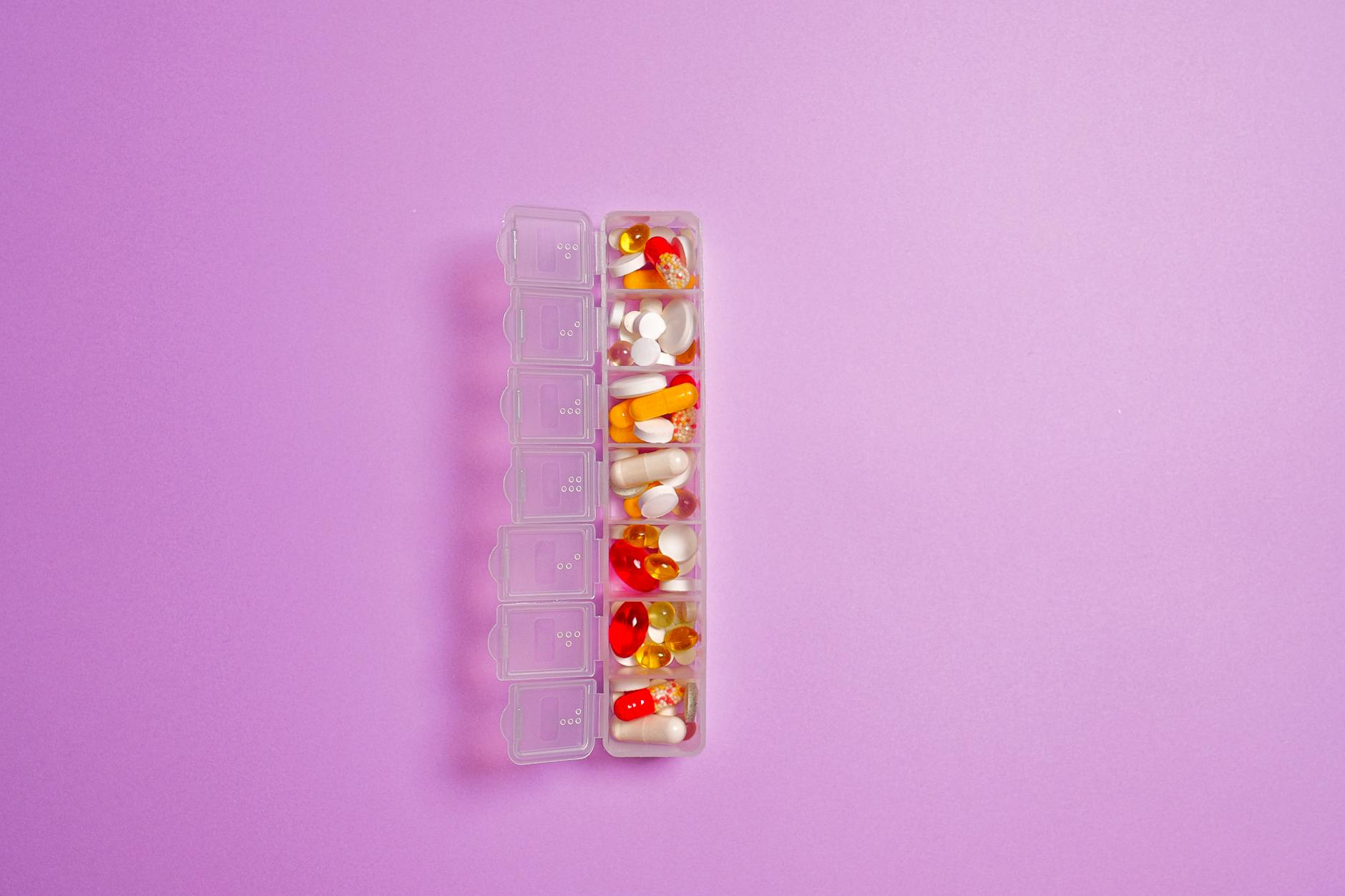
Pill organizers, medication cups, and similar medical accessories at grocery store pharmacies carry prices that are difficult to justify given what is available online. A weekly pill organizer sold at a grocery pharmacy for several dollars is often available in superior quality and variety through online platforms for a fraction of the cost. Medical accessories are purely functional items where brand recognition offers no meaningful advantage. Bulk purchasing of pill organizers, especially for caregivers managing medications for multiple family members, offers excellent value through online retailers. This category represents one of the clearest examples of grocery pharmacy convenience pricing over value.
Foot Care Products

Medicated foot creams, corn removers, and insoles are consistently overpriced at grocery store pharmacies relative to dedicated foot care retailers and online options. Podiatrist-recommended insoles are rarely stocked at grocery pharmacies, which tend to carry only basic comfort cushions at inflated prices. Specialty foot care brands with clinically tested formulations are widely available online at competitive prices not found in grocery aisles. Foot care is a category where product quality varies enormously, making independent research before purchasing especially worthwhile. Purchasing foot care products from specialized retailers or online platforms provides both better selection and more transparent ingredient and material information.
Diabetes Testing Supplies
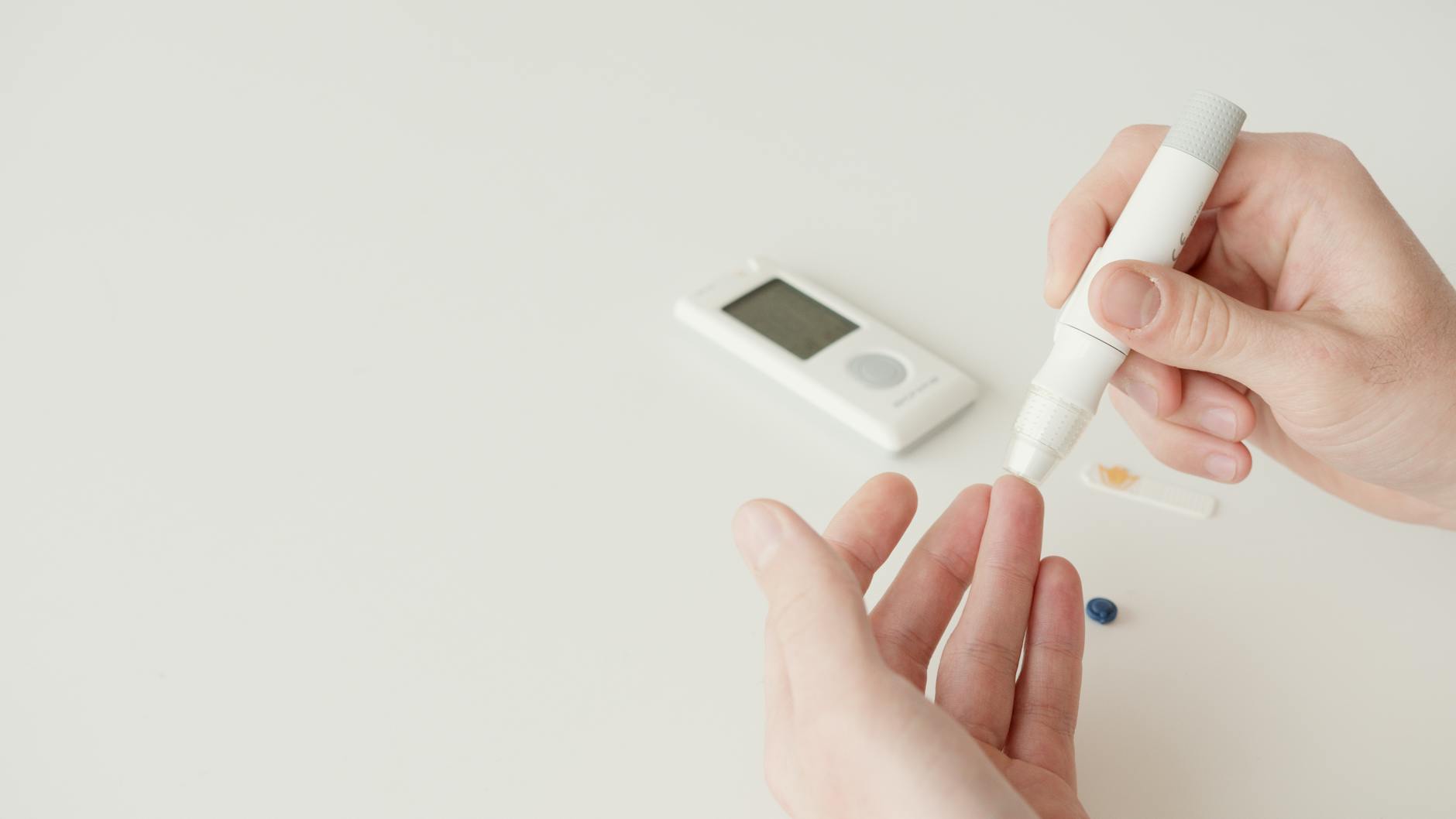
Blood glucose test strips and lancets are among the most aggressively priced items in any retail pharmacy setting. Grocery store pharmacies rarely offer the competitive pricing on testing supplies found at warehouse clubs or through mail-order diabetic supply services. Generic test strips compatible with major glucose meters are available at dramatically reduced prices compared to branded strips. For individuals who test their blood glucose multiple times daily, the cost difference between purchasing channels is substantial over the course of a year. Exploring all available purchasing options for diabetes testing supplies is an important financial consideration for anyone managing this condition regularly.
Lip Balm and Minor Topical Products

Medicated lip balms and minor topical products like hydrocortisone lip treatments are priced at grocery store pharmacies well above their drugstore chain equivalents. The markup on small personal care and minor topical items is among the highest of any product category in grocery pharmacy sections. Branded medicated lip products contain active ingredients available in nearly identical formulations from less expensive alternatives. Large multipacks of lip balm from warehouse retailers offer far better per-unit pricing for regular users. This category exemplifies how grocery pharmacy convenience pricing operates most aggressively on small-ticket personal care items.
Crutches and Mobility Aids

Crutches, walking canes, and basic mobility aids sold at grocery store pharmacies are priced significantly above what the same items cost through medical supply stores or online platforms. The limited selection at grocery pharmacies also means patients may end up with a size or style that does not suit their needs. Medical supply retailers offer properly fitted options with guidance on appropriate use that grocery pharmacies cannot provide. Insurance reimbursement for mobility aids is also more reliably navigated through dedicated medical supply vendors. Purchasing mobility aids from a specialized source ensures both appropriate fit and the most cost-effective use of available insurance benefits.
Melatonin Supplements

Melatonin supplements are widely available at grocery store pharmacies but consistently at higher prices than warehouse clubs and online retailers. Research suggests that lower doses of melatonin are often equally effective compared to the higher-dose products most commonly stocked on grocery pharmacy shelves. Third-party tested melatonin supplements from reputable brands are readily accessible through online health retailers at more competitive price points. Warehouse clubs sell melatonin in bulk quantities that reduce the per-dose cost to a minimal amount for regular users. Given how widely used melatonin has become, finding the most cost-effective and quality-verified source is a simple optimization worth making.
Stool Softeners and Laxatives

Docusate sodium and polyethylene glycol products are available as highly affordable generics that match branded products like Colace and MiraLax in active ingredient and dosage. Grocery store pharmacies stock these branded products at full price without making the generic alternatives easy to find or compare. These medications are among the most clearly validated generic equivalents in the over-the-counter category. Purchasing in larger quantities from warehouse clubs dramatically reduces the per-dose cost for individuals who use these products regularly. Checking the active ingredient list before purchasing any digestive health product is a simple habit that consistently reveals more affordable and equivalent alternatives.
What products have you stopped buying at the grocery store pharmacy after discovering better alternatives? Share your experiences and tips in the comments.