Social media has blurred the line between personal expression and professional conduct in ways that can have serious consequences for careers. Employees across industries have faced disciplinary action, damaged reputations, and even termination as a direct result of what they shared online. Understanding which topics to avoid is now considered a core element of modern professional literacy. The following list covers the most common and costly mistakes people make when posting about their work lives on public or semi-public platforms.
Your Salary or Compensation Package
Sharing exact salary figures on public platforms can create friction within teams and departments when colleagues discover pay disparities. Many employment contracts include confidentiality clauses around compensation that make such disclosures a legal matter rather than just a social one. Employers have used public salary posts as grounds for disciplinary conversations or contract reviews. The information can also attract unwanted attention from recruiters using deceptive tactics or even lead to targeted scams.
Confidential Client Information

Posting anything that identifies a client or reveals details of their business relationship with your employer is a serious breach of professional trust. Most industries including finance, healthcare, legal, and marketing operate under non-disclosure agreements that cover client data. Even vague references that allow someone to identify a client can result in contract termination and personal liability. Regulatory bodies in sectors like healthcare enforce strict penalties for unauthorised disclosures of client information online.
Internal Company Conflicts

Airing grievances about internal disputes on social media transforms a manageable workplace issue into a public relations problem. Screenshots of arguments or descriptions of team disagreements spread quickly and can reach senior leadership within hours. What appears as venting to a personal audience can be used as evidence in performance reviews or disciplinary procedures. Conflict that might have been resolved privately becomes significantly harder to address once it has been made public.
Negative Comments About Your Manager

Critical posts about a direct manager or supervisor are among the most commonly cited reasons for employment termination related to social media use. Courts in multiple countries have upheld employer decisions to dismiss staff over comments that were deemed harmful to workplace relationships. Even posts made on personal accounts outside of work hours have been found to fall within the scope of workplace conduct policies. The professional damage extends beyond the current role since future employers often research candidates online before making hiring decisions.
Details About Upcoming Layoffs

Information about planned redundancies is typically restricted to senior leadership and human resources for legal and operational reasons. Sharing layoff details before an official announcement can trigger panic among staff and cause immediate harm to company morale. In publicly traded companies early disclosure of workforce reduction plans may constitute a violation of securities regulations. Employees who leak this type of information can face personal legal consequences in addition to losing their positions.
Proprietary Product Information
Details about products or services that have not yet been publicly announced are almost universally protected under intellectual property agreements. Posting about unreleased features, prototypes, or product timelines gives competitors access to strategic information. Companies in the technology and consumer goods sectors have pursued legal action against employees who shared product details prematurely online. Even enthusiastic posts intended as positive promotion can violate the terms of a standard employment contract.
Complaints About Colleagues

Public complaints about coworkers create a hostile working environment and can expose both the poster and the employer to claims of harassment or defamation. Even when names are omitted, details in such posts often make the subject identifiable to anyone within the same organisation. The colleague in question may pursue formal grievance procedures once they become aware of the content. Professional networks like LinkedIn make it especially easy for the affected party to be notified of negative commentary.
Your Active Job Search

Advertising that you are looking for new employment while still in a current role alerts your employer to your intentions before you are ready to disclose them. Managers who see job search activity on professional platforms may begin succession planning, reduce your access to key projects, or initiate a performance documentation process. It can also affect your standing in salary negotiations or promotions that were in progress. Keeping a job search private protects your leverage and maintains a stable working situation until you are ready to transition.
Photos From Restricted Areas
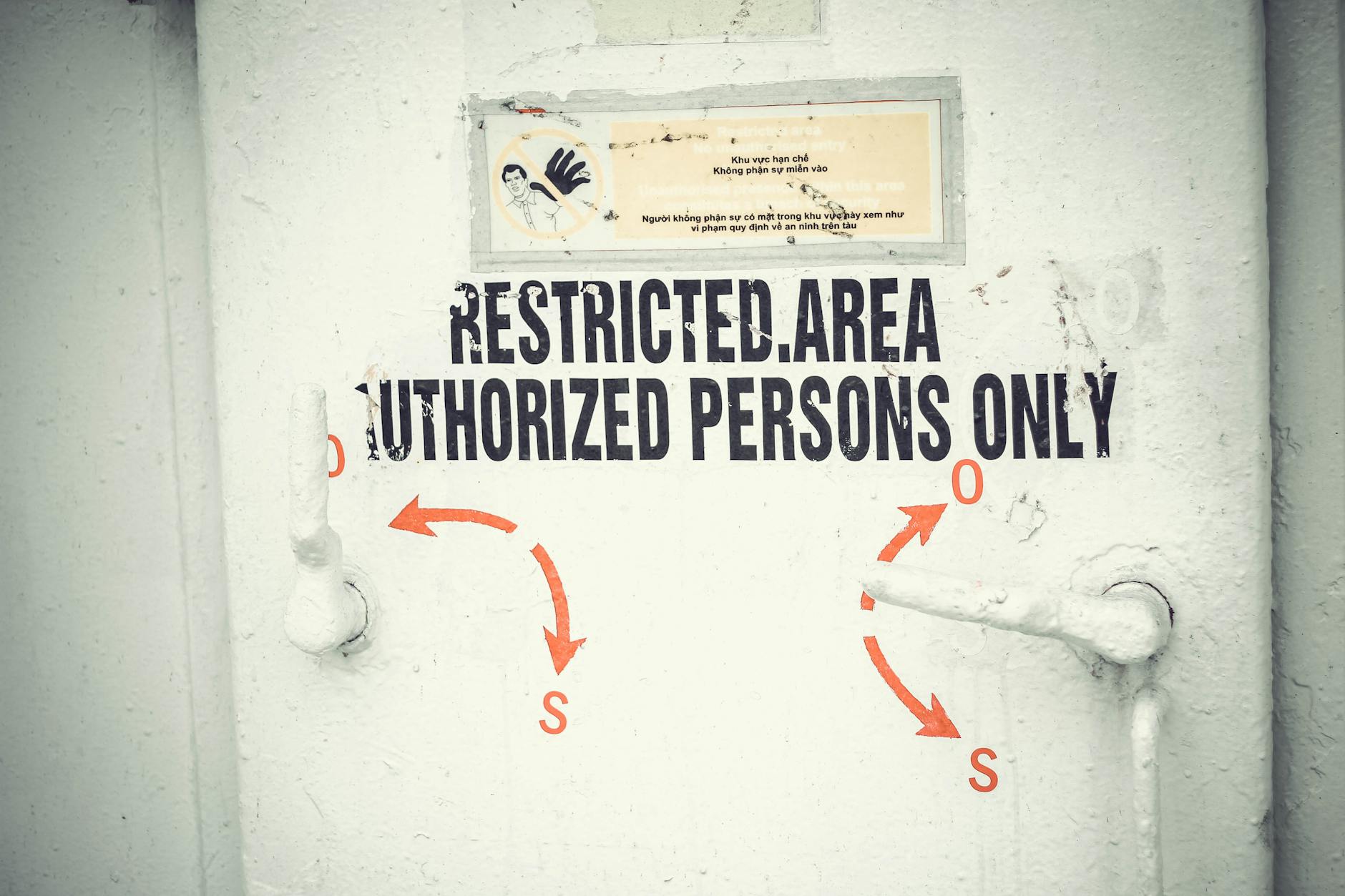
Many workplaces have designated zones where photography is prohibited for security, safety, or confidentiality reasons. Posting images from server rooms, production floors, laboratories, or executive suites can reveal sensitive infrastructure details to outside audiences. In some industries including defence and pharmaceuticals photographing restricted areas is a criminal offence regardless of intent. Even casual behind-the-scenes content that seems harmless may inadvertently expose proprietary processes or equipment.
Details About Pending Legal Matters
Information about lawsuits, regulatory investigations, or internal legal disputes is almost always subject to strict confidentiality requirements. Employees who are aware of legal proceedings through their work are typically bound by duty of care to keep that information private. Posting about active litigation can interfere with legal strategy and may constitute contempt of court in certain jurisdictions. Employers treat breaches of legal confidentiality with particular seriousness given the potential financial and reputational consequences.
Internal Meeting Content

Sharing what was discussed in private meetings including strategy sessions, board updates, or departmental briefings violates the implicit confidentiality expected in professional settings. Many organisations have formal policies that classify internal meeting content as proprietary information. Posting summaries, quotes from leadership, or decisions made behind closed doors undermines the trust that makes candid internal communication possible. Even sharing something that seems benign like the agenda for an upcoming all-hands meeting can cause problems if it reveals plans not yet ready for public disclosure.
Trade Secrets

Trade secrets encompass formulas, methods, processes, and strategies that give a business its competitive advantage. The legal protections around trade secrets are among the strongest in employment law and extend well beyond the duration of employment in most cases. Posting even a hint of proprietary methodology online can trigger injunctions, civil lawsuits, and significant financial penalties. Employees in research and development, manufacturing, and technology roles are particularly exposed to this risk.
Financial Performance Data

Revenue figures, profit margins, cost structures, and budget allocations are sensitive pieces of information that companies guard closely. For publicly listed companies premature disclosure of financial data can be classified as insider trading which carries criminal penalties. Even for private businesses sharing financial details online can damage investor relations, affect valuations, and erode competitive positioning. Finance and accounting professionals are typically reminded of these restrictions during onboarding and in regular compliance training.
Customer Personal Data

Names, contact details, transaction histories, and any other personally identifiable information belonging to customers are protected under data privacy legislation in most countries. Posting customer data online in any form constitutes a data breach with serious legal and financial consequences for both the individual and the organisation. Regulations such as the GDPR in Europe and various state-level privacy laws in the United States prescribe significant fines for such violations. Even sharing a customer interaction as an amusing anecdote can cross the line if the individual is identifiable from the details included.
Your Resignation Plans
Announcing your intention to leave a job publicly before informing your employer directly is widely regarded as a serious breach of professional etiquette. It can result in immediate termination before a planned exit date which may affect final pay, references, and access to benefits. The public post may reach colleagues, clients, or stakeholders who are caught off guard and whose reactions become difficult to manage. Keeping resignation plans private until the appropriate conversations have taken place protects both relationships and the transition process.
Details About a Workplace Investigation

Internal investigations into misconduct, harassment, or policy violations are confidential by design to protect all parties involved. Sharing information about an ongoing investigation online can compromise the process, intimidate witnesses, and expose the person posting to legal liability. Employment lawyers regularly advise clients that social media activity during investigations is closely monitored by all sides. Premature disclosure can also result in the investigation being deemed tainted and require a costly restart.
Criticism of Company Leadership

Public criticism of executives or senior leadership crosses into territory that most companies treat as a reputational harm to the business. Employment tribunals in many countries distinguish between protected activity such as whistleblowing and general critical commentary that undermines the organisation. Posts targeting named individuals in leadership roles can also expose the author to defamation claims if the content is found to be misleading or factually inaccurate. The professional fallout from such posts tends to follow employees into future roles as employers research social histories during hiring.
Screenshots of Internal Communications

Sharing private emails, instant messages, or internal memos without authorisation is a breach of confidentiality regardless of the content. Even if the communication itself reveals something genuinely problematic, the act of publishing it unilaterally can undermine a legitimate complaint and create legal exposure for the person sharing it. Internal communications are typically considered the property of the organisation and their publication may violate intellectual property rights. Proper channels such as HR departments or regulatory bodies exist for escalating concerns about workplace communications.
Details About Mergers or Acquisitions

Merger and acquisition activity is among the most sensitive categories of corporate information and is protected by strict financial regulations in most jurisdictions. Employees who become aware of such activity through their work are bound by confidentiality obligations that carry significant legal weight. Posting rumours or confirmed details about a potential deal online can move markets, alert competitors, and derail negotiations. Regulatory bodies including the Securities and Exchange Commission in the United States treat such disclosures with the utmost seriousness.
Frustration With Human Resources

Human resources departments handle matters that are by definition confidential including grievances, disciplinary processes, and accommodation requests. Venting publicly about interactions with HR brings private institutional processes into a public forum where they cannot be resolved. It may also signal to current or future employers that the individual is likely to escalate workplace matters outside of appropriate channels. The post can be used as evidence that the employee was unwilling to engage with internal resolution processes in good faith.
Photos of Confidential Documents

Any document marked confidential, restricted, or for internal use only carries implicit and often explicit prohibitions on reproduction or distribution. Photographing and posting such documents online can constitute corporate espionage, breach of contract, or a violation of data protection law depending on the content. Even documents without formal markings may contain information that qualifies for legal protection under trade secret or privacy legislation. The act of posting document photos is taken especially seriously when it appears deliberate rather than accidental.
Details About a Colleague’s Termination

Sharing information about why someone was let go or the circumstances of their departure is a significant invasion of that person’s privacy. Termination details are kept confidential by HR departments to protect the dignity of the individual and limit the organisation’s legal exposure. Public posts about a dismissal can damage the former employee’s ability to find new work and may constitute defamation if the details are inaccurate or misleading. In many countries data protection laws specifically restrict the sharing of employment-related personal information without consent.
Commentary on Company Culture

While candid commentary on workplace culture is common online it frequently contains details that are identifiable to a specific team or organisation. Posts that describe internal norms, management styles, or team dynamics in negative terms can affect recruiting efforts and trigger morale issues among staff who see them. Review platforms already exist for employees to share such feedback through channels that offer some structural protections. Unfiltered social media posts about culture tend to reflect poorly on the individual as much as the organisation.
Security Vulnerabilities

Any knowledge of weaknesses in a company’s cybersecurity infrastructure, physical access systems, or data management practices must never be disclosed publicly. Responsible disclosure processes exist specifically to allow security issues to be reported and resolved without creating public risk. Posting about vulnerabilities before they are patched gives malicious actors a window to exploit them and can lead to serious criminal charges for the person who made the disclosure. Cybersecurity professionals operate under particularly stringent legal and ethical frameworks around the handling of vulnerability information.
Internal Pricing Strategies

Discount structures, cost models, negotiation thresholds, and pricing strategies are commercially sensitive details that competitors actively seek. Sharing pricing information online undermines a company’s ability to negotiate contracts and can erode margins across an entire client base. Sales and commercial teams often sign agreements specifically addressing the confidentiality of pricing intelligence. Even partial information posted casually can be pieced together by competitors to gain a significant strategic advantage.
Details About Unreleased Products

Product roadmaps, beta features, design mockups, and launch timelines are guarded closely because competitive advantage often depends on timing and surprise. Employees in product, design, engineering, and marketing roles are routinely reminded through non-disclosure agreements that pre-launch information is strictly protected. Consumer anticipation management is a deliberate strategy for many brands and early leaks can significantly affect a product’s reception. Legal teams at major companies actively monitor online platforms for unreleased product information and pursue enforcement when it is identified.
Workplace Gossip

Gossip about colleagues or management shared publicly moves from a social failing to a professional liability with measurable consequences. Content that speculates about someone’s personal life, relationships, or private circumstances can cross into harassment or defamation depending on its nature. Platforms that feel informal in tone still create permanent public records that can be retrieved and used in formal proceedings. The professional environment suffers measurably when trust is eroded by the knowledge that personal information shared at work may appear online.
Details About Your Performance Review

Performance reviews contain sensitive assessments about skills, development areas, and professional standing within an organisation. Posting about the content of a review whether positive or negative reveals information that was shared within a confidential professional framework. Sharing positive reviews can appear boastful and sharing negative ones can invite scrutiny of professional capabilities that follows a person across platforms. Employers also view such disclosures as a failure to understand appropriate professional boundaries.
Internal Hiring Decisions

The details of why a candidate was rejected, why someone was chosen for promotion, or who is under consideration for a new role are protected by privacy obligations. Sharing hiring information publicly can expose the employer to discrimination claims if the reasoning appears biassed or unlawful when viewed out of context. Candidates who did not receive offers may experience reputational harm if their rejection becomes public knowledge. Hiring managers and HR professionals bear particular responsibility for maintaining confidentiality throughout recruitment processes.
A Side Hustle That Conflicts With Your Role

Many employment contracts contain clauses restricting outside business activities that compete with or create a conflict of interest for the employer. Publicly advertising a side business in the same sector as your employer can trigger a contract review or termination for breach of the conflict of interest policy. Even in the absence of a formal clause employers may raise concerns about divided attention or the use of company time and resources. Reviewing your employment agreement before publicly promoting any secondary income stream is essential to protecting your primary position.
Share your own experiences with workplace social media boundaries in the comments.