Stay-at-home parents navigate one of the most demanding and complex roles in modern life, yet they frequently encounter thoughtless comments that undermine their daily efforts. Words carry real weight, and certain phrases can leave lasting damage on a person’s confidence and sense of purpose. Understanding what not to say is just as important as knowing how to offer genuine support. These thirty phrases are widely recognized as some of the most hurtful things a stay-at-home parent can hear.
“So What Do You Do All Day?”

This question implies that caring for children and managing a household involves little effort or skill. The daily responsibilities of a stay-at-home parent typically span over sixteen hours and include cooking, cleaning, emotional support, education and logistics. Framing the question this way dismisses the very real mental and physical labor involved. It often leaves the parent feeling invisible and undervalued in a role that demands constant attention.
“Must Be Nice Not Having to Work”
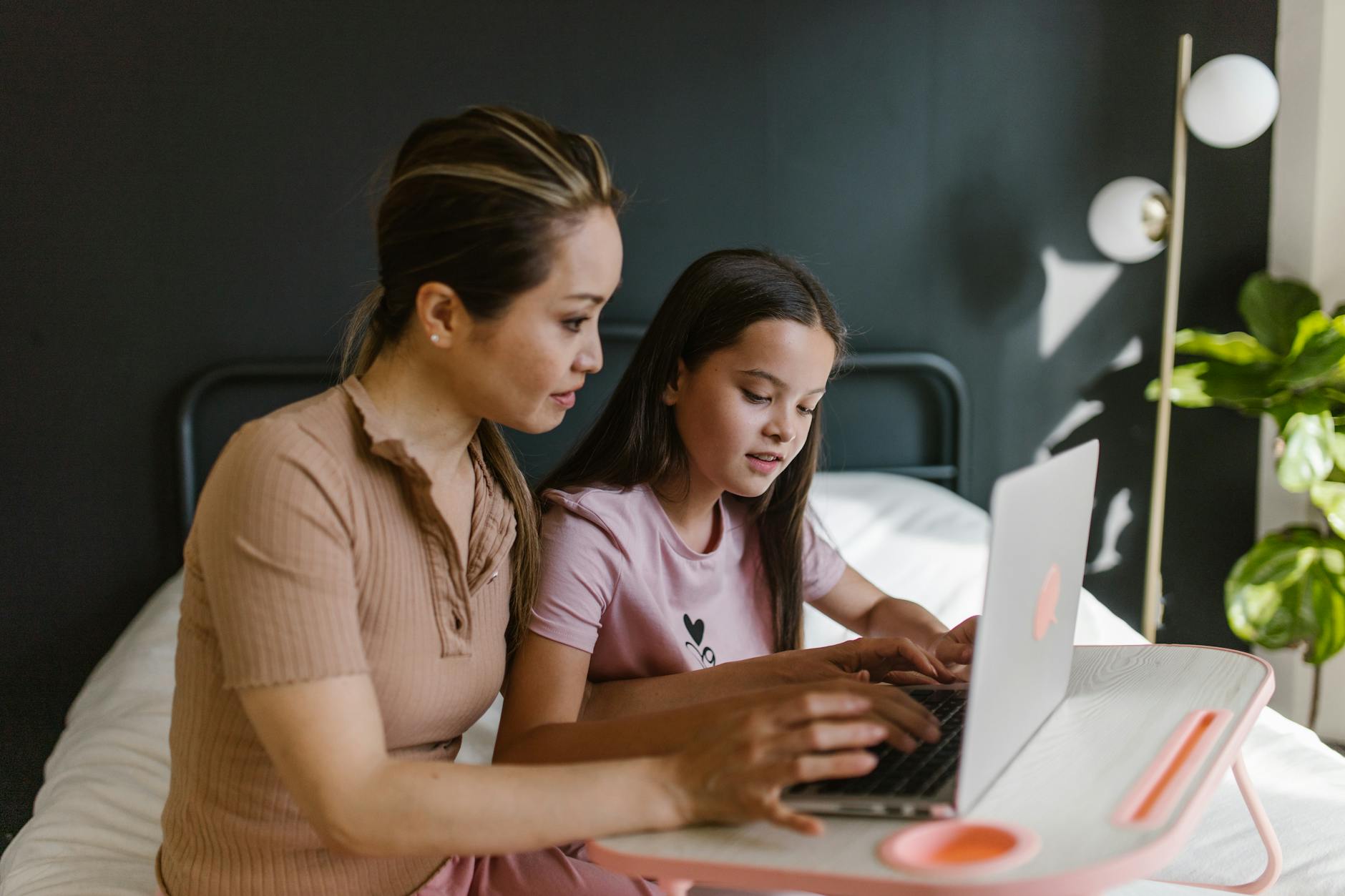
This phrase conflates paid employment with the only legitimate form of work, which is a narrow and inaccurate view. Stay-at-home parents perform tasks that would cost thousands of dollars per month if outsourced to childcare professionals, housekeepers and tutors. The absence of a paycheck does not mean the absence of contribution. This comment tends to provoke frustration because it ignores the economic and social value of full-time caregiving.
“Don’t You Miss Having a Real Career?”

The word “real” in this context implies that raising children is somehow an unserious or temporary pursuit. Many stay-at-home parents made a deliberate and carefully considered choice to prioritize family over outside employment. Career satisfaction and personal fulfillment can absolutely be found within the home environment. Asking this question often introduces unnecessary doubt into a decision the parent has already made with confidence.
“I Could Never Do That, I’d Go Crazy”

While this comment is sometimes intended as a compliment, it frequently comes across as condescending or pitying. It suggests that the stay-at-home role is unbearable or intellectually unstimulating. Many parents find deep meaning, creativity and challenge in raising their children full time. Framing the choice as something only a particularly patient or simple person could tolerate is reductive and unkind.
“Your Partner Must Be So Supportive to Allow That”

The word “allow” frames the stay-at-home parent as someone who requires permission from a partner to make life decisions. This phrasing reinforces outdated power dynamics within relationships. Most families arrive at this arrangement through mutual discussion and shared financial planning. Suggesting one partner holds authority over the other is dismissive of the equality many modern couples actively maintain.
“Aren’t You Worried About Losing Your Skills?”
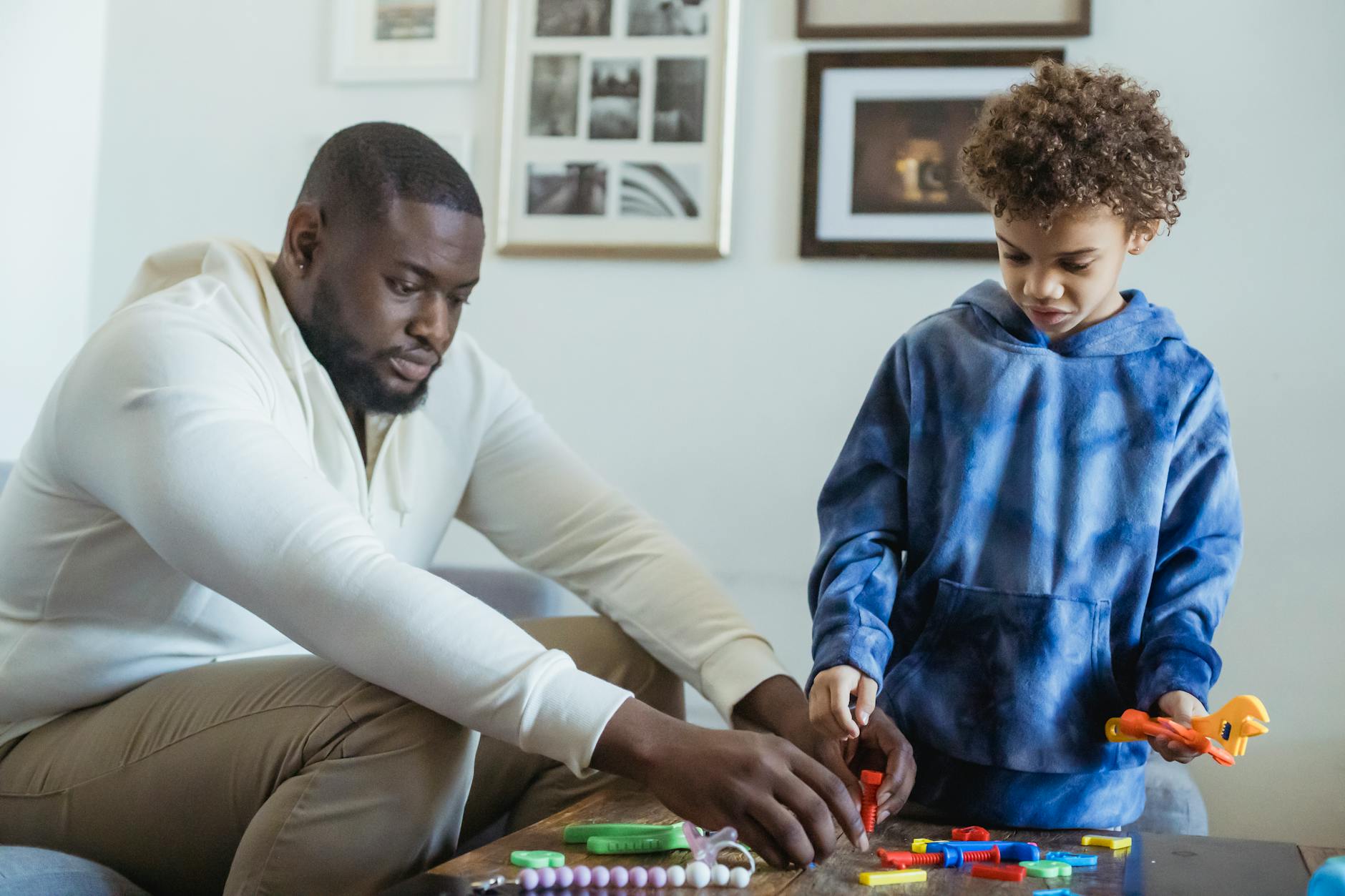
This comment assumes that skills developed in professional settings cannot be maintained or even enhanced through caregiving work. Stay-at-home parents regularly exercise project management, conflict resolution, budgeting, communication and time management. Many parents also continue freelance work, volunteer roles or ongoing education alongside their caregiving duties. The question often plants unnecessary anxiety about future employability in someone who is already managing a great deal.
“What Do You Do With All That Free Time?”
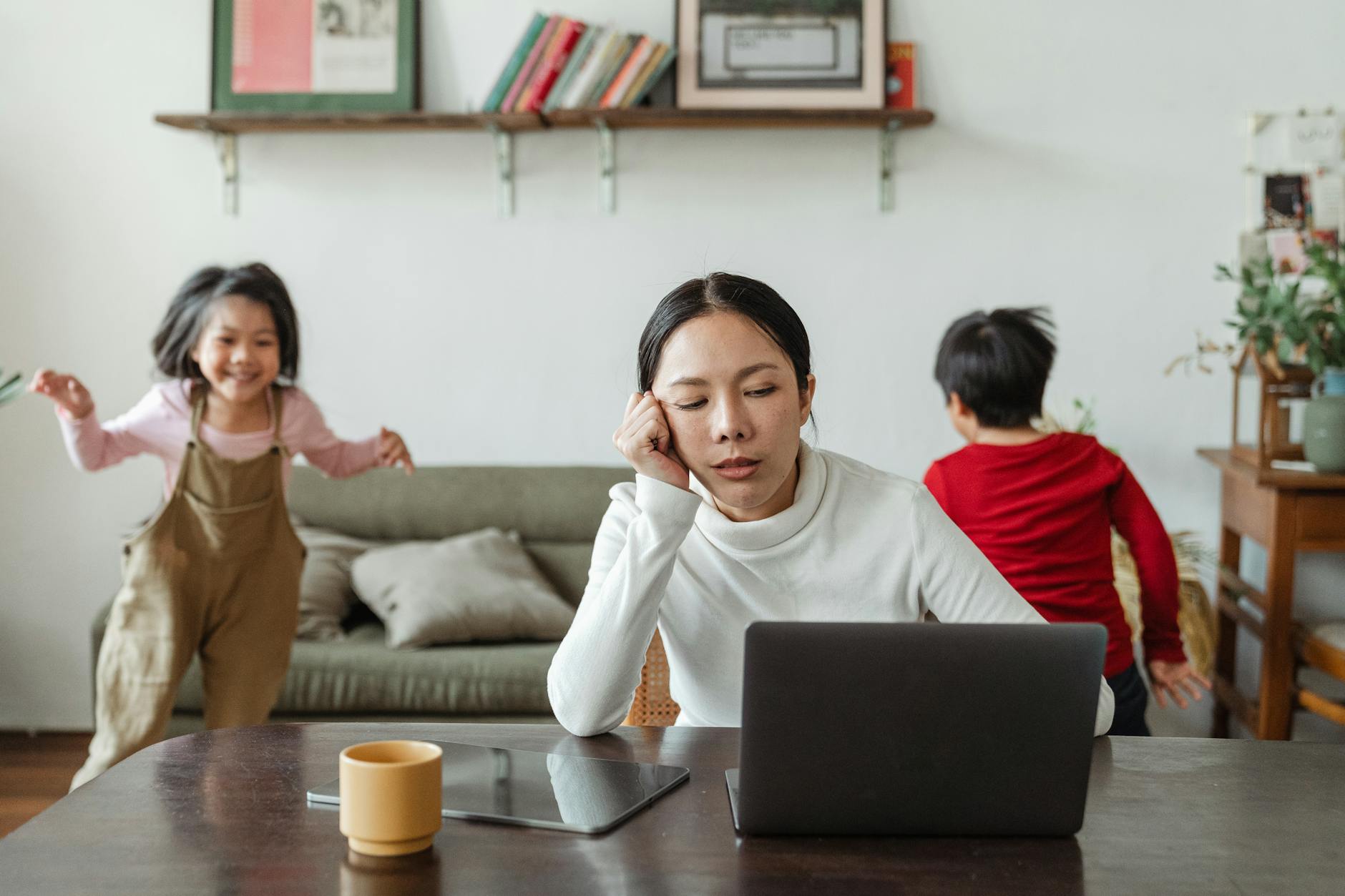
The premise of this question is based on a significant misunderstanding of what a stay-at-home parent’s day actually involves. Between feeding schedules, school runs, homework help, appointments and household management, free time is extremely limited. Rest periods, when they do exist, are not a luxury unique to this lifestyle but a basic human need. Framing the role as leisure-filled disrespects the relentless nature of the work involved.
“The Kids Will Be Fine in Daycare, You Know”
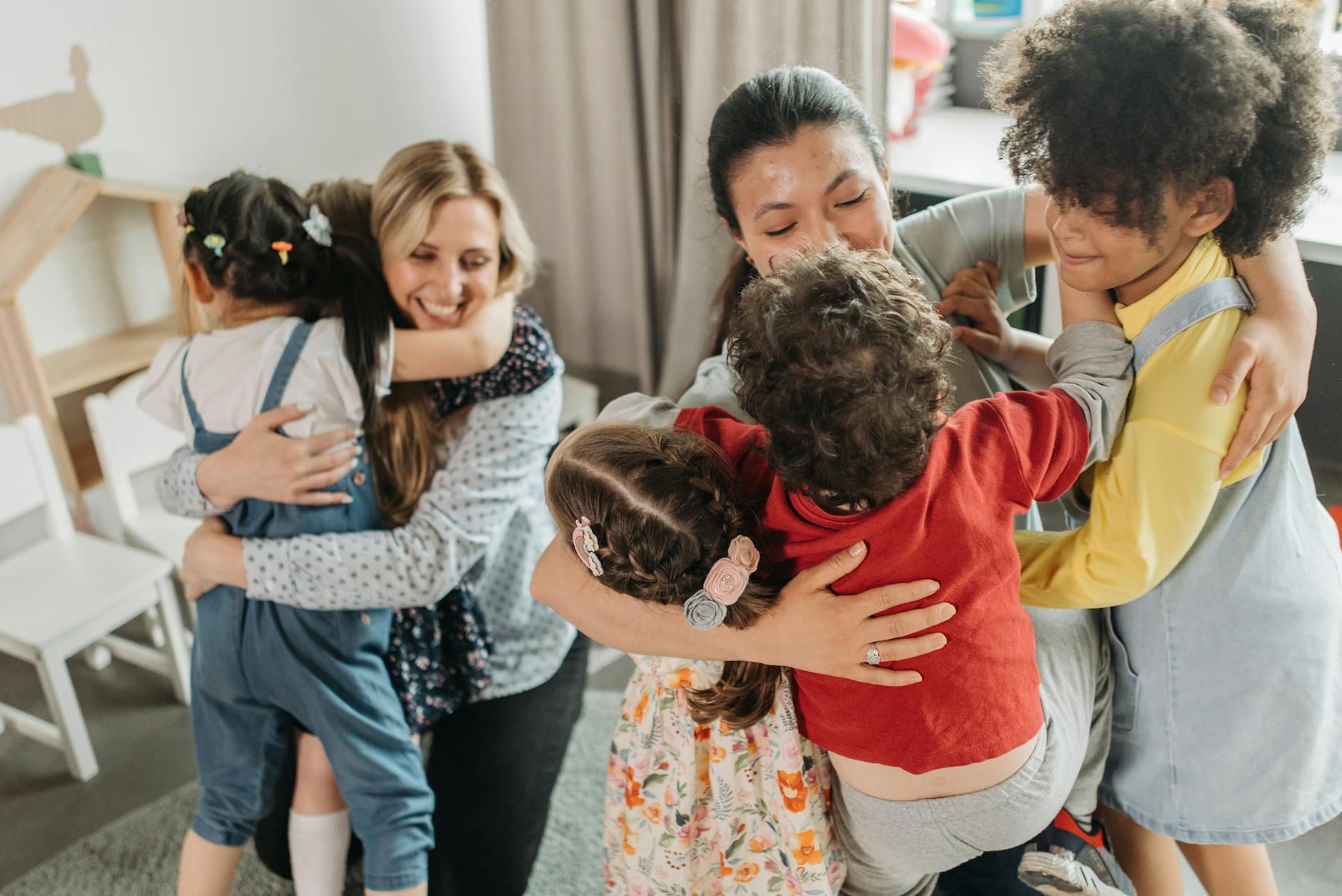
Offering unsolicited reassurance about childcare choices suggests the parent made a poorly thought-out decision that requires outside validation. Families choose home-based care for a wide range of personal, cultural, financial and philosophical reasons. Daycare and home parenting are simply different approaches, neither of which is universally superior. Implying the parent is overprotective or misguided undermines a choice that belongs entirely to the family.
“You’re So Lucky Your Partner Earns Enough”

This comment reduces a complex family arrangement to a matter of simple financial luck. Many single-income households make significant sacrifices including reduced spending, smaller living spaces and delayed purchases to make this lifestyle possible. It also erases the possibility that the stay-at-home parent previously contributed to savings or still earns income in flexible ways. The assumption that wealth makes this easy ignores the real financial pressures many of these families face.
“Do You Ever Feel Guilty About Not Contributing Financially?”

Guilt-based questions are rarely helpful and this one is particularly pointed. Financial contribution to a household takes many forms beyond a direct salary. The money saved on childcare, convenience food, housekeeping and other outsourced services often equals or exceeds what a second income would realistically provide after taxes and costs. Directing attention toward guilt places unnecessary emotional burden on someone already working extremely hard.
“Your Kids Might Lack Social Skills Without Daycare”

Child development research shows that social skills are built through a wide variety of experiences and environments. Children raised at home often participate in playgroups, community programs, sports teams and other structured activities that provide rich social interaction. The assumption that institutional childcare is the only valid path to social development is not supported by evidence. This comment can feel particularly hurtful when it targets the wellbeing of the parent’s children.
“Isn’t That a Bit Old-Fashioned?”

Describing a family’s deliberate lifestyle choice as old-fashioned frames it as a regression rather than a considered modern decision. Many families consciously choose to have one parent at home as part of a values-driven approach to raising children. Cultural background, personal philosophy and family goals all influence this choice in deeply individual ways. Labeling it as outdated dismisses the thoughtful reasoning that typically underlies it.
“What Does Your Partner Think About It?”

Asking what the other partner thinks implies the stay-at-home parent is not the primary decision-maker in their own life. This phrasing is often directed at mothers and carries an implicit suggestion that the arrangement requires male approval. Partners in healthy relationships make these decisions collaboratively, which means both people’s views have already been considered. The question subtly challenges the parent’s autonomy in a way that most people would find patronizing.
“You Should Keep Something for Yourself, Just in Case”

This phrase introduces the spectre of relationship failure into a conversation about family choices. It implies the stay-at-home parent is financially vulnerable and perhaps naive about the risks of their situation. While financial independence is genuinely important, unsolicited warnings about potential divorce or abandonment are not appropriate casual conversation topics. Raising the subject in this way can feel more alarming than helpful.
“Are You Going Back to Work Once the Kids Are in School?”

Framing re-entry into paid work as an inevitable next step disregards the possibility that the parent may continue caregiving beyond early childhood. Many stay-at-home parents remain at home during school years to manage after-school care, school holidays, extracurricular coordination and household responsibilities. This question also ignores that some parents may be caring for multiple children of varying ages. It can feel like a countdown being placed on a lifestyle the parent has no intention of ending.
“I Wish I Had Time to Bake and Watch TV Too”

This comment trivializes the stay-at-home role by reducing it to stereotypical images of leisure and domesticity. Baking and television are not the defining activities of most stay-at-home parents’ days. The reality involves constant problem-solving, emotional labor, physical exertion and logistical coordination. Framing home-based caregiving as a kind of extended holiday reflects a significant misunderstanding of what the role actually entails.
“Your Kids Are Going to Be So Dependent on You”

Child psychology consistently shows that secure attachment in early childhood leads to greater independence later in life. Stay-at-home parents are not automatically creating dependent children simply by being present and attentive. Independence is taught through age-appropriate responsibilities, boundaries and gradual challenges regardless of the caregiving environment. This comment conflates presence with overprotection, which are two very different parenting approaches.
“Don’t You Get Lonely?”
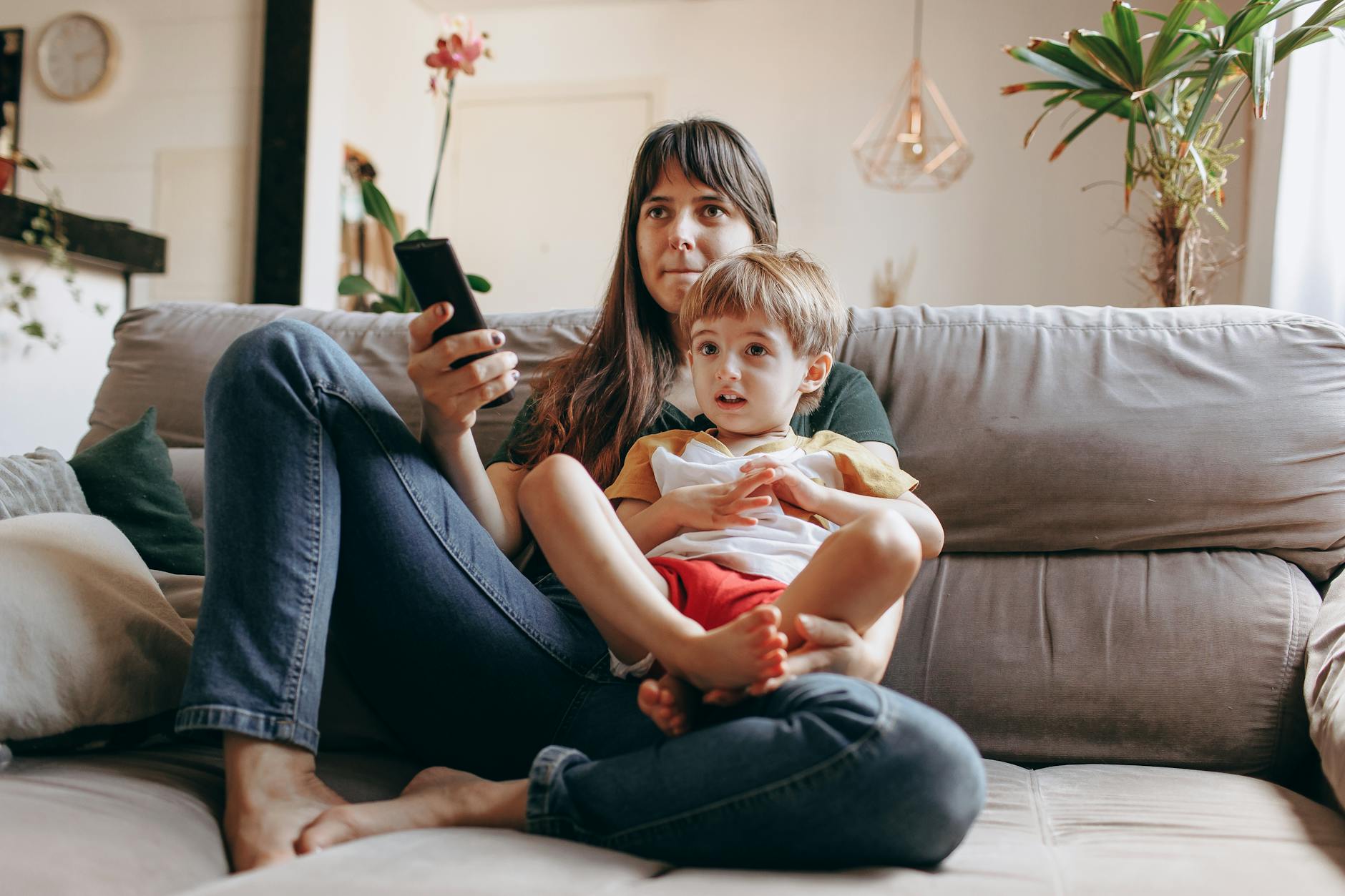
While loneliness can be a genuine challenge for some stay-at-home parents, asking this question directly in a social setting can feel intrusive or pitying. It presumes a negative emotional experience that may not reflect the individual’s reality at all. Many stay-at-home parents maintain active social networks, community connections and fulfilling routines. Projecting isolation onto someone who has not described feeling isolated is an assumption best avoided.
“It’s Great That You’re Doing This While You’re Young”

Embedding an age caveat into a compliment implies the arrangement is only acceptable because it is presumably temporary. This phrasing suggests the person will eventually outgrow the role or return to something more appropriate for their stage of life. Stay-at-home parenting is a legitimate long-term choice for adults of any age. Attaching a time frame to a lifestyle decision the parent has not defined as temporary is presumptuous.
“My Kids Would Drive Me Absolutely Insane”

Expressing that someone else’s children would be unbearable to spend extended time with is rarely the compliment it is intended to be. This comment either implies that the parent’s children are especially difficult or that the speaker finds children in general unpleasant. Neither interpretation reflects well on the person saying it. It can also make the parent feel judged for choosing a child-centered lifestyle.
“Have You Thought About What You’ll Put on Your Resume?”

This question assumes that the parent’s most pressing concern should be their future employability rather than their present responsibilities. Resume gaps are a practical reality that many returning workers navigate successfully. Parenting involves transferable skills that are increasingly recognized by forward-thinking employers. Raising this concern unprompted can feel dismissive of the work being done right now in favor of hypothetical future challenges.
“You’re So Patient, I Could Never Handle That”

Patience is not a fixed trait that some people possess and others lack entirely. It is a practiced skill that develops through consistent effort and necessity. Suggesting that staying home with children requires a special kind of superhuman tolerance reduces the role to an endurance challenge. It also implies that the parent’s experience is defined primarily by struggle, which many stay-at-home parents would strongly dispute.
“Don’t You Feel Like You’ve Lost Your Identity?”

Identity is a multidimensional aspect of human experience that extends far beyond job titles and professional affiliations. Many stay-at-home parents report gaining a stronger sense of identity and purpose through their caregiving role. The assumption that identity is lost without paid employment reflects a narrow cultural bias about where personal value comes from. Posing this question can introduce insecurity where none previously existed.
“You Must Have a Really Clean House Then”
Homes with children present are rarely spotless, and implying otherwise sets an impossible standard. Domestic tidiness is one small aspect of a stay-at-home parent’s responsibilities and often the one that receives the least attention. The comment also reduces the parent’s day to housekeeping, ignoring the educational, emotional and developmental work happening alongside it. Many stay-at-home parents would describe their homes as lived-in rather than immaculate.
“Isn’t That a Lot of Pressure on Your Partner?”
This comment frames the family’s financial structure as a burden placed on one person by the other. Financial arrangements in relationships are made jointly and reflect the collective priorities of the household. The stay-at-home parent’s contributions reduce family costs in ways that directly support the working partner. Characterizing the setup as pressure caused by the non-earning partner introduces unnecessary blame into a mutual decision.
“What Do You Even Talk About With Other Adults?”
This question implies that full-time caregivers have narrowed interests and are incapable of engaging in substantive conversation. Stay-at-home parents typically follow current events, pursue personal interests, read widely and engage with community issues. Intellectual curiosity does not disappear because someone leaves the workplace. The assumption that child-rearing eliminates all other dimensions of a person’s inner life is both inaccurate and condescending.
“You Gave Up a Lot to Do This”

Framing a deliberate choice as sacrifice imposes a framework of loss onto a decision the parent may experience as entirely positive. Choices involve tradeoffs, but that does not mean the person making them views their life through a lens of what they gave up. Language that emphasizes sacrifice can subtly imply regret that the parent has not expressed. It is more respectful to engage with the life the person is actually living rather than the one they did not choose.
“Are You Sure It’s Worth It Financially?”

Financial calculations around stay-at-home parenting are complex and highly individual. When childcare costs, commuting expenses, work clothing and convenience spending are factored in, remaining at home can be the more economical choice for many families. This question also assumes financial efficiency is the primary motivation for the decision, which is rarely the full picture. Reducing a value-driven family choice to a spreadsheet question overlooks the broader context entirely.
“Your Partner Is Really Carrying the Load, Huh?”

This framing implies a fundamental imbalance in the relationship that positions one partner as a burden and the other as a hero. Both partners in a single-income household contribute in ways that are meaningful, complementary and essential to the family’s functioning. The stay-at-home parent’s labor directly enables the working partner to focus on their career without the additional weight of full household management. Suggesting otherwise misrepresents the dynamic that most of these families actually experience.
“Do You Ever Regret It?”

Asking someone if they regret a major life choice during a casual conversation is rarely appropriate regardless of context. This question introduces doubt and invites a deeply personal reflection that the person may not wish to share with everyone. Most stay-at-home parents have already engaged in thorough personal reflection about their choices and do not need external prompting to question themselves. Assuming the presence of regret before it has been expressed is a projection rather than a genuine inquiry.
Share your thoughts in the comments on which phrases you’ve heard most often and how you responded to them.