Communication during marital disputes requires careful attention to the words chosen and the emotions conveyed. Certain phrases can escalate tension rapidly and cause lasting damage to the foundation of trust within a relationship. Couples counselors frequently identify specific statements that hinder productive conflict resolution and block mutual understanding. Recognizing these destructive communication patterns allows partners to replace them with healthier dialogue techniques during heated moments. The following list details thirty specific phrases that relationship experts advise removing from any argument with a spouse entirely.
You Always Do This

Using absolute terms creates an immediate defensive reaction from a partner during a disagreement. This phrase dismisses any positive efforts the spouse has made in the past. Psychologists note that generalizations prevent couples from addressing the specific issue at hand. It forces the accused partner to focus on defending their historical record rather than solving the current problem. Focusing on the singular event yields much better communication results.
You Never Listen To Me

Accusing a spouse of completely ignoring communication is another absolute statement that derails productive arguments. This specific phrasing makes the partner feel undervalued and entirely misunderstood. Relationship therapists explain that it often leads to a counterattack rather than an apology or a listening ear. A more effective approach involves expressing a personal feeling of not being heard in that specific moment. This shift in language invites the partner to engage rather than withdraw from the conversation.
Calm Down

Telling an upset spouse to reduce their emotional state almost universally produces the opposite effect. The phrase invalidates the emotions they are currently experiencing so intensely. Experts state that this command comes across as condescending and dismissive of genuine feelings. It suggests that the person expressing frustration is acting inappropriately or out of control. A better method involves matching their intensity with active listening and validating their underlying concerns.
You Are Acting Crazy

Labeling a partner with derogatory terms during a conflict causes deep emotional harm and resentment. This specific insult attacks the character and mental state of the spouse rather than addressing their behavior. Mental health professionals advise against using clinical or dramatic terms to describe temporary emotional reactions. Such words break down the psychological safety required for a vulnerable and honest partnership. Respectful disagreement requires focusing entirely on actions and words rather than assigning insulting labels.
I Want A Divorce

Threatening the foundation of the marriage is one of the most destructive tactics used in arguments. This statement introduces intense insecurity and fear into the relationship dynamic immediately. Marriage counselors warn that repeated threats of separation erode the fundamental trust and commitment between partners. Once uttered this phrase alters the atmosphere and makes the current disagreement feel existential. Such heavy ultimatums should only enter conversations during serious mediations rather than heated daily disputes.
Whatever

Dismissing a partner with a single word conveys a profound lack of respect and engagement. This response signals that the speaker has completely withdrawn from the effort of resolving the conflict. Therapists categorize this as stonewalling which is a primary predictor of relationship failure. It leaves the other person feeling entirely abandoned in the middle of a vulnerable emotional exchange. True conflict resolution requires active participation until both parties reach an understanding or a temporary truce.
Just Forget It

Attempting to abruptly end an argument leaves underlying issues completely unresolved and festering. This phrase often stems from a feeling of exhaustion or deep frustration with the communication process. However it communicates to the spouse that their concerns are no longer worth the effort to address. The unresolved tension inevitably resurfaces later and usually with increased intensity. Taking a structured break is much healthier than demanding the issue simply vanish.
You Are Exactly Like Your Mother

Comparing a spouse to their relatives in a negative light introduces unnecessary external baggage into the argument. This tactic weaponizes family dynamics and attacks deeply held insecurities or past traumas. Relationship experts consider this a low blow that deflects attention away from the actual disagreement. It forces the partner to defend both themselves and their family members simultaneously. Productive arguments must remain focused entirely on the two individuals present in the room.
I Do Not Care
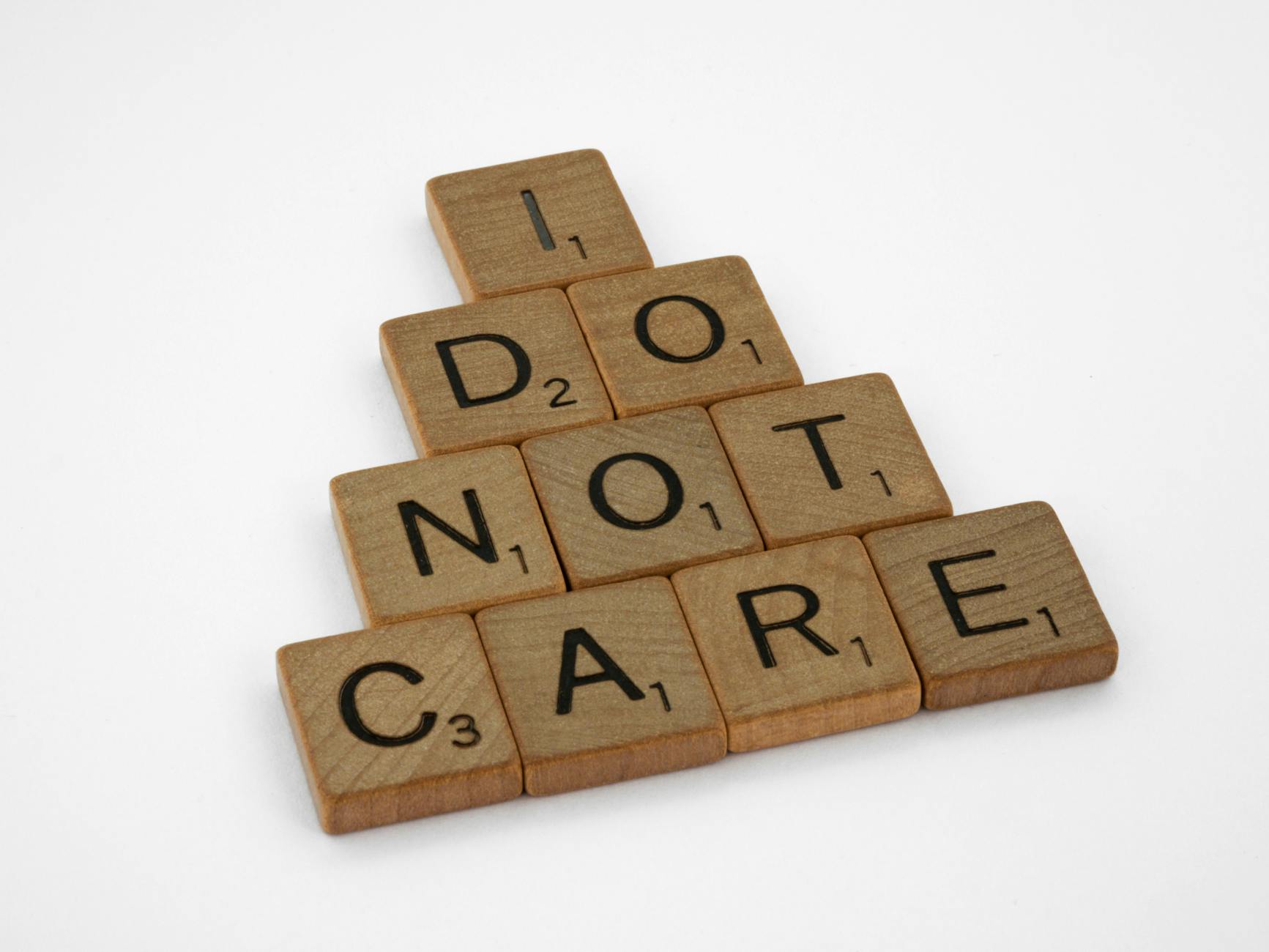
Expressing complete apathy strikes at the core of a loving and committed partnership. This statement tells the spouse that their feelings and the relationship itself hold zero value in that moment. Psychologists observe that apathy causes more long term emotional damage than expressed anger. It breeds a deep sense of loneliness and rejection within the relationship structure. A healthy partnership requires both individuals to care deeply even when they strongly disagree.
It Is All Your Fault

Assigning complete blame to one person entirely ignores the complex nature of relationship dynamics. This phrase creates an adversarial environment where one person becomes the designated villain. Conflict resolution specialists emphasize that marital problems almost always involve mutual contributions and misunderstandings. Blaming prevents the couple from working together as a unified team against the actual problem. Accepting partial responsibility paves a much smoother path toward reconciliation and growth.
Why Can You Not Be More Like Him

Comparing a spouse to another person destroys self esteem and breeds deep resentment. This statement implies that the partner is fundamentally inadequate and failing to meet basic standards. Therapists warn that such comparisons often lead to lasting feelings of jealousy and inadequacy. Every individual brings unique strengths and weaknesses to a partnership that deserve recognition. Focusing on the positive attributes of the spouse encourages better behavior far more effectively than negative comparisons.
You Are Overreacting

Invalidating the emotional response of a partner tells them their feelings are incorrect or inappropriate. This phrase assumes the speaker holds the objective truth about how a situation should be experienced. Counselors explain that emotional experiences are subjective and entirely real to the person feeling them. Dismissing these feelings prevents any genuine empathy or understanding from taking root during the argument. Partners must acknowledge the reality of the emotion even if they disagree with the underlying premise.
This Is Ridiculous

Labeling the concerns of a spouse as absurd minimizes their perspective and shuts down dialogue completely. This dismissive language signals arrogance and a refusal to see the situation from another viewpoint. Relationship coaches suggest that what seems trivial to one partner may hold deep significance for the other. Honoring those differing priorities is essential for maintaining mutual respect and harmony. Belittling the topic ensures the argument will escalate rather than resolve peacefully.
I Am Done Talking About This

Unilaterally ending a conversation leaves the other partner feeling trapped and completely unheard. This phrase acts as a conversational power play that shuts down any possibility of immediate resolution. Experts note that while taking a break is healthy it must involve a mutual agreement to return to the topic later. Simply walking away permanently creates a backlog of unresolved conflicts that poison the relationship. Effective communication requires establishing clear rules for pausing and resuming difficult conversations.
You Are Being Irrational

Attacking the logical processing of a spouse dismisses the very real emotions driving their argument. This statement attempts to elevate the speaker to a position of superior intellect and calm reason. Psychologists state that high emotional states naturally bypass pure logical processing in all human beings. Labeling this biological reality as a flaw only increases frustration and defensive posturing. True resolution requires addressing the emotional core of the issue rather than debating pure logic.
That Is A Stupid Idea

Insulting the thoughts or suggestions of a partner quickly destroys collaborative problem solving efforts. This phrase creates an environment where the spouse will hesitate to share their thoughts in the future. Marriage counselors emphasize that brainstorming solutions requires a safe space free from harsh judgment. Even unworkable ideas should be met with respect and gentle redirection rather than outright mockery. A supportive partner evaluates suggestions carefully and explains disagreements without resorting to insults.
You Are Too Sensitive

Blaming a partner for their emotional capacity shifts the focus away from the hurtful behavior that caused the reaction. This statement effectively tells the spouse that their natural emotional baseline is fundamentally flawed. Therapists point out that high sensitivity is a personality trait rather than a behavioral choice to be criticized. Empathy requires accepting a partner exactly as they are and adjusting communication styles accordingly. Dismissing sensitivity only encourages the partner to hide their true feelings and withdraw emotionally.
Shut Up

Using vulgar or aggressive commands immediately turns a disagreement into a verbal assault. This phrase demonstrates a complete loss of respect and basic conversational decency. Relationship experts view this language as a red flag for escalating verbal abuse within a marriage. It creates an environment of hostility and fear rather than love and mutual support. Couples must maintain a baseline of respectful language even when experiencing extreme anger.
I Told You So
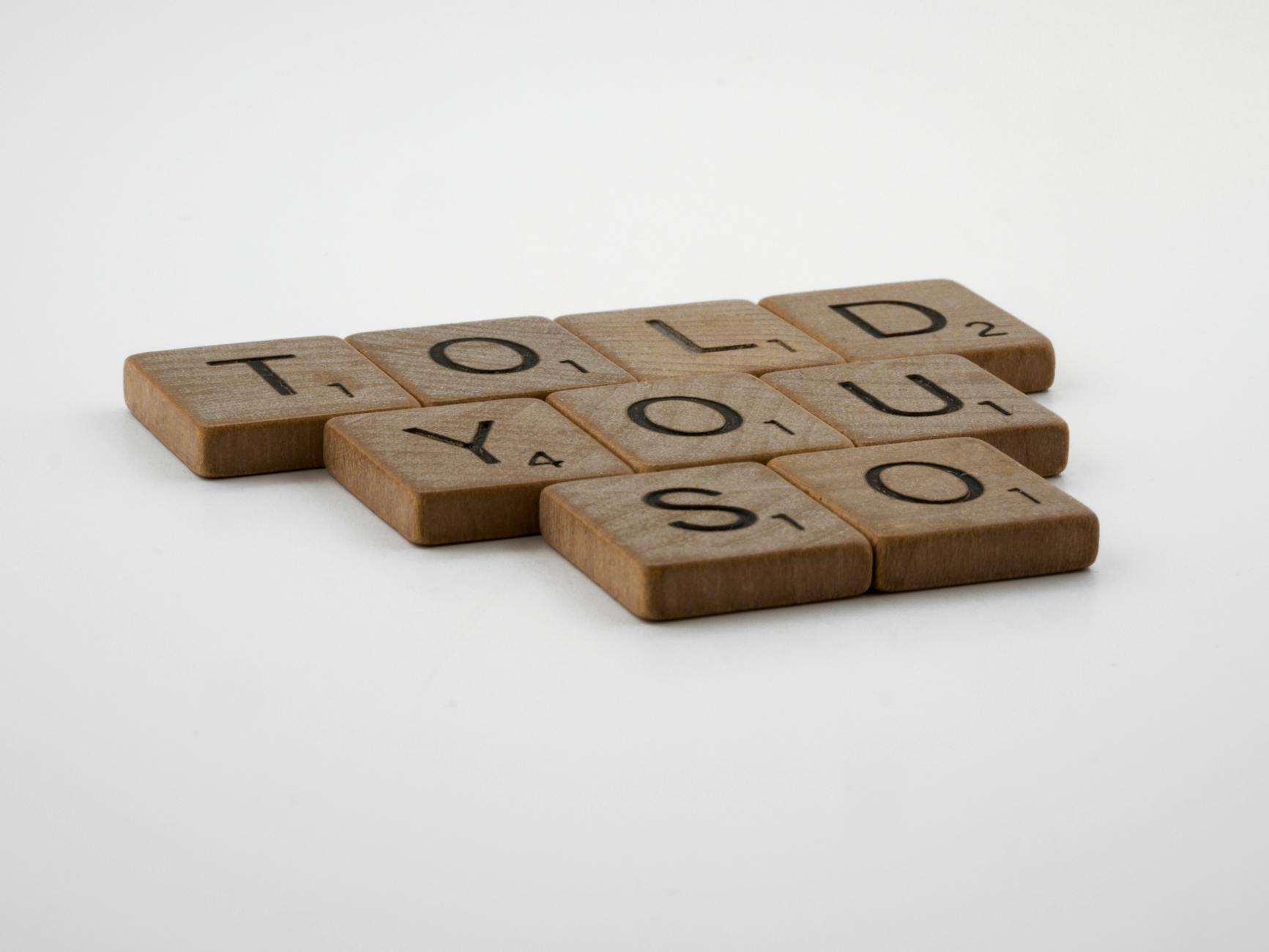
Prioritizing being right over the feelings of a spouse damages the concept of teamwork within a marriage. This phrase rubs salt in a wound when a partner has already made a mistake or experienced a failure. Counselors warn that gloating destroys trust and makes the partner feel entirely unsupported. A healthy relationship requires offering comfort and solutions rather than celebrating a correct prediction. Empathy must always take precedence over the ego boost of winning an argument.
You Ruined Everything

Catastrophizing a situation places an unbearable amount of guilt and pressure on one person entirely. This phrase blows the impact of a mistake entirely out of proportion to reality. Mental health professionals note that such dramatic language prevents rational assessment of the actual damage. It leaves the accused partner feeling hopeless and incapable of making amends for the error. Focusing on how to fix the specific issue provides a much healthier path forward.
Nothing Is Wrong

Lying about being upset forces the spouse to guess the source of the hidden conflict. This passive aggressive tactic builds tension and prevents any actual problem solving from occurring. Therapists explain that expecting a partner to read minds is a common and destructive relationship habit. It creates an atmosphere of confusion and anxiety as the partner senses the unspoken anger. Honest articulation of feelings is absolutely necessary for maintaining a healthy and functional partnership.
I Hate You

Using the strongest word of rejection inflicts deep and often permanent emotional scars on a spouse. This phrase attacks the very core of the loving commitment made between two partners. Marriage counselors emphasize that words said in extreme anger cannot be easily erased or forgotten later. It shatters the security of the relationship and requires extensive repair work to overcome. Couples must establish strict boundaries against using hateful language under any circumstances.
You Always Ruin My Mood

Making a spouse entirely responsible for personal emotional states is an unfair and heavy burden. This statement ignores the individual responsibility each person has for their own emotional regulation. Psychologists point out that while partners influence each other nobody has total control over another person. Blaming a partner for a bad mood deflects from examining personal internal stressors. Healthy individuals take ownership of their feelings while discussing how specific actions impact them.
Deal With It

Telling a partner to handle a problem alone demonstrates a complete lack of support and teamwork. This dismissive phrase leaves the spouse feeling isolated and overwhelmed by the issue at hand. Relationship experts state that marriage requires facing challenges as a united front rather than separate individuals. Refusing to help a partner cope with stress severely weakens the bond between them. Offering assistance and a listening ear strengthens the foundation of the partnership during difficult times.
You Are Being Dramatic

Minimizing the reactions of a spouse makes them feel misunderstood and entirely unsupported in their distress. This phrase suggests that the partner is intentionally exaggerating their feelings for attention. Counselors warn that what seems dramatic to one person is often a very real crisis to another. Validating the experience of the partner calms the situation much faster than criticizing their emotional display. Empathy requires looking past the intensity of the reaction to find the underlying pain.
Grow Up

Attacking the maturity level of a partner is deeply insulting and entirely counterproductive to conflict resolution. This phrase attempts to position the speaker as the superior and more responsible adult in the relationship. Therapists explain that condescension breeds intense resentment and prevents honest communication. It attacks the character of the spouse rather than addressing the specific behavior causing the issue. Treating a partner as an equal is absolutely essential for maintaining mutual respect during disagreements.
Stop Whining

Labeling the legitimate complaints of a spouse as annoying noises dismisses their need to be heard. This phrase belittles the partner and makes them feel like a nuisance rather than a valued equal. Relationship coaches emphasize that expressing dissatisfaction is a necessary part of maintaining relationship health. Ignoring these complaints guarantees that the underlying issues will continue to cause friction over time. Active listening and validating concerns encourages a more mature and productive conversation.
Do What You Want
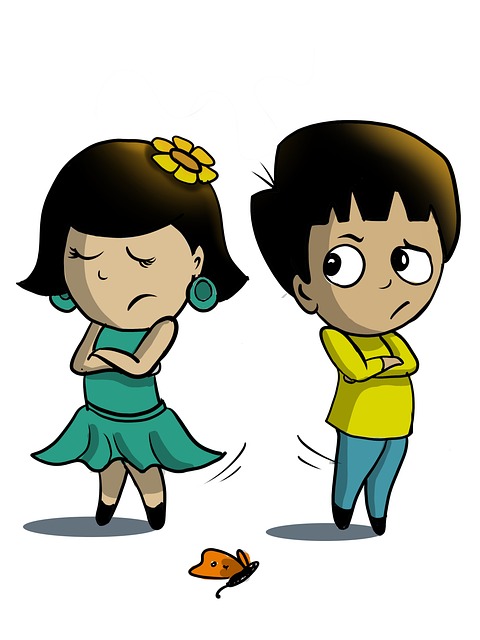
Expressing passive aggressive surrender forces the partner to take complete responsibility for a difficult decision. This phrase often hides deep resentment and a hidden expectation that the partner will choose a specific outcome. Psychologists note that this tactic creates a trap where any choice the partner makes will be criticized later. Honest negotiation requires both partners to state their preferences clearly and work toward a compromise. Feigning indifference only creates further confusion and inevitable conflict down the line.
You Are Useless

Attacking the basic competence and value of a spouse destroys their self worth entirely. This phrase is a severe form of verbal abuse that has no place in a loving relationship. Marriage counselors state that constant criticism of this magnitude often leads to depression and profound relationship dissatisfaction. A healthy partnership requires building each other up and offering support during moments of failure. Focusing on strengths and expressing gratitude counteracts the devastating effects of harsh criticism.
I Do Not Need This

Threatening to abandon the conversation or the relationship creates immense instability and fear. This statement implies that the partner and the marriage are burdens rather than sources of support. Experts warn that making a spouse feel disposable erodes the fundamental security required for intimacy. It communicates a lack of commitment to working through the inevitable challenges of shared life. Reaffirming commitment even during intense arguments provides the safety needed to resolve deep conflicts.
Please share your personal experiences and additional insights regarding communication during arguments in the comments.