The space under the kitchen sink is one of the most misused storage areas in the entire home. Its proximity to water pipes creates a naturally damp and temperature-inconsistent environment that can damage belongings or create serious safety hazards. Many homeowners use this cabinet as a convenient catch-all without considering the risks involved. Understanding what belongs elsewhere can protect your health, your household, and your finances in meaningful ways.
Medications

Humidity and temperature changes under the kitchen sink can rapidly degrade the chemical composition of medications. Heat and moisture break down active ingredients, making pills and liquids less effective or potentially harmful to consume. Many people assume any closed cabinet is a safe storage spot, but health professionals consistently advise against high-humidity areas for medicine. A cool and dry bedroom drawer or a dedicated medicine cabinet away from steam is far more appropriate for storing prescriptions and over-the-counter treatments.
Vitamins and Supplements

Like prescription medications, vitamins and dietary supplements are highly sensitive to moisture and heat exposure. The damp conditions under the sink can cause capsules to clump, dissolve prematurely, or lose potency well before the printed expiration date. Gummy vitamins are especially vulnerable and can melt or fuse together into an unusable mass. A pantry shelf or a dedicated dry organizer in a climate-controlled room preserves their quality and effectiveness far better.
Pet Food
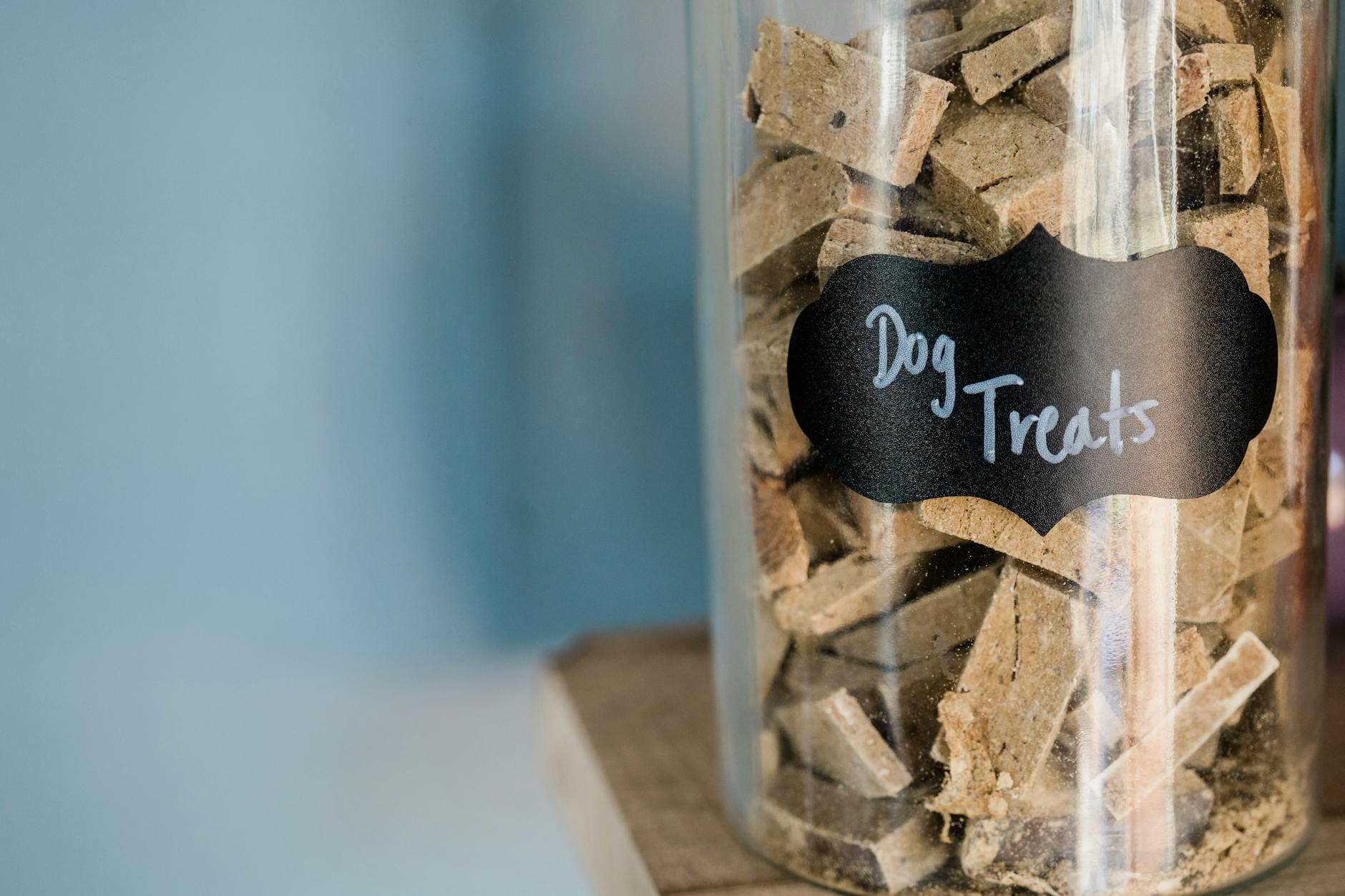
Storing dry or wet pet food under the kitchen sink exposes it to moisture that accelerates spoilage and encourages mold growth. Leaking pipes are a common occurrence in this area, and even minor water exposure can contaminate an entire bag of kibble. The fluctuating temperatures can also break down the fats and proteins that make pet food nutritionally complete. A sealed container in a cool and dry pantry or laundry room is a far safer and more hygienic option for pet owners.
Bleach-Based Cleaners
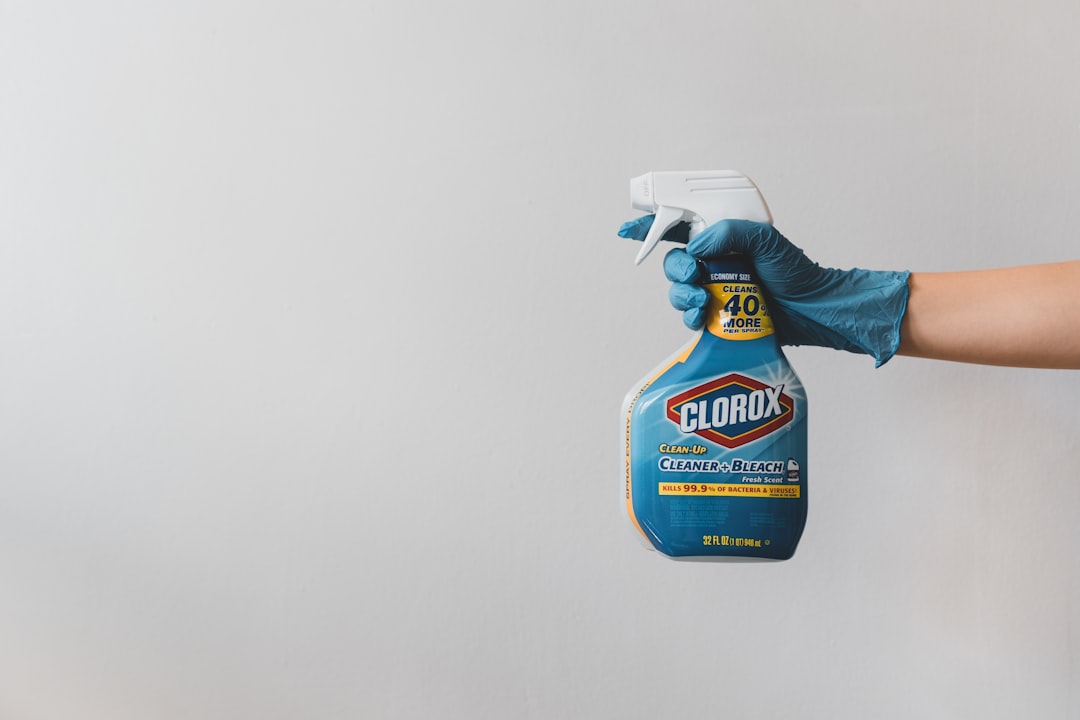
Bleach products stored near other household chemicals create a genuinely dangerous situation if accidental mixing occurs. Even fumes from bleach stored in an enclosed cabinet can react with ammonia-based products nearby and produce toxic gases. The confined space under the sink offers very little ventilation, which amplifies this risk considerably. If bleach must be kept in the kitchen, it should be stored completely alone and away from any other cleaning agents.
Flammable Liquids
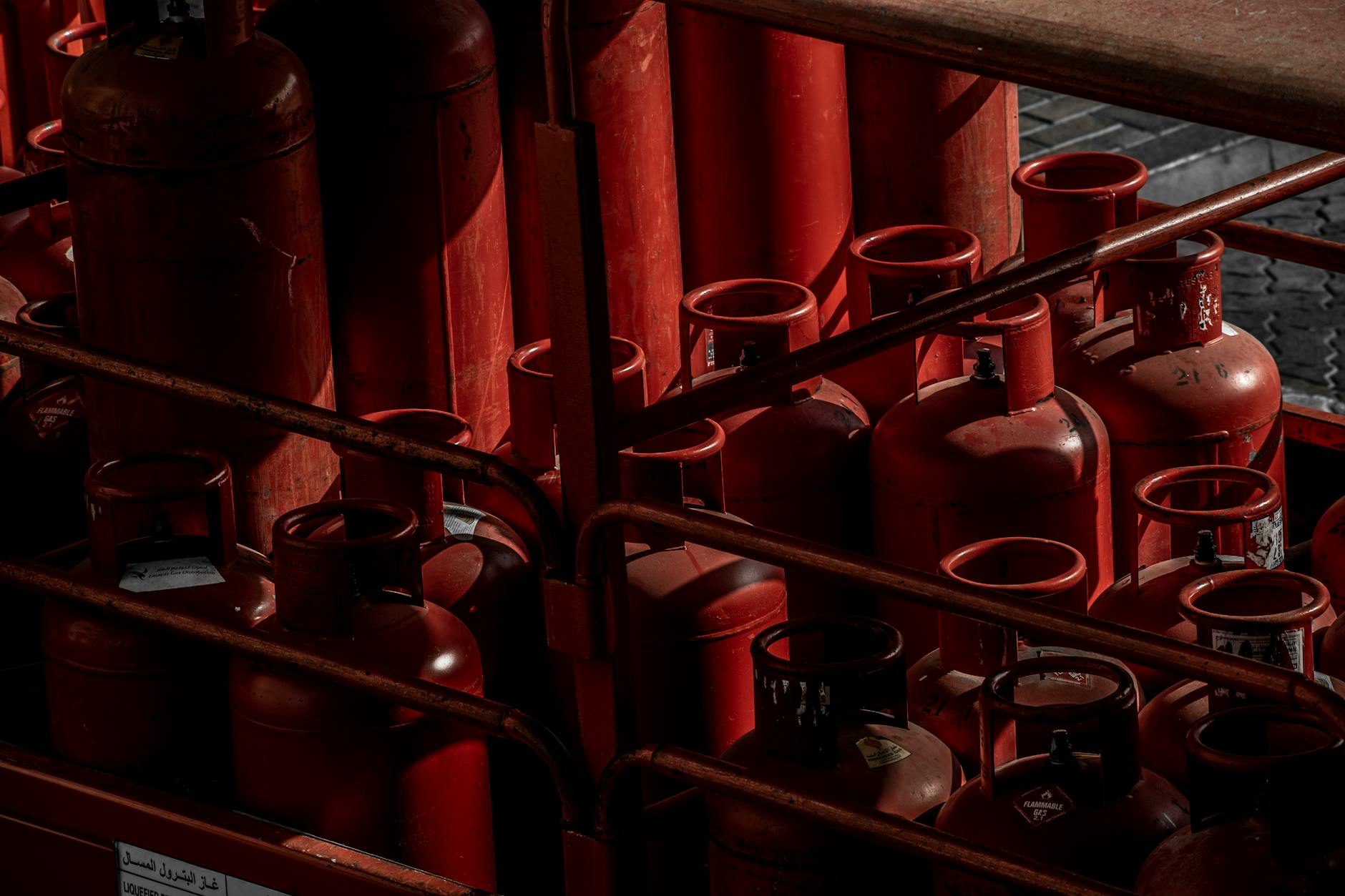
Products such as rubbing alcohol, lighter fluid, and certain degreasers are highly flammable and should never be stored near heat sources or electrical appliances. The kitchen environment involves open flames, stovetop heat, and electrical outlets that make it an inherently risky place for these items. Even in a closed cabinet, vapors from flammable liquids can build up and become hazardous. A well-ventilated outdoor storage area or a garage cabinet designed for flammable materials is the appropriate location for these products.
Aerosol Cans
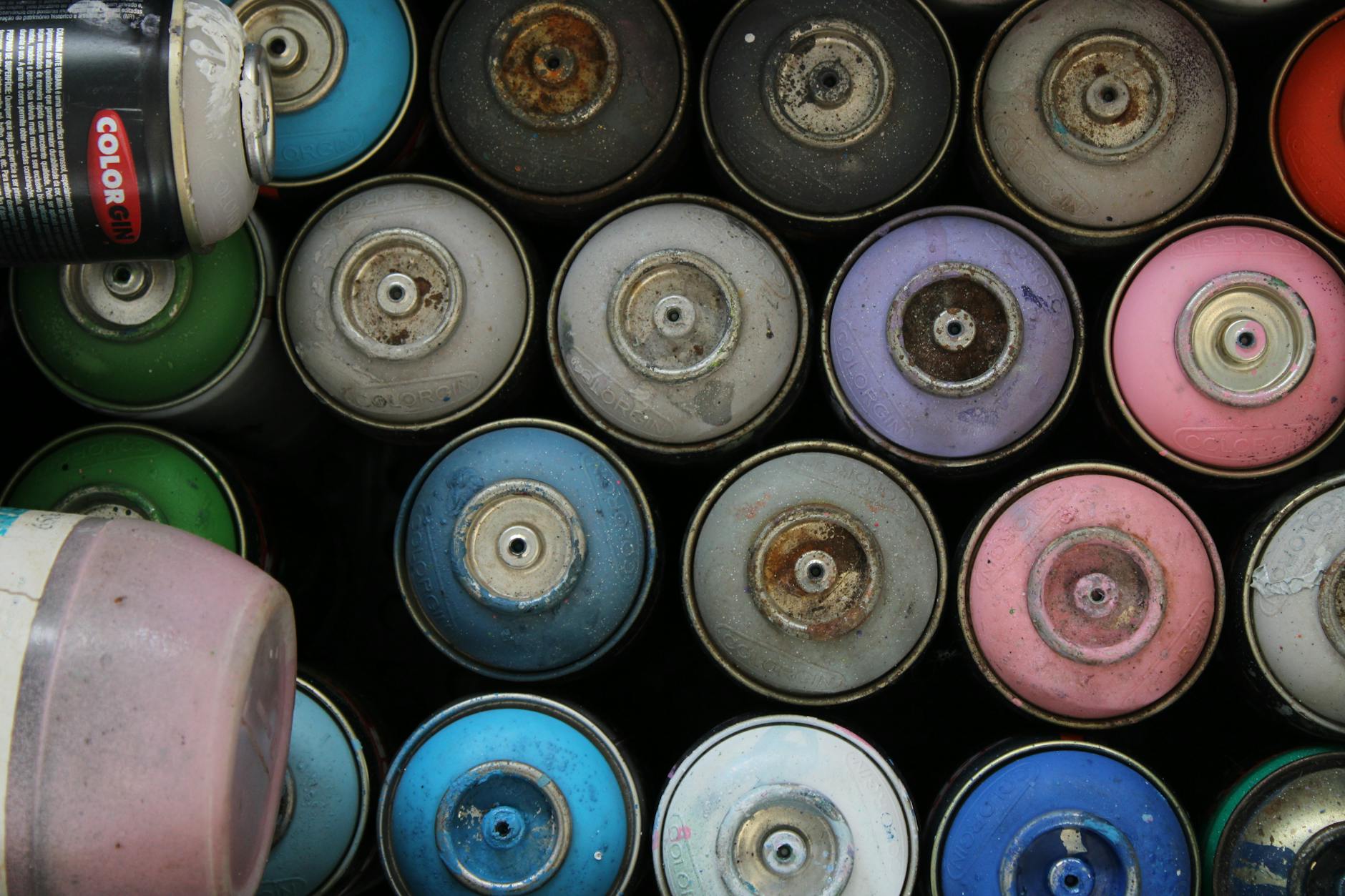
Aerosol cans are pressurized containers that become increasingly unstable when exposed to heat and humidity. A minor leak under the sink, combined with a warm environment, can cause the pressure inside the can to build to dangerous levels. This applies to everything from cooking sprays to cleaning aerosols to hairspray stored in the wrong cabinet. These products should be kept in a cool and consistently dry environment where temperature fluctuations are minimal.
Pesticides and Insecticides
Pesticides contain potent chemical compounds that can leach toxic residue if their containers are damaged by moisture. Storing them under the kitchen sink places these chemicals in close proximity to food preparation areas, which creates a contamination risk. Children and pets are especially vulnerable to accidental exposure in a frequently accessed cabinet. Pesticides and insecticides should be locked away in an outdoor shed or a high garage shelf far from living areas.
Paint and Paint Thinner
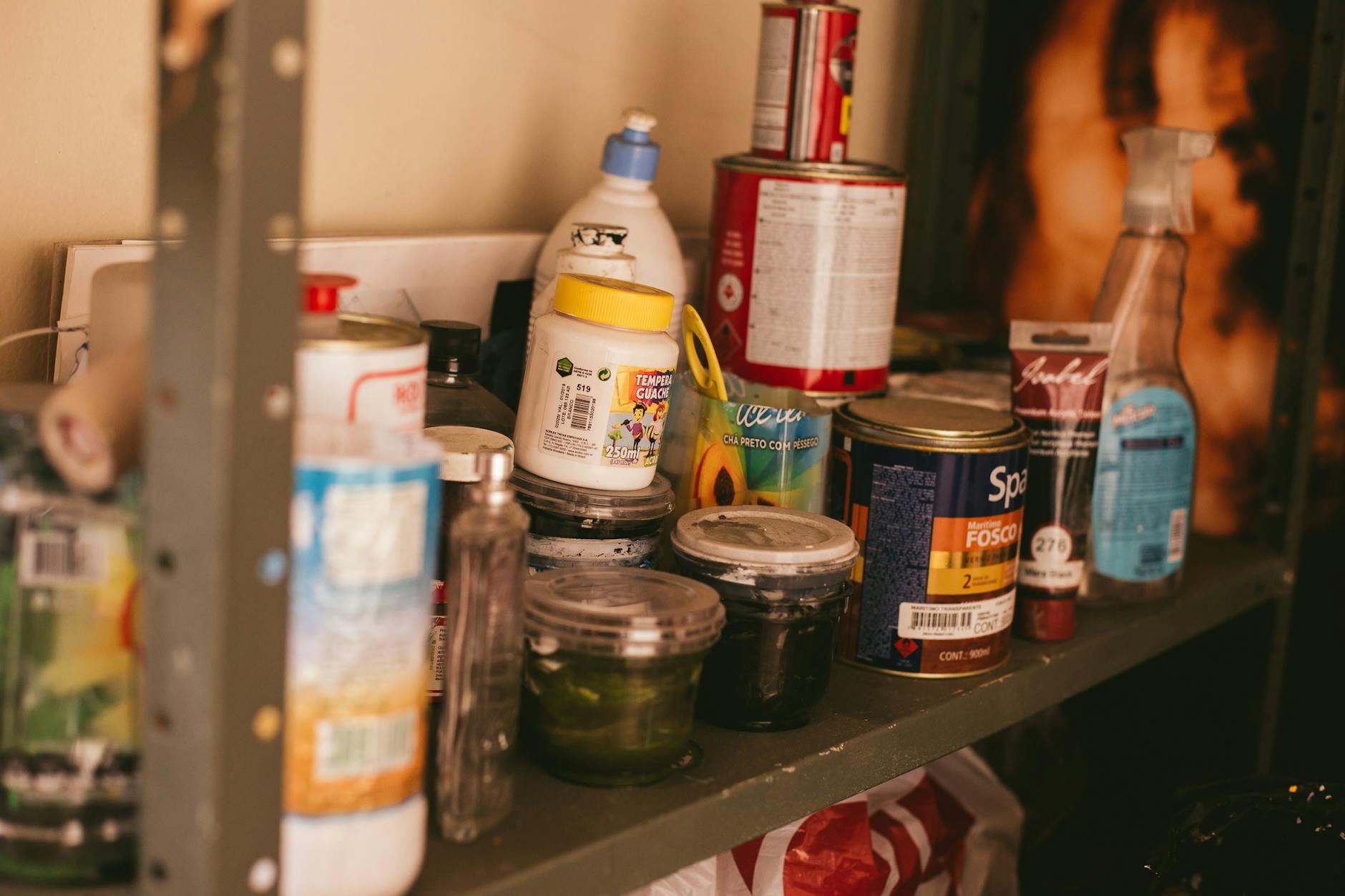
Paint products are sensitive to temperature changes and can separate, thicken, or become unusable when stored in a damp environment. Paint thinner is also a flammable solvent that poses the same fire risks as other flammable liquids in a kitchen setting. An improperly sealed paint can will absorb surrounding moisture and develop a skin on its surface, ruining the product entirely. A temperature-stable garage shelf or utility room is the correct place for paints and their associated solvents.
Important Documents
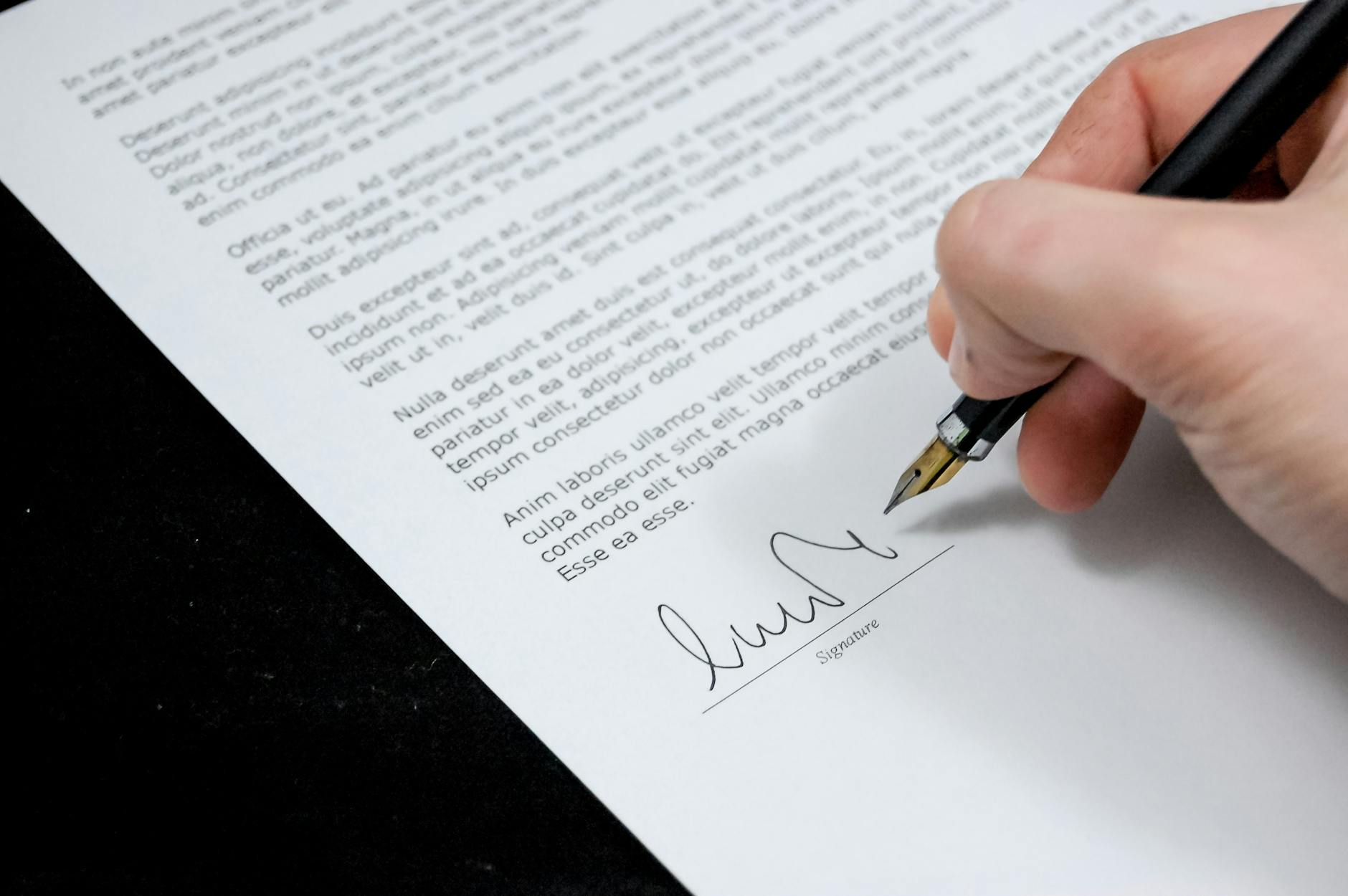
Paper documents exposed to the humidity under the kitchen sink will eventually warp, yellow, stain, and become illegible. Passports, birth certificates, insurance papers, and financial records are irreplaceable items that deserve proper archival conditions. A moisture-resistant file box, a fireproof safe, or a dedicated filing cabinet in a dry room protects these documents from accidental damage. Even a brief pipe leak can destroy years of important paperwork stored in this vulnerable location.
Electronics and Batteries
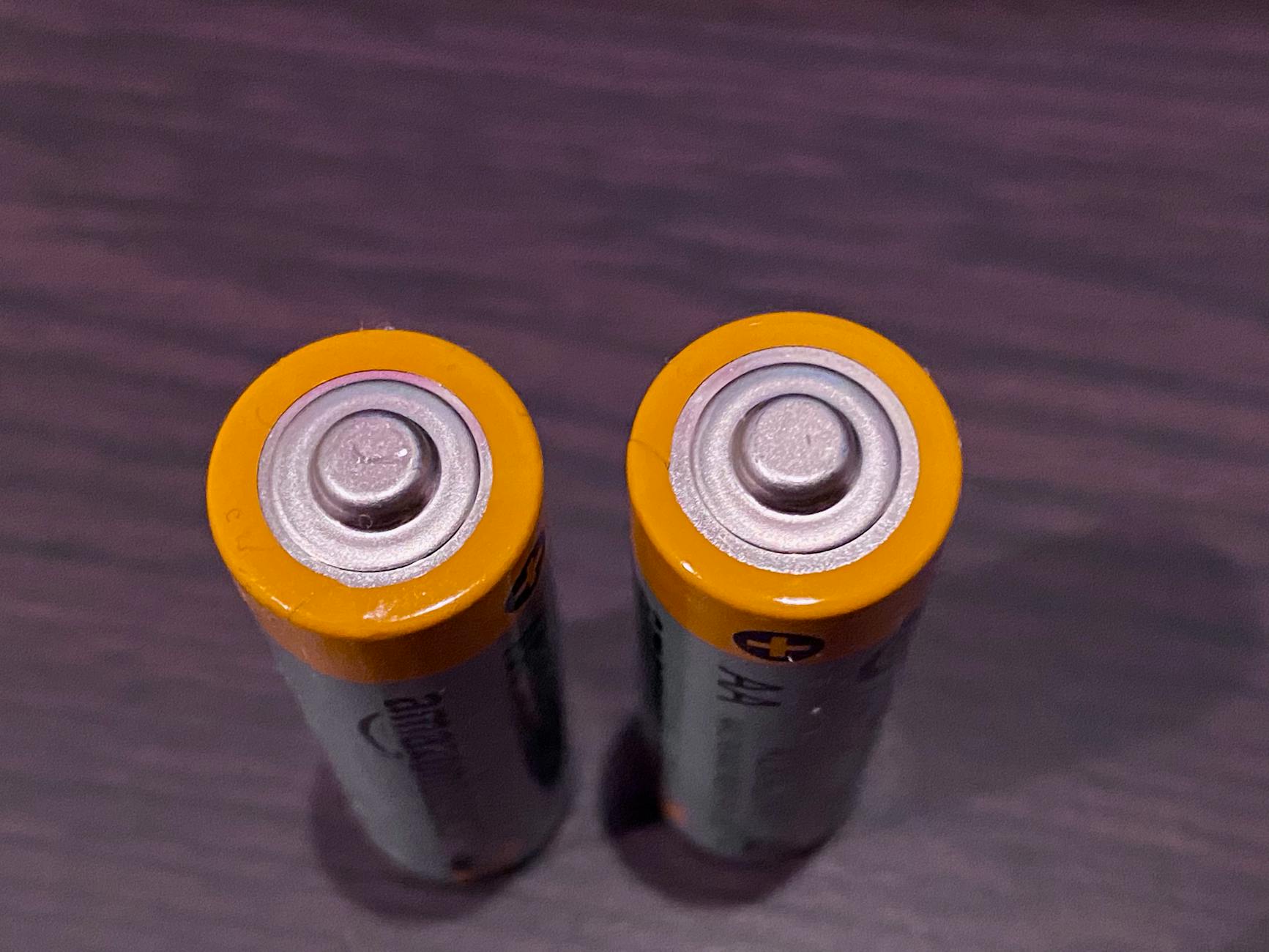
Electronics of any kind are immediately vulnerable to the moisture present under the kitchen sink. Even small amounts of condensation can corrode circuit boards, rust battery contacts, and cause irreversible damage to devices. Spare batteries stored in this environment will discharge more quickly and may leak corrosive material that damages whatever they are stored alongside. All electronics and battery supplies belong in a dry drawer or shelf in a low-humidity area of the home.
Candles
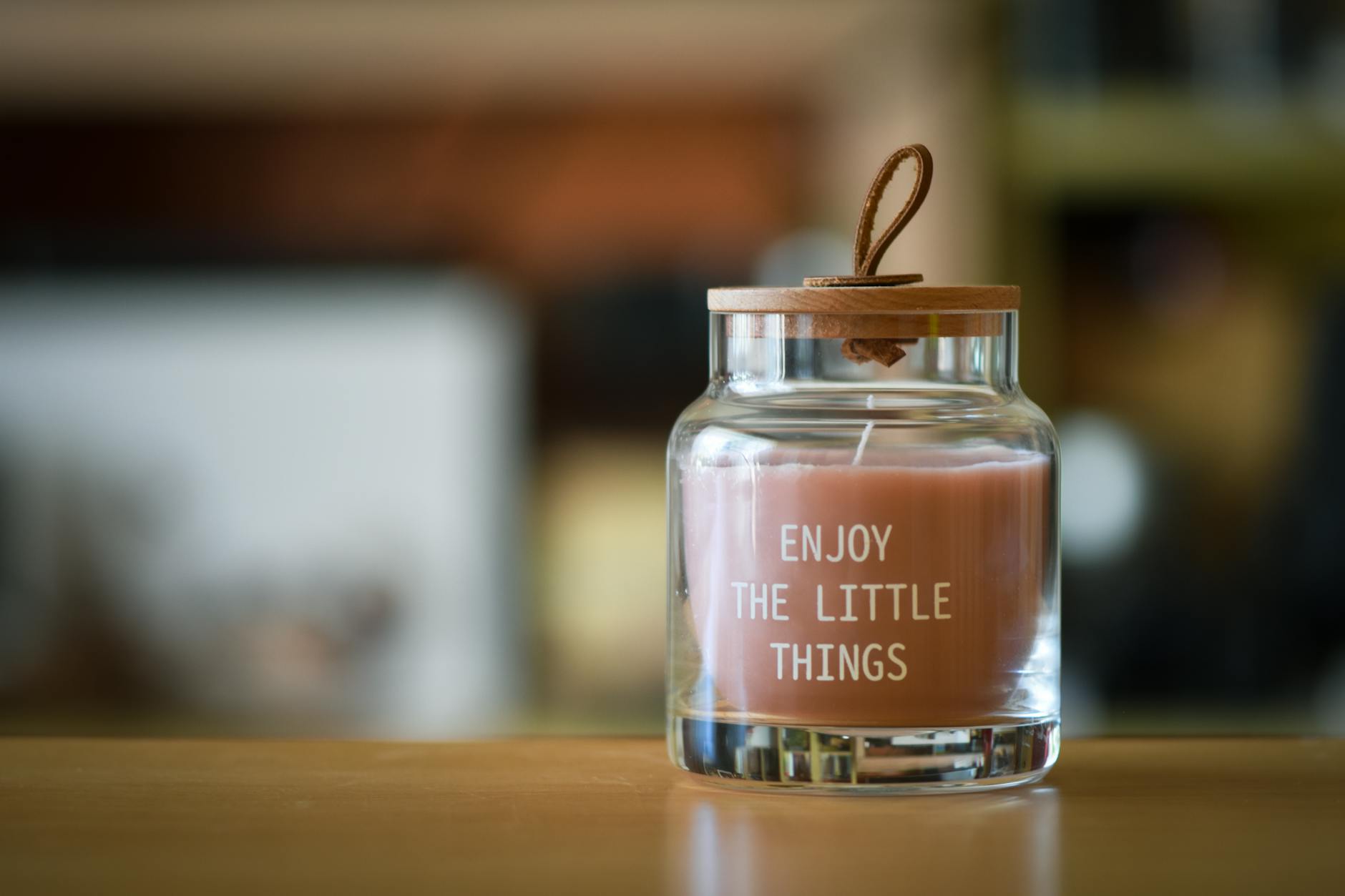
Candles are highly susceptible to moisture absorption, which causes them to burn unevenly and produce excessive smoke when lit. Pillar and taper candles stored in a damp cabinet will develop a whitish film on their surface known as bloom, which affects both appearance and burn quality. Scented candles can also lose their fragrance compounds when exposed to humidity over time. A cool and dry drawer or a decorative box on an interior shelf preserves candles in their best possible condition.
Matches and Lighters

Matches that absorb moisture become unreliable and difficult to ignite, which creates a frustrating and potentially dangerous situation in an emergency. Lighters stored in a damp environment can experience corrosion of their mechanical parts, leading to malfunction or leaking fuel. Both items also represent a fire hazard if stored near flammable cleaning products in the same enclosed cabinet. A high and dry kitchen drawer away from any liquids is a much safer storage location for fire-starting tools.
Wooden Cutting Boards
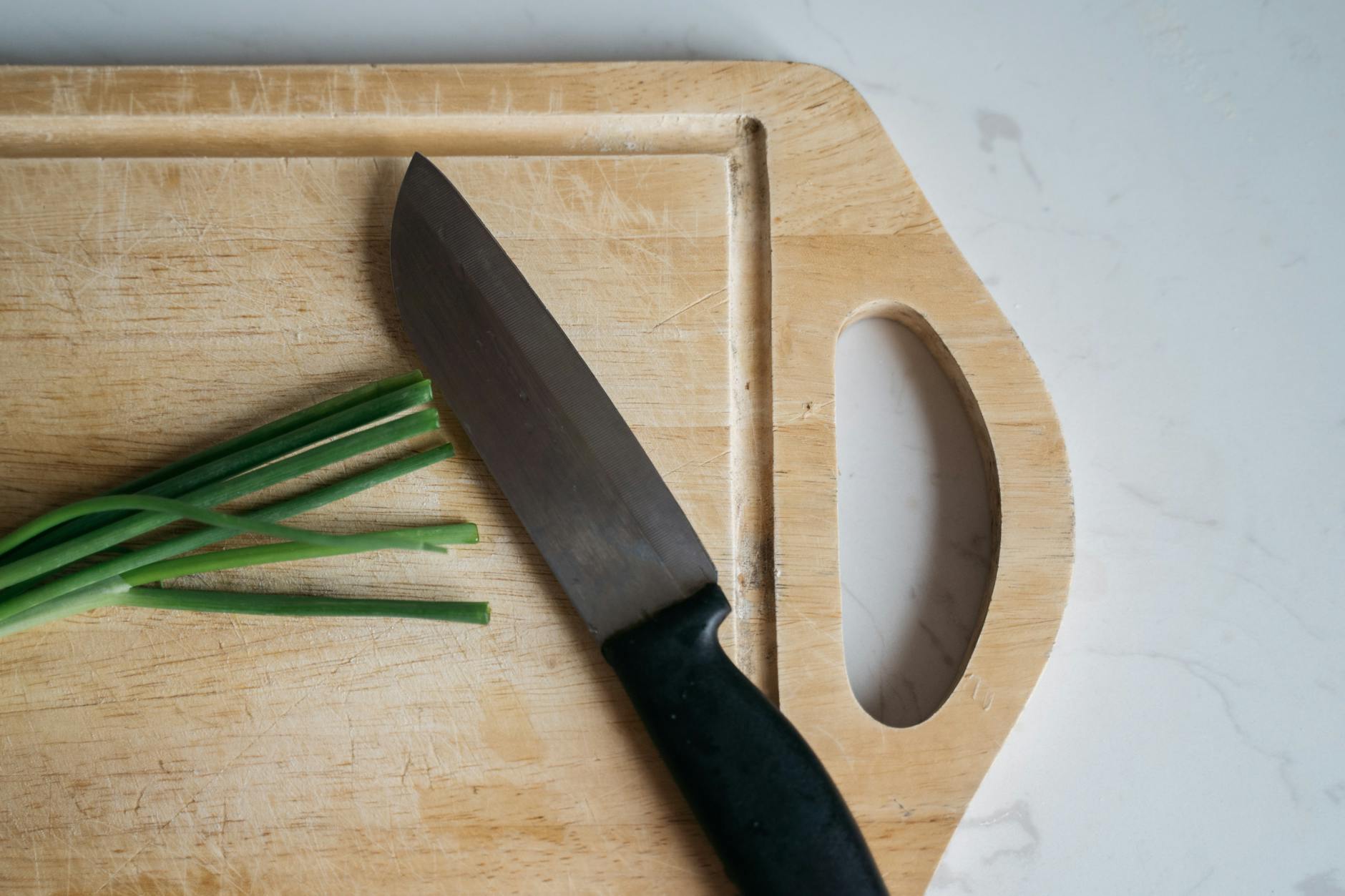
Wooden cutting boards that are repeatedly exposed to moisture will warp, crack, and develop deep grooves that harbor bacteria. The perpetually damp air under the kitchen sink accelerates the breakdown of the wood grain and loosens any glued joints in the board’s construction. A cutting board that warps becomes unstable on the counter and is more likely to cause injuries during food preparation. Wooden boards should be stored vertically in a well-ventilated area where air circulates freely around them after washing.
Cast Iron Cookware
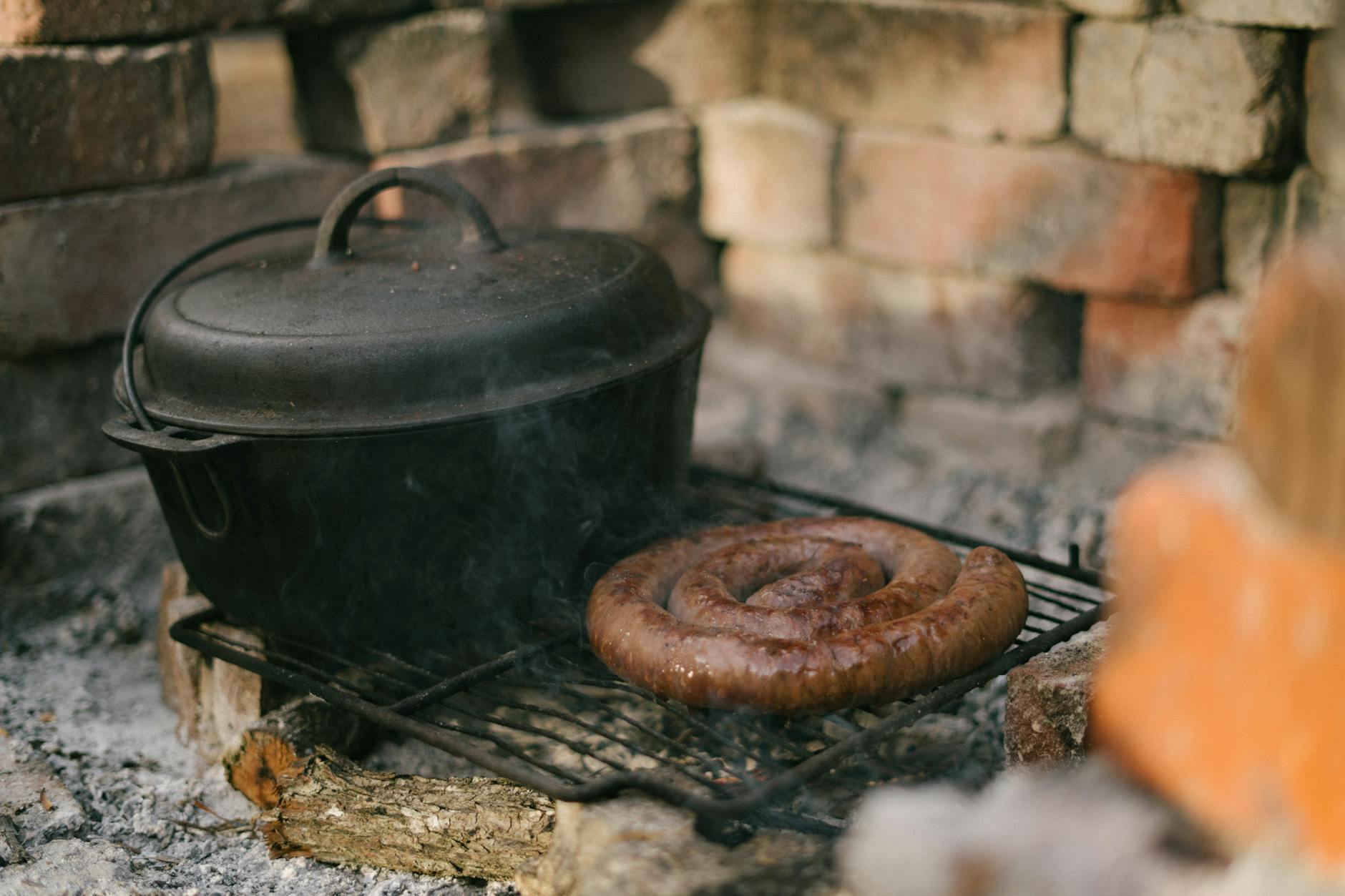
Cast iron is highly reactive to moisture and will develop rust within a surprisingly short period of time when stored in a damp cabinet. Even a well-seasoned cast iron pan loses its protective coating when left in a consistently humid environment. Rust on cast iron not only ruins the cooking surface but also requires significant effort to restore properly. Cast iron cookware belongs in a dry cabinet or hung on a wall-mounted rack where it stays completely free from moisture exposure.
Sharp Knives

Storing knives loose in a dark and cramped cabinet under the sink creates a significant injury risk when someone reaches in without being able to see clearly. The moisture in this area can also cause wooden knife handles to swell and crack, compromising the structural integrity of the tool. Metal blades stored in humid conditions will develop rust and corrosion that dulls the edge and contaminates food upon contact. A magnetic wall strip, a knife block on the counter, or a dedicated in-drawer knife tray provides safe and accessible storage.
Potting Soil and Plant Fertilizers
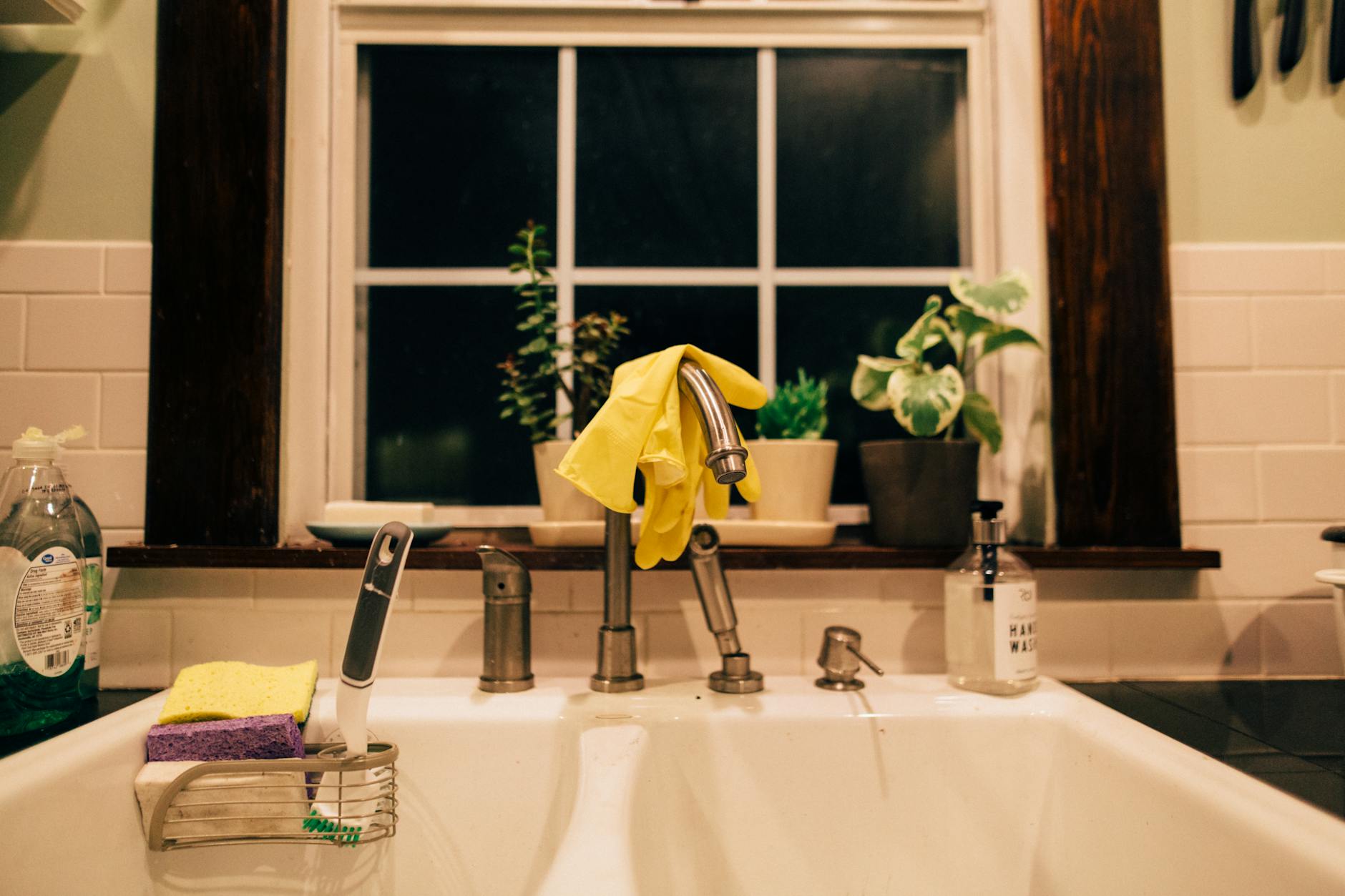
Bags of potting mix stored under the sink will absorb ambient moisture and become a breeding ground for fungus gnats and mold spores. Fertilizers contain chemical compounds that can react unpredictably when they absorb water, sometimes generating heat or releasing noxious fumes. Both products also carry a risk of contaminating household surfaces and food preparation areas with soil bacteria. Gardening supplies belong in a garage, shed, or outdoor storage area where their use and containment are appropriate.
Glass Items
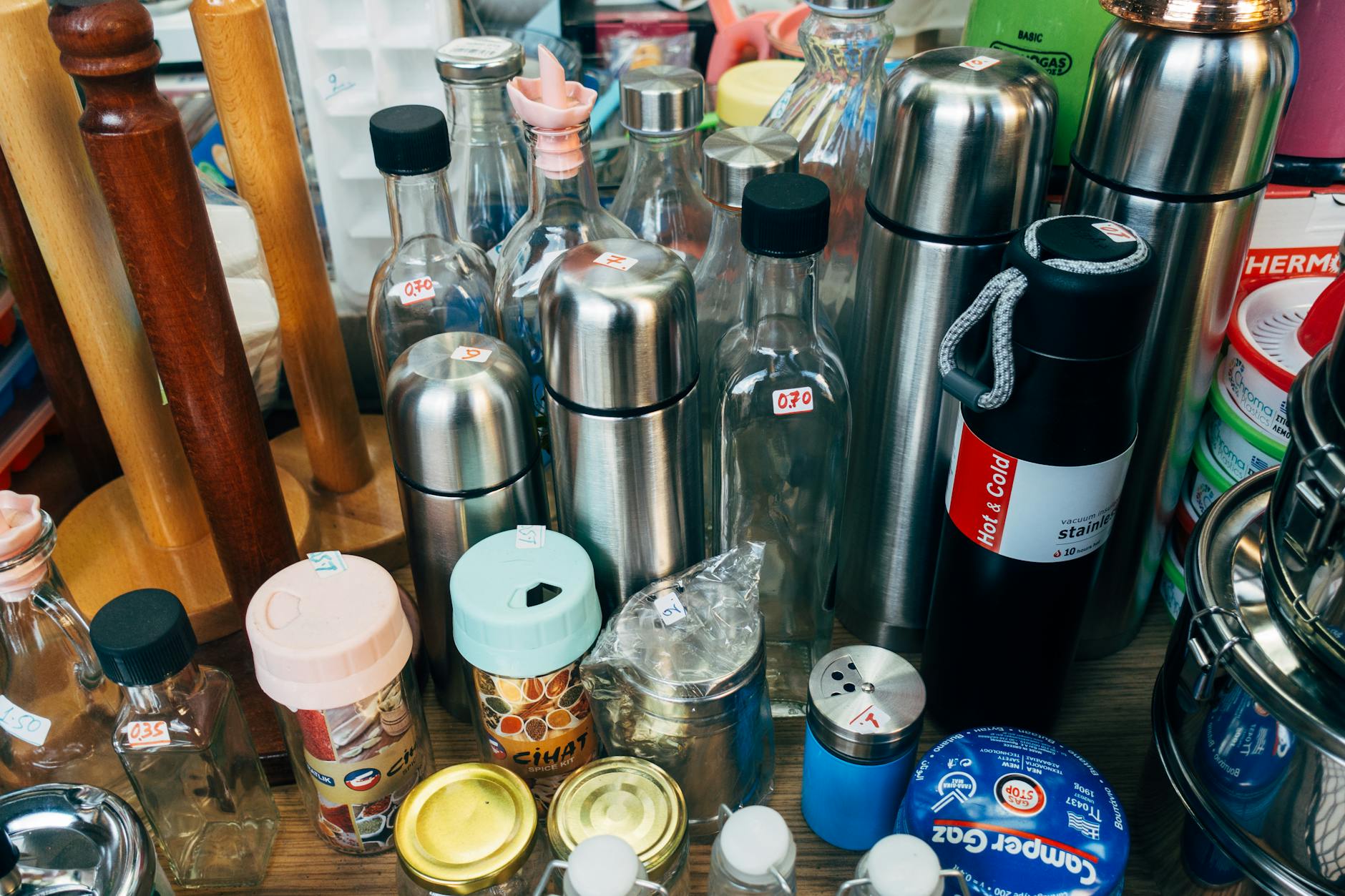
Glass bottles, jars, and decorative items stored under the sink are at constant risk from the vibrations of pipes and the movement of other items in that cramped space. A sudden pipe knock or clinking of bottles during access can cause breakage in a small and dark cabinet that makes cleanup dangerous. Broken glass under the sink is also easy to miss during cleaning, leaving sharp shards that can cause cuts during future access. Glass storage items belong on stable and well-lit shelves where breakage is easy to spot and manage safely.
Cooking Oils
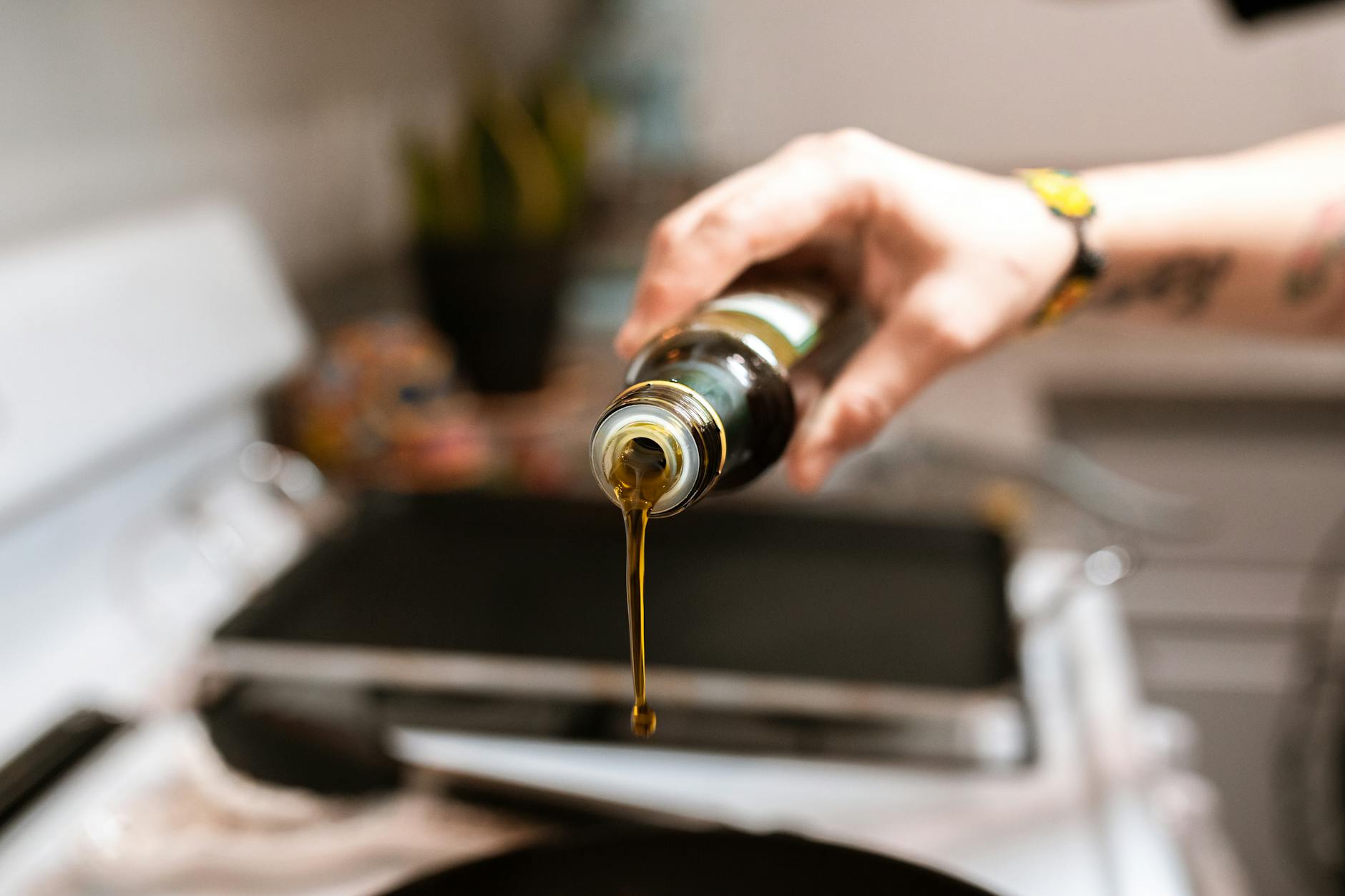
Cooking oils degrade rapidly when exposed to heat, light, and moisture, all of which are present under the kitchen sink to varying degrees. Rancid oil develops off-flavors and loses its nutritional properties, making it unpleasant and less beneficial to cook with. Even sealed bottles of oil can be affected by the warmth generated by hot water pipes running through this cabinet. A pantry shelf away from the stove or a cool and dark kitchen drawer is the ideal environment for preserving oil quality.
Food of Any Kind
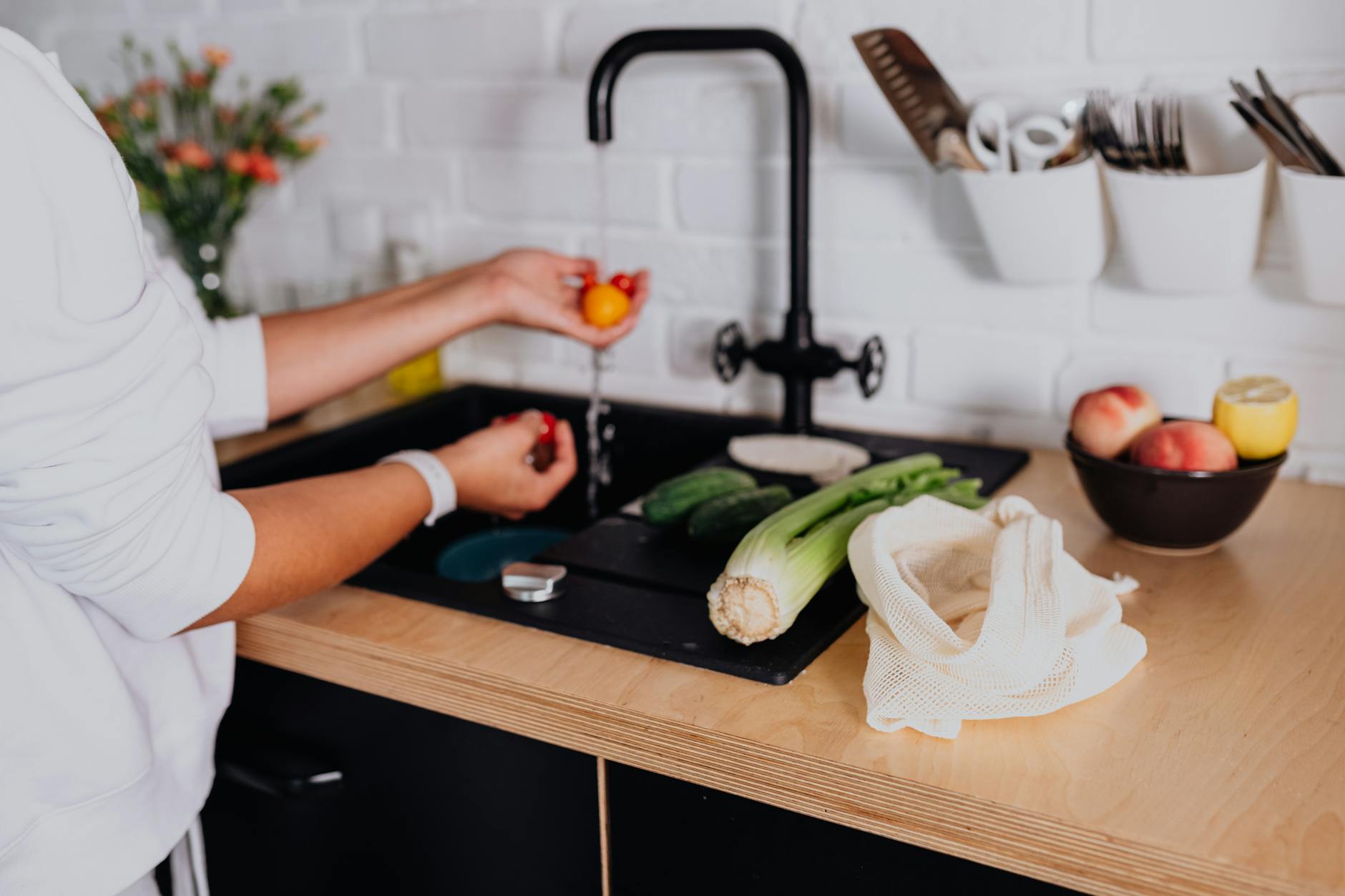
Any food product stored under the kitchen sink is at risk of contamination from cleaning chemical residue, pipe leaks, and pest activity. Rodents and insects are particularly attracted to food sources and will consistently target this area if it provides an easy meal. The damp conditions also accelerate the growth of mold and bacteria on perishable items left in the cabinet. Food storage belongs entirely on pantry shelves, in the refrigerator, or in airtight containers well away from plumbing areas.
Sponges and Dish Cloths
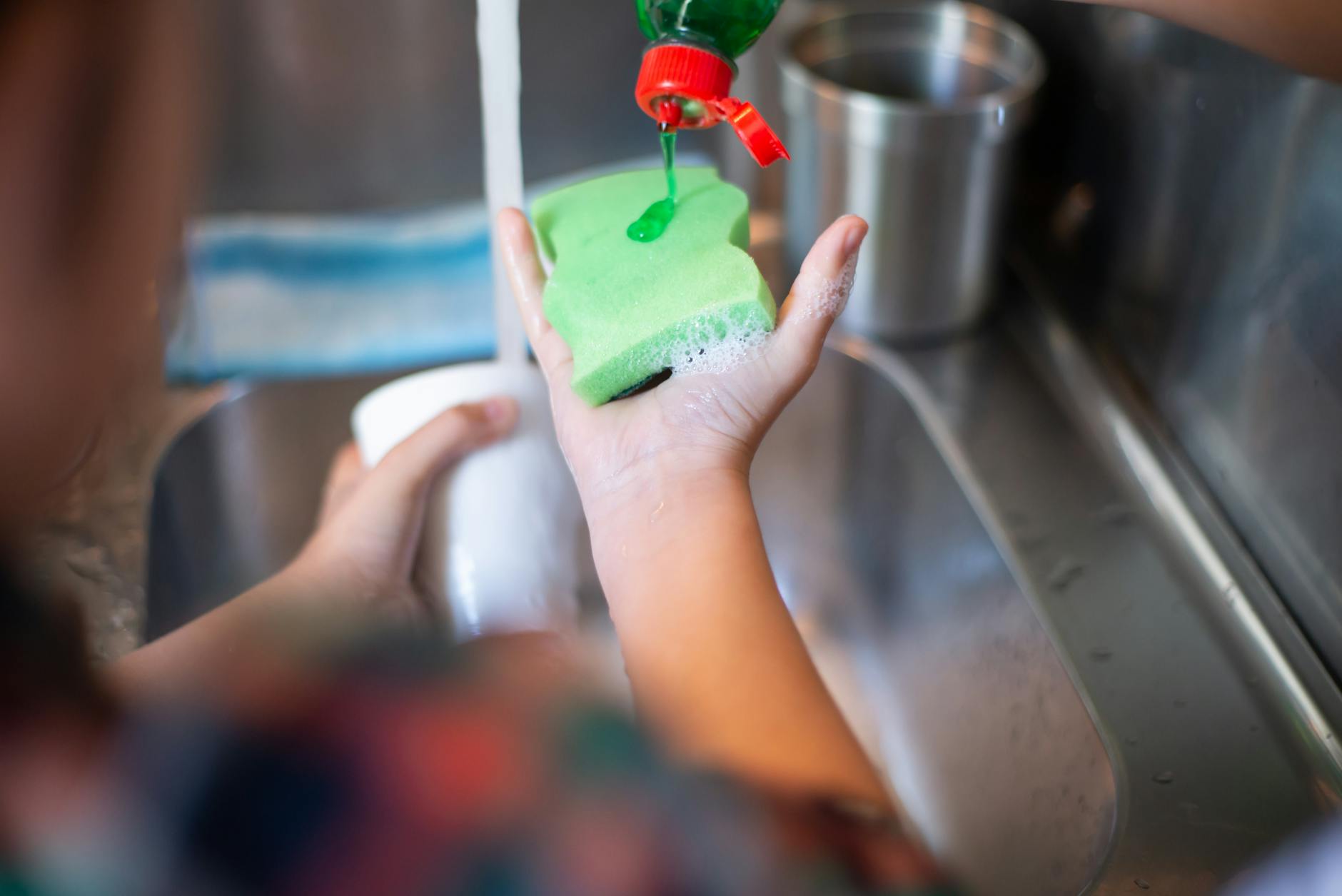
While it seems intuitive to store cleaning cloths near the sink, damp sponges left in an enclosed cabinet quickly become breeding grounds for bacteria and mold. The already-humid under-sink environment prevents sponges from drying out properly between uses, dramatically shortening their hygienic lifespan. Mold growing on dish cloths can transfer to surfaces during cleaning, spreading rather than eliminating contaminants. Sponges and dish cloths are better stored on a ventilated holder near the faucet or in a position where they can air dry completely.
Rubber Gloves
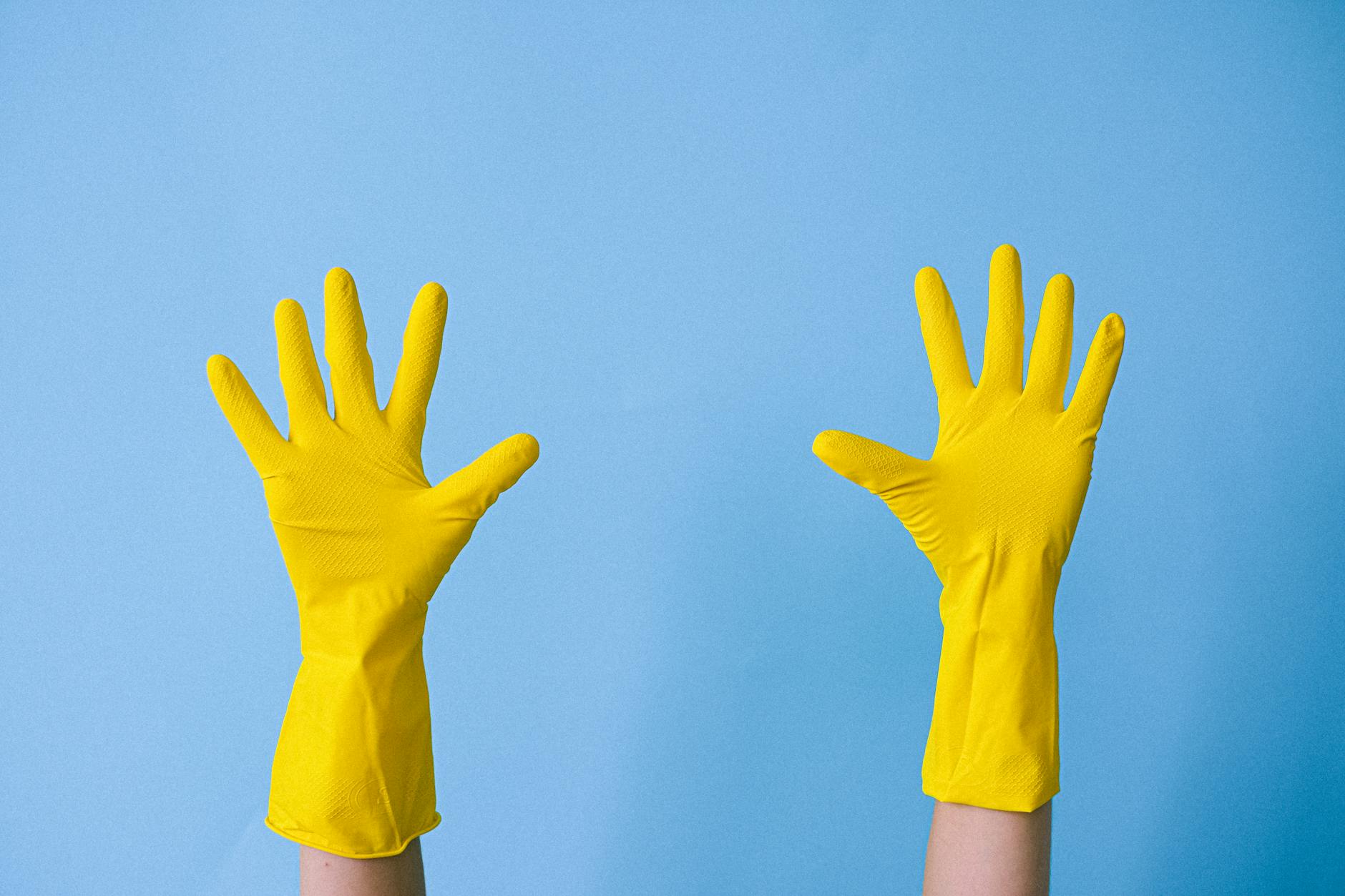
Rubber and latex gloves stored long-term in a warm and damp cabinet will degrade faster than those kept in stable conditions. The material breaks down from heat and humidity exposure, causing the rubber to become brittle, sticky, and prone to tearing during use. Gloves that tear unexpectedly while handling harsh chemicals defeat their entire protective purpose. A dry drawer or a hook inside a different cabinet keeps rubber gloves in better condition for longer periods of reliable use.
Wax Products

Furniture wax, floor wax, and shoe polish all contain oils and compounds that become unstable in fluctuating temperatures. Heat causes wax to soften and separate from its carrier agents, altering its texture and effectiveness when applied. Cold snaps from running water through the pipes can cause these products to solidify unevenly and become difficult to dispense. Wax-based products should be stored in a room-temperature environment with minimal humidity for consistent performance and shelf life.
Spray Bottles with Mixed Solutions
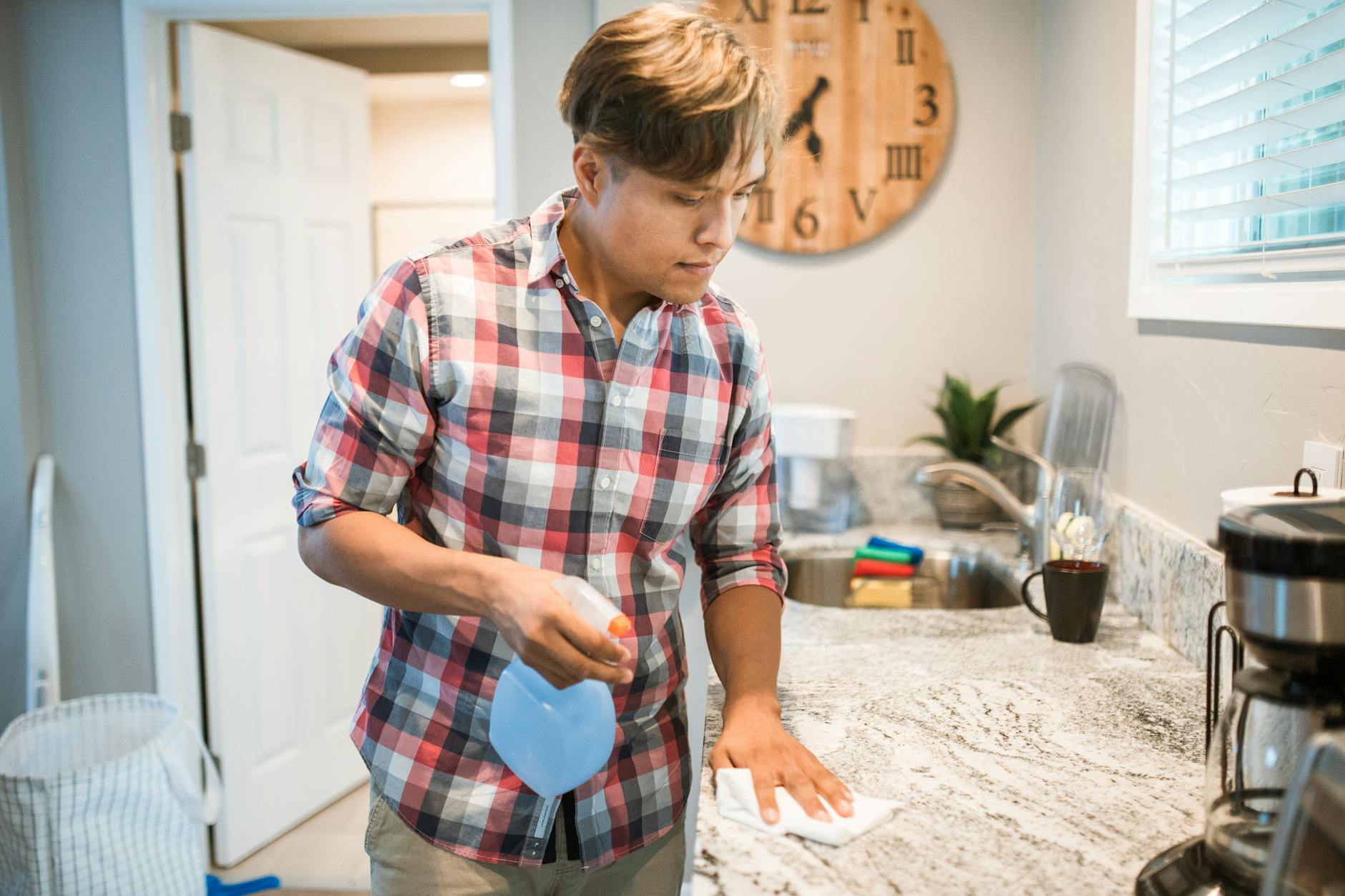
Homemade cleaning solutions stored in repurposed spray bottles under the sink are particularly risky because their contents may not be obvious at a glance. Without proper labeling and stable conditions, these solutions can react with leaking pipe moisture or mix dangerously if a bottle tips and opens. Vinegar-based mixtures, for example, can corrode metal pipe fittings if spilled and left unnoticed in this enclosed space. Any spray bottle containing a cleaning solution should be clearly labeled and stored in a stable and accessible location where its contents are easily identifiable.
Bleach and Ammonia Products Together

Storing bleach and ammonia-based cleaners in the same under-sink cabinet is one of the most hazardous household mistakes a person can make. When these two substances make even minimal contact through fumes alone, they produce chloramine vapor, which is toxic and can cause serious respiratory harm. Many common glass and surface cleaners contain ammonia, making it easy to accidentally create this dangerous combination without realizing it. Cleaning products should always be segregated by chemical family and stored with adequate space and ventilation between them.
Electrical Cords and Extension Leads
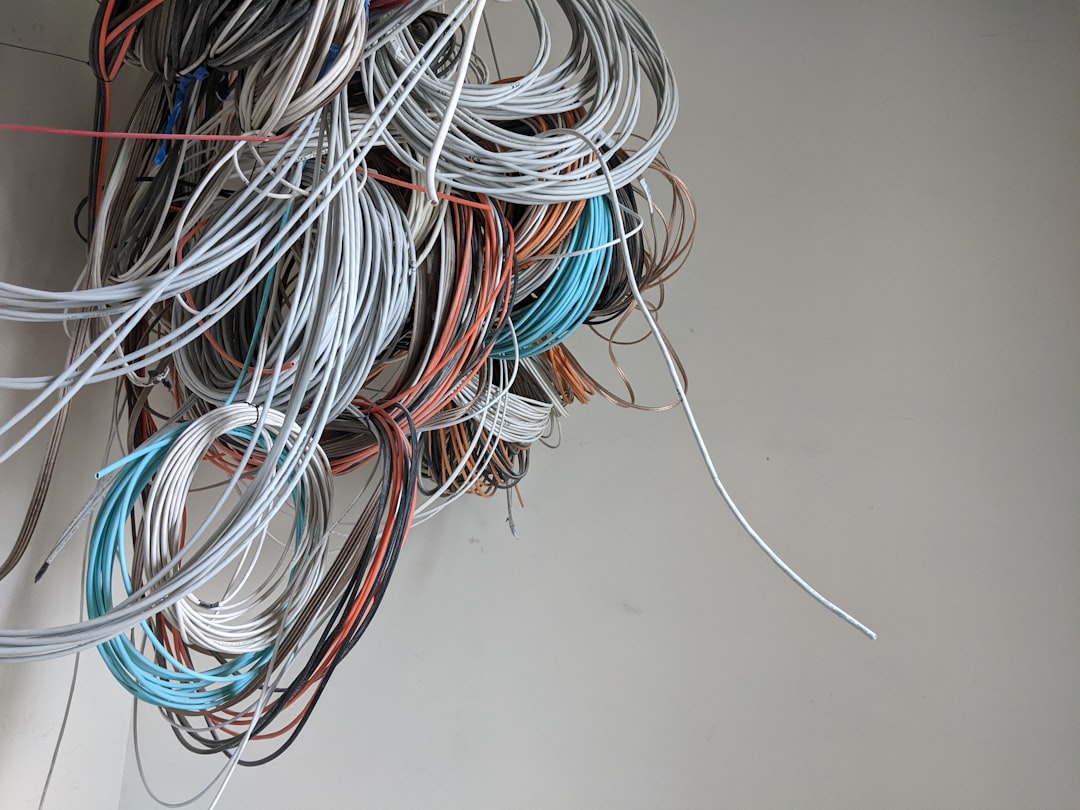
Electrical cords coiled up and stored under the kitchen sink face serious risks from moisture, pipe condensation, and accidental water contact. Dampness penetrating a cord’s insulation creates a shock hazard and can cause short circuits that damage appliances or start fires. Extension leads stored in tight and dark cabinets are also prone to overheating when coiled too tightly during storage. All electrical cords and power accessories should be stored in a dry environment away from any plumbing or water sources.
Fabric and Textile Items

Tea towels, tablecloths, and spare fabric items stored under the sink will absorb moisture and develop a persistent musty odor that is difficult to remove even with washing. Mold and mildew can grow into the fibers of textiles left in damp conditions, eventually causing discoloration and fabric degradation. Cleaning chemical fumes in this cabinet can also affect fabric dyes and cause unexpected bleaching or staining of stored linens. All fabric items belong in a linen drawer, a dedicated shelf, or a dry storage cabinet well away from the kitchen plumbing area.
Batteries in Bulk
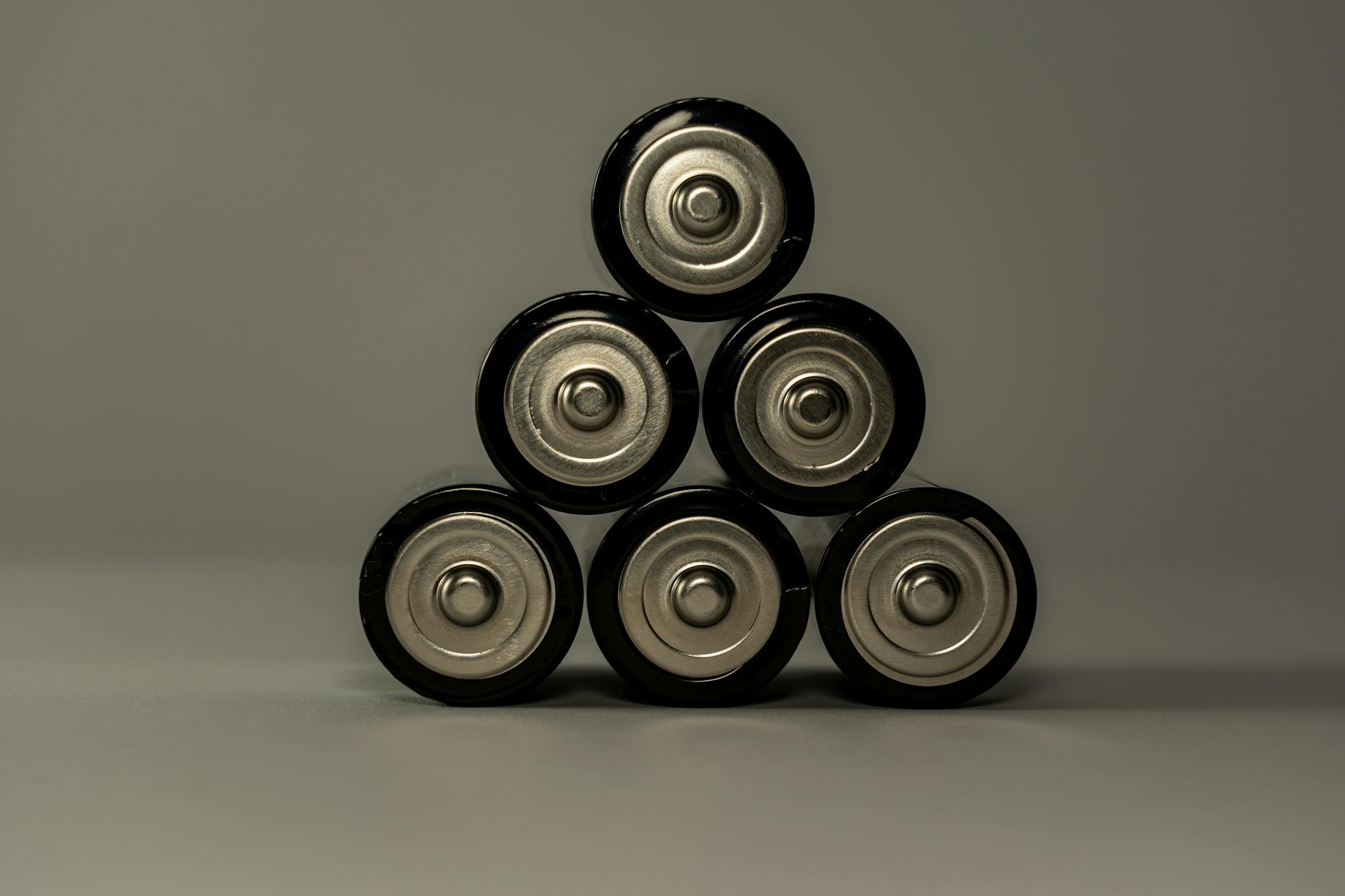
Bulk battery storage under the kitchen sink exposes them to the moisture and temperature fluctuations that accelerate their self-discharge rate significantly. Alkaline batteries stored in humid conditions are also more prone to leaking, releasing a corrosive potassium hydroxide residue that damages surrounding items. Leaked battery acid can corrode metal shelving, destroy packaging, and even cause chemical burns on skin during contact. A cool and consistently dry drawer in a bedroom or utility room is the recommended storage location for spare battery supplies.
Children’s Art and Craft Supplies

Paints, glues, and markers stored under the kitchen sink are vulnerable to moisture that causes them to dry out, separate, or become unusable prematurely. The proximity to chemical cleaning agents also poses a contamination risk for products that children handle directly and may accidentally ingest or put near their faces. Water-based paints are particularly prone to freezing or separating when exposed to cold pipe temperatures in cooler months. Art supplies should be stored in a dedicated craft bin or drawer in a child-accessible but dry and safe area of the home.
Expensive Appliance Accessories
Spare parts and accessories for kitchen appliances, such as blender attachments, food processor blades, and stand mixer components, are poorly suited to under-sink storage. Metal attachments exposed to humidity will rust and corrode, affecting both their appearance and their food safety compliance. Sharp blade attachments stored loosely in a dark and crowded cabinet are also an injury risk during retrieval. These items are better organized in a designated appliance drawer or a labeled box stored on a pantry shelf where they remain dry and accessible.
Expired Cleaning Products
Keeping expired cleaning products under the sink is a habit that leads to unnecessary clutter and reduced effectiveness when products are actually needed. Expired bleach loses its disinfecting power significantly over time, meaning surfaces cleaned with it may not be properly sanitized. Outdated products also take up space that prevents proper organization of the items that genuinely belong in this cabinet. Conducting a regular audit of under-sink contents and responsibly disposing of expired products keeps the space safer, cleaner, and more functional.
If this list has you rethinking your storage habits, share what surprising items you have removed from under your kitchen sink in the comments.