Timing a trip well can transform the entire experience, and for many of the world’s most celebrated destinations, the quieter months offer something the peak season simply cannot. Thinner crowds, lower prices, and a more authentic local atmosphere make off-season travel one of the smartest moves any traveler can make. From sun-soaked coastlines to alpine villages, these 30 destinations genuinely shine when the tourist rush fades away.
Santorini, Greece
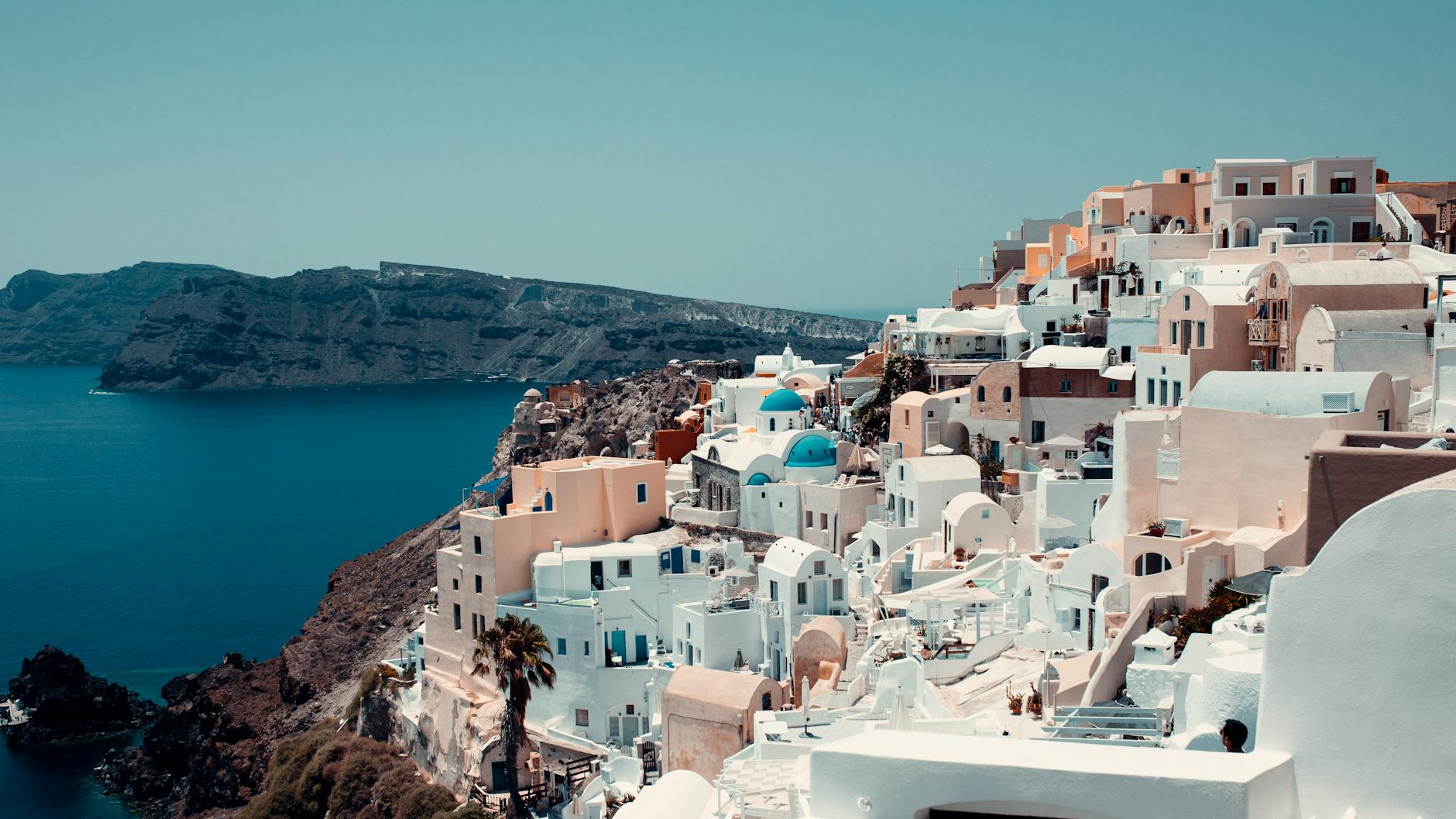
Santorini in late October or November trades its summer wall-to-wall visitors for empty cobblestone paths and unobstructed views of the caldera. The temperatures remain pleasant enough for sightseeing and short hikes along the volcanic rim. Restaurants that are otherwise impossible to book welcome guests easily, and local tavernas return to serving traditional dishes rather than tourist-adjusted menus. Hotel prices drop dramatically, making iconic cliffside stays far more accessible. The island takes on a quieter, more romantic character that the summer crowds largely erase.
Kyoto, Japan
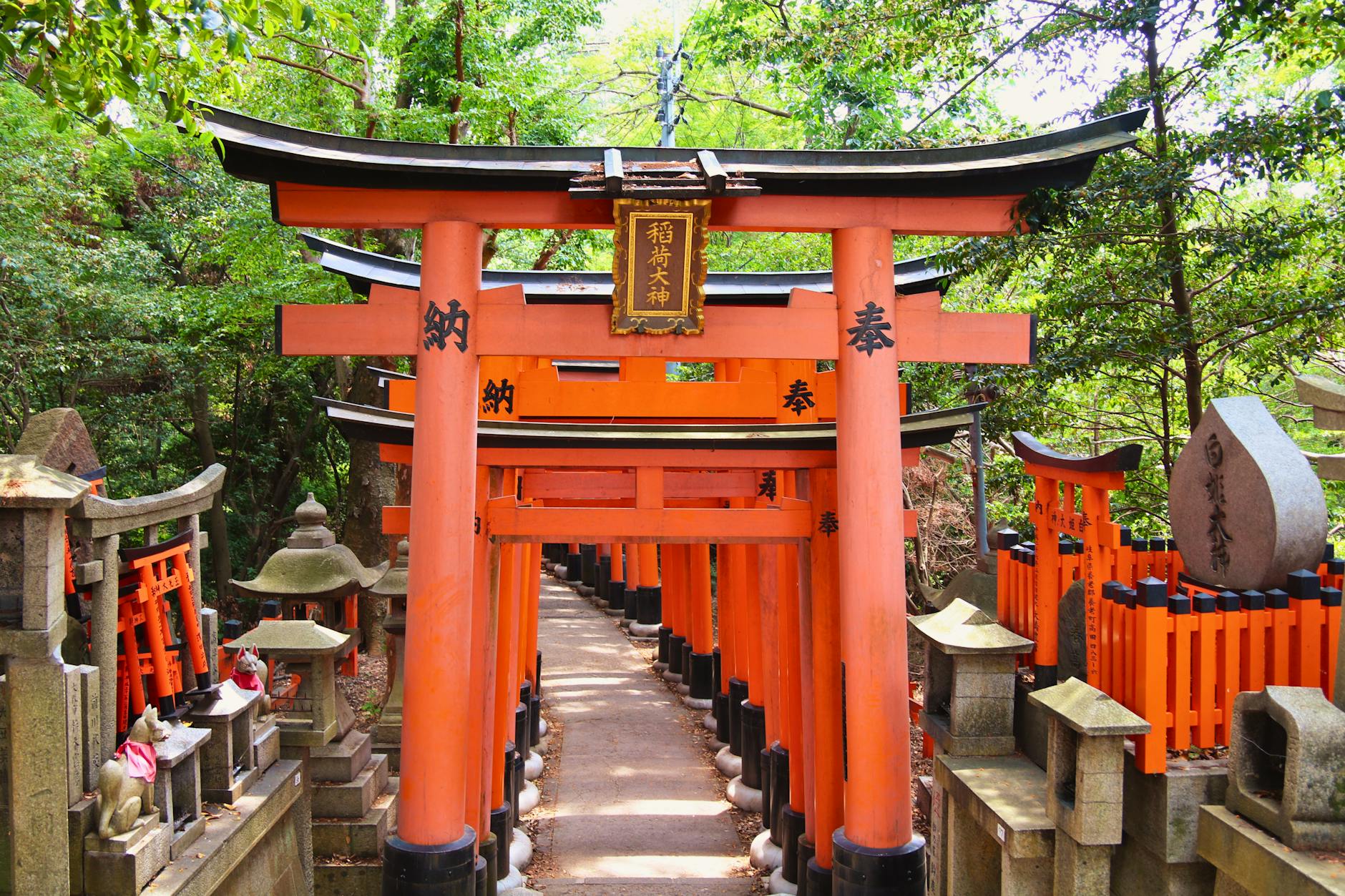
Kyoto in late November draws visitors for the famous autumn foliage, but the weeks just after peak color see far smaller crowds while the scenery remains stunning. Temples such as Fushimi Inari and Arashiyama Bamboo Grove become far more meditative and photogenic without the shoulder-to-shoulder foot traffic. Winter in Kyoto brings occasional light snow that dusts the wooden machiya townhouses and temple rooftops in a scene that feels almost cinematic. Accommodation rates fall considerably after the foliage peak, offering better value at traditional ryokan inns. The city’s deep cultural rhythms are far easier to absorb when the pace slows.
Barcelona, Spain
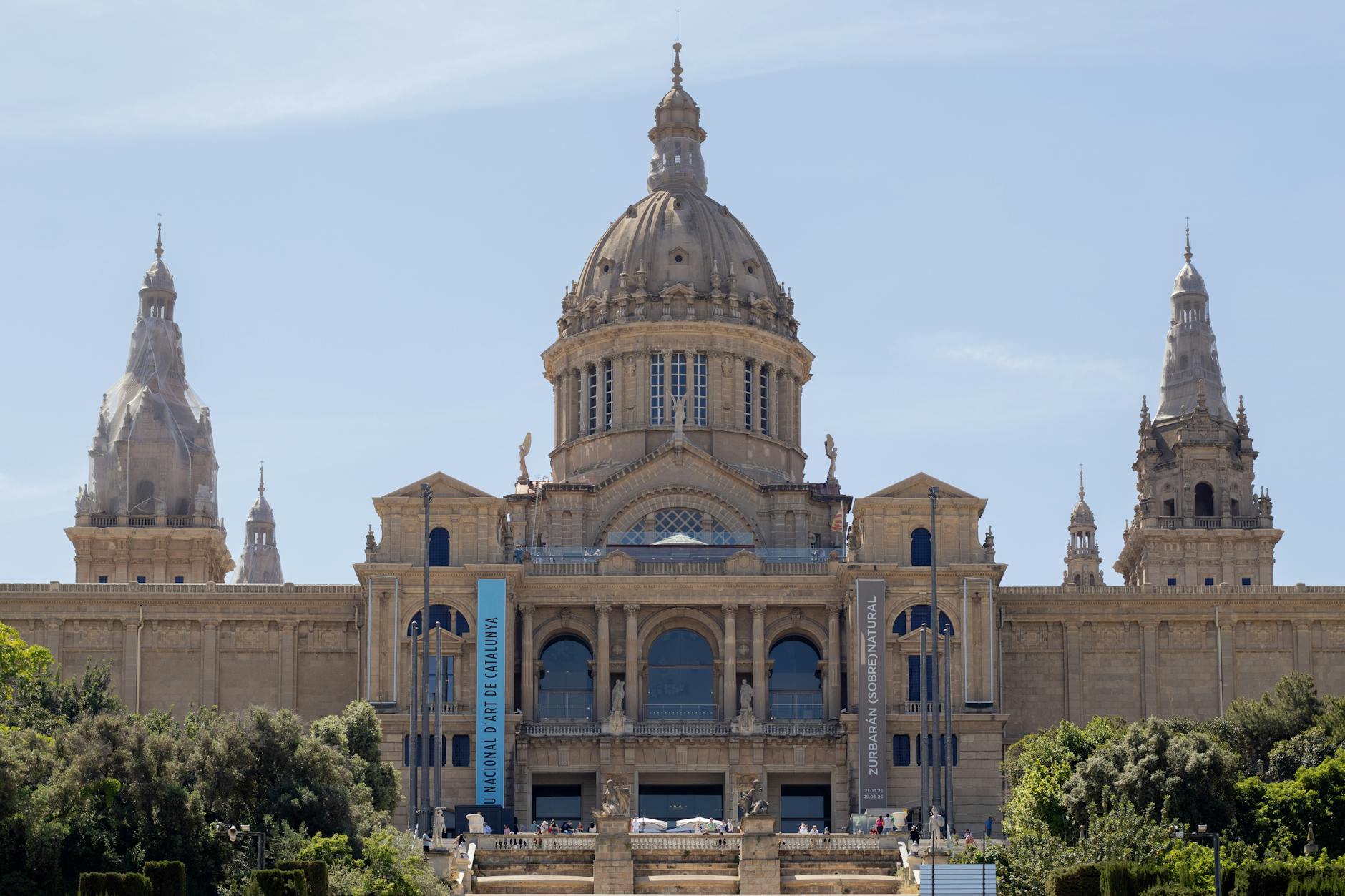
Barcelona in September and October retains warm Mediterranean weather while shedding the massive August crowds that pack Las Ramblas and Barceloneta Beach. Museum queues at the Sagrada Familia and Park Güell are noticeably shorter, making it easier to appreciate the architecture at a comfortable pace. The city’s restaurant scene operates at full strength during these months, with locals returning from their own August holidays. Accommodation prices drop sharply compared to the peak summer weeks. The overall atmosphere shifts from hectic holiday resort to a functioning, vibrant European city.
Bali, Indonesia
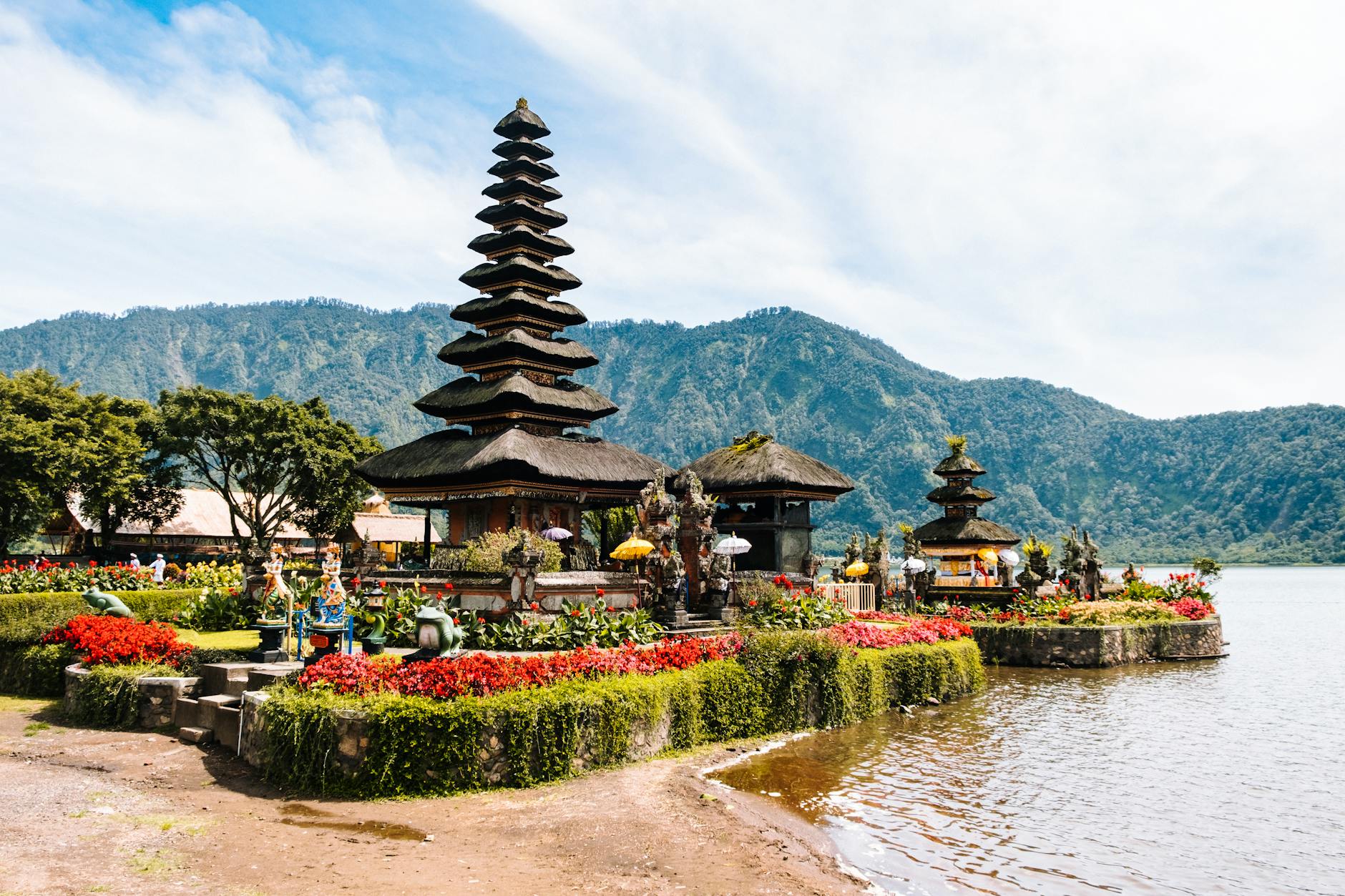
Bali’s shoulder season between November and March brings lush, intensely green landscapes fed by tropical rains that rarely last an entire day. Rice terraces around Tegallalang and Jatiluwih turn a vivid emerald that the dry season’s dustier palette cannot match. Surf conditions along the west coast become excellent during this period, drawing experienced wave riders rather than beginner tourists. Prices for villas, spas, and cooking classes drop noticeably, and popular areas like Ubud feel calmer and more conducive to genuine cultural immersion. The rain itself tends to arrive in short afternoon bursts, leaving mornings and evenings entirely open for exploration.
Prague, Czech Republic
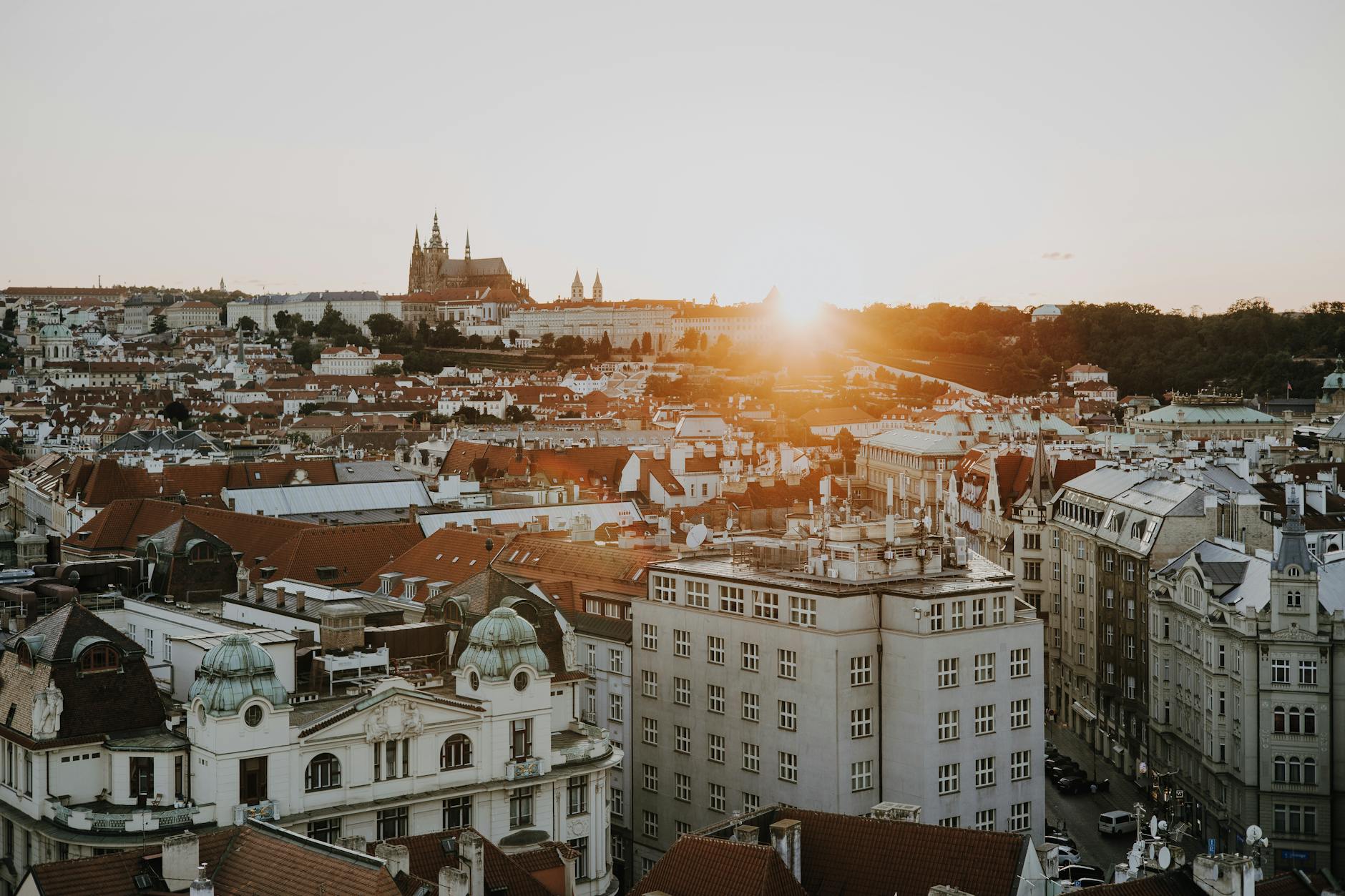
Prague in January and February is a genuinely underrated experience, with the medieval city center dusted in snow and largely free of the tour groups that dominate the summer months. Charles Bridge, often an obstacle course of vendors and visitors in peak season, becomes a serene walkway with uninterrupted views of the Vltava River. The city’s café culture and underground jazz bars come fully into their own during the colder months, offering warm escapes that feel authentically local. Opera and classical concert tickets are easier to obtain, often at reduced prices. The Gothic architecture of the Old Town reads more dramatically against a grey winter sky than under the glare of summer sun.
Amalfi Coast, Italy
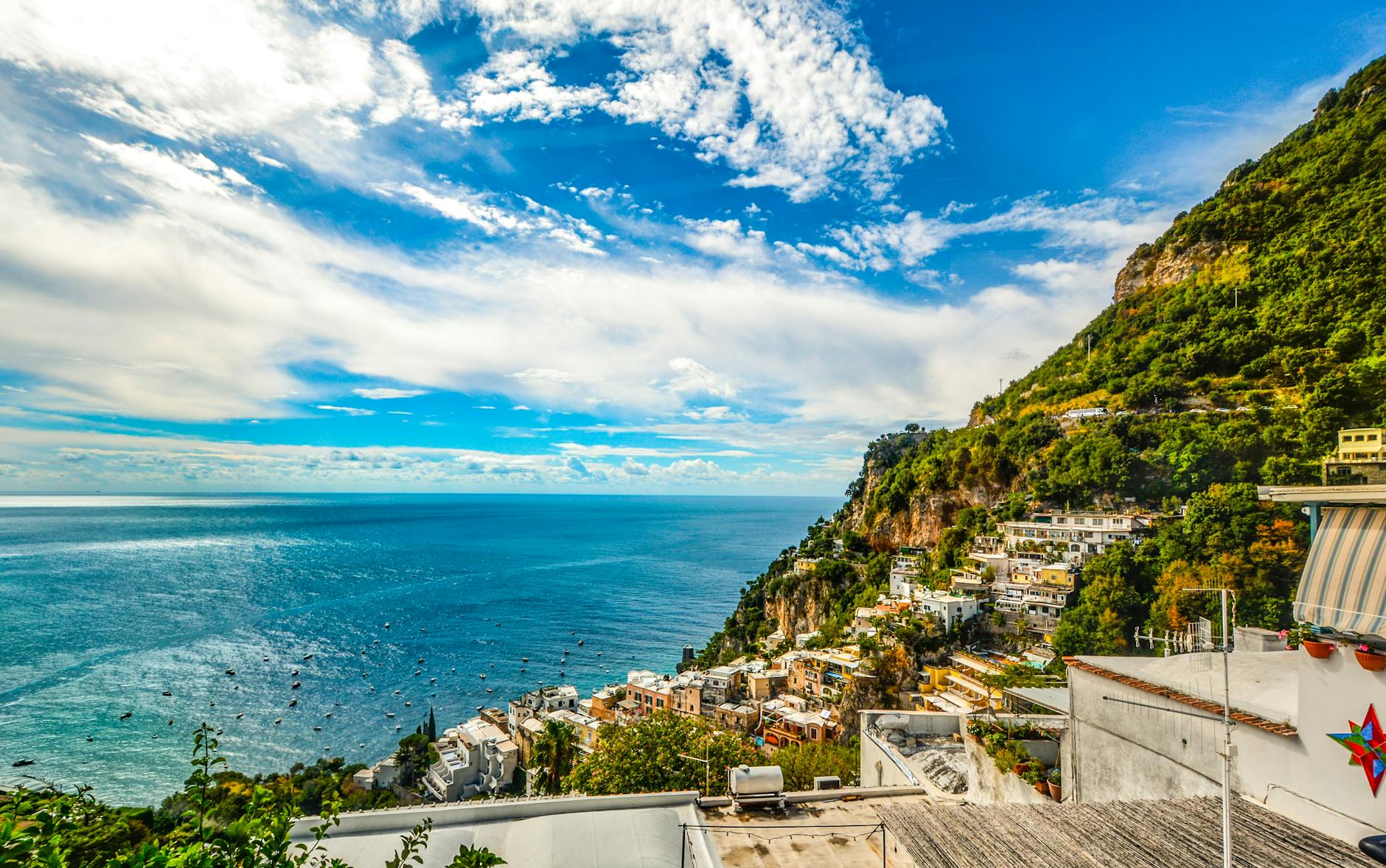
The Amalfi Coast in late September and October offers ideal conditions with warm sea temperatures, manageable traffic on the cliff roads, and far fewer day-trippers flooding the narrow village streets. Positano, Ravello, and Amalfi town feel more like lived-in Italian communities than open-air tourist attractions during these weeks. Lemon groves and bougainvillea are still in full bloom, providing the vivid color the coast is famous for in postcards. Boat rental and coastal hiking options remain fully available without the peak-season booking chaos. Seafood restaurants along the waterfront operate with greater attention to each table when they are not overwhelmed by demand.
New Orleans, USA
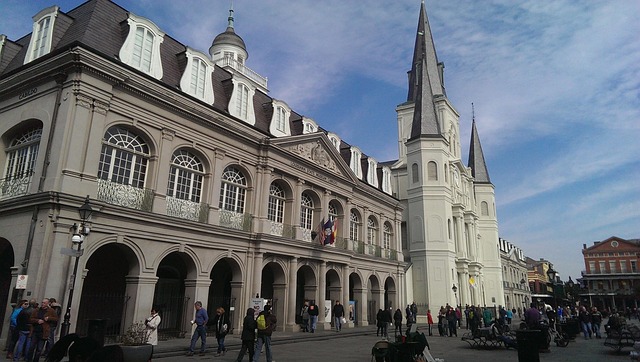
New Orleans outside of Mardi Gras and Jazz Fest season reveals the city’s true daily character in the neighborhoods of Marigny, Bywater, and the Garden District. The summer heat does make July and August genuinely challenging, but the late fall months from November onward bring mild temperatures and a city returned to its locals. Live music spills out of Frenchmen Street venues every night of the week regardless of the season, and the audience is largely made up of residents rather than tourists. Restaurant reservations at the city’s most celebrated Creole establishments become surprisingly easy to secure. The slower pace allows for deeper exploration of the city’s architecture, history, and culinary traditions.
Iceland
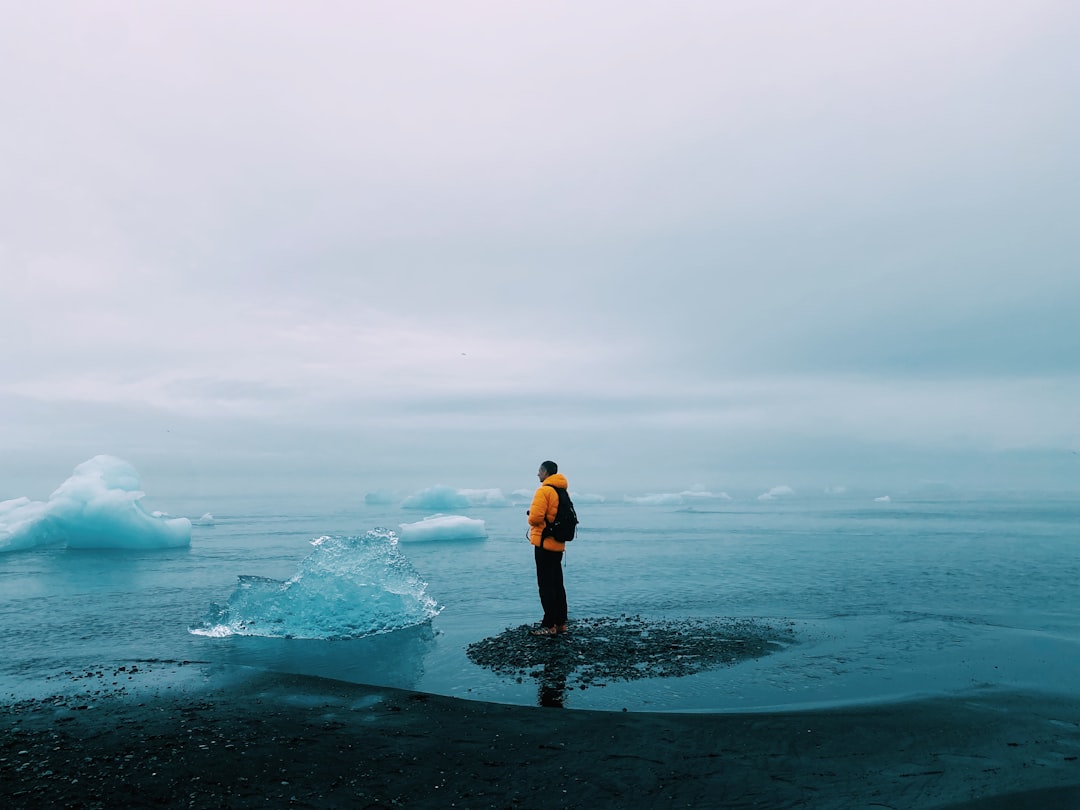
Iceland in the shoulder months of April and October offers a compelling combination of manageable prices, genuine Northern Lights potential, and fewer visitors competing for geothermal pools and waterfall viewpoints. The summer midnight sun is spectacular but strips the landscape of the dramatic atmospheric moods that define Iceland’s visual identity. Late autumn brings golden light across lava fields and moss-covered plains that photographers find particularly rewarding. The Golden Circle route and the South Coast waterfalls at Seljalandsfoss and Skógafoss are accessible with shorter wait times. Wildlife encounters, including puffin colonies in the east, are still possible through early October before migration begins.
Marrakech, Morocco
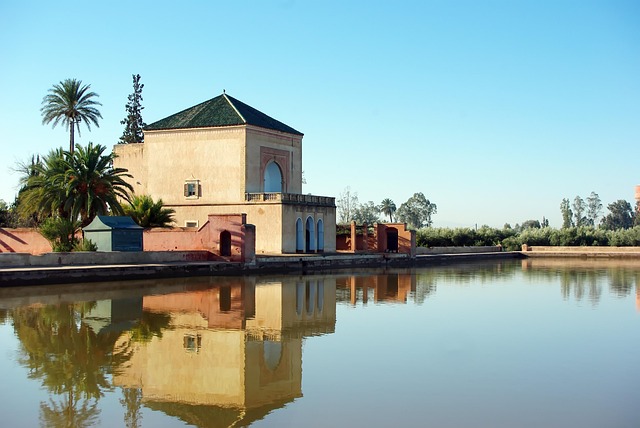
Marrakech in November through February offers cooler, highly walkable temperatures that make exploring the medina, souks, and Bahia Palace genuinely enjoyable rather than exhausting. The intense summer heat can make the same streets overwhelming, especially for those unaccustomed to North African temperatures. Artisan workshops in the medina operate at a steadier pace during the quieter months, and interactions with craftspeople feel less transactional. Riad prices fall considerably, making it possible to stay in beautifully restored historic houses at very reasonable rates. The low winter light casts the city’s terracotta walls and tile-work in warm tones that are particularly striking in the late afternoon.
Lisbon, Portugal
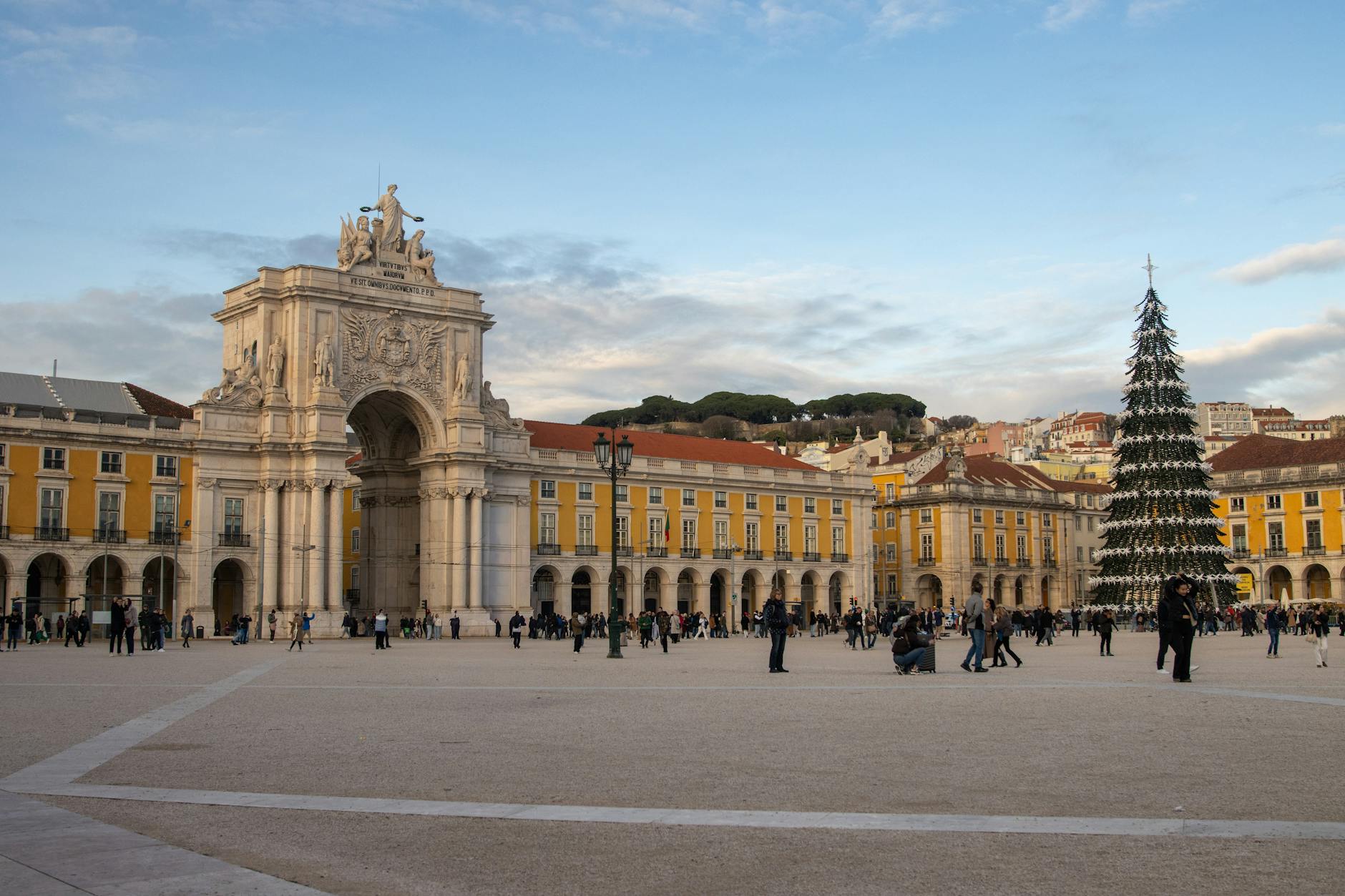
Lisbon in November through February is mild by northern European standards and genuinely pleasant for walking the city’s famous hills and viewpoints. The summer months bring scorching heat and record visitor numbers that strain the city’s transport and hospitality infrastructure. Off-season Lisbon operates as a fully functioning capital city where locals reclaim the Alfama and Bairro Alto neighborhoods. Fado music venues are easier to enter and more intimate during these quieter months, offering an experience closer to its roots as a neighborhood tradition. Tram rides, pastéis de nata, and sweeping views from the miradouros come without the lines that define peak season.
The Maldives
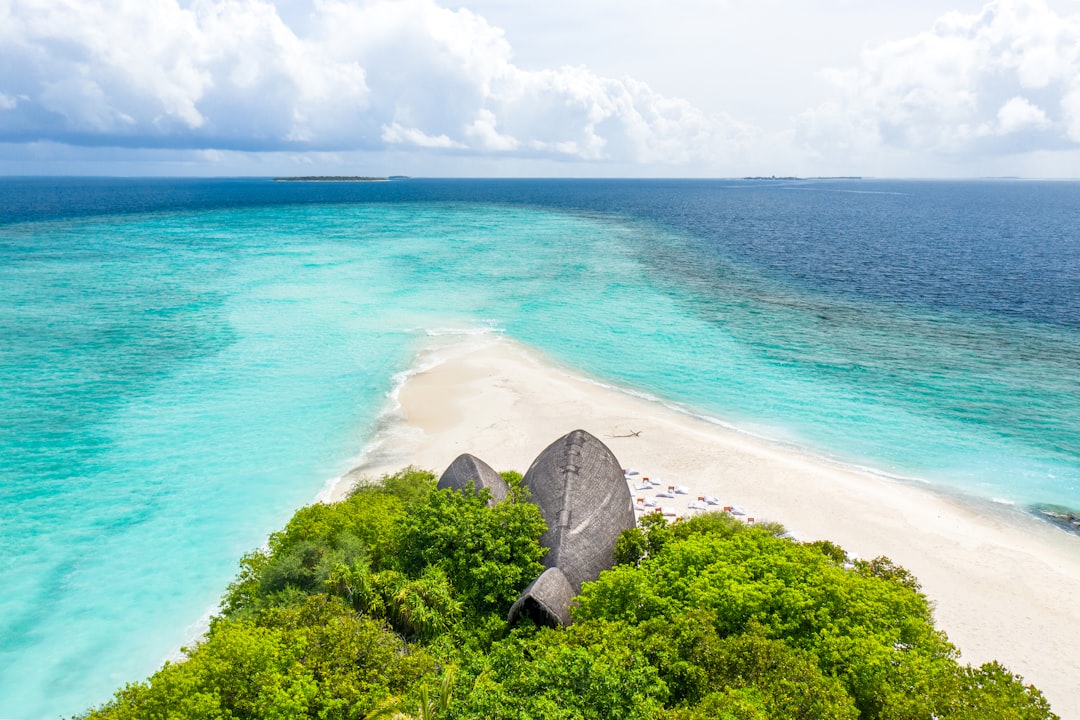
The Maldives between May and October falls within the wet season, which significantly reduces prices at overwater bungalow resorts that are otherwise among the most expensive accommodations on the planet. Rain during this period tends to arrive in short, intense bursts rather than sustained downpours, leaving long stretches of sunshine each day. Surf conditions along the western atolls peak during these months, making it a prime destination for experienced surfers. Visibility for diving and snorkeling remains excellent throughout the wet season, with manta ray encounters particularly common. Travelers willing to accept occasional rain in exchange for dramatically lower rates find the destination highly rewarding.
Dubrovnik, Croatia
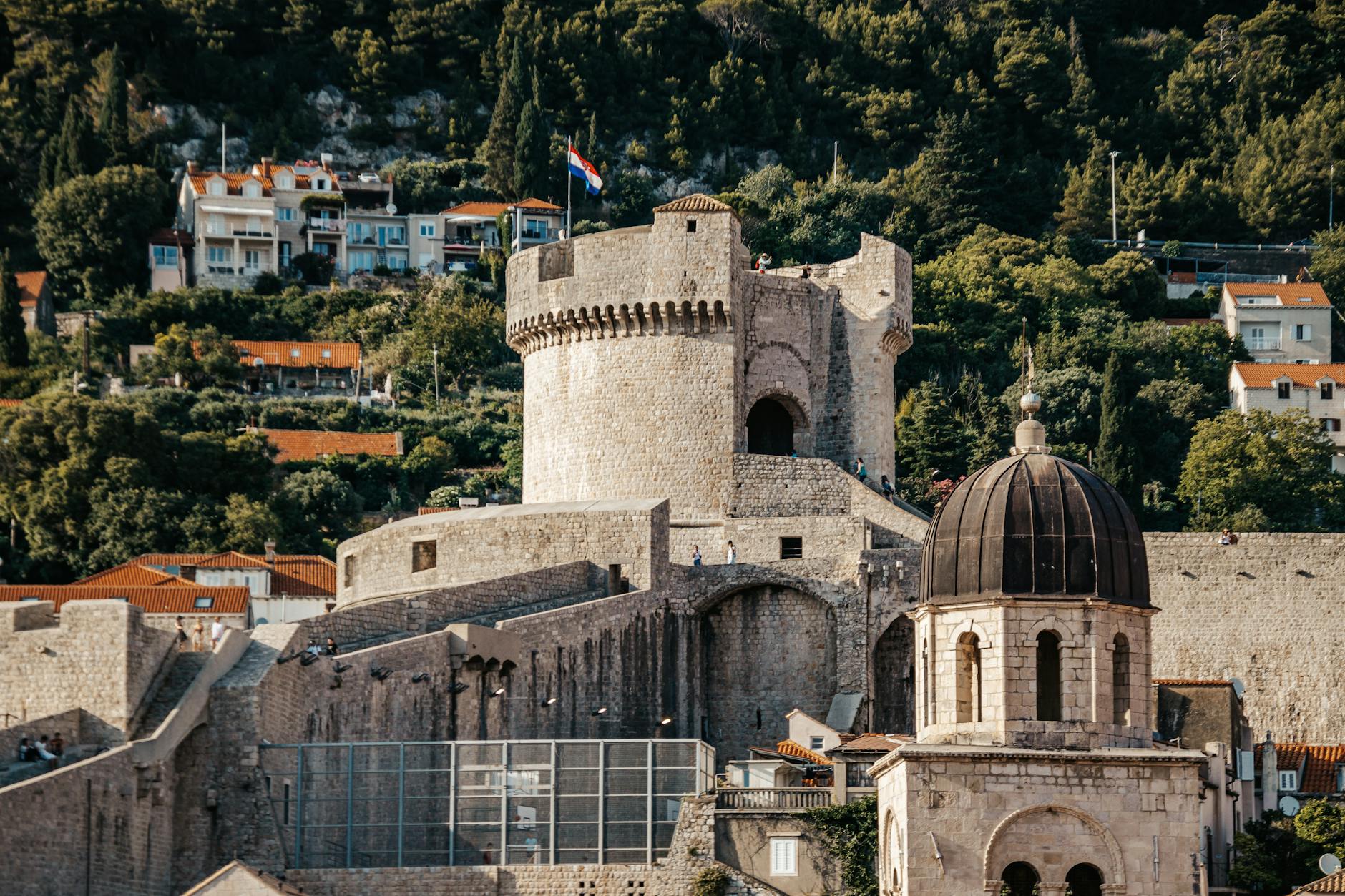
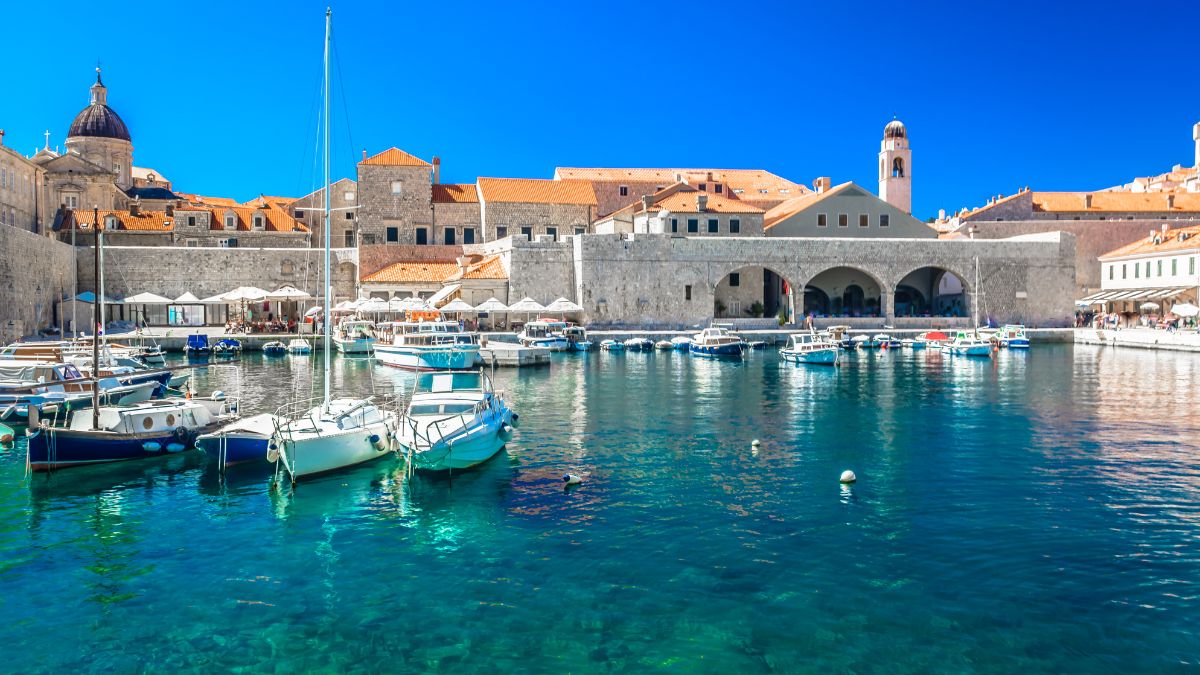
Dubrovnik outside of its brutal July and August peak becomes the walled Adriatic jewel it was always meant to be, with the Old City’s limestone streets and sea views fully accessible without the extreme crowding. The shoulder months of May and October offer ideal temperatures for walking the city walls without the heat and humidity that make the same route grueling in summer. Restaurants and taverns along Stradun return to catering for a mixed local and international crowd rather than operating in pure throughput mode. The cable car to Mount Srđ offers panoramic views of the coast without long waits. Ferries to the nearby Elafiti Islands run on regular schedules and carry manageable numbers of passengers.
Edinburgh, Scotland
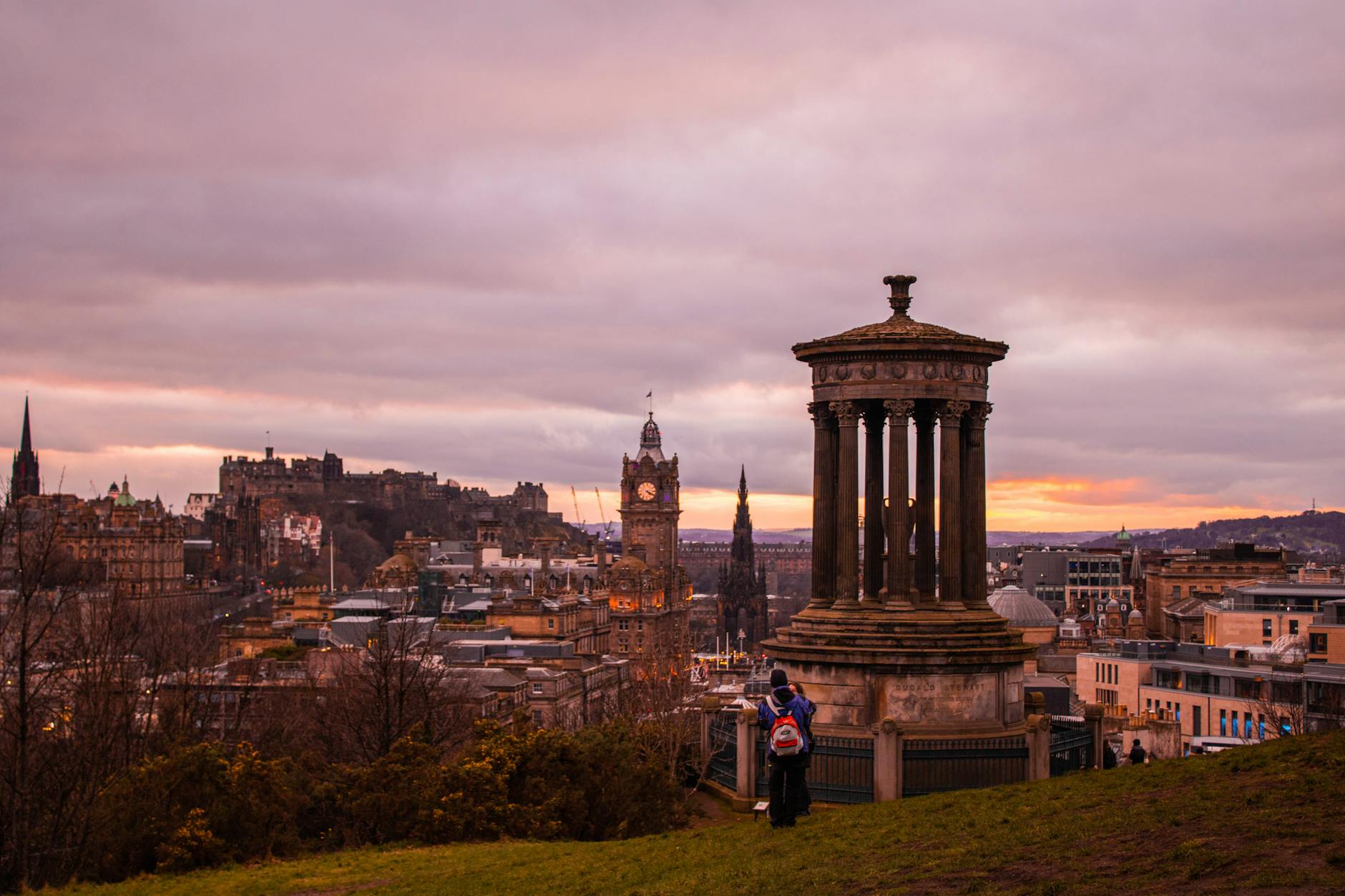
Edinburgh in January and February, after the Hogmanay New Year celebrations wind down, is a city of extraordinary atmosphere with almost no tourist presence. The castle, the Royal Mile, and the Holyrood Palace grounds are fully available to explore without tour groups dictating the pace. The city’s independent pub scene and literary café culture come into sharp focus during the quieter winter months. Off-season room rates at the city’s historic boutique hotels are often a fraction of the August festival prices that make Edinburgh one of Europe’s most expensive short-break destinations. The dramatic volcanic geography of Arthur’s Seat and Calton Hill is arguably most impressive under the moody winter skies that define Scottish light.
Phuket, Thailand
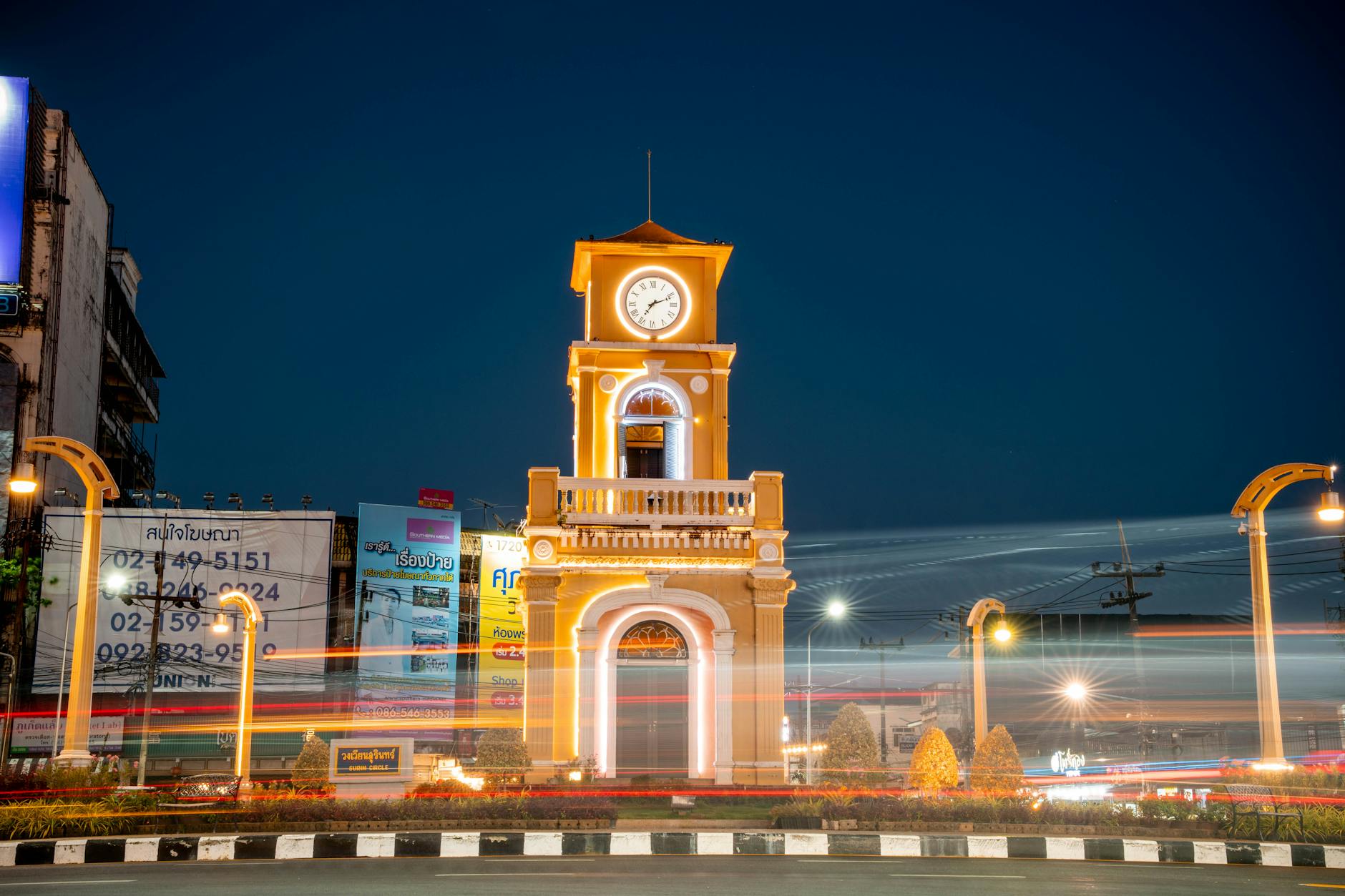
Phuket from May through October offers substantially lower hotel rates and a far less congested experience along beaches such as Kamala and Kata that become extremely crowded during the high season. The monsoon rains bring lush vegetation to the island’s interior, and the west coast experiences some afternoon rainfall while the east coast remains largely clear. Cooking classes, temple visits, and inland tours operate with more personal attention from guides during these quieter months. The Thai population of Phuket Town lives its daily life far more visibly when the high-season crowd clears, making the old Sino-Portuguese neighborhood more genuine to explore. Dive sites around the Similan Islands are closed during the monsoon, but local reef diving around the southern cape remains accessible.
Vienna, Austria
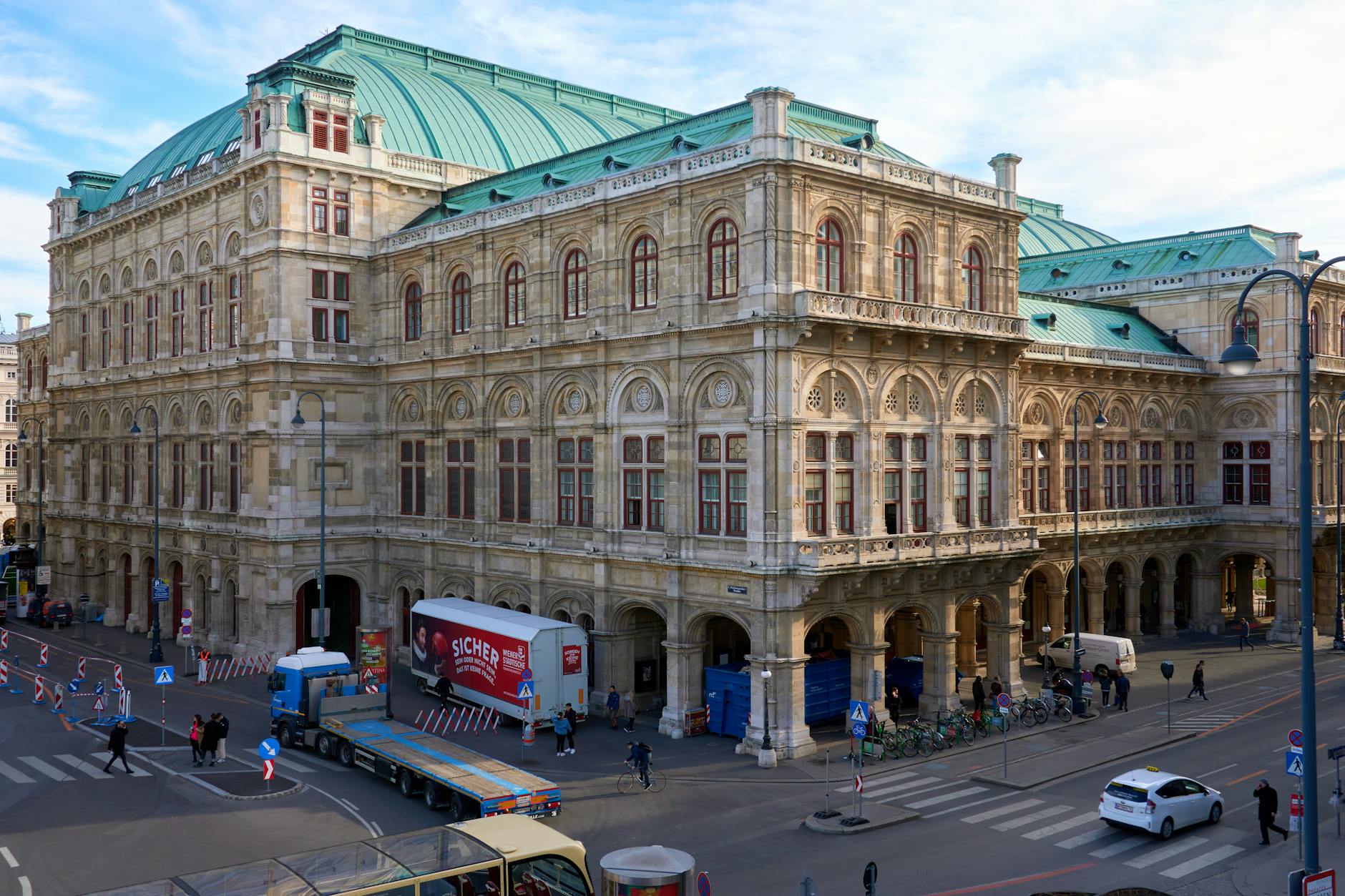
Vienna in January and February strips away summer tourism to reveal one of Europe’s great cultural capitals at its most local and least performative. The city’s concert halls, opera houses, and museum quarter operate at full program while accommodation prices drop to their annual low. Café culture reaches its peak expression during winter, with the grand coffeehouses filled with residents reading newspapers and lingering over Melange and apple strudel. The Naschmarkt, Vienna’s famous open-air market, is still fully operational and more leisurely to browse without summer tourist traffic. The Imperial architecture reads beautifully against a grey winter backdrop, and the absence of outdoor festival crowds makes the architectural scale of the Ringstrasse more apparent.
Patagonia, Argentina and Chile
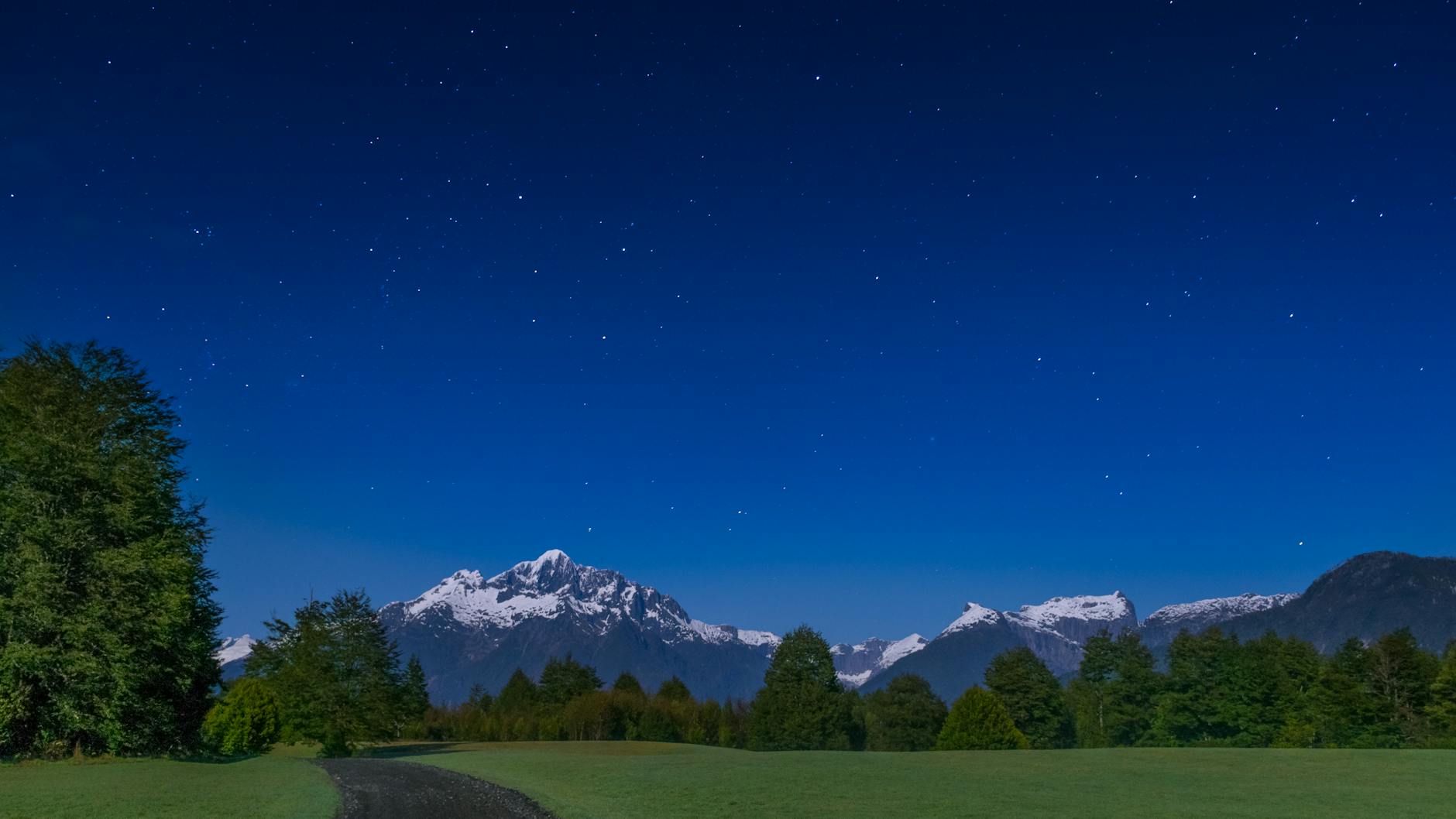
Patagonia in the shoulder months of November and March offers the best balance of accessible trails, functional infrastructure, and far fewer trekkers on the iconic circuits of Torres del Paine and Los Glaciares National Park. The peak months of January and February see campsites booked a year in advance and trails crowded enough to diminish the wilderness experience. November in particular brings wildflowers across the pampas and fewer competing hikers on the W Circuit. Weather in Patagonia is notoriously variable at any time of year, meaning the off-season weather gamble is not significantly different from peak season. Accommodation in Puerto Natales and El Calafate offers better availability and lower prices during these bookend months.
Bruges, Belgium
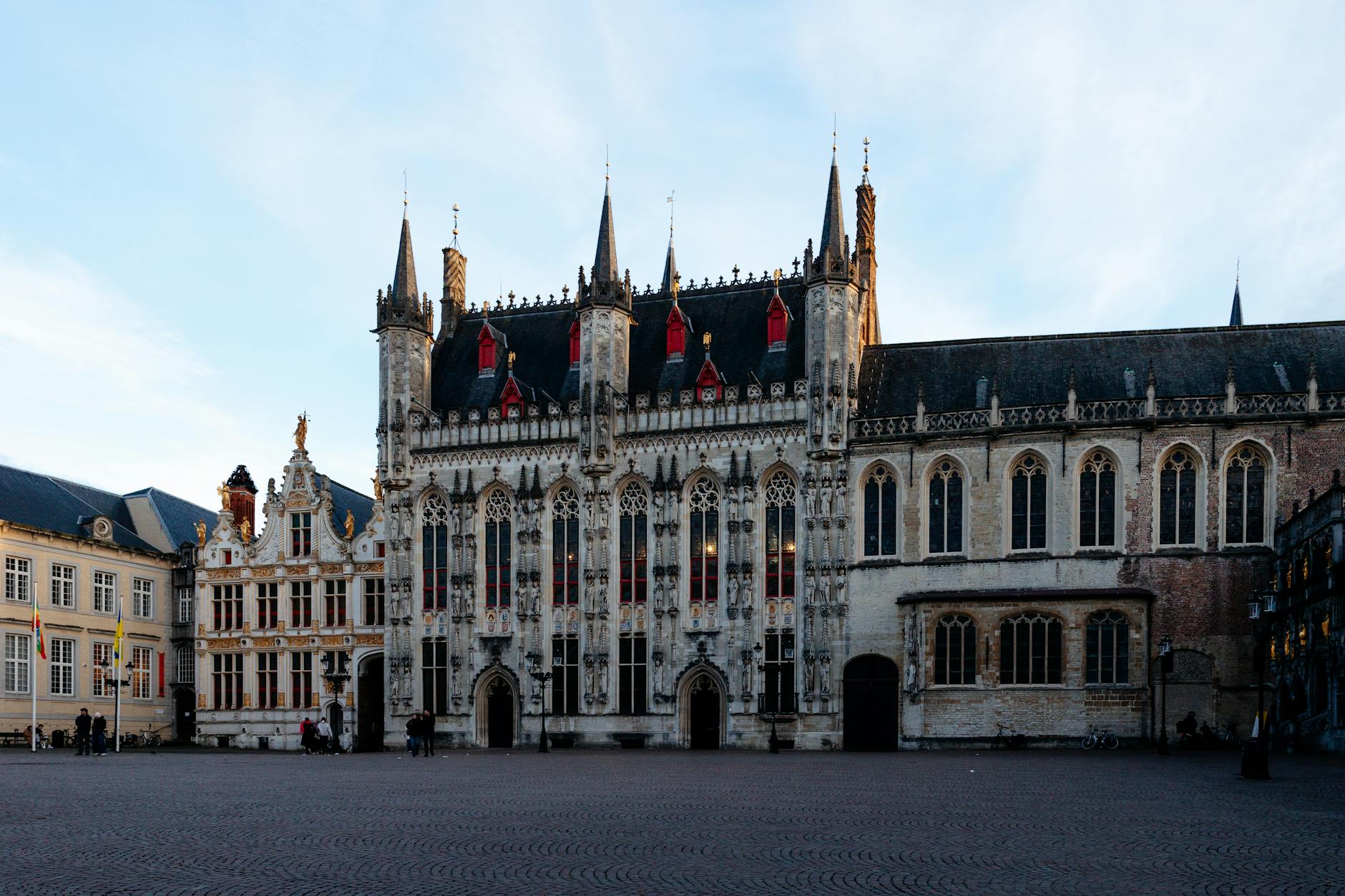
Bruges in January and February is a well-kept secret among those who know that the medieval canal city is most atmospheric when winter mist sits low over the water and the crowds of day-trippers have retreated. The chocolate shops, lace workshops, and beer cafés remain fully open and operate with considerably more warmth and personal attention for off-season visitors. The main market square and the Belfry tower are accessible without the peak-season bottlenecks, and canal boat tours run on quieter schedules that allow more time at each viewpoint. Hotel prices in the beautifully preserved historic center drop to levels that reflect excellent value for the quality of the accommodation. The city’s famous Christmas market is gone by January, but what remains is a genuine, working Flemish city rather than a choreographed visitor experience.
Tuscany, Italy
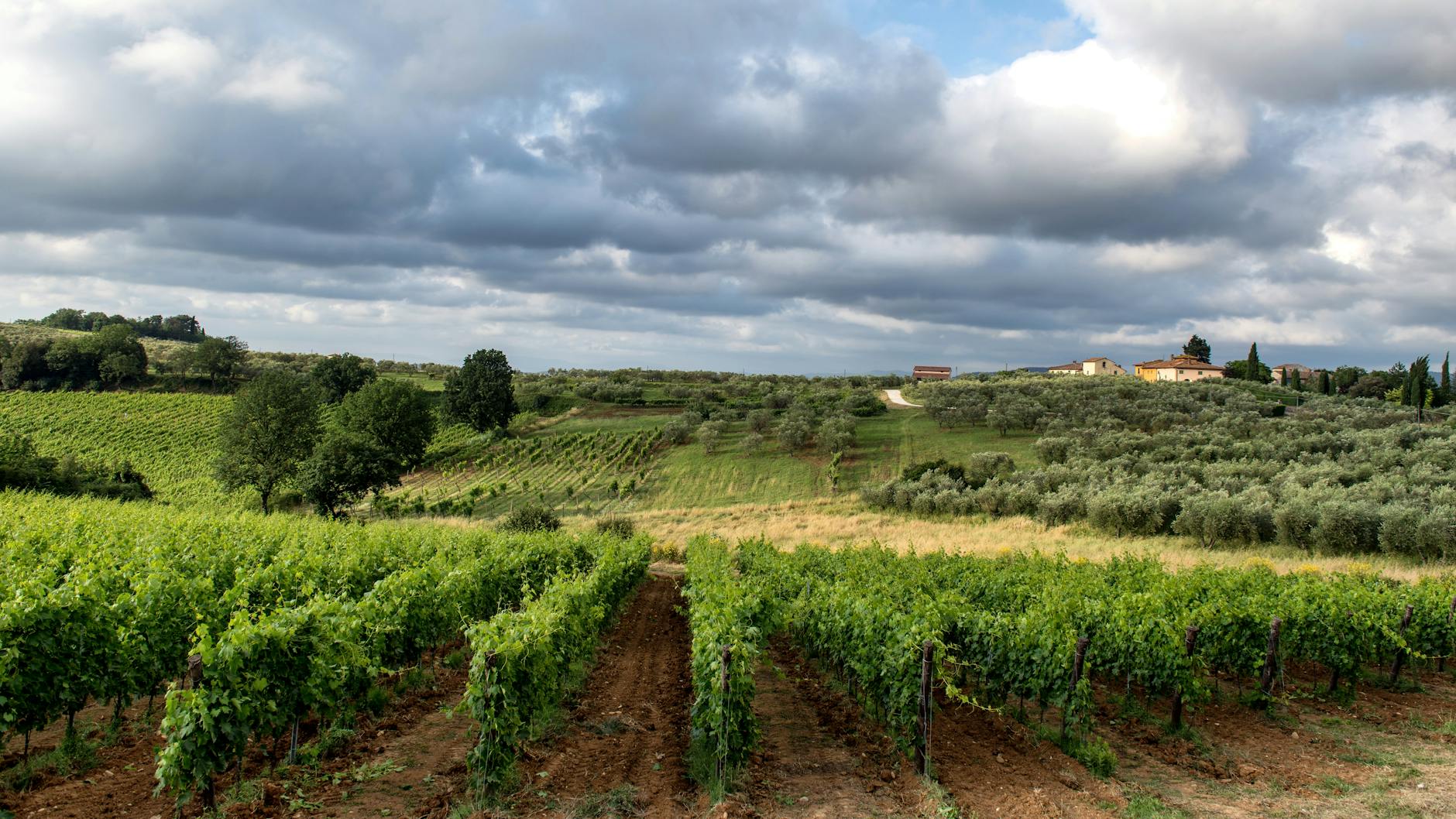
Tuscany in late October through November offers the harvest season, with olive picking, wine festivals, and truffle fairs that give the region a distinctly local agricultural character rarely seen by summer visitors focused on Florence and Siena. The rolling hills between Montalcino and Pienza turn golden and amber as vineyards complete their harvest, making the landscape arguably more beautiful than the green summers that dominate travel photography. Agriturismo stays become far more affordable, and farm-to-table meals carry a genuine seasonal quality. Florence in November is fully walkable without the heat and queues that define the summer museum circuit. The Uffizi and Accademia galleries allow a far more considered visit when not operating at maximum visitor capacity.
Zanzibar, Tanzania

Zanzibar in its two shoulder seasons between the monsoons, specifically March to April and October to November, offers reduced prices at beachfront resorts while the island remains functionally accessible and the sea is warm. The main high season from June to October is beautiful but increasingly crowded at the northern beaches of Nungwi and Kendwa. Spice tours through the island’s interior are more comfortable in the cooler shoulder temperatures, and the Stone Town’s narrow streets are more pleasant to navigate. Diving visibility around Mnemba Atoll remains strong through much of the shoulder season. Interactions with local fishermen and market traders in Stone Town have a more reciprocal quality when the volume of tourists normalizes.
Budapest, Hungary
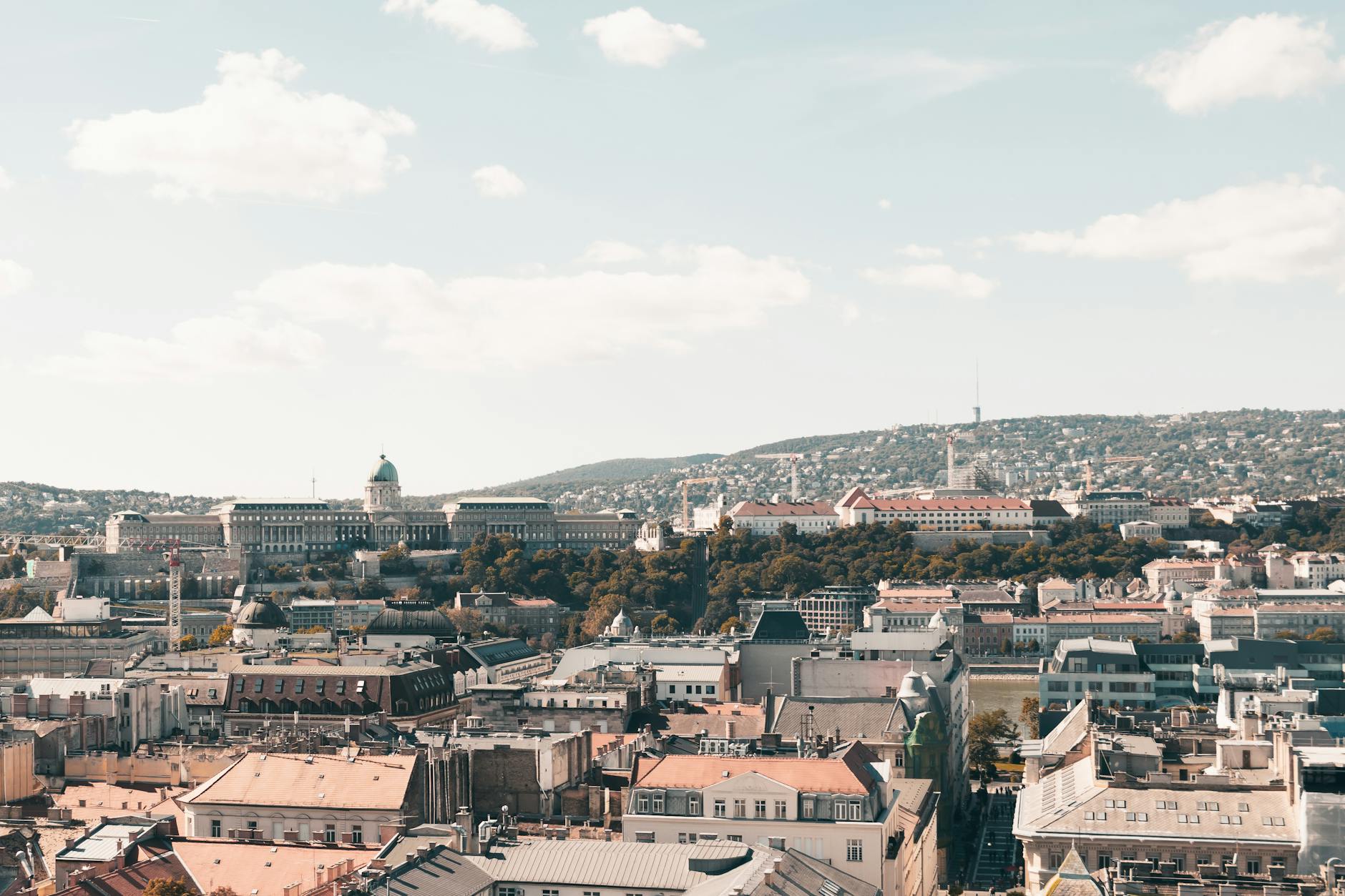
Budapest in late autumn and winter is one of central Europe’s most atmospheric city break destinations, with the city’s thermal bath culture feeling most appropriate and most locally embraced during the colder months. The Széchenyi and Gellért baths are fully operational year-round, but the experience of soaking in warm geothermal water while snow falls outside is distinctly off-season. The ruin bars of the Jewish Quarter operate without summer terrace crowds and function more as genuine community spaces. The grand architecture of the Parliament building and the Chain Bridge is beautifully lit during the long winter evenings, and river promenade walks are uncrowded. Hotel rates across the city drop significantly from October onward while cultural programming at the opera and concert houses reaches its annual peak.
Machu Picchu, Peru
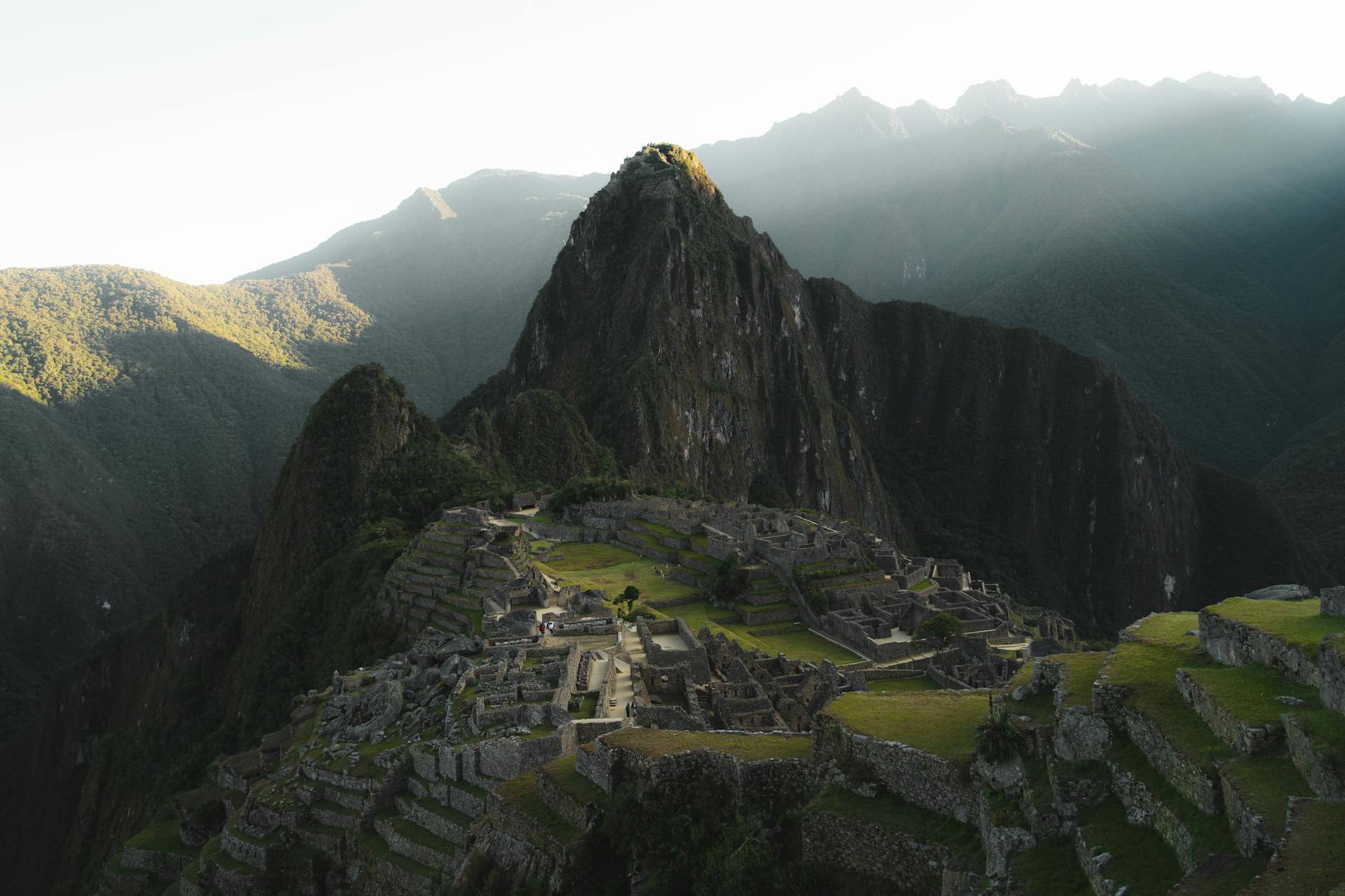
Machu Picchu during the wet season from November through March sees dramatically reduced visitor numbers while the surrounding cloud forest and mountain vegetation turn an intense, vivid green that the dry season photographs rarely capture. The morning clouds that drift through the citadel during the wet season create an ethereal atmosphere that many travelers find more memorable than the clear skies of peak season. Rain tends to arrive in concentrated afternoon periods, leaving mornings generally clear enough for the main sites. The Inca Trail requires advance permits at any time of year, but alternative routes such as the Salkantay Trek have more availability during wet season months. Aguas Calientes, the base town, is significantly less congested and accommodation is more affordable.
Amsterdam, Netherlands
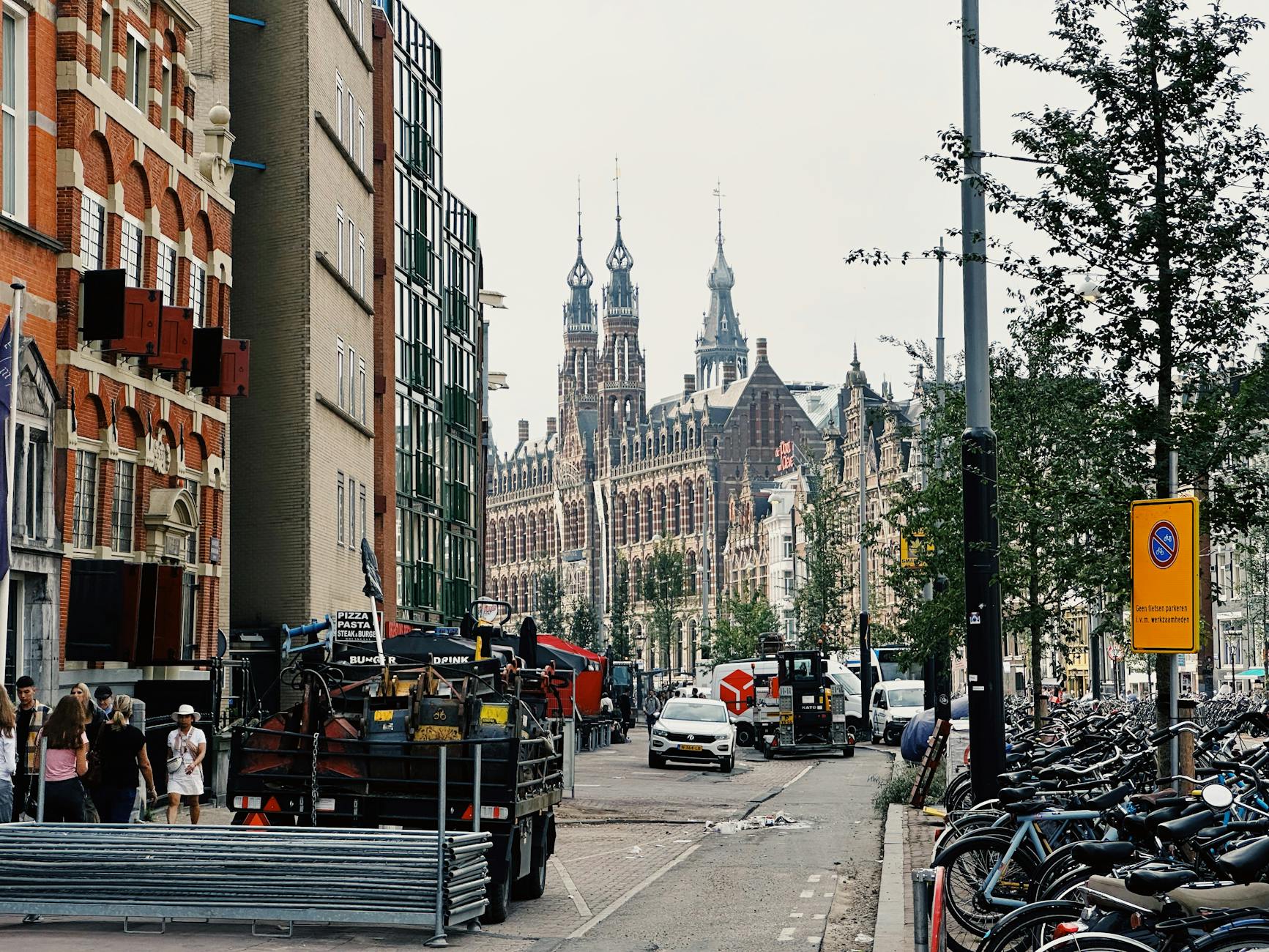
Amsterdam in November through February operates as a fully functioning Dutch capital where the canals, cycling culture, and museum district are all accessible without the summer swarms that overwhelm the narrow canal streets. The Rijksmuseum, Van Gogh Museum, and Anne Frank House remain operational with shorter queues, particularly on weekday mornings. Canal boat tours offer a completely different perspective on the city’s architecture when the trees are bare and the reflections in the water are sharper and more graphic. The covered market of Albert Cuyp and the independent bookshops and cheese stores of the Jordaan neighborhood operate at a rhythm dictated by residents rather than tour operators. Winter light in Amsterdam falls low and golden even at midday, giving the brick canal houses a quality that summer’s bright overhead light cannot replicate.
The Azores, Portugal
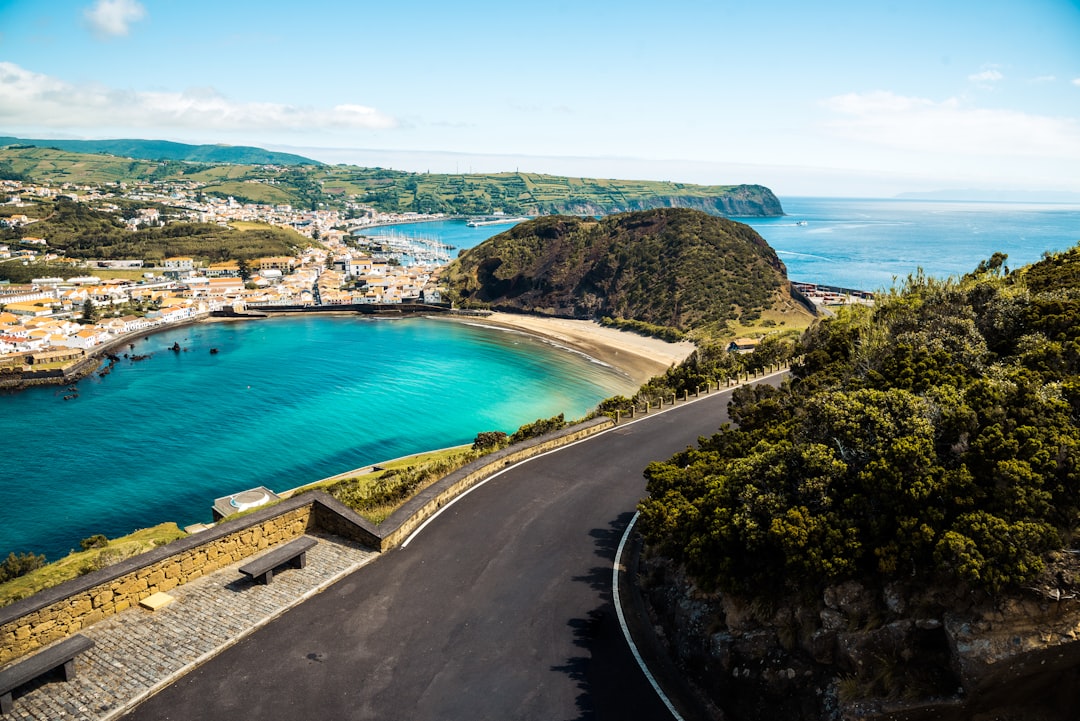
The Azores between October and April offers the archipelago’s most dramatic landscapes, with whale watching at its global peak, powerful waves for surfing, and the volcanic lakes of Sete Cidades surrounded by autumn and winter mist. The summer months are increasingly popular, particularly on São Miguel, and accommodation books up quickly. Off-season brings reduced rates at the island’s thermal spa hotels and geothermal pool facilities, and hiking trails are largely uncrowded. Blue and sperm whale migrations peak between October and June, making the off-season the best period for boat-based wildlife encounters. The green intensity of the island’s hydrangea-lined roads fades slightly in winter but the overall volcanic landscape remains among the most dramatic in the Atlantic.
New York City, USA
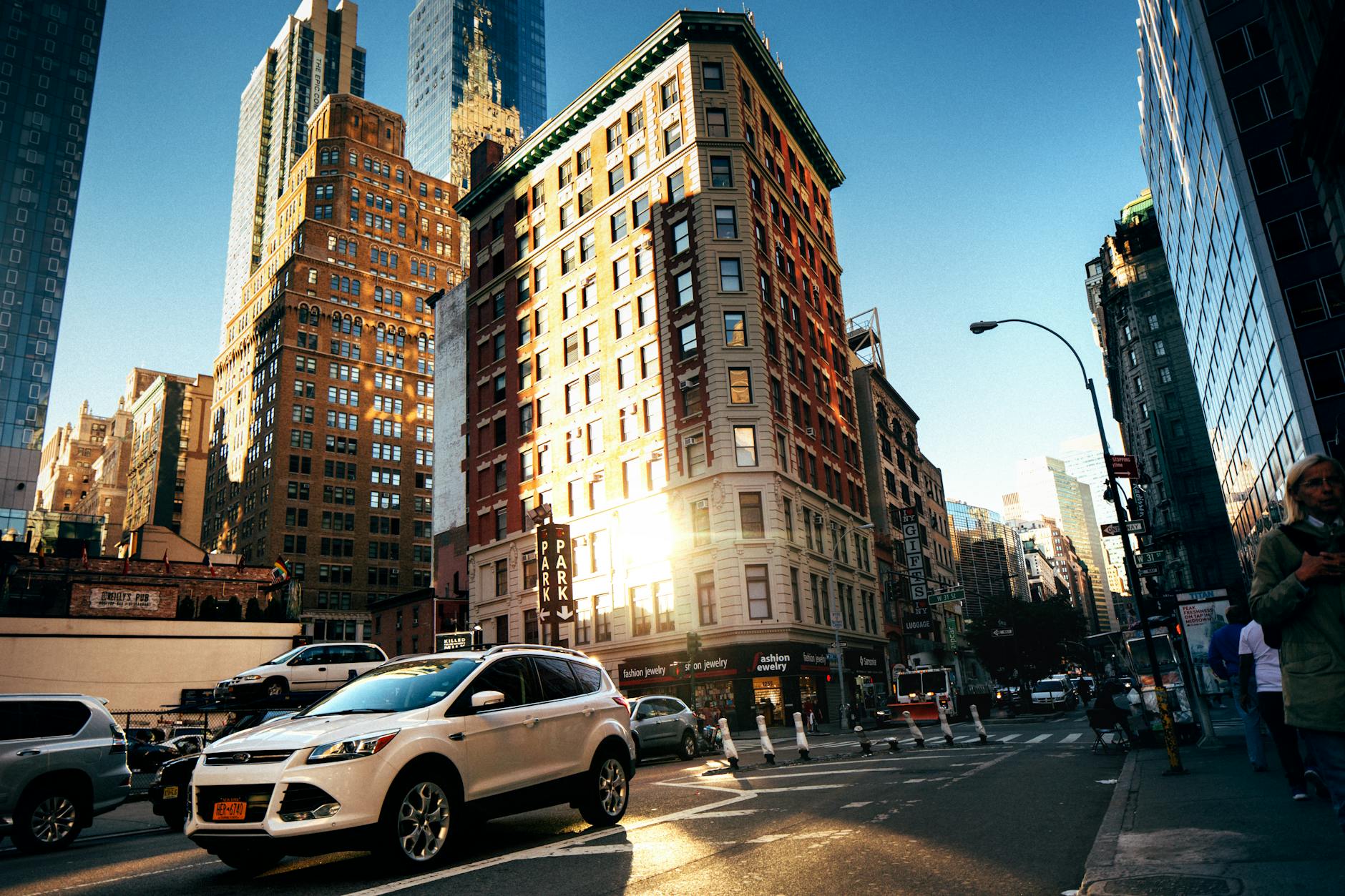
New York City in January and February offers Broadway shows, world-class museums, and the full hospitality infrastructure of the world’s most dynamic urban destination at its lowest annual prices. Hotel rates in Manhattan drop considerably from the holiday peak, and tables at sought-after restaurants become available with minimal advance notice. The city’s cultural calendar is at full capacity with gallery openings, jazz performances, and film screenings filling the schedule. Central Park in winter light offers an unexpectedly serene experience within the density of the city, particularly after a snowfall. The lack of summer humidity and outdoor event crowds makes museum-hopping and neighborhood walking far more sustainable across a multi-day itinerary.
Rajasthan, India
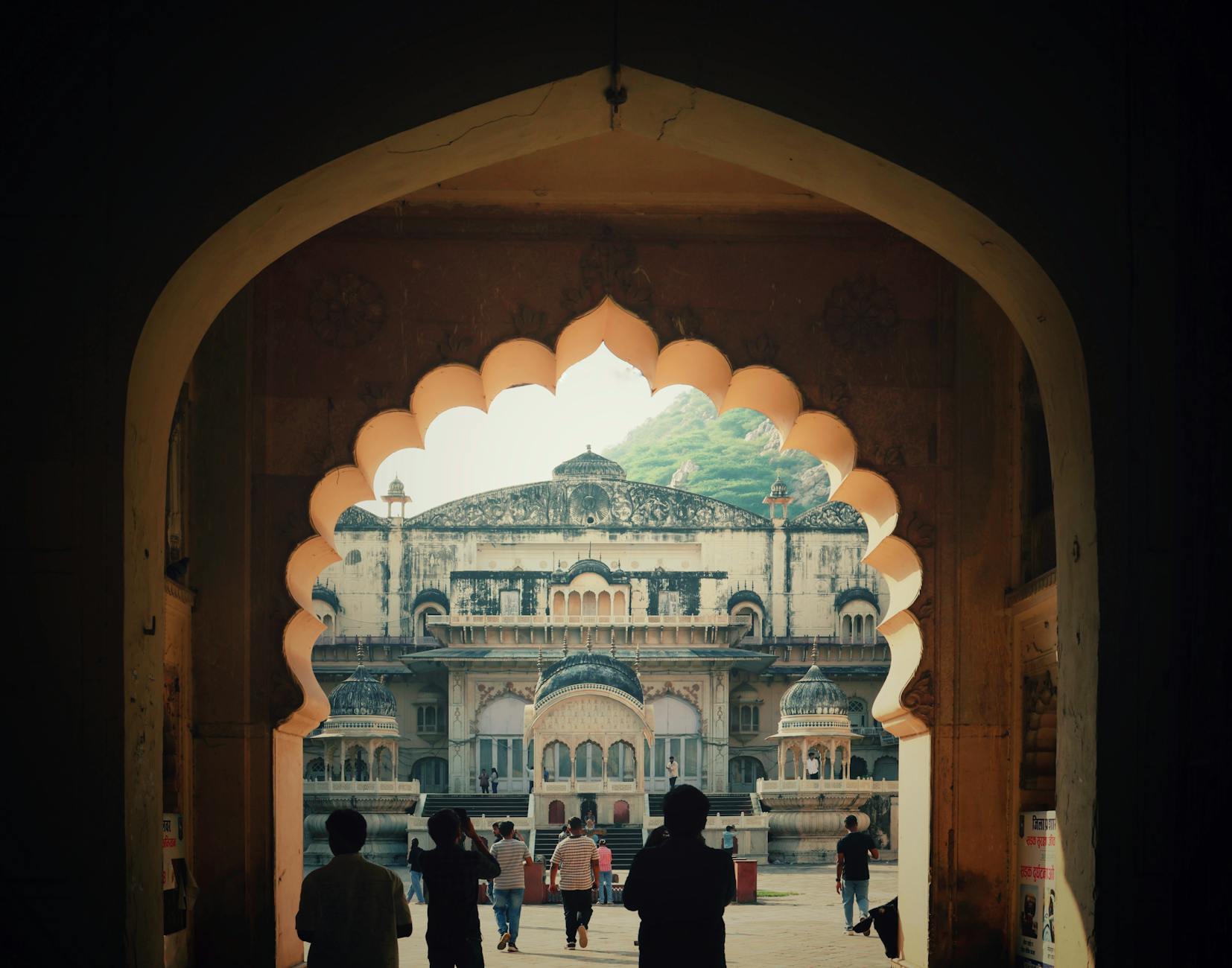
Rajasthan in the post-monsoon months of September and October sees the desert state emerge from the rains in vivid, freshly washed color, with temperatures beginning to ease from their summer extreme. The forts and palaces of Jaipur, Jodhpur, and Jaisalmer are accessible and photogenic before the main tourist season fully establishes itself from November onward. September in particular brings the desert landscape unexpected greenery that the dry winter season entirely lacks. Heritage hotel rates at the state’s celebrated palace conversions are more negotiable during these transitional months. The cultural life of Rajasthan’s cities, from textile markets to classical music performances, operates independently of the tourist calendar and is fully accessible to early-season visitors.
Cinque Terre, Italy
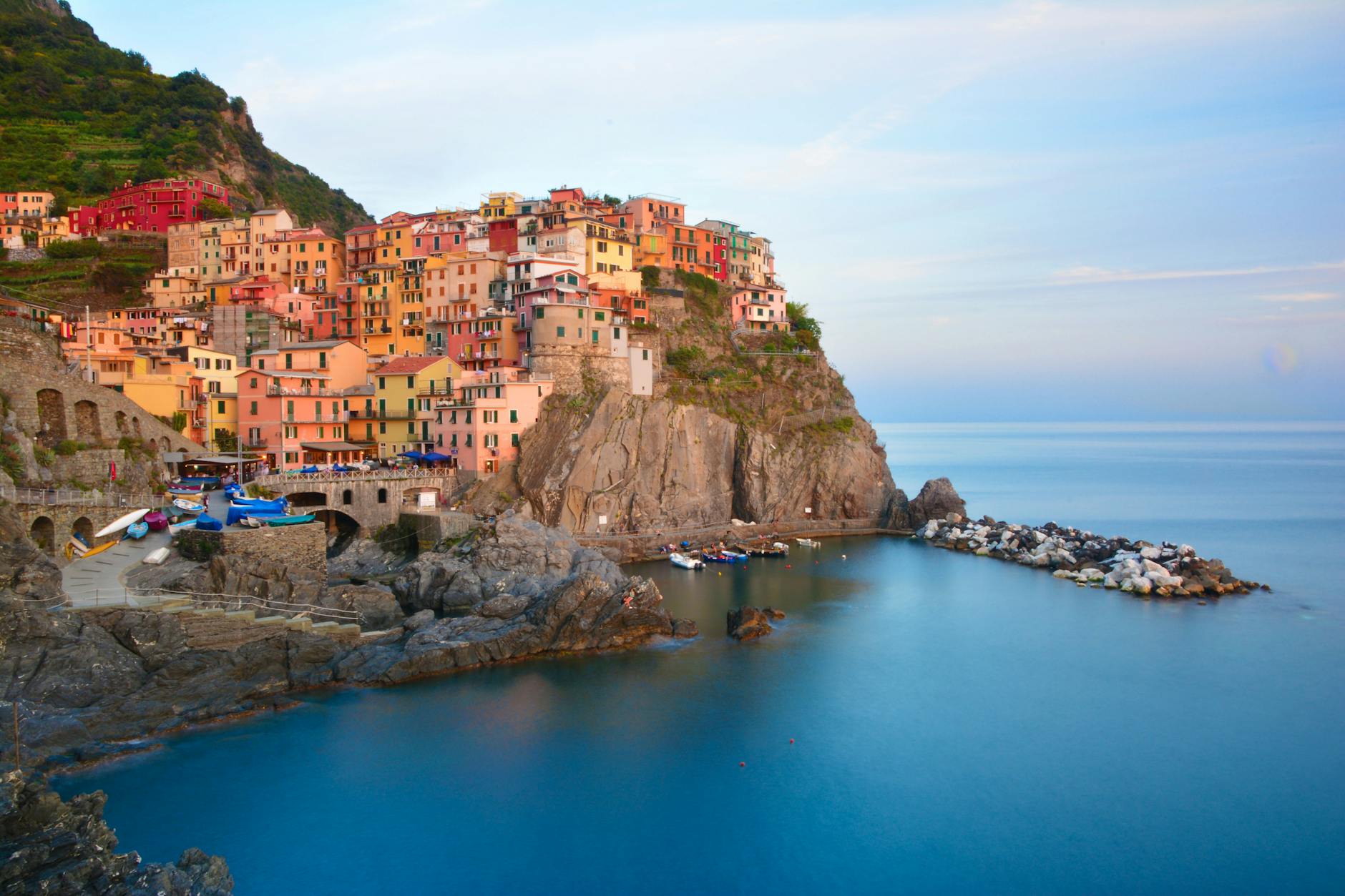
Cinque Terre in October and November offers the five clifftop villages at their most genuinely Italian, with hikers largely absent and the fishing community resuming its daily rhythms along the harbor fronts of Vernazza and Manarola. The summer months bring thousands of hikers onto the coastal trails daily, creating conditions that the narrow paths and small villages are not built to absorb. Autumn grape harvests in the terraced vineyards above the villages are still visible in October, and the local Sciacchetrà wine can be tasted at family-run cellars. Seafood restaurants along the harbor fronts of each village serve the daily catch with no waiting list. The pastel-painted buildings are as photogenic in autumn light as in any season, and the absence of crowds makes composition far easier for photographers.
Seoul, South Korea
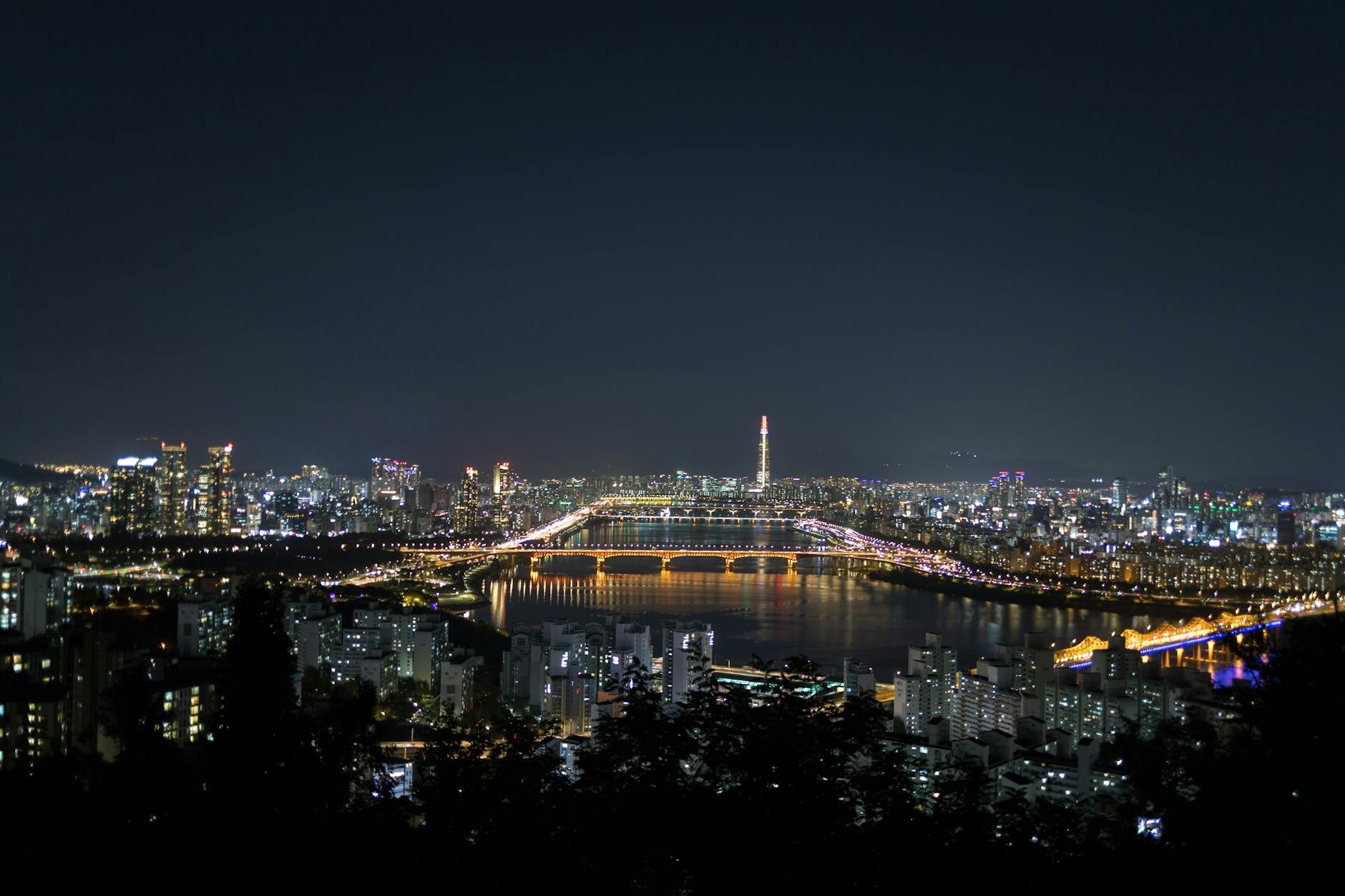
Seoul in November offers one of Asia’s most underrated autumn foliage experiences, with palace gardens, mountain parks, and the slopes of Bukhansan National Park turning red and gold just as the summer tourist wave has passed. The city’s street food culture at Gwangjang Market and Dongdaemun operates at full intensity regardless of season, but the cooler temperatures make eating and exploring far more comfortable. K-culture experiences including museums, concert venues, and filming locations associated with Korean cinema and music are accessible without the long queues that develop during peak spring and summer months. Accommodation in Insadong and Hongdae runs at noticeably lower rates than during the cherry blossom season. The Han River parks take on a quieter, more contemplative character in autumn that contrasts sharply with the festival atmosphere of warmer months.
Mallorca, Spain
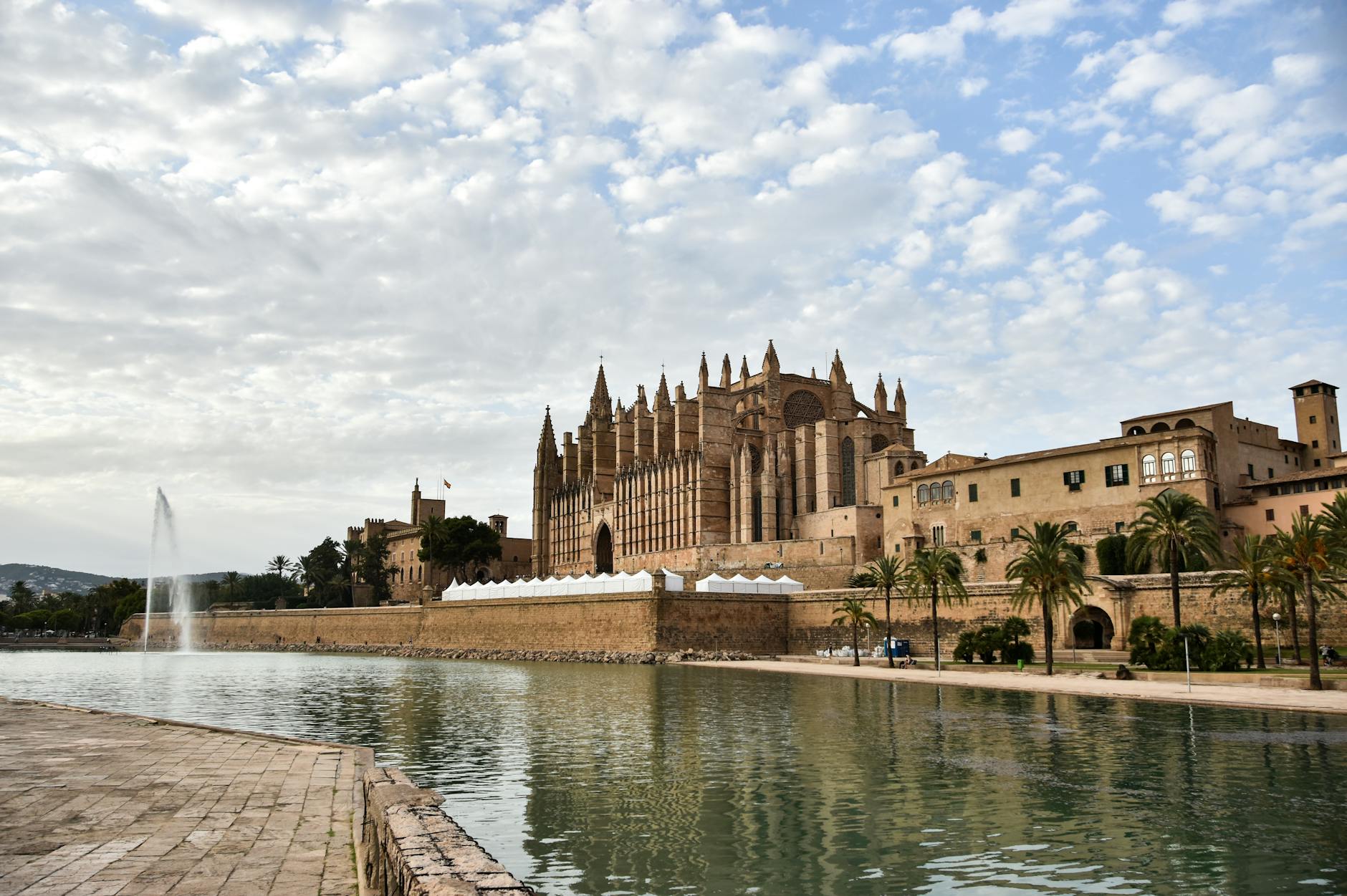
Mallorca in October and November retains warm enough temperatures for swimming and hiking while shedding the extreme summer crowds that transform the island’s main resort areas into a very different destination. The Serra de Tramuntana mountain range and the island’s interior villages such as Valldemossa and Deià become the focus of travel rather than the beach clubs that dominate the summer economy. Cycling routes along the quiet mountain roads are at their most enjoyable in the cooler autumn temperatures without the summer heat that makes uphill sections genuinely difficult. Independent restaurants in Palma’s old quarter return to serving creative Mallorcan cuisine for a mixed audience of residents and off-season visitors. Boutique hotel rates across the island drop substantially once September ends.
Quebec City, Canada
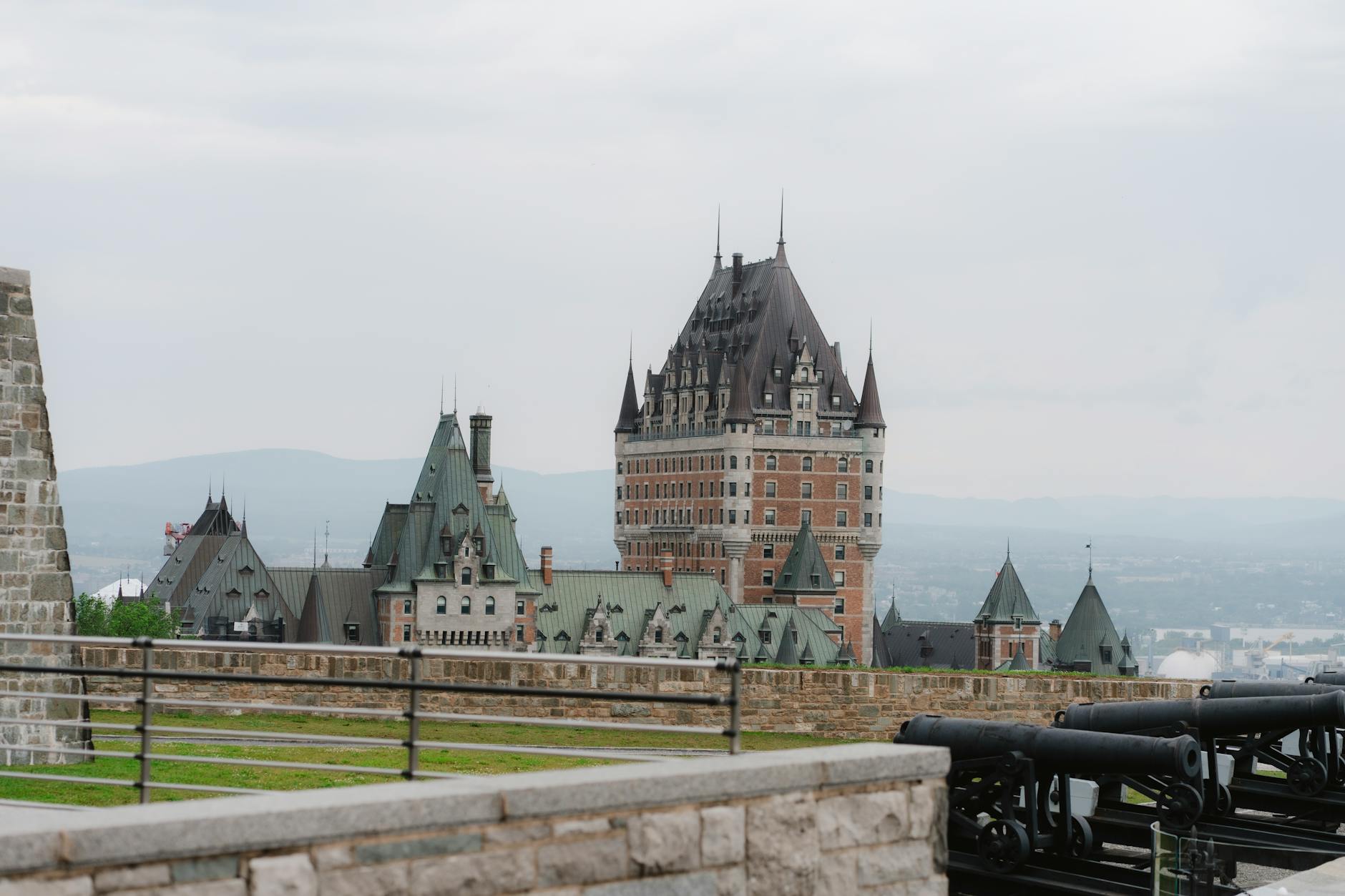
Quebec City in January and February hosts the Winter Carnival, one of the world’s largest and most celebrated winter festivals, making it one of those rare off-season destinations that has built a genuine high season around cold weather rather than warm. Outside of the carnival itself, the walled Old Town with its Château Frontenac and cobblestone streets operates as a beautifully preserved French-Canadian city with minimal tourist presence on weekday mornings. Ice skating on the Plains of Abraham, toboggan runs down the city’s famous slides, and ice sculpture installations throughout the old quarter create a winter atmosphere unlike any other North American city. Restaurants in the Saint-Jean-Baptiste and Saint-Roch neighborhoods offer creative Quebecois cuisine at prices well below Montreal equivalents. The city’s French-speaking cultural identity is far more apparent when the touring crowd steps back.
Seville, Spain
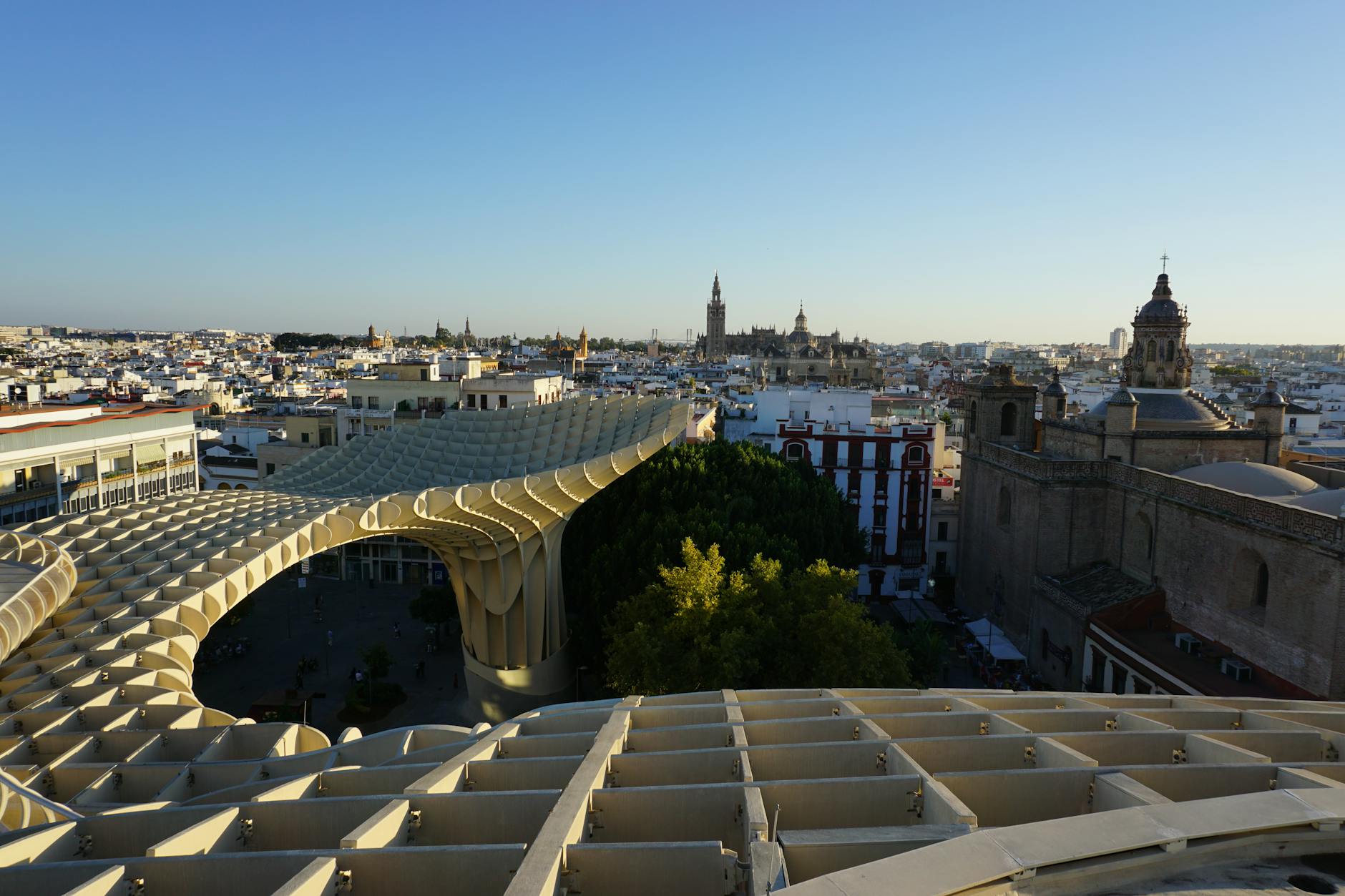
Seville in November through February offers mild temperatures ideal for walking the historic center, visiting the Alcázar palace and the vast Gothic cathedral, and exploring the Triana neighborhood without the intense heat that makes summer visits genuinely uncomfortable. April and May bring the famous Feria de Abril and Semana Santa, which are extraordinary but come with maximum accommodation prices and city-wide crowds. The off-season city operates on its own Andalusian schedule, with tapas bars filling in the early evening and flamenco performances in intimate venues accessible without advance booking difficulties. Orange blossom trees lining the city’s streets create a fragrant environment that is uniquely Sevillian at any time of year. The Alcázar gardens are particularly beautiful in winter light when the palace’s Moorish tile work can be appreciated at leisure.
Ha Long Bay, Vietnam
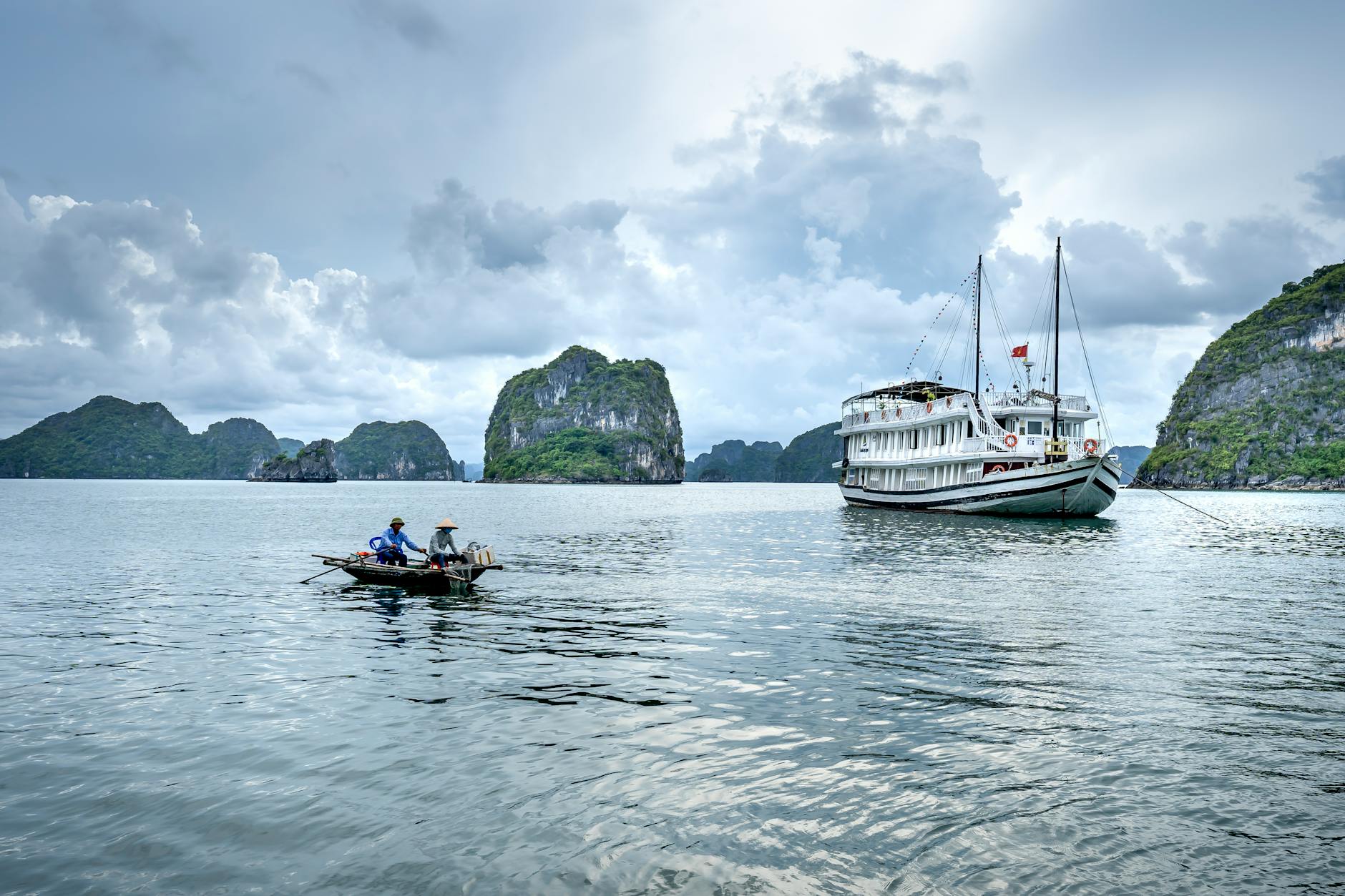
Ha Long Bay in the cooler months of October through December offers dramatically improved visibility and more stable sailing conditions compared to the summer monsoon period, and avoids both the peak crowds of December to February and the summer heat. The limestone karst formations and emerald waters of the bay are best appreciated from the deck of a traditional wooden junk with a manageable number of other vessels in sight rather than the flotilla that assembles in high season. Kayaking through sea caves and floating fishing villages is more comfortable in mild temperatures. Boutique overnight cruise operators offer better value and more availability during the shoulder season. The surrounding Quảng Ninh province, including the less-visited Bái Tử Long Bay to the east, is accessible with a flexibility that peak season demand removes.
Which of these destinations surprises you most as an off-season destination, and do you have a hidden gem of your own to share in the comments?