Flu season brings with it a wave of sniffles, fatigue, and unwelcome sick days that can derail even the most carefully planned routines. The good news is that a range of evidence-backed habits, nutrients, and lifestyle adjustments can meaningfully strengthen the body’s natural defenses. From what lands on your plate to how you manage stress and sleep, every choice adds up during the colder months. The following thirty strategies offer practical and accessible ways to give your immune system the support it needs when seasonal illness is at its peak.
Vitamin C Supplementation
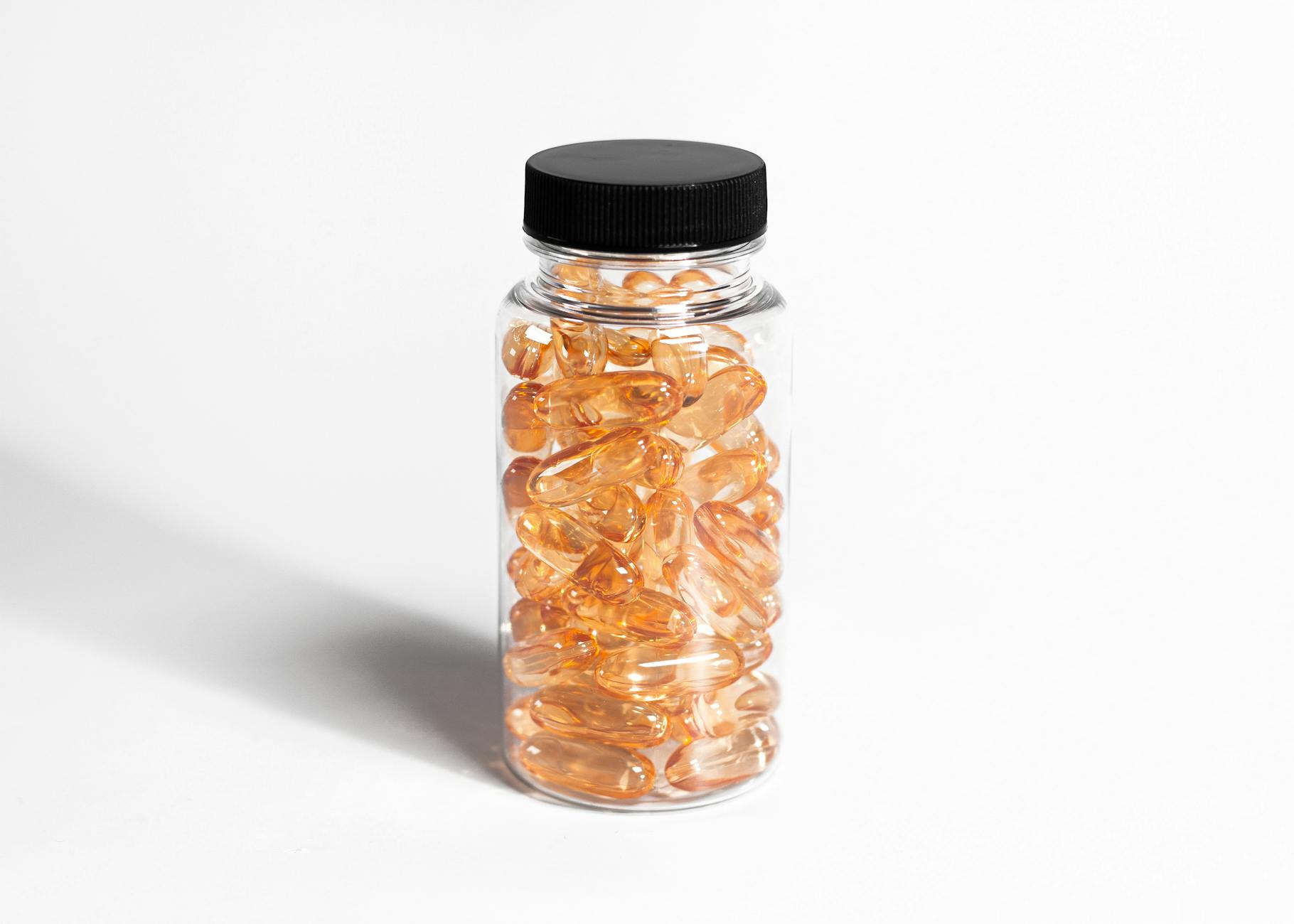
Vitamin C is one of the most well-studied nutrients when it comes to immune function and respiratory health. It supports the production and activity of white blood cells that help the body fight off infections. Regular supplementation during flu season has been associated with reduced duration and severity of colds in numerous studies. Foods like oranges, kiwi, bell peppers, and strawberries are excellent natural sources alongside supplements. Maintaining consistent daily intake rather than loading up only when symptoms appear provides the most reliable benefit.
Prioritising Quality Sleep

Sleep is one of the most powerful and underutilised tools for immune health. During deep sleep the body produces and releases cytokines which are proteins that target infection and inflammation. Adults who regularly sleep fewer than seven hours per night are significantly more susceptible to catching respiratory viruses. Establishing a consistent bedtime and reducing screen exposure in the hour before sleep can meaningfully improve sleep quality. A cool dark room and a regular wind-down routine further support the restorative rest the immune system depends on.
Staying Hydrated

Adequate hydration keeps mucous membranes in the nose and throat moist and better equipped to trap pathogens before they enter the body. Water also supports the lymphatic system which plays a central role in transporting immune cells throughout the body. During colder months people often feel less thirsty despite their hydration needs remaining just as high. Herbal teas and warm broths count toward daily fluid intake and offer additional immune-supporting compounds. Aiming for at least eight glasses of fluid daily provides a reliable baseline for most adults.
Regular Moderate Exercise

Moderate physical activity has been shown to enhance the circulation of immune cells in the bloodstream making them more effective at identifying and neutralising threats. Activities like brisk walking, cycling, or swimming for thirty minutes most days of the week offer measurable immune benefits. Exercise also helps reduce levels of stress hormones that can suppress immune function when chronically elevated. It is important to avoid overtraining during flu season as intense prolonged exercise without adequate recovery can temporarily reduce immune defenses. Consistency over intensity is the guiding principle for exercise and immunity.
Zinc Supplementation
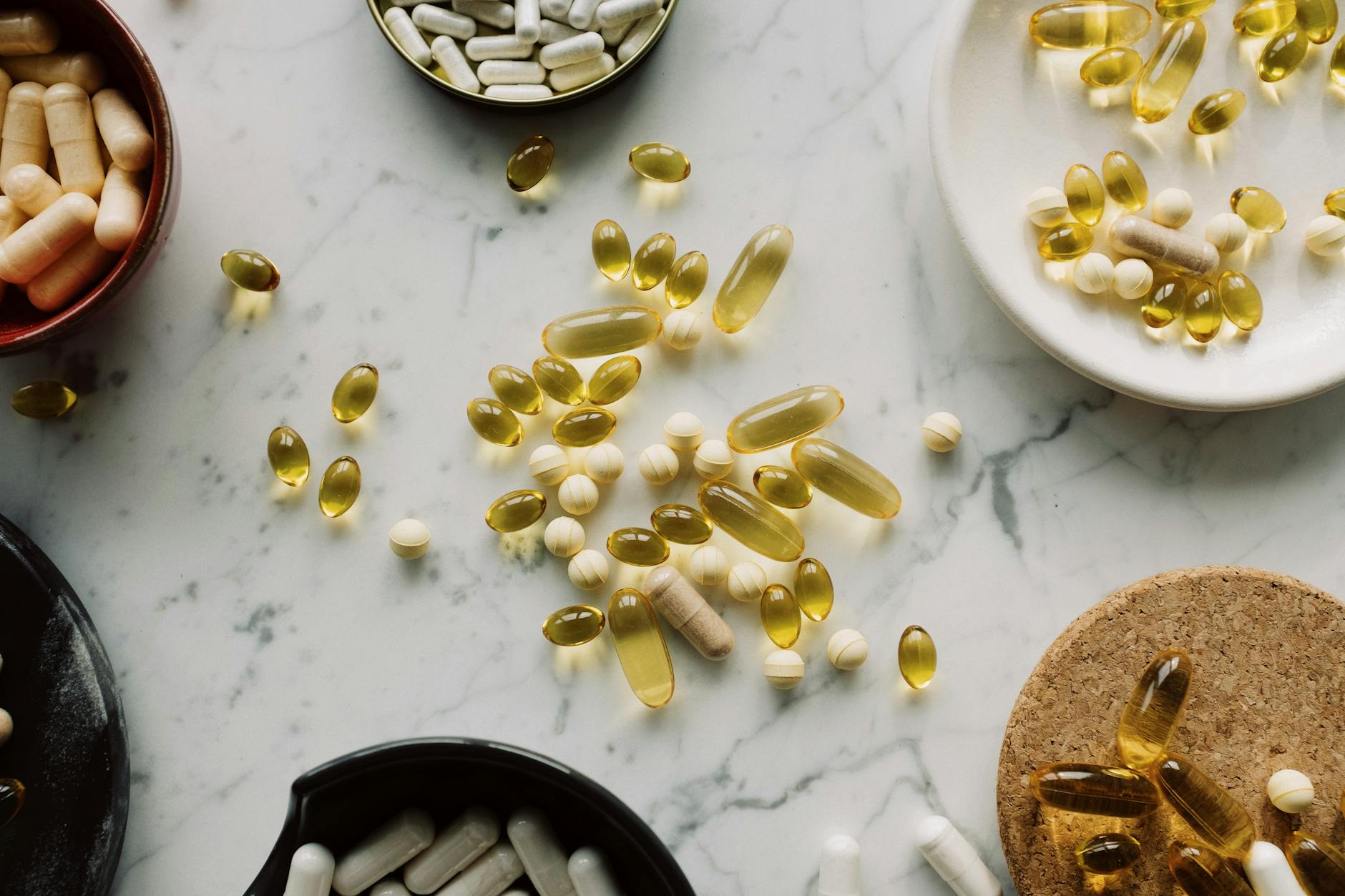
Zinc is an essential mineral that plays a direct role in the development and function of immune cells. Research has shown that zinc lozenges taken at the onset of cold symptoms can reduce the duration of illness by several days. Many people consume less zinc than optimal particularly those following plant-based diets where absorption from food sources is lower. Foods rich in zinc include oysters, beef, pumpkin seeds, legumes, and fortified cereals. Supplementing with a moderate daily dose during peak flu season is a widely recommended preventive strategy.
Eating Garlic Daily
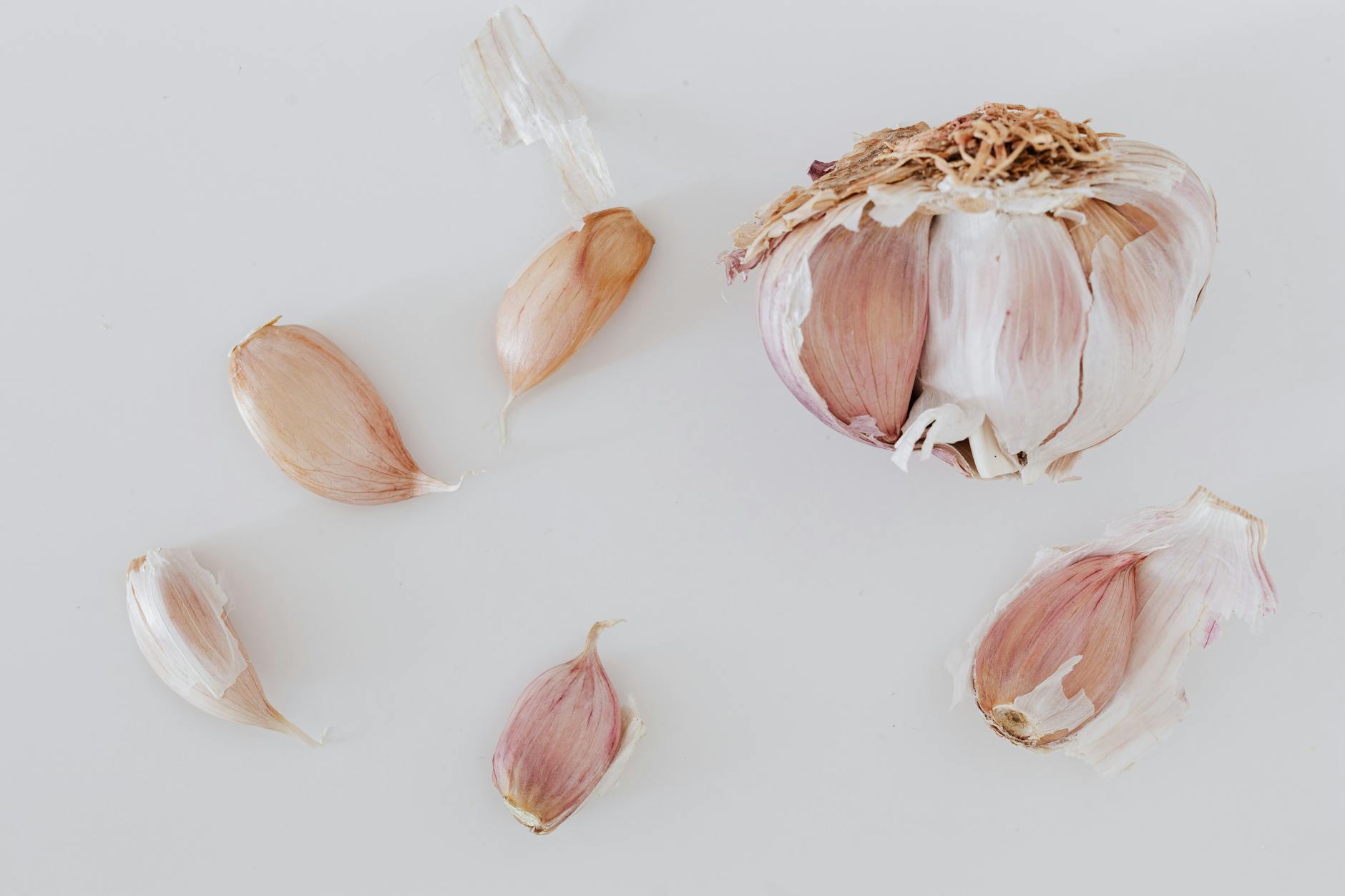
Garlic contains a compound called allicin which has demonstrated antiviral and antibacterial properties in laboratory and clinical settings. Regular consumption of garlic has been linked to fewer colds and reduced severity of symptoms in people who do become ill. Raw garlic offers the highest concentration of active compounds though cooked garlic still provides meaningful benefits. Adding crushed or chopped garlic to soups, sauces, and dressings is an easy way to incorporate it into daily meals. Black garlic which is fermented offers additional antioxidant properties and a milder flavour.
Vitamin D Optimisation
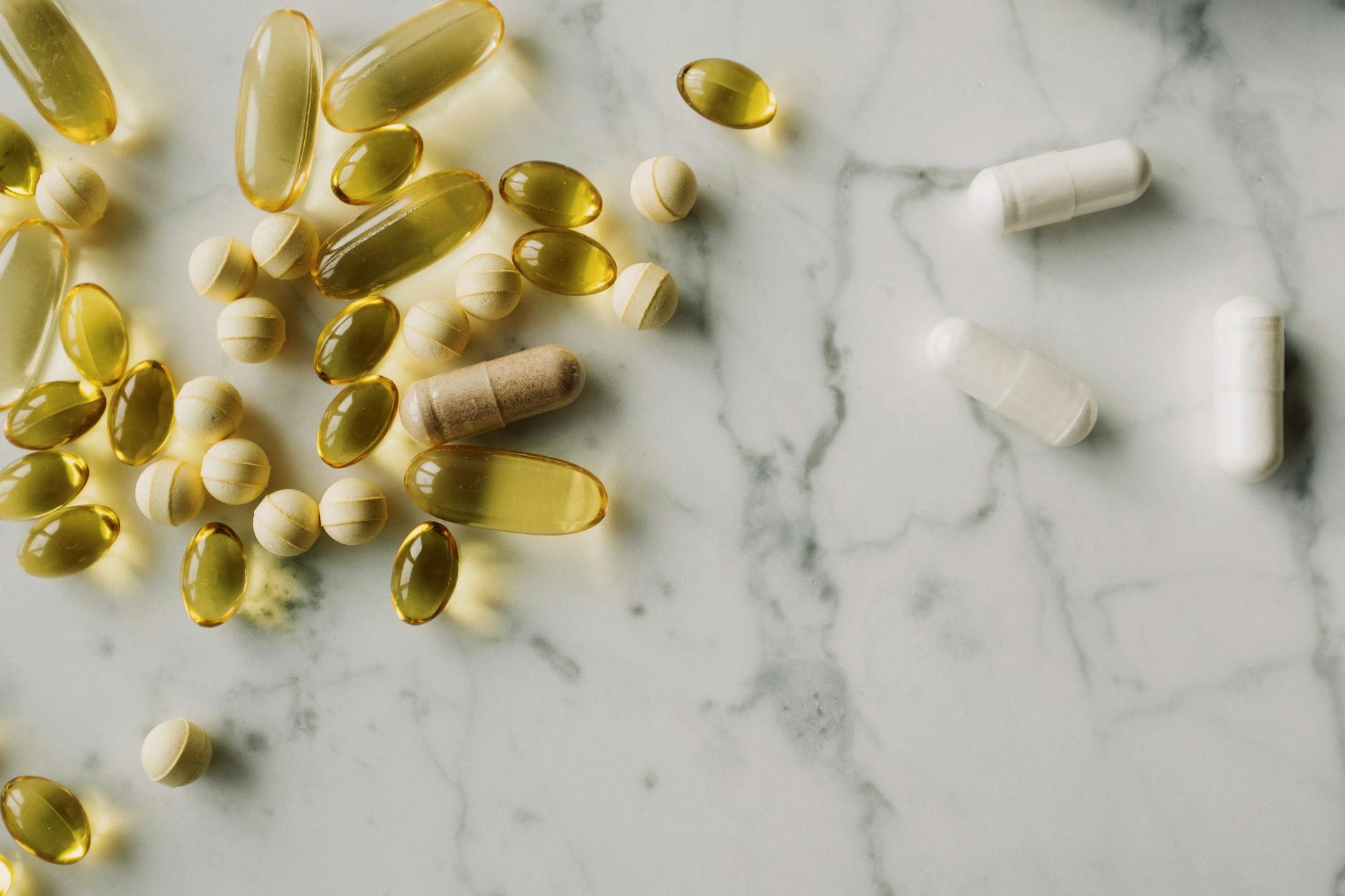
Vitamin D receptors are present on nearly every immune cell in the body highlighting the nutrient’s fundamental role in immune regulation. During winter months reduced sunlight exposure causes vitamin D levels to drop significantly in many people particularly those living at higher latitudes. Deficiency has been strongly associated with increased susceptibility to respiratory infections. A daily supplement of between 1000 and 2000 IU is commonly recommended during flu season for those with limited sun exposure. Getting levels checked with a simple blood test allows for more precise and personalised supplementation.
Consuming Bone Broth
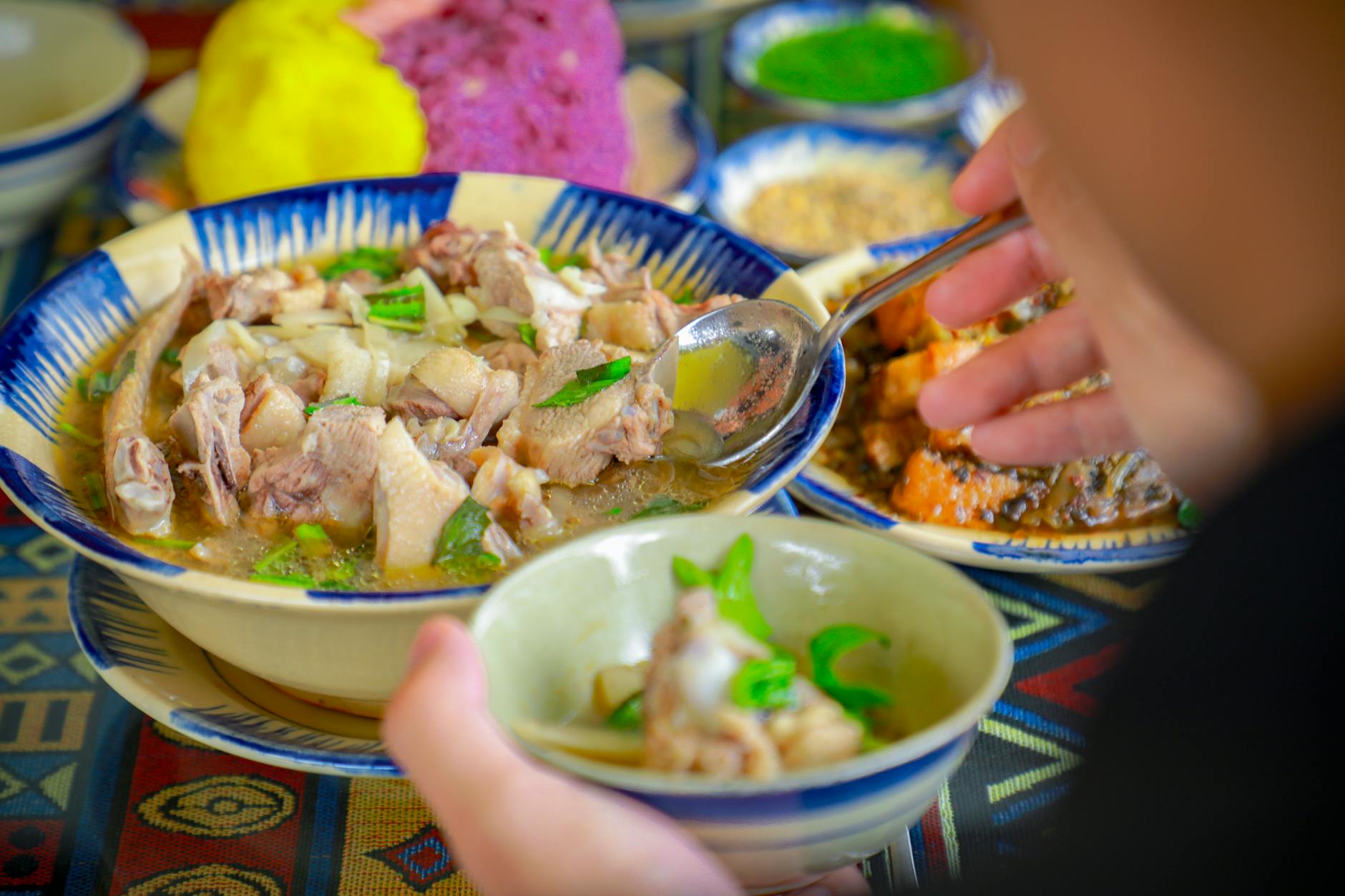
Bone broth has been used for centuries as a warming remedy during illness and modern nutritional science lends support to its benefits. It is rich in minerals like calcium, magnesium, and phosphorus as well as collagen and amino acids that support gut and immune health. The gelatin found in slow-simmered bone broth helps maintain the integrity of the intestinal lining which is a critical barrier in the immune system. Warm broth also helps keep the body hydrated and provides gentle nourishment when appetite is reduced during illness. Sipping a cup daily throughout flu season is a comforting and nutrient-dense habit.
Adding Turmeric to Your Diet
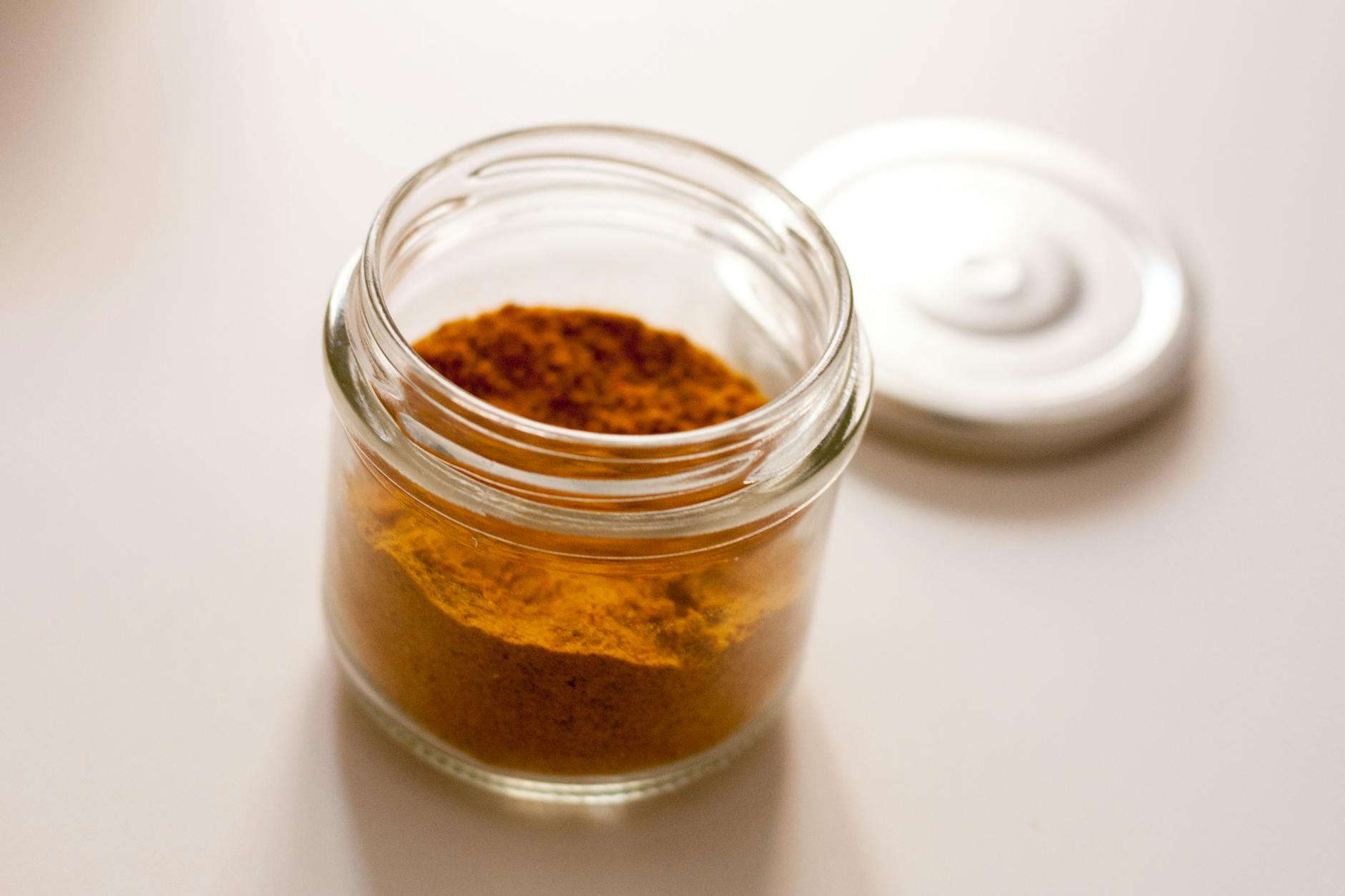
Turmeric contains curcumin a potent anti-inflammatory and antioxidant compound that has been extensively studied for its effects on immune function. Chronic low-grade inflammation can impair the body’s ability to respond effectively to infections and curcumin helps modulate this inflammatory response. Adding turmeric to warm milk golden lattes soups and curries is a simple way to increase daily intake. Combining turmeric with black pepper significantly enhances the absorption of curcumin into the bloodstream. Consistent daily consumption over weeks rather than occasional use delivers the most notable benefits.
Incorporating Elderberry
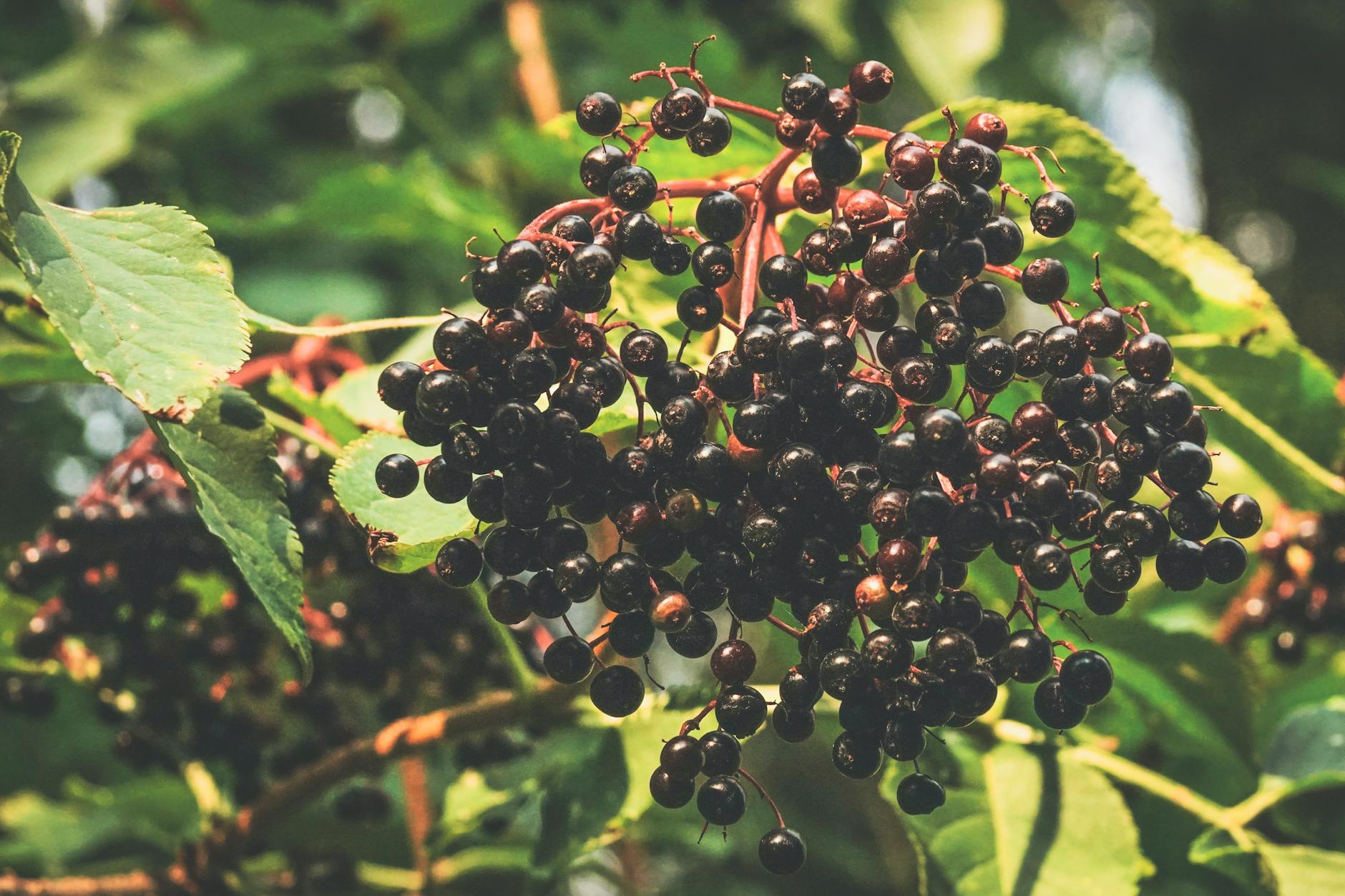
Elderberry syrup and supplements have gained significant popularity as a natural immune-support remedy during flu season. The berries contain flavonoids that appear to inhibit the ability of certain viruses to enter and replicate within cells. Several clinical trials have found that elderberry supplementation reduces the duration of flu symptoms by an average of two to four days. It is available in syrup lozenge gummy and capsule forms making it accessible for both adults and children. Taking elderberry at the first sign of symptoms or as a daily preventive measure during peak season is the most common approach.
Drinking Green Tea

Green tea is rich in polyphenols most notably epigallocatechin gallate which has demonstrated antiviral properties in multiple studies. The amino acid L-theanine found in green tea has been shown to support the activity of T-cells which are critical immune defenders. Regular consumption also provides a gentle source of hydration and warmth during colder months. Replacing a daily coffee with green tea introduces a lower caffeine option that still provides alertness without disrupting sleep as easily. Two to three cups per day represents a meaningful and enjoyable addition to a flu-season wellness routine.
Managing Stress Levels

Chronic psychological stress suppresses immune function by elevating cortisol which directly reduces the production and effectiveness of infection-fighting cells. Research consistently shows that people under sustained stress are more likely to contract colds and flu and take longer to recover. Mindfulness meditation has been shown to lower cortisol levels and improve immune markers with as little as ten minutes of daily practice. Physical outlets such as yoga, journaling, and time in nature also provide reliable stress relief with measurable physiological effects. Identifying and actively managing daily stressors is as important to immune health as any supplement or food.
Eating Fermented Foods
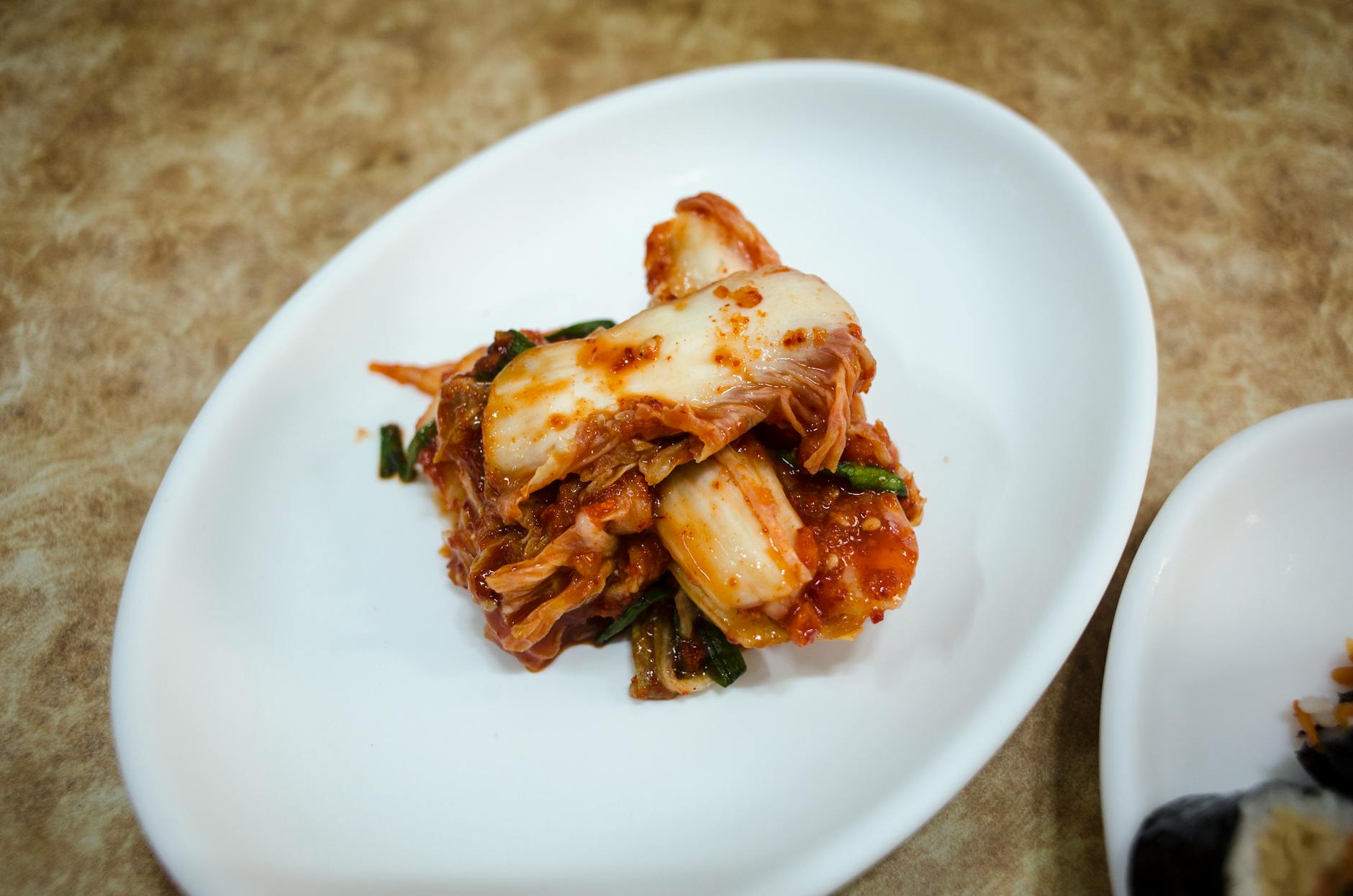
The gut houses approximately seventy percent of the body’s immune tissue making gut health central to overall immune function. Fermented foods like yogurt kefir sauerkraut kimchi and miso introduce beneficial bacteria that strengthen the gut microbiome. A diverse and balanced microbiome is associated with a more resilient and well-regulated immune response. Regular consumption of fermented foods has been linked to reduced incidence of upper respiratory infections in several population studies. Including at least one serving of a fermented food per day is a practical way to support gut-immune health throughout flu season.
Taking Probiotics

Probiotic supplements offer a concentrated and consistent way to support the beneficial bacteria in the gut particularly for those who do not regularly consume fermented foods. Specific strains such as Lactobacillus rhamnosus and Bifidobacterium longum have been studied for their effects on immune response and respiratory illness. Research suggests that regular probiotic use can reduce the frequency duration and severity of common colds. Choosing a supplement with multiple strains and a high colony-forming unit count increases the likelihood of measurable benefit. Taking probiotics consistently throughout flu season rather than only during illness is the recommended approach.
Reducing Added Sugar Intake
High sugar consumption has been shown to temporarily impair the function of neutrophils the white blood cells responsible for engulfing and destroying pathogens. Diets high in added sugar also promote systemic inflammation which can weaken overall immune resilience over time. Processed foods sweetened beverages and refined carbohydrates are the primary sources of excess sugar in most modern diets. Swapping sugary snacks for whole fruits nuts or seeds provides natural sweetness alongside fibre vitamins and minerals that actively support immunity. Reducing added sugar intake during flu season is one of the more impactful dietary adjustments a person can make.
Washing Hands Frequently

Thorough and frequent hand washing remains one of the single most effective strategies for preventing the transmission of flu viruses. The flu virus can survive on hard surfaces for up to twenty-four hours making contact with contaminated objects a common route of infection. Washing hands with soap and water for at least twenty seconds before eating and after touching shared surfaces significantly reduces viral load. Hand sanitiser with at least sixty percent alcohol content provides an effective alternative when soap and water are unavailable. Developing a consistent hand hygiene habit is a foundational step in any flu-season prevention plan.
Using a Humidifier

Indoor heating during winter months dramatically reduces air humidity creating dry conditions that impair the mucous membranes of the nose and throat. These membranes serve as a first line of defense by trapping pathogens before they reach the lungs and airways. Maintaining indoor humidity levels between forty and sixty percent helps keep these membranes functioning optimally. Research also suggests that influenza viruses survive and transmit more effectively in low-humidity environments. Running a humidifier in the bedroom during sleep ensures that the body benefits from improved air moisture during its most restorative hours.
Nasal Rinsing

Nasal rinsing using a saline solution helps flush out allergens bacteria and viral particles that accumulate in the nasal passages throughout the day. It also soothes irritated mucous membranes and can reduce congestion during the early stages of illness. Neti pots and saline nasal sprays are widely available and straightforward to use as part of a morning or evening hygiene routine. Consistent practice has been associated with fewer upper respiratory infections particularly in individuals who work in crowded or high-exposure environments. Using sterile or previously boiled water in nasal rinse devices is essential for safe practice.
Eating Ginger
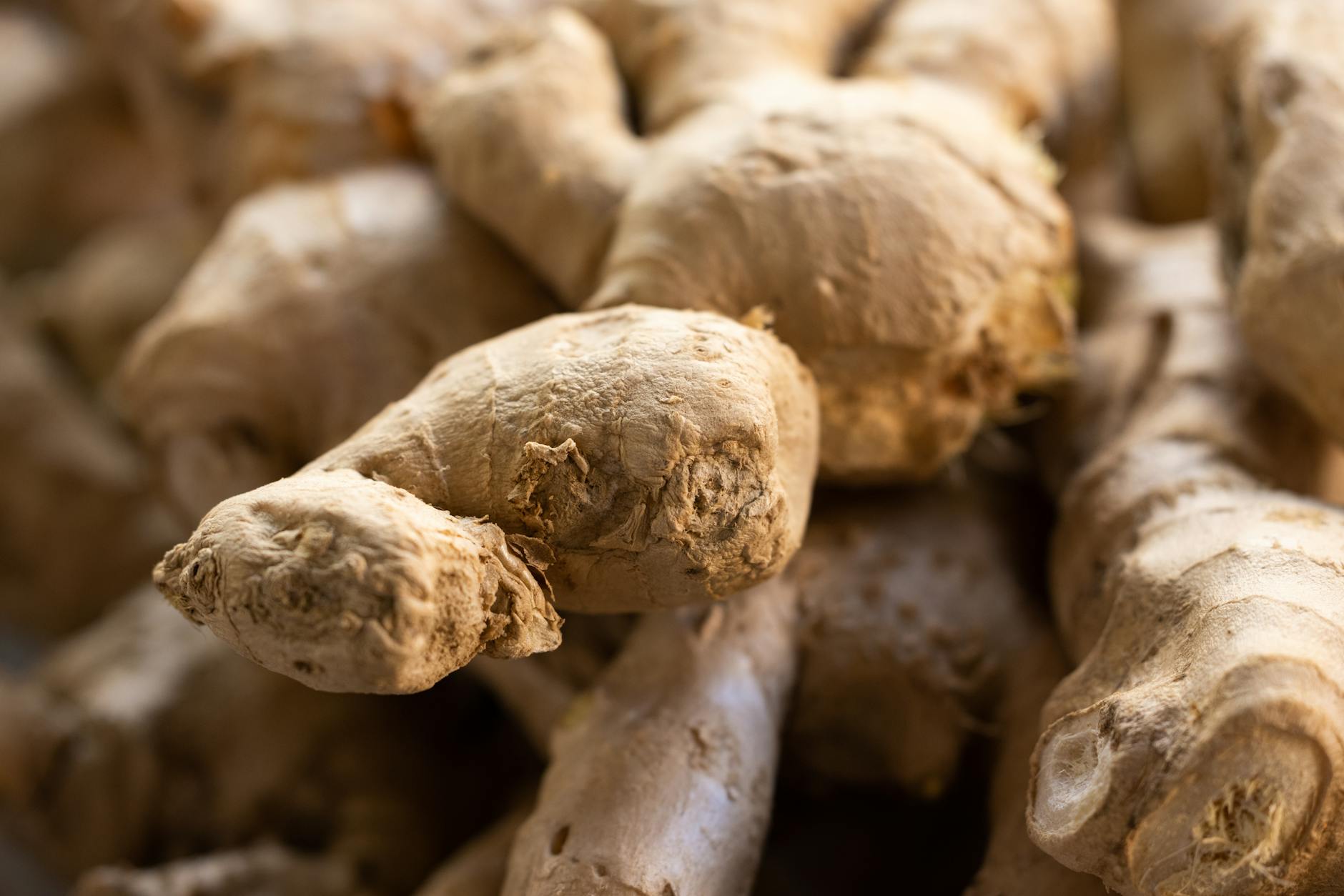
Ginger contains gingerols and shogaols which are bioactive compounds with well-documented anti-inflammatory and antioxidant properties. It has been used in traditional medicine across cultures for thousands of years as a remedy for nausea respiratory infections and inflammation. Fresh ginger added to hot water with lemon creates a warming drink that soothes the throat and supports hydration simultaneously. Ginger also supports circulation which helps immune cells travel more efficiently through the body. Including fresh or dried ginger in cooking teas and smoothies throughout flu season is a versatile and flavourful immune-support strategy.
Getting the Flu Vaccine

Annual flu vaccination remains the most evidence-supported intervention for reducing the risk of contracting and spreading influenza. The vaccine is updated each year to match the strains most likely to circulate during the coming season based on global surveillance data. It typically takes about two weeks after vaccination for the body to develop full protective antibody levels so early-season vaccination is advisable. Beyond protecting the individual it also reduces transmission to vulnerable people including the elderly infants and those with compromised immune systems. Healthcare providers pharmacies and community health clinics offer flu vaccination widely and often at no cost.
Omega-3 Fatty Acid Intake
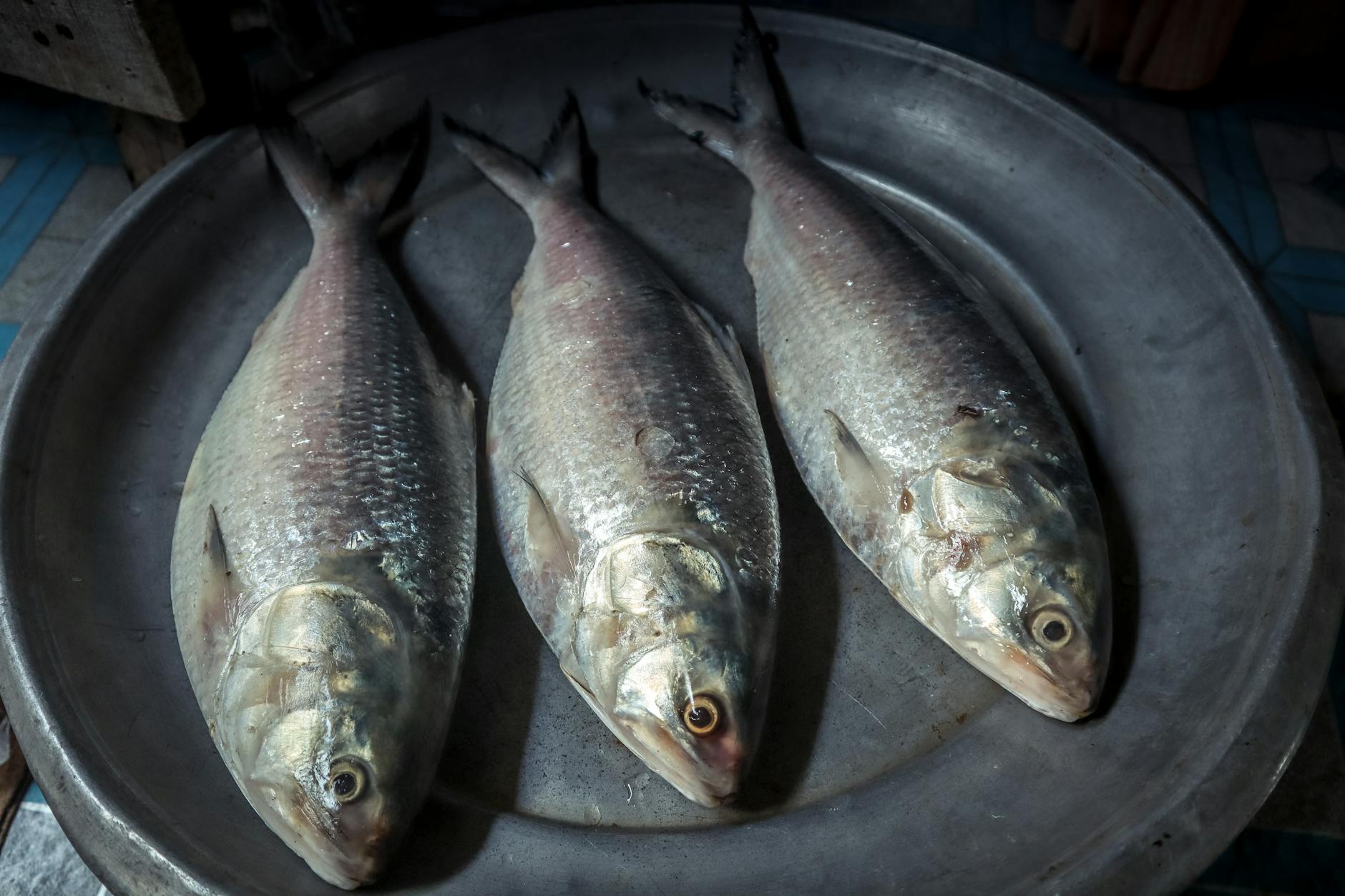
Omega-3 fatty acids found in oily fish flaxseeds chia seeds and walnuts play an important role in regulating the inflammatory response that underpins immune function. They support the production of compounds called resolvins and protectins which help resolve inflammation after the immune system has responded to a threat. Low omega-3 intake is associated with greater susceptibility to infections and slower recovery times. Those who do not regularly consume oily fish may benefit from a daily fish oil or algae-based omega-3 supplement during flu season. Research suggests that omega-3s may also enhance the effectiveness of the flu vaccine when taken in conjunction with vaccination.
Mushroom Supplementation
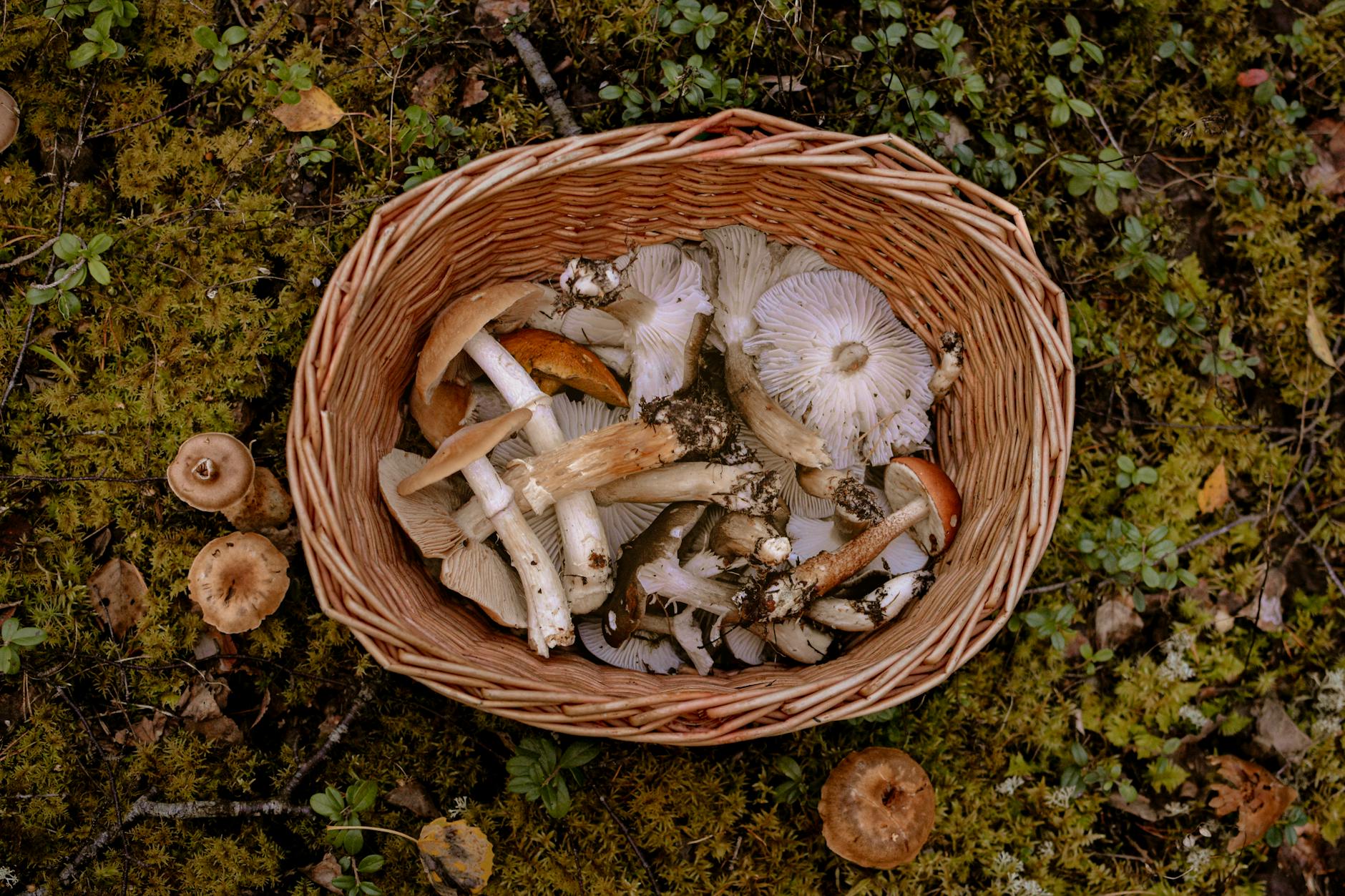
Medicinal mushrooms such as reishi shiitake maitake and lion’s mane have been studied extensively for their immune-modulating properties. They contain compounds called beta-glucans which activate immune cells including natural killer cells and macrophages that are on the front line of infection defense. Shiitake mushrooms consumed as food also provide zinc selenium and B vitamins that further support immune health. Mushroom supplements are available in capsule powder and tincture forms and are widely used in integrative medicine. Regular consumption throughout flu season has been associated with enhanced immune activity and reduced frequency of respiratory illness.
Limiting Alcohol Consumption

Alcohol in significant quantities disrupts the normal functioning of immune cells and impairs the body’s ability to detect and respond to pathogens. It damages the mucosal lining of the respiratory and gastrointestinal tracts which serve as physical barriers against viral entry. Research shows that heavy drinkers experience more frequent and severe infections than those who drink moderately or not at all. Even moderate alcohol consumption in the days following flu vaccination has been shown to reduce antibody response. Reducing alcohol intake during flu season allows the immune system to operate with fewer unnecessary burdens.
Eating Leafy Greens
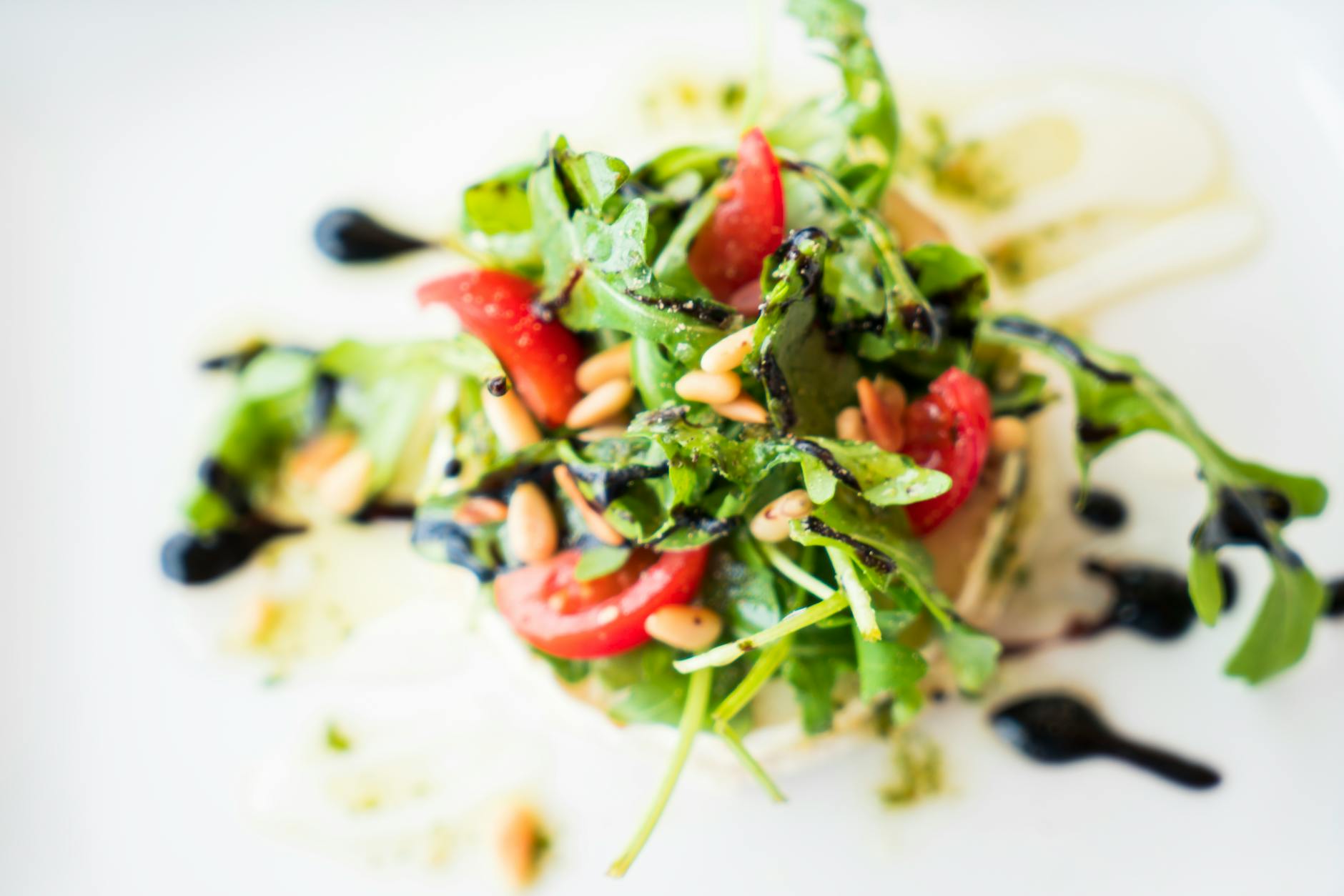
Dark leafy greens such as spinach kale Swiss chard and broccoli are nutritional powerhouses that deliver a broad spectrum of immune-supporting vitamins and minerals. They are particularly rich in vitamins A C E and folate all of which play direct roles in the production and function of immune cells. Vitamin A for example supports the integrity of mucous membranes which are among the body’s first physical defenses against infection. The antioxidants in leafy greens also help neutralise free radicals that can damage cells and weaken immune resilience. Aiming for two to three servings of leafy greens daily throughout flu season provides meaningful and cumulative nutritional support.
Cold and Contrast Showers

Cold water exposure activates the sympathetic nervous system and has been shown in several studies to increase the circulation of immune cells in the bloodstream. Regular cold showers or contrast showers alternating between hot and cold water have been linked to reduced frequency of self-reported sick days in Dutch and Nordic research populations. The practice also improves circulation which helps white blood cells reach sites of potential infection more efficiently. Starting with brief cold bursts at the end of a regular shower and gradually extending the duration is the most accessible way to introduce cold exposure. Consistent practice over several weeks appears to deliver greater immune benefit than occasional use.
Astragalus Root
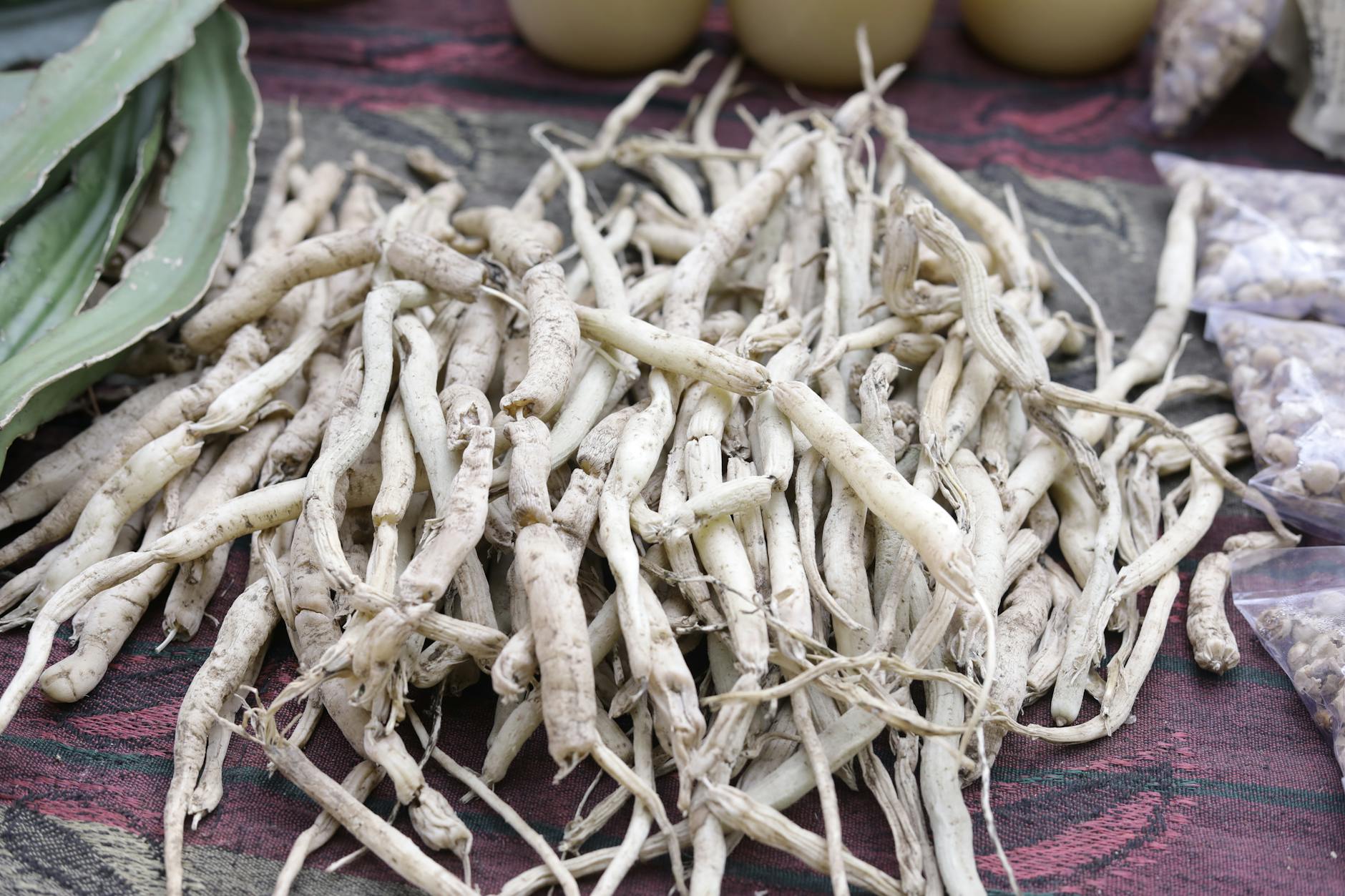
Astragalus is an adaptogenic herb used in traditional Chinese medicine for over two thousand years to tonify and support the immune system. Modern research has identified polysaccharides and saponins in the root that stimulate the activity of macrophages and T-cells enhancing the body’s ability to identify and respond to pathogens. It is available as a supplement in capsule tincture and dried herb form and is frequently combined with other immune herbs like echinacea. Studies suggest it is most effective when used consistently over a period of weeks rather than acutely at the onset of symptoms. Astragalus is generally well tolerated though it is advisable to consult a healthcare provider before use during pregnancy or alongside immunosuppressant medication.
Echinacea Use
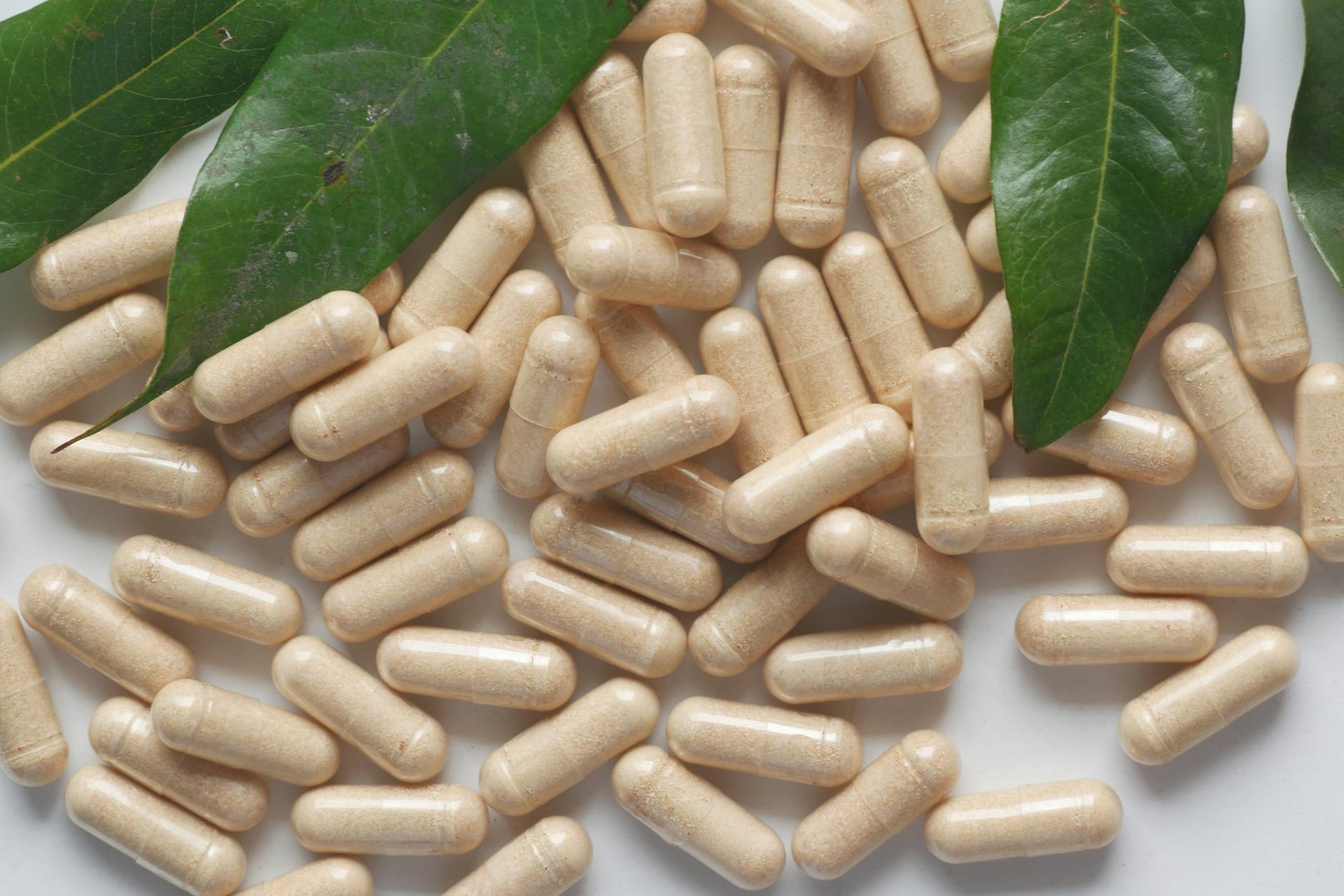
Echinacea is one of the most widely researched herbal supplements for immune support and is particularly associated with cold and flu prevention. It works primarily by stimulating innate immune activity increasing the production and activity of white blood cells that combat pathogens. Meta-analyses of clinical trials suggest that echinacea can reduce the incidence of the common cold by approximately ten to fifteen percent and shorten duration when taken at symptom onset. It is available in tea tincture tablet and capsule forms with tinctures generally considered to offer higher bioavailability. Cycling echinacea use rather than taking it continuously is often recommended to maintain its effectiveness.
Prioritising Protein Intake
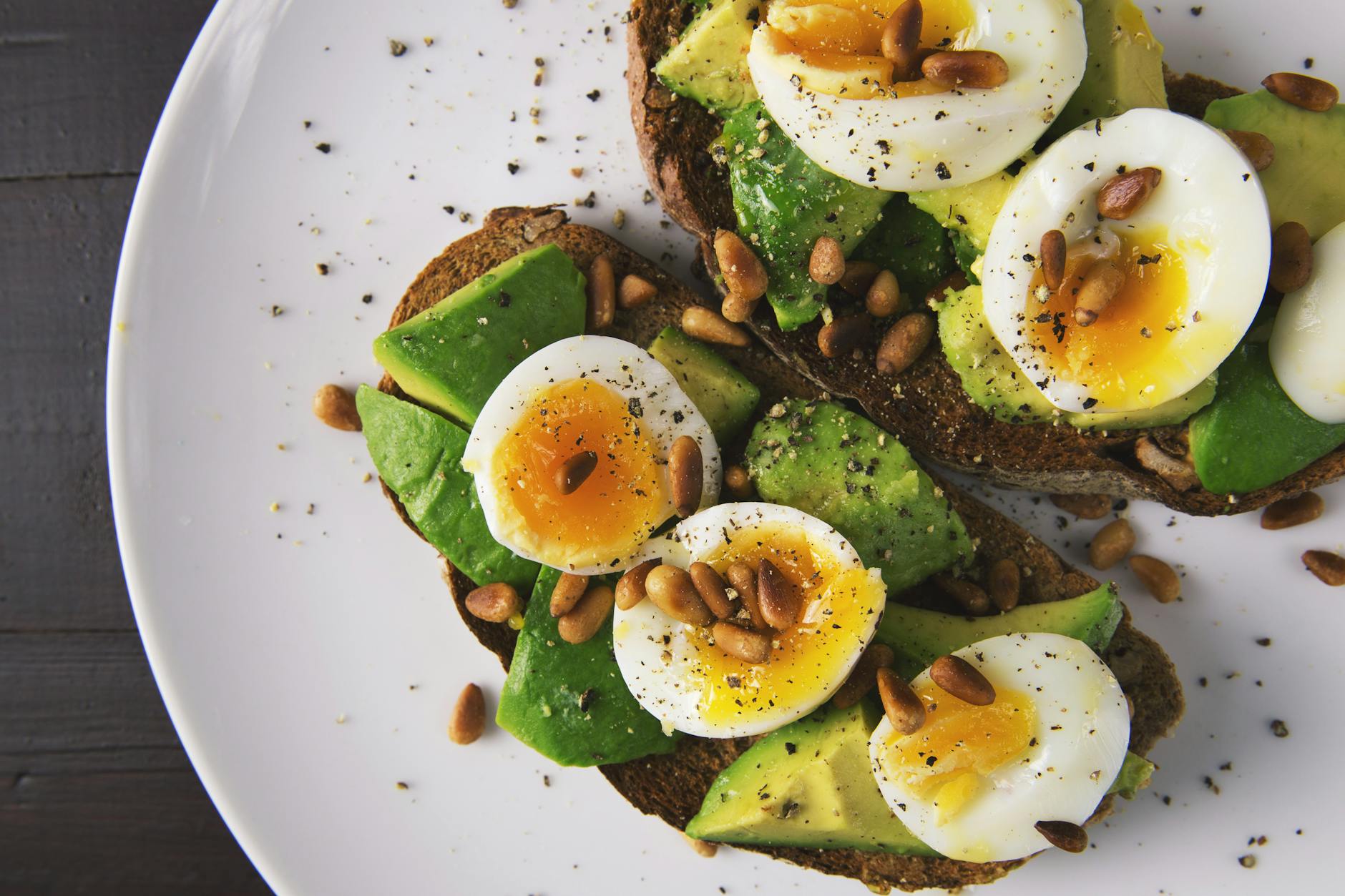
Adequate dietary protein is essential for the production of antibodies and the repair and proliferation of immune cells. During flu season when the body may be under increased immune demand protein needs can be slightly elevated. Animal sources such as eggs poultry fish and dairy provide complete amino acid profiles while plant-based sources like legumes tofu tempeh and quinoa can meet needs when combined thoughtfully. Studies have found that even moderate protein insufficiency is associated with impaired immune response and slower recovery from illness. Ensuring that every meal includes a meaningful protein source is a practical and effective way to maintain immune readiness throughout the season.
Getting Fresh Air and Sunlight

Spending time outdoors even briefly each day provides exposure to fresh air and natural light which support both mood and immune function. Sunlight exposure triggers the skin’s production of vitamin D a nutrient that plays a fundamental role in immune regulation. Research has found that spending time in natural environments is associated with increased activity of natural killer cells which are a key component of the innate immune response. Even on overcast winter days outdoor time provides light signals that help regulate the circadian rhythm supporting more consistent and restorative sleep. Incorporating a short daily walk or outdoor break into the routine is a simple habit with broad and well-evidenced wellness benefits.
Maintaining a Consistent Daily Routine

The body’s immune system operates most effectively when supported by predictable patterns of sleep eating and activity that align with the natural circadian rhythm. Irregular schedules disrupt the production of hormones and immune mediators that follow a twenty-four hour cycle tied to light and darkness. Studies on shift workers and those with irregular sleep patterns consistently show higher rates of infection and reduced vaccine response. Anchoring the day with consistent wake times mealtimes and wind-down rituals helps the immune system anticipate and prepare for its various tasks. Even small adjustments toward greater daily consistency during flu season can contribute meaningfully to overall immune resilience.
Share your favourite immune-boosting habits in the comments and let the community know what works for you during flu season.