Rising food prices have made grocery shopping a significant source of financial stress for many households seeking to maintain a balanced budget. Smart shopping strategies offer a practical solution to reduce expenses without sacrificing nutritional value or flavor. Implementing small changes in how you plan meals and navigate the aisles can lead to substantial savings over time. These methods focus on changing consumption habits and reducing waste rather than relying on the time-consuming process of clipping coupons. Mastering these techniques transforms the grocery run into an exercise in efficiency and fiscal responsibility.
Meal Planning

Creating a detailed menu for the week eliminates the uncertainty that often leads to expensive impulse purchases. You should verify your current pantry inventory to ensure you do not buy items you already possess. This strategy allows you to utilize ingredients across multiple meals to maximize their value and reduce spoilage. Sticking to a pre-written list requires discipline but guarantees you only purchase what is necessary for the planned week.
Generic Store Brands

Store brand products often share the same manufacturing facilities as their name-brand counterparts while costing significantly less. Reading the ingredient labels usually reveals identical nutritional profiles and compositions between the two options. Marketing costs drive up the price of famous labels rather than superior quality or taste. Making the switch for staples like pasta and canned goods can instantly lower the total cost of your cart.
Seasonal Produce
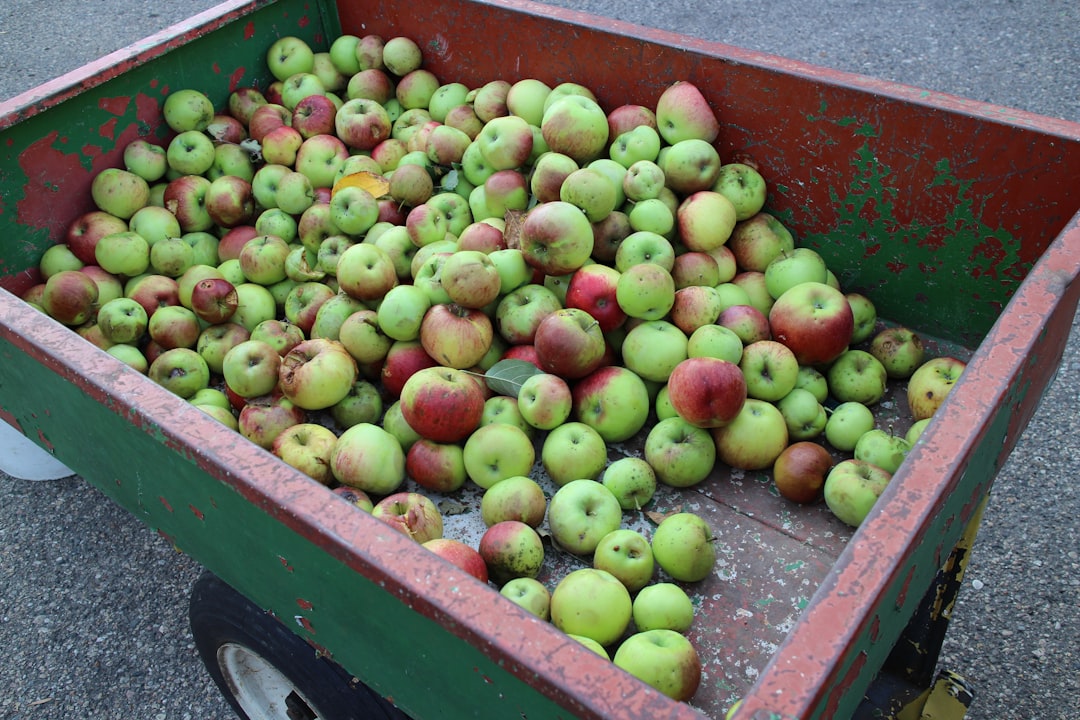
Fruits and vegetables purchased during their peak harvest season are abundant and therefore priced much lower than out-of-season imports. Local produce travels shorter distances which reduces transportation costs that retailers pass on to the consumer. Seasonal items also tend to offer superior flavor and nutritional content compared to those ripened artificially during transit. Basing your meal plan around what is currently abundant in the produce section ensures fresh ingredients at the best possible price.
Bulk Buying
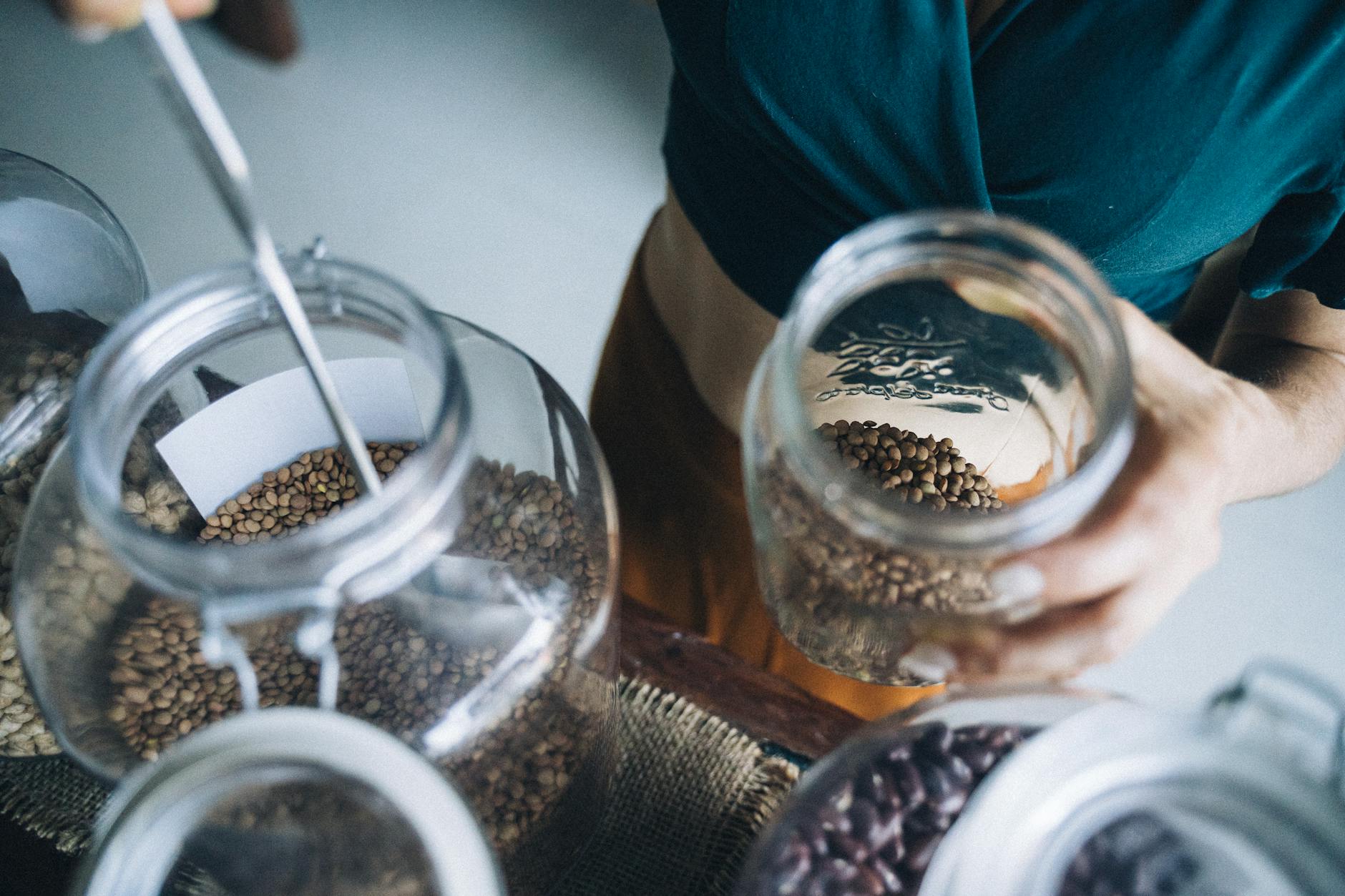
Purchasing non-perishable items in large quantities significantly reduces the price per unit compared to smaller packages. This approach works best for dry goods like rice and beans or household staples that have a long shelf life. You must ensure you have adequate storage space to keep these items fresh and accessible for future use. Splitting bulk purchases with a friend or family member allows you to access these savings without needing excessive storage.
Meatless Meals

Incorporating vegetarian dishes into your weekly rotation reduces the reliance on expensive cuts of meat. Plant-based proteins such as lentils and beans are incredibly affordable and provide excellent nutritional benefits. You can explore cuisines that naturally feature meatless options to find flavorful and satisfying alternatives. Even substituting meat for two or three dinners a week results in noticeable savings on the final grocery receipt.
Bottom Shelf Shopping

Supermarkets place the most expensive items at eye level to increase the likelihood of a purchase. Looking at the bottom shelves often reveals cheaper alternatives and generic brands that offer the same utility. Manufacturers pay premium fees for prime shelf placement and those costs are reflected in the item price. Scanning the upper and lower shelves is a simple habit that helps you locate the best value products quickly.
Unit Price Comparison

The price tag on the shelf typically displays the cost per ounce or per pound in smaller print. Comparing this unit price rather than the final retail price allows you to determine the true value of the product. Larger packages do not always equal better value so this calculation is essential for smart decision making. This mathematical approach ensures you get the most product for your money regardless of packaging size.
Frozen Vegetables
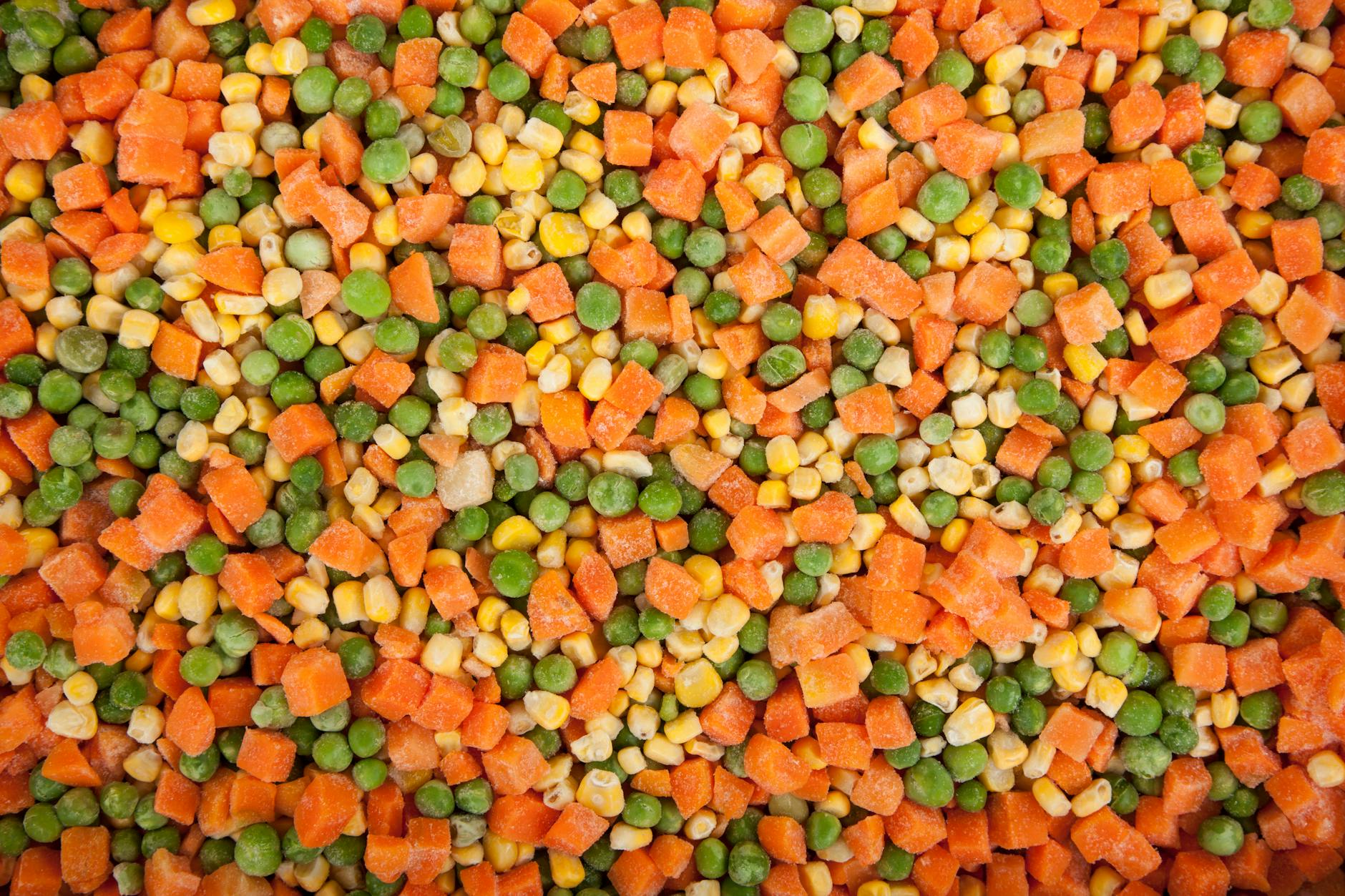
Frozen produce is picked at the peak of freshness and flash-frozen to preserve nutrients. These items are often cheaper than fresh alternatives and eliminate the risk of spoilage if not eaten immediately. You can use exactly the amount you need and return the rest to the freezer for a future meal. This reduction in food waste translates directly to money saved over the course of a month.
Rain Checks

Sale items often sell out quickly due to high demand during weekly promotions. Requesting a rain check allows you to purchase the out-of-stock item at the sale price once it becomes available again. This ensures you do not miss out on a good deal simply because the store inventory was low. It effectively extends the sale period and guarantees the discount for your future shopping trip.
Full Stomach Shopping

Shopping while hungry often leads to craving-driven purchases that fall outside the budget and meal plan. Consuming a satisfying meal or snack before heading to the store helps maintain focus and discipline. You are less likely to be tempted by expensive processed snacks when your appetite is already satiated. This psychological tactic is one of the simplest ways to prevent unnecessary items from ending up in your cart.
Expiration Date Vigilance

Stores frequently mark down perishable items like meat and dairy as they approach their sell-by dates. purchasing these discounted items is a great strategy if you plan to cook them immediately or freeze them for later. You must inspect the packaging carefully to ensure the quality is still acceptable before purchasing. This practice rescues food from being wasted while providing high-quality ingredients at a fraction of the regular cost.
Whole Foods

Pre-cut fruits and vegetables come with a convenience markup that significantly increases their price. Buying whole produce and doing the preparation yourself saves money and often results in fresher ingredients. The time investment required for washing and chopping is minimal compared to the financial savings. This habit also gives you more control over the portion sizes and cuts for your specific recipes.
Pantry Organization
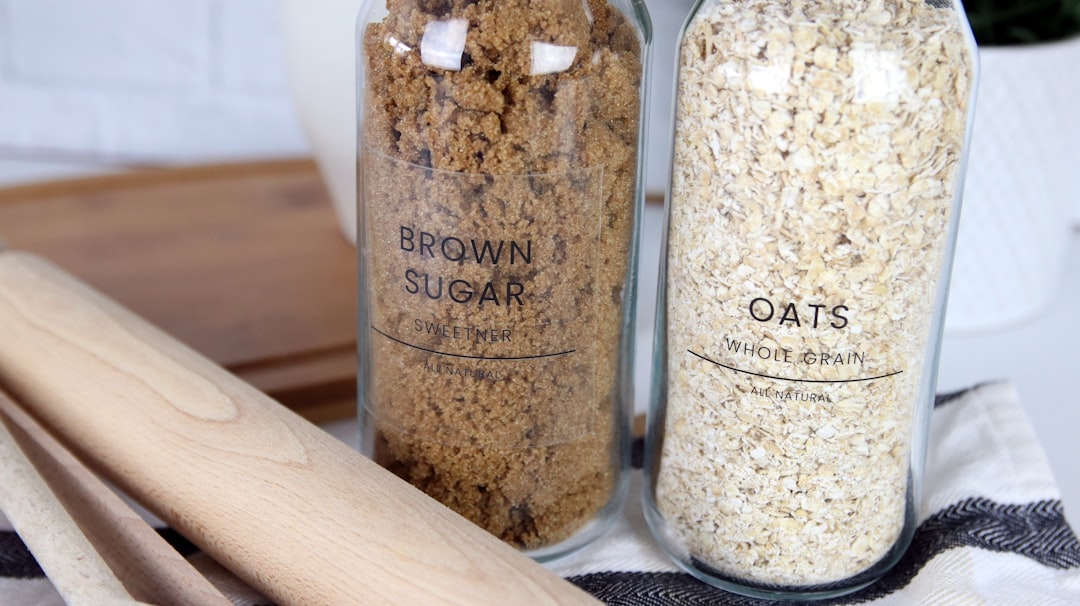
A disorganized pantry leads to rebuying items you already have but cannot find. Keeping dry goods visible and organized ensures you use what you own before it expires. Regular audits of your shelves help you build meals around existing stock rather than buying new ingredients. This maintenance prevents food waste and keeps your weekly shopping list accurate and lean.
Leftover Repurposing

Transforming last night’s dinner into today’s lunch or a new dish prevents perfectly good food from going to waste. You can use leftover roasted vegetables in an omelet or shred cooked meat for tacos or sandwiches. Planning for leftovers reduces the total number of meals you need to cook and buy ingredients for each week. This culinary creativity stretches your grocery budget further without feeling repetitive.
Farmer’s Markets
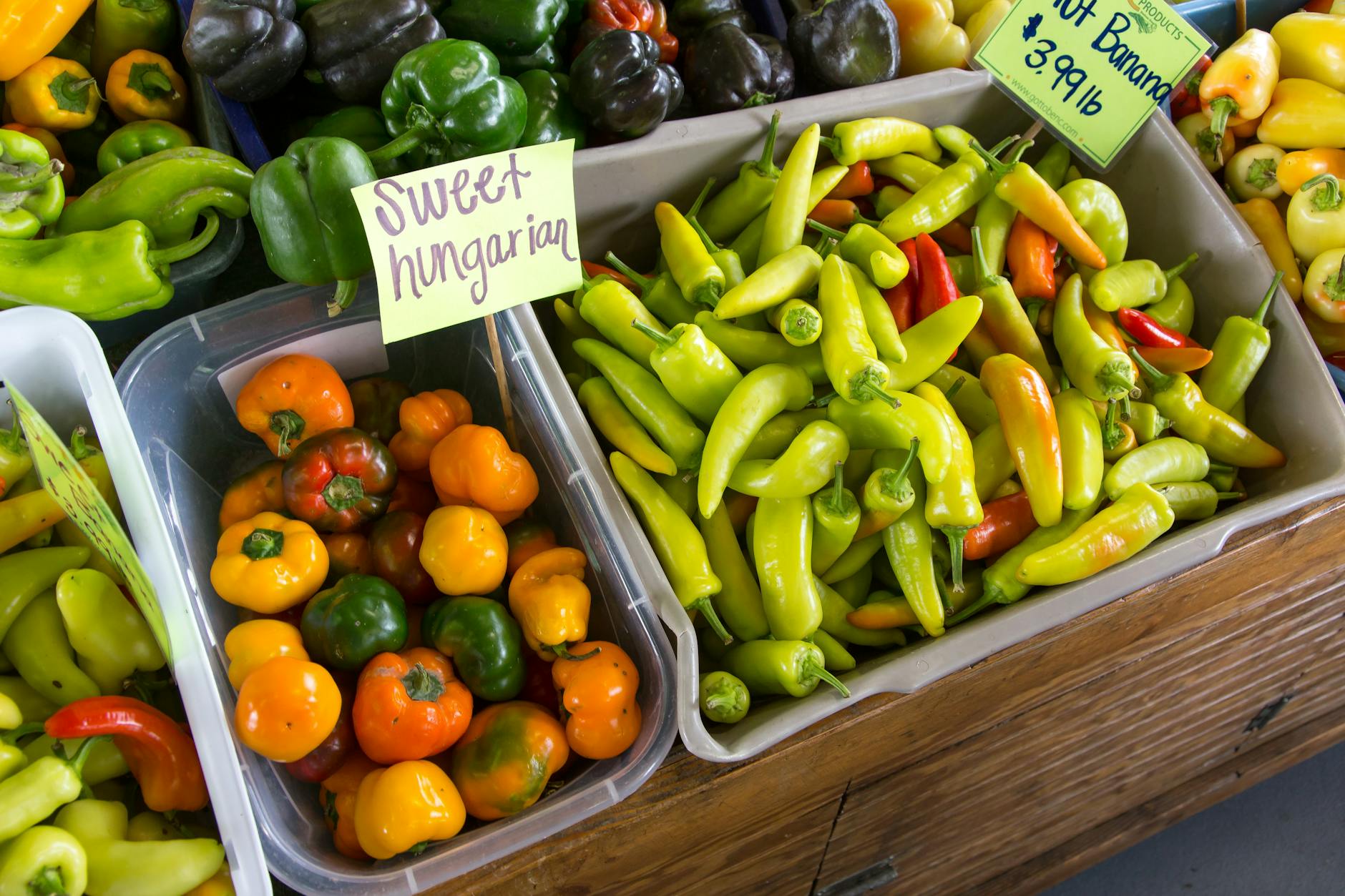
Local markets can offer competitive prices on produce especially towards the end of the selling day. Vendors may be willing to negotiate deals to avoid hauling unsold goods back to the farm. You also get the benefit of buying directly from the source which eliminates middleman markups. Building relationships with growers can sometimes lead to tips on the best values or upcoming harvest deals.
Avoid Pre-packaged Snacks
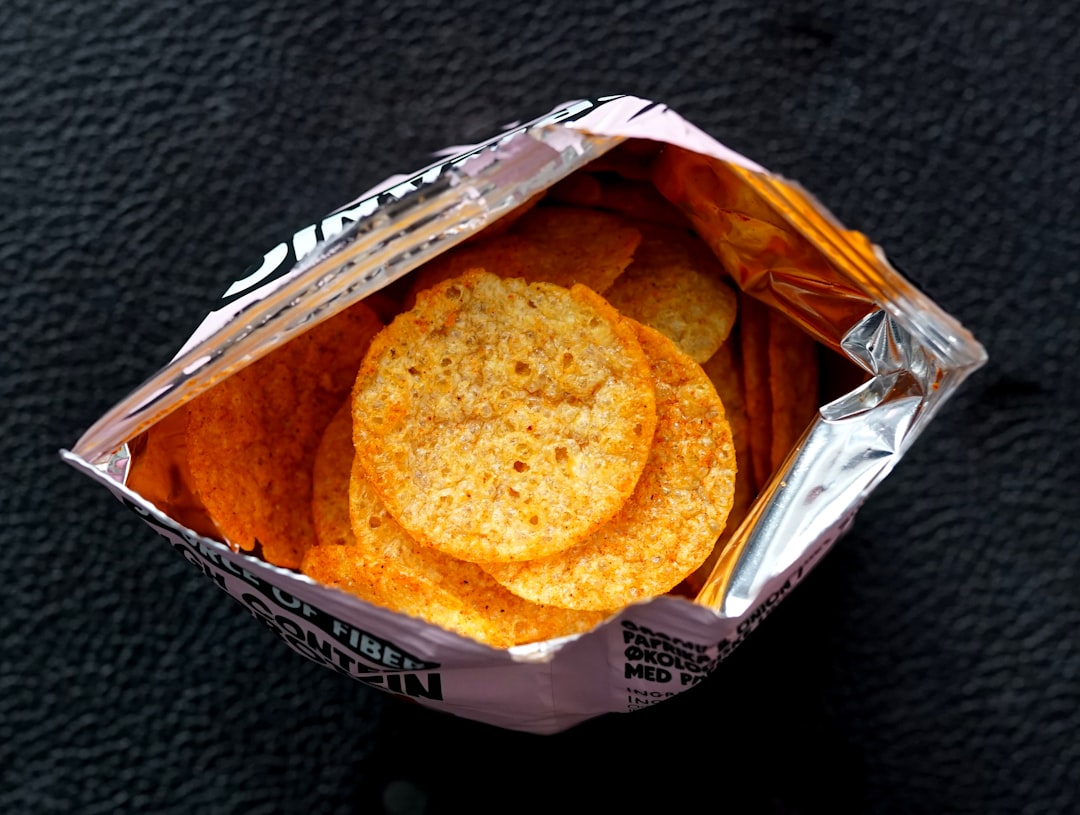
Single-serving snack packs are convenient but cost much more per ounce than buying a standard size bag. You can purchase the larger container and portion it out into reusable containers for the same convenience at a lower cost. This method reduces packaging waste and allows for custom portion control. It requires a small amount of preparation time but yields significant savings on snack foods.
Loyalty Programs

Most grocery chains offer free loyalty cards that unlock digital discounts and special pricing for members. Scanning your card at checkout ensures you receive all advertised sale prices automatically. Some programs also offer fuel points or rewards that accumulate over time for additional savings. Signing up takes only a moment and provides immediate access to the best prices the store offers.
Cash Payment

Using cash creates a hard limit on your spending and forces you to prioritize essential items. You physically see the money leaving your hand which makes the transaction more tangible than swiping a card. This psychological barrier makes it harder to justify impulse buys that would put you over your set budget. It effectively prevents overspending by removing the option to rely on credit for unplanned extras.
Shop Specific Aisles
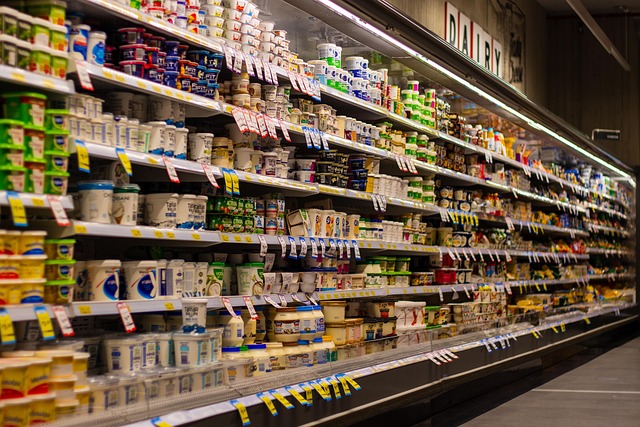
The perimeter of the grocery store typically houses whole foods like produce and dairy while the center aisles contain processed goods. Sticking to the outer edges keeps your cart filled with healthier and often less expensive staples. Processed foods in the central aisles carry higher price tags due to manufacturing and packaging costs. This navigation strategy promotes a healthier diet while naturally lowering your grocery bill.
Grow Your Own Herbs

Fresh herbs at the supermarket are expensive and often spoil before the entire bunch is used. Growing basic herbs like basil and parsley on a windowsill provides a fresh supply for pennies. You can harvest exactly what you need for a dish without worrying about the rest going to waste. This small gardening effort adds immense flavor to meals without the recurring cost of store-bought packets.
Dried Beans
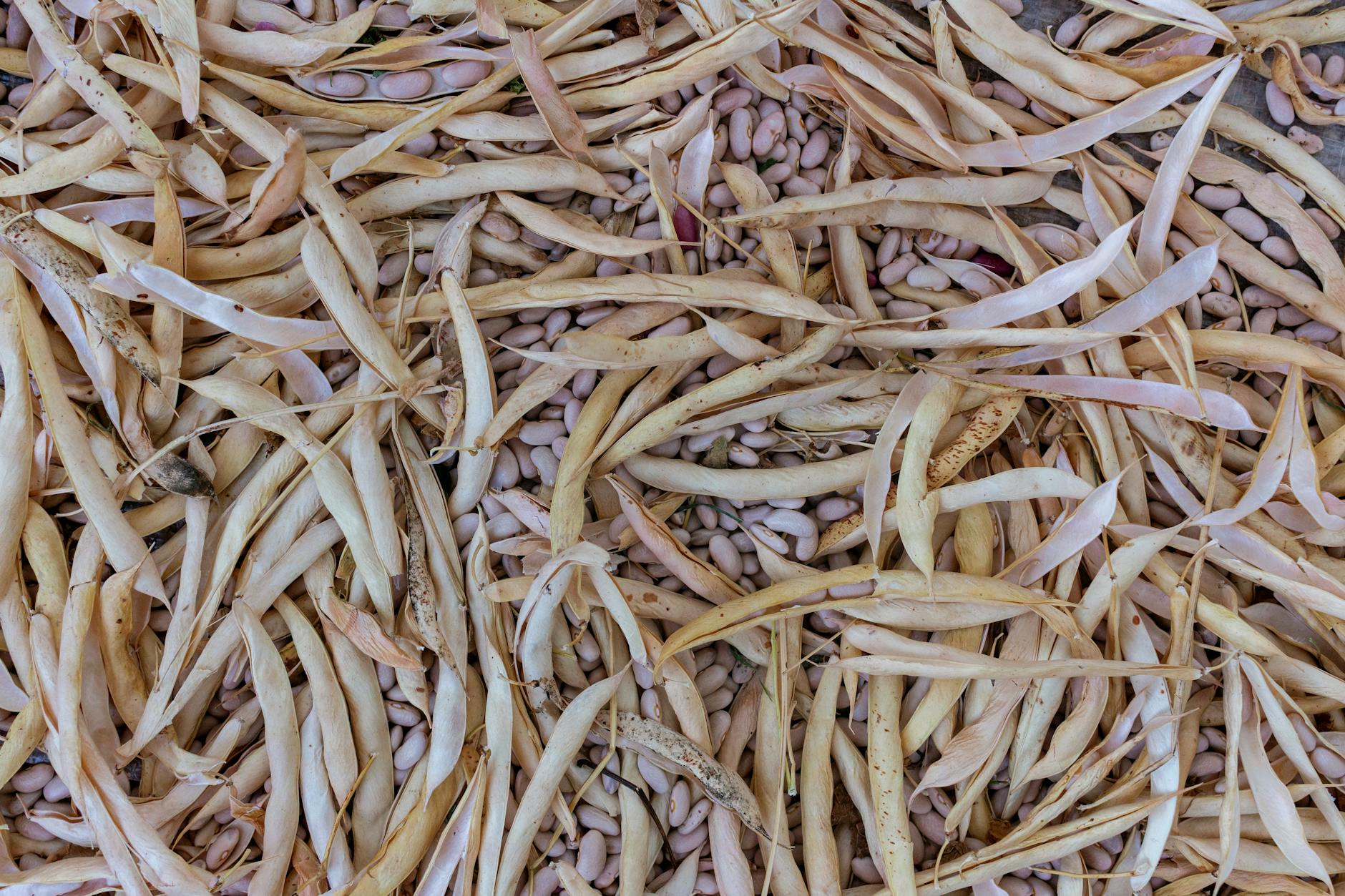
Canned beans are convenient but dried beans are vastly cheaper and yield a much larger volume when cooked. Soaking and cooking beans requires planning but the effort is rewarded with substantial savings and better texture. You can cook a large batch and freeze portions for easy use in future recipes. This switch is one of the most effective ways to lower the cost of plant-based protein sources.
Whole Chickens

Buying a whole chicken is invariably cheaper per pound than purchasing boneless skinless breasts or thighs. You can break down the bird yourself to get various cuts for different meals throughout the week. The remaining carcass serves as the perfect base for a homemade stock that adds value to soups and stews. This approach maximizes the utility of the meat and provides multiple meals from a single purchase.
Sales Cycle Tracking
Grocery stores typically rotate their sales on a predictable six-week cycle for many items. Noting when your favorite staples go on sale allows you to stock up when the price is lowest. You can buy enough to last until the next sale cycle begins to avoid paying full retail price. Understanding this rhythm puts you in control of when you buy rather than being at the mercy of current prices.
Bring Your Own Bags

Many stores now charge a fee for plastic or paper bags or offer a small discount for bringing reusable ones. Keeping sturdy bags in your car ensures you never have to pay for carrying your groceries home. These small charges add up over time and avoiding them is a simple way to keep costs down. Reusable bags are also sturdier and hold more items which makes transporting groceries easier.
Check Receipts

Scanning errors happen more frequently than shoppers realize and can result in overcharges. Reviewing your receipt immediately allows you to catch mistakes and request a refund from customer service. You should pay attention to sale items to ensure the discount was correctly applied at the register. This vigilance ensures you pay exactly what you expected and protects your budget from technical errors.
Bulk Spices

Buying spices in small glass jars is one of the most expensive ways to season your food. Many health food stores offer spices in bulk bins where you can buy exactly the amount you need. Refilling your existing jars from these bulk sections costs a fraction of the price of a new container. This method ensures your spices are fresh and eliminates the premium paid for packaging.
Limit Convenience Foods
Pre-shredded cheese and pre-chopped onions save time but come with a heavy convenience tax. Grating your own cheese and chopping your own vegetables is a quick way to reduce the cost of ingredients. The quality of freshly prepared ingredients is often superior to those that have been processed and packaged for days. prioritizing manual preparation over convenience is a consistent way to trim grocery costs.
Comparison Shopping
Checking the weekly flyers of multiple stores allows you to see which one offers the best prices on your essential items. You might find that one store has better produce deals while another is cheaper for pantry staples. Planning your trip based on these distinct advantages helps you capture the lowest prices across the board. Diverse shopping locations can be worth the effort if the savings on big-ticket items are significant.
Reduced Waste Cooking

Using vegetable scraps to make stock or sautéing beet greens reduces the amount of food you throw away. Many parts of vegetables that are commonly discarded are edible and nutritious. Finding recipes that utilize the entire plant maximizes the return on your grocery investment. This mindset shifts the focus to total utilization and ensures every penny spent provides nourishment.
Homemade Cleaning Supplies

The grocery bill often includes expensive chemical cleaners that can be replaced with simple household ingredients. Vinegar and baking soda can clean a multitude of surfaces effectively for a fraction of the cost. Making these solutions at home eliminates the need to buy specialized products for every room. This reduction in non-food purchases leaves more room in the budget for high-quality nutritional items.
Tell us which of these budget-friendly strategies you plan to try first in the comments.