
Poor posture has become one of the most common physical complaints of modern life, quietly contributing to back pain, fatigue, and reduced confidence. The good news is that small, intentional adjustments throughout the day can create meaningful change without requiring expensive equipment or hours of dedicated practice. Whether you spend long hours at a desk, on your feet, or constantly looking down at a screen, there are simple techniques that deliver noticeable results right away. These thirty strategies cover everything from movement habits and breathing techniques to workspace adjustments and mindful daily practices.
Chin Tuck Exercise

The chin tuck is one of the most effective and immediate posture corrections available to anyone. It works by realigning the head over the spine and counteracting the forward head position that develops from prolonged screen use. To perform it, gently draw the chin straight back as though creating a subtle double chin while keeping the eyes level. This small motion activates the deep cervical flexors and releases tension in the upper neck and shoulders. Practicing it several times throughout the day produces fast and noticeable improvement in head alignment.
Shoulder Blade Squeeze

Squeezing the shoulder blades together is a quick reset for rounded upper back posture that can be done anywhere at any time. The movement targets the rhomboids and mid-trapezius muscles that often become weak and overstretched from prolonged sitting. Simply pull both shoulder blades toward each other and hold for five to ten seconds before releasing. This action opens the chest, reduces the hunched appearance of the upper back, and improves breathing depth. Repeating it several times per hour keeps the upper back muscles activated and responsive throughout the day.
Monitor Height Adjustment
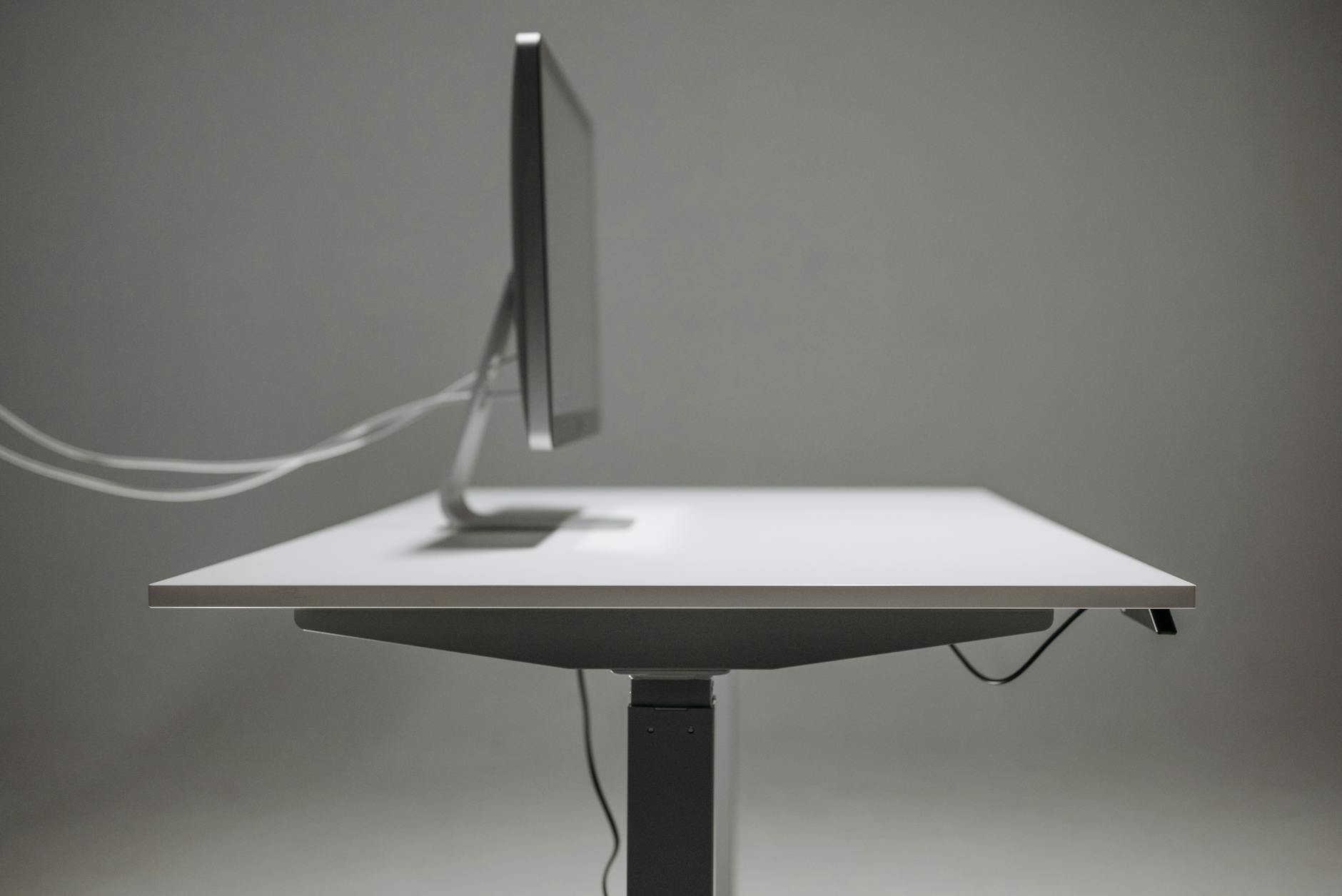
Positioning a computer monitor at the correct height is one of the fastest environmental fixes for chronic neck and shoulder tension. The top third of the screen should sit at or just below eye level so the head remains in a neutral position without tilting forward or downward. A monitor that sits too low forces the head to drop repeatedly, placing considerable strain on the cervical spine over time. Raising the screen using a monitor stand or a stack of books immediately reduces this downward pull. This single workspace change can eliminate the root cause of many upper body posture problems.
Seated Hip Hinge Awareness
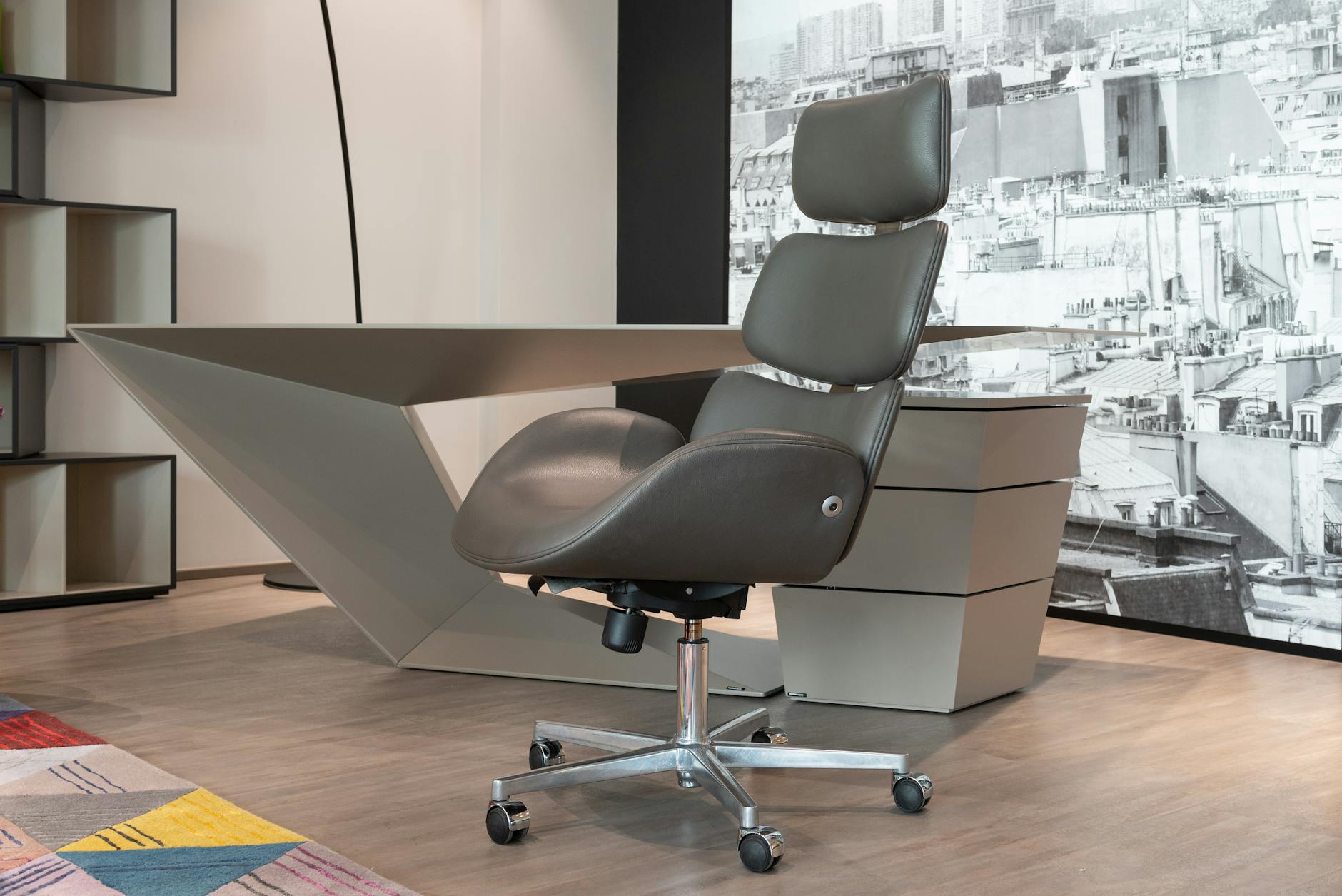
Many people unknowingly collapse into a posterior pelvic tilt when seated, flattening the natural curve of the lower back and loading the lumbar discs unevenly. Restoring the hip hinge while seated means gently rocking the pelvis forward so the sitting bones bear the weight and the lower back curves naturally inward. This small shift immediately lengthens the spine and creates a taller, more supported seated position. Placing a small rolled towel or lumbar cushion at the base of the back reinforces this curve without requiring constant conscious effort. The result is reduced lower back fatigue and a noticeably more upright posture during long sitting sessions.
Wall Stand Test
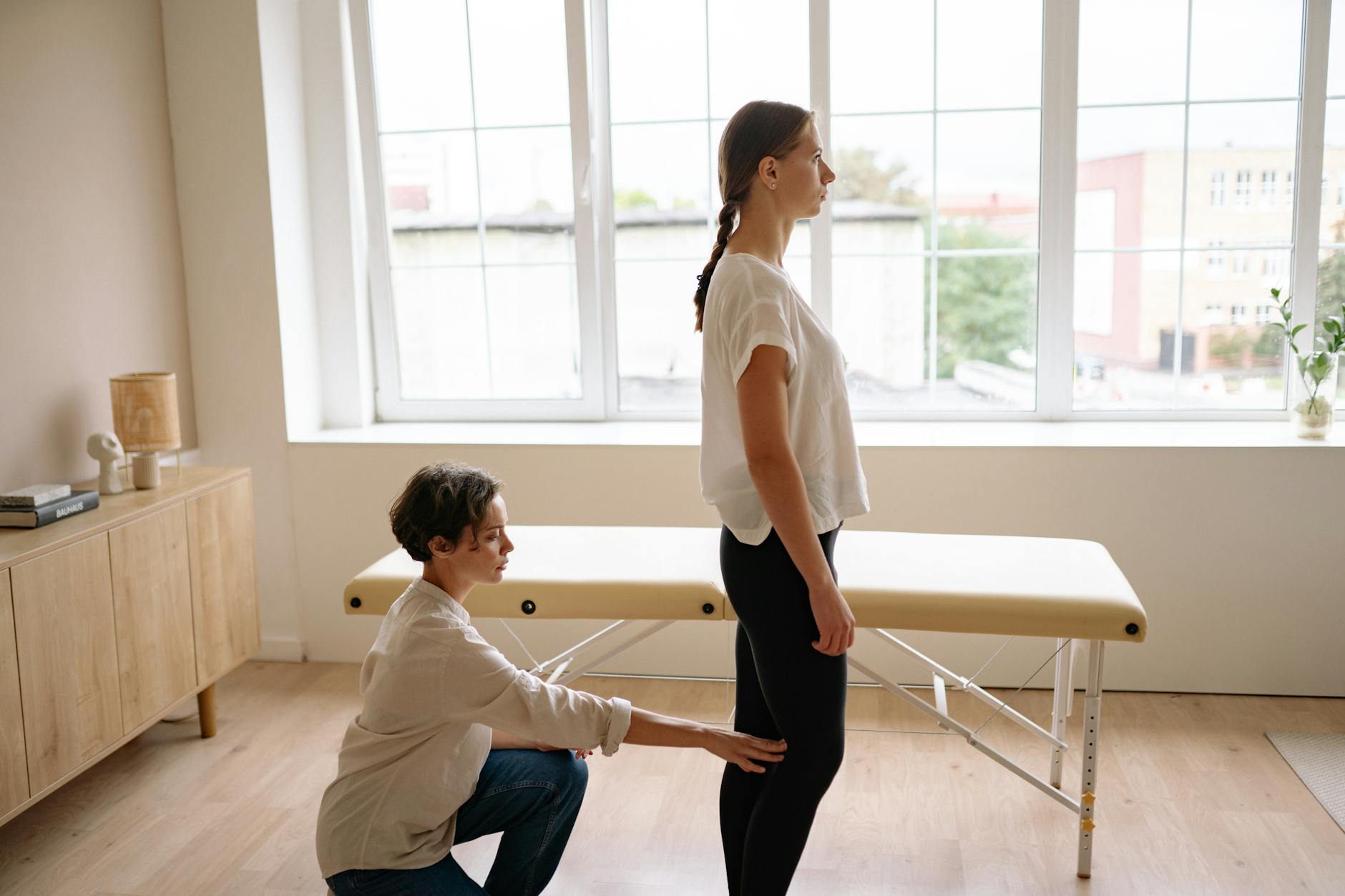
Standing with the back against a flat wall is an immediate posture diagnostic and correction tool used widely in physical therapy. The heels, buttocks, upper back, and the back of the head should all make gentle contact with the surface while the chin remains parallel to the floor. Any gaps between the wall and the body reveal areas of misalignment that can then be consciously adjusted. Holding this position for thirty to sixty seconds trains postural muscles and creates a physical memory of what upright alignment feels like. Returning to the wall several times a day reinforces proper standing habits quickly and effectively.
Chest Opener Stretch
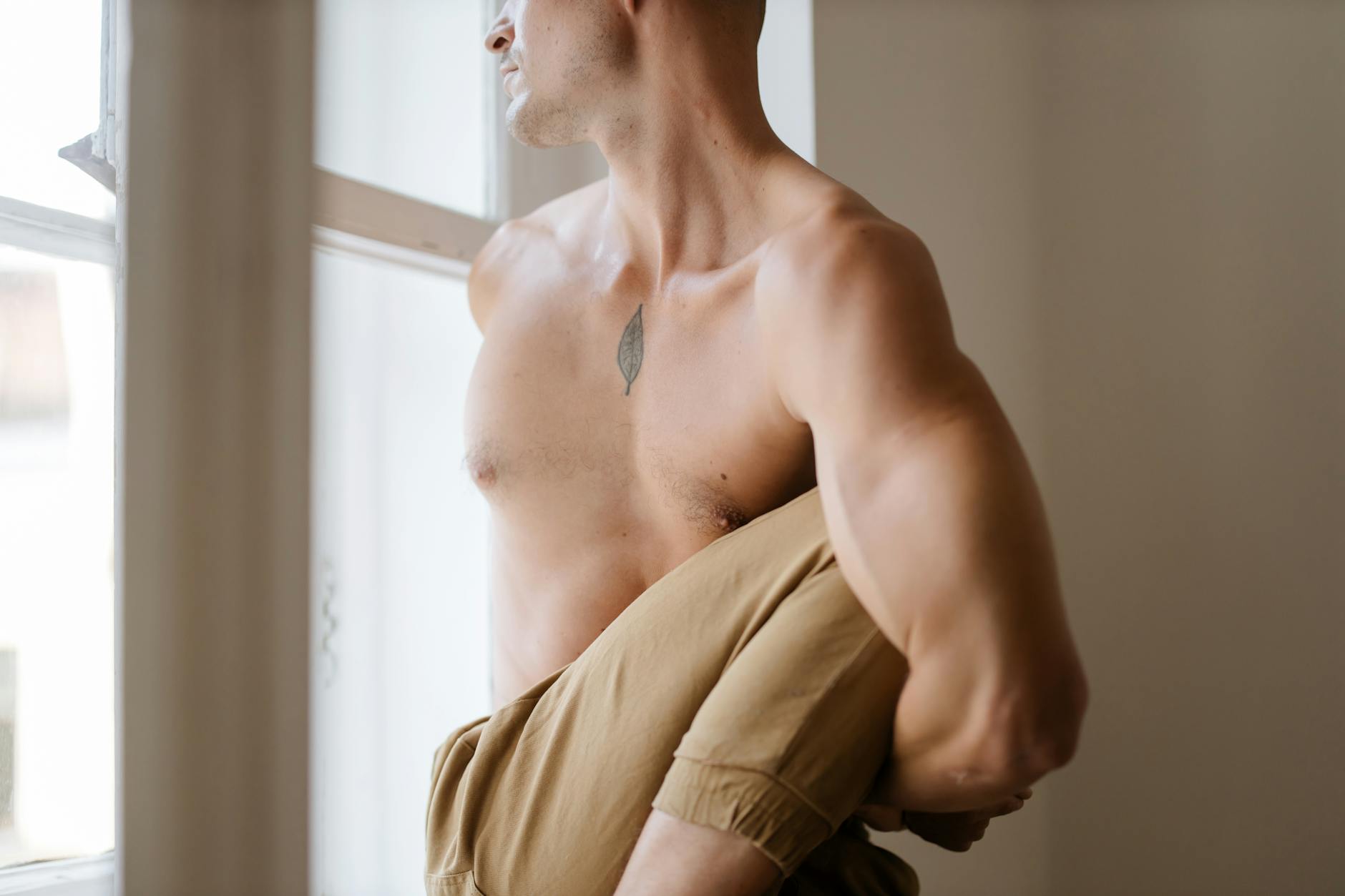
A chest opener stretch directly counteracts the rounded shoulder position that develops from extended periods of forward-reaching activity. Standing in a doorway and pressing both forearms against the frame before gently leaning forward is one of the most effective versions of this stretch. The movement stretches the pectoralis major and minor muscles that pull the shoulders inward and forward when they become tight. Holding the position for twenty to thirty seconds allows the chest to expand and the shoulders to naturally retract. Even one round of this stretch provides an immediate sense of openness across the front of the body and a more upright upper posture.
Foot Positioning While Standing

The way the feet are positioned during standing has a direct and immediate effect on the alignment of the knees, hips, and spine above them. Feet should be placed roughly hip-width apart with the toes pointing forward or very slightly outward to create a stable and balanced base. Allowing the feet to turn excessively outward or standing with a narrow stance shifts the pelvis and compresses the lumbar spine unevenly. Distributing weight evenly across both feet and across the entire sole prevents the body from compensating through swaying or tilting. This foundational adjustment instantly improves the overall vertical alignment of the entire body.
Phone Raise Habit

Looking down at a handheld phone is one of the leading contributors to forward head posture and upper back rounding in everyday life. Raising the phone to eye level rather than dropping the head to meet it eliminates the downward neck angle that places significant strain on the cervical spine. The simple habit of lifting the device rather than bending toward it costs no extra time and requires no special equipment. Over the course of a day, this one change dramatically reduces the cumulative load placed on the neck and upper back muscles. Consistently raising the phone to eye level prevents the gradual postural deterioration that comes from years of looking down at screens.
Seated Foot Flat Rule
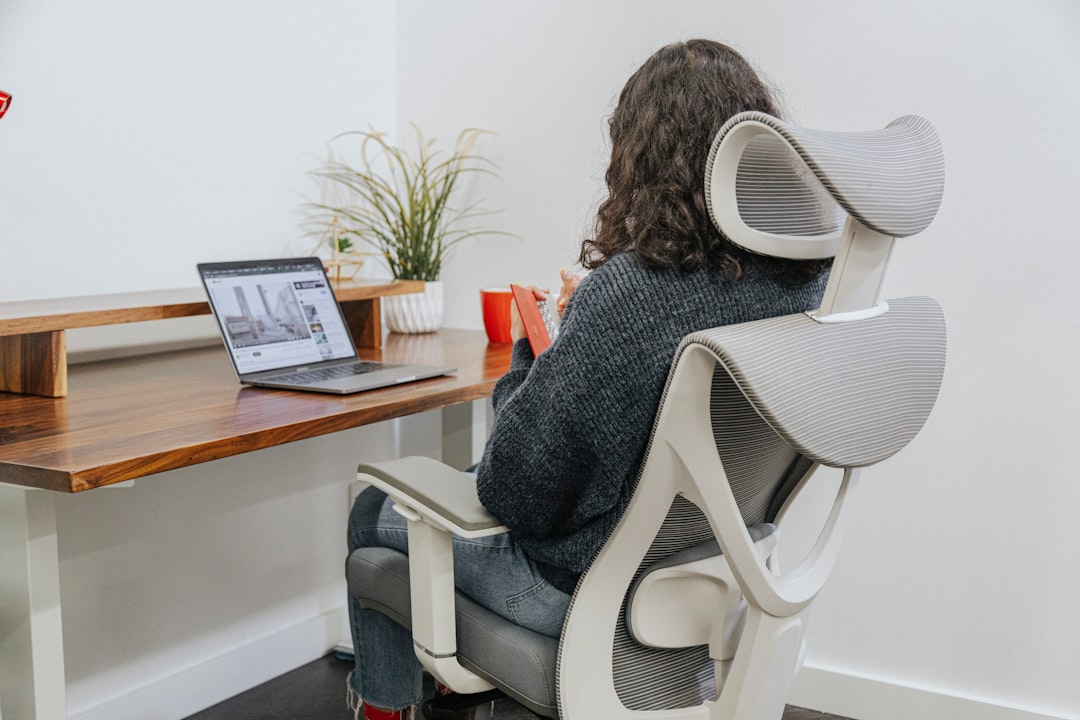
Keeping both feet flat on the floor while seated is a foundational ergonomic principle that supports healthy spinal alignment from the base upward. When feet dangle or are tucked beneath the chair, the pelvis tilts backward and the lumbar curve flattens, increasing pressure on the lower spinal discs. Adjusting chair height so the knees sit at a ninety degree angle and both feet rest comfortably on the floor resets the entire seated posture chain. Those who work at fixed desk heights can use a footrest to achieve this position without raising the chair too high. This uncomplicated adjustment immediately creates a more supported and stable seated foundation.
Core Activation Breathing
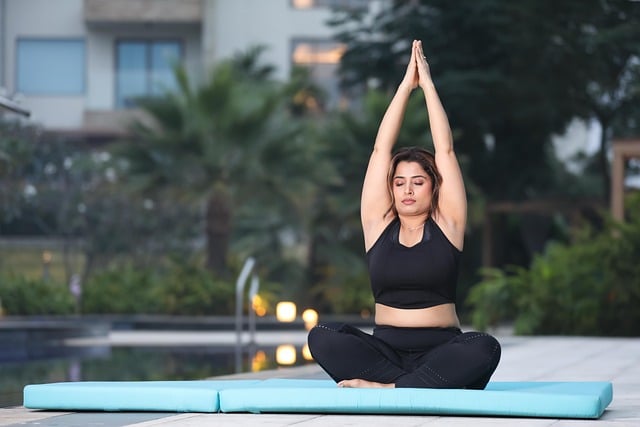
Conscious breathing that engages the deep core muscles is a subtle but powerful way to instantly stabilize and lengthen the spine. Inhaling slowly through the nose expands the ribcage in all directions and creates natural spinal decompression through the increased intra-abdominal pressure. On the exhale, gently drawing the lower abdomen inward activates the transverse abdominis, which functions as a natural corset for the lumbar spine. Practicing this pattern for a few breaths immediately creates a sense of internal support and lift through the torso. It also counters the shallow chest breathing that tends to accompany slouched posture and increases overall body awareness.
Standing Desk Use
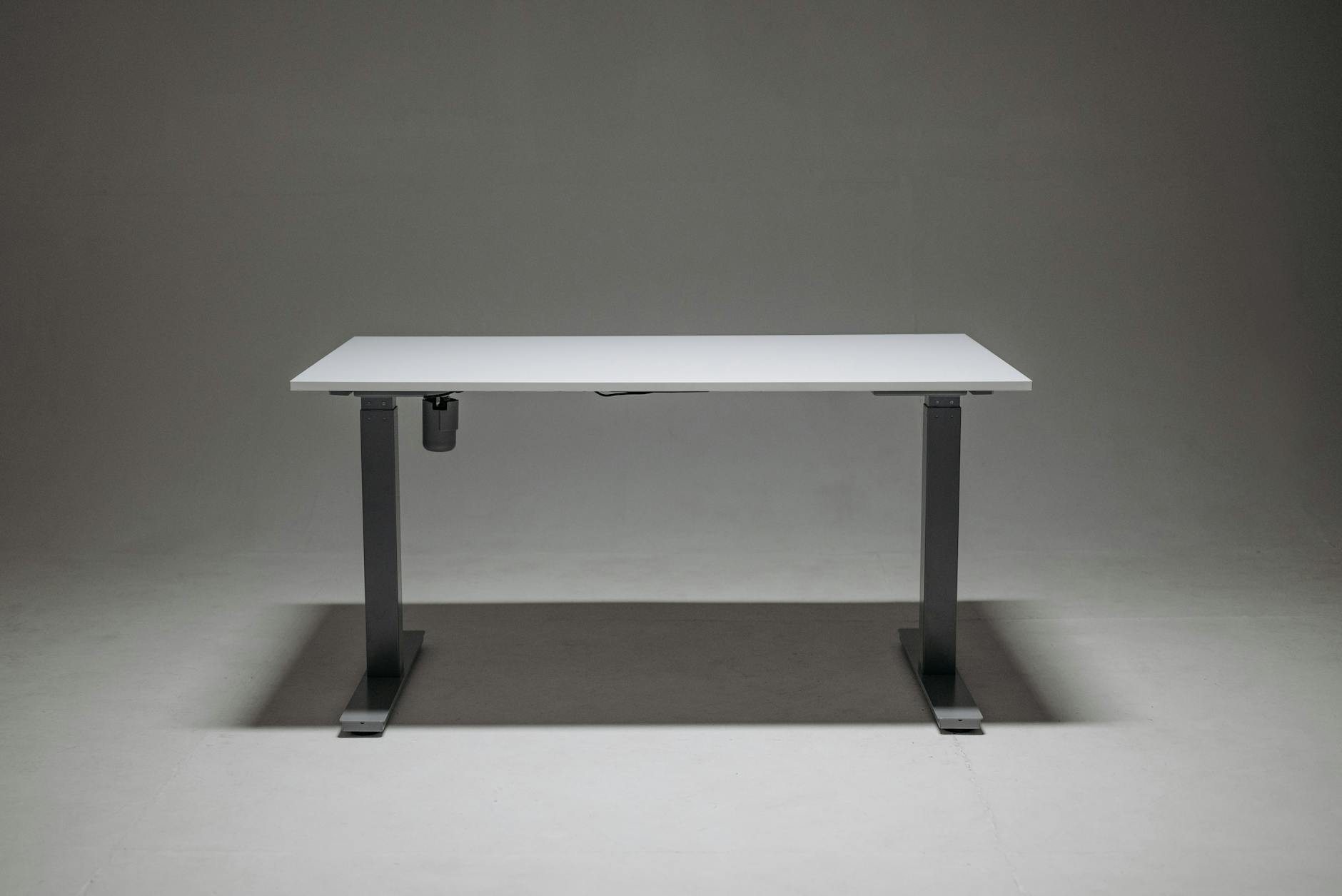
Alternating between sitting and standing throughout the workday is one of the most effective posture improvement strategies for people who spend long hours at a desk. Prolonged sitting weakens postural muscles and reinforces the forward-flexed position of the hips and thoracic spine. Introducing periods of standing breaks this pattern, engages different muscle groups, and promotes more dynamic spinal loading. A standing desk or a raised surface that allows work at elbow height provides the right conditions for maintaining neutral posture while upright. Even standing for twenty to thirty minutes each hour produces a measurable positive effect on posture and lower back comfort.
Neck Lengthening Cue

Visualizing the crown of the head being gently lifted toward the ceiling is a simple mental cue that instantly improves overall posture alignment. This imagery encourages a subtle elongation of the cervical and thoracic spine without creating muscular tension or rigidity. The effect cascades downward, naturally encouraging the shoulders to drop and widen and the chest to lift slightly. Athletes, dancers, and performers use this technique as a quick postural reset before stepping into high-visibility situations. Returning to this cue during any activity or seated period immediately shifts the body into a taller, more composed alignment.
Hip Flexor Stretch
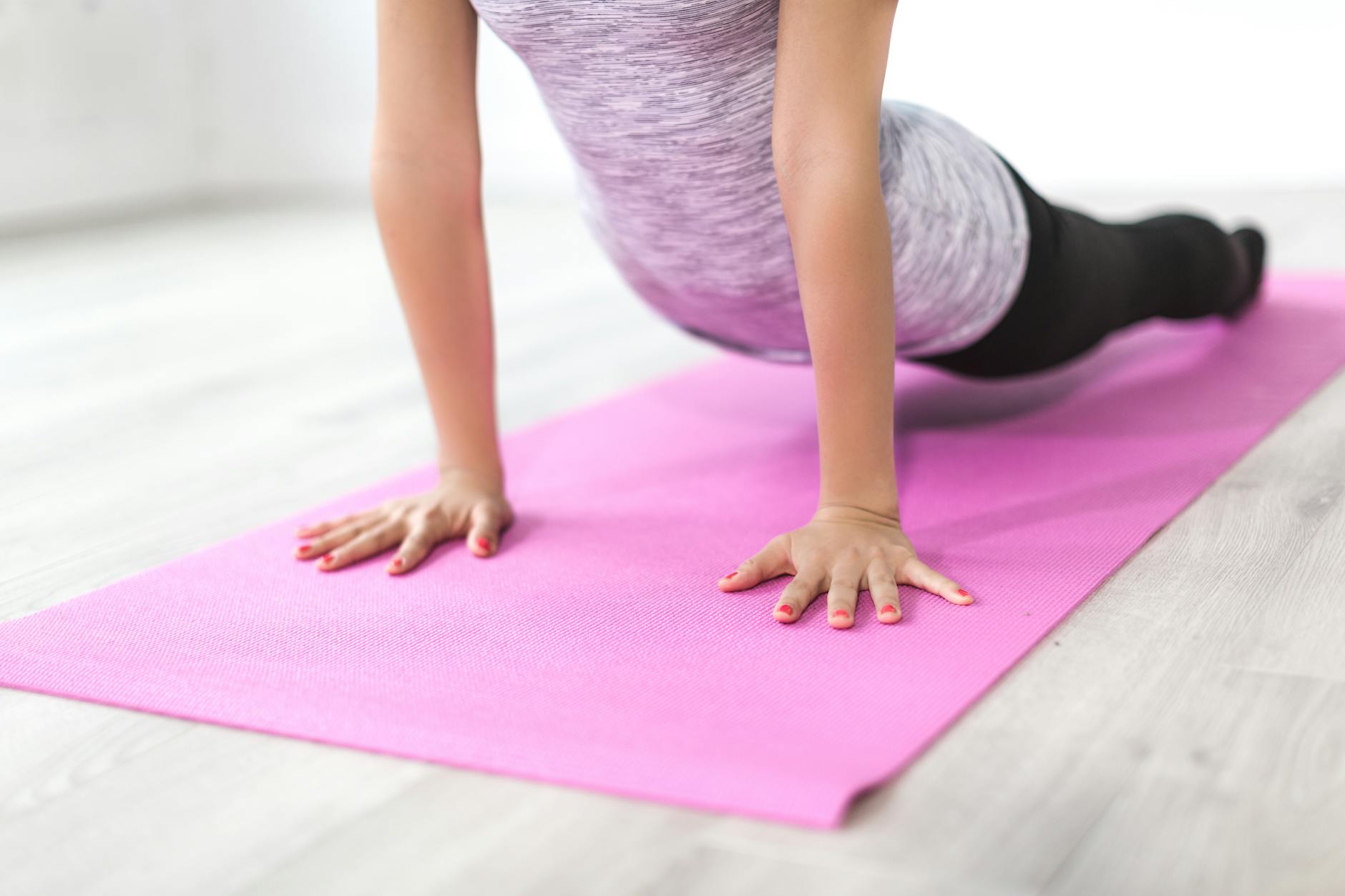
Tight hip flexors are a primary driver of anterior pelvic tilt, a postural imbalance that exaggerates the lower back arch and pushes the stomach forward. Spending long periods seated shortens these muscles, and stretching them even briefly produces an immediate change in pelvic positioning and lower back comfort. A kneeling lunge stretch held for thirty seconds on each side targets the iliopsoas directly and allows the pelvis to drop into a more neutral position. Following the stretch with a gentle glute squeeze reinforces the correction by activating the opposing muscle group. This combination reset is one of the fastest ways to address the lower back and hip component of poor standing posture.
Thoracic Extension Over Chair
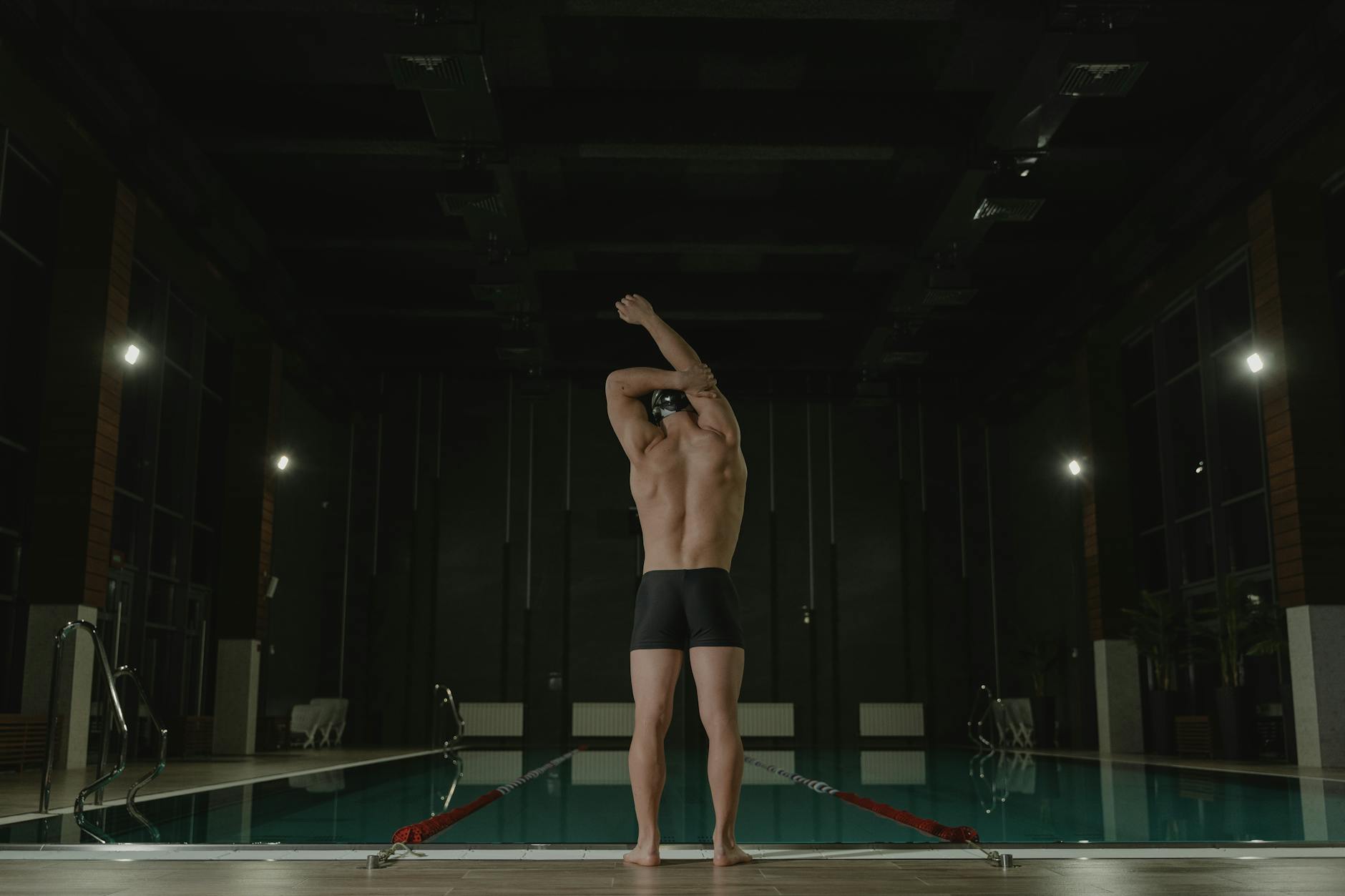
Draping the upper back gently over the backrest of a firm chair is a simple passive stretch that reverses thoracic kyphosis almost immediately. The upper and mid-back region is commonly restricted in extension because of the persistent forward-flexed posture of daily life. Allowing gravity to gently extend this area over a focal point opens the vertebral joints and stretches the anterior chest and rib structures. Holding the position for thirty to sixty seconds while breathing deeply amplifies the release. This quick technique provides instant relief from upper back stiffness and visibly improves the upright appearance of the spine.
Ergonomic Chair Setup
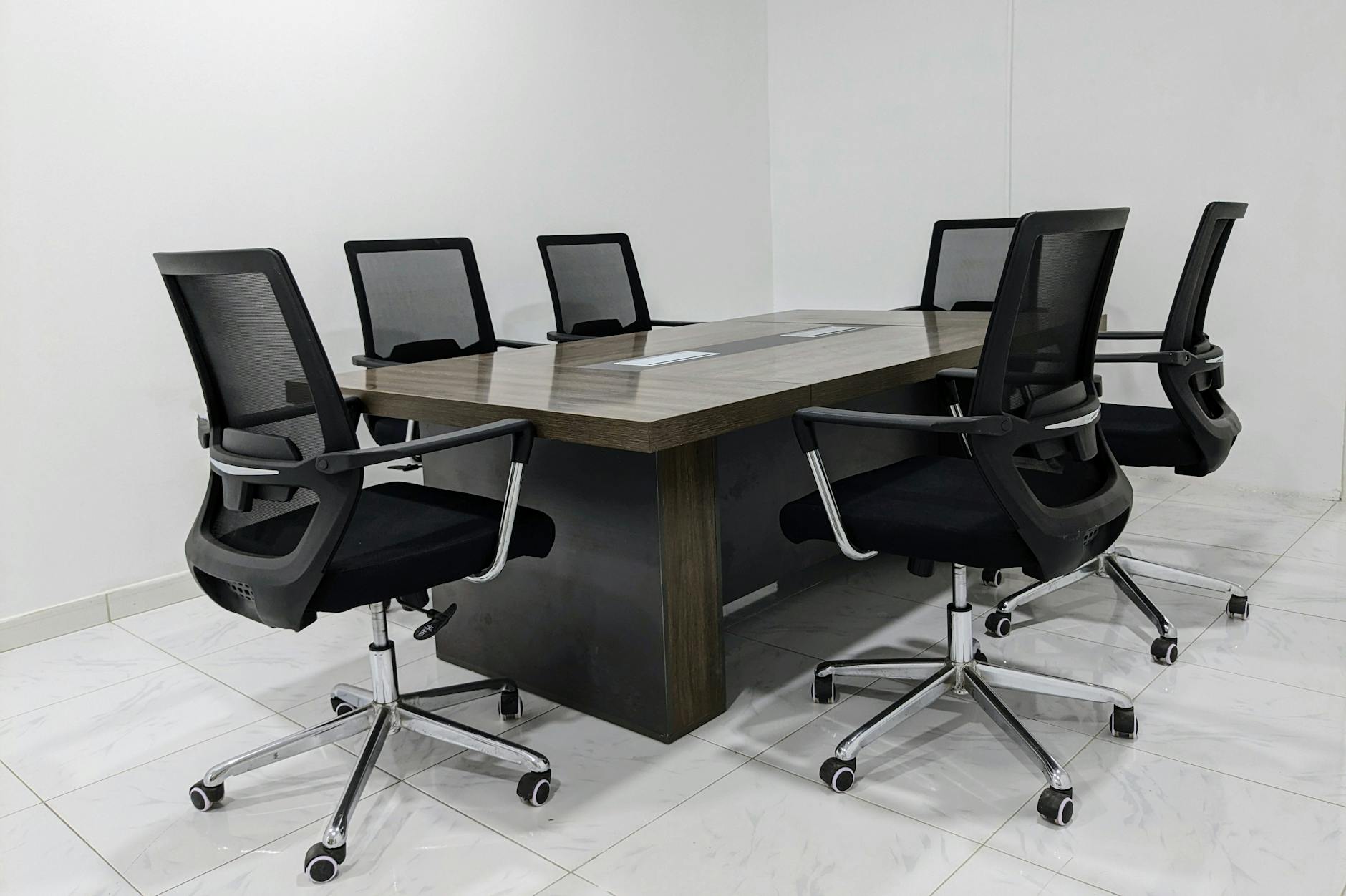
A properly adjusted chair supports the natural curves of the spine and removes the need for constant muscular effort to maintain upright posture. The lumbar support should sit at the curve of the lower back, the seat pan should allow both feet flat on the floor, and the armrests should support the elbows at a relaxed angle. When these settings are correct, the body can maintain alignment with minimal fatigue over extended periods. Many people sit in chairs that are simply not adjusted to their proportions, which forces compensatory patterns that compound over time. Taking five minutes to set up a chair correctly provides an immediate and lasting foundation for better seated posture.
Glute Activation Exercise
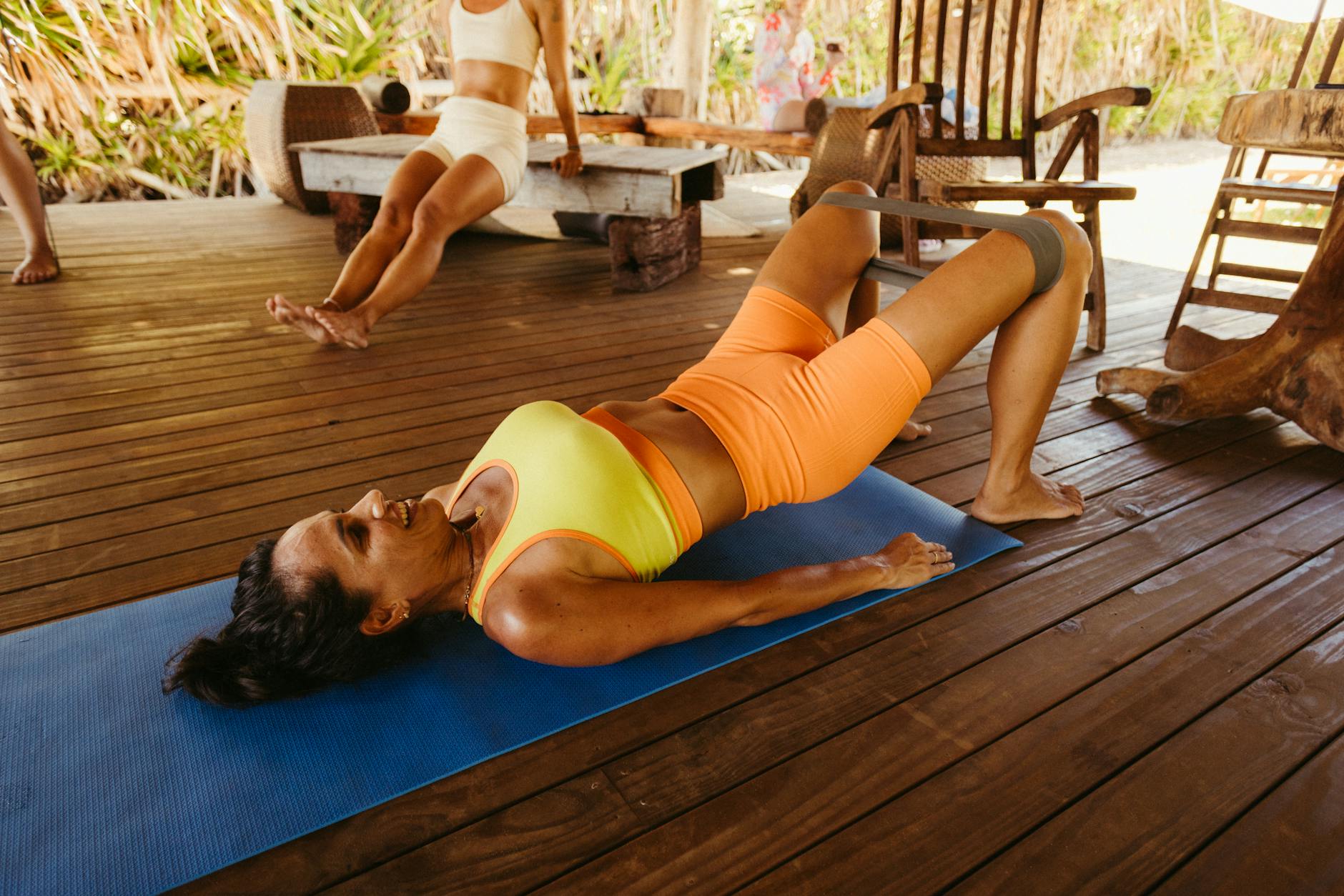
Weak gluteal muscles contribute directly to poor pelvic alignment and lower back instability, both of which undermine overall posture. Performing a few glute squeezes or a brief bridge exercise activates these muscles and shifts the pelvis toward a more neutral and supported position. The glutes work in coordination with the core and lumbar muscles to stabilize the base of the spine, and their contribution is often underestimated in posture discussions. Even a short set of glute bridges performed on the floor takes less than two minutes and delivers noticeable postural benefit. Regular activation of these muscles throughout the day prevents the forward hip tilt and lower back overload that come from prolonged sitting.
Reading Material Elevation

Holding reading material flat on a surface or in the lap requires the neck to flex downward for extended periods, gradually contributing to forward head posture and neck strain. Elevating books, tablets, or documents to a higher angle using a book stand or pillow reduces the degree of neck flexion required. This adjustment means the head can remain in a more neutral, balanced position while reading rather than constantly straining forward. The same principle applies when reading in bed, where propping material on a support rather than hunching over it protects the cervical spine. Making this small environmental change consistently prevents one of the most common and avoidable causes of upper posture deterioration.
Upper Trapezius Release
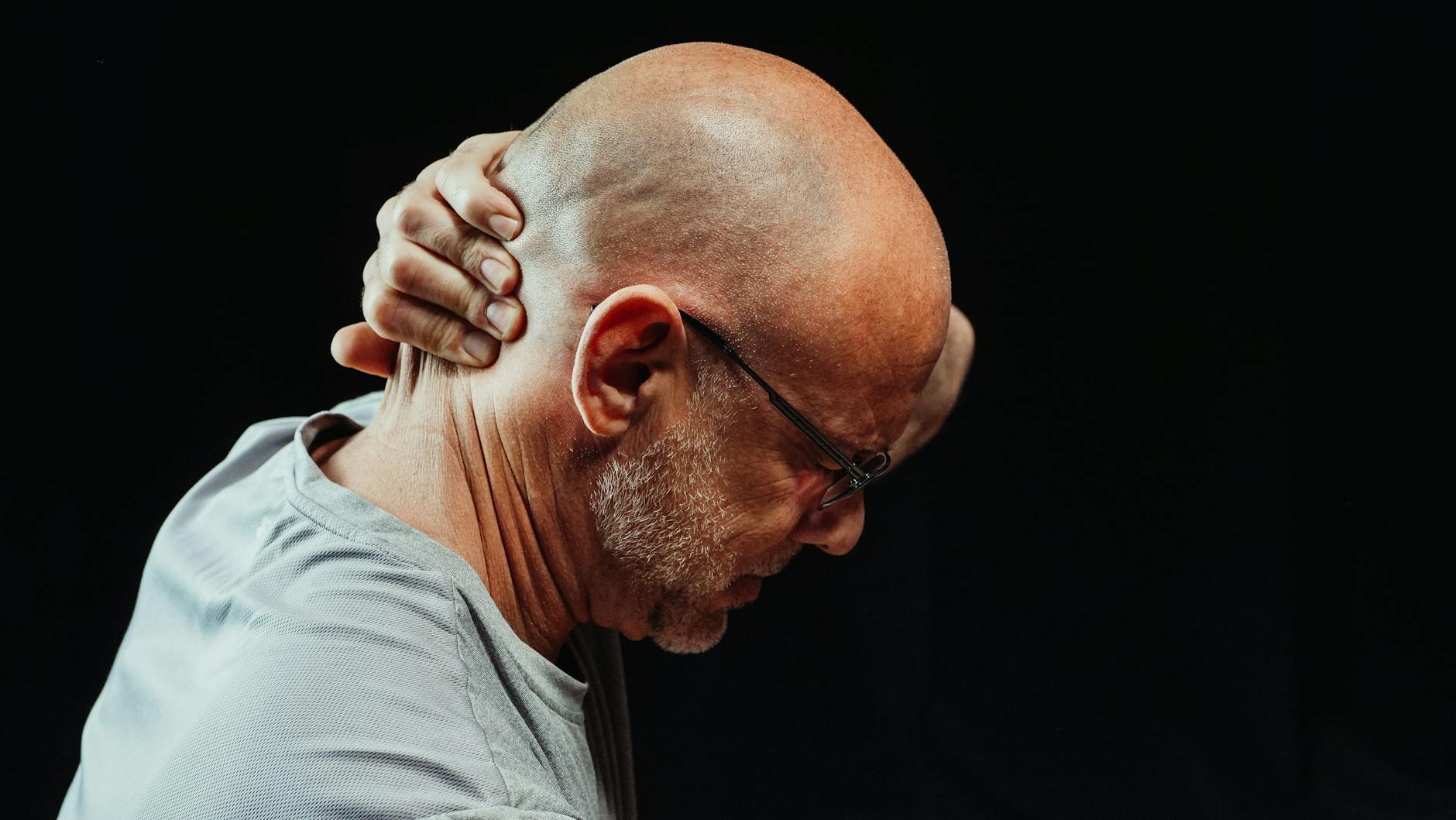
The upper trapezius muscle, which runs from the base of the skull to the shoulder, commonly becomes overloaded and tight in people with forward head posture. Gently tilting the head to one side while keeping the opposite shoulder down produces an immediate stretch along this muscle. Holding the position for twenty to thirty seconds and breathing steadily allows the muscle to release and the shoulder to drop away from the ear. Performing this on both sides relieves the elevated shoulder pattern that is often visible in those with chronic posture tension. The release immediately creates a sense of length through the neck and a more relaxed, level shoulder position.
Mindful Walking Posture
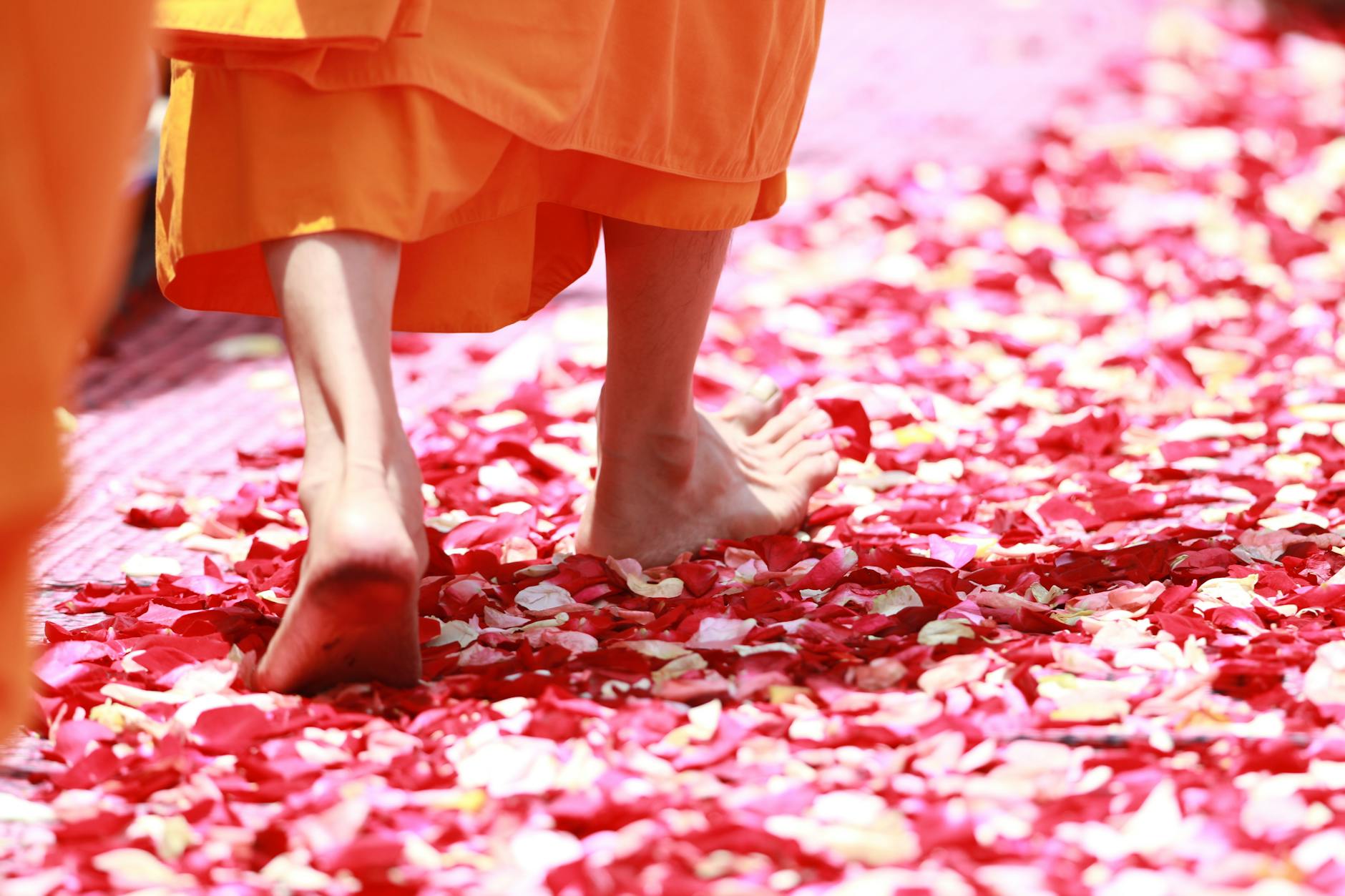
Walking provides a natural opportunity to practice and reinforce good postural alignment during an activity that most people perform without much awareness. Keeping the chin parallel to the ground, the gaze forward rather than downward, the shoulders relaxed and slightly back, and the core lightly engaged creates a complete upright walking posture. Swinging the arms naturally at the sides rather than holding them crossed or tucked in front keeps the shoulders open and mobile. Even a short walk performed with full postural awareness trains the neuromuscular system and builds the habit of upright alignment during movement. Consistent mindful walking creates positive postural carryover into standing and seated activities throughout the rest of the day.
Screen Brightness and Distance
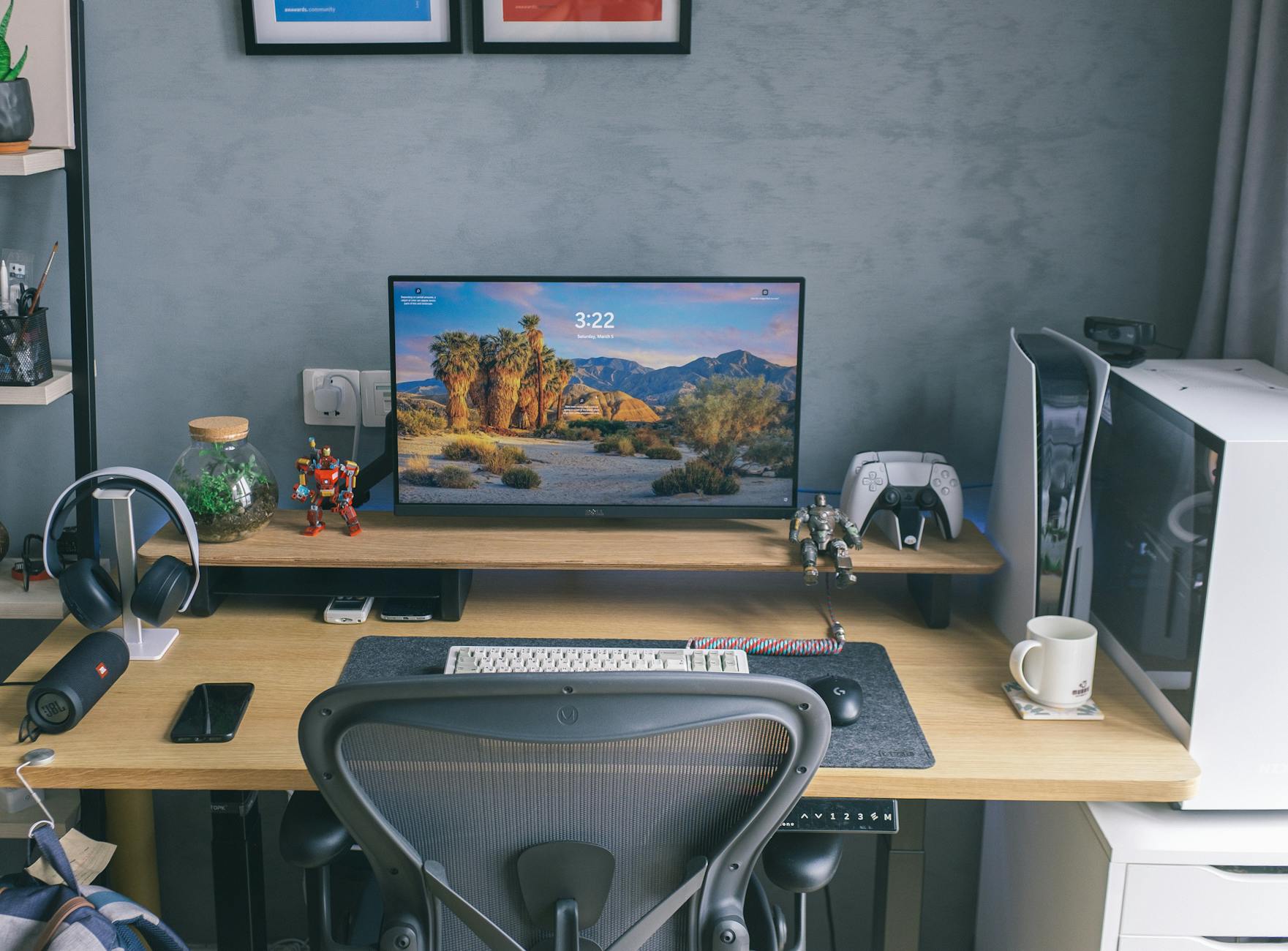
The distance and brightness settings of a screen influence posture by affecting whether a person naturally leans toward or away from the display. A screen that is too dim or text that is too small encourages forward leaning, which strains the neck and compresses the thoracic spine over time. Increasing text size and adjusting brightness to a comfortable level removes the subconscious urge to move the head closer to the screen. Positioning the monitor approximately an arm’s length away provides an appropriate viewing distance for most people. These simple adjustments eliminate a constant low-level pull toward poor posture that many people do not even notice is influencing their alignment.
Sleeping Position Support

The way the body is positioned during sleep has a cumulative effect on postural alignment that carries forward into waking hours. Sleeping on the back with a supportive pillow that keeps the cervical spine in a neutral curve is considered the most posture-friendly position available. Side sleeping with a pillow between the knees prevents the hip from rotating and pulling the lower spine out of alignment during the night. Stomach sleeping is widely discouraged because it forces the neck into prolonged rotation and flattens the natural lumbar curve. Adjusting sleep position and pillow support immediately reduces the postural strain that accumulates over hours of rest each night.
Diaphragmatic Breathing Practice
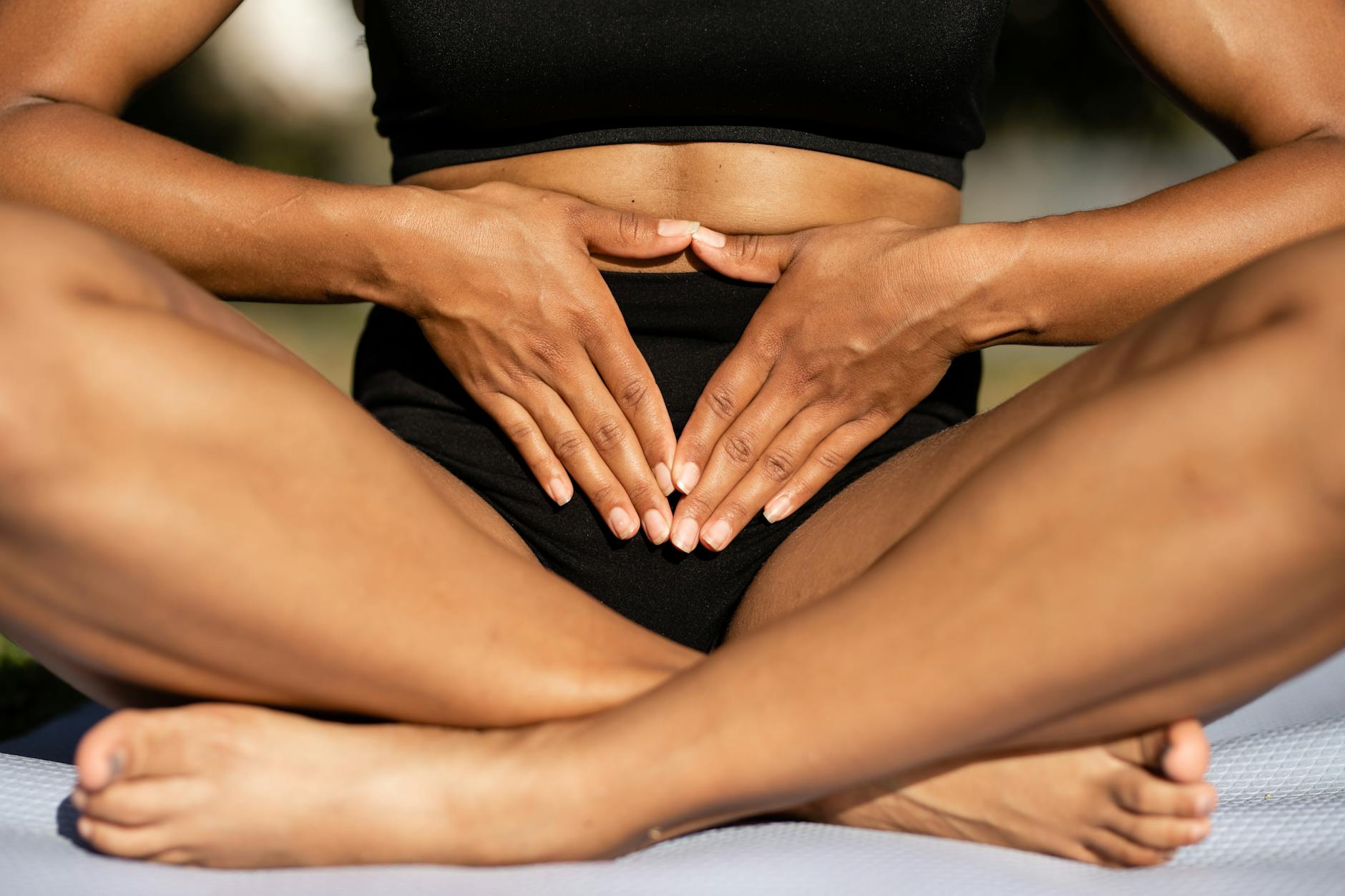
Breathing primarily through the diaphragm rather than the chest promotes a more upright, open thoracic posture and reduces the elevation and tension of the upper shoulders. Chest breathing reinforces a collapsed upper posture and keeps the neck and upper trapezius muscles in a state of low-level activation. Placing one hand on the belly and focusing on expanding the abdomen rather than the chest with each inhale switches the breathing pattern quickly. This shift allows the ribcage to remain elevated and the spine to maintain its natural elongated position throughout the breath cycle. Practicing diaphragmatic breathing for even a few minutes resets both posture and the nervous system simultaneously.
Keyboard and Mouse Positioning
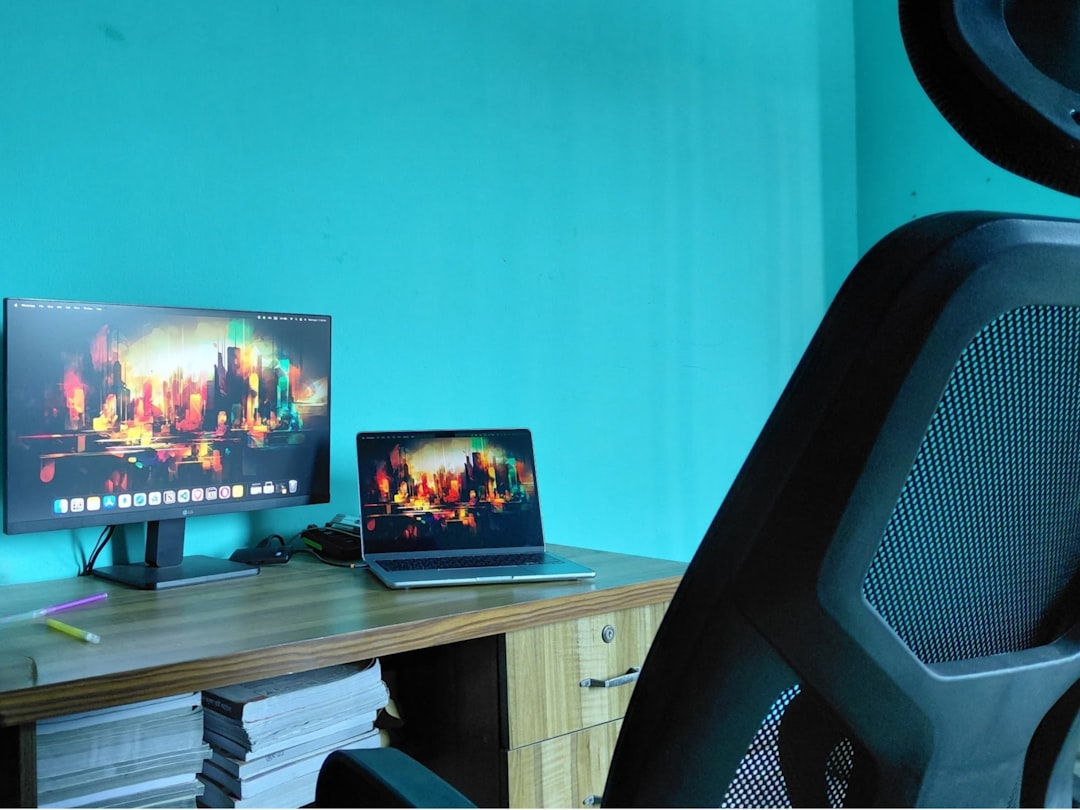
Improper positioning of the keyboard and mouse is a frequent cause of shoulder rounding and forward-reaching posture during computer work. Both should be placed close enough to the body that the elbows remain at roughly a ninety degree angle and the forearms are level or angled slightly downward. Reaching forward for the keyboard or mouse repeatedly draws the shoulders forward and internally rotates the upper arms, contributing to a rounded chest over time. A keyboard tray or a desk surface that allows relaxed arm positioning removes this repetitive strain. Correcting this setup immediately reduces the forward pull on the shoulders and supports a more neutral spine and chest position throughout the workday.
Towel Roll Lumbar Support
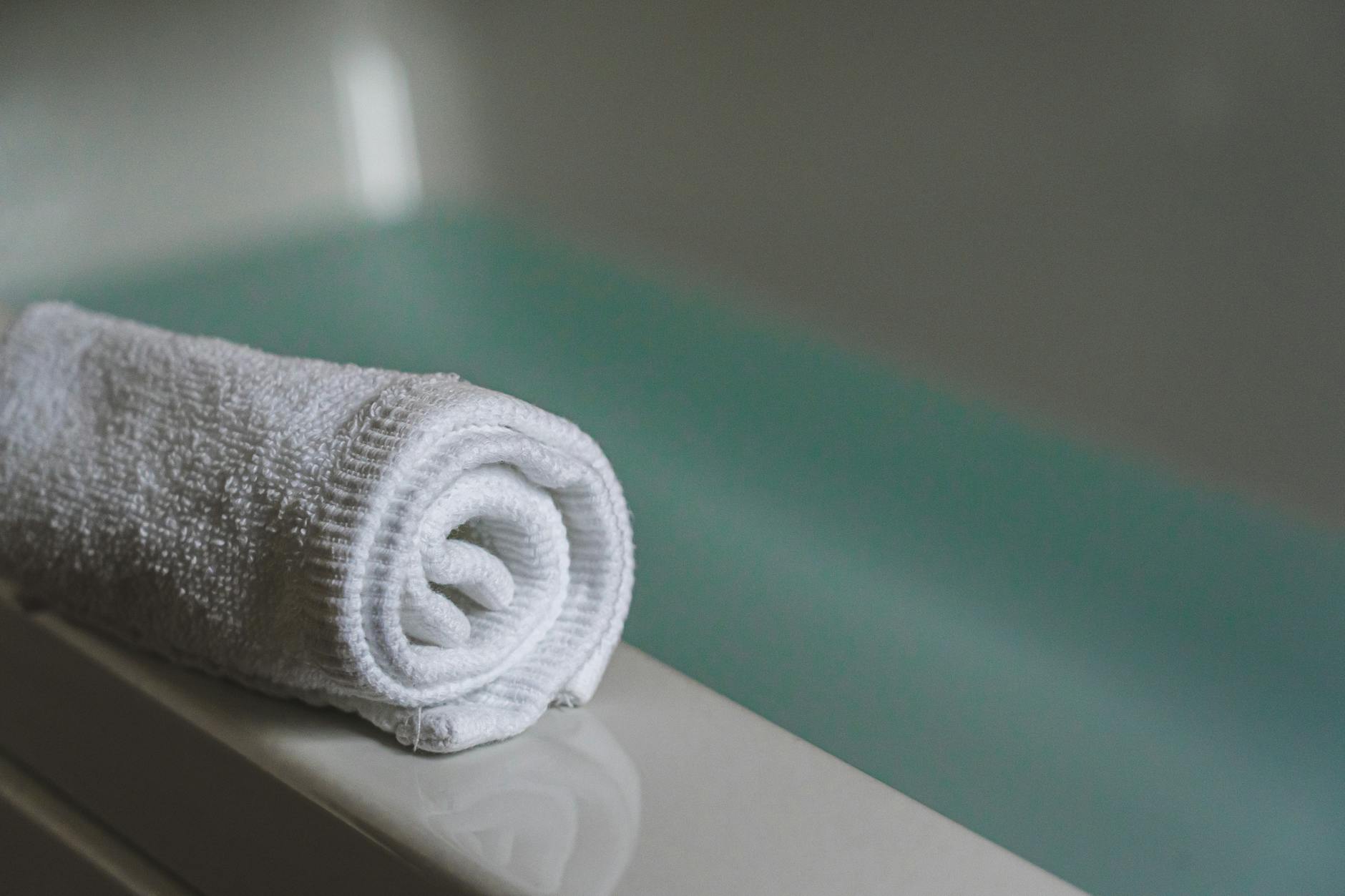
A small rolled towel placed at the base of the lumbar spine in a car seat or office chair provides instant support for the natural inward curve of the lower back. Without lumbar support, the lower back tends to flatten and round during prolonged sitting, increasing disc pressure and contributing to the slouched posture of the entire spine above. The towel roll works by filling the gap between the chair and the lower back, encouraging the pelvis to tilt slightly forward into a more neutral position. This inexpensive and portable solution can be used in any seat and adjusted to match the size of the individual. The support it provides is felt almost immediately as a reduction in lower back fatigue and an improvement in overall seated height.
Power Pose Standing

Standing in an open, expansive posture with the feet slightly wider than hip-width and the hands on the hips or arms relaxed at the sides immediately shifts the body into a physically and visually upright position. This stance encourages the chest to lift, the shoulders to retract, and the spine to lengthen naturally without forcing a rigid position. It counteracts the closed, contracted body language and physical posture that accompany prolonged sitting or low-confidence states. Using this standing position before or during activities that require presence and confidence reinforces the physical habits of upright alignment. Returning to this stance repeatedly throughout the day builds the muscle memory and body awareness needed for lasting postural change.
Desk Stretch Routine
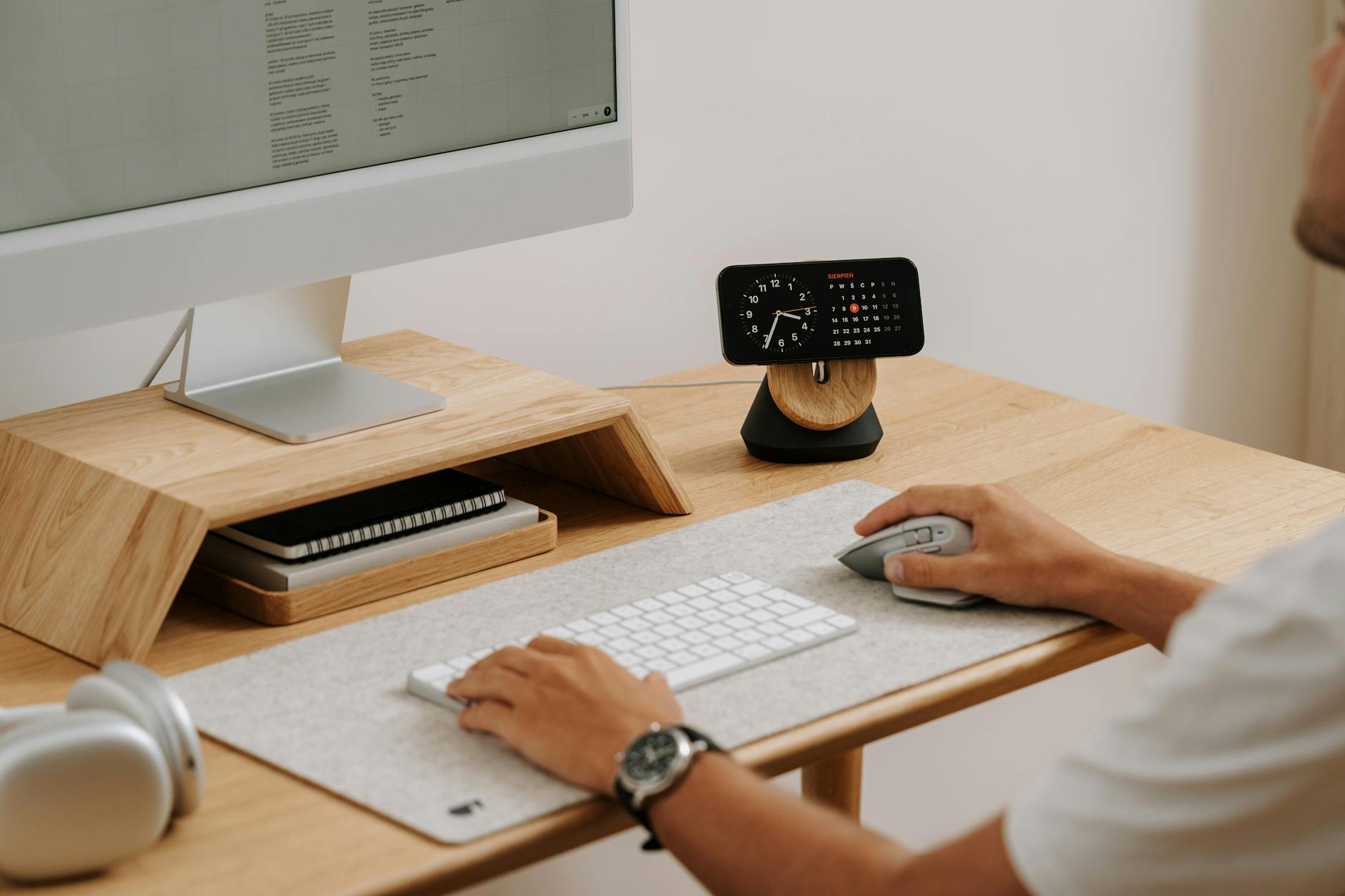
A brief sequence of stretches performed at the desk every hour prevents the gradual accumulation of postural tension that builds during sustained work. The sequence can include a chin tuck, a shoulder blade squeeze, a seated spinal rotation to each side, and an overhead reach to decompress the spine. Each movement takes only a few seconds, and the full sequence can be completed in under two minutes without leaving the chair. These regular resets interrupt the pattern of progressive slumping and remind the postural muscles to re-engage throughout the day. Incorporating desk stretches into an hourly routine is one of the most practical and sustainable posture habits available for office-based workers.
Awareness Reminders and Apps

Setting regular reminders to check and correct posture is one of the simplest behavioral strategies for creating a lasting habit of upright alignment. Smartphone alerts, computer notifications, or dedicated posture reminder apps can prompt a quick body scan several times per hour during busy work sessions. Each reminder triggers a moment of awareness in which the shoulders can be released, the spine lengthened, and the chin tucked back into alignment. Over time, these prompted corrections begin to occur automatically without needing the external cue. The consistency created by scheduled reminders accelerates postural retraining more effectively than occasional, irregular attempts to correct alignment.
Resistance Band Rows
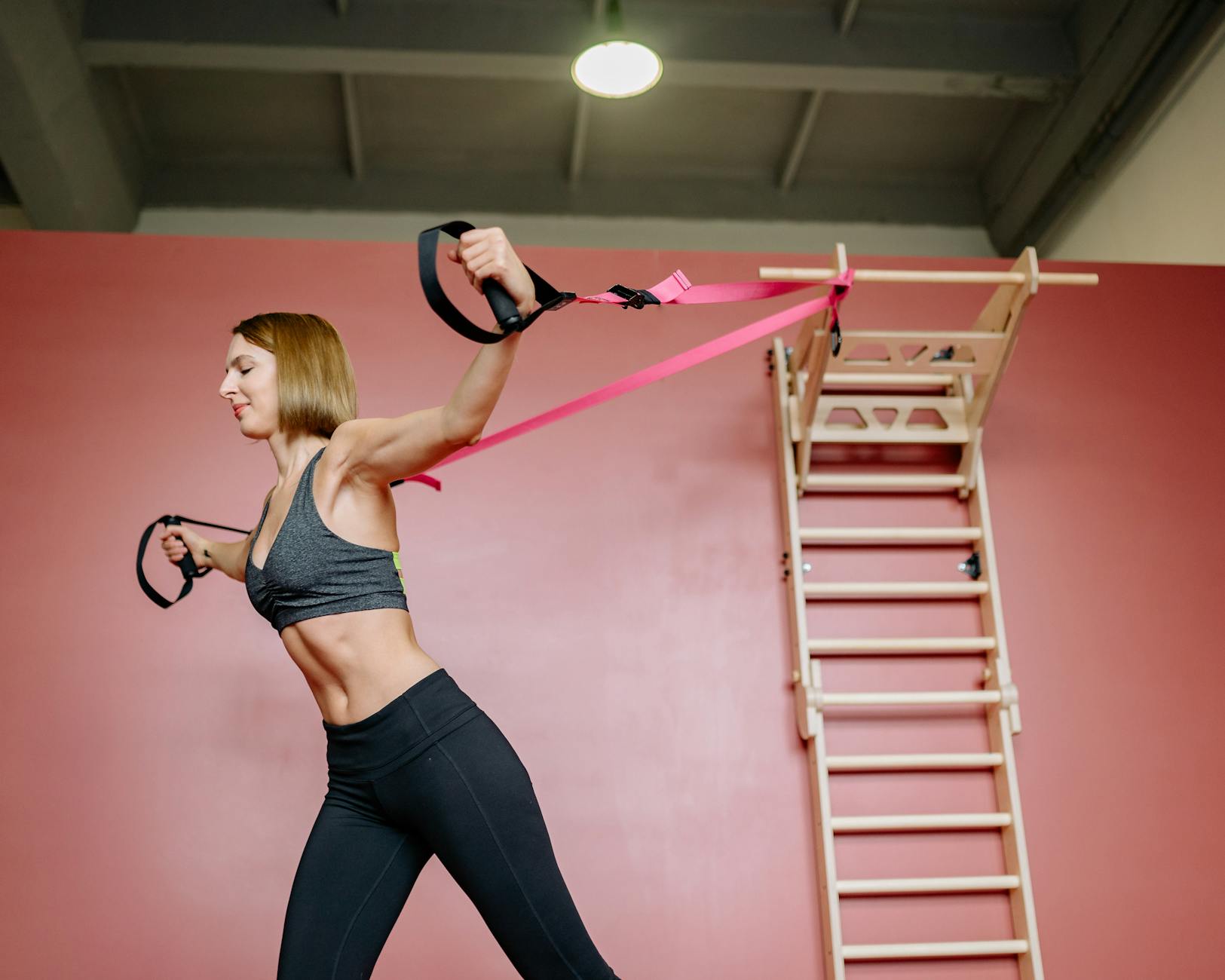
Performing resistance band rows targets the mid-back muscles that are directly responsible for pulling the shoulders back and maintaining thoracic extension. The exercise mimics the pulling motion of rowing and strengthens the rhomboids, middle trapezius, and rear deltoids that become inhibited in people with rounded shoulders. Even a light resistance band used for two to three sets of fifteen repetitions produces immediate muscular activation and a more retracted shoulder position. Including this movement in a daily or every-other-day routine gradually builds the strength baseline needed to maintain good posture without conscious effort. The improved shoulder retraction that follows consistent band rowing is one of the most visible and lasting postural transformations available.
Head Leveling Awareness
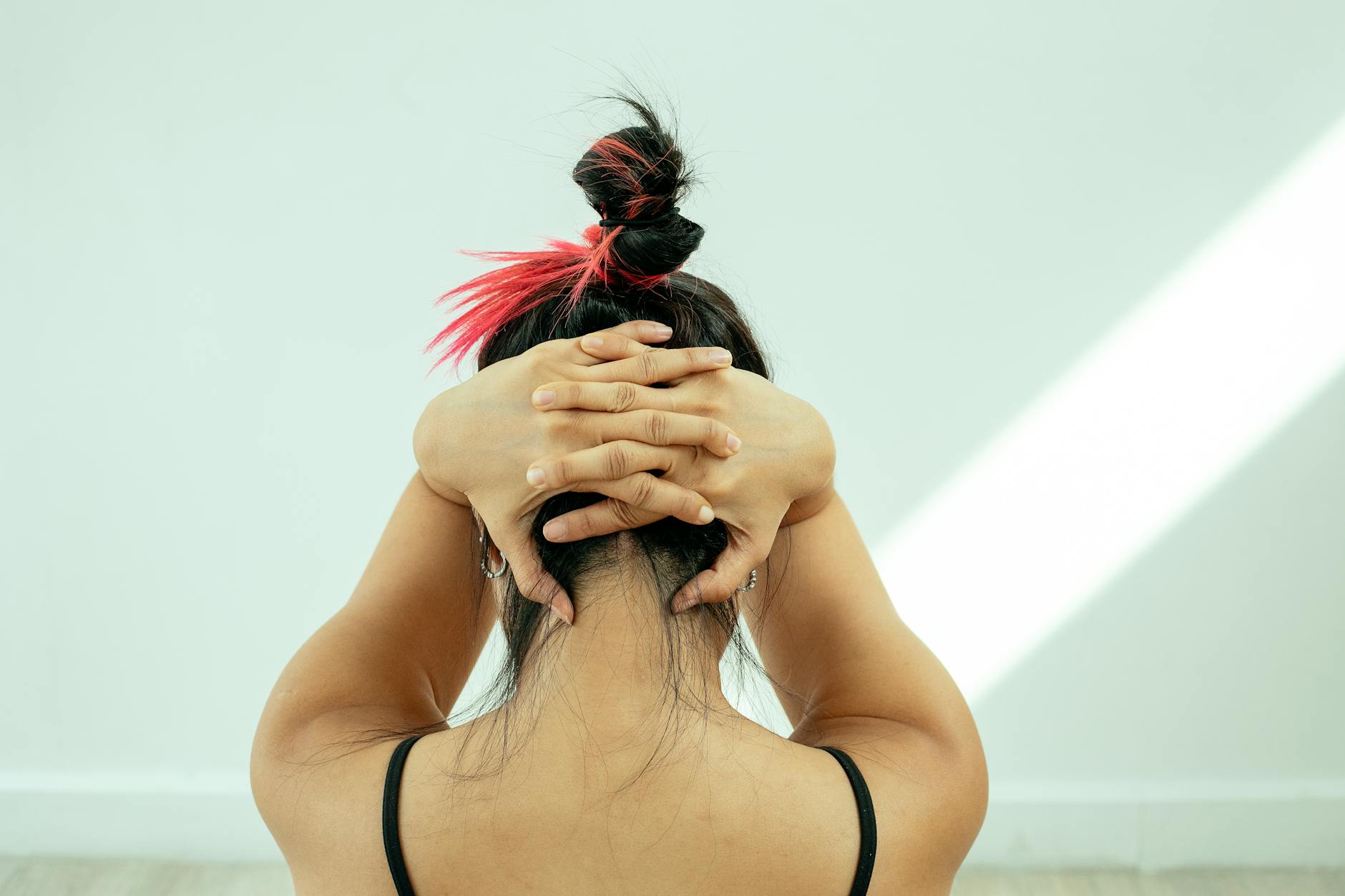
Keeping the head level rather than tilting it to one side during activities like phone use, working, or watching television prevents asymmetrical strain patterns in the neck and upper back. Many people habitually tilt the head in a preferred direction without realizing it, loading one side of the cervical and thoracic musculature more than the other. A quick check in a mirror or a reflective surface reveals whether the head is consistently drifting to one side during daily tasks. Bringing awareness to this habit and consciously returning the head to a level position each time it drifts corrects the imbalance over time. Addressing head tilt early prevents the compensatory patterns it creates from becoming embedded in the postural system.
Yoga Cat-Cow Sequence
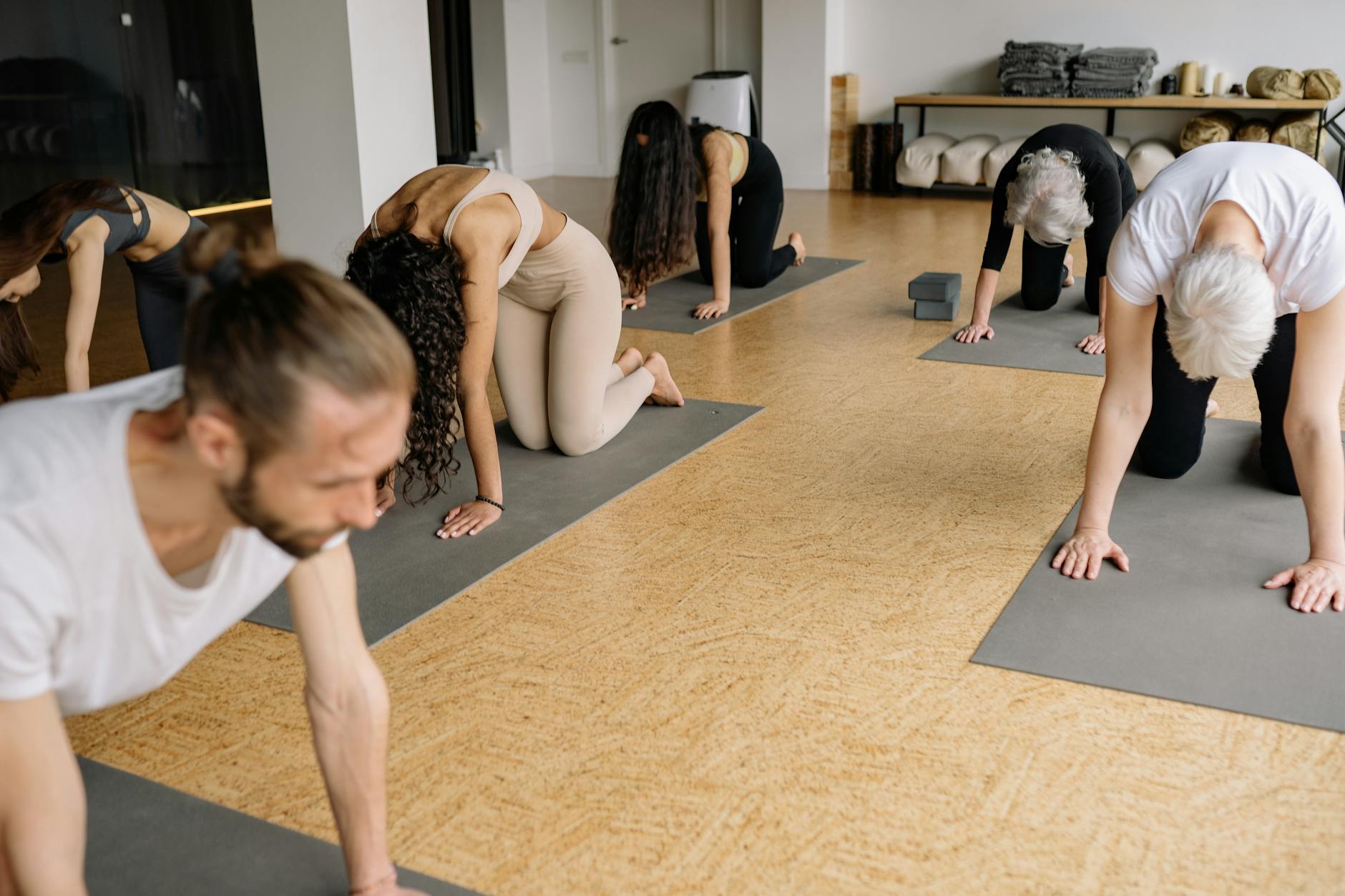
The yoga cat-cow movement is a flowing spinal mobilization exercise that instantly improves flexibility and awareness through the entire length of the spine. Performed on hands and knees, the movement alternates between arching the back upward toward the ceiling and dropping the belly toward the floor in a smooth and controlled rhythm. This sequence lubricates the spinal joints, stretches the paraspinal muscles, and reestablishes awareness of both flexion and extension through the back. Even a single round of five to ten repetitions creates a sense of ease and length in the spine that immediately improves standing and seated posture following the exercise. Regular practice of cat-cow maintains the spinal mobility needed to sustain healthy alignment throughout all daily activities.
Standing on One Leg Balance
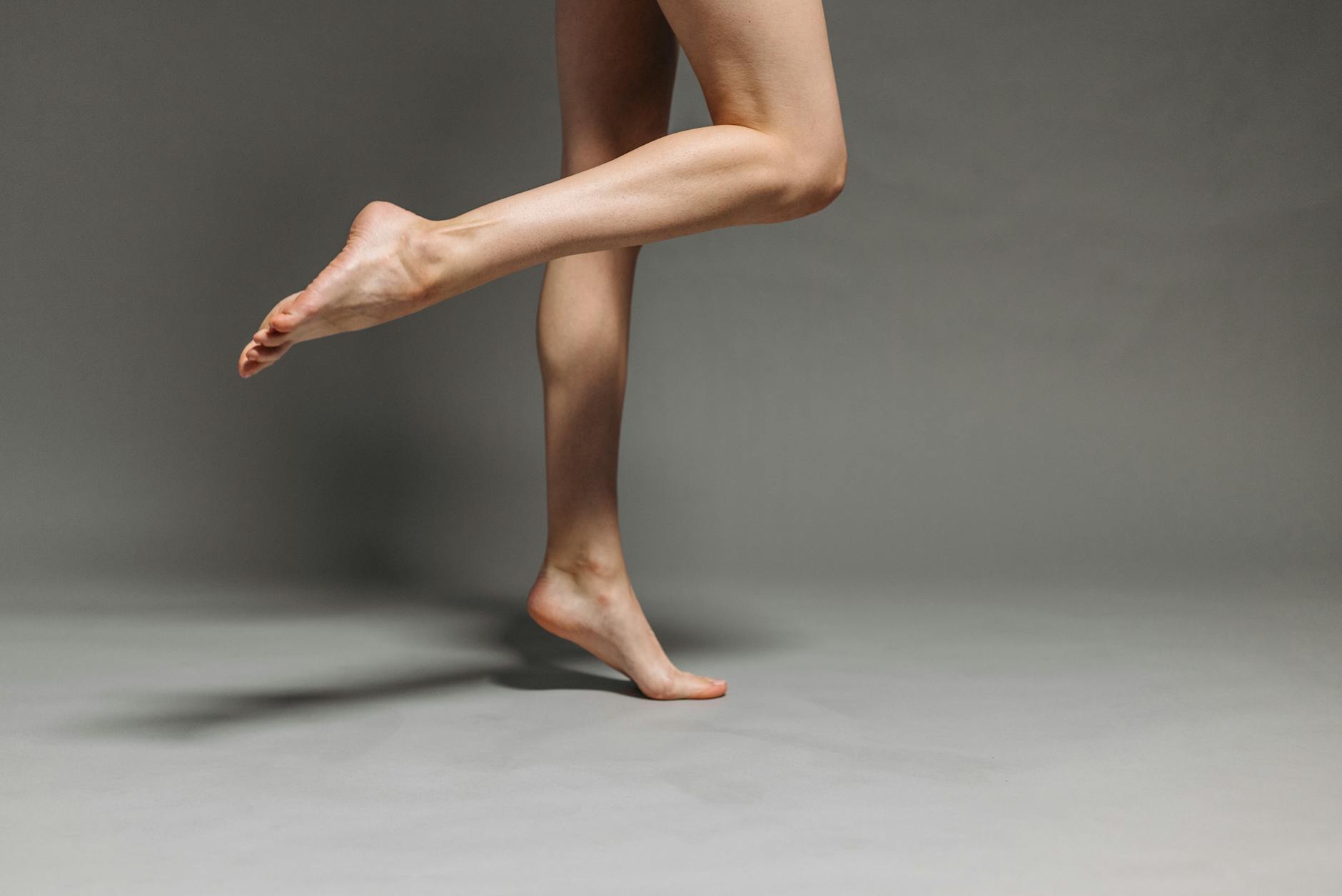
Balancing on one leg briefly engages the deep stabilizing muscles of the hip, pelvis, and lower spine that are essential for maintaining upright, aligned posture during all weight-bearing activities. These stabilizers are often underused during sitting-dominant lifestyles and fail to provide adequate support during standing and walking as a result. Standing on one foot for twenty to thirty seconds on each side activates the gluteus medius, obliques, and intrinsic spinal muscles quickly and effectively. The challenge of maintaining balance also promotes body awareness and a more upright, centered posture during the exercise itself. Incorporating single-leg balance into everyday moments such as while waiting, brushing teeth, or cooking turns ordinary pauses into functional posture training opportunities.
Which of these posture strategies are you already practicing, and which ones do you plan to try? Share your experience in the comments.