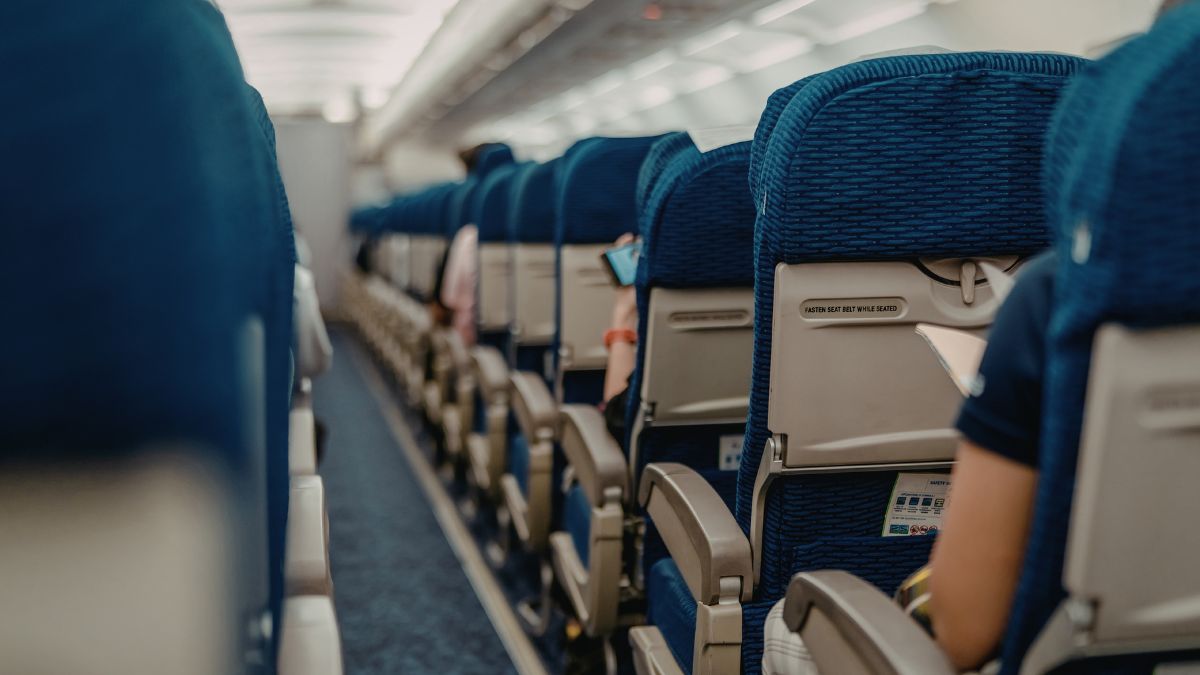
Long flights in economy class often present physical and mental challenges for travelers seeking rest and relaxation. Strategic preparation and the right gear can transform a cramped seat into a manageable personal space. Small adjustments to your routine significantly improve how you feel upon arrival at your destination. Implementing a few proven tactics allows passengers to reclaim comfort and maintain their well-being at thirty thousand feet.
Noise-Canceling Headphones
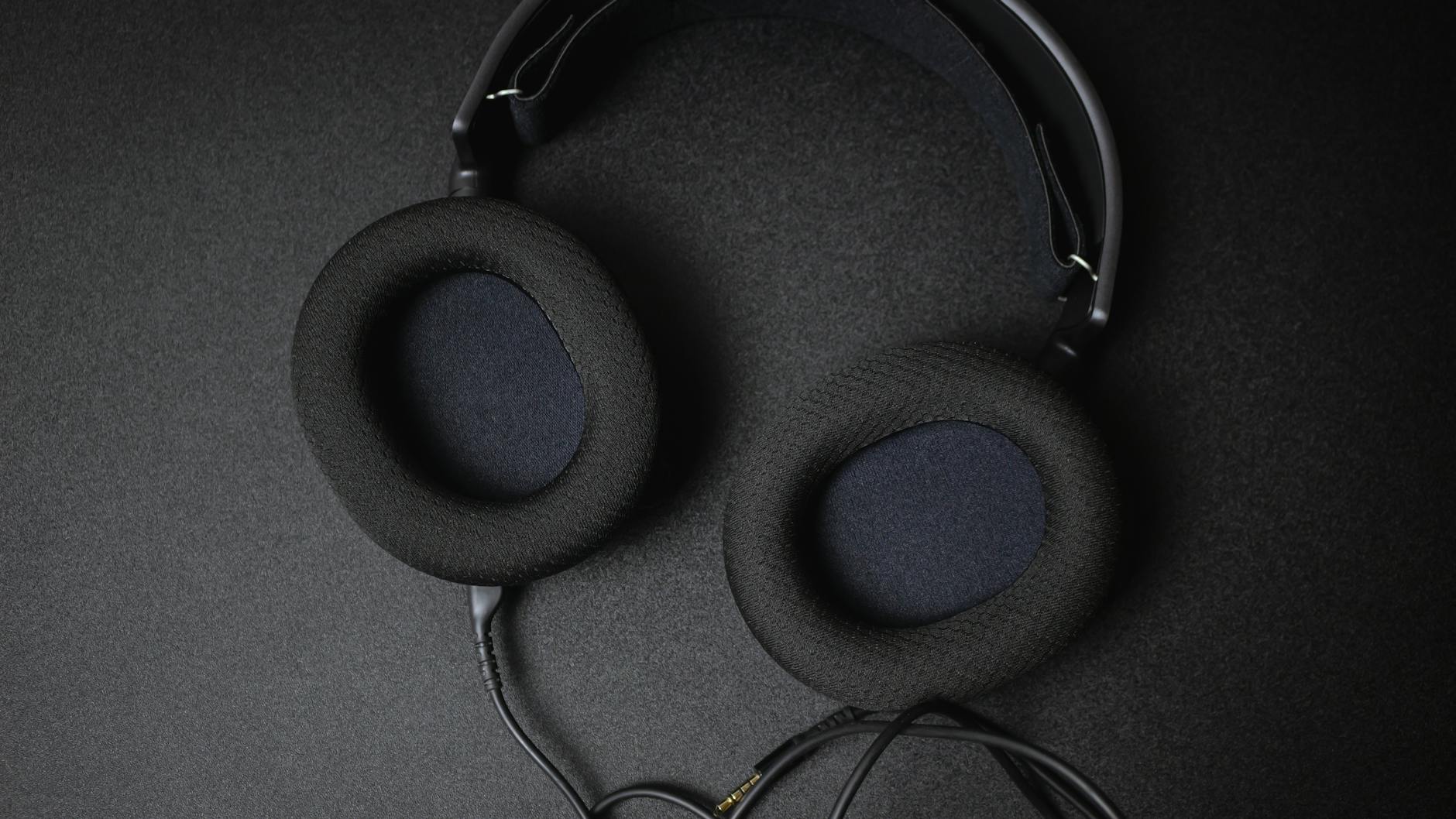
High-quality headphones are essential for blocking out the persistent drone of airplane engines and cabin chatter. These devices create a personal auditory sanctuary that reduces sensory overload and travel fatigue. Many modern models offer extended battery life suitable for even the longest international routes. Listening to calming music or white noise helps signal the brain that it is time to rest.
Ergonomic Neck Pillow
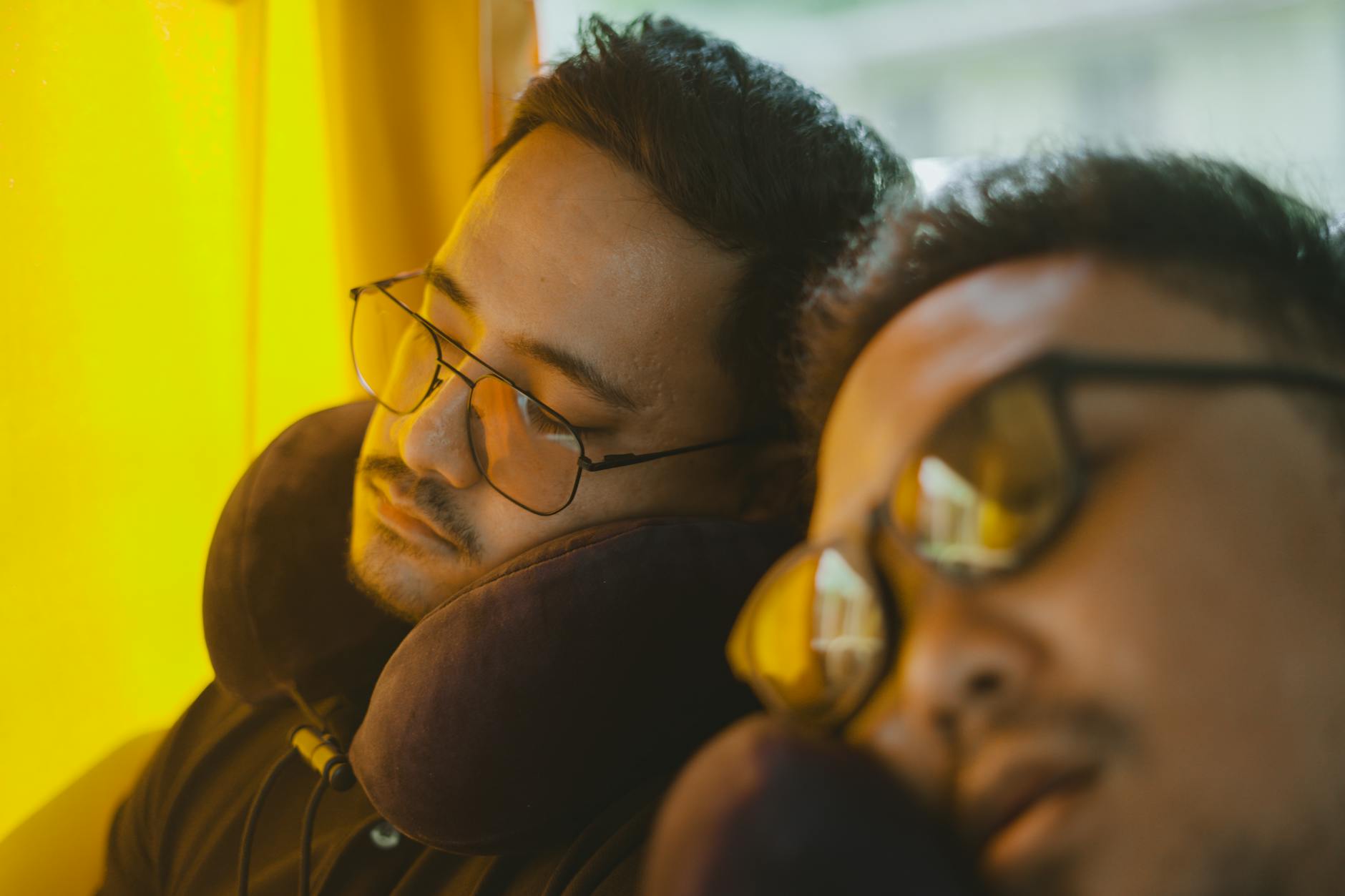
Standard airline pillows rarely provide adequate support for restorative sleep during flight. A memory foam or inflatable neck pillow keeps the head aligned and prevents stiffness upon waking. Some designs attach to the headrest to stop the head from bobbing forward unexpectedly. Investing in a pillow with a washable cover ensures hygiene and comfort for every trip.
Compression Socks

Wearing compression socks improves blood circulation in the lower legs during extended periods of inactivity. The gentle pressure helps prevent swelling and reduces the risk of deep vein thrombosis. Travelers frequently report feeling lighter and more energized when they wear them for flights over four hours. Putting them on before boarding maximizes their effectiveness throughout the journey.
Hydration Strategy

Airplane cabins have extremely low humidity levels that dehydrate the body rapidly. Drinking water consistently throughout the flight combats fatigue and keeps headaches at bay. Bringing a reusable water bottle allows you to fill up after security and ensures you always have a drink on hand. Avoiding sugary sodas helps maintain stable energy levels and digestion.
Layered Clothing
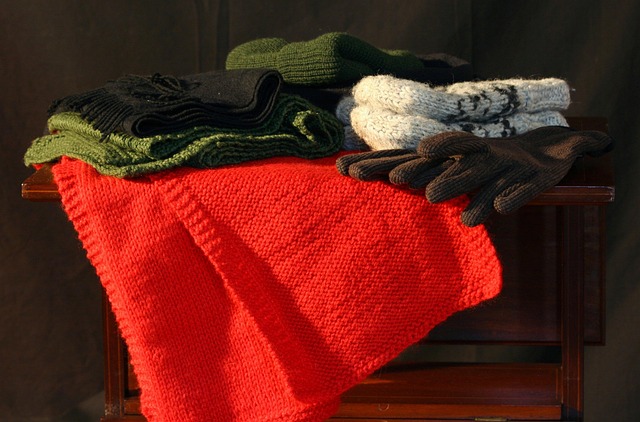
Cabin temperatures fluctuate unpredictably between freezing cold and uncomfortably warm. Dressing in breathable layers allows you to adjust your thermal comfort instantly without leaving your seat. Soft fabrics like cotton or bamboo are preferable to stiff materials that restrict movement. A light cardigan or hoodie can double as an extra blanket if needed.
Silk Eye Mask
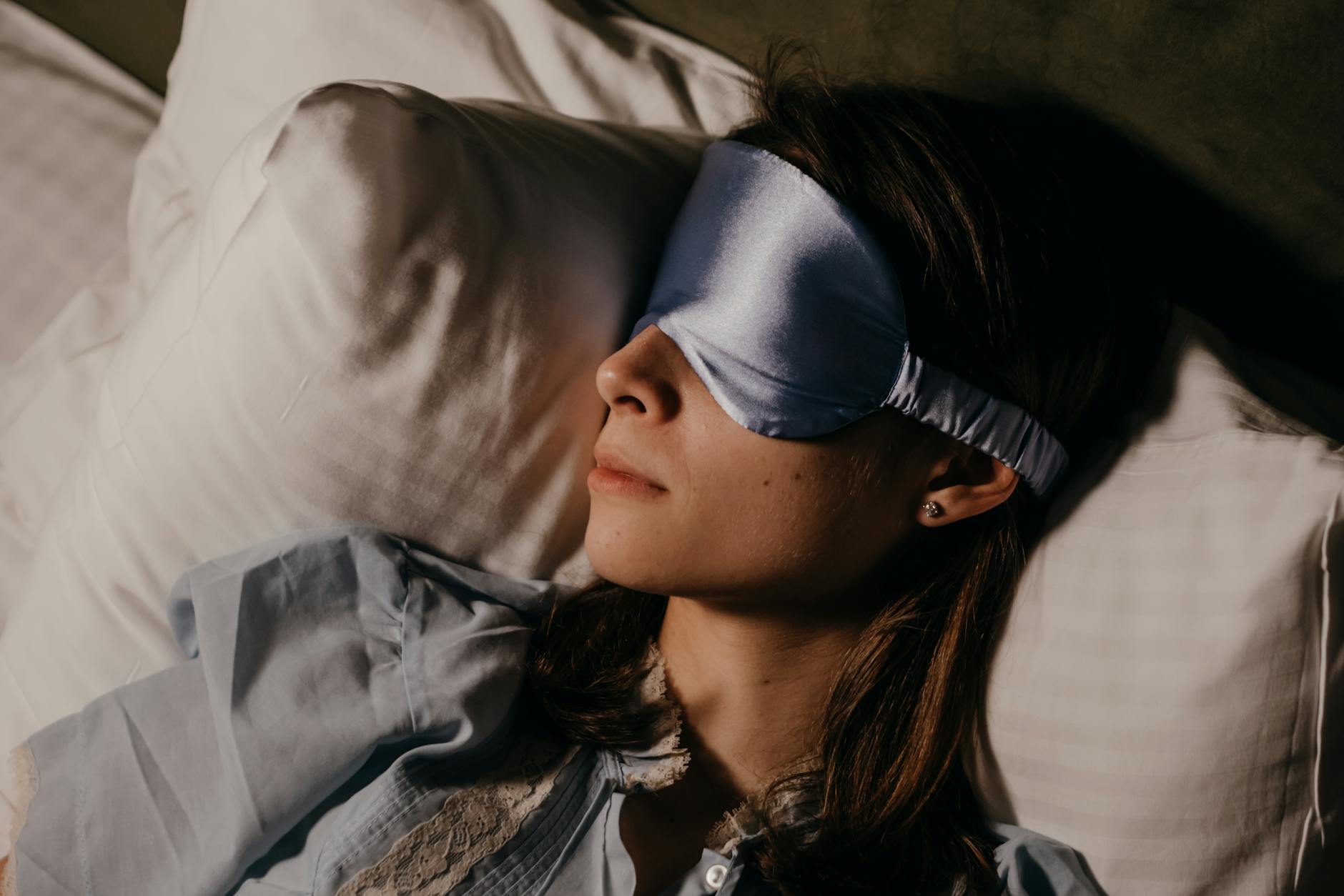
Blocking out ambient cabin light is crucial for regulating your circadian rhythm and inducing sleep. A contoured silk eye mask sits gently on the face without putting pressure on the eyes. Total darkness signals to the body that it is time to wind down regardless of the time zone. This simple accessory creates a private nighttime environment in a public space.
Sanitizing Wipes
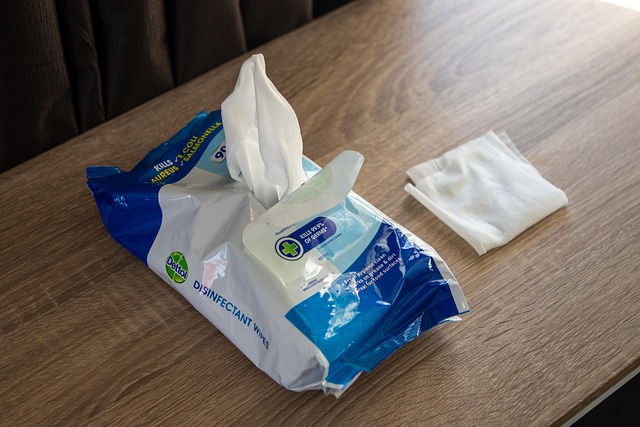
Tray tables and armrests are high-touch surfaces that may harbor germs from previous flights. Wiping down your immediate area upon seating provides peace of mind and reduces the risk of illness. Many travelers also clean the entertainment screen and seatbelt buckle for thorough sanitation. A clean environment sets a positive tone for the duration of the trip.
Lumbar Support
Economy seats often lack proper lower back curvature which leads to discomfort over time. Placing a small pillow or a rolled-up sweater behind the lower back maintains the natural curve of the spine. This simple adjustment alleviates pressure on the vertebrae and reduces overall body tension. Proper posture prevents the aches that commonly accompany long durations of sitting.
Downloaded Entertainment
In-flight entertainment systems can malfunction or offer a limited selection of content. Loading a tablet or smartphone with movies and podcasts ensures you have reliable distractions. Offline access allows you to enjoy media without purchasing expensive Wi-Fi packages. Having familiar shows or books ready provides a sense of comfort and passes the time quickly.
Portable Power Bank
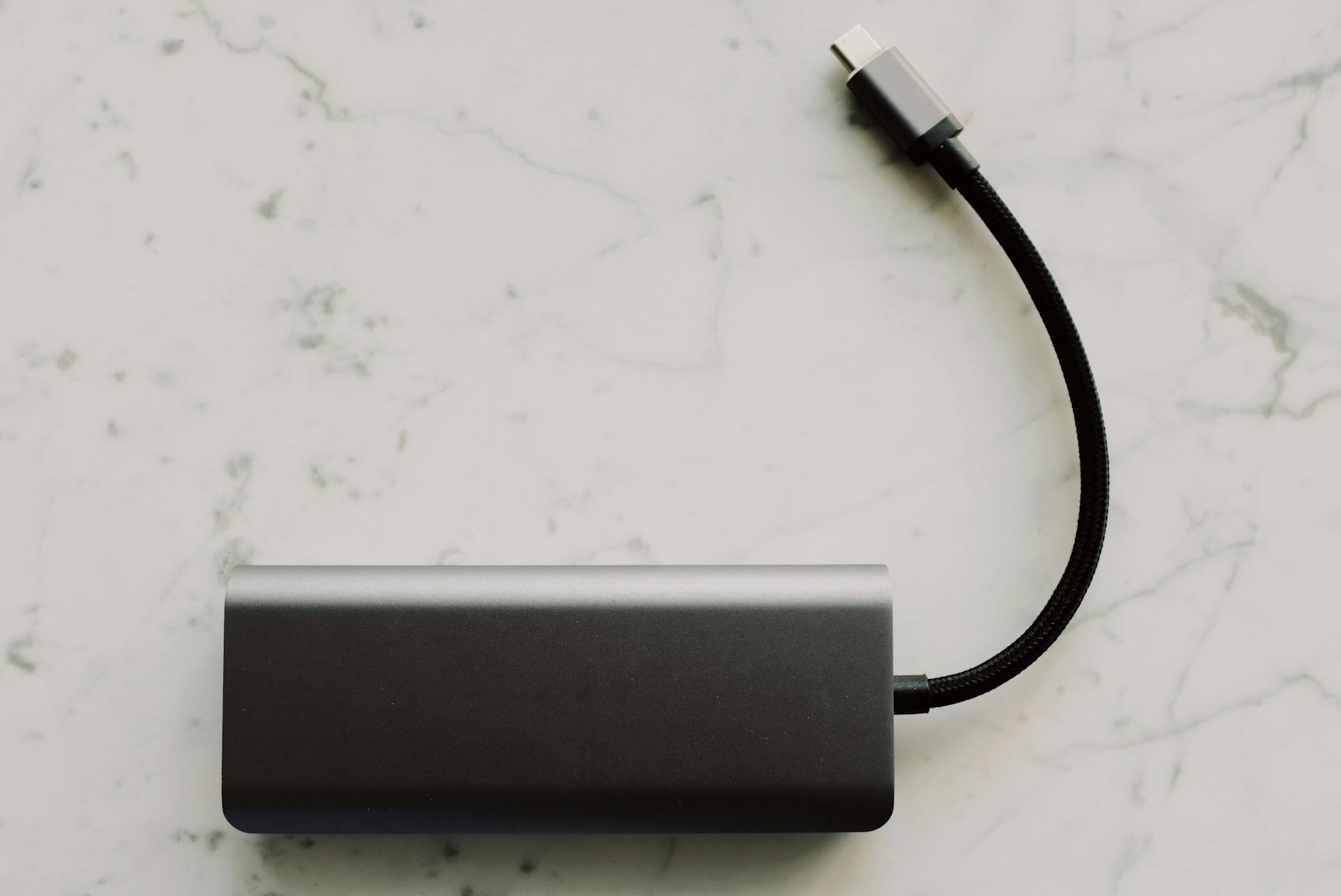
Searching for a functioning outlet under the seat is often frustrating and fruitless. A fully charged portable power bank guarantees your devices remain operational throughout the flight. This backup power source is vital for keeping digital boarding passes and ride-share apps accessible upon landing. Compact models slide easily into a seat pocket for convenient access.
Healthy Snacks
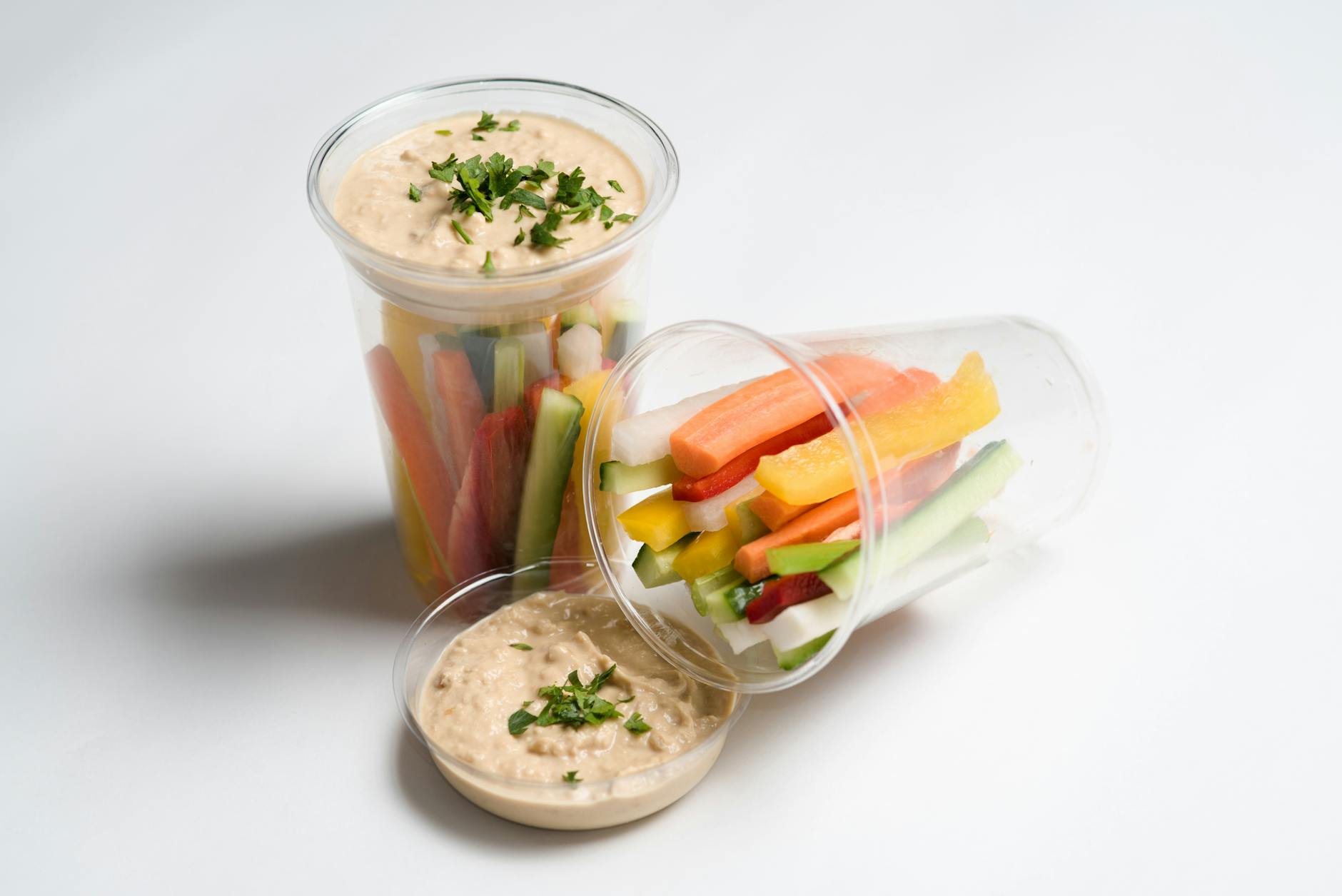
Airline meals are often high in sodium and processed ingredients that cause bloating. Packing nutrient-dense snacks like almonds or protein bars provides a steady source of energy. Fresh fruit or vegetables offer a refreshing crunch and added hydration. controlling your food intake helps manage digestion and prevents the lethargy associated with heavy meals.
Slip-On Shoes
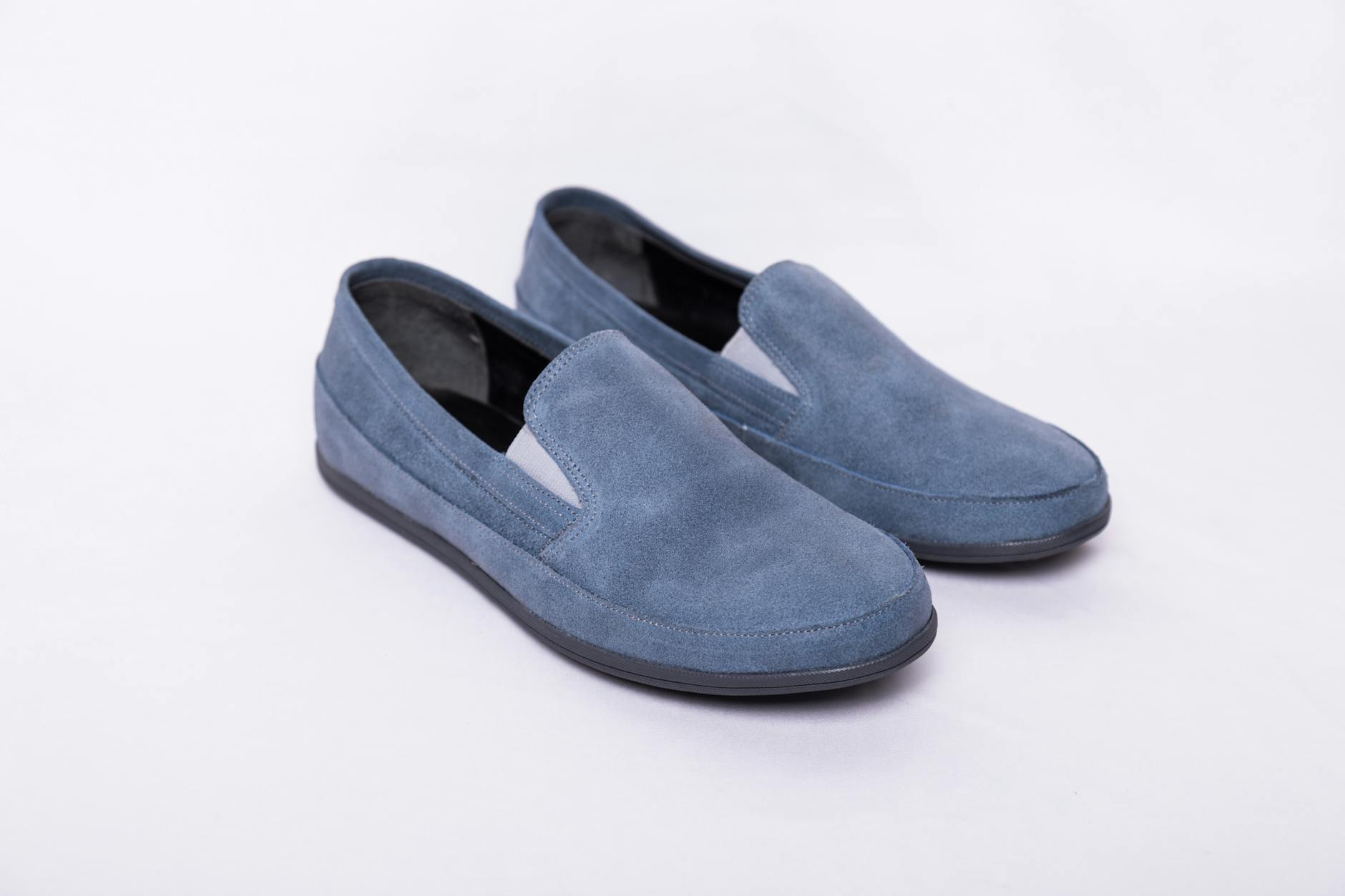
Feet tend to swell at high altitudes making tight shoes uncomfortable and restrictive. Wearing slip-on shoes allows for easy removal to improve circulation and comfort while seated. It also speeds up the process of passing through airport security lines. Keeping warm socks on ensures your feet stay cozy even when shoes are off.
Moisturizing Skincare
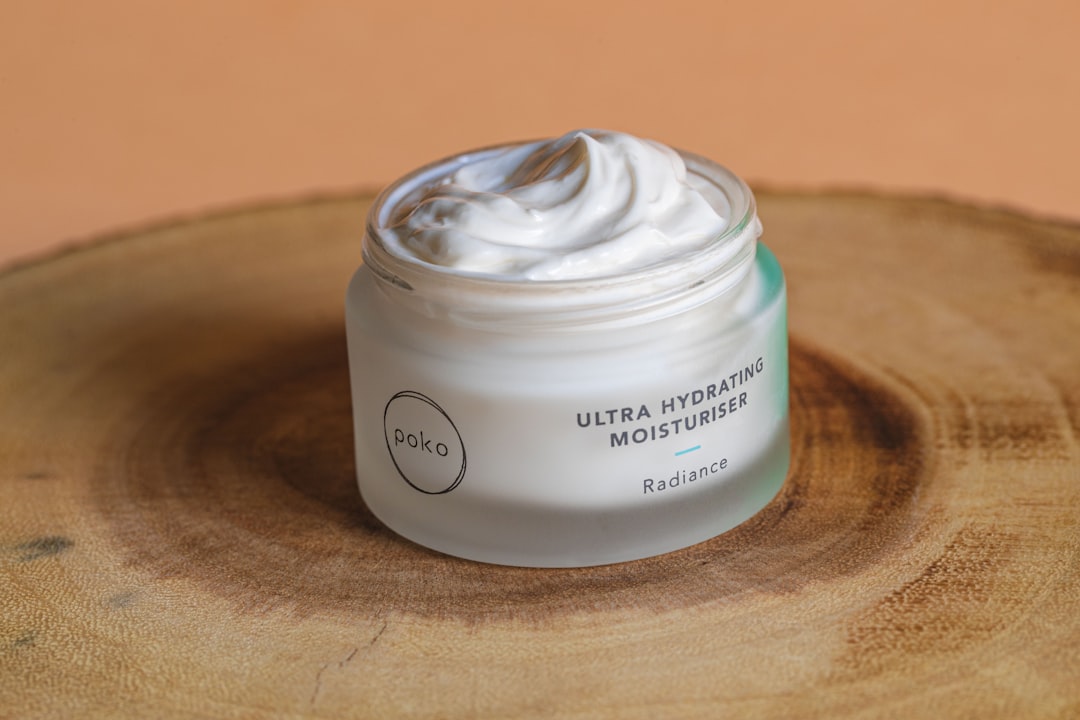
Dry cabin air saps moisture from the skin and leaves it feeling tight and dull. Applying a rich moisturizer or face oil creates a protective barrier against the harsh environment. Lip balm and hand cream are equally important for preventing chapped skin. A quick skincare routine mid-flight can make you feel refreshed and presentable.
Foot Hammock
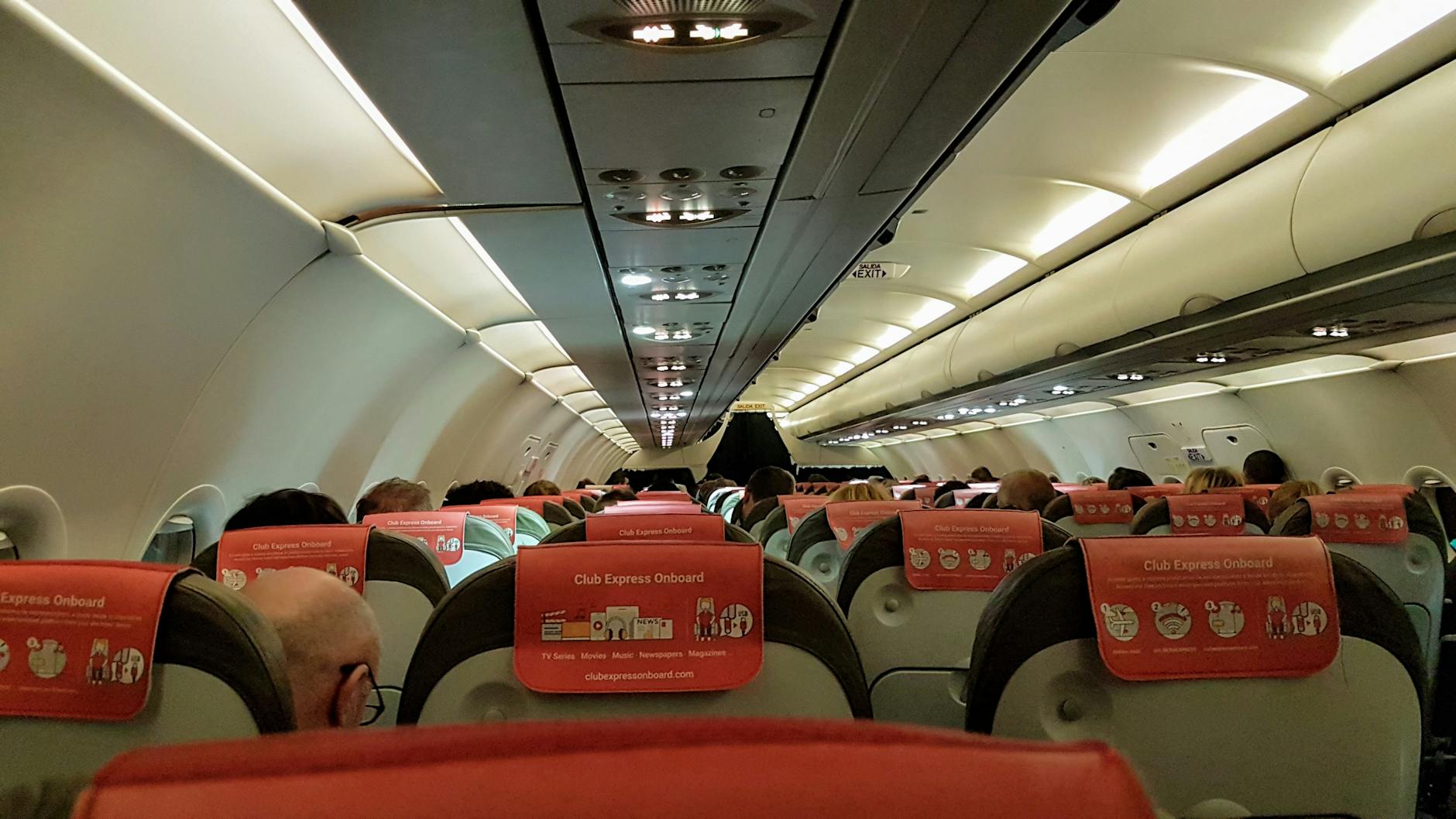
A foot hammock suspends from the tray table to elevate the feet and relieve leg strain. This elevation mimics the mechanics of a recliner and reduces pressure on the lower back. It is particularly beneficial for shorter passengers whose feet may not rest flat on the floor. Checking with the airline beforehand ensures the device is permitted on your specific flight.
High-Fidelity Earplugs

Foam earplugs offer a lightweight and inexpensive alternative to bulky headphones. They effectively dampen sharp noises like crying babies or galley announcements. Silicone options mold to the ear canal for a custom fit that stays in place during sleep. pairing earplugs with an eye mask creates a sensory deprivation effect conducive to rest.
Saline Nasal Spray
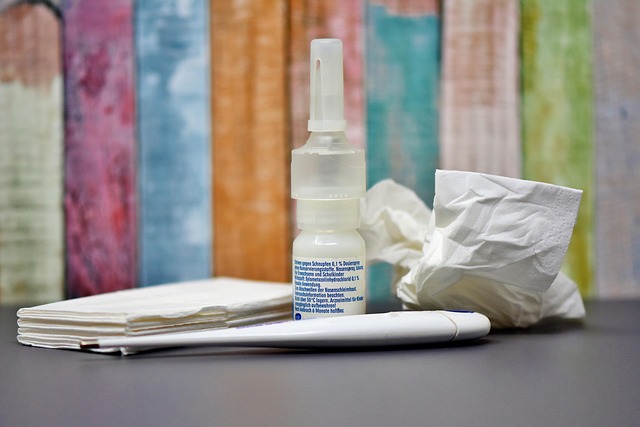
Low humidity dries out nasal passages and compromises the body’s natural defense against airborne viruses. Using a saline spray keeps the mucous membranes moist and comfortable. This simple step helps prevent nosebleeds and reduces susceptibility to respiratory infections. Regular application throughout the flight maintains optimal nasal health.
Adjustable Air Vent
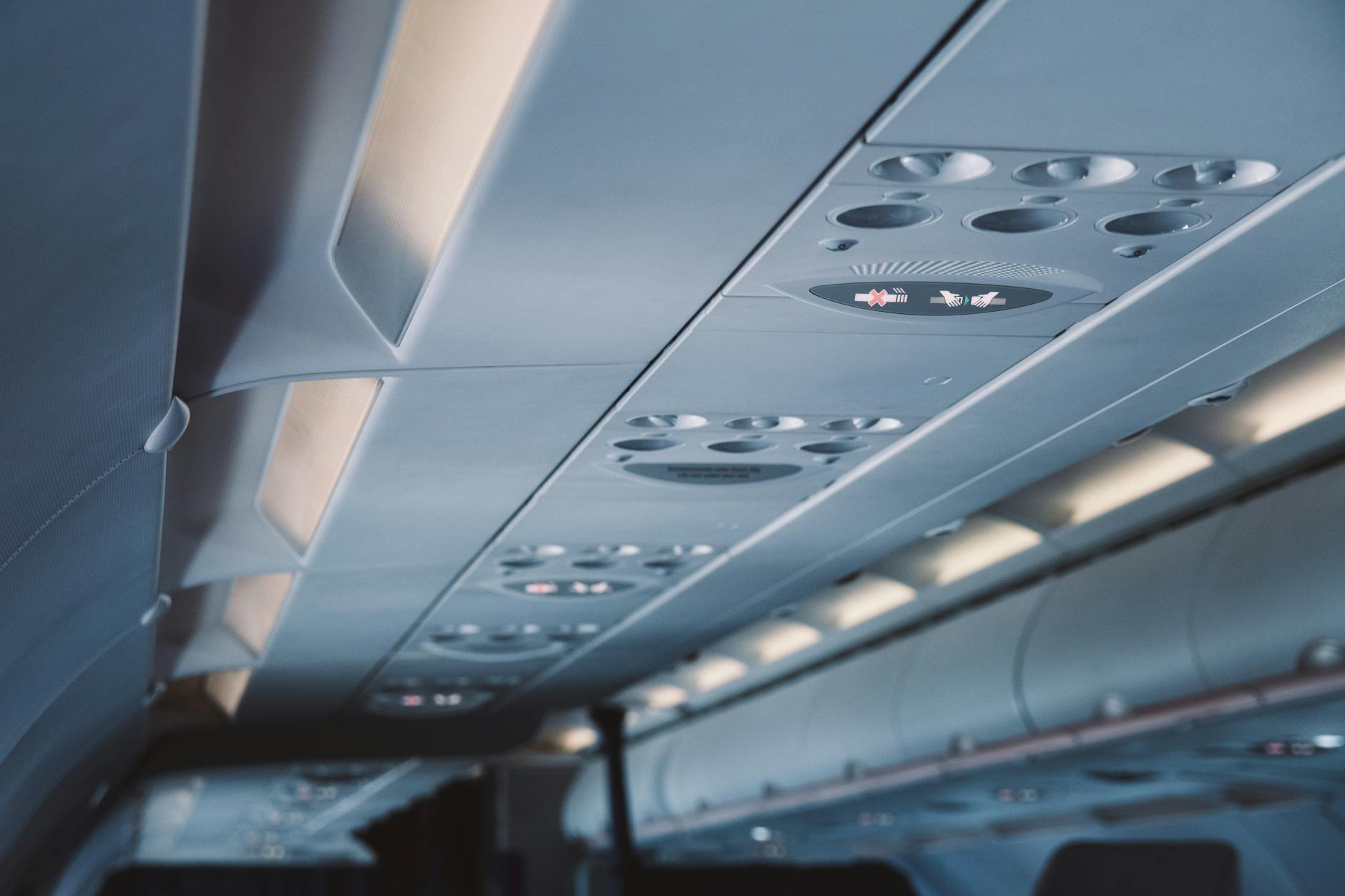
Directing the overhead air vent properly creates a personal climate zone. Aiming the stream of air just in front of the face can help deflect airborne particles away from you. This constant airflow also prevents overheating during crowded flights. Adjusting the flow strength allows for temperature regulation without disturbing neighbors.
Herbal Tea Bags
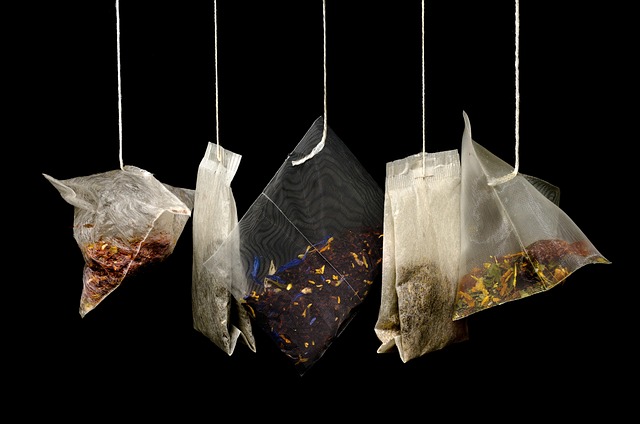
Asking for hot water and using your own herbal tea bag provides a soothing non-caffeinated beverage. Peppermint aids digestion while chamomile promotes relaxation and sleepiness. The warmth of the cup offers a comforting sensation in a chilly cabin. This small ritual brings a touch of home and wellness to the travel experience.
Gentle Stretching
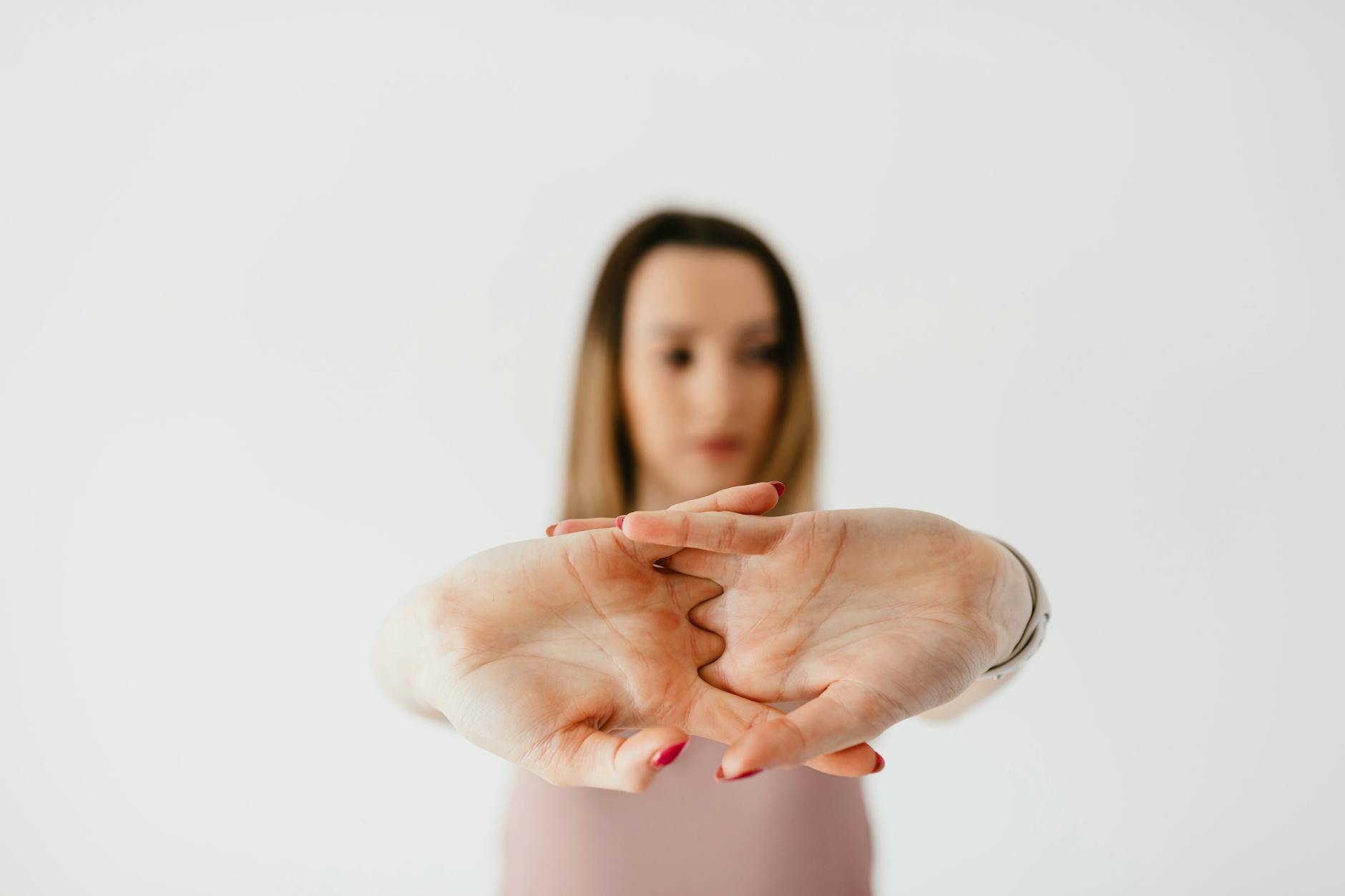
Remaining static for hours causes muscles to tighten and joints to stiffen. Performing subtle stretches in your seat keeps blood flowing and maintains flexibility. Rotating ankles and rolling shoulders release built-up tension without disturbing others. Walking the aisle when the seatbelt sign is off is also recommended for circulation.
Toothbrush Kit
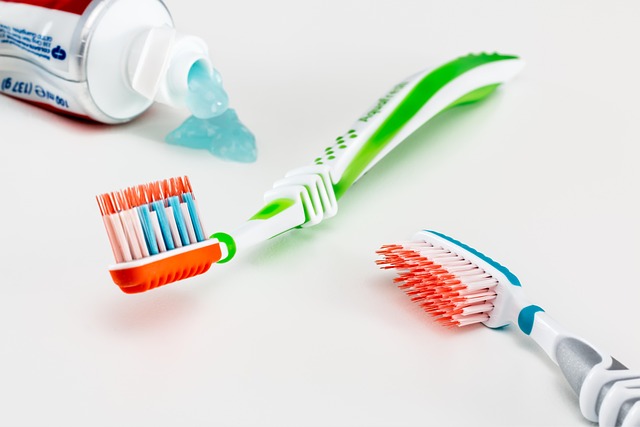
Brushing your teeth is the single most effective way to feel refreshed after sleeping on a plane. A travel-sized toothbrush and toothpaste take up minimal space in a carry-on bag. Performing this routine before landing signals the body that the journey is concluding. It helps remove the stale taste often left by dehydration and airline food.
Avoid Alcohol

While a glass of wine might seem relaxing it actually disrupts sleep quality and dehydrates the body. Alcohol acts as a diuretic which compounds the drying effects of the pressurized cabin. Skipping the drink service results in better rest and a clearer head upon arrival. Opting for sparkling water provides a bubbly alternative without the negative side effects.
Seat Selection
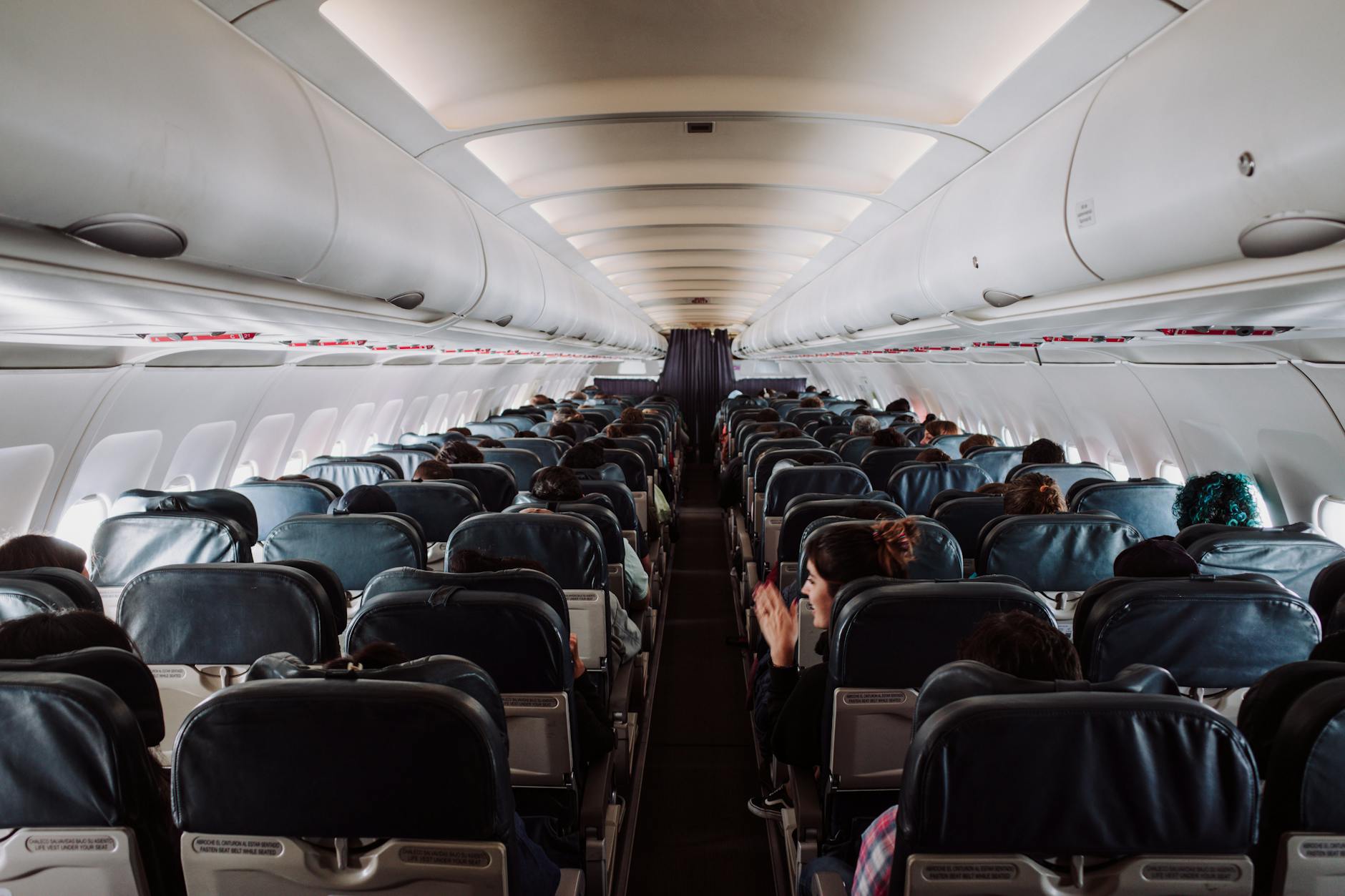
Choosing the right seat during booking is the foundation of a comfortable flight. Window seats offer a wall to lean against while aisle seats provide freedom to move. Avoid seats near the lavatories or galleys to minimize disturbance from foot traffic and noise. Checking seat maps online helps identify rows with extra legroom or missing windows.
Breathable Blanket

Airline blankets are often thin and made from synthetic materials that trap heat. Bringing a lightweight travel blanket made of natural fibers ensures consistent warmth. It can be folded into a lumbar support or pillow when not in use. Having your own clean covering provides a psychological sense of security and hygiene.
Melatonin Supplement
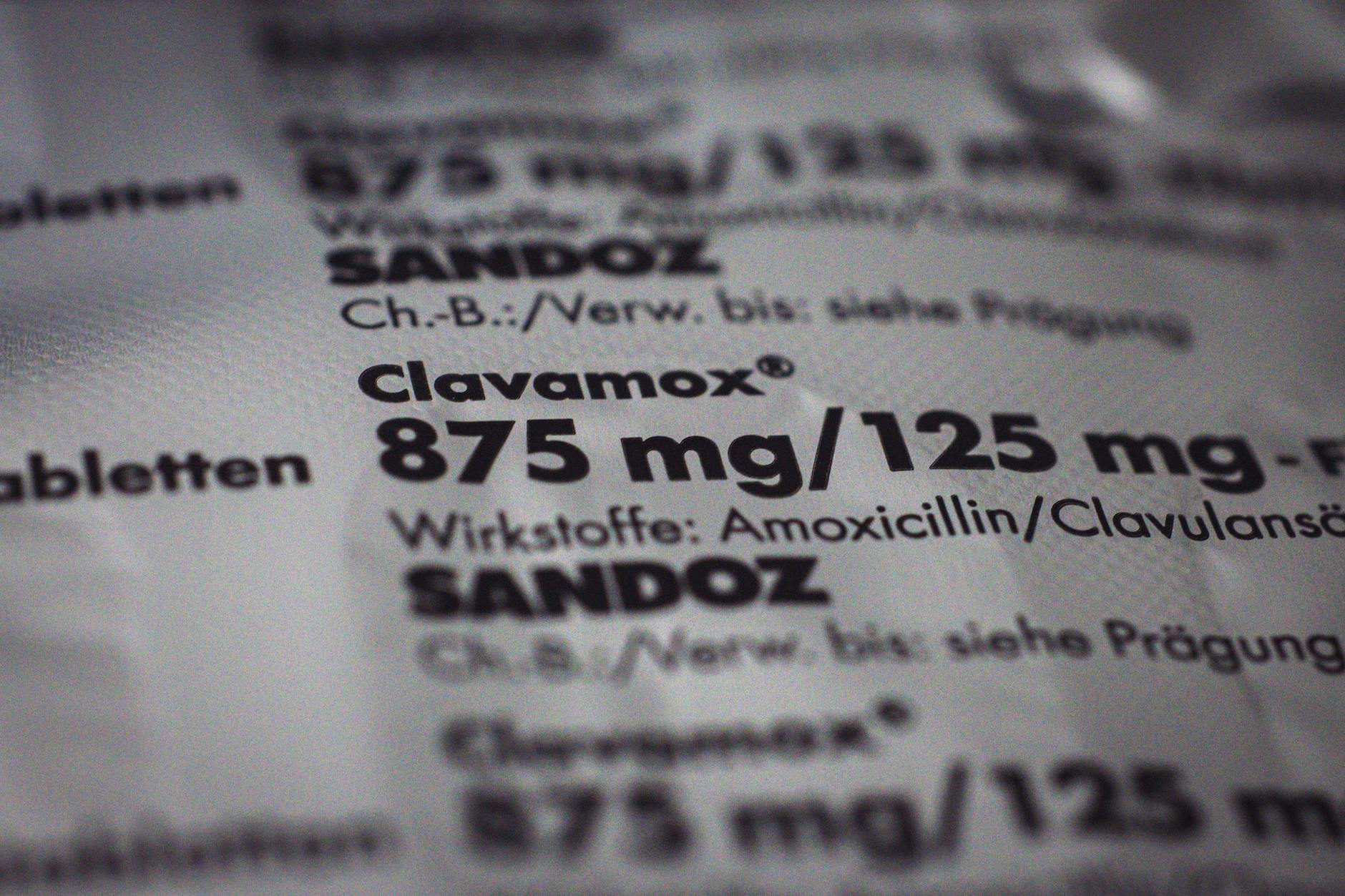
Taking melatonin can help regulate the internal body clock and aid in falling asleep. This natural hormone signals to the brain that it is night and encourages drowsiness. Consult a doctor for the correct dosage and timing to match your destination. It is a popular non-prescription option for combating jet lag.
Pen and Notebook
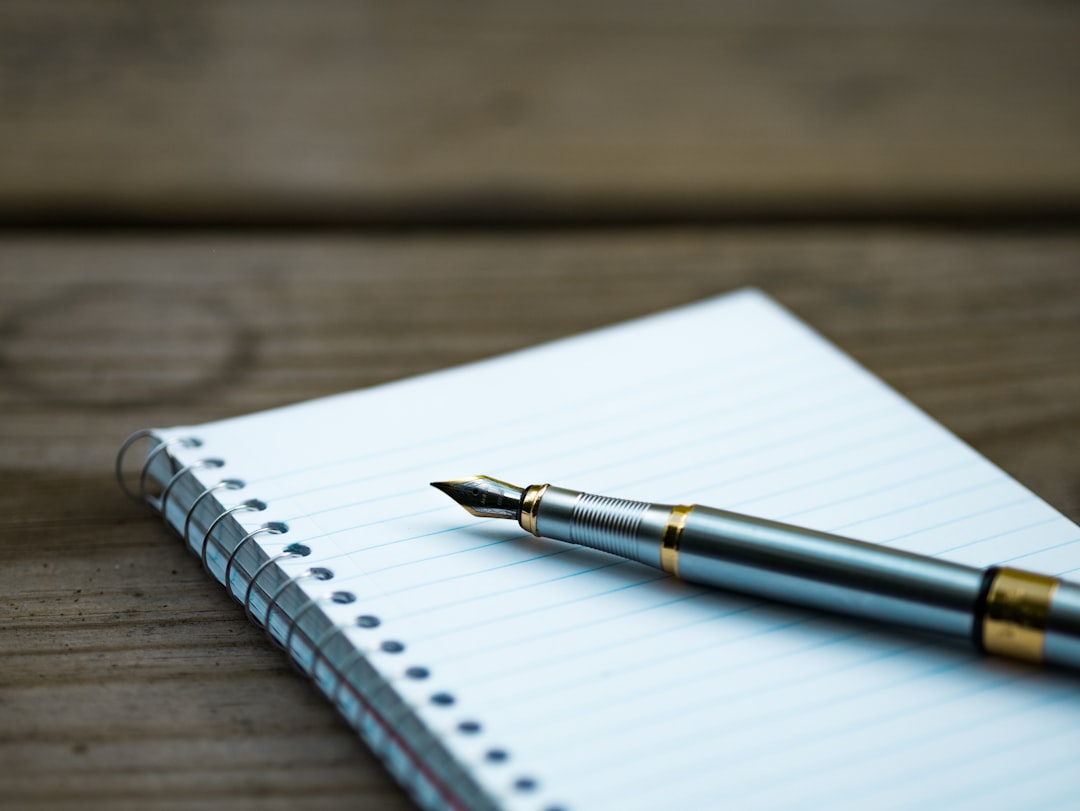
Carrying a pen is essential for filling out immigration forms without waiting for a flight attendant. A notebook allows for jotting down thoughts or ideas that arise during quiet moments. Writing by hand can be a meditative activity that gives the eyes a break from screens. It ensures you are prepared for any paperwork required upon landing.
Essential Oils
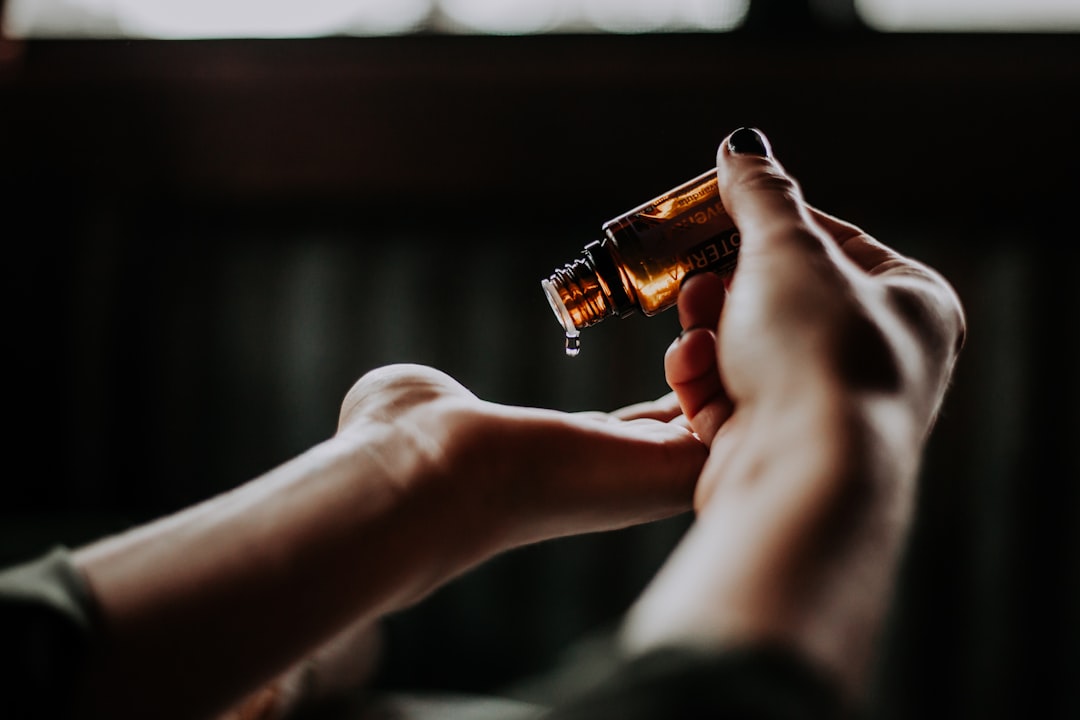
A small rollerball of essential oil like lavender or eucalyptus provides aromatherapy benefits. Applying a tiny amount to pulse points can reduce anxiety and promote calmness. The pleasant scent masks less desirable cabin odors effectively. Be mindful to use subtle scents that will not bother passengers seated nearby.
Spare Change of Clothes
Accidents happen with food and drinks during turbulence or cramped meal services. Having a fresh shirt or underwear in your carry-on saves the day if a spill occurs. Changing into fresh clothes before landing helps you feel renewed for the final leg of the journey. It is a practical safety net that requires little packing space.
Meditation App
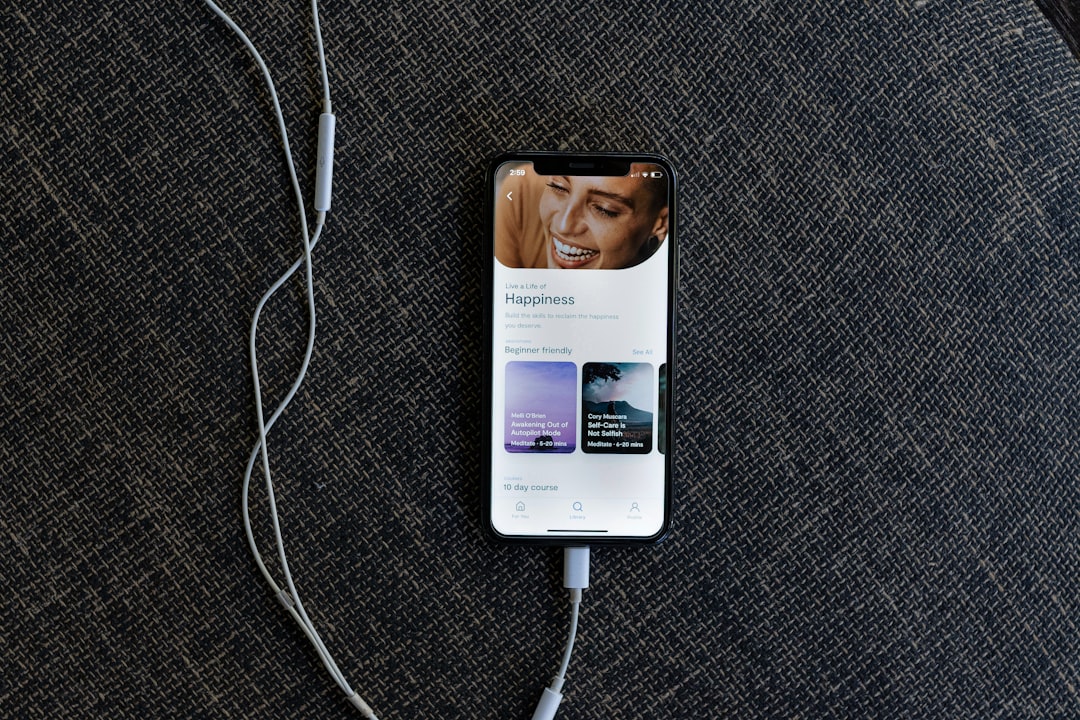
Guided meditation tracks can significantly reduce flight anxiety and promote deep relaxation. Apps often feature specific sessions designed for travel or sleep induction. Focusing on breath work helps detach the mind from the confined environment. Headphones turn these sessions into an immersive mental escape.
Glasses Instead of Contacts
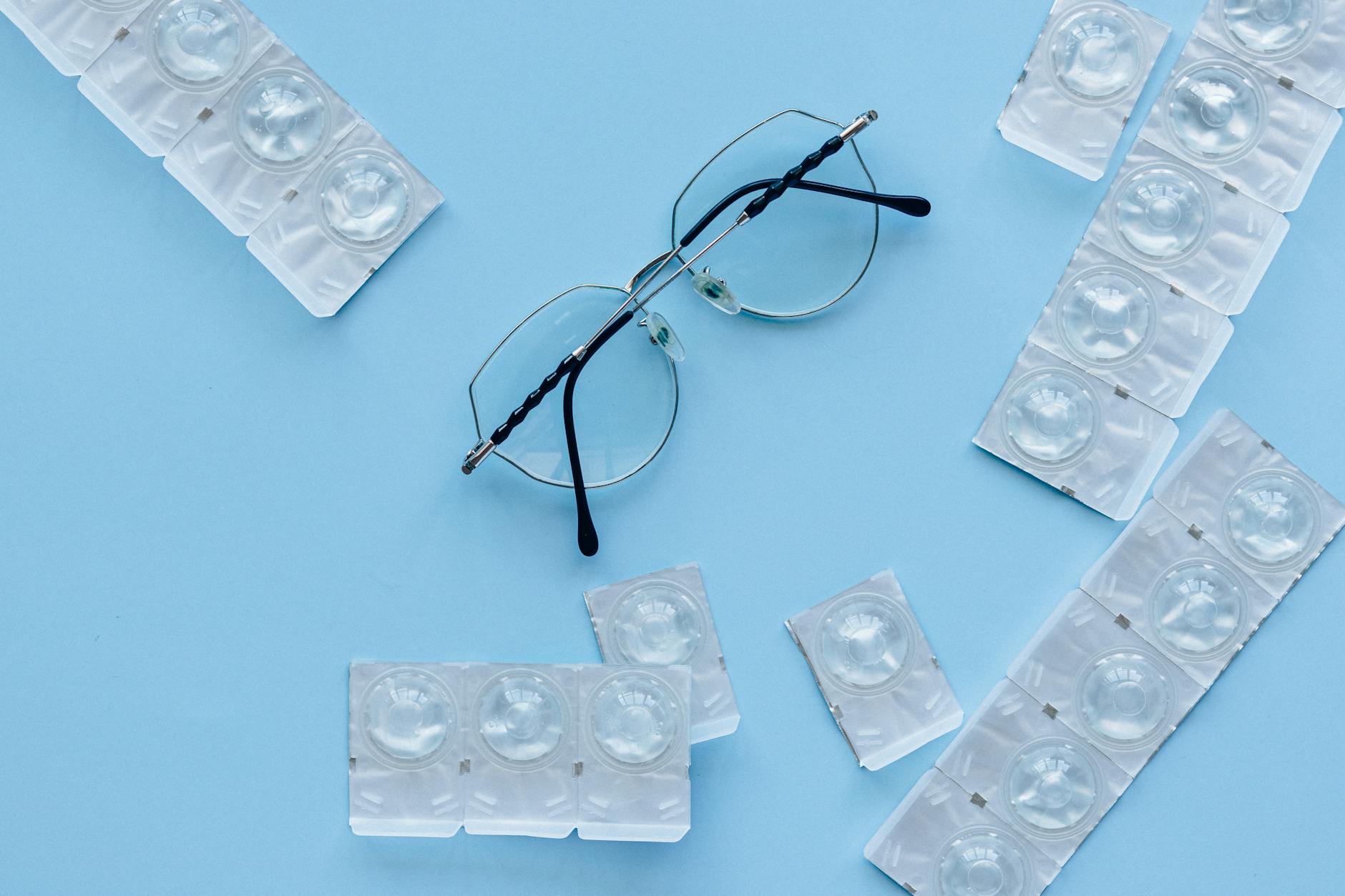
The dry air in the cabin can make contact lenses feel gritty and irritate the eyes. Wearing glasses allows the eyes to breathe and remain moist throughout the flight. It also removes the hassle of trying to remove lenses in a cramped lavatory. You can switch back to contacts once you have arrived at your destination.
Watch Adjustment
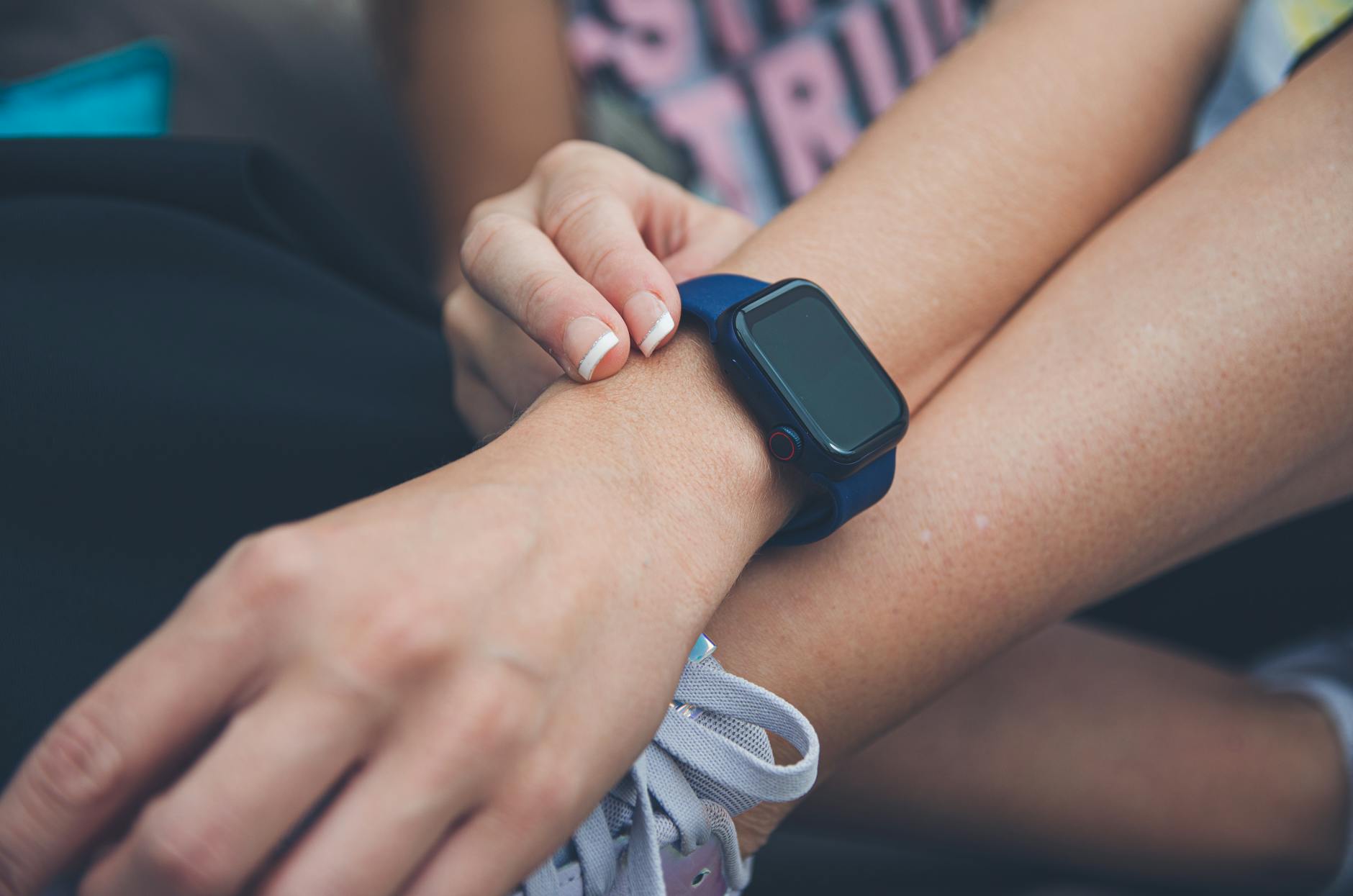
Setting your watch to the destination time immediately upon boarding helps mentally prepare for the new time zone. This psychological trick encourages you to eat and sleep according to the schedule of your arrival city. It begins the adjustment process hours before you actually land. Aligning your mindset early reduces the shock of jet lag.
Tell us which of these travel tips you plan to try on your next trip in the comments.