Maximizing the lifespan of fresh foods reduces waste and saves hundreds of dollars each year. Proper storage techniques can dramatically extend the freshness of everyday household provisions. Understanding the specific temperature and humidity requirements for different ingredients makes kitchen management much more efficient. Implementing these straightforward methods transforms how you organize your refrigerator and pantry spaces.
Asparagus Upright Storage
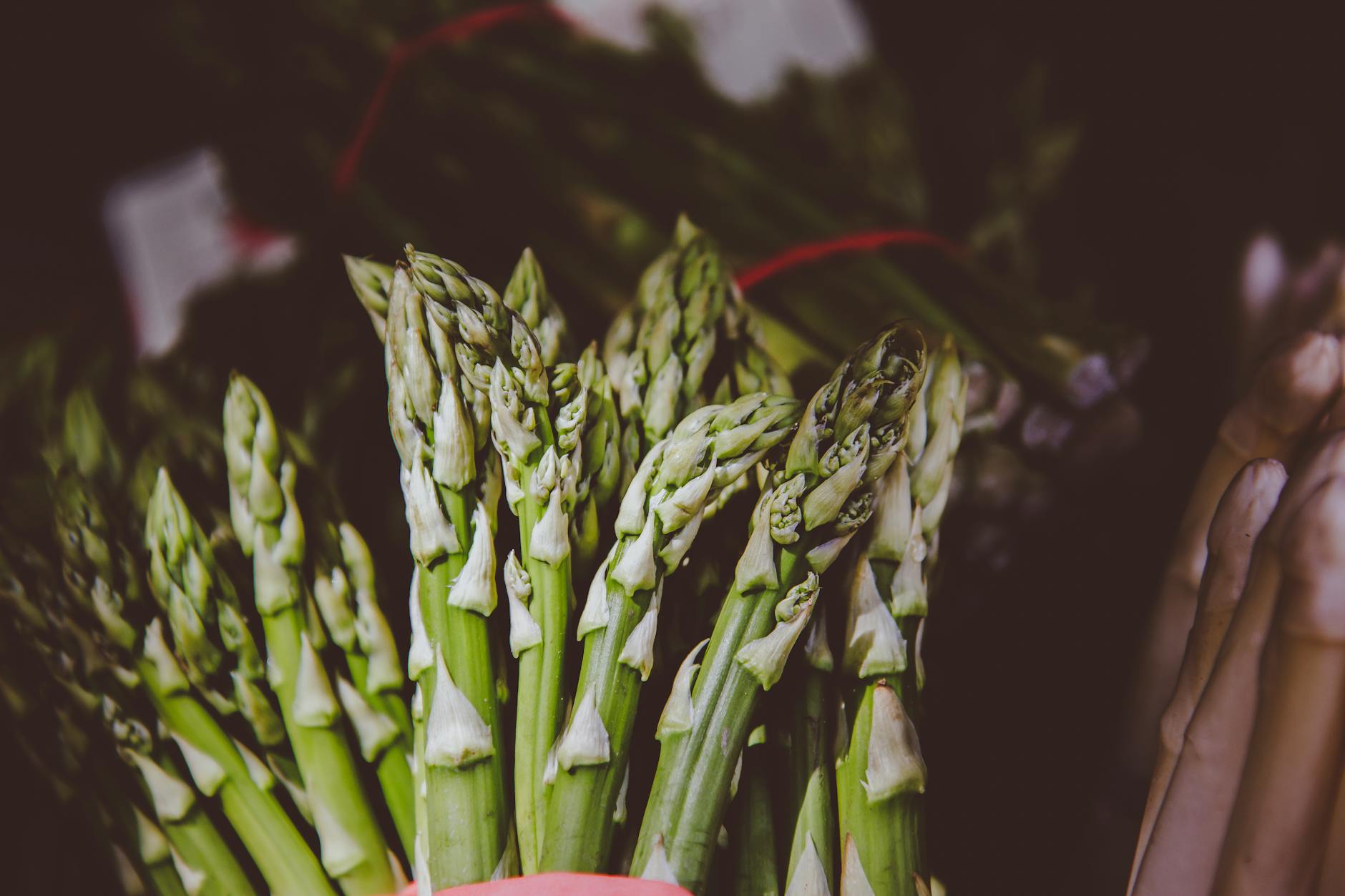
Treating asparagus bunches like fresh flowers keeps the stalks crisp for over a week. Snip about an inch off the woody bottom ends before placing them in a heavy glass. Pour roughly two inches of cold water into the container to submerge the newly cut bases. Loosely cover the delicate tips with a small plastic bag to maintain optimal humidity in the refrigerator. Changing the water every few days prevents bacterial growth and extends their shelf life even further.
Berry Vinegar Bath
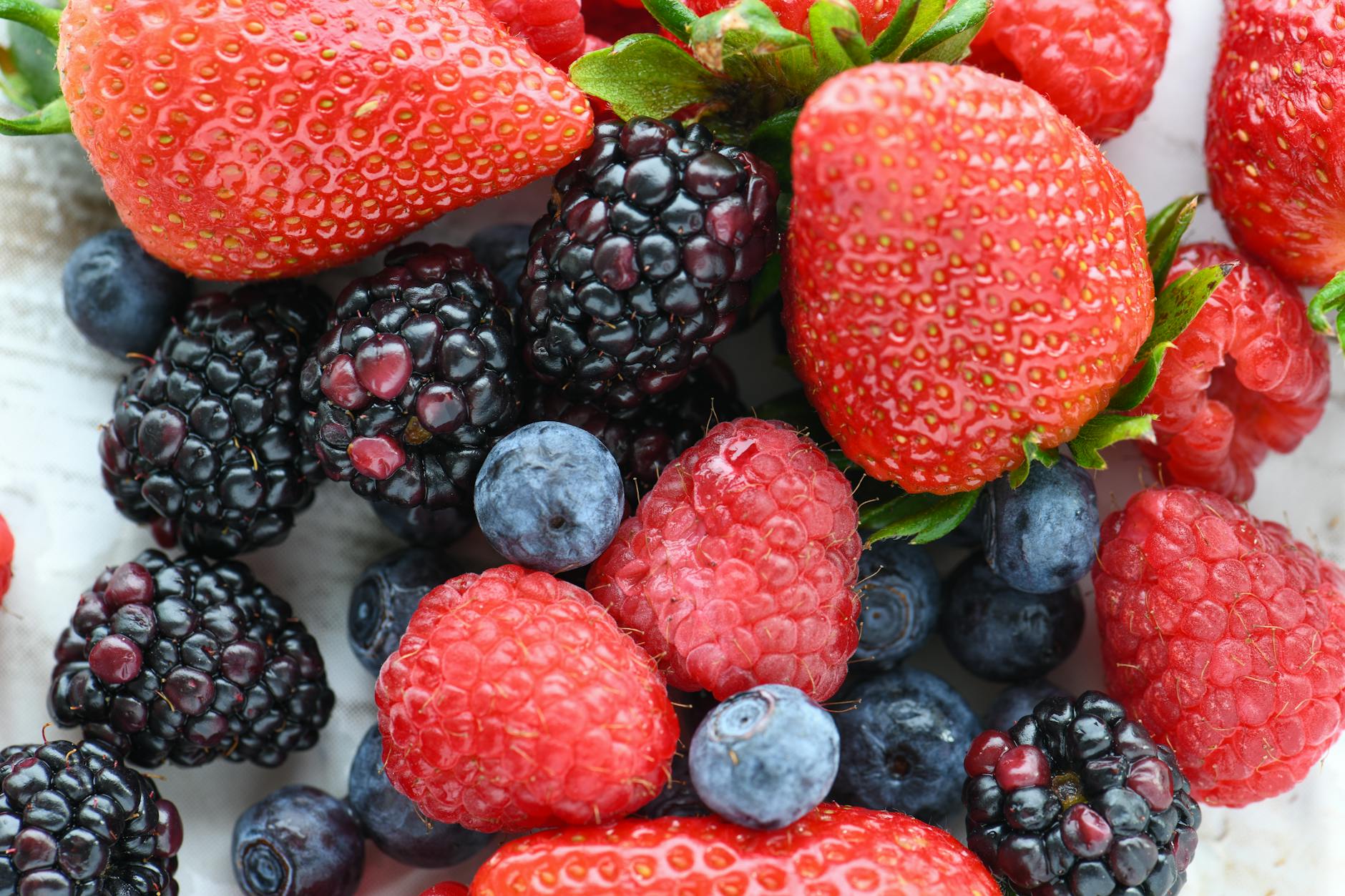
Fresh berries often succumb to mold quickly when left in their original plastic packaging. Creating a diluted bath with one part white vinegar and three parts water eliminates surface spores. Swish strawberries or blueberries in the solution for a few minutes before rinsing them thoroughly with cold tap water. Spread the washed fruits across paper towels to air dry completely before returning them to a clean container. This simple wash process can keep berries perfectly firm for up to two weeks in the refrigerator.
Celery Aluminum Wrapping
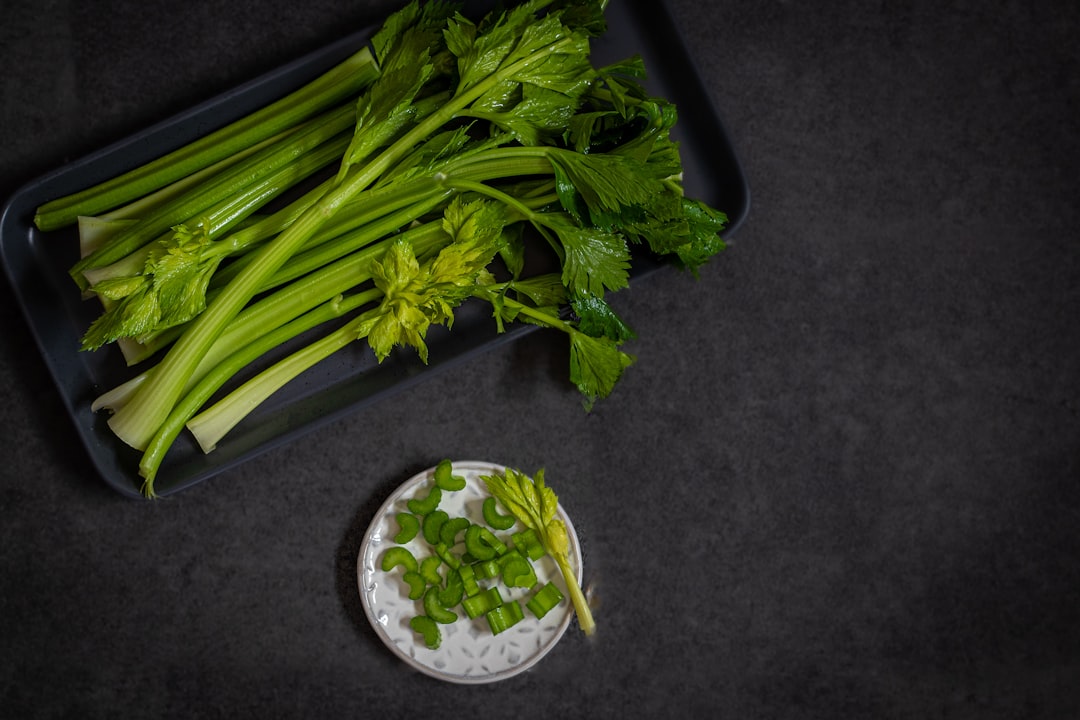
Store bought celery frequently loses its characteristic crunch within a few days of purchase. Removing the vegetable from its plastic sleeve and wrapping it tightly in aluminum foil preserves its moisture. The foil barrier allows natural ripening gases to escape while holding essential hydration inside the stalks. This wrapping method keeps the ribs crunchy enough for snapping for up to four weeks in the crisper drawer. Simply rewrap the remaining bunch securely after removing the pieces needed for your daily recipes.
Cheese Parchment Wrapping
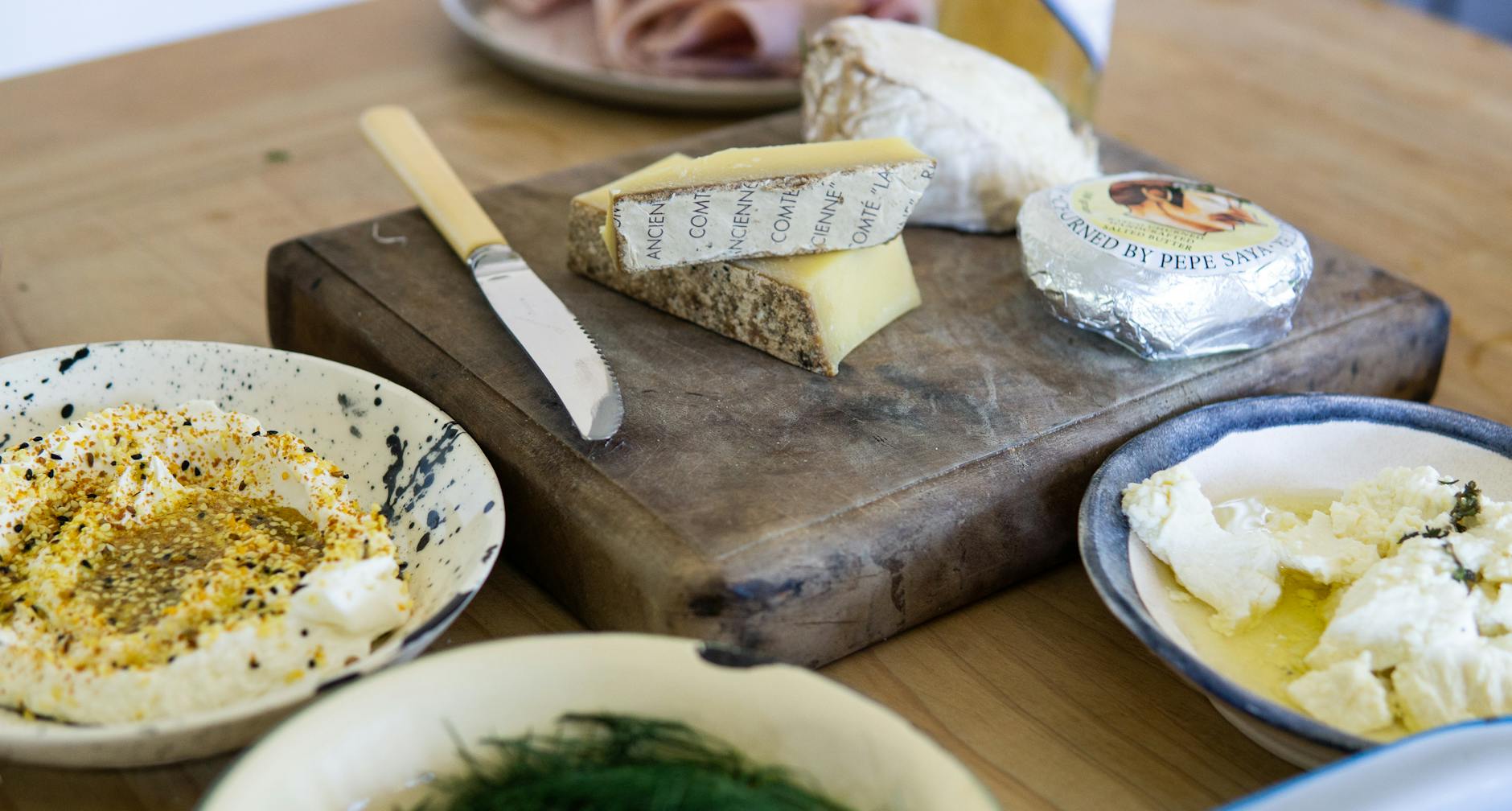
Smothering artisan cheese in tight plastic wrap accelerates spoilage and traps harmful moisture. Wrapping cheddar or gouda blocks in standard parchment paper allows the dairy products to breathe naturally. Slipping the paper wrapped block into a loose plastic bag protects it from absorbing other refrigerator odors. This dual layer technique regulates airflow while preventing the outer edges from drying out and cracking. Quality cheeses maintained in this manner will stay fresh and flavorful for several additional weeks.
Herb Bouquet Method
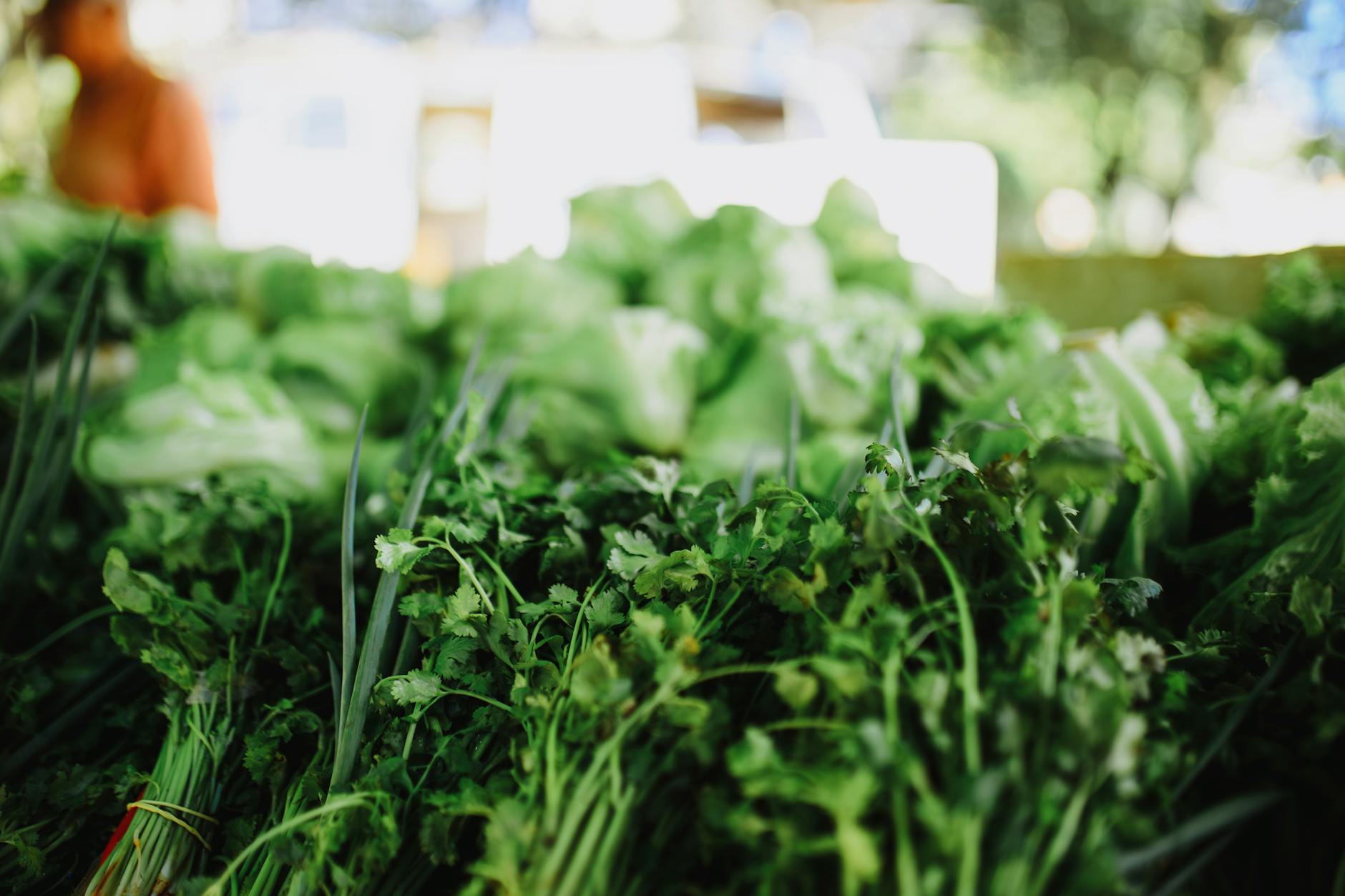
Soft herbs like cilantro and parsley wilt rapidly when tossed carelessly into the produce drawer. Trimming the bottom stems and placing the bunch in a jar with an inch of water mimics their natural growing environment. Draping a thin plastic produce bag over the leaves creates a miniature greenhouse effect on your refrigerator shelf. Checking the water level twice a week ensures the delicate stems remain continuously hydrated. This vertical storage solution yields vibrant green leaves for up to three weeks after your grocery trip.
Onion And Potato Separation
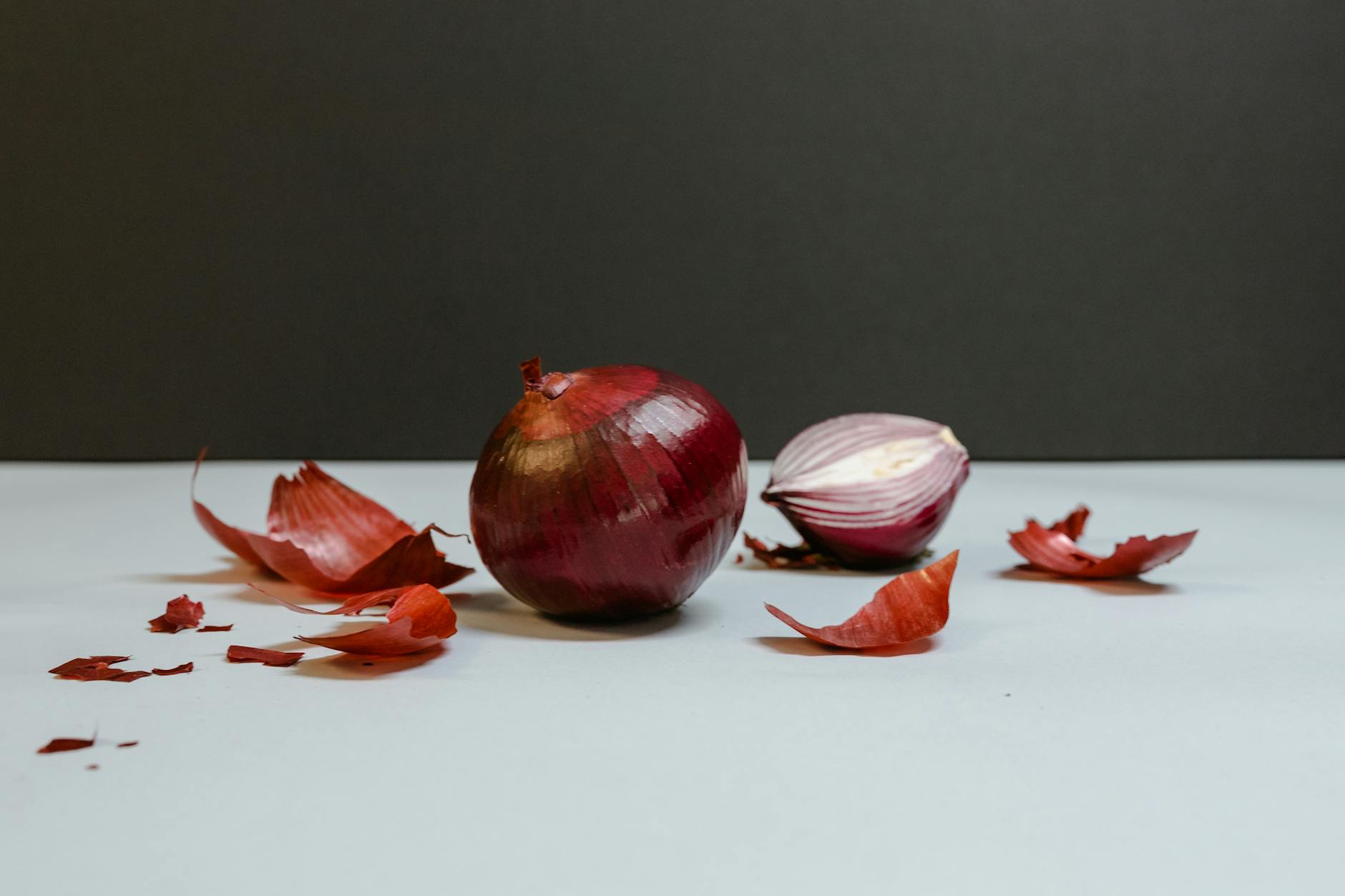
Many home cooks mistakenly store all their heavy root vegetables together in the same pantry bin. Onions release high levels of ethylene gas which causes nearby potatoes to sprout and rot at an accelerated pace. Placing onions in a dry basket and keeping potatoes in a completely separate dark cabinet solves this common issue. Both crops require excellent air circulation and cool temperatures hovering around fifty degrees Fahrenheit. Proper separation ensures each vegetable variety remains perfectly viable for over a month in standard household storage.
Tomato Countertop Resting
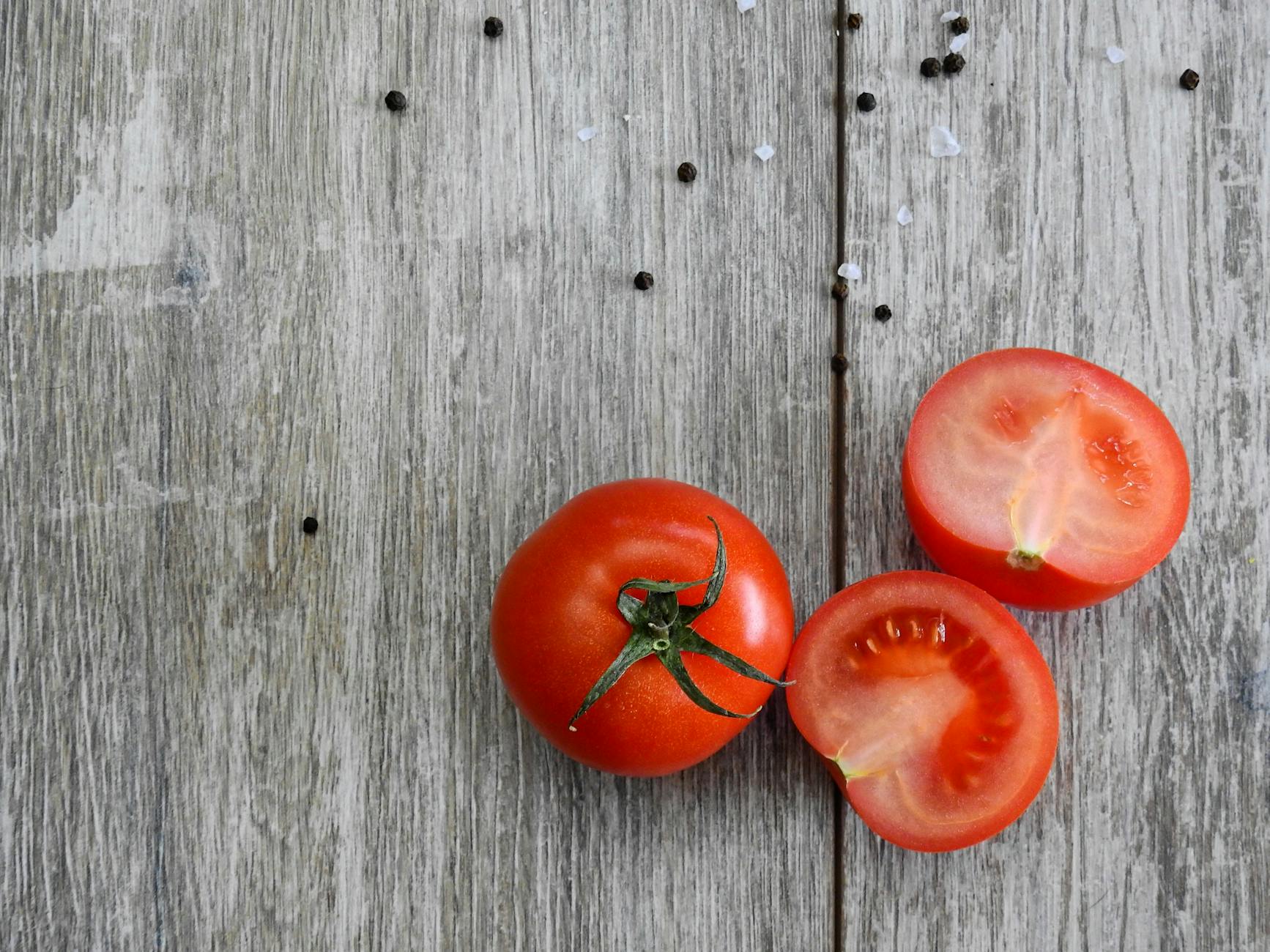
Refrigerating fresh tomatoes alters their cellular structure and turns their fleshy interior unpleasantly mealy. Keeping them out on the kitchen counter at room temperature preserves their juicy texture and sweet flavor profile. Placing the fruits upside down on their shoulders prevents air from entering the stem scar and slowing the spoiling process. A bowl lined with a soft cloth protects the delicate skins from bruising against hard surfaces. Standard counter storage keeps whole tomatoes tasting freshly picked for up to seven days.
Avocado Lemon Trick
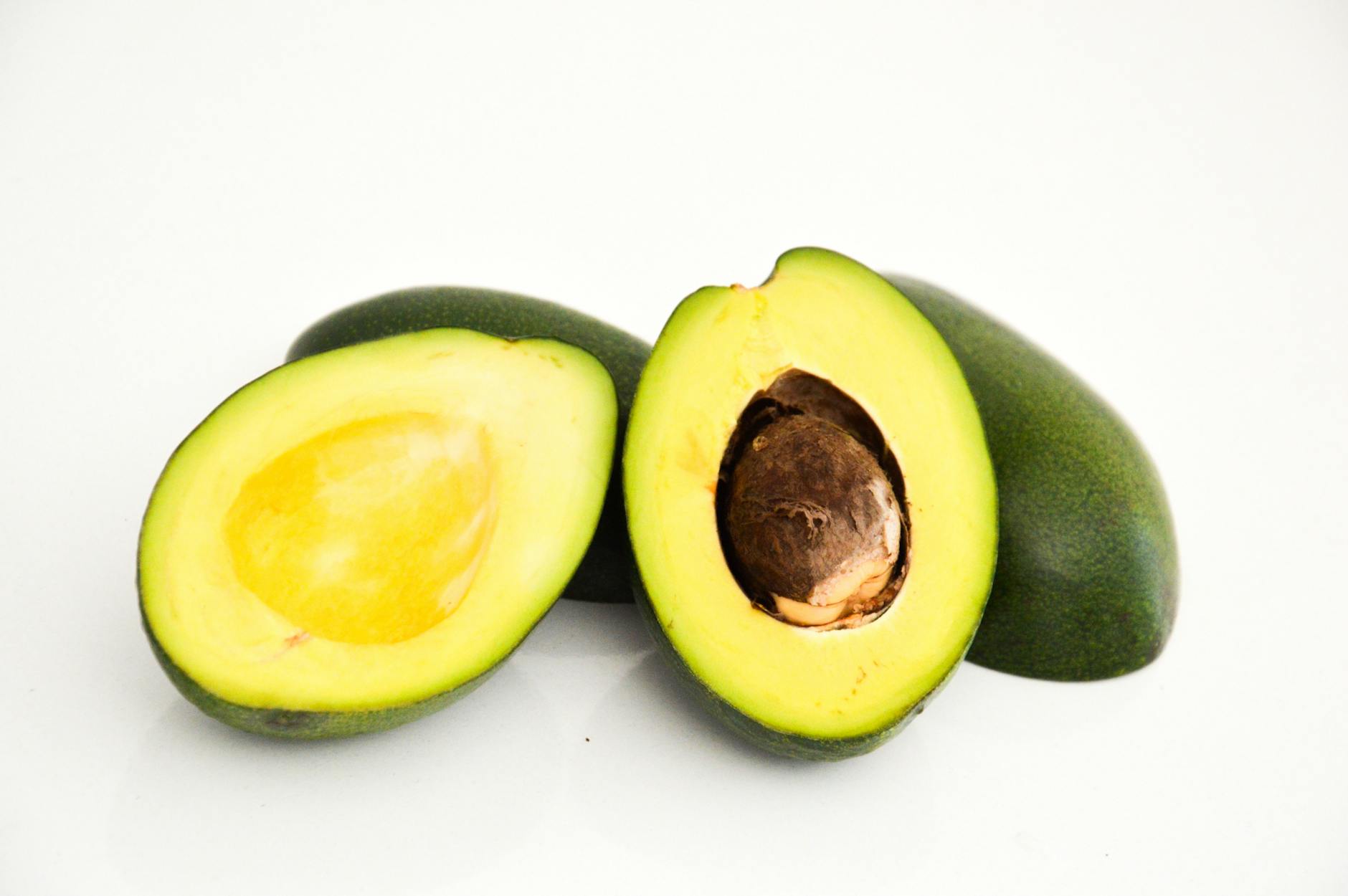
Sliced avocados turn an unappetizing brown shade almost immediately upon exposure to standard indoor air. Brushing the exposed green flesh with a light coating of fresh lemon juice creates a highly effective acidic barrier. Pressing a piece of clear wrap directly against the fruit prevents oxygen from reaching the surface. Storing the prepared half in an airtight container in the refrigerator slows the oxidation process significantly. This citrus method maintains the vivid green color and creamy texture for at least two additional days.
Lettuce Paper Towel Layering
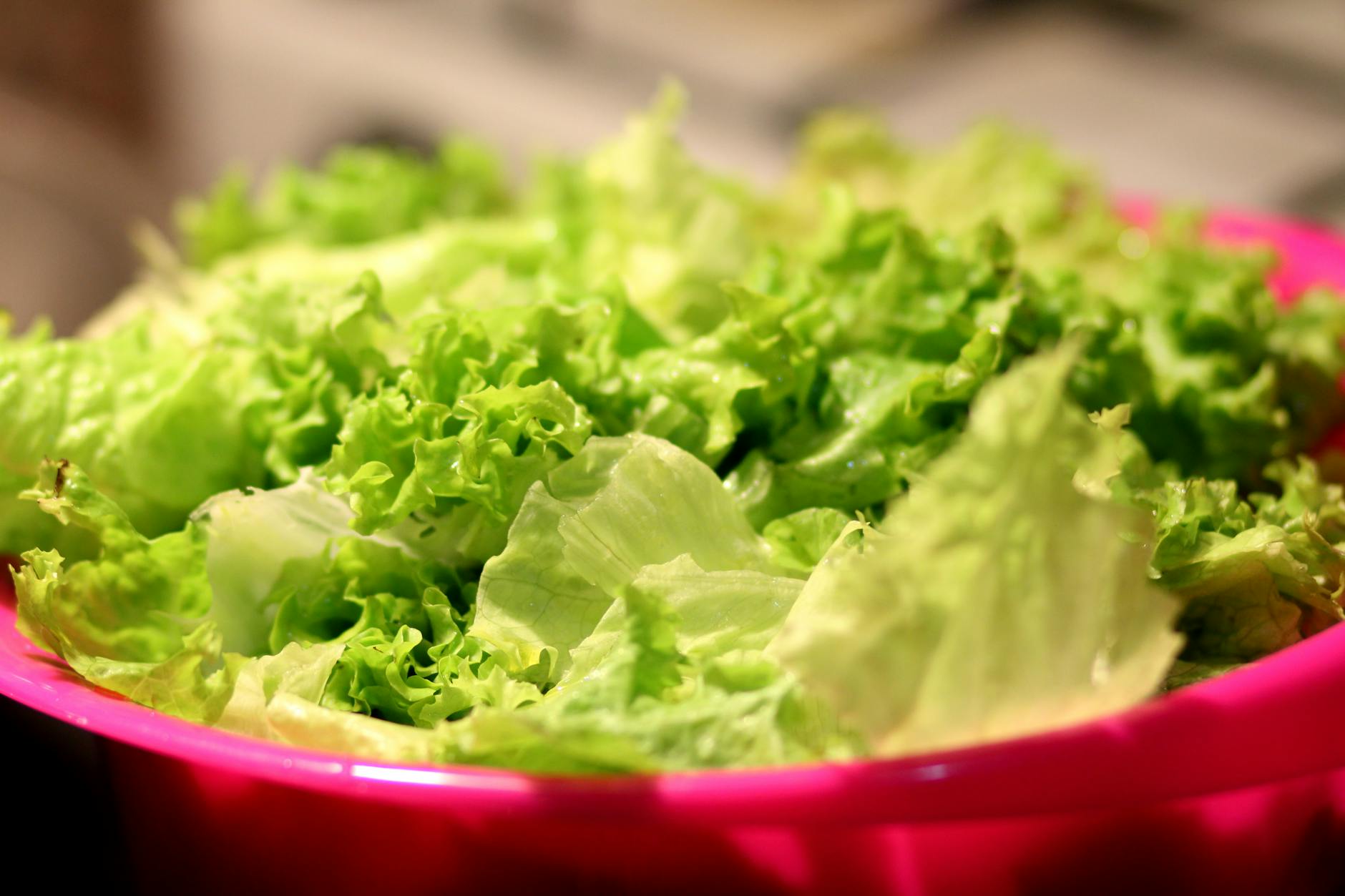
Moisture accumulation stands as the primary enemy of crisp salad greens in the refrigerator. Placing a dry paper towel inside the plastic bag or container absorbs excess condensation before it wilts the leaves. Replacing the damp towel every few days provides continuous protection against slimy residue. Thoroughly drying washed greens in a spinner before packing them away drastically improves their overall longevity. Crisp romaine or spring mix can survive well past ten days using this straightforward moisture absorption tactic.
Mushroom Brown Bagging
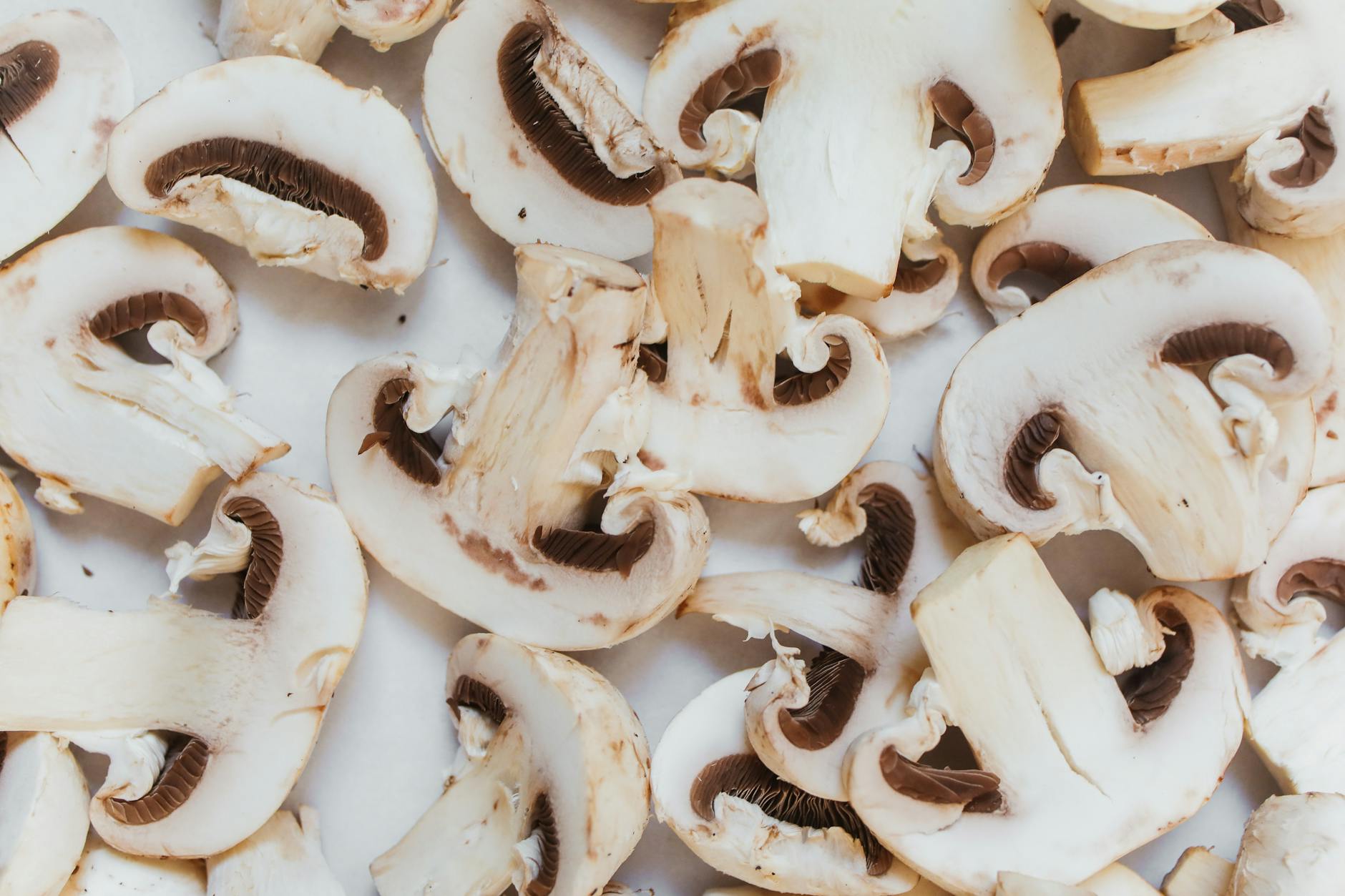
Fresh mushrooms possess a high water content and turn slimy rapidly when trapped inside plastic containers. Transferring the fungi into a simple brown paper lunch bag allows them to breathe and stay dry. The porous paper material actively absorbs escaping moisture while keeping the caps perfectly plump. Rolling the top of the bag loosely closed prevents them from absorbing strong odors from neighboring foods. This breathable storage environment extends the usability of delicate mushrooms by up to a full week.
Milk Deep Shelf Storage
Storing milk jugs inside the refrigerator door exposes the dairy to constant temperature fluctuations. Every time someone opens the appliance the door compartments experience a sudden rush of warm room air. Pushing dairy products to the back of the lowest shelf guarantees the coldest and most stable environment. Maintaining a steady temperature near thirty seven degrees Fahrenheit prevents early curdling and souring. This strategic placement ensures gallons of milk stay sweet well past their printed expiration dates.
Flour Freezer Storage
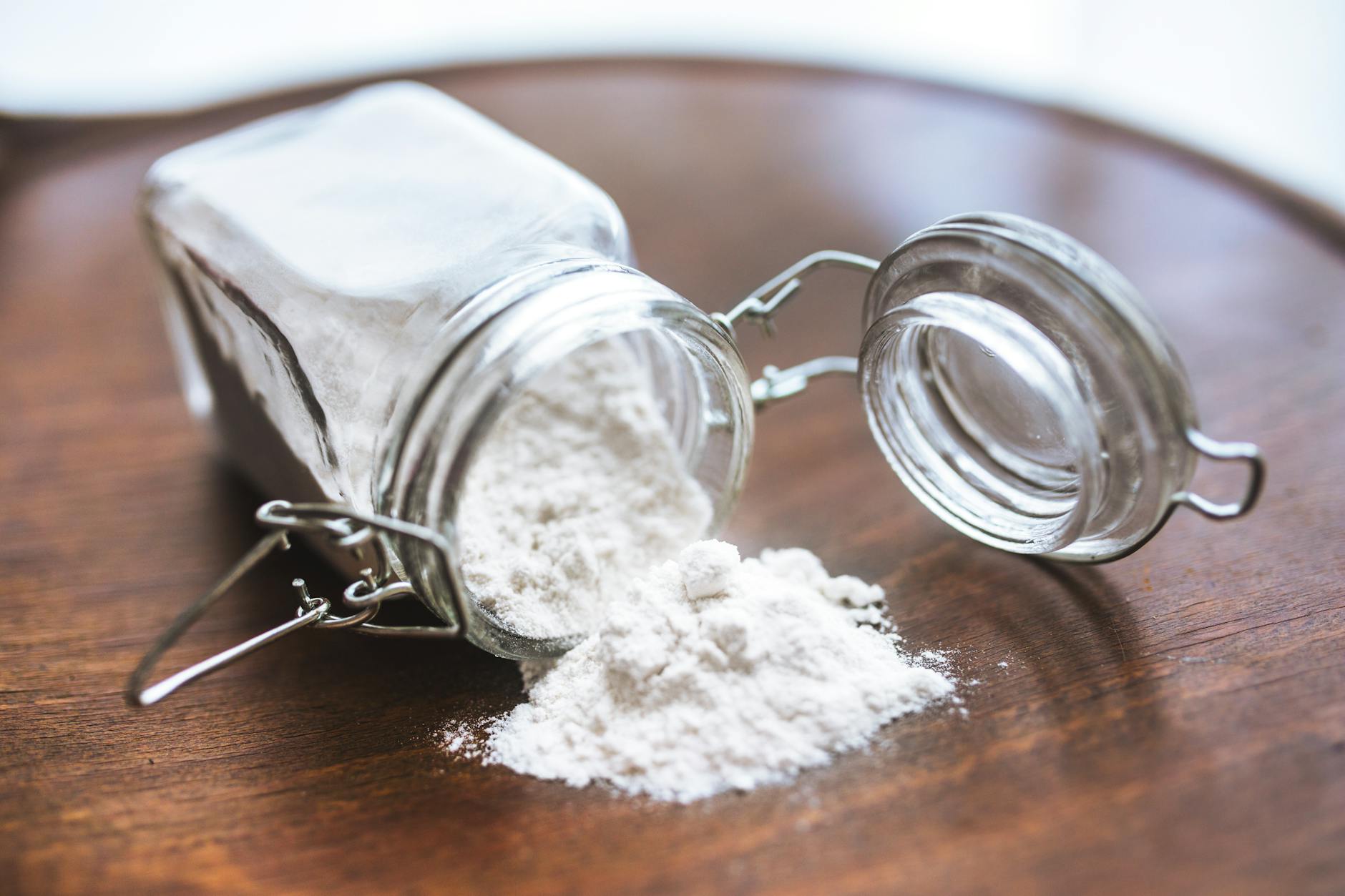
Whole wheat and specialty flours contain natural oils that can turn rancid sitting in warm pantries. Moving these dry goods into the freezer drastically extends their shelf life by halting the oxidation process entirely. Sealing the original paper sacks inside heavy duty freezer bags prevents the powders from absorbing frozen food smells. Bringing only the required amount to room temperature before baking guarantees optimal rise and texture. Frozen flour maintains its premium baking qualities for up to two years without any flavor degradation.
Cucumber Room Temperature
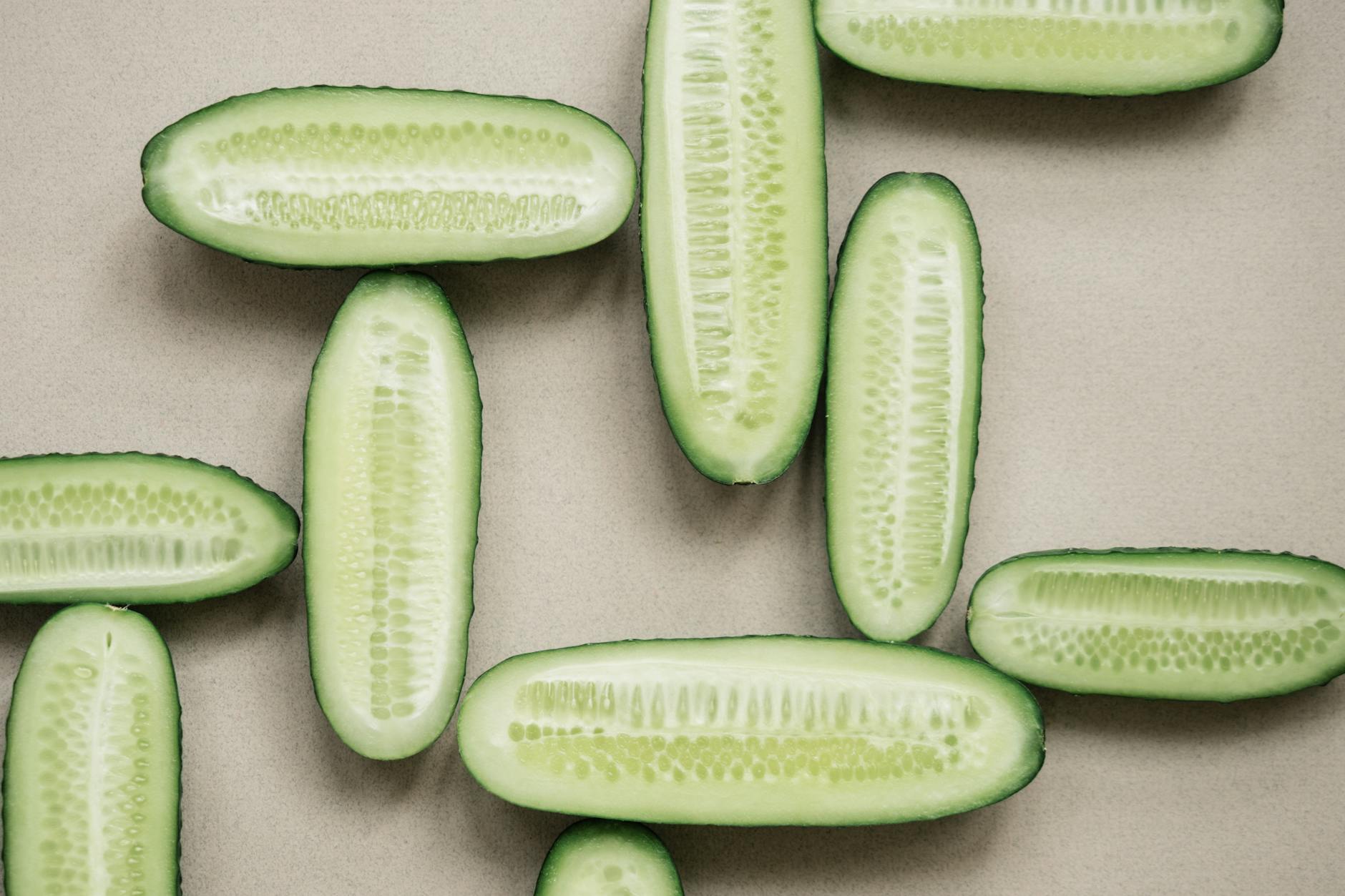
Most people automatically place cucumbers in the coldest section of their refrigerator upon arriving home. These watery gourds actually suffer chilling injuries when exposed to temperatures below fifty degrees Fahrenheit for extended periods. Leaving them out on the counter in a cool spot prevents the skin from developing soft sunken spots. If refrigeration becomes necessary you should consume them within three days to avoid a mushy texture. Countertop resting keeps the flesh crisp and perfectly suited for fresh salads for about a week.
Ginger Freezing
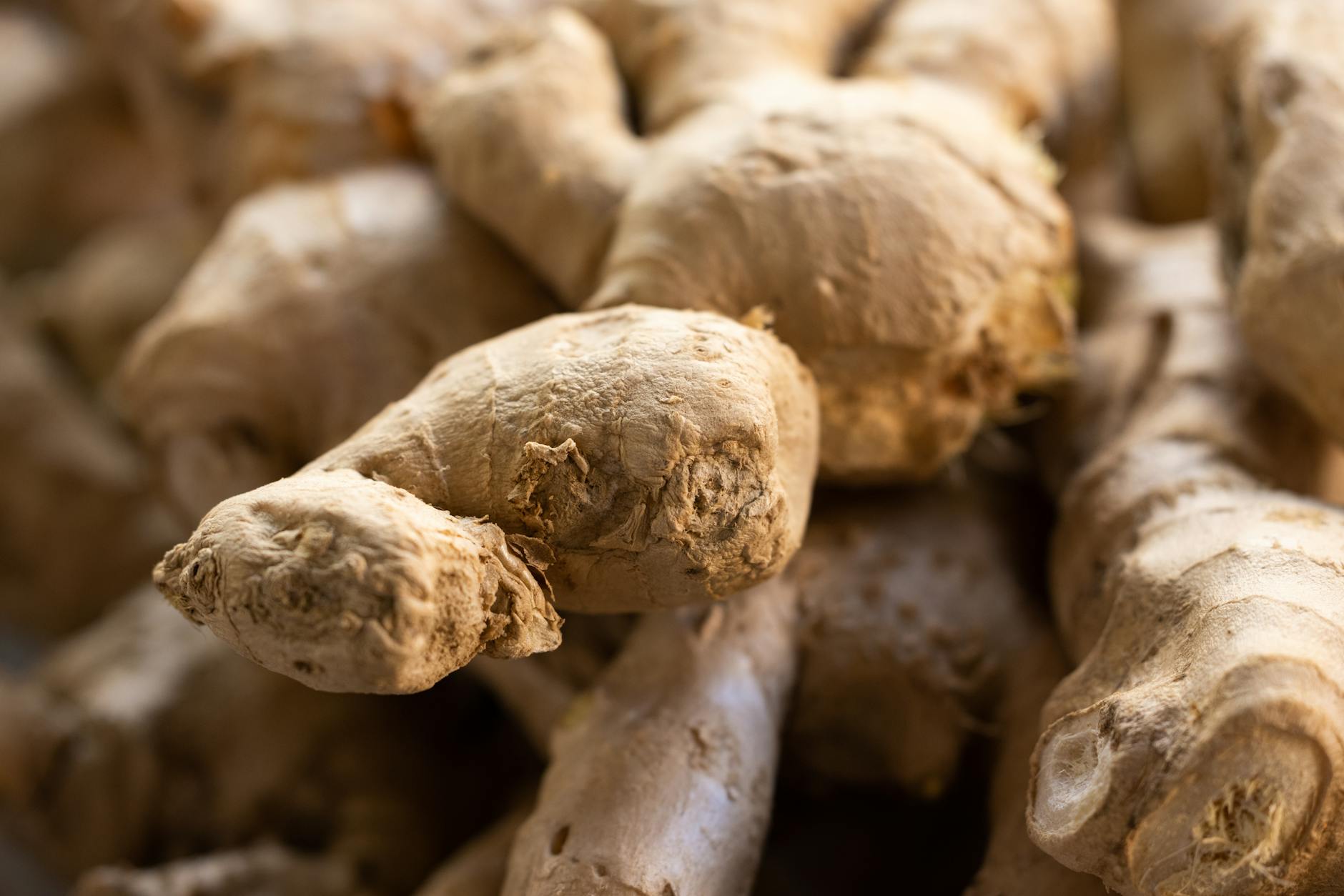
Fresh ginger root often shrivels and dries out in the produce drawer before it can be fully utilized. Tossing the entire unpeeled knob directly into a freezer safe container halts the aging process completely. Grating the frozen root with a microplane right when needed proves much easier than dealing with fibrous fresh ginger. There is absolutely no need to thaw the root before adding it to hot stir fry dishes or warm teas. A frozen ginger piece retains its pungent spicy kick for up to six months.
Green Onion Regrowth
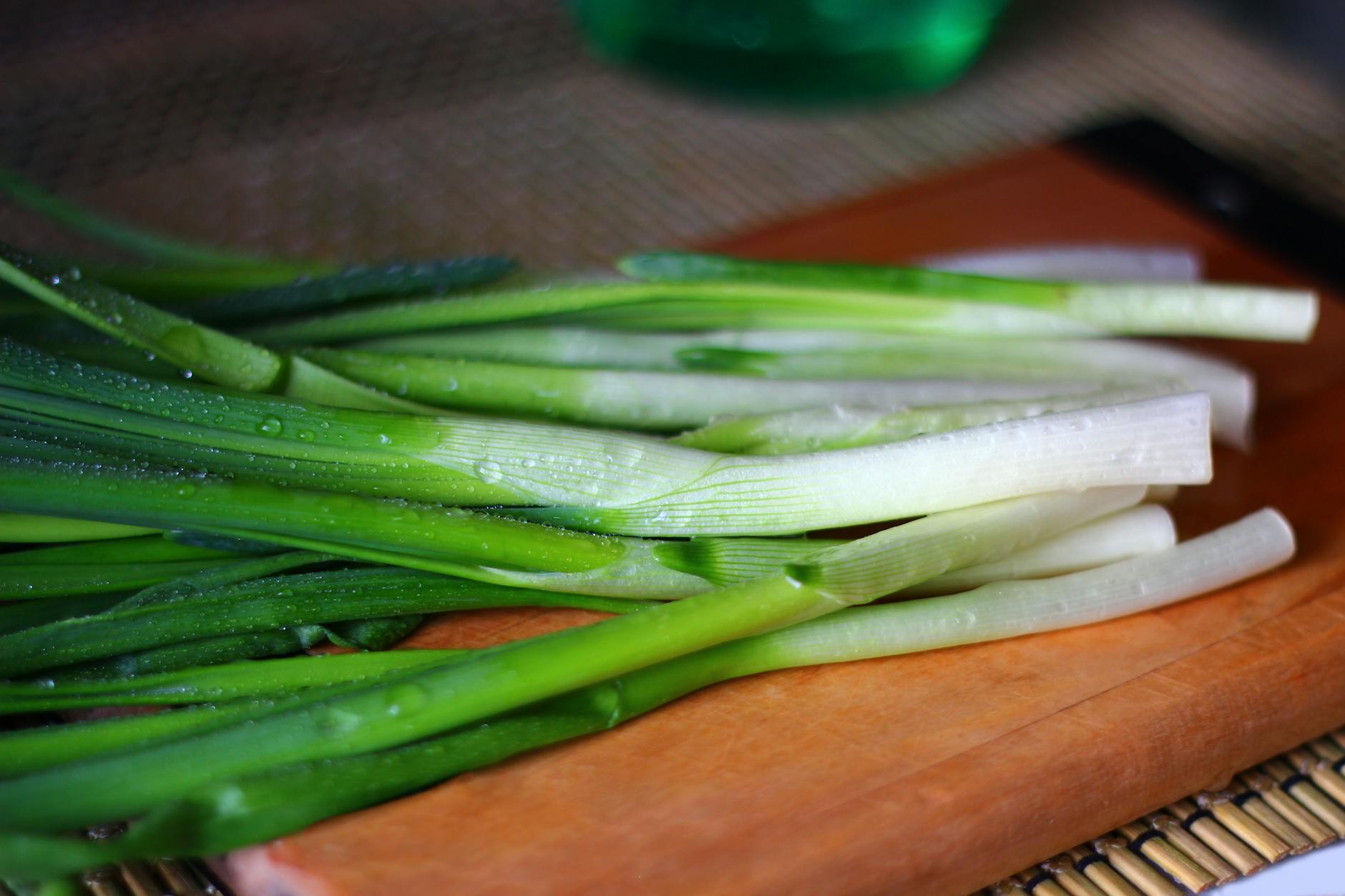
Scallions present a unique opportunity for continuous harvesting right on your kitchen windowsill. Snipping the green tops for cooking while leaving the white bulb and roots intact begins the simple process. Submerging those white bases in a small glass holding an inch of fresh water encourages rapid new growth. Changing the liquid every two days prevents stagnation and supplies the roots with necessary oxygen. Within a week you will have entirely new bright green shoots ready for your next meal.
Apple Isolated Drawer

Apples naturally emit vast quantities of ethylene gas as they ripen in enclosed storage spaces. This invisible vapor forces surrounding fruits and vegetables to mature and eventually rot at an accelerated pace. Dedicating an entire crisper drawer solely to apples contains the gas and protects other delicate produce. Placing them in a slightly unsealed plastic bag traps needed humidity while letting excess gas slowly escape. Segregated cold storage keeps these popular orchard fruits crisp and sweet for up to two months.
Nut Refrigeration
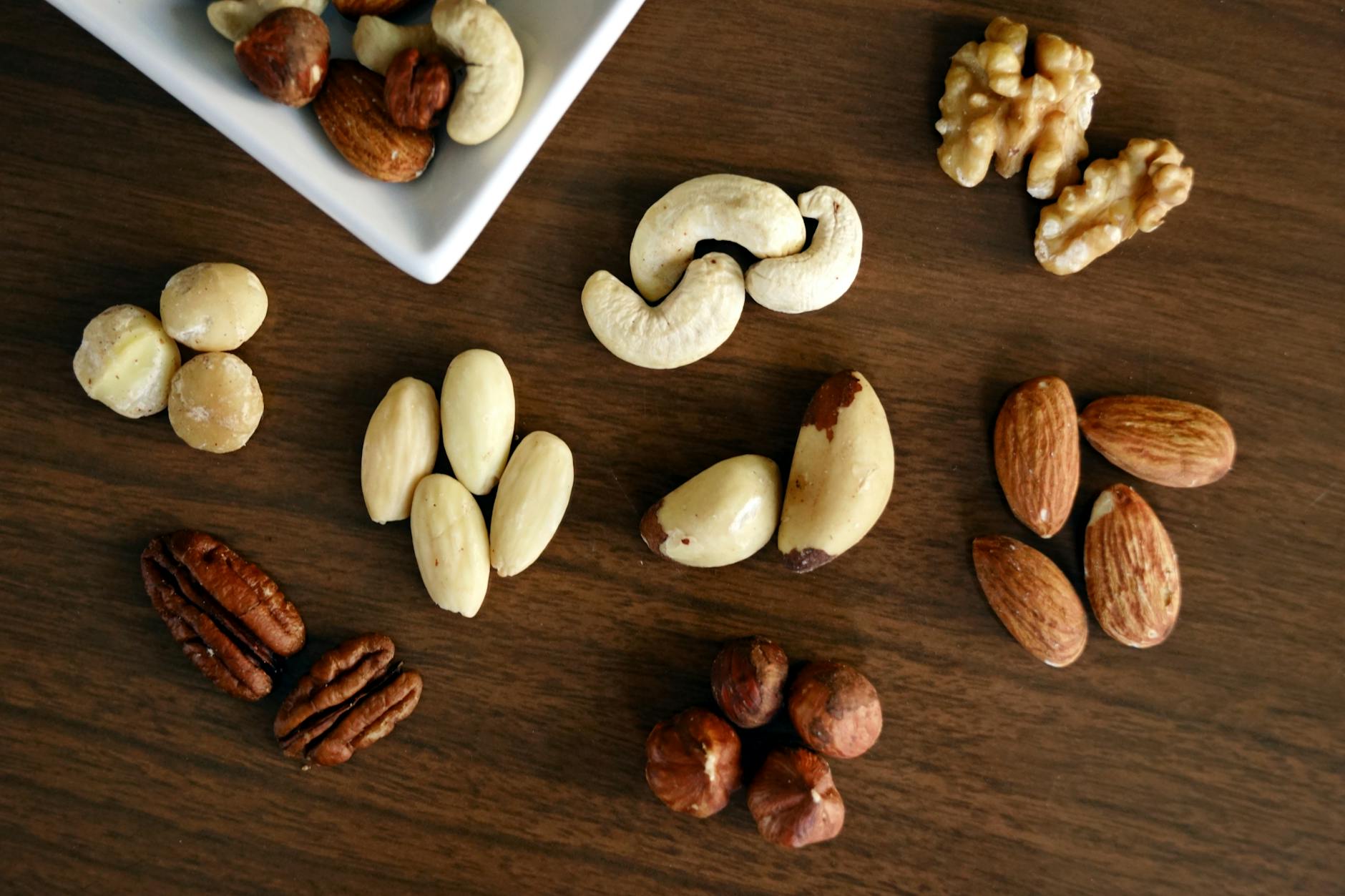
Bulk nuts and seeds contain healthy delicate fats that spoil quickly in warm kitchen cabinets. Transferring almonds or walnuts into airtight glass jars and placing them in the refrigerator protects those fragile oils. The cool dark environment stops rancidity in its tracks and preserves their pleasant crunchy texture. Buying nuts in bulk saves significant dollars when stored correctly in these chilled conditions. Refrigerated nuts taste completely fresh and maintain their nutritional value for over six months.
Bread Freezing Technique
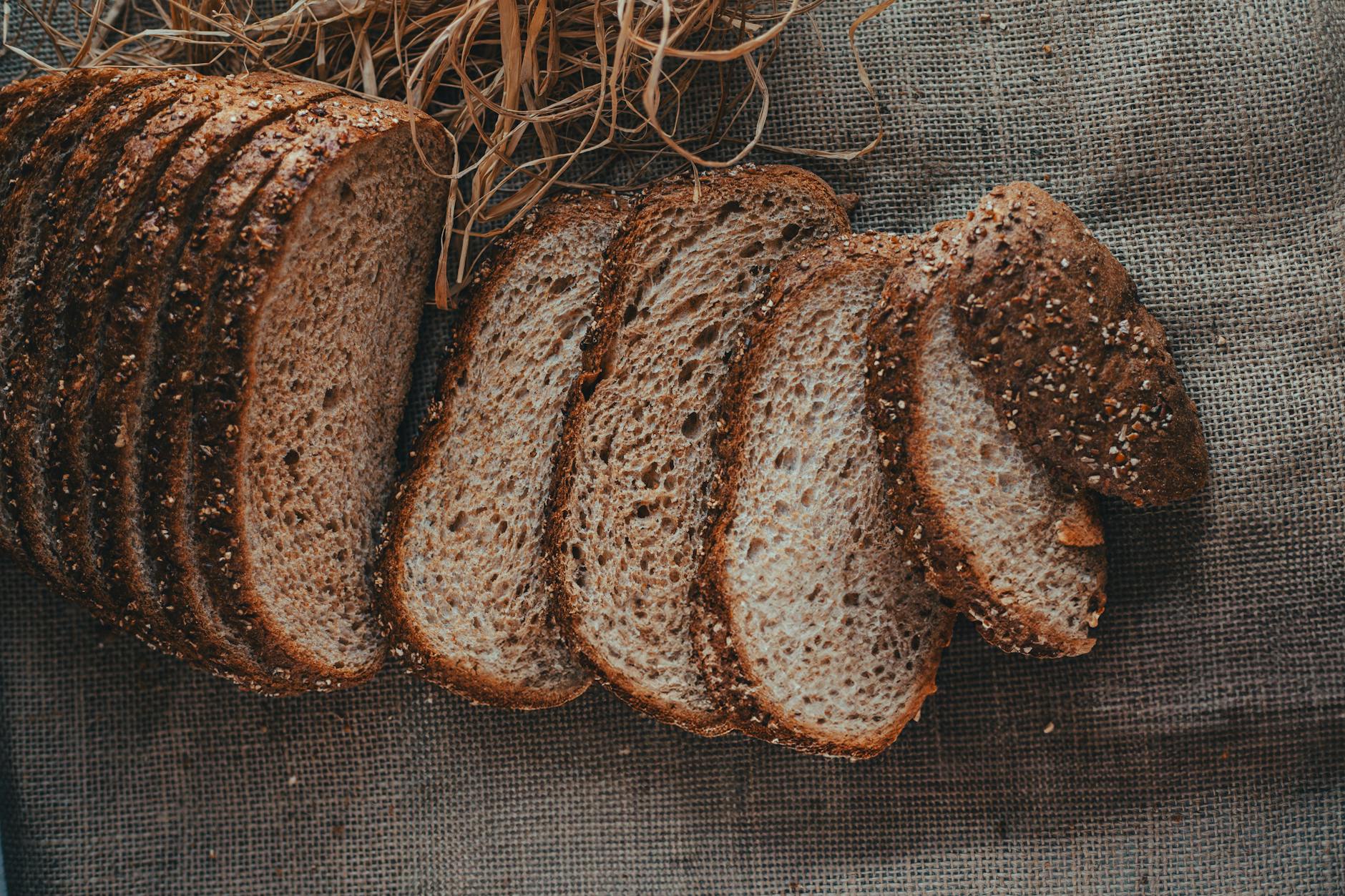
Leaving an entire loaf of bread on the counter often results in stale slices or fuzzy green mold. Slicing artisan loaves immediately and storing them in the freezer stops the staling process dead in its tracks. Pulling individual slices out and popping them directly into the toaster yields bread that tastes freshly baked. Double wrapping the loaf in plastic and then foil prevents freezer burn during long term storage. This method prevents wasted dollars and ensures you always have perfect toast available for morning routines.
Garlic Dark Storage
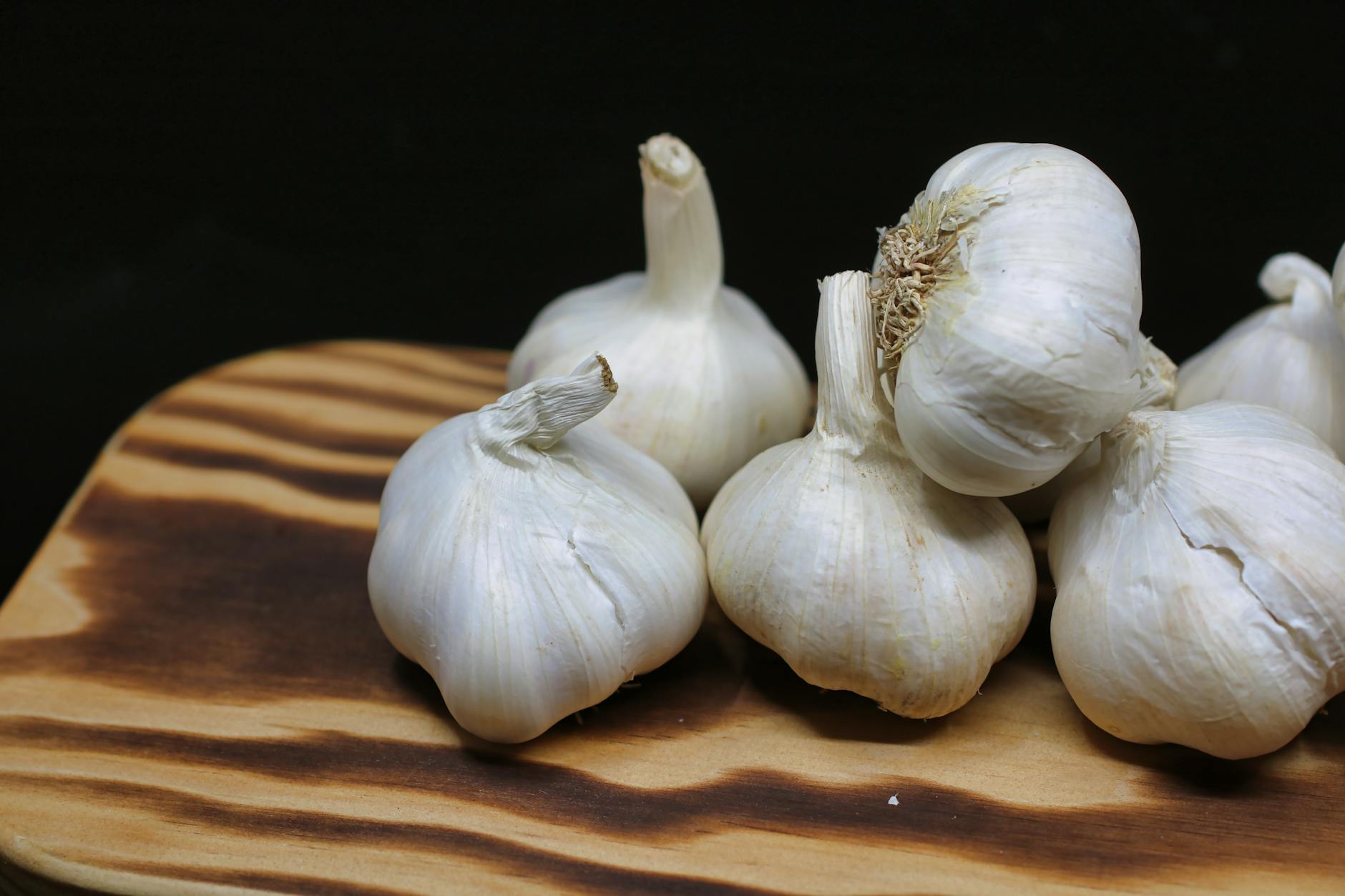
Refrigerating unpeeled garlic bulbs causes them to sprout bitter green shoots almost overnight. Storing the pungent bulbs in a dry and well ventilated wire basket mimics a traditional root cellar. Keeping them in a completely dark corner of the pantry prevents sunlight from triggering the natural growing cycle. Temperatures around sixty degrees Fahrenheit provide the absolute ideal climate for long term garlic preservation. Unbroken whole bulbs will easily last for several months in these dark and dry conditions.
Carrot Water Submersion
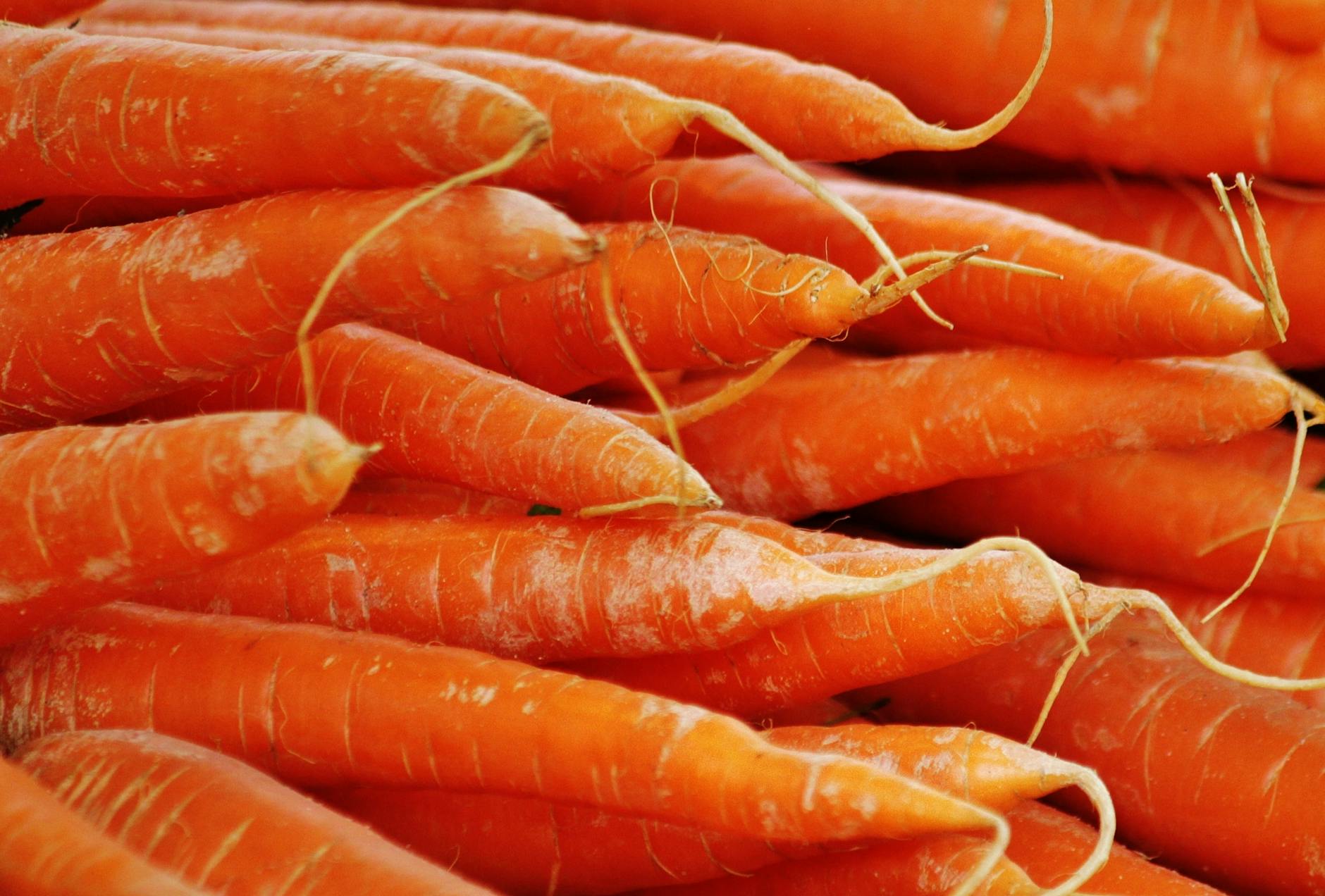
Peeled baby carrots often develop a dry white coating shortly after their original bag is opened. Submerging the orange sticks completely in fresh water inside a sealed container restores their lost hydration. Changing the bath water every three days keeps the environment clean and the vegetables extremely crisp. This simple trick works equally well for sliced celery sticks or thick bell pepper strips prepared for snacking. Immersed root vegetables retain their satisfying crunch for up to two weeks in the refrigerator.
Brown Sugar Marshmallow Trick
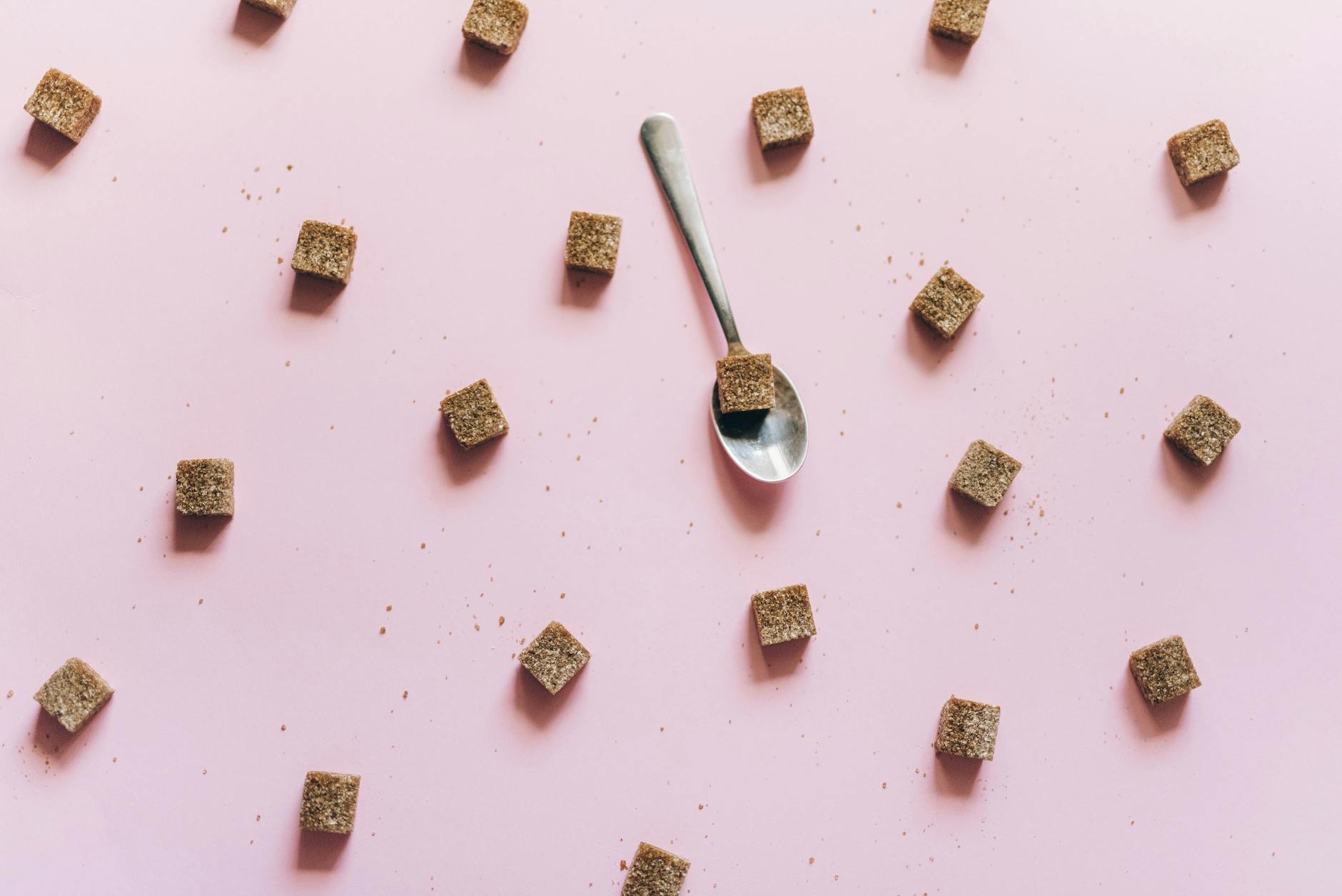
Hardened brown sugar ruins baking measurements and frustrates many eager home pastry chefs. Tossing one large soft marshmallow into the sugar container solves this annoying problem almost instantly. The sugar naturally absorbs the subtle moisture from the marshmallow without becoming overly wet or clumpy. A piece of fresh sandwich bread placed in the jar achieves the exact same softening effect. Your baking supplies will remain perfectly scoopable and soft for months using this clever pantry secret.
Coffee Bean Opaque Storage
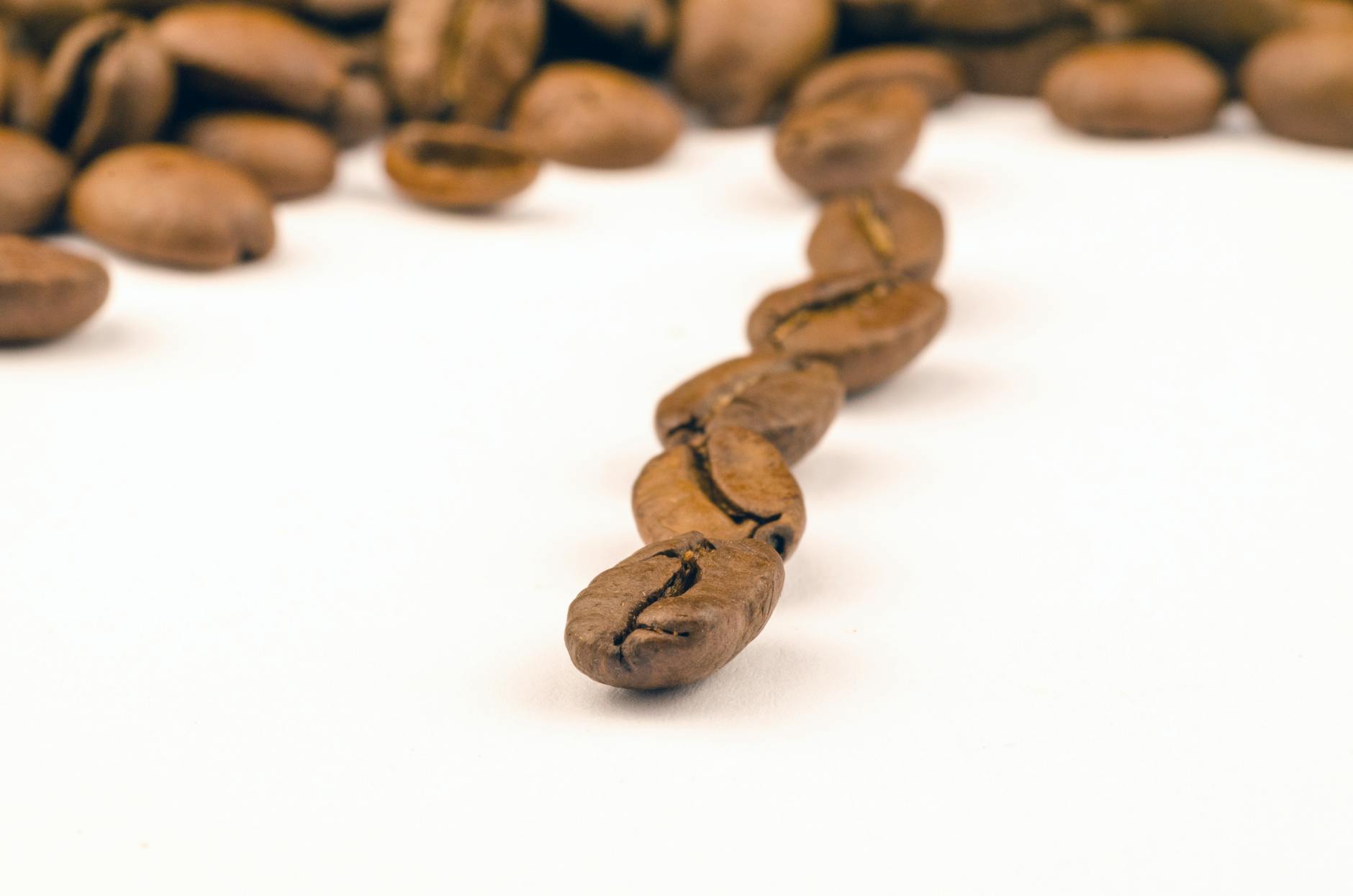
Light and oxygen rapidly destroy the complex flavor compounds found in premium roasted coffee beans. Keeping the expensive beans in an opaque airtight canister on the counter blocks harmful ultraviolet rays. Avoiding the refrigerator prevents the porous beans from absorbing moisture and ambient food odors. Buying whole beans instead of preground bags dramatically increases the lifespan of the rich oils. Proper dry storage guarantees a robust and flavorful morning cup for up to four weeks.
Pineapple Top Removal
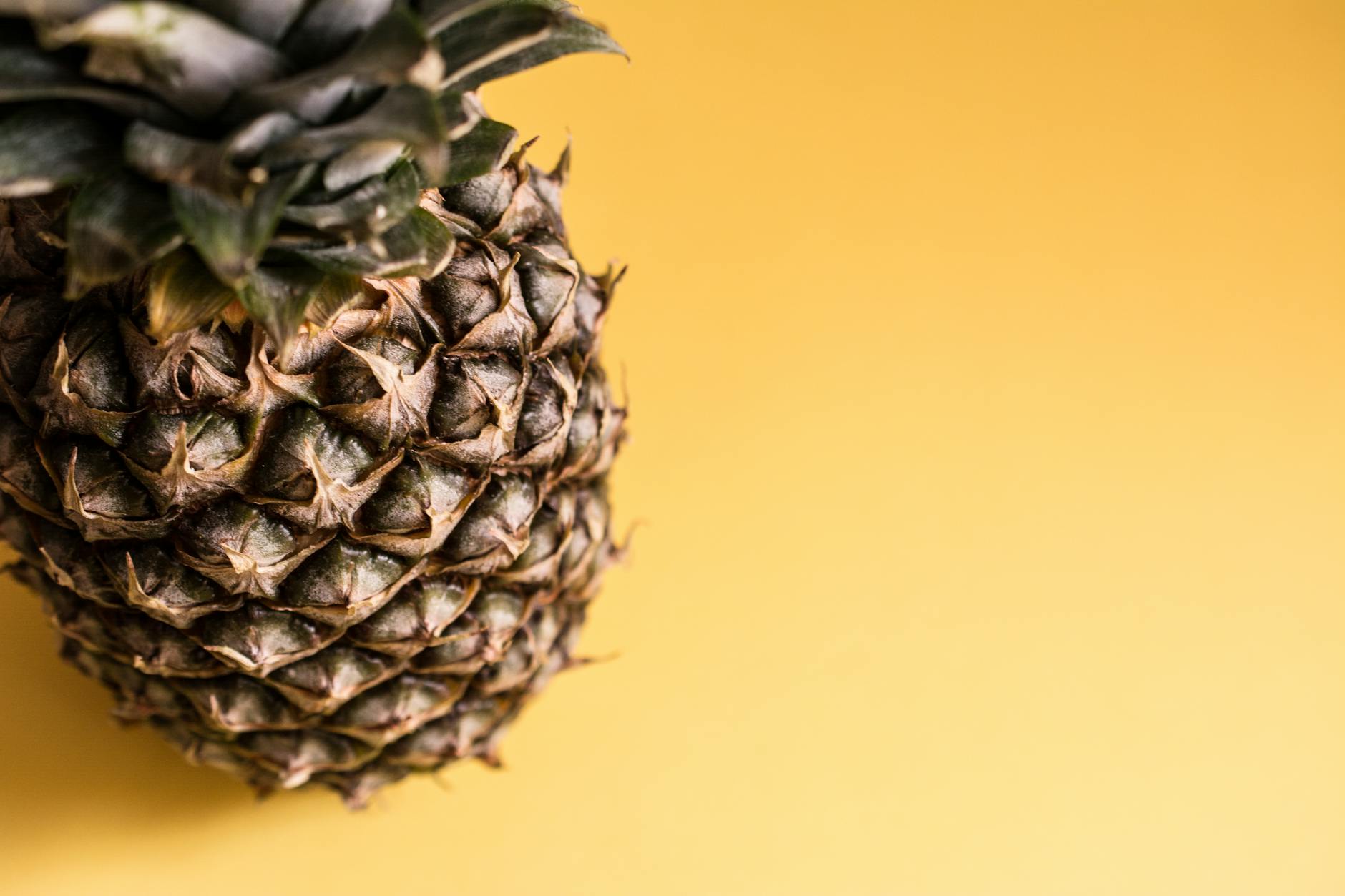
Whole pineapples look beautiful on the counter but ripen unevenly when left standing upright. Twisting off the leafy green crown redirects the natural sugars straight into the edible yellow fruit. Flipping the trimmed pineapple upside down on a plate allows sweet juices to distribute evenly throughout the flesh. Moving the fruit to the refrigerator once it yields slightly to pressure halts any further ripening. This simple inversion trick results in a much sweeter and longer lasting tropical treat.
Olive Oil Cool Cabinet
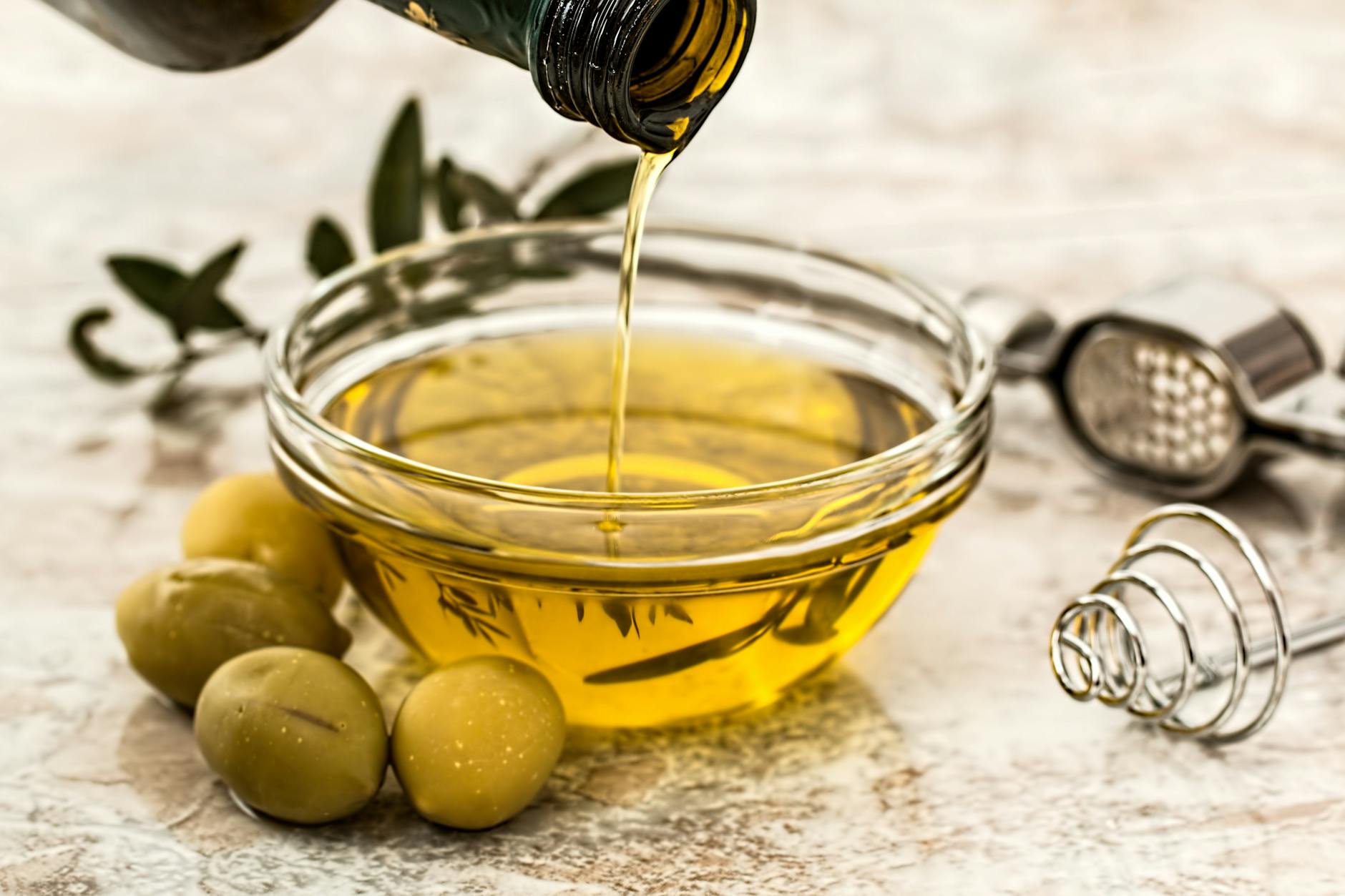
Premium olive oils degrade rapidly when left in decorative bottles next to a hot cooking stove. Heat breaks down the delicate polyphenols and turns the rich liquid incredibly flat and bitter. Storing the oil in a dark glass bottle inside a cool pantry cabinet preserves its peppery finish. The ideal temperature for maintaining optimal quality rests steadily around sixty degrees Fahrenheit. Guarding liquid gold against heat and light stretches its vibrant flavor profile for many months.
Butter Freezing Strategy
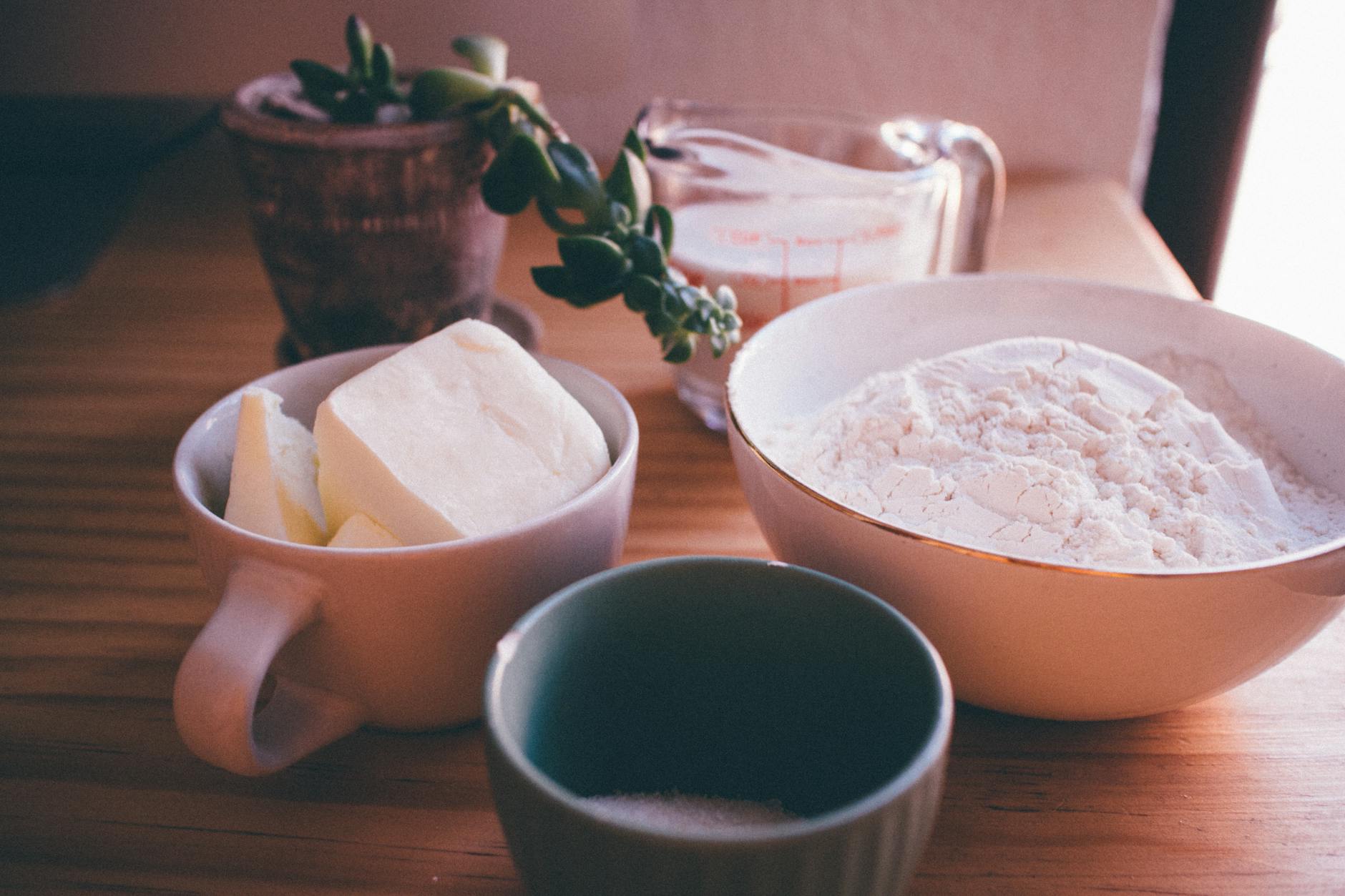
Stocking up on high quality butter during major grocery sales requires a solid preservation plan. The high fat content makes butter an absolutely perfect candidate for long term freezer storage. Wrapping the original cardboard boxes in an extra layer of heavy duty foil locks out unwanted freezer flavors. Moving one stick at a time to the refrigerator ensures a steady supply of fresh dairy for cooking. Frozen butter maintains its sweet cream taste for up to twelve full months.
Meat Vacuum Sealing

Oxygen exposure causes expensive cuts of meat to develop tough brown spots and deep freezer burn. Investing in a quality vacuum sealer forcefully removes all air from the packaging before permanent sealing. This tight protective barrier prevents the cold dry freezer air from drawing moisture out of the animal proteins. Steaks and chicken breasts stored this way stack neatly and take up minimal space in the icebox. Vacuum sealed proteins emerge from the thaw looking brilliantly fresh even after two years.
Pasta Glass Jars

Flimsy cardboard pasta boxes invite pantry moths and stale air into your dry goods collection. Transferring dried spaghetti and macaroni into tall glass jars equipped with rubber gaskets ensures an airtight seal. The transparent containers make it incredibly easy to see exactly how much inventory remains for future dinners. Keeping moisture entirely away from the extruded dough prevents premature spoilage and cracking. Properly sealed dry pasta essentially boasts an indefinite shelf life in a standard kitchen pantry.
Peach Paper Bag Maturation
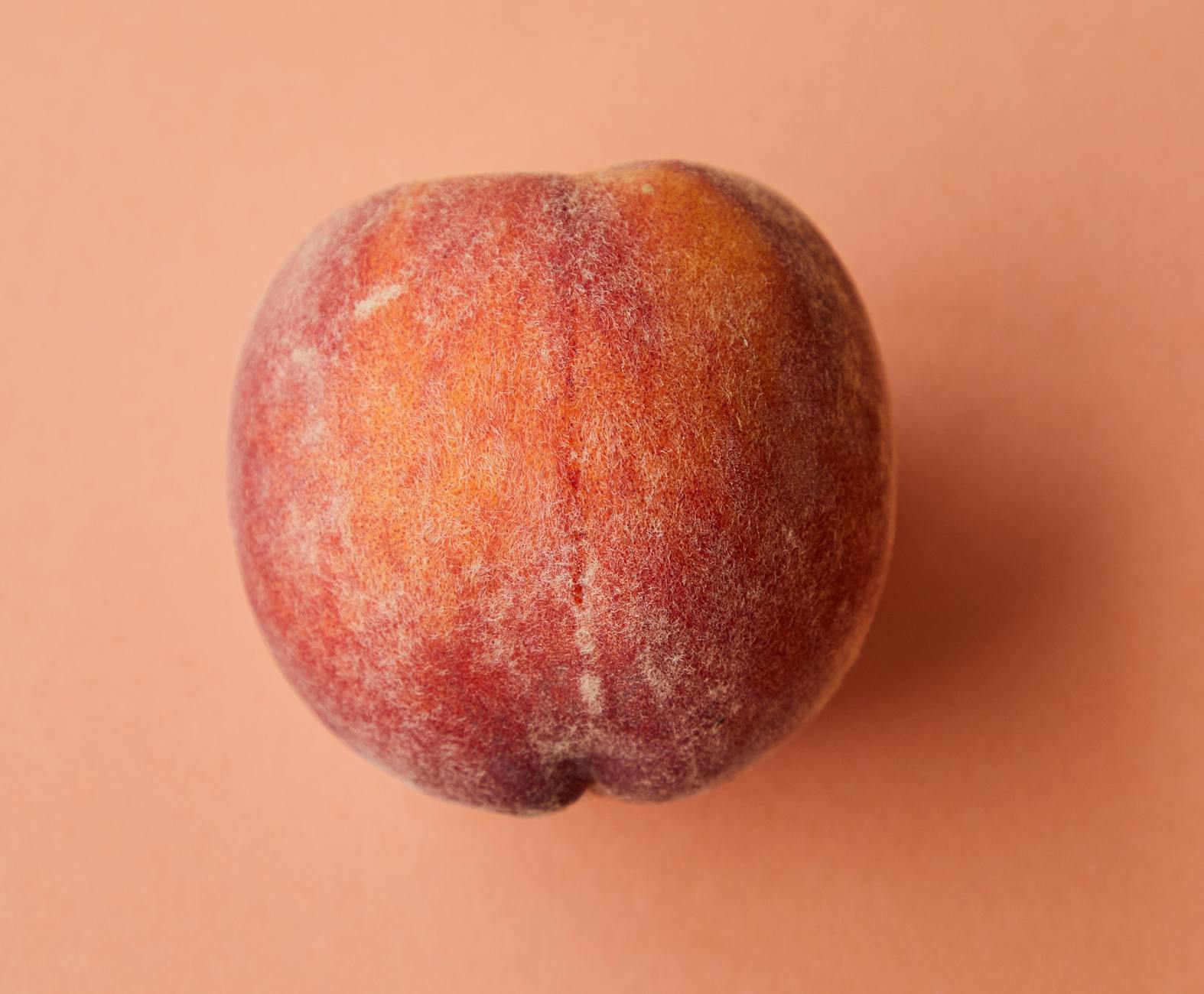
Hard unripe peaches purchased from the market need careful handling to achieve their peak juicy sweetness. Placing the stone fruit in a closed brown paper bag concentrates their naturally occurring ethylene gas. Keeping the bag on the counter away from direct sunlight creates a gentle and warm ripening chamber. Adding a single ripe banana to the enclosure speeds up the softening process quite drastically. Once perfectly soft the peaches must move immediately to the refrigerator to halt any further decay.
Citrus Fridge Placement

Piling lemons and oranges in an aesthetic wire bowl on the dining table severely limits their lifespan. Warm ambient room temperatures cause the brightly colored fruits to dry out and turn rock hard quickly. Moving citrus directly into the refrigerator crisper drawer drastically slows down the dehydration process. Placing them loosely inside a mesh bag guarantees appropriate air circulation around the dimpled rinds. Chilled citrus fruits yield maximum juice and zest for easily up to four weeks.
Peanut Butter Inversion
Natural peanut butter brands notorious for oil separation can create a messy stirring experience. Storing the tightly sealed jars completely upside down in the pantry forces the oils to travel upward. The natural rising action mixes the solid peanuts and liquid fats together without any manual effort. Flipping the jar right side up just before opening reveals a perfectly creamy and blended spread. This gravity trick keeps the bottom from turning into dry crumbles over the course of several months.
Please share your own favorite food preservation techniques and grocery storage tricks with us in the comments.