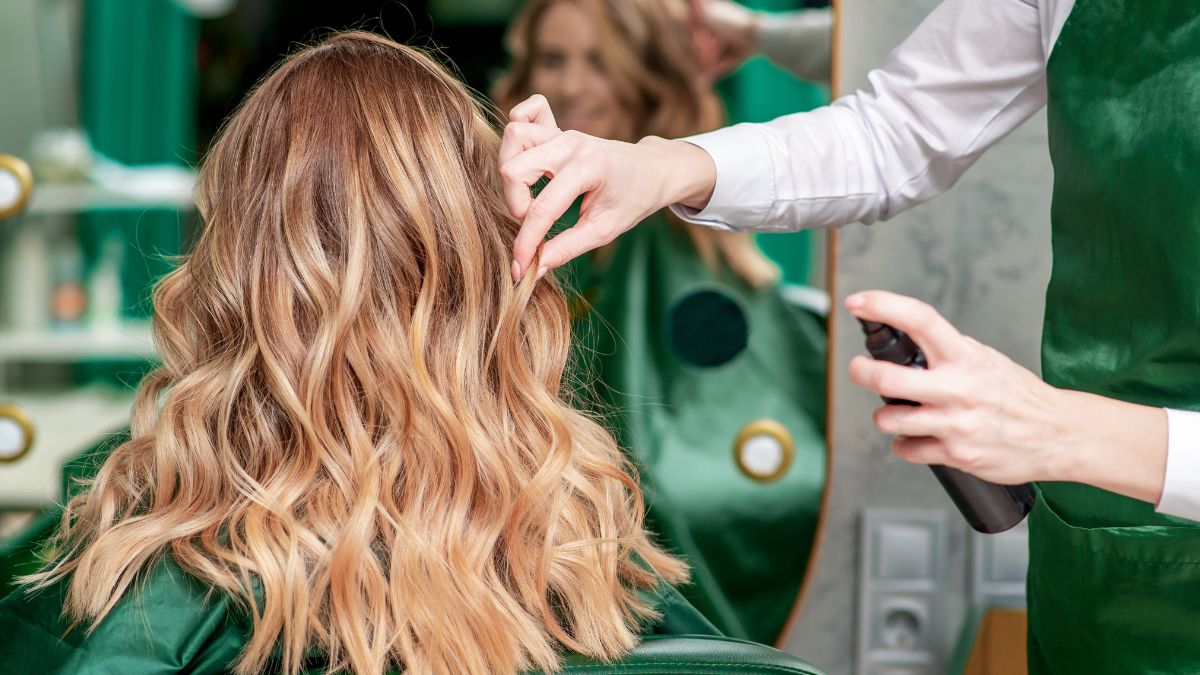
Creating a high-end aesthetic in your living space often comes down to intentional styling rather than purchasing new furniture. Luxury interiors usually share common traits such as cleanliness and symmetry and maximizing natural light. You can replicate the atmosphere of a boutique hotel or a designer showroom by rethinking how you display existing items. These practical adjustments focus on editing your possessions and optimizing the layout to elevate the overall visual value of your home.
Edit Surface Clutter
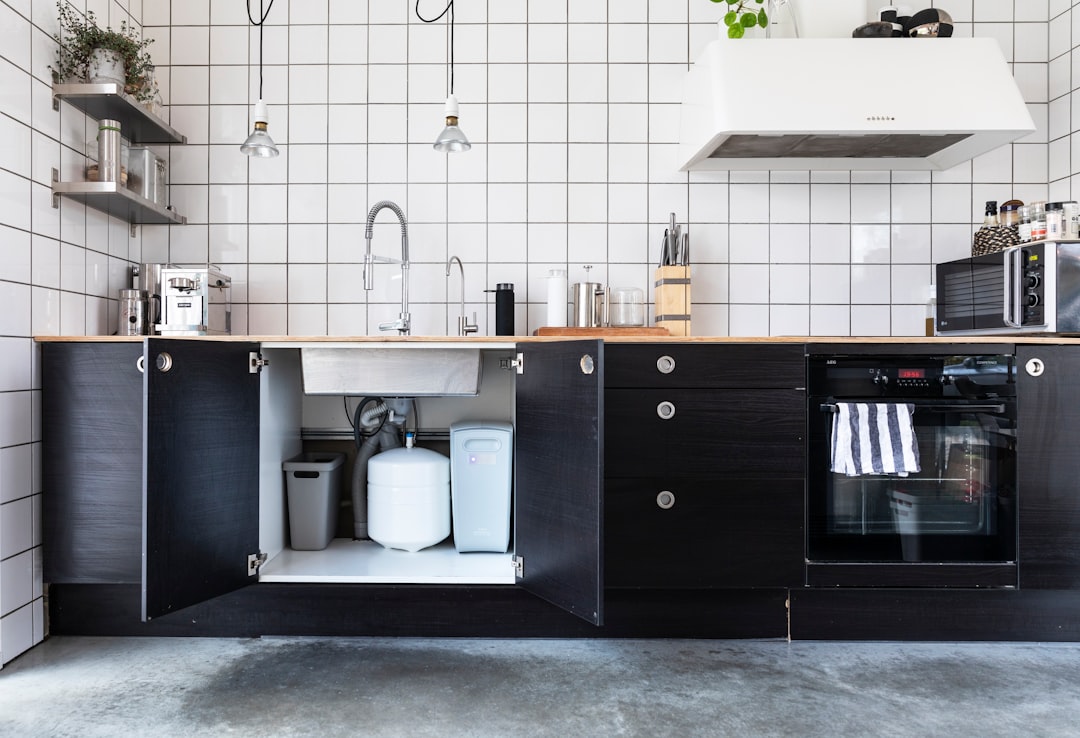
Removing visual noise is the fastest way to mimic the clean lines found in expensive properties. You should clear off kitchen counters and stash away appliances that are not in daily use to create a sleek surface. Even a simple pile of mail or keys can degrade the perceived value of an entryway console table. Focus on keeping only intentional decor pieces on display to allow the eye to rest as it scans the room. This practice creates a sense of spaciousness often associated with luxury homes.
The Rule of Three
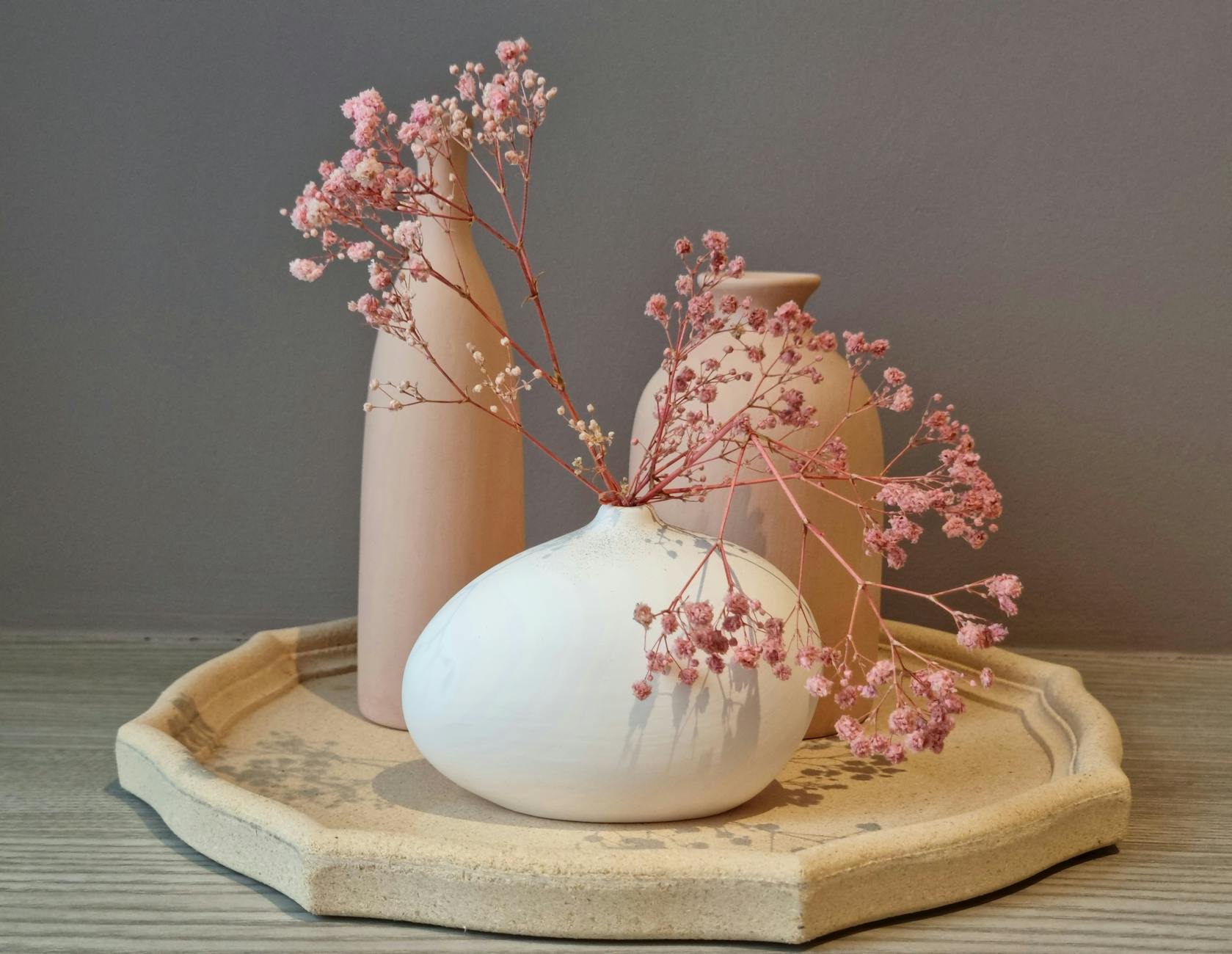
Grouping decor items in odd numbers is a classic design trick that creates visual interest and balance. You can arrange three items of varying heights and textures on a coffee table or shelf to create a curated vignette. This technique prevents accessories from looking cluttered or randomly placed by establishing a clear focal point. Professional stylists use this method to give a collection of ordinary objects a deliberate and artistic appearance. The arrangement guides the viewer’s gaze and signals a thoughtful approach to interior design.
Float Your Furniture
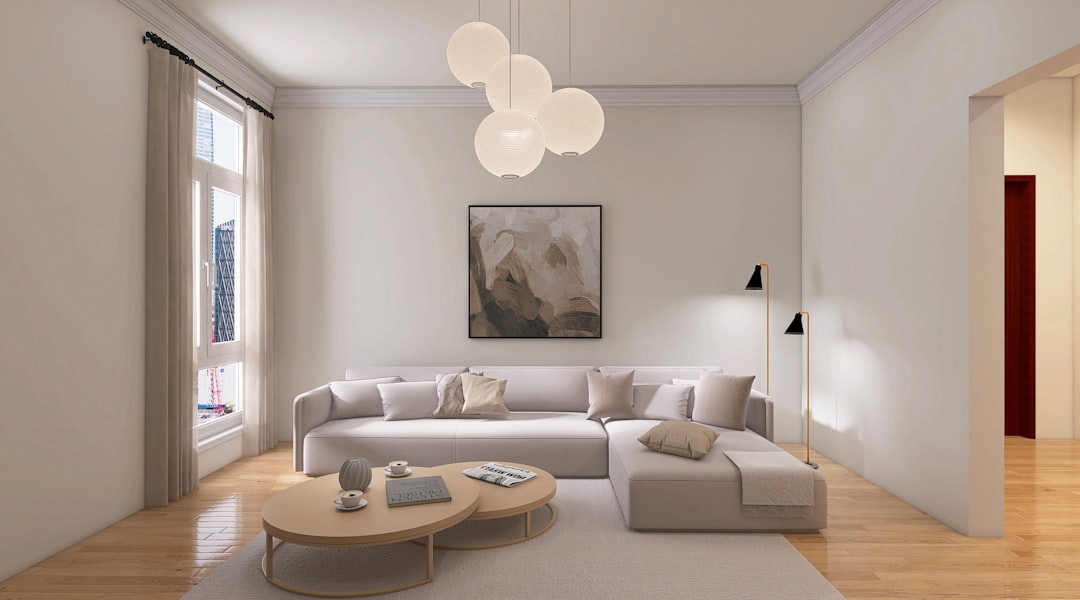
Pushing all your furniture against the walls often makes a room feel disconnected and cavernous rather than grand. Pulling sofas and armchairs toward the center of the room creates intimate conversation areas and improves flow. This layout trick allows for breathing room around the perimeter of the space which implies square footage is not an issue. Floating furniture also exposes more floor space near the baseboards and makes the room feel airier. It transforms the functionality of the living area into a sophisticated gathering space.
Deep Clean Windows
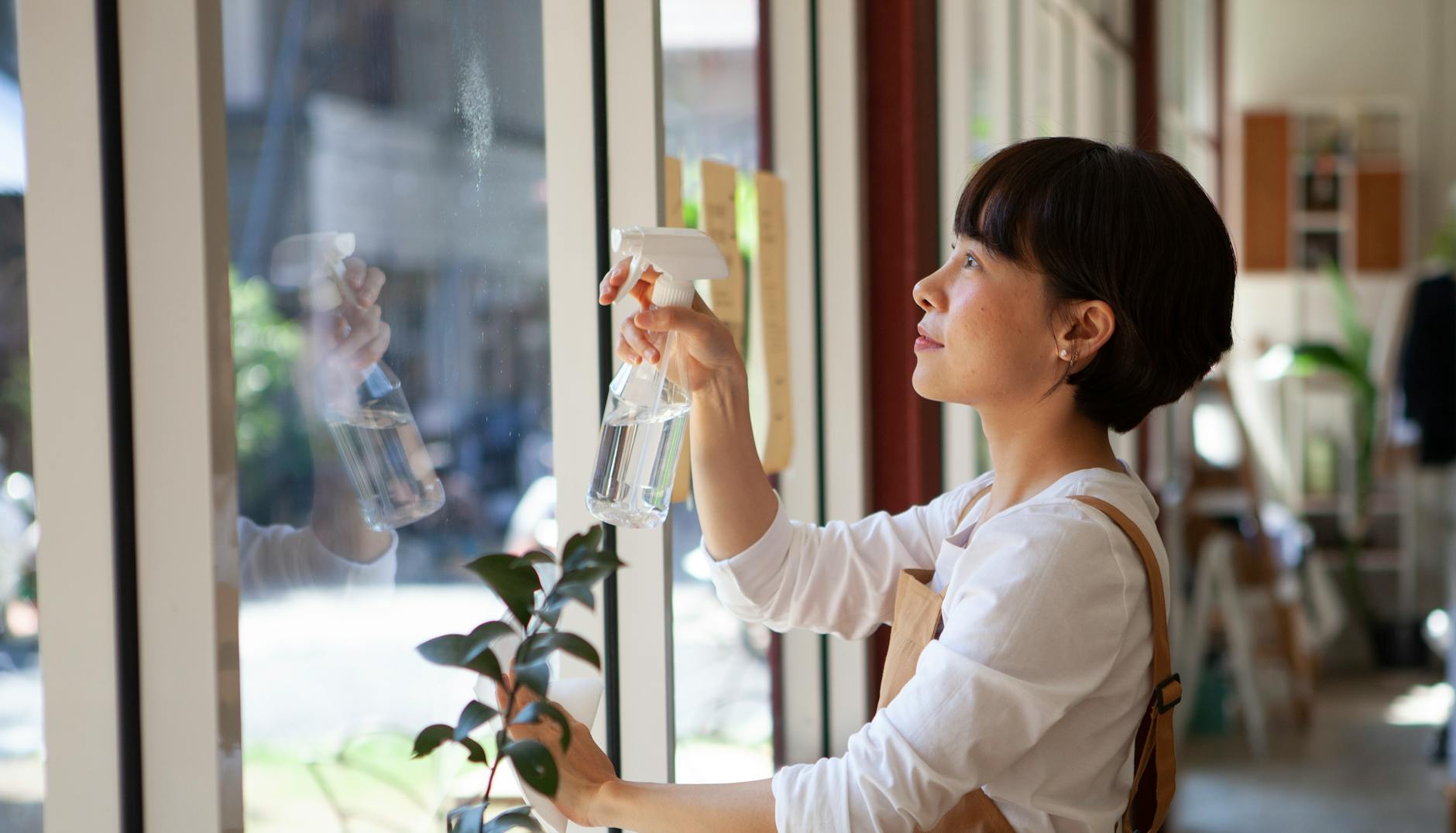
Sparkling glass instantly makes a home feel newer and well-maintained by letting in maximum natural light. Removing dust and grime from both the inside and outside of windows removes a subtle filter of dinginess from the room. Clean windows allow sunlight to reflect off interior surfaces and brighten the entire space naturally. This simple maintenance task removes barriers between the indoors and outdoors to create an expansive feel. Crystal clear views are a hallmark of high-end real estate and cost nothing but effort.
Hide Visible Cords
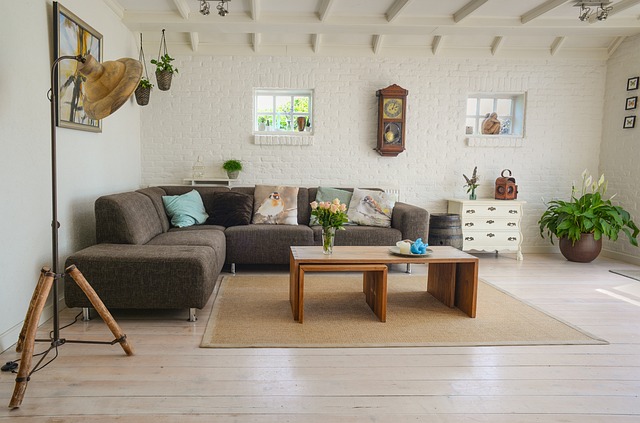
Tangled wires and visible power strips immediately cheapen the look of even the most stylish entertainment center. You can use zip ties or twist ties to bundle cords together behind furniture legs or along baseboards. Tucking cables out of sight reduces visual chaos and streamlines the silhouette of your electronics. A space free of technical clutter looks finished and professionally installed. This attention to detail suggests that the home is custom-designed rather than hastily assembled.
Fluff and Chop Pillows
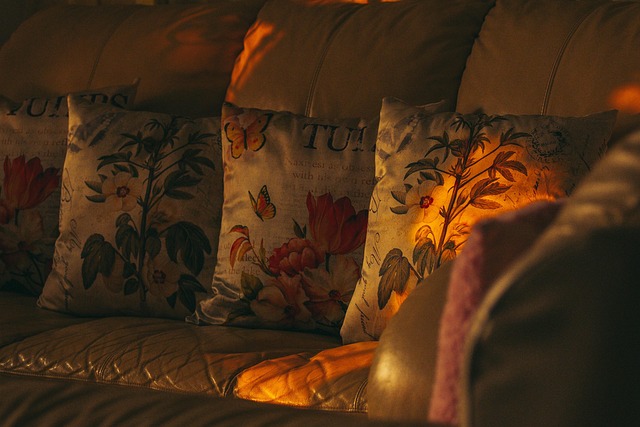
Flat and shapeless throw pillows can make a sofa look old and worn out regardless of its quality. Vigorously fluffing the inserts and giving them a karate chop in the center creates a plush and inviting shape. This styling technique is standard in luxury home staging because it adds dimension and structure to soft furnishings. Keeping pillows upright and full demonstrates care and attention to the condition of your furniture. It transforms a standard couch into a luxurious spot for relaxation.
Neutralize Bedding
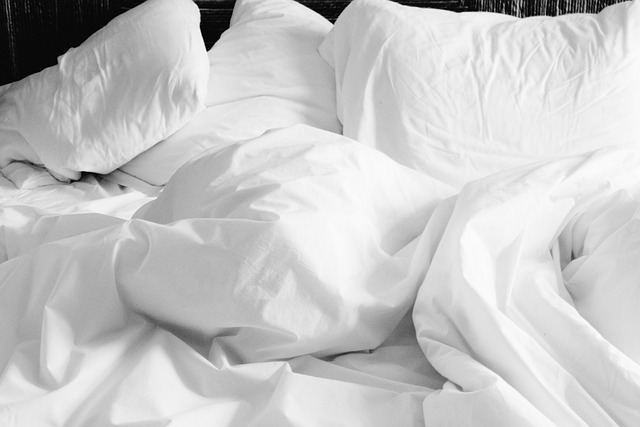
Layering your bed with white or neutral sheets creates the crisp and sanitary appeal of a five-star hotel. You can turn patterned comforters inside out or use a simple white sheet as a top layer to calm the visual palette. A monochromatic bedscape looks serene and expensive because it avoids clashing colors or dated prints. Smooth out all wrinkles and ensure the bedding is pulled tight for a tailored finish. This approach turns the bedroom into a tranquil retreat focused on rest.
Display Coffee Table Books
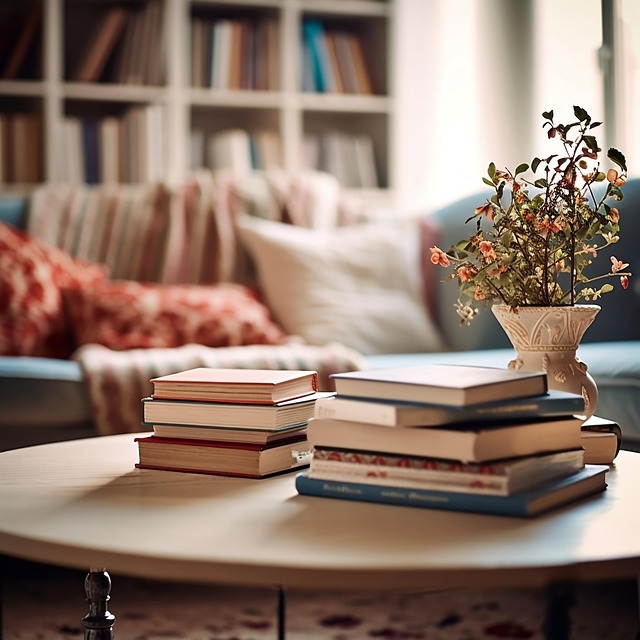
Stacking large hardcovers on your coffee table adds sophistication and serves as an instant conversation starter. You should remove dust jackets if the hardcover binding underneath has a classic linen or embossed texture. Arranging books by size or color gradient turns them into sculptural elements rather than just reading material. Placing a small object like a bowl or candle on top of the stack adds a final layer of polish. This styling move signals intellectual curiosity and an appreciation for art or design.
Unify Hangers

Mismatched plastic and wire hangers create a chaotic visual effect in an open closet or on a clothing rack. grouping clothes by color and ensuring all hangers face the same direction instantly organizes the wardrobe. While matching hangers are ideal you can achieve a similar effect by grouping similar hanger types together in sections. This organization makes the closet feel like a high-end boutique display rather than a storage unit. A tidy wardrobe implies that the contents are valuable and well-cared for.
Remove Product Labels

Branded packaging on soap dispensers and pantry items adds unnecessary text and color to your environment. Removing labels from clear plastic or glass containers reveals the neutral contents inside for a cleaner look. You can also pour dish soap or shampoo into plain glass bottles you may already have on hand. eliminating marketing noise reduces cognitive load and makes everyday items look bespoke. This small step creates a cohesive aesthetic in kitchens and bathrooms.
Rotate Artwork

Swapping the location of your wall art can refresh a room without requiring any new purchases. Moving a painting from the hallway to the living room changes the color balance and focus of the space. You might discover that a piece looks significantly better in a different light or against a different wall color. Grouping smaller frames together to create a gallery wall adds drama and fills empty vertical space. This rotation keeps the home feeling dynamic and curated.
Train Your Curtains
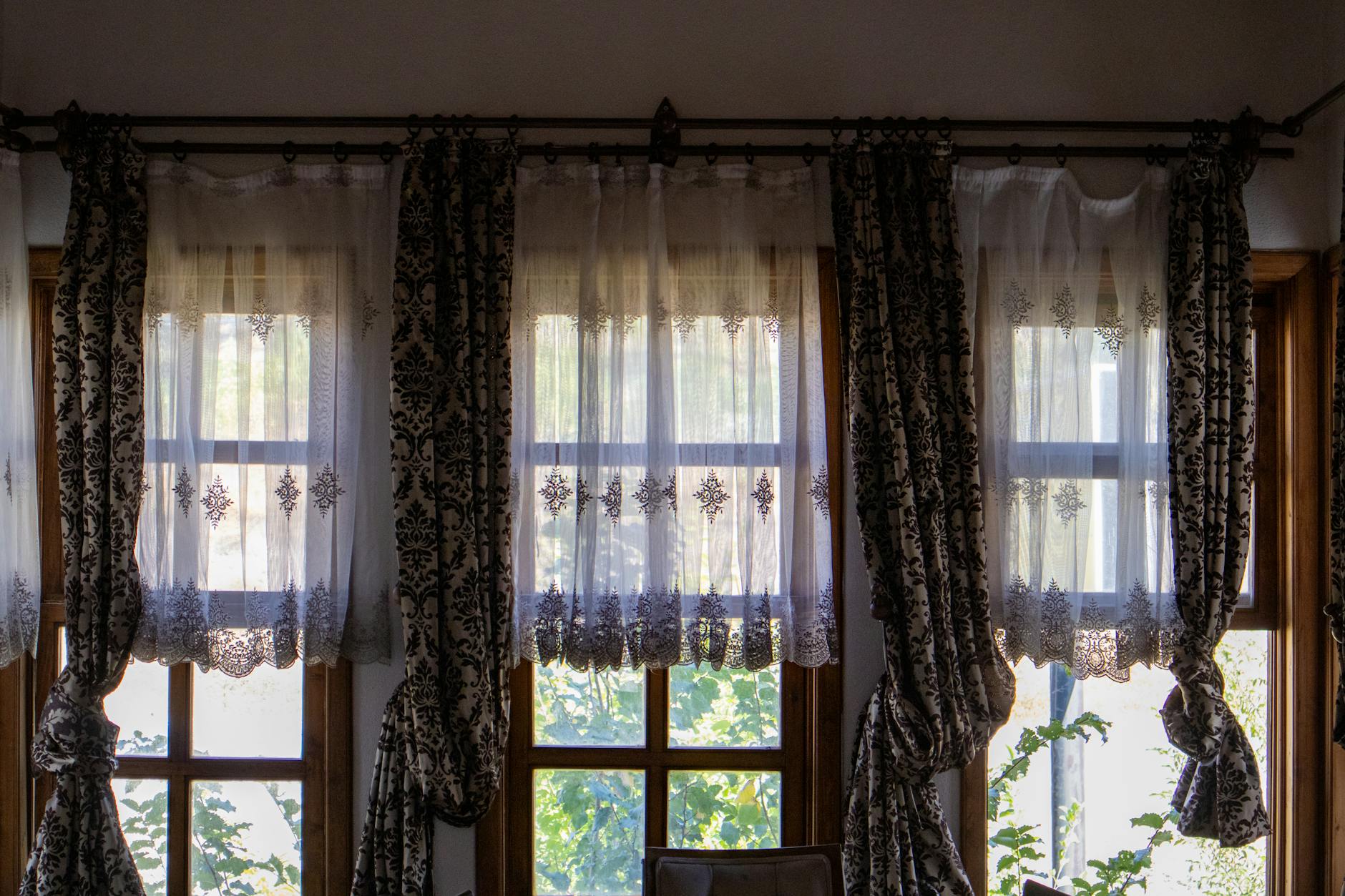
Drapery that hangs in uniform vertical folds looks custom-made and heavy. You can manually arrange your curtains into pleats and loosely tie them with a ribbon for a few days to train the fabric. Ensuring the panels hang straight down rather than flaring out at the bottom adds architectural height to the room. This discipline prevents window treatments from looking messy or like an afterthought. Well-dressed windows frame the view and elevate the entire wall.
Polish Metal Fixtures
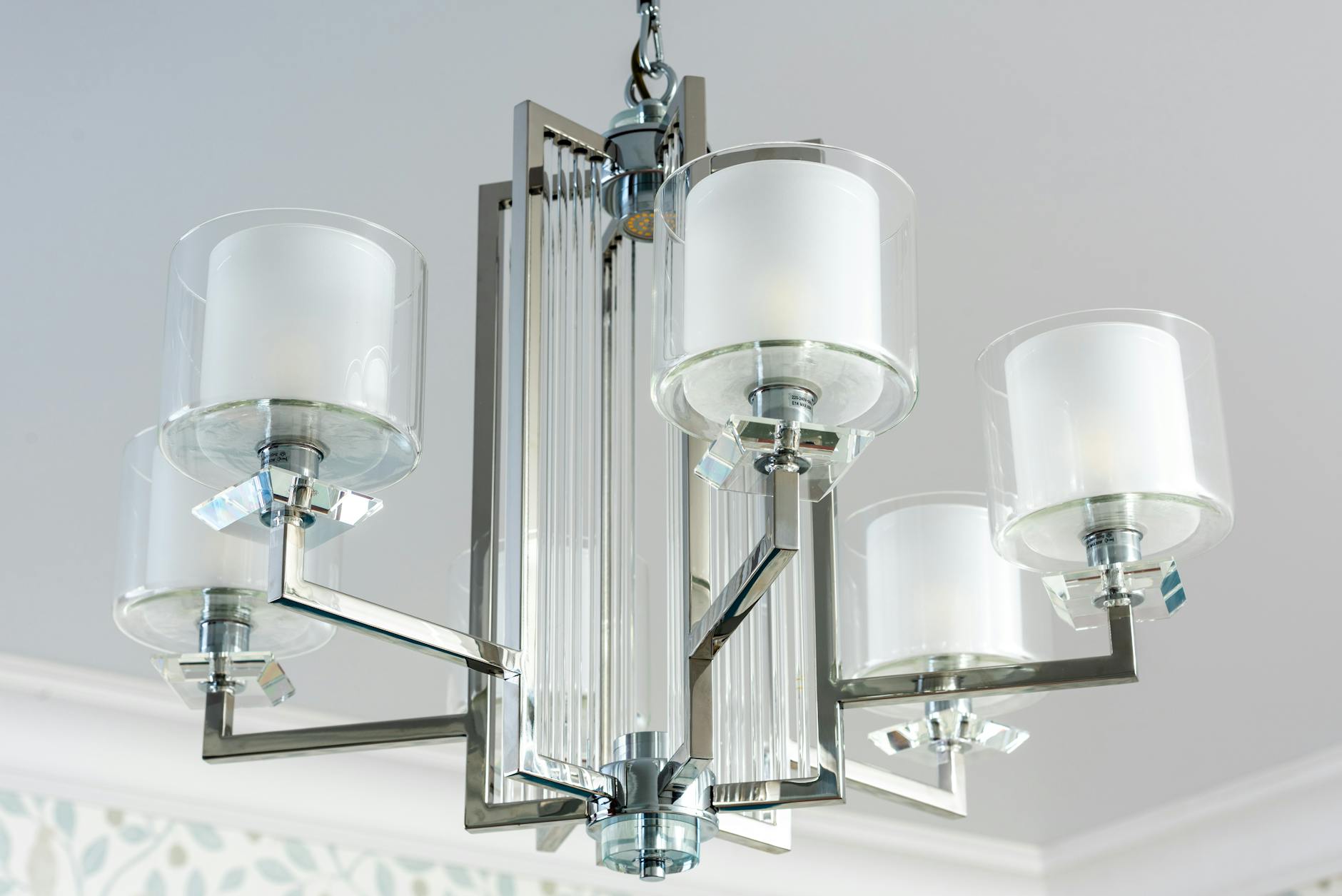
Water spots and fingerprints on faucets and cabinet hardware dull the shine and make a home feel lived-in. Buffing chrome or brass fixtures with a soft cloth restores their original luster and reflective quality. Shinier hardware catches the light and draws the eye to the quality of the materials. This maintenance task mimics the pristine condition of a newly renovated kitchen or bathroom. It revitalizes the jewelry of the room with minimal effort.
Swap Rug Placement
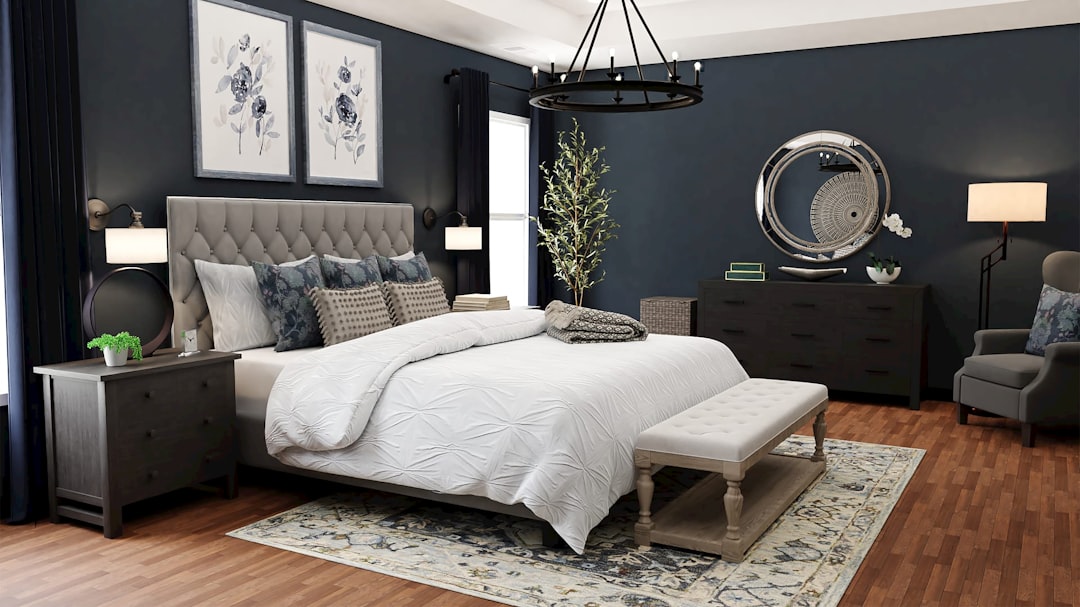
Moving an area rug to a different room or rotating it can hide wear patterns and change the room’s acoustics. A rug that is too small for a living room might be the perfect size for a bedroom or home office. Centering a rug properly under furniture anchors the space and defines the functional zone. Ensuring the front legs of sofas and chairs sit on the rug connects the pieces visually. This rearrangement grounds the furniture and adds warmth to the proper areas.
Style Towels
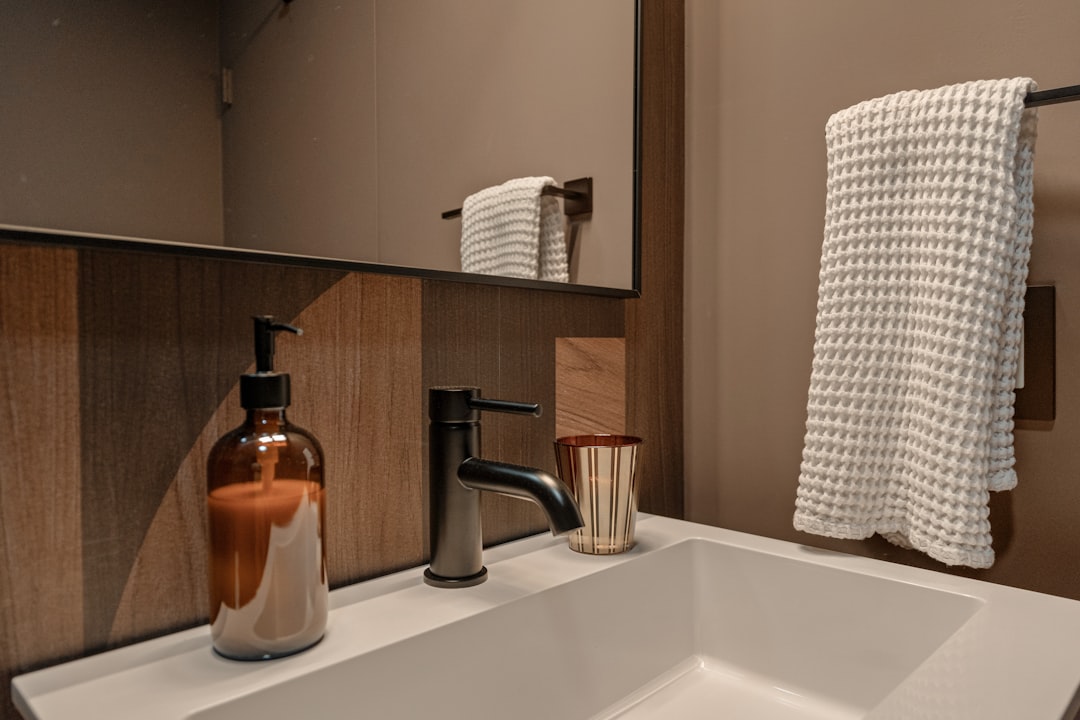
Folding bathroom towels in thirds rather than halves hides raw edges and makes them look plush on the rack. You can roll hand towels into tight cylinders and place them in a basket for a spa-like presentation. ensuring all towels are hung perfectly straight and level adds a sense of order to the bathroom. White towels generally offer the most luxurious look but consistency in color is the most important factor. This hotel-inspired fold elevates the daily ritual of bathing.
Use Fruit as Decor

A bowl of fresh fruit like lemons or green apples adds a pop of natural color and life to a kitchen island. Sticking to one type of fruit per bowl creates a massive impact that looks intentional and abundant. This organic element softens the hard lines of countertops and cabinetry. It serves as a functional centerpiece that needs to be replenished regularly anyway. The vibrant colors of fresh produce imply health and vitality within the home.
Clear the Fridge
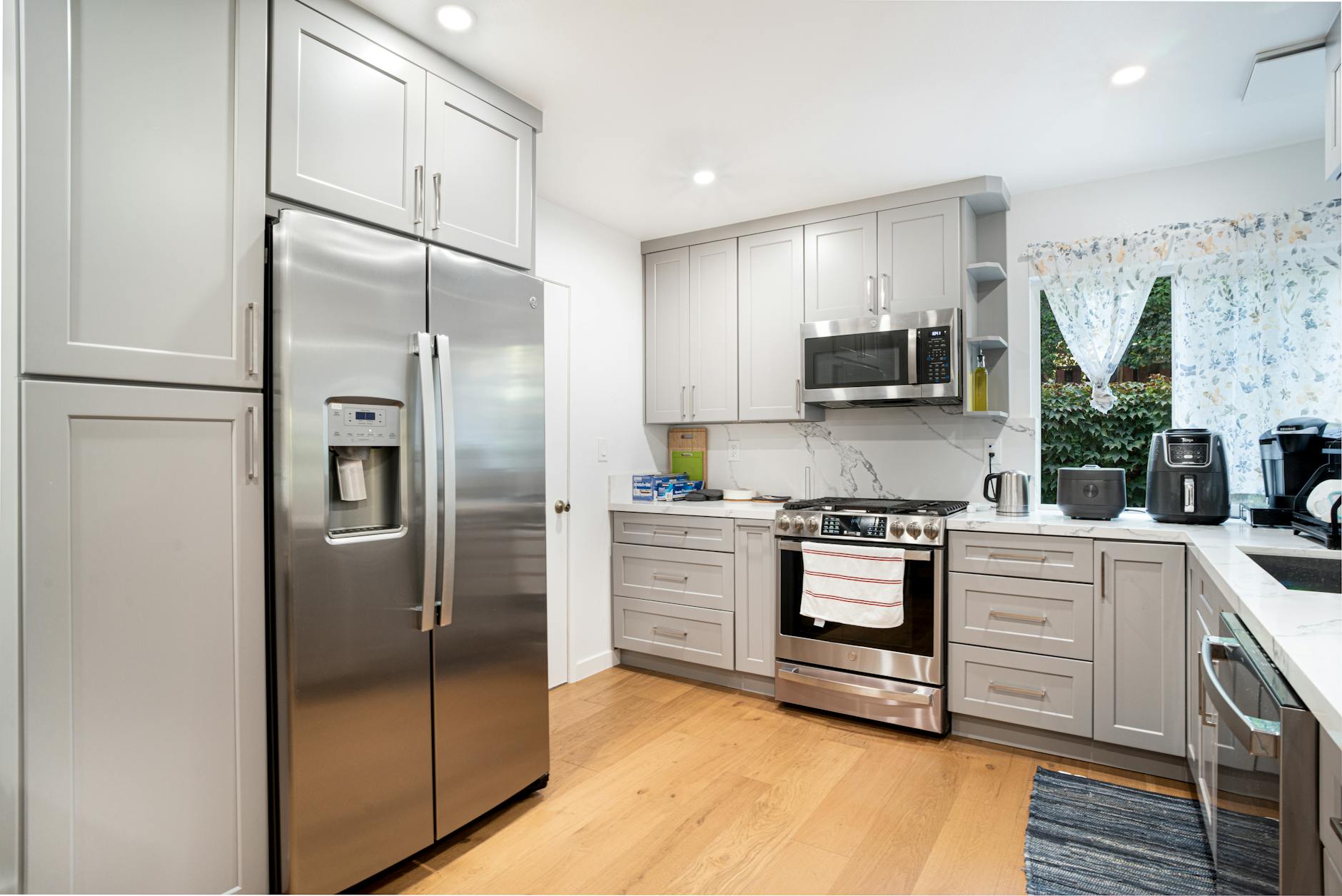
Removing magnets, photos, and papers from the refrigerator door instantly modernizes the kitchen. A clear appliance front expands the visual space and removes a major source of visual clutter. You can relocate important notes to the inside of a cabinet door or a designated binder. The sleek surface of the refrigerator reflects light and complements other clean surfaces in the room. This de-cluttering step makes the kitchen feel professionally staged.
Dust Baseboards and Moldings
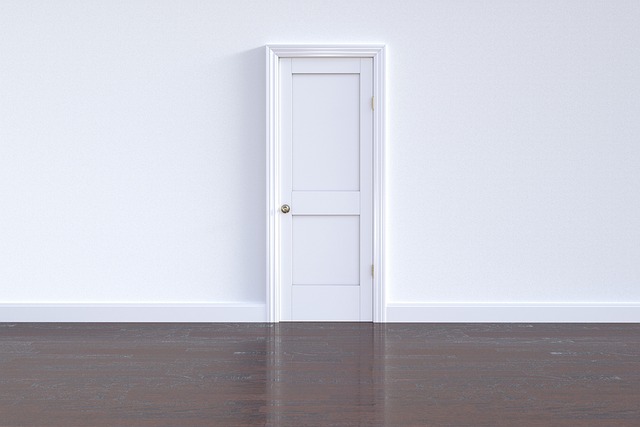
Accumulated dust on architectural details makes a house look neglected and creates a subtle gray outline around the room. Wiping down baseboards and door frames sharpens the boundaries of the space and brightens the paint color. Clean trim highlights the architectural bones of the home and suggests meticulous upkeep. This deep cleaning task is often overlooked but provides a significant payoff in perceived cleanliness. It restores the crisp contrast between walls and floors.
Align Lampshades
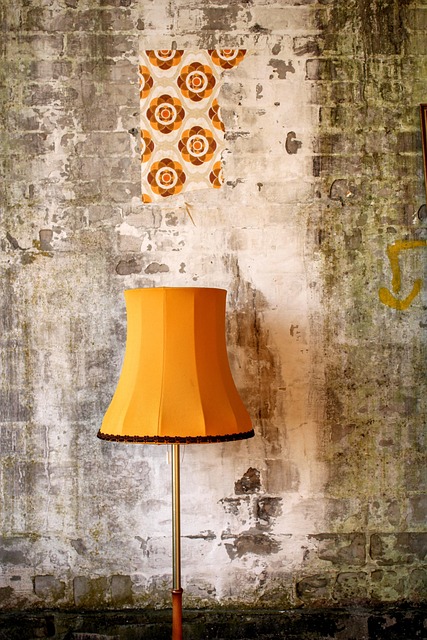
Crooked lampshades create a sense of disorder and can make expensive lighting look cheap. You should ensure that the seams of the shades are turned toward the wall and that the shade sits level. Adjusting the harp or finial can correct the tilt and restore the lamp’s symmetry. Symmetrical lighting balances the room and provides a steady visual rhythm. Straight lines in accessories contribute to an overall feeling of precision.
Bring in Greenery
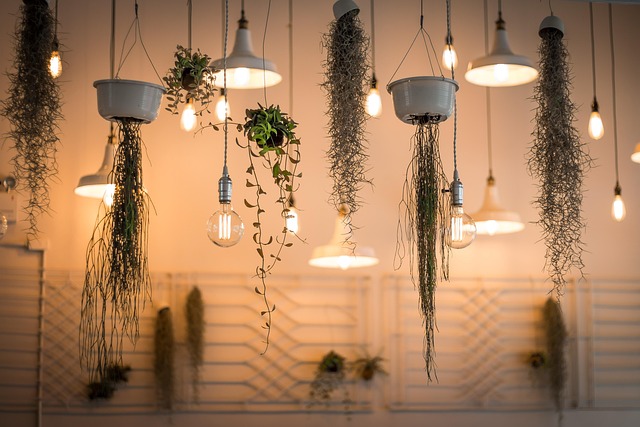
Foraging for branches or wild greenery adds a sculptural and organic element to your interior without cost. A large vase with a single tall branch can fill an empty corner and add dramatic height. Fresh clippings bring texture and life into a room that might otherwise feel sterile. This connection to nature is a staple in luxury design because it softens the built environment. It allows you to change the mood of the room with the seasons.
Lower Interior Lighting
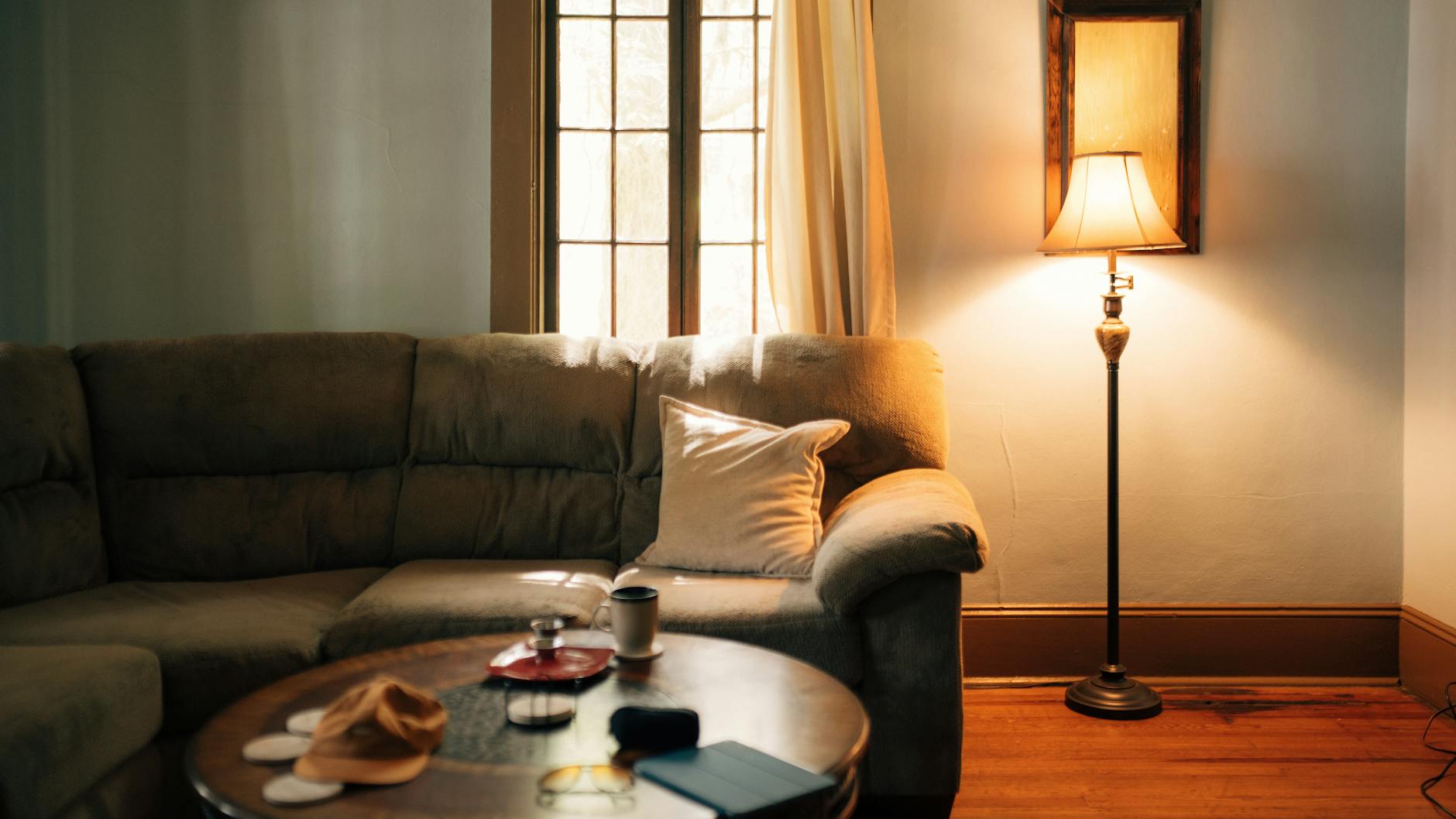
Relying on overhead lighting can make a room feel clinical and unflattering in the evening. Using floor lamps and table lamps creates pools of warm light that add depth and ambiance. You should turn off the “big light” to hide imperfections and create a cozy atmosphere. Layered lighting highlights specific corners and decor pieces while leaving others in shadow. This mood lighting mimics the intimate setting of high-end lounges.
Organize Books by Color

Grouping books on a shelf by the color of their spines creates a cohesive and stylized block of color. This technique reduces the visual noise of mismatched fonts and graphics found on book spines. It turns a library or bookshelf into a striking graphic element that complements the room’s palette. While controversial to some bibliophiles it is undeniably effective for visual calming. The result is a streamlined and deliberate display.
Center the Bed
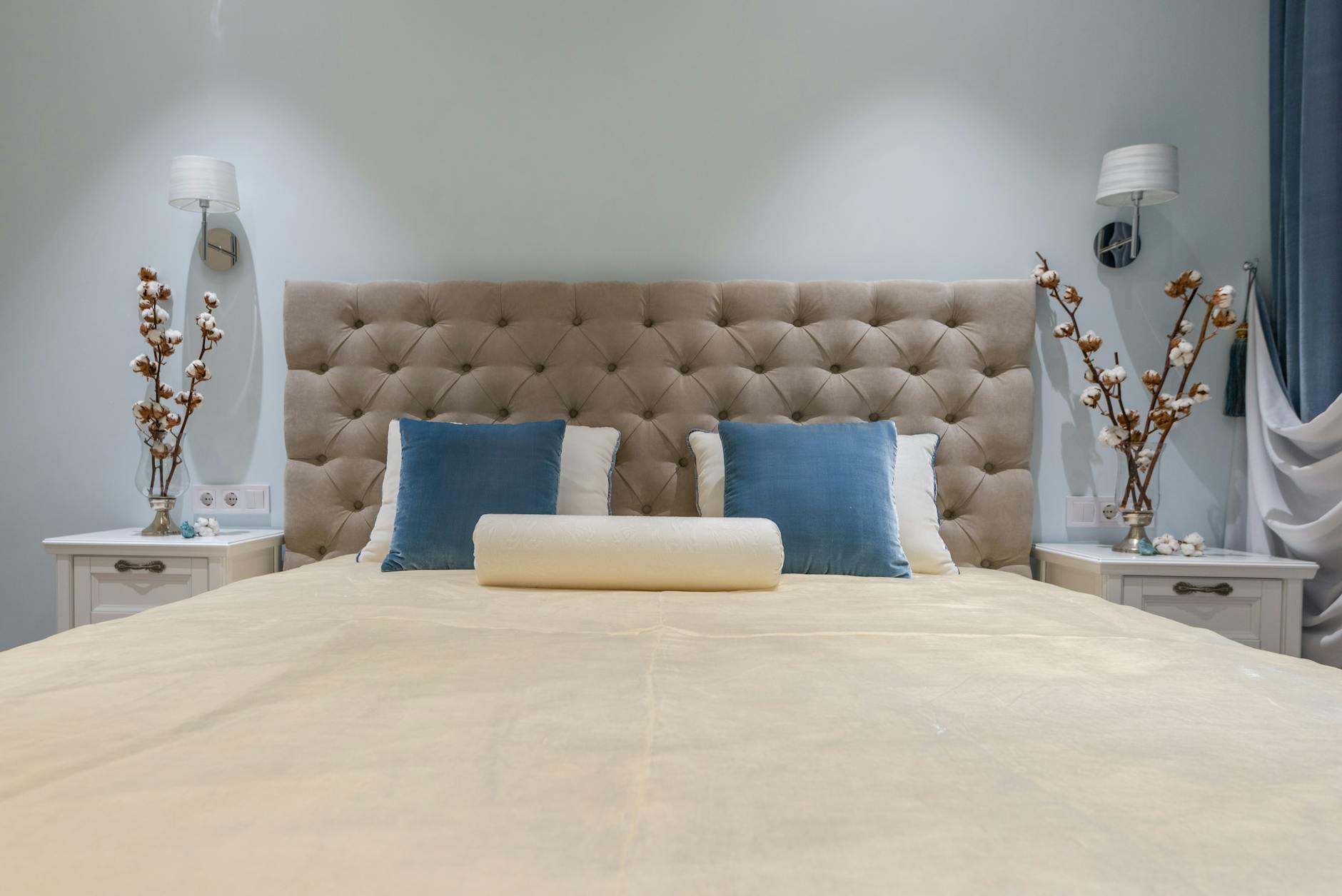
Ensuring the bed is perfectly centered on the wall commands the room and establishes a clear focal point. Flanking the bed with identical nightstands or even simple chairs reinforces this symmetry. A centered bed allows for equal flow on both sides which is essential for a feeling of balance. This placement maximizes the perceived width of the room. It anchors the sleeping area as the primary function of the space.
Tighten Cabinet Knobs
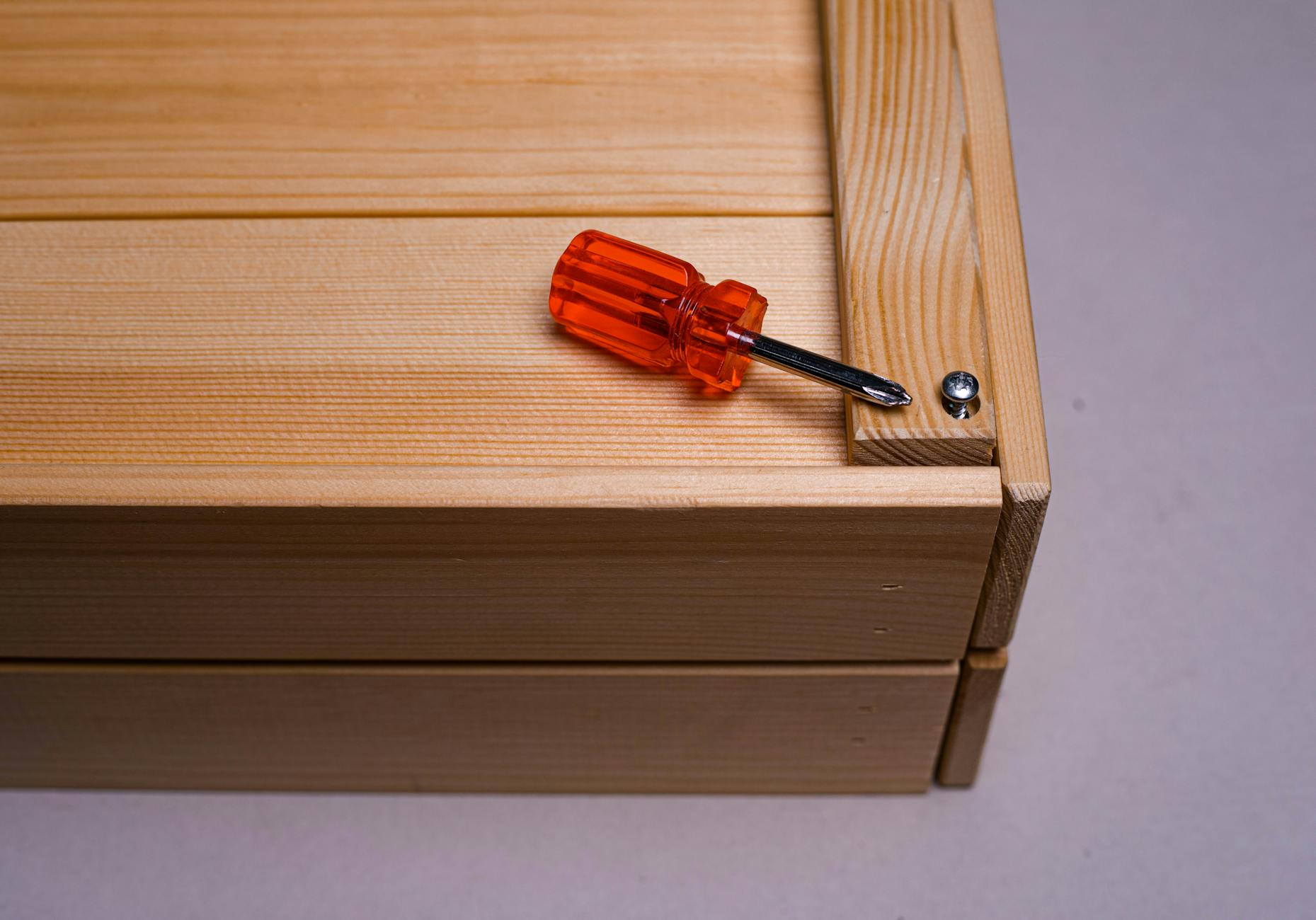
Loose handles and wobbly knobs make cabinetry feel cheap and poorly constructed every time you touch them. Taking a screwdriver to tighten every piece of hardware in the kitchen and bathroom restores a solid feel. This tactile improvement implies that the home is sturdy and well-built. It prevents the gradual degradation of screw holes and hardware alignment. Firm hardware suggests quality craftsmanship regardless of the actual material.
Streamline Soap Bars
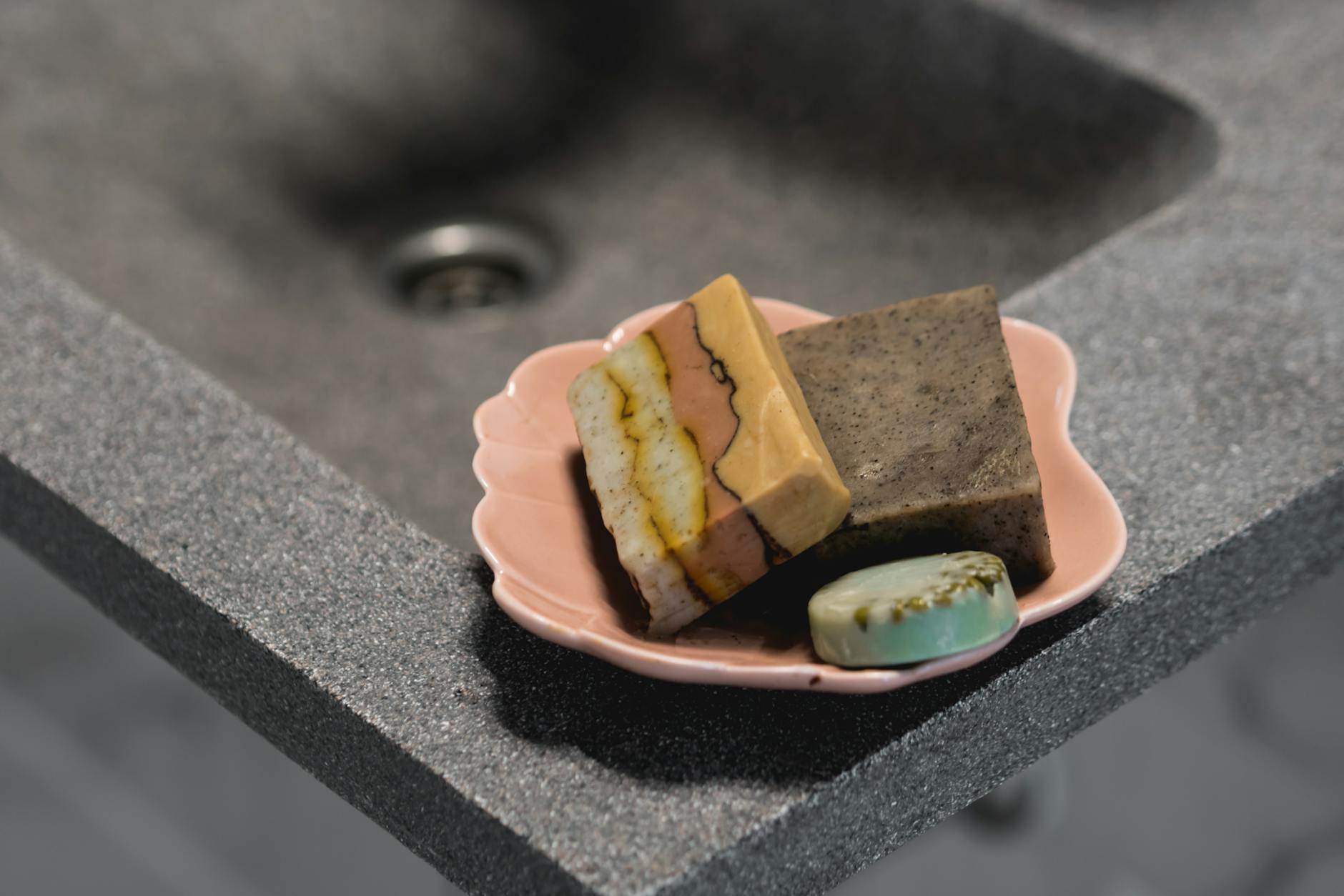
Replacing a mushy bar of soap with a fresh one or scraping off the residue improves the look of the sink area. You can unwrap a luxury scented soap and leave it dry in a dish to act as a fragrance diffuser. Keeping the soap dish clean and free of slime is essential for a high-end appearance. A pristine vanity area mimics the housekeeping standards of a resort. It shows that even the smallest details are managed.
Hang Artwork Lower
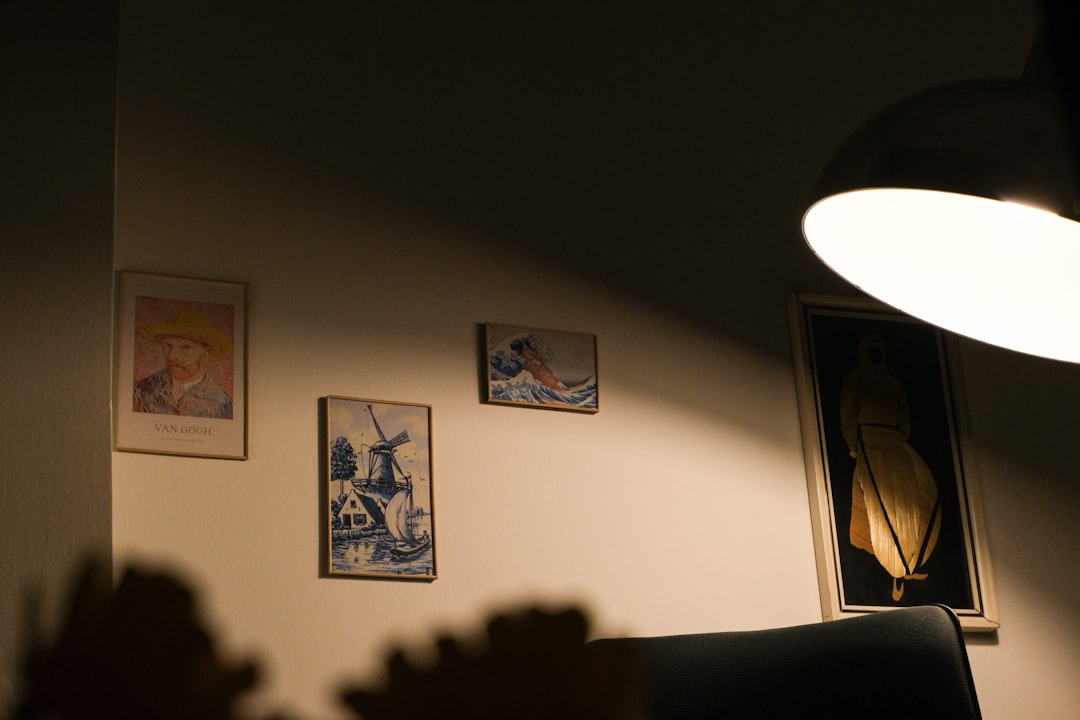
Many homeowners hang art too high which disconnects it from the furniture below. The center of a picture should generally be at eye level or roughly 57 inches from the floor. Lowering art helps it relate to sofas and consoles to create a cohesive vignette rather than a floating object. This adjustment fills the visual gap between furniture and ceiling more effectively. Proper placement anchors the room and feels more professional.
Embrace Negative Space
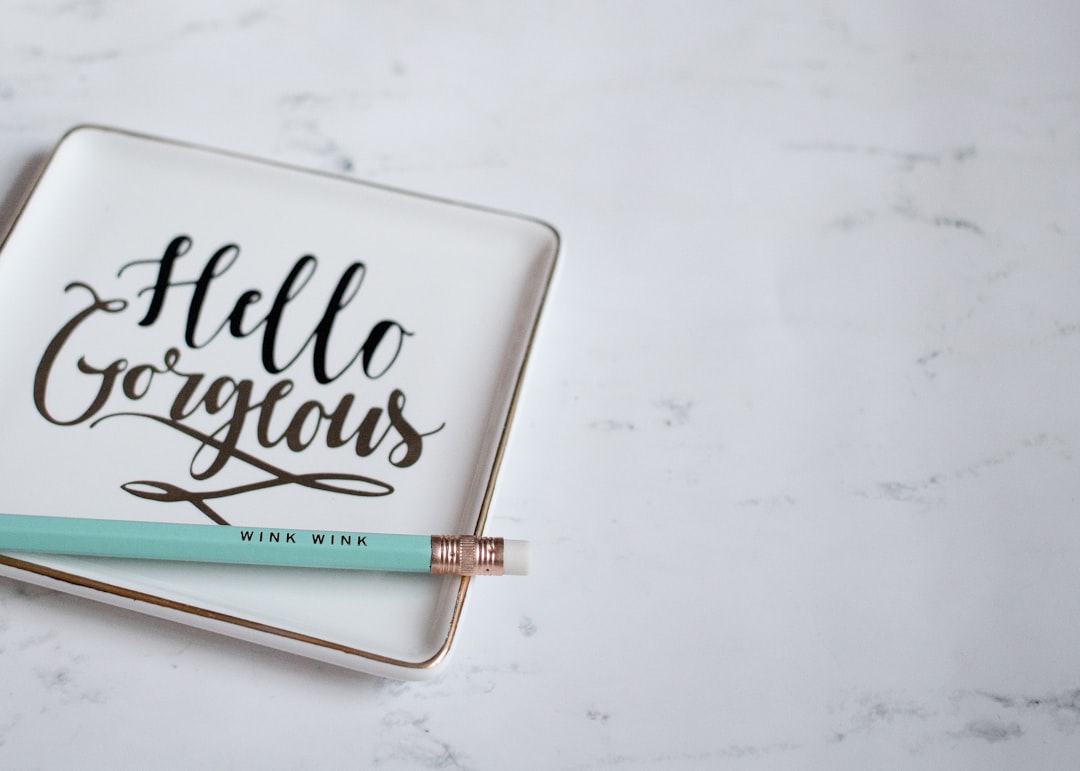
Empty space on a shelf or wall is just as important as the objects you display. You should resist the urge to fill every inch of surface area with decor or storage. Leaving open space highlights the items that remain and gives them importance. Negative space allows the architecture of the room to breathe and be appreciated. This restraint is a key differentiator between clutter and curation.
Conceal the TV Remote
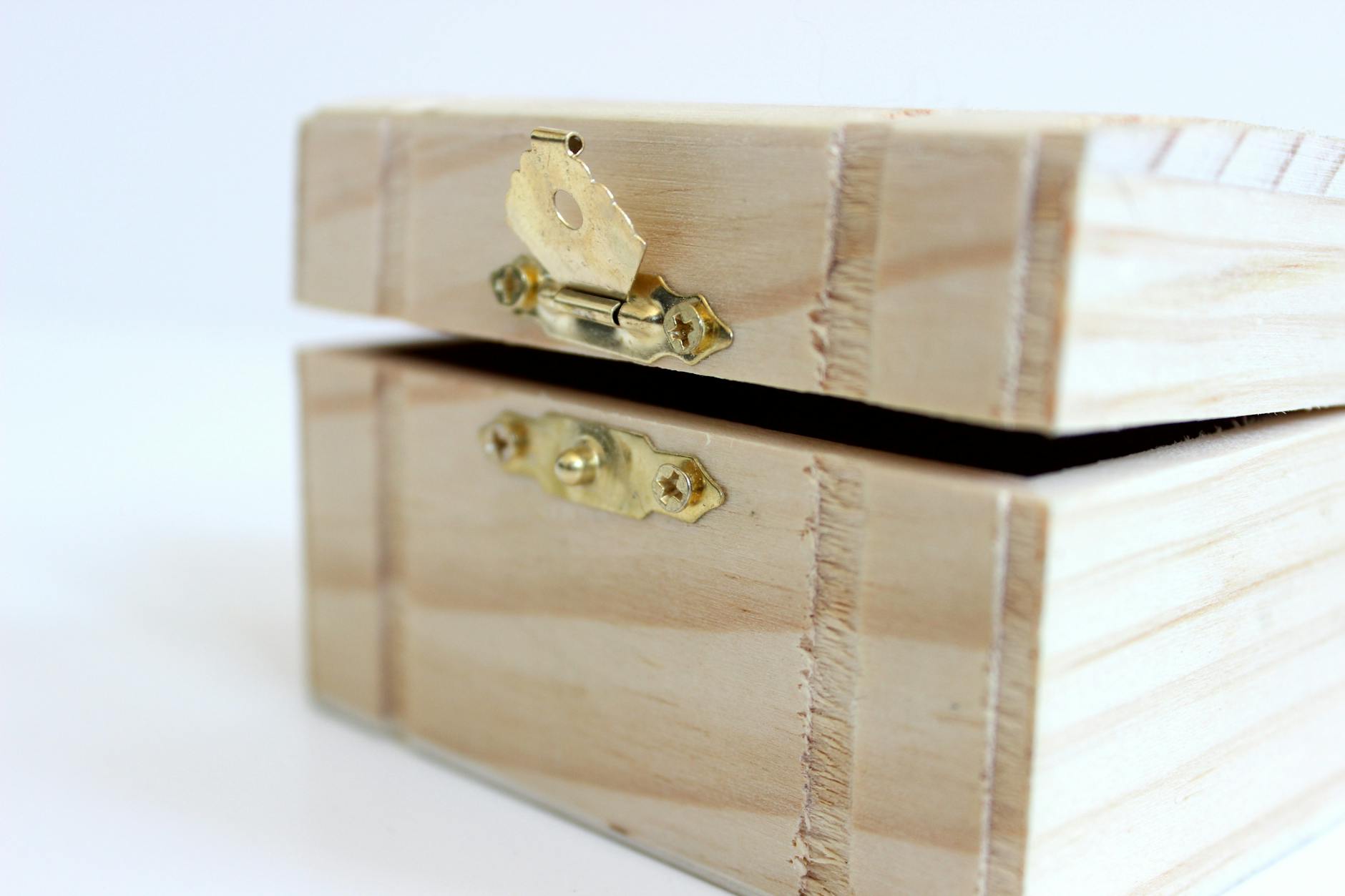
Remote controls are functional plastic tools that rarely contribute to the beauty of a room. Storing them in a decorative box or a drawer when not in use removes an ugly tech element. This small habit keeps the coffee table clear for beautiful books or flowers. It reduces the visual dominance of technology in the living space. Hiding the controls suggests the room is for conversation rather than just television consumption.
Shake Out Rugs
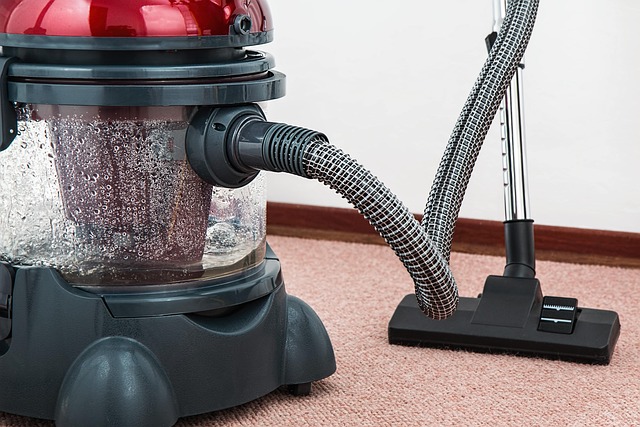
Taking area rugs outside and shaking them vigorously removes deep-set dust and restores the pile’s loft. A fluffy and clean rug looks newer and feels softer underfoot than a matted one. This process also helps to air out any trapped odors that vacuuming might miss. Reviving the texture of textiles adds comfort and visual warmth to the floor. It extends the life of the rug and improves the room’s hygiene.
Scent the Air

A home that smells fresh and subtle implies cleanliness and luxury before guests even see the decor. You can simmer a pot of water with lemon peels or cinnamon sticks to create a natural home fragrance. Opening windows daily to let out stale air is the most effective way to maintain a neutral scent profile. Avoiding overpowering artificial sprays keeps the atmosphere sophisticated. A pleasant scent leaves a lasting subconscious impression of quality.
I would love to hear which of these styling tips you plan to try first so please share your thoughts in the comments.