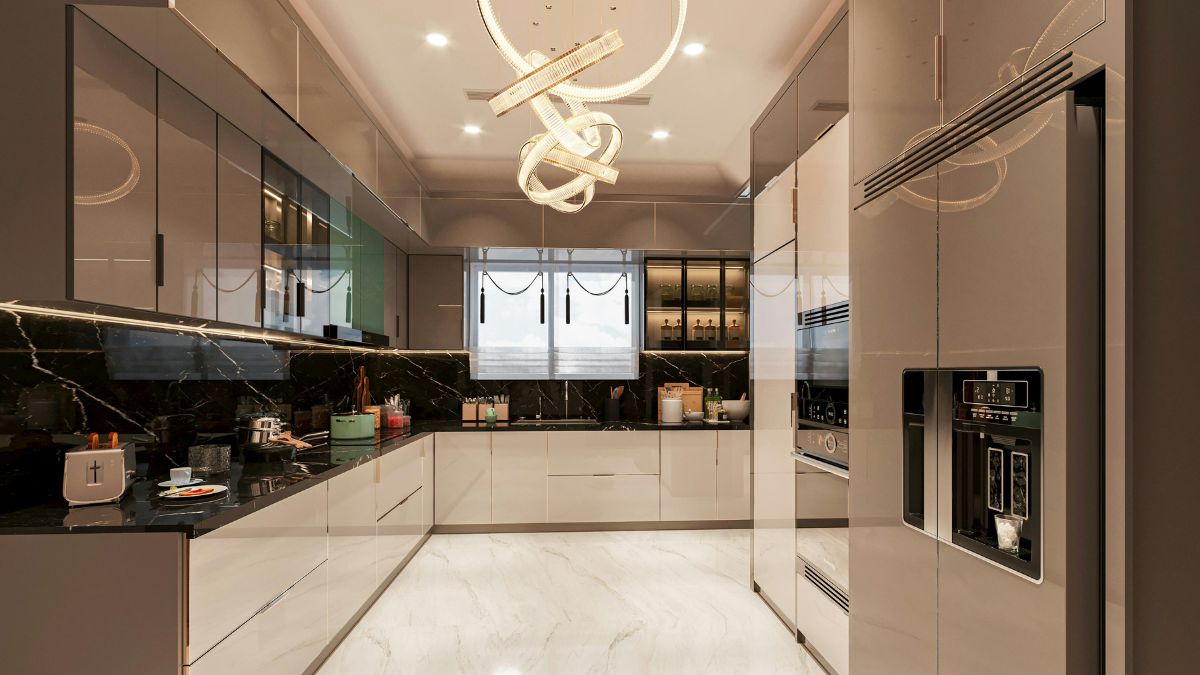
A well-organized kitchen transforms daily cooking from a chore into an enjoyable ritual. Thoughtful storage solutions, smart tool placement, and intentional design choices can dramatically improve how efficiently a kitchen operates. Whether you are working with a compact apartment layout or a sprawling culinary space, small upgrades deliver outsized results. These thirty practical strategies will help any home cook get more out of the heart of the home.
Install Pull-Out Cabinet Shelves
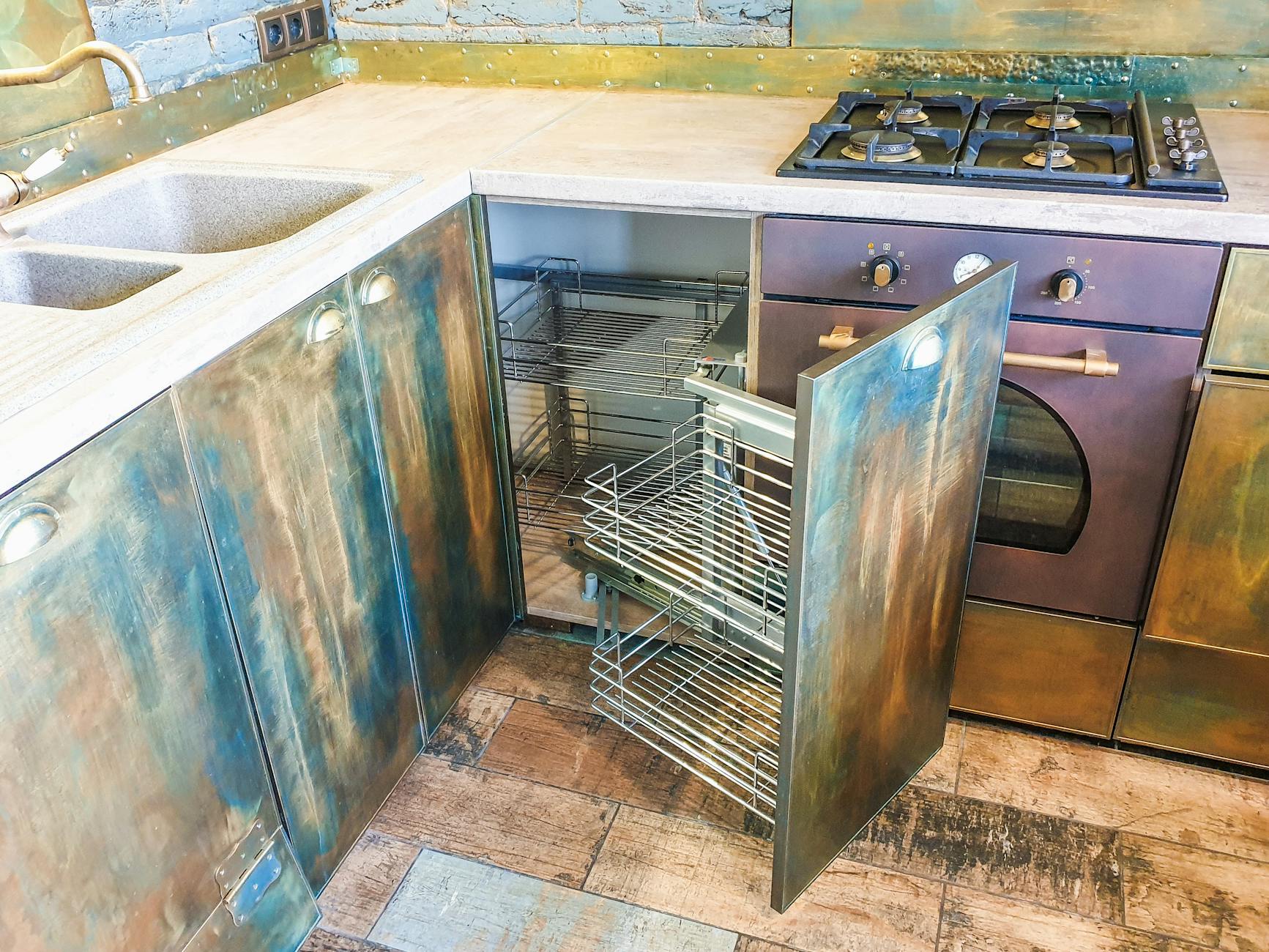
Pull-out shelves eliminate the frustration of reaching to the back of deep cabinets for pots, pans, and pantry items. They glide smoothly on tracks and bring every stored item into full view with a single motion. Installing them requires minimal tools and they are available in a wide range of widths to fit standard cabinet openings. The added accessibility reduces clutter and encourages a more organized approach to storing cookware and dry goods.
Add a Pegboard to the Wall
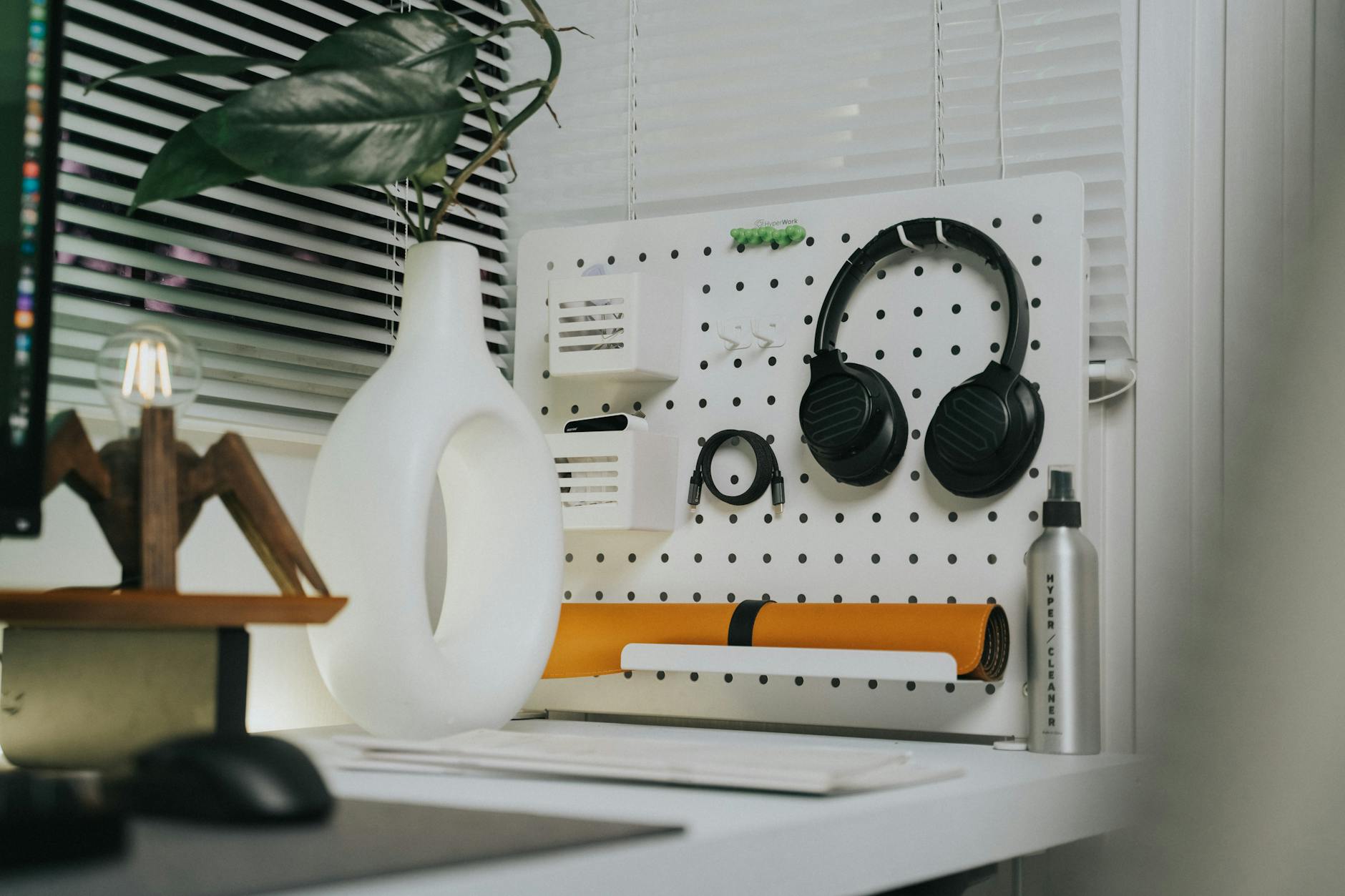
A mounted pegboard turns an empty wall into a highly customizable storage system for kitchen tools and utensils. Hooks, baskets, and shelves can be repositioned at any time to accommodate a changing collection of equipment. Keeping frequently used items visible and within reach reduces prep time during cooking. The open design also prevents drawers from becoming overcrowded with spatulas, whisks, and measuring spoons.
Use Drawer Dividers
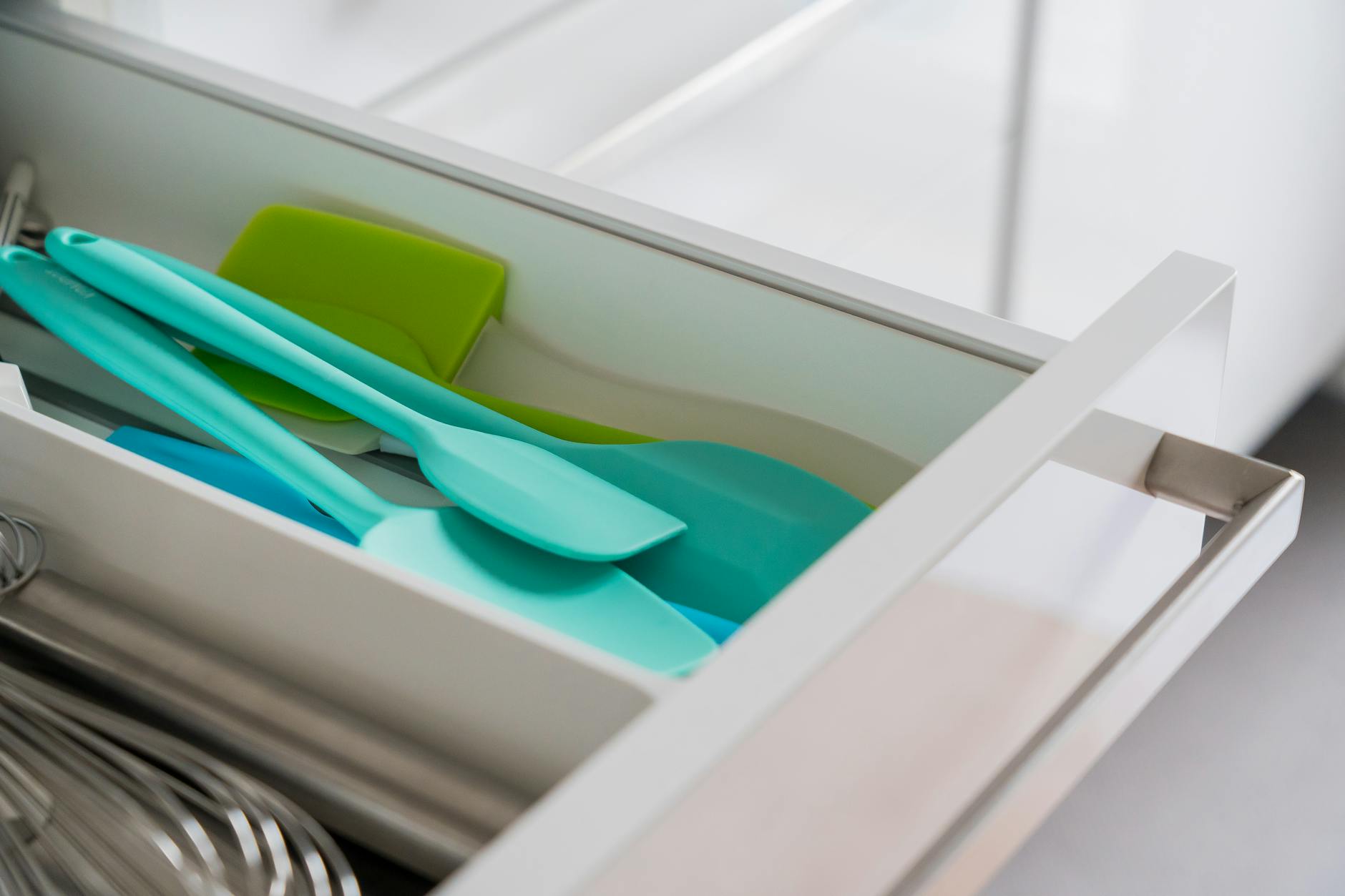
Drawer dividers bring order to otherwise chaotic kitchen drawers filled with mixed utensils and gadgets. They separate items into clearly defined zones so that every tool has a designated spot and is easy to locate. Adjustable dividers are particularly useful because they can be reconfigured as storage needs evolve. A well-divided drawer also protects delicate utensils from scratching against harder tools during daily use.
Mount a Magnetic Knife Strip
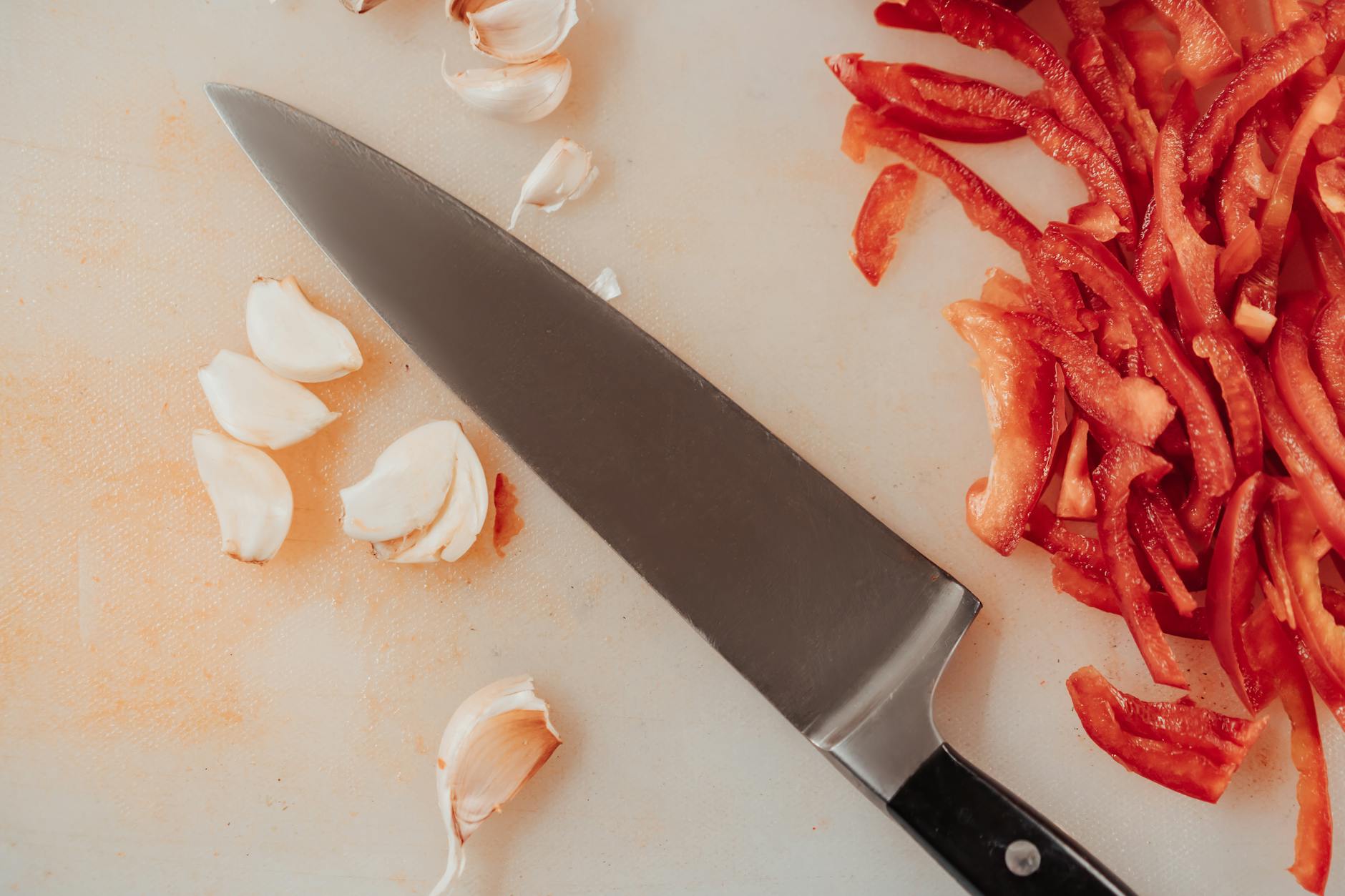
A magnetic knife strip keeps blades safely stored, easily accessible, and off valuable counter space. It attaches directly to a backsplash or wall and holds knives of various sizes without requiring a bulky wooden block. Displaying knives this way also makes it easier to select the right blade quickly during meal preparation. The strip keeps cutting edges in better condition than drawer storage, where blades can dull against other metal tools.
Hang a Pot Rack

A ceiling-mounted or wall-mounted pot rack frees up cabinet space and keeps cookware organized by size and type. Pots and pans hang within easy reach of the stovetop, cutting down on time spent searching through stacked cookware. The visual display of hanging cookware also adds a professional, culinary aesthetic to the kitchen environment. Heavy-duty racks are built to hold substantial weight and are available in styles that suit both rustic and modern kitchens.
Install Under-Cabinet Lighting

Under-cabinet lighting illuminates countertops directly below wall-mounted cabinets, eliminating shadows that make food prep more difficult. LED strip lights are the most energy-efficient option and can often be installed without an electrician using adhesive mounting. Improved task lighting reduces eye strain during chopping, measuring, and plating. Many modern systems include dimmable settings that allow brightness to be adjusted depending on the time of day or the task at hand.
Add a Kitchen Island or Rolling Cart
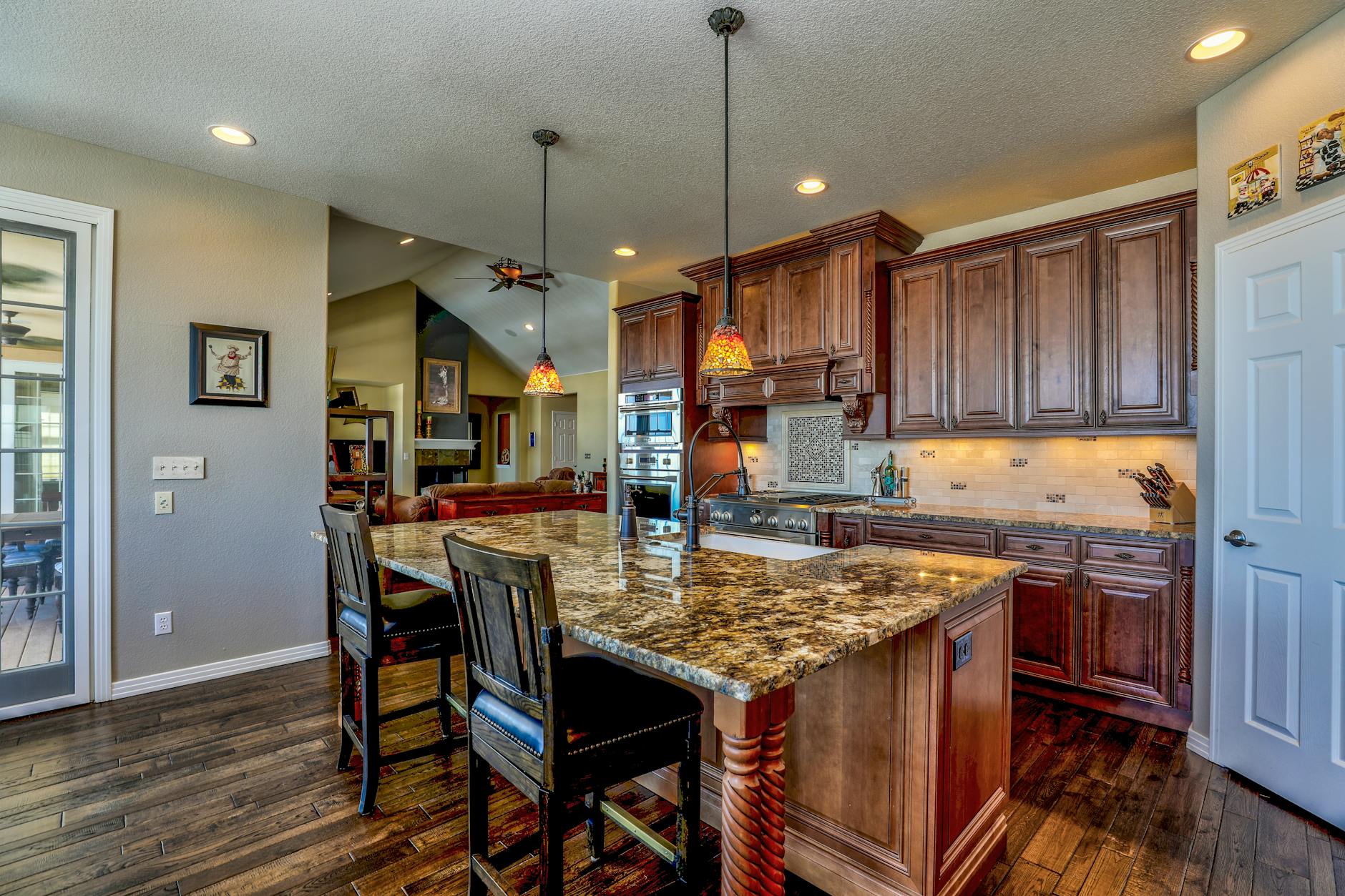
A kitchen island expands usable counter space and introduces additional storage in a central location. Rolling carts offer the same benefit with the added advantage of mobility, allowing the workspace to be repositioned as needed. Many models include built-in shelves, drawers, and hooks that accommodate everything from cutting boards to wine bottles. An island also provides a natural gathering space in open-plan kitchens that doubles as a casual dining area.
Use Vertical Dividers for Baking Sheets
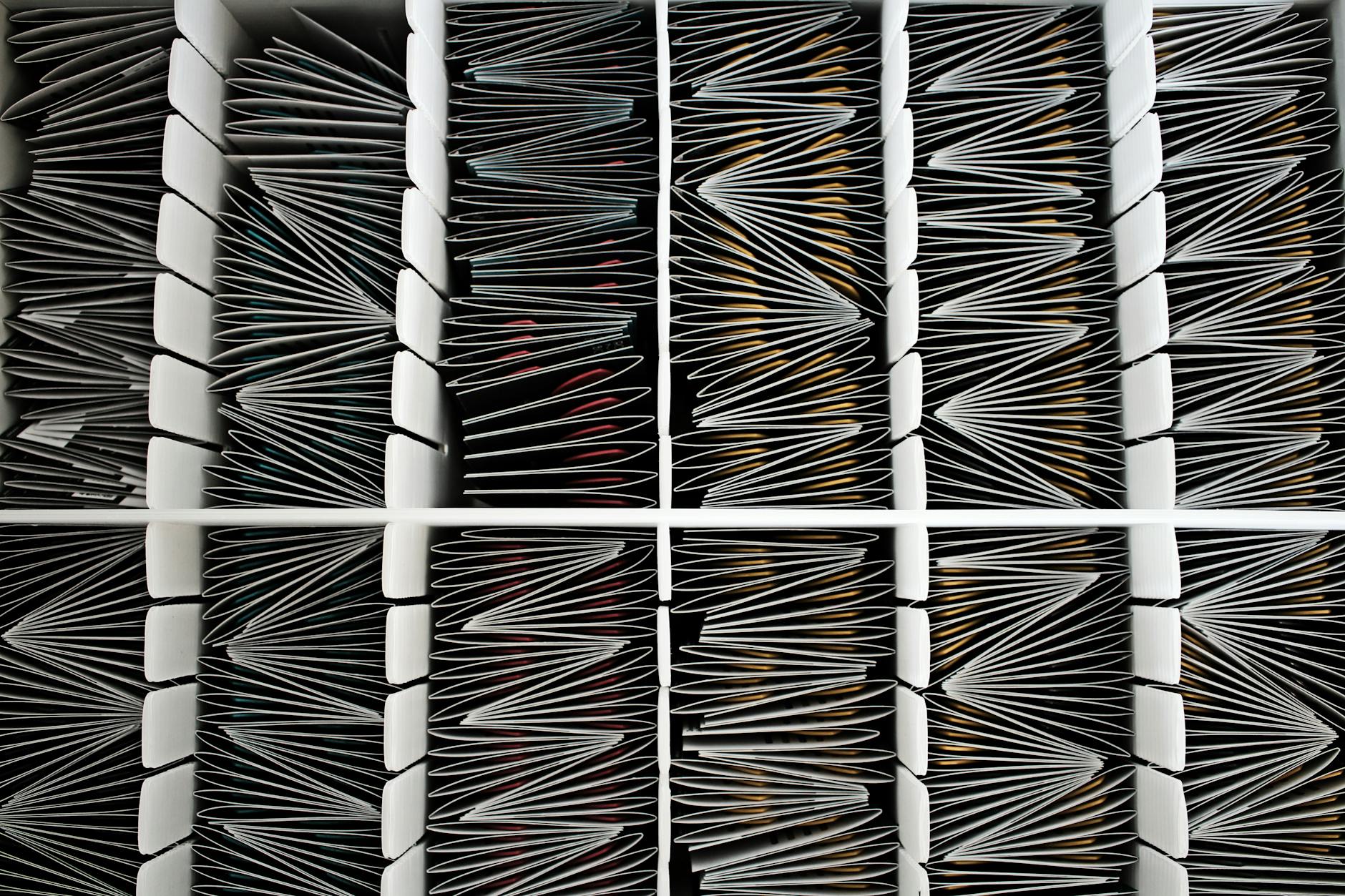
Baking sheets, cutting boards, and trays are notoriously difficult to store because they do not stack neatly. Vertical dividers installed inside a cabinet allow each item to stand upright and be removed individually without disturbing others. This system eliminates the avalanche of trays that typically occurs when pulling out a single sheet from a horizontal stack. Vertical storage makes the most efficient use of tall, narrow cabinet spaces that might otherwise go unused.
Label Everything in the Pantry
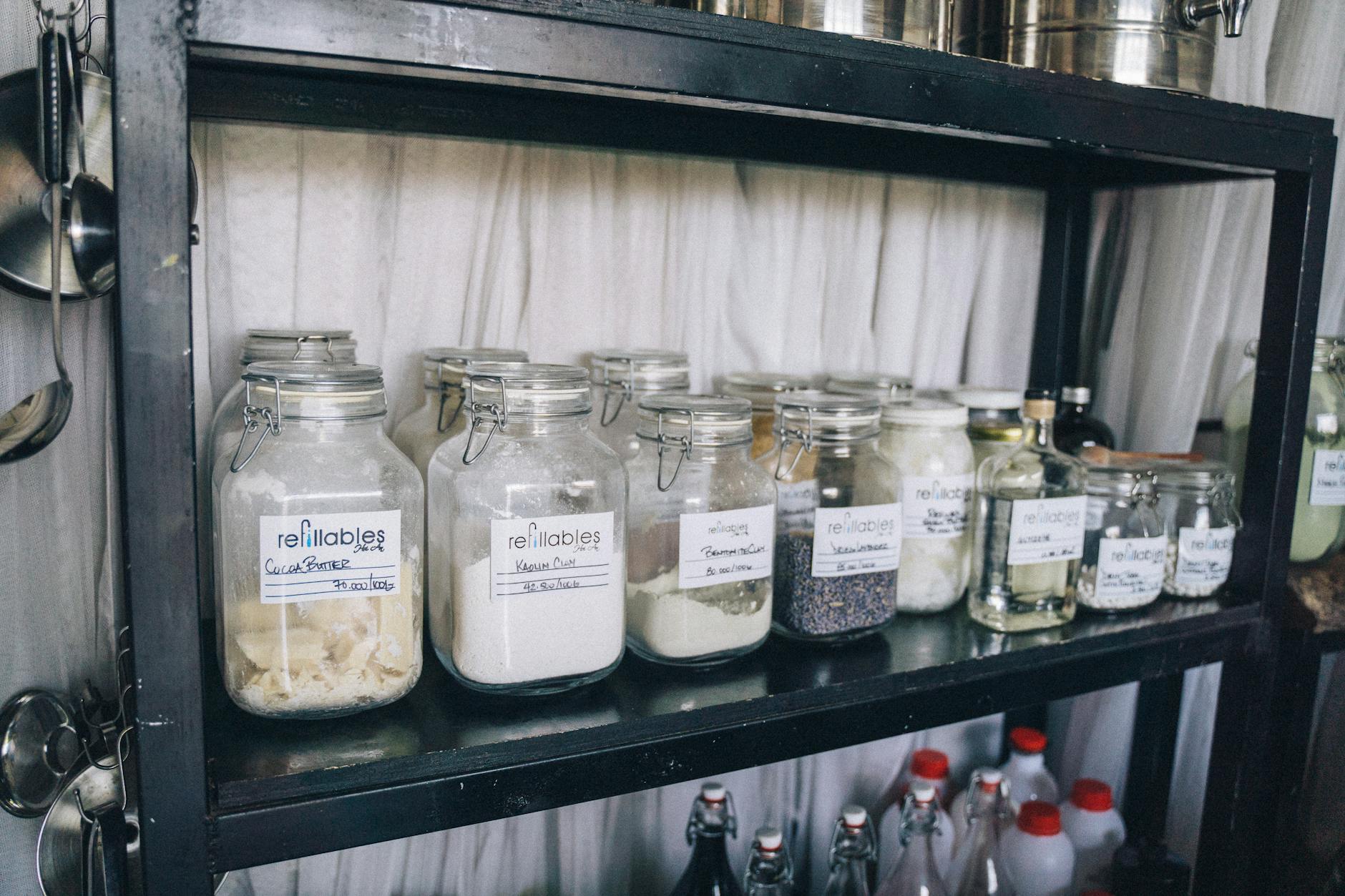
Clear, consistent labeling transforms a pantry from a guessing game into an efficient system. Labels placed on bins, jars, and shelf sections make it immediately obvious where each item belongs and when supplies are running low. Uniform containers with matching labels also maximize shelf space by eliminating bulky and irregularly shaped packaging. A labeled pantry saves time during grocery shopping by providing a clear inventory of what is already stocked.
Optimize Corner Cabinets with a Lazy Susan
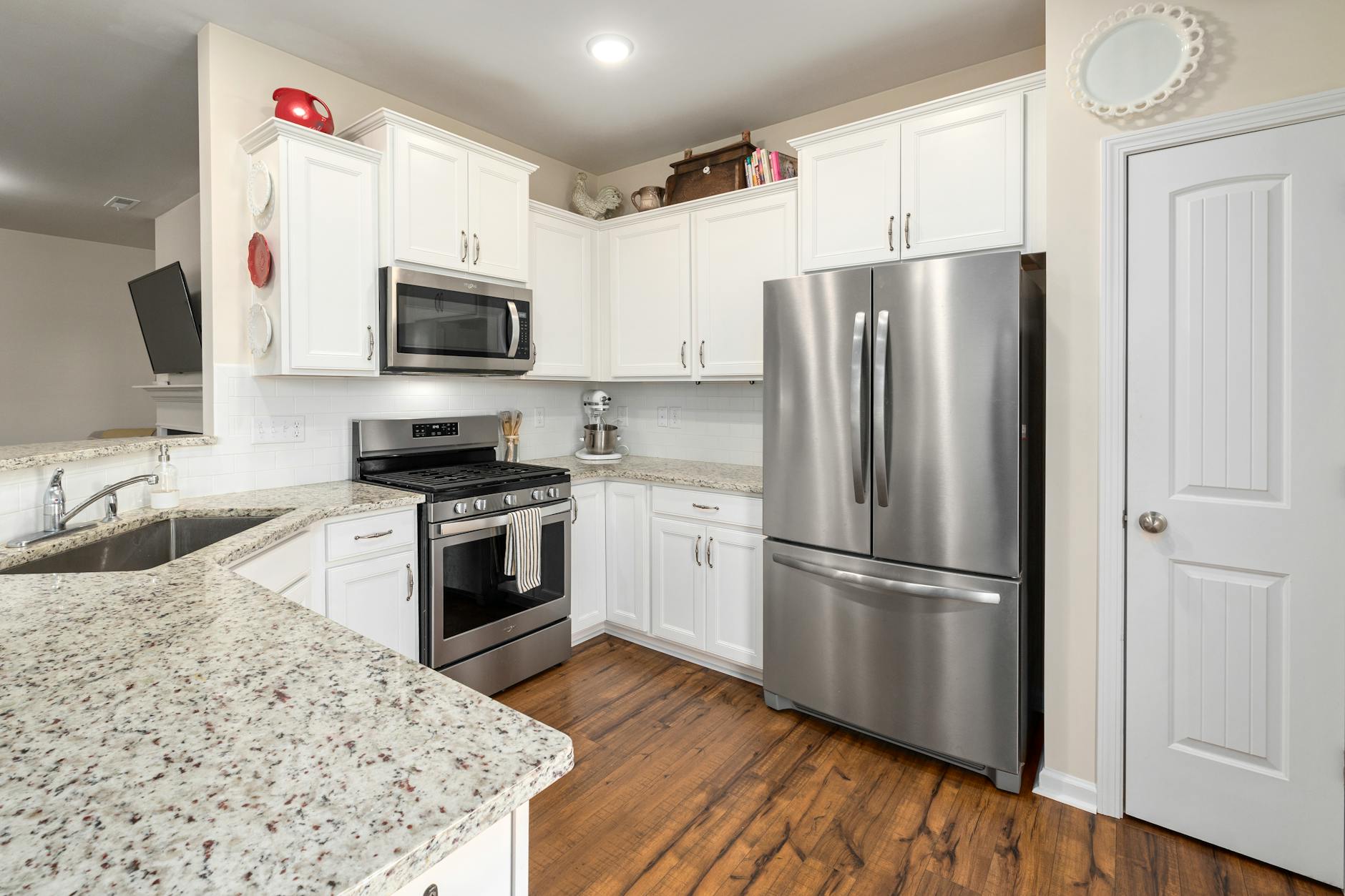
Corner cabinets are among the most underutilized storage spaces in a kitchen due to their awkward depth and angled access. A lazy Susan turntable installed inside a corner cabinet allows items to rotate into view with a simple spin. It is particularly effective for storing oils, vinegars, spices, and condiments that are used regularly. Maximizing corner storage can free up significant space in more accessible cabinets throughout the kitchen.
Install a Deep Sink
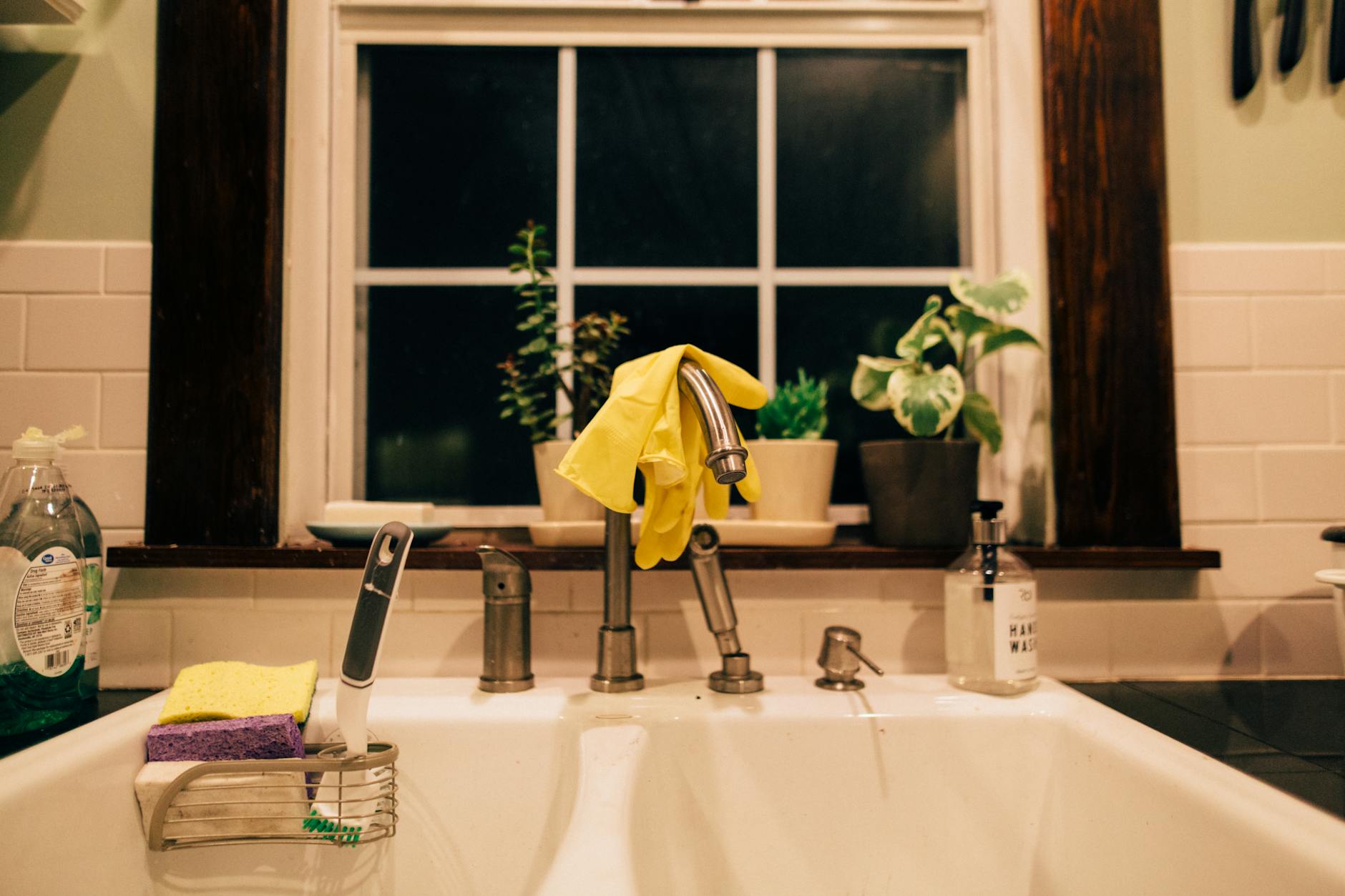
A deep, single-basin sink offers far more functional workspace than a shallow double-basin model. It accommodates large stockpots, full sheet trays, and oversized cutting boards during washing and rinsing. The depth also prevents water splashing onto the surrounding countertop during everyday dishwashing. Many professional-style farmhouse sinks combine this generous depth with an apron-front design that reduces strain on the lower back during prolonged use.
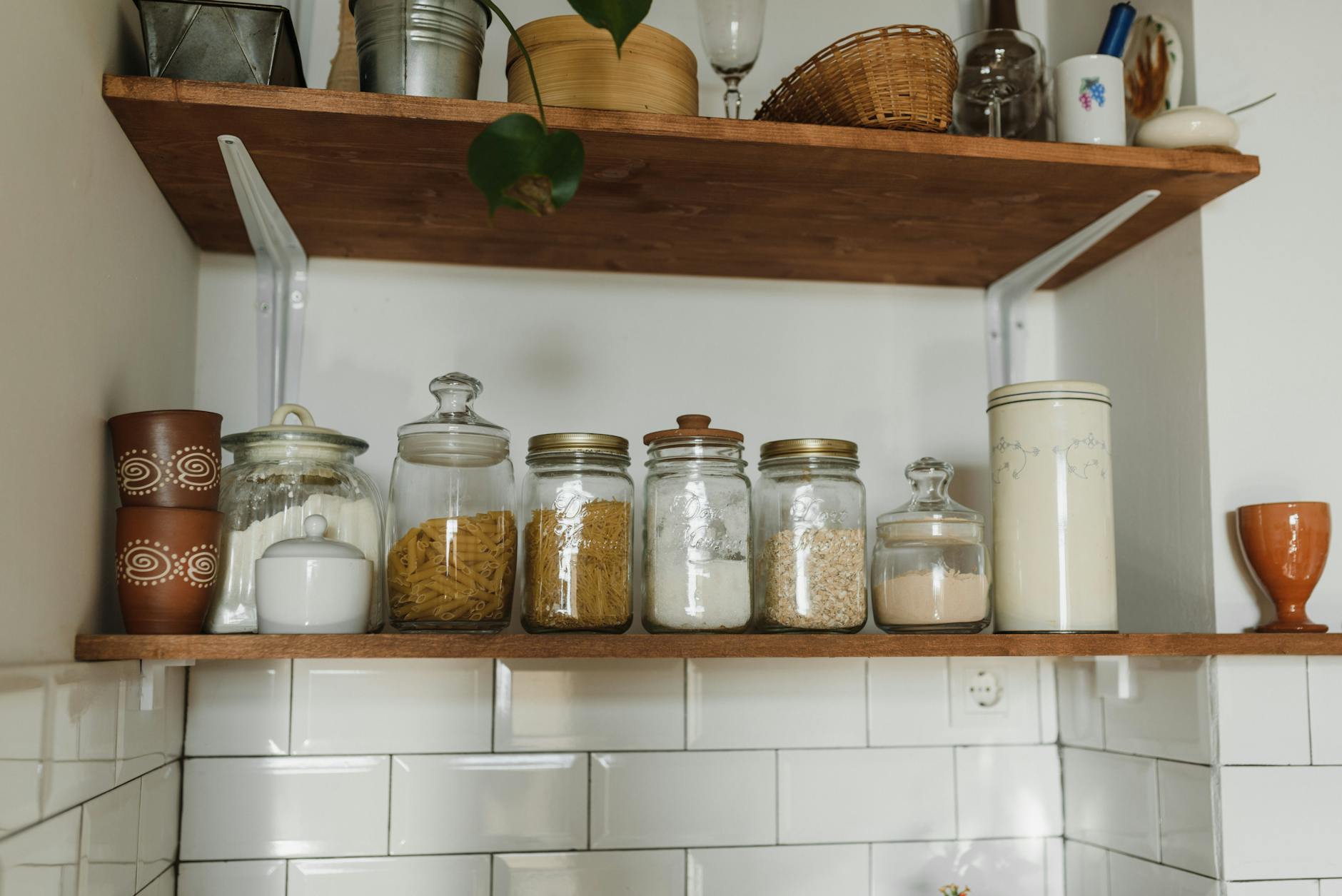
Use Clear Storage Containers
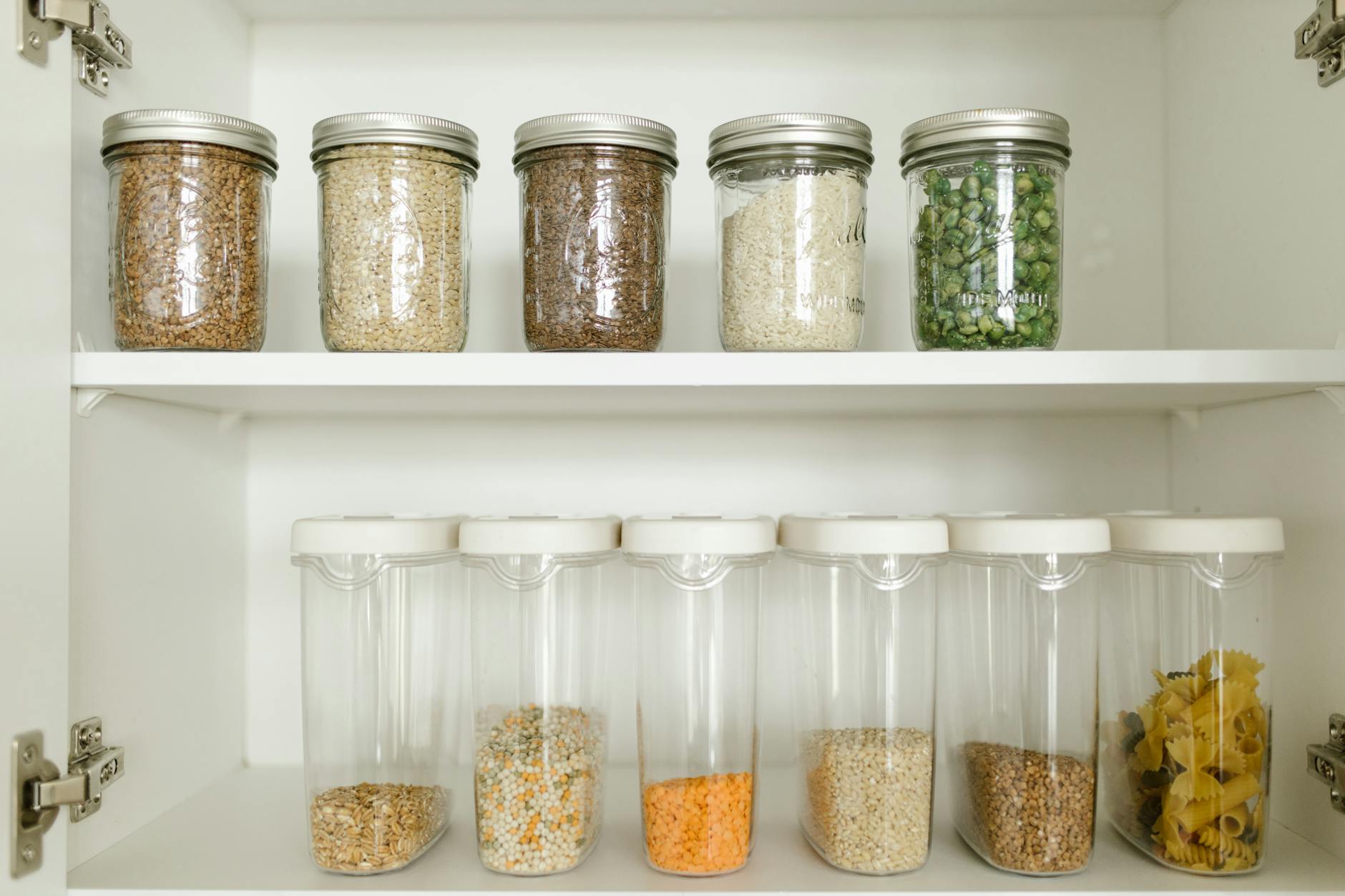
Storing dry goods in clear, airtight containers makes it easy to assess quantities and maintain freshness at a glance. Uniform containers stack efficiently in pantries and on shelves, making far better use of available space than mismatched original packaging. Clear sides eliminate the need to open each container to identify its contents, streamlining the cooking preparation process. Glass and BPA-free plastic options are both widely available and suitable for storing everything from flour to pasta to nuts.
Add a Dedicated Coffee or Beverage Station
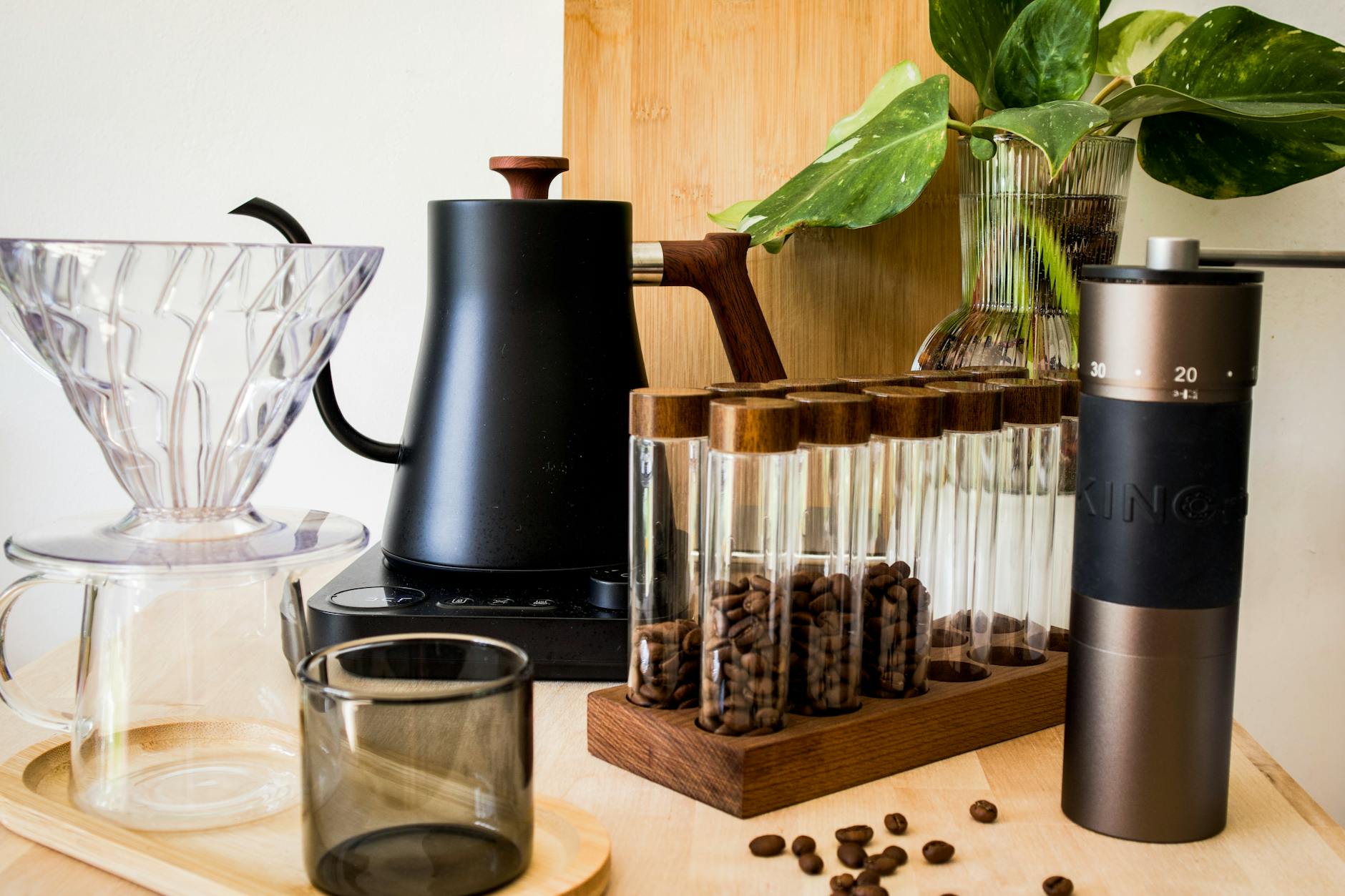
Grouping all coffee and beverage supplies into one dedicated area keeps the rest of the kitchen countertop free for food preparation. A small tray or designated shelf section can hold the machine, mugs, beans, and accessories without allowing the collection to spread. Having everything in one place also makes the morning routine faster and more enjoyable. A beverage station can be set up on a countertop, inside a cabinet, or on a rolling cart depending on available kitchen space.
Install a Toe-Kick Drawer
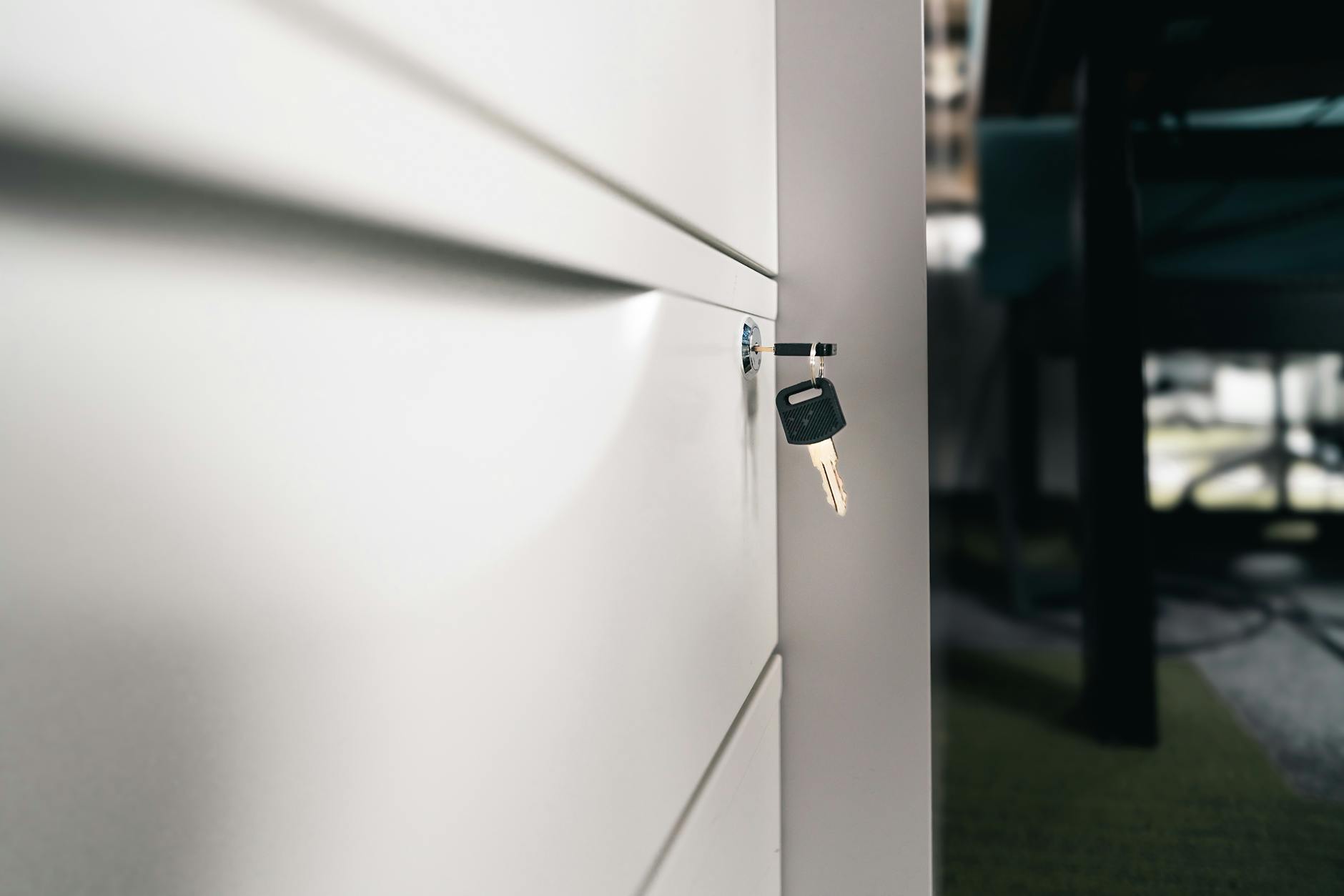
The space beneath base cabinets, known as the toe-kick area, is almost universally wasted in standard kitchen designs. Shallow pull-out drawers installed in this recessed zone create hidden storage ideal for flat items like baking mats, placemats, and serving trays. Toe-kick drawers open flush with the cabinet base and are nearly invisible when closed, maintaining a clean visual appearance. This upgrade adds meaningful storage without consuming any additional cabinet or floor space.
Use the Inside of Cabinet Doors
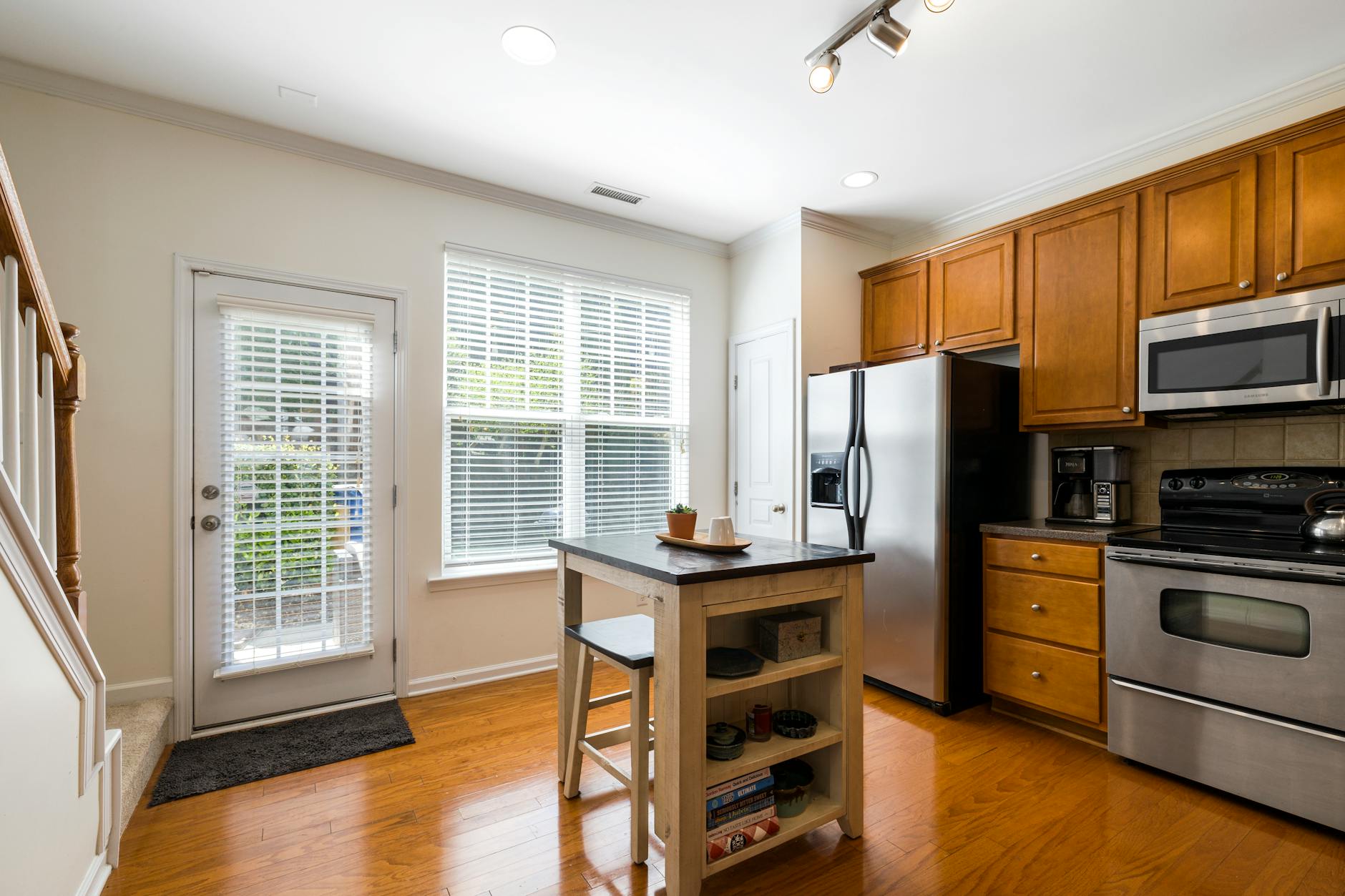
The interior surface of cabinet doors is rarely utilized despite offering a usable vertical storage zone. Small racks, hooks, and adhesive organizers attached to the inside of doors can hold spice jars, cleaning supplies, measuring cups, and pot lids. This approach keeps frequently used items accessible without taking up shelf space inside the cabinet itself. Door-mounted organizers are widely available and can typically be installed without drilling, making them a renter-friendly option.
Invest in a Quality Chef’s Knife

A single high-quality chef’s knife handles the vast majority of kitchen cutting tasks more effectively than a collection of inexpensive, specialized blades. It reduces the number of tools that need to be stored, sharpened, and maintained. A well-balanced knife with a comfortable handle also reduces hand fatigue during extended cooking sessions. Caring for a quality knife with regular honing and proper storage extends its lifespan significantly and maintains its performance over time.
Maximize Refrigerator Organization
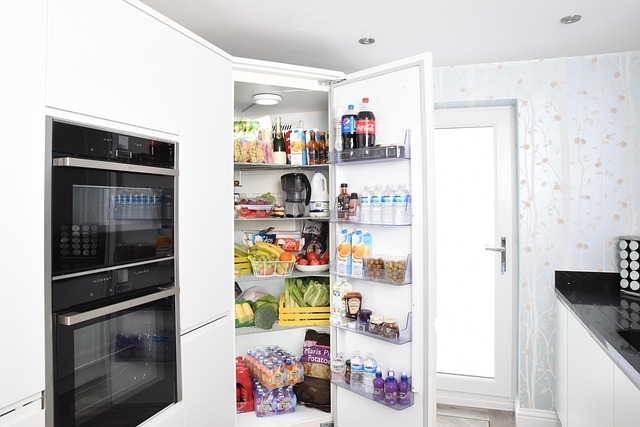
A thoughtfully organized refrigerator reduces food waste, saves money, and speeds up meal preparation considerably. Dedicated zones for proteins, dairy, produce, and leftovers make it easier to locate ingredients quickly without leaving the door open too long. Clear bins and containers allow the contents of each zone to be identified at a glance without rearranging shelves. Regularly rotating older items to the front ensures that nothing is forgotten and expires before it can be used.
Create a Meal Prep Dedicated Zone
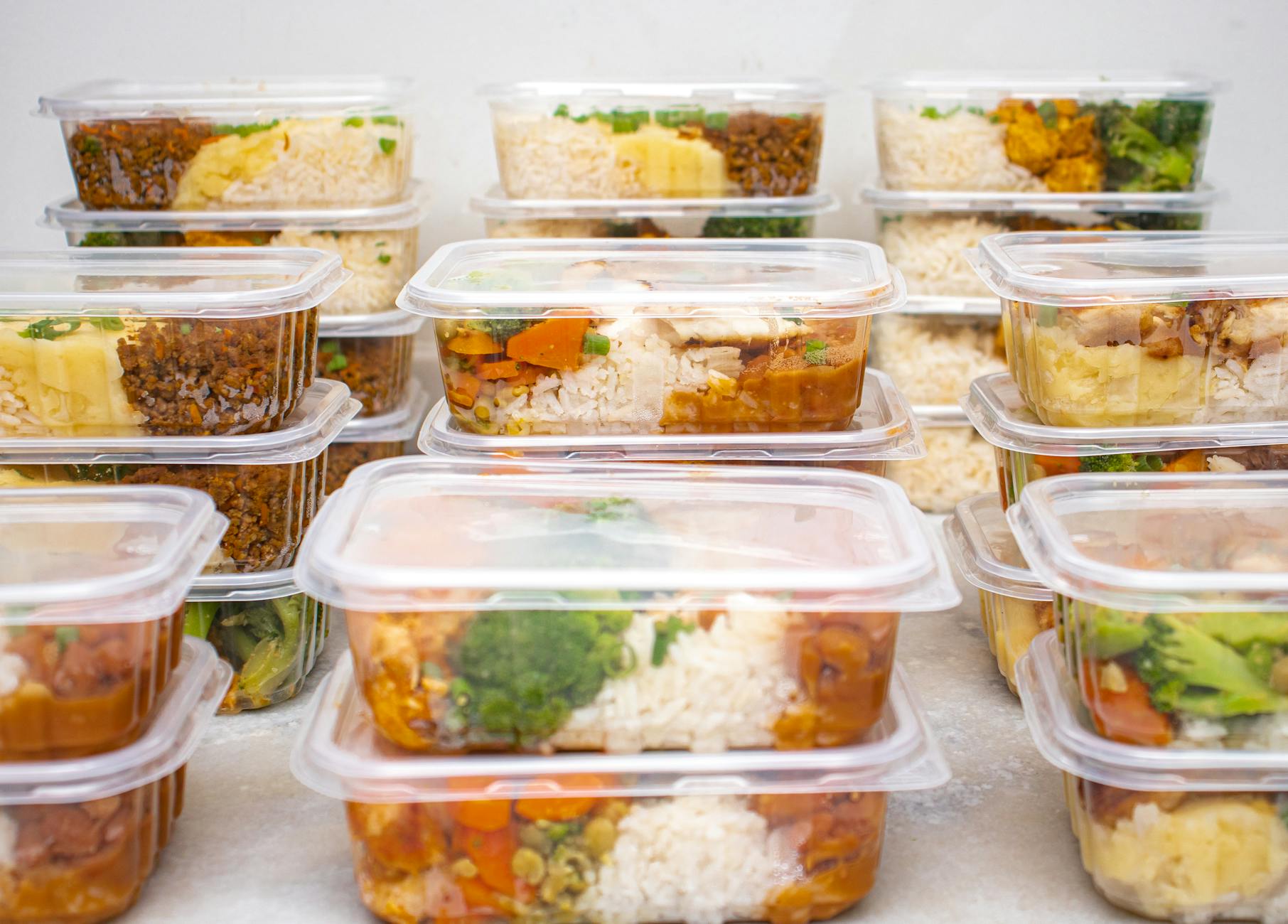
Designating one section of the countertop exclusively for meal preparation creates a consistent and efficient workflow. Keeping a cutting board, knife, and frequently used prep tools permanently stationed in this zone eliminates setup time before cooking begins. A nearby trash bowl or composting container further streamlines the prep process by minimizing trips to the garbage can. A dedicated prep area also helps prevent cross-contamination by separating raw ingredient handling from other kitchen activities.
Store Spices Near the Stove
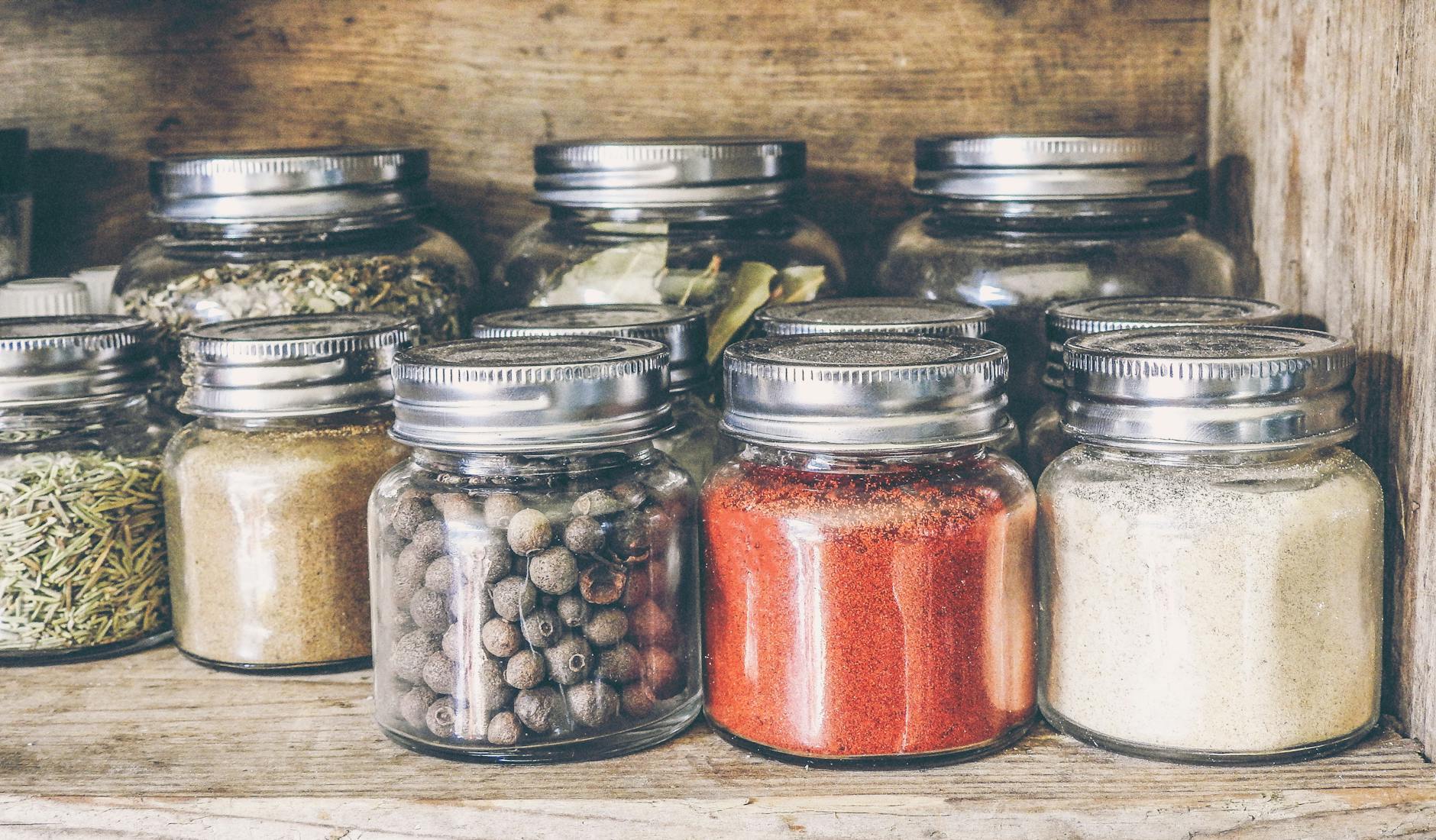
Keeping spices stored close to the cooking area reduces the number of steps taken during active cooking and keeps the workflow focused. A wall-mounted rack, a countertop carousel, or a pull-out spice drawer positioned beside the stove keeps all seasonings within arm’s reach. Alphabetical or category-based organization within the spice storage system makes it fast to find the right jar during the busiest moments of cooking. Storing spices away from heat and direct sunlight in a cool adjacent area also helps preserve their potency and flavor.
Install a Garbage and Recycling Pull-Out
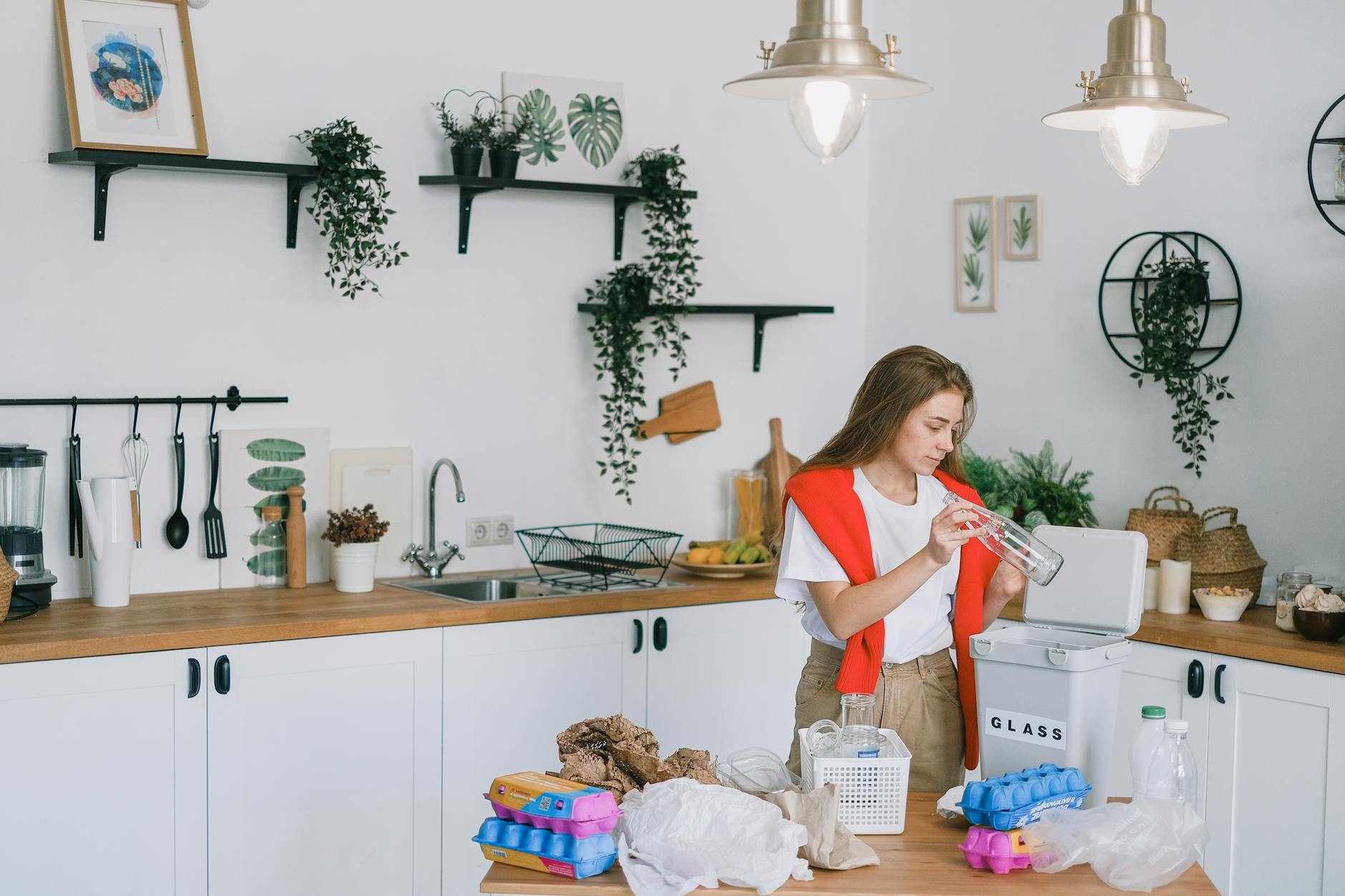
A pull-out cabinet unit designed to hold garbage and recycling bins keeps waste out of sight while maintaining easy access during cooking and cleanup. Concealing bins inside a cabinet also prevents odors from spreading into the kitchen environment. Many models are designed to mount directly to the cabinet door, so the bin opens automatically when the door is pulled. Integrating waste management into the cabinet structure frees up floor space and creates a cleaner, more cohesive kitchen appearance.
Use a Bench Scraper for Countertop Cleanup
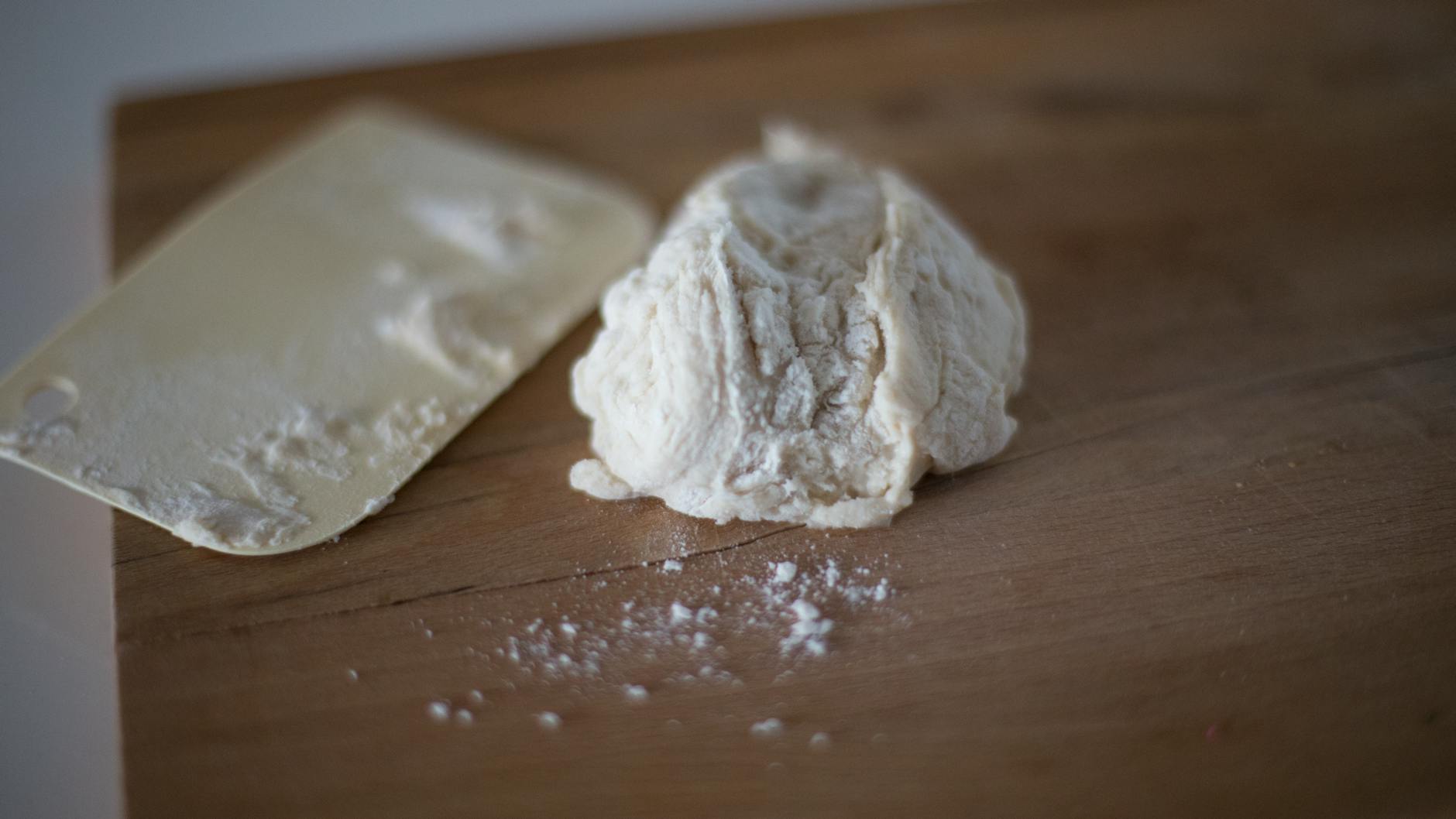
A bench scraper is a simple, flat-edged tool that makes transferring chopped ingredients from a cutting board to a pan far faster and cleaner. It also quickly sweeps debris and crumbs from countertops into a waste bowl or trash can without requiring a cloth or sponge. The tool doubles as a dough divider and shaper for baking tasks, making it genuinely versatile across a range of kitchen applications. Its compact size means it can be stored easily in a drawer or on a magnetic strip alongside other flat tools.
Optimize Cabinet Height with Stackable Shelves
Standard cabinets often leave significant empty vertical space between shelves that goes completely unused. Stackable shelf risers placed inside cabinets create a second level of storage for plates, bowls, mugs, and canned goods. This doubles the usable surface area within a single cabinet shelf without requiring any installation or permanent modification. Risers are available in wire, bamboo, and plastic materials to suit different aesthetic preferences and storage needs.
Install a Faucet with a Pull-Down Sprayer
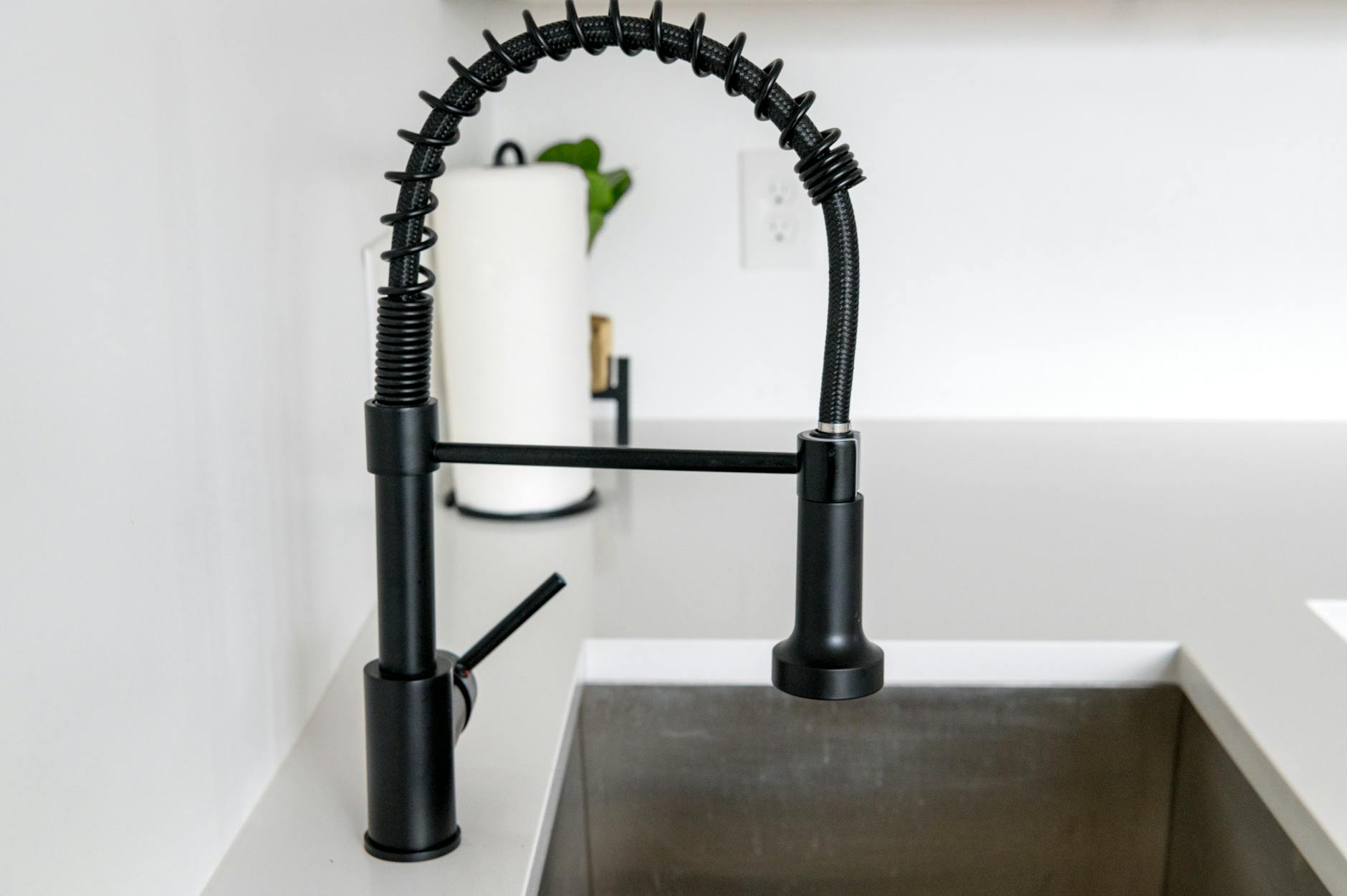
A pull-down sprayer faucet dramatically increases the functionality of the kitchen sink for rinsing produce, filling tall pots, and cleaning the sink basin. The extending hose provides flexible reach across the full width of the sink and can direct water precisely where it is needed. Many models include a switch between stream and spray modes for added versatility during different kitchen tasks. Upgrading the faucet is a relatively straightforward plumbing project that delivers a noticeable improvement in daily kitchen usability.
Add Hooks to the Side of Cabinets
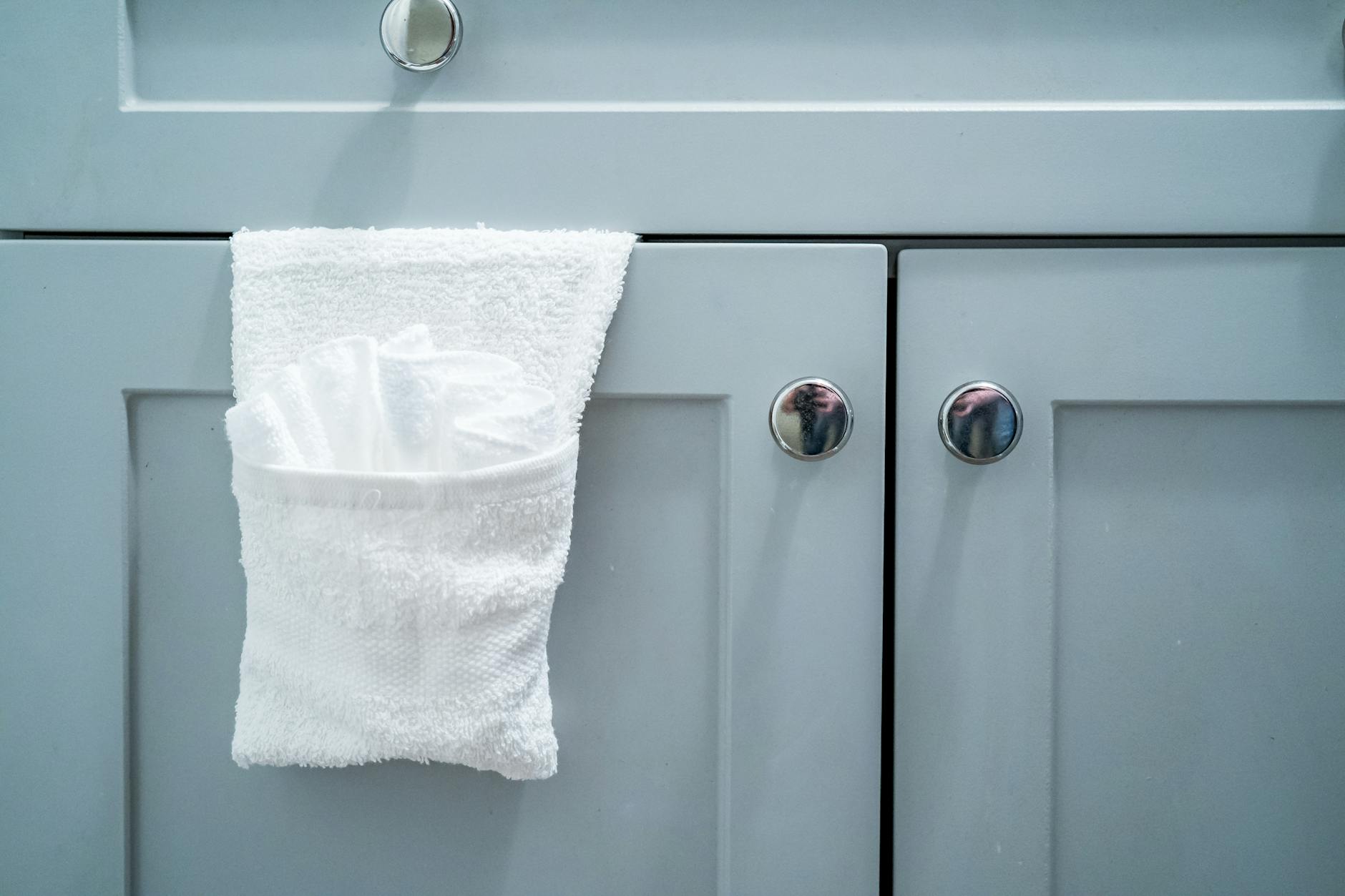
The exterior sides of base and upper cabinets offer mounting surfaces that are often left entirely bare. Small hooks or magnetic strips attached to cabinet sides can hold oven mitts, dish towels, and light utensils within easy reach of cooking zones. This placement keeps essential items accessible without consuming drawer or cabinet space. Cabinet-side storage is particularly useful in smaller kitchens where every available surface must contribute to the overall organization system.
Use a Countertop Compost Bin
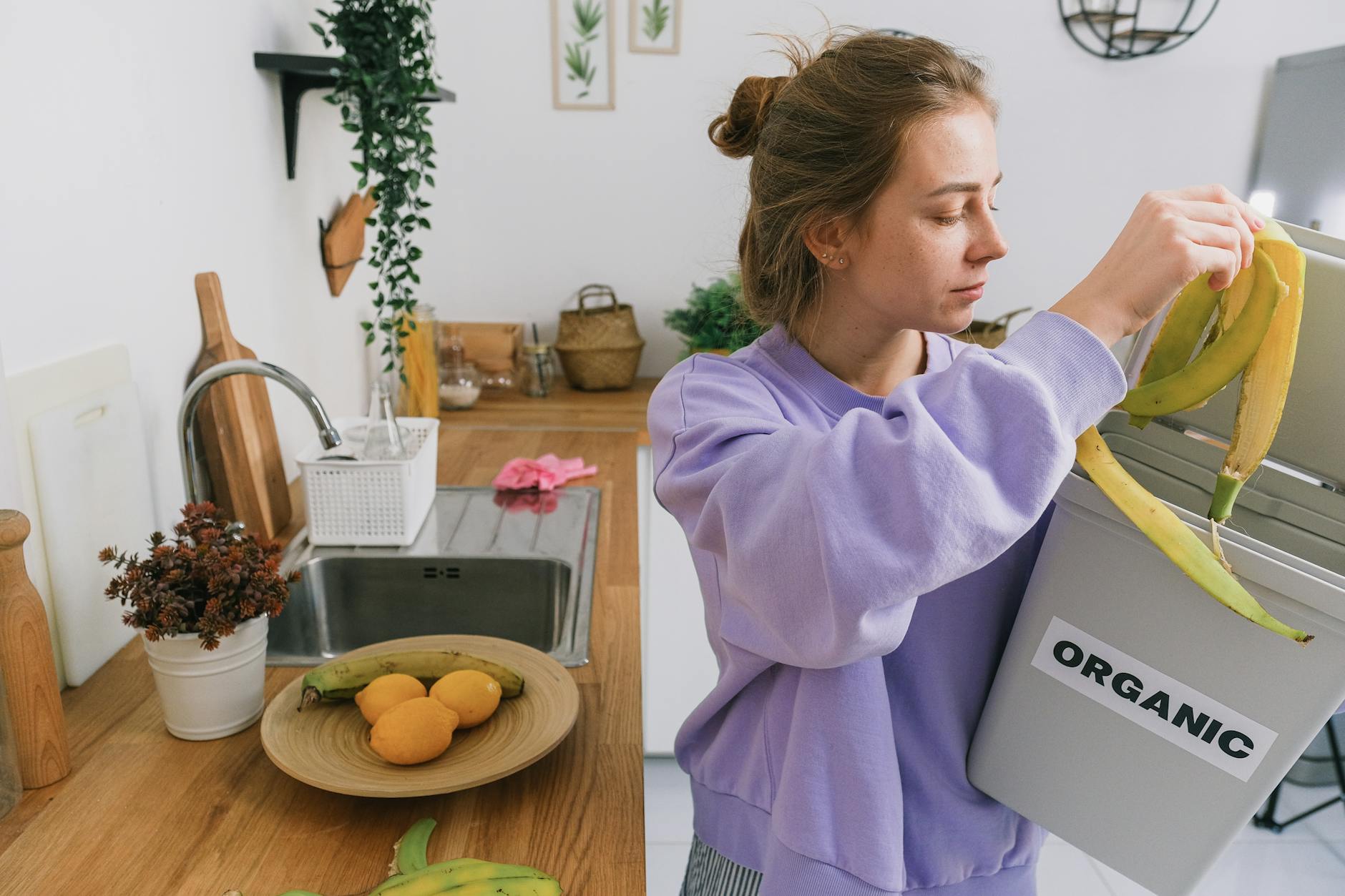
A small countertop compost bin positioned near the prep area collects vegetable scraps, fruit peels, and coffee grounds generated during cooking. Keeping a dedicated receptacle nearby encourages consistent composting habits without requiring extra trips across the kitchen. Sealed or charcoal-filtered models prevent odors from escaping between emptying cycles. Regularly transferring the bin’s contents to an outdoor compost system reduces household waste and produces valuable material for gardening.
Keep a Kitchen Notebook or Whiteboard

A small notebook or wall-mounted whiteboard in the kitchen provides a dedicated space for tracking grocery lists, meal plans, and recipe notes. Centralizing this information in one physical location prevents the need to search through phone apps or scattered paper notes during busy cooking sessions. Writing down a weekly meal plan also reduces the number of impulsive grocery purchases and minimizes food waste. A visible list of pantry staples that need restocking helps maintain an efficient and well-prepared kitchen at all times.
Invest in Multi-Functional Appliances
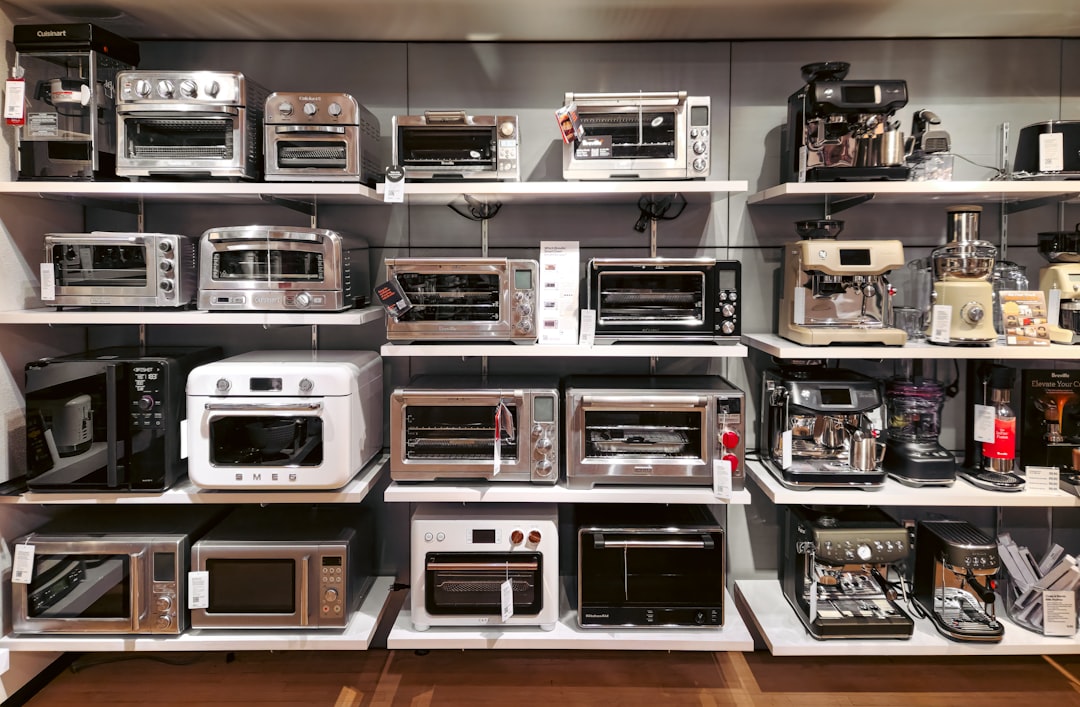
Appliances that perform multiple cooking functions reduce the total number of devices that need to be stored and maintained. A multi-cooker that acts as a pressure cooker, slow cooker, rice cooker, and steamer consolidates the work of four separate appliances into one compact unit. An air fryer toaster oven combination similarly handles roasting, toasting, baking, and frying tasks within a single footprint. Choosing versatile, high-performing appliances over single-purpose gadgets is one of the most effective ways to free up both storage space and countertop real estate.
Improve Traffic Flow with Smart Furniture Placement
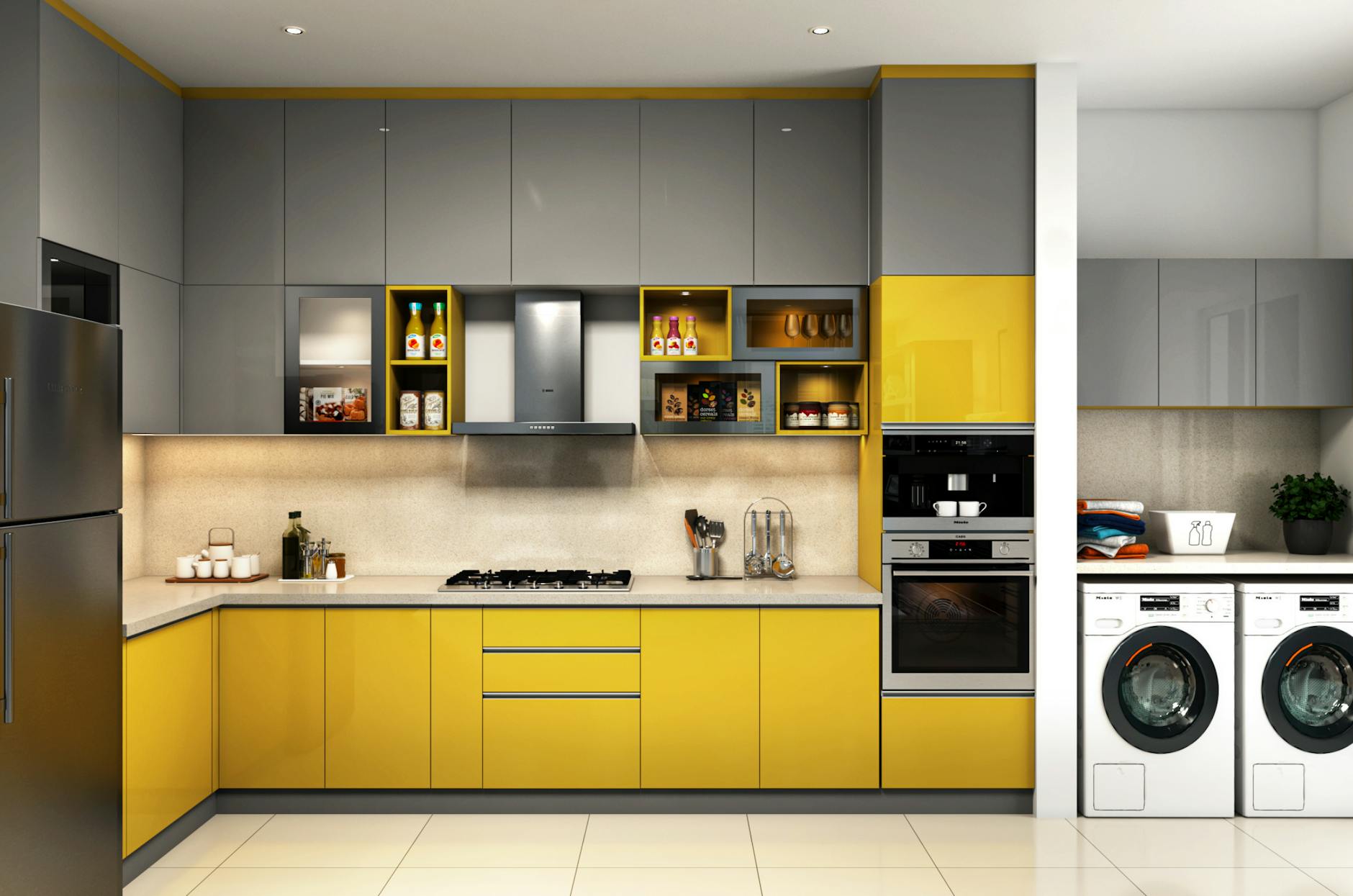
A kitchen that is designed with movement in mind allows multiple people to work simultaneously without interference. Positioning the refrigerator, sink, and stove in a triangular layout creates the classic work triangle that minimizes unnecessary movement during cooking. An island or cart placed too close to surrounding walls or appliances creates bottlenecks that slow down the cooking process. Evaluating and adjusting the placement of furniture and freestanding appliances can meaningfully improve how fluidly a kitchen functions during meal preparation and cleanup.
Add a Second Trash Can for Recyclables

Placing a dedicated recycling bin alongside the main trash can eliminates the need to sort waste after the fact and encourages consistent recycling habits. Having both receptacles in the same location keeps the disposal process seamless during cooking and cleanup routines. Matching containers in a complementary style maintain a cohesive visual appearance within the kitchen. Clearly labeling each bin reduces confusion for all household members and guests who use the kitchen regularly.
Reevaluate What Belongs in the Kitchen
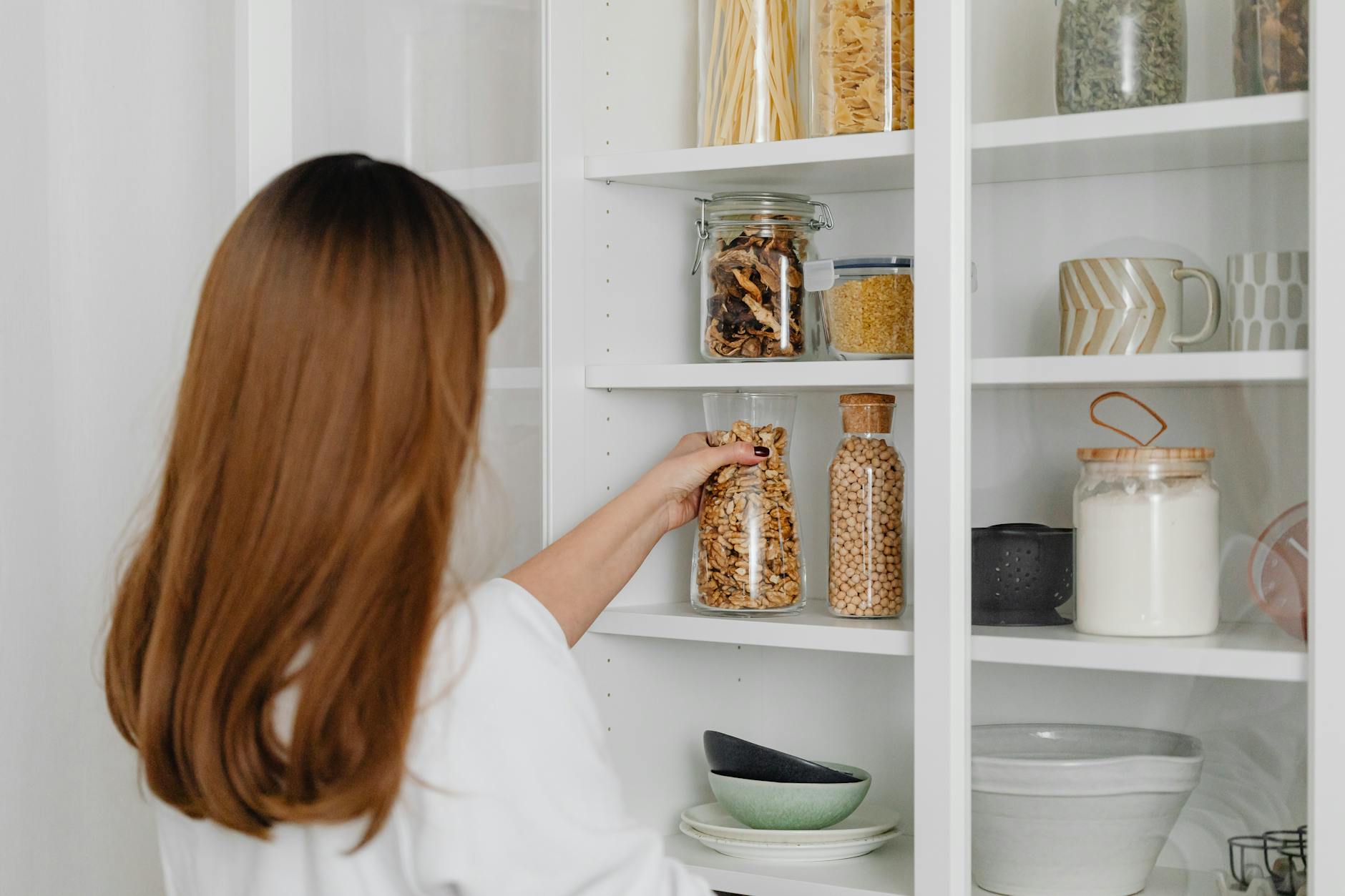
One of the most impactful ways to improve kitchen functionality is to remove items that do not serve a genuine cooking or eating purpose. Decorative objects, rarely used appliances, and duplicate tools consume valuable space that could house items used every single day. Conducting a periodic audit of every cabinet, drawer, and countertop surface helps identify what can be donated, relocated, or discarded. A kitchen containing only the tools and supplies that are genuinely useful operates with far greater efficiency and ease.
What changes have you made to improve your kitchen’s functionality, and which upgrade made the biggest difference for you? Share your thoughts in the comments.