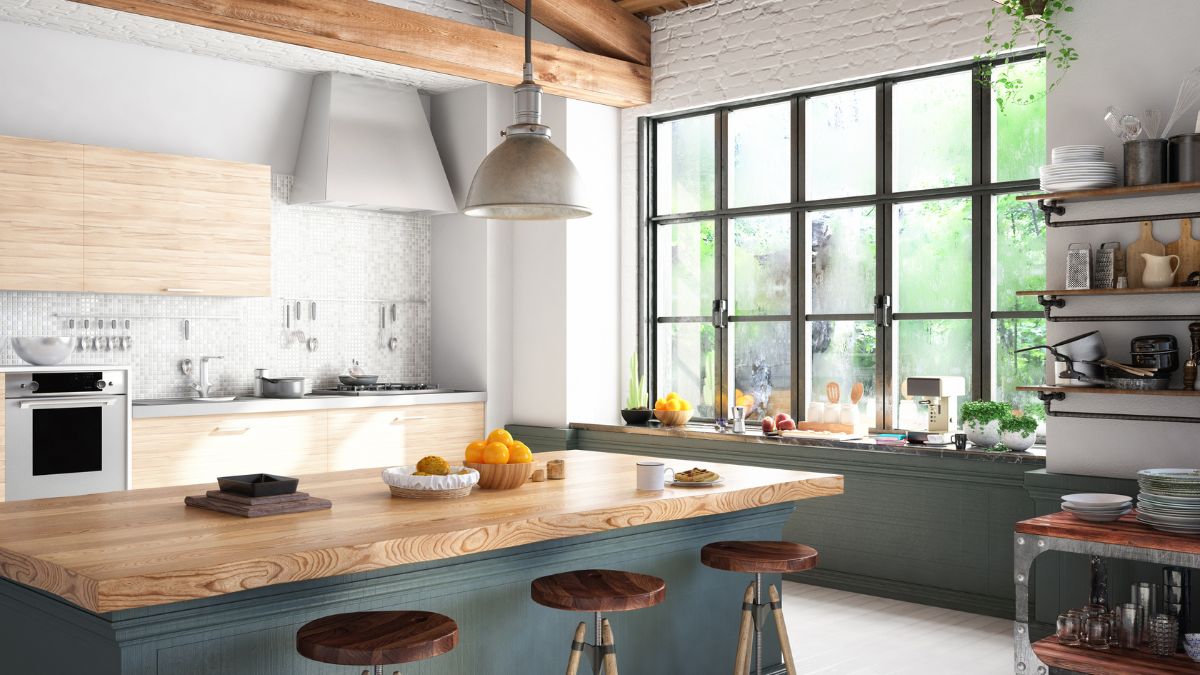
A well-organized kitchen is one of the most impactful upgrades you can make to your daily routine. When every tool, ingredient, and surface has a designated place, cooking becomes faster, more enjoyable, and far less stressful. Whether you are working with a compact apartment kitchen or a spacious open-plan layout, the right organizational systems can transform the way you move through the space. These thirty strategies cover everything from deep storage solutions to simple daily habits that keep clutter from creeping back in.
Clear Countertops
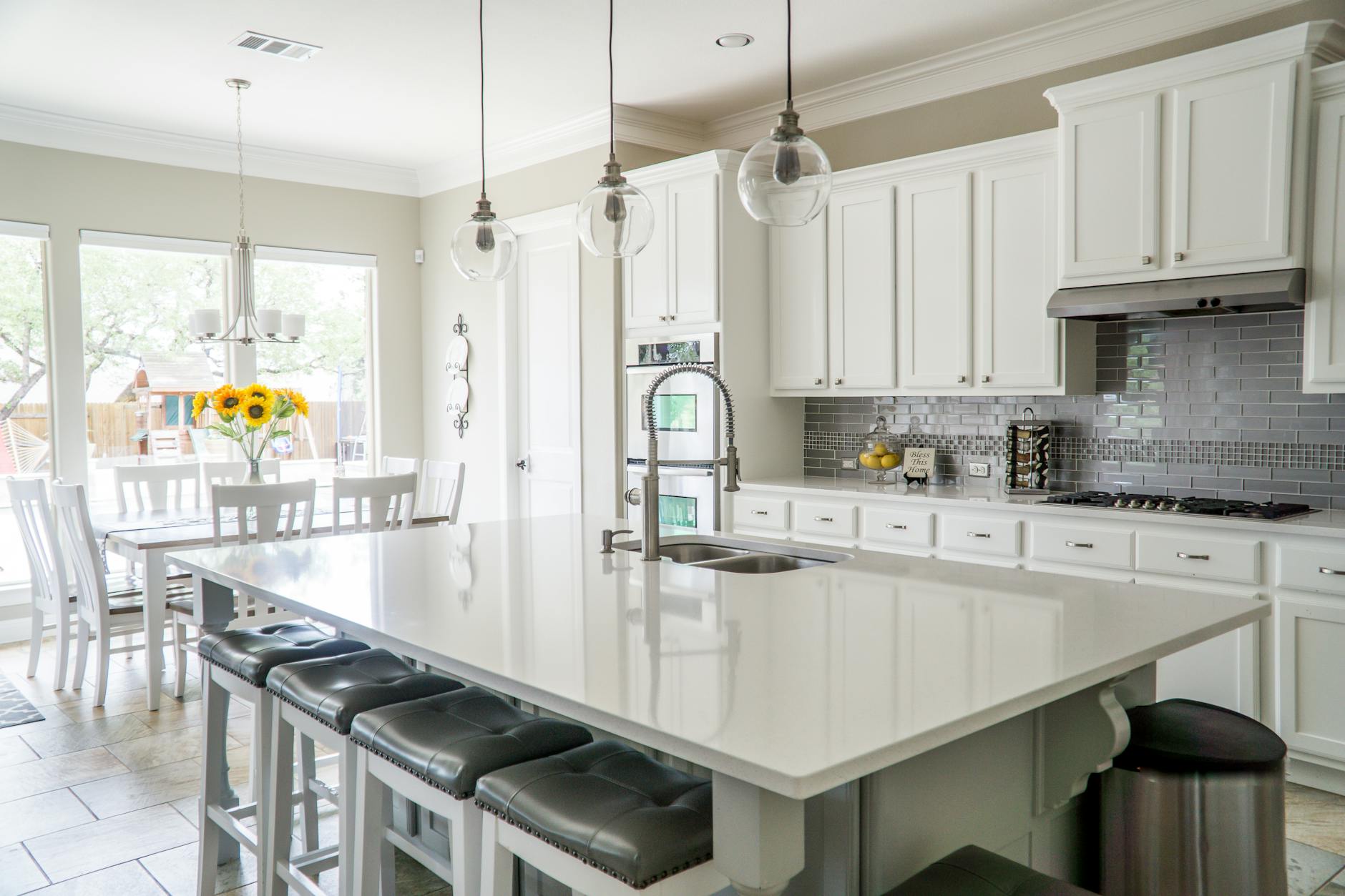
Keeping countertops free of unnecessary items is one of the most effective ways to make a kitchen feel larger and function better. Store appliances you use less than three times a week inside cabinets to free up valuable prep space. A clear surface also makes cleaning faster and reduces the visual noise that contributes to a chaotic cooking environment. Designate one small tray or dish as the only permitted countertop catchall to contain odds and ends.
Drawer Dividers
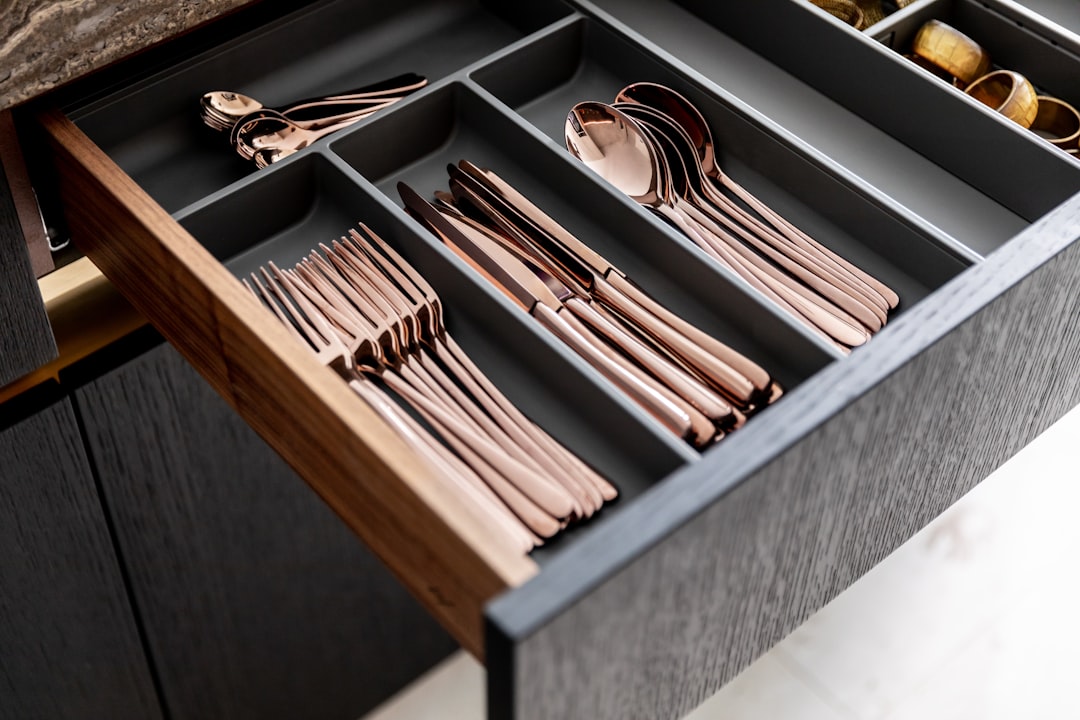
Drawer dividers prevent utensils from tangling and make it easy to locate the right tool at a glance. Adjustable bamboo or plastic dividers can be customized to fit drawers of any size and reorganized as your needs change. Assign each section a specific category such as measuring tools, peelers, or whisks so everything has a permanent home. Consistently returning items to their designated slot takes only seconds but saves significant time during meal preparation.
Vertical Cabinet Organizers
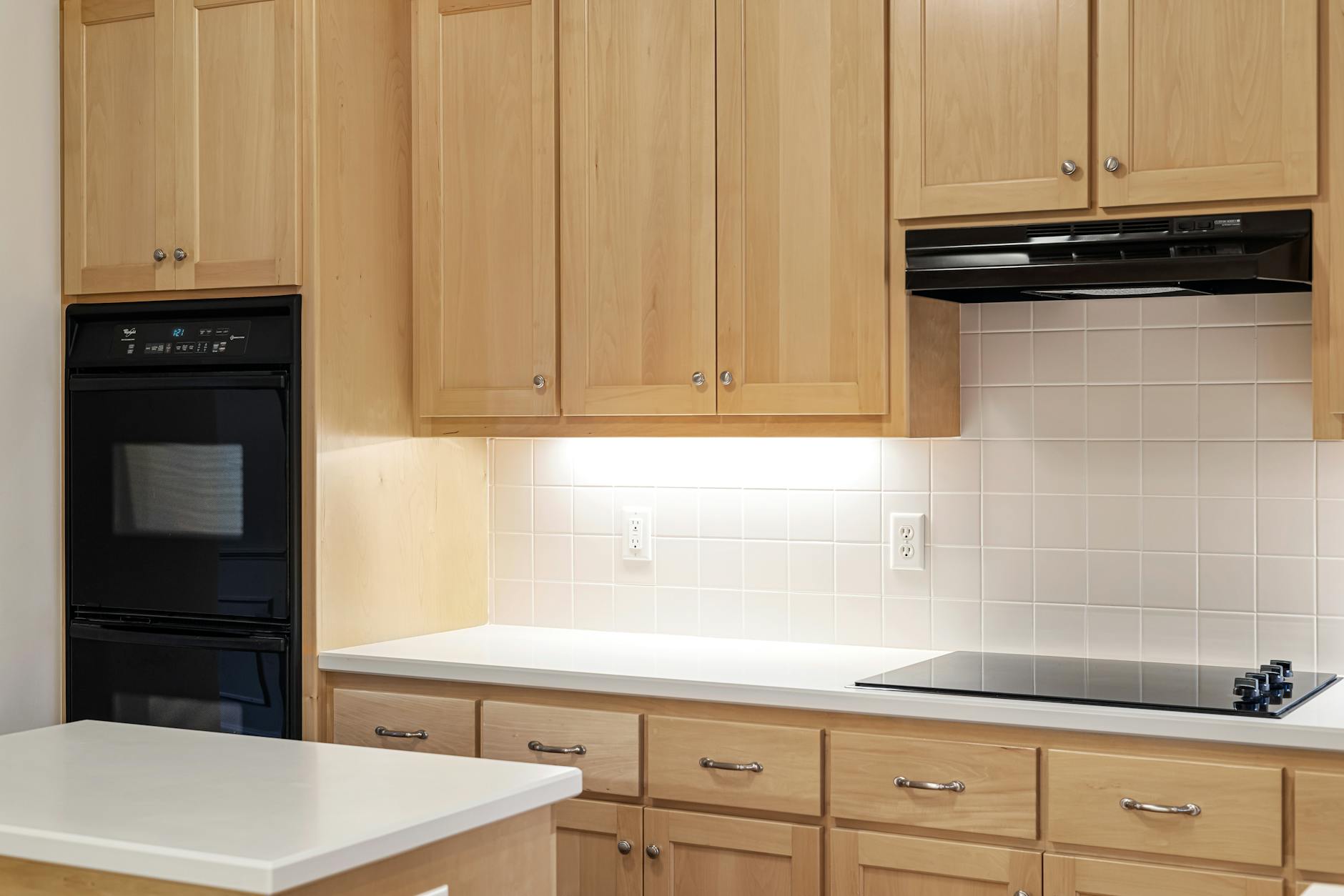
Vertical organizers installed inside cabinets allow you to store baking sheets, cutting boards, and cooling racks upright rather than in unwieldy stacks. This makes individual pieces easy to grab without disturbing the rest of the pile. Metal or coated wire dividers are durable options that can be mounted or simply set in place. Using vertical space more effectively also frees up shelf room for bulkier items that cannot be stored on their edge.
Lazy Susans
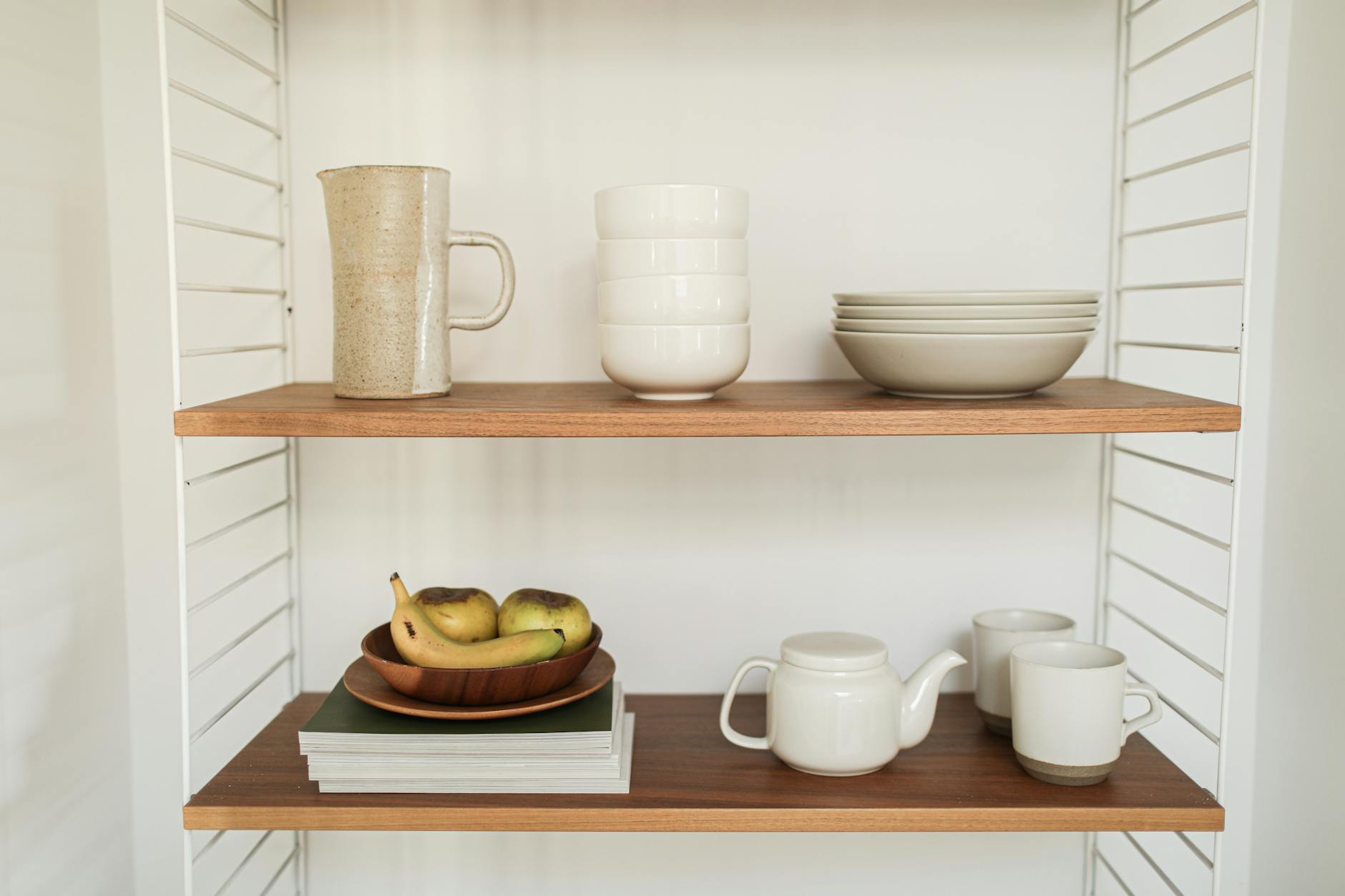
A lazy Susan placed inside a corner cabinet or pantry shelf allows you to access items stored at the back without reaching past everything in front. This rotating tray is particularly useful for spices, condiments, and small jars that tend to disappear behind taller containers. Double-tiered versions maximize vertical space while keeping every item visible. Grouping similar products on each lazy Susan further streamlines the process of finding what you need mid-recipe.
Labeled Containers
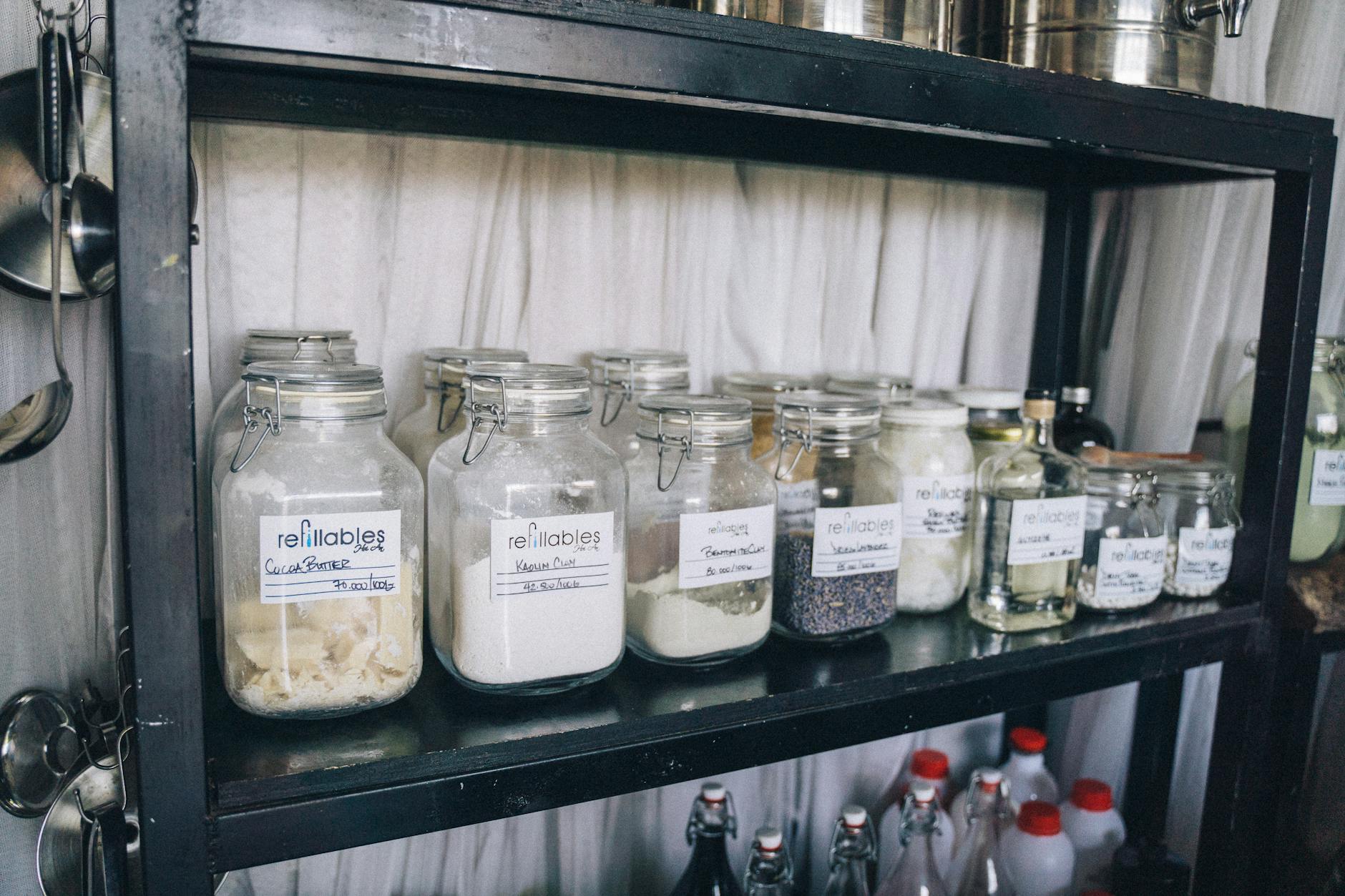
Transferring pantry staples into uniform, labeled containers creates a visually clean and highly functional storage system. Clear canisters made from glass or BPA-free plastic allow you to see exactly how much of each ingredient remains. Consistent labeling eliminates guesswork and prevents the common mistake of reaching for sugar when a recipe calls for salt. Standardized container sizes also stack more efficiently than the irregular shapes of original packaging.
Magnetic Knife Strip
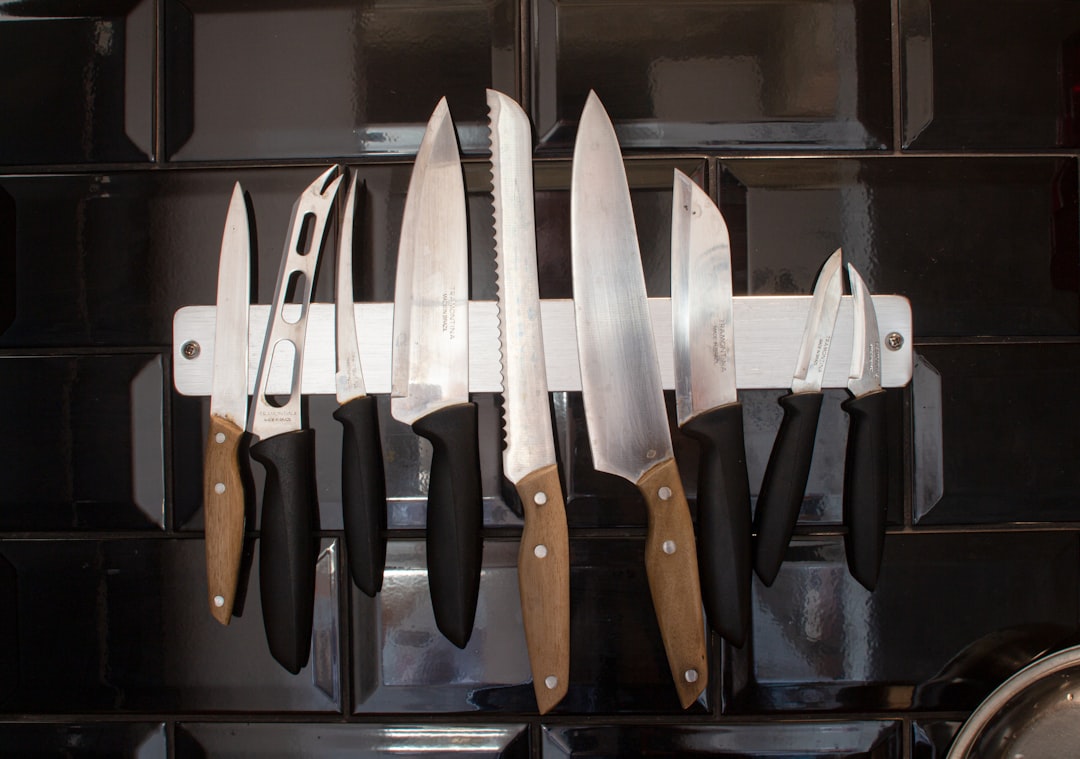
Mounting a magnetic knife strip on the wall frees up counter and drawer space while keeping blades safely accessible. Wall-mounted storage also prolongs the life of your knives by preventing blades from knocking against other utensils. A strip positioned near the primary prep area ensures the right knife is always within arm’s reach. This solution works equally well for metal kitchen scissors, skewers, and other small metal tools.
Pegboard Wall

Installing a pegboard on an empty kitchen wall creates a fully customizable and infinitely adjustable storage system. Hooks, shelves, and bins can be repositioned at any time to accommodate new tools or evolving kitchen needs. Frequently used items hung on a pegboard are always visible and never buried inside a crowded drawer. Painted to match the kitchen’s color palette, a pegboard can serve as both a functional feature and a design element.
Tiered Shelf Risers
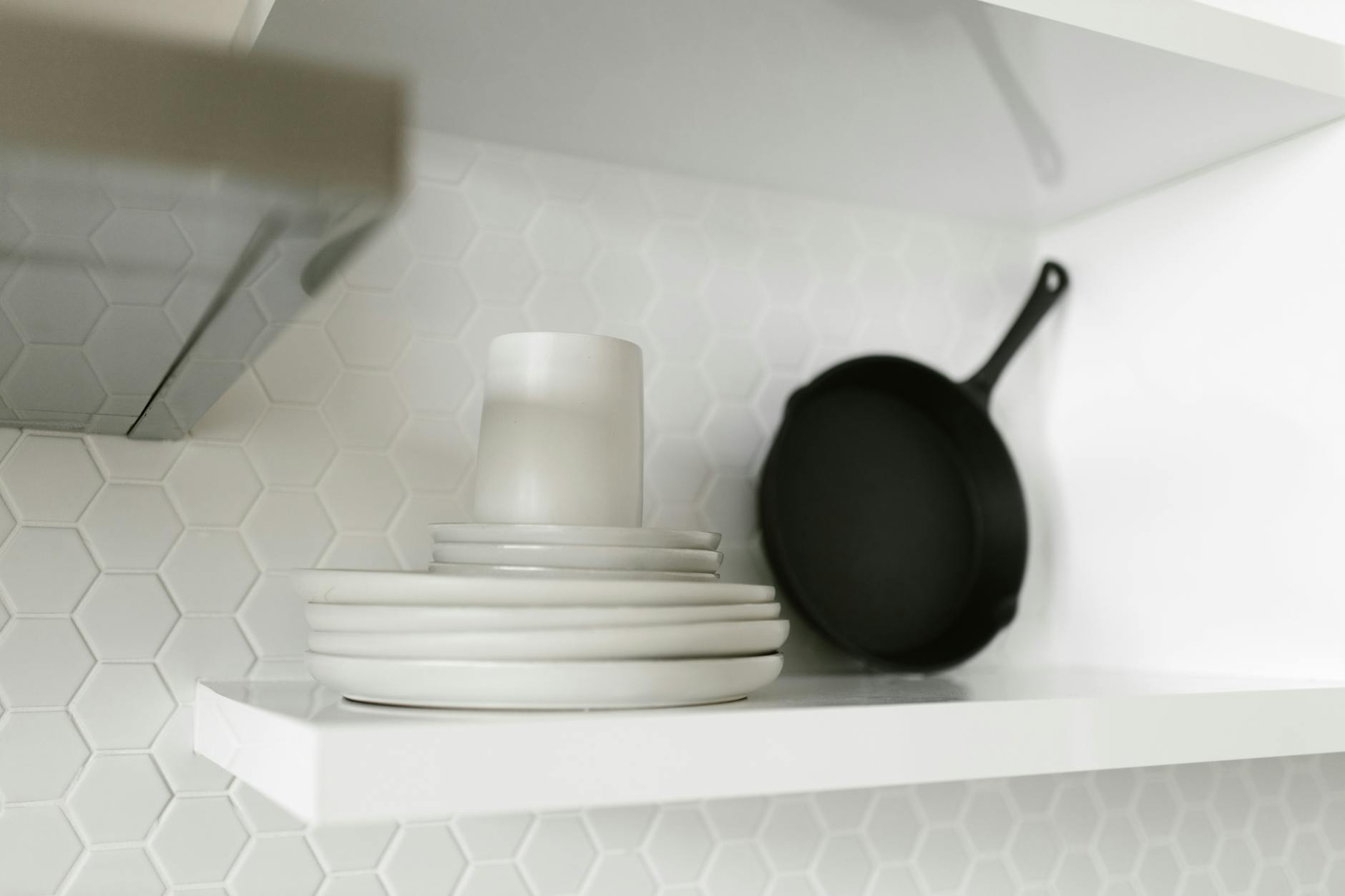
Shelf risers placed inside cabinets create an additional level of storage, effectively doubling the usable space on a single shelf. They are particularly effective for organizing mugs, spice jars, or small appliances that would otherwise leave tall cabinets feeling underutilized. Most risers are available in expandable widths and various heights to suit different cabinet configurations. Grouping similar items on each tier makes retrieval intuitive and keeps shelves tidy between uses.
Pull-Out Cabinet Drawers
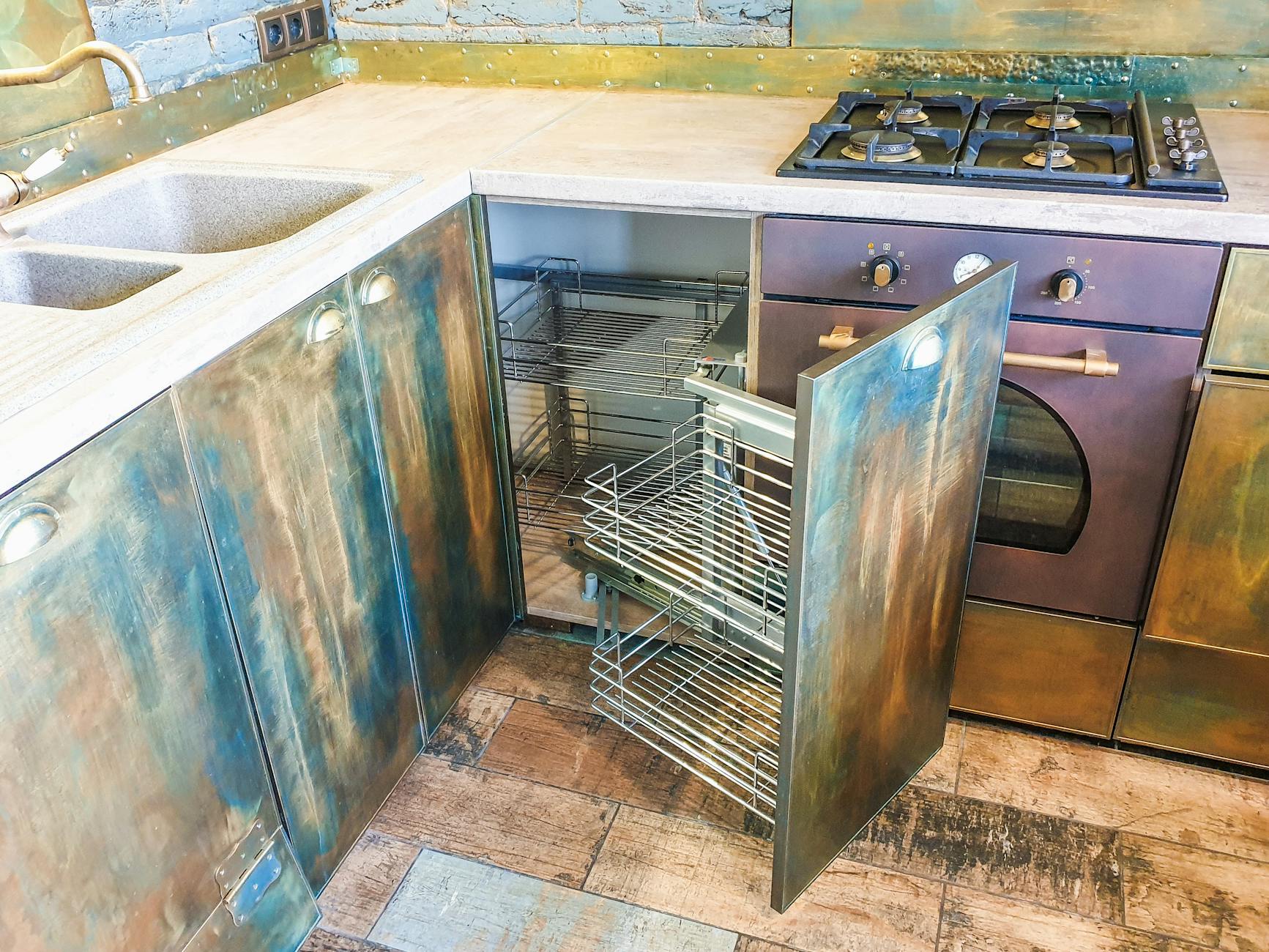
Retrofitting lower cabinets with pull-out drawers transforms deep, hard-to-access storage into a highly functional space. Rather than bending down and reaching to the back of a cabinet, everything slides forward for easy visibility. Pull-out systems are especially practical for pots, pans, and heavy appliances that are cumbersome to lift over other items. Many kits are designed for DIY installation and can be added to existing cabinet frameworks without significant renovation.
Pot Lid Organizer
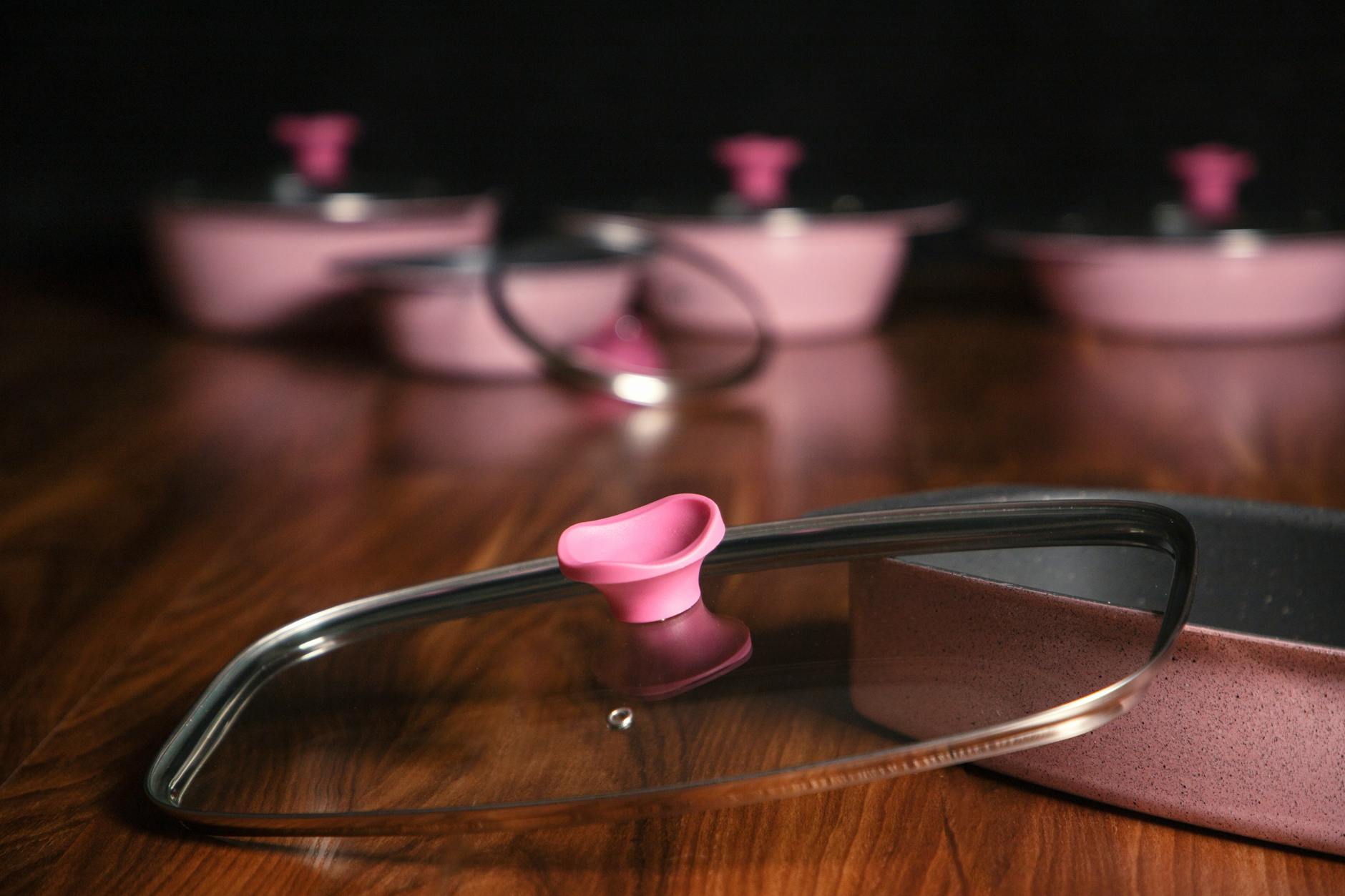
A dedicated pot lid organizer eliminates the frustration of lids crashing to the floor every time a cabinet is opened. Vertical holders, door-mounted racks, and drawer inserts are all effective options depending on available space. Storing lids separately from their corresponding pots makes both easier to access and reduces the clutter inside lower cabinets. Matching each lid to a numbered or color-coded system can speed up the process of pairing them during cooking.
Under-Sink Organization
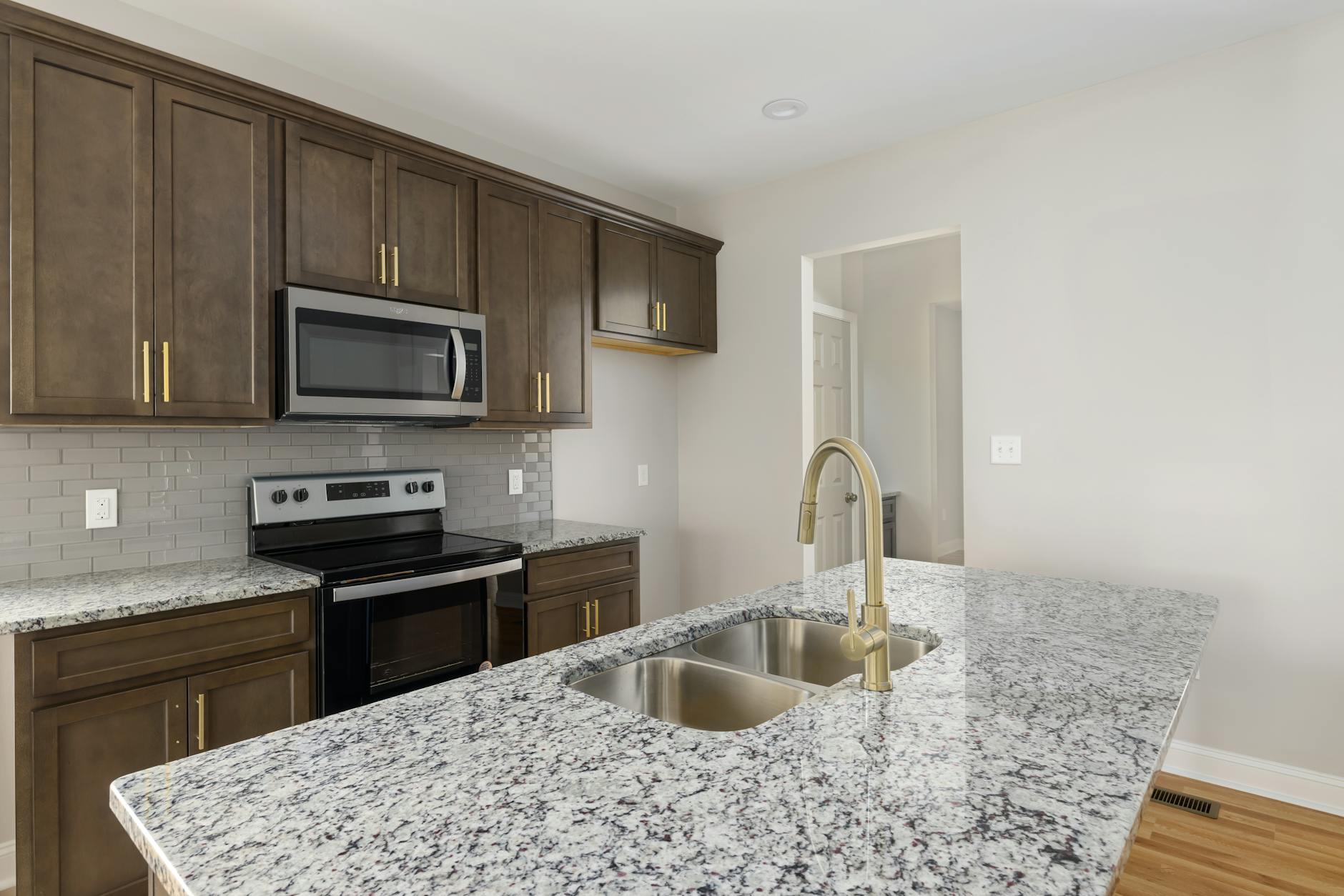
The cabinet beneath the kitchen sink is often one of the most disorganized spots in the home, but it responds well to intentional systems. Stackable bins, tension rods for hanging spray bottles, and tiered shelves can transform the space into a clean, efficient storage zone. Keeping cleaning supplies grouped together and away from food preparation areas also supports basic kitchen hygiene. A small tension rod installed horizontally near the front of the cabinet can hold spray bottles upright, freeing up floor space on the shelf below.
Refrigerator Bins
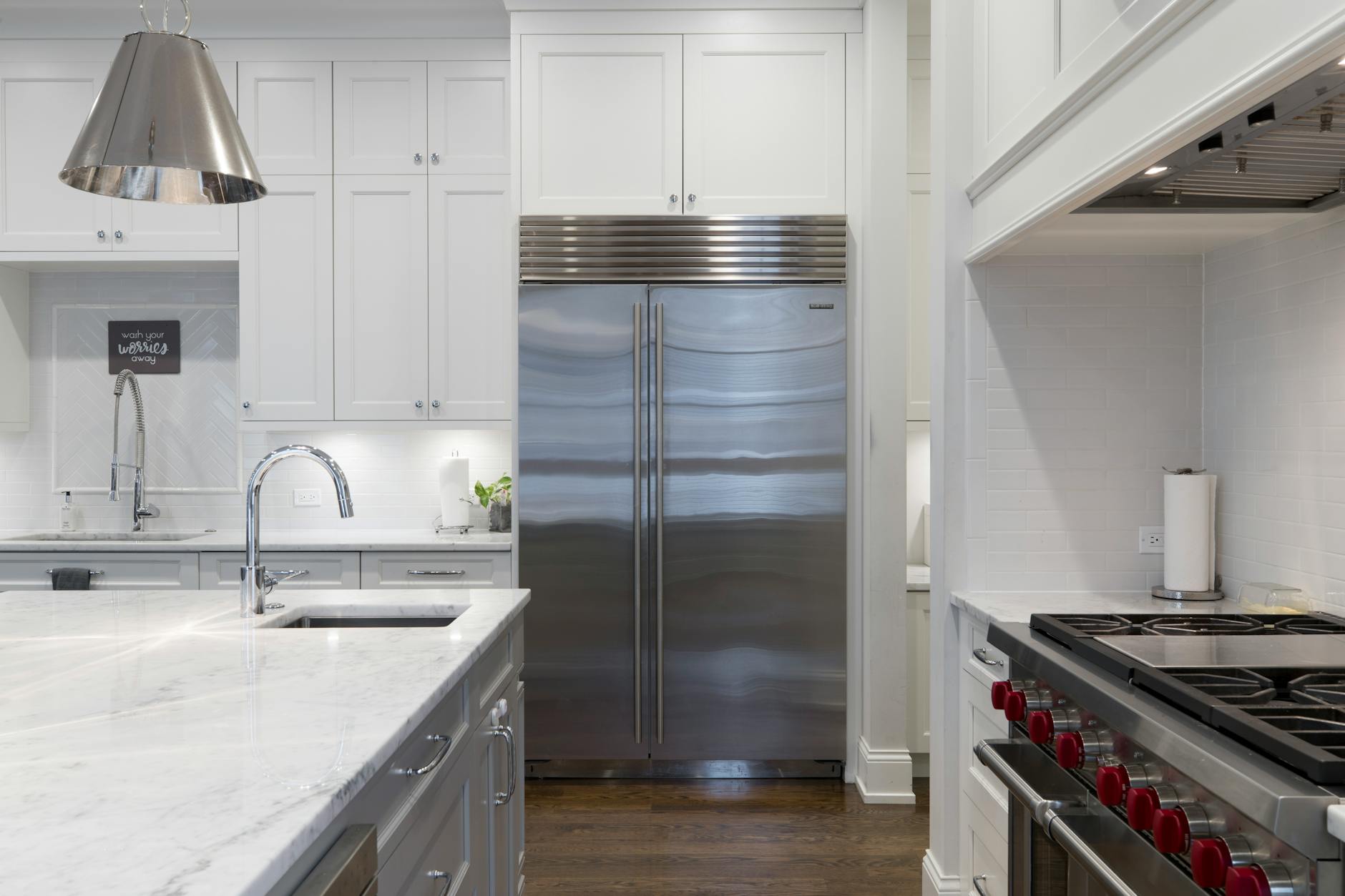
Clear, stackable bins placed inside the refrigerator group similar items together and prevent food from getting lost at the back of shelves. Designated zones for dairy, deli items, condiments, and snacks make it easier for every household member to find and return things to the right spot. Bins also make cleaning the refrigerator much simpler since they can be removed and wiped down individually. Labeling each bin reinforces the system and reduces the likelihood of disorganization returning over time.
Freezer Inventory List
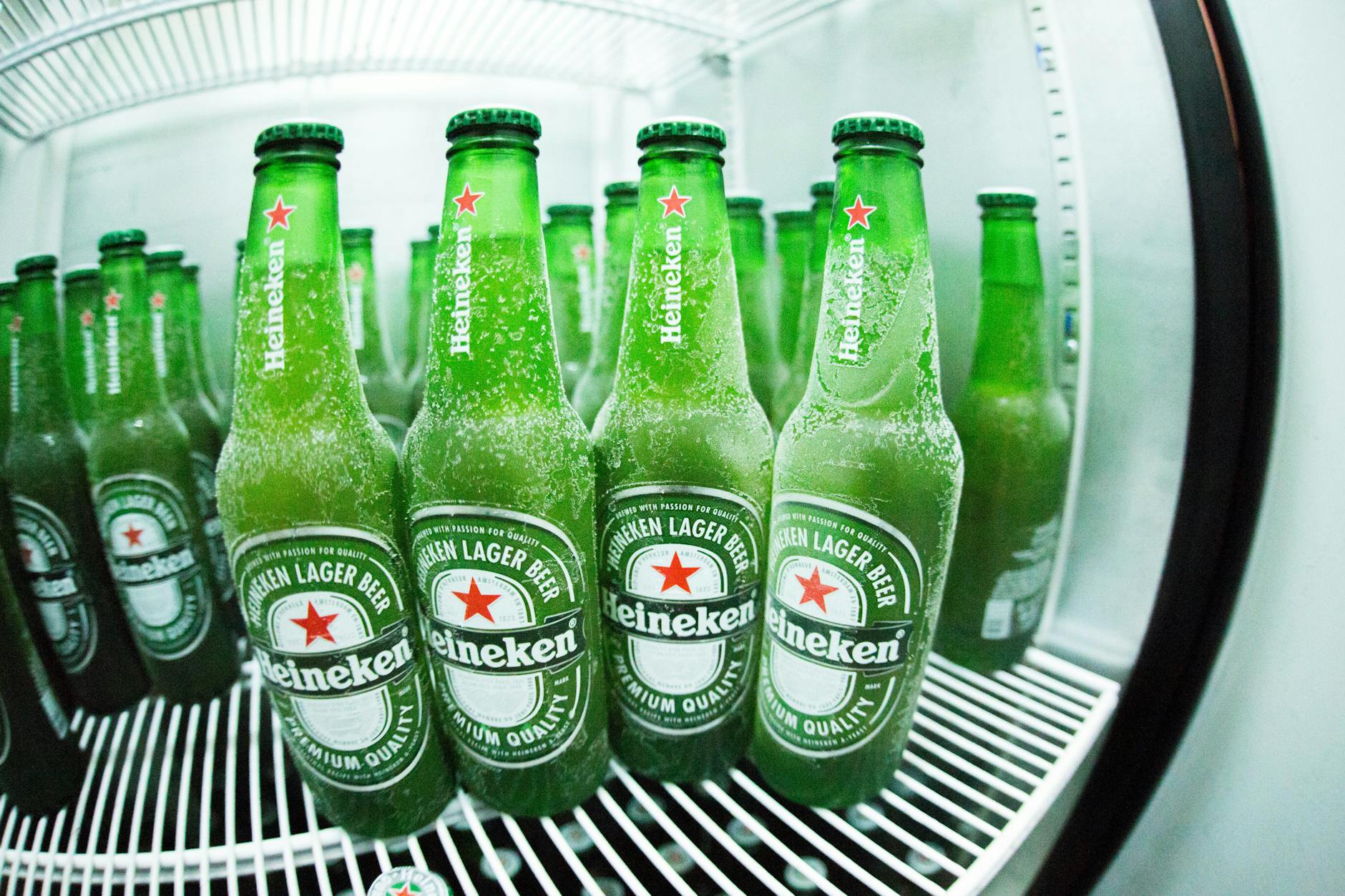
Maintaining a running list of freezer contents either on paper or in a phone note prevents forgotten items from going to waste. Posting the list directly on the freezer door makes it easy to check before grocery shopping and before meal planning each week. Organizing the freezer itself by category, with meats on one shelf and vegetables on another, further speeds up access. Dating packages when they are placed in the freezer ensures that older items are used before newer ones.
Spice Drawer

Converting a shallow drawer near the stove into a dedicated spice storage area keeps seasonings visible, accessible, and neatly arranged. Labeling the tops of spice jars allows you to read every name at a glance without lifting or rotating containers. Organizing spices alphabetically or by cuisine type are both effective approaches depending on how frequently you cook with a wide variety of seasonings. Drawer storage also frees up shelf and cabinet space that spice racks traditionally occupy.
Hanging Pot Rack

A ceiling-mounted or wall-mounted pot rack brings a professional kitchen aesthetic to the home while solving the perennial problem of cookware storage. Pots and pans hang within easy reach of the stove, eliminating the need to dig through a lower cabinet during cooking. This solution is particularly valuable in smaller kitchens where cabinet space is limited. Choosing a rack with hooks spaced for both large and small cookware ensures that every piece in your collection has a dedicated spot.
Baking Supply Station
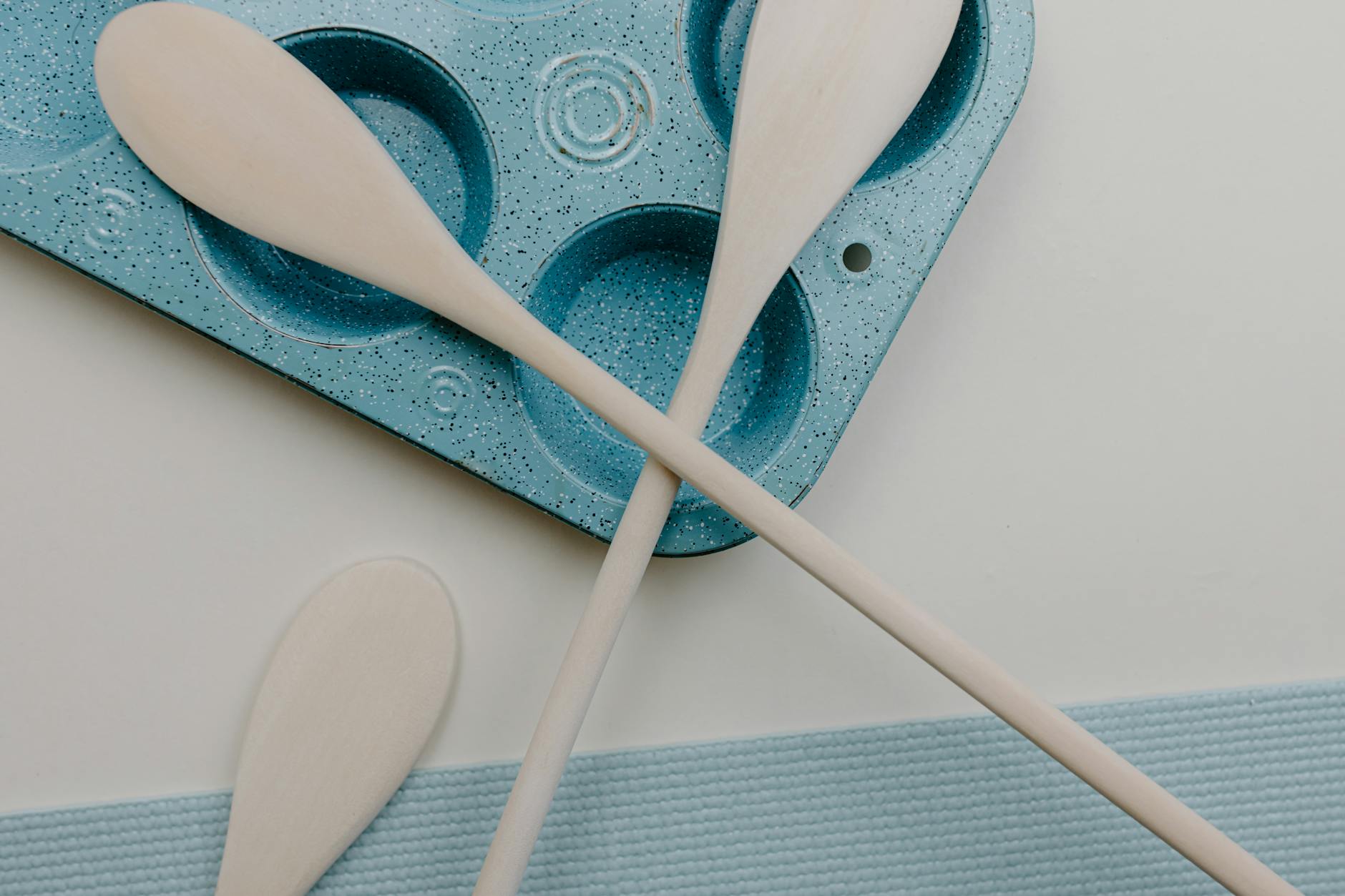
Grouping all baking-related tools and ingredients into a single dedicated zone streamlines the process of preparing baked goods from start to finish. A deep drawer or low cabinet near an open stretch of counter works well as a central baking station. Mixing bowls, measuring cups, whisks, spatulas, and commonly used ingredients like flour and sugar can all live together in one organized area. When everything needed for a baking project is gathered in one place, setup and cleanup both become significantly faster.
Snack Basket
Designating a specific basket or bin for snack items reduces the amount of time spent searching through various cabinets and pantry sections. Placing the basket at an accessible height makes it easy for all household members to help themselves independently. Restocking the basket during a weekly pantry reset keeps it from becoming disorganized or overfull. Choosing a basket with open sides allows contents to remain visible without requiring constant sorting.
Over-the-Door Organizers
The backs of pantry and cabinet doors represent valuable underutilized storage real estate in most kitchens. Over-the-door racks and pocket organizers can hold spices, foil and wrap boxes, cutting boards, and cleaning supplies without taking up any interior shelf space. Most models are designed to hang without drilling and can be repositioned or removed without damaging the door. When selecting a door organizer, accounting for the depth of cabinet shelves ensures it will close fully once installed.
Utensil Crocks
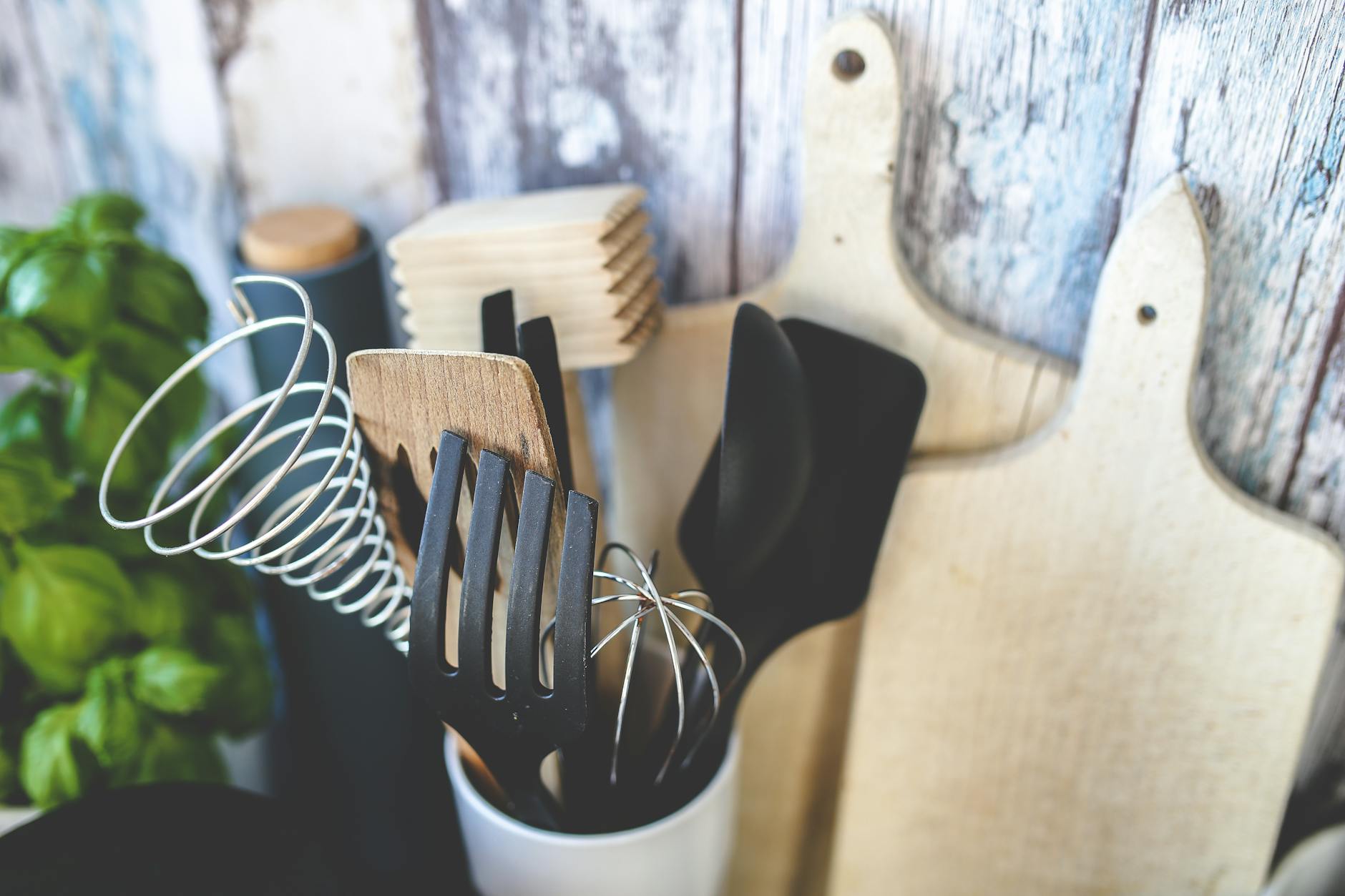
Keeping a small collection of the most frequently used cooking utensils in a countertop crock near the stove provides instant access during active cooking. Limiting the crock to five or six essential tools prevents it from becoming an overstuffed catch-all. Silicone, wooden, and metal utensils can coexist in a single crock, but grouping by material can make the arrangement look cleaner. Washing the crock itself regularly prevents grease and residue from accumulating around the base of stored tools.
Pantry Zones
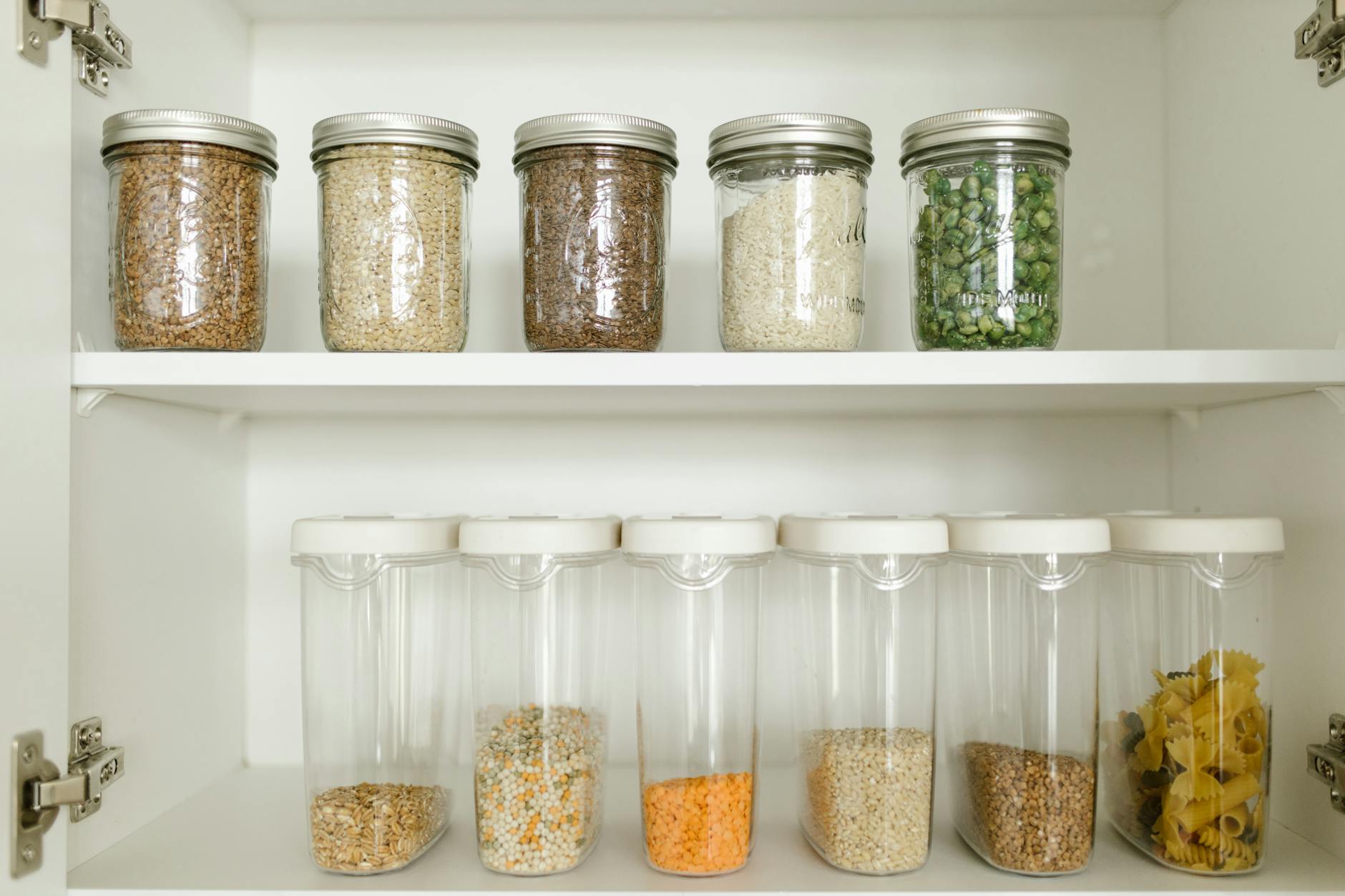
Dividing the pantry into clearly defined zones based on food category transforms restocking and meal planning into a much more efficient process. Common zones include grains and pasta, canned goods, baking supplies, snacks, and breakfast items. Placing the most frequently used categories at eye level and less commonly reached items on higher or lower shelves respects natural access patterns. Reviewing and resetting pantry zones every few months ensures the system continues to reflect actual household habits.
Stackable Food Storage
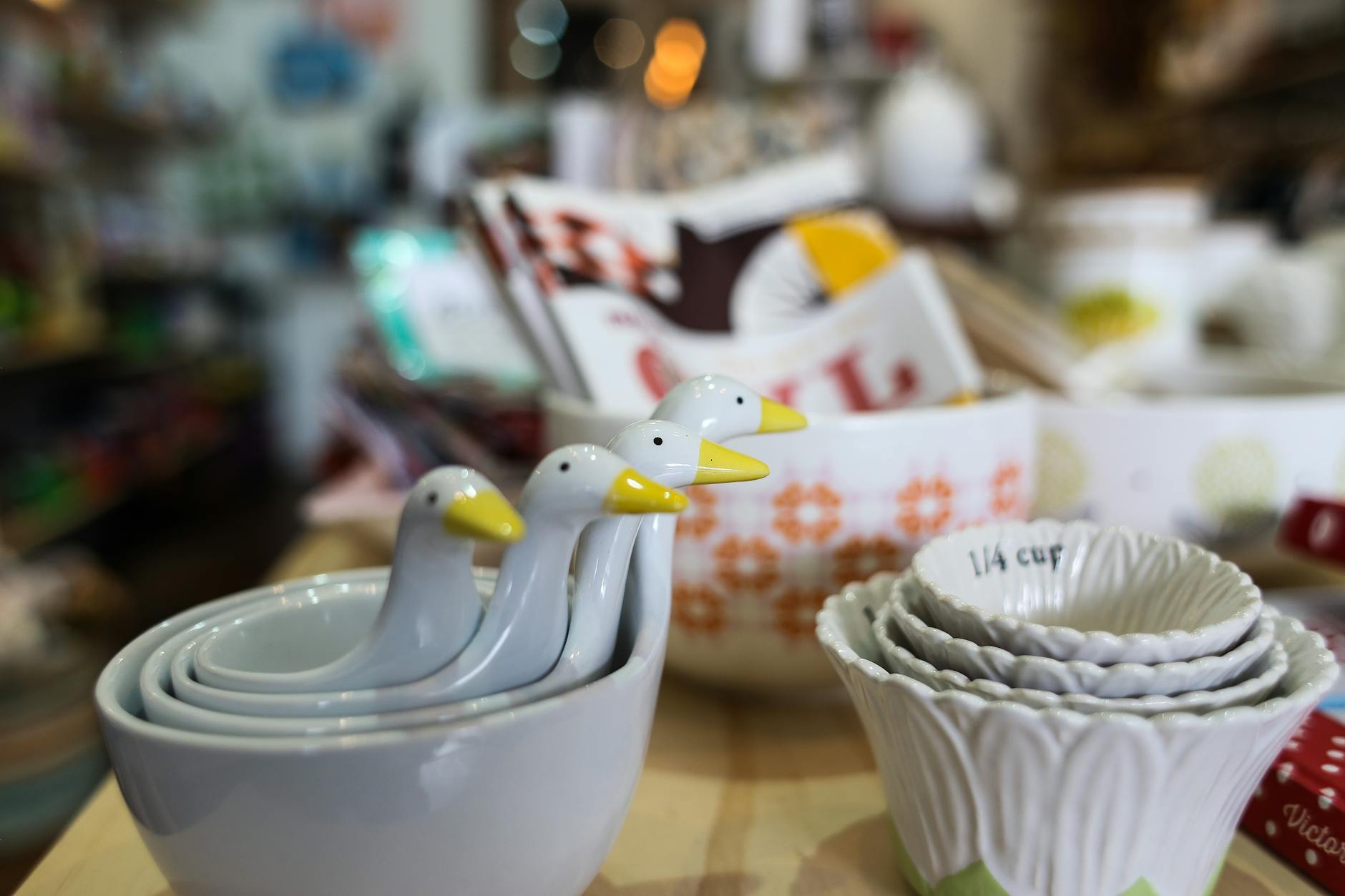
Replacing mismatched plastic containers with a uniform stackable food storage system dramatically improves cabinet organization. Containers that nest together when empty and stack securely when full occupy far less space than irregular shapes. Choosing a brand that uses interchangeable lids reduces the number of pieces needed and eliminates the frustration of orphaned tops. Investing in a matching set also makes it easier to assess at a glance whether a particular size is available before beginning food preparation.
Wire Shelf Expanders
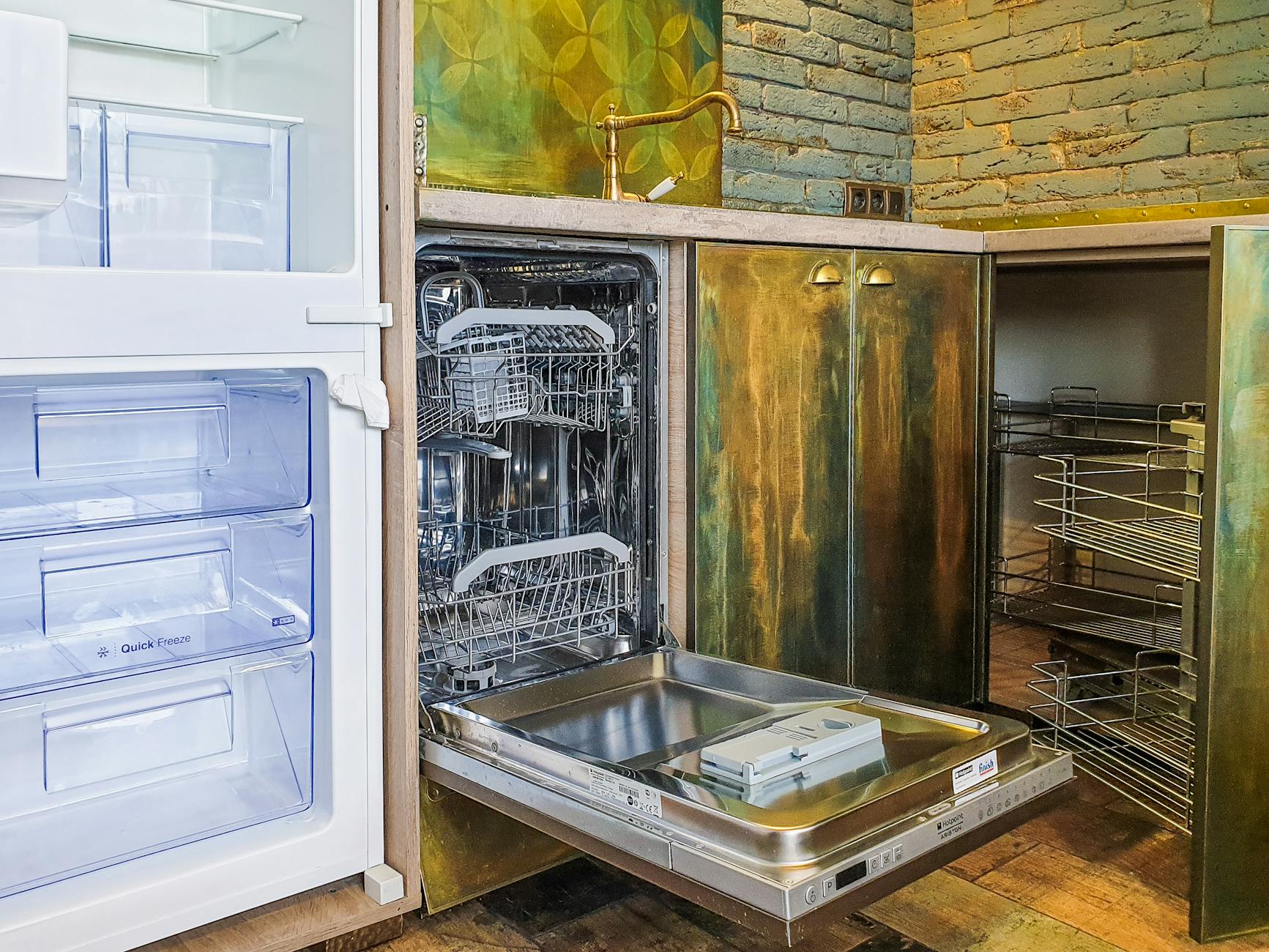
Wire shelf expanders clip onto existing cabinet shelves and add a second tier without requiring any installation or tools. They are particularly effective for creating separate levels for plates and bowls, or for organizing mugs above a row of glasses. Most expanders are adjustable in width to fit shelves of varying sizes and can be moved freely as organizational needs evolve. Their open wire design does not obstruct airflow and keeps items visible from multiple angles.
Knife Block Drawer Insert
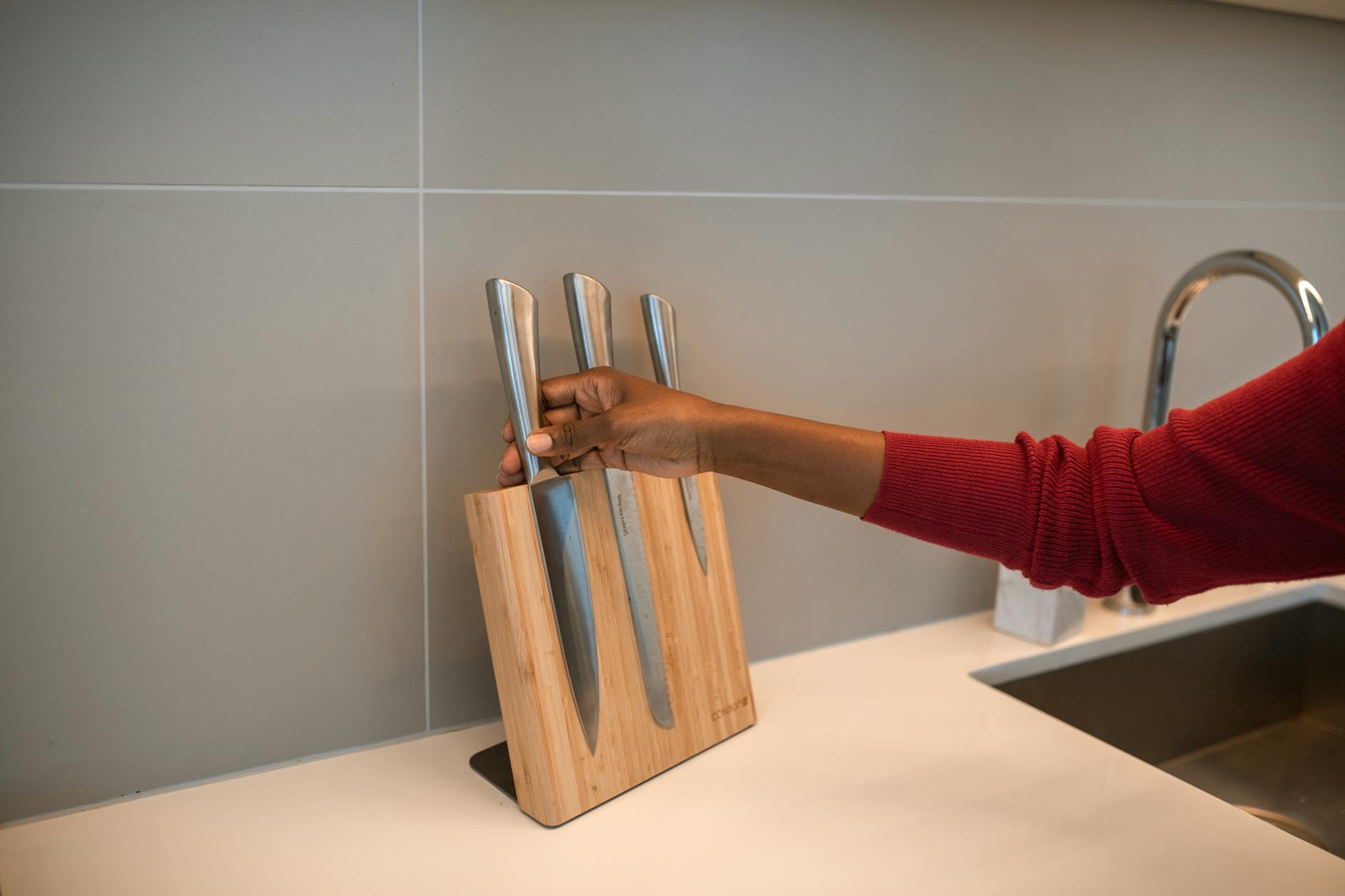
A dedicated knife block drawer insert keeps blades safely sheathed and organized without occupying any counter space. These inserts are designed to fit inside standard kitchen drawers and hold knives of varying lengths securely in individual slots. Unlike countertop knife blocks, drawer inserts keep the blade edges protected and reduce the risk of accidental contact when reaching into a drawer. This solution integrates seamlessly into the overall kitchen layout without adding any visual clutter to the workspace.
Appliance Garage
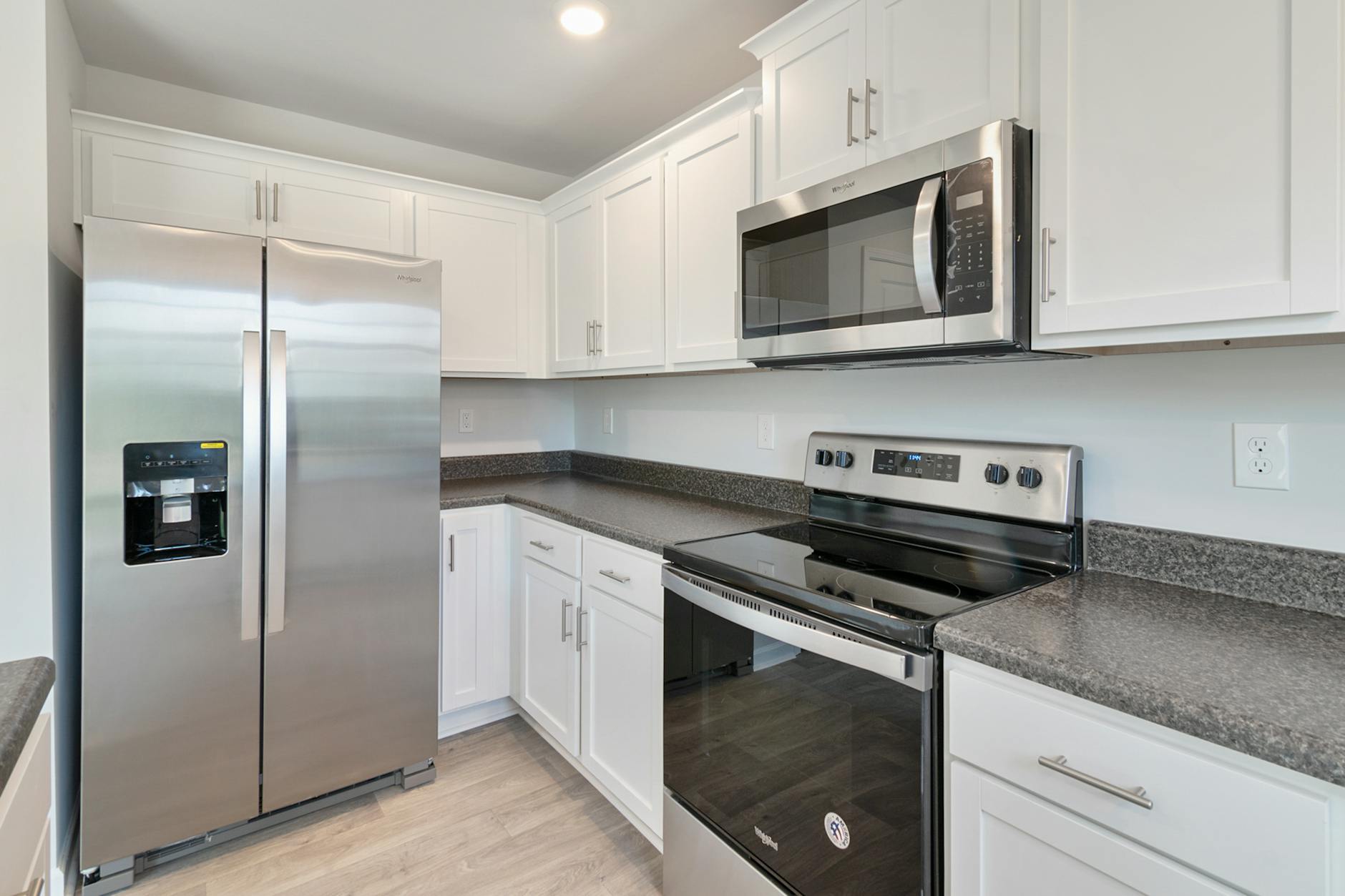
An appliance garage is a designated cabinet space specifically for countertop appliances like toasters, coffee makers, and blenders. Keeping these items tucked away maintains the clean visual of a clear countertop while still allowing quick access when the appliances are needed. A cabinet positioned near an outlet simplifies use since appliances can be plugged in and operated without being moved. Adding a power strip inside the appliance garage allows multiple devices to be stored and used from the same location.
Basket System for Produce
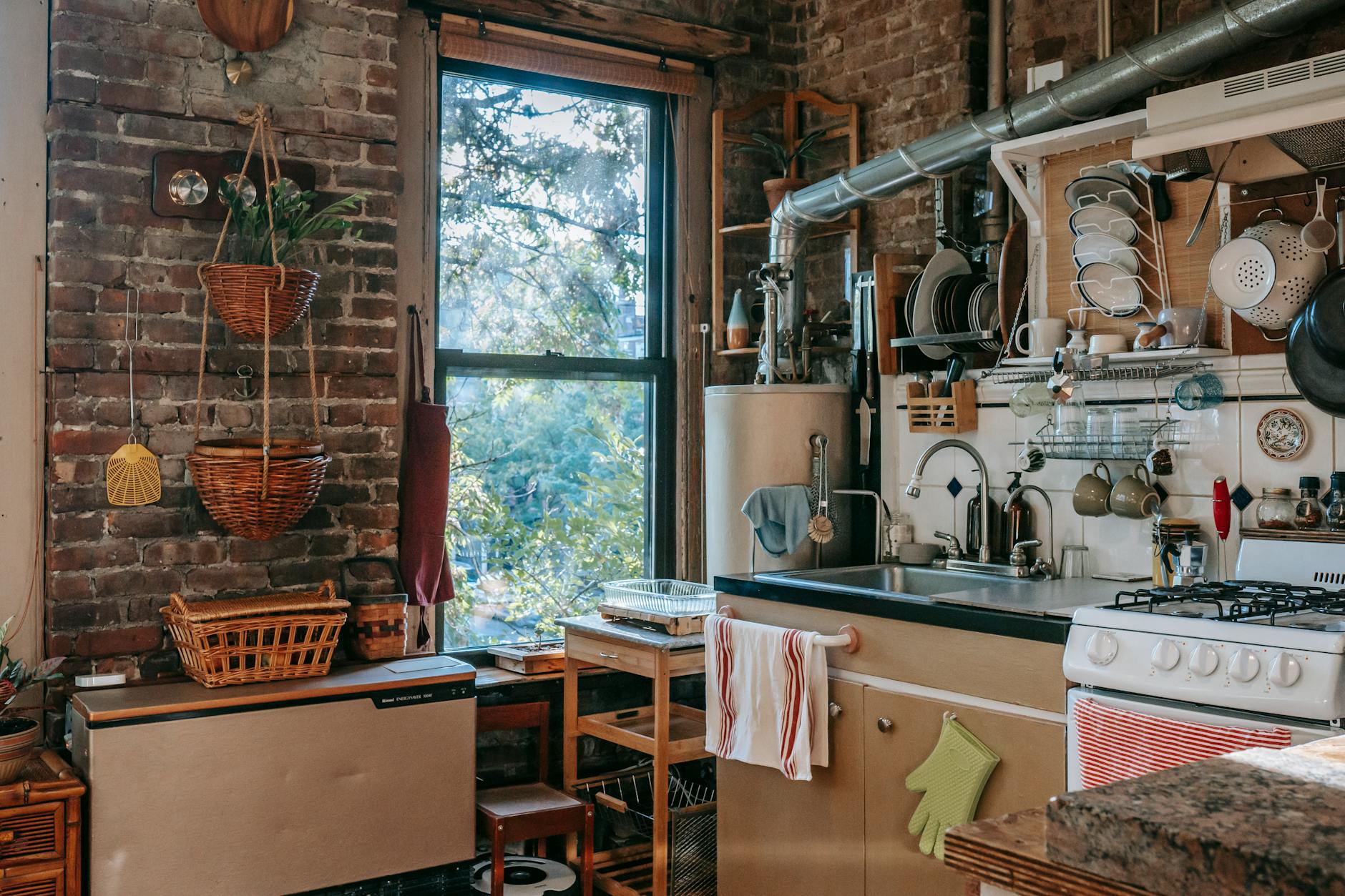
Storing fresh produce in tiered wire baskets or open bins on the counter promotes air circulation and keeps items visible to encourage use before they spoil. Designating separate baskets for different produce categories such as fruit, root vegetables, and alliums creates an intuitive system. Keeping the baskets away from direct sunlight and heat sources extends the freshness of their contents. A weekly review of the produce baskets during meal planning helps prevent waste by identifying items that need to be used soon.
Cleaning Supply Caddy

Consolidating kitchen cleaning supplies into a portable caddy makes both cleaning sessions and regular tidying faster and more efficient. A handle-equipped caddy can be carried easily from the sink area to wherever it is needed and returned to storage afterward. Including only the supplies used on a weekly basis prevents the caddy from becoming overloaded and hard to navigate. Storing the caddy in a consistent location, such as under the sink or in a cleaning closet, reinforces the habit of returning it after use.
Cabinet Door Spice Holders
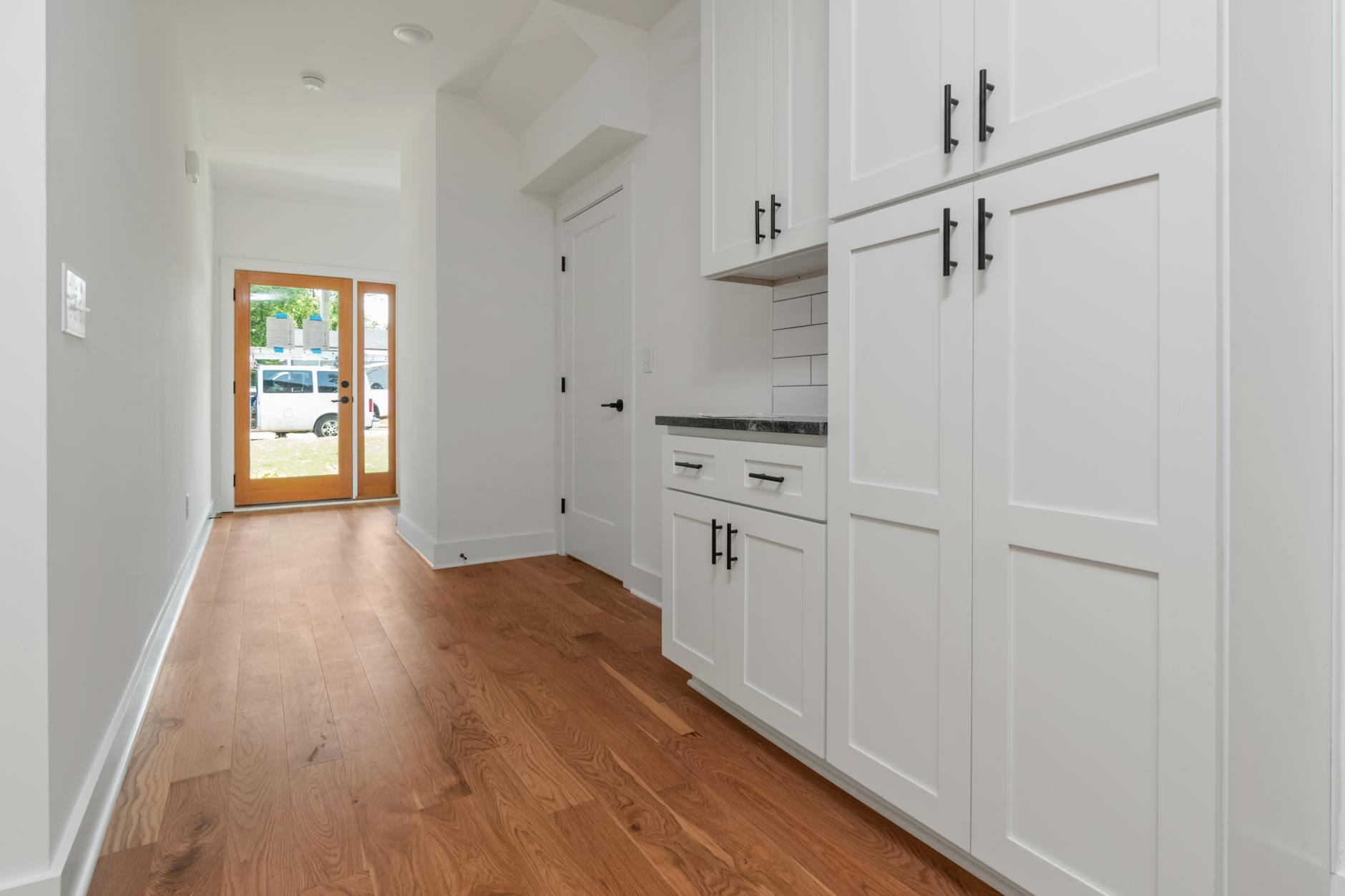
Attaching narrow spice holders to the inside of a cabinet door near the stove keeps a curated selection of everyday seasonings immediately accessible. These holders mount with adhesive strips or small screws and are designed to hold standard spice jar sizes securely in place. Keeping only the spices used most frequently in this prime location prevents the holder from becoming overcrowded. The remaining spice collection can be stored in a drawer or on a shelf nearby, organized alphabetically for efficient searching.
Meal Prep Containers Station
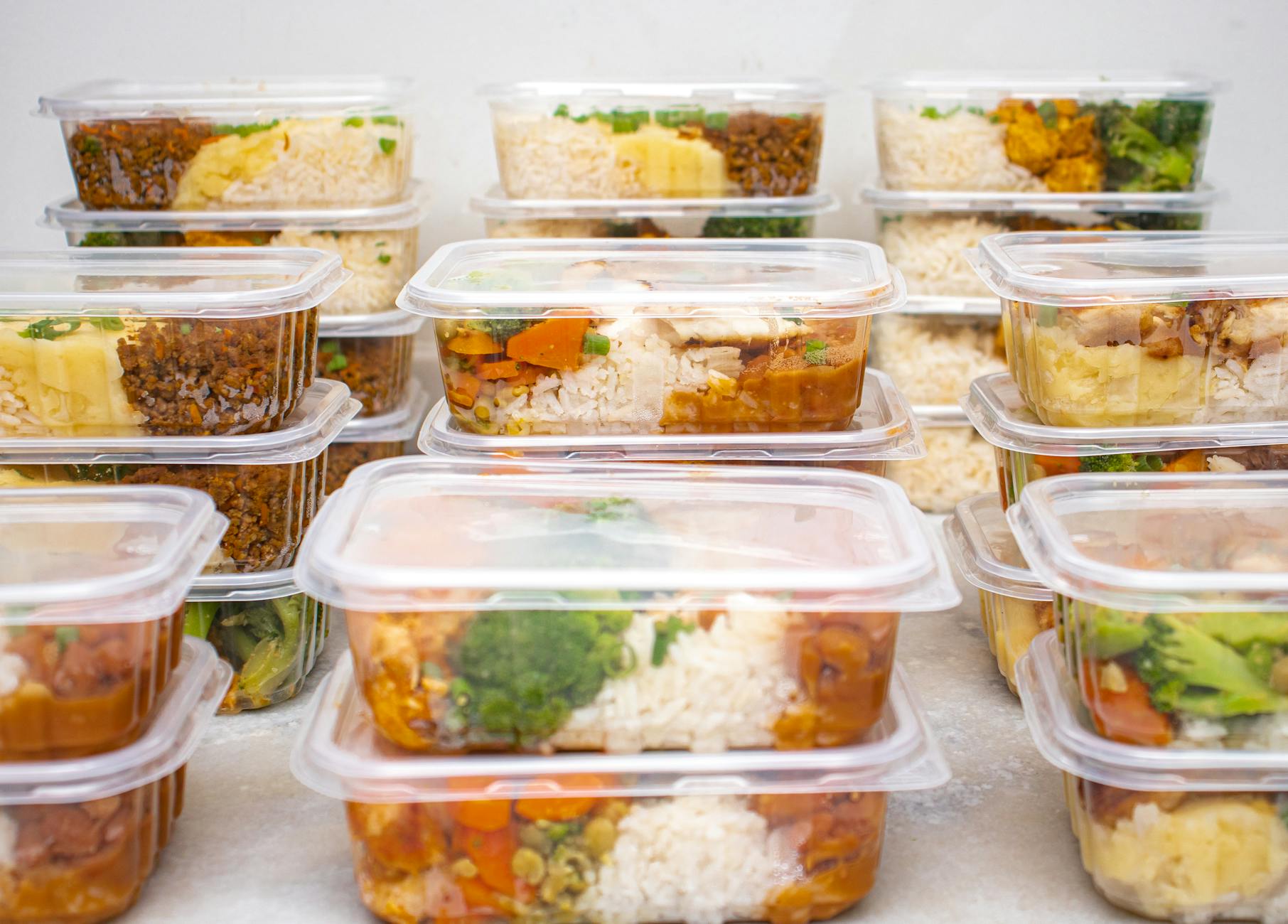
Setting up a dedicated meal prep container station in one cabinet or drawer makes weekly food preparation significantly more streamlined. Organizing containers by size with their corresponding lids stored in a separate small bin or on a lid rack prevents the common chaos of a mixed container cabinet. Keeping this station close to the refrigerator and prep area reduces unnecessary movement during packing and storing. A clear inventory of available containers also helps with planning portion sizes before grocery shopping.
Charging and Command Center

Creating a small command center area in or adjacent to the kitchen consolidates the practical administrative functions that naturally gravitate toward this space. A wall-mounted organizer can hold mail, shopping lists, keys, and a charging station for devices without spreading these items across countertops. Keeping a notepad and pen in this area makes it easy to add items to a grocery list the moment something runs out. A well-maintained command center reduces household clutter and provides a reliable central hub for managing daily logistics.
Weekly Reset Routine
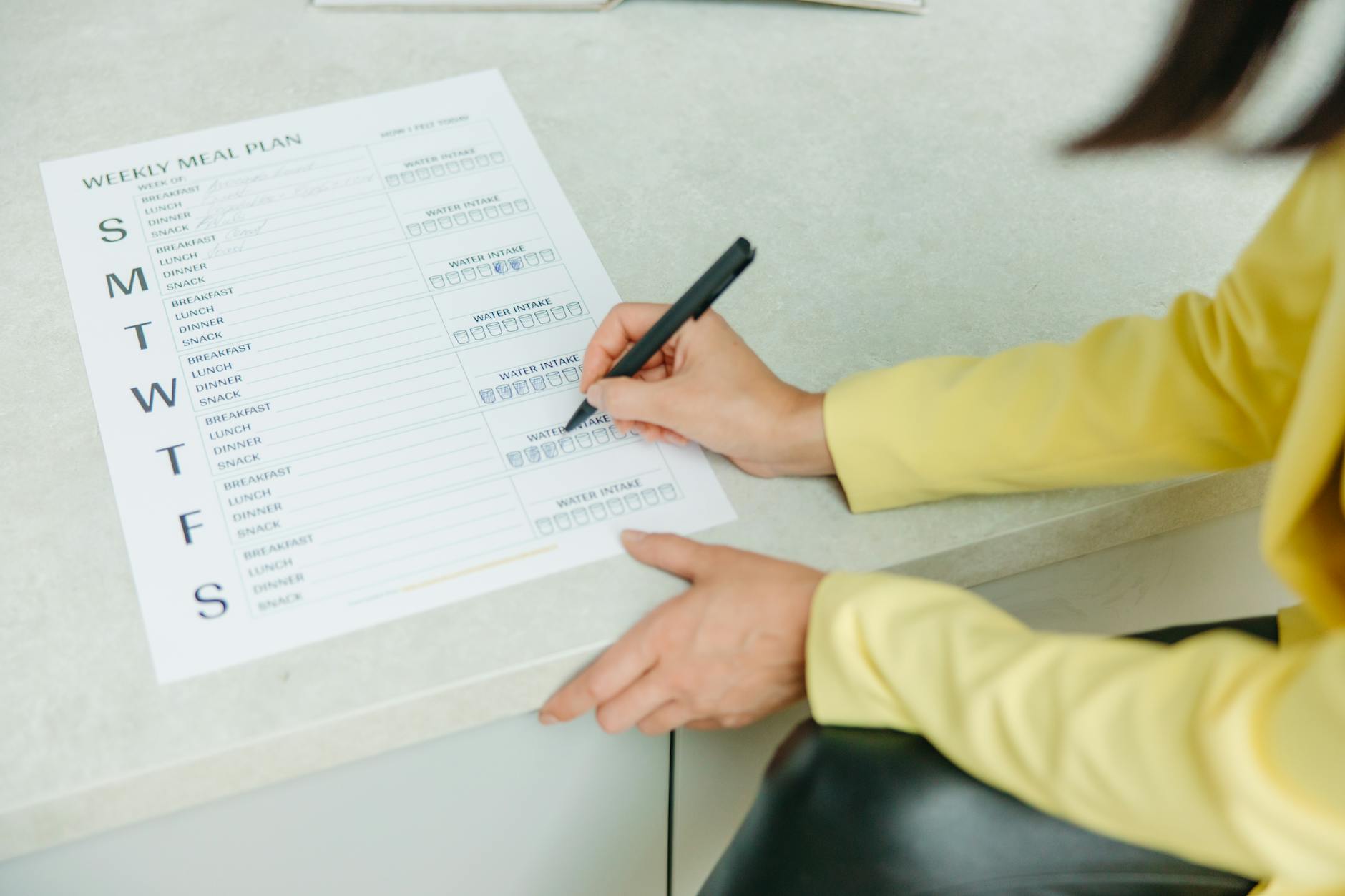
Establishing a weekly kitchen reset routine prevents organizational systems from gradually deteriorating over time. Choosing a consistent day and time for the reset, such as Sunday evening before the week begins, makes it easier to maintain as a long-term habit. The reset involves returning all items to their correct zones, wiping down shelves and surfaces, and checking pantry and refrigerator contents for anything that needs to be used or restocked. A kitchen that is refreshed on a regular schedule requires far less effort to maintain than one that is only addressed when disorder becomes overwhelming.
Which of these organization strategies are you planning to try first? Share your thoughts in the comments.