Reducing your monthly water bill starts with understanding how daily habits impact overall consumption. Small adjustments in your routine can lead to significant savings over the course of a year without requiring drastic lifestyle changes. The following strategies focus on efficient appliance use and smart gardening techniques alongside simple maintenance checks. Implementing even a few of these methods will conserve a vital resource while keeping extra money in your wallet.
Fix Dripping Faucets
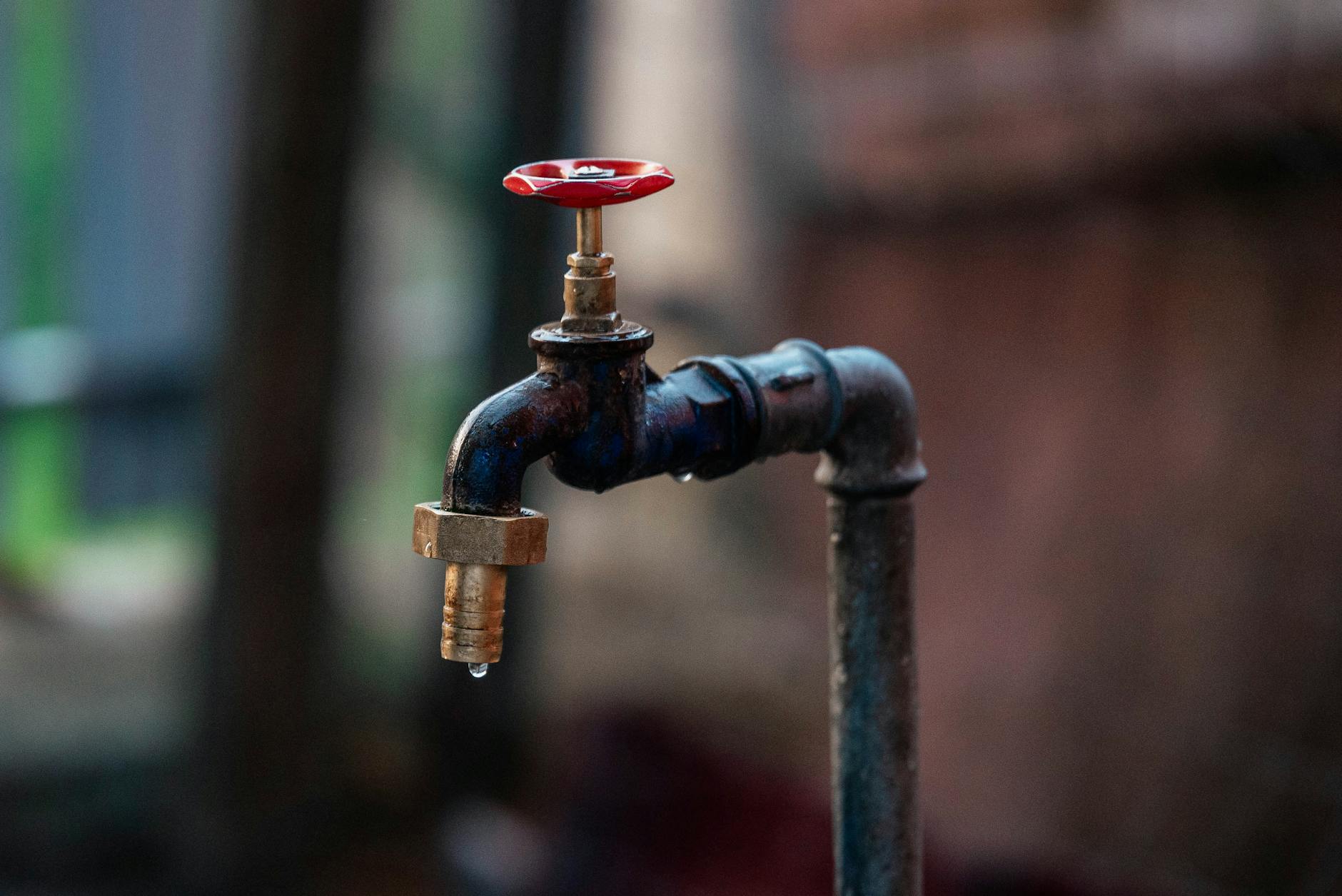
A single dripping faucet can waste gallons of water each day if left unattended for long periods. You should check every sink in your home regularly to ensure handles are tightly closed and seals remain intact. Replacing a worn washer is usually an inexpensive and simple repair that anyone can perform with basic tools. Ignoring this minor annoyance often leads to higher utility costs that accumulate silently over time.
Install Low-Flow Showerheads
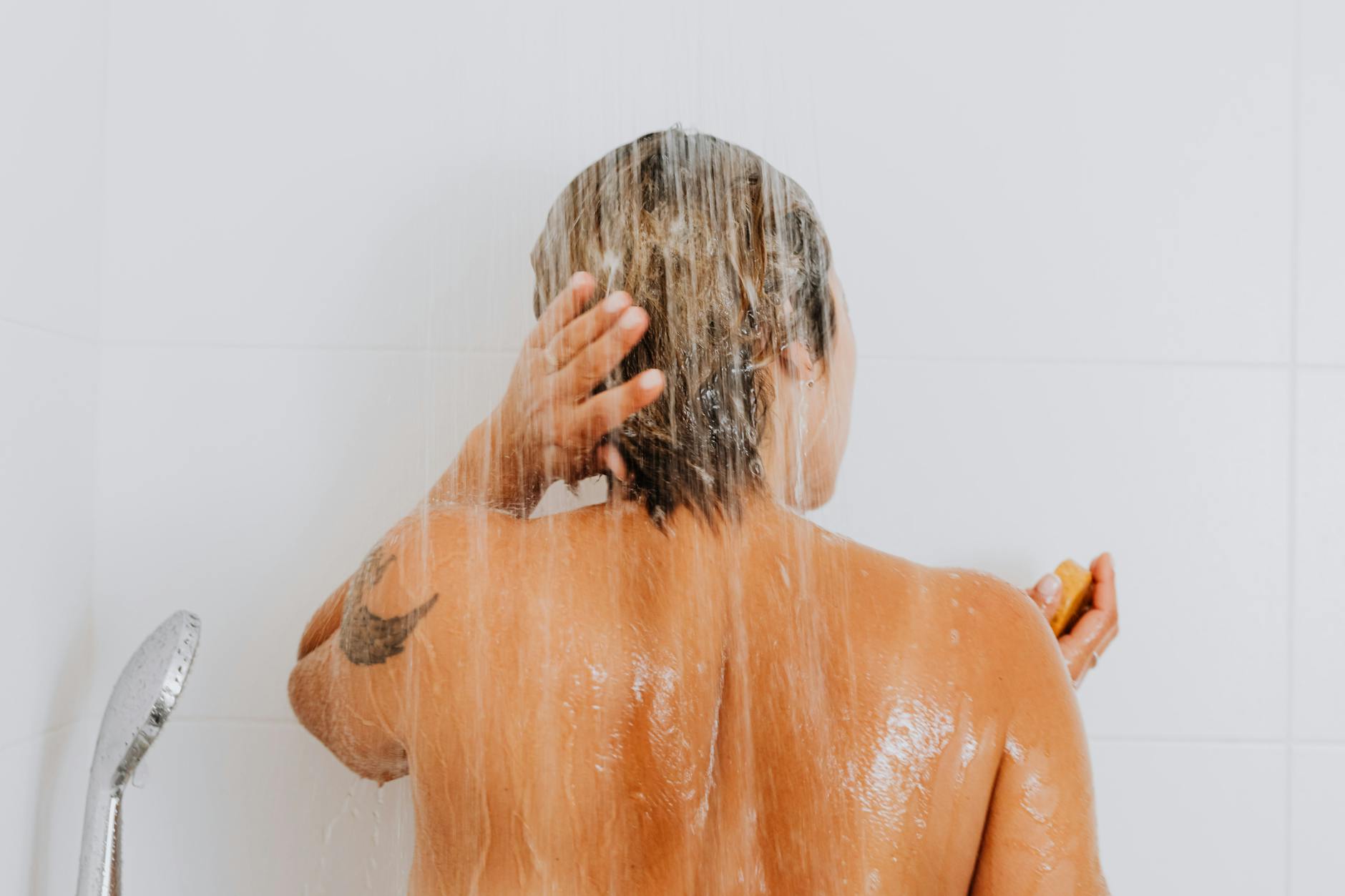
Modern low-flow showerheads maintain strong water pressure while significantly reducing the volume of water used per minute. These devices are easy to install and pay for themselves quickly through lower water and heating bills. Many models offer adjustable settings so you can customize the flow without sacrificing comfort during your daily routine. This simple upgrade is one of the most effective ways to cut down on bathroom water usage permanently.
Shorten Your Showers

Trimming just two minutes off your daily shower can save hundreds of gallons of water every month. You can use a waterproof timer or play a specific song to help you keep track of time while you wash. Keeping showers short ensures you use only what is necessary to get clean and reduces the demand on your water heater. This habit requires no financial investment and yields immediate results on your next bill statement.
Turn Off the Tap While Brushing
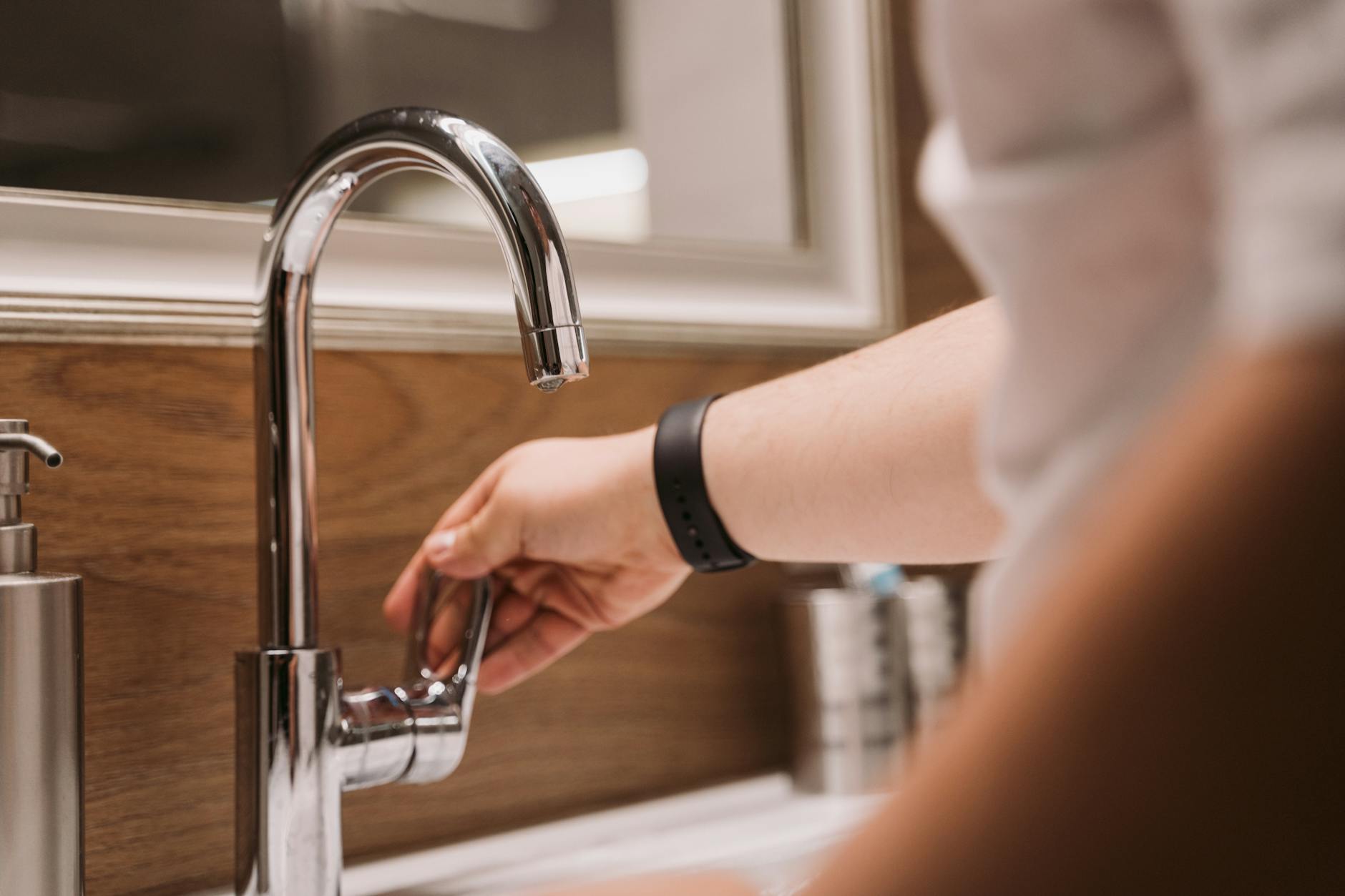
Letting the water run while you brush your teeth sends gallons of clean water straight down the drain unnecessarily. You only need water to wet your toothbrush initially and to rinse your mouth once you are finished brushing. This habit is easy to teach to children and makes a noticeable difference in family households with multiple bathrooms. Developing this simple discipline is a cornerstone of water conservation in the bathroom.
Run Full Dishwasher Loads
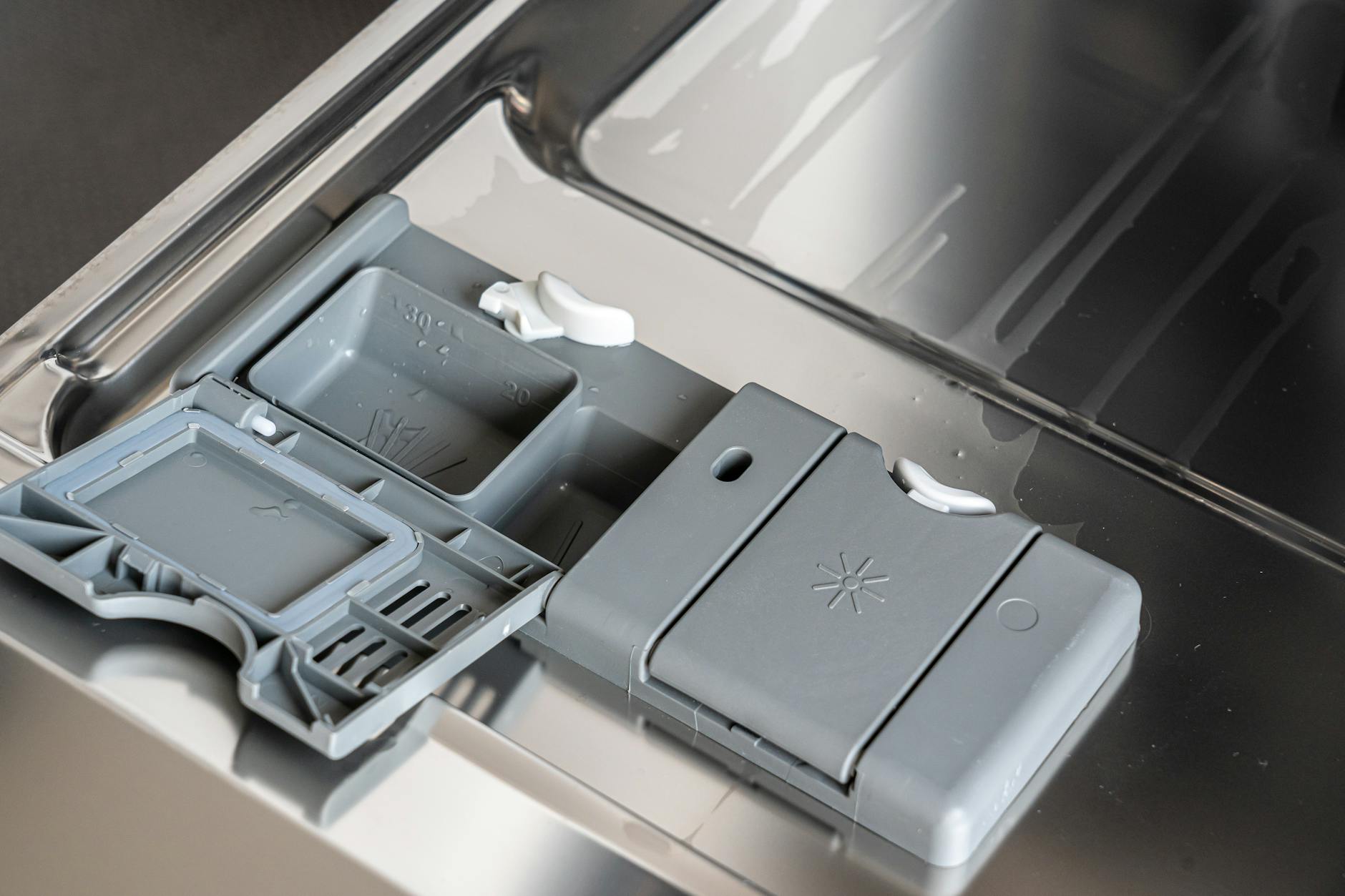
Running your dishwasher only when it is completely full maximizes water efficiency for every cycle you run. Modern dishwashers are designed to clean a full capacity of dishes using a specific amount of water regardless of how many items are inside. Partially filled loads result in twice the water usage for the same amount of dishes over time. Waiting until the rack is packed ensures you get the most value out of every gallon used.
Skip the Pre-Rinse
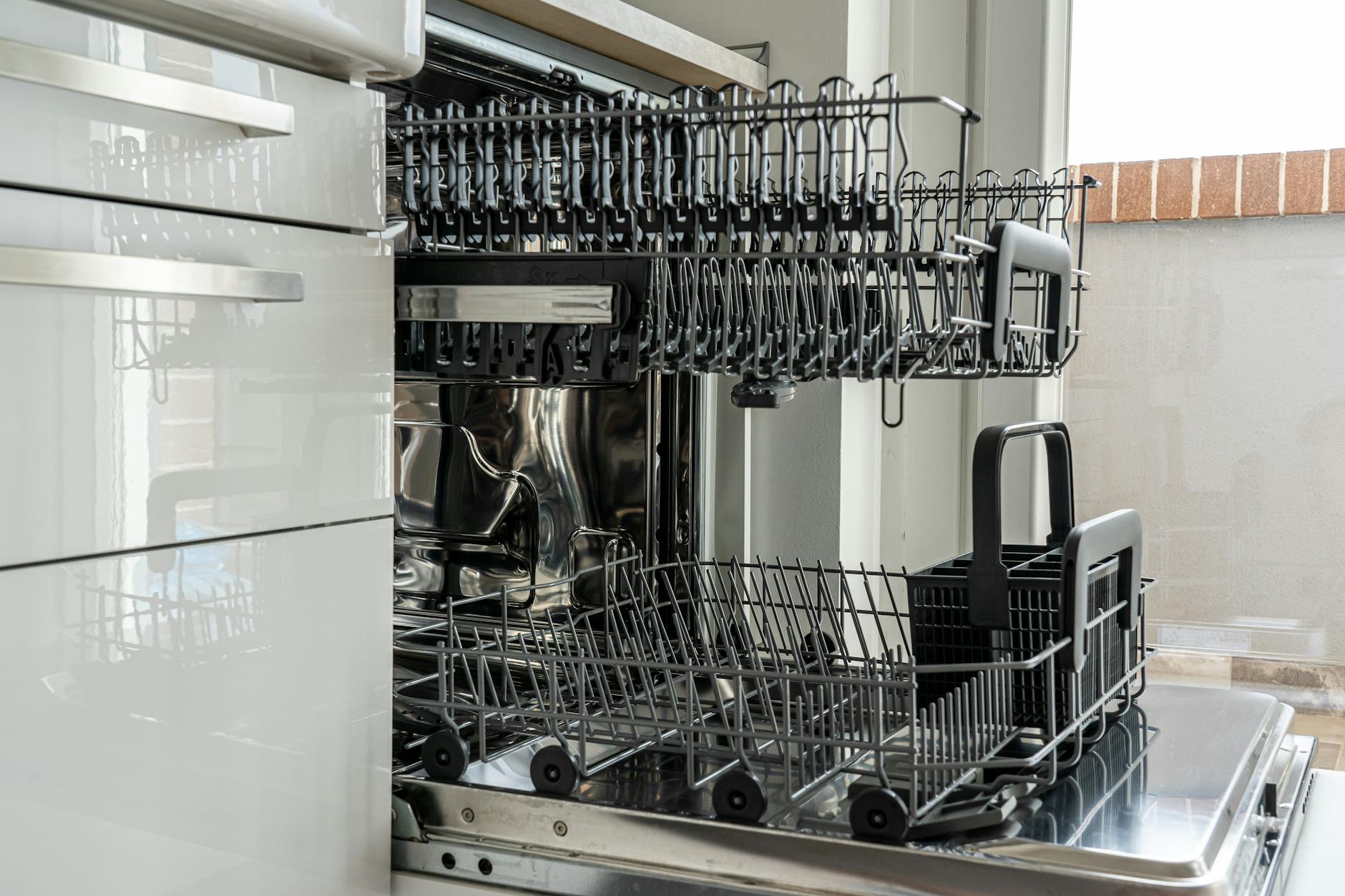
Most modern dishwashers are powerful enough to clean dirty dishes without requiring a manual rinse beforehand. You should scrape leftover food into the compost or trash bin instead of using running water to clear the plate. Pre-rinsing wastes a significant amount of water and is often redundant when using high-quality detergent. Trusting your appliance to do its job saves you time and reduces your kitchen water footprint.
Upgrade to High-Efficiency Toilets
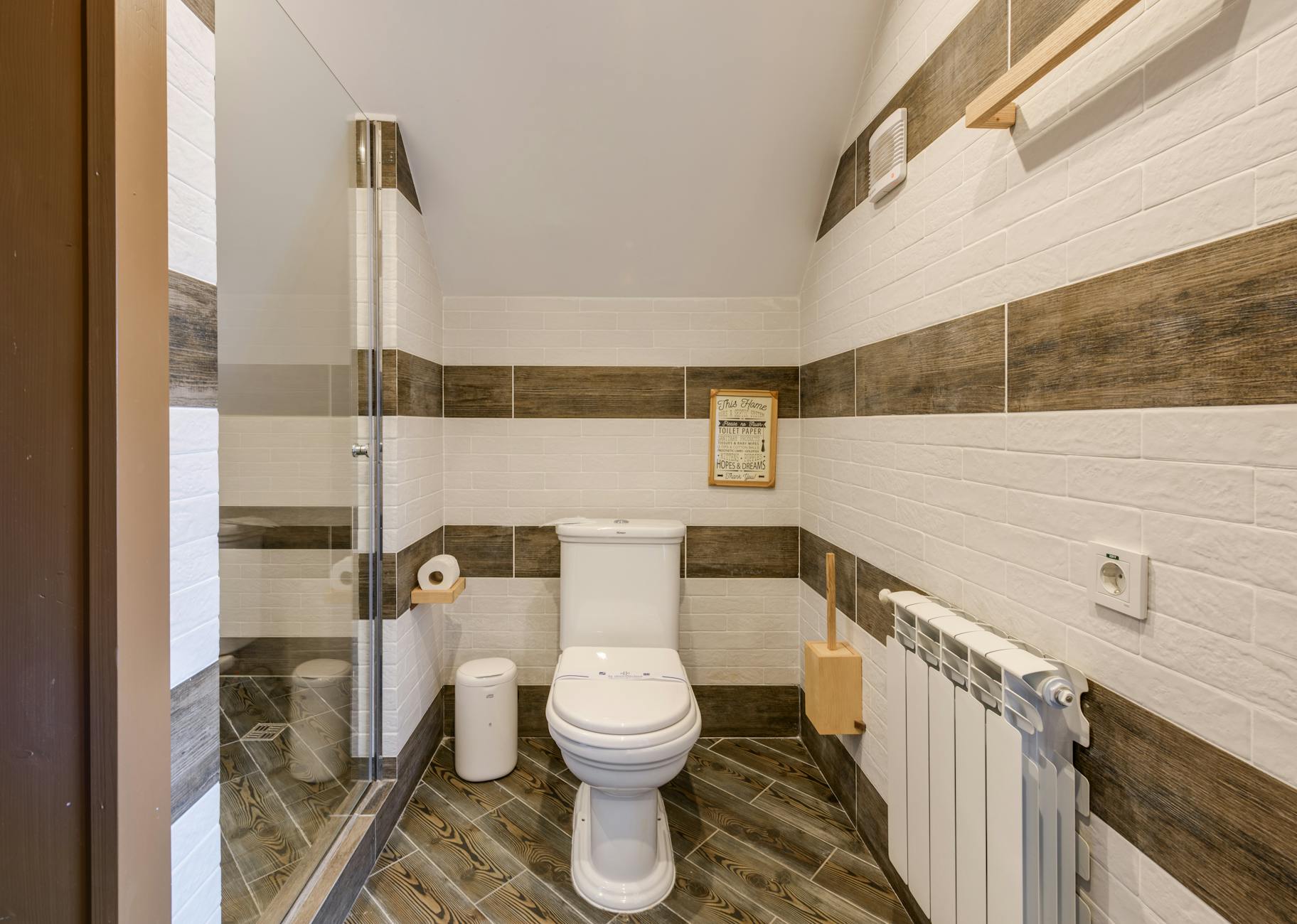
Older toilets use several gallons more per flush than newer high-efficiency models available on the market today. Replacing an outdated toilet can reduce your household water consumption by a substantial percentage immediately. Many local utility companies offer rebates or incentives to encourage homeowners to make this eco-friendly switch. This investment improves home value while permanently lowering your monthly operating costs.
Check Toilets for Leaks
Silent leaks in your toilet tank can waste thousands of gallons of water a year without leaving any visible puddles. You can test for this issue by placing a few drops of food coloring in the toilet tank and waiting fifteen minutes. If the color appears in the bowl without flushing it means you have a leak that needs immediate repair. Fixing a worn flapper valve is a cheap and quick solution to this common problem.
Install Faucet Aerators
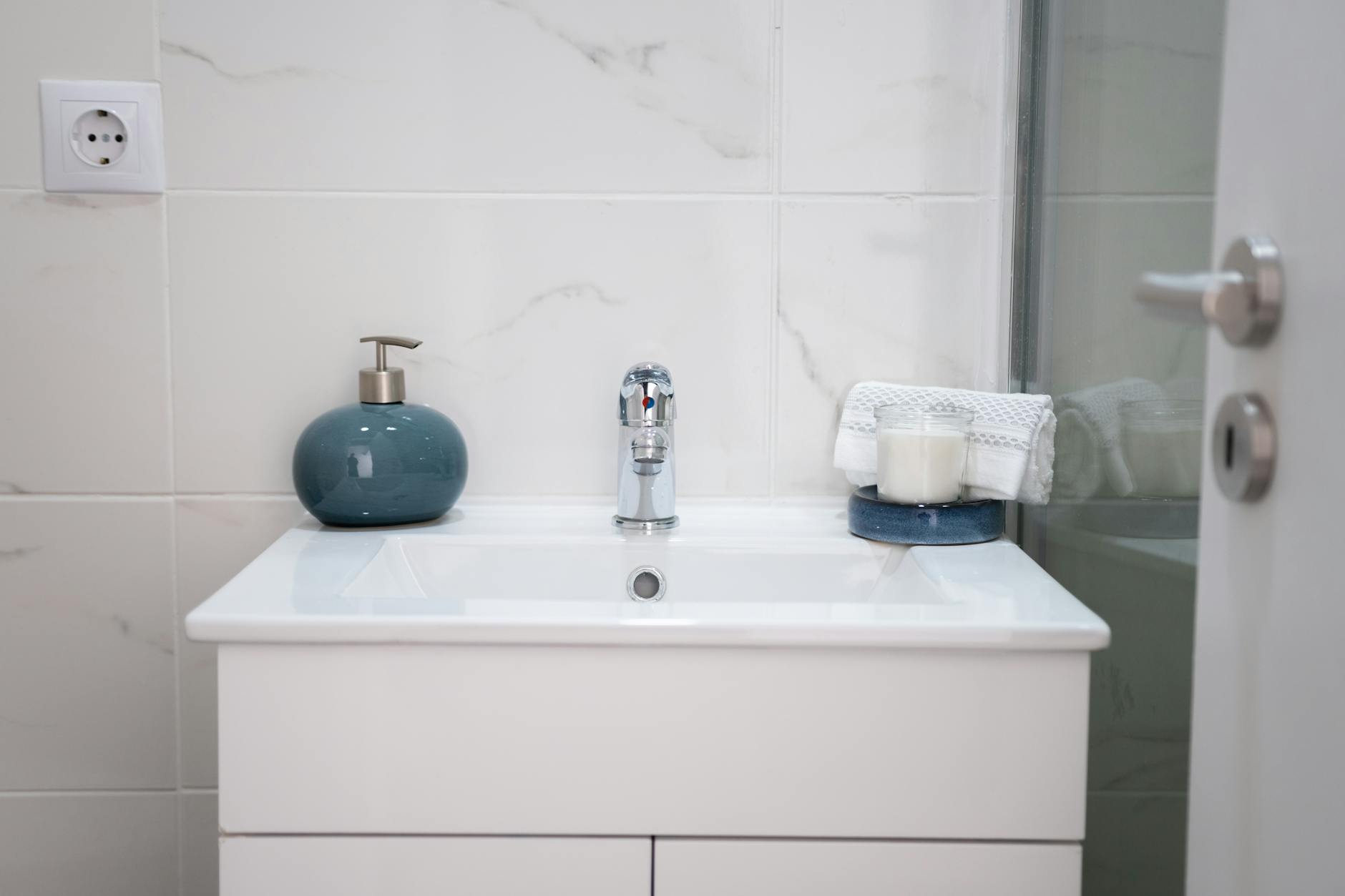
Aerators are small mesh screens that screw onto the tip of your faucet to mix air with the water stream. This addition maintains the feeling of high pressure while actually reducing the amount of water flowing through the tap. They are incredibly inexpensive and can be installed on kitchen and bathroom sinks in a matter of seconds. This minor modification is widely considered one of the most cost-effective water conservation measures available.
Use a Broom for Driveways
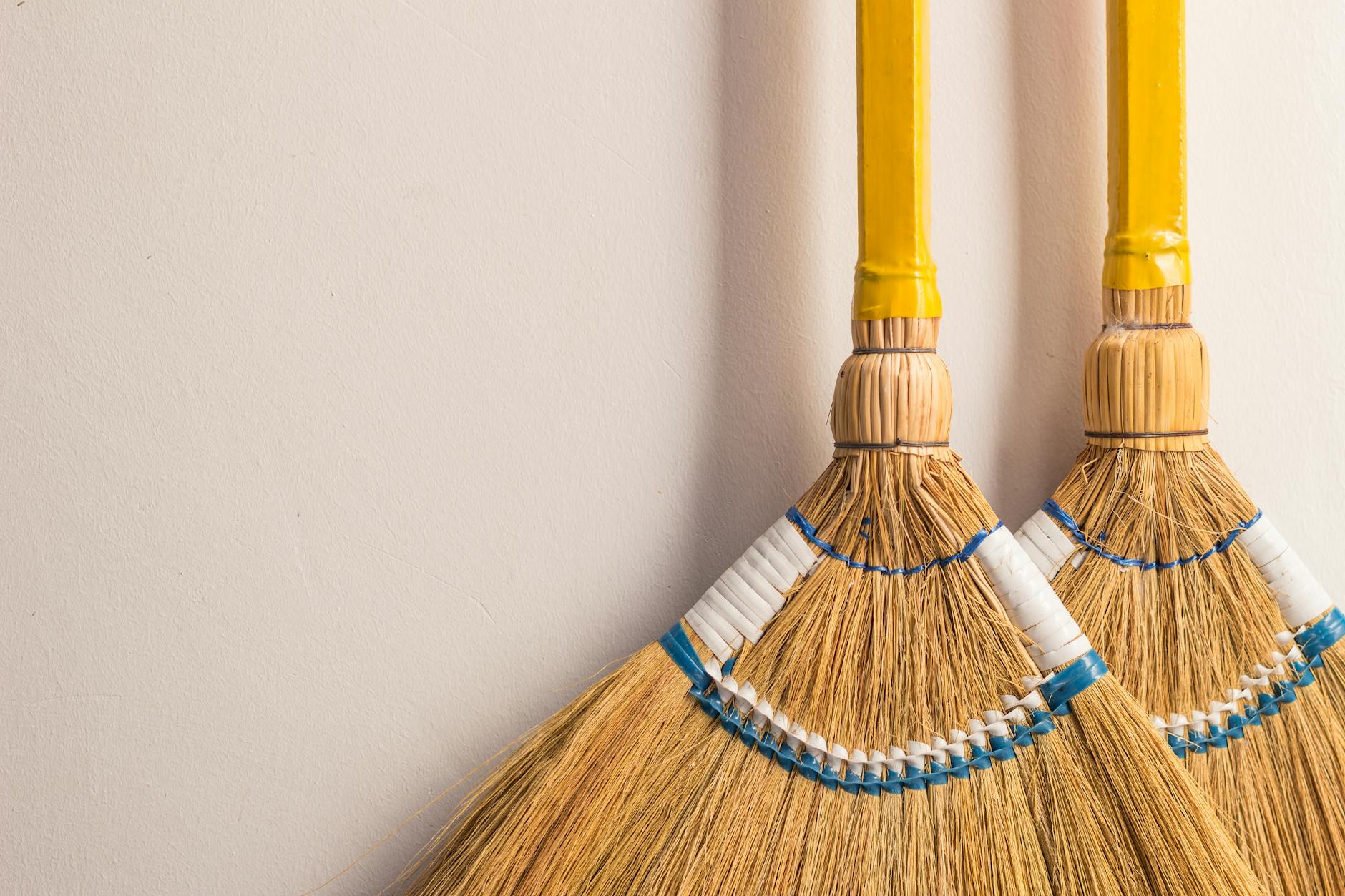
Cleaning your driveway or sidewalk with a hose uses hundreds of gallons of water for a task that requires none. A stiff broom is just as effective at removing dirt and leaves without increasing your utility bill. This method also prevents runoff water from carrying pollutants into local storm drains and waterways. Sweeping is a good physical activity that keeps your outdoor spaces tidy without waste.
Collect Rainwater
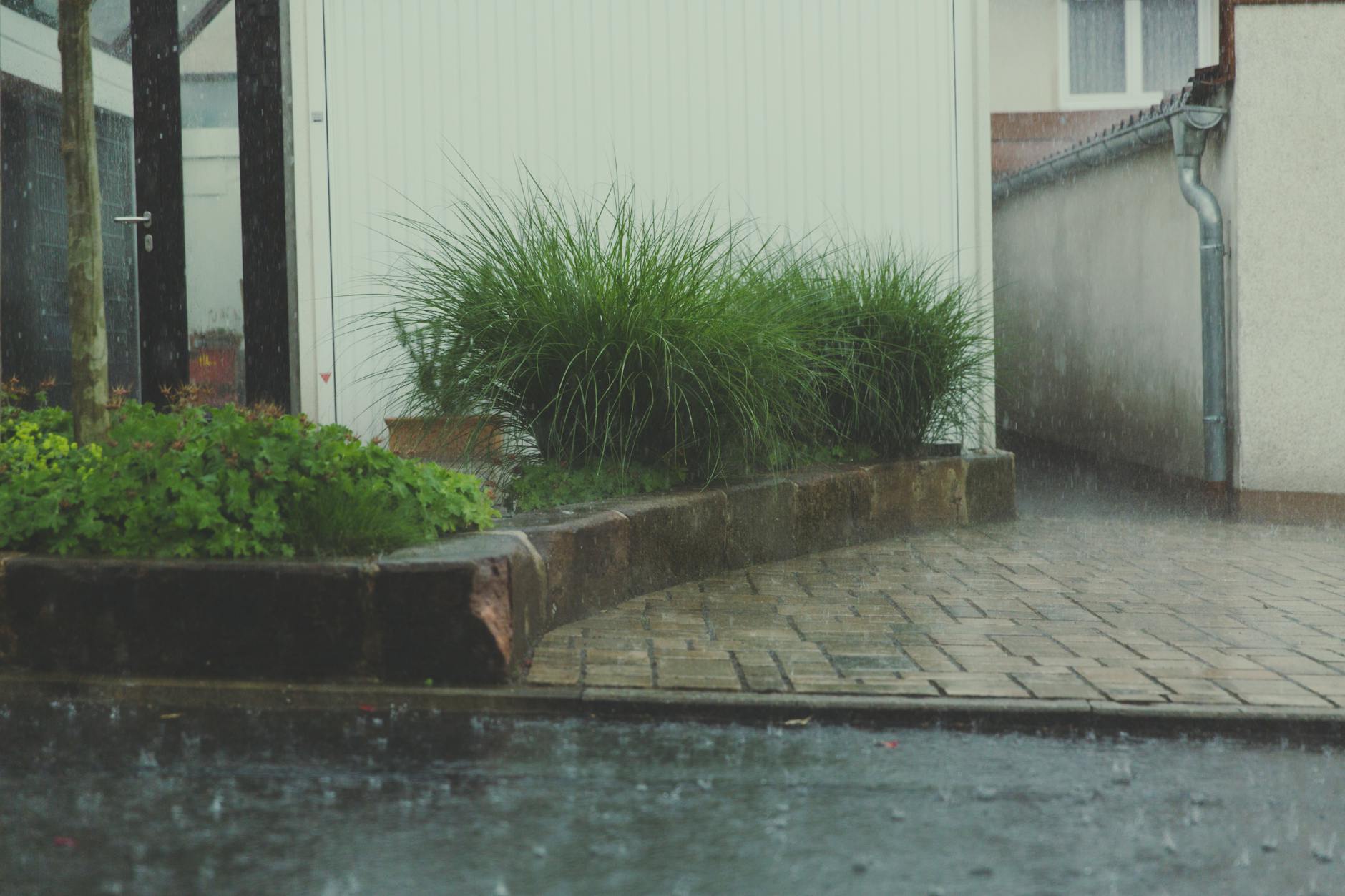
Installing a rain barrel under your gutter downspout allows you to capture free water for your gardening needs. This harvested water is free of chlorine and chemicals which makes it excellent for watering plants and lawns. Many municipalities provide rain barrels at a discount to encourage residents to manage stormwater runoff responsibly. Using nature to water your garden reduces reliance on the municipal supply during dry months.
Water Plants in the Morning
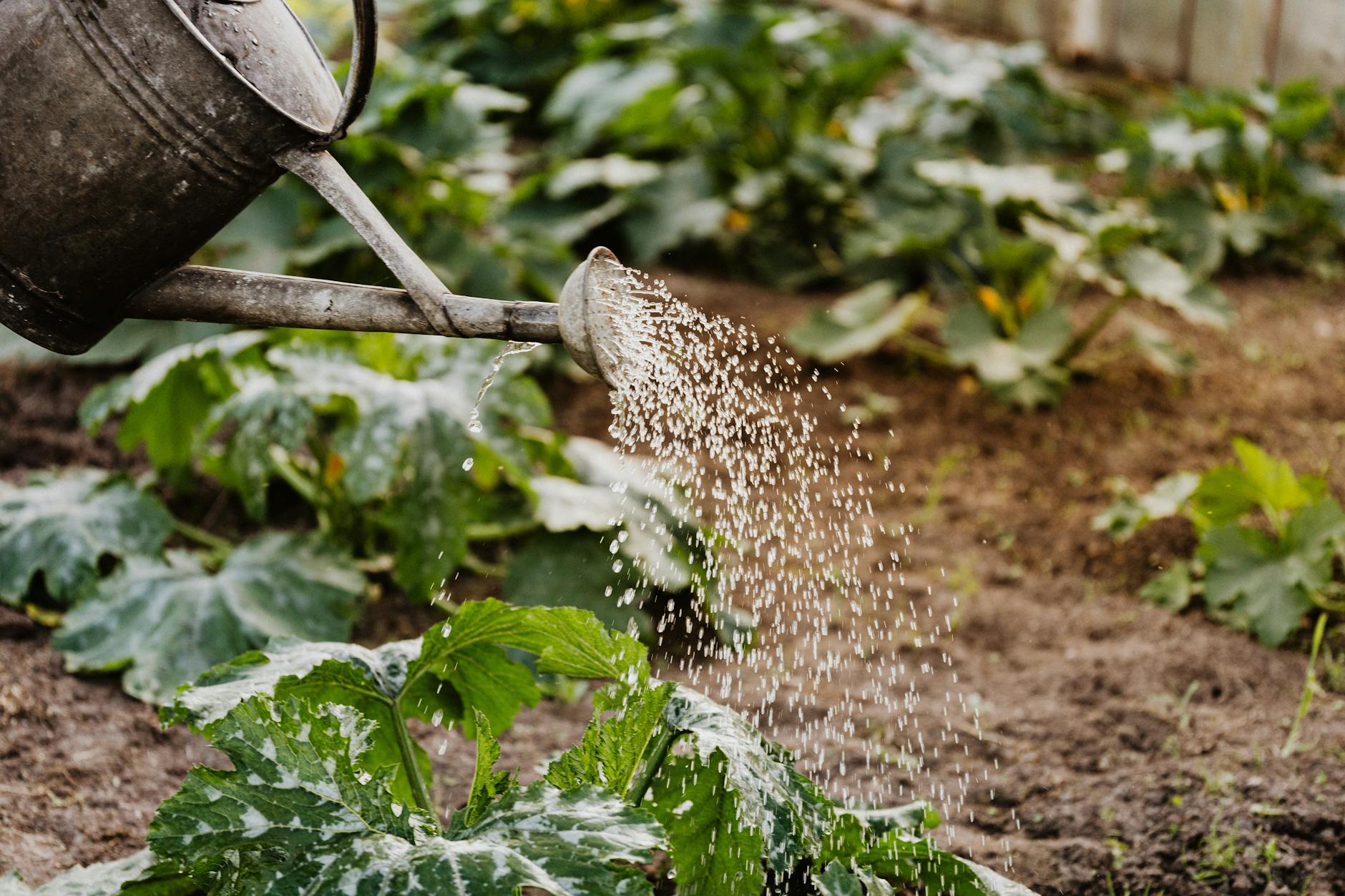
Watering your garden early in the morning reduces evaporation loss caused by the heat of the midday sun. The cooler air allows the water to seep deep into the soil and reach the root systems where it is needed most. avoiding evening watering also helps prevent the growth of fungus or mold that can damage your plants. This timing adjustment ensures every drop of water is utilized efficiently by your landscaping.
Mulch Garden Beds
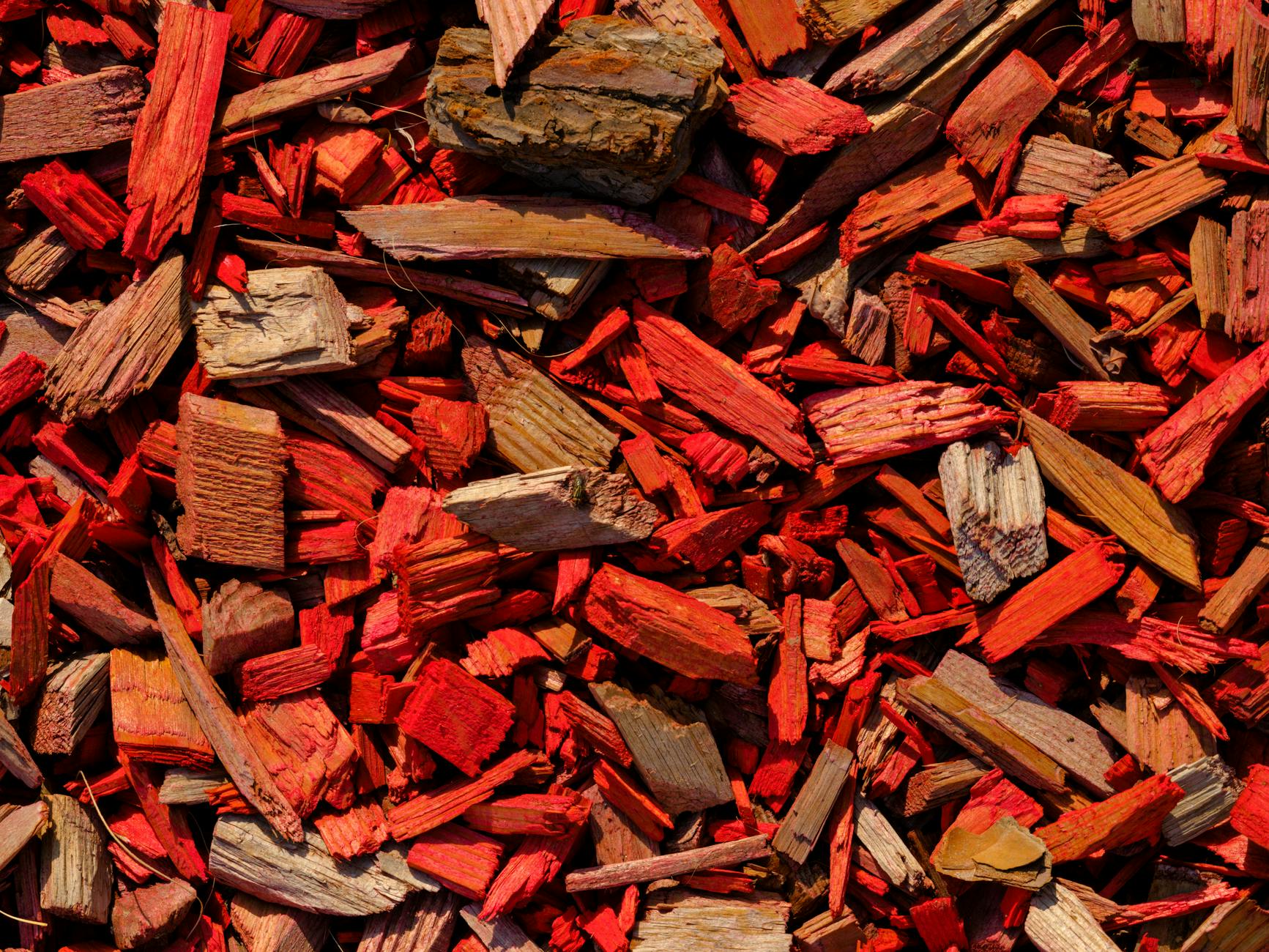
Applying a layer of mulch around your plants helps the soil retain moisture for much longer periods. Organic mulch such as wood chips or straw also suppresses weeds that would otherwise compete for water and nutrients. This protective barrier keeps the soil cool and reduces the frequency of watering required during hot spells. Mulching is a dual-purpose strategy that improves garden health while conserving water.
Choose Drought-Resistant Plants
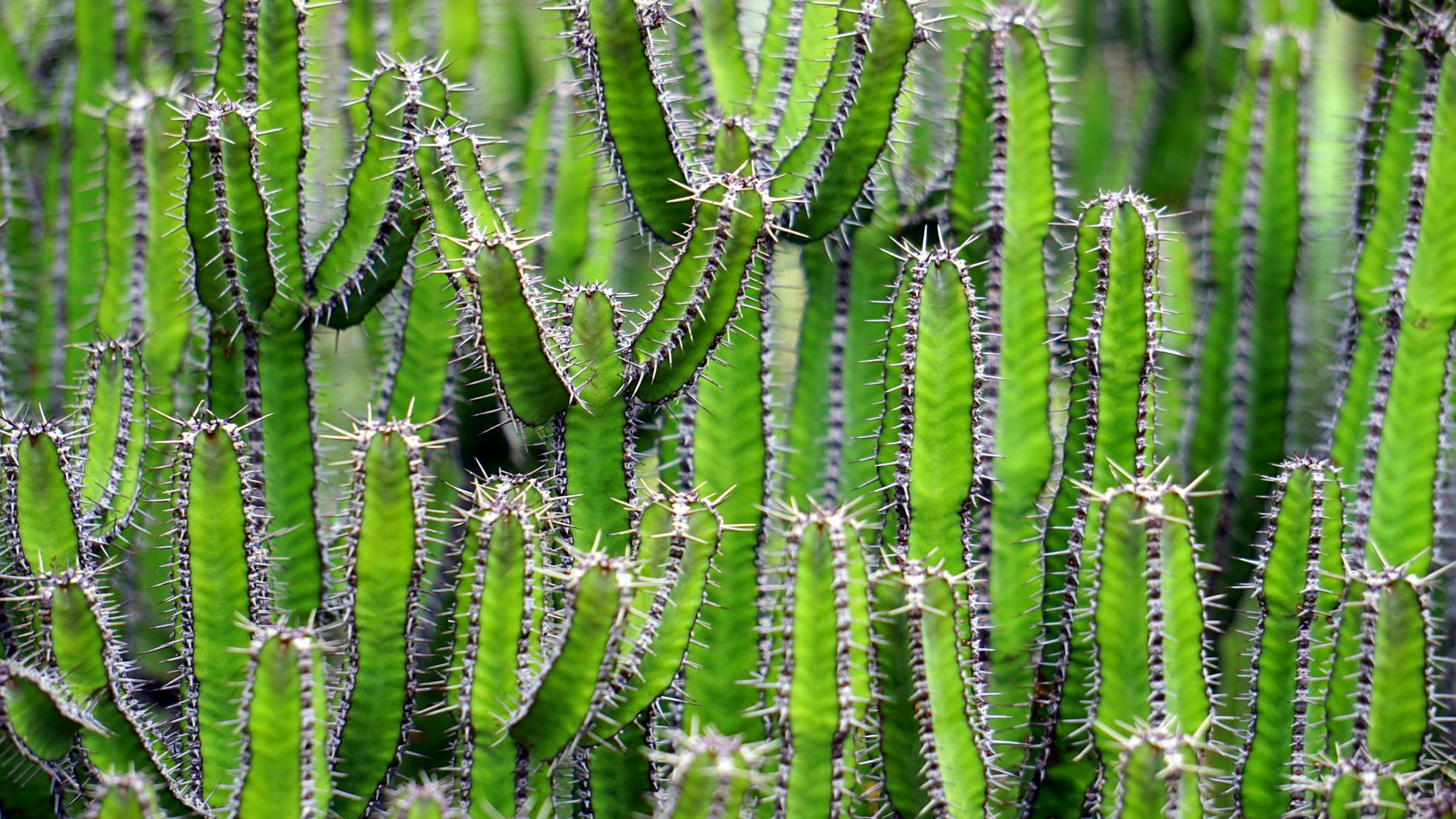
Landscaping with native or drought-tolerant plants significantly reduces the need for supplemental irrigation. These plants are naturally adapted to the local climate and rainfall patterns of your specific region. Replacing thirsty turf grass with xeriscaping can cut outdoor water use by more than half in some areas. This approach creates a beautiful and low-maintenance yard that survives naturally.
Cover Your Swimming Pool
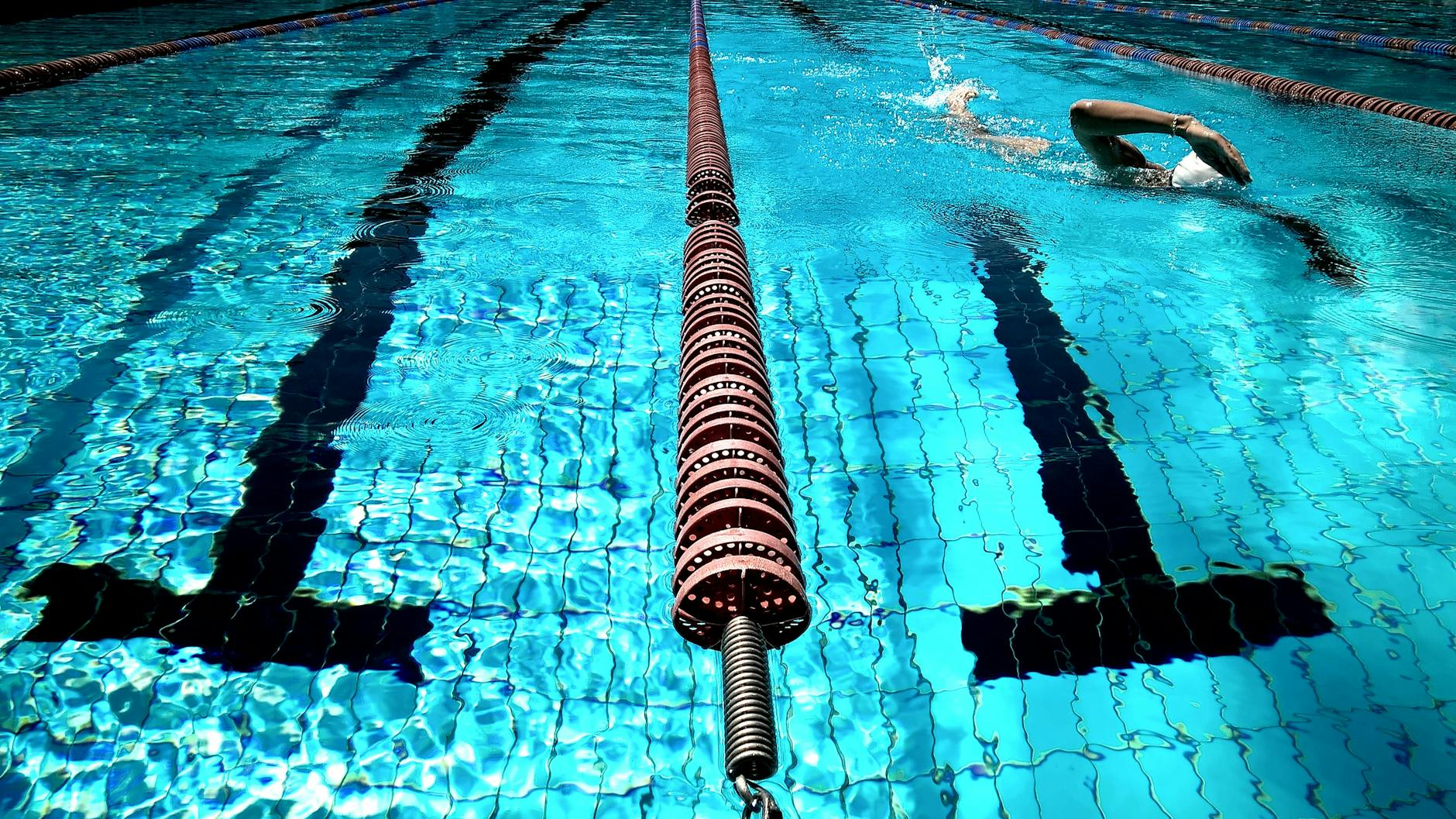
Evaporation accounts for a massive amount of water loss in uncovered swimming pools during the summer. Using a pool cover whenever the pool is not in use traps the moisture and keeps the water level stable. It also keeps debris out which reduces the strain on your filtration system and lowers maintenance needs. A high-quality cover acts as a vapor barrier that saves thousands of gallons annually.
Designate One Glass
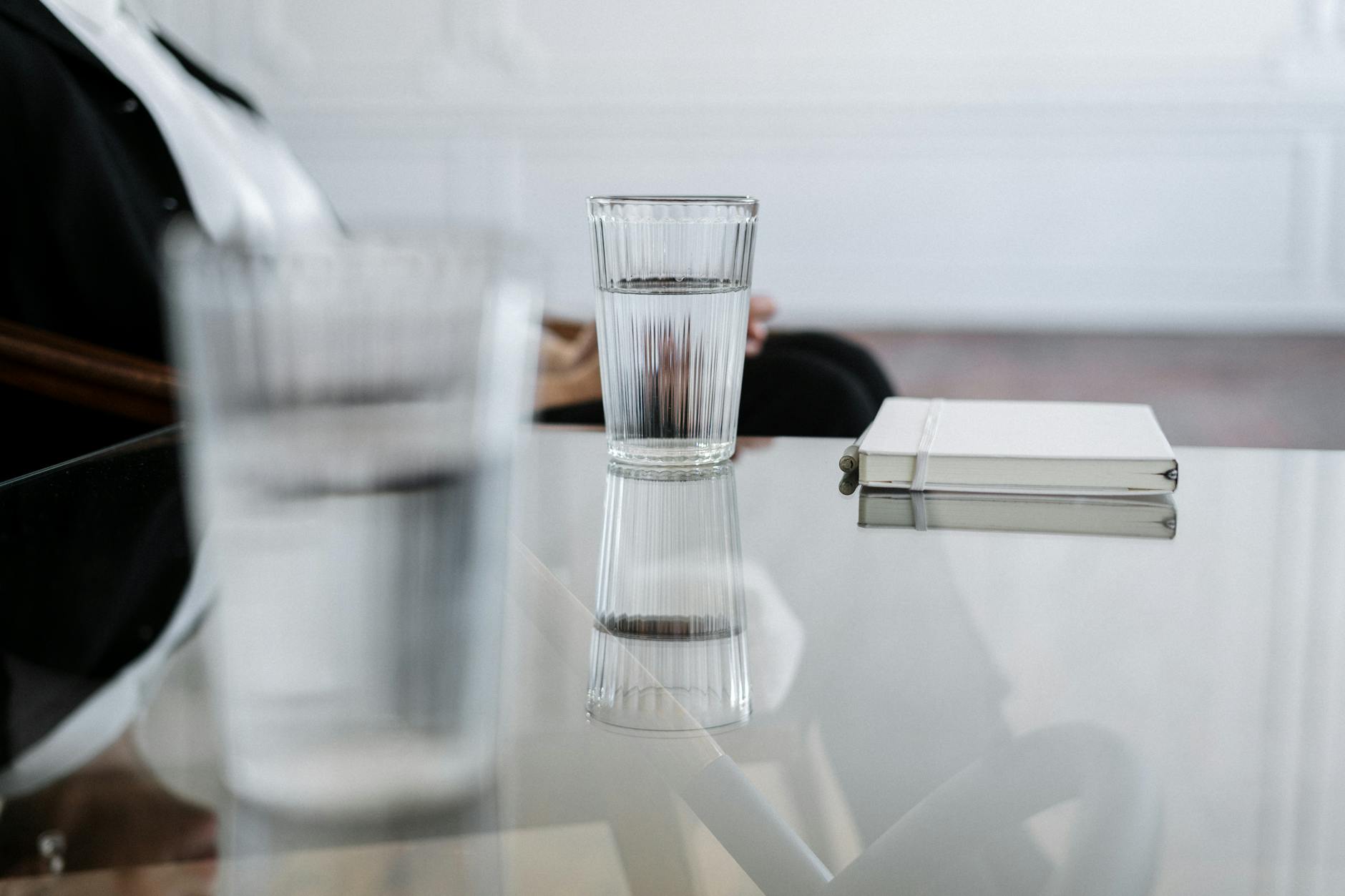
Using a single glass or water bottle throughout the day reduces the number of dishes that need washing. This small habit cuts down on dishwasher loads or the amount of time spent hand washing at the sink. It also encourages better hydration by keeping your water source constantly accessible. Reducing dish clutter keeps the kitchen tidier and directly impacts daily water consumption.
Thaw Food in the Fridge
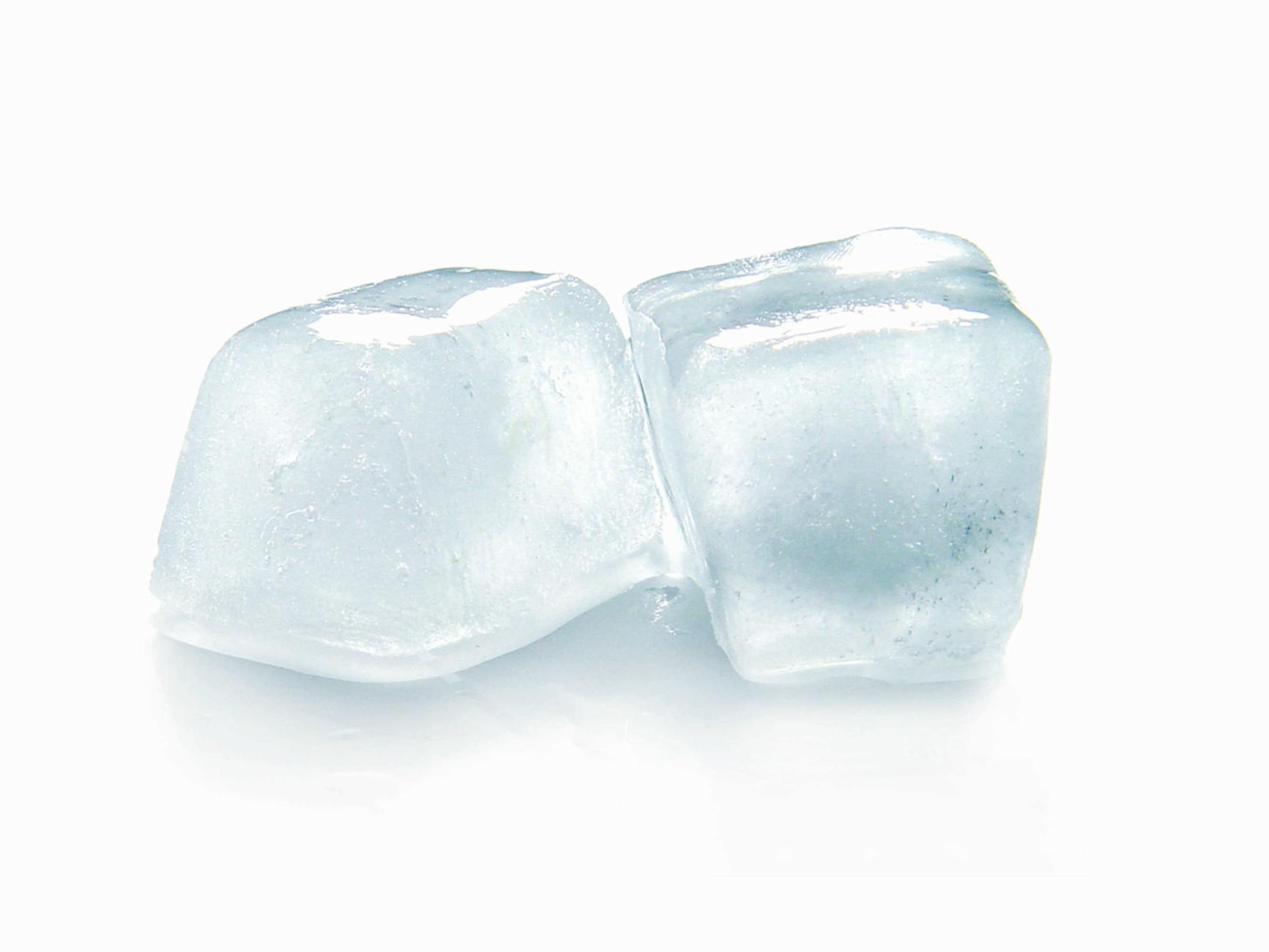
Defrosting frozen food under running water is a common wasteful practice that sends gallons down the drain. You should plan ahead and place frozen items in the refrigerator the night before you need them. This method is safer for food hygiene and requires zero water usage to accomplish the task. Using the microwave defrost setting is another water-free alternative if you are pressed for time.
Compost Kitchen Scraps
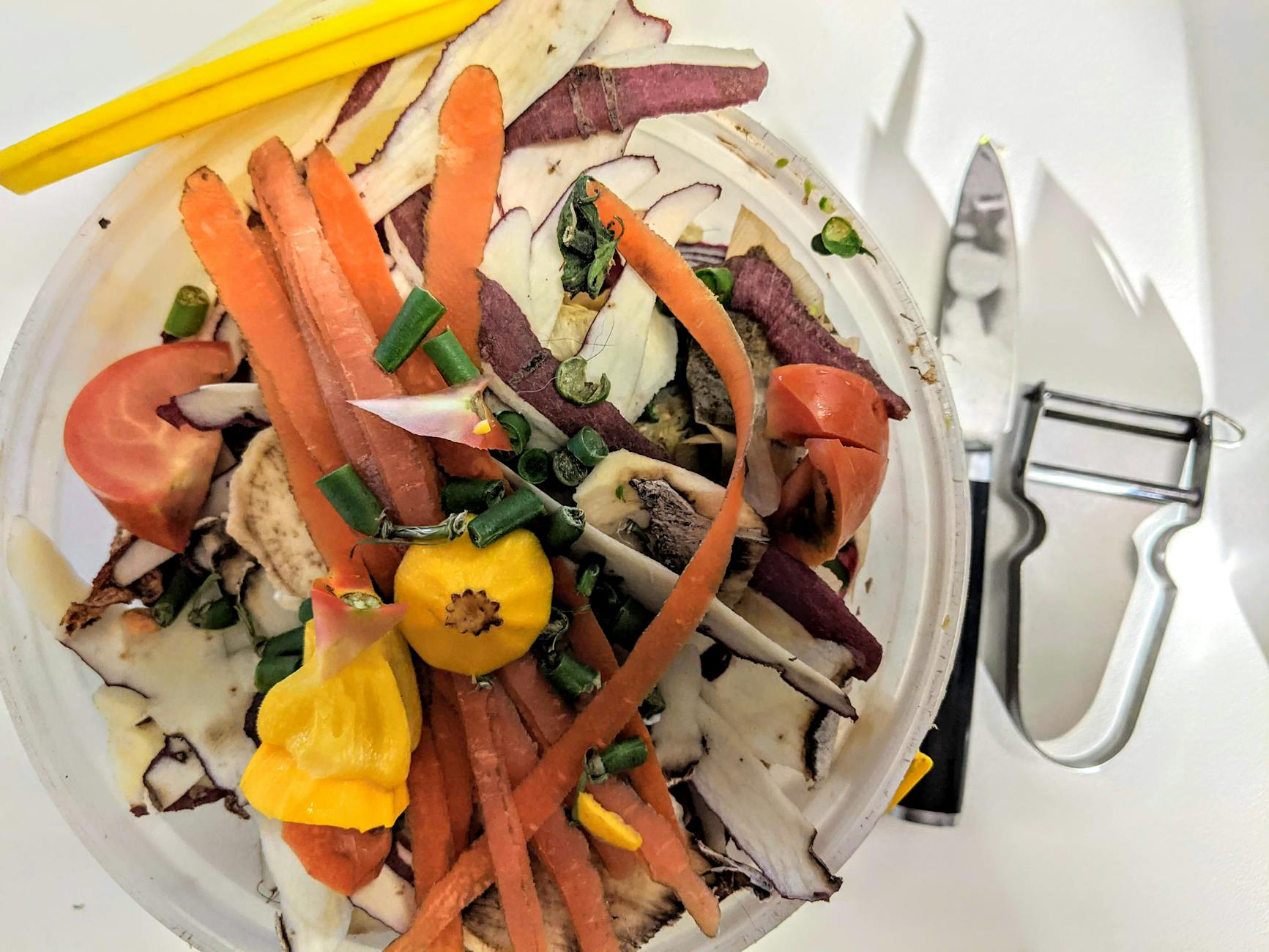
Using a garbage disposal requires a steady stream of running water to flush waste through the pipes. You can save this water by collecting vegetable peelings and scraps in a compost bin instead. Composting creates nutrient-rich soil for your garden while reducing the load on your plumbing system. This switch eliminates a high-water appliance from your daily kitchen routine.
Check Your Water Meter
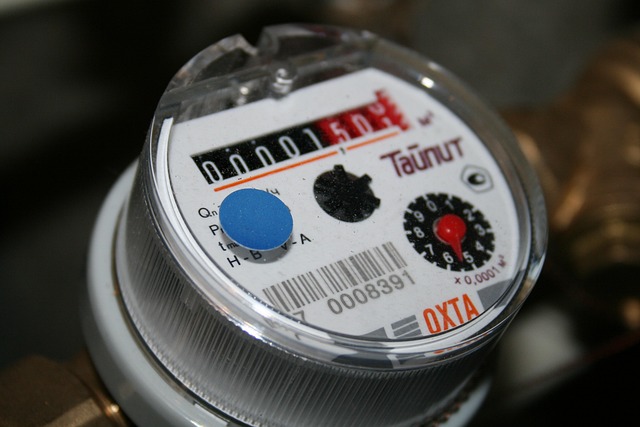
Your water meter is a powerful tool for detecting hidden leaks in your home plumbing system. You should read the meter and then avoid using any water for a two-hour period before reading it again. If the numbers have changed it indicates that water is escaping somewhere in your pipes or appliances. catching these invisible leaks early prevents structural damage and avoids surprise high bills.
Insulate Hot Water Pipes
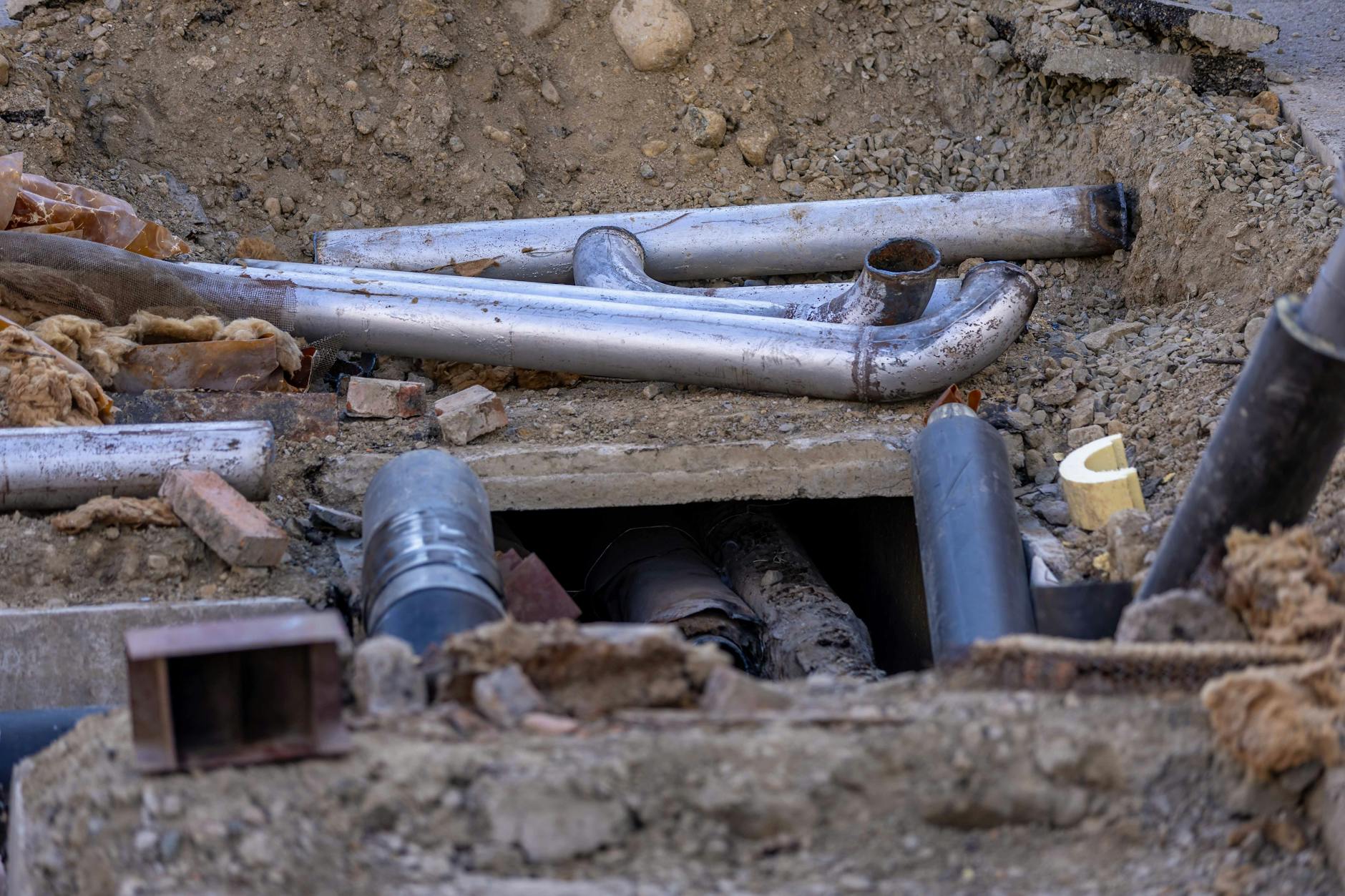
Insulating your water pipes helps hot water reach the faucet faster and stay hot longer during travel. This reduces the amount of cold water you have to run down the drain while waiting for the temperature to rise. Foam pipe insulation is affordable and easy to install on accessible pipes in basements or utility rooms. This efficiency upgrade saves both water and the energy used to heat it.
Wash Clothes in Cold Water
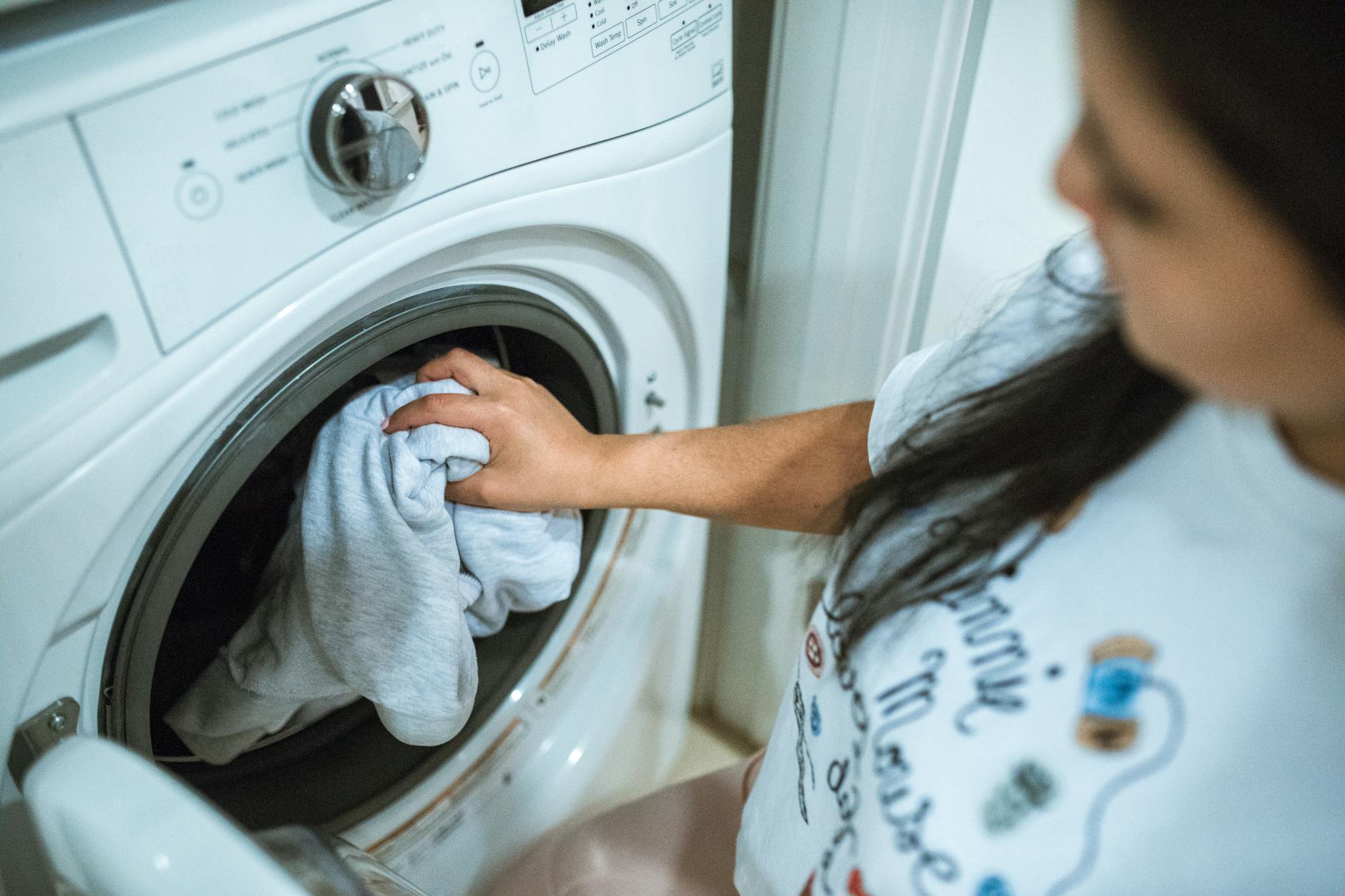
Washing laundry in cold water preserves fabrics and prevents the shrinking or fading of your favorite garments. While this primarily saves energy it also encourages the use of shorter cycles that consume less water overall. diverse detergents are now specifically formulated to clean effectively at lower temperatures. This adjustment extends the life of your wardrobe and your washing machine.
Adjust Lawn Mower Height
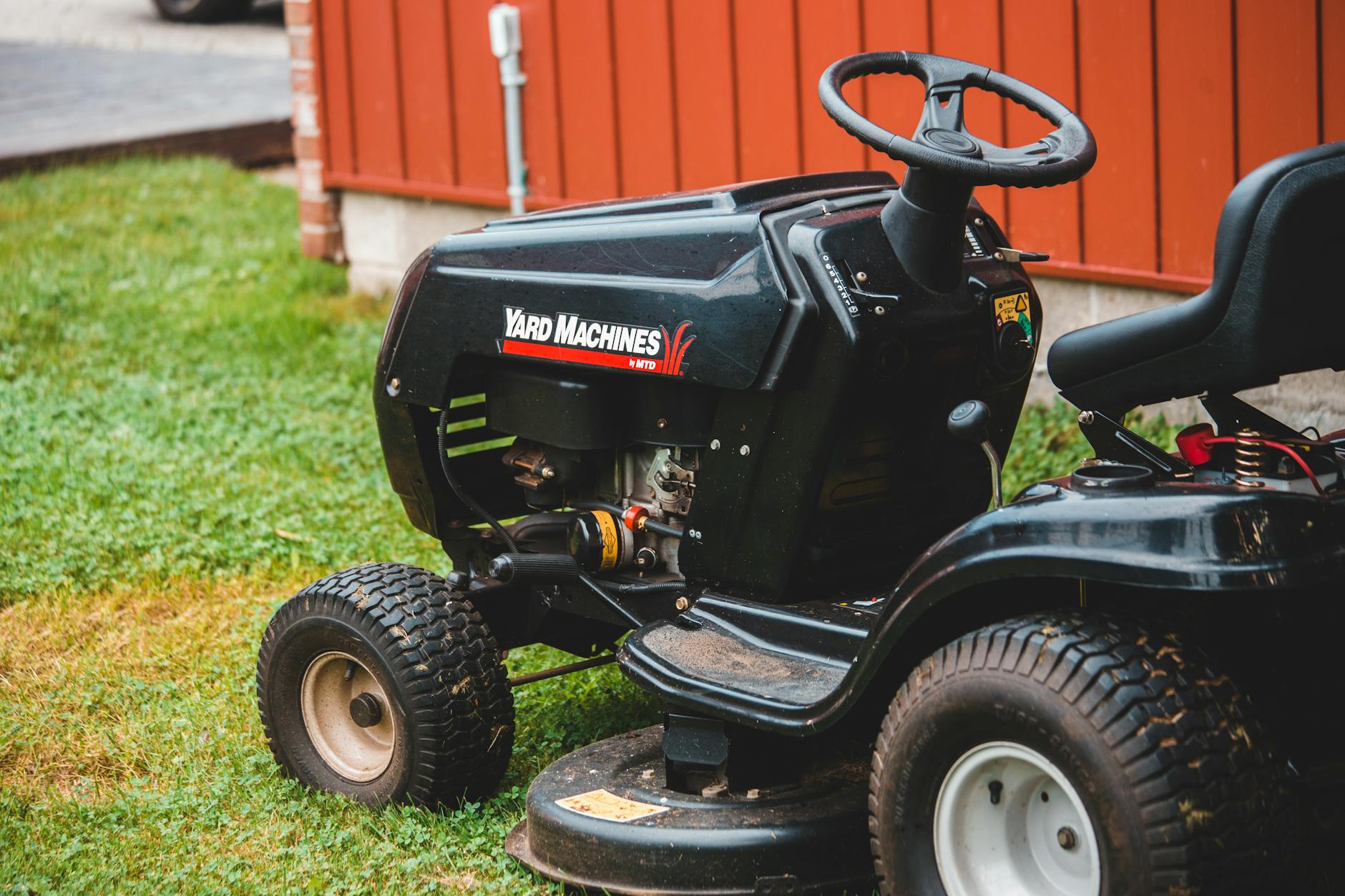
Raising the blade on your lawn mower allows the grass to grow slightly longer which shades the soil. This shade reduces evaporation and promotes a deeper and more resilient root system. Longer grass holds moisture better and stays green longer without requiring constant watering. This simple mechanical adjustment improves lawn health and reduces irrigation demands.
Use a Car Wash

Commercial car washes recycle their water and use high-pressure nozzles that are far more efficient than a home hose. Washing your car in the driveway often uses excessive amounts of water that runs off into the street. Professional facilities treat the wastewater to remove oil and grime before it is released. Taking your vehicle to a wash is an environmentally superior choice to doing it yourself.
Install a Tank Bank
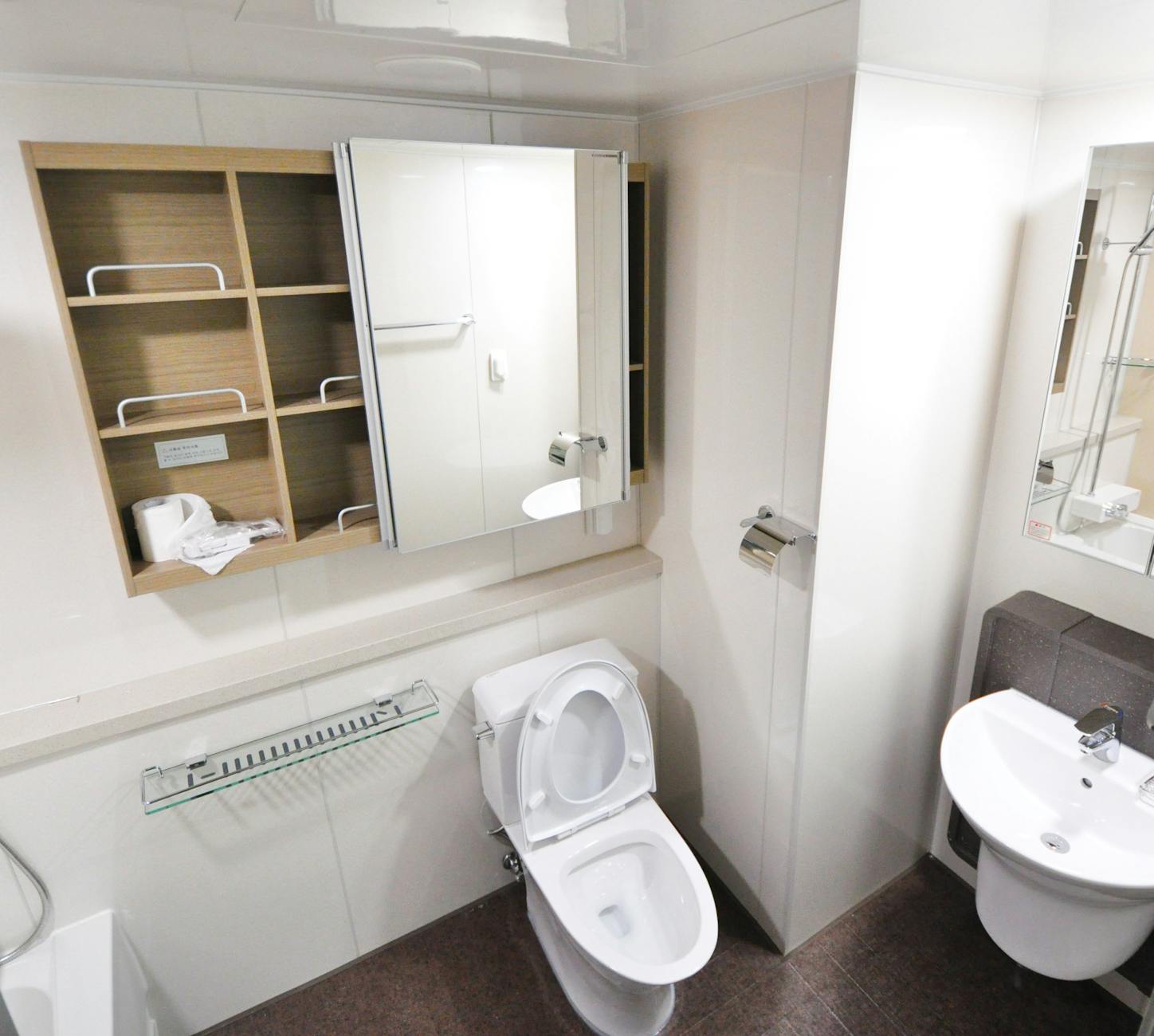
A tank bank or a simple weighted plastic bottle placed in your toilet tank displaces water volume. This simple hack means the tank fills with less water after every flush without affecting performance. It is a free alternative for those who cannot immediately upgrade to a low-flow toilet model. This displacement method saves a small but consistent amount of water with every use.
Capture Warm-Up Water
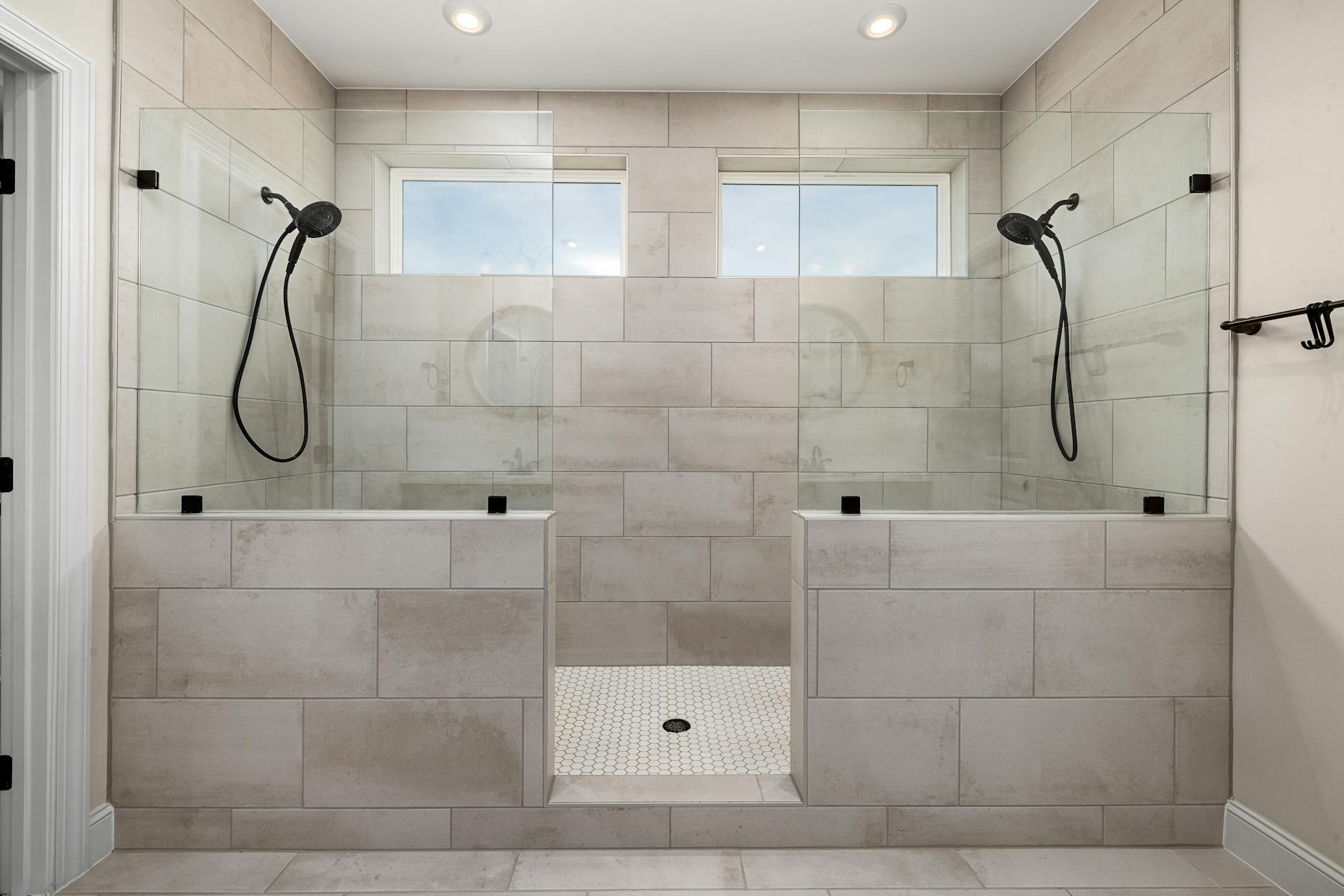
You can place a bucket in the shower to catch the cold water that flows while you wait for it to heat up. This clean water is perfect for watering house plants or cleaning floors later in the day. It turns a necessary waste product into a useful resource for other household chores. This habit makes you more aware of the volume of water typically lost during warm-up times.
Fix Outdoor Leaks

Outdoor spigots and hoses are often overlooked but can develop leaks that drip continuously onto the ground. You should inspect your garden hose connections and sprinkler heads for signs of wear or damage each season. Replacing a ten-dollar hose washer can prevent the loss of hundreds of gallons over a summer. Maintaining outdoor plumbing is just as important as fixing indoor faucets.
Use Smart Irrigation
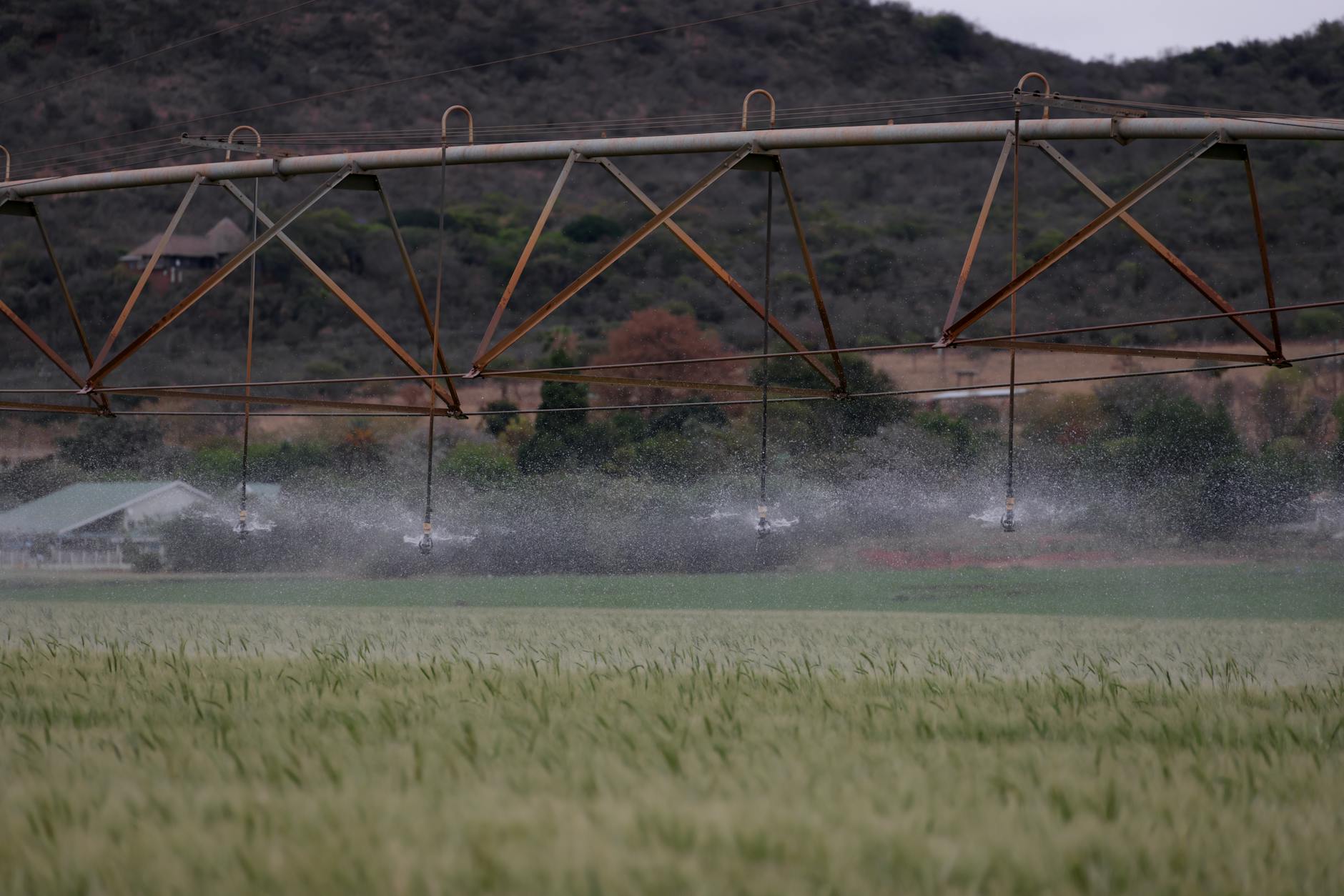
Smart irrigation controllers use local weather data to adjust your watering schedule automatically. They prevent the system from running when it has recently rained or when rain is in the forecast. These devices ensure your lawn receives exactly the right amount of water without human intervention. Investing in smart technology eliminates the guesswork and waste associated with timers.
Wash Pets Outdoors
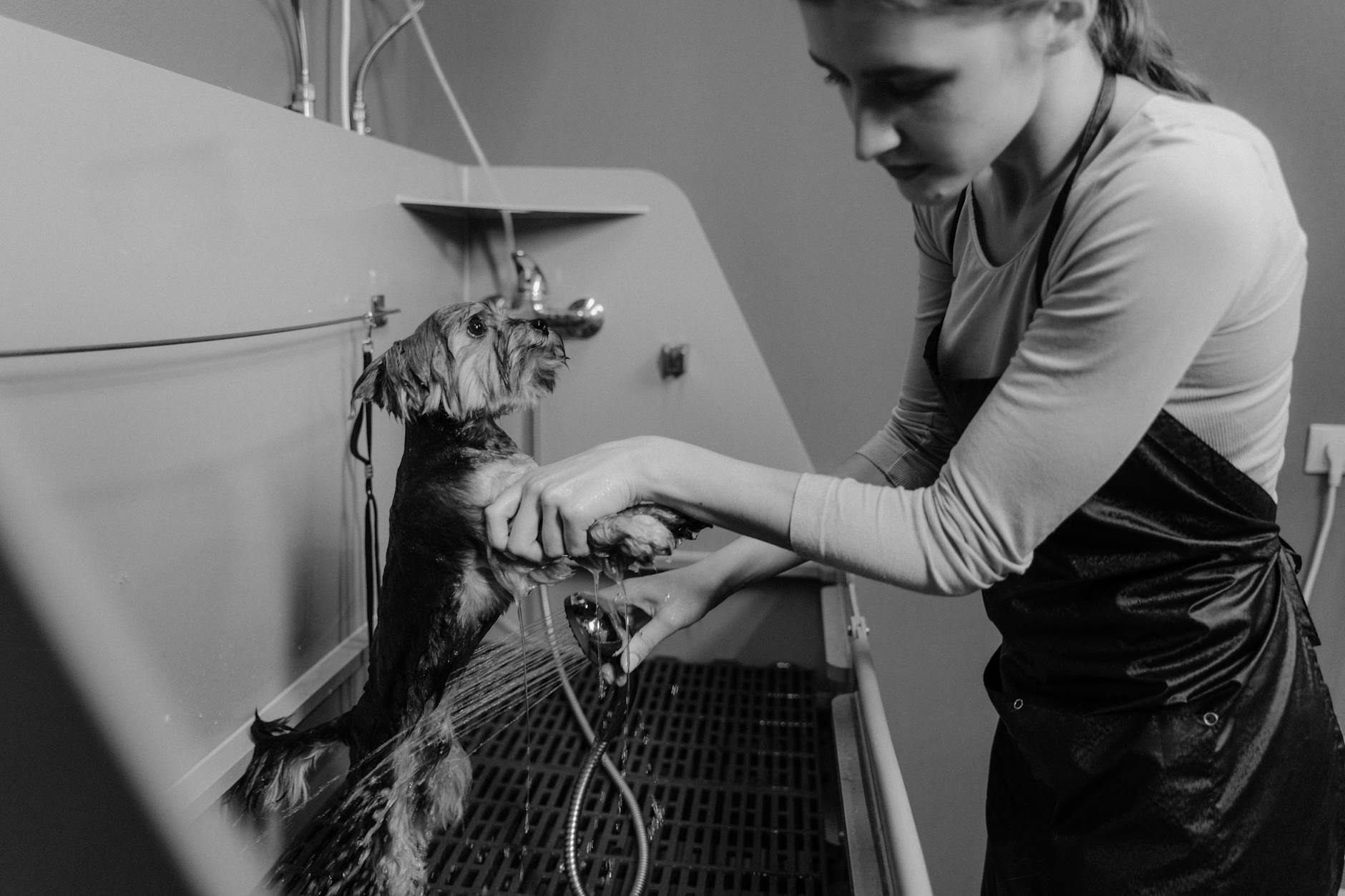
Washing your dog on the lawn allows the water and soap runoff to irrigate the grass simultaneously. Make sure to use a non-toxic and biodegradable soap that is safe for your plants and soil. This multitask approach cleans your pet and waters a portion of your yard in one session. It prevents the need to use extra water to rinse a bathtub or shower afterward.
Limit Garbage Disposal Use
Garbage disposals require significant water to operate properly and can contribute to pipe clogs. Discarding food waste in the trash or compost bin is a dry alternative that protects your plumbing. limiting disposal use reduces the strain on wastewater treatment facilities and lowers your personal usage. It is a behavioral change that extends the life of your kitchen appliances.
Educate Your Family

The most effective way to save water is to ensure everyone in the household is committed to the goal. You should discuss these tips with family members and explain the environmental and financial benefits. creating a culture of conservation ensures that habits like shorter showers and full loads stick. A collective effort yields far greater savings than any single individual can achieve alone.
Tell us which of these water-saving methods you plan to try first in the comments.