
Many people assume that eating clean automatically means eating well, but even the most carefully curated diets can leave critical nutritional gaps. The rise of elimination diets, plant-based eating, and ultra-low-fat or low-carb approaches has made it easier than ever to accidentally cut out entire categories of essential nutrients. What feels like a health-forward choice can quietly become a source of deficiency over time. The following signs are easy to dismiss as stress, aging, or poor sleep, but they may point to something happening at a deeper nutritional level.
Brittle Nails

Nails that crack, peel, or break easily are among the earliest indicators that the body is not receiving adequate nutrition. Low levels of biotin, iron, or zinc are commonly linked to this kind of nail fragility. People following restrictive diets or skipping animal proteins are particularly prone to these deficiencies. The nails often reflect internal health long before other symptoms become noticeable. Strengthening them frequently requires addressing what is missing from the diet rather than applying topical treatments.
Hair Shedding

Losing more hair than usual when brushing or washing can signal that the body is running low on key nutrients. Iron deficiency is one of the most common culprits, especially in women who follow plant-based or calorie-restricted eating patterns. Inadequate protein intake also causes the body to deprioritize hair growth in favour of more essential functions. Zinc and selenium play important roles in follicle health and are often depleted in diets that avoid meat or seafood. Gradual but persistent shedding over several months warrants a closer look at overall nutritional intake.
Pale Gums

The colour of the gums and inner lips can be a surprisingly reliable indicator of iron and B12 status. Healthy gum tissue tends to be a rich pink, while pallor in this area often suggests a reduction in red blood cell production. Vegans and vegetarians are at particular risk of B12 deficiency since this vitamin is found almost exclusively in animal products. Folate deficiency can produce similar effects and is sometimes overlooked in people who avoid fortified foods. A noticeable lightening of gum colour that has not been explained by a dental professional is worth investigating nutritionally.
Muscle Cramps

Frequent cramping in the legs, feet, or calves is a classic sign that electrolyte balance is off. Magnesium, potassium, and calcium are all critical for proper muscle function and nerve signalling. Low-fat and low-calorie diets are common causes of inadequate magnesium intake since many magnesium-rich foods are also calorie-dense. People who exercise frequently and follow restrictive diets may find themselves particularly vulnerable to these imbalances. Cramps that occur regularly and without an obvious physical cause often improve significantly once mineral intake is corrected.
Slow Wound Healing

When cuts, bruises, or skin irritations take longer than expected to heal, it can point to deficiencies in vitamin C, zinc, or protein. These three nutrients are essential to every stage of the body’s tissue repair process. Diets that are heavy in processed health foods and light on whole animal proteins or fresh produce can fall short in all three areas simultaneously. Vitamin C is water-soluble and depletes quickly, meaning it must be replenished consistently through food. Slow healing that is not explained by a medical condition is a practical signal that dietary priorities may need to shift.
Constant Fatigue

Persistent tiredness that does not improve with rest is one of the most frequently reported symptoms of nutritional deficiency. Iron-deficiency anaemia reduces the blood’s ability to carry oxygen efficiently, leaving the body feeling perpetually drained. B12 and folate deficiencies produce similar effects and are especially common among those who have been following plant-based diets for extended periods. Low ferritin levels can cause fatigue even when full anaemia has not yet developed. Many people attribute this exhaustion to lifestyle factors without realising that food choices may be at the root.
Poor Night Vision

Difficulty adjusting to dim lighting or seeing clearly in low-light conditions can be an early sign of vitamin A deficiency. This fat-soluble vitamin is essential for the production of rhodopsin, the pigment in the eyes responsible for night vision. Diets that eliminate animal fats or are very low in fat overall may impair the absorption of vitamin A even when plant-based precursors are consumed. The conversion of beta-carotene from vegetables into usable vitamin A is highly variable between individuals. Persistent difficulty with night vision that develops gradually is worth discussing with a healthcare professional who can assess dietary adequacy.
Dry Skin

Skin that feels rough, flaky, or persistently dry despite adequate water intake can reflect deficiencies in essential fatty acids and fat-soluble vitamins. Omega-3 fatty acids are critical for maintaining the skin’s lipid barrier, and diets that avoid fish or healthy oils often fall short of adequate levels. Vitamin A and vitamin E both play important roles in skin cell renewal and moisture retention. Very low-fat diets reduce the body’s ability to absorb these fat-soluble nutrients regardless of how much produce is consumed. The skin is often one of the first organs to visibly reflect internal nutritional status.
Bleeding Gums

Gums that bleed easily when brushing may reflect inadequate vitamin C levels rather than poor oral hygiene. Vitamin C is essential for collagen synthesis, which keeps gum tissue firm and resilient. People who rely heavily on cooked vegetables and processed health foods may not be getting enough raw vitamin C since heat destroys a significant portion of this nutrient. The body cannot produce or store vitamin C, making consistent daily intake through food non-negotiable. Bleeding gums that persist after improving oral hygiene habits are a prompt to reassess fresh fruit and vegetable consumption.
Irregular Heartbeat

Occasional heart palpitations or an irregular heartbeat are symptoms that should always be assessed medically, but nutritional deficiencies are a known contributing factor. Magnesium plays a central role in regulating cardiac rhythm, and low levels are associated with increased palpitation frequency. Potassium deficiency is similarly linked to irregular electrical activity in the heart. Diets that restrict whole grains, legumes, or potassium-rich foods like bananas and sweet potatoes can gradually deplete these stores. Athletes and highly active individuals following restrictive plans are at elevated risk due to greater mineral losses through sweat.
Brain Fog

Difficulty concentrating, forgetfulness, and a general sense of mental cloudiness can all be symptoms of nutritional insufficiency rather than stress alone. Omega-3 fatty acids are essential for brain function and are frequently lacking in diets that exclude fish and animal fats. B vitamins, including B12, B6, and folate, are critical for neurotransmitter production and cognitive clarity. Iron deficiency impairs the delivery of oxygen to the brain, which directly affects focus and mental energy. Persistent brain fog that does not respond to lifestyle adjustments may have a nutritional explanation worth exploring.
Cold Hands

Hands and feet that remain persistently cold even in warm environments can point to poor circulation linked to iron-deficiency anaemia. When red blood cell production is compromised, peripheral circulation is often among the first systems affected. Low thyroid function driven by iodine or selenium deficiency can produce similar symptoms and is particularly relevant for people avoiding seafood and dairy. Plant-based and very low-calorie diets are the most common dietary contexts in which these deficiencies develop. Chronic coldness in the extremities that is unrelated to temperature or Raynaud’s disease deserves nutritional investigation.
Mood Swings

Unexplained irritability, low mood, or emotional instability can have nutritional roots that are easy to overlook. Omega-3 fatty acids play a direct role in mood regulation and are frequently deficient in diets that avoid fish and animal products. Low iron levels reduce the brain’s access to oxygen, which can contribute to irritability and anxiety. Magnesium has been studied extensively for its relationship with stress response and emotional regulation. Diets that appear healthy on the surface may still fail to provide the consistent nutritional foundation that emotional stability depends on.
Thinning Eyebrows

A gradual thinning of the outer third of the eyebrows is a well-known indicator of thyroid dysfunction, which can be triggered by iodine or selenium deficiency. These two minerals are essential for thyroid hormone production, and diets that avoid seafood, dairy, and iodised salt are at particular risk of falling short. Biotin deficiency has also been associated with reduced hair density across the face and scalp. The outer eyebrow region is typically the first visible area to reflect these hormonal and nutritional shifts. Hair loss in this specific location that is not explained by a dermatological condition warrants nutritional and hormonal assessment.
Restless Legs

An uncomfortable urge to move the legs, particularly at night, is a recognised symptom of iron deficiency even in people who are not fully anaemic. The condition affects dopamine pathways in the nervous system, which rely on adequate iron for proper function. Magnesium deficiency can produce similar restlessness and difficulty staying still during sleep. People who follow restrictive or plant-heavy diets without careful supplementation are more prone to the low iron levels associated with this symptom. Addressing the deficiency through diet or supplementation often leads to a noticeable reduction in nighttime discomfort.
Mouth Sores
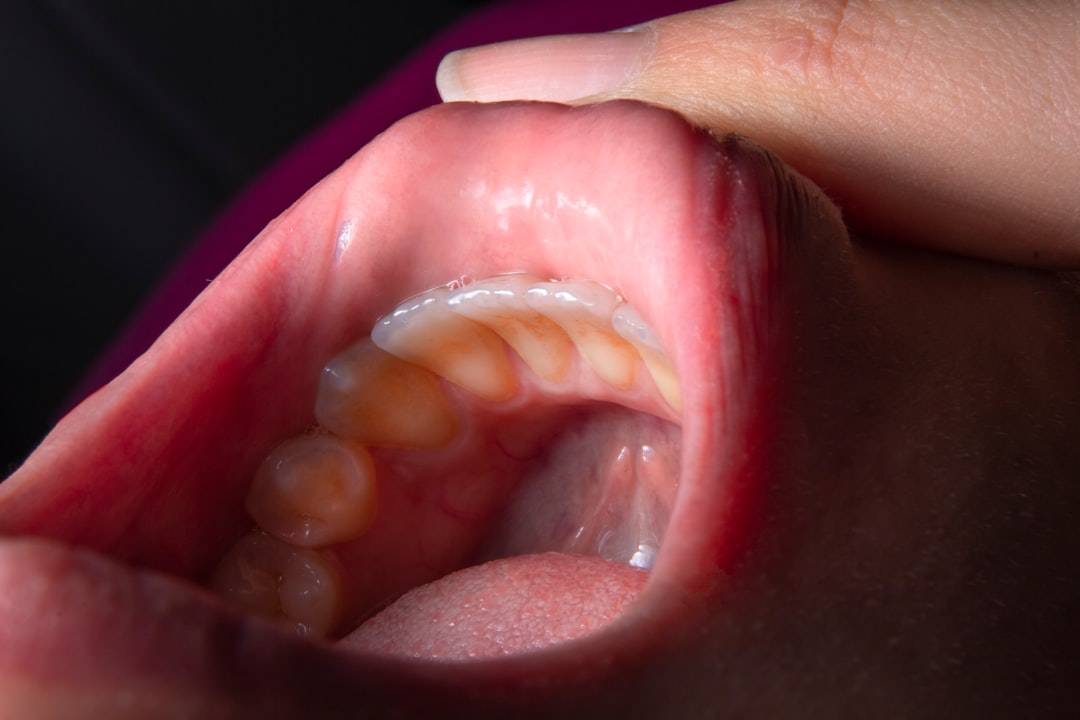
Recurring sores inside the mouth or at the corners of the lips are associated with deficiencies in B vitamins, particularly B2, B3, and B12. These vitamins are most abundant in animal products and are frequently underprovided in plant-based or processed-food-heavy diets. Iron deficiency is also a documented contributor to the development of painful mouth ulcers. The mouth is a particularly sensitive area of the body that tends to react quickly when nutritional status declines. Recurring sores that appear without an obvious cause and resolve only to return are a meaningful dietary signal.
Poor Immunity

Getting sick frequently or taking longer than usual to recover from common illnesses can suggest that the immune system is undernourished. Zinc is one of the most important nutrients for immune cell production and function, and it is often low in plant-based diets due to absorption challenges. Vitamin D deficiency is widespread and strongly associated with increased susceptibility to respiratory infections. Vitamin C supports the activity of immune cells and is rapidly depleted during periods of illness or physical stress. A healthy-looking diet that still produces frequent illness may be missing several key immune-supporting nutrients.
Bone Pain

Subtle aching in the bones, particularly in the back, hips, and legs, is a lesser-known symptom of vitamin D deficiency. This vitamin is essential not just for calcium absorption but for maintaining the structural integrity of bone tissue. People who avoid dairy, eat low-fat diets, or live in low-sunlight environments are at heightened risk of developing inadequate vitamin D levels. Calcium deficiency also contributes to bone fragility over time and can result from diets that eliminate dairy without adequate replacement sources. Bone discomfort that is diffuse rather than localised to a joint is worth assessing with a blood test.
Tingling Limbs

A sensation of tingling or numbness in the hands, feet, or face is one of the most specific signs of B12 deficiency. This vitamin is essential for maintaining the myelin sheath that protects nerve fibres, and its depletion causes measurable neurological effects. Long-term vegans and vegetarians are at significant risk since B12 is found almost exclusively in animal-derived foods. The neurological effects of B12 deficiency can become permanent if left unaddressed for an extended period. Any unexplained tingling that persists beyond occasional occurrence warrants prompt nutritional and medical assessment.
Excessive Thirst

Feeling persistently thirsty despite adequate fluid intake can sometimes point to imbalances in electrolytes or blood sugar regulation linked to dietary patterns. Magnesium plays a role in insulin sensitivity, and its deficiency is associated with blood sugar fluctuations that can drive increased thirst. High-protein, low-carbohydrate diets can increase fluid and electrolyte needs beyond what most people anticipate. Sodium restriction in the name of healthy eating can paradoxically disrupt fluid balance and trigger compensatory thirst signals. Persistent thirst that does not respond to increased water intake is worth evaluating through a broader nutritional lens.
Vision Changes

Blurred vision or increased sensitivity to light can be among the more alarming early signals of nutritional imbalance. Vitamin A deficiency affects the health of the cornea and the moisture balance of the eye, leading to dryness and impaired clarity. Riboflavin deficiency is associated with light sensitivity and eye fatigue, and it is commonly seen in people avoiding dairy and meat. Lutein and zeaxanthin, found primarily in leafy greens and egg yolks, are critical for protecting the retina from oxidative damage. A healthy diet that is low in these specific nutrients over time may contribute to subtle but progressive changes in visual function.
Slow Metabolism
Feeling persistently cold, gaining weight despite a controlled diet, or struggling to lose weight can all point to thyroid-related nutritional deficiencies. Iodine is the primary mineral required for thyroid hormone production, and its deficiency slows metabolism significantly. Selenium supports the conversion of thyroid hormones into their active form and is frequently low in people avoiding seafood and organ meats. Zinc deficiency also impairs thyroid function and is particularly common in vegetarian and vegan dietary patterns. A sluggish metabolism that does not respond to reasonable dietary adjustments may have a micronutrient explanation rather than a lifestyle one.
Low Libido

A noticeable decline in sexual drive can be connected to nutritional deficiencies rather than solely to stress or hormonal fluctuation. Zinc is critical for the production of testosterone in both men and women, and low-zinc diets are associated with reduced reproductive hormone levels. Iron deficiency contributes to the fatigue and low energy that can diminish libido indirectly. Vitamin D has been studied for its role in reproductive health, and deficiency is associated with lower hormone levels across genders. Diets that are low in animal proteins, healthy fats, and nutrient-dense whole foods are the most common dietary contexts in which these issues emerge.
Dental Erosion
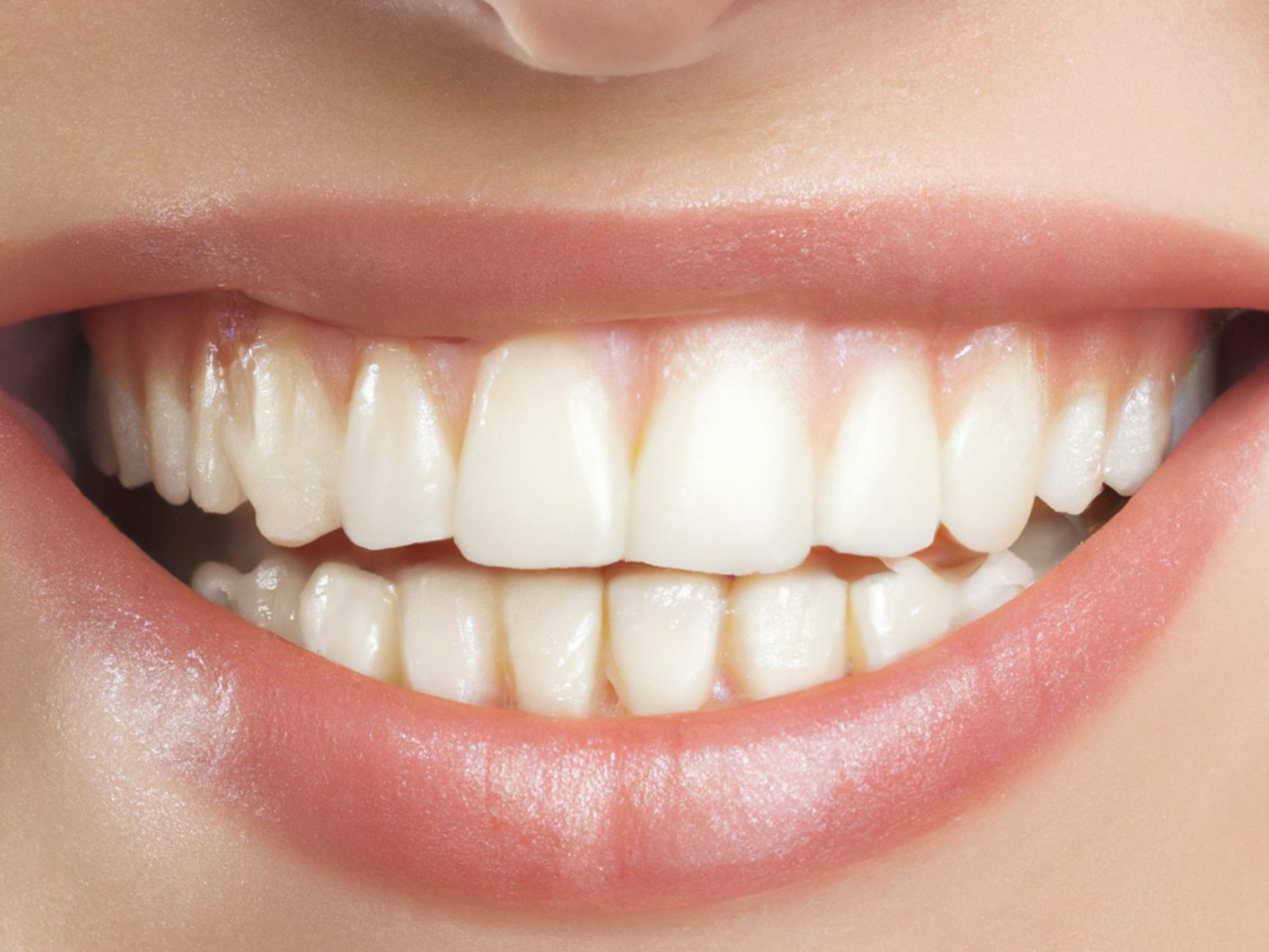
Teeth that appear translucent at the edges or develop unusual sensitivity can reflect deficiencies in calcium and vitamin D over time. These two nutrients work in tandem to maintain the density and integrity of dental enamel. Diets that eliminate dairy or restrict fat intake without replacing these nutrients through other sources can gradually compromise dental health. Vitamin K2 plays a lesser-known but important role in directing calcium to the bones and teeth rather than soft tissue. Dental changes that cannot be explained by acidic food consumption or oral hygiene habits may have a systemic nutritional cause.
Poor Sleep

Difficulty falling asleep or achieving restorative sleep can be connected to deficiencies in magnesium, calcium, and certain B vitamins. Magnesium is involved in the regulation of the neurotransmitters and hormones that govern sleep onset, and its deficiency is extremely common. Tryptophan, an amino acid found primarily in protein-rich foods, is the precursor to serotonin and melatonin, both of which are essential for sleep quality. Low-fat and low-protein diets may not supply sufficient tryptophan for consistent melatonin production. Sleep disruption that persists despite good sleep hygiene practices is a prompt to assess dietary intake more comprehensively.
Frequent Bruising
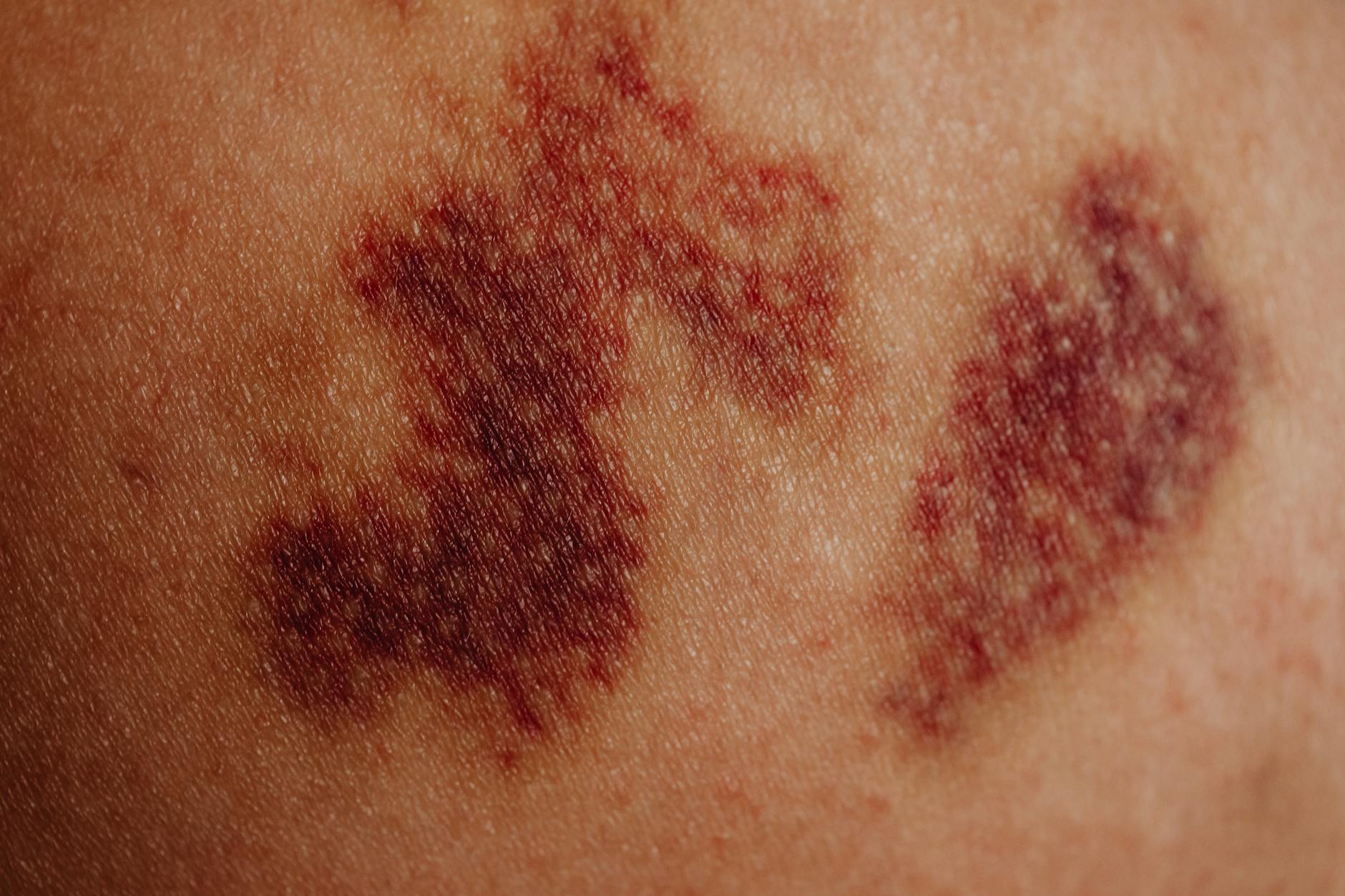
Bruising more easily than usual or noticing that bruises take longer to fade may indicate low levels of vitamin C or vitamin K. Vitamin C is essential for collagen production, which gives blood vessel walls their structural strength and resilience. Vitamin K is necessary for the proteins involved in blood clotting, and its deficiency leads to prolonged bleeding under the skin. People who follow very low-fat diets are at risk of vitamin K deficiency since it is fat-soluble and requires dietary fat for absorption. Easy bruising that appears without significant impact is a prompt to assess the quality and variety of foods being consumed.
Anxiety Spikes

Heightened anxiety or an exaggerated stress response can have a nutritional basis that is frequently missed in clinical settings. Magnesium deficiency is strongly associated with increased cortisol sensitivity and a reduced ability to regulate the nervous system’s stress response. B vitamin deficiencies affect the production of neurotransmitters including GABA and serotonin, both of which play central roles in mood and anxiety regulation. Omega-3 fatty acids help modulate inflammatory pathways in the brain that are closely connected to anxiety and emotional dysregulation. A diet that is nutritionally narrow, even if it appears clean or health-focused, can quietly erode the biochemical foundations of emotional resilience.
Constipation

Digestive sluggishness that does not resolve with increased fibre and water intake may reflect a magnesium deficiency rather than a fibre problem. Magnesium draws water into the intestines and supports the muscle contractions that move food through the digestive tract. Diets that prioritise lean proteins and low-starch vegetables without adequate healthy fats or whole grains can deplete magnesium over time. Potassium deficiency similarly impairs smooth muscle function throughout the gastrointestinal system. Persistent constipation in an otherwise health-conscious eater is a meaningful signal that mineral intake deserves closer attention.
Sunken Eyes

A hollowed or darkened appearance around the eyes that is not explained by sleep deprivation can reflect chronic dehydration driven by electrolyte imbalance or low overall caloric intake. Iron-deficiency anaemia creates a characteristic darkening beneath the eyes as reduced oxygenation affects the delicate skin in this area. Protein deficiency over time leads to a loss of facial volume, including around the eye socket. Restrictive diets that dramatically reduce overall caloric intake can accelerate these changes even when the foods chosen appear healthy. Changes in the appearance of the eye area that develop gradually alongside dietary restriction are worth addressing as a nutritional concern.
Dry Eyes

Eyes that feel persistently dry, irritated, or gritty may be signalling inadequate intake of omega-3 fatty acids or vitamin A. These nutrients are essential for maintaining the tear film that keeps the eye surface lubricated and protected. Diets that eliminate oily fish, eggs, and animal fats are among the most common nutritional contexts in which dry eye symptoms develop or worsen. Vitamin A deficiency specifically impairs the goblet cells in the eye that produce a key component of the tear film. Eye drops may offer temporary relief, but addressing the underlying nutritional cause is the more effective long-term approach.
If any of these signs feel familiar, share which ones resonated most with you in the comments.