Raising a Black son involves navigating a unique set of joys and challenges that require intentionality and deep awareness. Parents must balance the necessity of safety and survival with the equally important need to nurture joy and creativity. This journey often demands open conversations about history and identity alongside the universal struggles of parenting. Building a foundation of self-love helps shield these young men from external prejudices while empowering them to thrive. The following insights offer guidance for fostering resilience and confidence in Black boys as they grow into men.
Emotional Vulnerability

Society often pressures men to suppress their feelings and this burden can be heavier for Black boys who face additional stereotypes. Encouraging him to express sadness or fear helps prevent the internalization of toxic masculinity. Parents should create a safe harbor at home where tears are welcomed rather than shamed. Validating his emotions teaches him that sensitivity is a strength rather than a weakness. This emotional intelligence will serve as a vital tool for navigating relationships and stress throughout his life.
Historical Literacy

Schools may not always provide a comprehensive view of Black history beyond slavery and the Civil Rights Movement. Parents must supplement his education with stories of ancient civilizations and inventors to instill a sense of pride. Knowing his lineage goes back to kings and innovators creates a powerful armor against feelings of inferiority. Books and documentaries serve as accessible resources to broaden his understanding of his heritage. A strong grasp of the past provides the context necessary to understand his place in the present world.
The Talk

Conversations about interactions with law enforcement are an unfortunate but necessary rite of passage. These discussions should focus on specific behaviors to prioritize survival during encounters with authority figures. Parents must explain the realities of perception without instilling a paralyzing fear of the world. Role-playing different scenarios can help him remember how to de-escalate tensions effectively. The goal is to equip him with the knowledge to return home safely every single day.
Media Literacy

Mainstream media often perpetuates harmful caricatures that can impact how a boy views himself. specific guidance helps him analyze movies and news reports to spot underlying biases. Parents should actively point out positive representation to counterbalance negative imagery. Discussing stereotypes openly allows him to separate his true identity from the roles society attempts to cast him in. Critical thinking skills empower him to define himself rather than accepting a narrative written by others.
Educational Advocacy
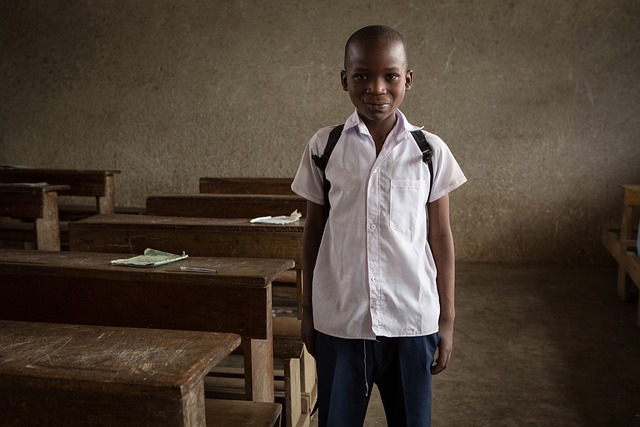
Black boys frequently face harsher disciplinary actions and lower academic expectations in school settings. Parents must maintain a visible presence in the classroom to ensure fair treatment and access to advanced resources. Building a relationship with teachers early on establishes a partnership that benefits the child. Monitoring his academic progress closely prevents him from falling through the cracks of the system. Being his fiercest advocate teaches him the value of education and his right to occupy intellectual spaces.
Self-Advocacy
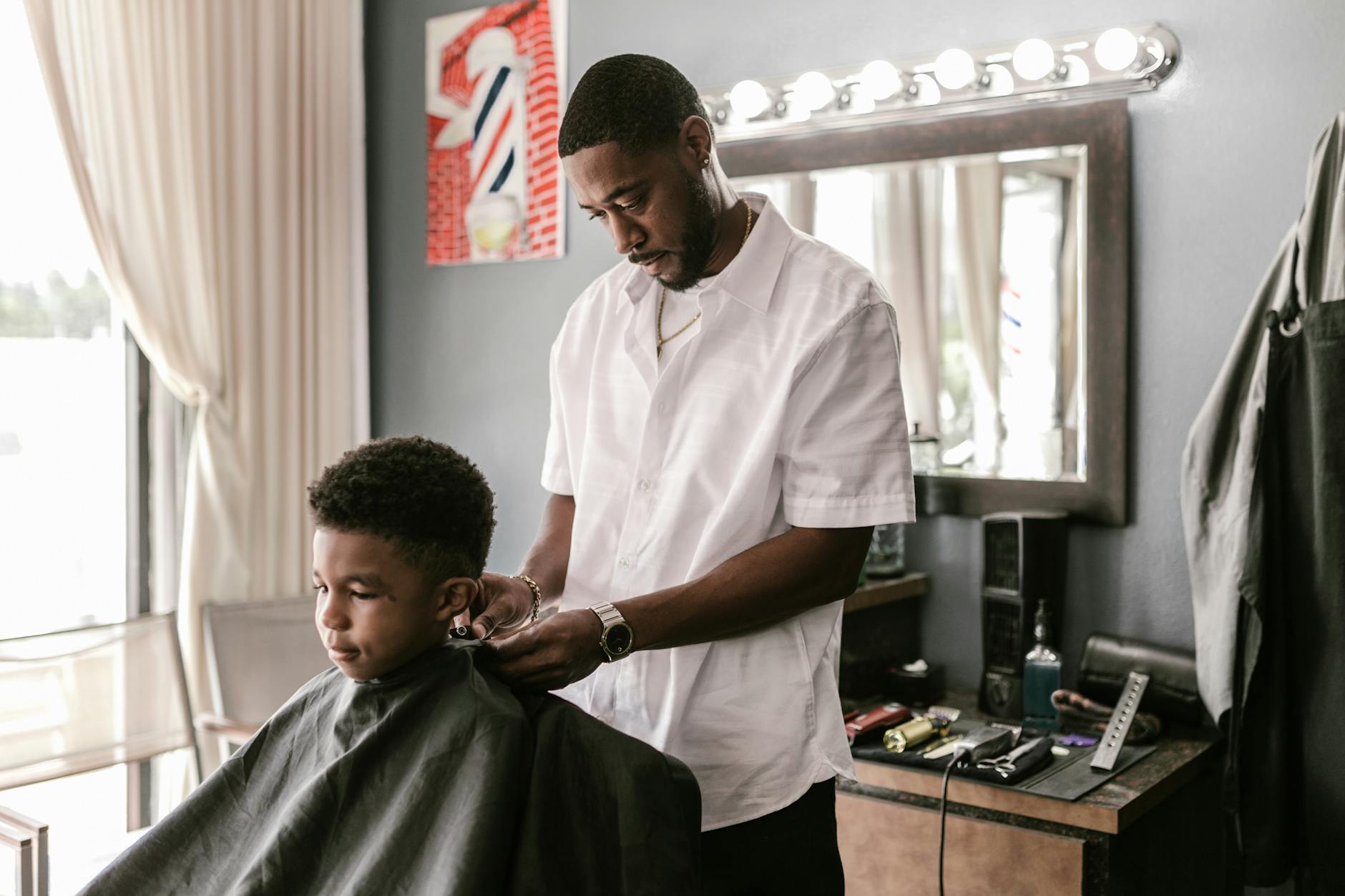
Learning to speak up for oneself is a crucial skill for navigating professional and social environments. He needs to know how to articulate his needs and boundaries clearly and respectfully. Parents can foster this by allowing him to have a voice in family decisions appropriate for his age. Practicing assertive communication helps him address microaggressions without losing his composure. This skill ensures he commands respect and refuses to accept mistreatment from peers or superiors.
Financial Literacy

Understanding money management provides a pathway to freedom and generational wealth. Lessons on saving and investing should start early to demystify the economic system. Parents can explain the difference between assets and liabilities to shift his mindset from consumer to owner. Discussing the racial wealth gap honestly provides context for the economic challenges he may witness. Financial independence offers him options and security in a world that can be economically volatile.
Positive Mentorship
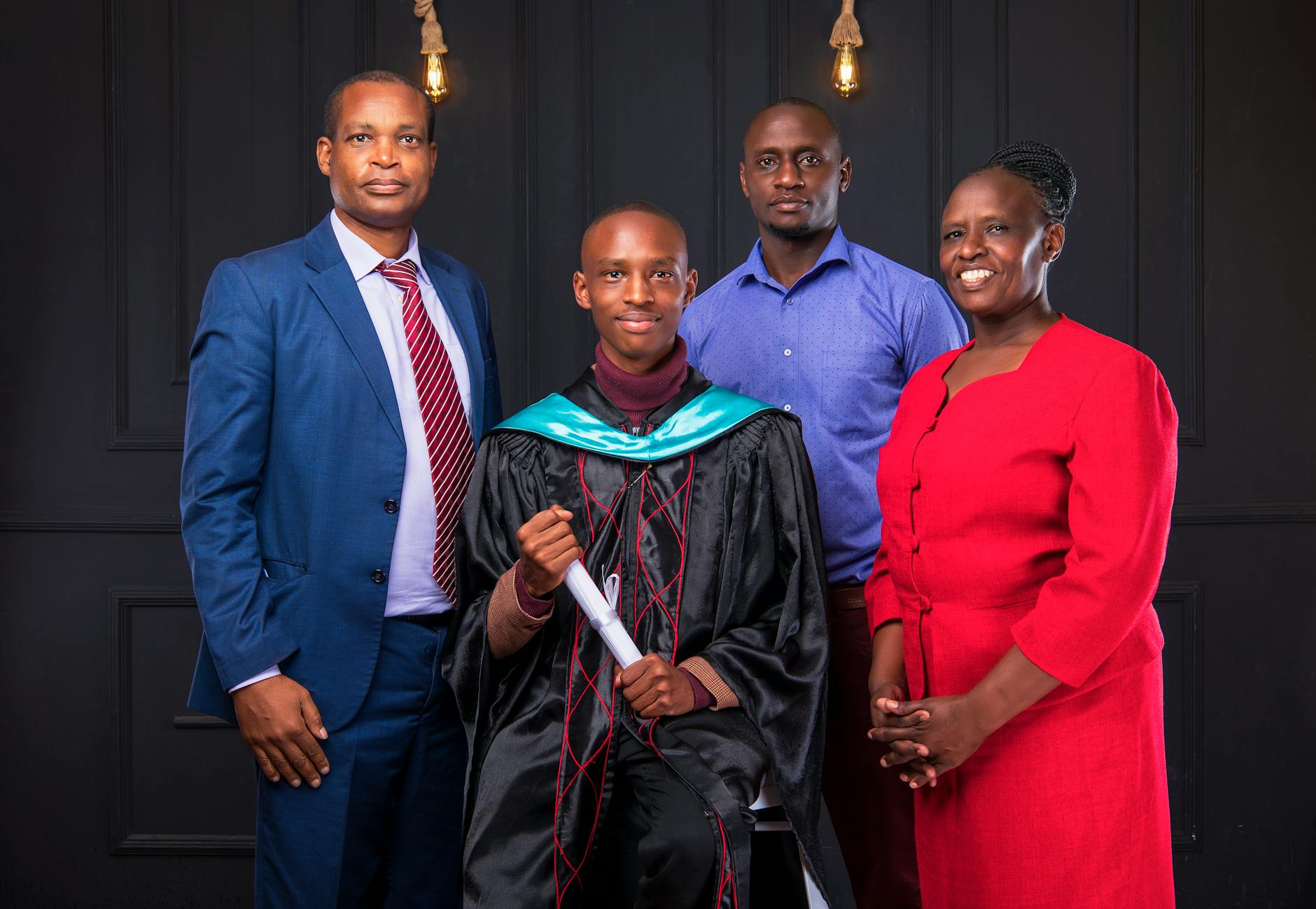
Exposure to successful Black men across various fields expands his understanding of what is possible. Mentors provide guidance and perspective that parents sometimes cannot offer directly. Seeing someone who looks like him in a position of power or creativity validates his own aspirations. These relationships often evolve into lifelong networks of support and professional opportunity. A diverse group of role models shows him there is no single way to be a successful Black man.
Physical Health
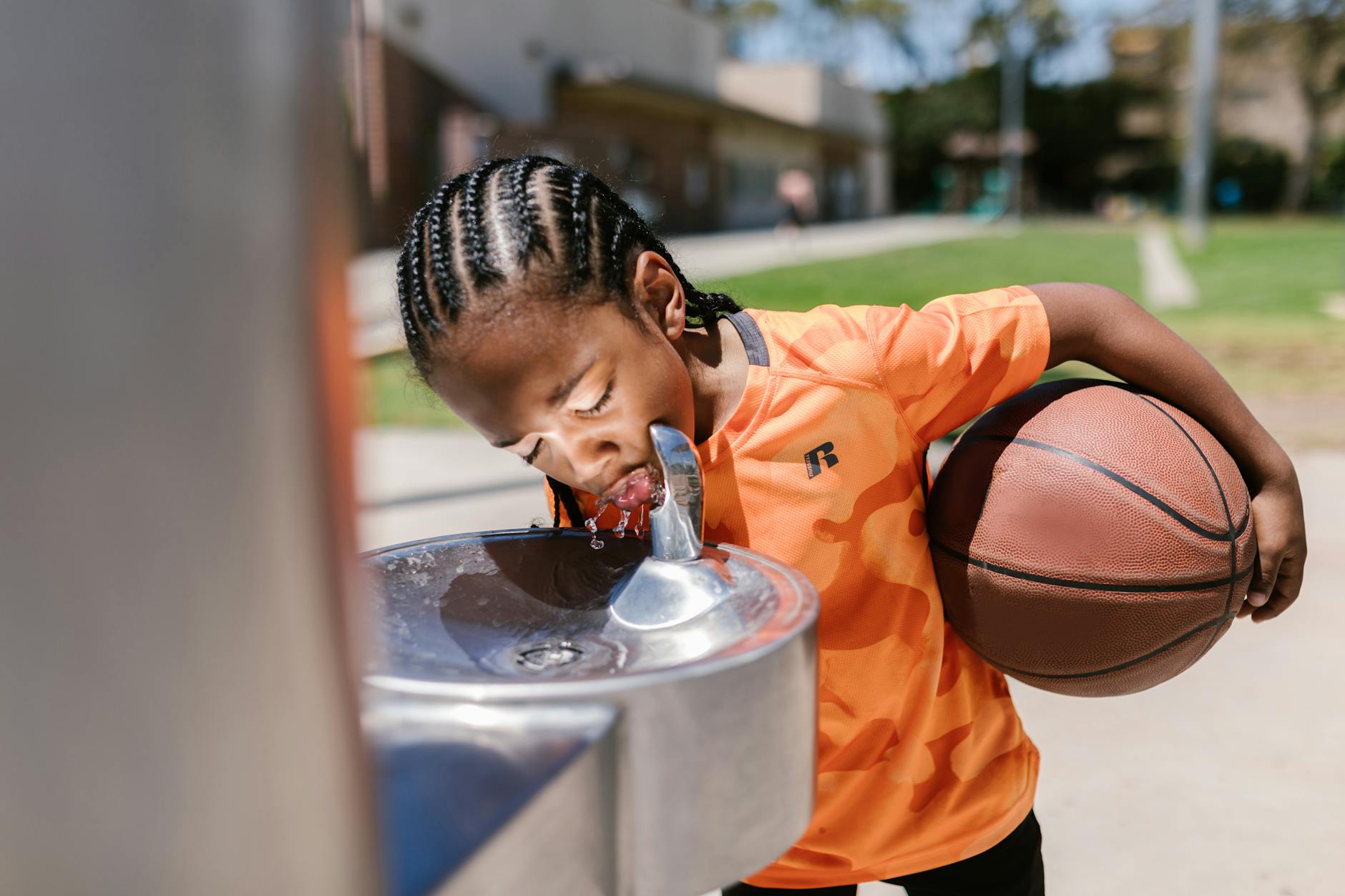
Statistically higher risks for certain health issues in the Black community make early wellness habits essential. Encouraging regular exercise and a balanced diet sets a foundation for longevity. discussions about mental health should be normalized to ensure he seeks help when needed. Parents must emphasize that prioritizing his physical well-being is an act of self-preservation. A healthy body and mind enable him to pursue his goals with vigor and consistency.
Creative Expression
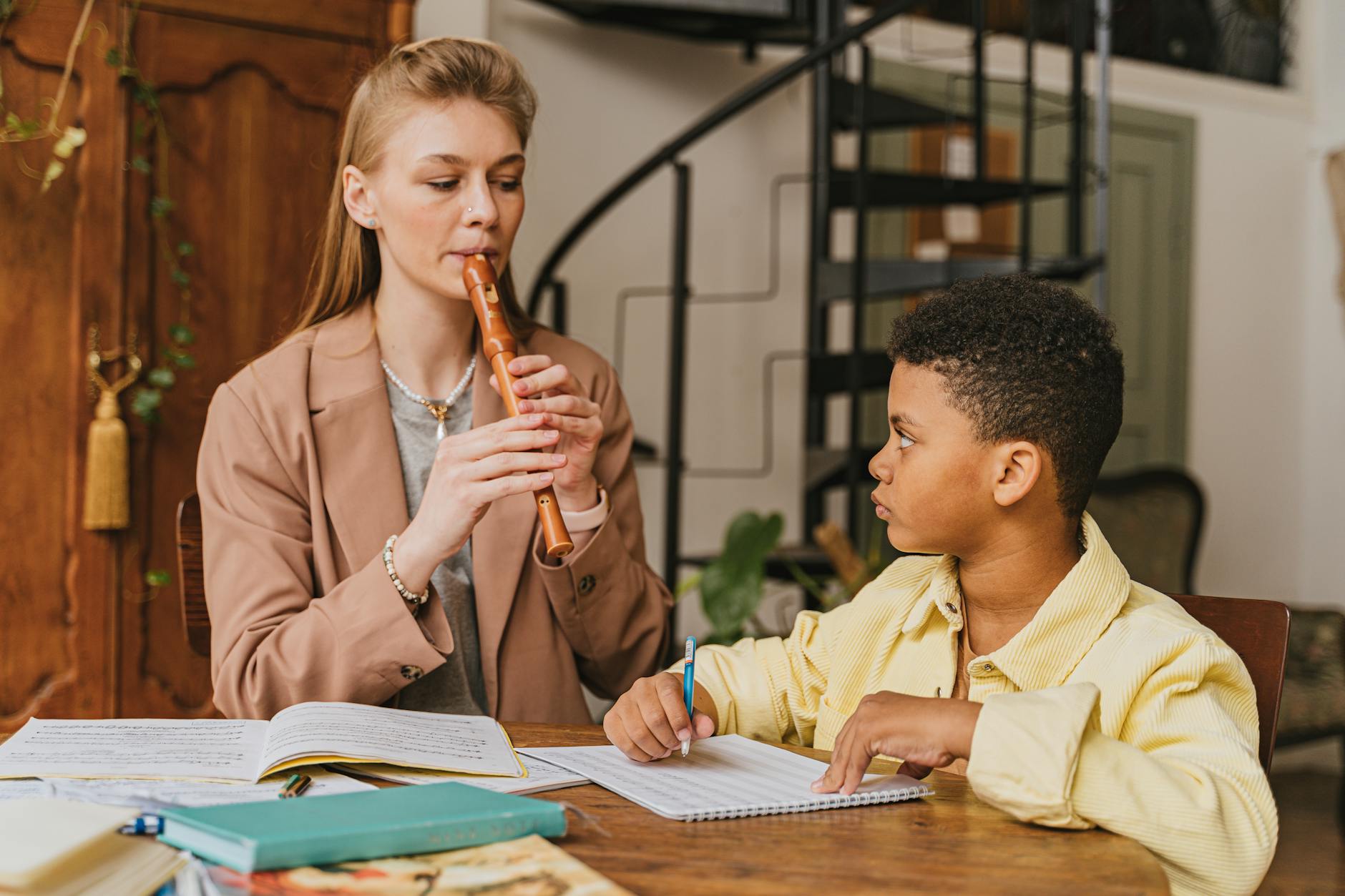
Artistic outlets provide a constructive way to process complex emotions and experiences. Whether through music or writing or visual arts he needs space to create without judgment. Parents should provide the necessary tools and encouragement to explore his imagination. Creativity offers a reprieve from the pressure to perform or conform to societal expectations. Celebrating his artistic achievements reinforces the idea that his voice matters.
Code Switching

He will likely encounter environments where he feels the need to adjust his speech or behavior to fit in. Parents should explain the mechanics of code switching as a tool rather than a betrayal of self. Understanding when and why this happens helps him navigate corporate or academic spaces strategically. It is vital to remind him that his authentic self is valuable regardless of the setting. Mastering this skill allows him to move fluidly between different cultural worlds without losing his identity.
Gentle Parenting

Modeling tenderness at home counters the harshness he may encounter in the outside world. Physical affection like hugs and affirmations should remain constant as he grows older. Discipline should focus on teaching and correction rather than punitive measures that damage trust. A nurturing home environment serves as a sanctuary where he can let his guard down completely. Experiencing gentleness teaches him how to treat others with compassion and dignity.
Hair Care
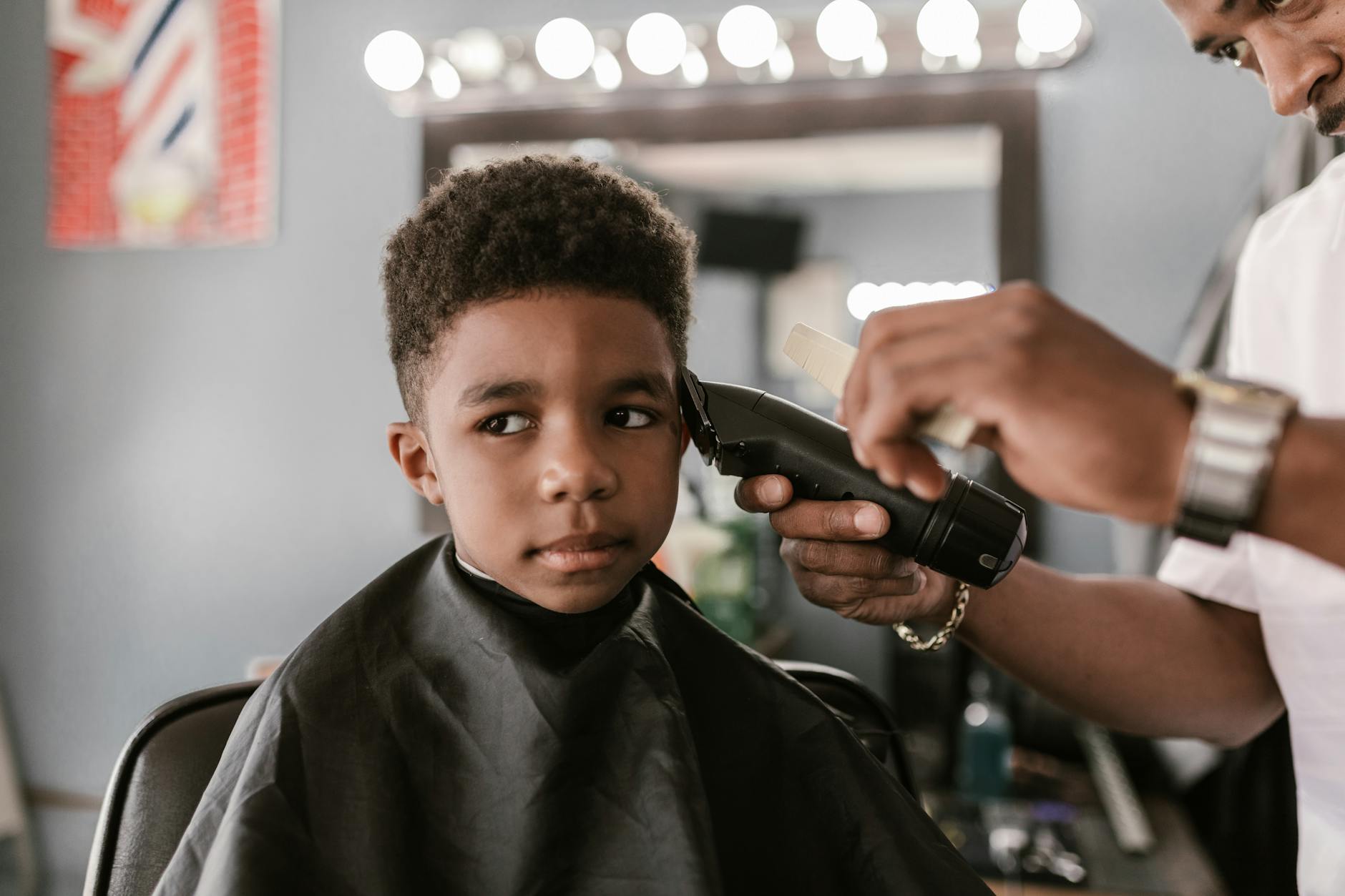
Black hair is often subject to scrutiny and policing in schools and workplaces. Teaching him to love and care for his natural texture builds confidence and self-acceptance. Parents should familiarize him with the products and routines necessary to maintain healthy hair. Discussions about the history and politics of Black hair can turn grooming into an empowering ritual. Taking pride in his appearance reinforces his overall sense of worth.
Navigating Friendships
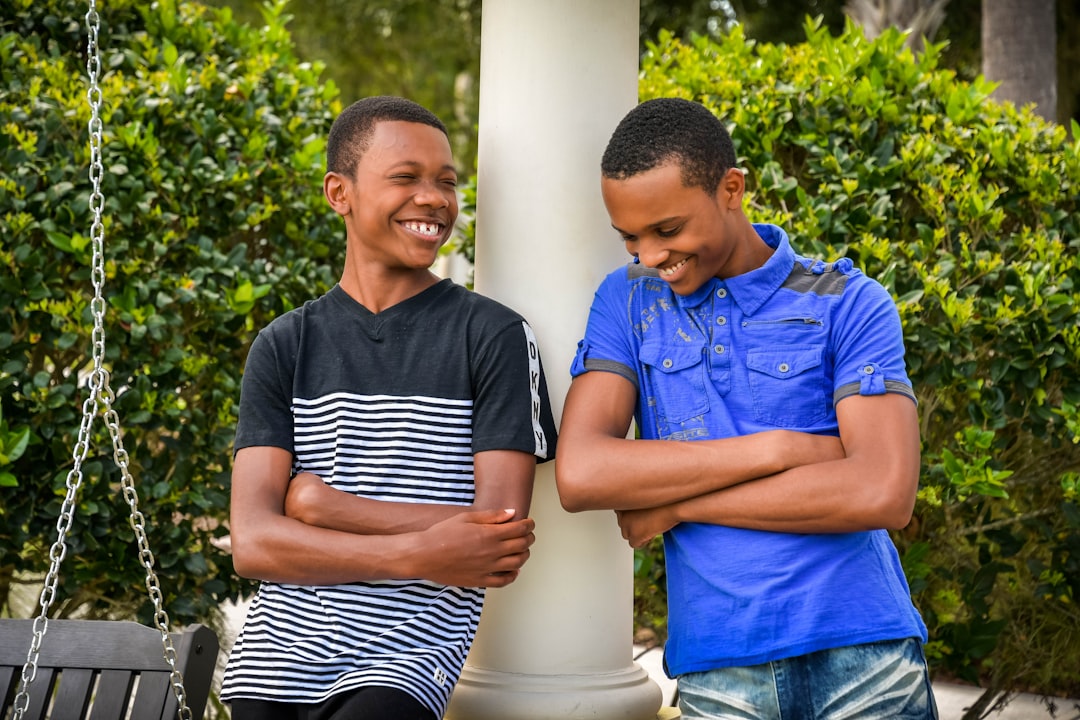
Peer influence plays a massive role in development and choosing the right circle is critical. Parents should guide him to seek friends who uplift rather than distract or endanger him. Discussing the dynamics of loyalty helps him understand when to stand by friends and when to walk away. Diverse friendship groups can expose him to different perspectives while reinforcing his own values. A strong support system of peers acts as a buffer against external stressors.
Legal Rights
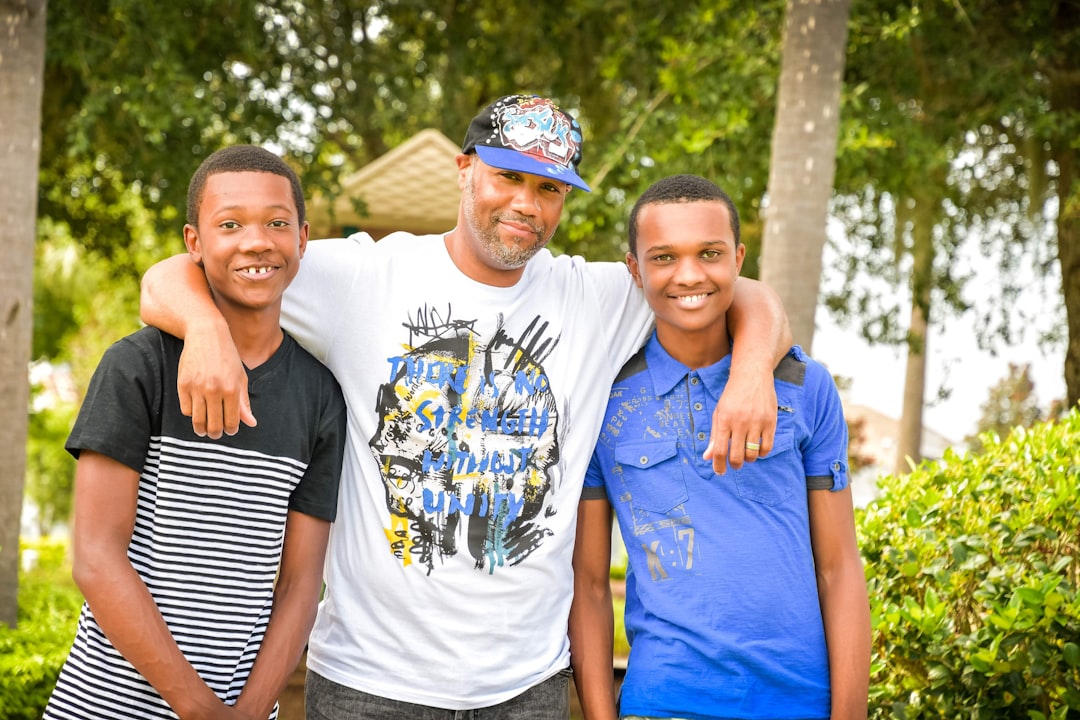
Knowledge of the law is a practical shield that goes beyond police encounters. He should understand his basic rights regarding searches and questioning and protests. Parents can provide resources or workshops that explain civil liberties in clear terms. Understanding the legal system empowers him to protect himself and others from injustice. This awareness transforms him from a passive subject into an informed citizen.
Spiritual Grounding

Faith or a strong set of moral values provides an anchor during turbulent times. connecting with a spiritual community can offer a sense of belonging and collective support. Parents should encourage him to ask questions and explore his beliefs deeply. This foundation gives him a sense of purpose that transcends material success or social status. A strong spiritual core often fosters resilience and hope in the face of adversity.
Community Service

Giving back to the community fosters a sense of responsibility and connection. Engaging in service projects teaches him the value of uplifting others and solving local problems. Parents can volunteer alongside him to demonstrate that leadership involves service. This engagement combats feelings of isolation by showing him he is part of a larger whole. Helping others strengthens his character and broadens his perspective on societal issues.
Respecting Women

Teaching him to value and respect women is essential for his development into a healthy partner and citizen. Discussions should cover consent and boundaries and the dismantling of misogynistic attitudes. Parents must model equitable relationships and call out disrespectful behavior immediately. Understanding the intersectionality of struggles faced by Black women helps him become a better ally. These lessons foster healthy relationships and contribute to a more just society.
Digital Footprint

The permanent nature of the internet means mistakes made online can have lasting consequences. Parents must educate him on how social media posts can affect future job prospects and college admissions. Discussions should cover the importance of privacy and the dangers of oversharing personal information. He needs to understand that nothing posted online is truly private or temporary. Managing his digital reputation is a modern survival skill that protects his future opportunities.
Conflict Resolution

Violence is often expected of Black boys so learning to resolve disputes verbally is a radical act. Parents should teach negotiation skills and the importance of empathy in arguments. Practicing how to de-escalate situations helps him avoid unnecessary physical confrontations. He needs to know that walking away requires more courage than fighting. These skills allow him to navigate disagreements without compromising his safety or integrity.
Academic Excellence
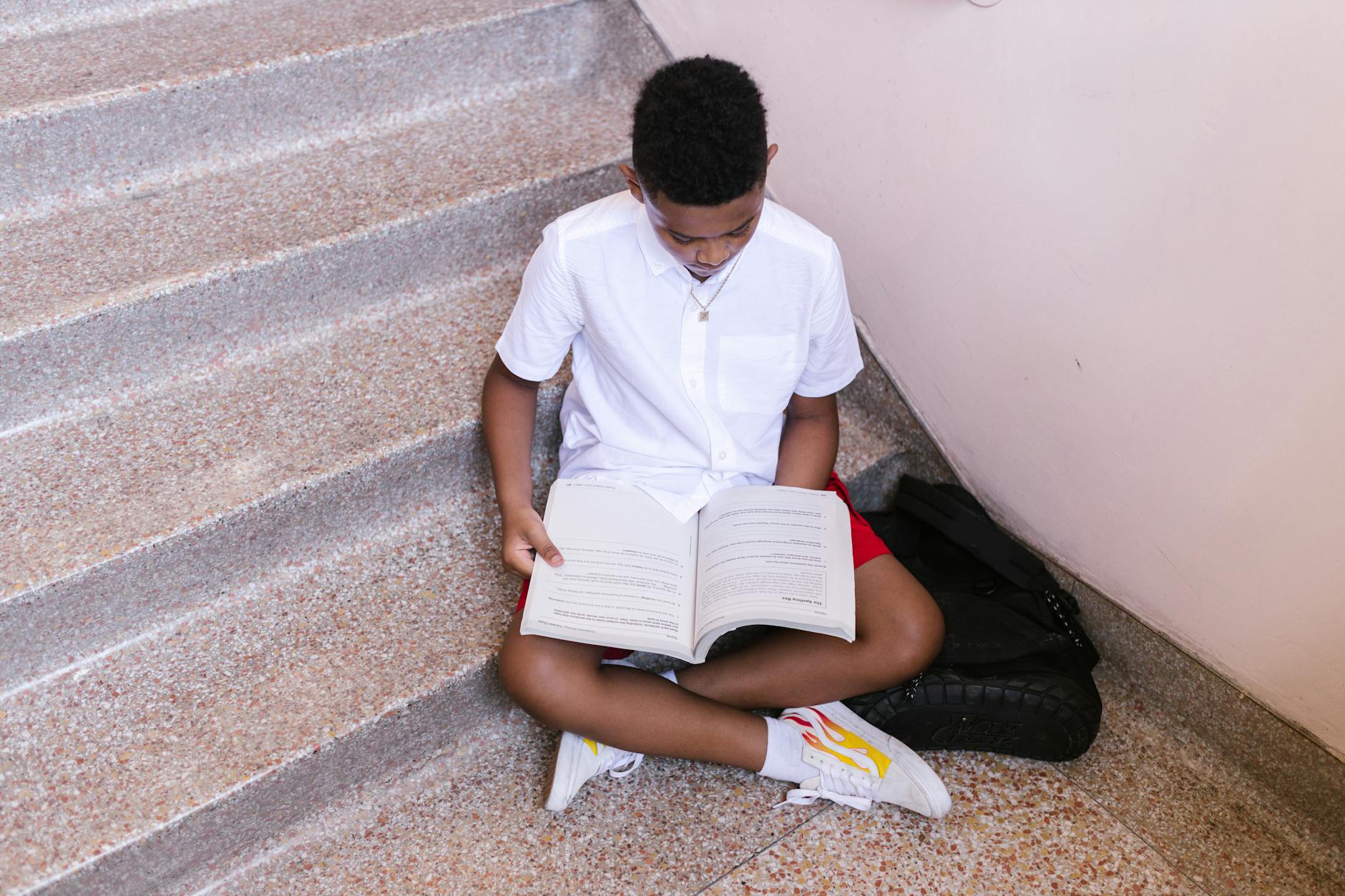
High achievement opens doors and challenges the low expectations often placed upon him. Parents should celebrate intellectual curiosity and reward effort rather than just grades. Creating a quiet environment for study and providing necessary supplies shows that his education is a priority. He should be encouraged to take challenging courses that stretch his abilities. excellence becomes a habit that propels him forward in any career he chooses.
Healthy Masculinity

Redefining what it means to be a man helps him avoid the traps of toxic machismo. Parents should emphasize that strength is found in character and kindness rather than dominance. He needs examples of men who are nurturing and emotional and vulnerable. specific conversations should challenge the idea that he must always be tough or unyielding. Embracing a balanced masculinity allows him to be a whole and healthy human being.
Entrepreneurial Mindset
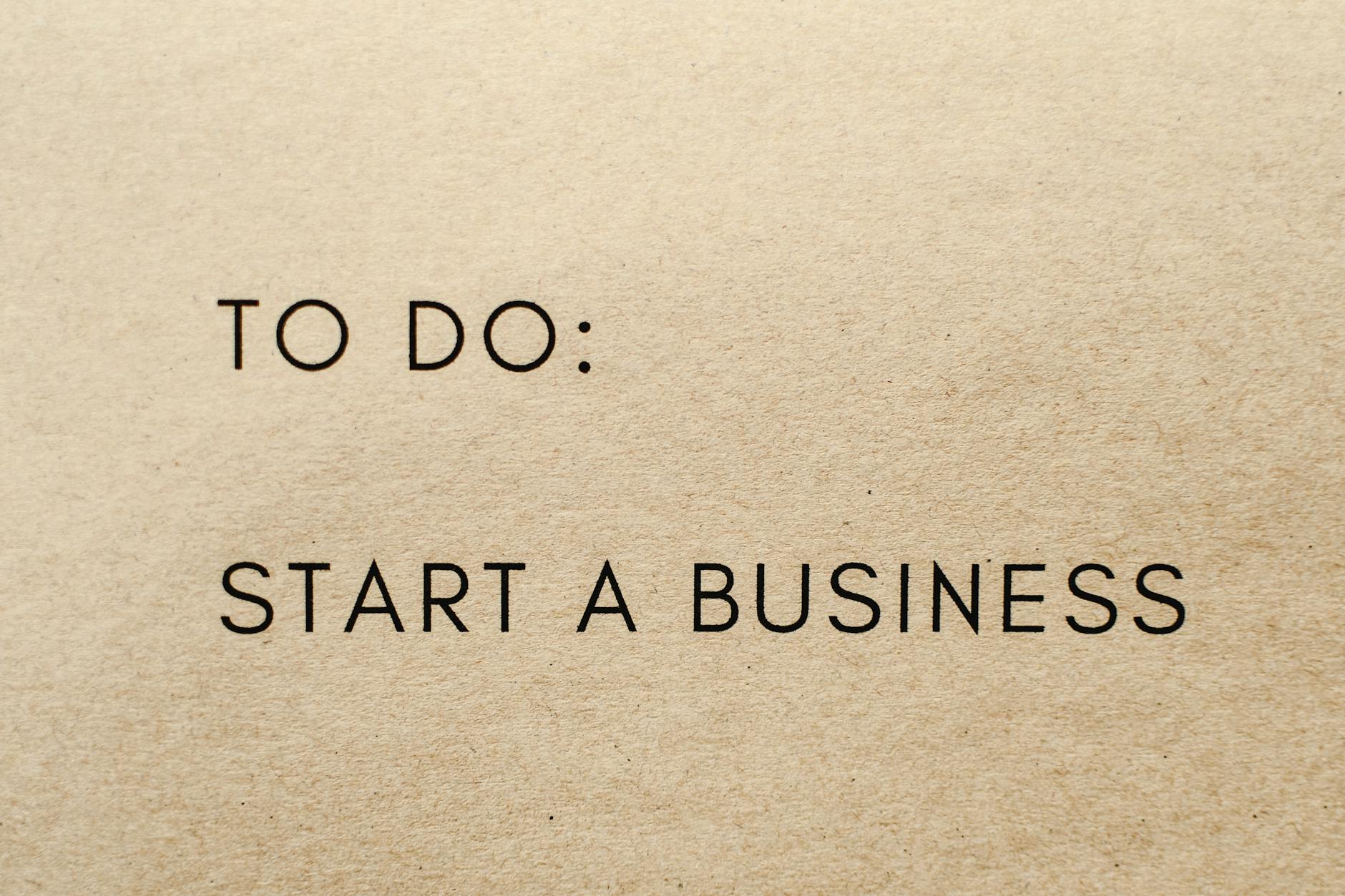
Thinking like an entrepreneur encourages problem-solving and self-reliance. Parents can support small business ideas or side hustles to teach him the mechanics of value creation. This mindset prepares him to navigate a changing economy where traditional employment is not guaranteed. He learns to view challenges as opportunities for innovation and growth. Ownership of his ideas fosters a sense of agency and confidence.
Global Perspective

Travel or exposure to different cultures broadens his worldview and combat narrow thinking. Parents should encourage learning other languages to increase his connectivity with the world. Seeing Black people in different global contexts expands his understanding of the diaspora. This perspective helps him realize that his potential is not limited by national borders. A global mindset prepares him for leadership in an interconnected world.
Domestic Skills

Knowing how to cook and clean and manage a household makes him independent and self-sufficient. Parents should involve him in chores to teach him that domestic work is not gendered. These skills ensure he can care for himself and his future family without relying on others. Competence in the home fosters a sense of responsibility and maturity. Self-reliance in daily living is a fundamental aspect of adulthood.
Choosing Battles

Not every insult or injustice requires a reaction and wisdom lies in knowing the difference. Parents should teach him to conserve his energy for things that truly impact his life. Understanding that some people are committed to misunderstanding him helps him detach from their ignorance. This discernment protects his mental peace and prevents burnout. Focusing on his goals keeps him from being distracted by negativity.
Appreciation of Nature

Time spent outdoors reduces stress and connects him to the physical world. Parents should encourage activities like hiking or gardening to foster a relationship with the environment. This connection offers a therapeutic escape from the pressures of urban living or digital noise. Understanding his responsibility to the planet adds another layer to his character. Nature serves as a reminder of the beauty and vastness of life.
Seeking Help

Asking for assistance is often stigmatized but it is a necessary skill for success. Parents must reassure him that no one achieves greatness entirely on their own. He needs to know how to identify trustworthy resources and individuals when he is struggling. Normalizing therapy or tutoring removes the shame associated with needing support. building a habit of seeking help ensures he does not drown in manageable problems.
Critical Reading
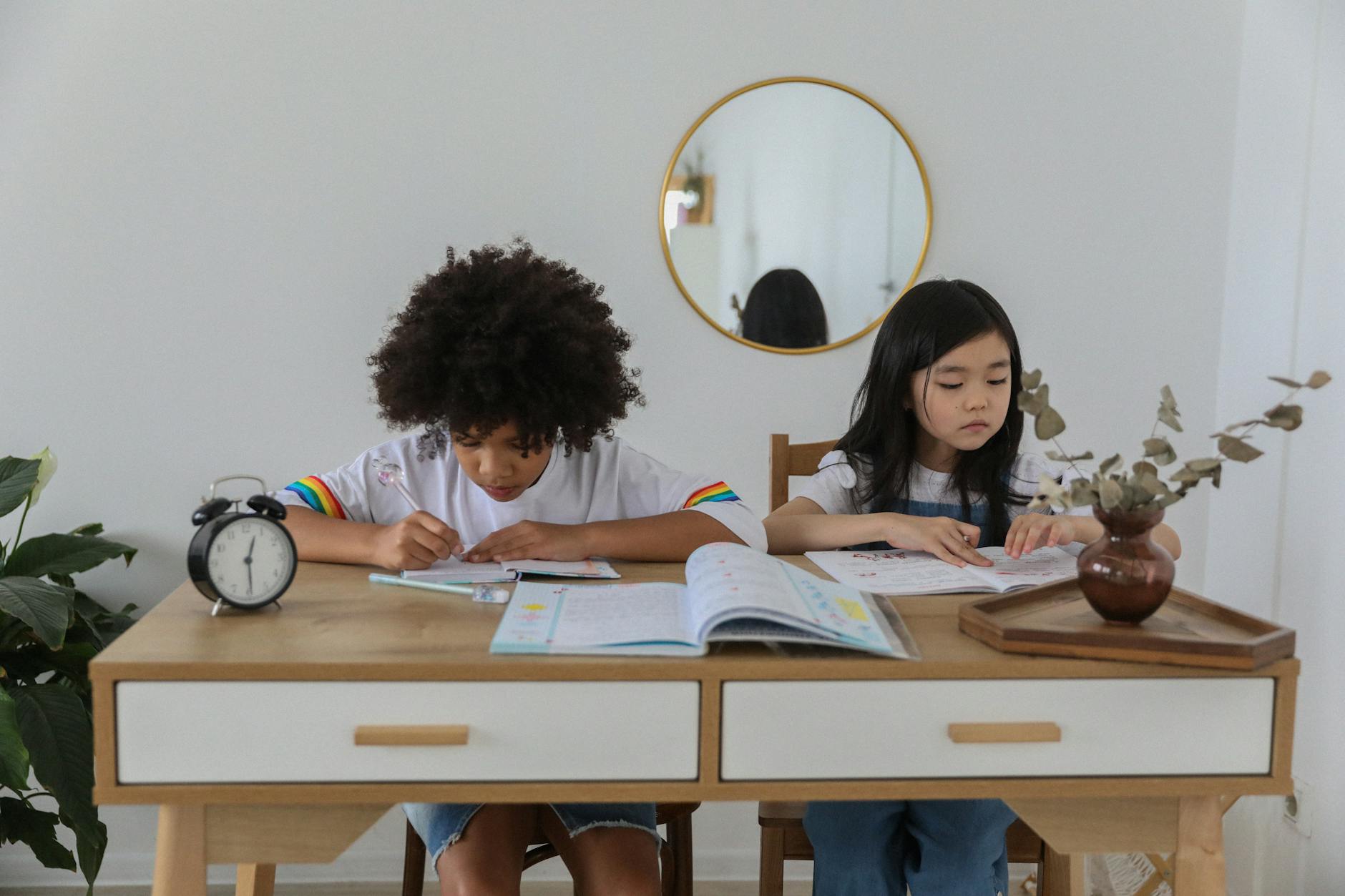
Analyzing text and subtext helps him understand the hidden messages in society. Parents should encourage him to read diverse genres and question the author’s intent. This skill allows him to decode contracts and news and political rhetoric effectively. Intellectual independence is forged when he can form his own conclusions based on evidence. Reading widely equips him with the vocabulary to describe his own experiences.
Drug Awareness

Honest conversations about substance abuse are better than silence or scare tactics. Parents should explain the legal and health risks associated with drugs in his specific context. He needs to understand how the justice system disproportionately targets Black men for drug offenses. Peer pressure strategies should be rehearsed so he can decline without losing social standing. Sobriety and awareness are key components of maintaining his safety and freedom.
Professional Etiquette

Understanding the unwritten rules of the workplace gives him a competitive edge. Parents should coach him on firm handshakes and eye contact and timely correspondence. Learning to navigate office politics protects him from being blindsided in his career. He needs to know how to dress and present himself for the roles he aspires to hold. Professional polish ensures his talent is not overlooked due to presentation.
Unconditional Love

The most important advice is to ensure he knows he is loved regardless of his achievements. Parents must reinforce that his value is inherent and not earned through grades or sports. This unshakeable foundation gives him the courage to take risks and make mistakes. Knowing he has a place to return to where he is fully accepted is his greatest security. Love is the ultimate shield against a world that can be cold and indifferent.
We invite you to join the conversation and share your own experiences or advice in the comments.