Interracial relationships bring together two unique backgrounds to create a distinct shared culture. Couples often navigate complex social dynamics alongside the typical hurdles of romantic partnership. These challenges require open communication and a willingness to understand perspectives that may be foreign to one another. Successful navigation of these issues often strengthens the bond between partners through shared resilience. The following points outline common obstacles faced by couples bridging racial or cultural divides.
Language Barriers

Partners may struggle to express subtle emotions when they do not share a native language. Nuances and idioms often get lost in translation which can lead to unintentional confusion during important discussions. One partner might feel exhausted from constantly translating their inner thoughts into a second language. Misunderstandings can escalate quickly if tone or intent is misinterpreted due to linguistic limitations. Patience becomes a critical tool for bridging this specific communication gap.
Differing Communication Styles
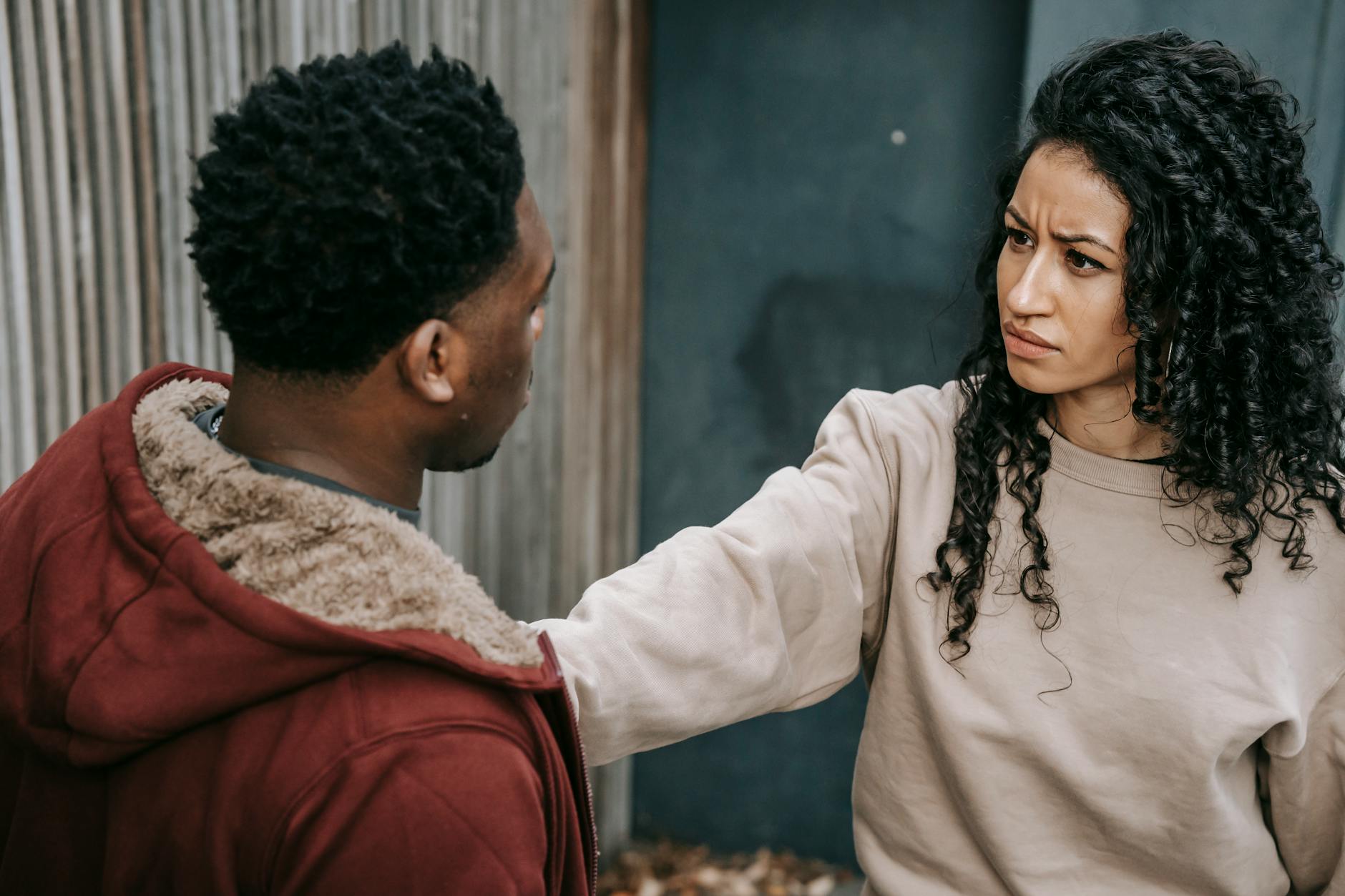
Cultural backgrounds heavily influence how individuals handle conflict and express affection. Some cultures prioritize directness while others value indirect suggestions to maintain social harmony. A partner from a high-context culture may expect their significant other to read between the lines. This disparity can cause frustration when one person feels attacked by bluntness or the other feels ignored by silence. Recognizing these ingrained patterns is the first step toward finding a middle ground.
Parental Disapproval

Families may harbor prejudices or specific expectations for who their children should marry. Partners might face coldness or outright rejection from potential in-laws who struggle to accept the relationship. This external pressure can create significant stress and divide loyalty between a partner and their parents. Navigating family gatherings becomes an exercise in diplomacy and emotional fortitude. Couples must often set firm boundaries to protect their relationship from toxic familial influence.
Public Stares and Scrutiny

Couples in interracial relationships frequently notice lingering looks from strangers in public spaces. These stares can range from curiosity to open hostility depending on the location and social climate. Such hypervisibility makes simple dates or errands feel like a public statement rather than a private moment. One partner may be more oblivious to this attention while the other feels hyper-aware and uncomfortable. Over time this external pressure can create a sense of isolation or defensiveness.
Fetishization Concerns

Individuals may worry that their partner is interested in them solely due to racial stereotypes rather than genuine connection. This fear can erode trust and lead to questions about the authenticity of the attraction. Pop culture often perpetuates specific images that can subconsciously influence dating preferences. Addressing these concerns requires deep vulnerability and reassurance between partners. The relationship must be built on seeing the whole person rather than a representative of a demographic.
Conflicting Holiday Traditions

Holidays often carry deep emotional weight and specific rituals that may not align across cultures. Deciding which traditions to prioritize can lead to friction when both partners feel a strong attachment to their own upbringing. One partner may feel a sense of loss if their customary celebrations are overshadowed or modified. Compromise is essential to create new hybrid traditions that honor both backgrounds. The logistics of visiting multiple families during festive seasons add another layer of complexity.
Raising Bi-racial Children
Parents must navigate how to instill a sense of identity in children who belong to two different worlds. Discussions about which cultural practices to pass down can become contentious if not handled with care. Children may face identity crises or bullying that requires parents to be proactive and supportive. Society often attempts to categorize mixed-race children in ways that do not reflect their full heritage. Parents must work together to equip their children with the resilience to handle external labels.
Food Preferences and Etiquette

Dietary habits are deeply ingrailed and can differ vastly between cultures regarding spice levels or acceptable ingredients. One partner might view a certain dish as a delicacy while the other finds it unpalatable or ethically challenging. Table manners and dining rituals also vary which can cause embarrassment in social settings. Cooking together requires adaptation and a willingness to expand one’s culinary comfort zone. These daily differences serve as constant reminders of the distinct backgrounds at play.
Differing Religious Beliefs

Faith often dictates moral frameworks and daily rituals that can clash in an interfaith household. Partners may struggle with decisions regarding religious conversion or how to raise children spiritually. Even secular individuals may find that their cultural values are deeply rooted in religious history. Conflicts can arise over dietary restrictions or attendance at religious services. Mutual respect for spiritual autonomy is necessary to prevent resentment.
Financial Expectations

Cultural norms significantly shape attitudes toward money management and financial support for extended family. One partner may feel an obligation to send money to relatives while the other prioritizes personal savings. Disagreements can occur over spending habits or the concept of shared versus separate finances. These differing views on wealth often stem from socioeconomic disparities in upbringing. Transparent conversations about financial goals are vital to align these divergent perspectives.
Microaggressions from Friends

Social circles may unintentionally make insensitive comments or jokes that target the partner’s race. The partner belonging to the majority culture may not immediately recognize these slights as harmful. This lack of awareness can leave the other partner feeling unsupported or alienated within the friend group. Addressing these incidents requires the partner to confront their friends and educate them on appropriate behavior. Silence in these moments is often interpreted as complicity.
Hair and Skin Care Differences

Physical maintenance routines can vary significantly and require specific products or knowledge. A partner may not understand the time and expense required for the other’s hair or skin care regimen. This lack of understanding can lead to impatience or insensitivity regarding grooming habits. Learning about these specific needs can be a bonding experience but often starts with confusion. Living together reveals these logistical differences in daily bathroom routines.
Wedding Planning Friction

Ceremonies often become a battleground for merging distinct cultural expectations and family demands. Decisions regarding attire and rituals can overwhelm the couple as they try to please everyone. The cost of hosting multiple ceremonies to satisfy different traditions can be financially draining. Parental interference tends to peak during this time as older generations fight for their customs. The couple must remain united to ensure the day reflects their unique partnership.
Historical Trauma

Partners from marginalized groups may carry generational trauma that their significant other cannot fully experience. This disparity can create a gap in understanding emotional triggers related to news or social events. The partner from the dominant culture must educate themselves to offer true empathy. Dismissing these feelings as overreactions can severely damage emotional intimacy. Acknowledging historical context is crucial for navigating present-day realities.
Stereotype Threat

Individuals may feel pressure to counteract negative stereotypes associated with their race within the relationship. This can lead to overcompensation in behavior or suppressing valid emotions to avoid confirming a bias. The partner may worry that their mistakes will reflect poorly on their entire racial group. This internal burden creates anxiety that is invisible to the other person. Open dialogue helps dismantle these internalized pressures.
Political Viewpoints

Political leanings are often influenced by racial identity and lived experience with systemic inequality. Partners may find themselves on opposite sides of voting blocks or social justice movements. Heated debates can arise when political policies directly threaten the rights of one partner. Navigating these differences requires respecting the validity of the other’s perspective. Fundamental disagreements on human rights can sometimes threaten the viability of the relationship.
Travel Safety Concerns

Destinations that are safe for one partner may pose significant risks or discomfort for the other. Planning vacations requires research into the racial climate of potential locations. The couple may have to avoid certain regions or countries to ensure physical safety and mental peace. This limitation can be frustrating for partners used to traveling without such considerations. Awareness of global racial dynamics becomes a necessary part of leisure planning.
Different Concepts of Time

Cultural attitudes toward punctuality and scheduling can vary from rigid to fluid. One partner may view arriving late as disrespectful while the other sees it as normal flexibility. These conflicting approaches can cause friction when planning events or attending appointments. Constant nagging about time can create a parent-child dynamic in the relationship. Acceptance of these inherent rhythms is often more effective than trying to force change.
Humor and Sarcasm Differences
Jokes often rely on shared cultural references and linguistic nuance that may not translate. Sarcasm can be easily misinterpreted as hostility if it is not a common communication tool in one partner’s culture. What one person finds hilarious might be offensive or confusing to the other. Navigating these disconnects requires explaining the context without ruining the joke. A shared sense of humor often has to be built from scratch.
Extended Family Boundaries

Some cultures emphasize collectivism where extended family is deeply involved in daily life. A partner from an individualistic background may find this level of involvement intrusive or overwhelming. Conflicts arise over how much influence relatives should have on marital decisions. Establishing privacy requires delicate negotiation to avoid offending family members. The couple must define their own unit while respecting cultural obligations.
Code Switching Fatigue

One partner may feel the need to alter their speech and behavior to fit into the other’s social world. This constant adaptation consumes mental energy and can lead to a feeling of inauthenticity. The partner may feel they cannot fully relax or be their true self around in-laws or the partner’s colleagues. Recognizing the effort required to code switch is important for emotional support. The home environment should serve as a safe space where this performance is unnecessary.
Dealing with Ignorant Questions
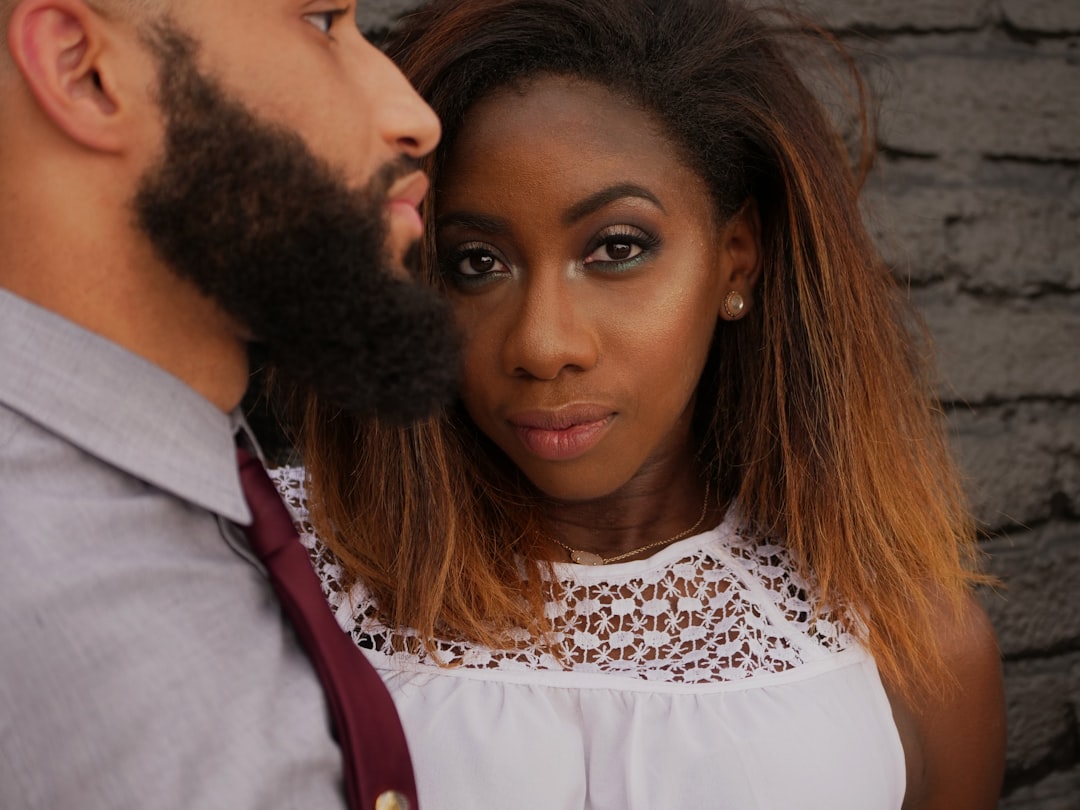
Strangers and acquaintances often ask intrusive questions about the couple’s origins or biology. Constantly fielding these inquiries can be exhausting and repetitive for both partners. They must decide whether to educate the inquirer or shut down the conversation to preserve their peace. This shared annoyance can be a bonding point or a source of weary frustration. Developing standard responses helps manage these inevitable social interactions.
Housing Discrimination

Landlords or sellers may display bias when an interracial couple applies for housing. This discrimination can limit neighborhood options and make the search for a home more difficult. The couple may have to strategize who interacts with agents to avoid racial profiling. Facing systemic barriers together forces the couple to confront the reality of racism. Securing a safe living environment takes on added weight and complexity.
Medical System Bias

One partner may face disparities in healthcare quality or pain management based on race. The other partner often has to act as an advocate to ensure fair treatment in medical settings. Witnessing this systemic bias firsthand can be a shocking wake-up call for the privileged partner. Navigating health crises becomes more stressful when trust in the provider is compromised. Support during medical appointments is essential for physical and emotional well-being.
Acculturation Stress

Adapting to a partner’s culture involves a steep learning curve regarding social norms and history. The process can lead to feelings of inadequacy or isolation when mistakes are made. The partner trying to assimilate may feel like an eternal outsider despite their best efforts. The other partner must show patience and appreciation for the effort being made. Empathy is required to navigate the loneliness that comes with cultural adjustment.
Expatriate Challenges

Moving to a partner’s home country flips the dynamic and places one person in a minority position. The relocated partner relies heavily on the local partner for translation and social integration. This imbalance of power can strain the relationship if the local partner does not facilitate inclusion. Homesickness and culture shock are significant hurdles that require ongoing support. The couple must work to ensure both individuals feel at home in the new environment.
Role of Gender Expectations

Cultural backgrounds often dictate specific roles for men and women within a marriage. Partners may enter the relationship with conflicting ideas about household chores and professional ambitions. A partner expecting traditional gender roles may clash with one who values egalitarianism. Renegotiating these expectations requires untangling deeply held beliefs about masculinity and femininity. Conscious effort is needed to create a partnership that works for the specific individuals involved.
Educational Philosophies

Parents may disagree on the best academic path or disciplinary style for their children. Cultural values regarding achievement and authority heavily influence these educational choices. One parent might prioritize academic rigor while the other values creative freedom and play. Choosing schools and extracurricular activities becomes a negotiation of values. A unified front is necessary to provide stability for the children.
Coping Mechanisms

Ways of handling stress or grief are often culturally learned and may differ drastically. One partner might seek solitude while the other seeks community support during tough times. Misinterpreting these coping strategies can lead to feelings of rejection or suffocation. Partners need to learn how to support each other in ways that are actually received well. respecting these emotional reflexes helps maintain connection during crises.
Loss of Privacy

Interracial couples often become subjects of conversation in their communities simply by existing. Their relationship choices are dissected and debated by people who have no personal stake in their lives. This lack of anonymity can feel invasive and unfair compared to monoracial couples. Maintaining a private world requires intentional effort to shut out external noise. The couple must rely on their own internal validation rather than public approval.
Defining Identity

Individuals in the relationship may feel their own cultural identity shifting or diluting. Being immersed in another culture can lead to questions about where one truly belongs. Peers from their own background may accuse them of abandoning their roots. Balancing the preservation of self with the integration of a partner is a continuous process. Both partners must support the other’s need to stay connected to their heritage.
Friend Group Integration

Merging two distinct social circles can be awkward if the groups lack common ground. Friends may struggle to relate to the new partner or feel uncomfortable with the cultural differences. The couple may find themselves living parallel social lives rather than a unified one. Effort is required to facilitate interactions that bridge the gap between these disparate groups. Sometimes new friendships must be forged that support the couple as a unit.
Please share your own experiences with these challenges in the comments.