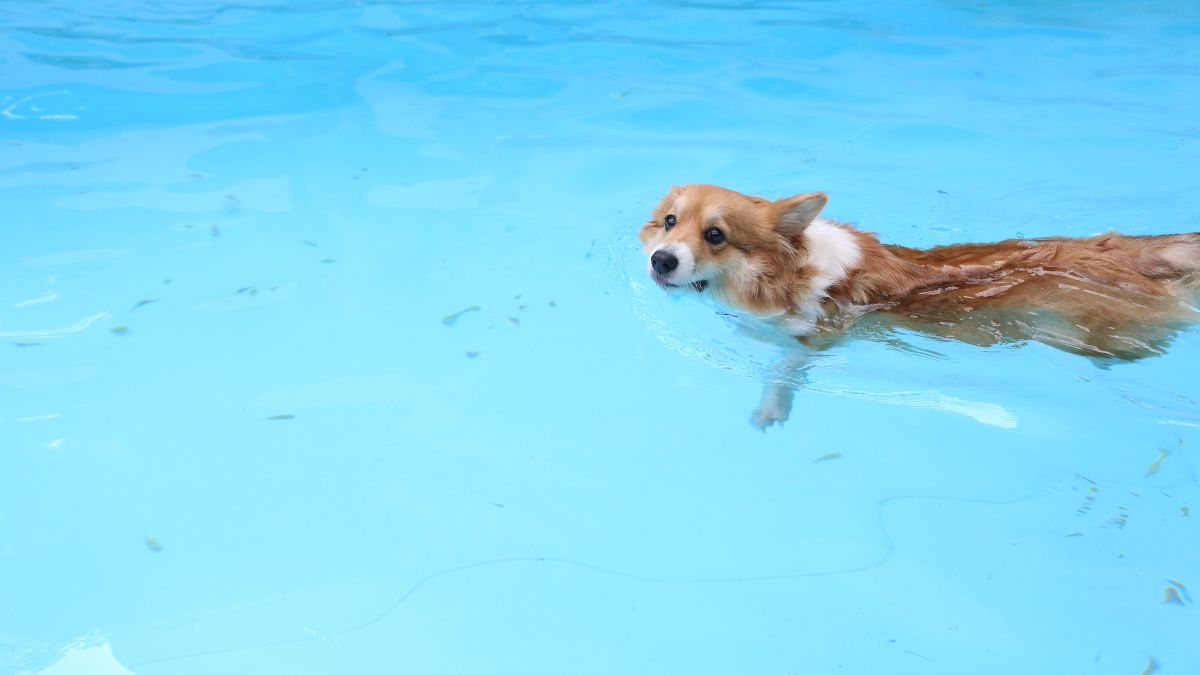
The world of pet ownership extends far beyond traditional domestic cats and dogs to include a diverse array of unusual creatures. Many people are unaware that various non traditional animals are perfectly legal to keep in numerous jurisdictions provided specific housing and care requirements are met. These exotic companions range from tiny insects and colorful amphibians to large rodents and even certain types of small wild cats. Understanding the unique needs and legal status of these animals is the first step for any enthusiast looking to expand their household with a rare species.
Fennec Fox
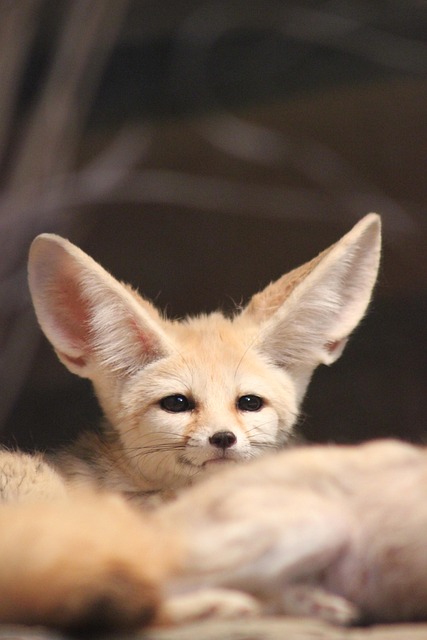
This small desert dweller is famous for its exceptionally large ears and energetic personality. While they require significant space for activity and specialized diets high in taurine they are legal in many states. These foxes are nocturnal by nature and maintain a high level of vocalization throughout the night. Owners must provide a secure environment that prevents their expert digging and climbing abilities from leading to escape.
Axolotl
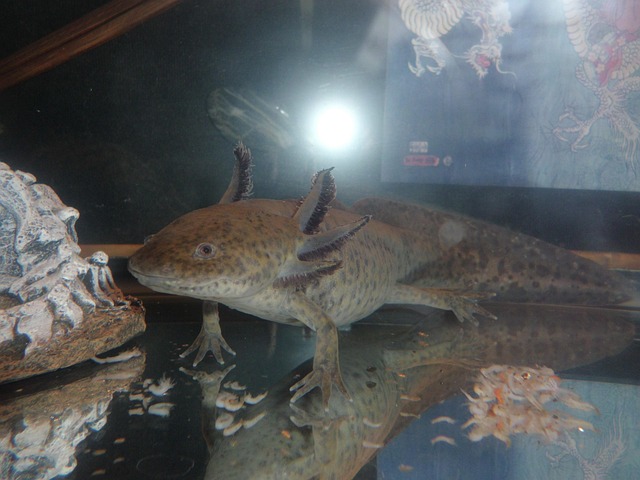
The axolotl is a unique aquatic salamander that remains in its larval form throughout its entire life. These creatures are relatively low maintenance but do require a consistent water temperature between sixty and sixty eight degrees Fahrenheit. Their tanks must have high quality filtration systems to manage the waste produced by their protein rich diets. They are widely legal across most of North America despite being critically endangered in their native Mexican habitats.
Capybara
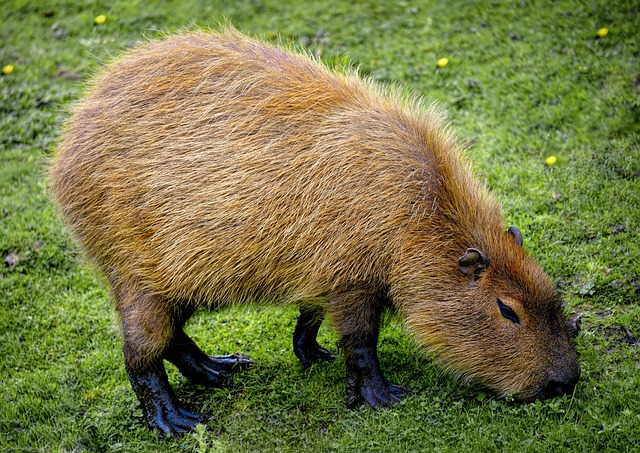
As the largest rodent in the world the capybara has gained immense popularity for its calm and social demeanor. These semi aquatic animals require access to a large body of water like a pool or pond to maintain their skin health. Because they are highly social it is generally recommended to keep them in pairs or small groups. Many regions allow them as pets though they often require ample outdoor space and specific grazing vegetation.
Sugar Glider
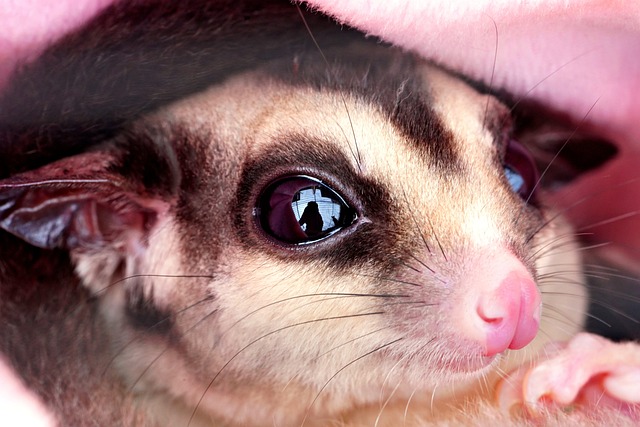
These tiny marsupials are known for the thin membranes between their legs that allow them to glide through the air. They are extremely social animals that bond closely with their human caretakers and should never be kept alone. Their diet consists of a complex mix of fruits vegetables and protein sources often referred to as a nectar replacement. Prospective owners should be prepared for their nocturnal lifestyle and the specialized vertical cages they require for climbing.
Serval
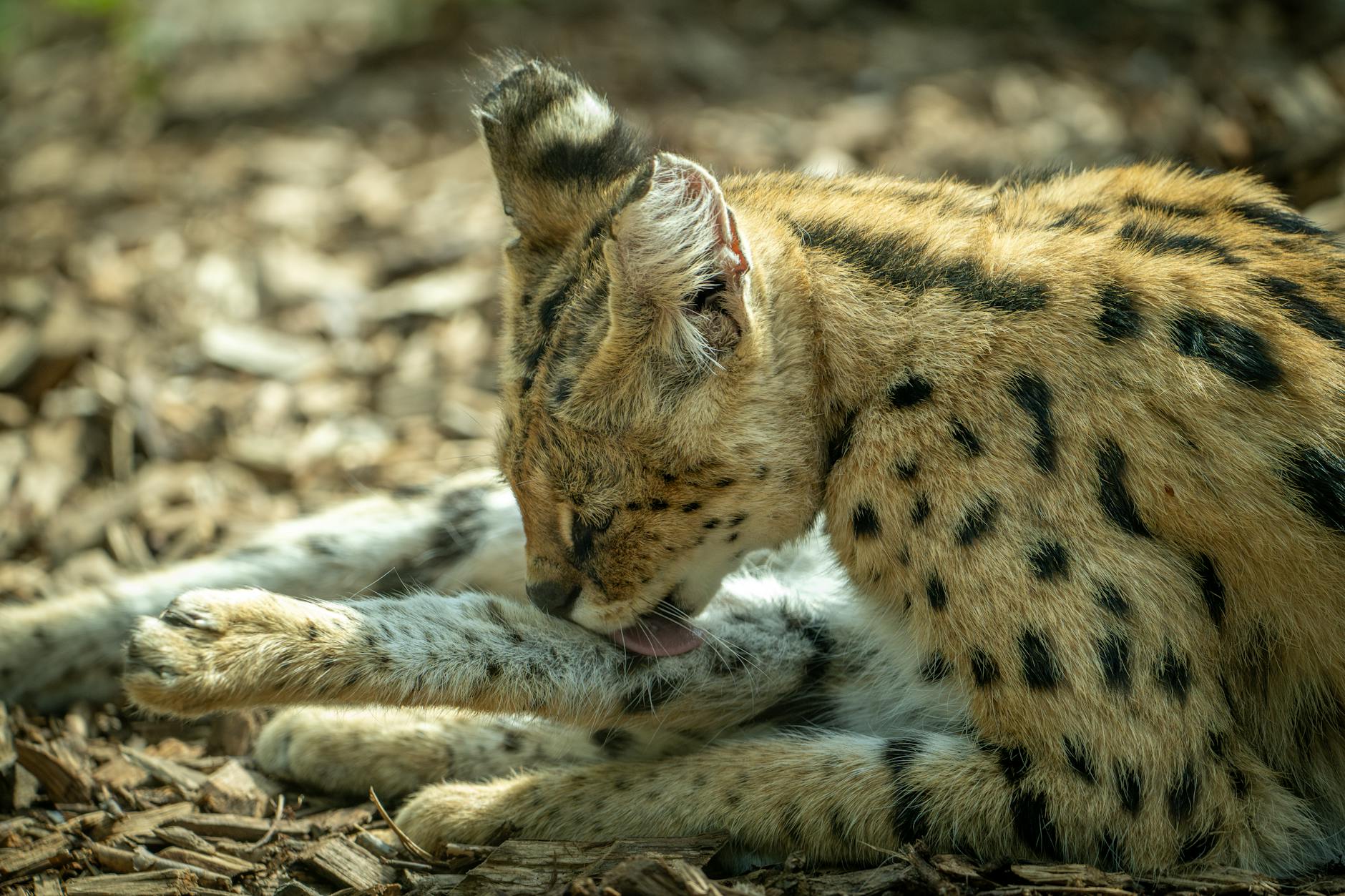
The serval is a medium sized wild cat from Africa that is legal to own in several states with the correct permits. These cats possess striking spotted coats and long legs designed for high jumping and hunting in tall grasses. They are not domesticated and require large outdoor enclosures with high fences to accommodate their athletic nature. Maintaining a serval involves a raw meat diet and a commitment to their significant lifespan and territorial behaviors.
Bearded Dragon
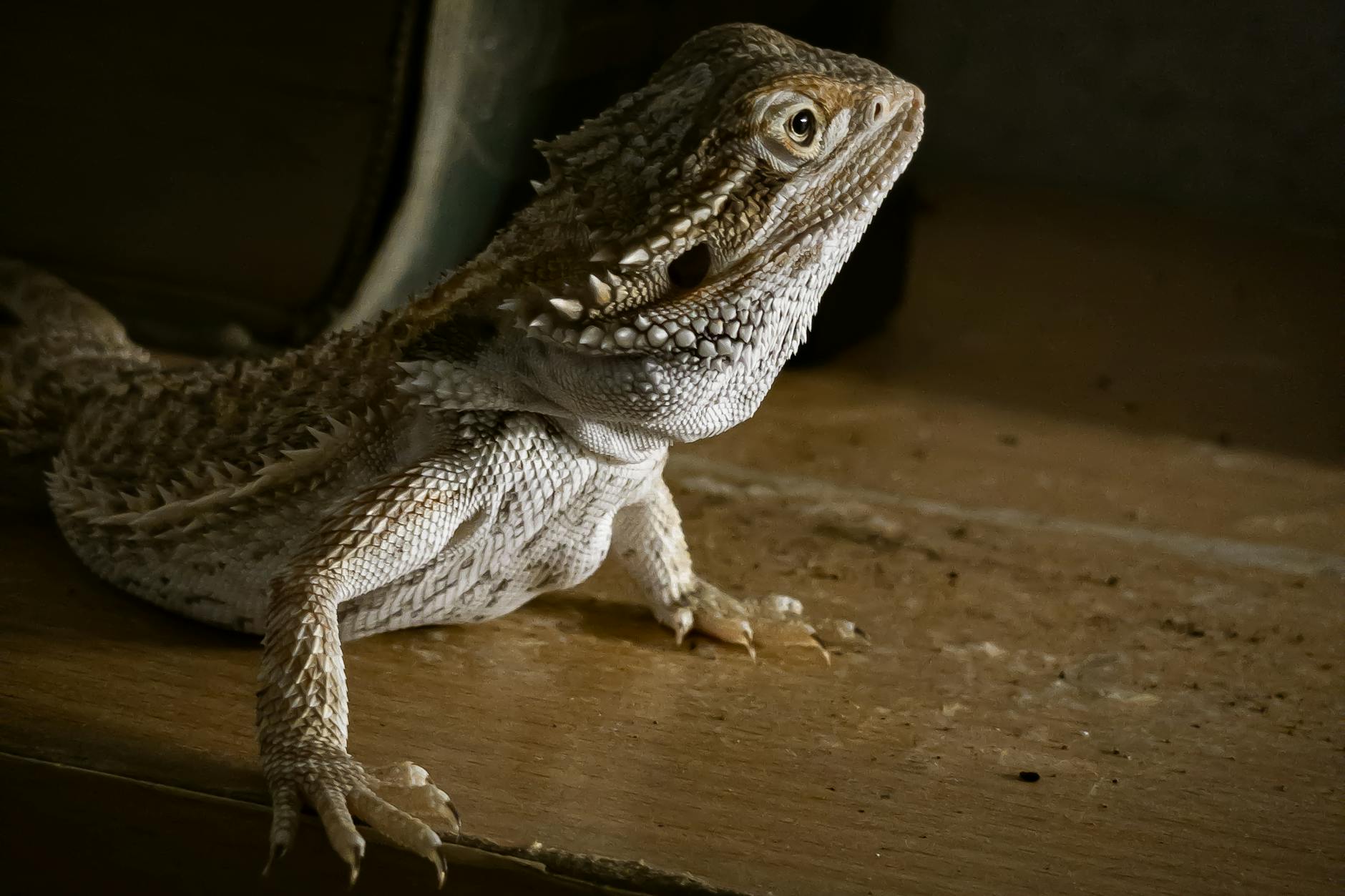
These Australian lizards are among the most popular exotic reptiles due to their docile temperament and manageable size. They require a specific habitat with a thermal gradient and ultraviolet lighting to support their metabolic functions. Their diet is omnivorous and changes from mostly insects to primarily leafy greens as they mature into adulthood. They are legal in nearly every jurisdiction and are often cited as excellent introductory pets for reptile enthusiasts.
Chinchilla
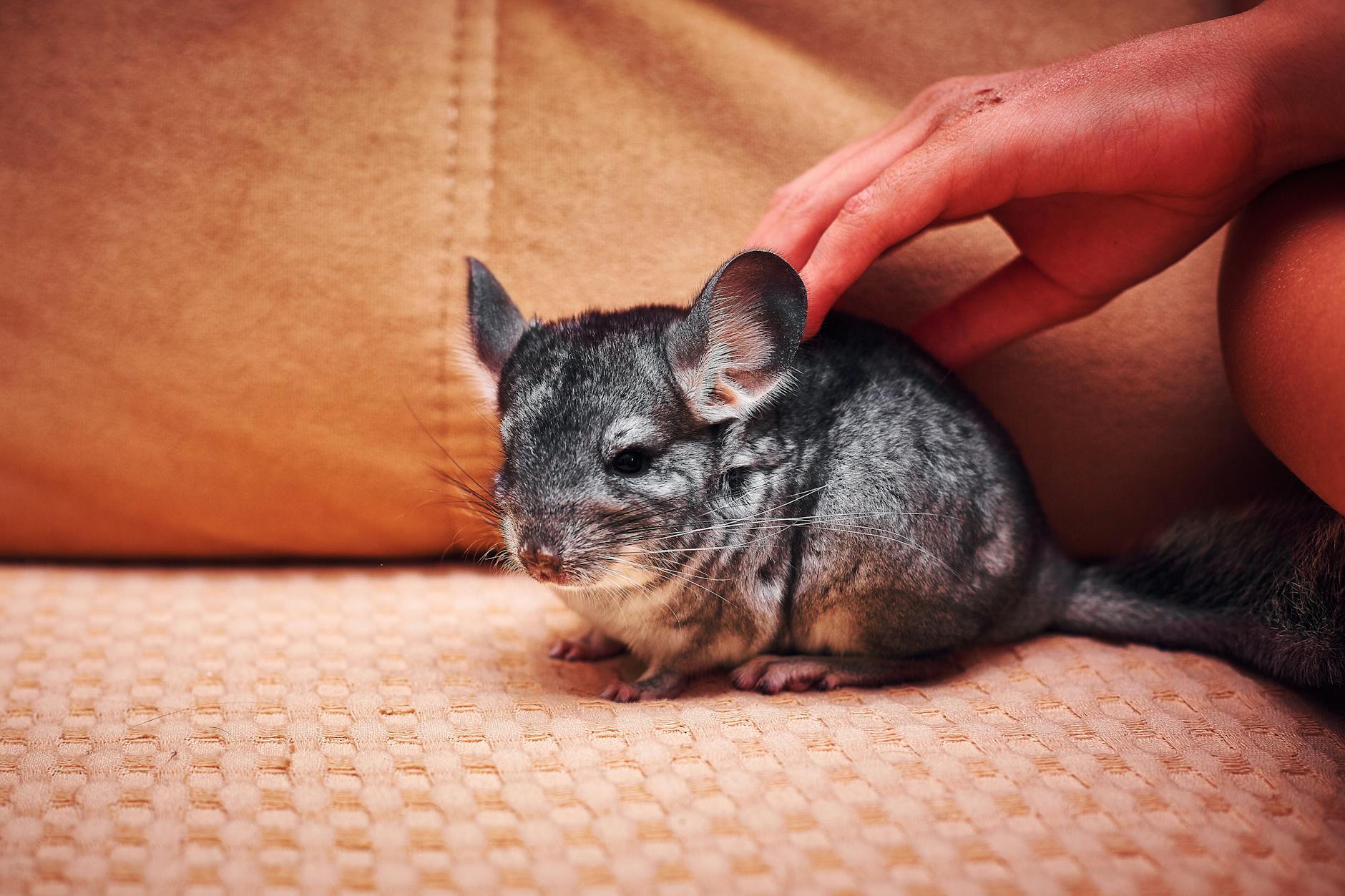
Native to the Andes Mountains these rodents are prized for their incredibly soft and dense fur. Unlike many other small mammals they do not bathe in water but instead require regular dust baths to keep their coats clean. They are sensitive to heat and must be kept in cool environments to prevent heatstroke which can be fatal. These animals are legal worldwide and can live for up to twenty years with proper dental care and nutrition.
Kinkajou
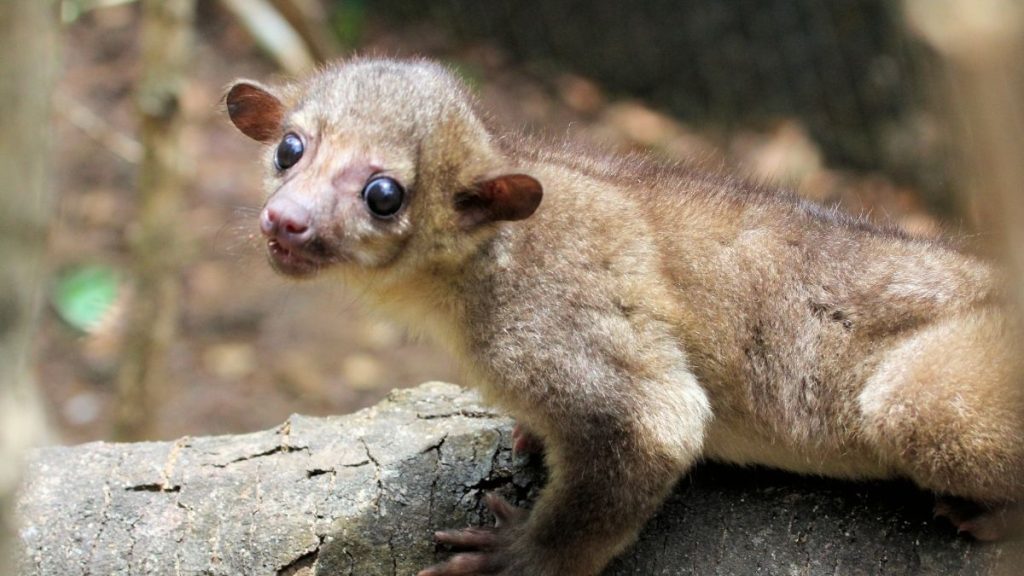
Often called honey bears these members of the raccoon family are native to the tropical rainforests of Central and South America. They have prehensile tails that they use like a fifth limb to navigate through tree canopies. While they can be playful and affectionate they are nocturnal and can be quite vocal during late hours. Their legal status varies by state but they are a common sight in the exotic pet trade for experienced mammal keepers.
Wallaby
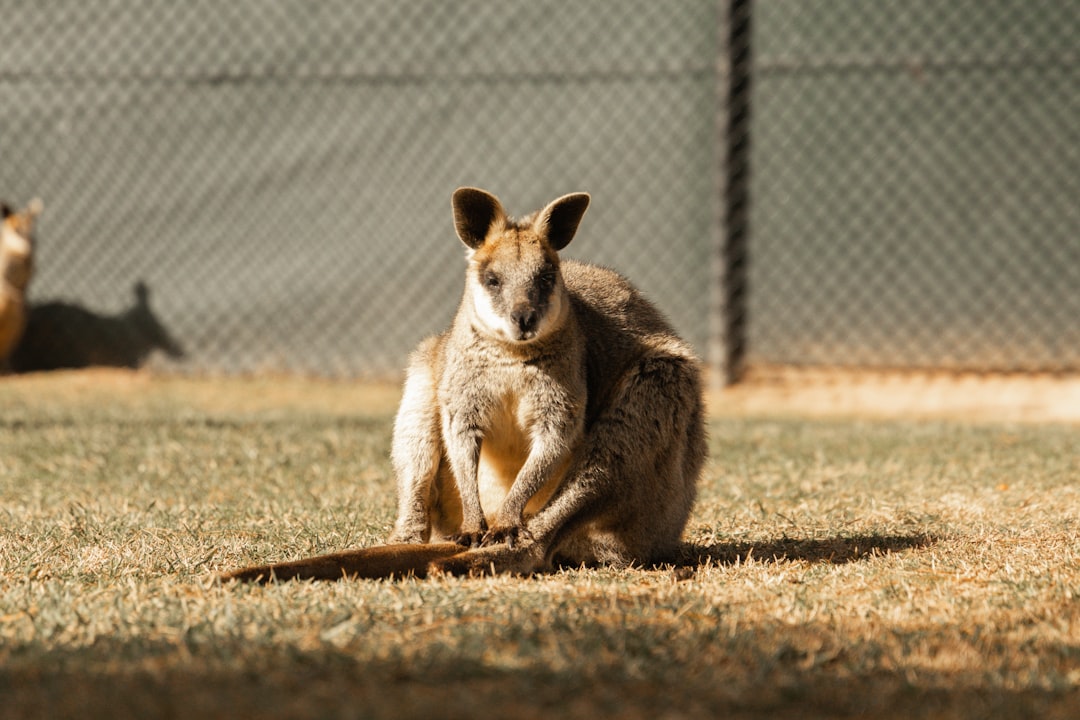
The wallaby is essentially a smaller cousin of the kangaroo and requires a significant amount of outdoor roaming space. These marsupials are generally shy but can become quite tame when raised by humans from a young age. They need a diet consisting of specialized kangaroo pellets and high quality hay to stay healthy. Legal ownership often depends on having a large and securely fenced backyard to prevent them from hopping away.
Ball Python
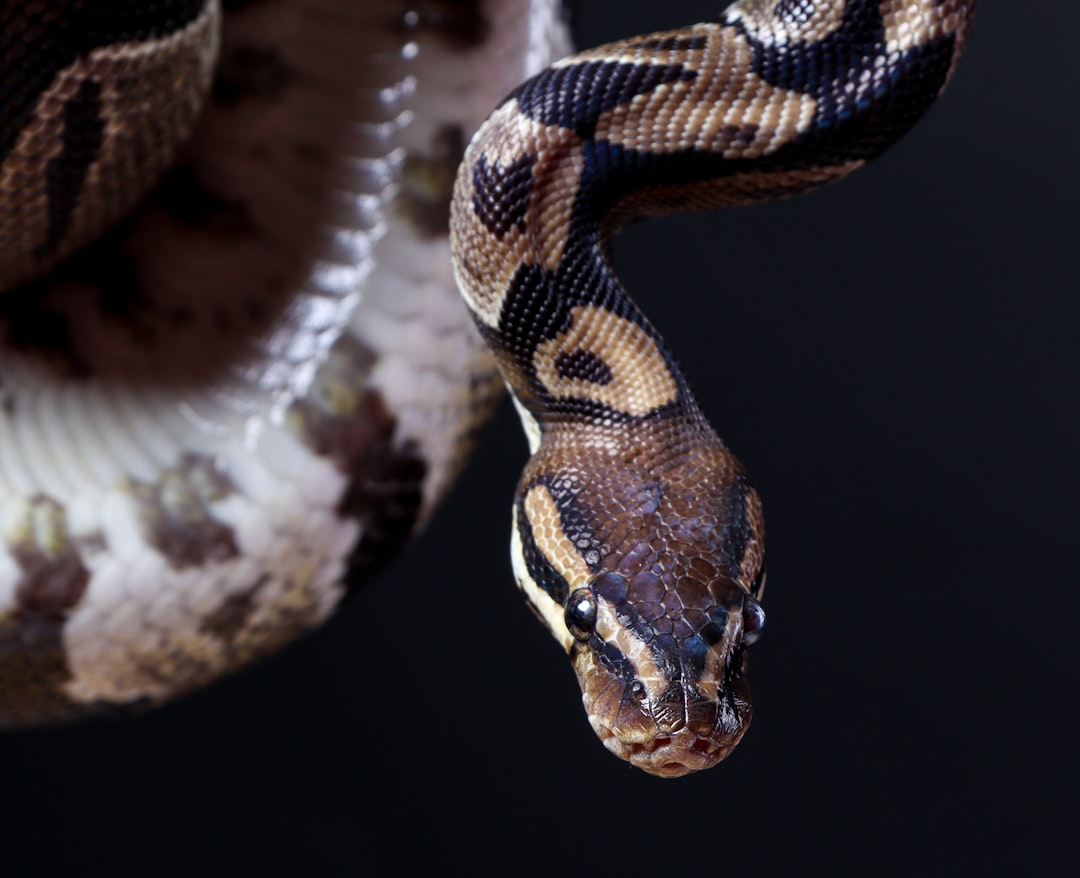
This snake species is favored by many because of its tendency to curl into a ball when stressed rather than striking. They stay relatively small for pythons and come in a vast array of colors and patterns known as morphs. A simple enclosure with controlled humidity and temperature is sufficient for their needs throughout their long lives. They are legal in most places and are known for being one of the easiest snakes to handle.
Savannah Cat
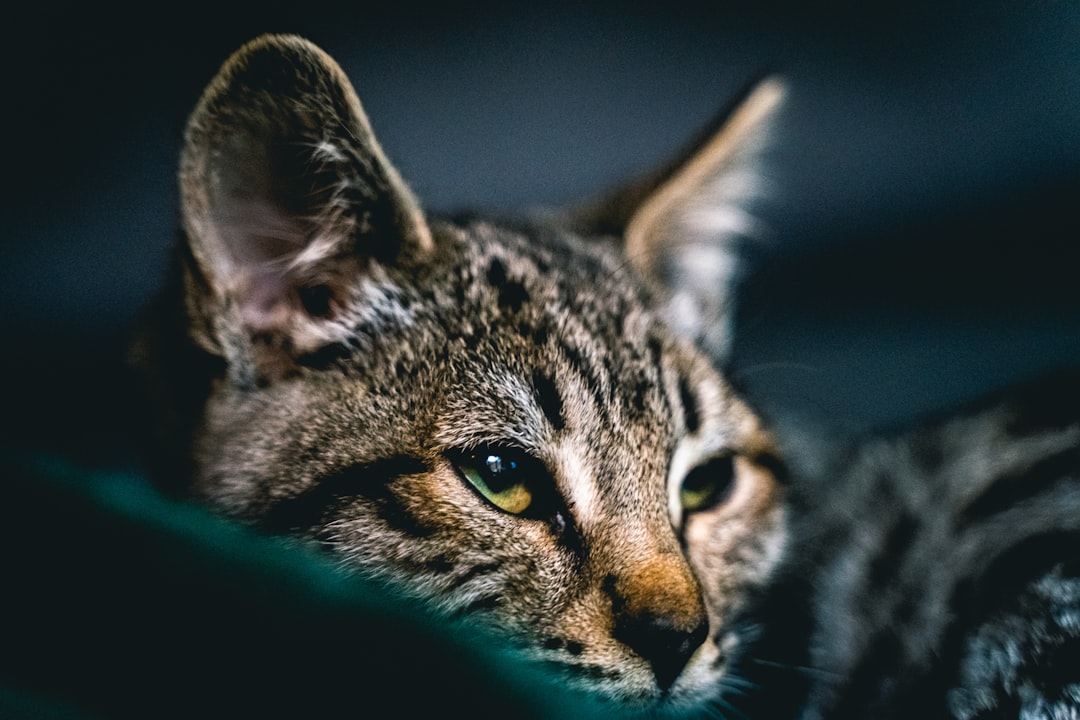
A Savannah cat is a cross between a domestic cat and a wild serval resulting in a large and highly intelligent pet. These hybrids are categorized by their generation with earlier generations retaining more wild physical traits and behaviors. They are known for their dog like loyalty and their ability to be trained to walk on a leash. Laws regarding their ownership vary significantly based on the percentage of wild ancestry present in the individual cat.
Hedgehog
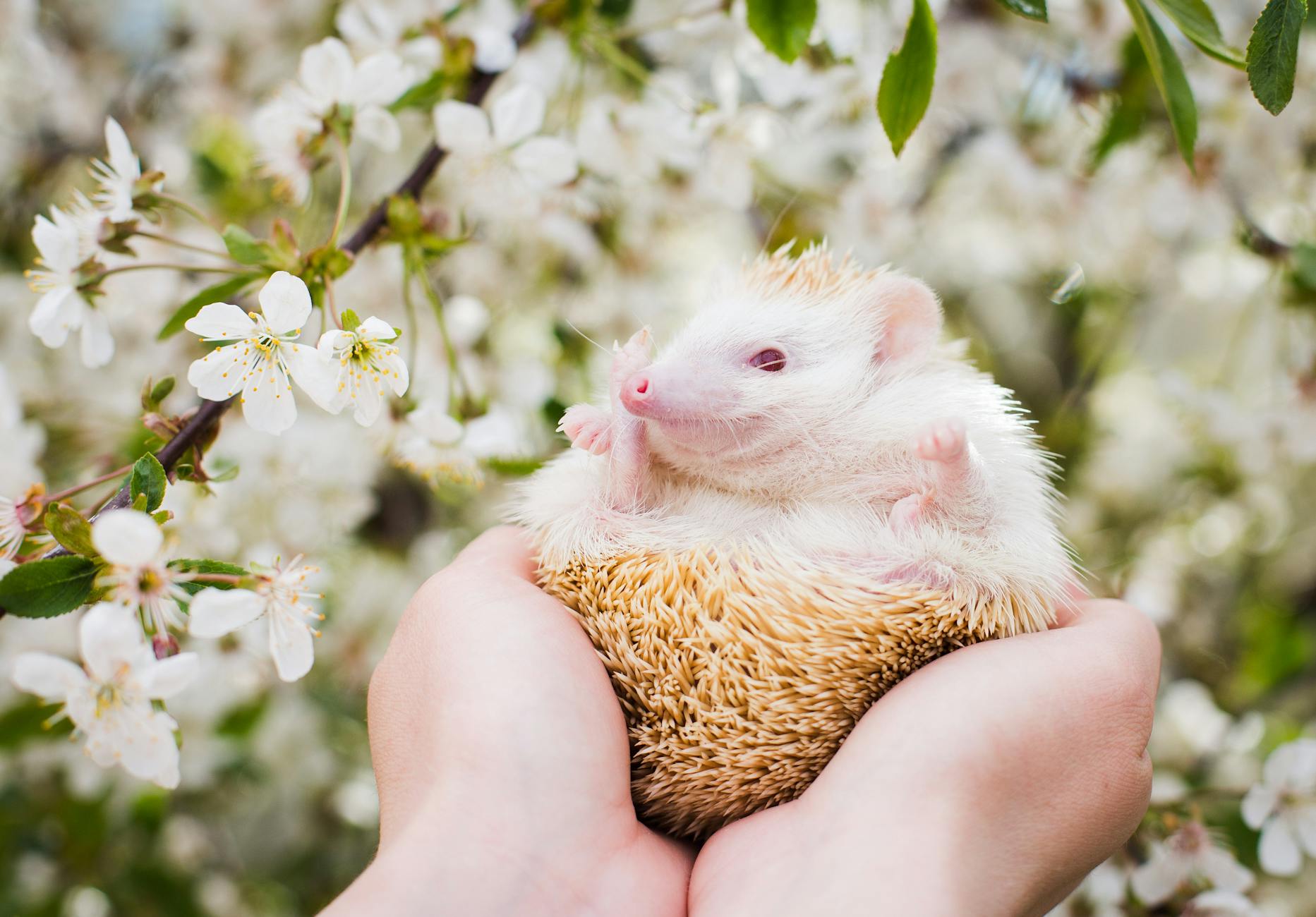
African pygmy hedgehogs have become common household pets due to their unique quilled appearance and small size. They are solitary insectivores that require a wheel for exercise and a warm environment to prevent hibernation. While they are legal in most of the United States they remain restricted in a few states like California and Pennsylvania. Their quiet nature and low odor make them appealing for people living in smaller apartments.
Emperor Scorpion
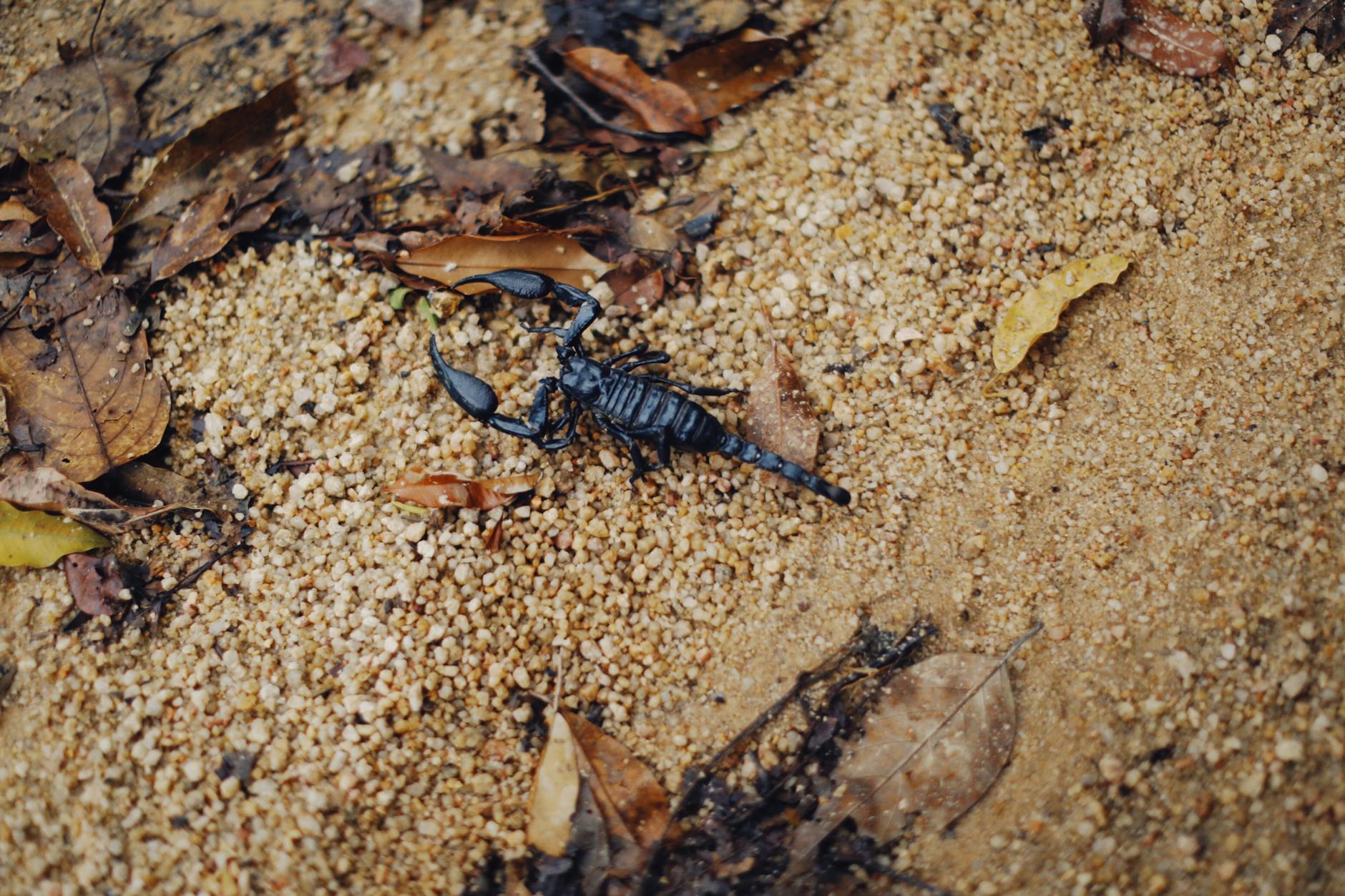
This large and impressive arachnid is one of the most common scorpions kept in the pet trade. They are generally docile and possess a sting that is often compared to a bee sting in terms of severity. Their habitat must mimic a tropical rainforest with high humidity and plenty of hiding spots under logs or rocks. They are legal across most of the world and offer a fascinating look into the lives of predatory invertebrates.
Degus
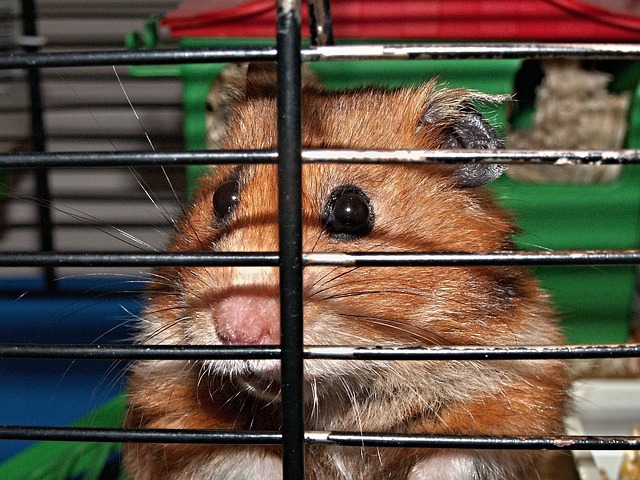
These social rodents from Chile are closely related to guinea pigs and chinchillas but have their own distinct personalities. They are highly active during the day and require large multi level cages to explore and play. Degus are unique because they cannot process sugar effectively and must be fed a very specific diet to avoid diabetes. They are legal in most areas and thrive best when kept in same sex pairs or groups.
Patagonian Cavy
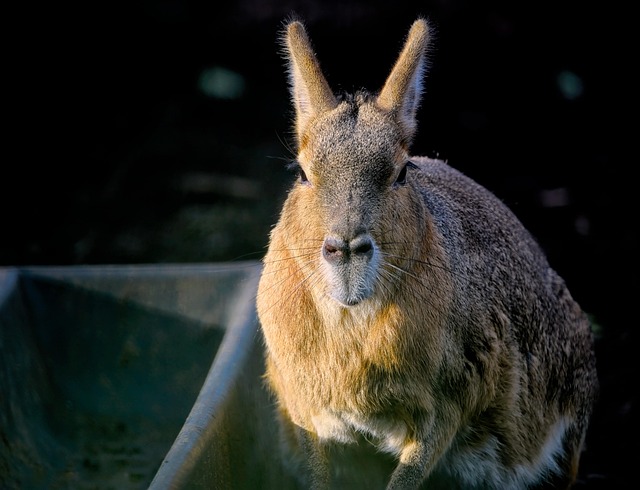
The Patagonian cavy looks like a mixture of a rabbit and a small deer but is actually a large rodent. They are known for being one of the few monogamous mammal species and often form strong bonds with their mates. These animals need plenty of space to run and are often kept in outdoor enclosures with access to grass. They are legal in many regions and are appreciated for their curious and relatively gentle nature.
Skunk
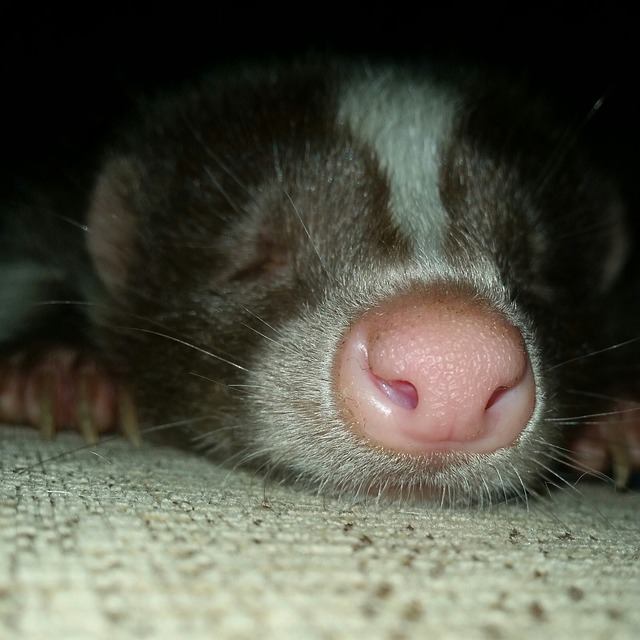
Domesticated skunks have had their scent glands removed and are surprisingly similar to cats in their behavior. They are intelligent and can be trained to use a litter box and perform simple tricks. Their diet is omnivorous and requires a careful balance of vegetables and lean proteins to prevent obesity. Legal ownership of skunks is limited to certain states and often requires a specific permit from wildlife agencies.
Miniature Donkey
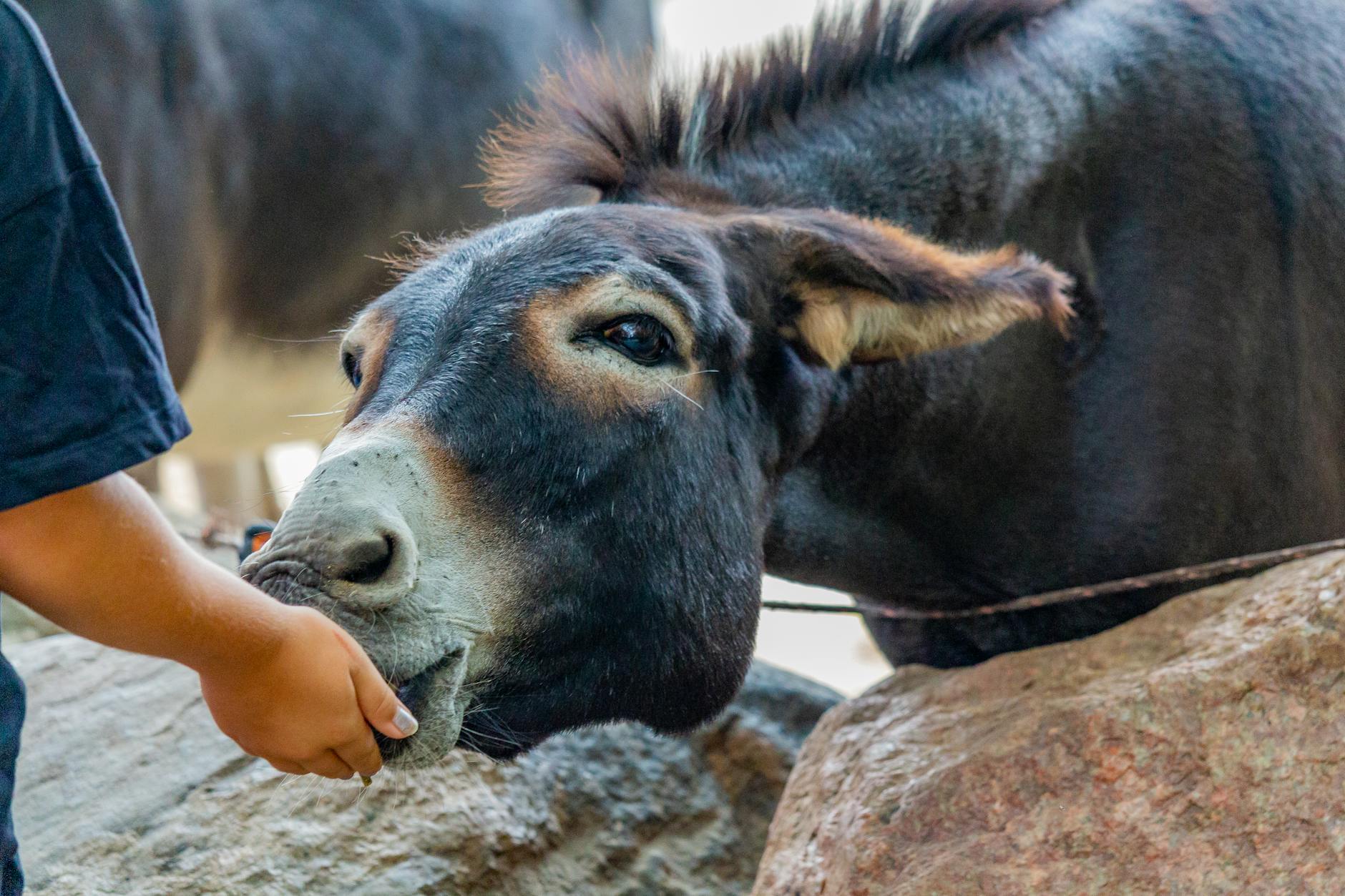
These small equines are popular as companion animals because of their affectionate and social personalities. They require a pasture for grazing and a sturdy shelter to protect them from the elements. Because they are herd animals they should always be kept with at least one other donkey or a compatible livestock friend. They are legal in most rural and semi rural areas where zoning allows for livestock.
Bengal Cat
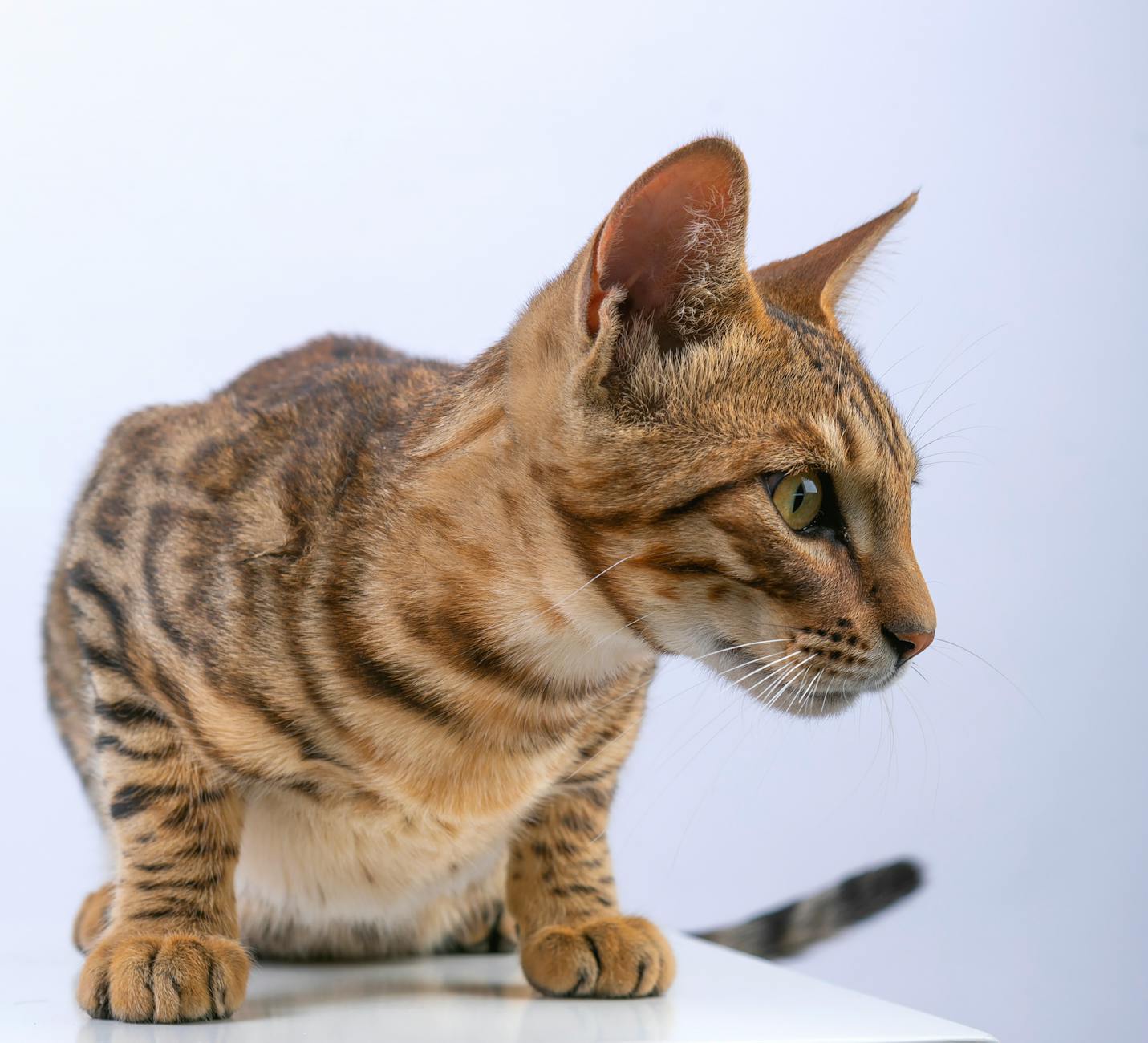
The Bengal is a domestic cat breed developed by crossing a domestic feline with an Asian leopard cat. They are famous for their stunning rosetted coats that mimic the look of a leopard in the wild. These cats are highly active and require plenty of mental stimulation and physical play to stay happy. They are legal in almost every location because they are considered a fully domesticated breed despite their exotic ancestry.
Tarantula
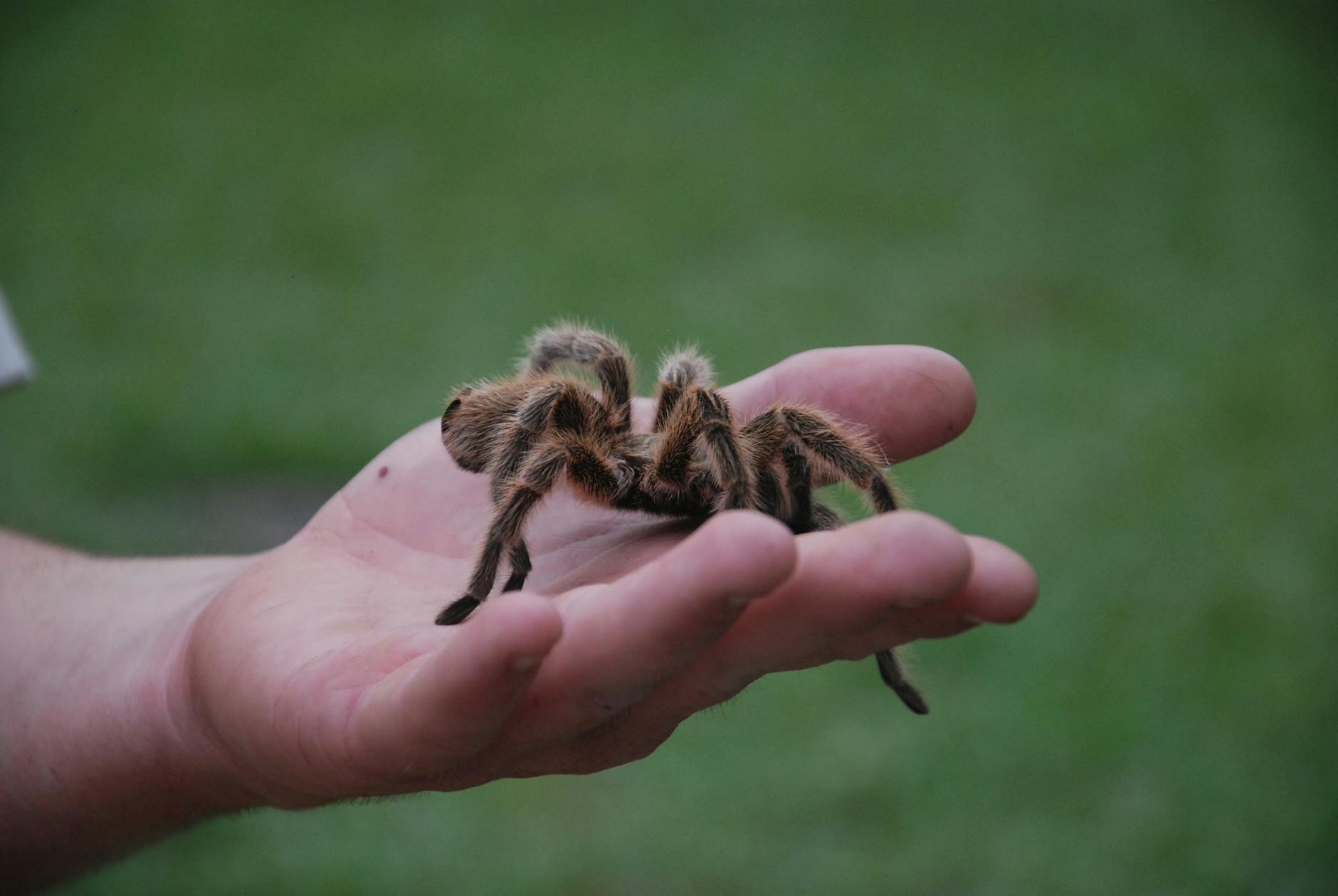
Many species of tarantulas are legal to own and are prized for their low maintenance requirements and long lifespans. They only need a small terrarium with appropriate substrate and a consistent supply of insects for food. Some species like the Chilean Rose Hair are known for being particularly calm and easy for beginners to manage. They are legal nearly everywhere and are ideal for owners who prefer an observational pet.
Hyacinth Macaw
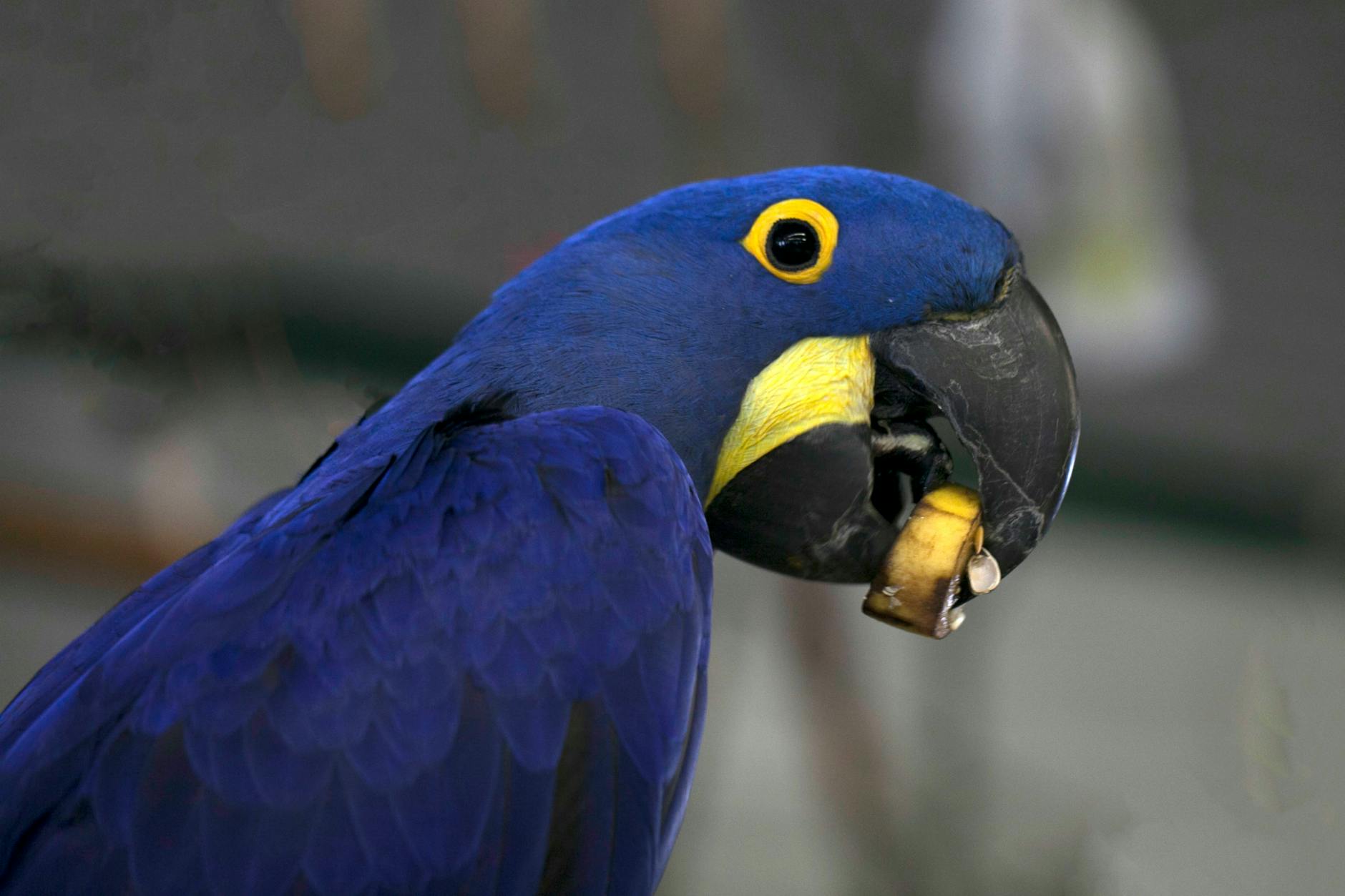
This vibrant blue bird is the largest species of parrot and is known for its impressive intelligence and powerful beak. They require massive cages and several hours of social interaction every day to prevent boredom and feather plucking. Their diet consists mostly of specialized nuts that provide the high fat content they need to thrive. While legal they are quite expensive and are best suited for individuals with extensive bird experience.
Pot-Bellied Pig
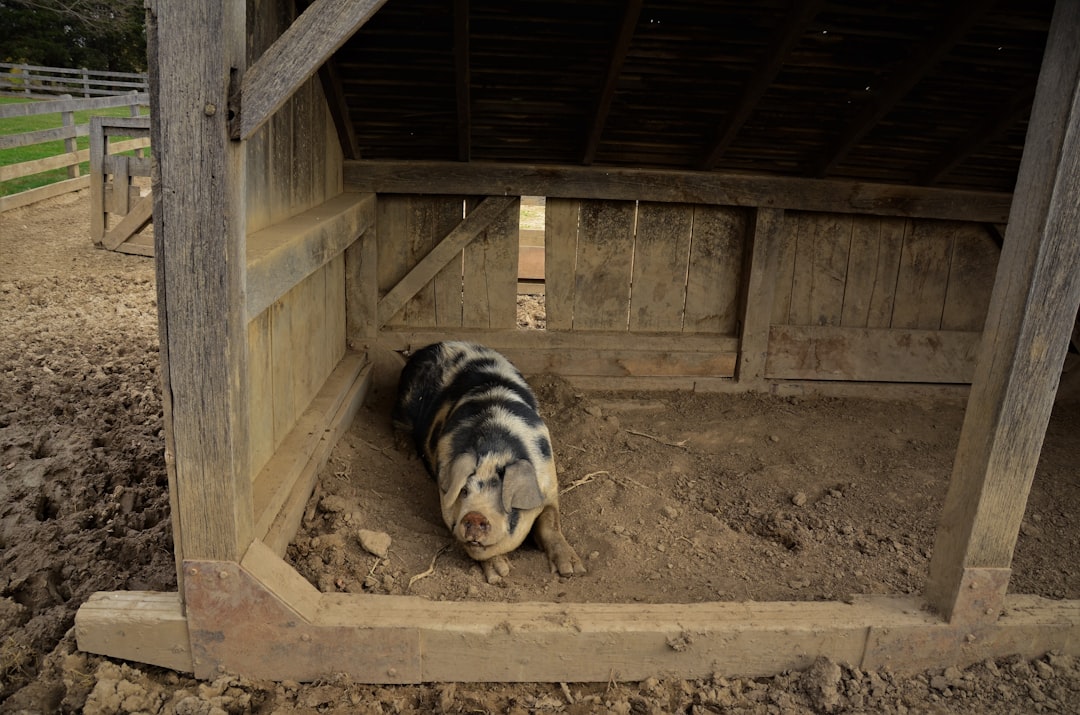
Pot-bellied pigs are highly intelligent animals that can be house trained and taught a variety of tricks. They are social creatures that enjoy the company of humans and other pets but can become destructive if they are bored. Owners must be aware that even miniature pigs can grow to weigh over one hundred pounds. They are legal in many cities though local zoning laws regarding livestock should always be verified.
Muntjac Deer
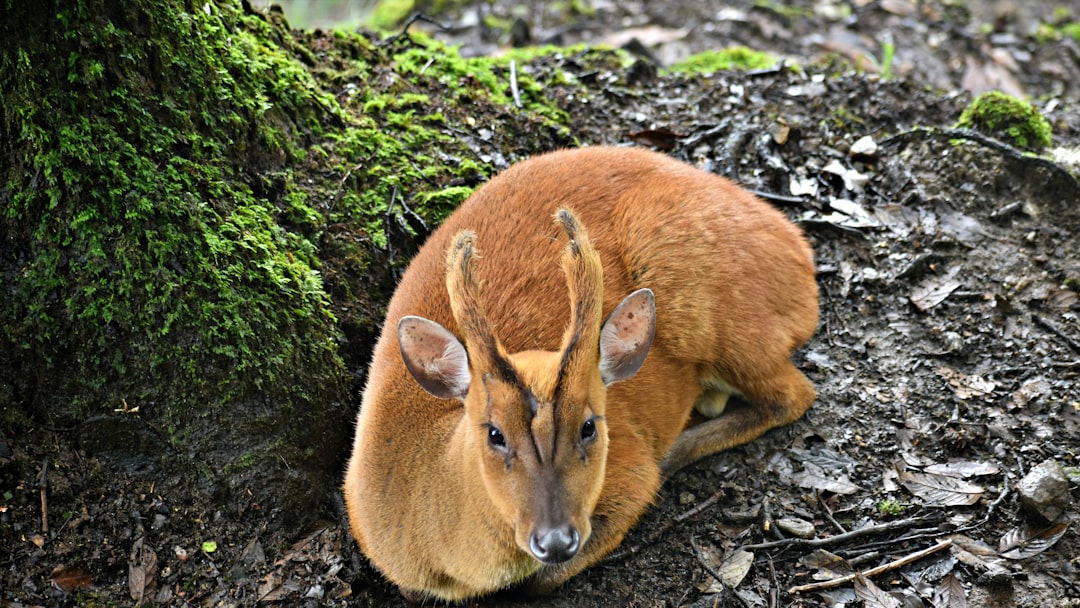
The muntjac is a small species of deer that is sometimes kept as an exotic pet in states with lenient wildlife laws. They are known for their small tusks and the unique barking sound they make when they are excited. These deer are relatively small and can even be kept indoors by some dedicated owners although outdoor space is preferred. They require a specialized diet and a secure environment to accommodate their shy and flighty nature.
Flying Squirrel
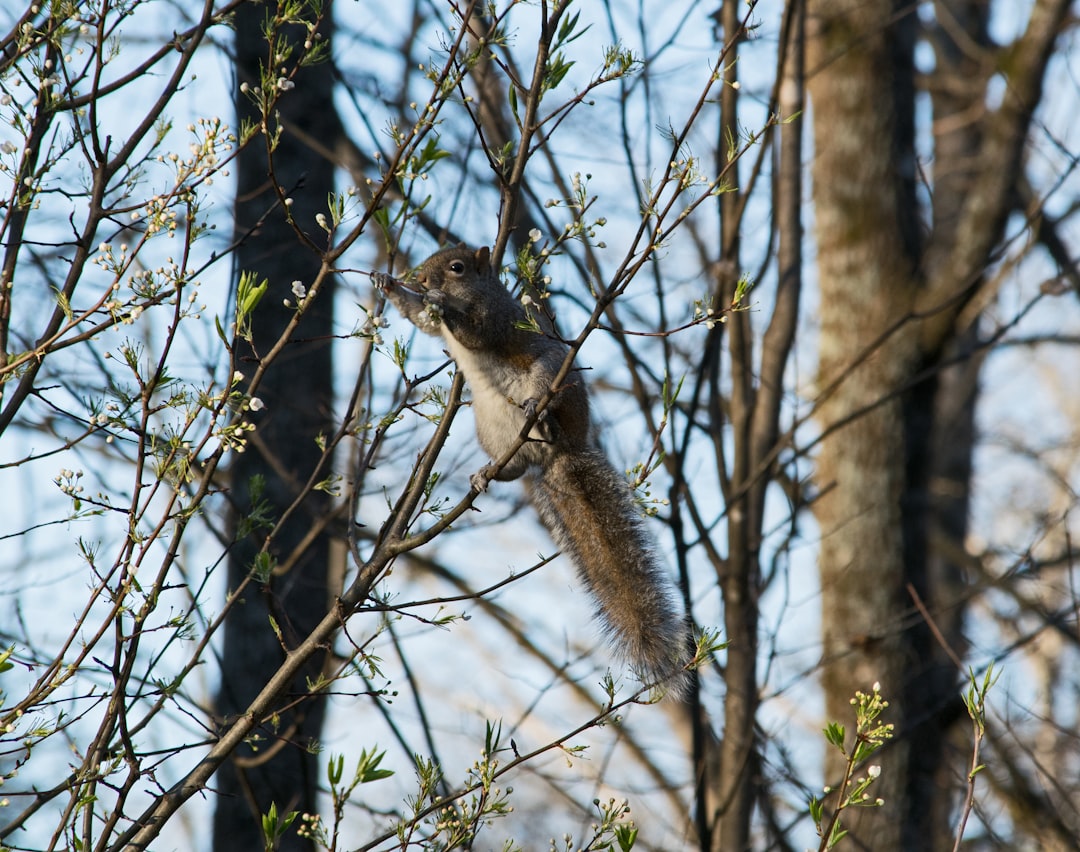
Southern flying squirrels are small nocturnal rodents that can be found throughout parts of North America. They are legal in many states and are known for their ability to bond very closely with their owners. These squirrels require a tall cage for climbing and a diet that includes a variety of nuts seeds and insects. Their small size and social needs make them a significant commitment for anyone looking for a unique mammal companion.
Hermit Crab
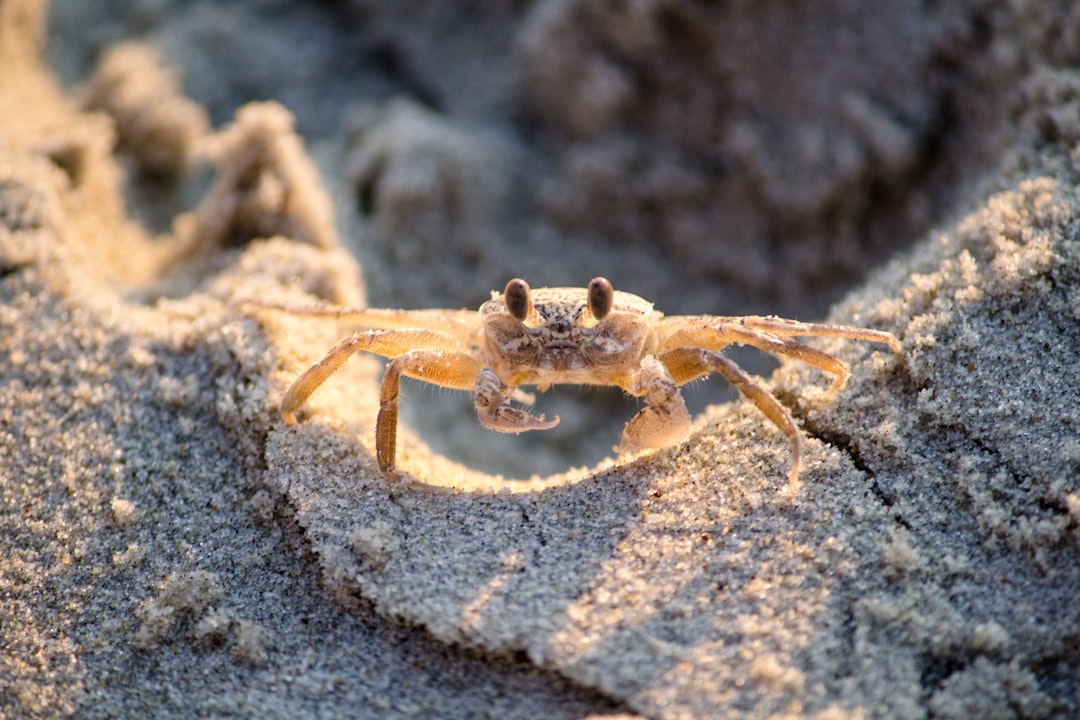
While often sold as disposable novelties hermit crabs are complex animals that can live for decades with proper care. They require a humid environment and a deep substrate of sand and coconut fiber for molting. These social creatures should always be kept in groups and provided with a variety of shells to move into as they grow. They are legal everywhere and are a common entry point into the world of exotic pet keeping.
Llama
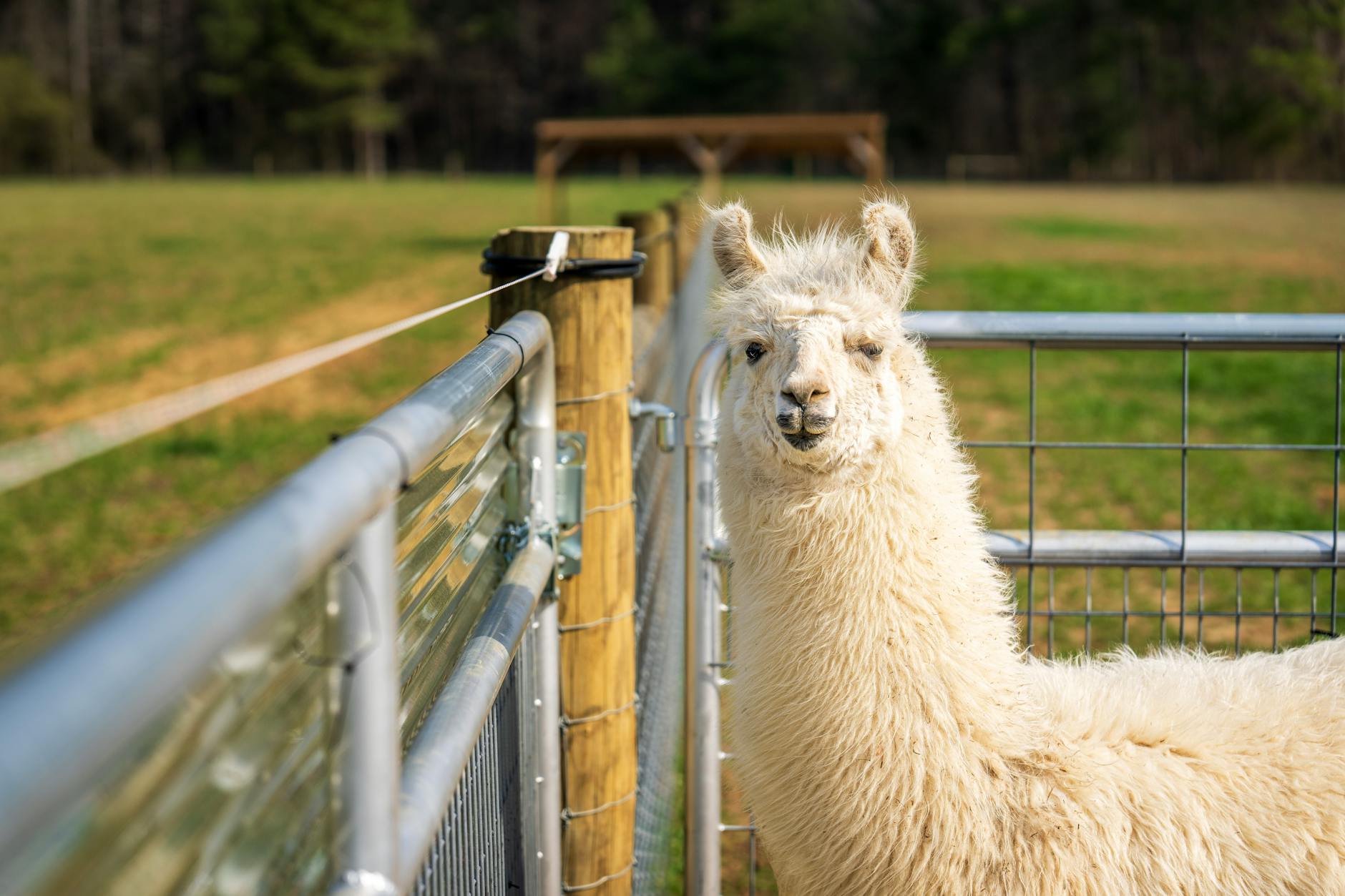
Llamas are large camelids that are increasingly being kept as pets and guard animals for smaller livestock. They are intelligent and can be trained to lead on a halter and even carry packs for hiking trips. Their thick woolly coats require regular shearing to prevent overheating during the summer months. They are legal in most agricultural zones and are valued for their calm presence and hardiness.
Bengal Fox
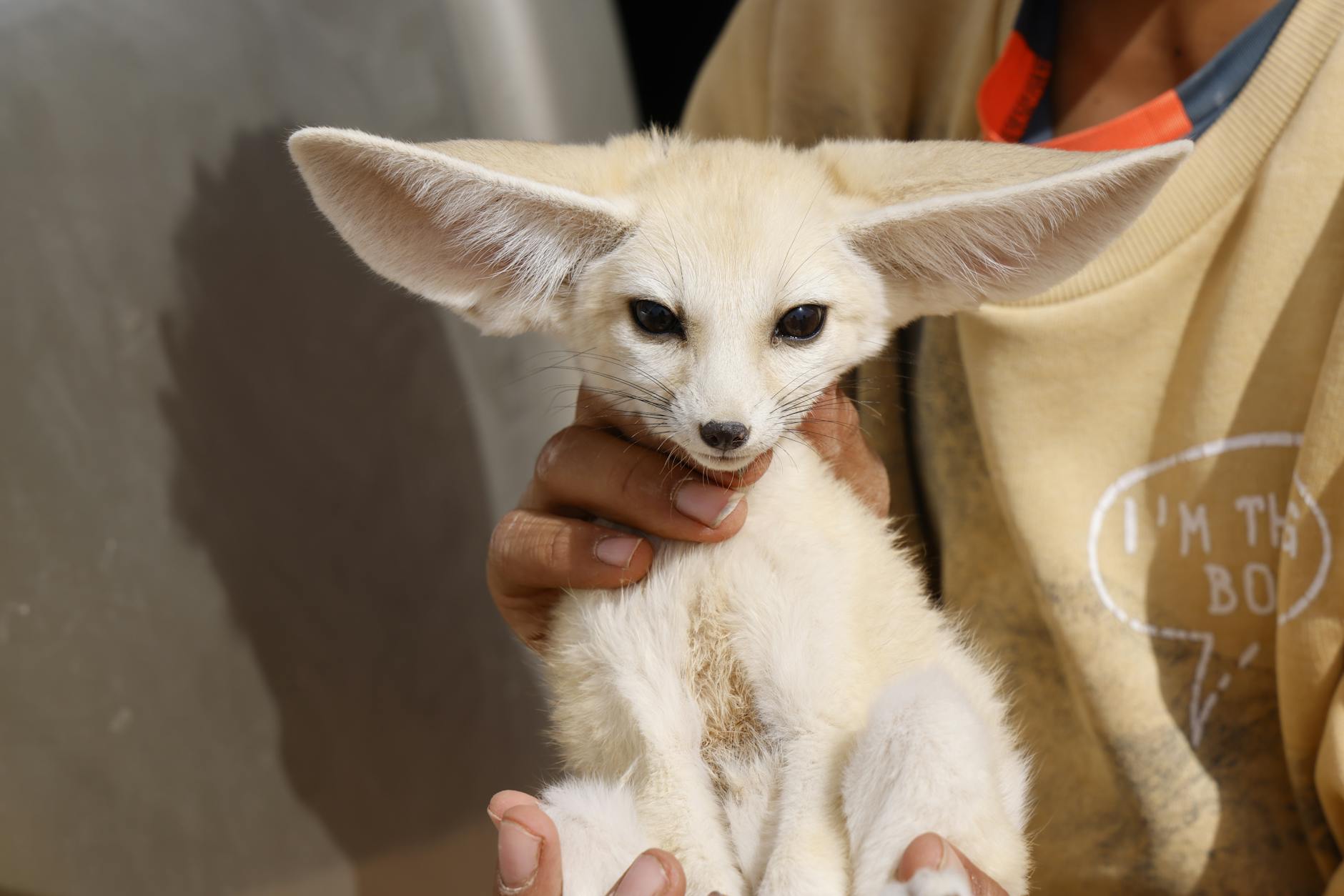
The Bengal fox is a small fox species native to the Indian subcontinent that is sometimes found in the exotic pet trade. They are smaller and less common than the fennec fox but share many of the same care requirements. These animals are highly active and require a secure enclosure with plenty of opportunities for enrichment and digging. Their legal status is more restrictive than other foxes but they remain a legal option in certain areas.
Emu
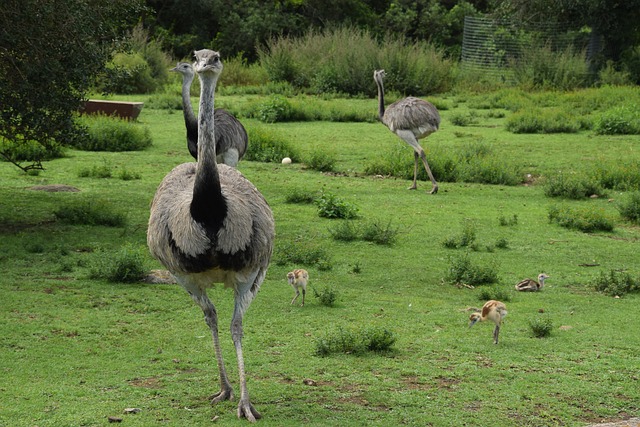
The emu is a large flightless bird from Australia that is legal to own in many parts of the United States. They require a large amount of fenced outdoor space and a diet consisting of specialized poultry pellets and greens. These birds are known for their curious personalities and can become quite friendly with their human caretakers. They are often kept on small farms and acreages where their unique appearance and large eggs are appreciated.
Short-Tailed Opossum
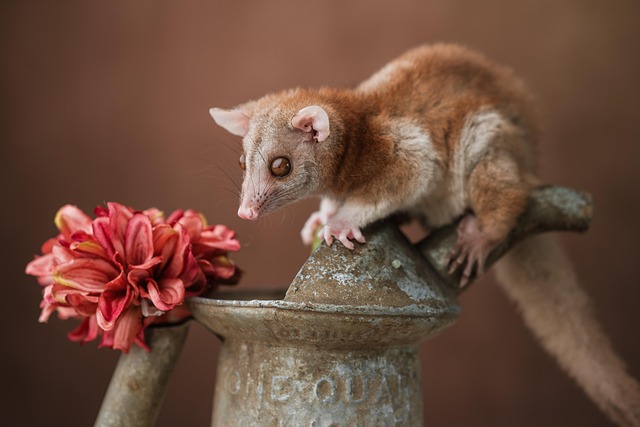
Unlike the common North American opossum the short tailed variety is small and originates from South America. They are solitary and nocturnal animals that spend much of their time climbing and exploring their enclosures. Their diet is insectivorous and they require a warm environment to remain healthy and active. They are legal in many states and are popular for their manageable size and interesting behaviors.
Wolfdog
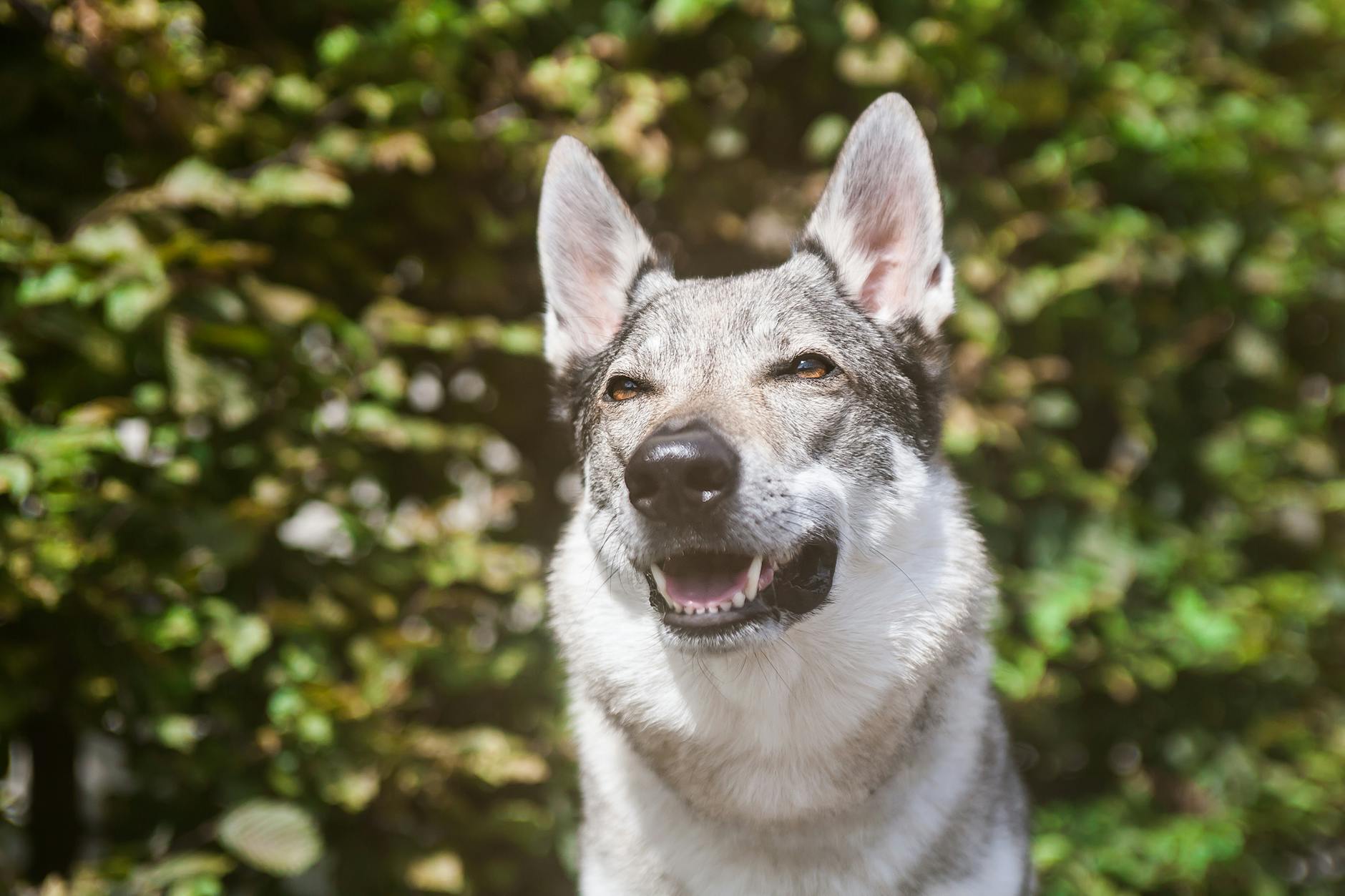
A wolfdog is a hybrid between a domestic dog and a wolf which results in a pet with a complex range of behaviors. Their physical appearance and temperament can vary wildly depending on the percentage of wolf DNA they carry. These animals require a high level of socialization and very secure outdoor enclosures with buried fencing. Legal restrictions on wolfdogs are common so potential owners must check both state and local ordinances.
Pacman Frog
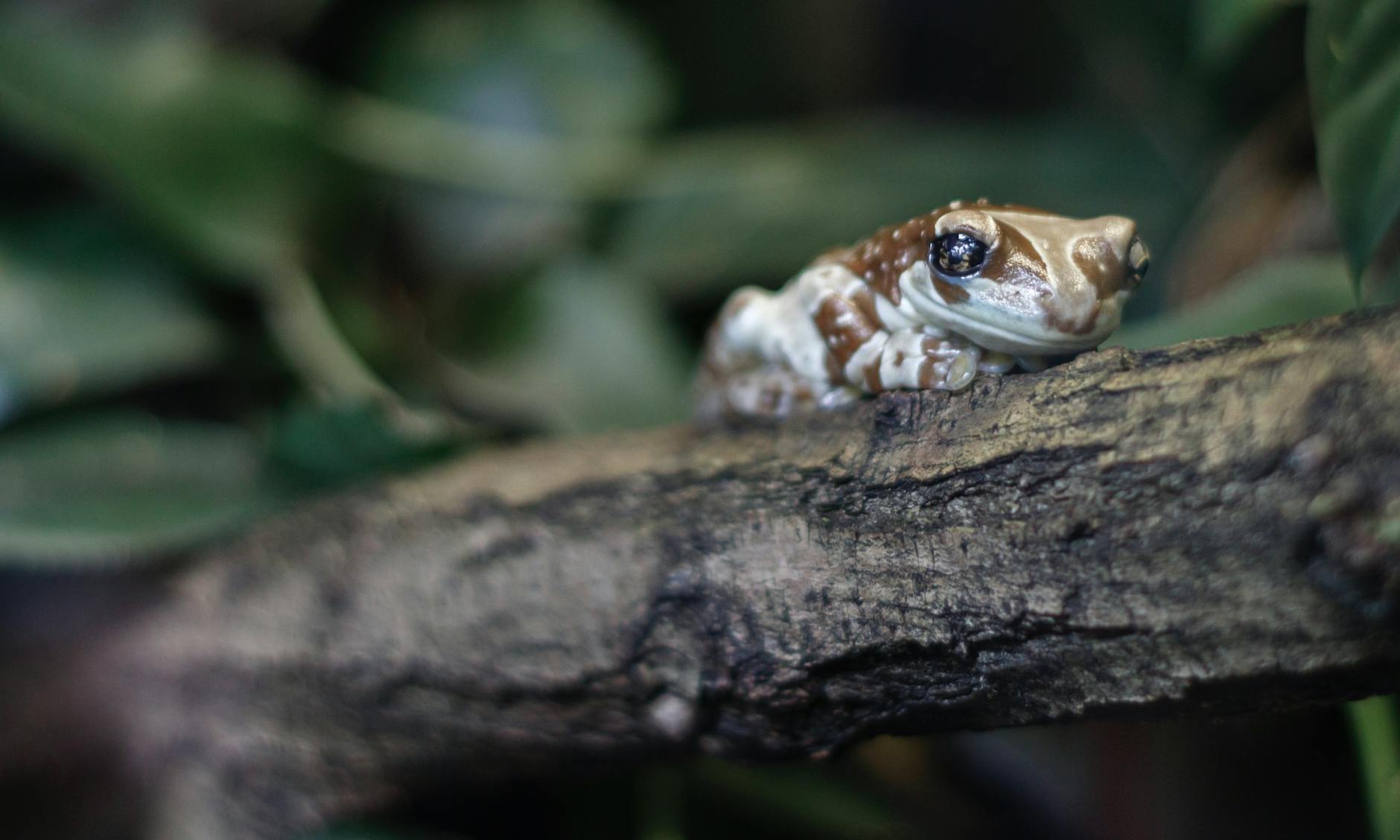
Named for their round shape and large mouths these frogs are known for their voracious appetites and sedentary lifestyles. They are legal in almost every jurisdiction and are relatively easy to care for in a small humid terrarium. Their diet consists primarily of insects though larger individuals can consume small mice. They are an excellent choice for those looking for a colorful and unique amphibian that does not require much space.
Bobcat
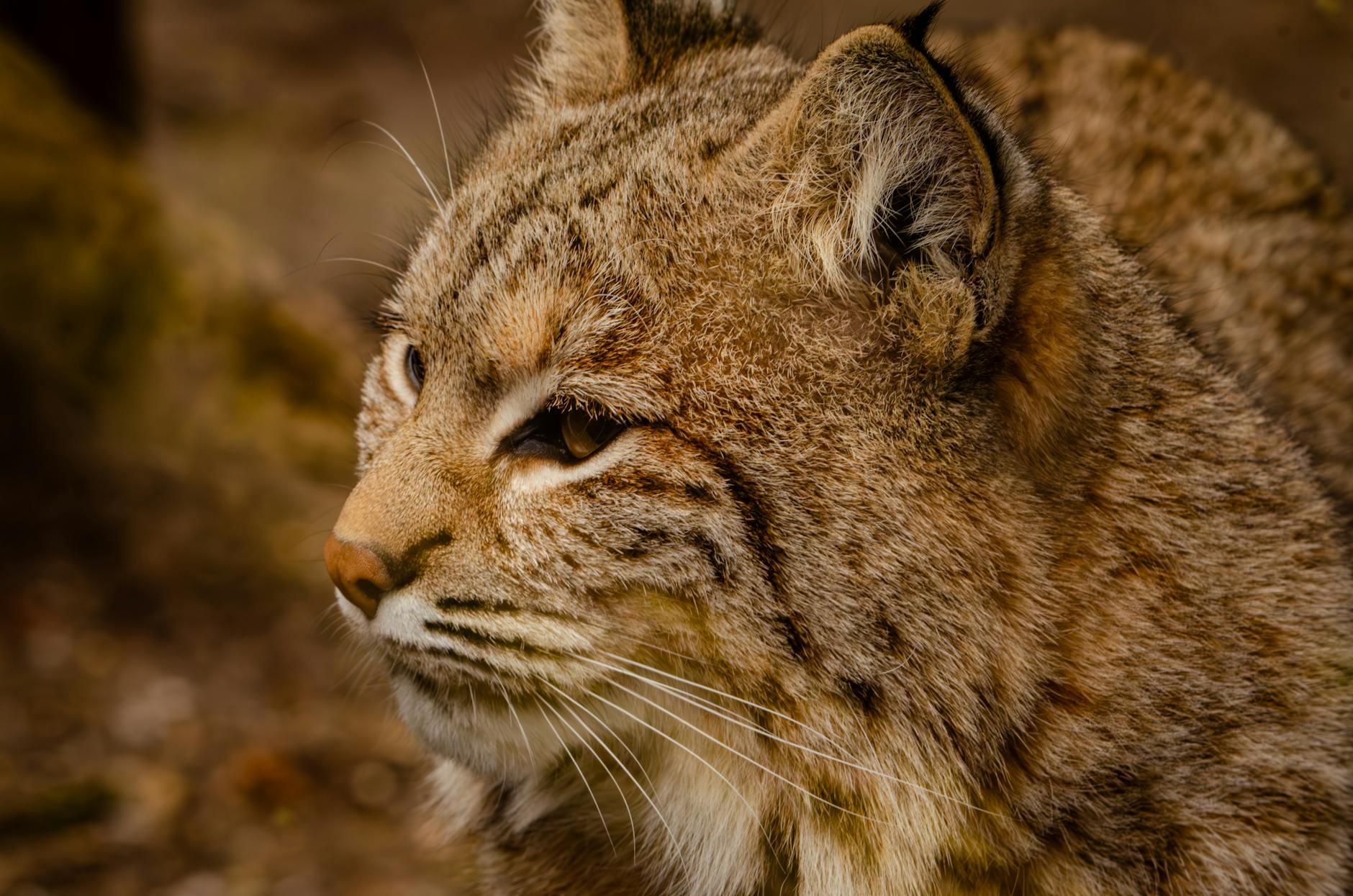
In some states it is surprisingly legal to own a bobcat provided the owner obtains the necessary permits and follows strict safety guidelines. These medium sized wild cats are powerful predators and require large secure outdoor habitats. They are not like domestic cats and retain a strong wild instinct even when raised by humans. Owning a bobcat is a massive responsibility that involves specialized veterinary care and a permanent commitment to their welfare.
Coatimundi
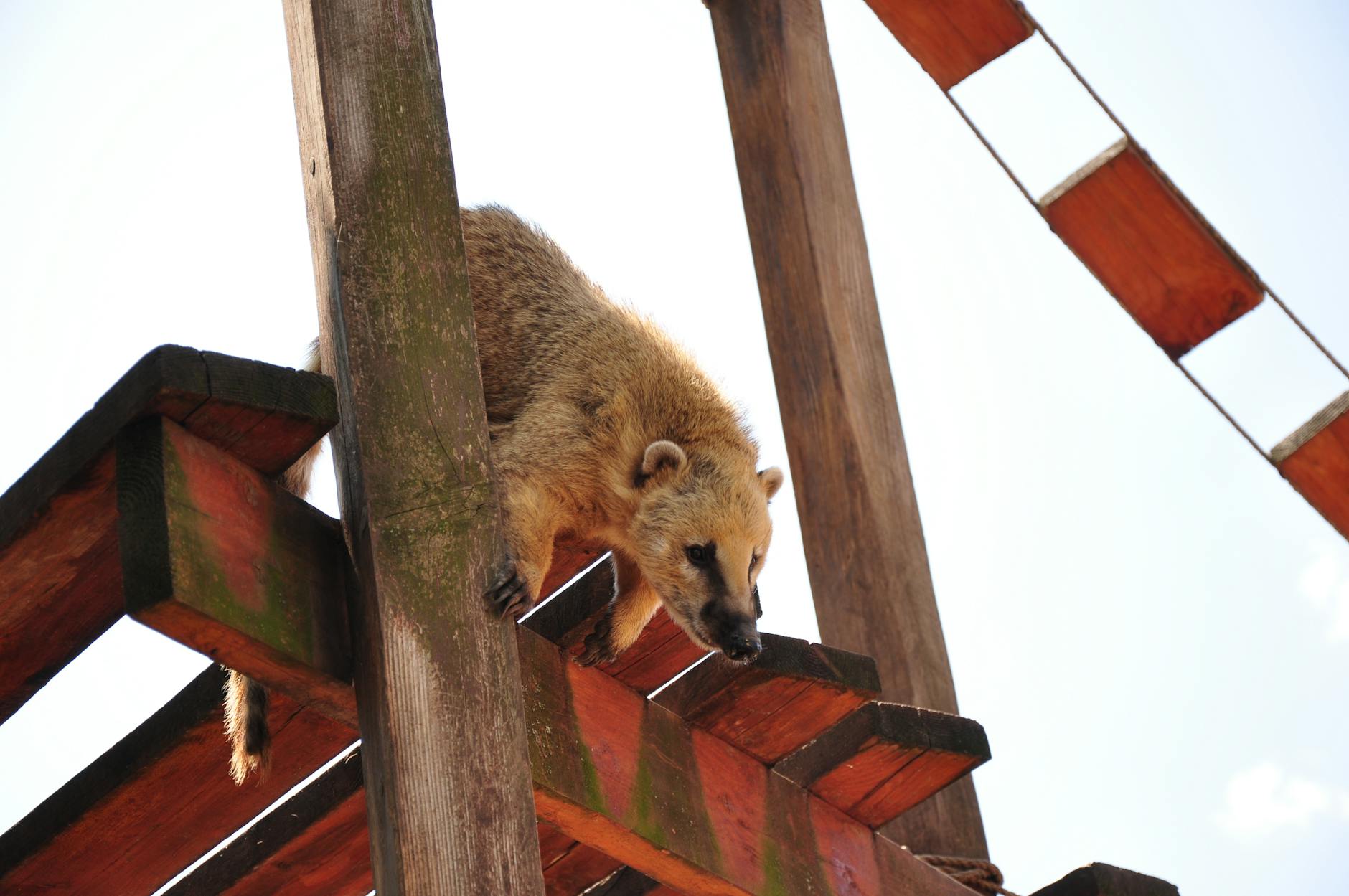
The coatimundi is a relative of the raccoon with a long snout and a ringed tail that it often carries upright. They are highly intelligent and energetic animals that require constant mental stimulation to prevent destructive behavior. Their diet is omnivorous and they enjoy a wide variety of fruits vegetables and small proteins. While legal in several states they are known for being demanding pets that require a lot of time and attention.
Please share your experiences or questions about owning an exotic animal in the comments.