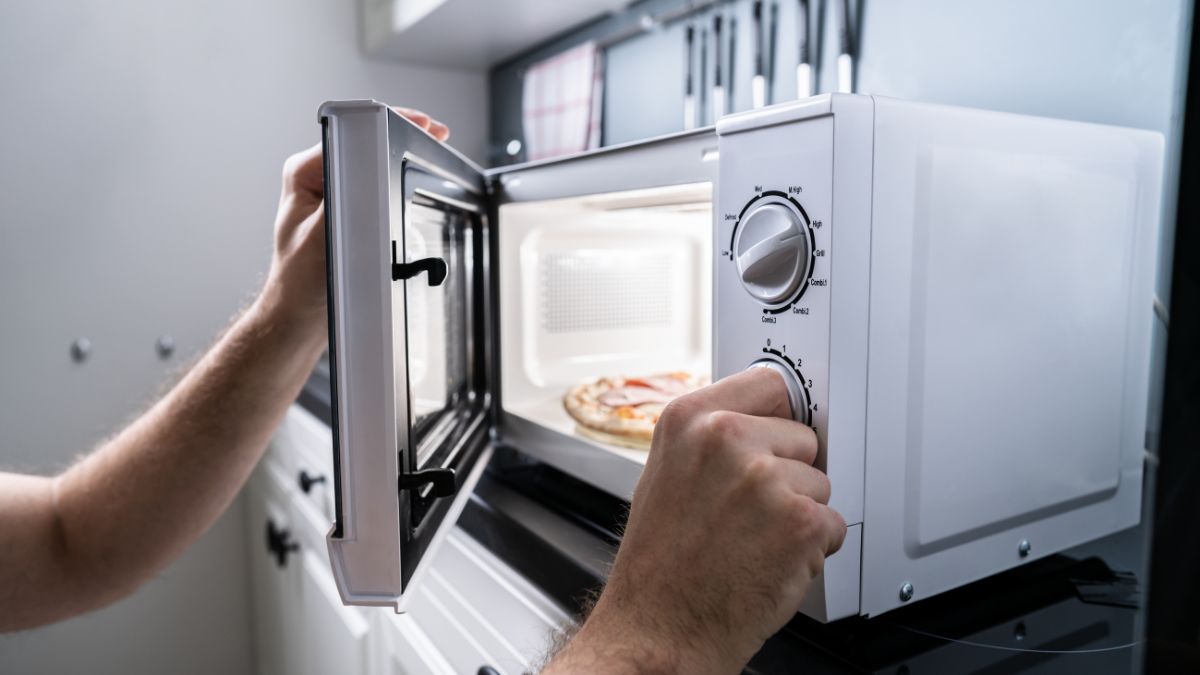
The microwave is one of the most convenient appliances in any kitchen, but not every food plays nicely with its reheating power. Some dishes lose their texture, flavor, or nutritional value when zapped a second time, while others can become genuinely unsafe to eat. Knowing which foods to keep away from the microwave can save you from a disappointing meal or even a trip to the doctor. This guide covers the most common culprits that should always be reheated by other means or simply enjoyed cold.
Chicken
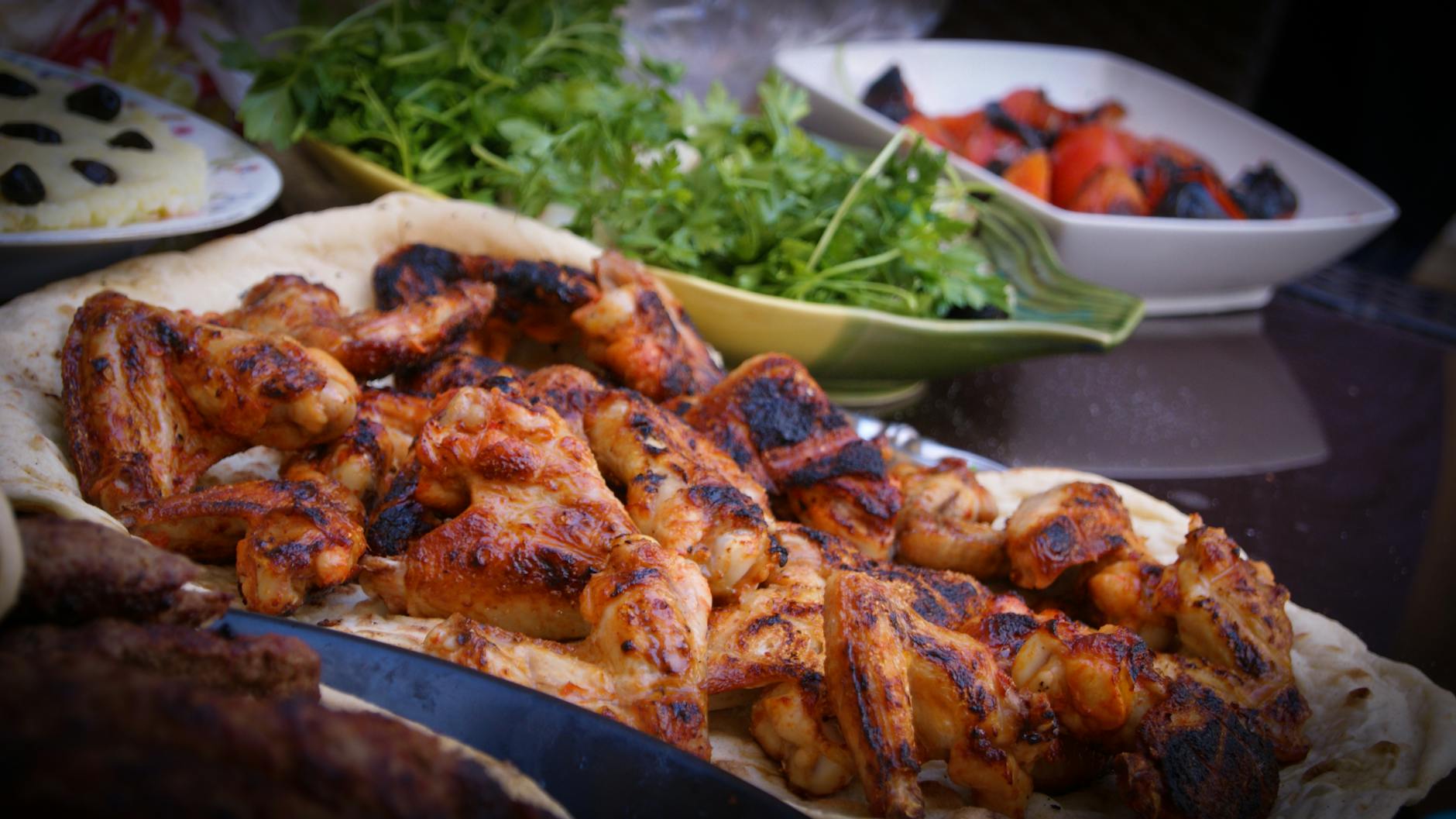
Chicken is one of the riskiest foods to reheat in a microwave because the appliance heats unevenly, leaving cold spots where bacteria can survive. The proteins in the meat break down in a way that creates a rubbery, unpleasant texture that is hard to enjoy. Salmonella and other harmful bacteria thrive when poultry is not heated thoroughly and consistently throughout. Reheating chicken in an oven or on the stovetop at a steady temperature is a far safer and tastier alternative.
Rice
Rice harbors a particularly resilient bacterium called Bacillus cereus, which can survive the initial cooking process and multiply rapidly at room temperature. When microwaved, the steam distribution is uneven, meaning portions of the rice may not reach the temperature needed to neutralize harmful microbes. The texture also suffers significantly, often becoming dry and clumped in some areas while remaining soggy in others. The safest way to reheat rice is in a covered pan with a small splash of water over low heat to bring it back to an even temperature.
Eggs
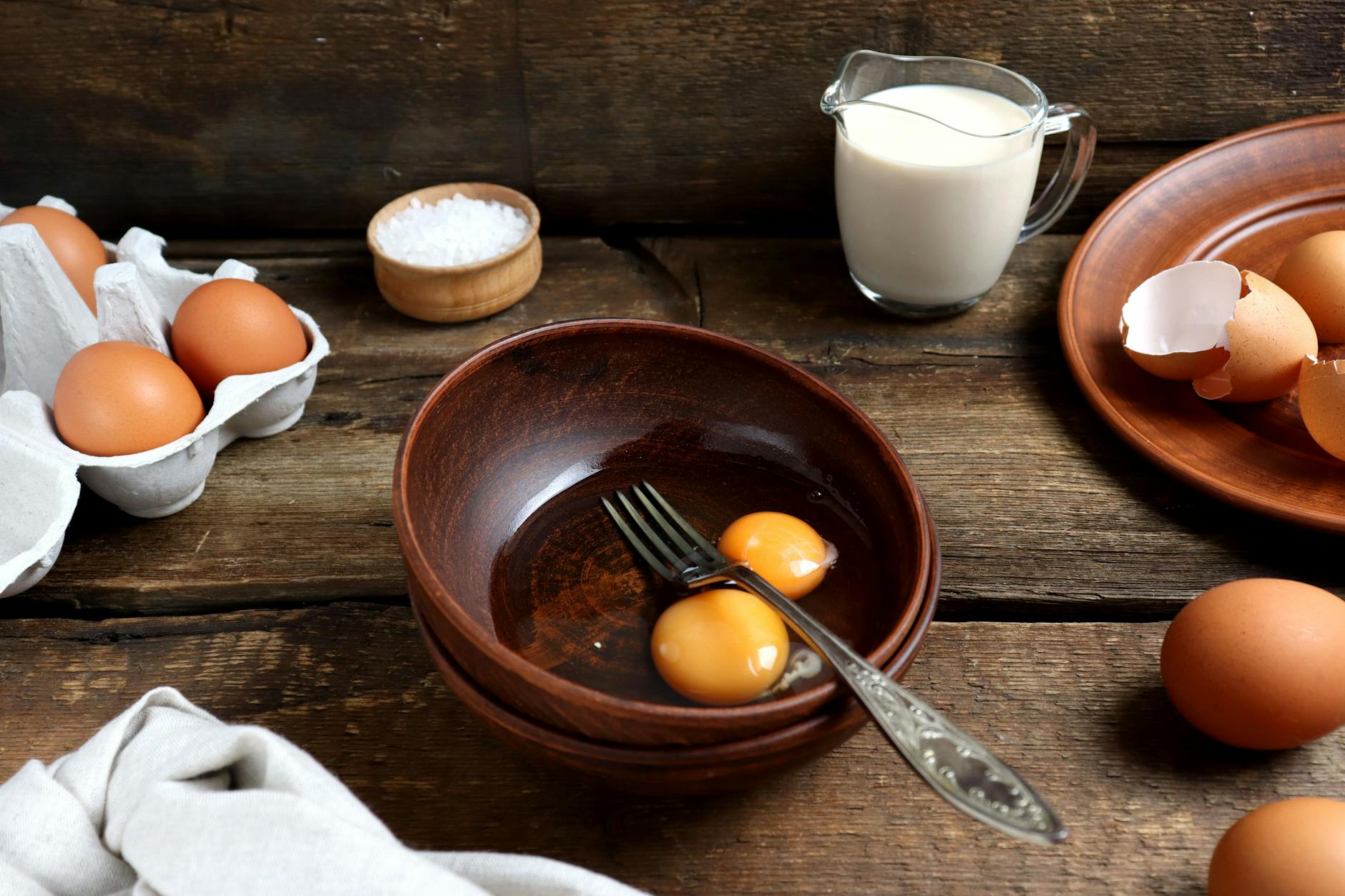
Whole eggs with intact yolks can build up pressure rapidly inside a microwave, leading to a dangerous explosion that can cause burns and a significant mess. Even scrambled eggs suffer in the microwave, turning rubbery and releasing an unpleasant sulfuric odor as the proteins tighten from the intense heat. The delicate balance of fats and proteins in eggs makes them particularly sensitive to the rapid and uneven energy of microwave radiation. A gentle reheat in a nonstick pan over low heat preserves both safety and texture far more effectively.
Breast Milk

Breast milk should never be warmed in a microwave under any circumstances, as the uneven heating creates dangerous hot spots that can scald a baby’s mouth and throat. Beyond the physical danger, microwave heat destroys many of the antibodies and beneficial nutrients that make breast milk so valuable for infant health. The World Health Organization and pediatric health bodies universally advise against this practice. The safest method is to place the bottle or bag in a bowl of warm water to bring it to a gentle, even temperature.
Seafood
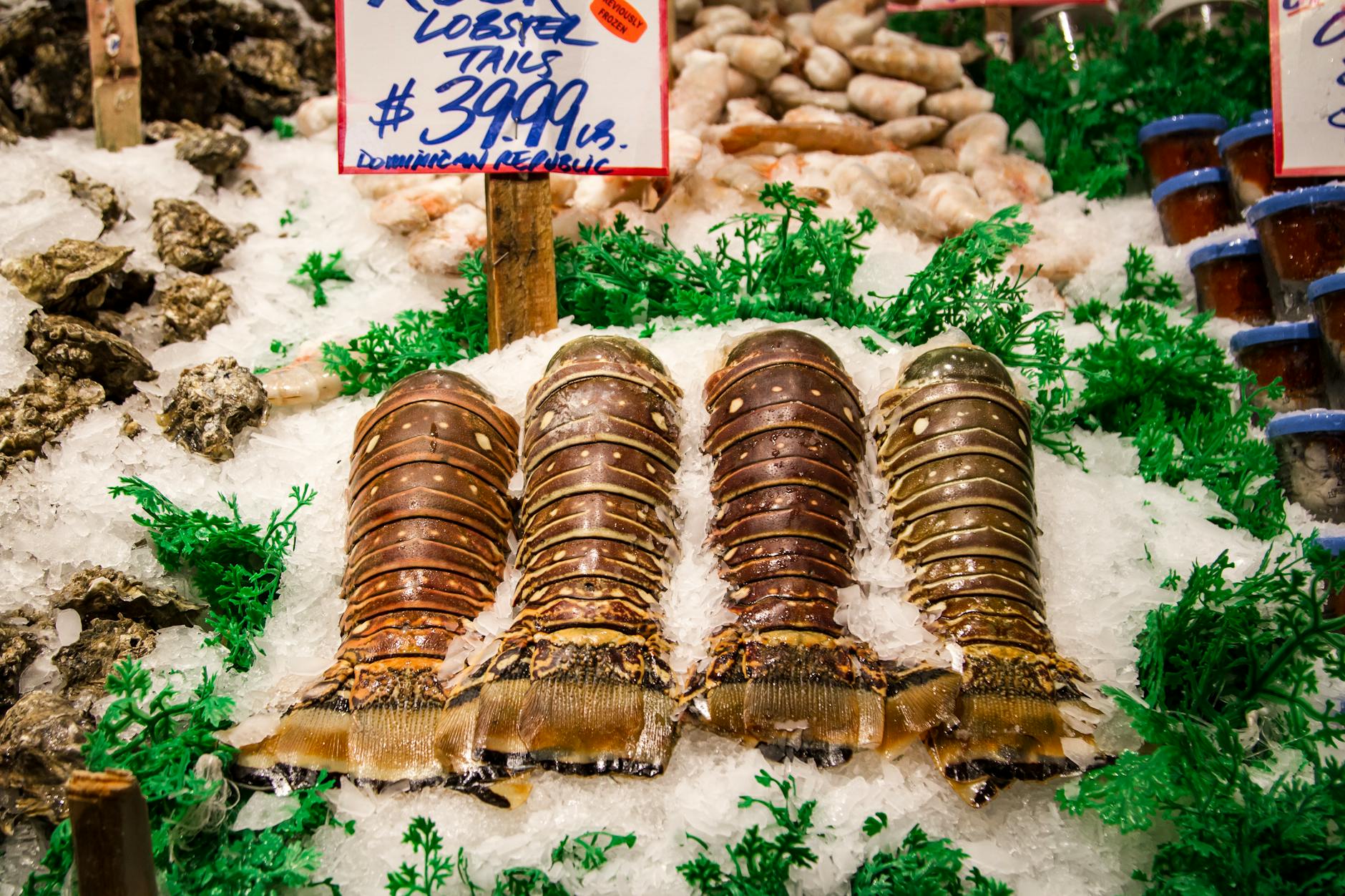
Seafood reheated in a microwave tends to release pungent odors that can be difficult to air out of a kitchen or shared space. The delicate proteins in fish and shellfish overcook almost instantly in a microwave, turning rubbery and dry in a matter of seconds. Bacteria in seafood that was not stored correctly can also survive uneven microwave heating and pose a serious health risk. A low oven or a covered pan with a touch of butter is the preferred method for bringing seafood back to a safe and palatable temperature.
Potatoes
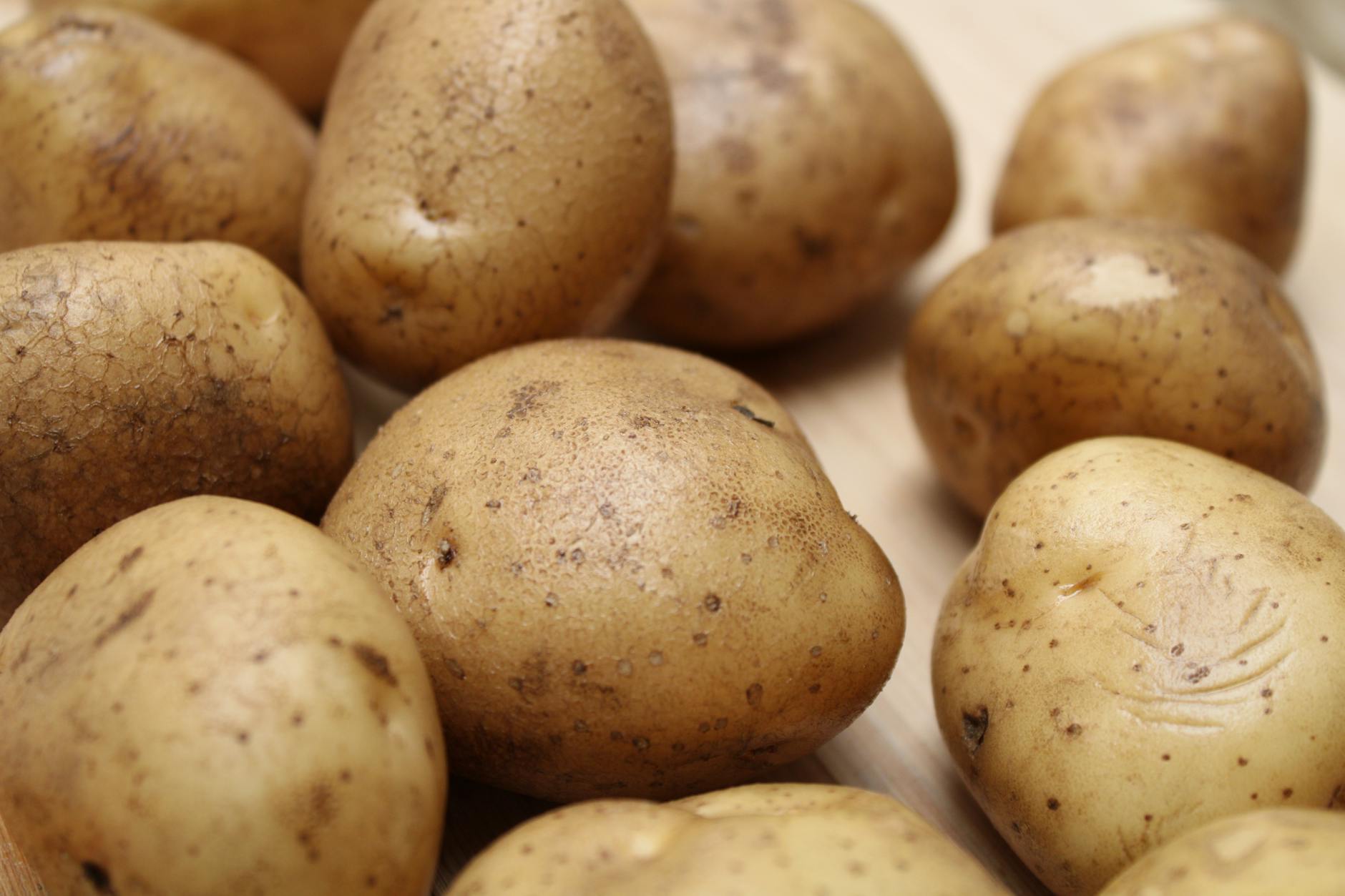
Potatoes that have been cooked and left to cool can develop the bacterium Clostridium botulinum, especially when wrapped in foil or stored in low-oxygen conditions. Microwaving does not consistently heat the inside of the potato to a temperature sufficient to neutralize this risk. The skin of reheated microwaved potatoes also tends to become unpleasantly tough and leathery. Reheating potatoes in a conventional oven or cutting them up and pan-frying them achieves a far superior result in both safety and flavor.
Pizza
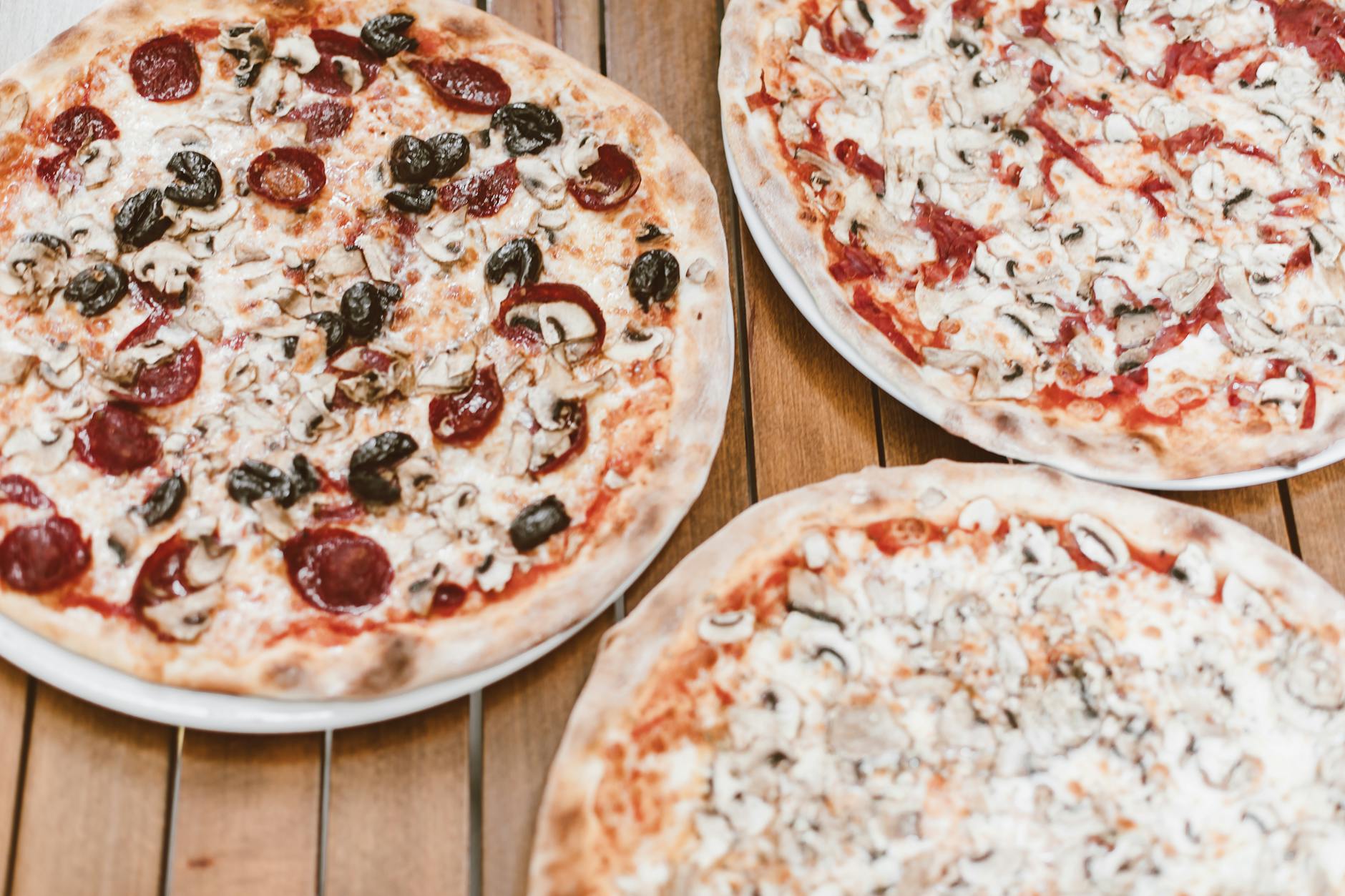
Pizza reheated in a microwave becomes a soggy, uneven disappointment in a matter of minutes. The crust loses its structure and takes on a chewy, almost gummy texture that bears little resemblance to the original slice. Cheese can become rubbery and oily, pooling rather than melting evenly across the surface of the slice. A dry skillet on the stovetop or a few minutes in a hot oven will restore the crust’s crispness and give you a result that actually tastes worth eating.
Leafy Greens
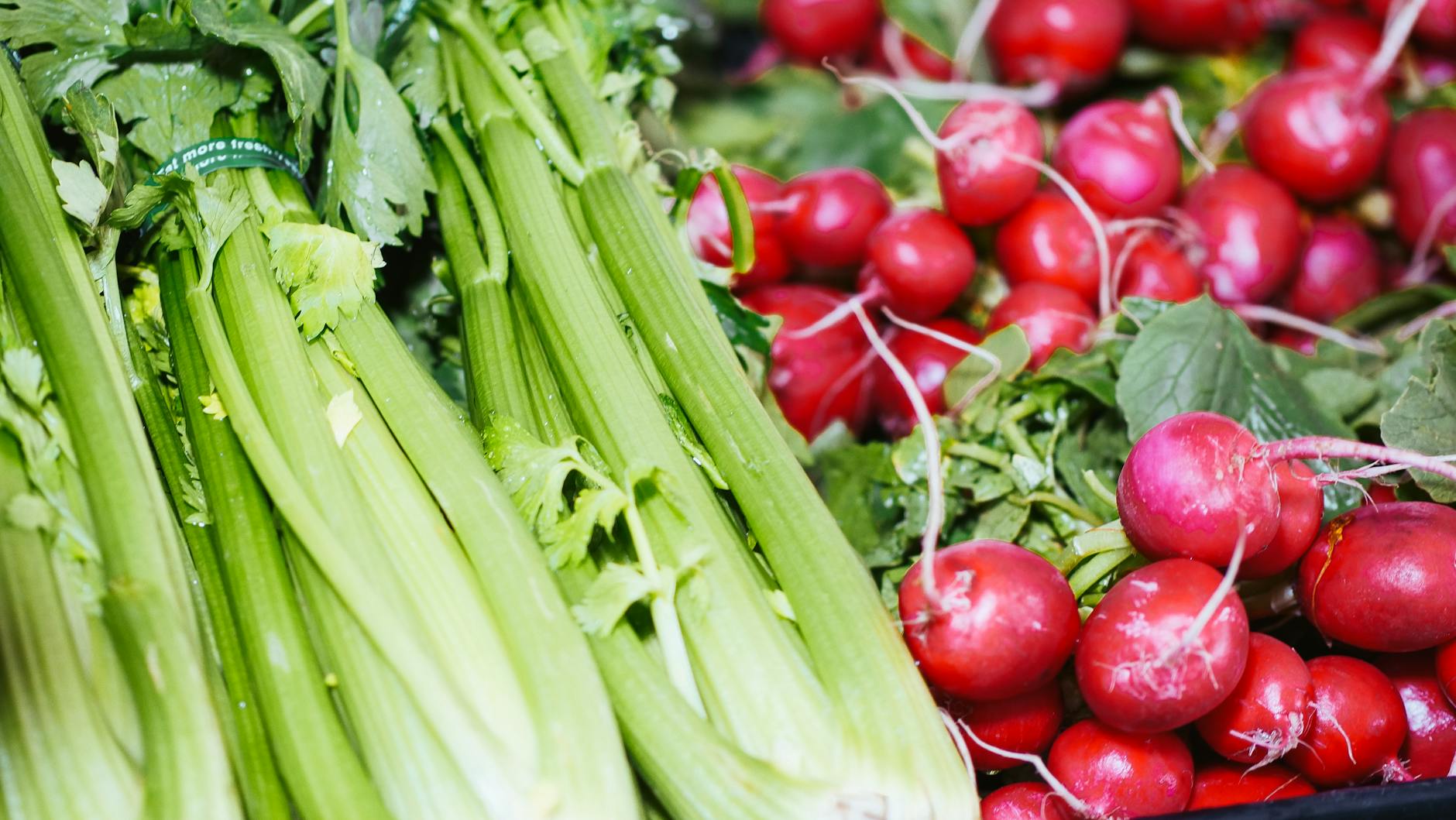
Leafy greens like spinach, kale, and chard contain naturally occurring nitrates that can convert into nitrosamines when exposed to high heat a second time. These compounds have been studied for their potentially harmful effects on human health when consumed regularly. The texture of microwaved greens also deteriorates quickly into a wilted, watery mass that is far less palatable. It is generally recommended to enjoy cooked greens fresh or cold the following day rather than attempting to reheat them at all.
Mushrooms

Mushrooms are best eaten immediately after cooking because their proteins begin to break down rapidly once the cooking process is complete and they start to cool. Microwaving mushrooms causes these proteins to degrade further in a way that can cause digestive discomfort in some people. The cellular structure of mushrooms also collapses under microwave heat, releasing excess moisture and turning them slimy rather than savory. If reheating is necessary, a hot dry pan for just a minute or two is the most effective approach.
Breast Meat Turkey
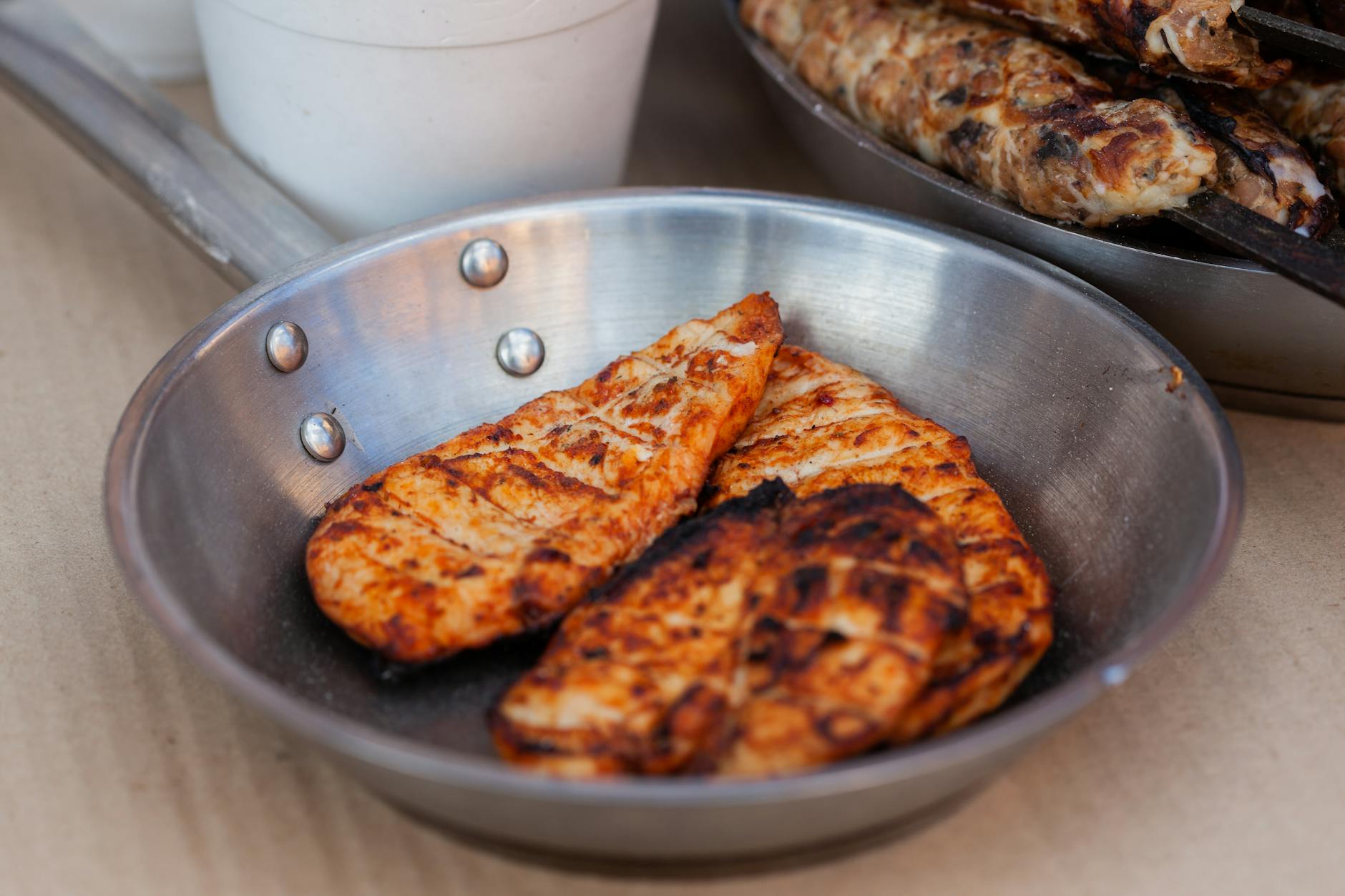
Turkey breast dries out faster in a microwave than almost any other protein, losing its moisture almost immediately as the exterior overheats before the interior warms through. The result is a chalky, fibrous texture that renders what was once a tender cut nearly inedible. Leftover turkey is best reheated in a covered baking dish with a small amount of broth to retain moisture and distribute heat evenly. This slower approach preserves both the texture and the flavor that made the dish worth saving in the first place.
Beetroot
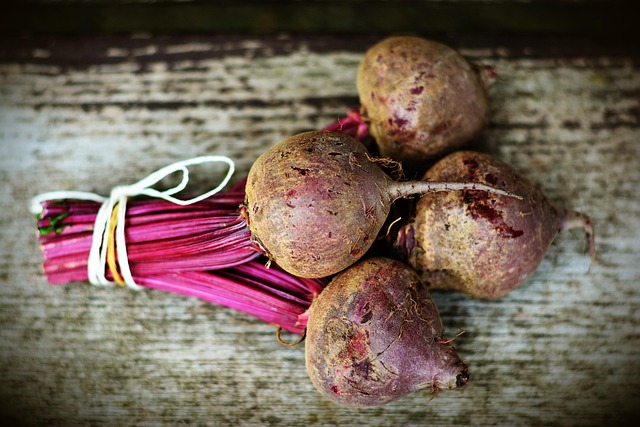
Beetroot contains a high concentration of nitrates, similar to leafy greens, and reheating it in a microwave can trigger the same conversion process that produces potentially harmful compounds. The intense heat of a microwave also strips the vegetable of much of its vibrant color and earthy depth of flavor. Texture becomes compromised as well, with the flesh turning rubbery rather than tender. Cold beetroot in salads or eaten at room temperature straight from the refrigerator is generally the safest and most flavorful way to enjoy leftovers.
Celery
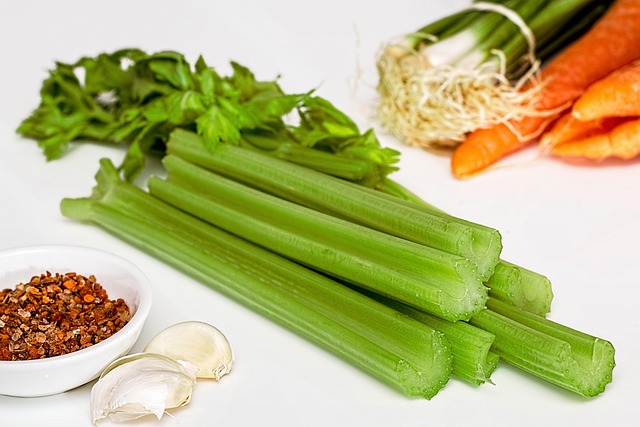
Celery is another nitrate-rich vegetable that undergoes an unfavorable chemical transformation when reheated in the microwave, producing compounds that are best avoided. Its high water content also makes it prone to uneven heating, creating a texture that is simultaneously limp and watery. Most soups and stews that contain celery are better reheated on the stovetop, where a gentle simmer brings everything back to temperature without degrading the individual ingredients. Eating celery raw rather than attempting to reheat it is always the better option.
Carrots
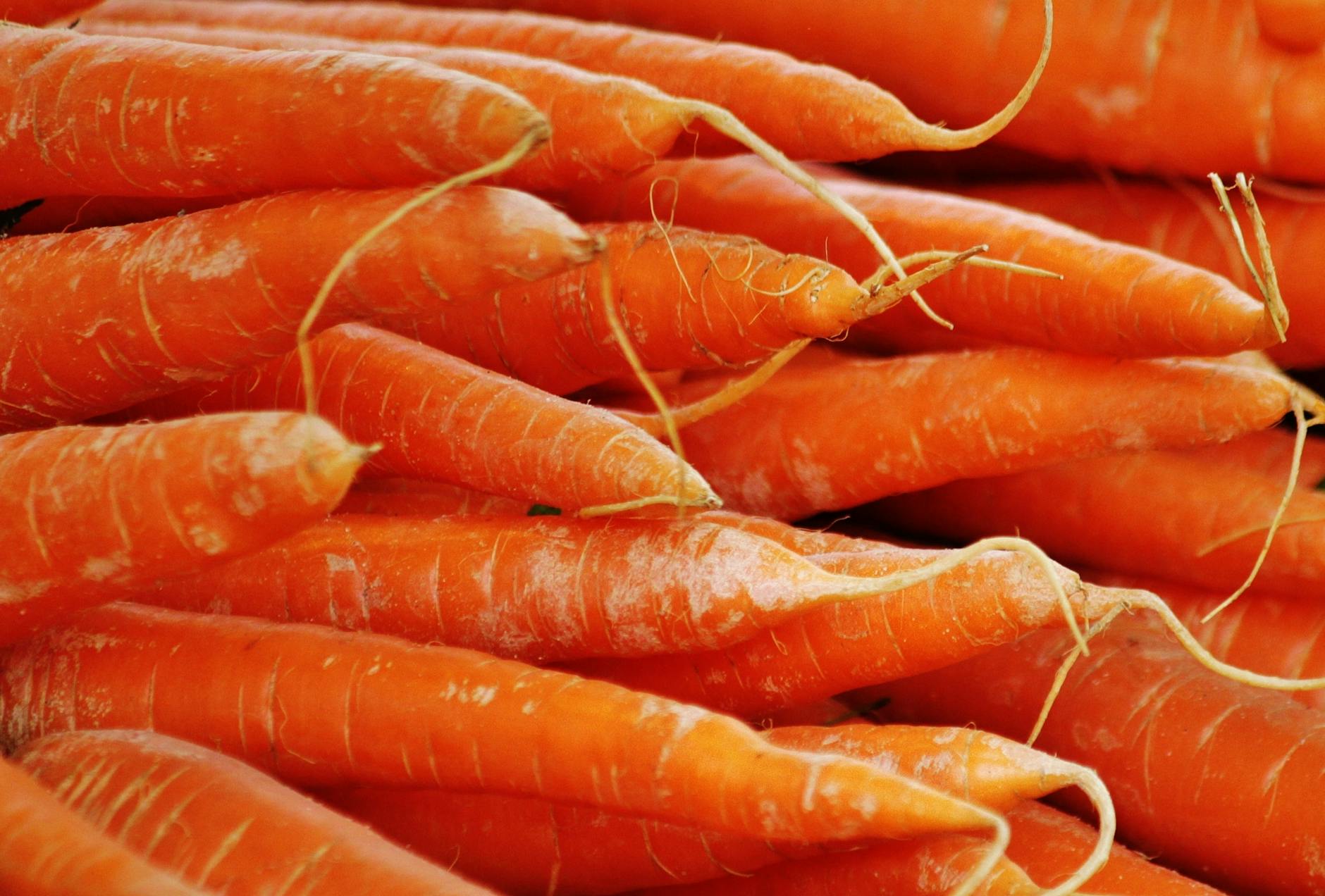
Like celery and beetroot, carrots contain nitrates that can convert into less desirable compounds under intense microwave heat. The outer layers of a carrot tend to overheat and become mushy while the center may remain unpleasantly cool if the pieces are thick. This uneven result is both a food safety concern and a textural disappointment. A brief steam or a gentle simmer on the stovetop is the ideal way to bring leftover carrots back to a pleasant, edible state.
Breast Meat Pork
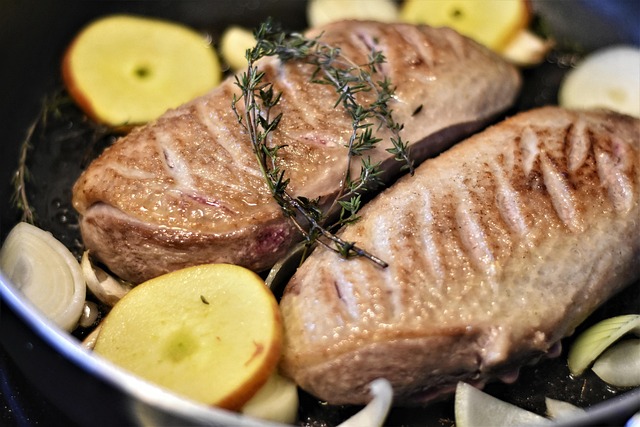
Pork reheated in a microwave suffers from the same uneven heating problem that affects all dense proteins, leaving portions undercooked and others overdone. The fat in pork cuts can splatter aggressively inside the microwave, creating a cleaning challenge and an uneven redistribution of moisture throughout the meat. Reheating pork at too high a heat also causes the muscle fibers to tighten, resulting in a dry and chewy texture. A covered dish in the oven with a small amount of liquid is the preferred method for retaining moisture and ensuring even heating.
Bread

Bread microwaved for even a short time undergoes a rapid change in its starch structure, resulting in a texture that starts out soft and steamy but quickly becomes hard and stale as it cools. The crust loses all of its structural integrity and the interior becomes gummy in an unpleasant way. Bread is far better toasted or warmed in a conventional oven, which can revive the crust and create an appealing contrast with the soft interior. This applies equally to rolls, baguettes, and flatbreads that have been stored after their first use.
Hot Peppers
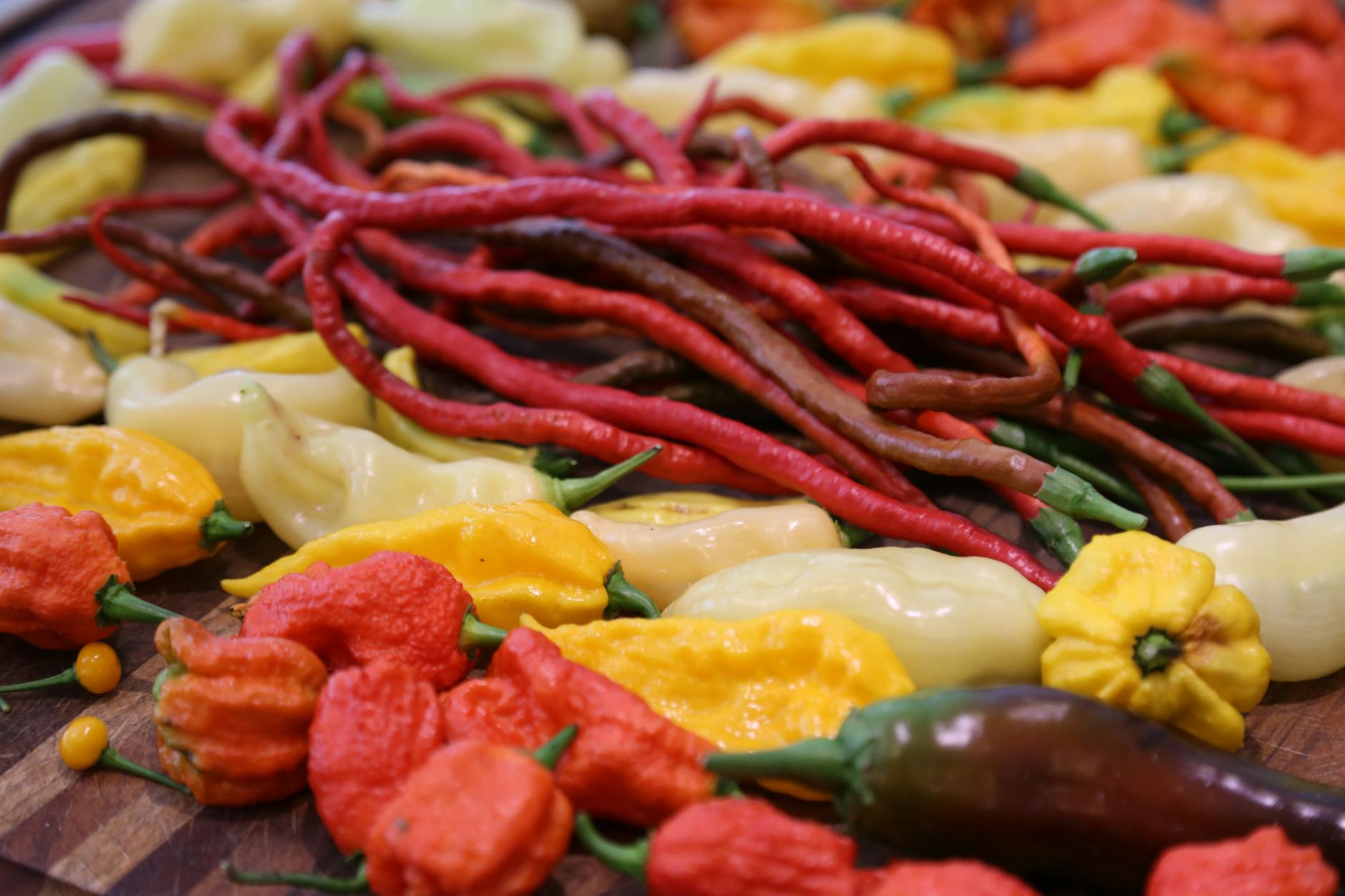
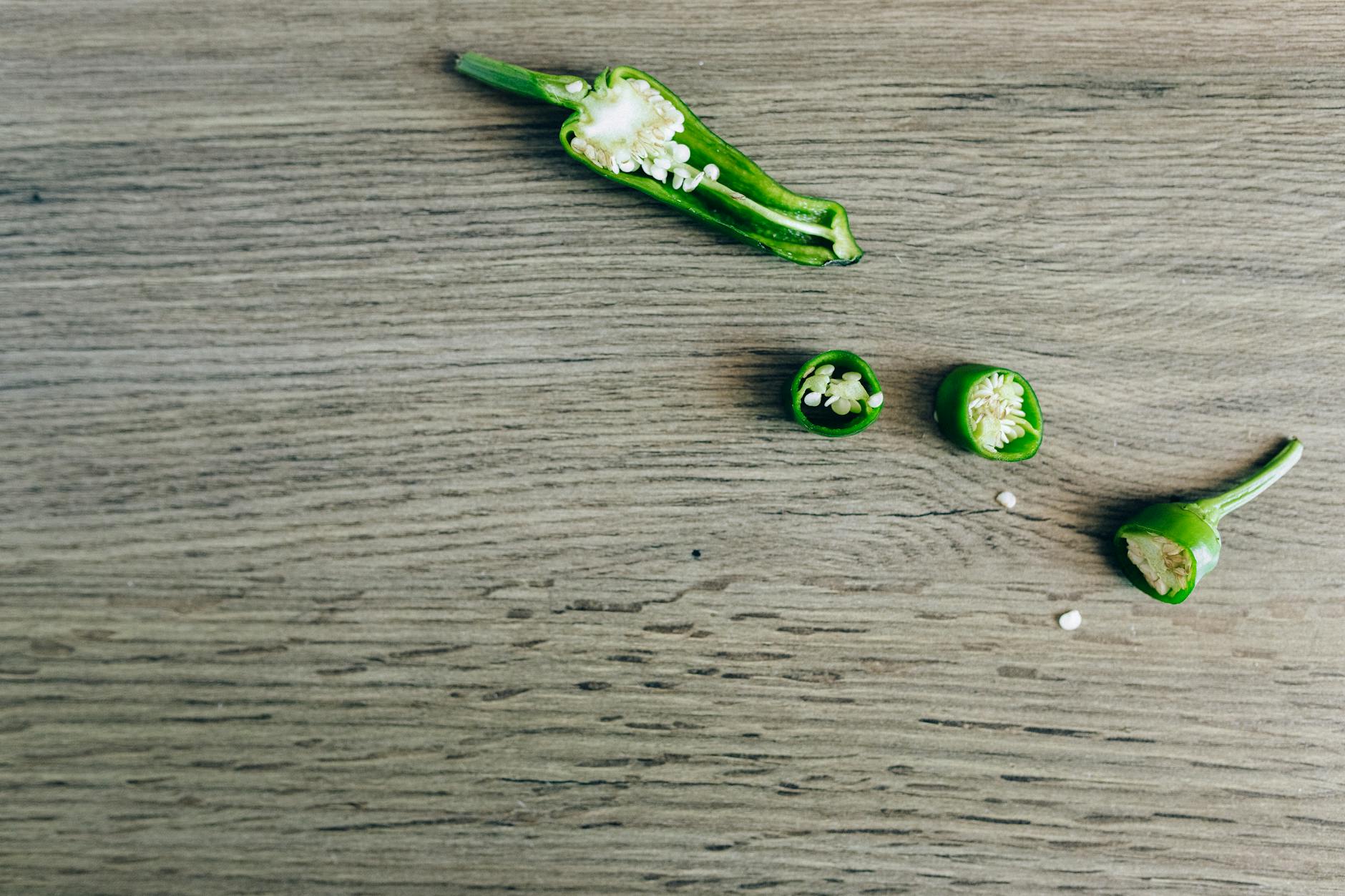
Hot peppers release capsaicin compounds when heated, and in the enclosed space of a microwave, this creates an intensely irritating vapor that can burn the eyes, nose, and throat upon opening the door. The phenomenon is similar in effect to pepper spray and can cause significant discomfort, particularly in small or poorly ventilated kitchens. Foods that contain a high quantity of chili peppers or hot sauce are best reheated in a covered pan on the stovetop with the range hood fan running. This method controls the release of capsaicin far more safely than a microwave can.
Fried Foods
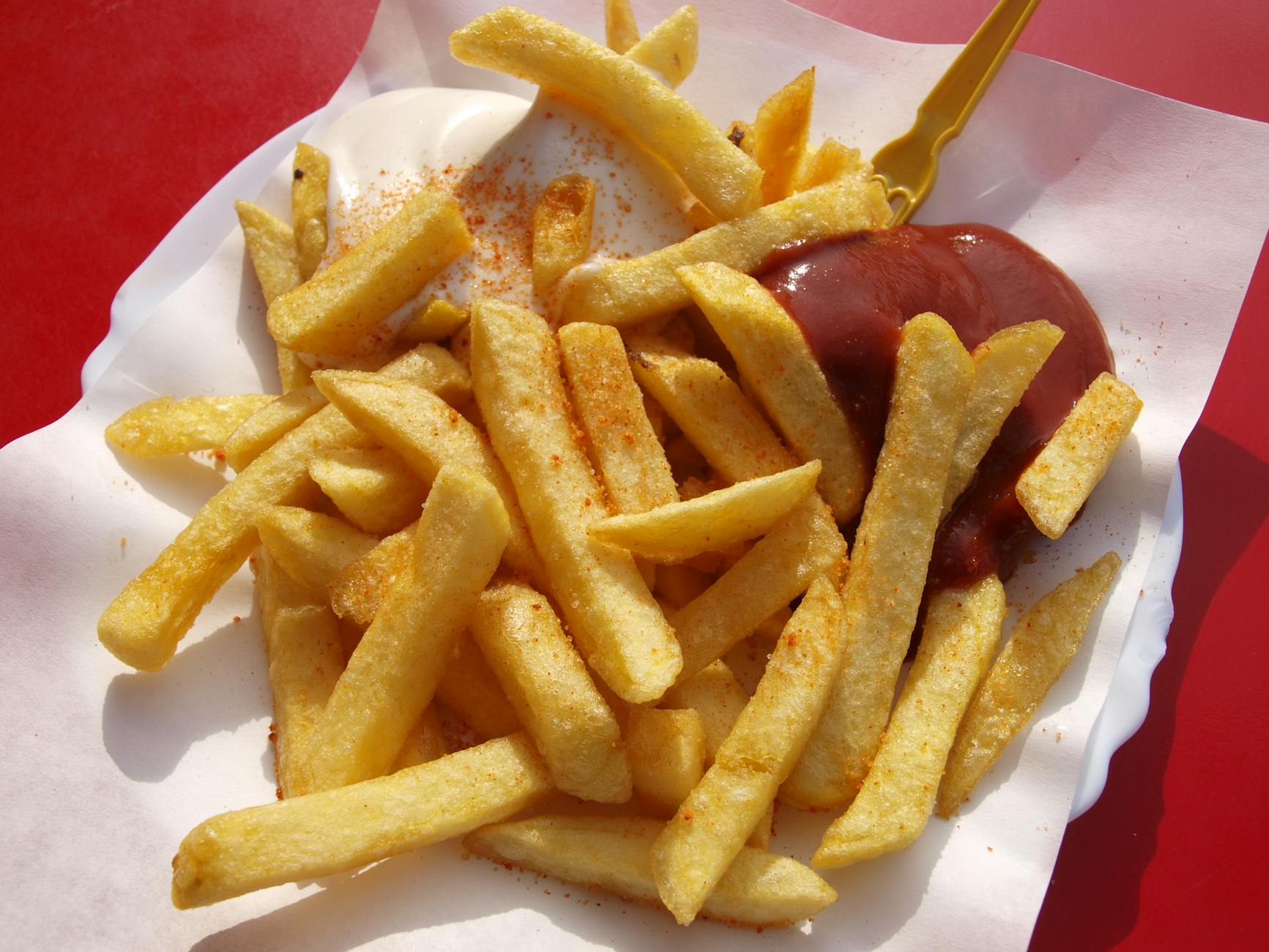
Fried foods lose the crispiness that defines them almost immediately in a microwave, as the steam trapped by the appliance’s enclosed environment turns the coating soft and greasy. French fries, fried chicken, and spring rolls all suffer the same fate, emerging limp and unappetizing rather than crunchy and golden. An air fryer or a conventional oven set to a high temperature is the correct tool for restoring any fried food to a condition worth eating. The investment in a few extra minutes of heating time pays off considerably in terms of the final result.
Processed Meats
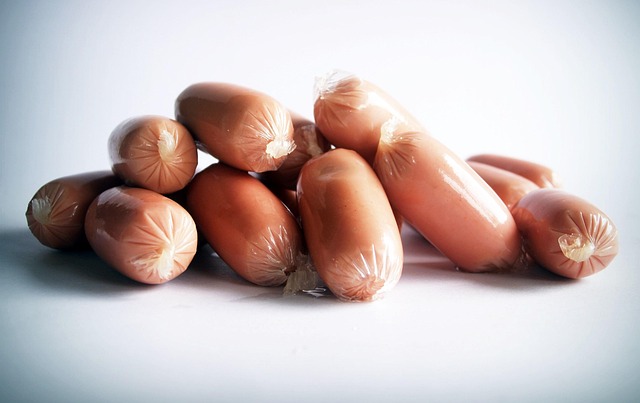
Processed meats like sausages, hot dogs, and deli slices are loaded with salts, preservatives, and fat compounds that react unpredictably to microwave energy. The casings of sausages and hot dogs can burst under the pressure of steam building up inside, creating a mess and an unevenly cooked product. The chemical additives in many processed meats are also known to form compounds under high heat that nutritionists advise limiting. Gentle pan frying or oven warming is a far more controlled way to bring these products back to a safe serving temperature.
Pasta
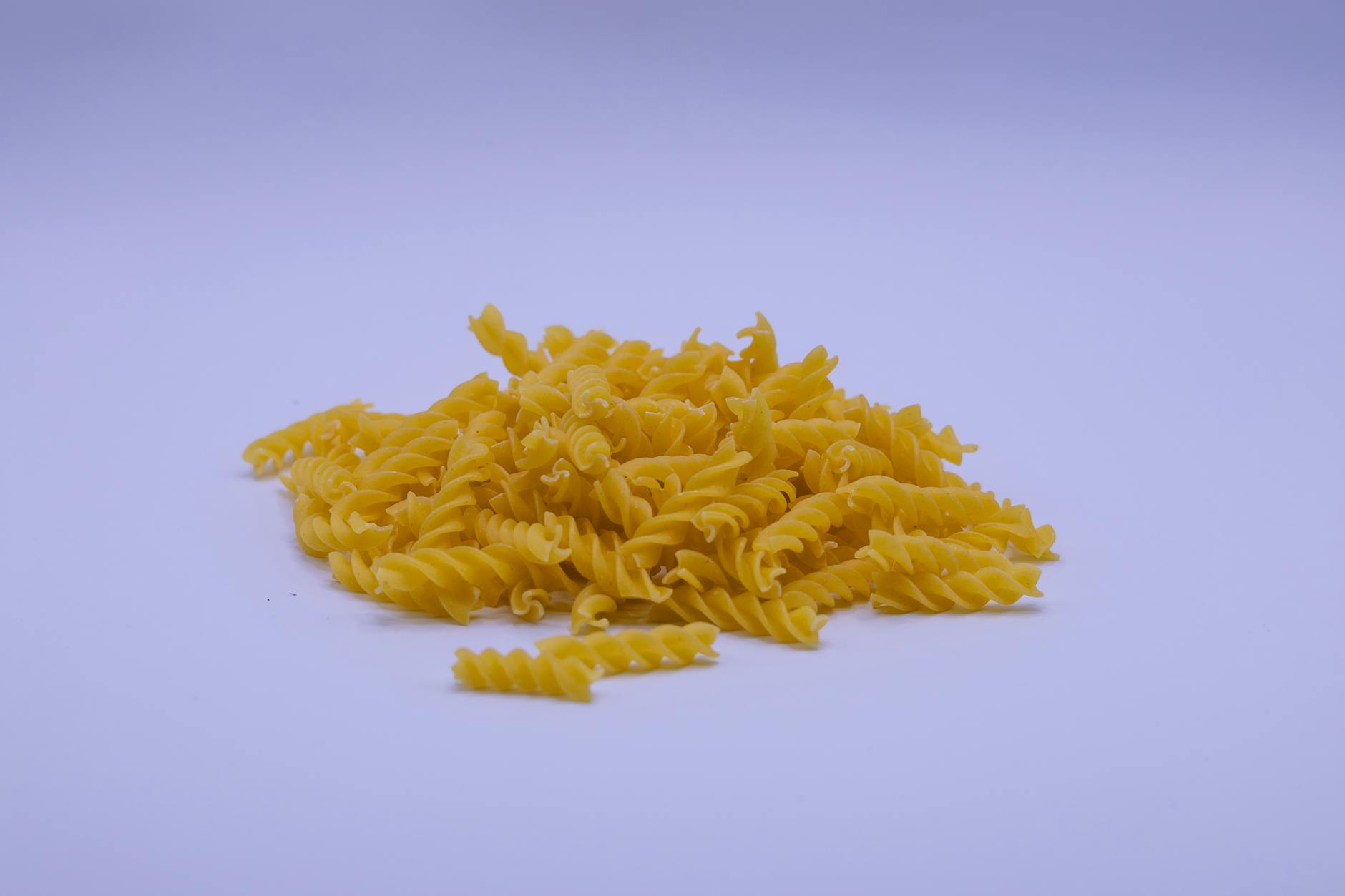
Pasta reheated in a microwave tends to dry out unevenly, with some noodles becoming stiff and tough while others turn mushy from the concentration of steam in certain areas. Pasta dishes that contain cream-based or oil-based sauces often separate and become greasy rather than silky when subjected to microwave heat. The best method for reheating pasta is in a pan with a splash of water or extra sauce, stirring gently to redistribute moisture and heat throughout. This restores the dish far closer to its original consistency than any microwave setting can manage.
Oily Fish
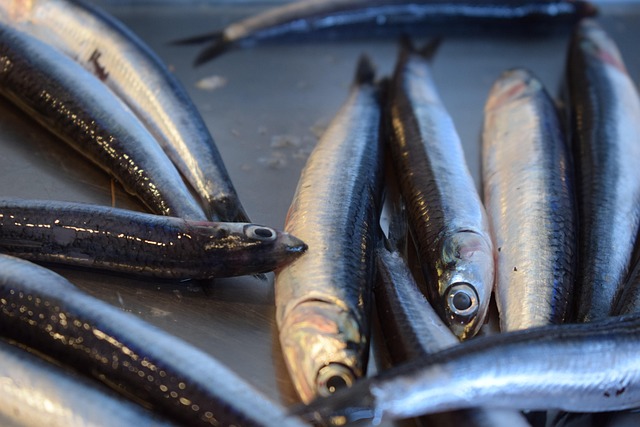
Oily fish varieties like salmon, mackerel, and sardines produce an extremely strong odor when microwaved that can linger for hours in the kitchen and beyond. The oils in these fish also heat very quickly and unevenly, often leading to the fish overcooking in spots and developing a fishy bitterness that was not present when it was first prepared. Reheating oily fish on the stovetop in a covered pan with a small knob of butter keeps the moisture in and the smell contained to a more manageable degree. Many nutritionists actually recommend eating leftover oily fish cold the next day to preserve the omega fatty acids within.
Gravy
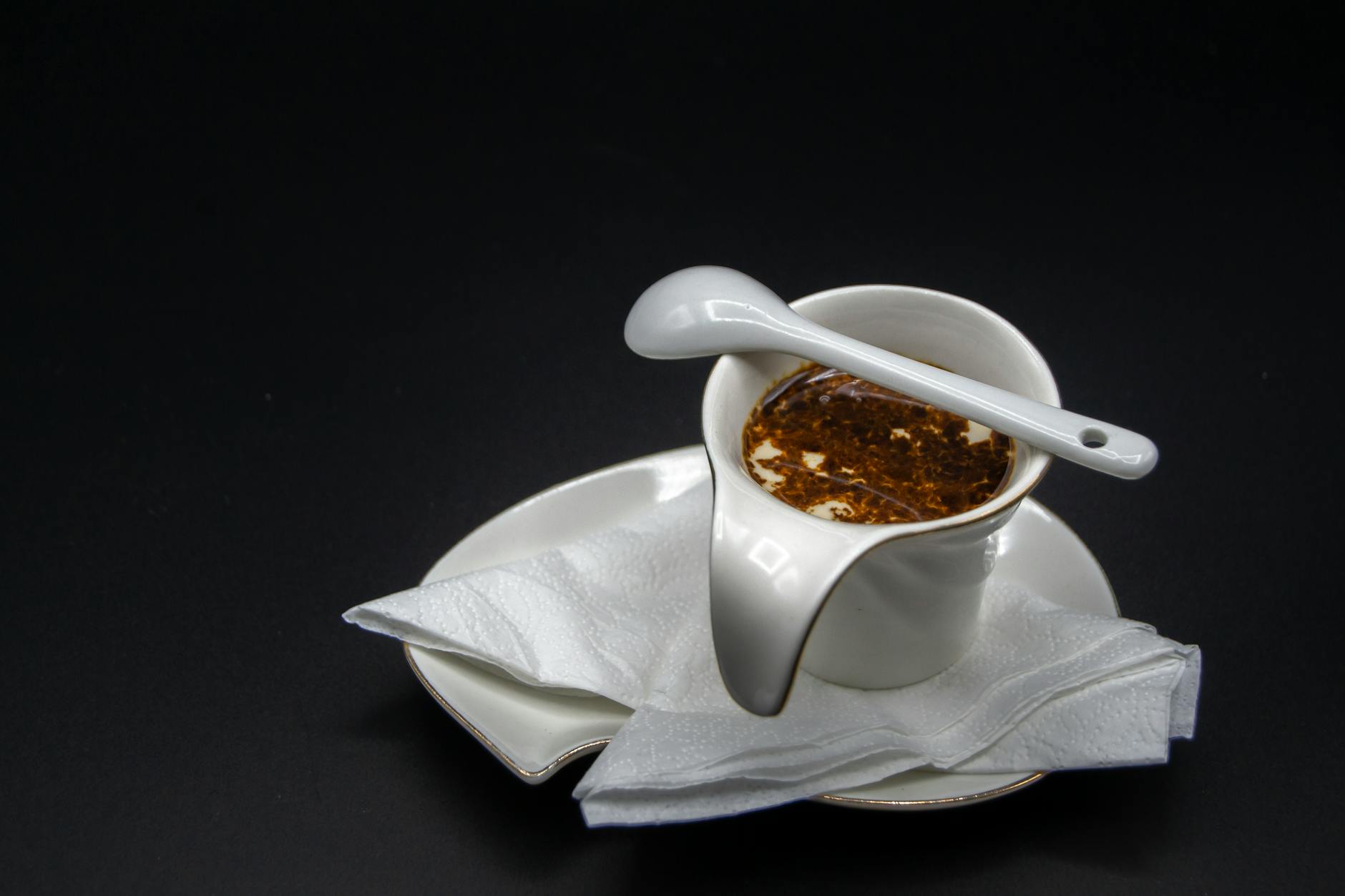
Gravy that is reheated in a microwave is prone to forming a skin on the surface while remaining cold and congealed at the bottom of the container, making it difficult to stir to an even consistency. The fat in gravy can also separate under microwave heat, producing an oily top layer and a watery base that does not come together easily. Stirring it on the stovetop over low heat while whisking allows the fats and liquids to emulsify properly and reach a smooth, pourable consistency. This method also allows for the gradual addition of liquid to thin out the gravy if it has thickened too much during storage.
Soup with Cream
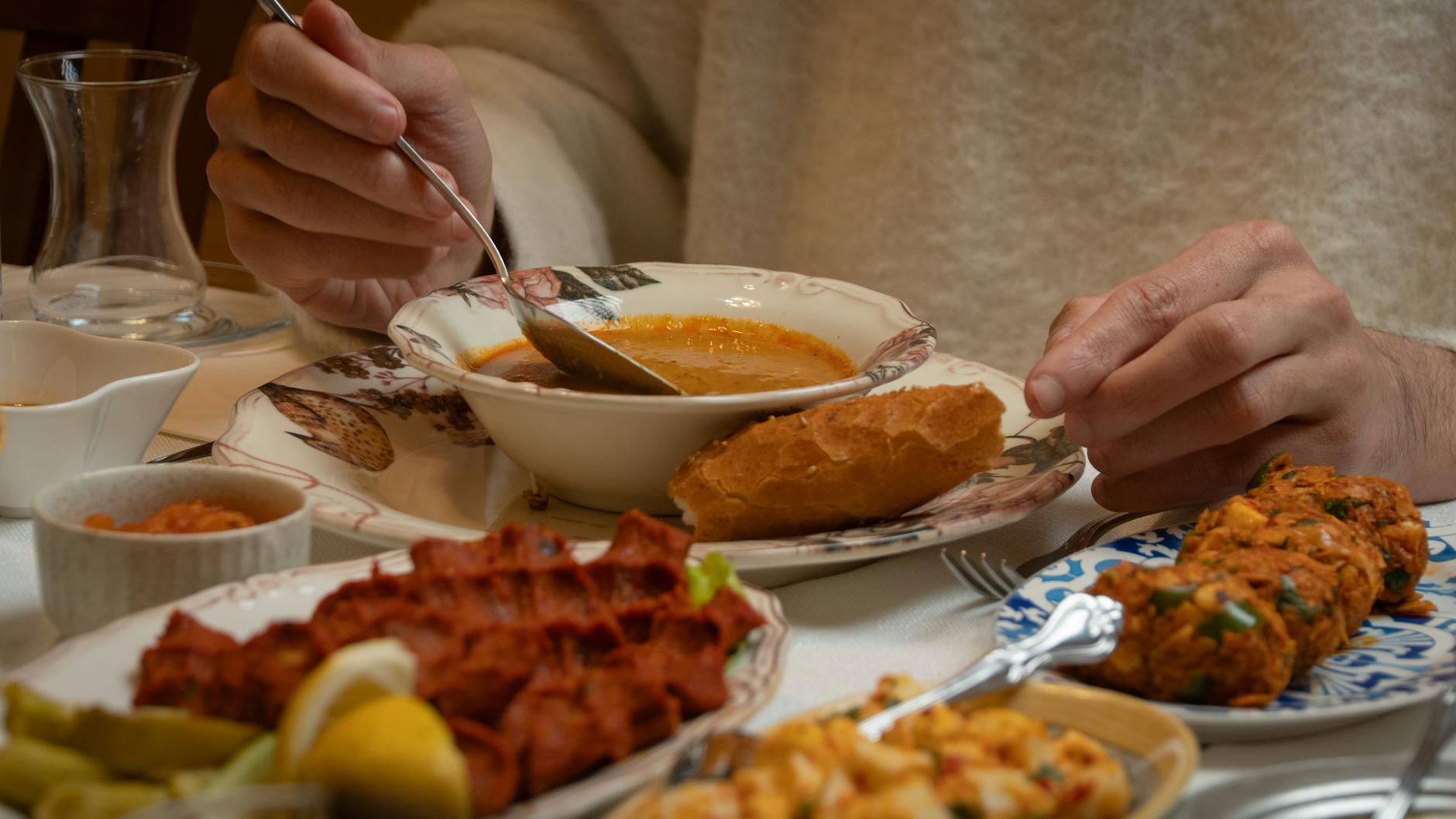
Cream-based soups are one of the more finicky items to reheat in any format, and the microwave is particularly unkind to them. The dairy proteins in cream and milk curdle rapidly under the intense and uneven heat of a microwave, producing a grainy, broken texture that is difficult to reverse once it occurs. The soup may also boil over in spots while remaining cool in others, making it impossible to achieve a uniform serving temperature. A slow and steady reheat in a saucepan over low heat, stirring constantly, is the only reliable way to bring a cream soup back to a silky, restaurant-quality consistency.
Doughnuts

Doughnuts microwaved for even a few seconds turn almost unbearably hot on the outside while the filling or glaze transforms into a liquid that can cause painful burns if consumed immediately. The dough itself becomes dense and loses the airy quality that makes a freshly made doughnut so appealing. Once removed from the microwave, the sugar crust hardens almost immediately as it cools, leaving the doughnut with an unpleasant hard exterior rather than a soft, pillowy bite. A brief warm in a low oven is a far gentler and more effective way to take the chill off a refrigerated doughnut.
Casseroles
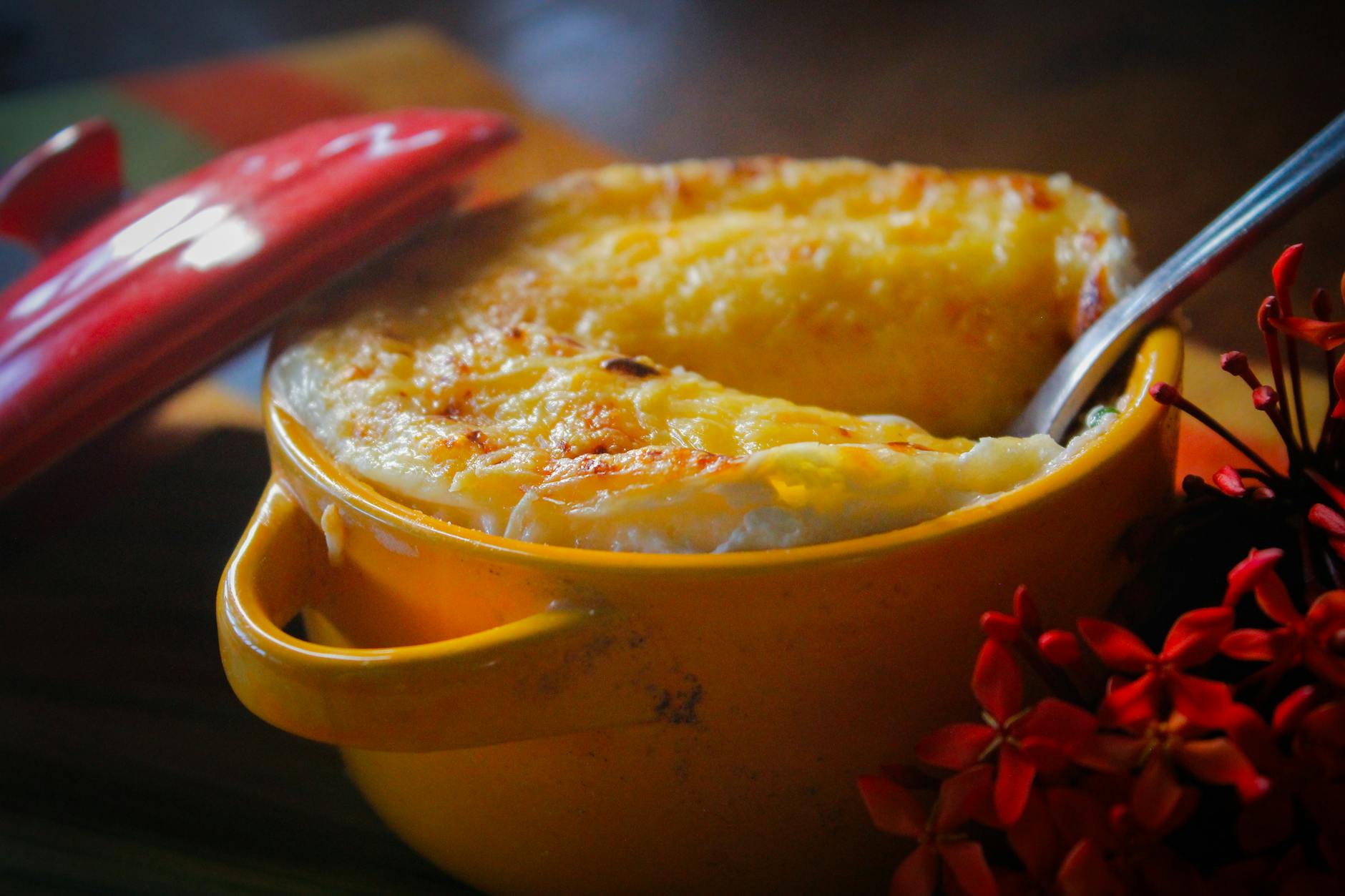
Casseroles present a particular challenge in the microwave because they are dense, layered dishes where heat must travel through multiple components with different moisture levels and densities. The top layer tends to overcook and dry out significantly while the bottom and center remain at an unsatisfactory temperature. The binding agents in casseroles such as eggs or cream can also break down under microwave heat, causing the dish to lose its structure and become watery. Reheating a casserole covered with foil in a moderate oven ensures even heat distribution and preserves the integrity of the dish’s layers and flavors.
Steak
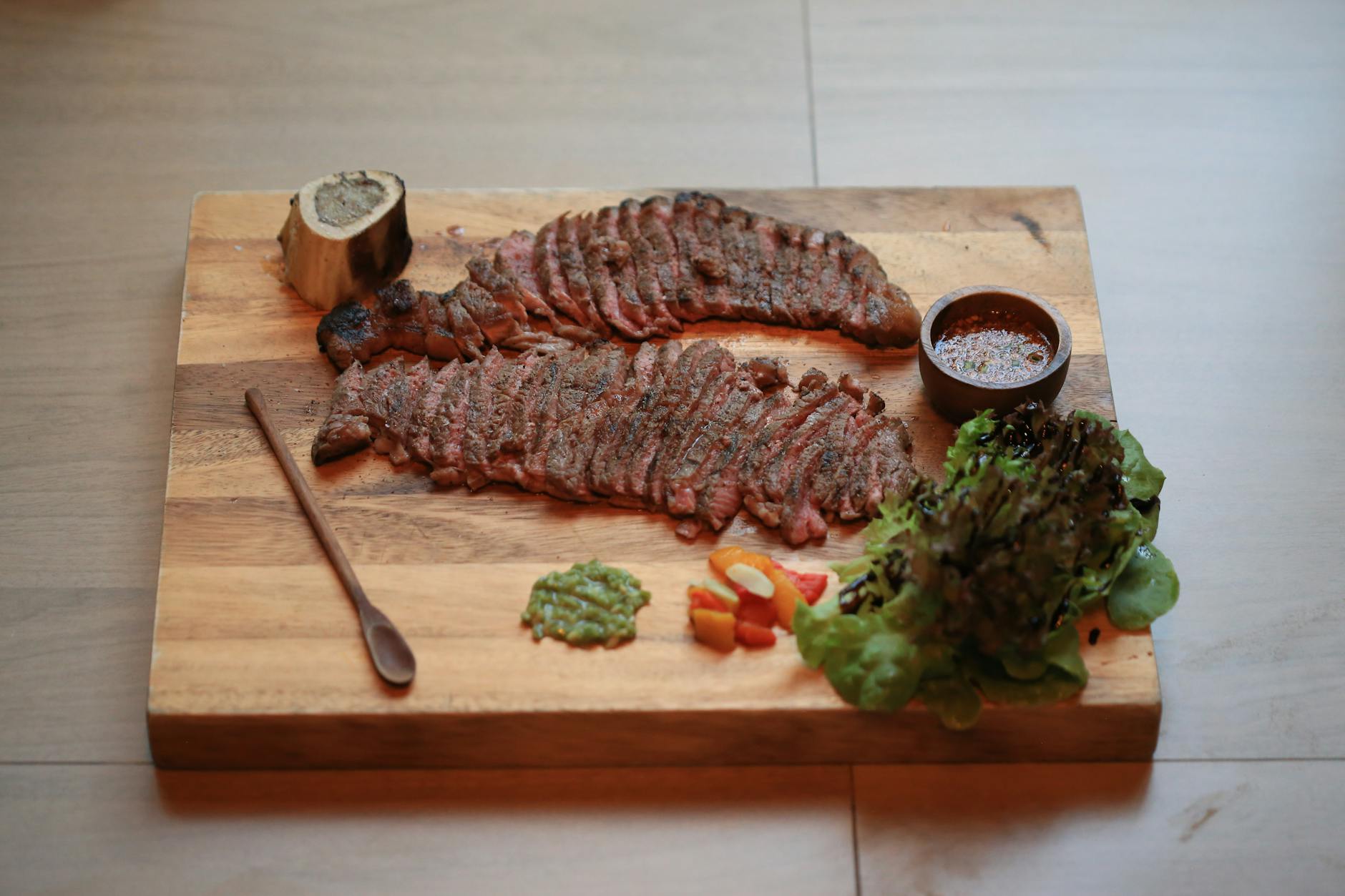
Steak is one of the most commonly ruined leftovers when treated with a microwave, as the rapid and uneven heat immediately overcooks the outer layers of the meat while barely warming the center. A perfectly medium-rare steak from the night before becomes grey, dry, and tough after just a minute in the microwave. The best method for reheating steak is a very low oven until the center reaches temperature, followed by a brief and intense sear in a very hot pan to restore the crust. This approach keeps the interior tender while giving the outside the caramelized character that makes steak worth eating.
Infant Formula
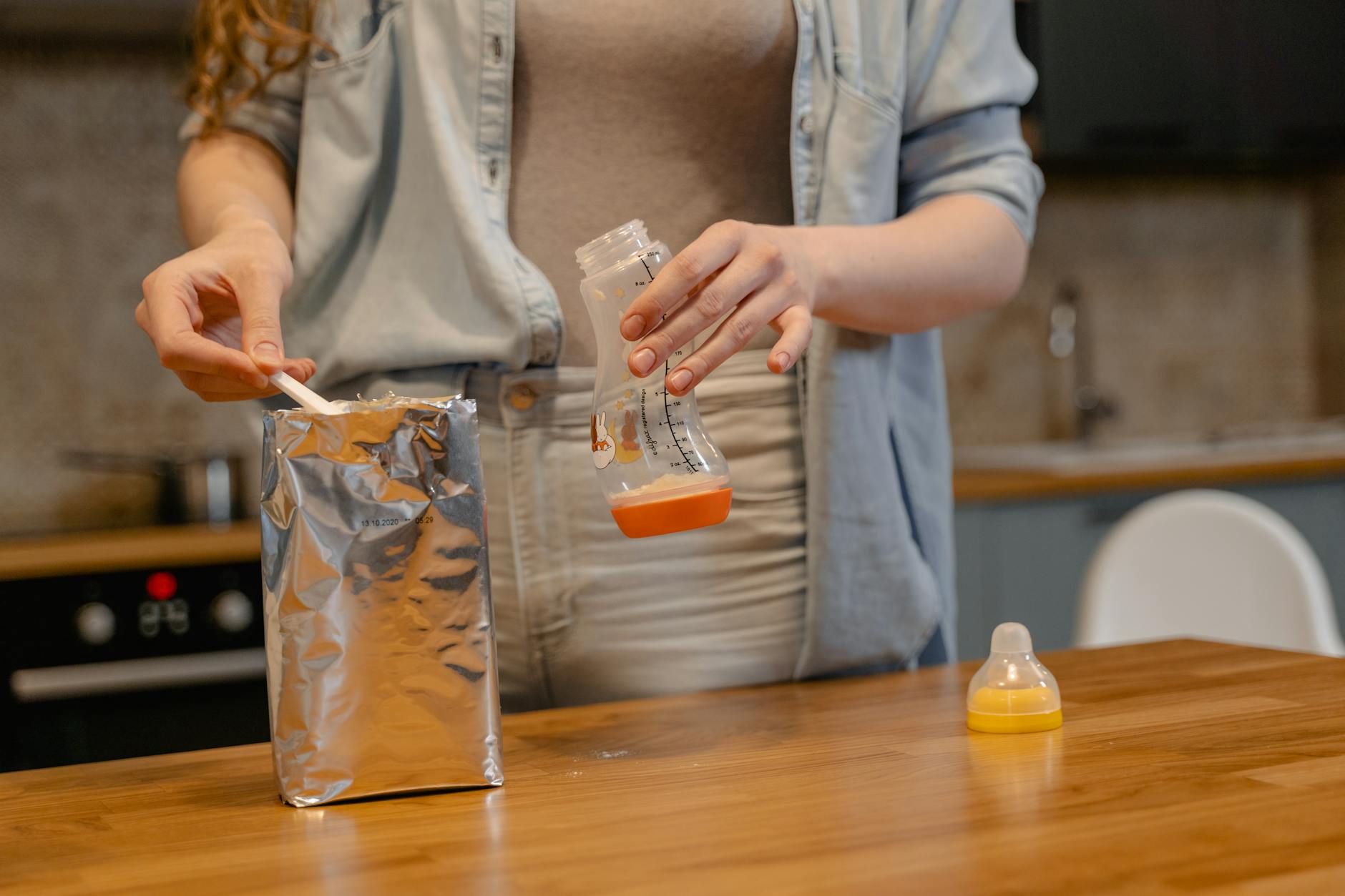
Infant formula should never be warmed in a microwave, as the uneven heat distribution creates hot spots within the liquid that are not detectable by testing the bottle on your wrist. These hot spots can cause severe scalding injuries to a baby’s mouth, throat, and stomach that can be serious and difficult to treat. Beyond the physical danger, some of the heat-sensitive vitamins and nutrients in formula degrade at high temperatures, reducing its nutritional value. Warming the bottle in a bowl of hot water or using a dedicated bottle warmer are the only recommended methods for bringing formula to a safe serving temperature.
Leftover Stuffing
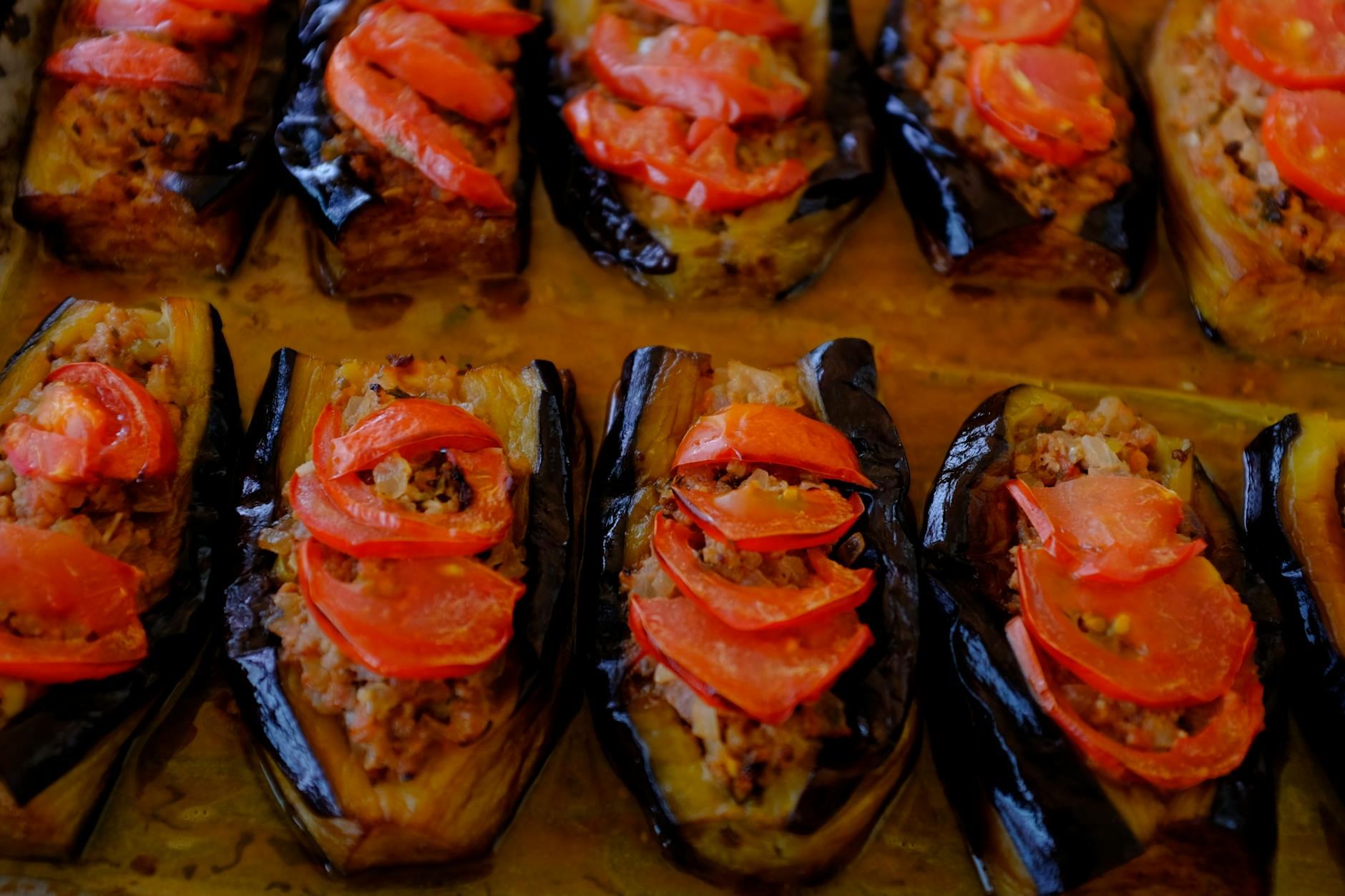
Stuffing that was prepared inside a poultry cavity poses a specific food safety risk because it can harbor bacteria from the bird that were not fully eliminated during the original cooking. Reheating stuffing in a microwave does not guarantee that the internal temperature reaches the threshold needed to make it safe, as the dense, starchy mixture heats very unevenly. The texture also suffers considerably, with the outside turning dry and the inside remaining dense and slightly gummy. A covered oven dish with a splash of broth is the most reliable way to bring stuffing back to a safe and palatable condition.
Frozen Meals
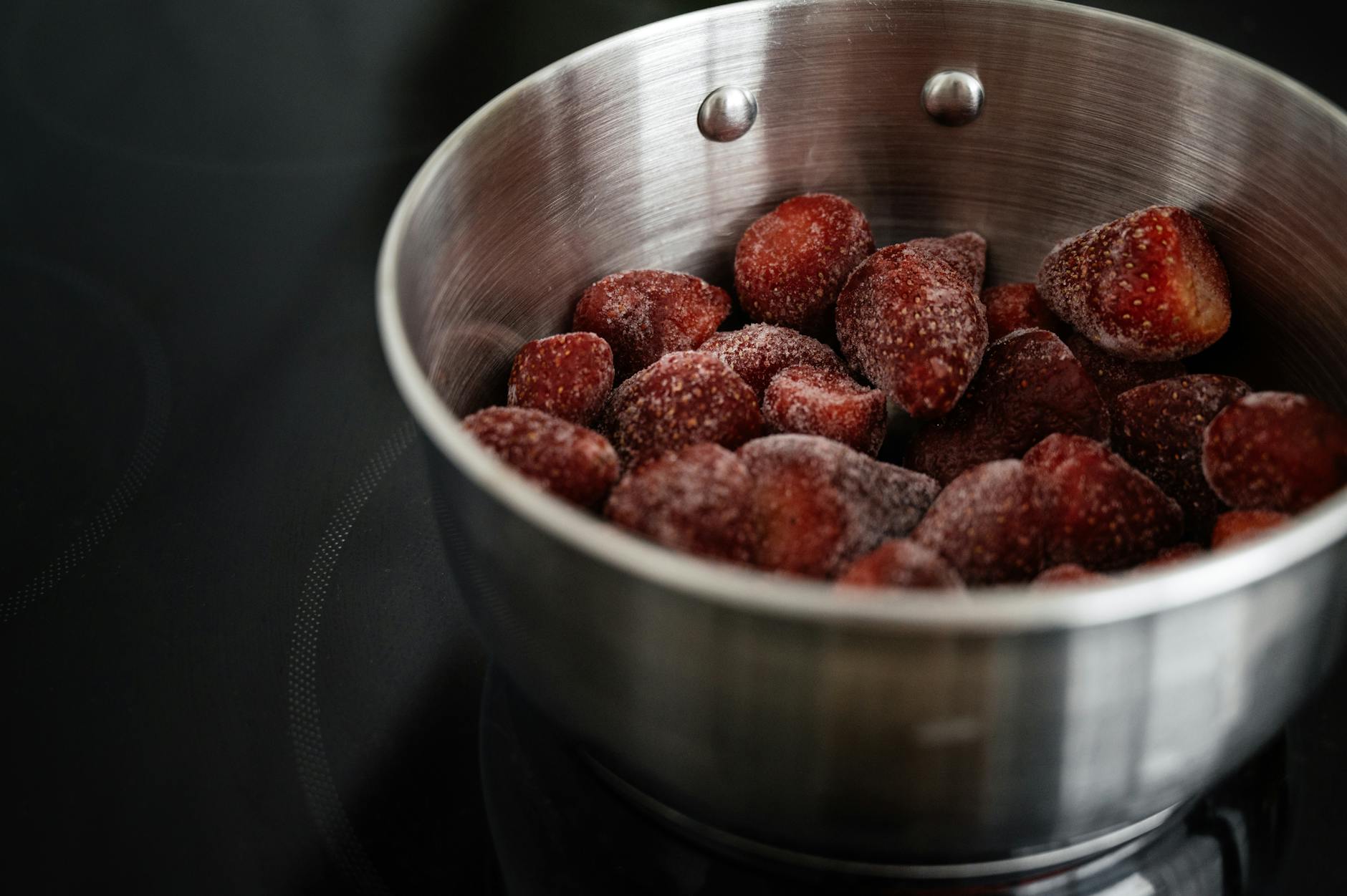
While it may seem counterintuitive, many frozen ready meals that are designed to be microwaved are still better served by following the alternative oven instruction on the packaging whenever time allows. Microwaving frozen meals results in uneven heating that is particularly problematic for dishes with mixed components of varying density, like those combining rice, vegetables, and proteins. The sauce in these meals often becomes overheated and rubbery while the center of the thickest ingredient remains frozen or barely warm. Taking the extra time to use a conventional oven consistently produces a more satisfying and safely heated result across all components of the dish.
Turnips
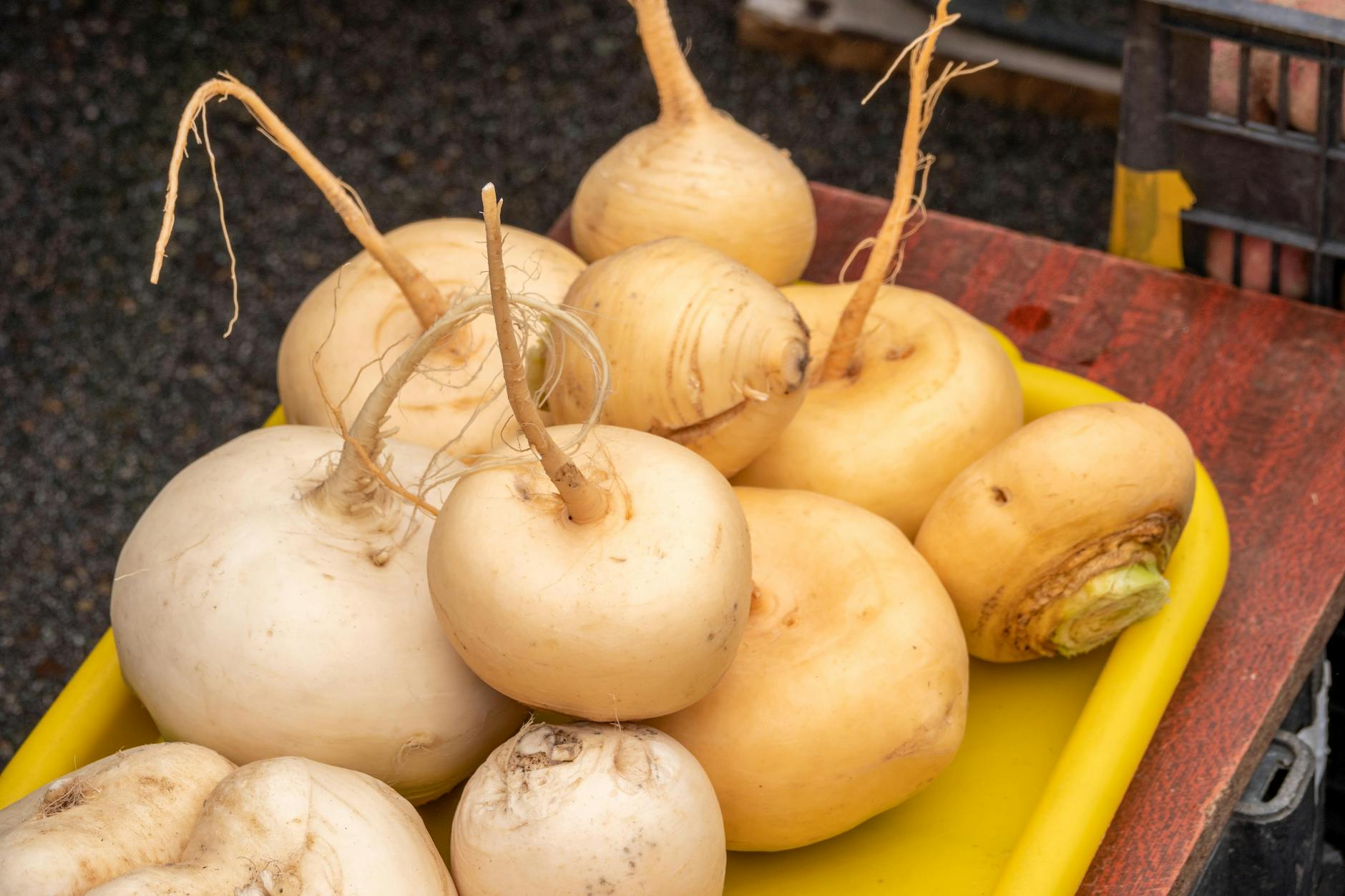
Turnips, like other root vegetables with a high nitrate content, are not ideally suited to microwave reheating. The outer surface tends to overcook quickly, becoming shriveled and bitter, while the dense interior may not reach a satisfactory temperature. Their earthy, slightly peppery flavor also becomes more pronounced and less pleasant under the rapid, intense heat of a microwave. Reheating turnips alongside other vegetables in a covered dish in the oven or tossing them briefly in a hot pan with butter tends to produce a far more enjoyable result.
Chili
Chili may seem like one of the safer options for microwave reheating, but its thick consistency makes it one of the most prone to dangerous uneven heating. The dense mass of beans, meat, and sauce prevents heat from penetrating evenly, often resulting in a dish that is scalding on the edges while remaining cool in the center. This creates a genuine food safety concern, particularly for batches that contain a high proportion of meat or beans that can harbor heat-resistant bacteria. Reheating chili slowly in a pot on the stovetop while stirring regularly is the safest and most consistent method available.
Beets in Vinegar
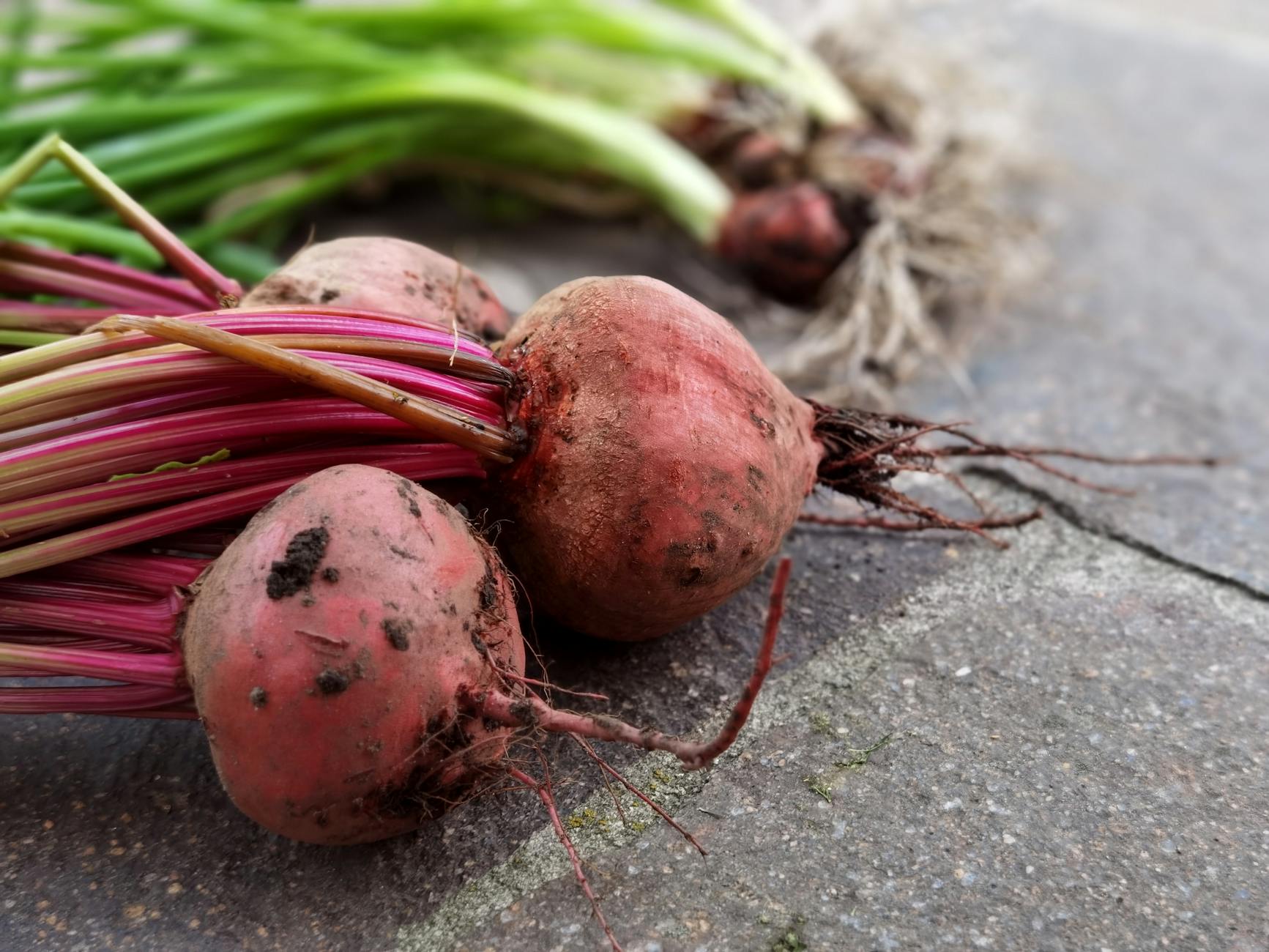
Pickled or vinegar-dressed beets should not be microwaved because the acidic content interacts poorly with the high heat, producing off-flavors and sometimes causing the liquid to boil aggressively and unevenly. The cell walls of vinegar-marinated beets are already softened by the pickling process, and microwave heat accelerates the breakdown further, turning the texture to mush. The delicate sweet-tart balance that makes pickled beets worth eating is also diminished significantly by microwave exposure. These are best enjoyed cold straight from the jar or allowed to come to room temperature naturally without any form of reheating.
Kale Chips
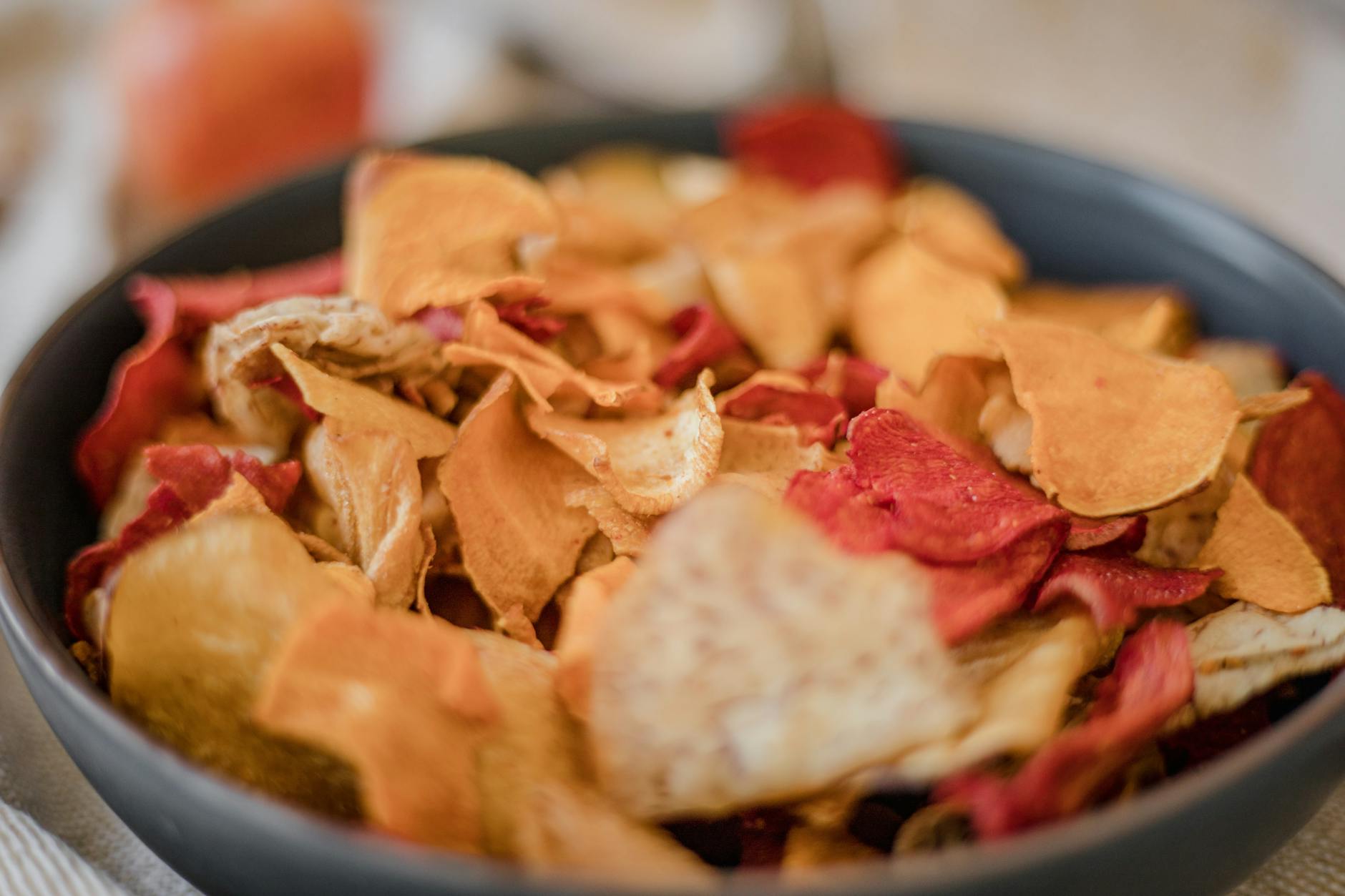
Kale chips are one of the most straightforward items to ruin in a microwave, as they rely entirely on being completely dry and crisp to achieve their snackable quality. Microwave heat introduces steam into the air around the chips, immediately reversing the dehydration that made them crispy in the first place. Within seconds, a perfectly crunchy kale chip transforms into a limp, chewy, and slightly bitter leaf that is deeply unpleasant to eat. The only way to restore crispness to kale chips is to spread them on a baking sheet and place them in a low, dry oven for a few minutes until the moisture evaporates completely.
Share which of these foods surprised you the most in the comments!