Living a life free from chronic stress requires intentional habits and a commitment to mental well-being. These individuals cultivate daily practices that prioritize peace of mind and emotional resilience in the face of challenges. They understand that stress is often a reaction to external events rather than the events themselves. Adopting these specific behaviors can transform how one navigates the pressures of modern existence.
Early Rising

Waking up before the rest of the world provides a quiet buffer to start the day. This solitude allows for mental preparation without the immediate demands of emails or family obligations. Early risers often use this time for reflection or setting intentions for the hours ahead. Taking control of the morning sets a calm and proactive tone for the entire day.
Mindful Breathing

Deep breathing exercises serve as an immediate tool to regulate the nervous system during tense moments. People with low stress levels practice this technique unconsciously whenever they feel a spike in anxiety. Focusing on the breath anchors the mind in the present moment and reduces physiological arousal. This simple act signals safety to the brain and helps maintain emotional equilibrium.
Regular Exercise

Physical activity releases endorphins which act as natural mood elevators and pain relievers. Engaging in consistent movement helps burn off the adrenaline that accumulates during stressful situations. It improves sleep quality and boosts overall energy levels to handle daily tasks. A strong body supports a resilient mind capable of weathering psychological storms.
Nutritious Diet

Consuming whole foods provides the steady energy required to manage emotional fluctuations. A diet rich in vegetables and healthy fats supports optimal brain function and hormonal balance. Avoiding excessive sugar prevents the energy crashes that often exacerbate feelings of anxiety. Nourishing the body properly creates a stable physiological foundation for mental health.
Hydration

Drinking adequate water ensures that cortisol levels remain within a healthy range throughout the day. Even mild dehydration can simulate the physiological effects of stress on the body. keeping a water bottle nearby serves as a constant reminder to care for physical needs. Staying hydrated supports cognitive function and prevents the headaches often associated with tension.
Digital Detox

Disconnecting from screens periodically prevents information overload and mental fatigue. Setting strict boundaries around technology usage creates space for genuine relaxation and mental clarity. This habit reduces the constant comparison and fear of missing out that social media often triggers. Reclaiming time from the digital world fosters a deeper connection with immediate reality.
Nature Immersion

Spending time outdoors lowers blood pressure and reduces the production of stress hormones. Fresh air and natural light have a restorative effect on mental fatigue and cognitive focus. Regular walks in green spaces provide a necessary perspective shift away from urban pressures. Nature acts as a powerful grounding force that reminds individuals of the bigger picture.
Reading Fiction

Getting lost in a story offers a healthy escape from the repetitive loop of daily worries. Reading engages the imagination and stimulates empathy by placing the reader in different perspectives. This focused activity quiets the internal chatter and lowers heart rate significantly. It serves as a portable sanctuary that can be accessed whenever a mental break is needed.
Ruthless Prioritization

Identifying the most critical tasks prevents the overwhelm of an endless to-do list. Effective planners focus their energy on high-impact activities while letting go of minor urgencies. This clarity eliminates the anxiety of feeling constantly behind or unproductive. Knowing what truly matters allows for decisive action and reduces decision fatigue.
Saying No

Declining requests that do not align with personal values protects valuable time and energy. Establishing these boundaries prevents resentment and the burnout associated with overcommitment. People who avoid stress understand that their resources are finite and must be allocated wiseley. A polite refusal is often the most powerful act of self-care available.
Gratitude Journaling
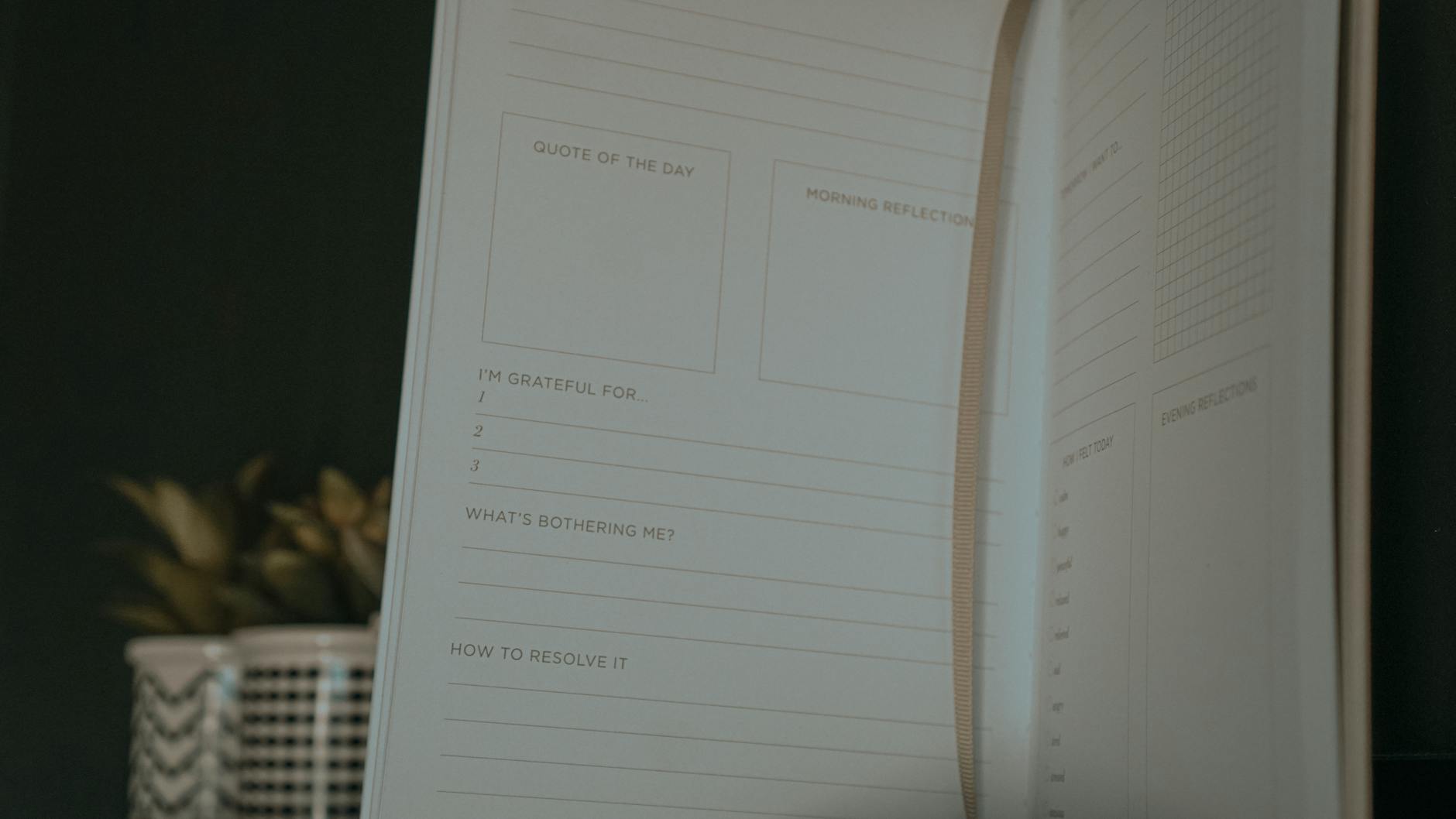
Writing down positive experiences shifts focus away from problems and towards abundance. This practice trains the brain to scan the environment for things to appreciate rather than things to fear. Regular gratitude exercises have been linked to lower cortisol levels and improved emotional resilience. Acknowledging small wins builds a reserve of positivity to draw upon during tough times.
Adequate Sleep

Prioritizing seven to eight hours of rest allows the brain to process emotions and repair itself. A consistent sleep schedule regulates mood and improves the ability to cope with daily frustrations. Sleep deprivation significantly lowers the threshold for stress and impairs judgment. Rested individuals approach challenges with a clearer mind and a more patient demeanor.
Social Connection

Maintaining strong relationships provides a safety net of support during difficult periods. Interacting with loved ones triggers the release of oxytocin which counteracts the stress response. Regular social engagement fosters a sense of belonging and reduces feelings of isolation. Sharing burdens with trusted friends makes problems feel more manageable and less daunting.
Laughter

Finding humor in everyday situations releases tension and improves overall mood instantly. Laughter increases oxygen intake and stimulates the heart and muscles for a relaxing effect. It provides a necessary release valve for pent-up emotions and aggressive energy. Approaching life with levity prevents minor annoyances from becoming major sources of frustration.
Listening to Music

Auditory stimulation can have a profound effect on the autonomic nervous system and emotional state. Slow tempo music quiets the mind and induces muscle relaxation similar to meditation. Upbeat tracks can boost mood and motivation when energy levels are flagging. Curating playlists for different moods turns music into a targeted tool for emotional regulation.
Decluttering

Organizing physical spaces reduces visual noise and the mental chaos it often creates. A tidy environment fosters a sense of control and efficiency in daily operations. Removing unnecessary items eliminates the frustration of lost objects and visual distractions. Order in the external world often translates to a greater sense of calm internally.
Single-Tasking

Focusing on one activity at a time improves the quality of work and lowers anxiety levels. Multitasking often fractures attention and increases the cognitive load on the brain. engaging fully in the present task induces a state of flow that is inherently satisfying. This approach reduces the frantic feeling of rushing and promotes a sense of accomplishment.
Delegating

Trusting others to handle tasks relieves the pressure of needing to do everything alone. Effective delegation empowers others while freeing up mental space for higher-level thinking. Letting go of control allows for a more balanced workload and reduces the risk of burnout. Sharing responsibilities creates a supportive environment where no single person is overwhelmed.
Pursuing Hobbies

Engaging in creative or recreational activities provides a necessary outlet for self-expression. Hobbies offer a sense of mastery and identity separate from professional achievements. Allocating time for pure enjoyment recharges mental batteries and prevents work from defining self-worth. These activities serve as a constructive way to process emotions and relieve tension.
Meditation

Practicing mindfulness meditation physically changes the brain structures associated with stress regulation. Regular sessions teach the mind to observe thoughts without immediate judgment or reaction. This habit cultivates a deep inner peace that remains accessible even in chaotic environments. It builds the mental muscle required to detach from spiraling worry.
Visualization

Imagining successful outcomes prepares the mind to handle future challenges with confidence. Visualization techniques reduce anxiety by rehearsing calm responses to potential stressors. This mental rehearsal creates neural pathways that support actual performance when the time comes. Seeing a positive result beforehand makes the path to achieving it feel less intimidating.
Cold Showers

Exposing the body to cold water builds physical and mental resilience through hormetic stress. The shock of the cold forces deep breathing and trains the nervous system to remain calm under pressure. This practice boosts alertness and invigorates the body for the day ahead. Overcoming the initial discomfort builds willpower and tolerance for discomfort in other areas.
Stretching

Releasing physical tension in the muscles prevents the body from storing stress somatically. Gentle stretching improves circulation and signals the muscles to relax and lengthen. This habit combats the stiffness associated with sedentary work and emotional guarding. A flexible body promotes a sense of ease and fluidity in movement.
Limiting Caffeine

Monitoring stimulant intake prevents the jitters and anxiety often mistaken for stress. Excessive caffeine triggers the adrenal glands and mimics the body’s fight or flight response. Reducing consumption leads to more stable energy levels and better quality sleep. relying on natural energy sources prevents the crash that often follows artificial stimulation.
Proactive Planning

preparing for the week ahead eliminates the uncertainty that fuels anxiety. creating a roadmap for upcoming obligations allows for better time management and resource allocation. This habit transforms vague worries into actionable steps and concrete schedules. knowing what to expect reduces the cognitive load of constant decision-making.
Radical Acceptance

Acknowledging reality as it is prevents the suffering caused by resisting the inevitable. Acceptance does not mean passivity but rather a clear-eyed view of the starting point. This mindset eliminates the energy wasted on wishing things were different than they are. It allows for constructive problem-solving based on facts rather than emotions.
Boundary Setting

Defining clear limits in relationships and work prevents energy leaks and emotional exhaustion. communicating needs assertively ensures that personal well-being is not compromised for others. boundaries create a safe structure within which one can operate freely and effectively. respecting one’s own limits teaches others how to treat them with respect.
Forgiveness

Letting go of past grievances releases the heavy burden of anger and resentment. holding onto grudges keeps the body in a state of chronic stress and arousal. forgiveness is a gift to oneself that frees up emotional energy for the present. Moving forward requires cutting the anchor to past negative events.
Altruism

Helping others shifts the focus from internal problems to external impact and connection. volunteering creates a sense of purpose and perspective that diminishes personal worries. acts of kindness release feel-good hormones that counteract the effects of stress. contributing to the community builds a supportive network and enhances self-esteem.
Positive Affirmations

Repeating empowering statements rewires the brain to default to supportive self-talk. these phrases combat the inner critic that often amplifies feelings of inadequacy. affirming one’s capabilities builds confidence and reduces the fear of failure. a positive internal dialogue acts as a shield against external negativity.
Taking Breaks

Stepping away from work periodically sustains productivity and prevents mental exhaustion. short intervals of rest allow the brain to reset and maintain high performance. respecting the body’s need for recovery prevents the accumulation of fatigue. strategic pauses ensure that energy is replenished before it is completely depleted.
Evening Review

Reflecting on the day helps process events and clear the mind before sleep. this habit allows for the celebration of successes and the learning of lessons from failures. reviewing the day closes the mental tabs that might otherwise keep one awake. it provides a sense of closure that facilitates a peaceful transition to rest.
Tell us which of these habits you plan to adopt first in the comments.