Scientific research consistently demonstrates that children raised by LGBTQ+ parents develop at the same rate as those raised by heterosexual parents. These studies focus on emotional stability and social adjustment while finding no significant differences in overall well-being. Peer-reviewed data across several decades supports the conclusion that household structure is less important than the quality of the parent-child relationship. Children in these families often show high levels of resilience and empathy due to their diverse upbringing. The consensus among major psychological associations remains that sexual orientation does not impact the ability to provide a loving and stable home environment.
Household Stability
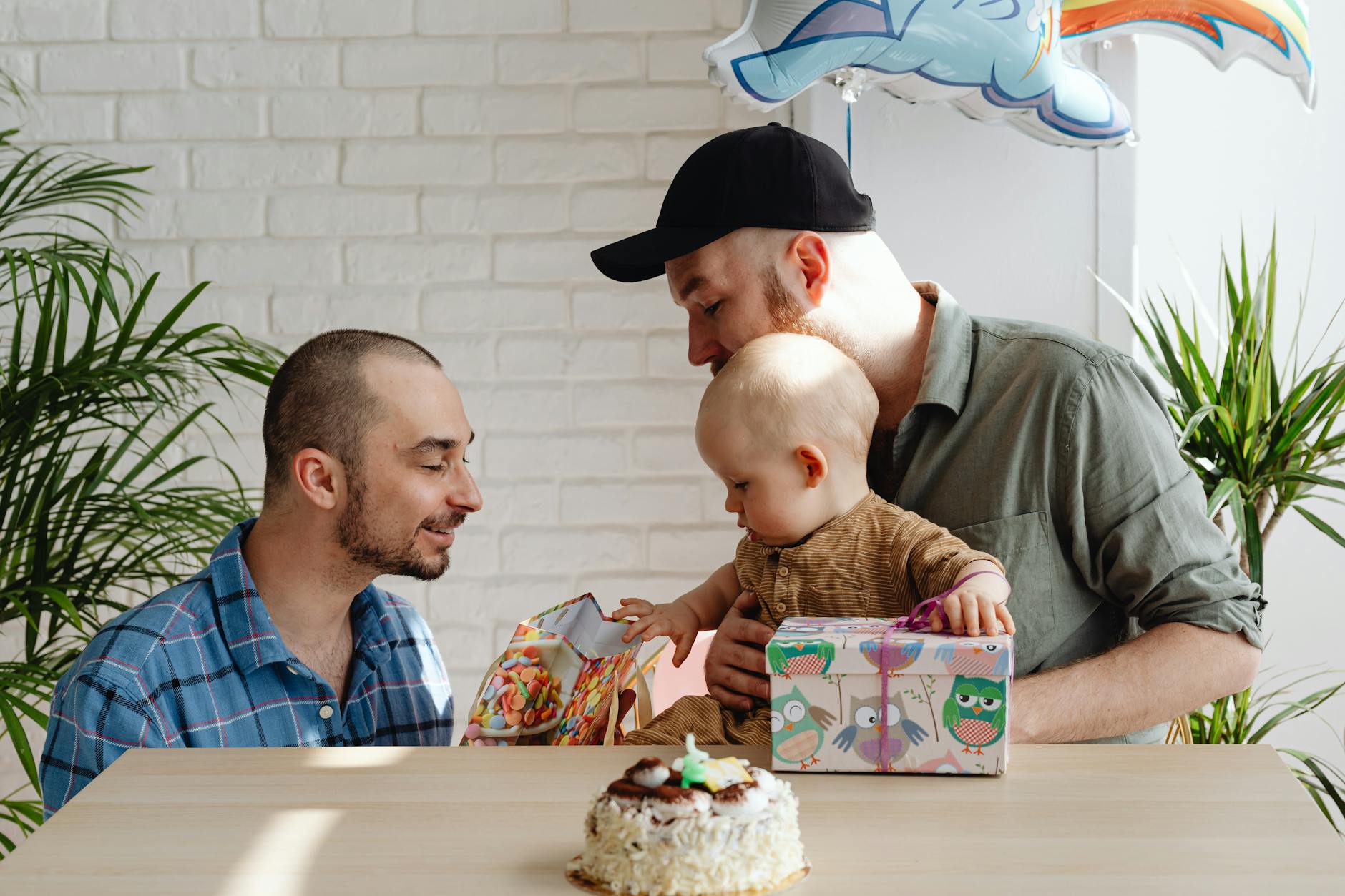
The idea that same-sex households are inherently less stable than traditional nuclear families is not supported by current demographic data. Many LGBTQ+ couples undergo extensive legal and financial planning before starting a family which often leads to highly intentional parenting. This proactive approach to family building typically results in a secure and committed environment for child development. Stability in any home is primarily driven by economic security and the presence of supportive caregivers regardless of gender. Professional observations confirm that these families maintain consistent routines and long-term domestic arrangements just like any other household.
Gender Role Development

Concerns regarding the lack of specific gender role models in LGBTQ+ households overlook the influence of extended family and community networks. Children in these environments frequently interact with a diverse range of mentors including teachers and relatives of all genders. Research suggests that these children often have a more flexible understanding of gender norms which allows them to explore their own interests without rigid constraints. This exposure to varied perspectives encourages a well-rounded social education and promotes personal individuality. Evidence indicates that children develop healthy identities based on the values taught at home rather than the specific gender configuration of their parents.
Social Integration

Some critics suggest that children of LGBTQ+ parents struggle with social integration or face more bullying than their peers. Modern school environments and increased visibility have created more inclusive spaces where diverse family structures are becoming the norm. Studies show that these children possess social skills comparable to their classmates and often excel in forming meaningful friendships. While societal prejudice exists the strength of the family unit provides a buffer that helps children navigate external challenges with confidence. Most children from these families report positive social experiences and a strong sense of belonging within their local communities.
Academic Performance

The belief that the sexual orientation of parents negatively affects a child’s academic achievement is a persistent misconception. Standardized testing and classroom evaluations show that students from LGBTQ+ households perform at levels equal to or higher than the national average. Parents in the LGBTQ+ community often place a high value on education and remain actively involved in school activities and parent-teacher organizations. This high level of engagement contributes directly to the academic success and motivation of the child. Educational outcomes are much more closely linked to socioeconomic factors and parental involvement than to the composition of the family.
Psychological Health
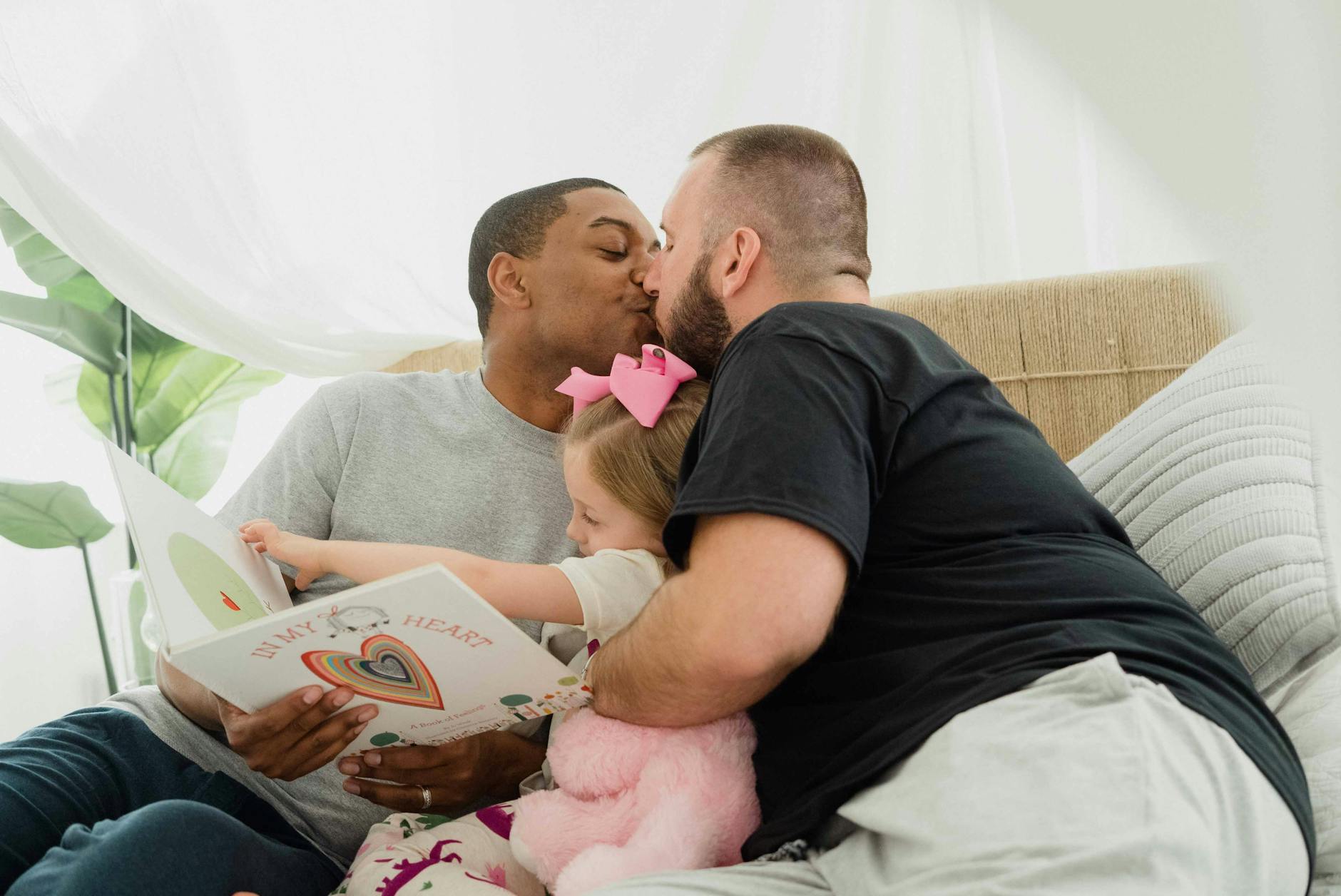
Long-term psychological studies indicate that children raised by same-sex parents do not experience higher rates of depression or anxiety. Emotional health is fostered through consistent affection and clear boundaries which are present in all types of functional families. Mental health professionals emphasize that a child’s self-esteem is built through positive reinforcement and a sense of security provided by their guardians. Data gathered from adult children of LGBTQ+ parents shows they are as well-adjusted and successful in their personal lives as those from traditional backgrounds. The focus remains on the presence of a nurturing environment rather than the specific labels of the parents.
Adoption and Foster Care

There is a myth that LGBTQ+ individuals only pursue parenthood as a secondary option or that they are less prepared for adoption. In reality many same-sex couples specifically choose adoption or fostering as their primary path to starting a family. These parents often undergo rigorous screening processes and specialized training to meet the needs of children in the welfare system. Many LGBTQ+ families provide loving homes for children who might otherwise wait longer for permanent placement in the foster care system. Their commitment to providing a safe haven highlights a deep dedication to the responsibilities of parenthood.
Future Relationship Success

The suggestion that children of LGBTQ+ parents will have difficulty forming their own healthy adult relationships is unfounded. Observing a loving and respectful partnership at home provides a blueprint for healthy communication and conflict resolution regardless of the parents’ genders. These children grow up witnessing the same commitment and teamwork required to maintain any successful long-term union. Longitudinal studies tracking these children into adulthood show they form stable and fulfilling romantic relationships at rates identical to the general population. The ability to love and be loved is a learned behavior rooted in the quality of the childhood home life.
Financial Management

Critics often assume that non-traditional families struggle more with financial planning and long-term wealth management. Many LGBTQ+ households actually demonstrate a high degree of financial literacy and meticulous budgeting due to the costs associated with family building. These parents often prioritize savings and insurance to protect their family units against potential legal shifts. Financial stability is a result of professional dedication and personal discipline rather than sexual orientation. Experts note that these families frequently exhibit a strong commitment to long-term economic goals for their children.
Religious Values
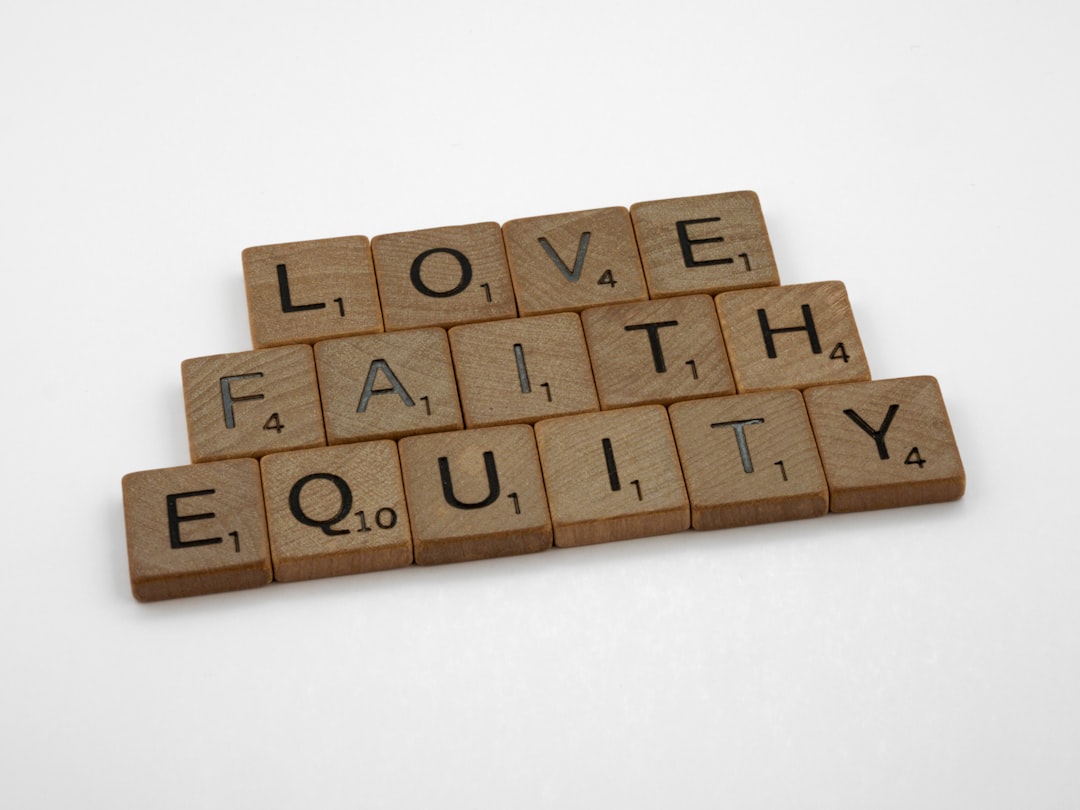
The assumption that LGBTQ+ parents are disconnected from spiritual or religious life is a common cultural misunderstanding. Many of these families are active members of inclusive faith communities that support their journey as parents. Children in these households are often raised with a strong sense of ethics and spiritual grounding provided by their church or synagogue. The values of compassion and community service are central to many LGBTQ+ family lives. Religion remains a personal choice and a source of strength for many parents regardless of their identity.
Discipline and Boundaries
The myth that same-sex parents are overly permissive or lack authority is not supported by behavioral observations. These parents establish clear rules and expectations to ensure a safe and respectful environment for their children. Consistency in discipline is a hallmark of any successful parenting style and is widely practiced in diverse households. Children thrive when they understand the boundaries set by their caregivers through open communication and mutual respect. Effective parenting is characterized by firm yet loving guidance which is found across all family structures.
Peer Pressure

Some believe that children from LGBTQ+ families are more likely to succumb to peer pressure regarding their own identity. Research indicates that these children are actually more likely to resist conformity and think critically about social expectations. Having a diverse home life encourages independent thinking and a high degree of self-assurance. These children are taught to value authenticity and respect the unique paths of others around them. They often demonstrate a mature ability to navigate social dynamics with a clear sense of self.
Community Involvement

The idea that these families are isolated or lack a support network is a significant misconception in the lifestyle space. LGBTQ+ parents are often deeply embedded in local communities through school boards and neighborhood associations. They actively build networks of friends and allies to provide a rich social fabric for their children. This high level of community engagement helps children feel connected to a larger world of diverse individuals. A strong support system is vital for all parents and is a priority for many non-traditional families.
Health and Wellness

Lifestyle myths often suggest that children in these homes receive less attention regarding physical health and nutrition. Data shows that LGBTQ+ parents are highly attentive to the wellness needs and preventative care of their children. These families often emphasize healthy eating habits and regular physical activity as part of their daily routine. Access to quality healthcare and a focus on physical development are standard practices in these households. Wellness outcomes for these children are consistent with those from any other healthy and active family.
Communication Skills

There is a false belief that non-traditional family structures lead to poor communication between parents and children. On the contrary many LGBTQ+ families emphasize open dialogue and emotional honesty as core household values. This environment allows children to express their feelings and ask questions in a safe and supportive space. Strong communication skills are developed early and help children manage complex social situations with ease. These families often prioritize meaningful conversations that strengthen the bond between family members.
Cultural Awareness

The assumption that children in LGBTQ+ households lack cultural breadth or exposure is widely inaccurate. These families often go out of their way to expose their children to a wide variety of cultures and perspectives. Diversity is a celebrated aspect of their home life which fosters a global mindset in their children. This inclusive upbringing prepares children to thrive in a multicultural world with respect and curiosity. Cultural literacy is a natural byproduct of living in a home that values different experiences.
Moral Development

Some critics argue that children require a traditional mother and father to develop a strong moral compass. Morality is taught through the demonstration of kindness and the reinforcement of ethical behavior in daily life. LGBTQ+ parents instill values of honesty and responsibility by leading through example and shared family principles. Children learn to distinguish right from wrong through the guidance of their caregivers regardless of gender. The development of character is a universal process driven by love and intentional teaching.
Conflict Resolution

The myth that same-sex couples handle conflict poorly is not supported by sociological research into family dynamics. Like all healthy couples LGBTQ+ parents utilize various strategies to resolve disagreements constructively in front of their children. Modeling healthy debate and compromise teaches children how to manage their own interpersonal relationships. A peaceful home environment is maintained through mutual respect and effective problem-solving skills. These families demonstrate that cooperation is the foundation of a harmonious and productive household.
Creativity and Expression
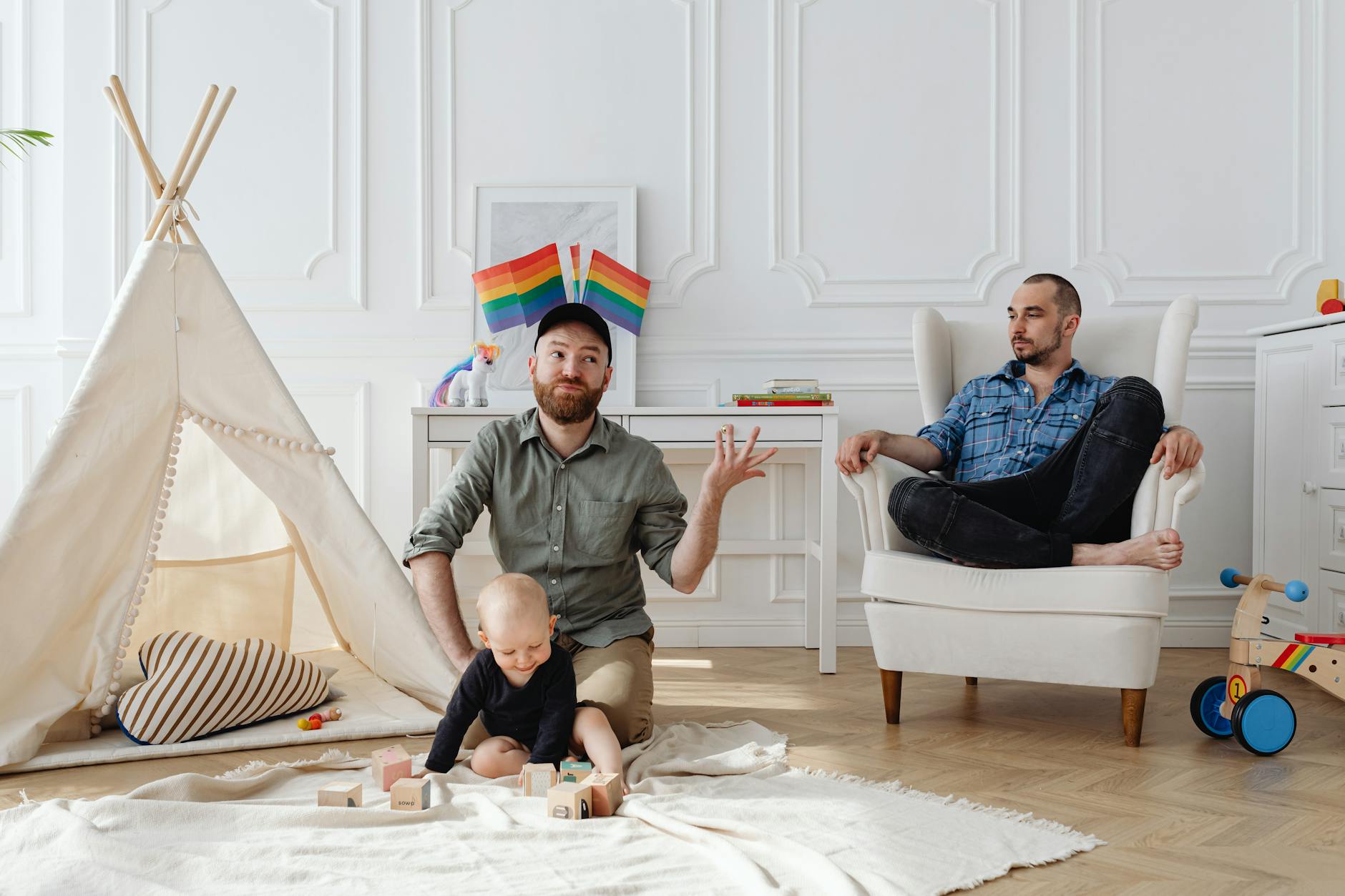
It is often incorrectly assumed that these families prioritize certain types of creative expression over more traditional pursuits. LGBTQ+ parents support a wide range of interests from athletics to the arts based on the child’s individual talents. Encouraging a child to explore their passions is a common trait among dedicated parents of all backgrounds. This supportive atmosphere allows children to develop their unique voices and creative abilities. Growth and discovery are fostered through a genuine interest in the child’s personal development.
Legal Protection

The belief that children in LGBTQ+ families lack legal security is a myth that ignores modern family law advancements. While legal landscapes vary many families take extensive steps to ensure second-parent adoption and legal guardianship are in place. These protections provide a solid foundation for the family’s future and the child’s overall well-being. Proactive legal planning is a standard part of the family-building process for many in the community. Ensuring the safety and rights of children is a top priority for these dedicated parents.
Extended Family Bonds
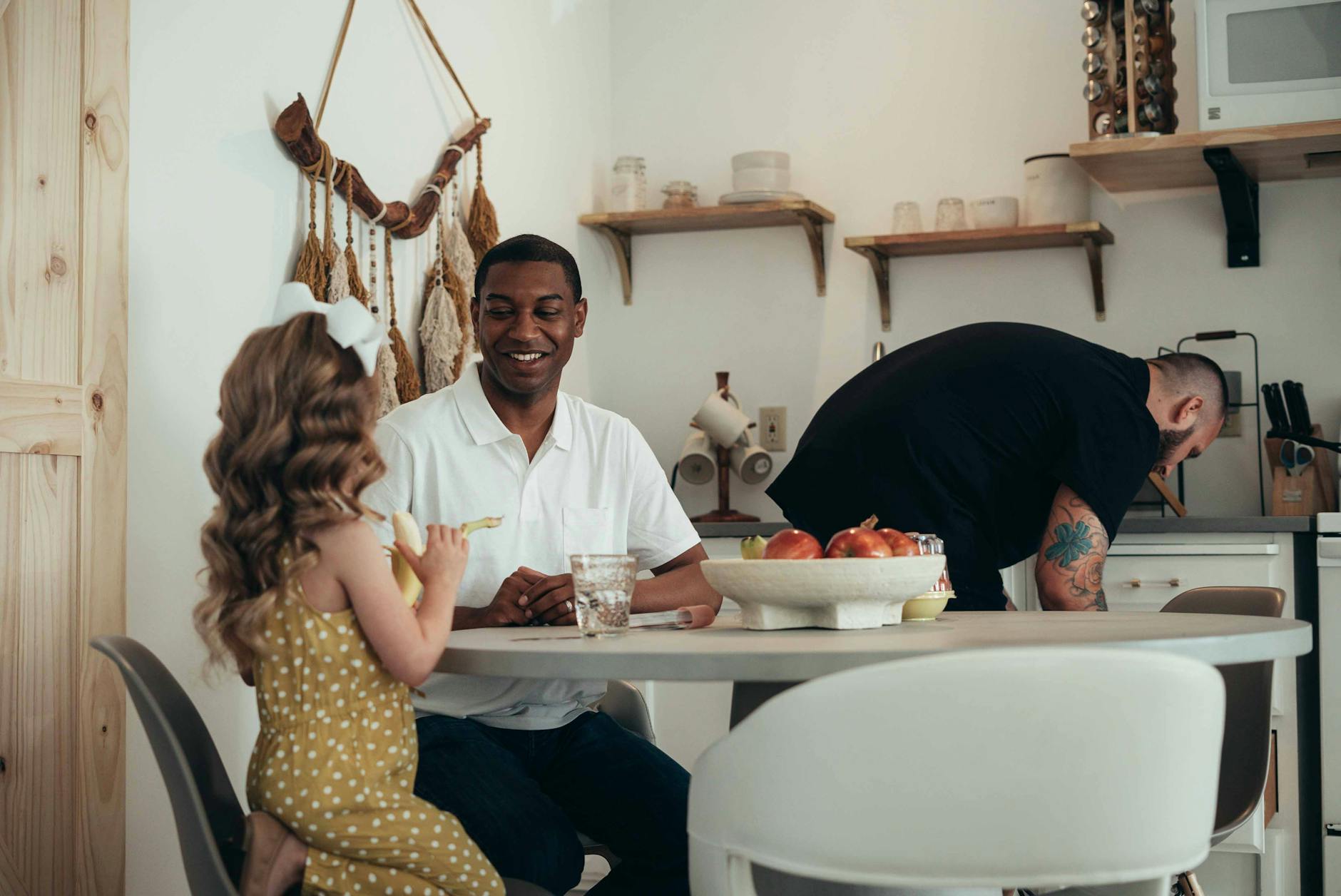
Some believe that LGBTQ+ families are estranged from their own parents or lack extended family support. Many of these families maintain strong ties with grandparents and cousins who play active roles in the children’s lives. These intergenerational connections provide a rich sense of history and belonging for the younger generation. Support from extended family members is a valued resource that enhances the child’s social network. Strong family bonds are cultivated through regular gatherings and shared traditions.
Sibling Relationships
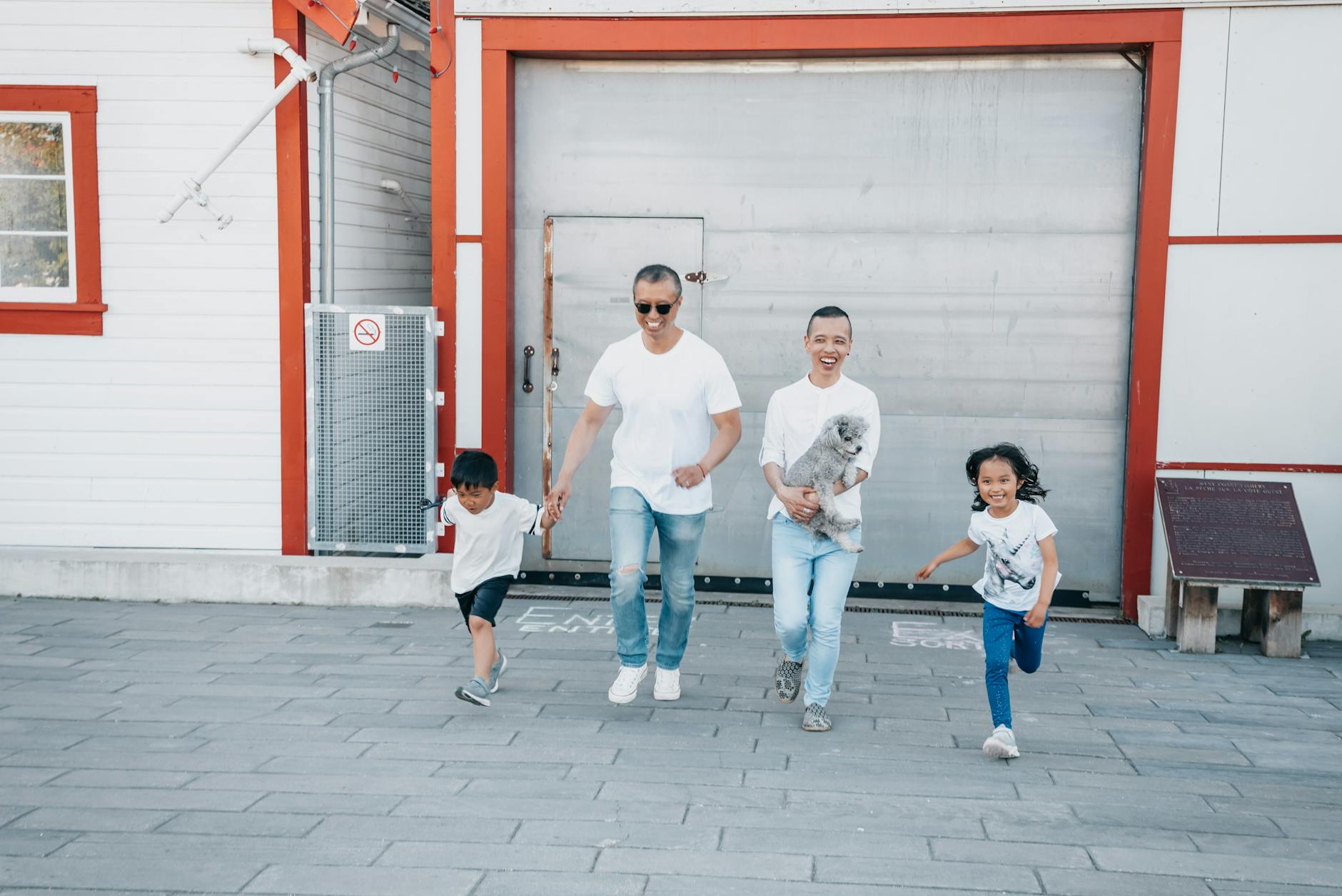
The idea that siblings in LGBTQ+ households have different dynamics than those in traditional homes is a common misconception. Sibling bonds are formed through shared experiences and the day-to-day interactions of growing up together. These children learn to support and challenge one another just like siblings in any other family unit. Parents work to foster a sense of teamwork and mutual respect among their children. The quality of sibling relationships is determined by family atmosphere rather than parental identity.
Technology and Media

A myth persists that LGBTQ+ households are either more or less restrictive regarding technology and media consumption. Like most modern parents they navigate the digital world by setting age-appropriate limits and monitoring online activity. They often use media as a tool for education and to find representations of diverse families. Balanced technology use is a goal for many families seeking to raise well-rounded children. Parents remain vigilant and involved in their children’s digital lives to ensure a safe experience.
Holiday Traditions

Some assume that non-traditional families lack a sense of tradition or do not celebrate major holidays. LGBTQ+ families often create their own unique traditions while also honoring cultural and religious holidays. These celebrations are central to building a sense of identity and lasting memories for children. Whether it is a traditional dinner or a new family custom the focus is on togetherness and joy. Traditions are a vital part of the family fabric and are cherished by parents and children alike.
Work-Life Balance

The belief that LGBTQ+ parents prioritize their careers over their children is an unfounded generalization. Many of these parents seek out flexible work arrangements or specific career paths that allow for maximum family time. Balancing professional responsibilities with the needs of a growing family is a universal challenge that these parents meet with dedication. They often utilize community resources and supportive networks to manage the demands of daily life. The well-being of the child remains the central focus of their scheduling and planning.
Emotional Intelligence
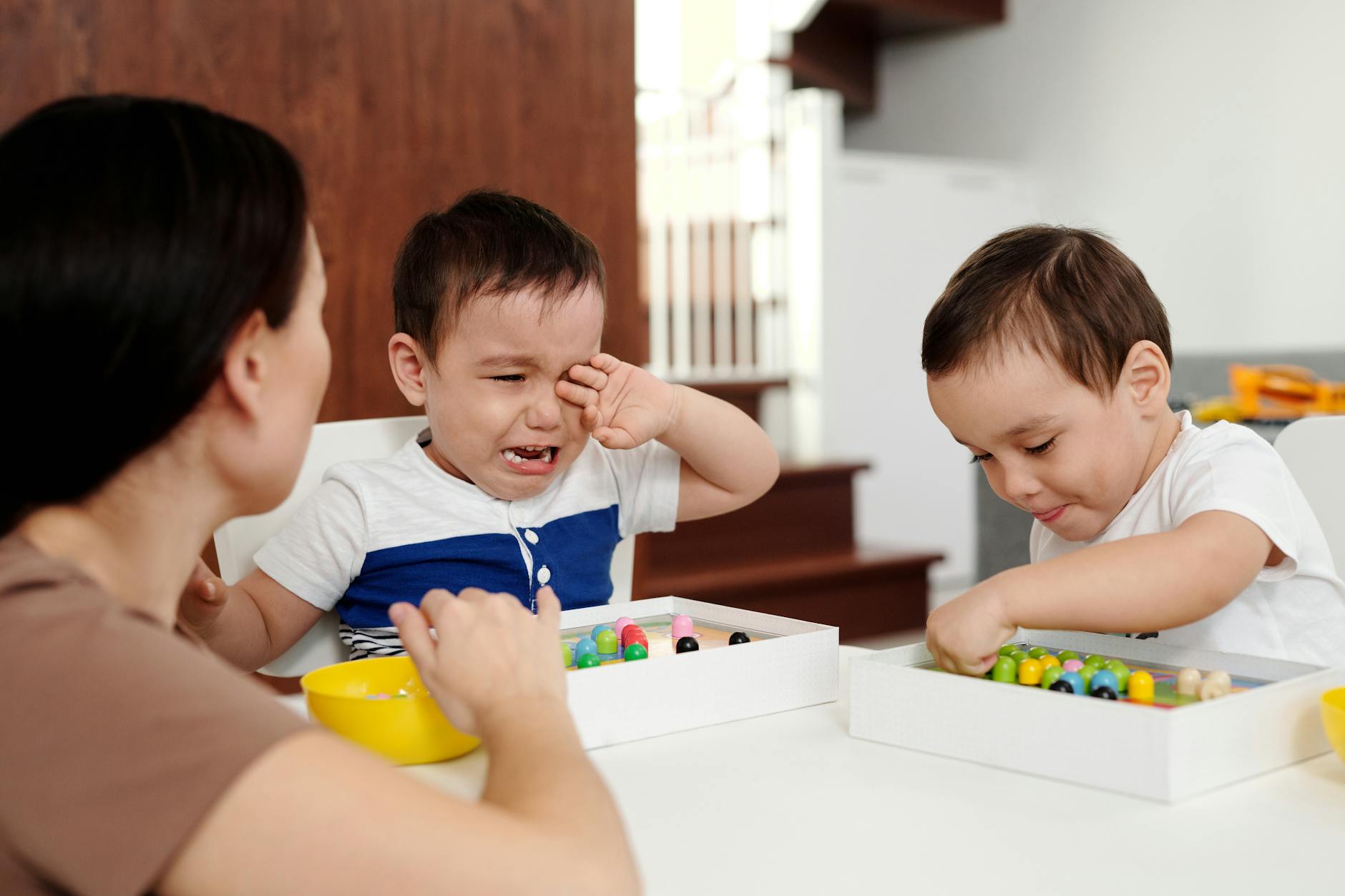
It is a misconception that children in these homes have lower emotional intelligence due to their family structure. Exposure to diverse perspectives often leads to a higher degree of emotional awareness and social maturity. These children are frequently taught to identify and communicate their feelings with clarity and confidence. High emotional intelligence is a significant asset in both personal and professional life. Parents prioritize emotional growth as a key component of a successful upbringing.
Resilience and Coping
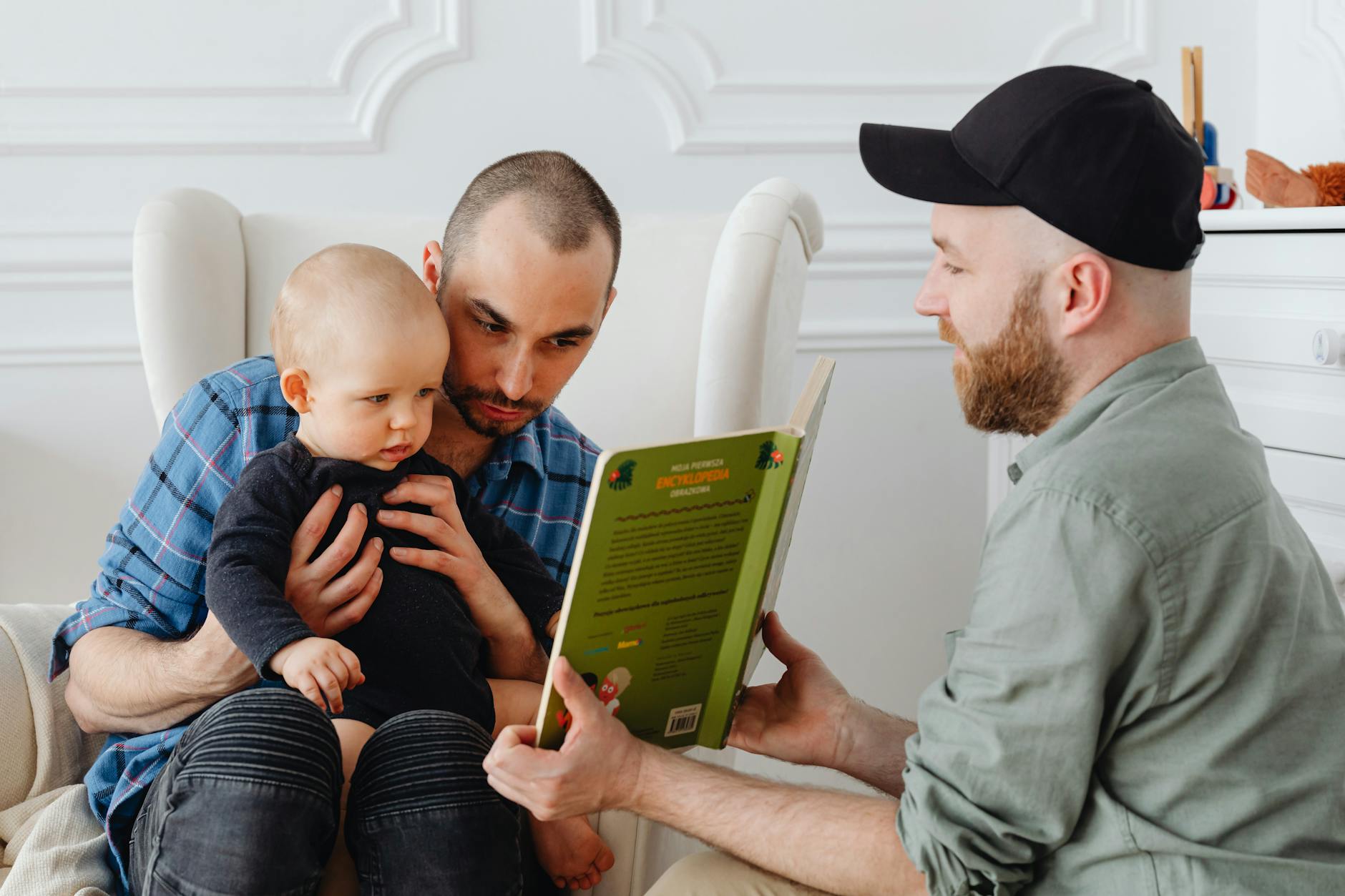
The idea that children of LGBTQ+ parents are more fragile or less able to cope with stress is incorrect. Navigating a world that sometimes questions their family structure can actually build significant resilience in these children. They learn to handle adversity with grace and develop strong coping mechanisms from an early age. This strength of character serves them well throughout their lives as they face various challenges. Resilience is fostered through a supportive home environment that values the child’s perspective.
Identity Exploration
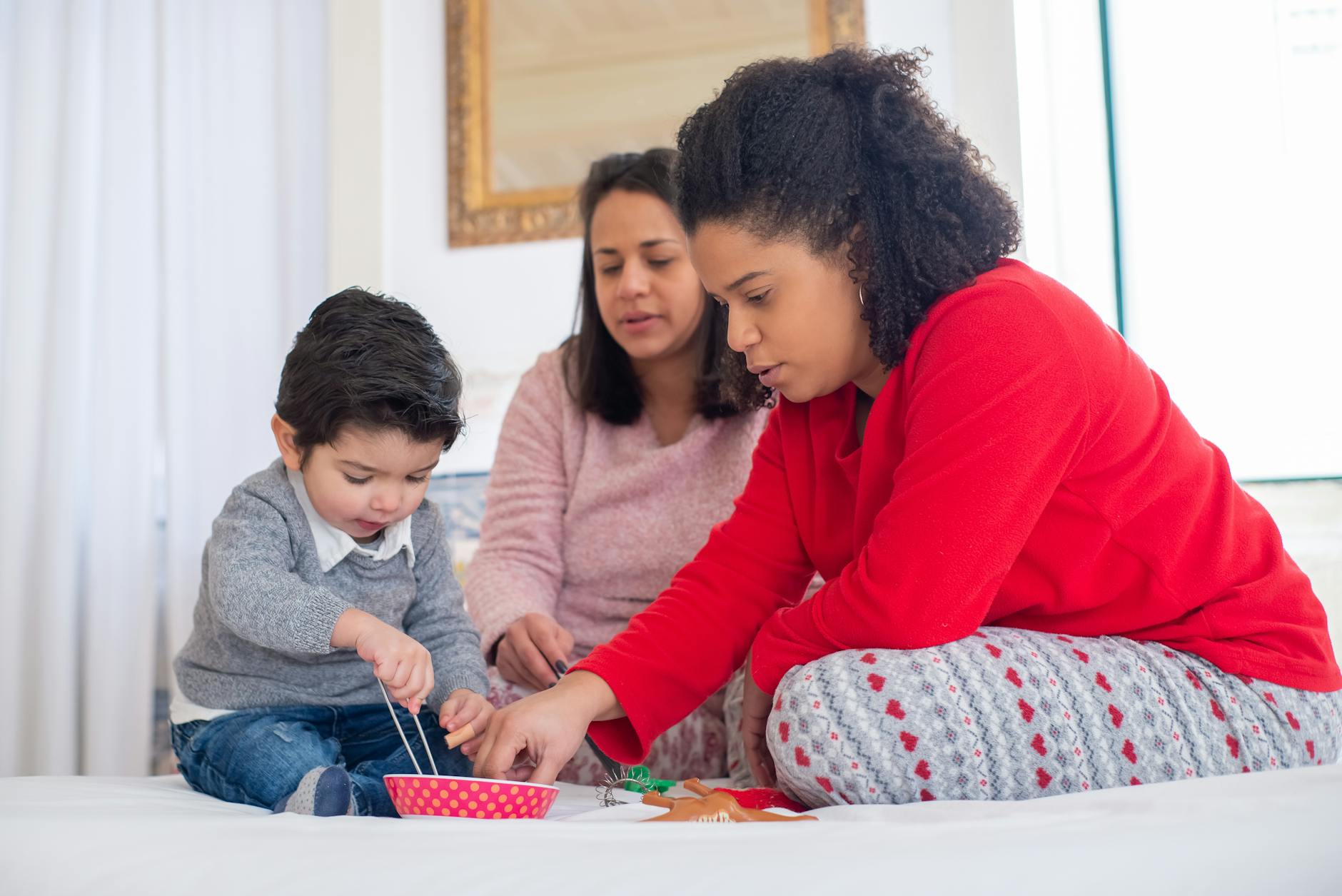
Critics often fear that children in these homes will be pressured to adopt a certain identity or lifestyle. Research shows that LGBTQ+ parents are highly supportive of their children’s autonomy and individual paths. They provide a safe space for children to explore their own interests and identities without judgment. This freedom allows children to develop a genuine sense of self that is not dictated by external expectations. Support for individuality is a core tenet of many non-traditional parenting styles.
Community Safety

There is a myth that children in LGBTQ+ households are less safe in their local communities or neighborhoods. These parents are often very proactive about ensuring their children live in safe and welcoming environments. They carefully select schools and extracurricular activities that value diversity and provide a protective atmosphere. Safety is a universal concern for all parents and is managed through vigilance and community building. A secure environment is essential for the healthy development of every child.
Social Responsibility

Some believe that these families are less concerned with social issues or civic responsibility. Many LGBTQ+ families are deeply committed to social justice and volunteer work as part of their family values. They teach their children the importance of giving back to the community and standing up for others. This focus on social responsibility helps children develop a strong sense of purpose and ethical grounding. Civic engagement is a common practice that enriches the family’s connection to the world.
Life Skills

The assumption that children in these households lack basic life skills or practical knowledge is a baseless stereotype. Like all parents those in the LGBTQ+ community teach their children how to manage daily tasks and responsibilities. From cooking and cleaning to financial literacy these skills are passed down through consistent instruction. Children grow up prepared to handle the demands of adulthood with confidence and competence. Practical education is an integral part of the nurturing process in every home.
Leadership Potential

There is no evidence to suggest that children from LGBTQ+ families have less potential for leadership than their peers. On the contrary the unique perspectives they gain at home often translate into strong leadership qualities in school and beyond. They are frequently described as confident communicators who can bridge gaps between different groups of people. These leadership skills are a result of a supportive upbringing that values individual voice and initiative. Many children from these backgrounds go on to achieve significant success in various fields.
General Well-being
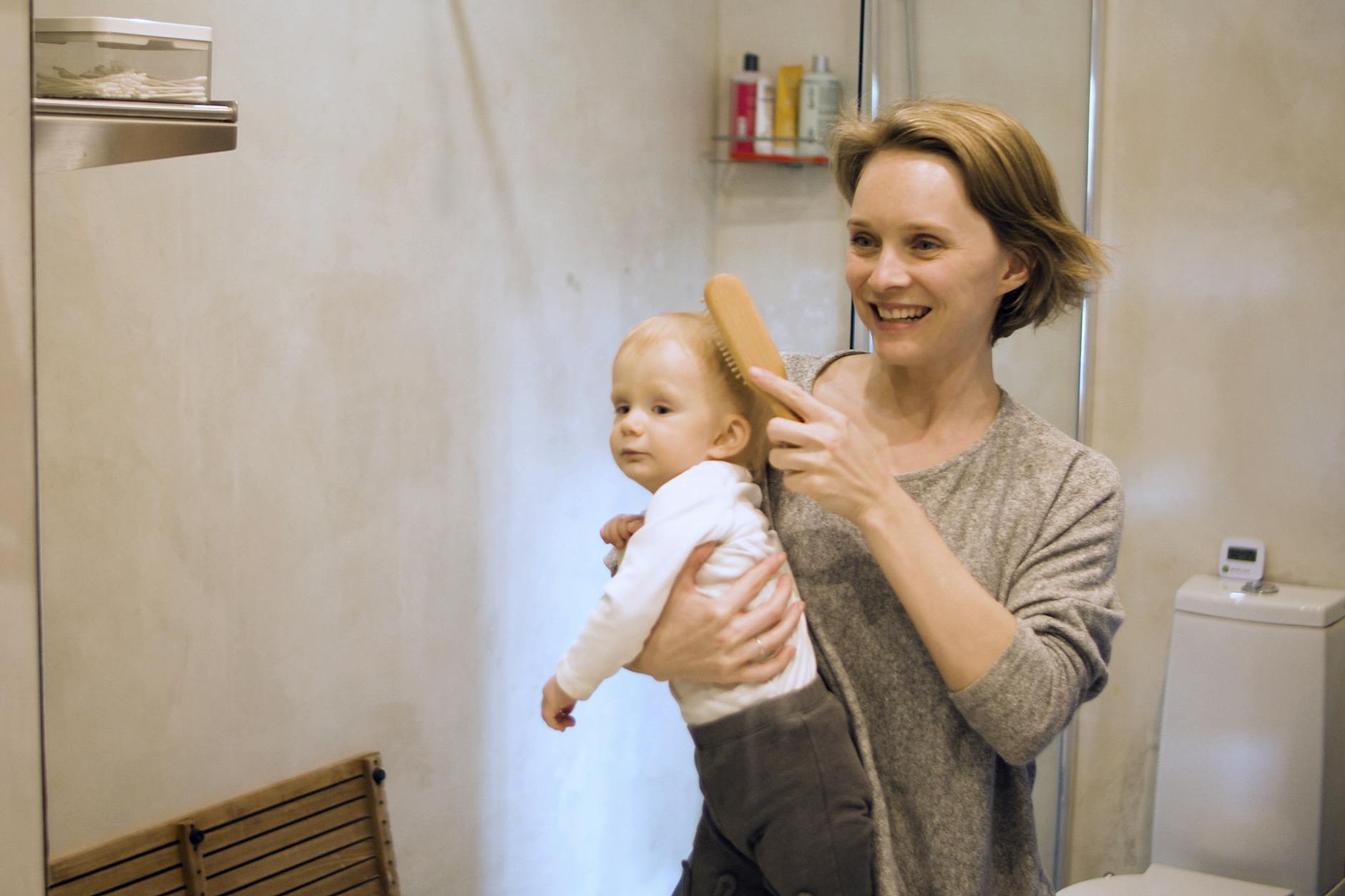
The overarching myth that children of LGBTQ+ parents are somehow disadvantaged is consistently debunked by global research. Every major study concludes that these children are as healthy and happy as those from any other family type. Well-being is a product of love and the presence of dedicated caregivers who prioritize the child’s needs. The diversity of the family structure is a secondary factor to the quality of care provided within the home. A nurturing and stable environment is the most important indicator of a child’s future success.
Please share your thoughts on these parenting insights in the comments.