Parenting is widely considered one of the most challenging responsibilities an adult can undertake. Identifying toxic behaviors requires honest self-reflection and a willingness to examine painful patterns. These behaviors often stem from the parent’s own unresolved trauma or emotional immaturity. Recognizing these signs is the first step toward breaking the cycle and establishing healthier family dynamics.
Emotional Volatility

Parents who cannot regulate their emotions create a frightening atmosphere for their household. The child learns to monitor the parent’s mood constantly to ensure their own safety. This hypervigilance causes long-term anxiety and stress for the growing child. Sudden outbursts of anger or tears often occur without a logical trigger. The parent effectively forces the child to manage adult emotions.
Lack of Boundaries
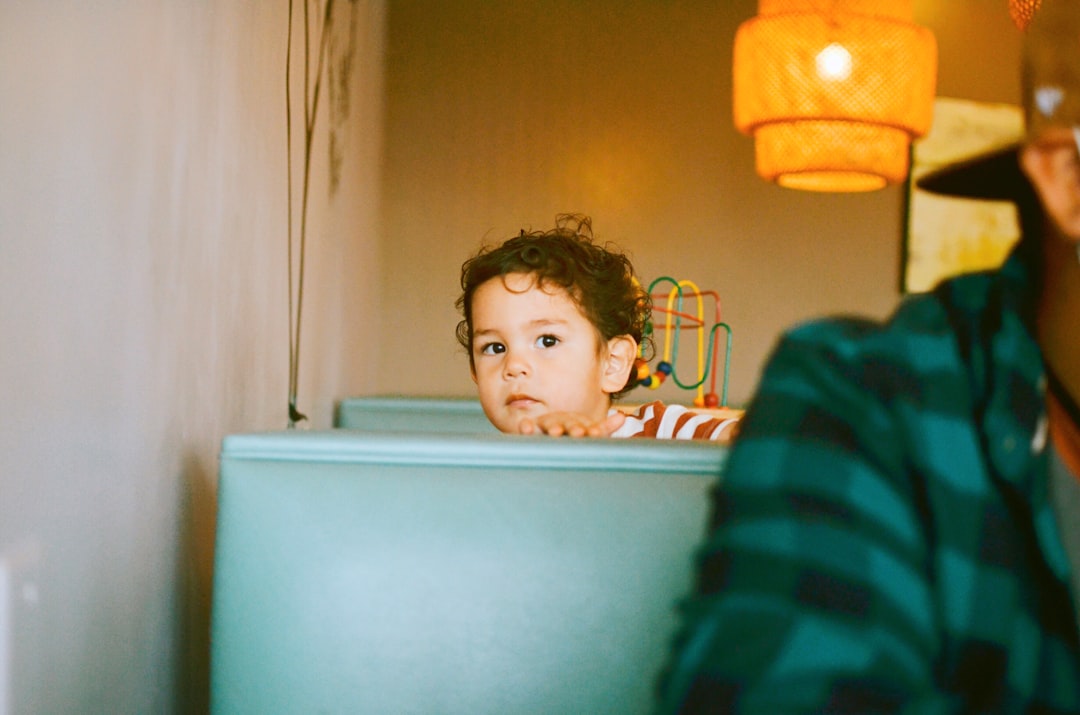
Toxic parents often view their children as extensions of themselves rather than individuals. They may invade privacy by reading diaries or entering rooms without knocking. This behavior prevents the child from developing a healthy sense of autonomy or independence. The parent usually ignores requests for space and treats any assertion of privacy as a personal attack. Respecting personal limits is essential for mutual trust.
Constant Criticism

A pattern of belittling comments damages a child’s self-esteem over time. The parent focuses exclusively on mistakes while ignoring accomplishments or positive traits. This negativity is often disguised as tough love or necessary guidance for improvement. Children raised in this environment eventually internalize the critical voice and doubt their own abilities. Perfection becomes the only acceptable standard.
Gaslighting
This form of manipulation involves denying the child’s reality or memory of events. The parent insists that hurtful things never happened or that the child is imagining them. This causes the child to question their own sanity and perception of the world. It is a defense mechanism used by the parent to avoid accountability for their actions. Trust in one’s own intuition erodes completely.
Guilt Tripping

Parents may use guilt as a tool to control their child’s behavior and decisions. They remind the child of everything they have sacrificed to raise them. This creates a sense of indefinite indebtedness that the child can never repay. The child feels obligated to prioritize the parent’s wishes over their own happiness. Refusal to comply is met with accusations of selfishness.
Competitive Behavior
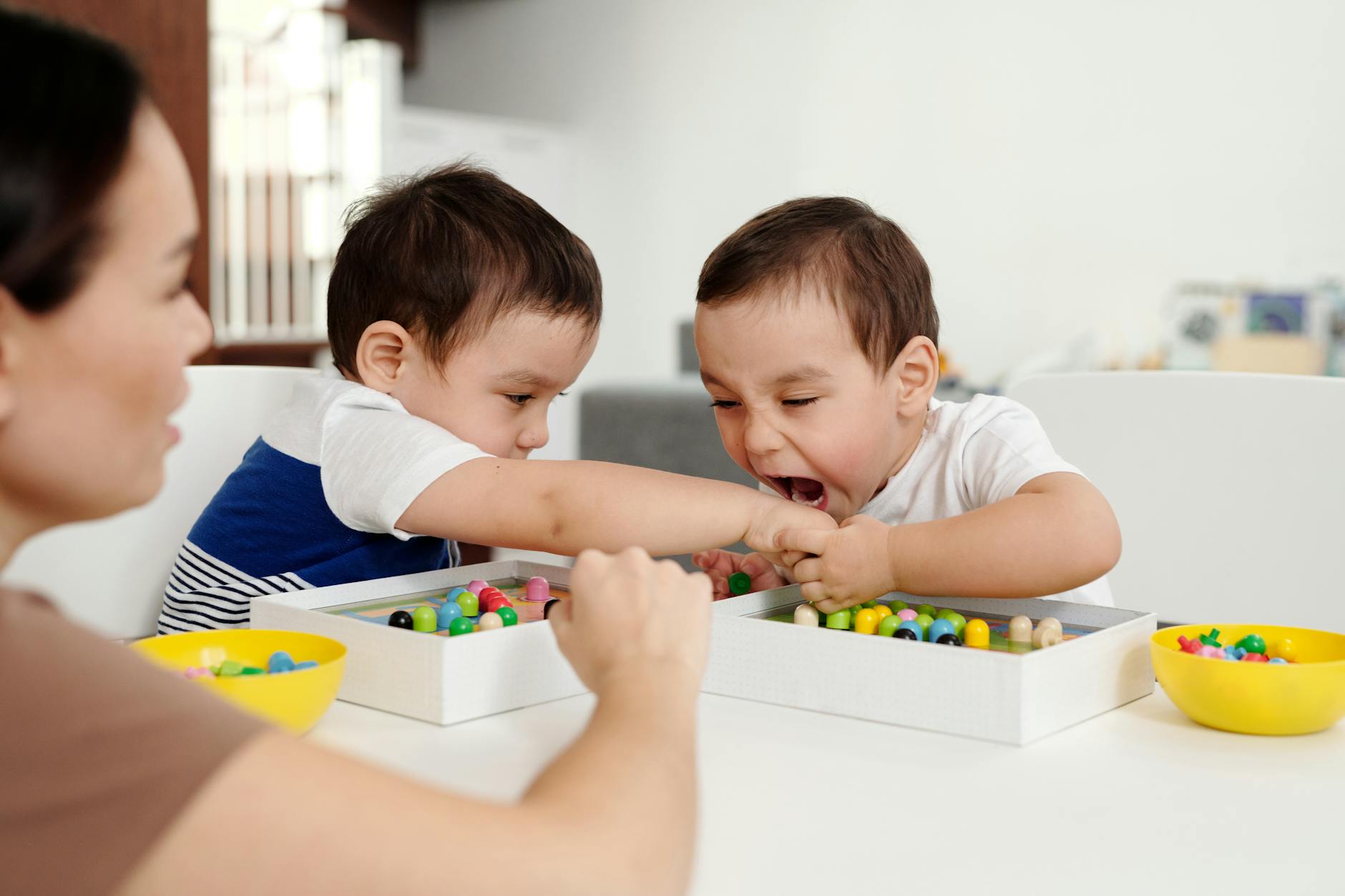
Some parents view their children as rivals rather than dependents to nurture. They may try to outshine the child in achievements or appearance. This dynamic creates a confusing environment where the child feels they must suppress their success. The parent might downplay the child’s accomplishments to boost their own ego. Support is withheld when the child succeeds.
Conditional Love
Affection is offered only when the child behaves exactly as the parent desires. Love becomes a transaction based on performance or compliance rather than a secure foundation. The child learns that they are not worthy of love simply for existing. They constantly strive to earn approval through achievements or obedience. Withdrawal of affection is used as a punishment.
The Silent Treatment

Refusing to speak to a child is a form of emotional abandonment and punishment. It creates deep insecurity and anxiety about the status of the relationship. The parent forces the child to beg for forgiveness to restore communication. This passive-aggressive tactic avoids healthy conflict resolution. It teaches the child that conflict leads to isolation.
Parentification

This role reversal occurs when the child is expected to care for the parent emotionally or physically. The parent discusses adult problems or treats the child as a therapist or partner. This forces the child to grow up too fast and miss out on developmental milestones. The child’s own needs are neglected in favor of the parent’s needs. It is a heavy burden for a young mind.
Dismissing Feelings
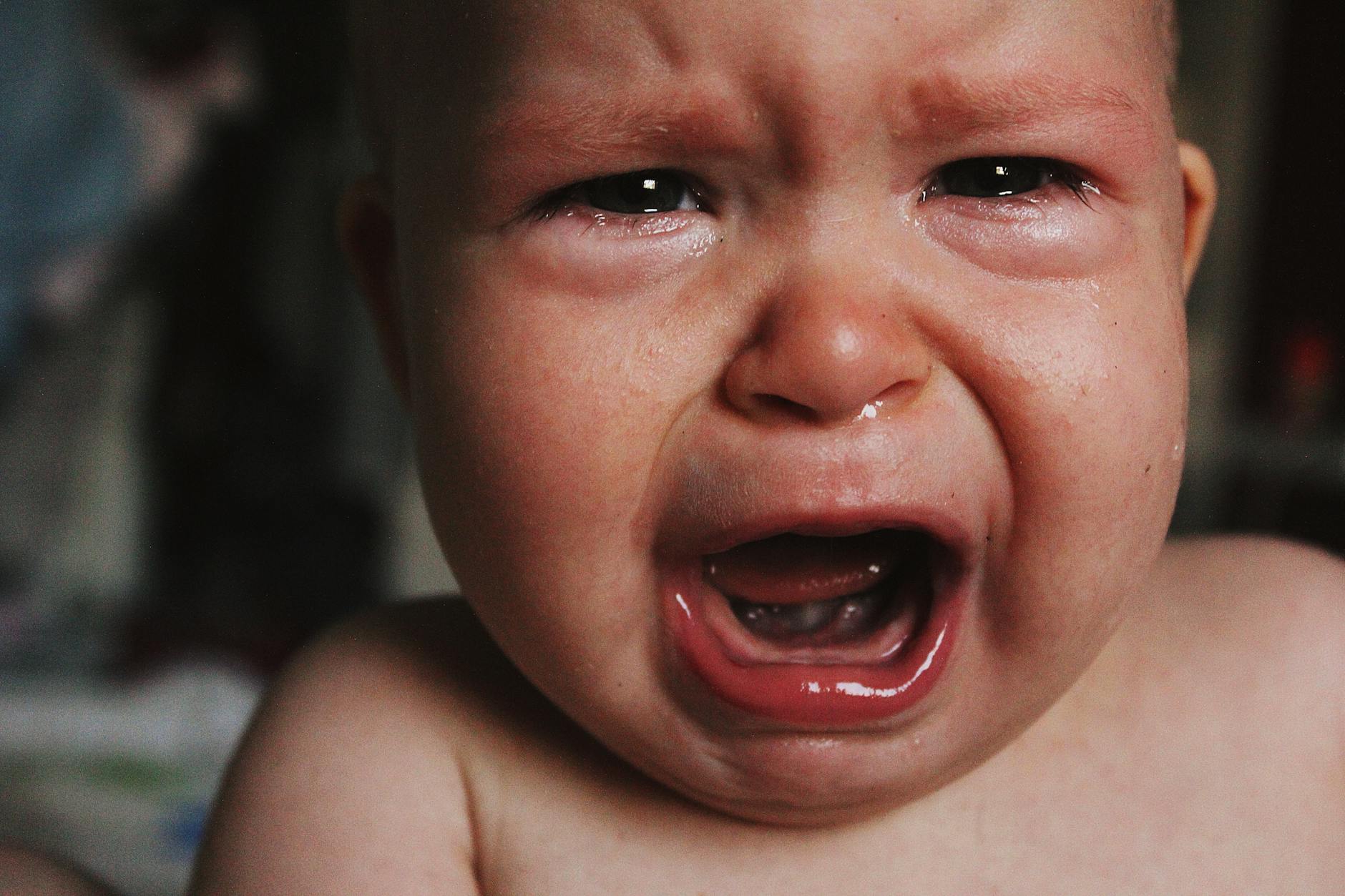
Toxic parents often tell children their feelings are wrong or unwarranted. Phrases like stop crying or you are too sensitive invalidate the child’s emotional experience. The child learns to suppress emotions rather than process them healthily. This leads to difficulties in emotional regulation later in life. Empathy is noticeably absent in these interactions.
Public Humiliation

Shaming a child in front of others is used to exert dominance and control. The parent shares embarrassing stories or scolds the child publicly to lower their confidence. This betrayal of trust makes the child feel unsafe even in social settings. It is often defended as a joke or a way to keep the child humble. The resulting shame can last for years.
Playing the Victim

The parent refuses to take responsibility for their actions and blames others for their misery. They spin narratives where they are always the injured party in any conflict. This manipulates the child into feeling sorry for the parent despite the parent’s bad behavior. It prevents honest communication and problem-solving. The child feels guilty for ever asserting their own needs.
Controlling Behavior

Every aspect of the child’s life is micromanaged from clothing choices to friendships. The parent believes they know what is best and refuses to let the child make mistakes. This stifles the development of decision-making skills and independence. The child becomes reliant on the parent for direction well into adulthood. Autonomy is seen as a threat to the parent’s authority.
Emotional Neglect

Physical needs may be met while emotional needs are completely ignored. The parent is physically present but emotionally unavailable or distant. The child feels unseen and learns not to seek comfort or connection. This absence of warmth leaves a void that impacts future relationships. The home environment feels cold and functional.
Physical Intimidation

Using size or aggressive posturing to frighten a child is a clear sign of toxicity. This includes blocking exits or slamming doors to assert dominance during arguments. The child lives in fear of physical escalation even if they are not hit. This creates a nervous system that is constantly in fight or flight mode. Safety is compromised in the home.
Financial Manipulation

Money is used as a weapon to control the child’s choices and lifestyle. The parent may withhold support or demand repayment for basic upbringing costs. Gifts come with strings attached or serve as leverage for future demands. This hinders the child’s ability to become financially independent. Economic control keeps the child tethered to the parent.
Unfavorable Comparisons

The parent constantly compares the child to siblings or peers to highlight their inadequacy. This pit creates rivalry and resentment between the child and others. It reinforces the idea that the child is never good enough as they are. The parent ignores the child’s unique strengths and focuses on what they lack. Self-worth is measured solely against others.
Refusal to Apologize

A toxic parent views apologizing as a sign of weakness or defeat. They will twist logic to justify their actions rather than admit a mistake. This teaches the child that being right is more important than repairing relationships. It prevents the healing of emotional wounds caused by the parent. Accountability is nonexistent in the relationship.
Passive Aggression

Hostility is expressed through indirect means rather than open communication. The parent uses sarcasm or backhanded compliments to demean the child. Sighing or eye-rolling communicates disapproval without explicit words. This creates a tense environment where the child must decode hidden meanings. Direct confrontation is avoided at all costs.
Enmeshment

Boundaries between the parent and child are blurred to an unhealthy degree. The parent expects the child to share every thought and feeling without reservation. Individual identity is discouraged in favor of a collective family identity. The child feels suffocated and unable to separate emotionally. Separation anxiety is common for both parties.
Narcissistic Tendencies

The household revolves entirely around the parent’s needs and ego. The child exists to serve the parent or make the parent look good to others. Empathy for the child’s experience is limited or completely absent. The parent reacts with rage to any perceived slight or criticism. The child is merely a prop in the parent’s life.
Blaming the Child

The parent holds the child responsible for the parent’s own life dissatisfaction or failures. They might claim they would be successful if they had not had children. This places an unfair burden of guilt on the child for simply existing. It absolves the parent of responsibility for their own life choices. The child feels like a burden.
Sabotaging Independence
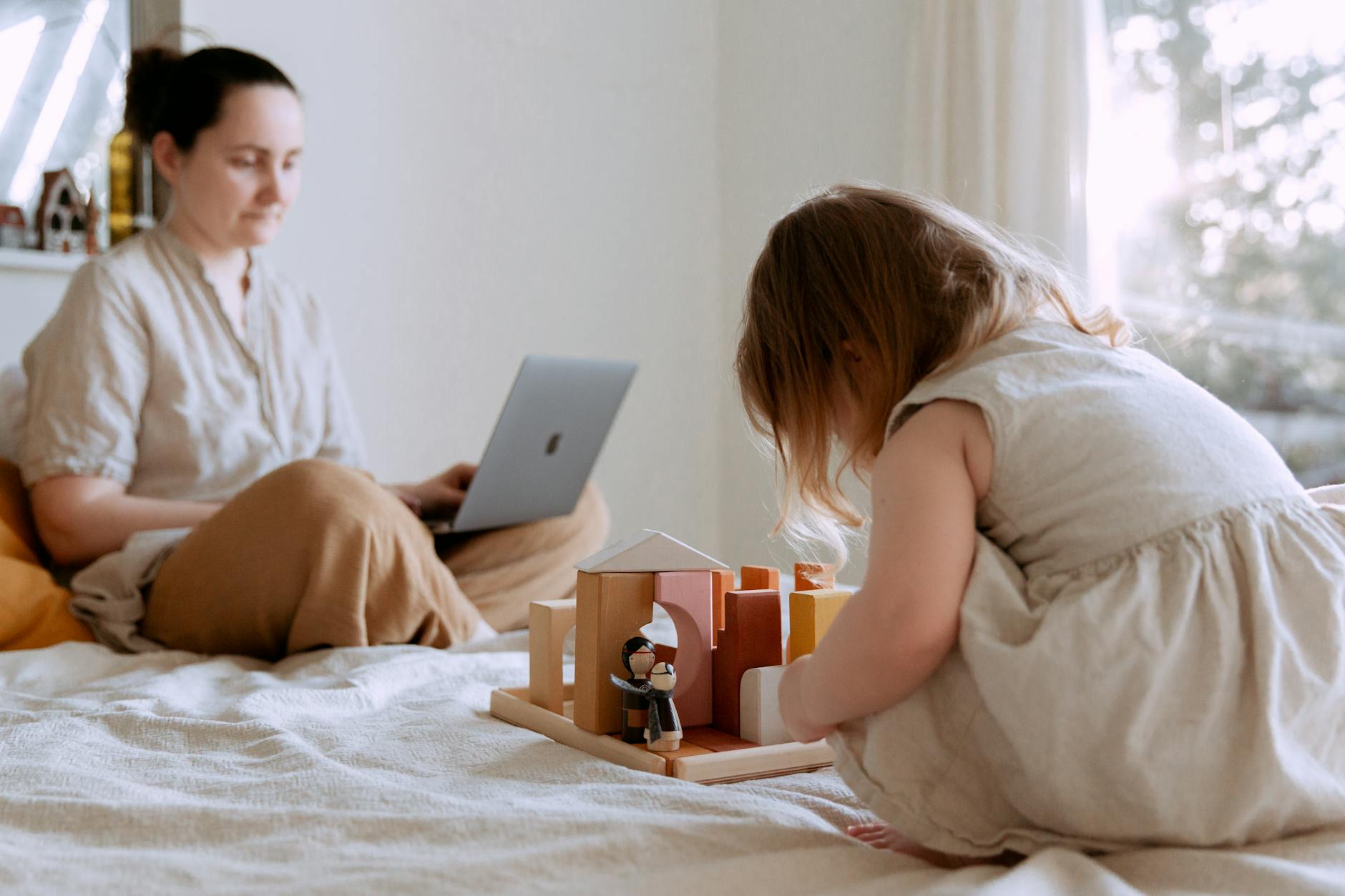
Steps toward independence are met with resistance or sabotage by the parent. The parent may undermine job opportunities or relationships that would take the child away. They want to keep the child dependent and close for their own comfort. This stunts the child’s growth and ability to function in the world. Success is viewed as abandonment.
Using Children as Pawns

In divorced or separated families the parent uses the child to hurt the other parent. Information is relayed through the child to avoid direct communication with the ex-partner. The child is forced to choose sides and alienate the other parent. This places the child in the middle of adult conflicts. It is emotionally damaging and manipulative.
Rigid Perfectionism

The parent demands flawless performance in academics or sports or behavior. Mistakes are treated as moral failures rather than learning opportunities. The child develops severe anxiety about failing or disappointing the parent. This standard is impossible to maintain and leads to burnout. The child’s value is tied to their output.
Disrespecting Privacy

The parent feels entitled to know every detail of the child’s life. They may track the child’s location or monitor communications excessiveIy. Arguments are often shared with friends or family without the child’s consent. This breach of trust makes the child secretive and defensive. A safe private space is denied.
Mocking Interests
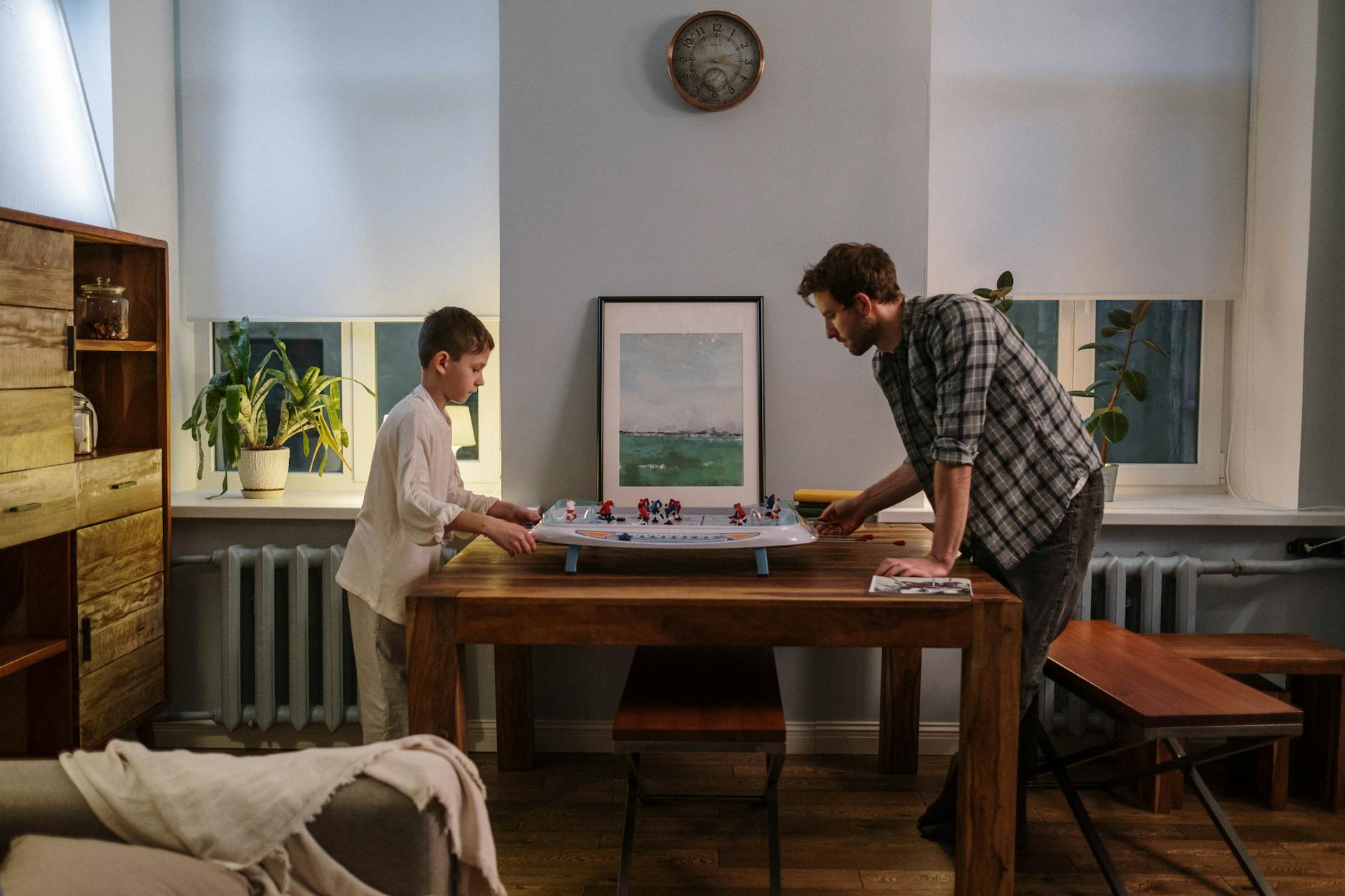
The parent belittles the child’s hobbies or passions or career choices. They label the child’s interests as stupid or a waste of time. This discourages the child from pursuing what brings them joy. It signals that the parent does not respect the child’s individuality. The child stops sharing their inner world.
Emotional Blackmail

Threats are used to manipulate the child into compliance. The parent might threaten to hurt themselves or end the relationship if the child disobeys. This creates a hostage situation where the child acts out of fear. It is an extreme form of coercion that destroys trust. Love is held hostage for obedience.
Favoritism
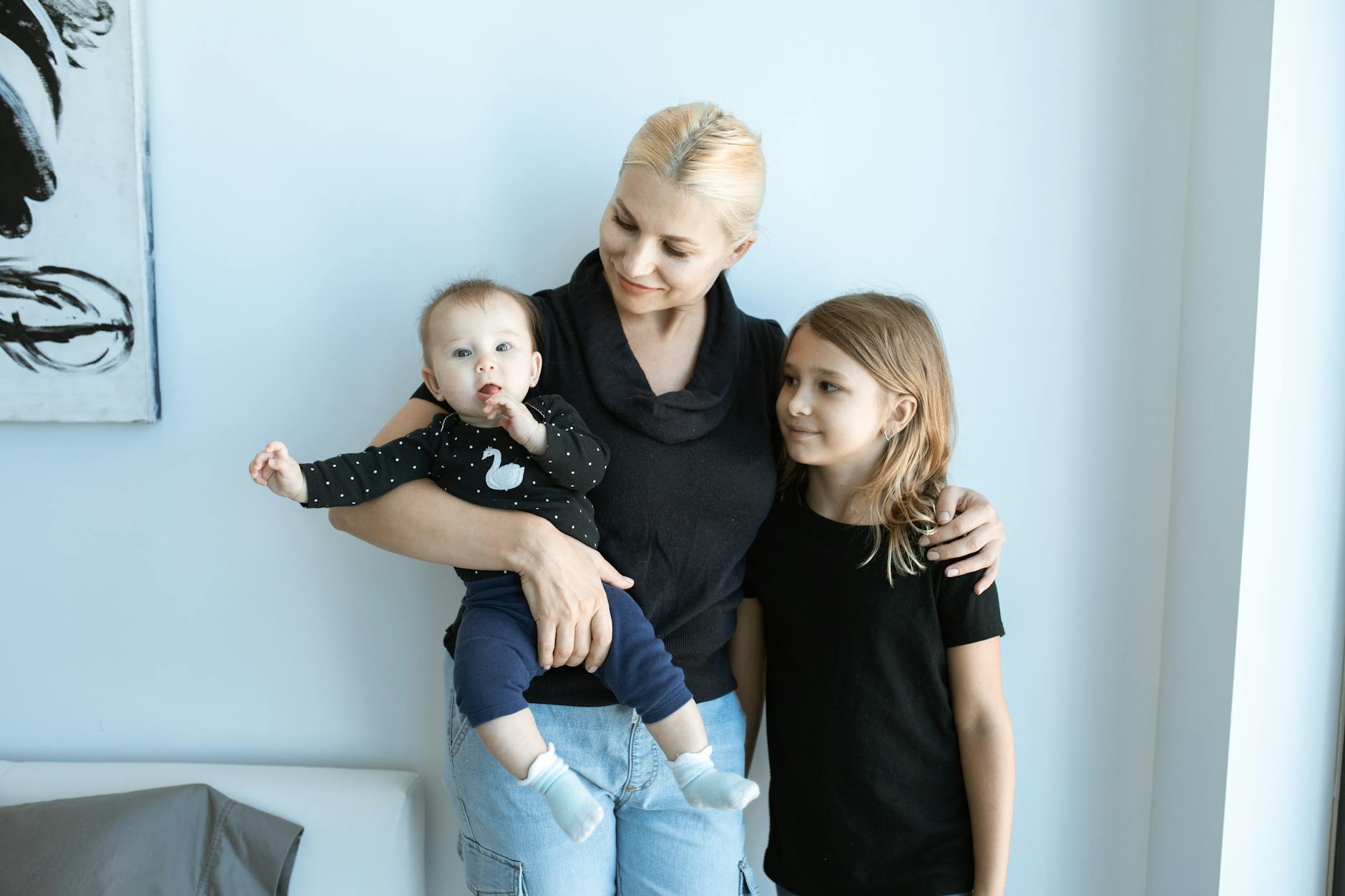
The parent clearly prefers one sibling over another and makes no effort to hide it. The golden child can do no wrong while the scapegoat is blamed for everything. This dynamic destroys sibling relationships and creates lasting resentment. It damages the self-esteem of the less favored child. The family structure is built on inequality.
Over-sharing

The parent burdens the child with inappropriate details about their personal life or marriage. Sexual or financial issues are discussed with the child as if they were a peer. This crosses generational boundaries and overwhelms the child. The child is forced to carry the weight of adult secrets. It creates confusion about roles within the family.
Pathological Lying

The parent lies compulsively to control narratives or avoid trouble. The child learns that the truth is fluid and cannot trust the parent’s word. This creates an unstable reality where facts are constantly shifting. It models dishonesty as an acceptable way to navigate life. The foundation of the relationship is built on deceit.
Isolating the Child

The parent discourages outside relationships and wants to be the child’s only influence. They may criticize friends or partners to drive a wedge between them and the child. This isolation keeps the child under the parent’s control and influence. It limits the child’s support system outside the home. The world is painted as dangerous.
Share your own experiences or thoughts on this topic in the comments.