Navigating the nuances of public displays of affection often involves a rapid mental assessment of the surrounding environment to ensure personal safety. Many couples experience the repetitive task of correcting strangers who assume they are merely friends or siblings during casual outings. This constant vigilance can lead to an underlying sense of exhaustion that impacts how partners interact in open spaces. The decision to hold hands or share a brief embrace becomes a calculated choice rather than a spontaneous romantic gesture. Maintaining this level of awareness requires a shared understanding and resilience within the relationship.
Travel Planning Safety

Choosing a vacation destination requires extensive research into the local laws and cultural attitudes of various international regions. Many couples must bypass popular tourist spots where their legal rights or physical safety cannot be guaranteed by the local government. This process often involves consulting specialized travel maps and community forums to identify truly inclusive accommodations. Packing sometimes includes a strategy for dressing in ways that do not draw unwanted attention in conservative transit hubs. These extra layers of preparation turn a simple getaway into a complex logistical operation.
Family Holiday Dynamics

Navigating invitations to family gatherings can be complicated when certain relatives remain unsupportive or uncomfortable with the relationship. Couples often face the dilemma of attending events where their partnership is treated as a secondary or unofficial arrangement. This might involve being asked to sleep in separate rooms or enduring uncomfortable conversations about their private lives. Some partners choose to create their own chosen family traditions to avoid the emotional toll of these strained interactions. Balancing biological family expectations with the health of the relationship is a common long-term challenge.
Healthcare Documentation Hurdles

Accessing medical care together often requires carrying legal paperwork like power of attorney or healthcare proxy forms to ensure visitation rights. Couples frequently encounter administrative staff who are unfamiliar with modern domestic partnership laws or diverse family structures. Explaining the nature of the relationship during high-stress emergency situations adds an unnecessary layer of anxiety to the experience. Even in inclusive facilities the intake forms may lack appropriate options for gender identity or relationship status. Consistent advocacy is necessary to receive the same treatment and respect as any other committed pair.
The Double Wardrobe Dilemma

Living together often results in a shared closet where clothing and accessories are frequently borrowed or swapped between partners of similar sizes. While this provides a diverse range of style options it often leads to minor disagreements over misplaced items or favorite shirts. Organizing a home with two people who share similar tastes requires a strategic approach to storage and personal boundaries. Morning routines can become a collaborative effort in styling as both individuals pull from the same collection of garments. This unique dynamic blends personal expression with a shared aesthetic that defines the household.
Identifying Safe Housing

Searching for a new apartment or home involves more than just checking the square footage and local amenities. Potential residents must evaluate the neighborhood for signs of inclusivity and general acceptance to avoid future harassment. Interacting with landlords or real estate agents sometimes necessitates a careful disclosure of the relationship to gauge their reaction. Finding a community where neighbors are welcoming provides a vital sense of security and belonging for the couple. This search for a safe haven is a fundamental step in building a stable life together.
Wedding Industry Assumptions

Planning a ceremony often involves navigating a landscape of vendors who use gendered language and traditional assumptions. Couples may spend significant time vetting photographers and florists to ensure they are comfortable working with diverse clients. Correcting contracts that list bride and groom labels can become a repetitive and frustrating task during the planning process. Many individuals seek out creators within their own community to ensure their vision is understood without judgment. These interactions require patience as couples work to redefine traditional celebrations on their own terms.
Navigating Workplace Benefits

Enrolling in company insurance or retirement plans often requires extra steps to prove the legitimacy of the partnership. Employees may feel hesitant to display photos of their partner on their desk depending on the office culture. Understanding which jurisdictions recognize their union for tax purposes adds a layer of complexity to financial planning. Some partners choose to keep their private lives separate from their professional identities to avoid potential bias or discrimination. This ongoing negotiation of professional and personal boundaries is a common shared experience.
The Coming Out Cycle

Entering new social circles or starting new jobs frequently requires a decision on when and how to disclose the relationship. This process is rarely a one-time event and instead becomes a recurring part of meeting new people. Partners often discuss how they wish to be introduced to avoid awkward or intrusive questioning from others. The reaction of a new acquaintance can set the tone for the entire future of that social connection. This repetitive disclosure requires a high degree of confidence and mutual support between both individuals.
Legal Parentage Paperwork
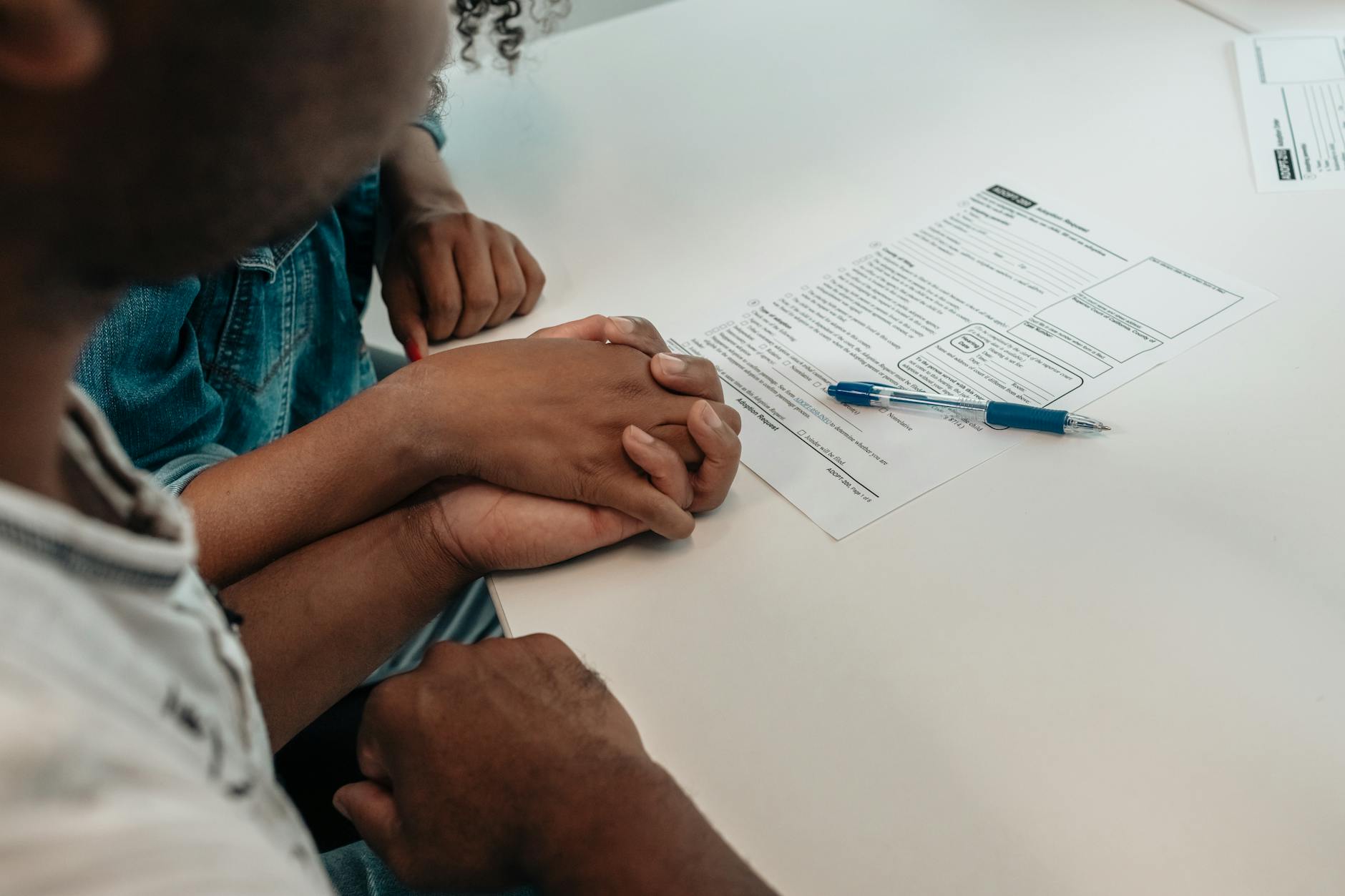
Couples raising children often face complex legal hurdles to ensure both partners are recognized as legal guardians. This frequently involves expensive second-parent adoption processes even if the couple is legally married in their home country. Navigating school registration and pediatric appointments can lead to confusion if the staff is not trained on diverse family structures. Carrying copies of birth certificates and adoption decrees becomes a standard practice for local and international travel. Ensuring the long-term security of the family unit requires proactive and often costly legal intervention.
Formal Event Attire

Choosing outfits for black-tie events or formal galas often involves navigating rigid gender expectations regarding clothing. Couples may feel pressure to conform to traditional masculine or feminine styles to blend into conservative environments. Finding tailored options that reflect their personal identities while remaining appropriate for the dress code can be a significant challenge. This process often requires sourcing specialized designers who understand non-traditional silhouettes and preferences. Dressing for high-stakes social events becomes an exercise in balancing authenticity with social navigation.
Banking and Joint Accounts

Setting up shared finances can reveal systemic biases in how financial institutions process applications for diverse couples. Some banks may still require specific documentation that is not easily accessible depending on the local legal recognition of the union. Explaining the relationship to loan officers or financial advisors can lead to uncomfortable or dismissive interactions. Couples often seek out inclusive credit unions or banks that have a track record of supporting all types of families. Establishing a secure financial future together requires finding partners in the banking industry who respect their bond.
Public Restroom Safety

Using public facilities while out together can be a source of anxiety if one or both partners do not fit traditional gender norms. Couples often wait for each other outside or enter together to provide a sense of security and support. This simple daily task requires a constant assessment of the safety and privacy of the environment. Finding gender-neutral options is a priority but those facilities are not always available in older buildings or public spaces. Navigating these spaces together is a testament to the protective nature of the relationship.
Religious Community Integration

Finding a place of worship that fully welcomes and affirms the relationship can be a long and emotional journey. Many couples must leave the traditions they were raised in to find a community that accepts their love. This search often involves interviewing clergy members and attending various services to gauge the level of genuine inclusion. Balancing spiritual needs with the desire for social acceptance is a delicate process for many partners. Building a spiritual life together often means creating new meanings within more progressive or inclusive frameworks.
Dealing with Inquisitive Strangers

Casual conversations with people in public often lead to intrusive questions about the nature of the relationship or personal history. Partners must decide in the moment whether to educate the stranger or simply disengage from the conversation. These interactions can range from well-meaning curiosity to blatant disrespect regarding their life choices. Having a shared strategy for handling these moments helps reduce the stress of being constantly observed. Protecting the sanctity of the relationship from external scrutiny is a frequent shared responsibility.
Cultural Heritage Conflicts

Couples from different cultural backgrounds may face unique challenges if one or both families hold traditional views on partnership. Merging diverse customs while navigating potential rejection from cultural communities requires significant emotional labor. Partners often work together to preserve their heritage while standing firm in their commitment to each other. This can involve creating a hybrid of traditions that honors their roots and their modern relationship. The strength of the bond is often tested by the pressure to choose between love and cultural expectations.
Reproductive Health Access

Navigating fertility clinics and reproductive specialists involves finding providers who are sensitive to the specific needs of diverse couples. The cost of building a family can be significantly higher due to the need for donors or surrogacy services. Many insurance providers do not cover these costs for non-traditional couples leading to significant financial strain. Partners must advocate for themselves in medical settings to ensure their family goals are taken seriously. This journey toward parenthood is often marked by both great hope and significant systemic barriers.
Holiday Hosting Logistics

Deciding which side of the family to visit during the holidays involves more than just travel time and scheduling. Some couples may feel unwelcome at certain gatherings or feel the need to hide their affection to keep the peace. This leads to difficult conversations about setting boundaries and prioritizing the comfort of the partner. Hosting their own events allows the couple to control the environment and ensure all guests are respectful of their home. Creating a safe and celebratory space is a key part of their shared life.
Navigating Gendered Spaces

Participating in activities like gym locker rooms or specialized health clubs can be intimidating for couples who do not conform to standard expectations. They often seek out inclusive businesses that have clear policies against discrimination and harassment. The lack of inclusive signage or facilities can make these essential services feel unwelcoming or even dangerous. Partners often provide emotional support for each other when entering these spaces for the first time. Finding a supportive community for fitness and hobbies is vital for their overall well-being.
Correcting Legal Records

Changing names or updating gender markers on legal documents is a time-consuming and often expensive administrative process. Couples may face bureaucratic hurdles when trying to align their official records with their lived identities and relationship status. This involves interacting with various government agencies that may have inconsistent or outdated policies. The stress of these technical errors can impact the ability to travel or apply for joint services. Helping each other through these legal mazes is a significant part of their partnership.
Social Media Visibility

Deciding how much of the relationship to share online involves considering the potential for both support and online harassment. Many couples curate their digital presence to protect their peace while still celebrating their milestones. The reaction of distant acquaintances or coworkers to a profile picture change can be a source of anxiety. Digital spaces offer community but also expose the relationship to the opinions of a global audience. Managing this public persona requires clear communication and shared digital boundaries.
Professional Networking Events

Attending industry mixers or company parties as a couple can be a strategic decision based on the inclusivity of the professional field. Partners often discuss the level of transparency they will maintain during introductions to avoid career-related repercussions. The fear of being passed over for promotions or losing clients due to their personal life is a valid concern in many sectors. Finding a professional balance that allows for authenticity without compromising security is a common goal. This navigation is a shared burden that requires mutual understanding and career support.
Home Improvement Biases
Hiring contractors or repair services to work inside the home can lead to uncomfortable interactions if the service providers are not inclusive. Couples may feel the need to vet companies before allowing them into their private living space. Instances of poor service or increased quotes based on personal bias are unfortunate realities for some households. Establishing a network of trusted and respectful service providers is essential for a peaceful home life. Ensuring that their home remains a sanctuary from judgment is a top priority.
Eldercare Planning

Thinking about the future involves finding senior living facilities or care providers that are explicitly welcoming to the aging community. Many individuals fear being forced back into the closet in their later years due to a lack of inclusive care options. Couples often work with legal experts to ensure their medical and financial wishes are protected as they age together. This long-term planning requires a deep level of trust and a shared vision for a dignified life. Securing their legacy and future comfort is a vital aspect of their commitment.
Community Representation Fatigue

Couples often feel a self-imposed pressure to act as ambassadors for their community in social or professional settings. This can lead to a sense of exhaustion from always having to be perfect to counter negative stereotypes. The desire to simply exist as a normal couple without being a political statement is a common sentiment. Supporting each other through this social fatigue is a key part of maintaining emotional health. Finding spaces where they can just be themselves without any labels is a precious shared experience.
Navigating Gendered Products

Daily shopping for personal care items or household goods often highlights how products are marketed toward traditional binary roles. Couples may find it frustrating to navigate aisles that are strictly divided by masculine and feminine branding. This can lead to extra effort in finding gender-neutral or inclusive brands that align with their values. Sharing products becomes a practical solution but also a way to push back against rigid marketing standards. These small daily choices reflect a larger commitment to living authentically.
Dealing with Erasure
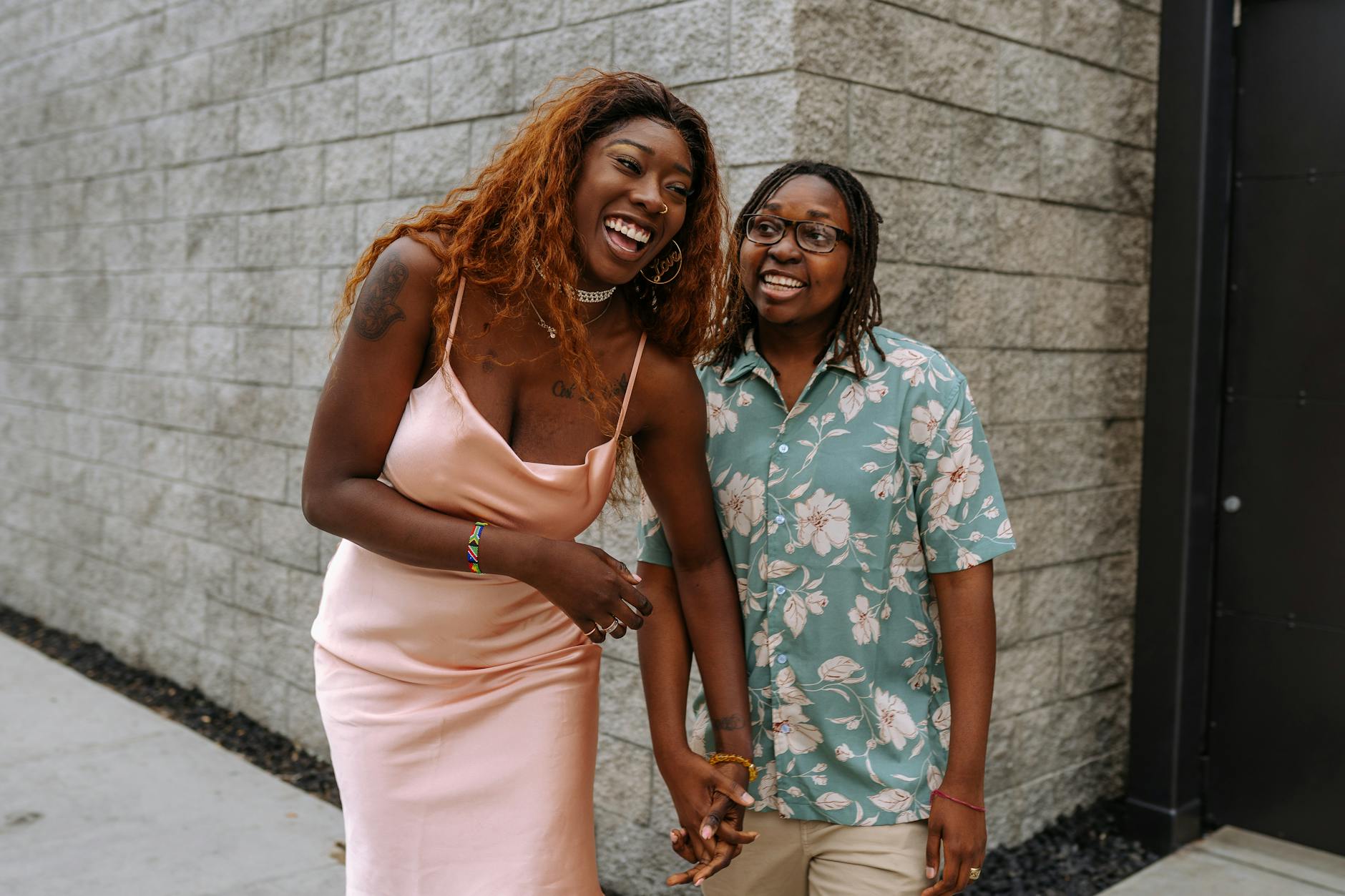
In many social situations people may overlook the romantic nature of the relationship and treat the partners as roommates. This erasure can be subtle but consistently invalidating to the depth of their commitment. Partners often have to assert their status in conversations to ensure their bond is recognized and respected. This recurring need to validate their own relationship can be draining over time. Relying on each other for internal validation is a core strength of the partnership.
Shared Hobbies and Clubs

Joining local interest groups or sports teams often requires an initial assessment of how welcoming the environment will be for a couple. Some spaces may have unwritten rules or a culture that makes diverse individuals feel like outsiders. Finding a group that focuses on the activity rather than the personal lives of its members is a major success. Partners often join these groups together to ensure they always have a friendly face in the crowd. Building a social life outside of the home requires intentionality and mutual encouragement.
Navigating Insurance Policies

Obtaining joint auto or life insurance can involve navigating systems that were not originally designed for diverse family units. Some providers may have different requirements for proof of cohabitation or financial interdependence. Comparing rates and policies requires extra time to ensure they are getting fair treatment and adequate coverage. Finding an agent who is knowledgeable about modern relationship laws can make a significant difference. Protecting each other through these policies is a practical expression of their care.
Childcare and Schooling

Selecting a daycare or school for their children involves a deep dive into the institution’s policies on family diversity. Parents want to ensure their children will be treated with respect and that their family structure will be represented in the curriculum. Dealing with other parents during school functions can also lead to varied social experiences. Establishing a strong presence in the school community helps to create a more inclusive environment for their children. This advocacy is a central part of their parenting journey.
Professional Counseling Needs

When seeking relationship support it is vital to find a therapist who is culturally competent and affirming. Many traditional counseling approaches may not account for the unique stressors faced by diverse couples. The search for a provider who understands their specific dynamics can be long and challenging. Having a safe space to discuss their relationship without explaining their basic identity is essential for growth. This investment in their mental health strengthens the foundation of their bond.
Public Transit Safety

Using buses or trains together can sometimes result in unwanted attention or comments from other passengers. Couples often stay alert and stay close to each other to ensure they can react quickly to any potential threats. This awareness is heightened during late-night travel or in less populated transit hubs. Finding the safest routes and times to travel together is a routine part of their urban life. Despite these challenges traveling together remains a primary way they navigate the world as a team.
Please share your thoughts on these relationship struggles in the comments.