
The bathroom feels like the natural home for nearly everything related to personal care, but the warm, humid environment it creates can quietly degrade products, invite bacteria, and shorten the life of items you rely on every day. Many common bathroom staples actually perform better and last longer when stored in cooler, drier, and darker spaces around the home. Rethinking where you keep your everyday essentials is one of the simplest upgrades you can make to your routines and your space. Here are 32 things that deserve a better home than your bathroom cabinet or countertop.
Medications

Most people store their prescriptions and over-the-counter tablets in the medicine cabinet without a second thought. Heat and moisture from showers can actually accelerate the chemical breakdown of many common medications. A bedroom drawer or kitchen cabinet away from the stove offers a far more stable environment for storing pills and capsules. The FDA recommends keeping most medications at room temperature in a dry location with minimal temperature fluctuations.
Nail Polish
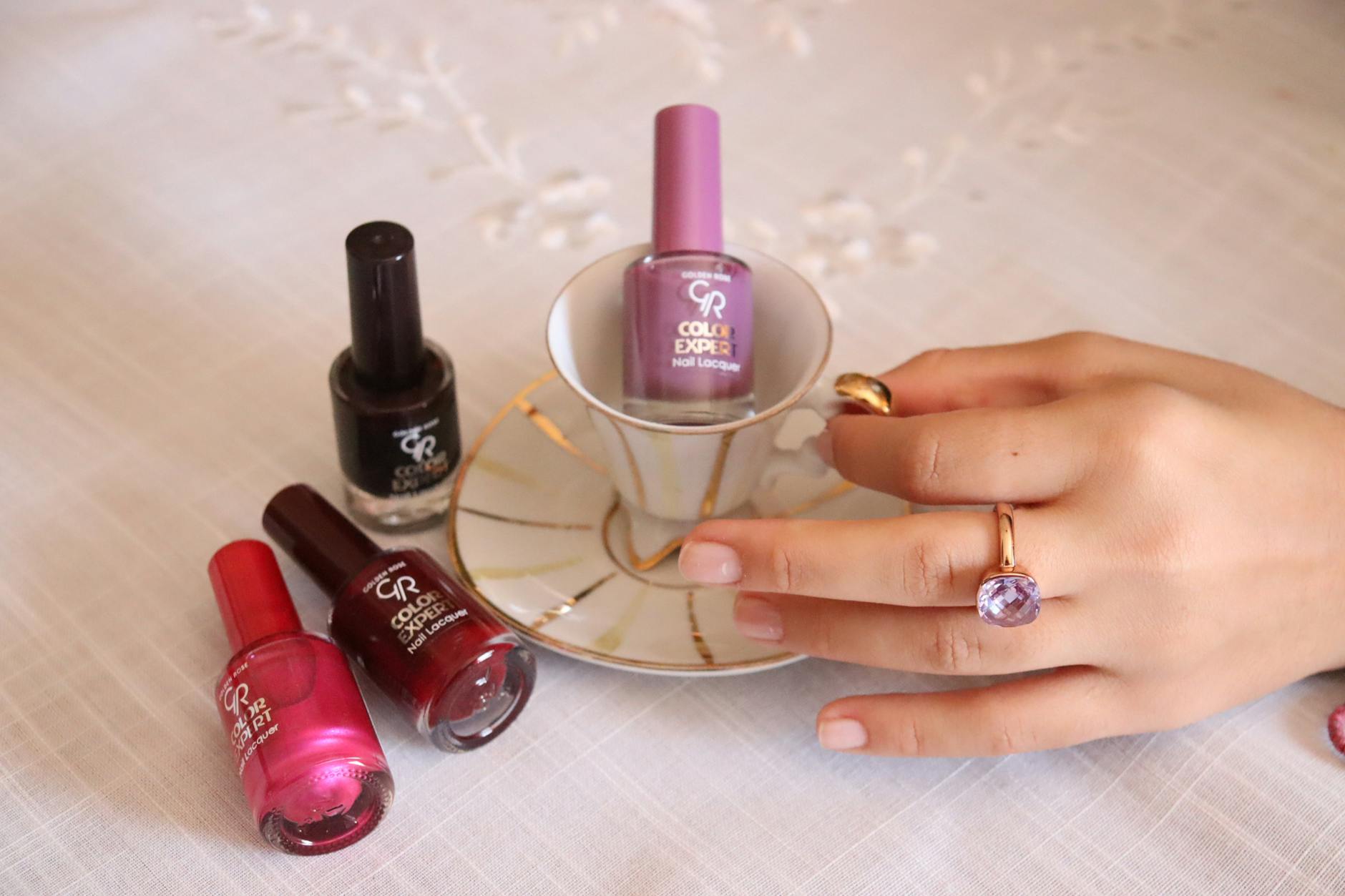
Bathroom humidity causes nail polish to thicken, separate, and become difficult to apply evenly over time. The pigments and resins in the formula are sensitive to both heat and moisture, which are plentiful in most bathrooms. A bedroom vanity drawer or even a cool closet shelf dramatically extends the life of each bottle. Keeping polishes lying flat in a dedicated organizer away from light helps maintain their smooth consistency.
Perfume
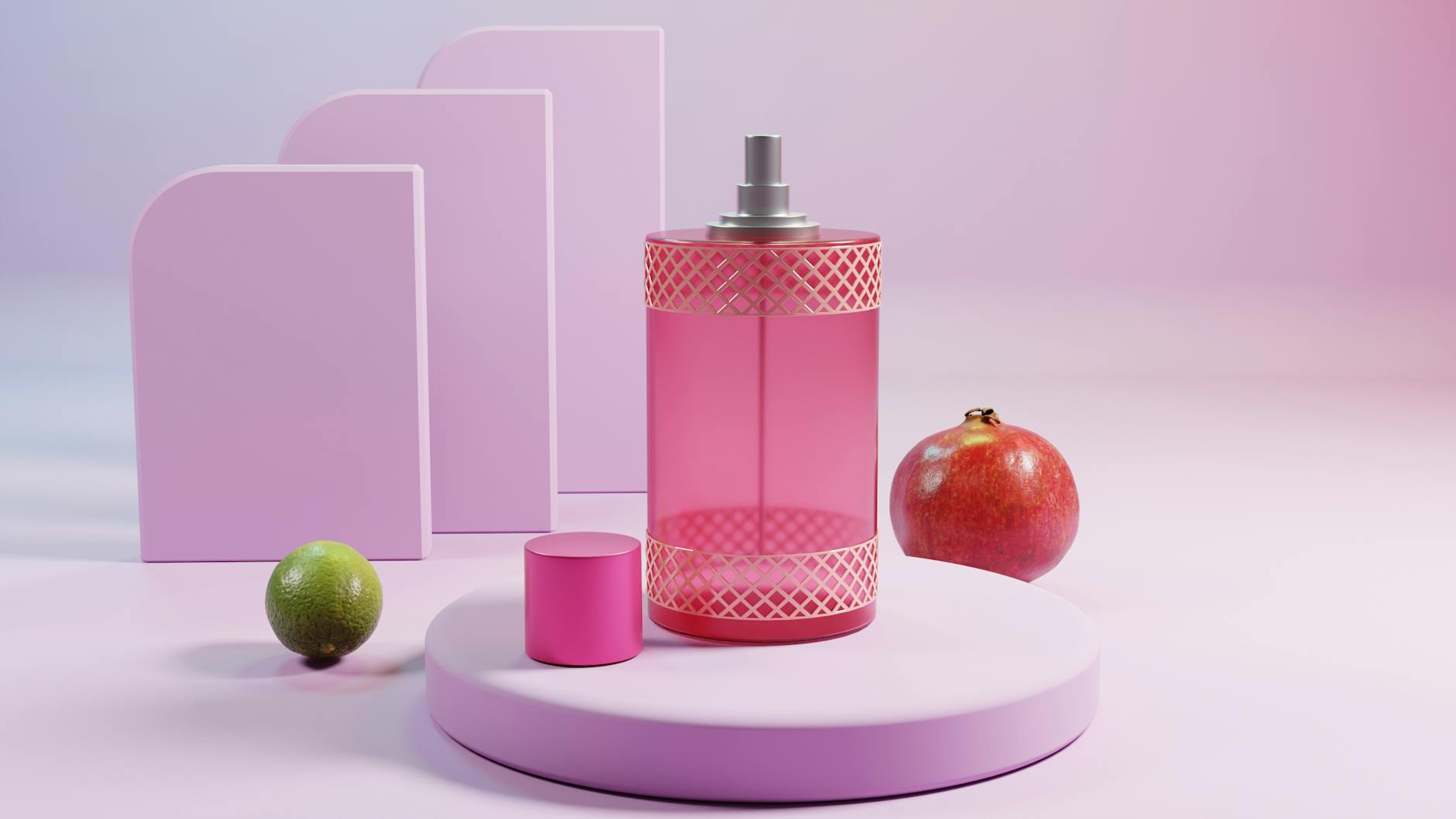
Fragrance is one of the most humidity-sensitive products people routinely store in the bathroom. Steam and fluctuating temperatures break down the aromatic compounds in perfume, altering the scent profile over time. Perfume performs best when kept in a consistently cool and dark environment such as a bedroom dresser or wardrobe shelf. Keeping the bottle in its original box adds an extra layer of protection from light exposure.
Razor Blades
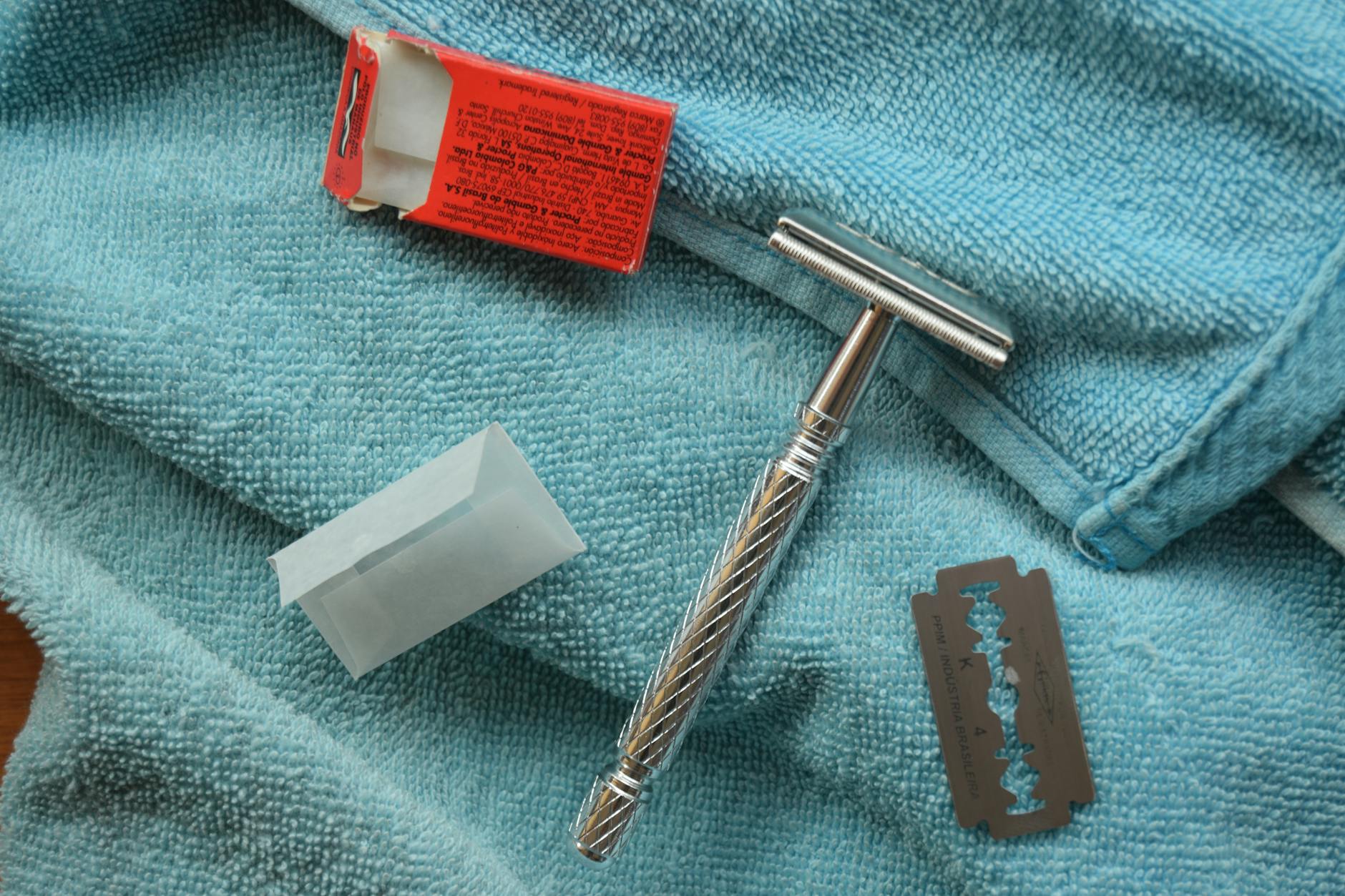
Leaving razor blades in the shower or on a wet bathroom surface accelerates rust and dulling far faster than necessary. Moisture causes the fine metal edges to oxidise between uses, which leads to a rougher and less effective shave. Storing your razor in a dry cabinet outside the shower or even in a bedroom drawer between uses keeps the blades sharper for longer. A small blade-drying stand placed outside the wet zone can make a significant practical difference.
Linen
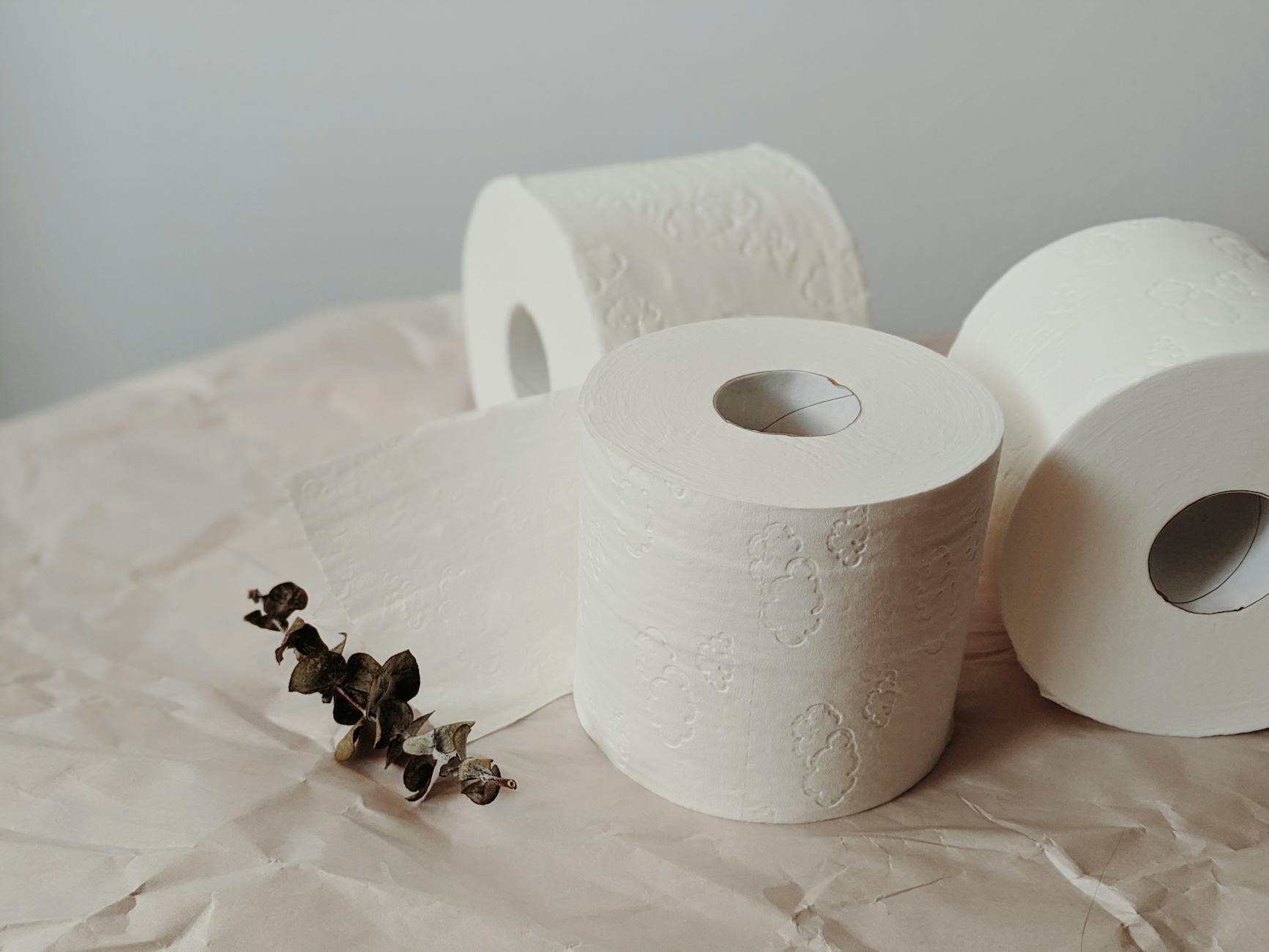
Many people store spare towels and toilet paper rolls in the bathroom out of convenience. Over time, the persistent humidity in a bathroom causes linens to develop a musty smell even when they have not been used. Towels and sheets stored in a hallway closet or bedroom cupboard remain fresher and maintain their texture for longer. Bringing in only what you need for the week is a practical approach to keeping bathroom linens in good condition.
Cotton Balls

Cotton balls and cotton pads are highly absorbent by nature, which makes them particularly vulnerable to bathroom moisture. Even when stored in a sealed container, repeated exposure to steam causes them to clump, lose their structure, and attract bacteria. A bedroom vanity or makeup organizer in a dry room keeps them fluffy and hygienic. Transferring a small daily supply to a covered dish in the bathroom while keeping the bulk elsewhere is a sensible compromise.
Jewelry
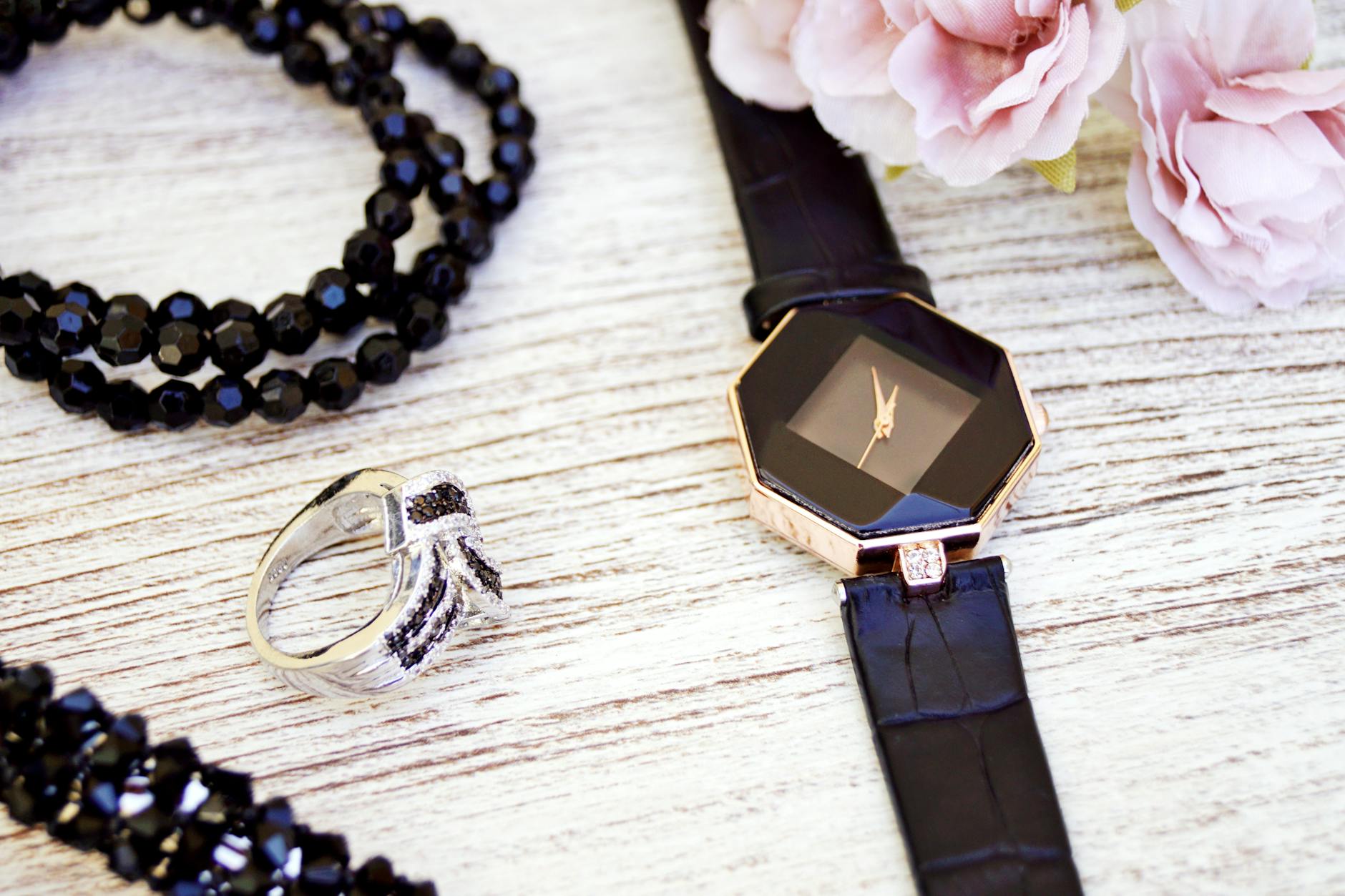
Leaving jewelry on the bathroom counter or in a dish near the sink is one of the fastest ways to damage it. Steam and cleaning product residue cause metals to tarnish, stones to loosen, and delicate finishes to degrade. A jewelry box or tray on a bedroom dresser provides a far safer environment for rings, necklaces, and earrings. Removing jewelry before entering the bathroom entirely is the most protective habit to build.
Hairdryer
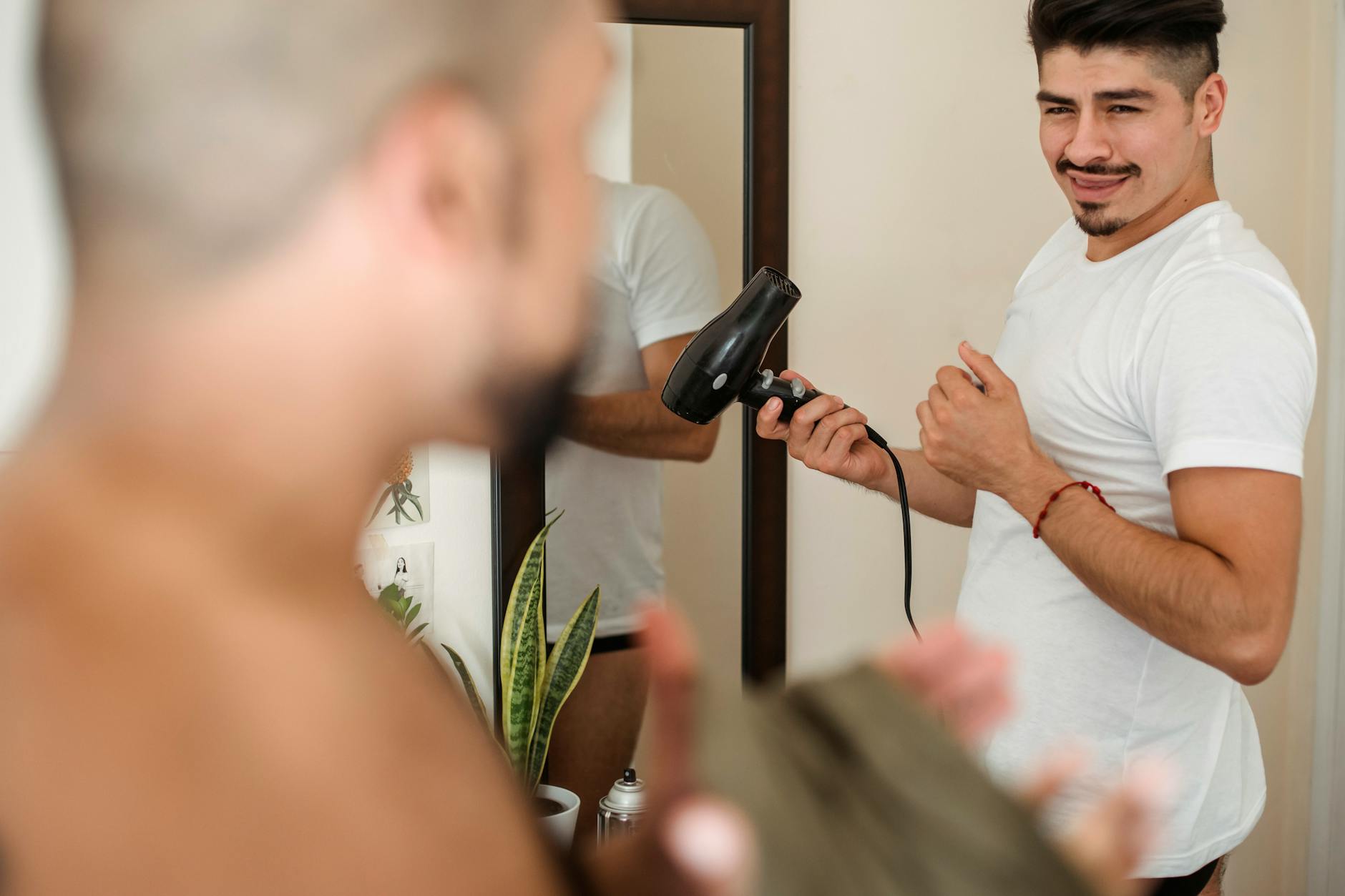
Storing a hairdryer plugged in near a sink or on a damp countertop creates an unnecessary safety hazard. The electrical components inside can be affected by repeated moisture exposure over time, reducing the lifespan of the appliance. A bedroom drawer or vanity cabinet keeps the tool dry and within easy reach without the risks associated with bathroom storage. Many electricians and safety guides recommend keeping all non-essential electrical appliances out of the bathroom entirely.
Books
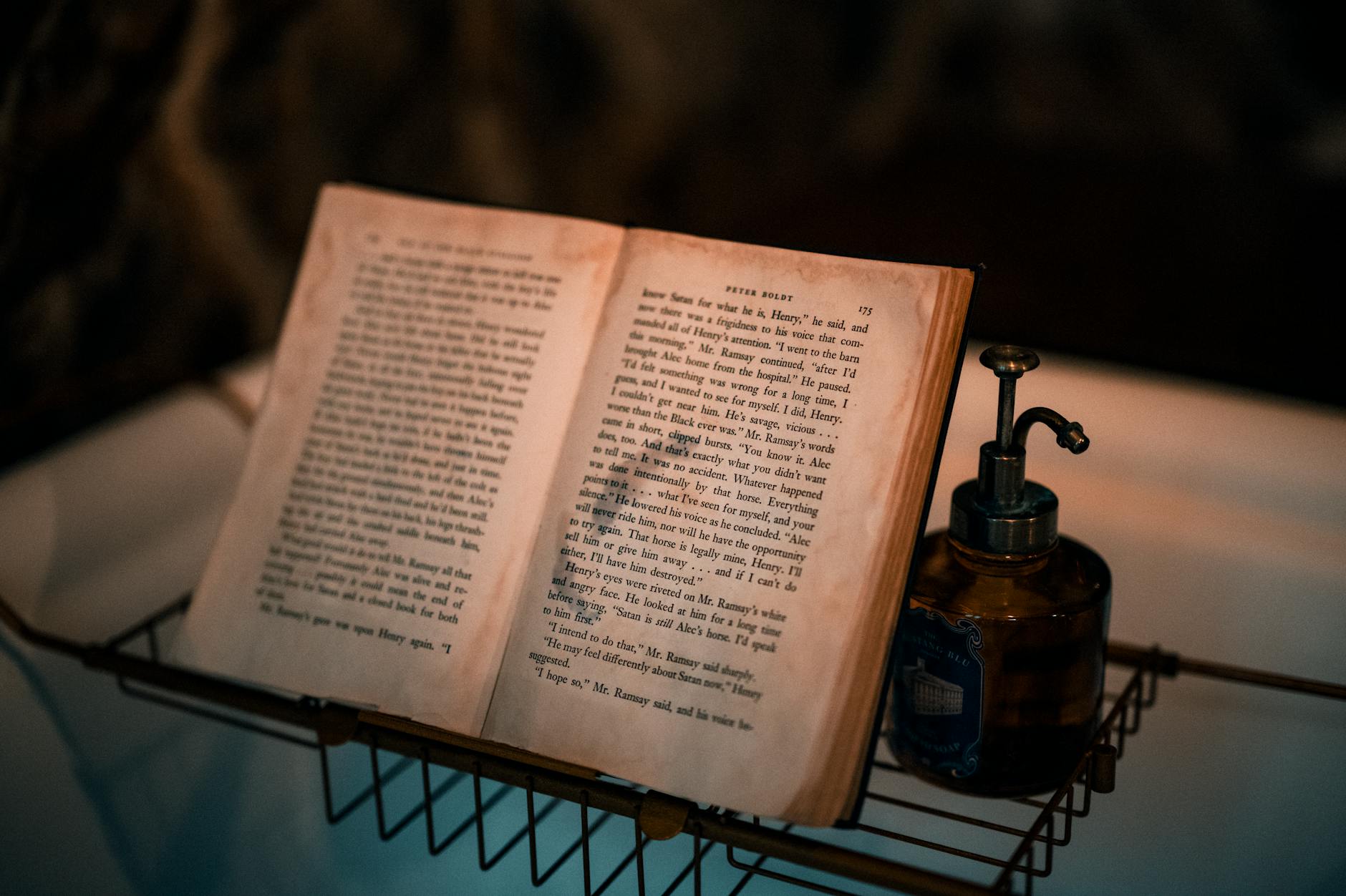
Keeping a book or magazine in the bathroom for leisurely reading is extremely common but genuinely damaging to the pages. Humidity causes paper to warp, yellow, and become brittle much faster than in a dry room. The binding of books can also weaken and crack when repeatedly exposed to a damp environment. A small shelf just outside the bathroom door or a basket in an adjacent room achieves the same convenience without the damage.
Vitamins

Like medications, vitamin and supplement capsules are highly sensitive to heat and moisture. The gelatin coatings on many supplements soften and degrade in humid conditions, affecting both the texture and the potency of the product. A kitchen pantry shelf or bedroom drawer away from direct sunlight is a far more suitable storage location. Keeping vitamins in a clearly labelled container in a dry spot also makes it easier to maintain a consistent daily routine.
Sunscreen
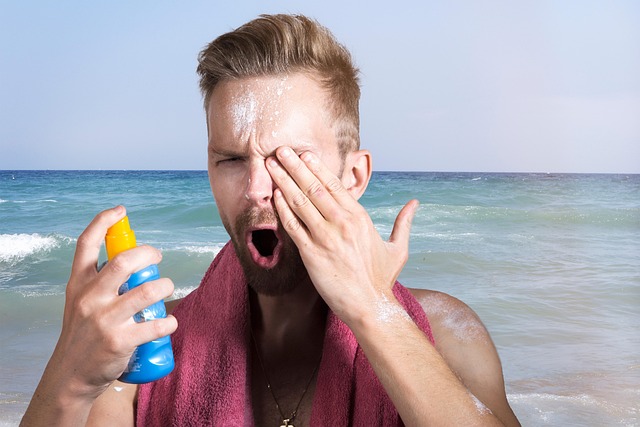
Sunscreen is a temperature-sensitive product that degrades faster when stored in a warm and humid environment. High heat causes the active ingredients to break down, which reduces the SPF protection the product actually delivers. A bedroom drawer, a hall closet, or even a cool bag keeps sunscreen stable and effective throughout its intended shelf life. Storing it away from both the bathroom and the car glove compartment gives it the best chance of performing correctly.
Hair Ties

Elastic hair ties and fabric scrunchies break down quickly when repeatedly exposed to steam and moisture in the bathroom. The rubber and synthetic fibres lose their elasticity faster in humid conditions, causing them to snap or lose their grip. A small dish or organiser on a bedroom dresser or dressing table keeps them dry and functional for far longer. Keeping a dedicated hair accessories tray outside the bathroom also makes getting ready in the morning more organised.
Makeup Brushes
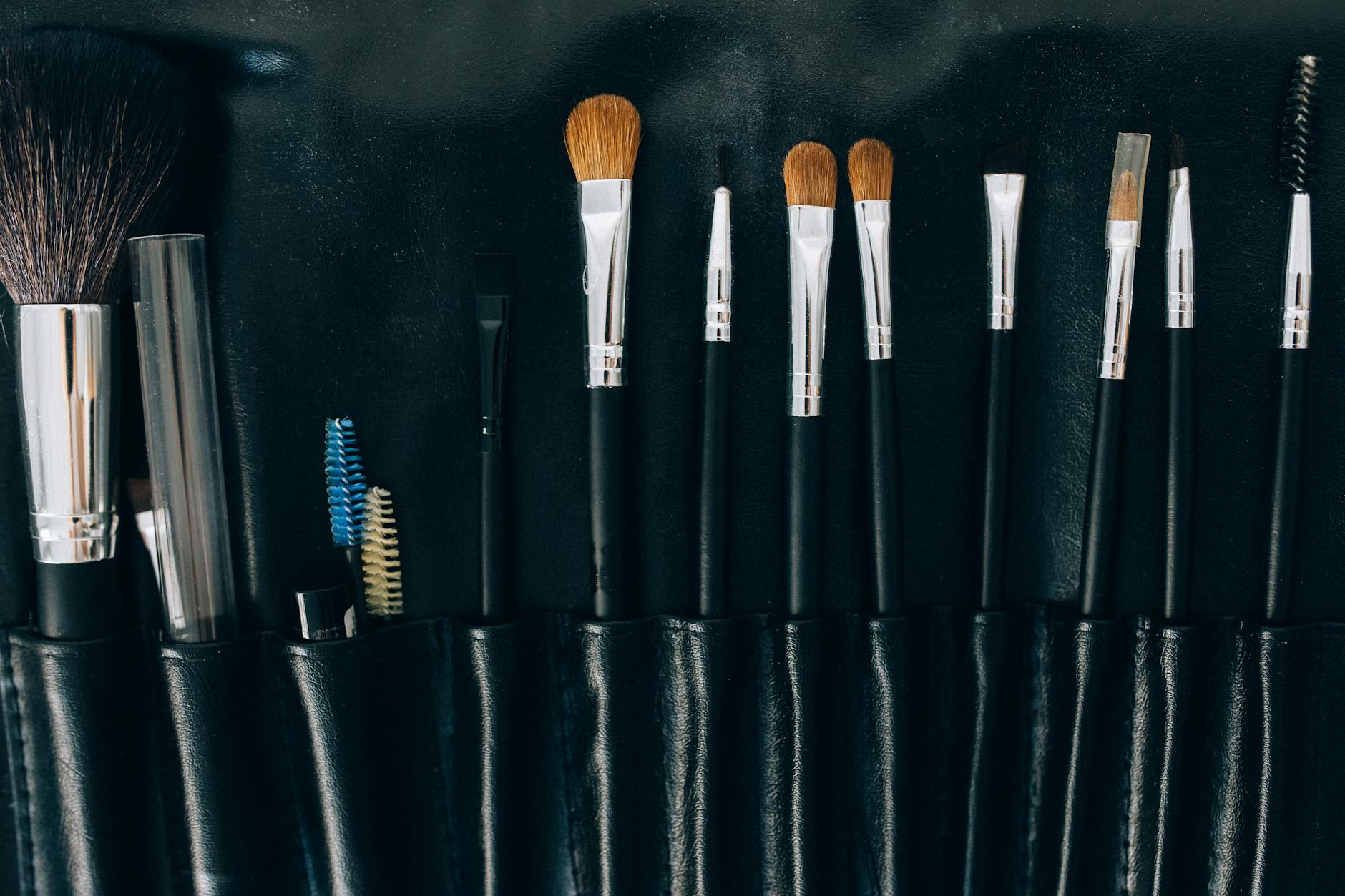
Makeup brushes stored in an open cup on the bathroom counter are exposed to airborne bacteria released during toilet flushing as well as humidity from showers. The natural and synthetic fibres of the brush heads absorb moisture, which can cause them to fray, lose their shape, and harbour mould. Storing brushes in a closed pouch or a drawer in the bedroom keeps them hygienic and in better condition. Cleaning brushes regularly and allowing them to dry fully in a ventilated area outside the bathroom extends their lifespan significantly.
Electrical Toothbrush Heads
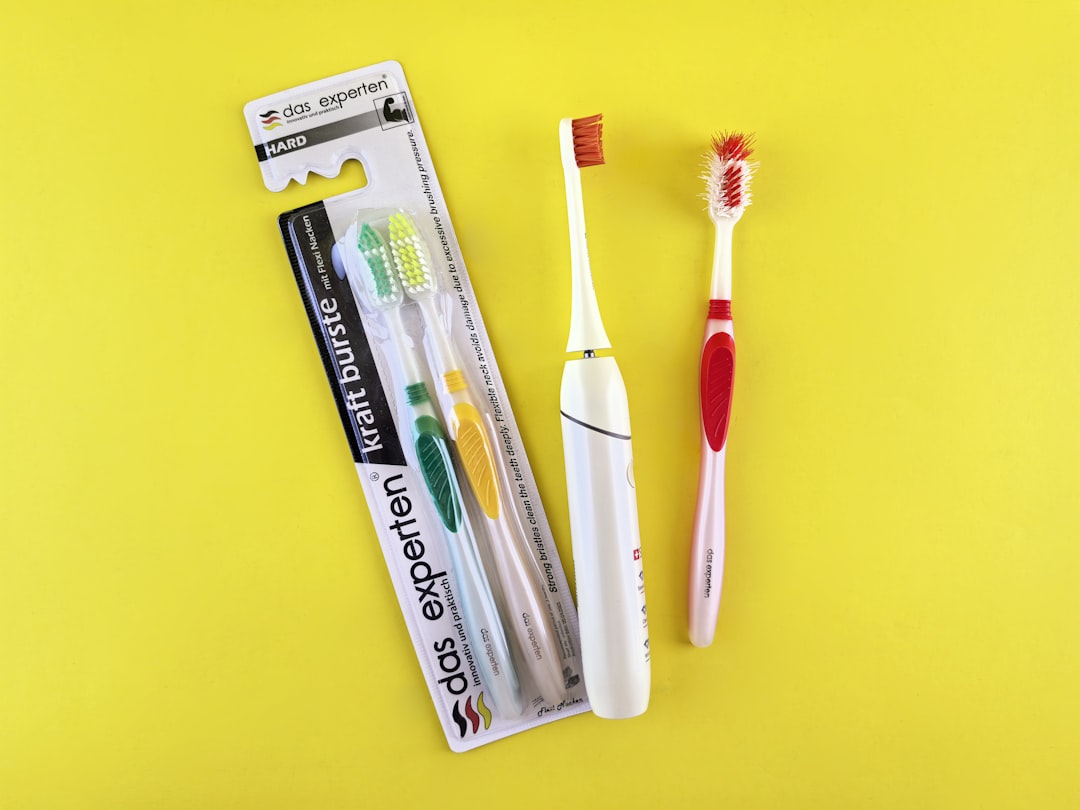
While the base of an electric toothbrush is designed for bathroom use, the replacement heads are better stored elsewhere between uses. Open storage near a toilet exposes them to aerosolised bacteria that spread through the air with every flush. A small sealed container in a bedroom or kitchen drawer keeps replacement heads protected until they are needed. This simple habit is recommended by dental hygienists as a low-effort way to reduce bacterial exposure.
Face Masks
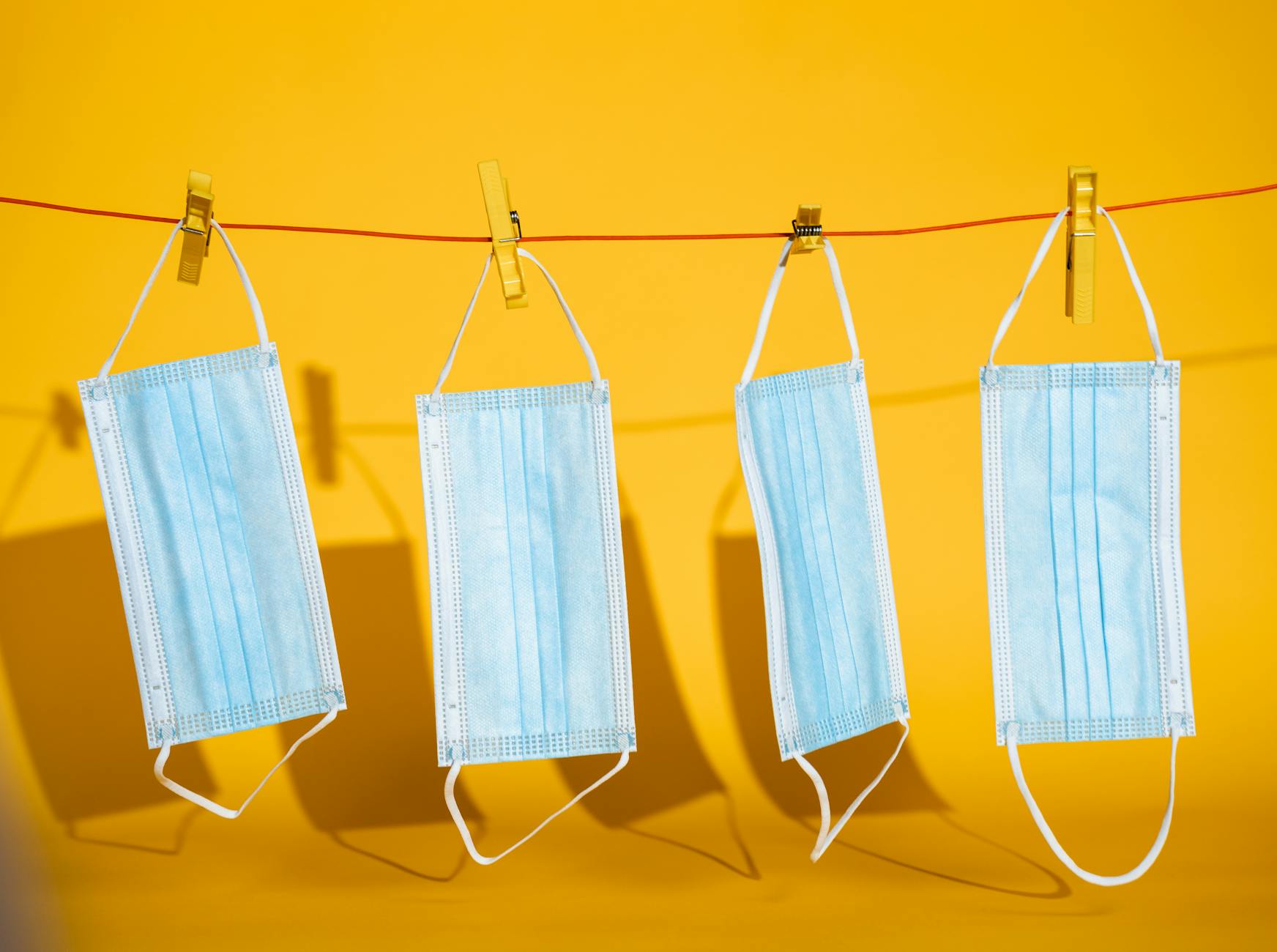
Sheet masks, clay masks, and cream treatment masks often contain active ingredients that degrade quickly in fluctuating temperatures. The preservative systems in many masks are formulated for stable, cool storage rather than the warm swings typical of bathroom environments. A bathroom skincare shelf might seem convenient but a cool bedroom drawer or even the refrigerator better preserves their efficacy. Checking the storage instructions on each product packaging reveals the manufacturer’s recommended conditions.
Dry Shampoo
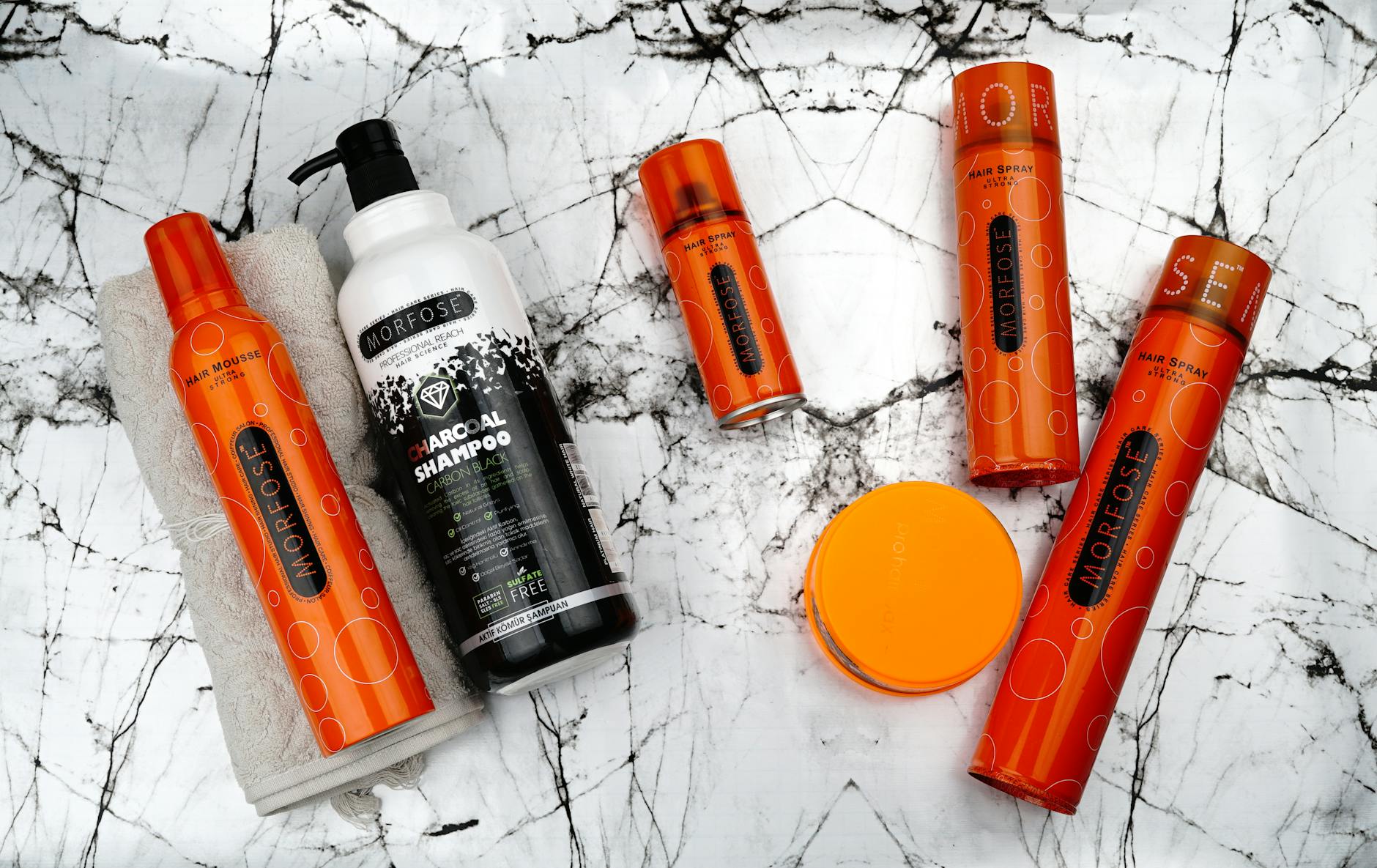
Aerosol dry shampoo cans should not be stored in a hot or humid bathroom because heat causes pressure to build inside the canister. This creates a risk of leaking valves, reduced spray performance, and in extreme heat, potential canister failure. A bedroom shelf, wardrobe, or hallway cabinet maintains a more consistent temperature ideal for aerosol storage. The same guidance applies to hairspray, setting spray, and other aerosol styling products.
Reading Glasses

Reading glasses left on a bathroom shelf or counter are exposed daily to steam, cleaning sprays, and the risk of being knocked into the sink. Lens coatings can become cloudy or peel faster when repeatedly exposed to humidity and chemical residues from bathroom products. A bedside table, desk, or dedicated glasses case in a dry room offers far more protection for the frames and lenses. Keeping a microfibre cloth alongside them in a bedroom location also encourages regular cleaning.
Digital Thermometer
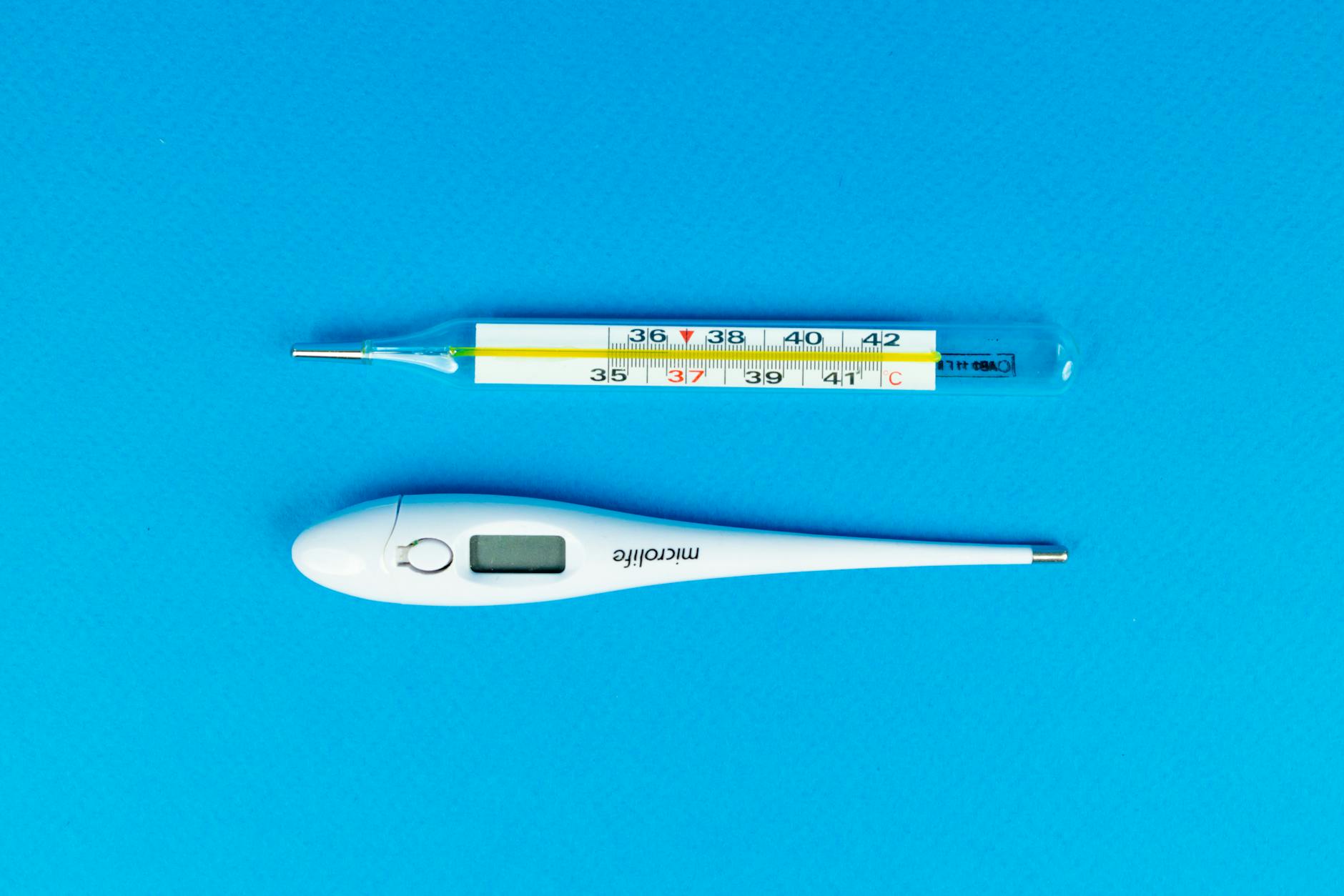
A digital thermometer stored in the bathroom medicine cabinet is exposed to enough ambient heat and moisture to affect its calibration over time. The electronic components in modern thermometers are sensitive instruments that perform most accurately when kept in stable, dry conditions. A kitchen junk drawer, bedside table, or dedicated first aid kit stored in a bedroom provides a better environment. Keeping it in its protective case between uses also helps shield the sensor from damage.
Extra Batteries
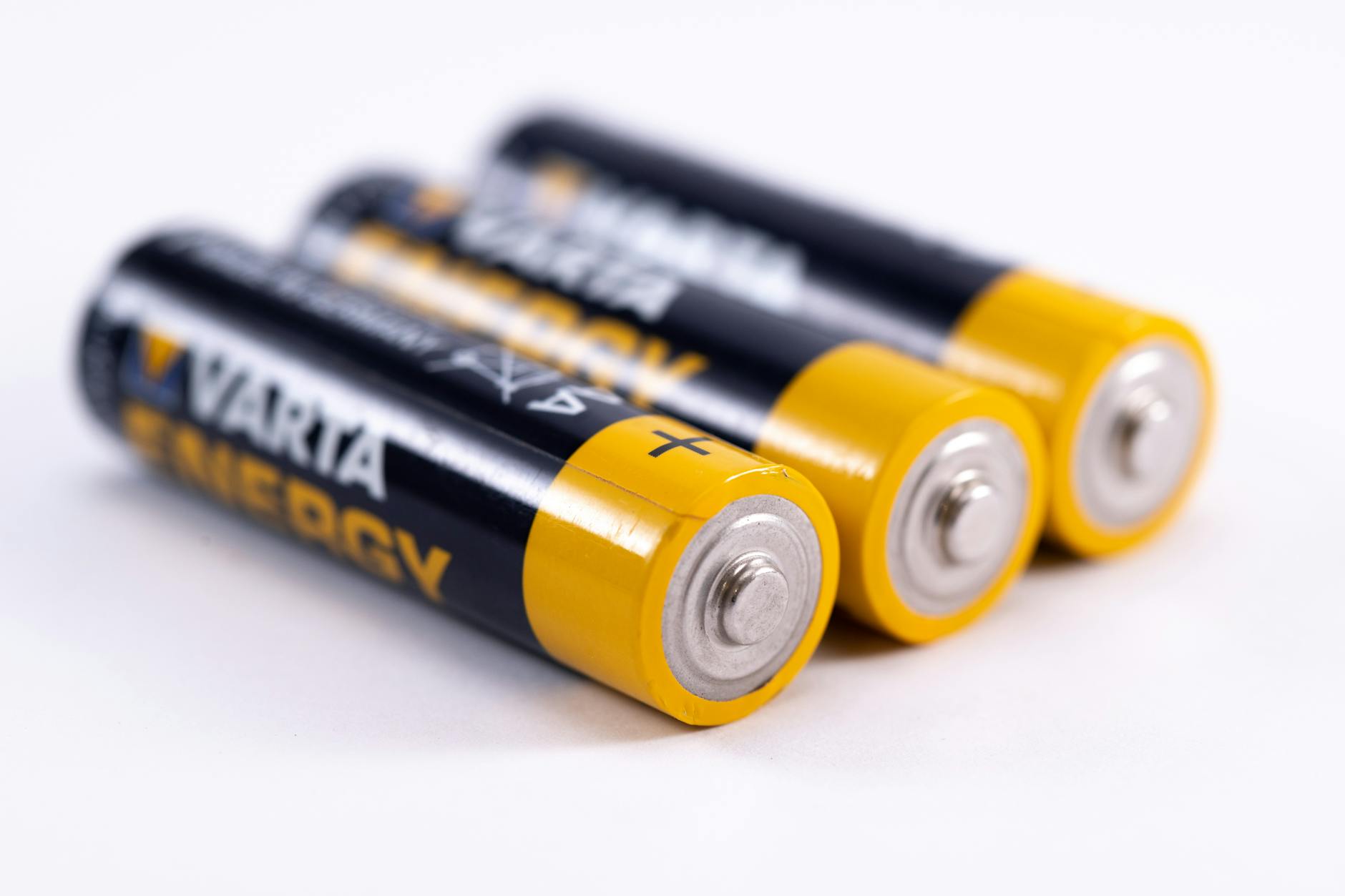
Batteries stored in a humid bathroom environment are prone to corrosion, which can cause them to leak and damage whatever device they are placed into. The electrolytes inside batteries are sensitive to moisture and temperature extremes, both of which are common in bathrooms. A kitchen drawer or utility closet at room temperature is the standard recommended storage location. Keeping batteries in their original packaging or a sealed container adds an extra layer of protection.
First Aid Supplies

A full first aid kit stored in the bathroom seems logical but is actually one of the less ideal locations for it in the home. Humidity damages adhesive bandages, degrades antiseptic creams, and can render medical tape ineffective over time. A bedroom closet, linen cupboard, or dedicated box in a hallway cupboard keeps supplies in reliable condition. The most important consideration is that all household members know exactly where the kit is stored in case of an emergency.
Hair Colour Kits

Boxed hair colour kits contain sensitive developer chemicals that begin to deteriorate when stored in warm and humid conditions. Heat causes the peroxide in the developer to oxidise prematurely, which reduces its effectiveness and can lead to uneven colour results. A bedroom closet shelf or cool pantry cupboard is a more appropriate storage location than a bathroom cabinet. Following the storage instructions printed on the packaging helps preserve the kit until its intended use date.
Wool Hair Accessories

Wool scrunchies, knit headbands, and fabric hair wraps are moisture-sensitive and can begin to smell damp or grow mildew when stored in the bathroom. Natural fibres absorb humidity readily and do not dry out well in an already damp space. A bedroom drawer or accessory organiser keeps wool and fabric items fresh and in their original shape. Allowing any damp hair accessories to dry fully before storing them is an important additional habit regardless of where they are kept.
Nail Clippers
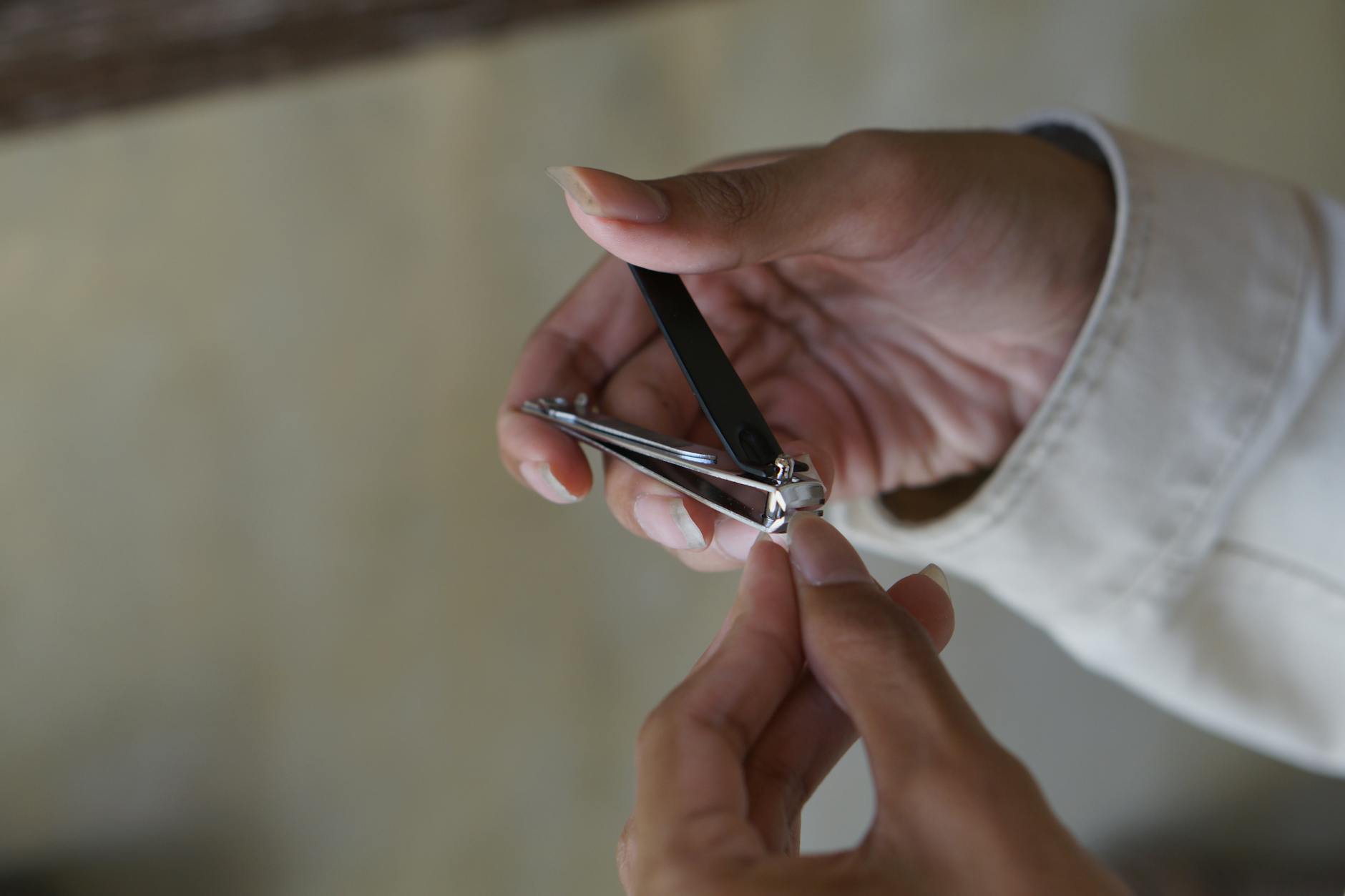
Metal nail clippers and cuticle tools stored in a humid bathroom are prone to rust and bacterial accumulation on the blades. Even stainless steel tools are not fully immune to the effects of prolonged moisture exposure. A dry vanity drawer, bedroom organiser, or toiletry bag kept outside the bathroom maintains the sharpness and hygiene of these tools for longer. Wiping metal grooming tools dry after each use before storing them significantly extends their functional life.
Body Lotion
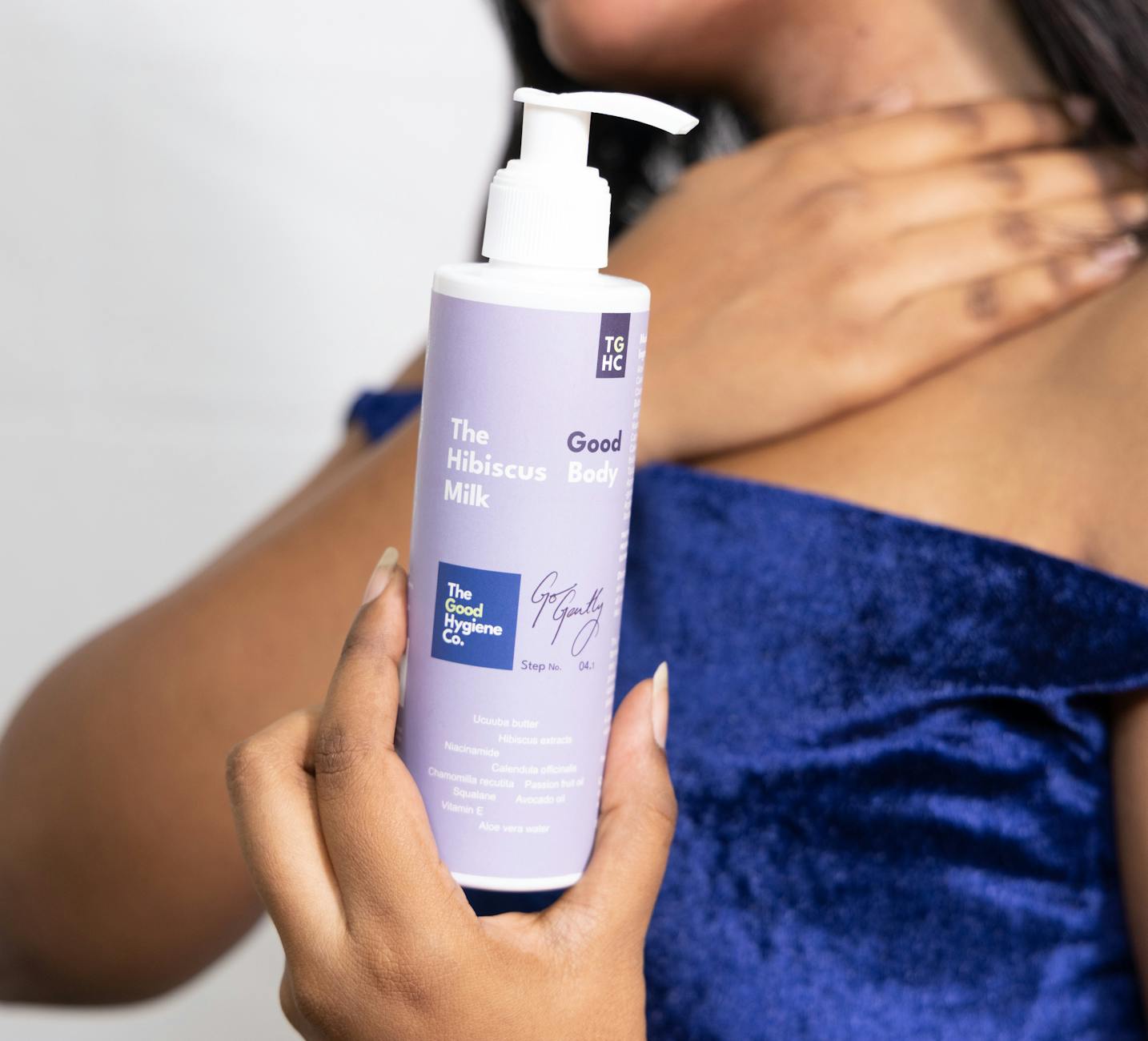
Thick body lotions and creams are formulated to be applied after a shower but are better stored outside the bathroom between uses. Heat and humidity cause many lotion formulations to separate, develop an off smell, or lose their emollient properties faster than intended. A bedroom dresser, a hallway table, or a cool shelf in a living space keeps the texture and scent stable. This is especially relevant for natural or preservative-free formulations that have a shorter stable shelf life.
Cotton Swabs
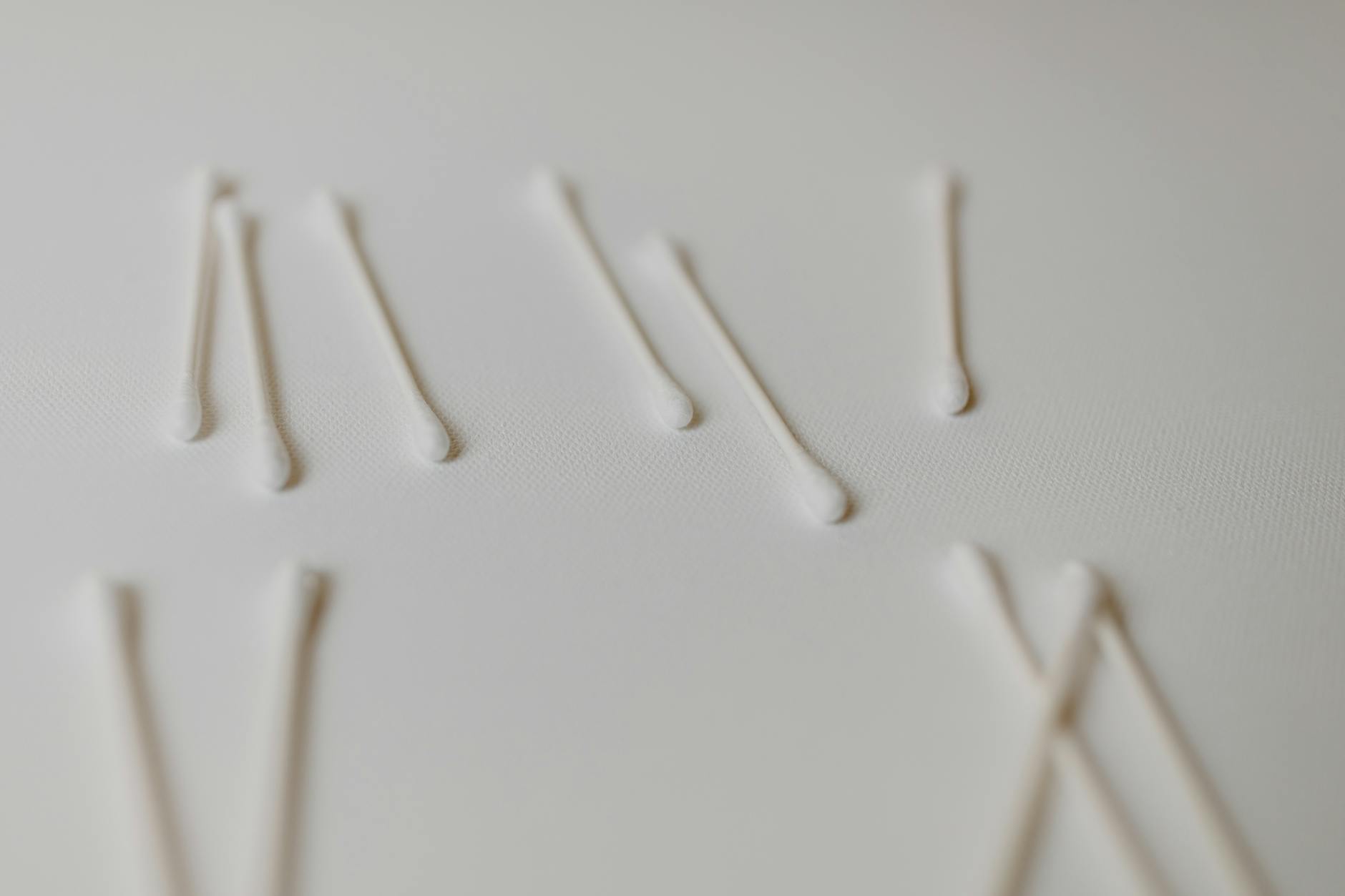
Like cotton balls, cotton swabs absorb environmental moisture and are vulnerable to contamination from bathroom air. An open container of cotton swabs near the toilet or shower is exposed to airborne particles that are invisible to the eye. A sealed container in a bedroom vanity or bathroom cabinet with a tight-fitting lid offers meaningfully better protection. Transferring a small number to a covered pot for daily use while keeping the bulk stored elsewhere balances convenience with hygiene.
Eye Drops
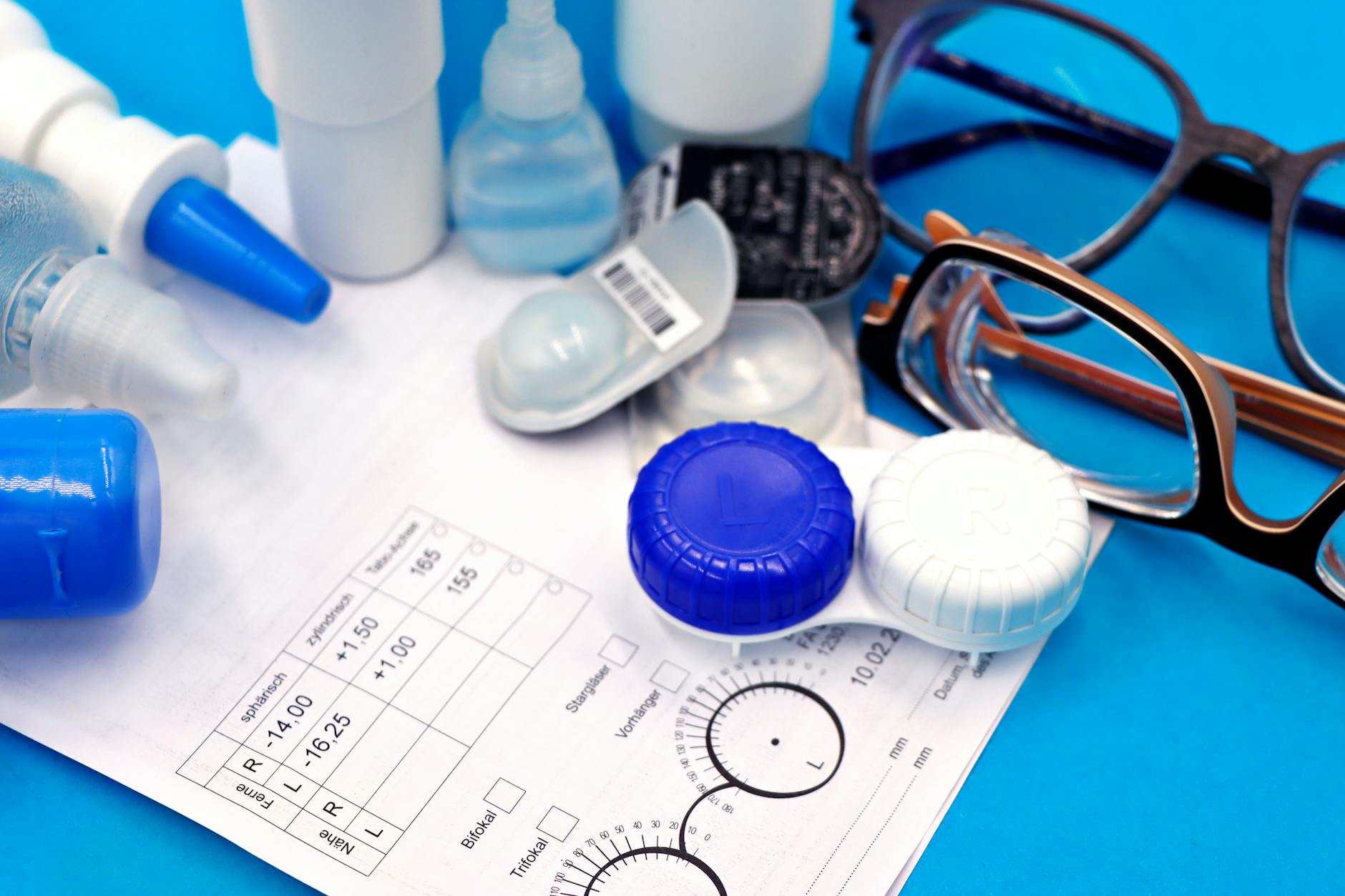
Medicated and lubricating eye drops are sensitive pharmaceutical products that should be stored in a cool and dry location. Heat causes the preservatives in eye drop solutions to break down faster, which can reduce their effectiveness and potentially cause irritation. A bedside table drawer or bedroom medicine organiser provides a stable environment far better suited to their chemistry. Always checking the expiration date and any specific storage instructions on the packaging is particularly important for medicated varieties.
Condoms
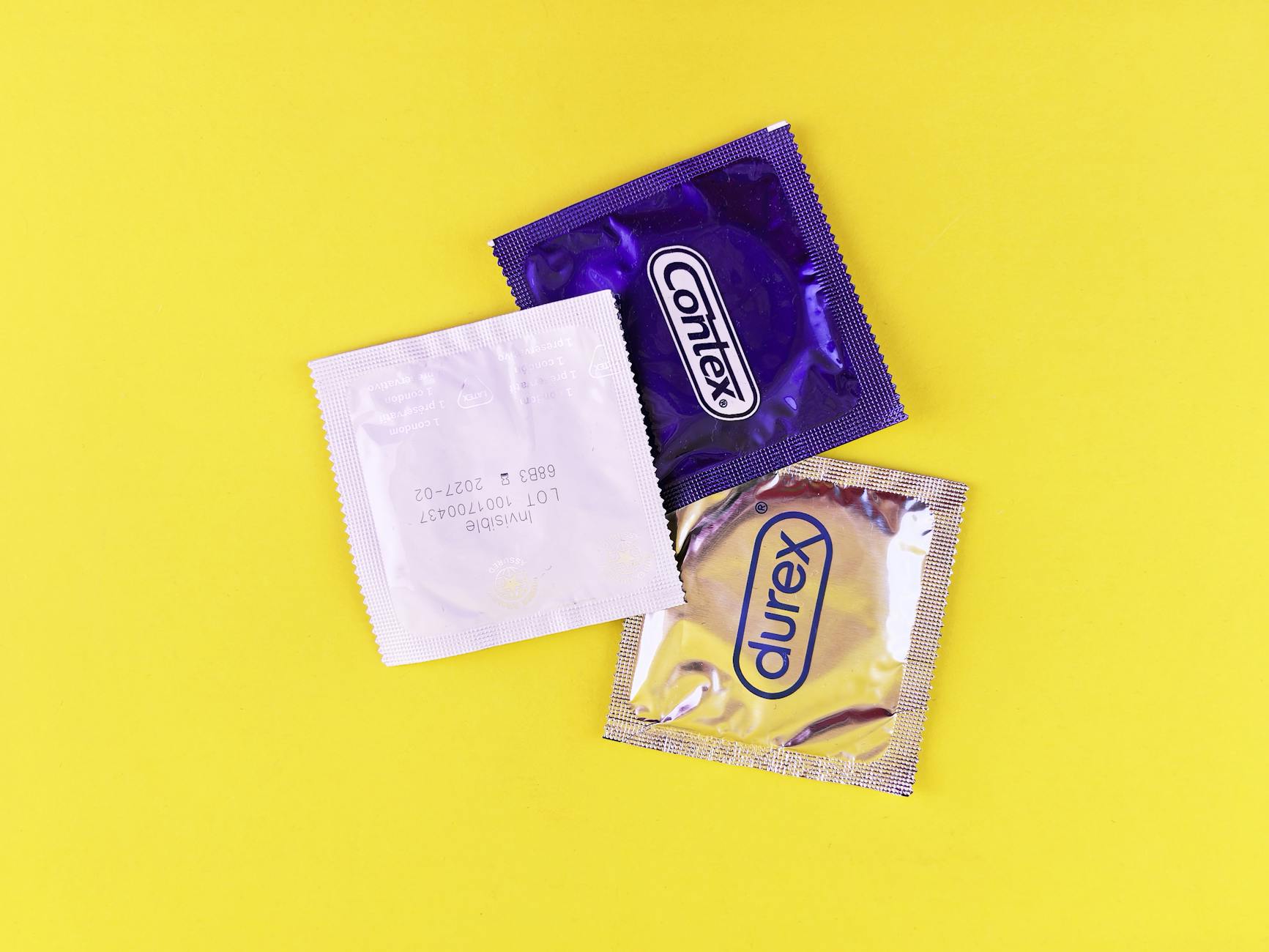
Condoms are sensitive to heat, light, and humidity, all of which the bathroom provides in abundance. The latex or polyurethane material can weaken and become prone to breakage when stored in fluctuating temperatures or exposed to direct light. A bedroom drawer or bedside table kept at a consistent room temperature is the recommended storage location by most sexual health organisations. Keeping them in the original sealed packaging until use also protects the integrity of each individual condom.
Lip Balm
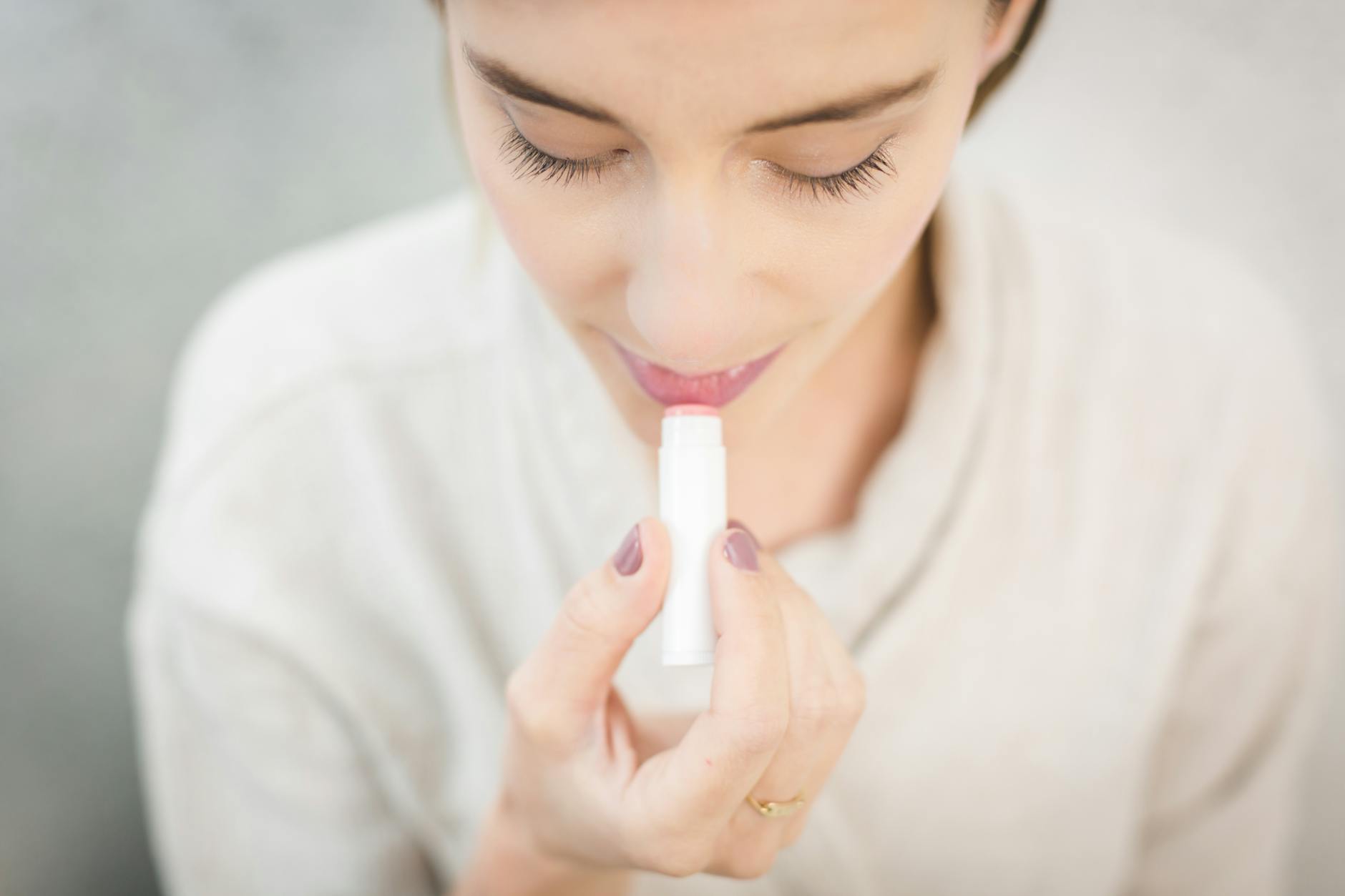
Lip balm stored in a warm bathroom melts and re-sets repeatedly, which alters the texture of the product and can cause the formula to separate. Many lip balms contain SPF ingredients that degrade faster in warm and humid conditions, reducing their protective effectiveness. A bedroom drawer, a coat pocket, or a bag kept at ambient room temperature is more suitable for daily lip balm storage. The same principle applies to tinted lip products and lip gloss tubes.
Hair Straighteners
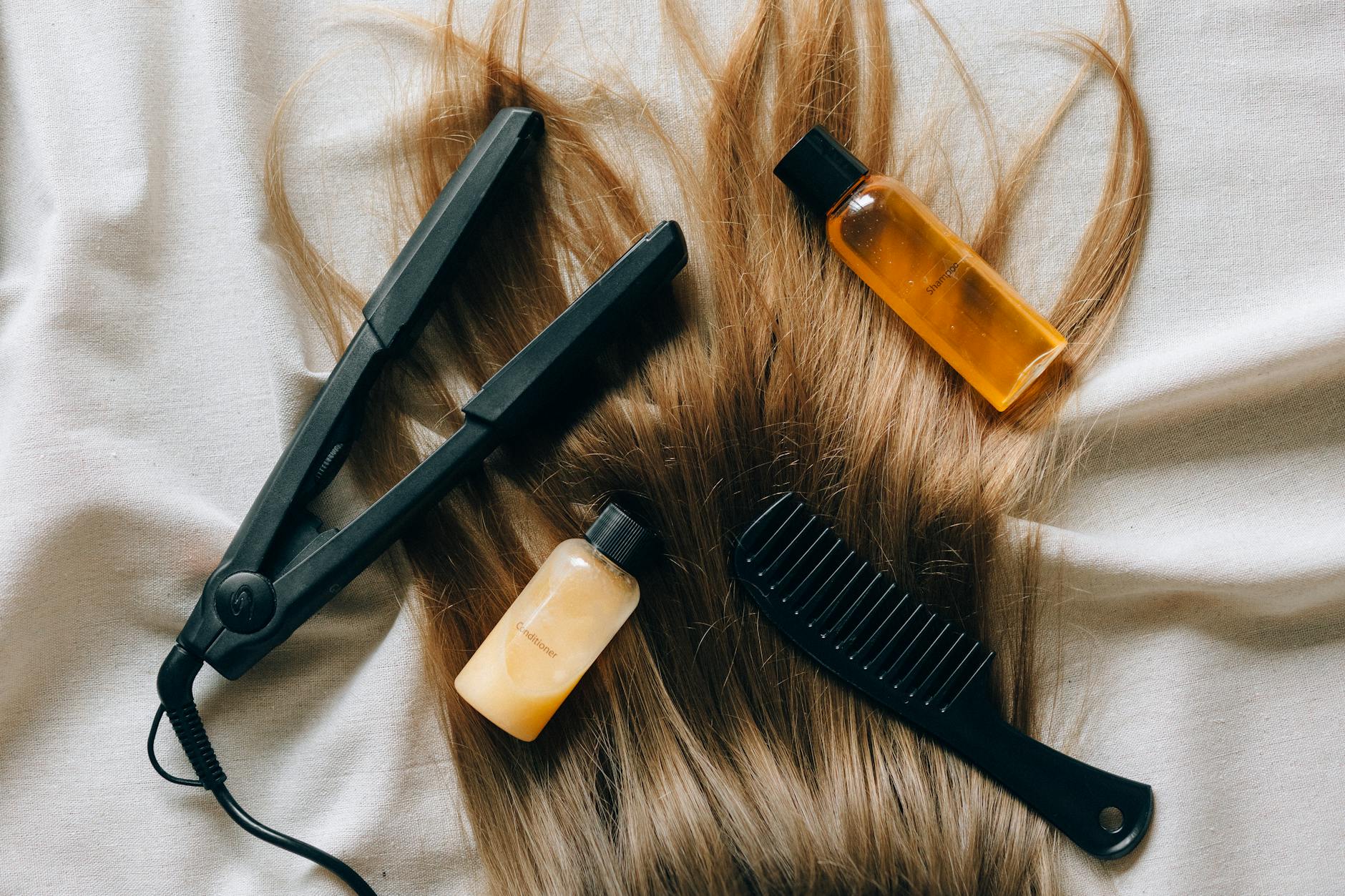
Storing a hair straightener coiled up on a bathroom shelf means it is regularly exposed to steam from showers and moisture from the sink area. While the plates themselves are heat-resistant, the cable and internal wiring of flat irons can be gradually affected by prolonged moisture exposure. A bedroom drawer or a heat-resistant pouch kept on a dresser is a safer and more practical long-term storage solution. Allowing the tool to cool completely before storing it regardless of location is always essential.
Spare Contact Lenses
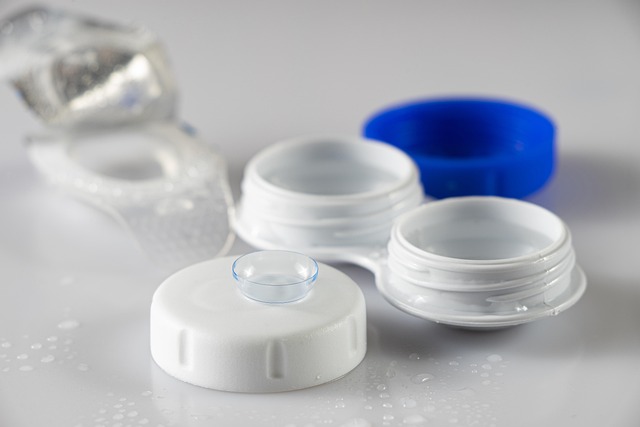
Spare contact lenses and their solution are medical products that require careful storage away from humidity and temperature extremes. The sterile packaging of unused lenses can be compromised by bathroom moisture, particularly in foil-sealed blister packs over time. A bedroom drawer or a dedicated vision care organiser in a dry room keeps spare lenses in reliable condition. Opened contact lens solution bottles should also be stored according to the manufacturer’s instructions, which rarely recommend bathroom cabinets.
Digital Scales
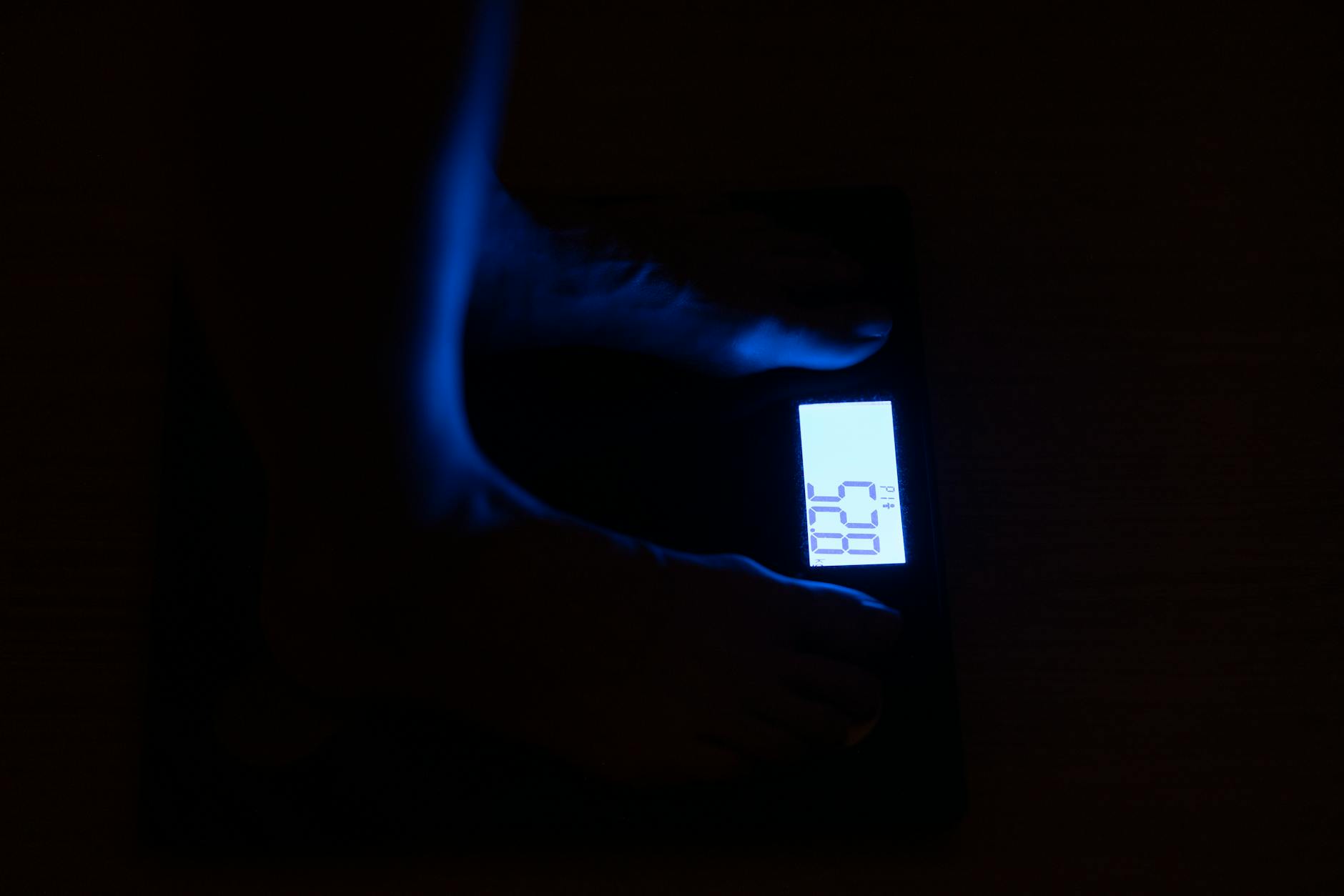
Compact digital scales used for weighing food or tracking portions are sometimes stored in the bathroom for convenience but suffer in humid conditions. The sensitive electronic sensors inside can be affected by moisture, leading to inaccurate readings over time. A kitchen counter, pantry shelf, or drawer in a dry utility space is a far more appropriate home for these devices. Keeping scales in a designated dry spot also reinforces their intended purpose within a healthy cooking or nutrition routine.
Children’s Art Supplies
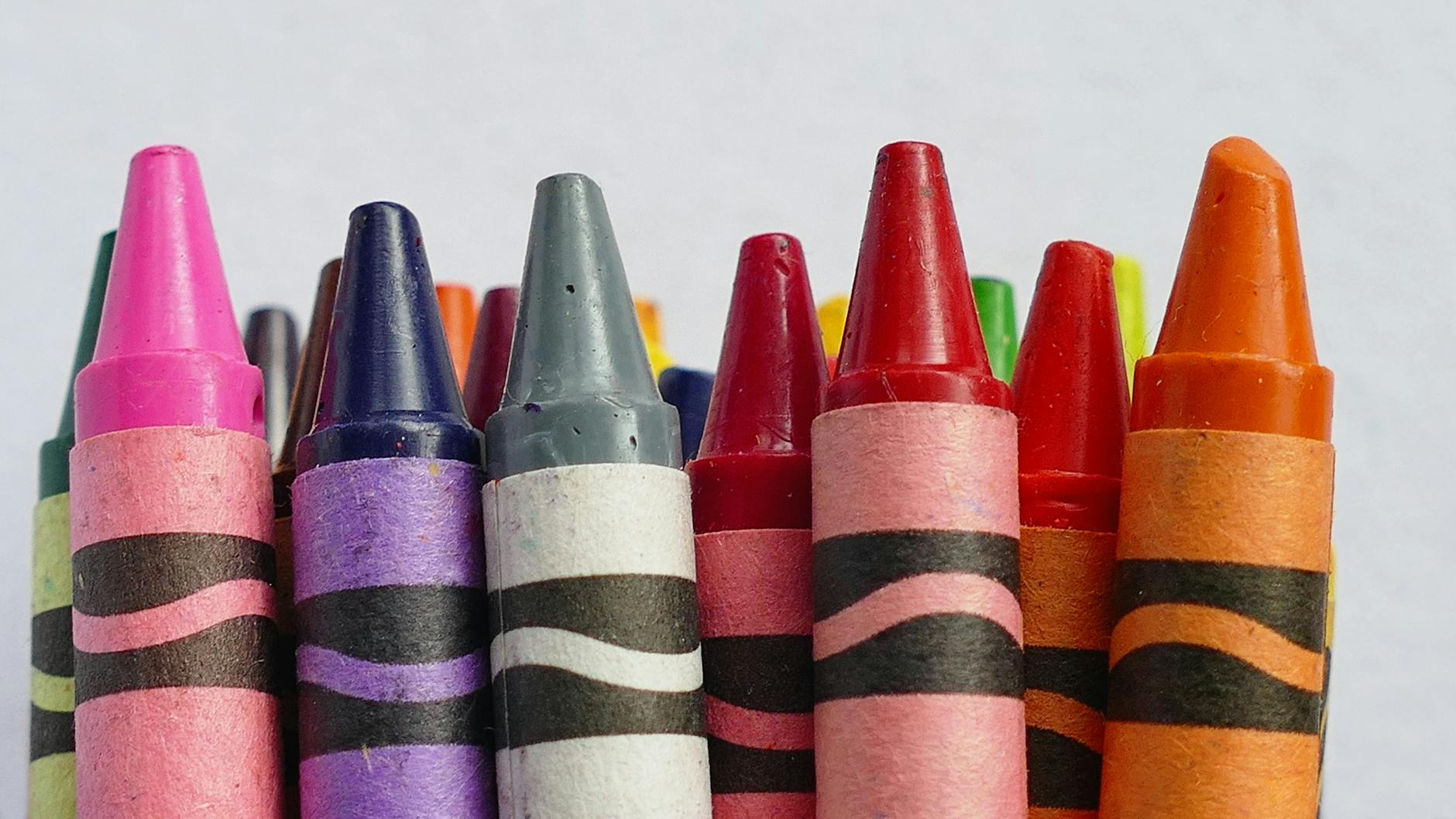
Households with young children sometimes end up with crayons, markers, or small craft kits stored on bathroom shelves or in cabinet drawers. Humidity causes crayons to soften and smear, paper to warp, and marker tips to dry out at an accelerated rate. A dedicated art box kept in a playroom, living area, or bedroom drawer protects these supplies and keeps them functional for longer. Organising children’s creative materials in a consistent, dry location also makes them easier to access during playtime and cleanup.
Rethinking where you store your everyday essentials is one of the easiest and most impactful changes you can make to how your home functions. Share which of these bathroom storage habits surprised you most in the comments.