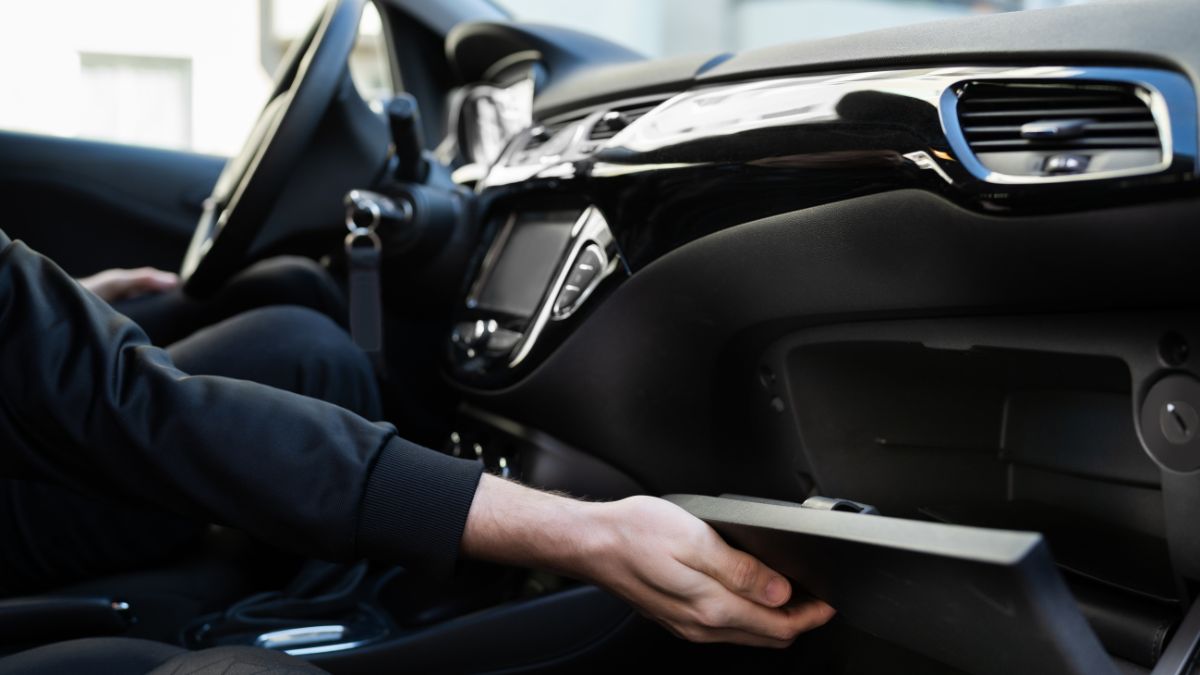
The glovebox is one of the most misused storage spaces in any vehicle. Drivers routinely treat it as a catch-all compartment without considering the heat, humidity and security risks that make certain items genuinely dangerous to store there. Temperatures inside a parked car can exceed levels that degrade, destabilise or destroy a surprisingly wide range of everyday objects. Understanding exactly what belongs elsewhere in your life could protect your health, your finances and your safety on the road.
Spare Medication

Prescription and over-the-counter medications are highly sensitive to temperature fluctuations that occur naturally inside a parked vehicle. Heat accelerates the chemical breakdown of active compounds, reducing potency and in some cases producing harmful degradation products. Insulin, nitroglycerin tablets and certain antihistamines are among the most vulnerable to heat-induced deterioration. A medication that appears visually unchanged may have lost a significant portion of its therapeutic effectiveness after repeated heat exposure. All medicines should be stored at home in a cool and stable environment as directed on their packaging.
Aerosol Cans
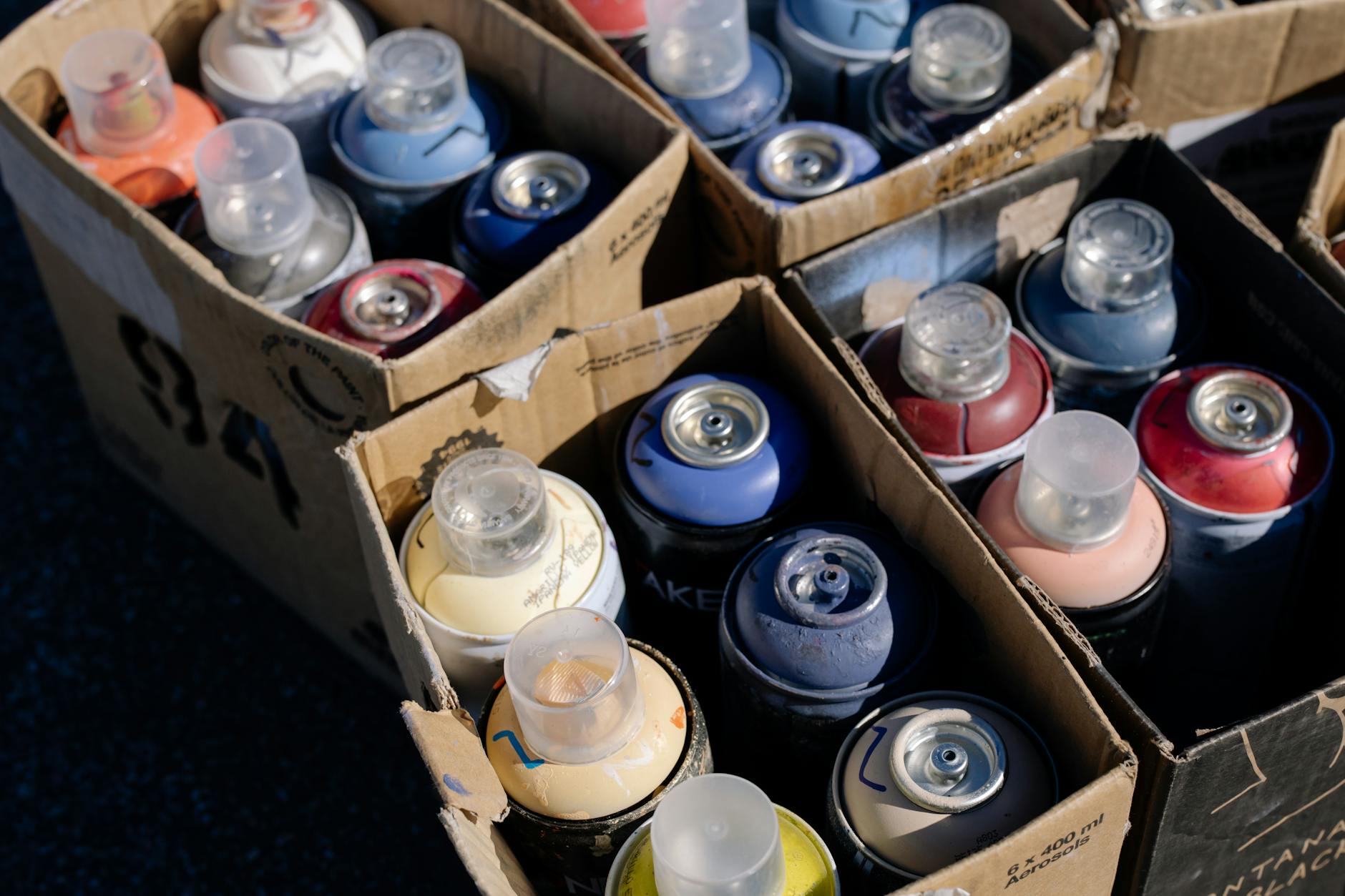
Aerosol cans are pressurised containers designed to operate within a specific and limited temperature range. When exposed to the intense heat of a parked vehicle interior, internal pressure builds rapidly beyond the structural tolerance of the canister. This can result in explosive rupture that sends metal fragments and chemical contents across the interior of the vehicle with considerable force. Deodorants, spray sunscreens, lubricants and cleaning sprays are all equally capable of causing this kind of dangerous failure. Any aerosol product should be removed from the vehicle after use and stored in a temperature-controlled environment.
Hand Sanitiser
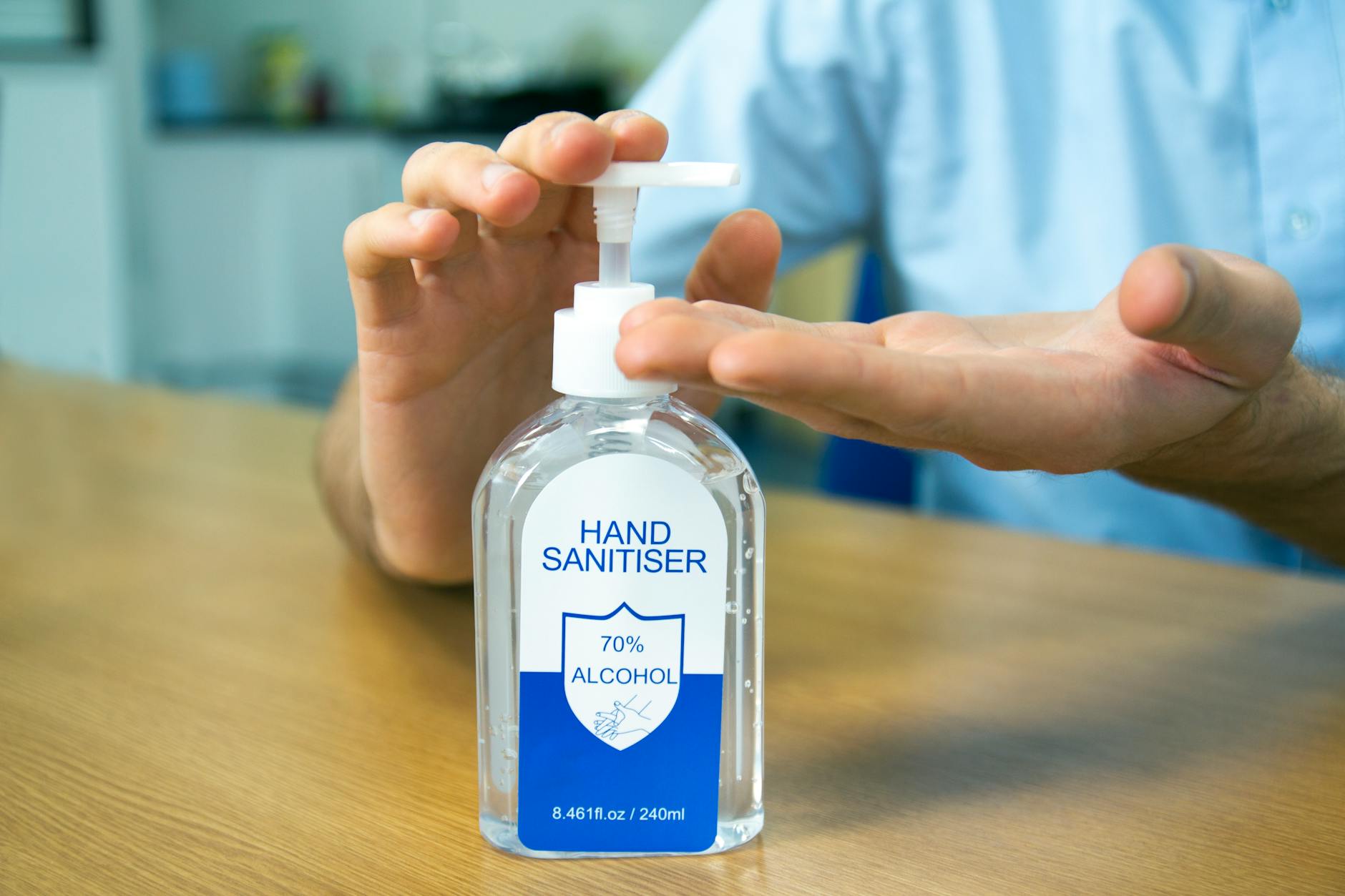
Alcohol-based hand sanitisers contain ethanol concentrations high enough to classify them as flammable liquids under standard safety guidelines. Heat inside a parked vehicle can cause the alcohol content to expand and in extreme cases breach the integrity of the bottle’s seal. While spontaneous combustion is unlikely, a leaking sanitiser bottle near warm surfaces creates a genuine fire risk in an enclosed space. The product also degrades more rapidly when stored in fluctuating temperatures, reducing its effectiveness against pathogens. Hand sanitiser should be kept in a bag or taken inside rather than left in the glovebox between uses.
Sunscreen

Sunscreen formulas are chemically engineered to remain stable within controlled storage temperatures. Repeated heating and cooling cycles inside a vehicle cause the active UV-filtering compounds to break down and separate from the base formula. A sunscreen that has been stored in a hot glovebox may apply normally but provide significantly less protection than its labelled SPF suggests. Some mineral sunscreen formulas develop a gritty or separated texture that signals the product is no longer fit for use. Keeping sunscreen in a cool bag or bringing it inside when not in active use preserves both its protective performance and its shelf life.
Chocolate and Sweets

Confectionery stored in a glovebox during warm months will melt repeatedly and resolidify in ways that affect both texture and food safety. The cocoa butter in chocolate separates during melting and does not always recombine evenly, creating a bloomed or greasy final product. Sugar-based sweets absorb moisture during humidity fluctuations and can develop conditions that support microbial growth over time. A glovebox that has contained melted food also becomes difficult to clean thoroughly and may retain odours and sticky residue. Any perishable food item belongs in a cool bag with an ice pack rather than in the vehicle’s storage compartments.
Glasses and Sunglasses

Optical lenses and frames are manufactured with materials that can warp, crack or delaminate under sustained high temperatures. Plastic frames in particular become soft and pliable when heated, causing them to lose their shape permanently without any physical impact. Anti-reflective and photochromic lens coatings are especially vulnerable to heat damage that leaves permanent visual distortion or a hazy film across the lens surface. Prescription glasses that have warped due to heat will sit incorrectly on the face and may cause headaches or impaired vision until professionally adjusted. Glasses should be kept in a rigid protective case and stored outside the vehicle when parked in warm conditions.
Lithium Batteries
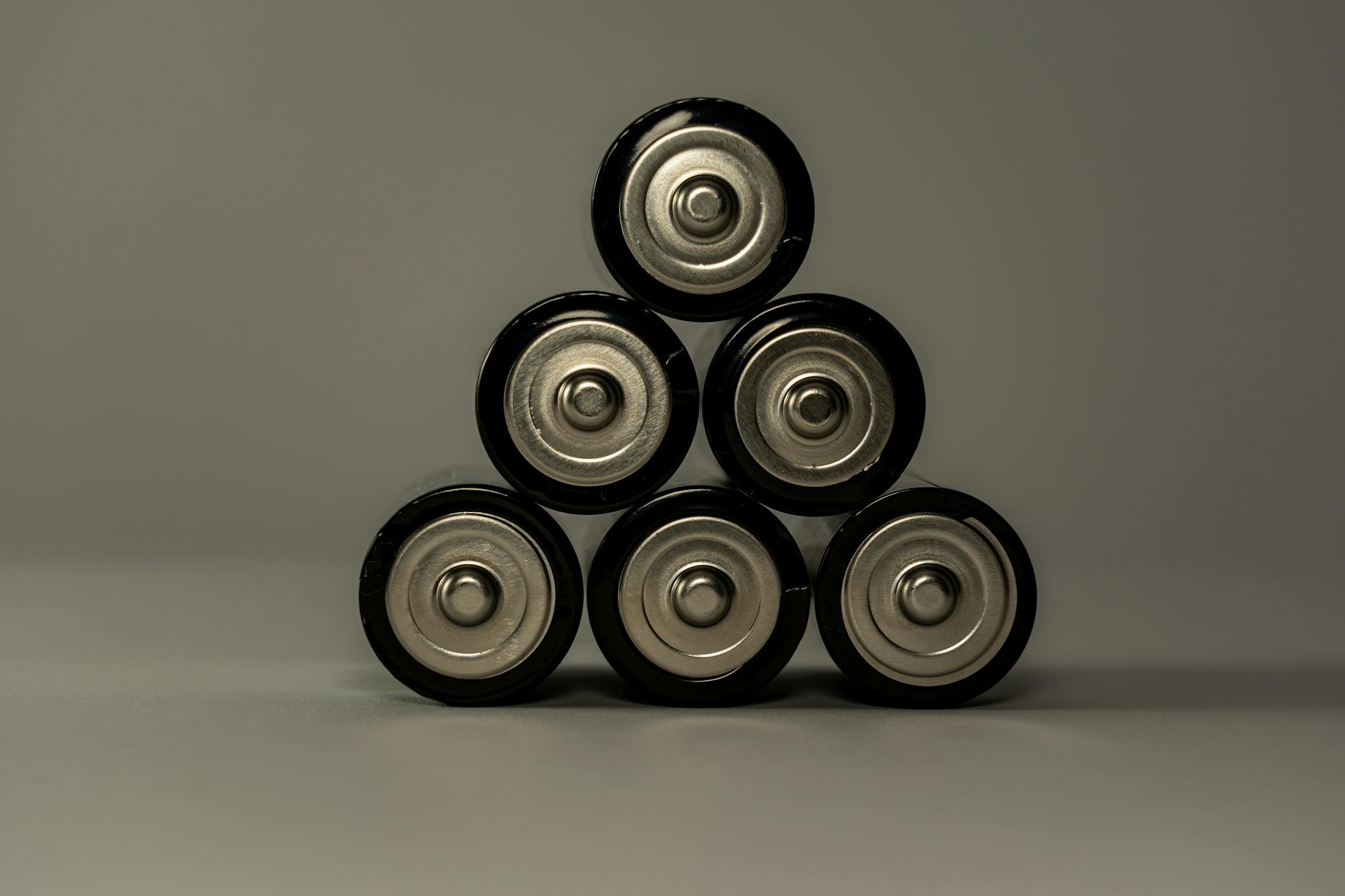
Loose lithium batteries and devices powered by them carry a well-documented risk of thermal runaway when exposed to elevated temperatures. Heat causes the internal chemistry of lithium cells to become unstable in ways that can trigger rapid overheating, swelling and in some cases fire. Spare batteries stored in a glovebox alongside metal objects such as keys or coins risk short-circuiting through accidental contact. Even batteries installed in devices such as e-cigarettes, power banks and handheld electronics are vulnerable when left in a hot vehicle for extended periods. All lithium battery devices should be taken out of the vehicle when parked rather than stored in any interior compartment.
Credit Cards

The magnetic strips and embedded chips in payment cards are sensitive to the heat and electromagnetic interference found in a typical vehicle environment. Prolonged heat exposure can demagnetise the strip on older cards or cause the adhesive holding the chip in place to weaken and fail. Storing multiple cards together in a confined warm space also accelerates the degradation of their plastic substrates. Beyond physical damage, a glovebox is one of the first locations a thief searches during a vehicle break-in, making it an extremely poor location for financial instruments. Payment cards belong in a wallet or bag that travels with the driver rather than remaining in the vehicle.
House Keys

Leaving a spare set of house keys in the glovebox creates a direct and exploitable link between vehicle theft and home invasion. A thief who steals the vehicle or breaks into the glovebox gains immediate access to the driver’s home without any additional effort. Vehicle registration documents stored alongside house keys compound this risk by providing the driver’s home address to the same thief. Many home insurance policies specifically exclude claims arising from burglaries where keys were found in a stolen vehicle. House keys should be kept on the driver’s person or left with a trusted person rather than stored inside the vehicle.
USB Drives

USB drives and portable storage devices contain sensitive data that can be corrupted by the heat and humidity fluctuations present inside a parked vehicle. The flash memory chips inside USB drives can experience data errors and file corruption after repeated exposure to temperatures beyond their rated operating range. A drive left in a hot glovebox may appear functional when first connected but deliver partially corrupted or entirely unreadable files. Beyond physical data integrity, a lost or stolen USB drive containing personal, financial or professional information poses a significant privacy risk. Digital storage devices belong in a bag or desk environment where temperatures remain stable and access is controlled.
Vehicle Registration Documents
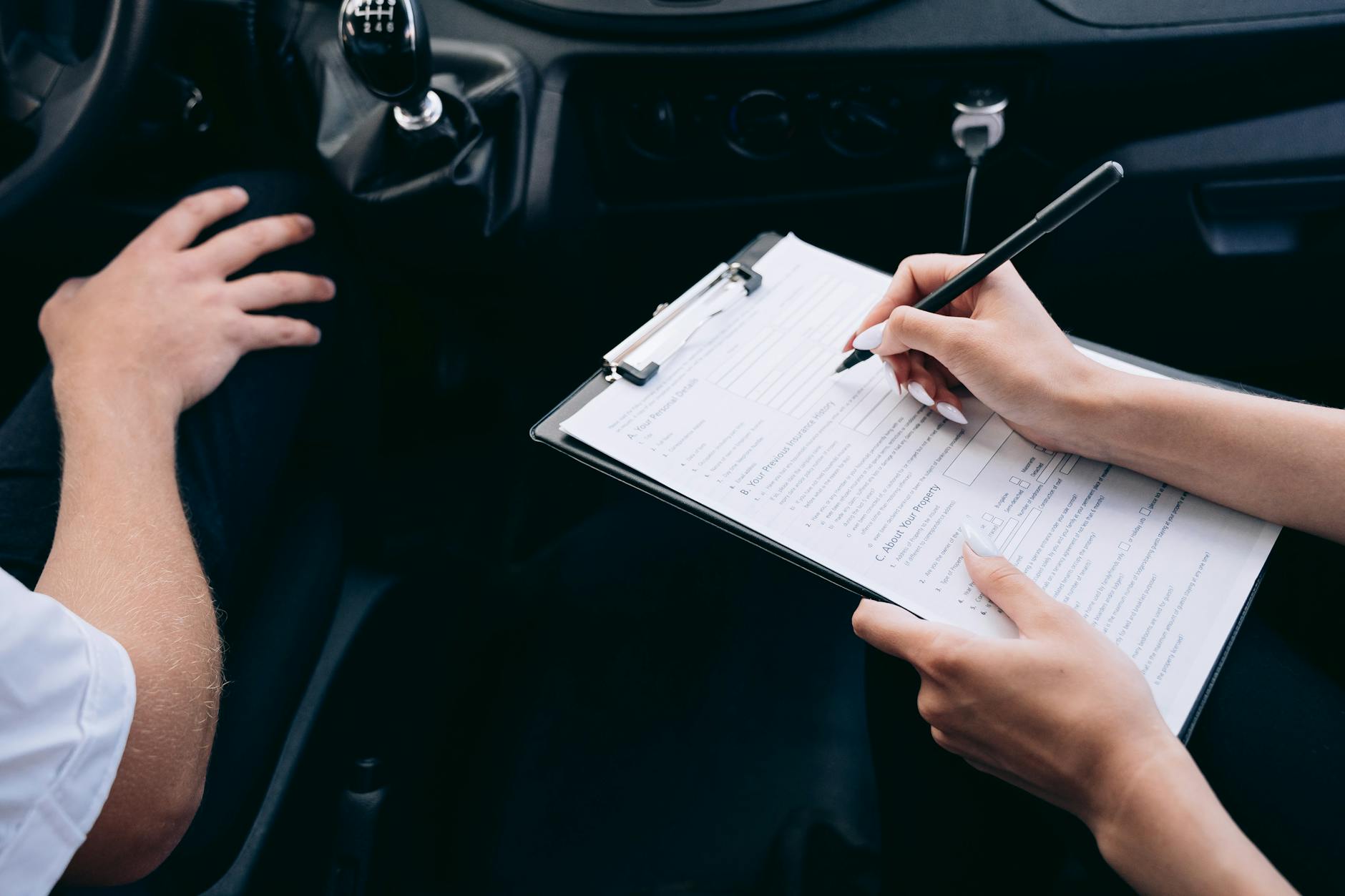
The original vehicle registration document is an important legal record that should not be stored permanently in the vehicle it describes. If the vehicle is stolen, the registration document provides the thief with the owner’s home address and proof of ownership that can be used to facilitate fraudulent resale. Many experienced car thieves specifically target the glovebox to retrieve registration paperwork as part of a broader vehicle crime. Keeping only a photocopy in the vehicle while storing the original securely at home limits the damage caused by a break-in or theft. Some jurisdictions require proof of registration to be present in the vehicle, so drivers should verify local requirements before removing original documents.
Insurance Documents
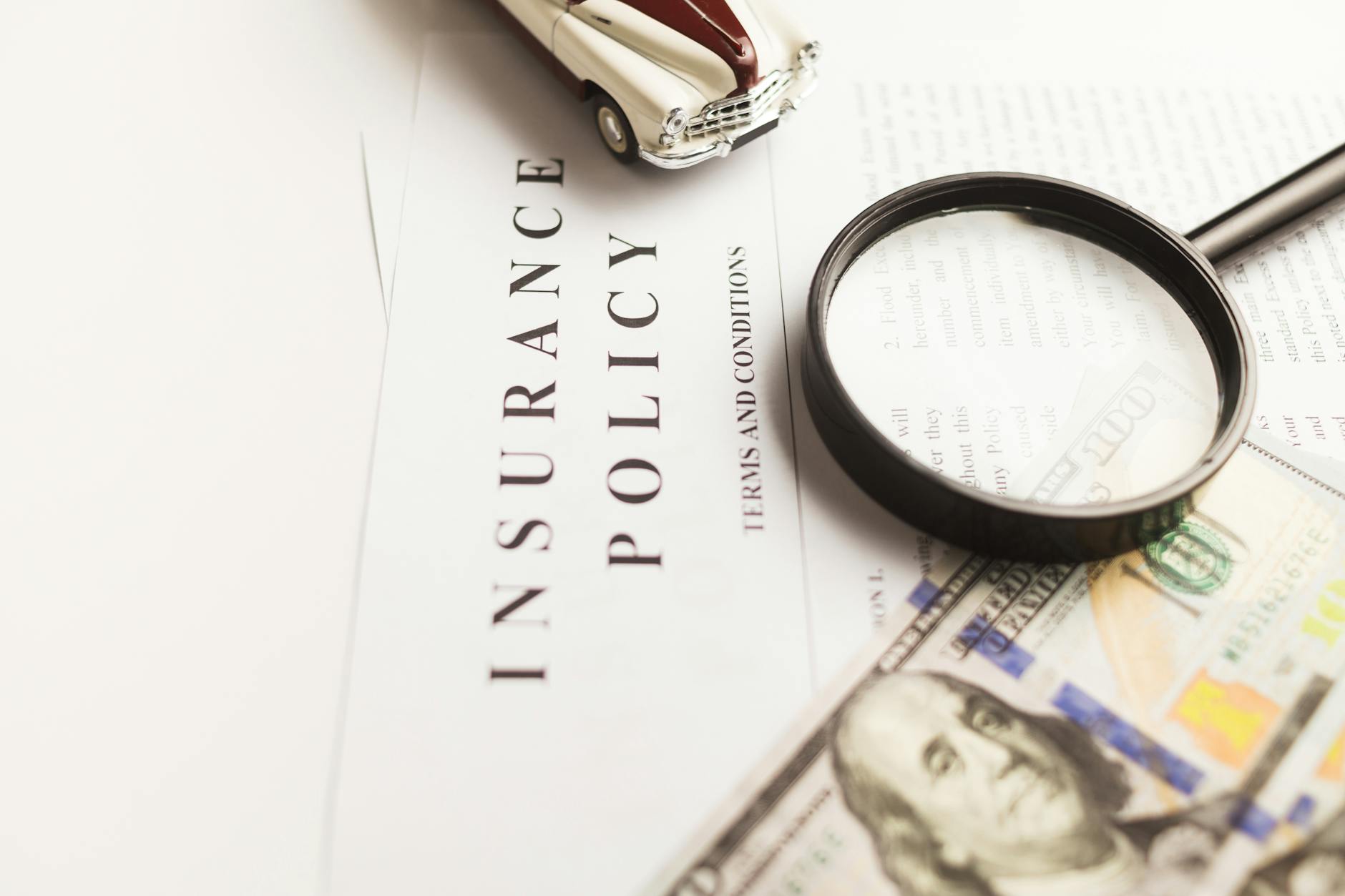
Physical insurance documents contain a substantial volume of personal information including full legal names, addresses and policy numbers. This data is sufficiently detailed to support identity theft or fraudulent insurance claims if it falls into the wrong hands. A thief who obtains insurance documentation from a stolen vehicle can use it to impersonate the owner in communications with the insurer. Digital copies stored securely in a password-protected app on a mobile phone provide the same roadside utility without the security exposure. Drivers who must carry physical insurance proof should keep a copy with minimal identifying detail rather than leaving comprehensive policy documents in the vehicle.
Valuables and Jewellery

A glovebox is not a safe and offers no meaningful resistance to a determined thief with any standard tool. Jewellery, watches and other high-value items left in a vehicle represent an easy and low-risk target for opportunistic theft. The enclosed nature of a glovebox provides a false sense of security because items are not visually exposed, but experienced thieves check this compartment as a matter of routine. Heat also accelerates the degradation of elastic, adhesive and organic materials used in certain jewellery construction and storage pouches. Valuables should always travel with their owner or be stored in a secured location rather than inside any vehicle compartment.
Pepper Spray

Pepper spray canisters are classified as pressurised aerosol devices subject to the same heat-related risks as other pressurised containers. Elevated temperatures can cause the internal propellant to expand beyond the canister’s designed tolerance, potentially resulting in seal failure or rupture. A ruptured pepper spray canister releases active capsaicin compounds into the vehicle interior, creating an environment that is temporarily unsafe to occupy. Even intact canisters that have experienced heat stress may discharge unexpectedly when handled, including at moments of urgency when the product is most needed. Pepper spray belongs on the person or in a temperature-controlled bag rather than in any vehicle storage compartment.
Children’s Car Seats
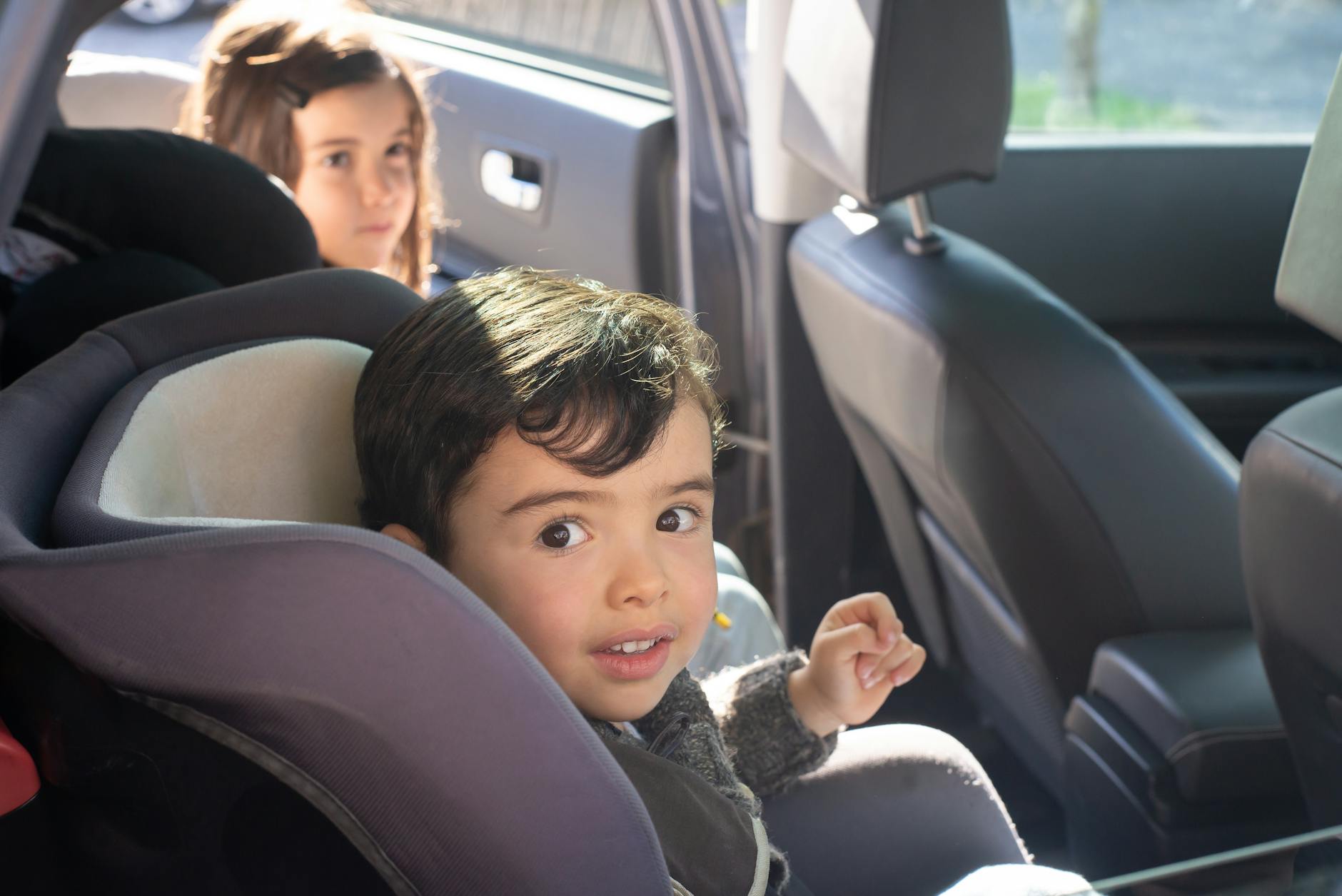
Leaving a car seat permanently installed and unoccupied raises safety concerns beyond the obvious issue of theft. The plastics used in child restraint systems are engineered to perform within specific structural parameters that heat exposure can permanently compromise. Repeated high-temperature cycles cause the polymers in seat shells and buckle mechanisms to become brittle over time, reducing their ability to perform correctly in an impact. Harness webbing also degrades more rapidly when subjected to prolonged heat and UV exposure inside a vehicle. Manufacturers recommend removing car seats when not in use for extended periods and storing them in cool and dry conditions.
Disposable Lighters
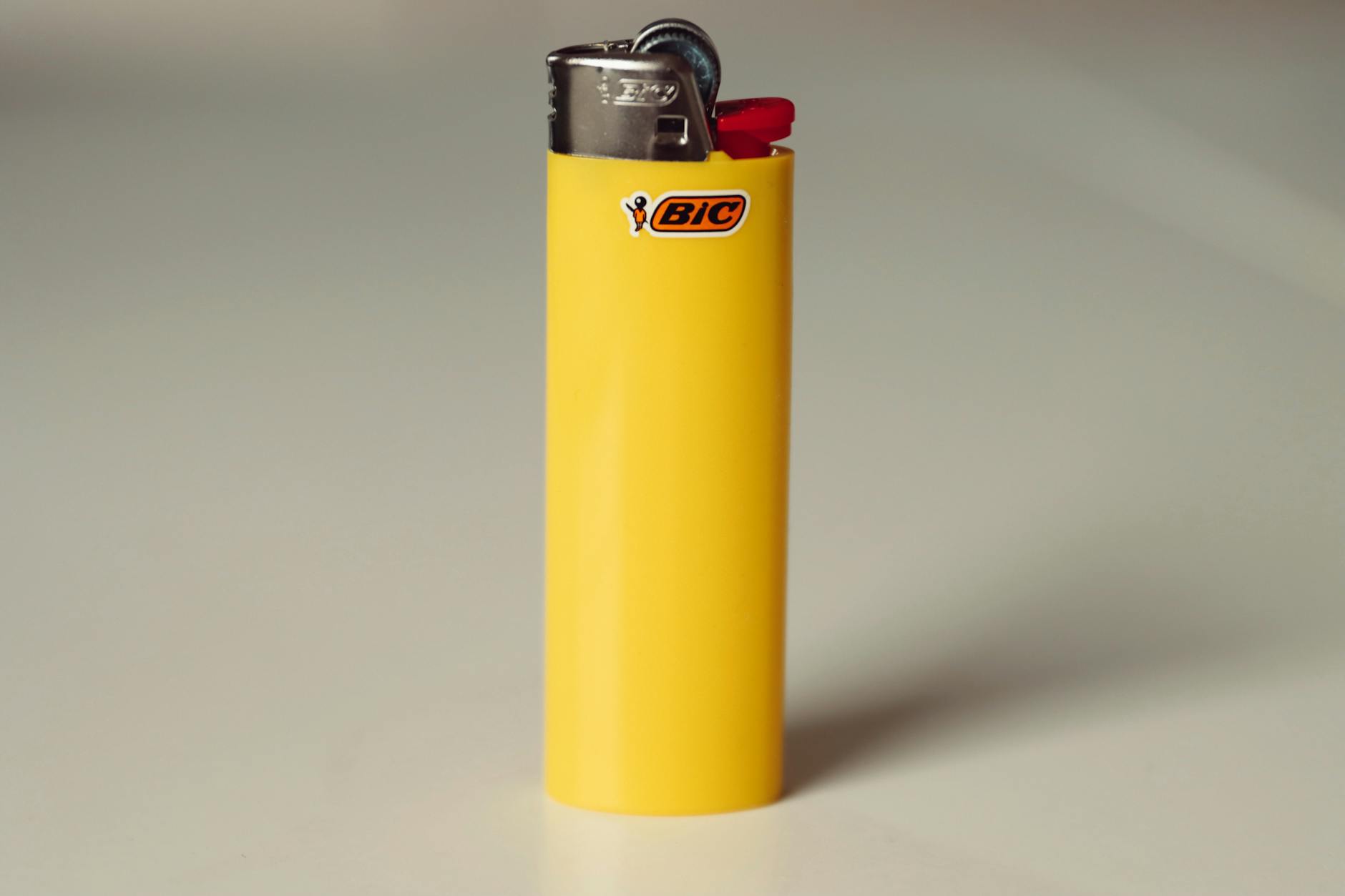
A disposable lighter is a small pressurised vessel containing flammable butane under conditions designed for ambient temperature use only. Inside a parked vehicle on a warm day, the lighter’s internal pressure increases as the butane expands with rising heat. Plastic-bodied disposable lighters are particularly vulnerable because the casing can soften and deform before the pressure valve can release safely. Failure can result in ignition and sustained flame within the glovebox and adjacent interior materials. A single lighter should be kept in a pocket or bag rather than stored in any enclosed vehicle compartment.
Wet Wipes and Baby Wipes
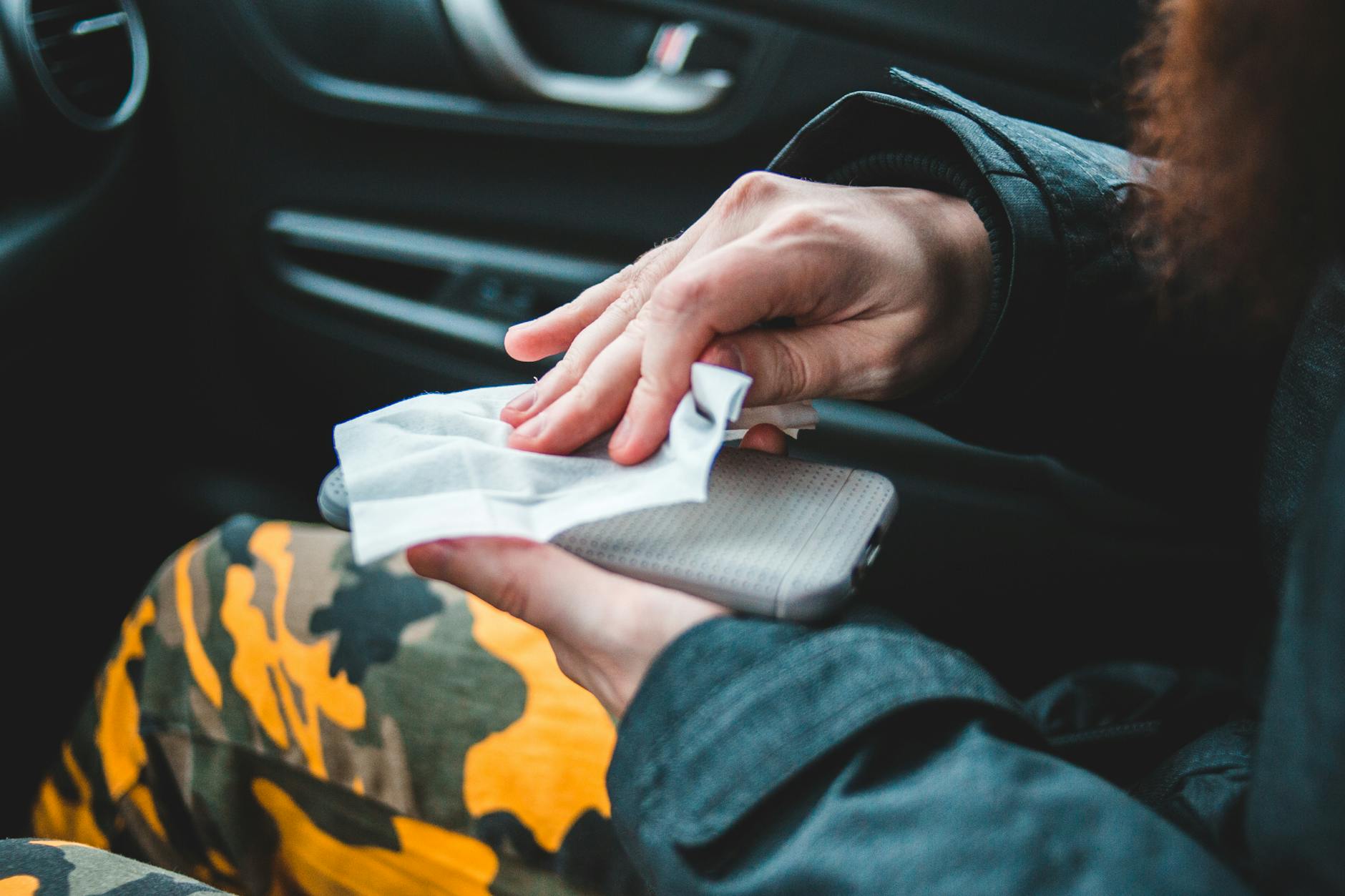
Sealed packets of wet wipes appear stable but are susceptible to heat-induced breakdown of both the moisture content and the preservative compounds within the formula. Packets exposed to sustained heat can develop bacterial growth as preservatives degrade and the internal temperature creates a hospitable environment for microbes. The plastic film used to seal resealable wipe packs warps in heat, compromising the seal and accelerating moisture evaporation that renders the product dry and useless. Fragranced wipes also release volatile aromatic compounds in heat that can irritate the eyes and respiratory system in an enclosed space. Fresh wipes should be purchased regularly and kept in a bag rather than stored long-term in a vehicle.
Electronic Car Keys
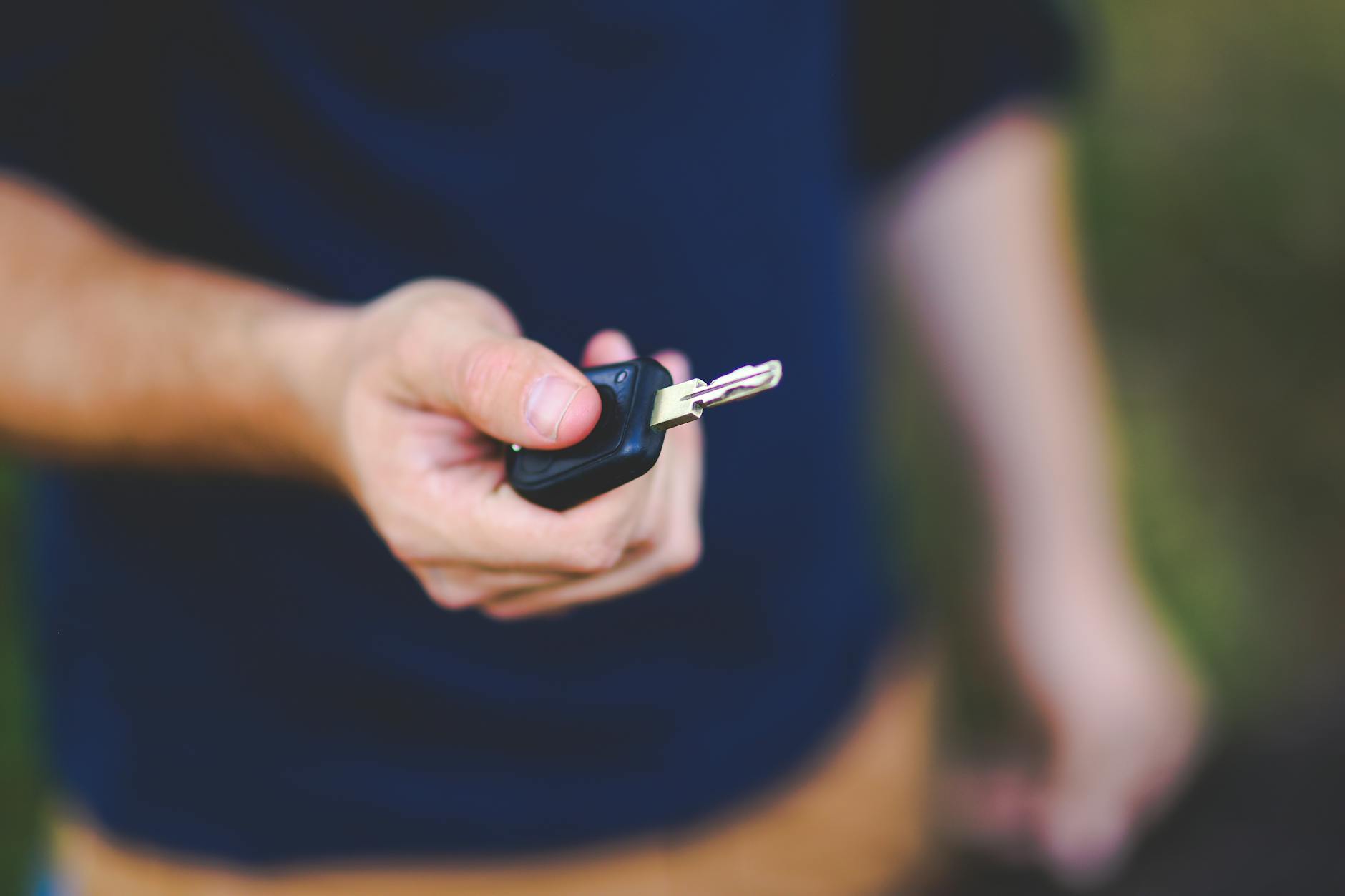
Spare electronic key fobs should never be stored in the vehicle they are designed to operate. A thief who accesses the glovebox gains the ability to start and drive away the vehicle without any further barrier. Heat also damages the internal circuit board and battery within the fob, reducing range and reliability over time. Key fobs that have been heat-damaged may trigger false signals or fail to respond consistently at the moments they are most needed. A spare key fob belongs in a secure location at home rather than inside the vehicle it unlocks.
Hairspray

Hairspray is a lacquer product delivered under pressure in an aerosol canister that shares the same heat-related vulnerabilities as any other pressurised container. The combination of flammable propellant and heat creates a meaningful fire risk in an enclosed space with limited ventilation. A canister that has been repeatedly heated and cooled may also develop a compromised spray mechanism that delivers product inconsistently or releases unexpectedly. The strong chemical compounds in hairspray can permeate the interior fabrics and plastics of a vehicle if a leak or rupture occurs. Hairspray should be transported in a bag and taken inside after each use rather than left in any vehicle storage area.
Personal Diary or Journal

A personal diary or journal contains intimate and private information that could cause significant harm if it were to fall into the wrong hands. The emotional and psychological content typical of personal journals represents a vulnerability that is completely unnecessary to leave exposed in a vehicle. Beyond the personal dimension, a journal may also contain addresses, contact details, financial notes or professional observations that could be exploited. Heat and humidity inside a vehicle also cause the pages and binding of paper products to deteriorate and warp permanently. Private written records should be stored at home in a secure and stable environment rather than in a vehicle.
Alcohol

Bottles of alcohol left in a hot vehicle present both a safety risk and a legal concern depending on local open container laws. Ethanol expands with heat and can cause bottles to crack or seals to fail, releasing liquid and vapour into the vehicle interior. Alcoholic vapour accumulating in an enclosed vehicle creates a flammable atmosphere and a strong odour that can impair the driver’s environment. Glass bottles that crack due to thermal stress also scatter shards through the compartment, creating a handling hazard. All alcoholic beverages should be transported in the boot in sealed bags rather than stored in the passenger cabin or glovebox.
Matches

Matchboxes contain strike-anywhere or safety matches that rely on friction to ignite, but heat and pressure inside a confined space can trigger accidental ignition. A box of matches compressed against other items in a warm glovebox may ignite if the striking surface makes sustained contact with the match heads. The resulting fire in an enclosed glovebox that contains paper documents, plastics and other materials can escalate rapidly before the driver is aware. Even safety matches are not designed to withstand the internal temperatures reached by a parked vehicle in warm weather. Matches should be kept in a cool dry location at home and not transported inside the vehicle unless actively needed.
Passports

A passport is among the most valuable identity documents a person carries and should never be stored routinely in a vehicle. Passports left in gloveboxes are prime targets during vehicle break-ins because they command significant value on black markets for identity fraud. Heat and humidity inside a vehicle also cause the laminated photo page and internal data chip of a biometric passport to degrade more rapidly than under normal storage conditions. A stolen passport requires formal reporting, a waiting period and a replacement fee that disrupts travel plans significantly. Passports should be stored at home in a secure document folder and only brought to the vehicle on the day they are specifically required for travel.
Spare Cash

Loose cash stored in a glovebox is effectively unsecured money left in an accessible location that is routinely checked during opportunistic vehicle break-ins. Unlike bank accounts, physical cash cannot be recovered once stolen, making it a complete and irreversible loss. Large amounts of cash in a vehicle also raise questions in the event of a traffic stop in jurisdictions where civil asset forfeiture laws apply broadly. Even small amounts of cash left habitually in the glovebox reinforce a pattern of storing valuables in the vehicle that increases the risk profile of the car overall. Any cash that must be transported should remain on the driver’s person or in a locked bag in the boot.
Contact Lenses
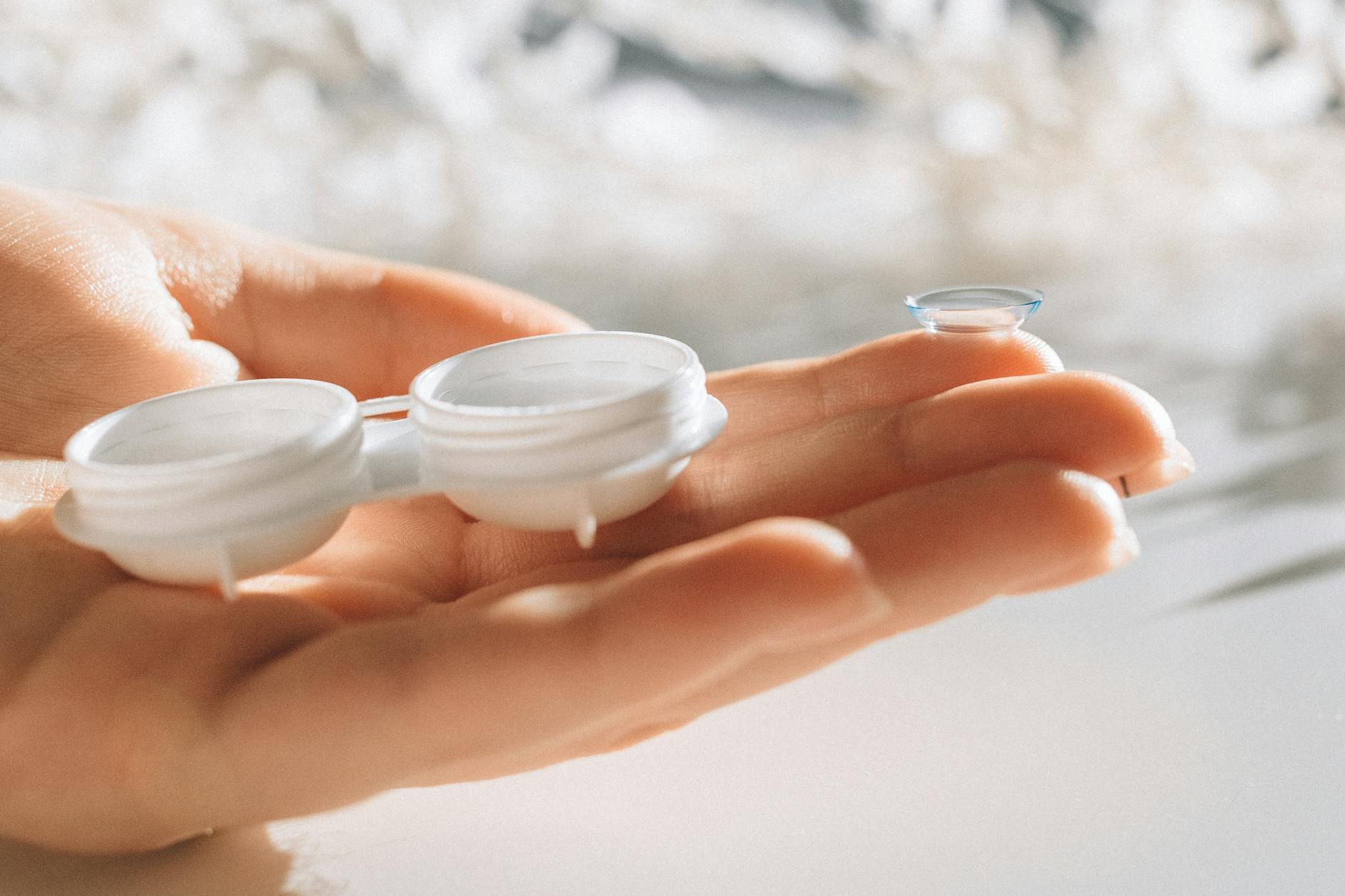
Contact lenses and the solutions used to store and clean them are sensitive biological and chemical products that degrade under heat exposure. Solution bottles that have been left in a hot vehicle may develop changes in pH and preservative concentration that make them unsafe for direct contact with the eye. Lenses stored in cases inside a hot glovebox are exposed to temperatures that can warp the soft lens material and alter its optical properties. Using heat-compromised contacts or solution can cause eye irritation, infection or more serious corneal damage. Contact lens products belong in a bathroom cabinet or cool bag rather than in any vehicle storage compartment.
Firearms

A firearm stored in an unlocked glovebox represents one of the most serious safety and legal risks a driver can create. Gloveboxes are among the least secure storage locations in any vehicle and provide minimal resistance to opportunistic theft during a break-in. A stolen firearm enters circulation as an untraceable weapon that can be used in criminal activity, with direct legal and moral consequences for the original owner in many jurisdictions. Heat exposure also affects lubricants and polymer components in modern firearms in ways that can affect function and reliability. Firearms that must be transported in a vehicle should be stored in a certified locked container in the boot and removed as soon as the vehicle reaches its destination.
Vitamins and Supplements

Nutritional supplements including vitamins, protein powders and herbal capsules are manufactured with stability assumptions based on cool and dry home storage conditions. Heat causes the degradation of fat-soluble vitamins such as A, D, E and K at a significantly accelerated rate compared to ambient room temperature storage. Probiotic supplements are particularly vulnerable because the beneficial bacteria they contain are living organisms that die rapidly when exposed to elevated temperatures. Capsule shells made from gelatin also soften and fuse together under heat, making them impossible to separate cleanly before use. All supplement products should be stored in a kitchen cabinet or travel pouch kept away from the vehicle’s heat environment.
Important Contracts or Legal Documents

Original signed contracts, deeds, wills and other legal documents carry a status that cannot simply be replaced with a photocopy in all legal contexts. Heat causes the paper fibres and ink used in printed documents to degrade, potentially rendering signatures and text difficult to read or legally questionable. A stolen glovebox containing legal documents gives a thief access to names, addresses, financial figures and legal obligations that can be weaponised through identity theft or blackmail. The irreplaceable nature of original legal documents makes the risk of storing them in a vehicle disproportionate to any convenience gained. Legal paperwork belongs in a fireproof home safe or a solicitor’s secure document storage system.
Nail Polish

Nail polish formulas contain highly flammable solvents including ethyl acetate and butyl acetate that vaporise rapidly at elevated temperatures. A bottle of nail polish left in a hot glovebox can develop internal pressure that causes the cap to seal permanently or the bottle to crack and leak. Spilled nail polish in a glovebox creates a strong chemical odour, a difficult to remove stain and a flammable residue that adheres to all surrounding surfaces. The solvents in nail polish vapour are also irritating to the eyes, nose and respiratory system in an enclosed vehicle environment. Nail polish should be stored at home in a cool location away from heat sources and direct sunlight.
Lip Balm and Lipstick

Wax-based lip products have melting points that fall well within the temperature range regularly reached inside a parked vehicle. A melted lip balm tube pools inside its casing and solidifies in an irregular shape that no longer applies evenly or hygienically. Lipstick that has melted and resolidified loses the smooth surface finish required for clean application and may develop a grainy or separated texture. Certain lip products also contain active ingredients such as SPF filters and peptides that degrade chemically under heat exposure, reducing their functional benefit. Lip products used daily should travel in a bag on the driver’s person rather than being stored in the vehicle between uses.
Rechargeable Vapes
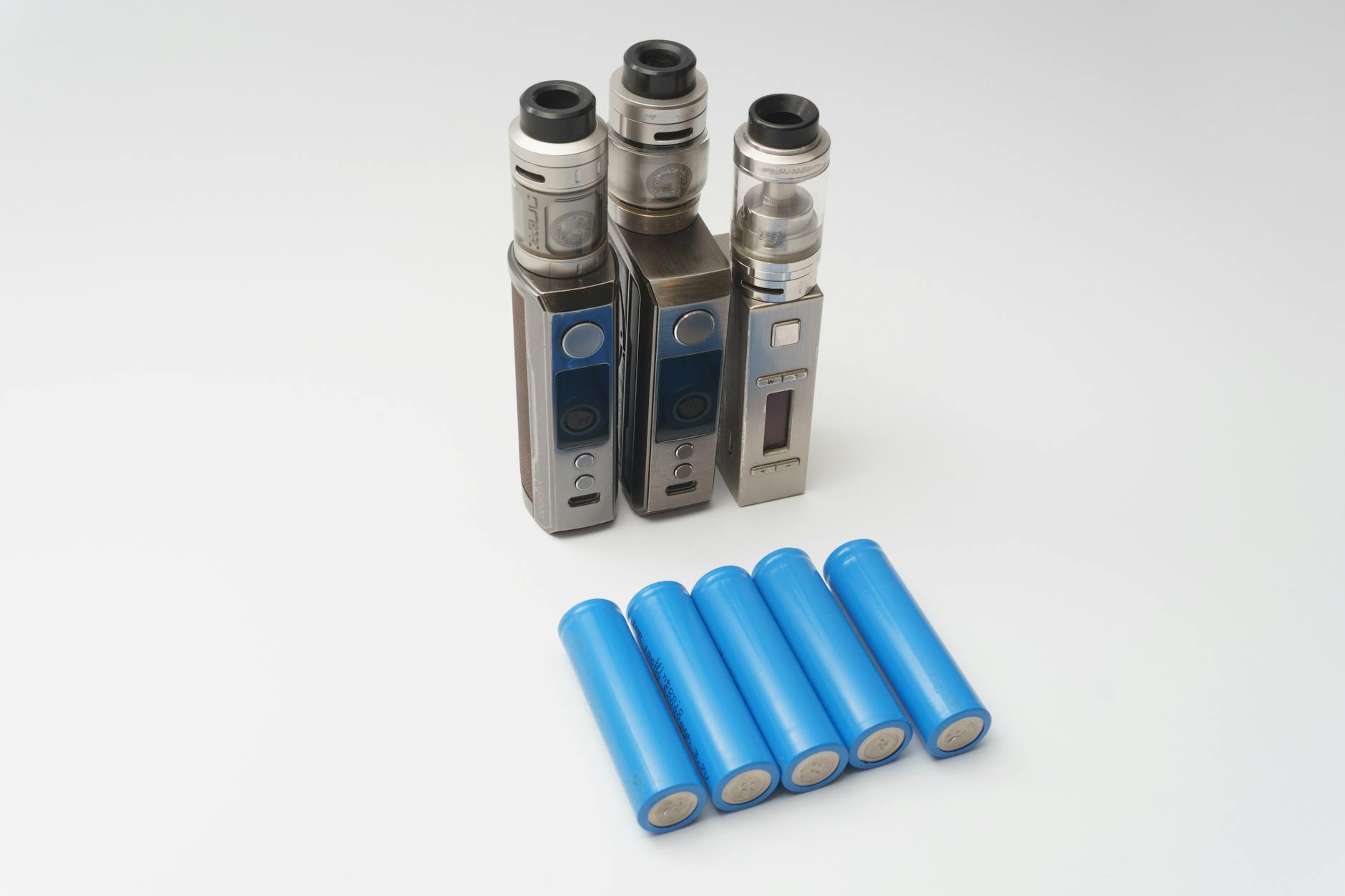
Electronic vaping devices contain lithium batteries and pressurised liquid cartridges that are vulnerable to heat-related failure in a vehicle environment. The lithium battery component carries the same thermal runaway risk described for other battery-powered devices, with the added complication of a pressurised liquid component in close proximity. Vape juice formulas contain nicotine, propylene glycol and flavouring compounds that can leak from cartridges when internal pressure increases with heat. A leaking vape device contaminates the glovebox with a sticky and aromatic liquid that is difficult to clean from fabric and plastic surfaces. Vaping devices should travel in a bag with the driver rather than being stored in any vehicle compartment between uses.
Dog Treats

Pet treats stored in a vehicle glovebox attract insects and rodents that can establish themselves in the vehicle interior in surprisingly short timeframes. The animal proteins and fats in dog treats become rancid rapidly when subjected to the heat cycles of a parked vehicle, producing strong odours that permeate upholstery. An open or poorly sealed bag of treats also introduces loose particles and moisture into the glovebox that accelerate the deterioration of documents and other stored items. Some treat formulations contain ingredients that attract specific pest species more aggressively than others, increasing the infestation risk. Pet food and treats should be stored in sealed containers at home and brought to the vehicle only in the quantity needed for an individual trip.
Reading Glasses

Reading glasses present the same heat-related vulnerability as prescription and sunglasses but are frequently treated more casually because of their lower unit cost. The plastic hinges and nose pads on reading glasses soften and deform under sustained heat, causing the frame to lose its alignment permanently. Polycarbonate lenses used in many reading glasses develop internal stress fractures and surface crazing after repeated heating and cooling cycles. A pair of reading glasses that have warped in a hot glovebox will sit crookedly on the face and cause eye strain during extended use. Even inexpensive reading glasses deserve to be stored in a rigid case and kept out of the vehicle when parked in warm conditions.
If you spotted any of these items in your own glovebox right now, share what surprised you most in the comments.