Etiquette has long dictated how people should behave in social settings across the globe. Many of these traditional rules stem from a desire to separate wealthy individuals from the working class. Modern society increasingly recognizes that arbitrary guidelines about forks and fashion do little to foster genuine kindness or respect. This list explores widespread manners that serve primarily as barriers to entry rather than tools for pleasant interaction.
Using Proper Silverware
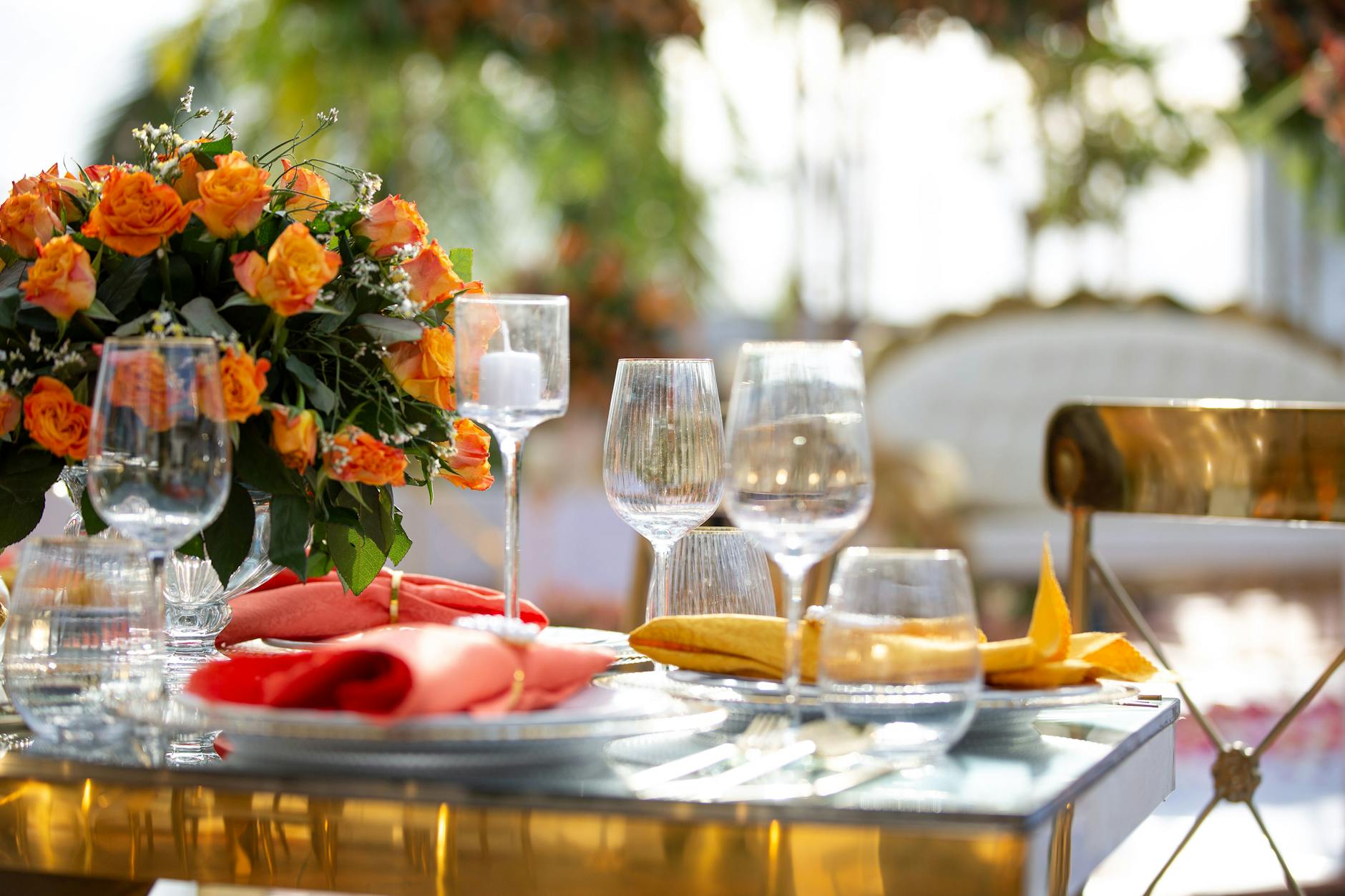
Navigating a multi course meal with an array of specific utensils requires extensive prior education. This rule was historically designed to identify outsiders who had not received formal dining instruction. Modern dining prioritizes the enjoyment of the culinary experience over strict adherence to archaic utensil guidelines. Expecting everyone to know the difference between a salad fork and a dessert fork alienates individuals from diverse backgrounds.
Resting Elbows on the Table
The prohibition against placing elbows on the dining table originated from medieval feasts where tables were unsteady planks of wood. Wealthy families later adopted the rule to enforce rigid posture and demonstrate physical discipline during meals. Contemporary dining settings feature sturdy furniture that safely supports resting arms without causing any disruption. Relaxing posture at the table encourages comfortable conversation and a welcoming atmosphere for all guests.
Keeping Hats Off Indoors

Removing headwear upon entering a building was once a mandatory sign of respect directed at wealthy property owners. The practice ignores various cultural and religious traditions that require individuals to keep their heads covered. Today many people view hats as essential fashion accessories rather than indicators of disrespect. Forcing individuals to uncover their heads creates unnecessary discomfort and enforces a singular cultural norm.
Men Opening Doors for Women

This gendered practice stems from a time when women were viewed as fragile and requiring constant physical assistance. The expectation places an artificial burden on men while subtly undermining the independence of women in public spaces. Modern courtesy suggests that whoever reaches the door first should hold it open for the next person regardless of gender. Treating all individuals with equal basic politeness fosters a more inclusive and respectful environment.
Standing When Someone Enters

Rising from a seat to acknowledge a new arrival historically signaled deference to a person of higher social rank. This physical gesture can be entirely impractical in crowded rooms or professional workspace environments. It also creates awkward situations for individuals with mobility issues who cannot easily stand up to participate in the ritual. Offering a warm verbal greeting or a friendly smile serves as a perfectly adequate acknowledgment.
Wearing White After Labor Day

Wealthy socialites established this seasonal fashion mandate to identify those who could afford distinct summer and autumn wardrobes. Working class individuals generally wore dark colors year round to hide stains from physical labor and factory work. The rule has completely lost its relevance in an era where climate and personal expression dictate clothing choices. Wearing white garments in winter months now represents a stylish rebellion against outdated elitist standards.
Writing Thank You Notes by Hand

The expectation of a handwritten letter requires the sender to have access to expensive stationery and ample free time. This requirement overlooks the efficiency and environmental benefits of digital communication methods favored by younger generations. A prompt electronic message conveys gratitude just as sincerely without the added financial cost of postage. Appreciating the sentiment behind the thank you matters much more than the physical medium used to deliver it.
Waiting to Eat Until Everyone is Served

Formal dining traditions dictate that no one should begin their meal until the host picks up their fork. This rule practically guarantees that hot food will turn cold for the first people served at a large table. Modern culinary appreciation suggests that dishes should be enjoyed at their optimal temperature as soon as they arrive. Encouraging guests to eat immediately shows a genuine concern for their dining experience rather than rigid control.
Passing Salt and Pepper Together

Traditional etiquette dictates that these two condiments must always travel as a pair even if only one is requested. The rule was invented by affluent households to prevent guests from disrupting the symmetrical arrangement of the dining table. It completely ignores the practical reality that a diner might only want to adjust the saltiness of their dish. Handing someone exactly what they asked for represents logical communication rather than a breach of manners.
Dressing Up for Theater

Attending a play or musical once required formal gowns and tailored suits to showcase personal wealth to the community. This expectation prices out casual theatergoers and reinforces the idea that performing arts belong exclusively to the upper class. Modern venues increasingly welcome casual attire to make cultural events accessible to a wider demographic. The audience should focus entirely on the performance rather than the expensive clothing worn by the people sitting nearby.
Keeping Tattoos Covered

Corporate dress codes traditionally mandated the concealment of body art to maintain a specific sanitized image of professionalism. This restriction disproportionately targets individuals from working class backgrounds or cultures where tattooing holds significant historical meaning. The modern workforce increasingly values individual skills and talents over strict adherence to archaic visual standards. Allowing visible tattoos promotes an authentic environment where employees can express their identities without fear of judgment.
Not Talking About Money

The taboo against discussing income or personal finances benefits those who already possess significant generational wealth. Keeping salary information a secret allows employers to maintain unfair pay disparities among workers performing the same duties. Open conversations regarding personal finance empower individuals to make informed decisions and advocate for fair compensation. Breaking this conversational barrier is essential for achieving economic transparency and bridging the wealth gap.
Addressing Elders by Title

Requiring the use of formal titles demands a rigid hierarchy based entirely on age rather than mutual respect. This practice can create uncomfortable power dynamics in modern environments where collaboration and equality are prioritized. Many older professionals now prefer being addressed by their first names to foster approachable and friendly relationships. Respect is best demonstrated through active listening and kind behavior rather than mandatory formal prefixes.
Drinking Tea with a Raised Pinky
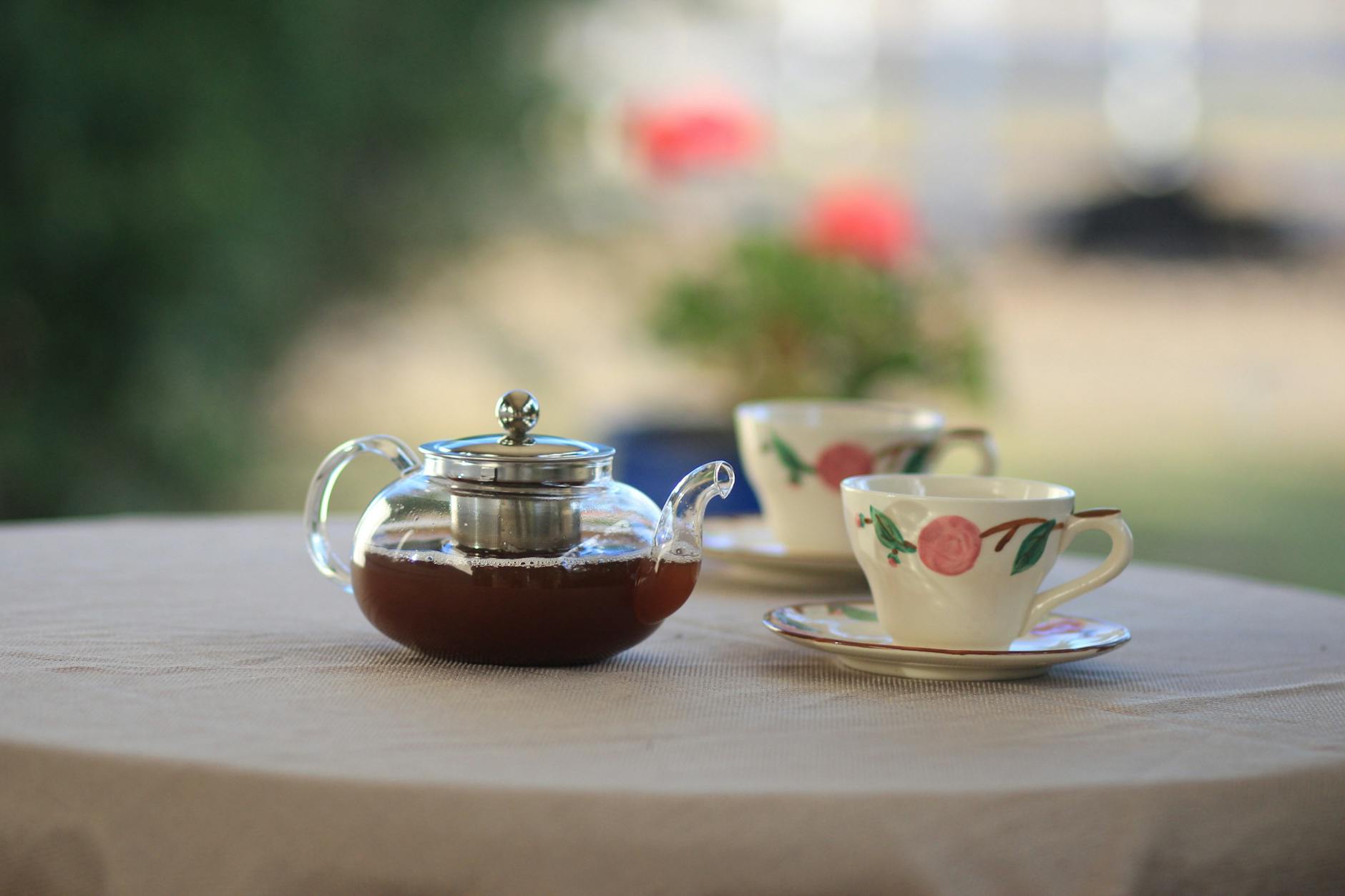
Extending the smallest finger while holding a teacup was popularized by aristocrats to demonstrate their refined motor skills. This delicate gesture historically proved that the drinker did not perform manual labor that would stiffen their hands. The practice serves no functional purpose and only makes the simple act of enjoying a hot beverage feel pretentious. Gripping a cup comfortably allows anyone to partake in a relaxing tea break without arbitrary physical constraints.
Matching Shoes and Belts

The insistence on coordinating leather accessories requires individuals to purchase duplicate items in multiple expensive colors. This fashion rule places an unnecessary financial burden on people trying to build a versatile professional wardrobe. Modern style embraces contrasting textures and complementary tones rather than exact material matches. Dressing well depends on overall neatness and personal confidence rather than strict adherence to costly accessorizing rules.
Serving Ladies First
Prioritizing female guests during meal service stems from paternalistic attitudes that view women as delicate dependents. This practice forces servers to navigate awkwardly around a table instead of following a logical geographical progression. Treating all guests equally regardless of gender streamlines the service process and ensures food arrives promptly. True hospitality involves making everyone feel comfortable rather than enforcing outdated gender hierarchies.
Refraining from Pointing

Pointing with an index finger is universally condemned in traditional etiquette books as a vulgar and aggressive gesture. However pointing is a highly effective and natural form of nonverbal communication used across various global cultures. The rule forces individuals to use confusing verbal directions when a simple physical gesture would eliminate all ambiguity. Context and intent matter far more than the specific finger used to indicate a direction or object.
Using Cloth Napkins Only
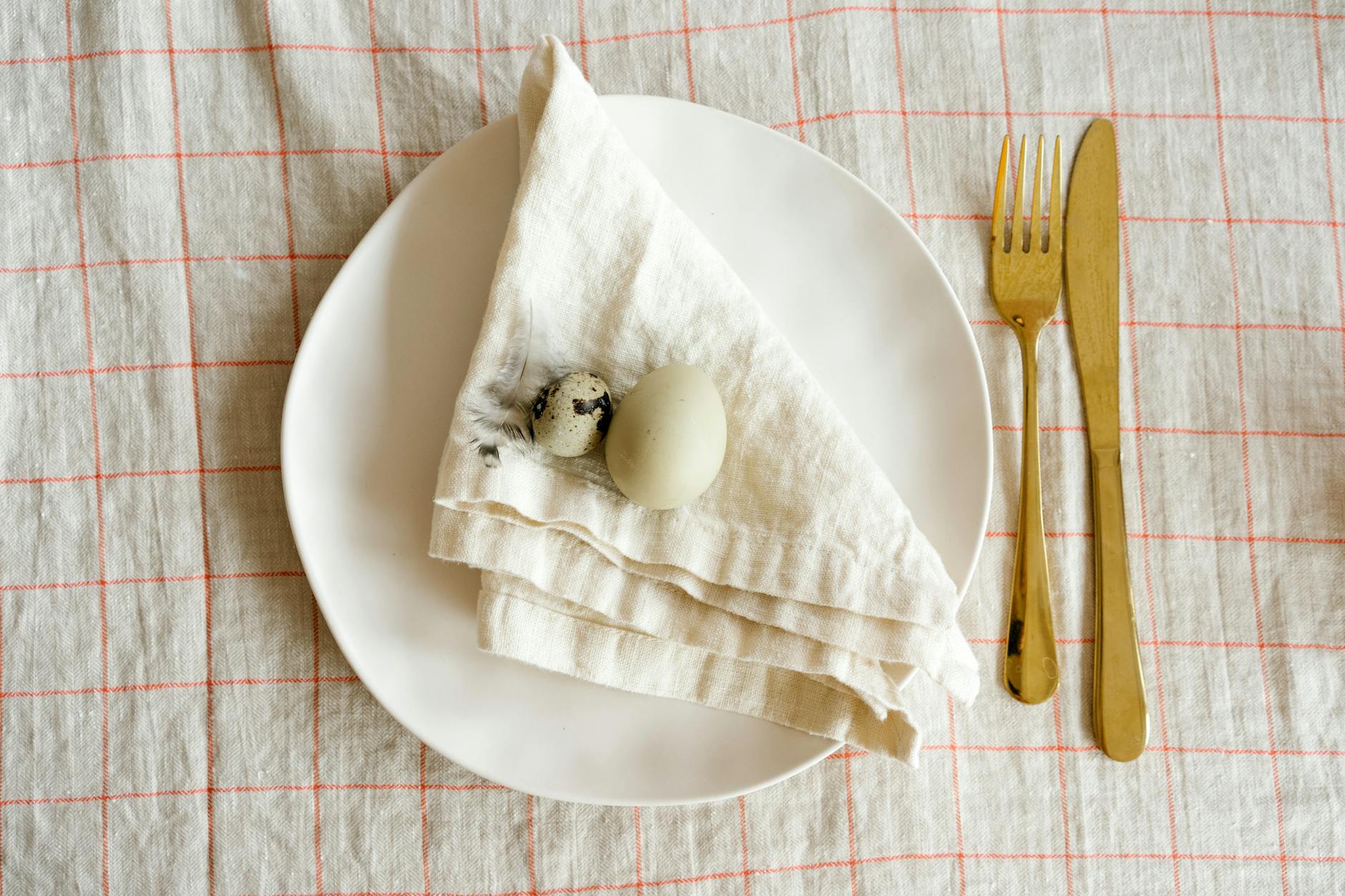
Insisting on linen table settings elevates the dining experience for those who can afford regular dry cleaning services. The rule unfairly shames households that rely on disposable paper products for convenience and financial reasons. High quality paper napkins provide perfectly adequate hygiene without the environmental and monetary costs of washing heavy fabrics. Practicality and cleanliness should always take precedence over the display of expensive table linens.
Bringing a Hostess Gift

The expectation to arrive with a present places a mandatory financial transaction onto the simple act of visiting friends. This rule can cause significant anxiety for guests who may be experiencing tight budgets or economic hardship. True friendship relies on the sharing of time and pleasant company rather than the exchange of material goods. A warm presence and willingness to help clean up are far more valuable than an expensive bottle of wine.
Wearing Formal Attire to Dinner
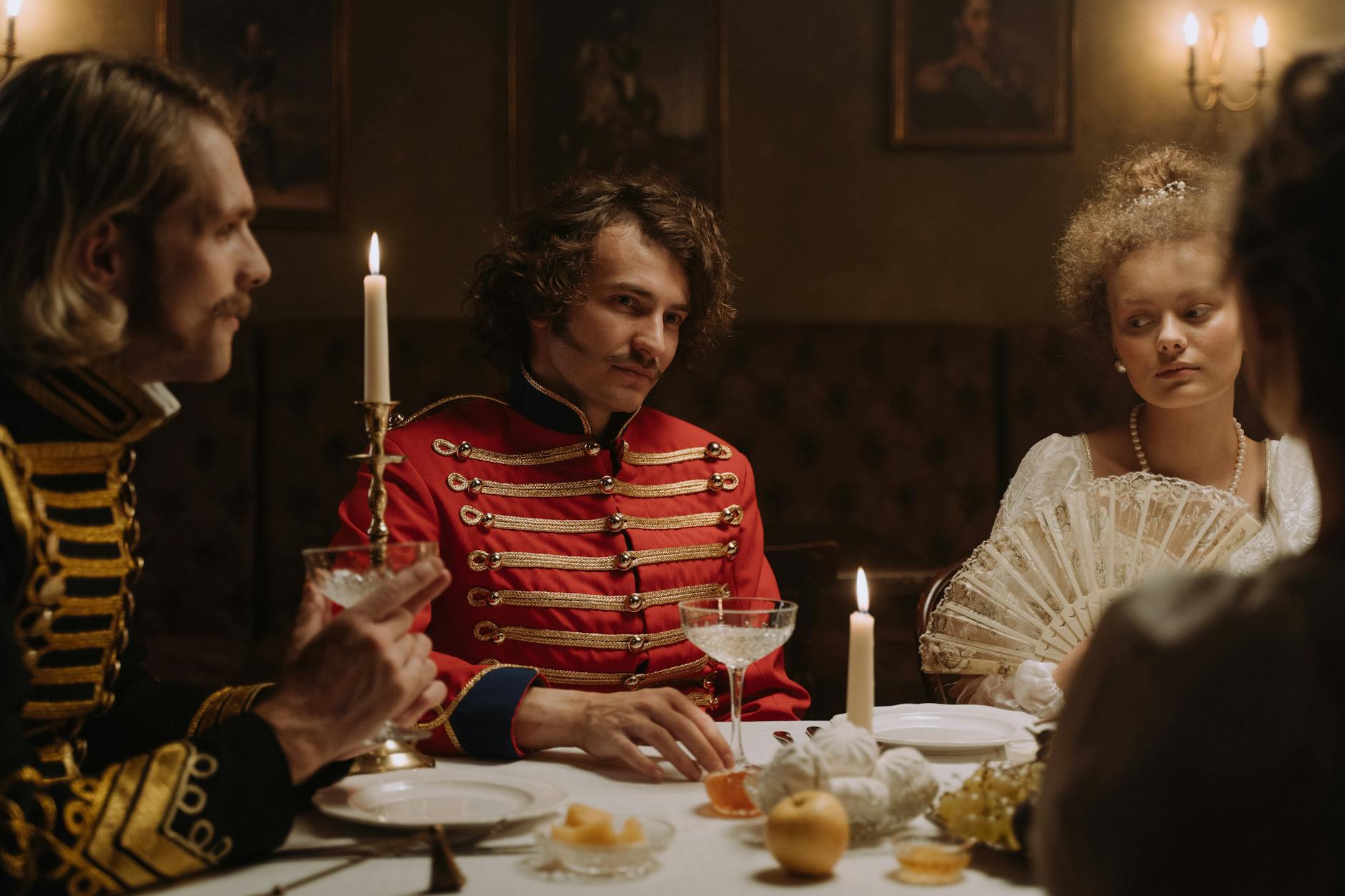
Demanding that guests change into elegant clothing for an evening meal was a hallmark of aristocratic leisure time. Working people rarely possess the energy or wardrobe required to dress up simply to consume their evening nutrients. Modern dinner gatherings thrive on relaxed atmospheres where guests can arrive in comfortable clothing after a long day. Good conversation and shared laughter matter exponentially more than the formal cut of a dinner jacket.
Avoiding Slang in Conversation

The rejection of colloquial language enforces a linguistic hierarchy that favors formalized education over cultural expression. Slang frequently originates in marginalized communities and serves as a vital tool for artistic innovation and social bonding. Demanding strict adherence to textbook vocabulary dismisses the rich linguistic diversity present in modern society. Effective communication relies on mutual understanding and empathy rather than an elitist vocabulary test.
Ordering Wine for the Table

The tradition of a male host selecting and tasting the vintage reinforces patriarchal control over social gatherings. This expectation assumes that one person possesses superior knowledge regarding the specific taste preferences of every single guest. Modern dining encourages individuals to order beverages by the glass to suit their own unique culinary tastes. Allowing everyone to choose their own drink ensures that all guests are genuinely satisfied with their meal.
Hiding Visible Piercings

Corporate policies requiring the removal of facial jewelry target aesthetic choices that deviate from wealthy conservative norms. These rules unfairly penalize younger generations and individuals from cultures where facial piercings signify important personal milestones. A piece of metal in a person’s nose or lip has absolutely no impact on their professional competence or intelligence. Embracing diverse personal styles allows companies to attract authentic talent from a much wider variety of backgrounds.
Using Correct Glassware
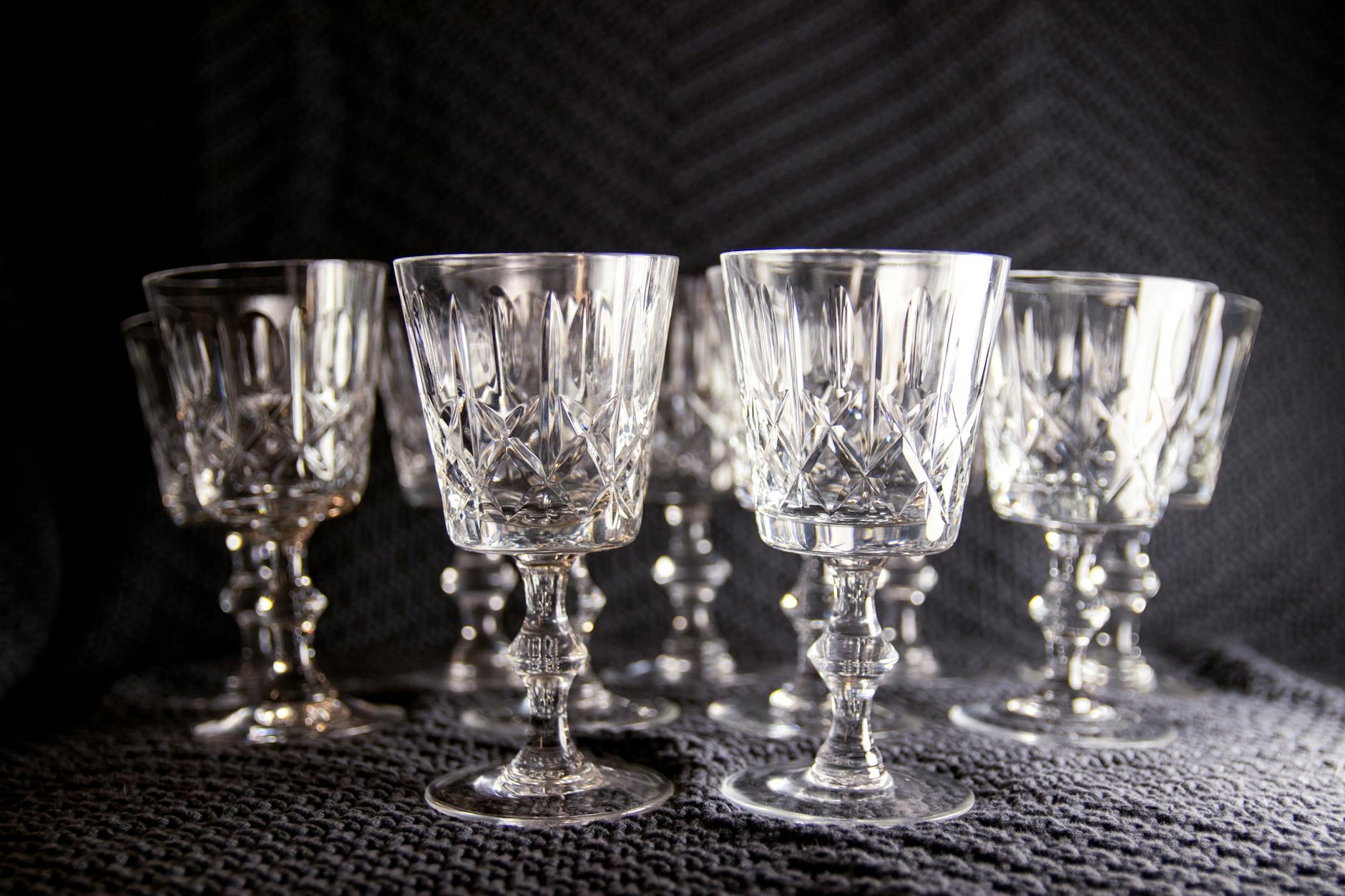
Serving different beverages in specifically shaped crystal requires a massive financial investment in fragile kitchen inventory. The average household simply does not have the cabinet space or budget to accommodate ten different types of goblets. Enjoying a beverage is a sensory experience that is rarely ruined by the physical shape of the container. A clean glass of any variety is perfectly sufficient for sharing drinks with welcome guests.
Keeping Natural Hair Tamed

Standards of professionalism have historically penalized individuals with naturally textured hair by labeling their styles as unkempt. This deeply classist rule forces marginalized groups to spend exorbitant amounts of money on chemical treatments. Society increasingly recognizes that all hair textures are inherently beautiful and entirely appropriate for the workplace. Ending this discriminatory expectation allows individuals to exist comfortably and safely in their natural state.
RSVPing via Mail
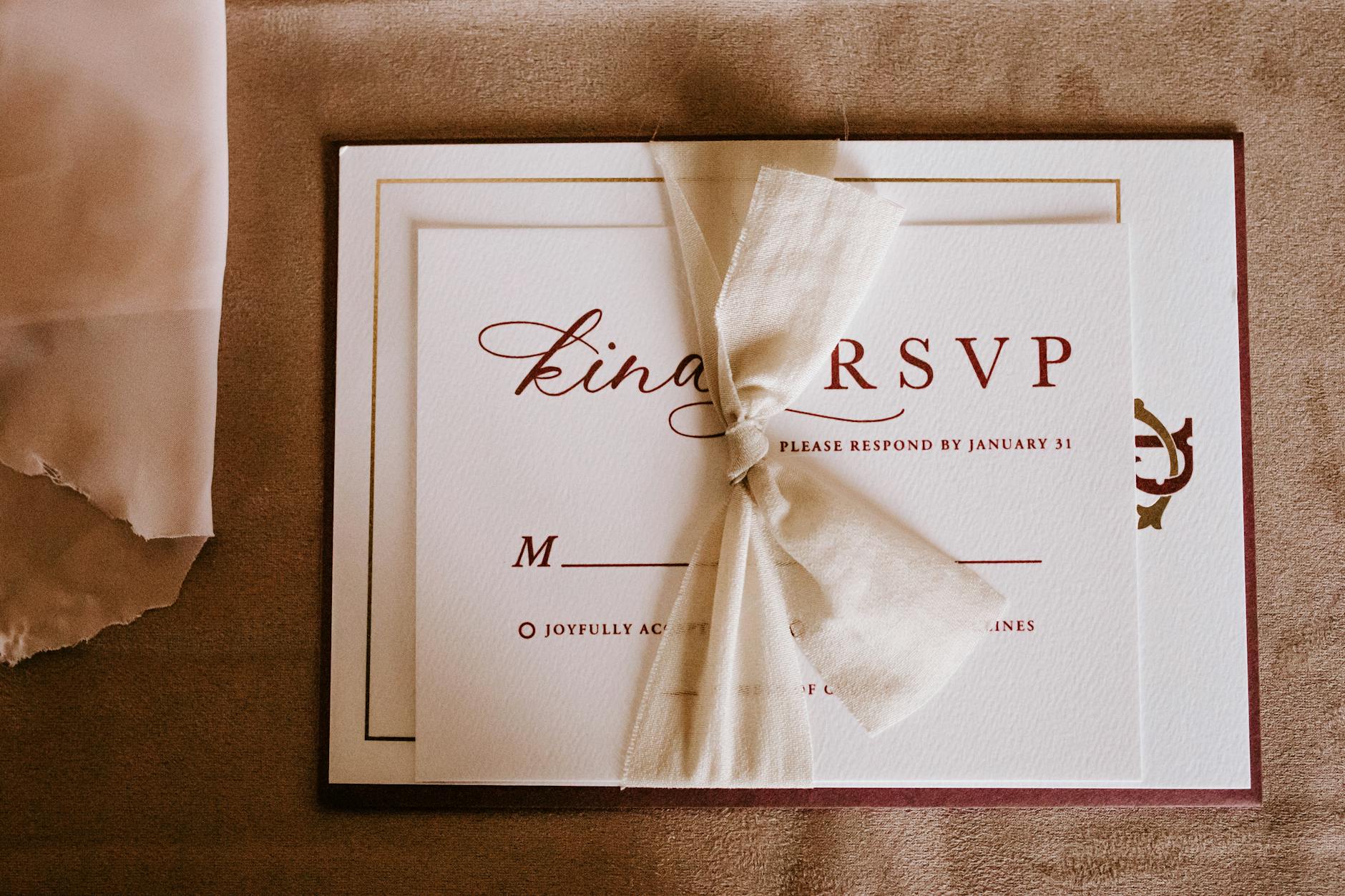
The requirement to return a physical response card places an unnecessary burden on both the sender and the recipient. It assumes everyone has reliable access to postal services and the organizational skills to mail letters promptly. Digital invitations provide instant tracking capabilities that are vastly superior for modern event planning. Eliminating the paper requirement saves money and reduces unnecessary stress for everyone involved in the celebration.
Never Asking for a To Go Box
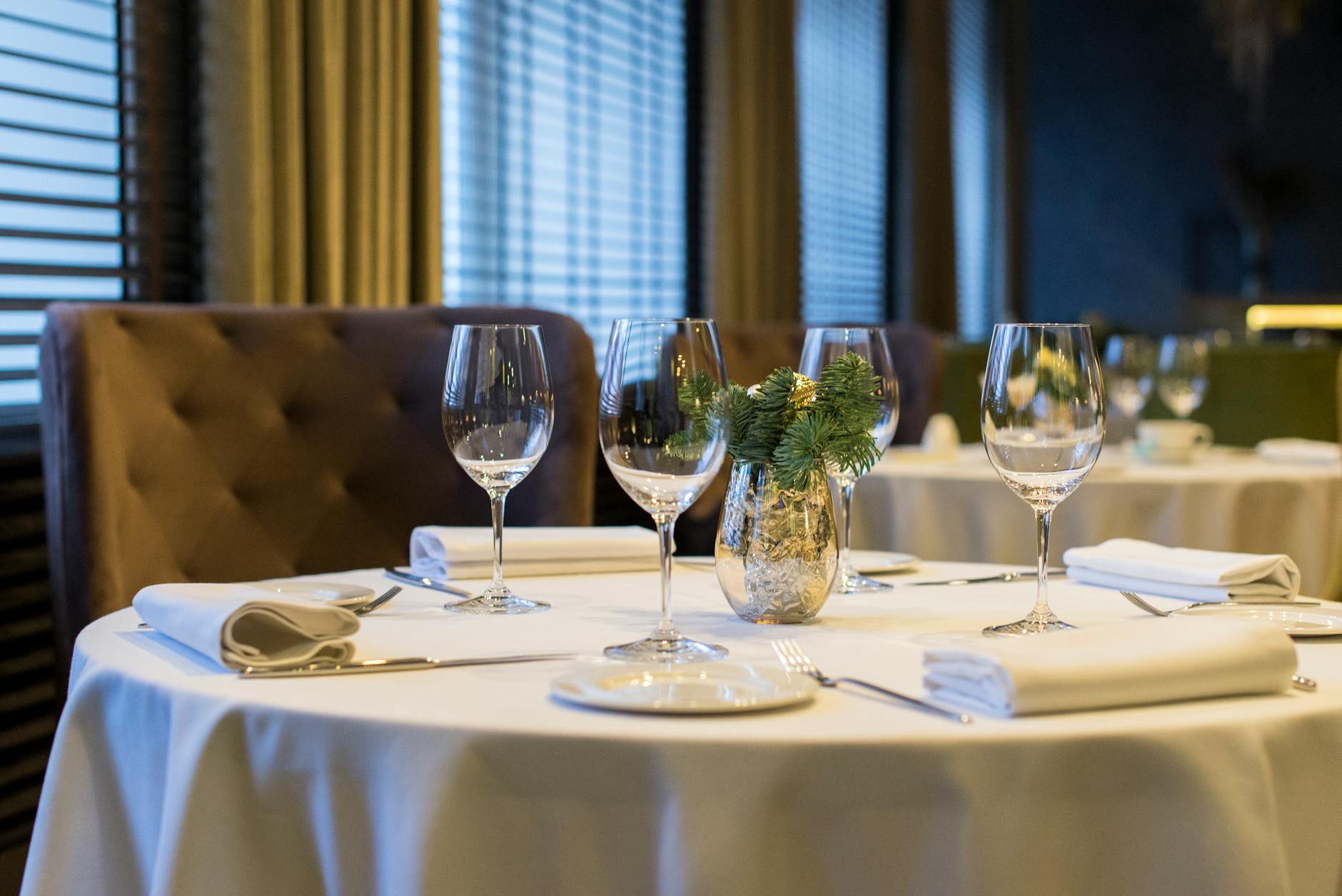
Affluent diners historically considered asking for leftover food to be a crass indicator of poverty or desperation. This wasteful mentality contributes directly to the massive global crisis of perfectly good food being thrown in the garbage. Taking home uneaten portions is an environmentally responsible practice that respects the labor of the kitchen staff. Enjoying a second meal from a restaurant outing is a sensible financial decision that should be universally encouraged.
Paying the Bill Discreetly

The custom of sneaking away from the table to settle the check was designed to prevent discussions about money. This practice frequently causes confusion and forces one individual to shoulder an unfair financial burden without any discussion. Openly splitting the bill allows everyone to contribute according to their means and what they actually consumed. Transparent financial interactions prevent resentment and ensure that dining out remains affordable for the entire group.
Eating Chicken with a Fork
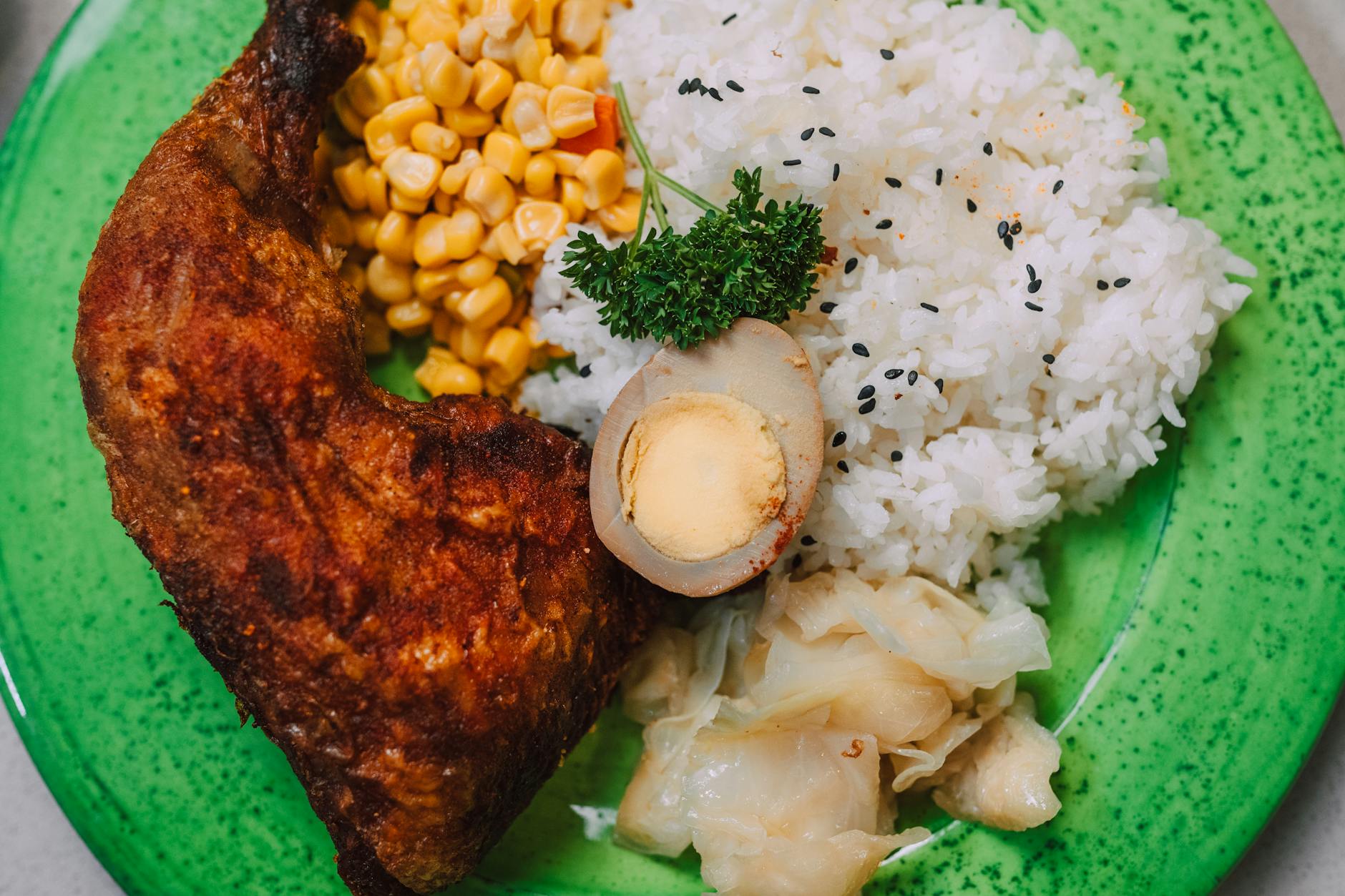
Rigid table manners dictate that all poultry must be meticulously carved from the bone using heavy silverware. This rule ignores the physical reality that many cuts of meat are naturally designed to be eaten by hand. Cultures around the world celebrate the tactile joy of consuming food directly without the intervention of metal tools. Using hands to eat specific foods is entirely hygienic and often enhances the overall sensory experience of the meal.
Never Discussing Politics

Avoiding political discourse at social events was meant to keep dinner parties entirely pleasant and free of conflict. This privilege belongs exclusively to those whose basic human rights are not affected by current governmental policies. Engaging in respectful political conversation is essential for an informed electorate and a functioning democratic society. Discussing real world issues is far more important than maintaining an artificial atmosphere of polite agreement.
Avoiding Bright Hair Colors

Professional etiquette long dictated that unnatural hair dyes were a sign of rebellion and unreliability in the workplace. This outdated standard unfairly targets creative individuals and young professionals seeking to express their personal identities. The color of a person’s hair does not correlate in any way with their work ethic or intellectual capacity. Modern offices benefit greatly from the vibrant energy and diverse perspectives brought by individuals who embrace unique aesthetics.
Never Applying Makeup in Public

Touching up lipstick or powder in public spaces was once considered a severe breach of feminine modesty and decorum. This rule forces individuals to hide the labor required to maintain the very beauty standards society expects them to uphold. A quick cosmetic adjustment is a practical necessity during long days that transition from the office to evening events. Public grooming should be normalized as a basic element of personal maintenance rather than a secret activity.
Speaking with Perfect Grammar
Judging individuals based on their strict adherence to academic grammar rules is a deeply ingrained form of educational elitism. This practice discriminates against non native speakers and those who did not have access to expensive private schooling. Communication is entirely successful as long as the core message is understood by the participating parties. Focusing on the substance of a conversation matters significantly more than correcting minor syntactical errors.
Walking on the Outside of the Sidewalk

Gentlemen were historically expected to walk closer to the street to protect women from mud splashed by passing carriages. This performative chivalry is completely unnecessary in modern cities with paved roads and enclosed motor vehicles. The rule assumes that adult women lack the situational awareness to navigate a pedestrian walkway safely. Navigating crowded sidewalks requires flexible cooperation from all pedestrians rather than outdated rules regarding physical placement.
Waiting for an Introduction

Traditional society required a mutual acquaintance to formally introduce two strangers before they were permitted to speak. This barrier kept social circles extremely closed and prevented individuals from networking outside their immediate socioeconomic class. Modern professional and social environments thrive on bold individuals who confidently introduce themselves to new people. Initiating a friendly conversation demonstrates admirable initiative and a genuine interest in building new community connections.
Please share your thoughts on these etiquette rules and tell us which ones you have abandoned in the comments.