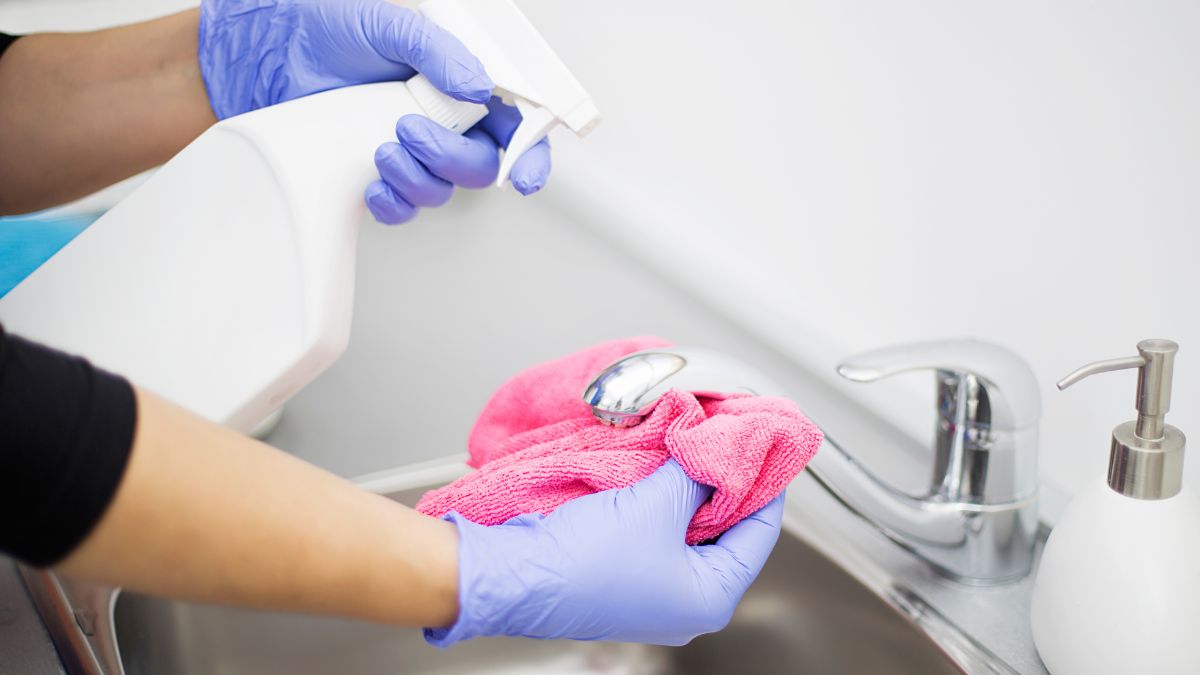
Your home might look spotless on the surface, but lurking beneath the visible tidiness are dozens of everyday objects quietly accumulating dust, bacteria, and grime. Most people stick to the same cleaning routine without ever stopping to consider the items they consistently overlook. From the kitchen to the bathroom and every room in between, these neglected surfaces and objects can harbor germs that affect air quality, hygiene, and even your health. This list covers 35 household items that deserve a place on your regular cleaning schedule starting today.
TV Remote
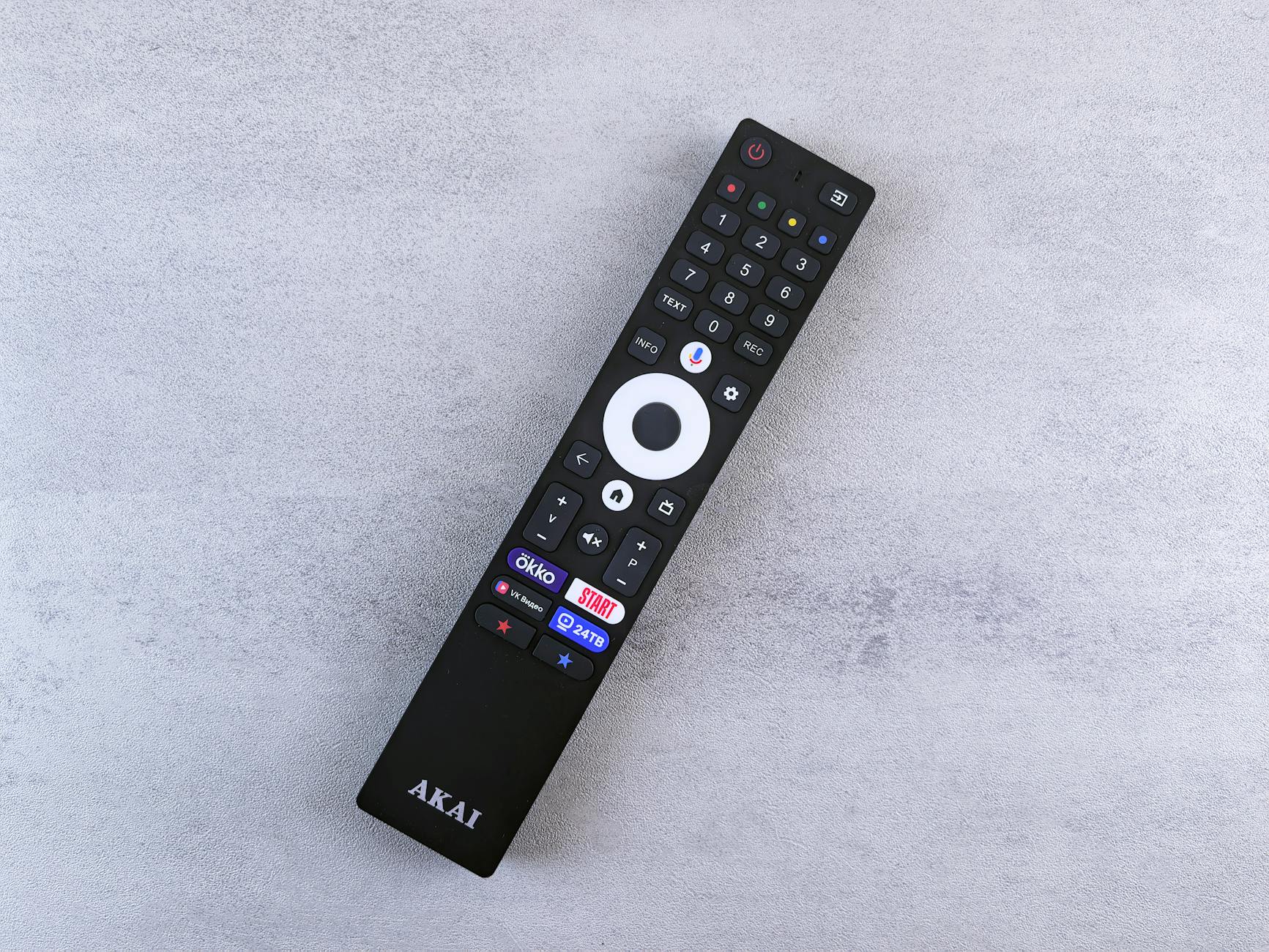
The television remote is one of the most touched objects in any household, yet it almost never gets wiped down. Bacteria and viruses from multiple hands transfer onto its surface every single day. A quick wipe with a disinfectant cloth between the buttons removes buildup you cannot see. Cleaning it weekly takes less than a minute and makes a significant difference in household hygiene.
Light Switches
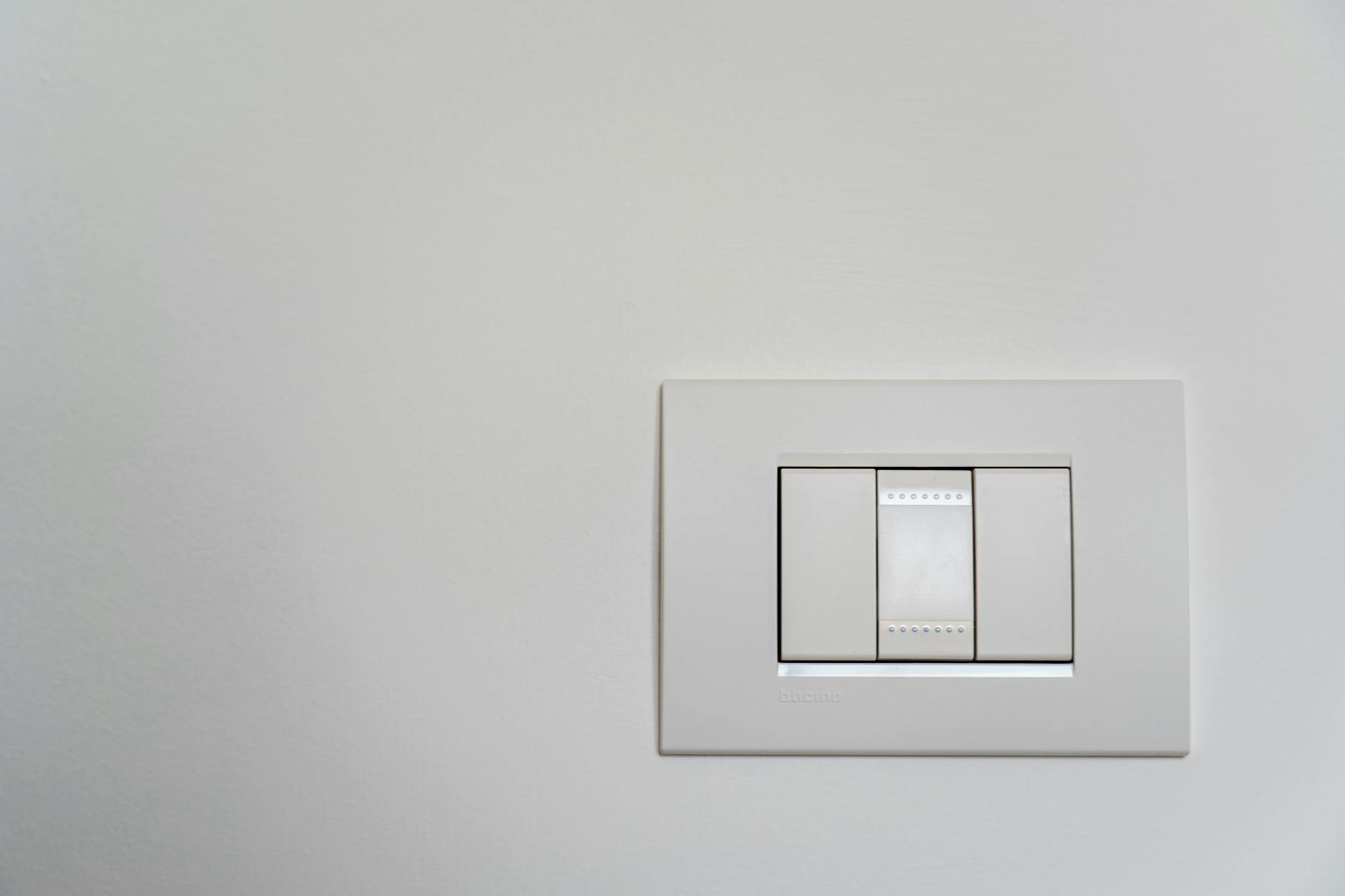
Light switches are touched dozens of times each day by every member of the household, including guests. Despite this constant contact, they are almost never included in a standard cleaning routine. Grease, dead skin cells, and bacteria accumulate around the edges and across the surface. A damp microfiber cloth with a little all-purpose cleaner is all you need to keep them hygienic.
Shower Curtain

Most people clean the inside of the shower but completely ignore the curtain hanging beside them. Soap scum, mold, and mildew love to grow along the bottom hem and in the folds of the fabric. Many fabric shower curtains are machine washable, making the task much simpler than most people assume. Giving it a wash once a month prevents mold from spreading and keeps the bathroom smelling fresh.
Door Handles
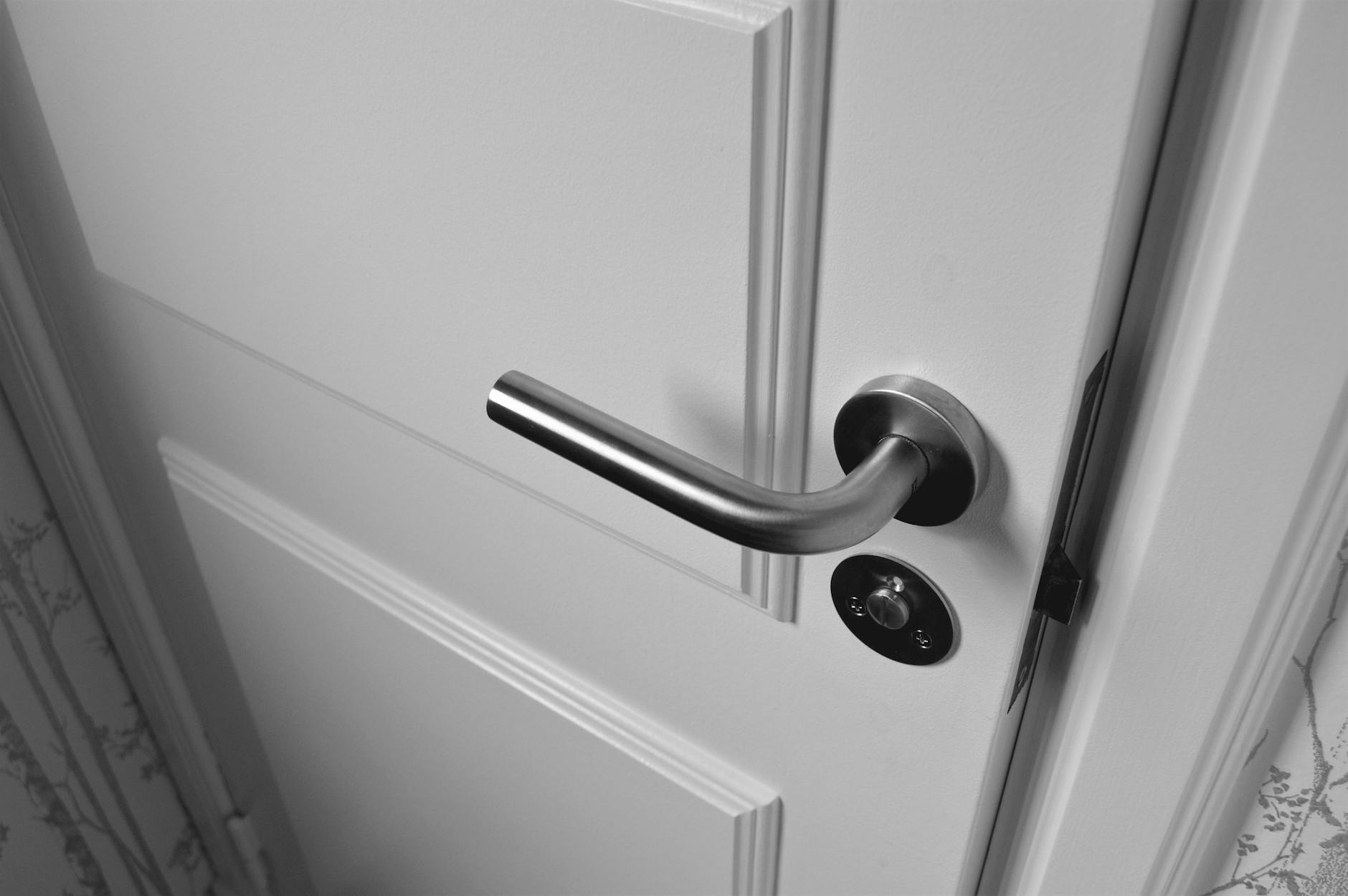
Every door handle in your home is a high-contact surface that transfers bacteria from hand to hand throughout the day. Front door handles in particular collect outdoor contaminants, food residue, and everyday germs. A simple wipe with a disinfectant spray takes seconds but can significantly reduce the spread of illness in a household. Interior handles on bathroom and kitchen doors deserve extra attention given the environments they are located in.
Reusable Shopping Bags
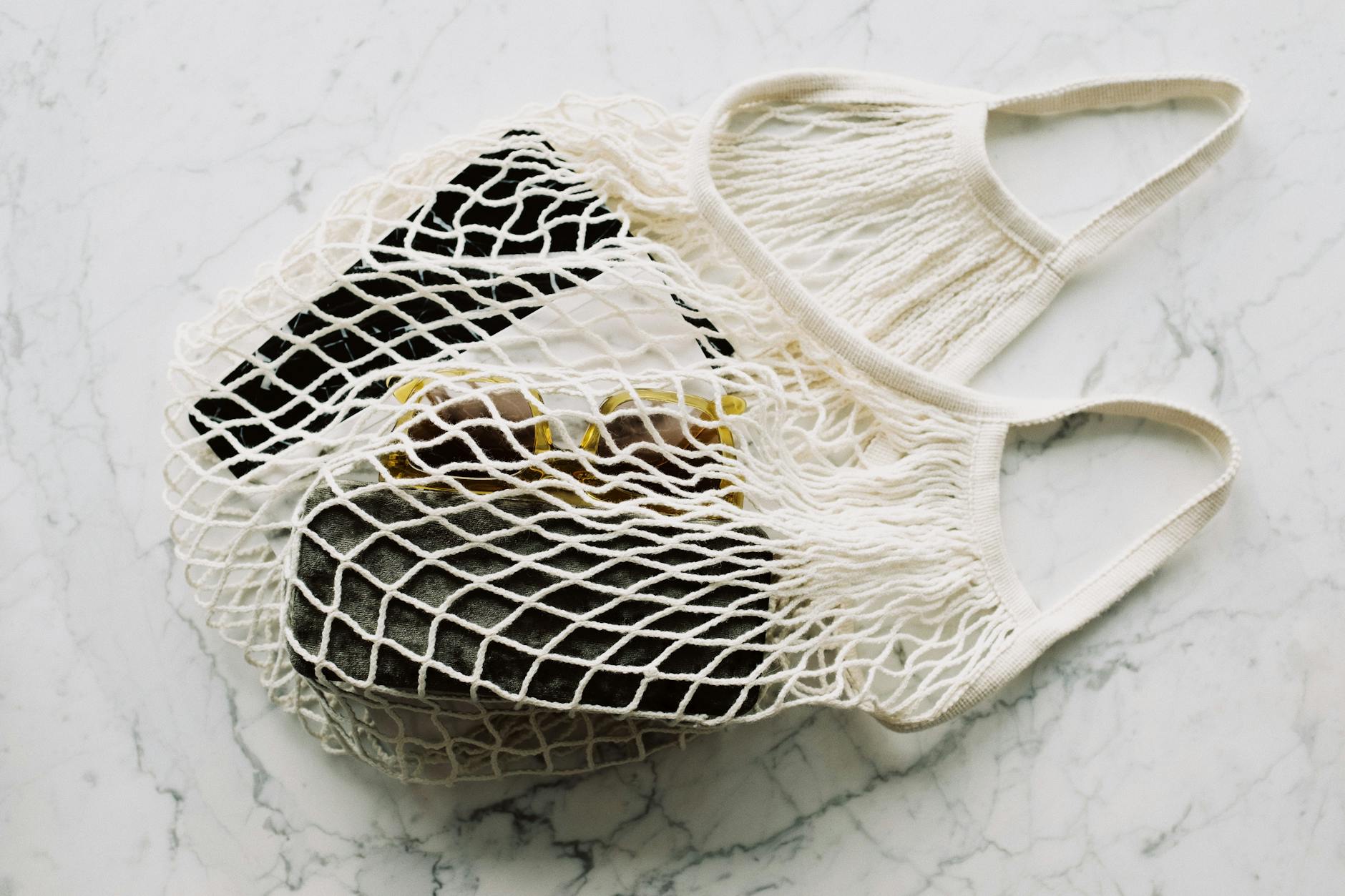
Reusable shopping bags are an eco-friendly staple in many households, but they almost never get cleaned. Raw meat, produce, and packaged goods leave behind bacteria, juice, and crumbs with every use. Canvas bags can be tossed in the washing machine while insulated bags can be wiped down with a damp cloth. Making cleaning a habit after each shopping trip prevents cross-contamination between your groceries.
Toothbrush Holder
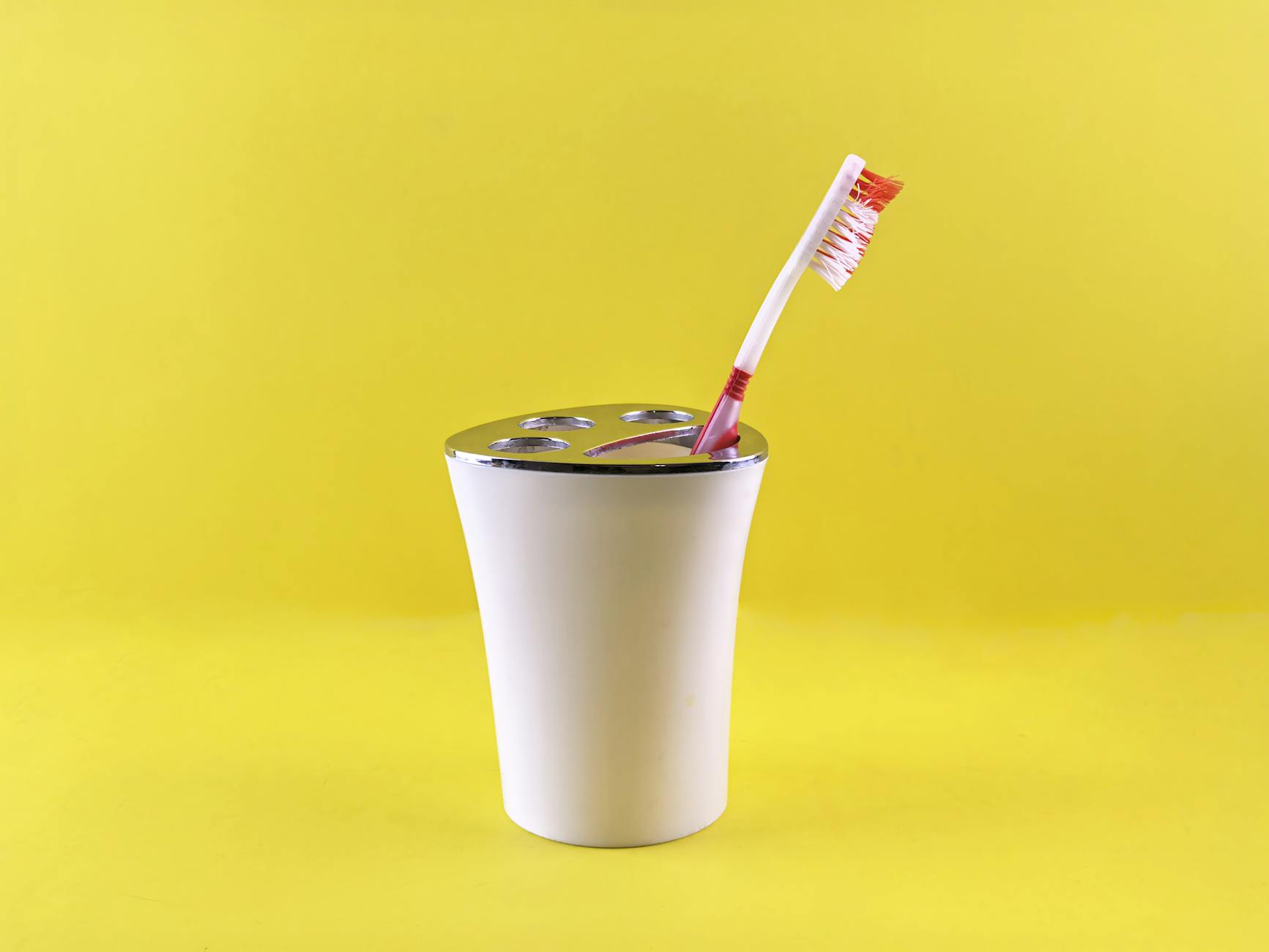
The toothbrush holder sits on the bathroom counter collecting water drips, toothpaste residue, and airborne particles every single day. The inside of the compartments tends to develop a dark, slimy buildup that is both unpleasant and unhygienic. Removing the holder and giving it a thorough scrub with hot soapy water once a week is all it takes. If your holder is dishwasher-safe, the job becomes even easier.
Keyboard
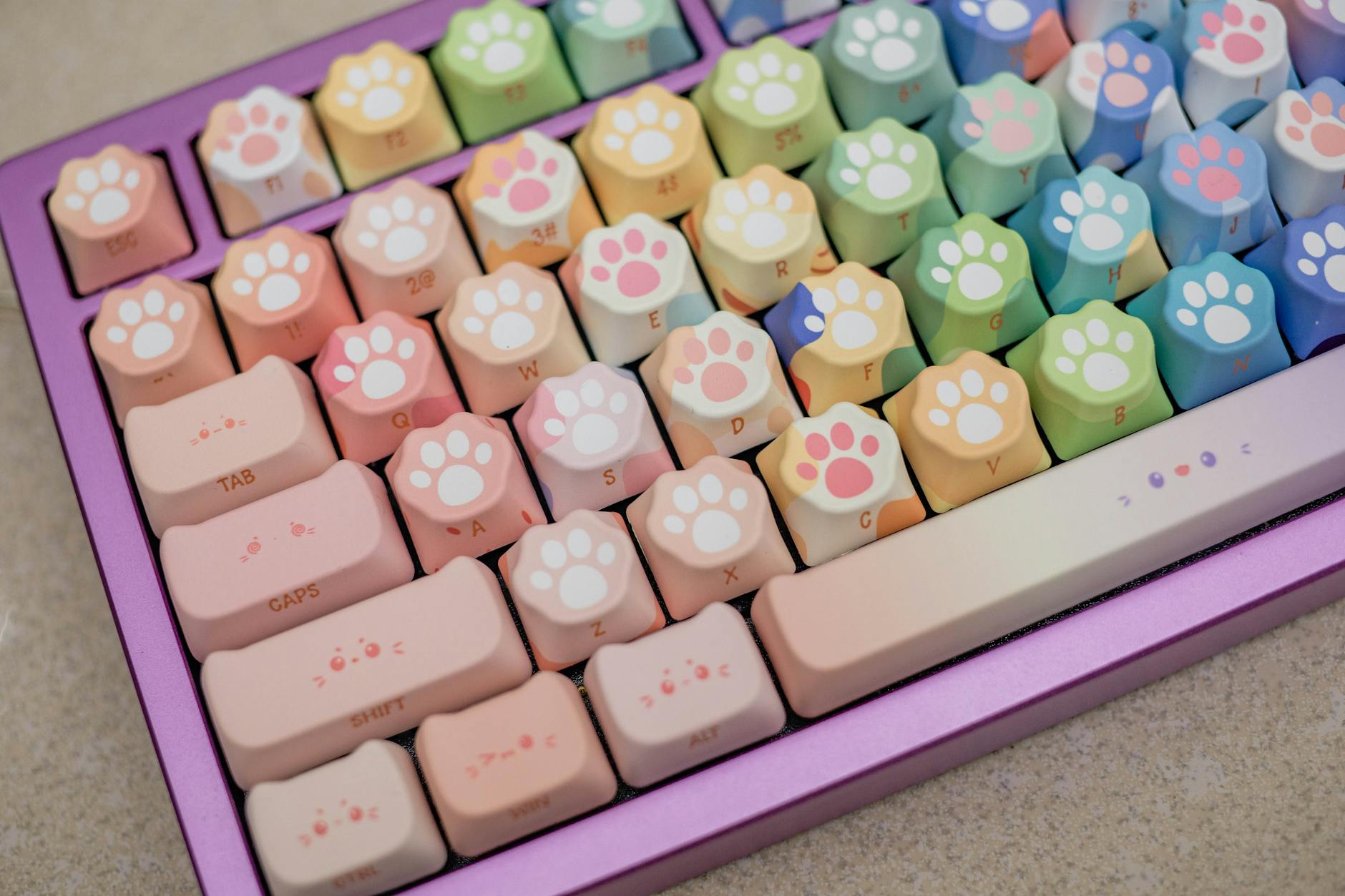
Whether used for work or leisure, a keyboard accumulates crumbs, dust, skin cells, and oil from your fingertips over time. Studies have consistently found keyboards to harbor more bacteria per square inch than a toilet seat. Turning the keyboard upside down and gently tapping it dislodges loose debris, while a compressed air canister clears what remains. Finishing with an alcohol wipe across the keys leaves the surface properly disinfected.
Cleaning Sponges
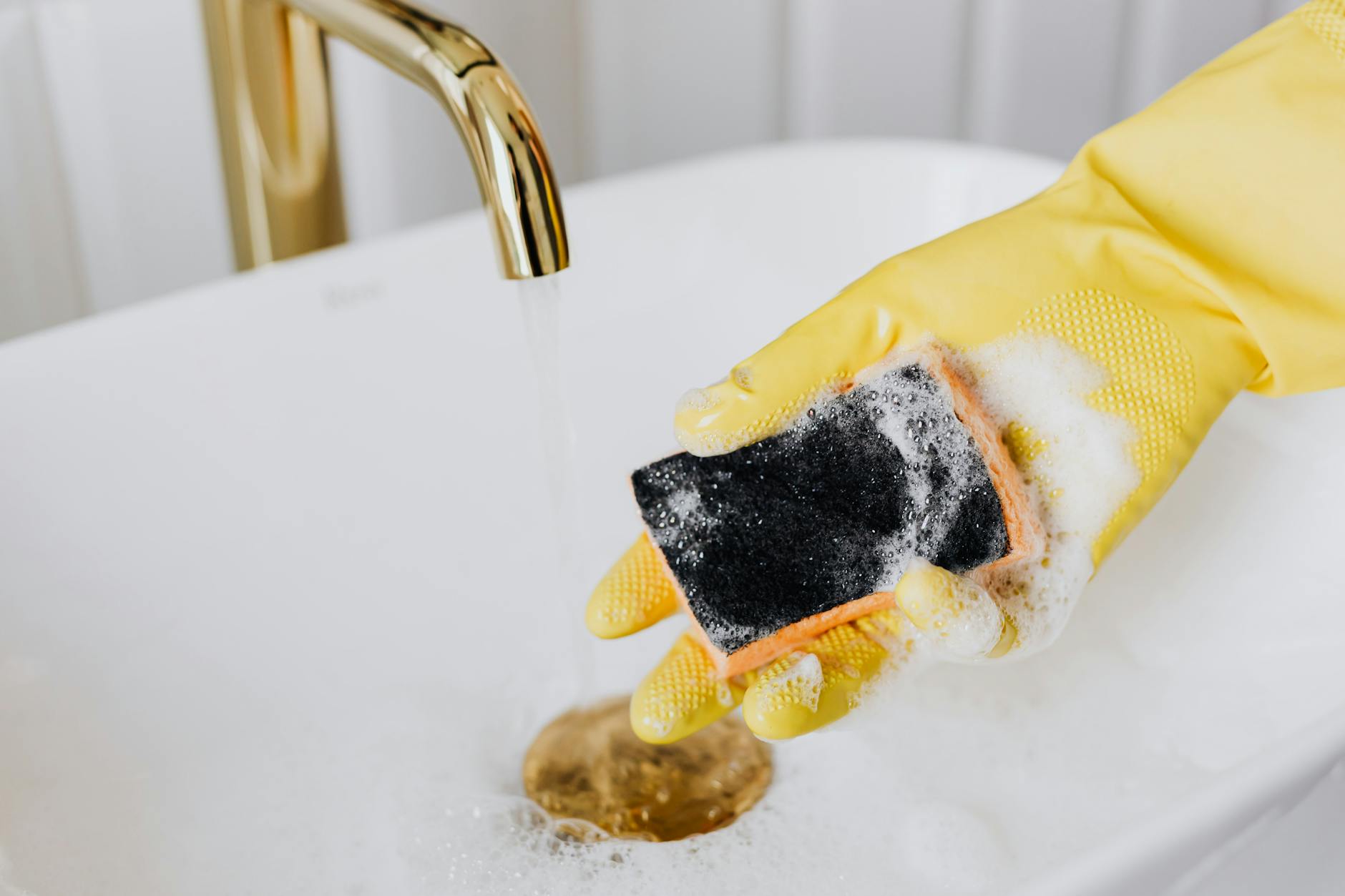
The very tool used to clean your kitchen is often one of the dirtiest objects in your home. Kitchen sponges absorb food particles, grease, and moisture, creating ideal conditions for rapid bacterial growth. Microwaving a damp sponge for two minutes or soaking it in a diluted bleach solution kills the majority of bacteria present. Replacing sponges every two weeks prevents the problem from getting out of hand entirely.
Ceiling Fan Blades
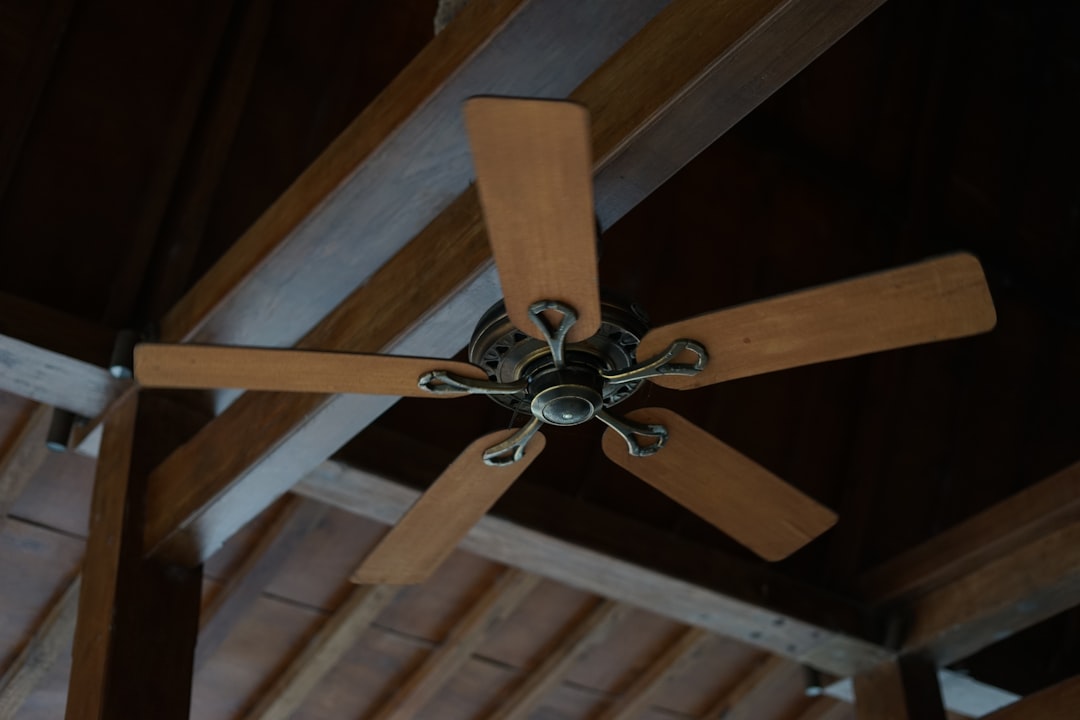
Ceiling fan blades are completely out of sight and therefore completely out of mind for most homeowners. Over time they accumulate a thick layer of dust that gets redistributed throughout the room every time the fan is switched on. Using a pillowcase to slide over each blade and wipe it clean keeps the dust contained rather than sending it into the air. Cleaning fan blades monthly improves air quality noticeably, especially for allergy sufferers.
Mattress
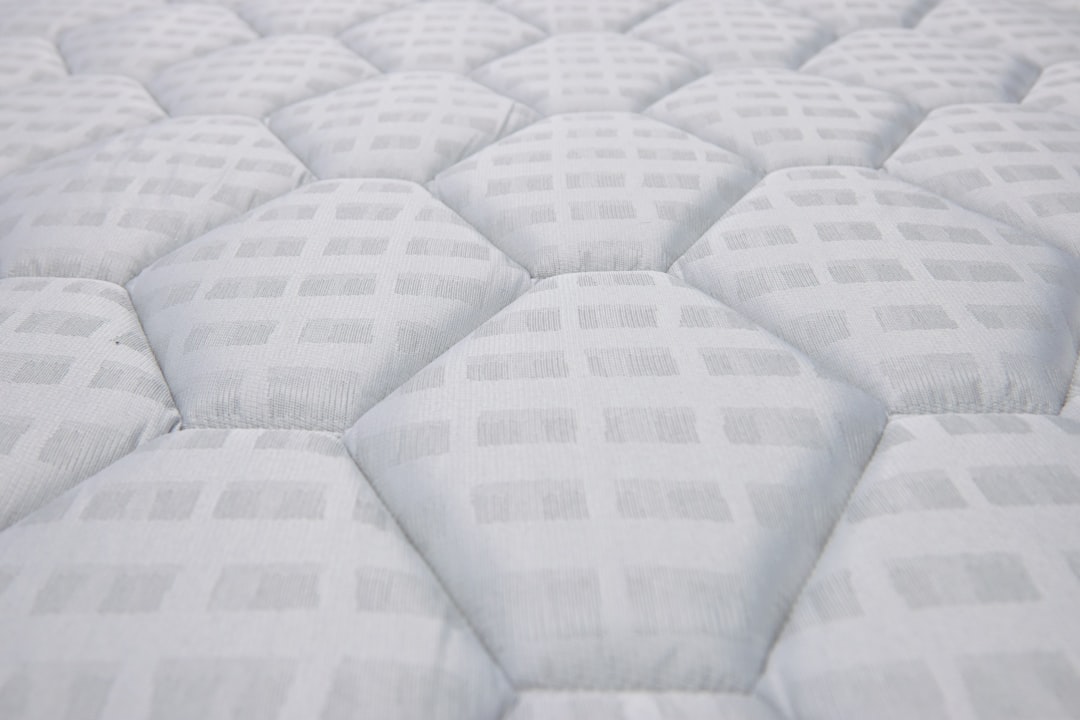
Most people wash their bed sheets regularly but never think to clean the mattress underneath. Dead skin cells, sweat, dust mites, and allergens build up inside the mattress over months and years. Vacuuming the surface and sprinkling baking soda to absorb odors before vacuuming again is an effective method that requires no special products. Doing this every three to six months extends the life of the mattress and creates a healthier sleeping environment.
Air Vents
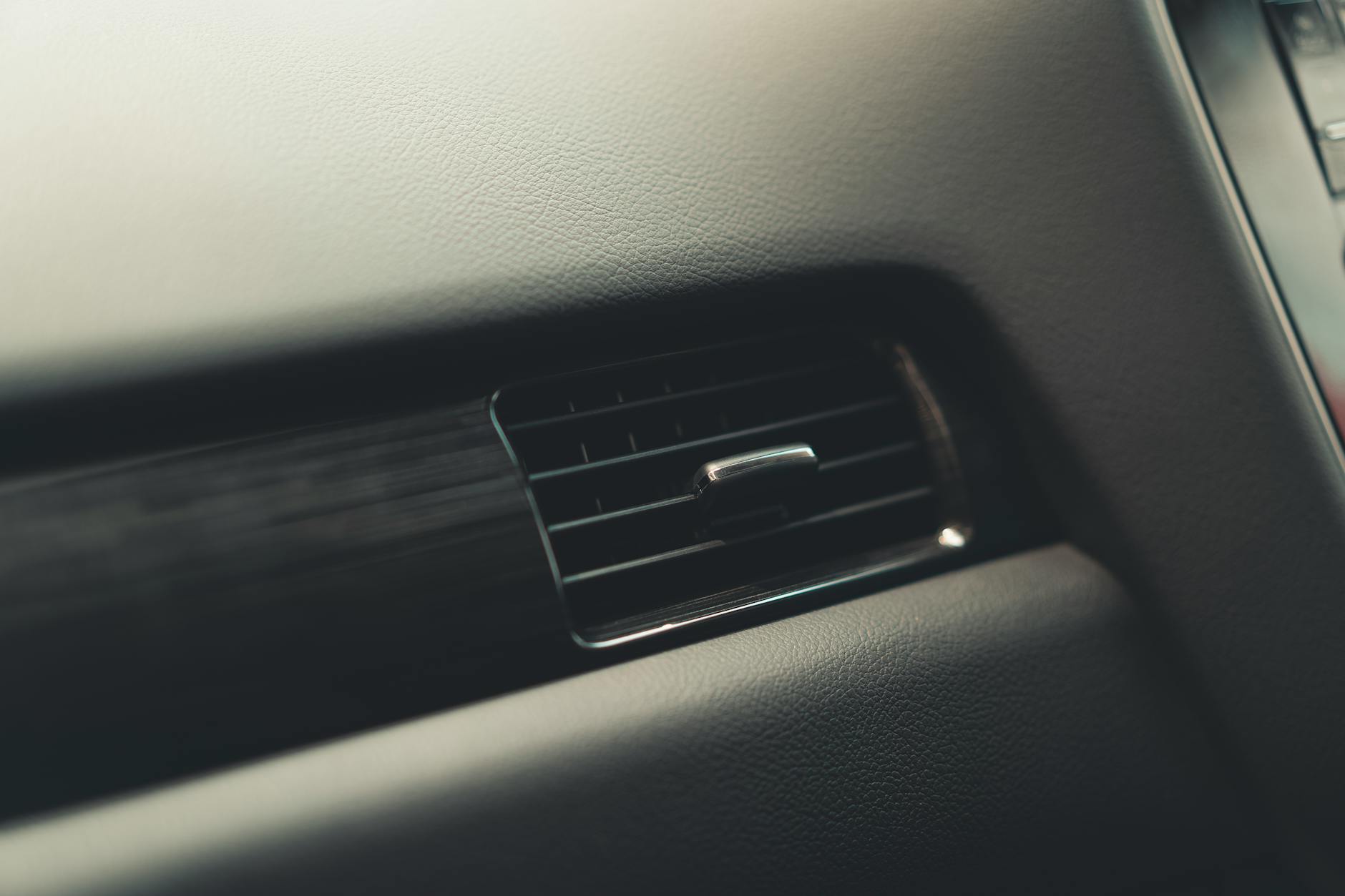
The vents throughout your home circulate air to every room, but they are rarely if ever cleaned by most households. Dust, pet dander, and other particles collect on the vent covers and get blown directly into your living spaces. Removing the covers and washing them with warm soapy water takes just a few minutes and makes an immediate impact on air quality. Wiping the visible interior of the duct with a damp cloth further reduces what circulates through the system.
Faucet Handles
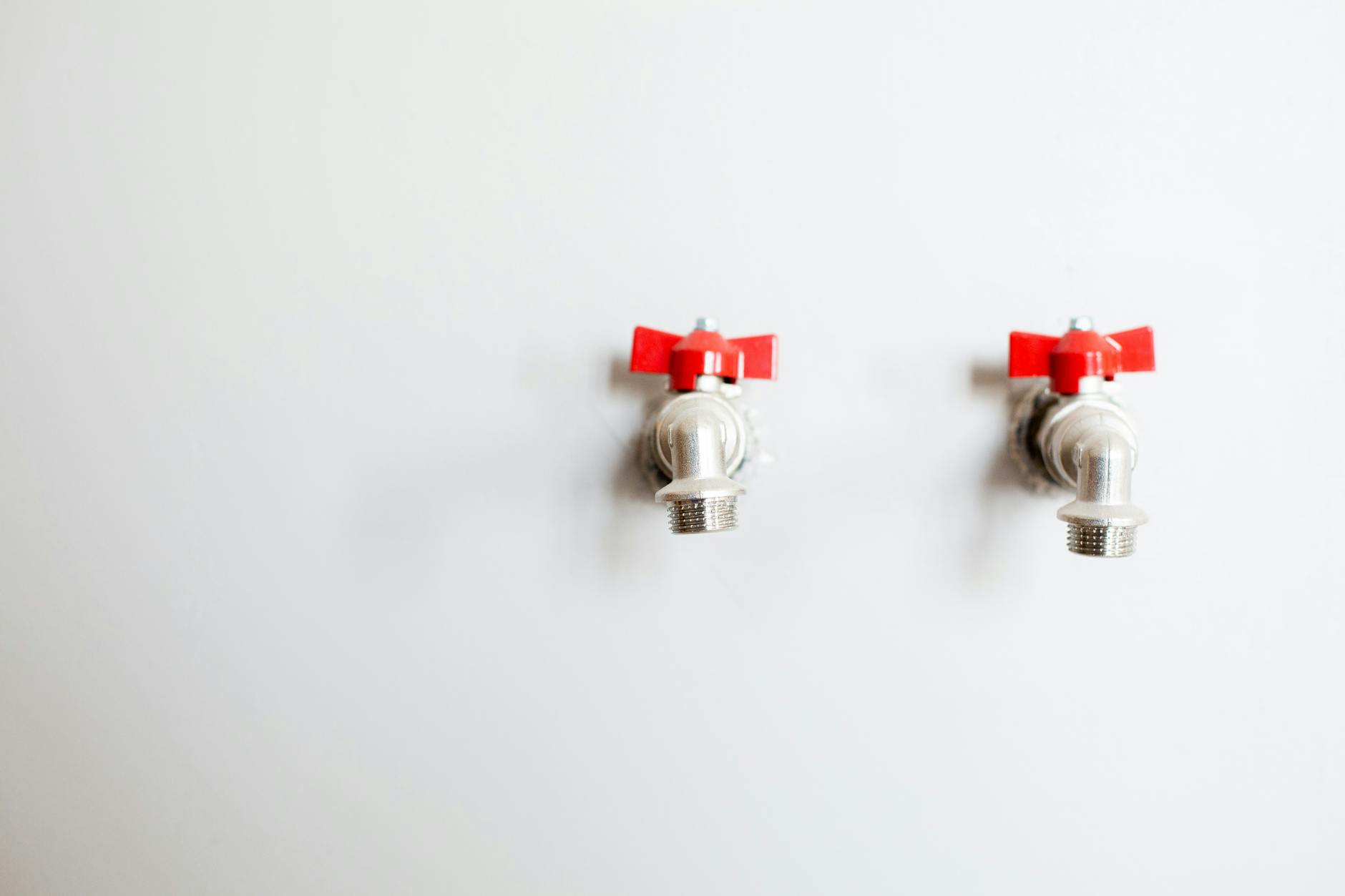
Kitchen and bathroom faucet handles are touched repeatedly throughout the day, often by hands that are not yet clean. The base of the faucet where it meets the sink is a prime spot for mold, limescale, and soap residue to accumulate. An old toothbrush dipped in a vinegar solution is perfect for scrubbing around the base and removing stubborn buildup. Including faucet handles in your weekly bathroom and kitchen clean keeps germs from spreading during handwashing.
Pillows

Pillows absorb sweat, oils, drool, and dead skin cells night after night, yet most people only ever wash the pillowcase. The pillow itself can become a breeding ground for dust mites and bacteria over time, which can aggravate allergies and skin conditions. Most synthetic and down pillows can be washed in the washing machine on a gentle cycle. Doing this every three months keeps them fresh, hygienic, and in better condition for longer.
Refrigerator Coils

The coils at the back or beneath your refrigerator play a critical role in how efficiently the appliance runs, yet they are almost universally ignored. Dust and pet hair accumulate on the coils and force the refrigerator to work harder, increasing your energy bill over time. Pulling the fridge away from the wall and vacuuming the coils with a brush attachment is a straightforward task that takes under ten minutes. Doing it twice a year keeps your appliance running efficiently and extends its lifespan.
Dishwasher Filter
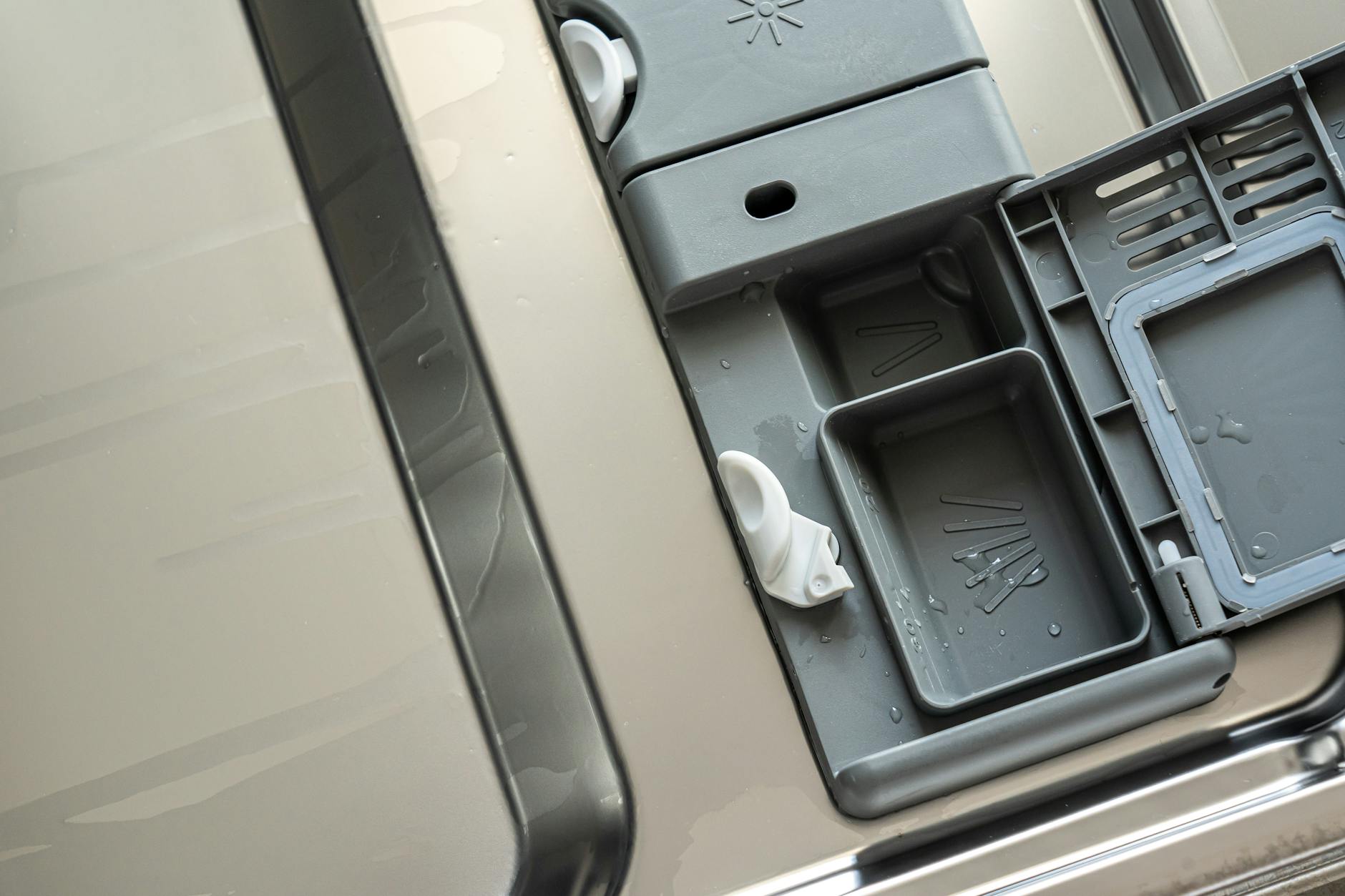
Most people assume the dishwasher cleans itself, but the filter at the bottom of the appliance can become clogged with food particles and grease. A dirty filter prevents the machine from draining properly and can leave dishes with a residue or unpleasant smell. Removing the filter and rinsing it under warm running water with a soft brush every few weeks is all the maintenance it typically needs. Running an empty cycle with a cup of white vinegar once a month also helps keep the interior fresh and clean.
Window Tracks
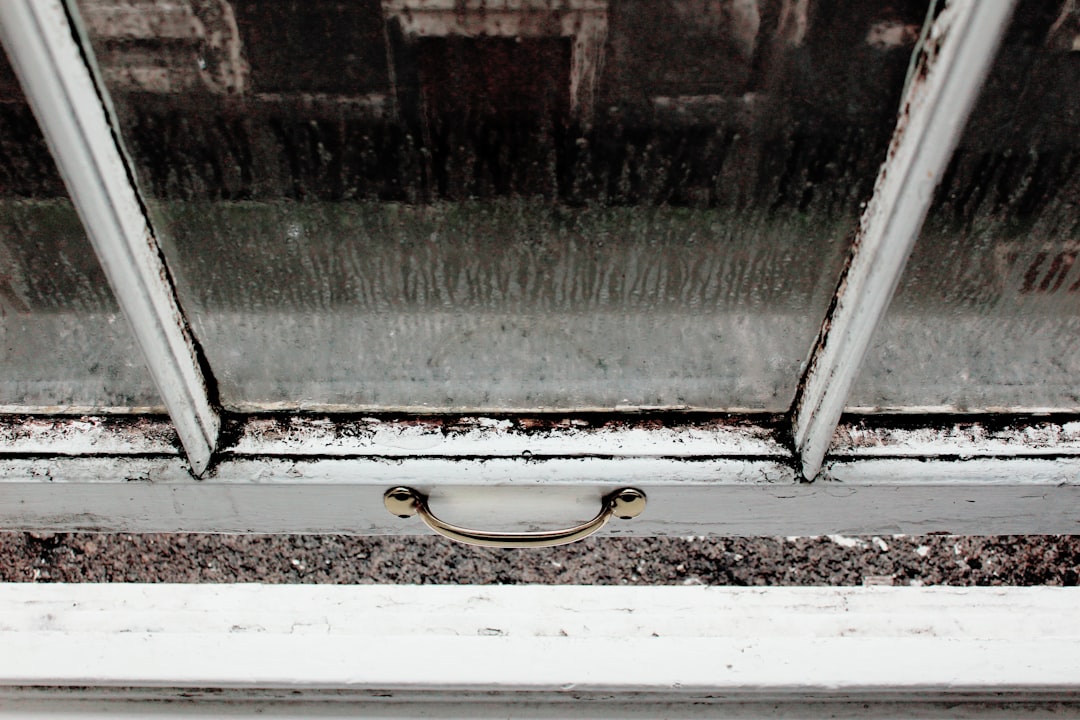
Window tracks gather an astonishing amount of dirt, dead insects, and debris over time, yet they are almost never cleaned. The narrow channels make them easy to ignore but also allow mold to develop if moisture gets trapped inside. A stiff-bristled brush loosens dried debris before a damp cloth removes what remains. Keeping tracks clean also helps windows open and close more smoothly throughout the seasons.
Baseboards
Baseboards run along every wall in your home and quietly collect dust, pet hair, and scuff marks without ever being noticed. Because they sit so close to the floor, they are rarely wiped during a standard cleaning routine. A microfiber cloth dampened with warm water and a small amount of all-purpose cleaner removes buildup quickly. Adding baseboards to a monthly cleaning rotation prevents the buildup from becoming a much bigger job later.
Trash Can
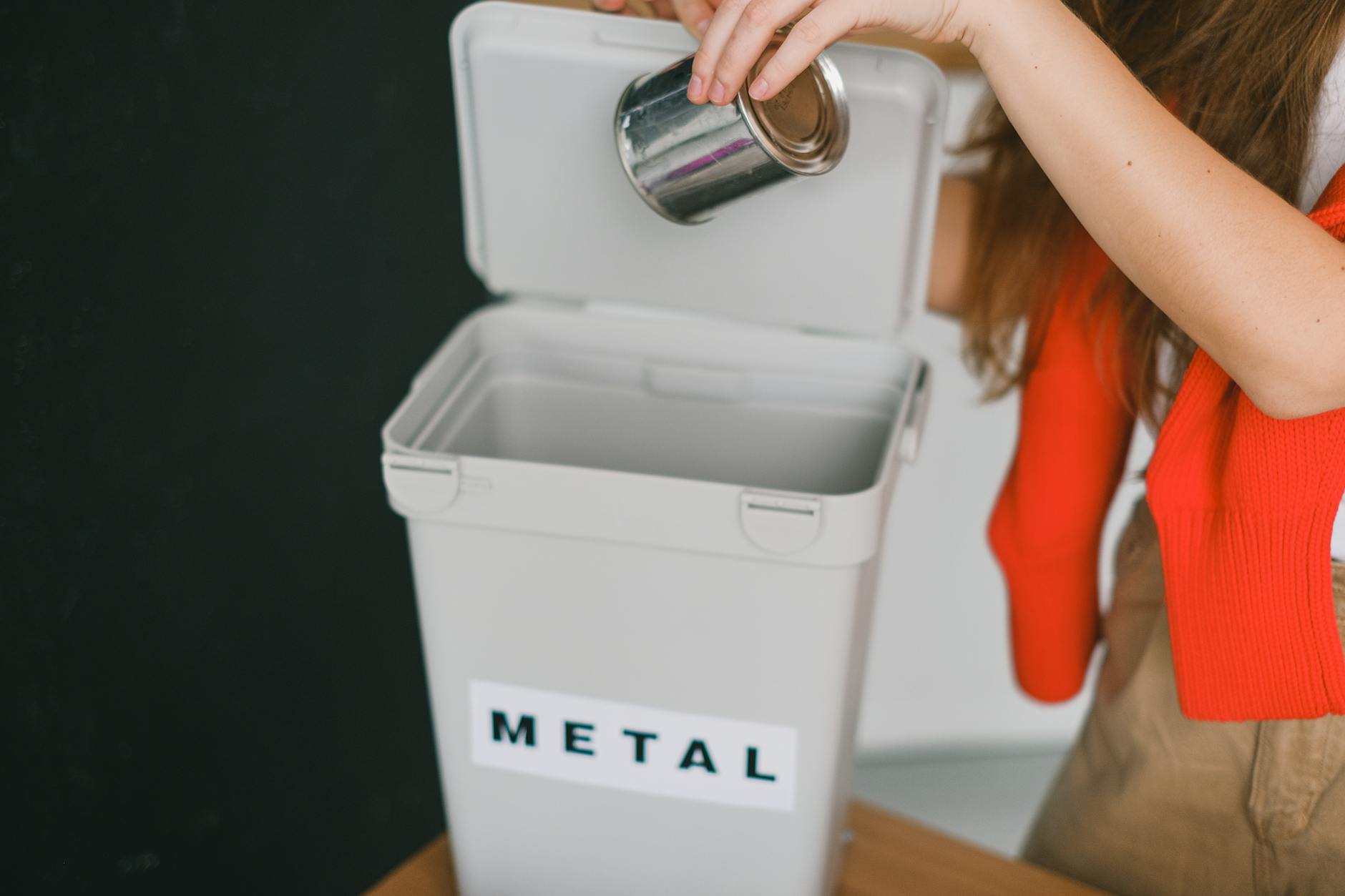
Most people take out the trash regularly but almost no one cleans the bin itself. Residue from leaking bags, food spills, and general waste accumulates inside the can and produces unpleasant odors over time. Spraying the interior with a disinfectant cleaner and rinsing it outside with a garden hose is the most effective method. Allowing it to dry completely before replacing the bag prevents mold and mildew from forming at the bottom.
Coffee Maker
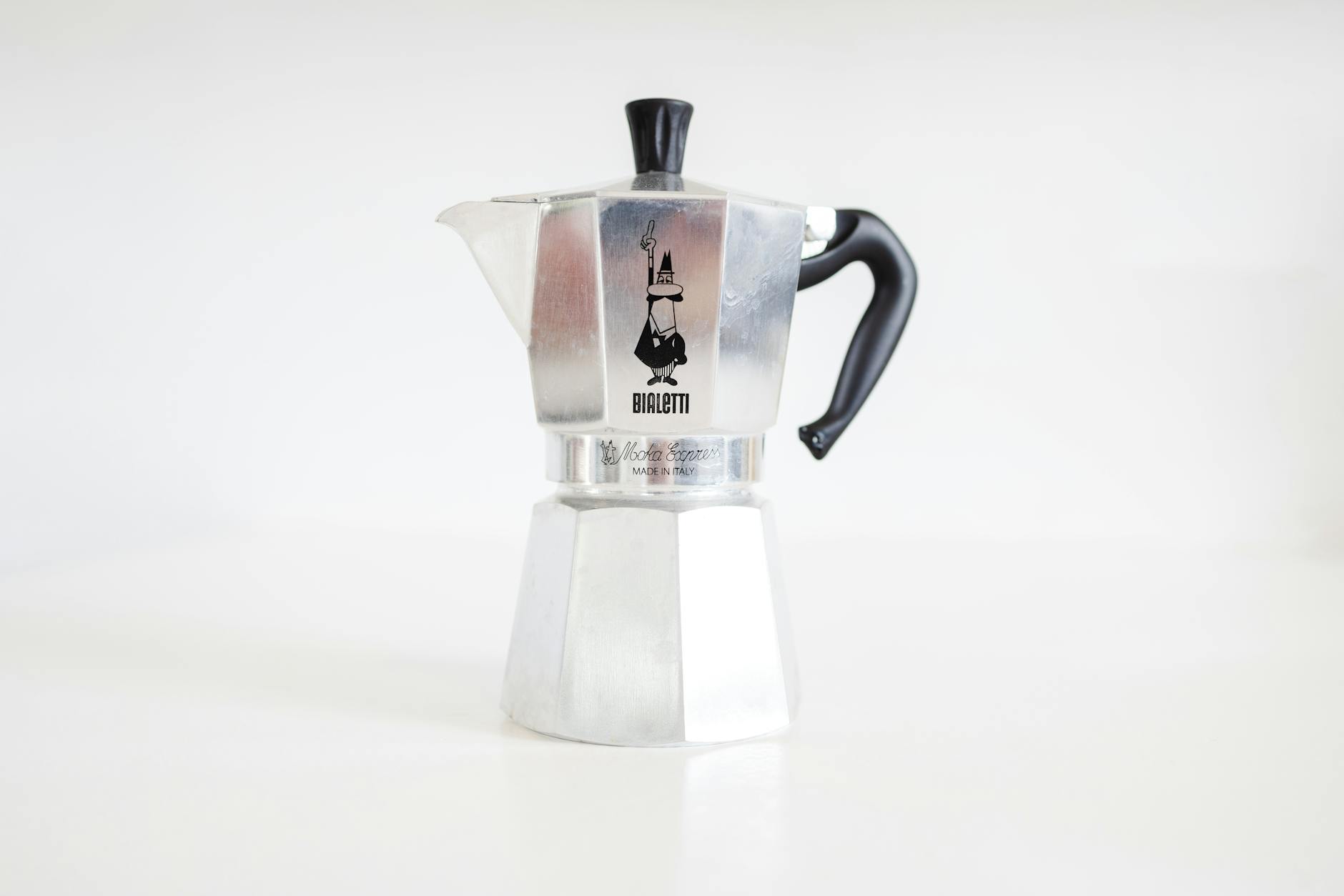
The internal components of a coffee maker are exposed to moisture and organic matter every single day, making them susceptible to mold and mineral deposits. The water reservoir, carafe, and filter basket all require regular cleaning beyond a simple rinse. Running a solution of equal parts white vinegar and water through a full brew cycle dissolves limescale buildup inside the machine. Following with two cycles of plain water flushes the system and ensures the next cup tastes exactly as it should.
Computer Monitor
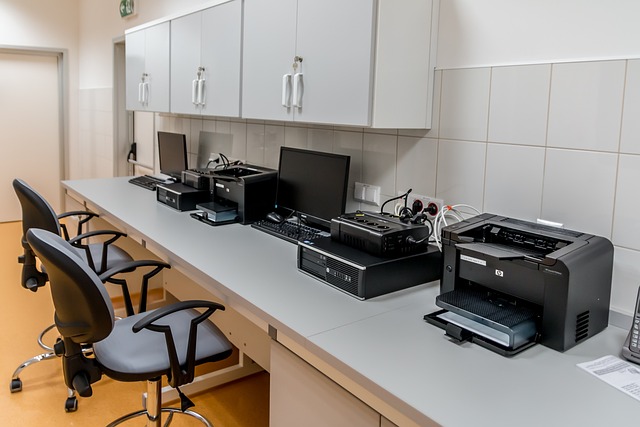
Computer monitors collect fingerprints, dust, and airborne grease faster than most people realize. Cleaning the screen with the wrong material can scratch the surface or damage the coating, so using a soft microfiber cloth is essential. Lightly dampening the cloth with distilled water or a screen-specific solution lifts smudges without leaving streaks. The frame and vents around the monitor also deserve attention as they trap significant amounts of dust.
Washing Machine
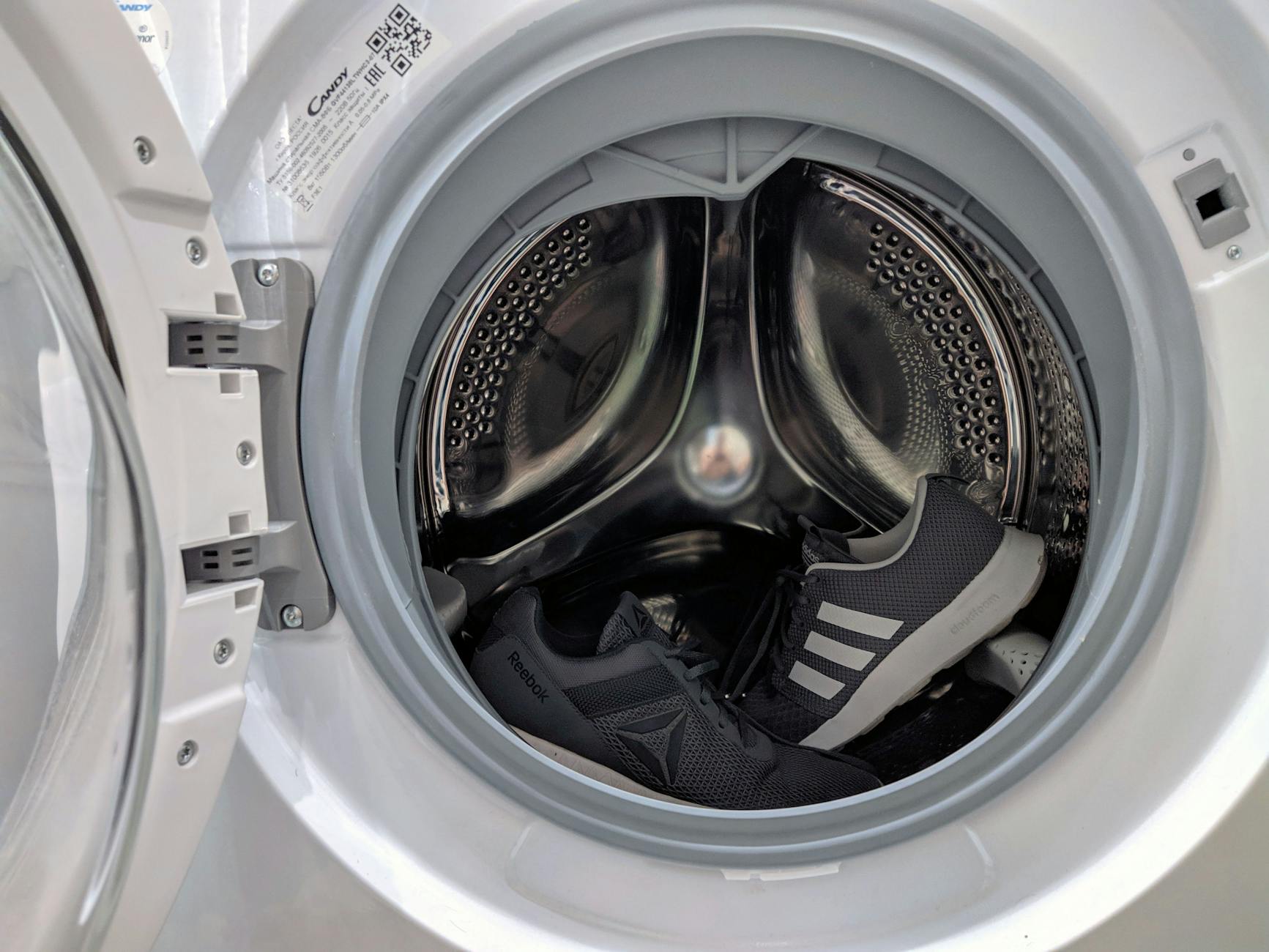
A machine designed to clean your clothes can itself become a source of mold, mildew, and bacteria if not maintained properly. The rubber seal on front-loading machines is particularly prone to mold growth due to trapped moisture after each cycle. Wiping the seal dry after every wash and leaving the door ajar between cycles prevents the problem from developing. Running a monthly maintenance cycle with a washing machine cleaner tablet or white vinegar keeps the drum fresh and odor-free.
Oven Knobs
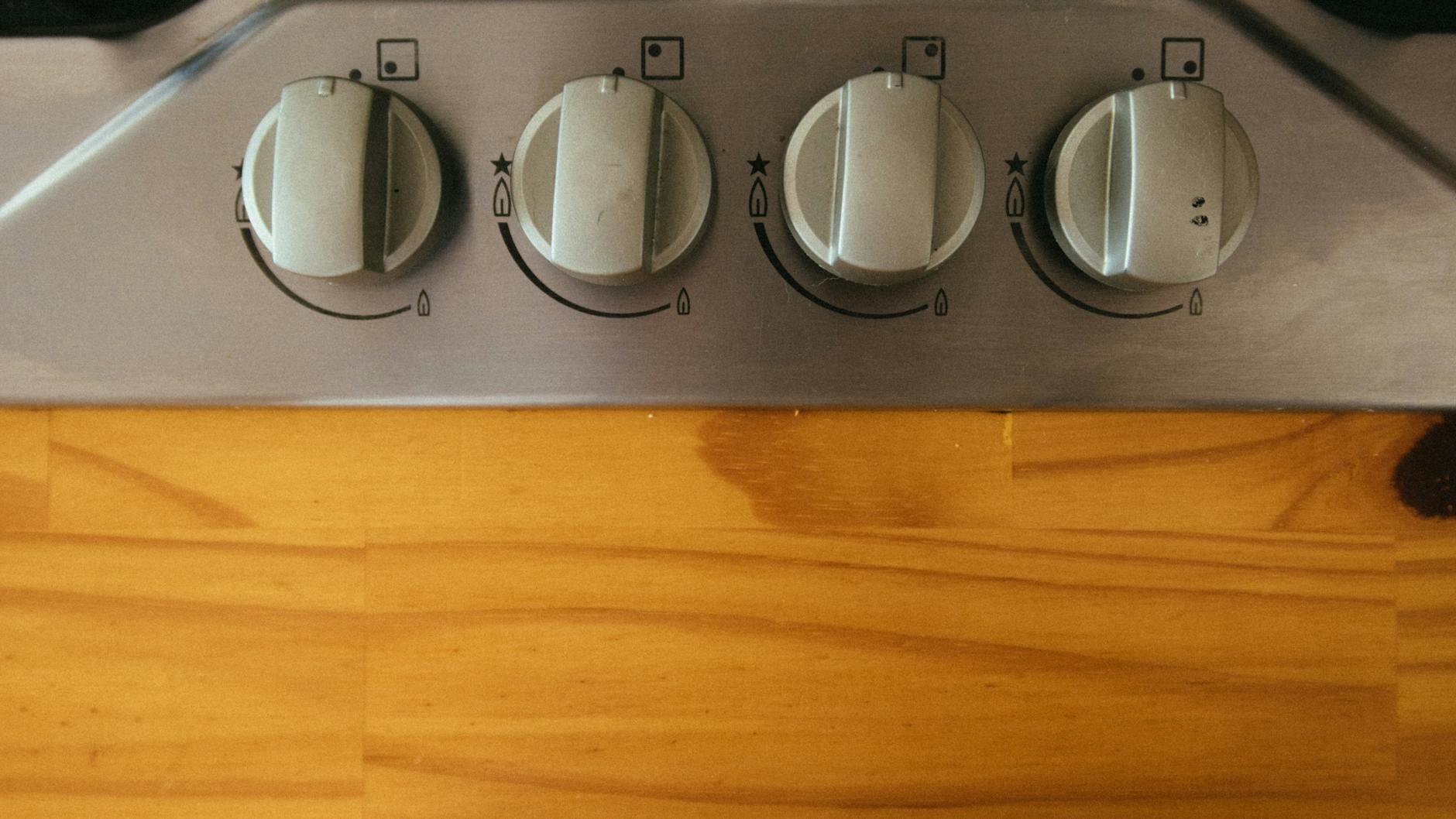
Oven knobs are touched every time a meal is prepared, often by hands coated in food residue and cooking oils. Because they sit at the front of the appliance, they accumulate significant buildup over time that is easy to overlook. Many oven knobs can be removed and soaked in warm soapy water, making them much easier to clean thoroughly. Doing this every couple of weeks prevents grease from hardening into a layer that is far more difficult to remove.
Blinds
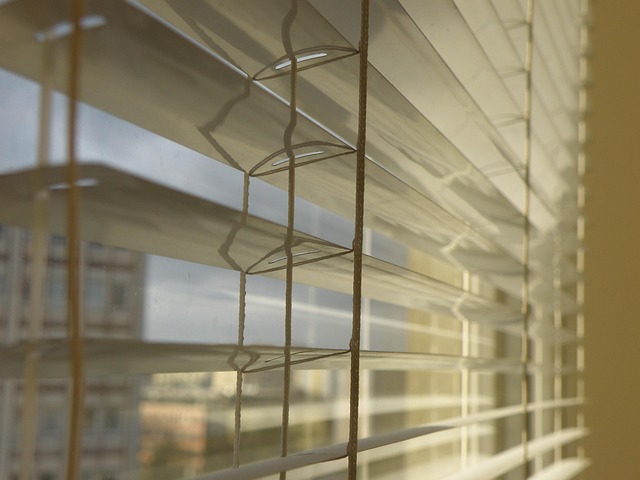
Window blinds are notorious dust collectors, and because their horizontal surfaces face upward, the accumulation can be substantial. Running a microfiber cloth or a purpose-made blind cleaner along each slat removes dust quickly and efficiently. For a deeper clean, the slats can be wiped with a cloth dampened in a diluted all-purpose cleaner. Cleaning blinds monthly keeps the room looking tidy and prevents dust from being redistributed into the air whenever a window is opened.
Cutting Board
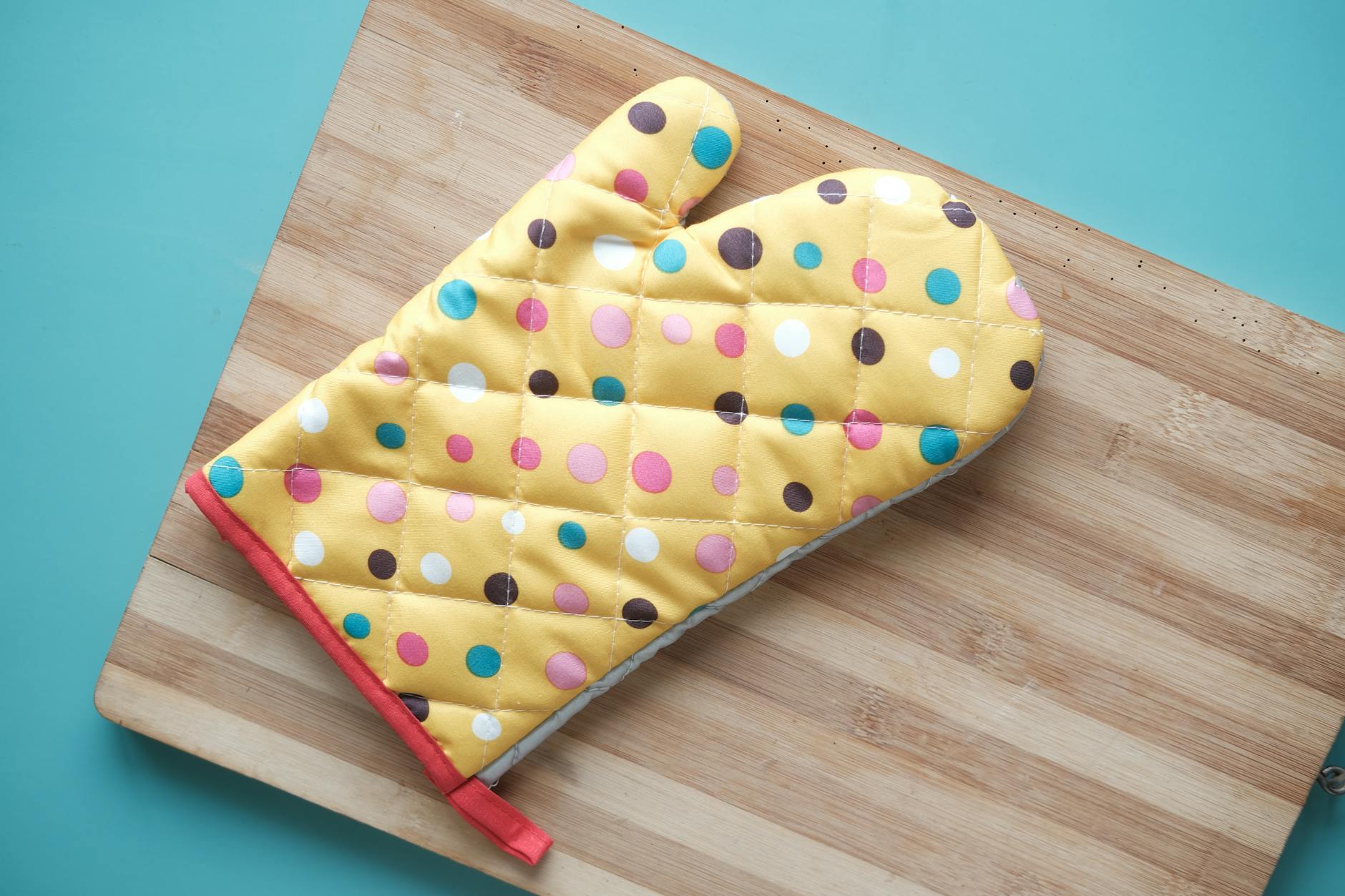
Cutting boards develop deep grooves over time that harbor bacteria even after a standard rinse under hot water. Wooden boards in particular require more attention as they are more porous than plastic alternatives. Scrubbing with coarse salt and half a lemon acts as a natural disinfectant and deodorizer for wooden surfaces. Plastic boards can be sanitized in the dishwasher, but both types should be replaced once the cuts become too deep to clean effectively.
Pet Bowls

Pet food and water bowls are touched by your pet multiple times a day and can develop a slimy bacterial film called biofilm if not cleaned regularly. Most pet owners give the bowls a quick rinse but rarely wash them thoroughly with soap and hot water. Food bowls should be washed after every meal, while water bowls benefit from a daily rinse and a more thorough clean several times a week. Stainless steel and ceramic bowls are the most hygienic options as they are easier to clean and less likely to harbor bacteria than plastic.
Bathroom Exhaust Fan
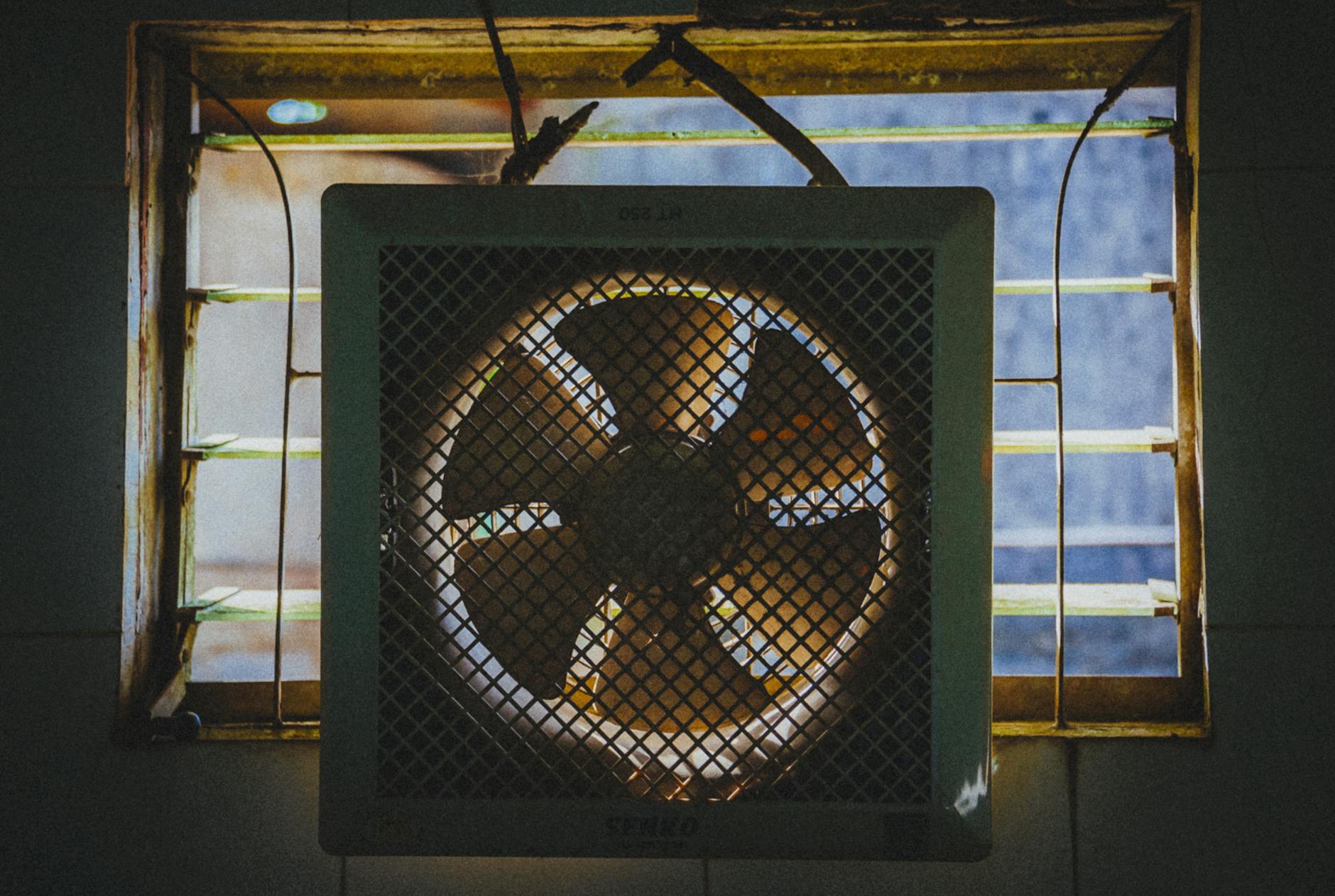
The bathroom exhaust fan works hard to remove moisture and odors, but its cover fills with dust and grime faster than most homeowners expect. A clogged fan cover reduces the effectiveness of the ventilation and can become a fire hazard in extreme cases. Removing the cover and washing it with warm soapy water takes only a few minutes and makes an immediate difference. Doing this every couple of months ensures the fan continues to do its job properly.
Makeup Brushes

Makeup brushes used daily accumulate product residue, oil, dead skin cells, and bacteria with every application. Using dirty brushes can contribute to clogged pores, skin irritation, and breakouts, especially for those with sensitive skin. Washing brushes weekly with a gentle brush cleanser or mild shampoo and allowing them to dry flat maintains both their hygiene and their shape. Foundation and concealer brushes benefit from even more frequent cleaning given the products they apply.
Car Interior
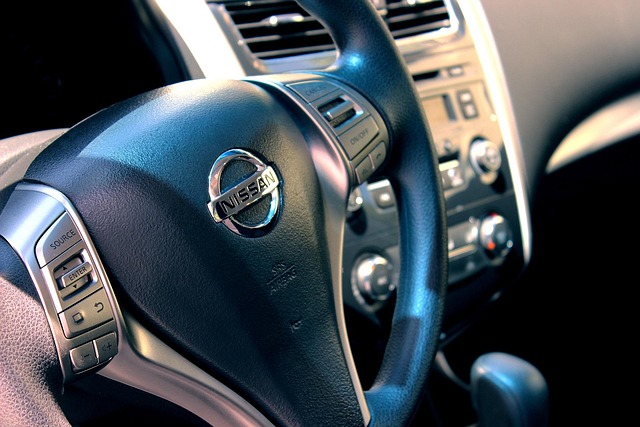
Many people vacuum their car only when it becomes visibly dirty and never consider the less obvious surfaces inside. The steering wheel is one of the most touched surfaces in the vehicle and can harbor more bacteria than many household items. Cupholders, door handles, and the gear shift all collect food residue and oils from regular use. Giving the interior a thorough wipe-down with appropriate cleaning products once a month keeps the car fresh and significantly reduces the bacteria you encounter on every drive.
Under Appliances
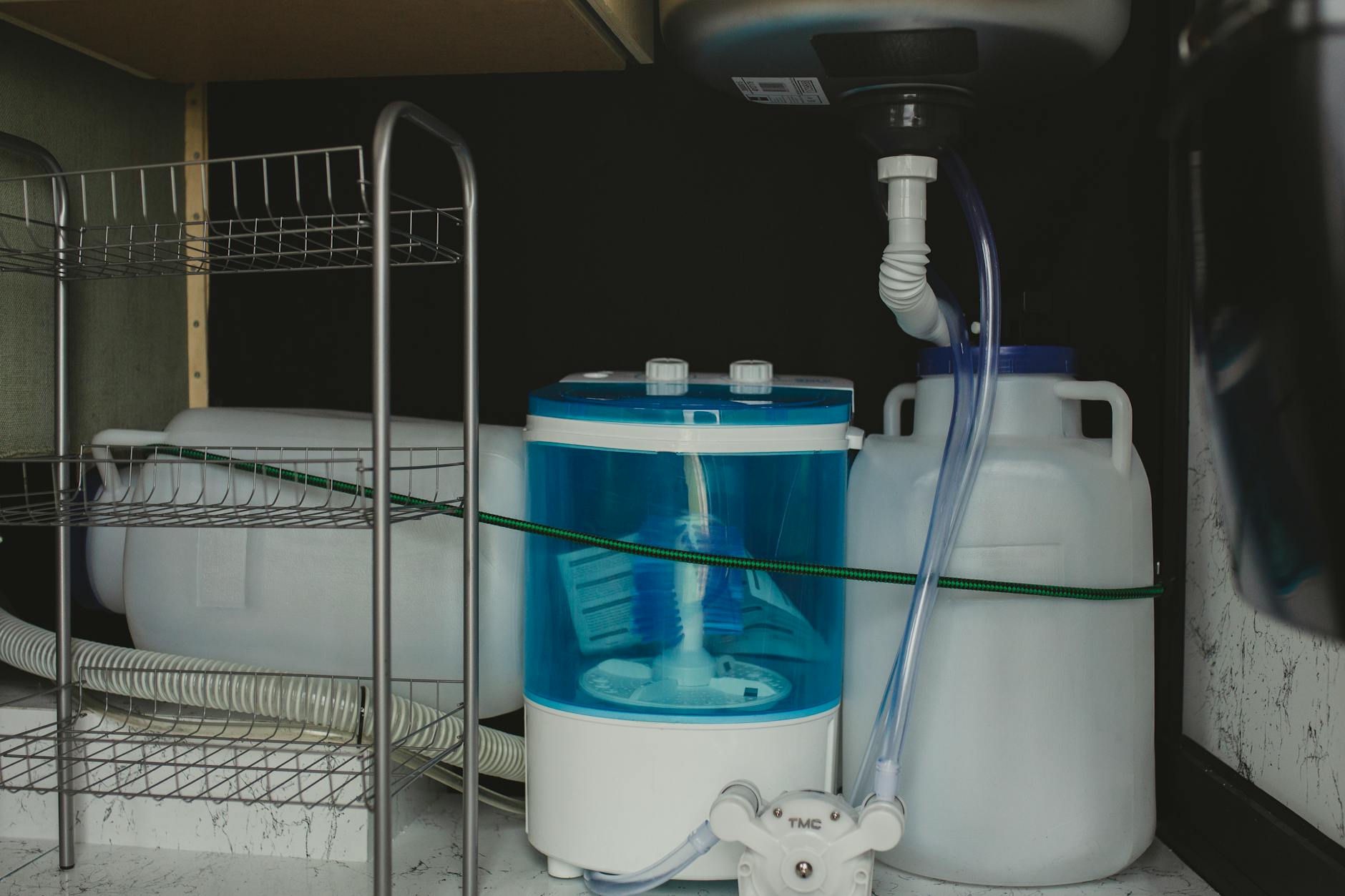
The floor beneath large kitchen appliances like the refrigerator, stove, and dishwasher is rarely cleaned because it requires effort to access. Food crumbs, grease, and dust accumulate in these spaces and can attract pests as well as affect the efficiency of the appliances. Pulling each appliance out at least twice a year allows you to sweep and mop the floor beneath it properly. This is also a good opportunity to inspect for any plumbing or electrical issues that might otherwise go unnoticed.
Purse or Handbag

A handbag is carried everywhere and placed on floors, counters, restaurant tables, and public transport seats throughout the day. The exterior fabric or leather and the interior lining collect bacteria, crumbs, receipts, and general debris constantly. Emptying the bag completely and wiping the interior with a slightly damp cloth removes loose particles and residue effectively. The exterior can be cleaned according to the material, using appropriate leather cleaners or fabric-safe solutions every few weeks.
Hairbrush
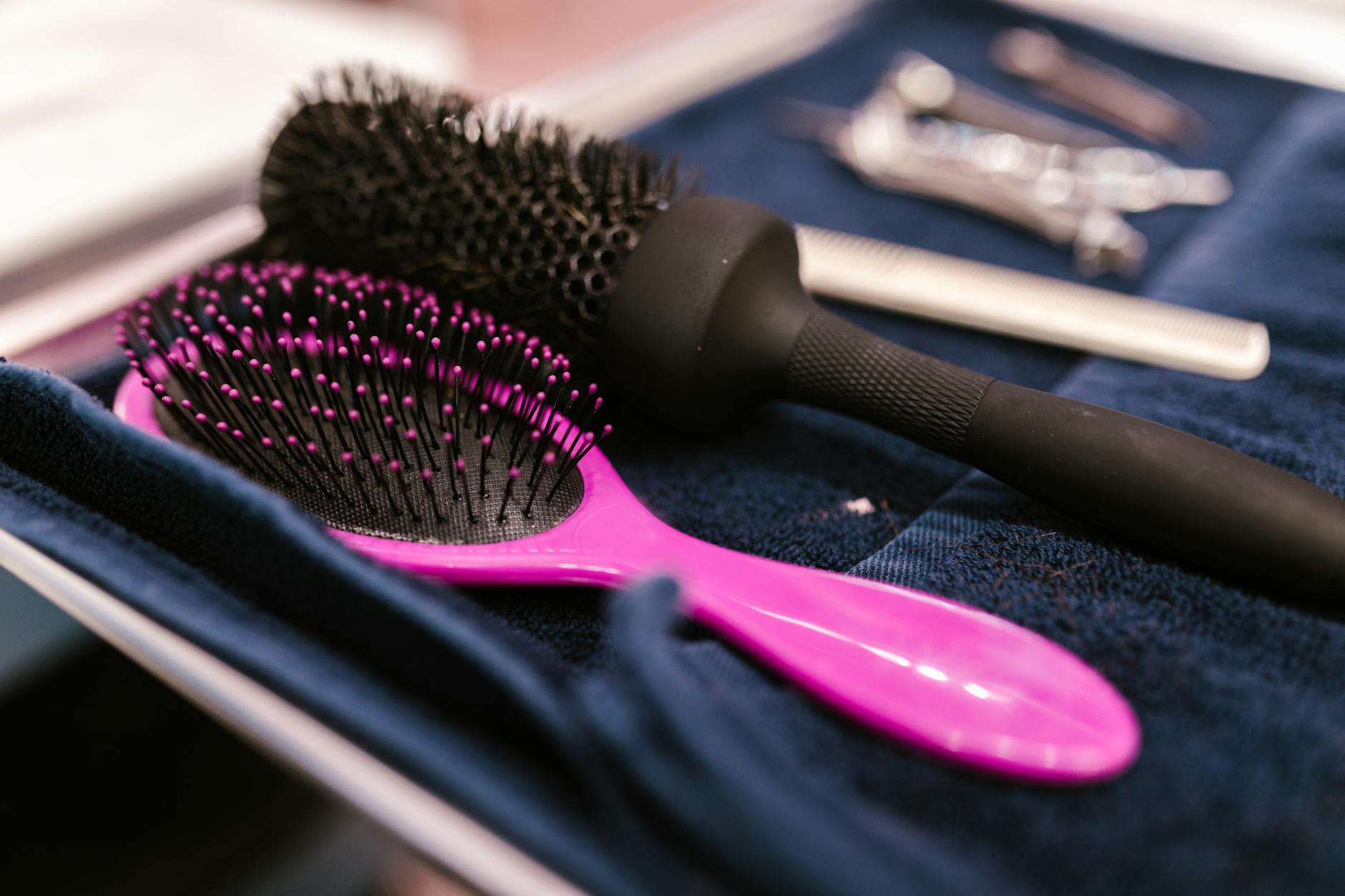
Hairbrushes accumulate not only hair but also product residue, scalp oils, and dead skin cells over time. Using a dirty brush reintroduces this buildup back into the hair and can contribute to scalp issues if left unaddressed. Removing the trapped hair with a comb and then soaking the brush in warm soapy water for a few minutes loosens residue effectively. Allowing it to dry bristle-side down prevents water from sitting in the base and causing the cushion to deteriorate.
Throw Pillows
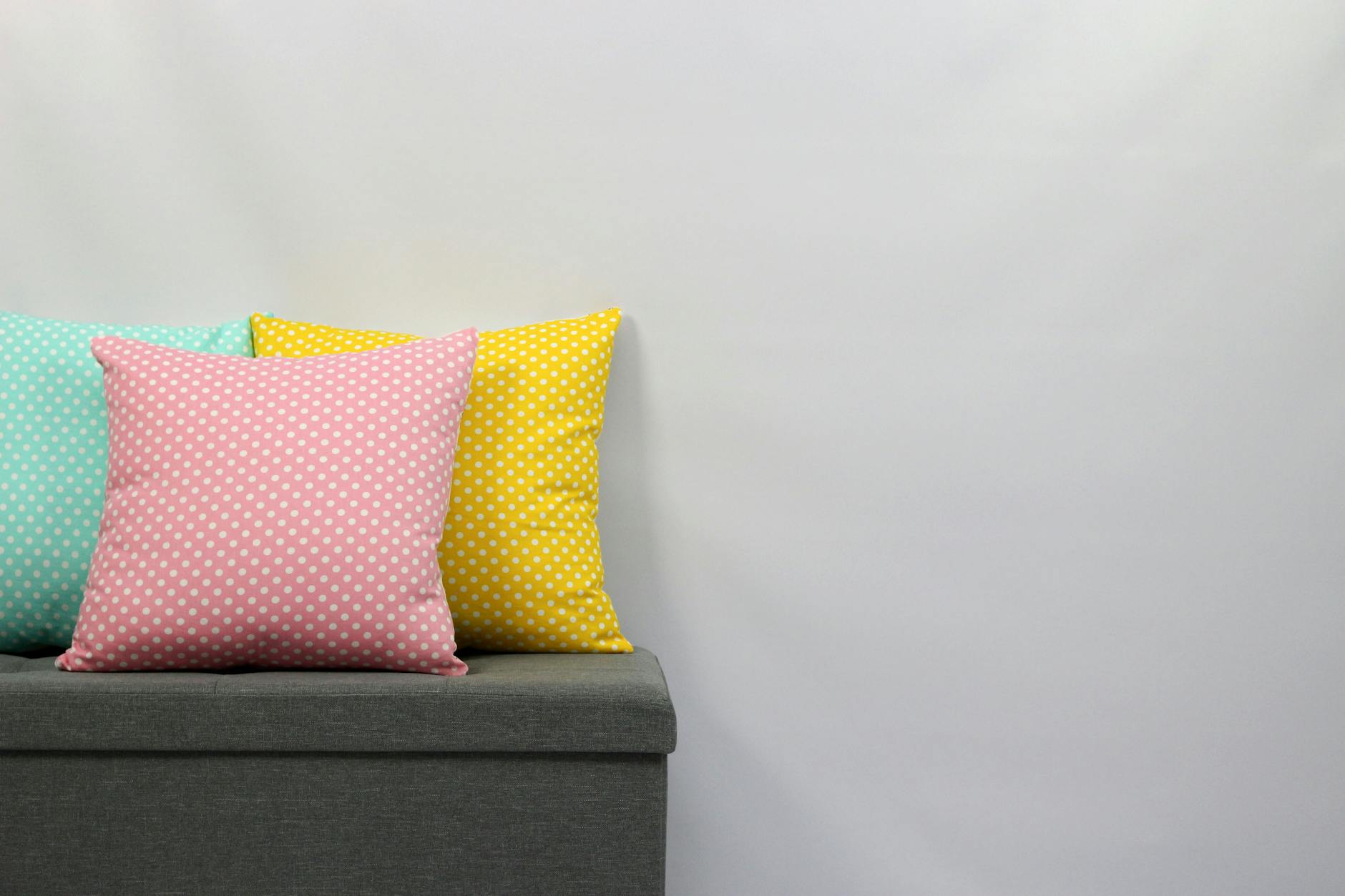
Decorative throw pillows sit on sofas and beds where they absorb sweat, pet dander, dust mites, and the general pollutants floating through indoor air. Many people wash throw pillow covers but never clean the inner cushion itself. Checking the care label is the first step, as many inserts can be machine washed on a gentle cycle. Doing this a few times a year keeps both the appearance and the hygiene of your soft furnishings in good condition.
Plant Pots

Indoor plant pots accumulate mineral deposits, algae, and soil residue on their surfaces that many people never think to address. Over time this buildup can affect the health of the plant and the appearance of the pot, particularly ceramic and terracotta varieties. Scrubbing the exterior with a stiff brush and a solution of white vinegar and water removes staining and mineral buildup effectively. Giving pots a thorough clean whenever you repot a plant is a good way to build the habit into an existing routine.
Stair Banisters
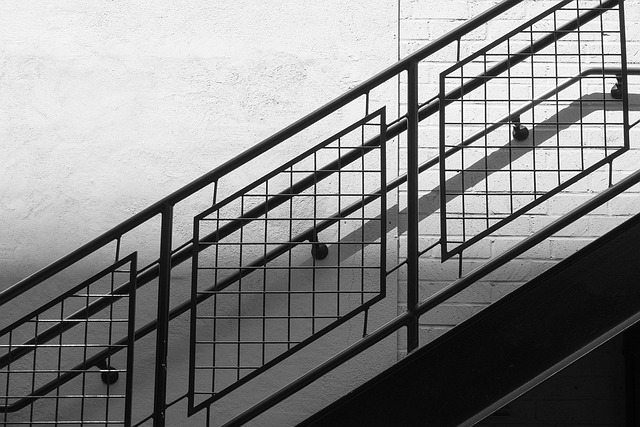
Stair banisters are gripped repeatedly every day by everyone in the household and virtually never wiped down between deep cleans. The surfaces accumulate oils, dust, and bacteria at a rate comparable to door handles and light switches. A quick wipe with a microfiber cloth and an appropriate wood or metal cleaner takes less than a minute per banister. Including it in a weekly routine ensures one of the most frequently touched surfaces in the home stays properly clean.
Doormat

The doormat is designed to collect dirt, and it does its job extremely well — which means it requires regular cleaning to remain effective. Most people shake it out occasionally but never give it a thorough wash. Taking the mat outside and scrubbing it with warm soapy water and a stiff brush removes the ingrained dirt that shaking cannot dislodge. Allowing it to dry completely in the sun before placing it back down prevents mold from forming on the underside.
Which of these household items surprised you the most? Share your thoughts in the comments.