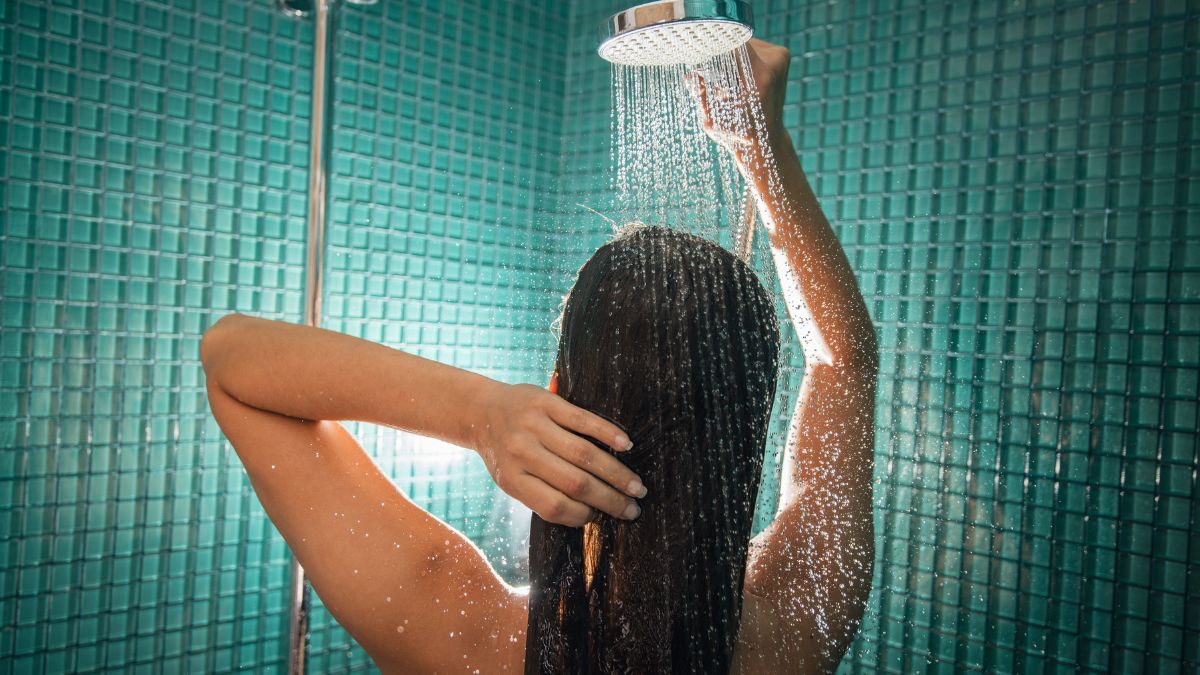
Maintaining healthy and vibrant hair requires more than just high-quality products and expensive salon visits. Many individuals unknowingly sabotage their hair goals through seemingly harmless daily routines that accumulate damage over time. These subtle mistakes can lead to breakage and dullness or even significant hair loss if left unaddressed for too long. Identifying these common errors is the first step toward revitalizing your locks and establishing a truly beneficial care regimen.
Taking Steaming Hot Showers

Hot water strips natural oils from the scalp and leaves hair dry and brittle. This excessive heat forces the hair cuticles to open and allows moisture to escape rapidly. The result is often frizzy textures that are difficult to manage without heavy styling products. Washing with lukewarm water helps seal the cuticle and maintains necessary hydration levels.
Aggressive Towel Drying
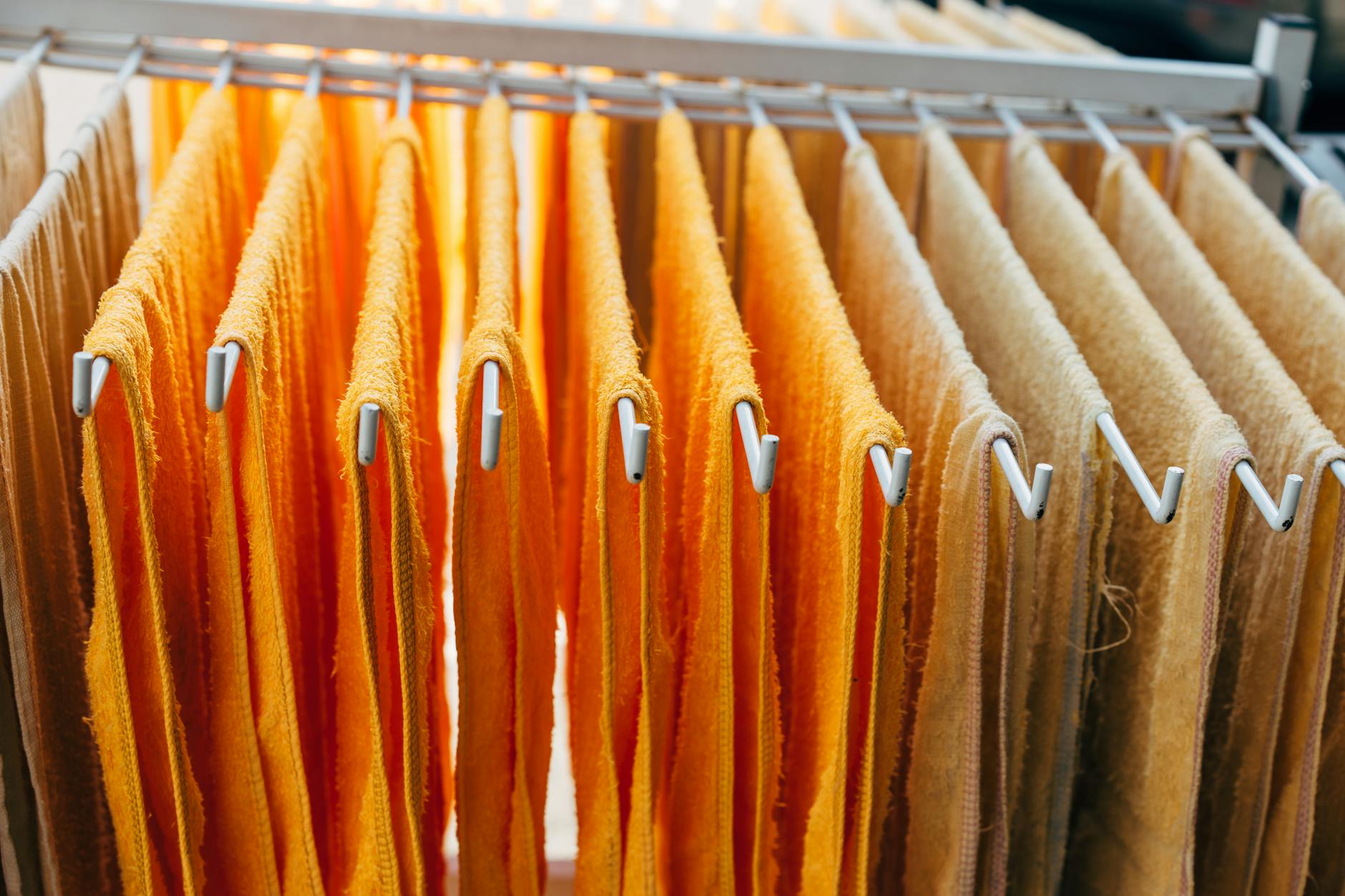
Rubbing wet hair vigorously with a rough cotton towel creates unnecessary friction and breakage. Wet hair is in its most fragile state and snaps easily under such physical stress. This habit disrupts the hair cuticle and leads to significant frizz once the hair dries. Squeezing out excess water gently with a microfiber towel or an old t-shirt preserves hair integrity.
Overwashing Your Hair
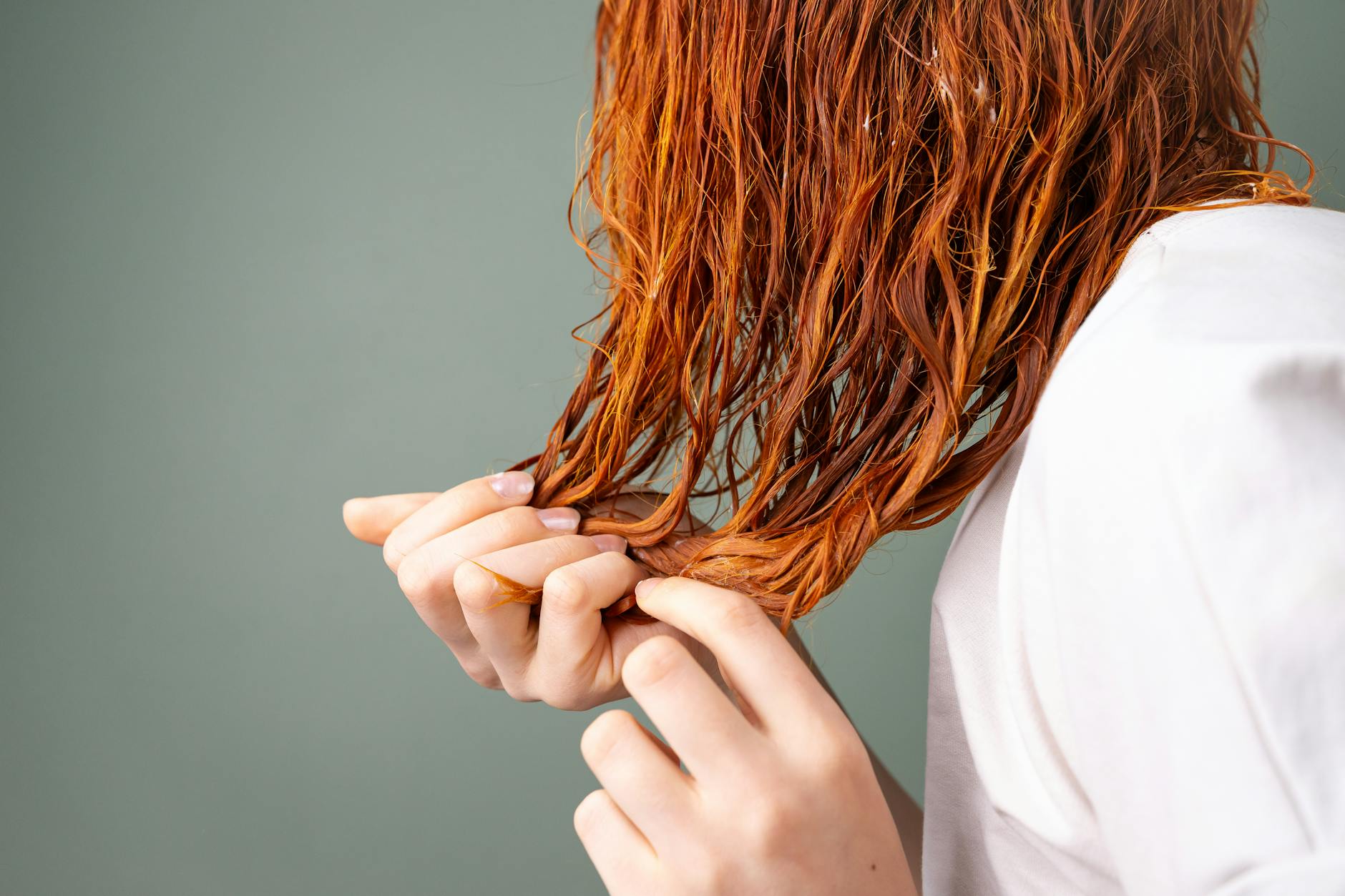
Cleansing hair too frequently removes the natural sebum that protects and moisturizes the scalp. This often prompts the scalp to overcompensate by producing even more oil and creates a greasy cycle. Most hair types do not require daily washing to remain clean and healthy. extending the time between washes allows natural oils to nourish the hair shaft effectively.
Skipping Heat Protectant
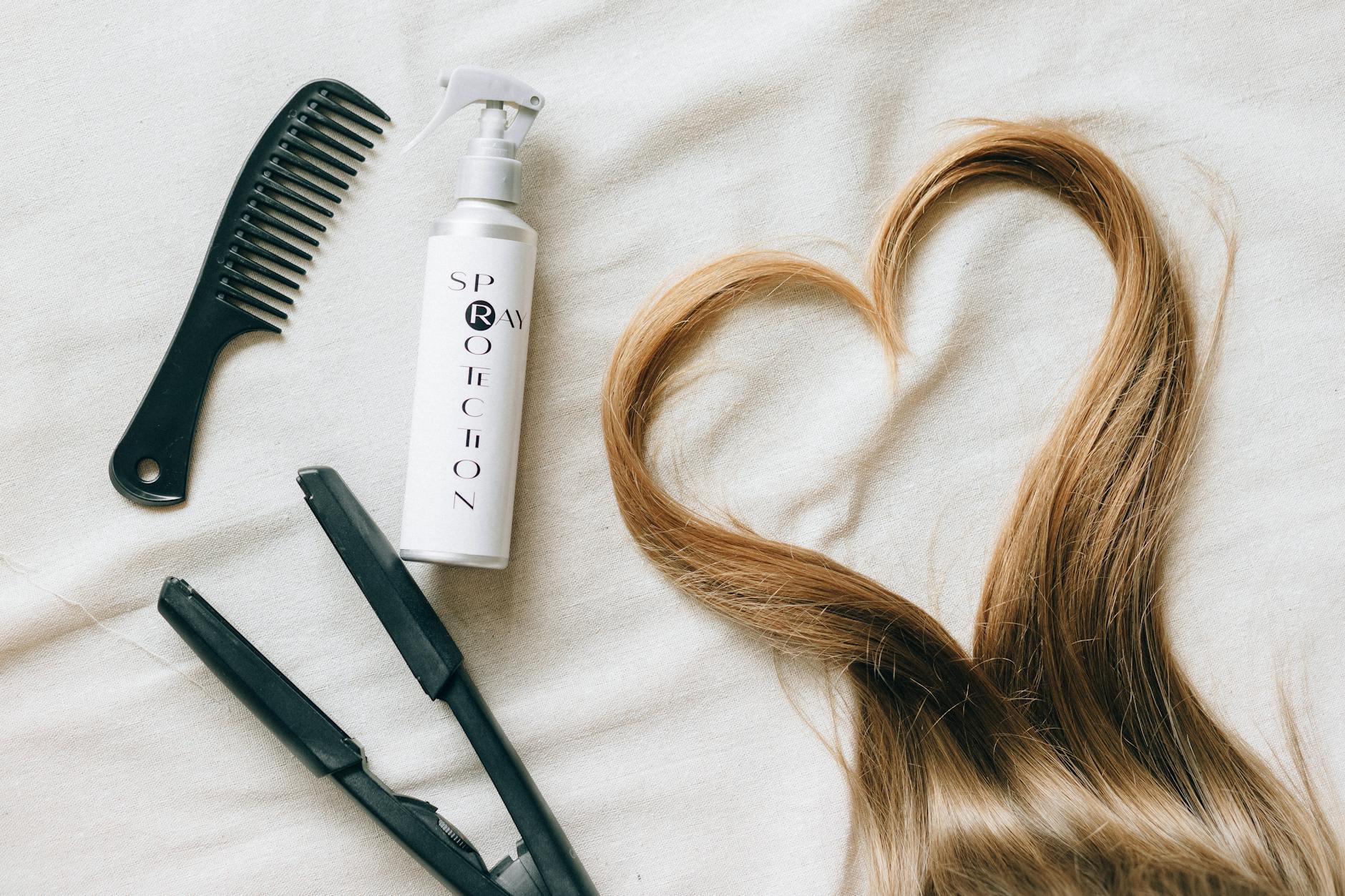
Applying high temperatures directly to unprotected strands cooks the hair fiber and causes irreversible damage. Heat protectants create a crucial barrier that distributes heat more evenly and reduces moisture loss. Ignoring this step leaves the cuticle exposed to temperatures that can melt hair proteins. Consistently using thermal protection spray is essential for anyone who uses hot tools.
Brushing Wet Hair
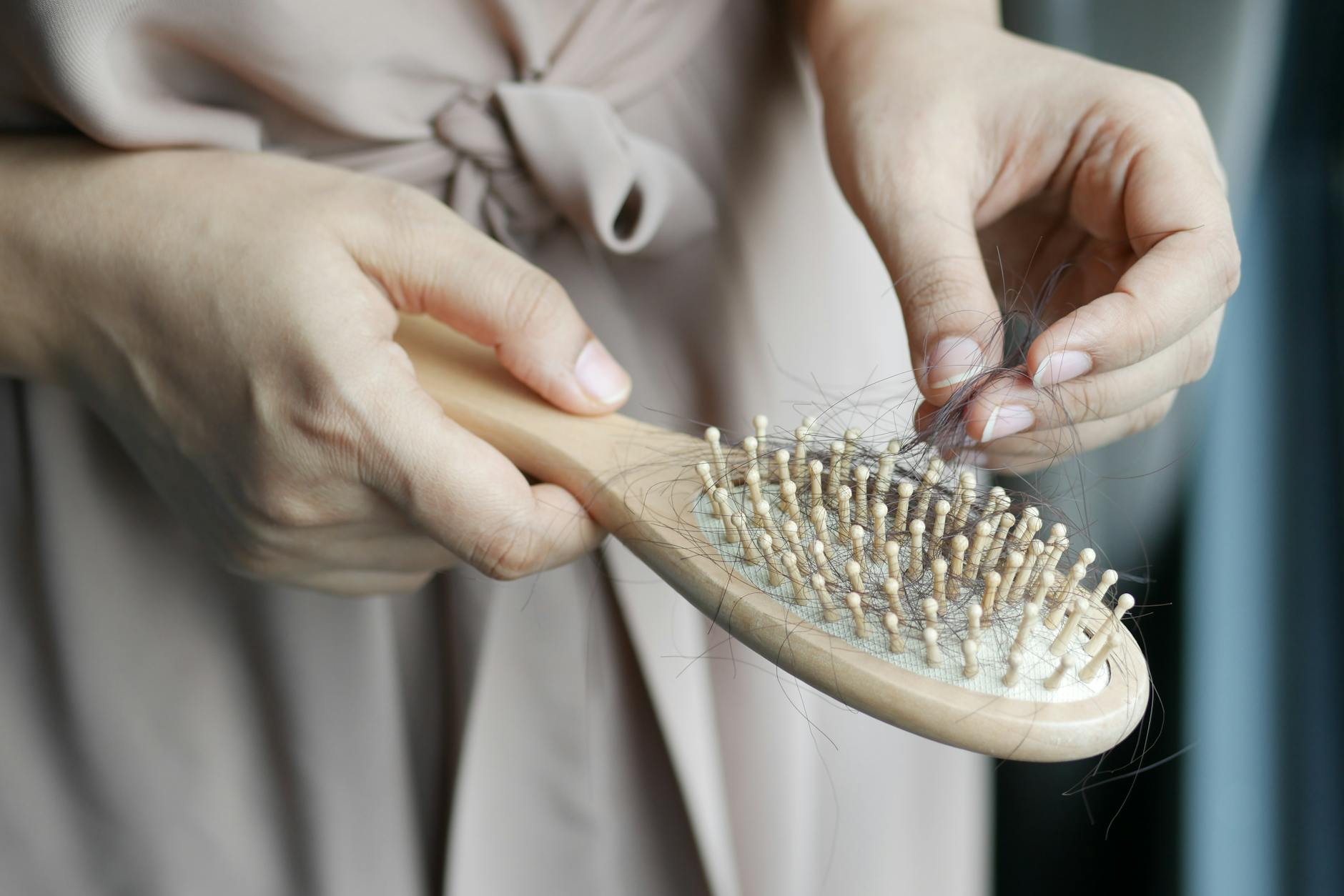
Detangling hair immediately after a shower places immense tension on elastic wet strands. This practice stretches the hair beyond its limit and causes it to snap or fray. Using a wide-tooth comb or a brush designed specifically for wet hair minimizes this stress. working from the ends upward gently prevents creating tighter knots near the roots.
Sleeping on Cotton Pillowcases
Cotton fabrics are absorbent and draw moisture away from hair throughout the night. The rough texture of standard cotton fibers creates friction as you toss and turn during sleep. This friction results in morning tangles and eventual breakage over time. Switching to a silk or satin pillowcase allows hair to glide smoothly and retain its natural hydration.
Using Dirty Hair Tools
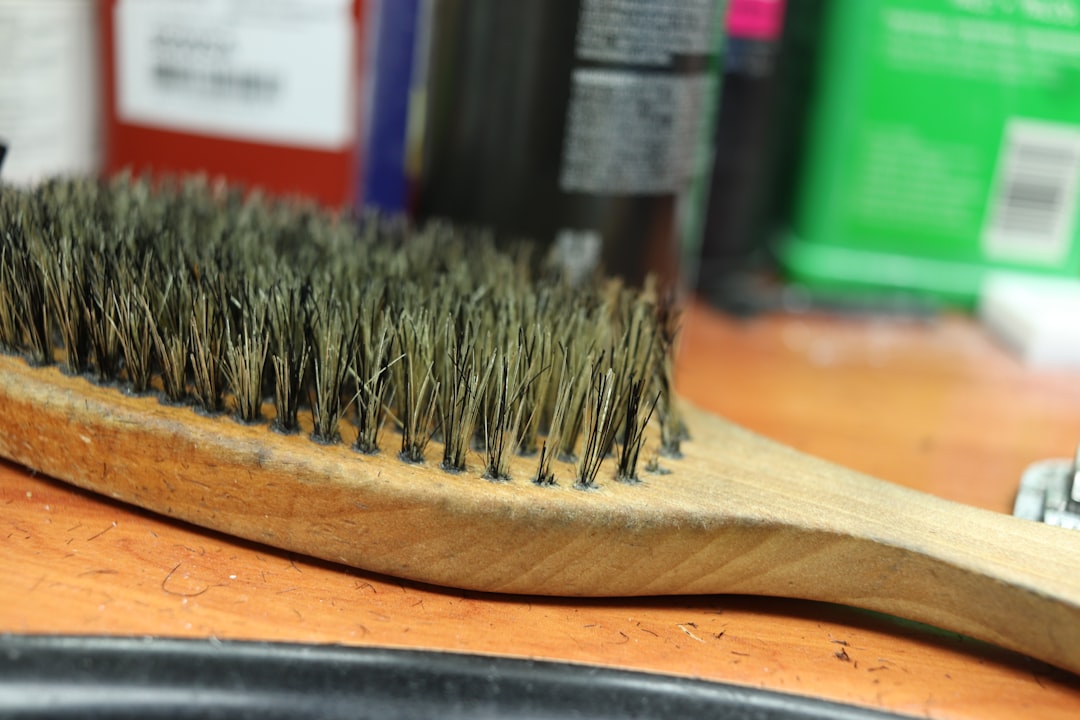
Hairbrushes and styling tools accumulate dead skin cells and product buildup and bacteria over time. Reintroducing this debris to clean hair can clog hair follicles and weigh down strands. Regular cleaning of brushes ensures that you are not transferring old oils back onto your scalp. A clean tool performs better and promotes a healthier scalp environment.
Wearing Tight Hairstyles
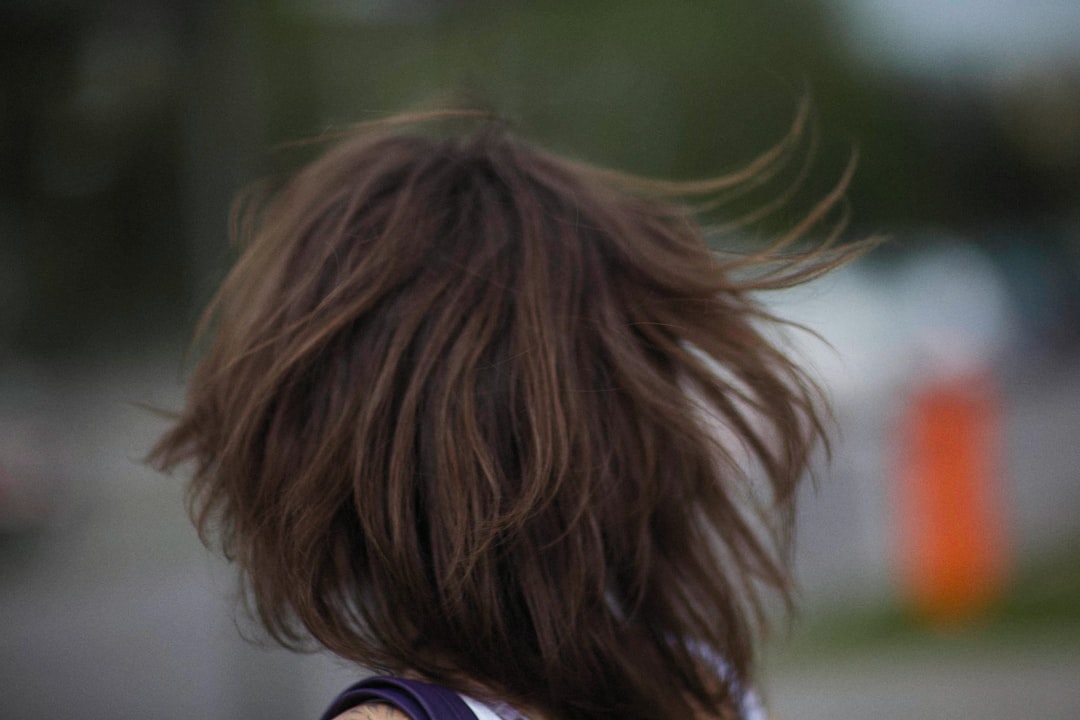
Consistently pulling hair back into tight ponytails or buns causes tension alopecia around the hairline. The constant pulling stresses the follicles and can lead to permanent hair loss in those areas. Looser styles or using scrunchies instead of elastic bands reduces this damaging traction. Varying your hairstyle daily gives the roots a much-needed break from focused tension.
Ignoring Scalp Health
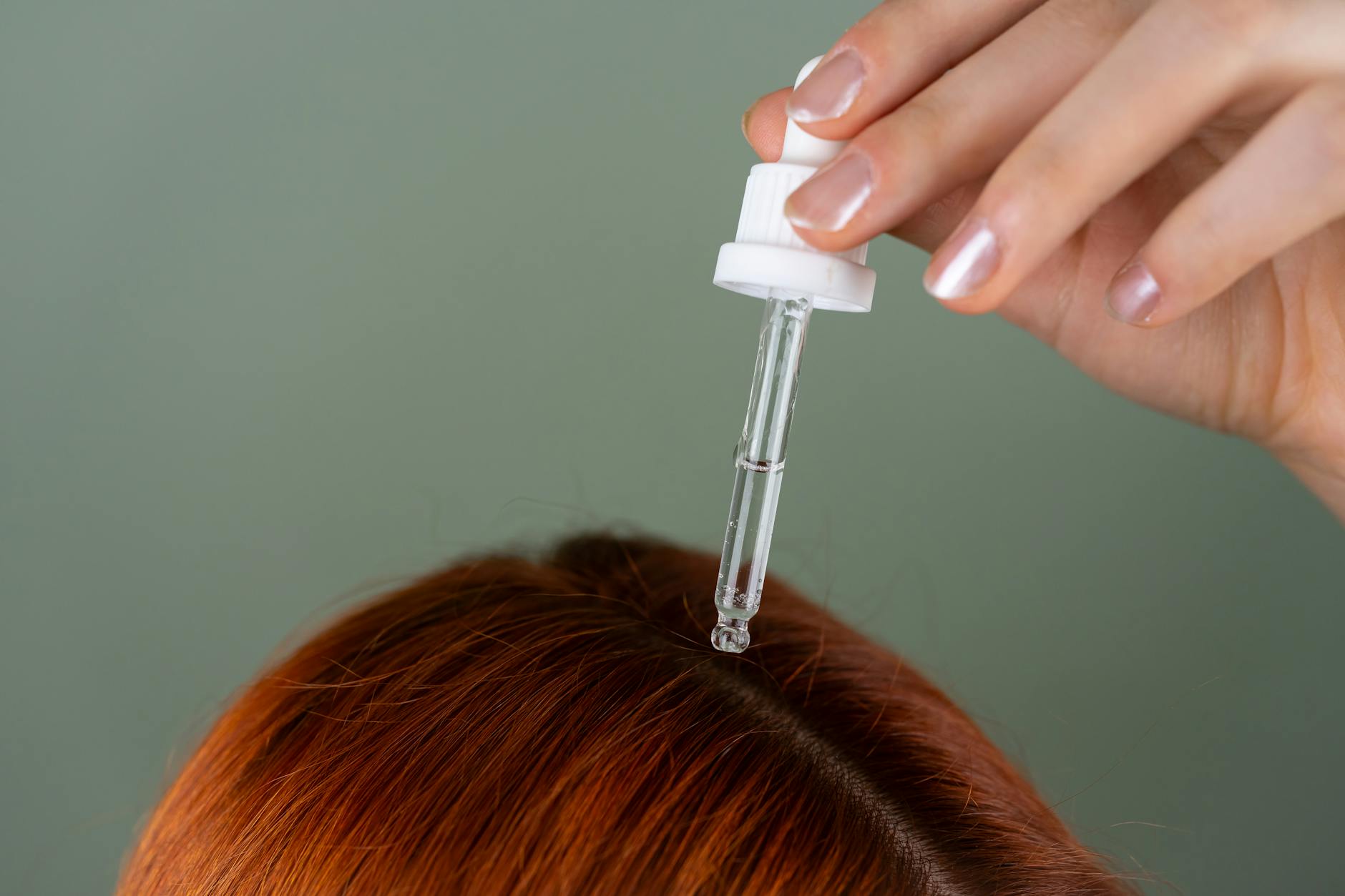
Many people focus solely on the hair strands while neglecting the skin from which they grow. A clogged or dry scalp cannot support healthy hair growth and may lead to thinning. Regular scalp massages stimulate blood flow and help deliver nutrients to the hair follicles. Using a scalp scrub occasionally removes buildup and promotes a balanced environment for growth.
Excessive Dry Shampoo Use
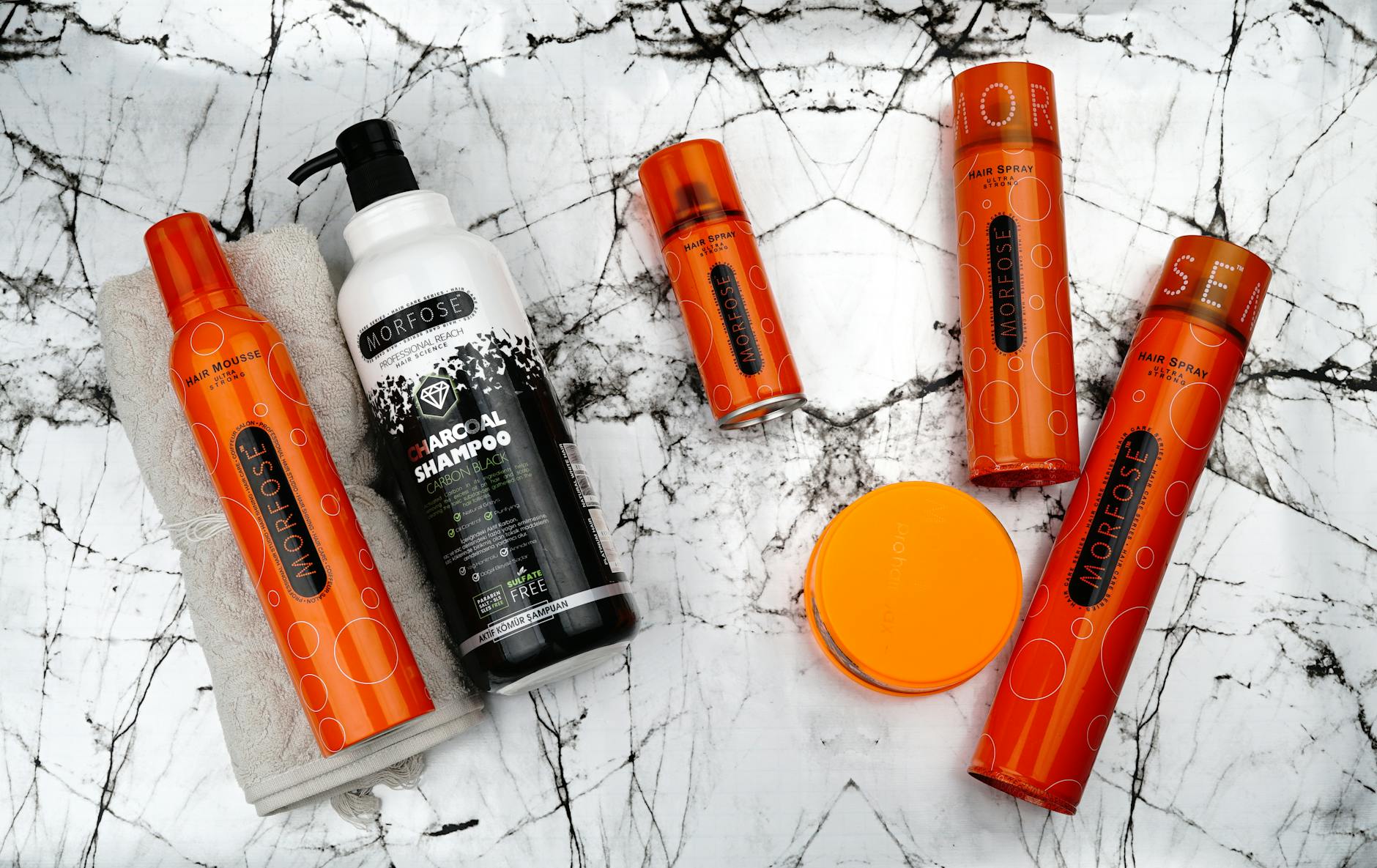
Relying too heavily on dry shampoo leads to product accumulation that clogs follicles and stifles growth. This powder can absorb necessary oils but also creates a layer that prevents the scalp from breathing. Overuse can cause inflammation and itchiness that leads to scratching and damage. It is intended as a temporary fix rather than a replacement for proper washing.
Sun Exposure

Ultraviolet rays damage the hair cuticle just as they damage the skin. Prolonged sun exposure breaks down hair proteins and degrades hair pigment and leads to dryness. Wearing a hat or using hair products with UV filters offers necessary protection outdoors. Ignoring this environmental factor results in brittle strands and faded color.
Swimming Without Protection

Chlorine in swimming pools and salt in ocean water are extremely drying to hair fibers. These elements strip away moisture and can alter hair color or texture significantly. Wetting hair with fresh water before swimming limits the amount of chlorinated water it absorbs. Rinsing immediately after swimming is vital to remove these harsh chemicals.
Using the Wrong Brush
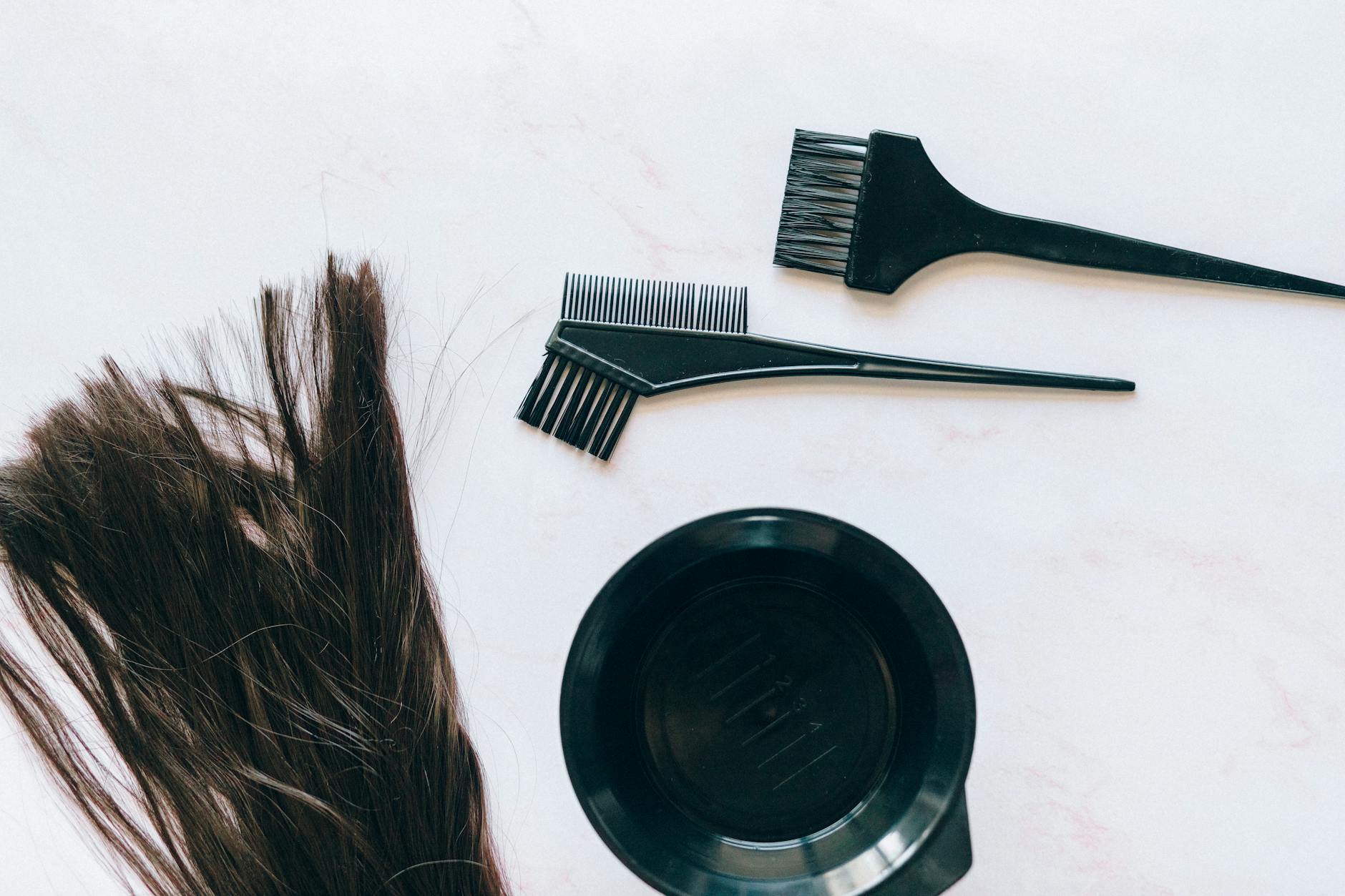
Different hair types require specific bristle types to avoid mechanical damage. Boar bristle brushes distribute oils well but may be too dense for detangling thick curly hair. Using the wrong tool can cause unnecessary pulling and breakage during daily grooming. Selecting the correct brush ensures effective styling without compromising hair health.
Poor Diet

Hair relies on specific nutrients like protein and iron and vitamins to grow strong. A diet lacking in these essential building blocks results in weak and lackluster hair. Restrictive eating often manifests quickly as shedding or slowed growth rates. Consistently eating a balanced diet supports the internal processes required for vibrant hair.
Dehydration
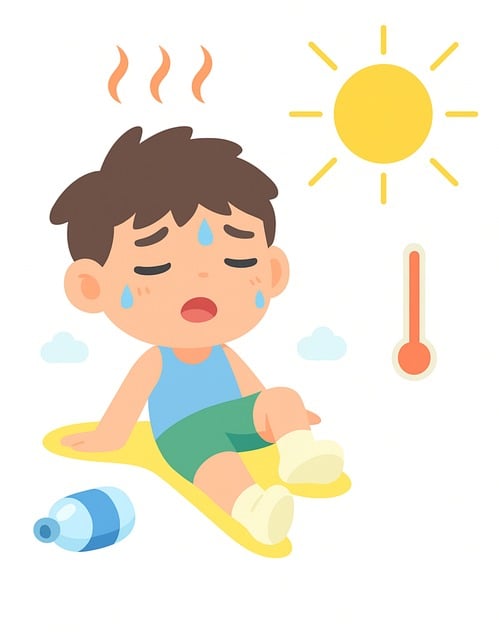
Water is essential for cell growth and reproduction throughout the body including hair follicles. Chronic dehydration leaves hair looking dull and feeling rough to the touch. The body prioritizes vital organs for hydration so hair suffers early when water intake is low. Drinking adequate water daily ensures that strands remain elastic and less prone to breakage.
High Stress Levels

Physical and emotional stress pushes hair follicles into a resting phase prematurely. This often results in noticeable shedding months after the stressful event has occurred. Managing stress through relaxation techniques can mitigate this physiological response. Chronic stress elevates cortisol levels which can directly impact the growth cycle of hair.
Smoking
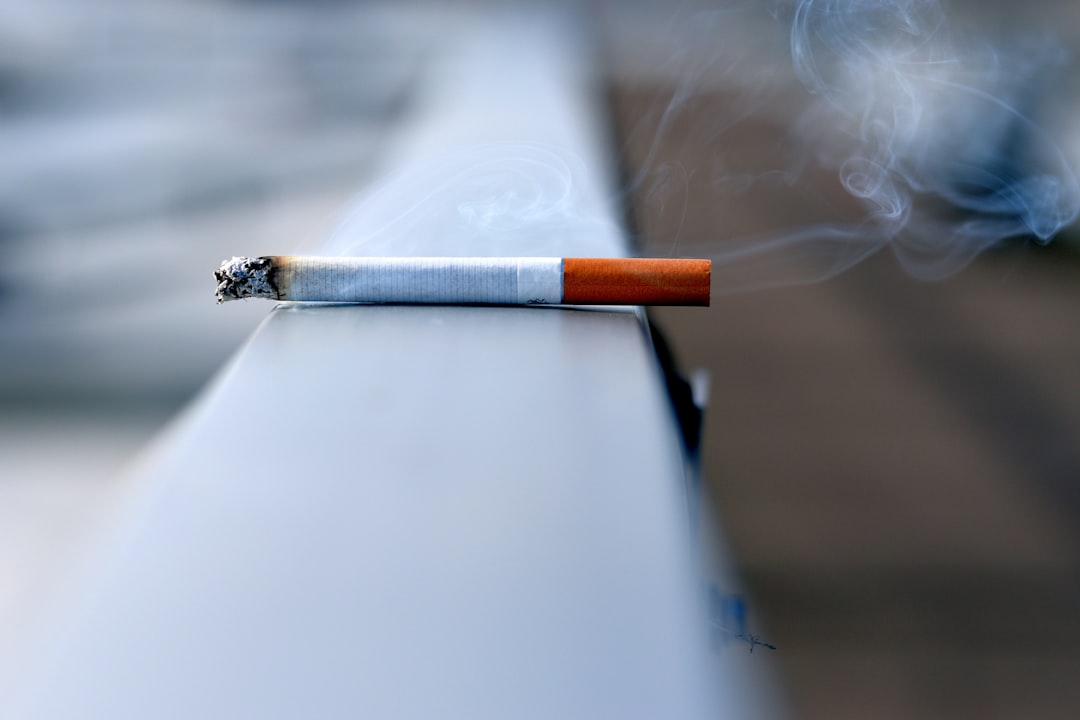
Nicotine restricts blood vessels and reduces the blood flow needed to nourish hair follicles. The toxins in cigarette smoke can also damage the DNA in hair follicle cells. This habit accelerates the graying process and contributes to thinning hair. Quitting smoking improves circulation and restores the delivery of oxygen to the scalp.
Chemical Overprocessing
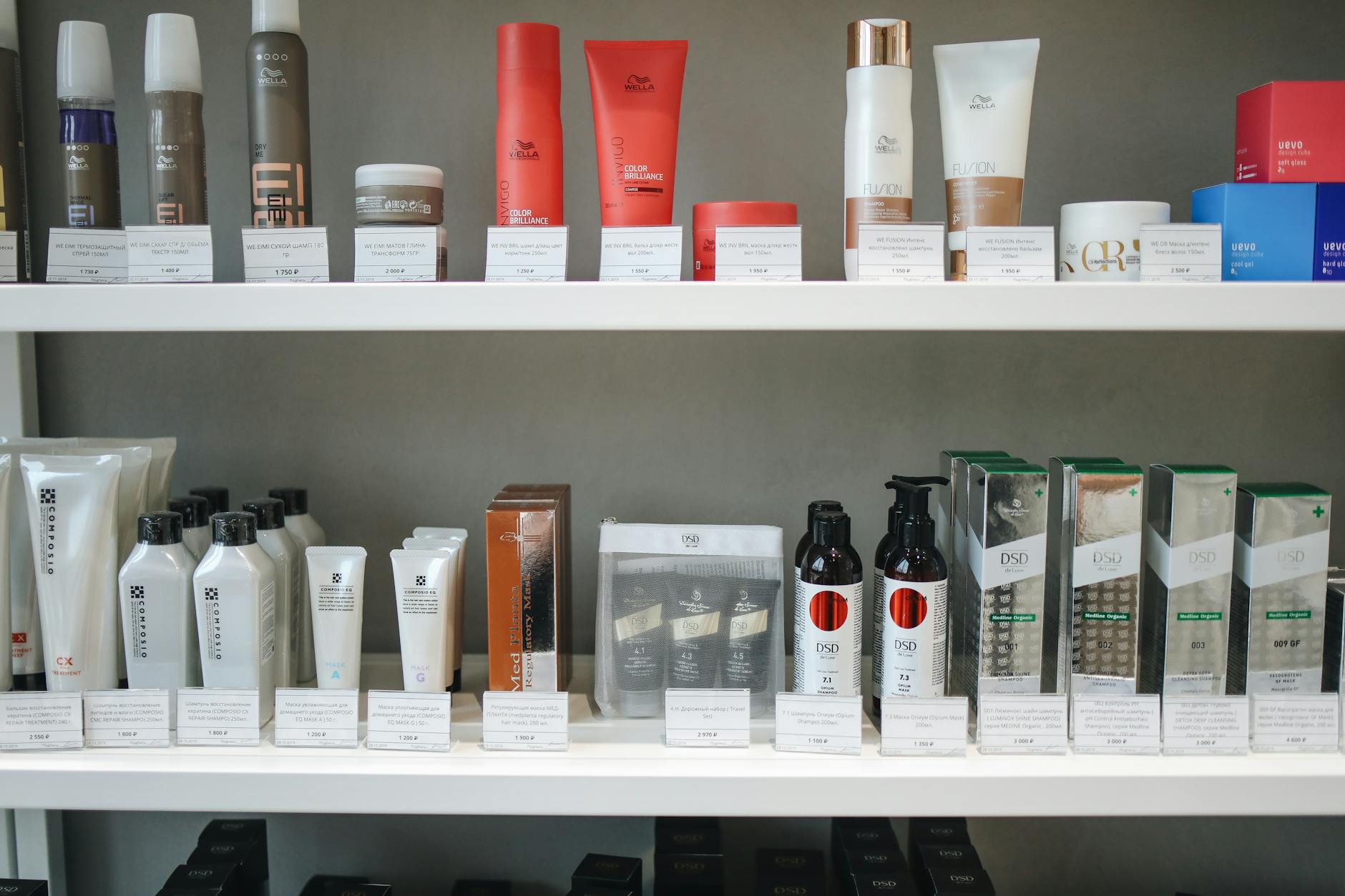
Frequent dyeing and bleaching or relaxing treatments break down the structural bonds of the hair. Layering these chemical processes weakens the shaft until it disintegrates or snaps. allowing ample time between treatments is necessary for hair to recover its strength. Professional guidance helps minimize damage when altering hair texture or color chemically.
Touching Hair Constantly
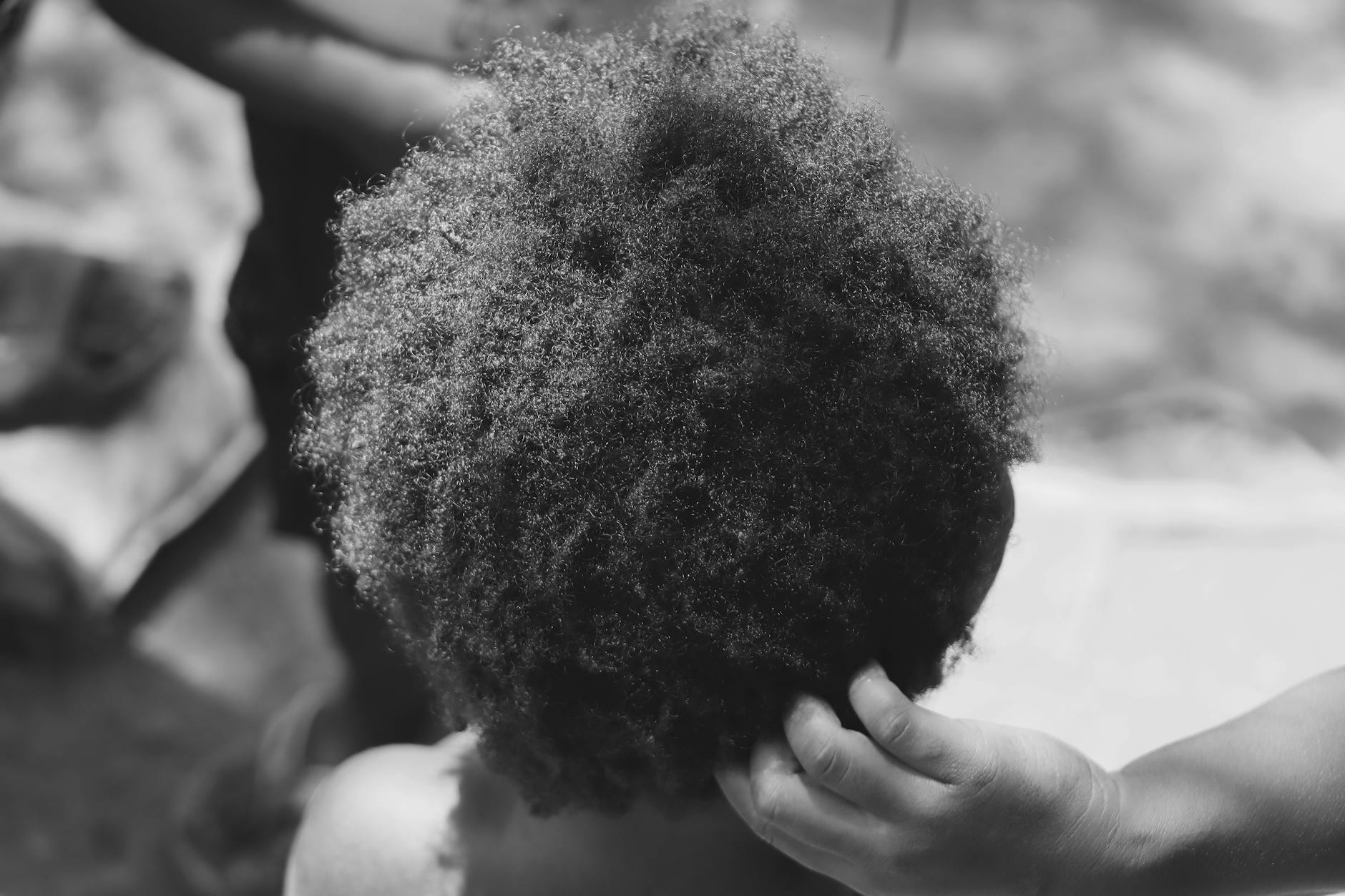
Running fingers through hair transfers dirt and oils from hands onto the strands. This habit can make hair appear greasy faster and necessitates more frequent washing. Twirling or pulling at hair creates mechanical stress that weakens specific areas. Keeping hands away from hair preserves the style and cleanliness for longer periods.
Using Products with Sulfates
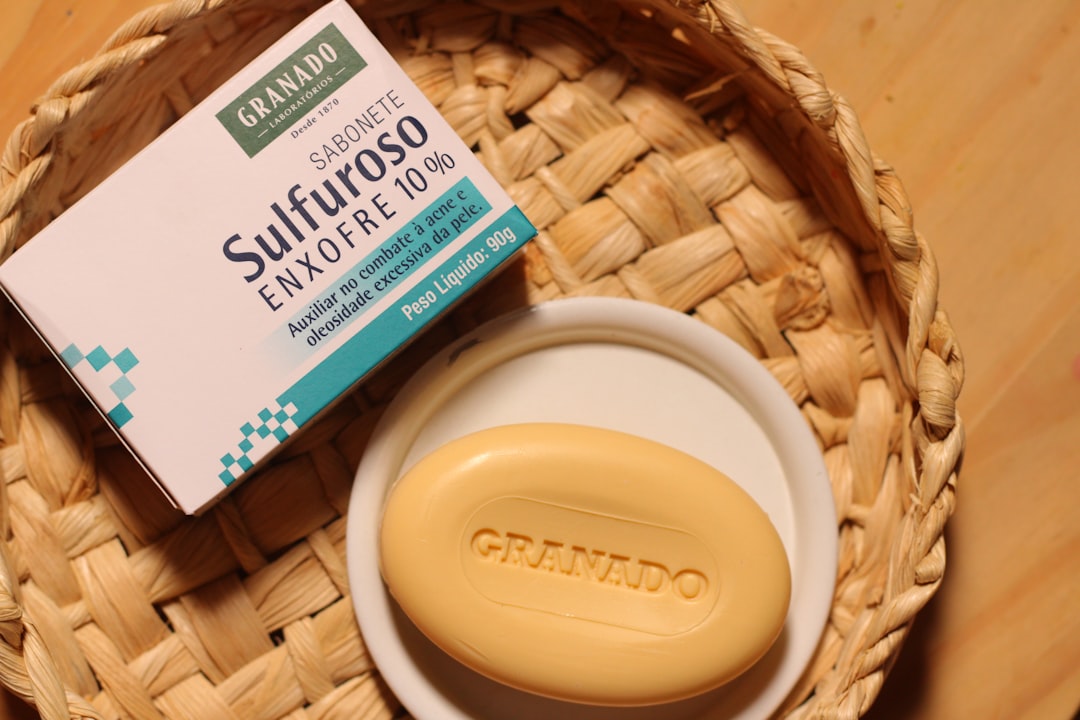
Sulfates are harsh detergents found in many shampoos that strip hair of natural moisture. They create a rich lather but often leave the scalp dry and irritated. Switching to sulfate-free formulas cleanses gently without compromising the lipid barrier. Preserving natural oils is key to maintaining shine and softness.
Not Rinsing Properly
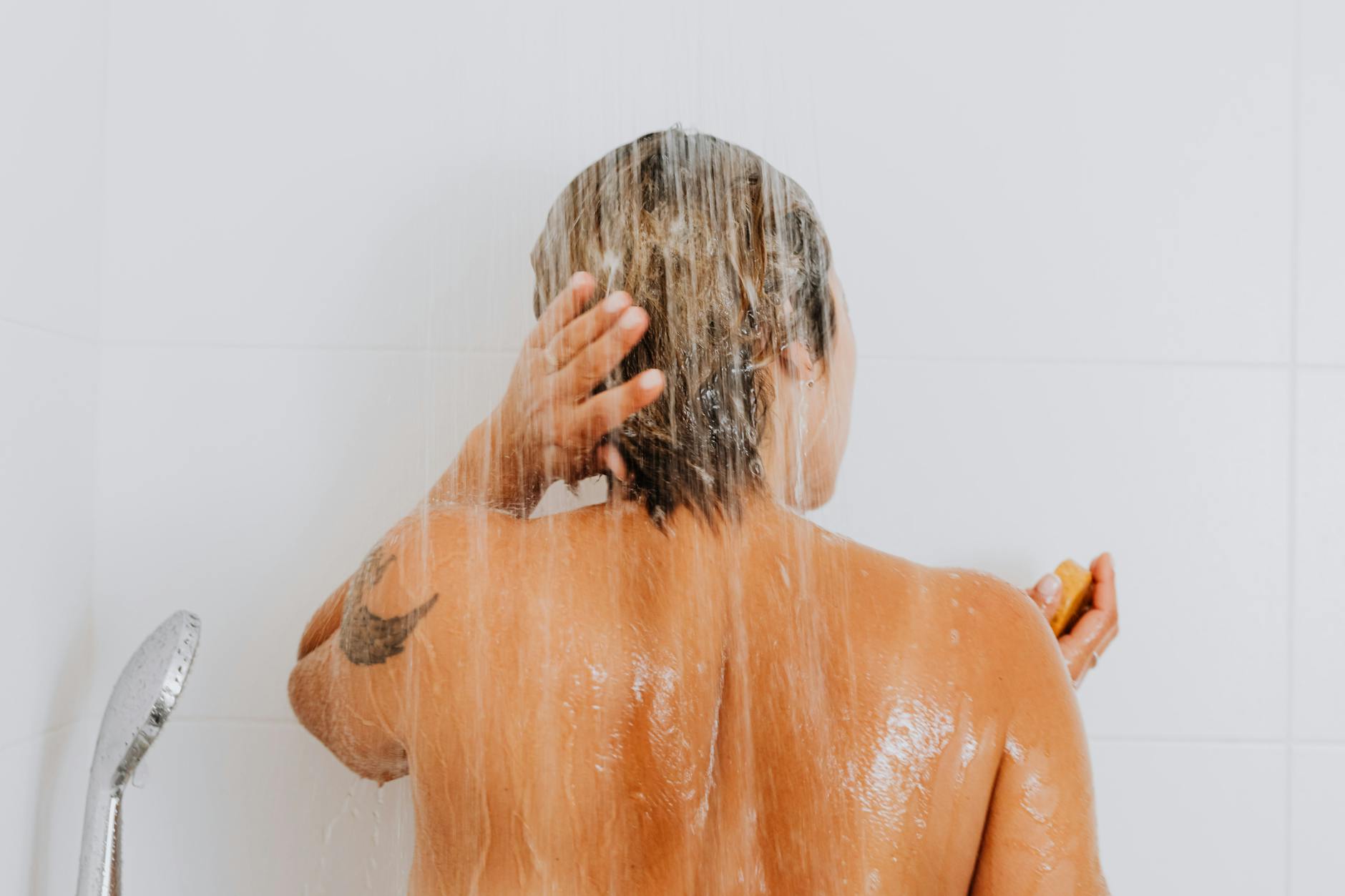
Leaving shampoo or conditioner residue on the scalp causes buildup and irritation. This film attracts dirt and makes hair look flat and lifeless shortly after washing. thorough rinsing ensures that the scalp is free from potential irritants. Taking an extra minute to rinse guarantees the hair is truly clean and light.
Aggressive Detangling
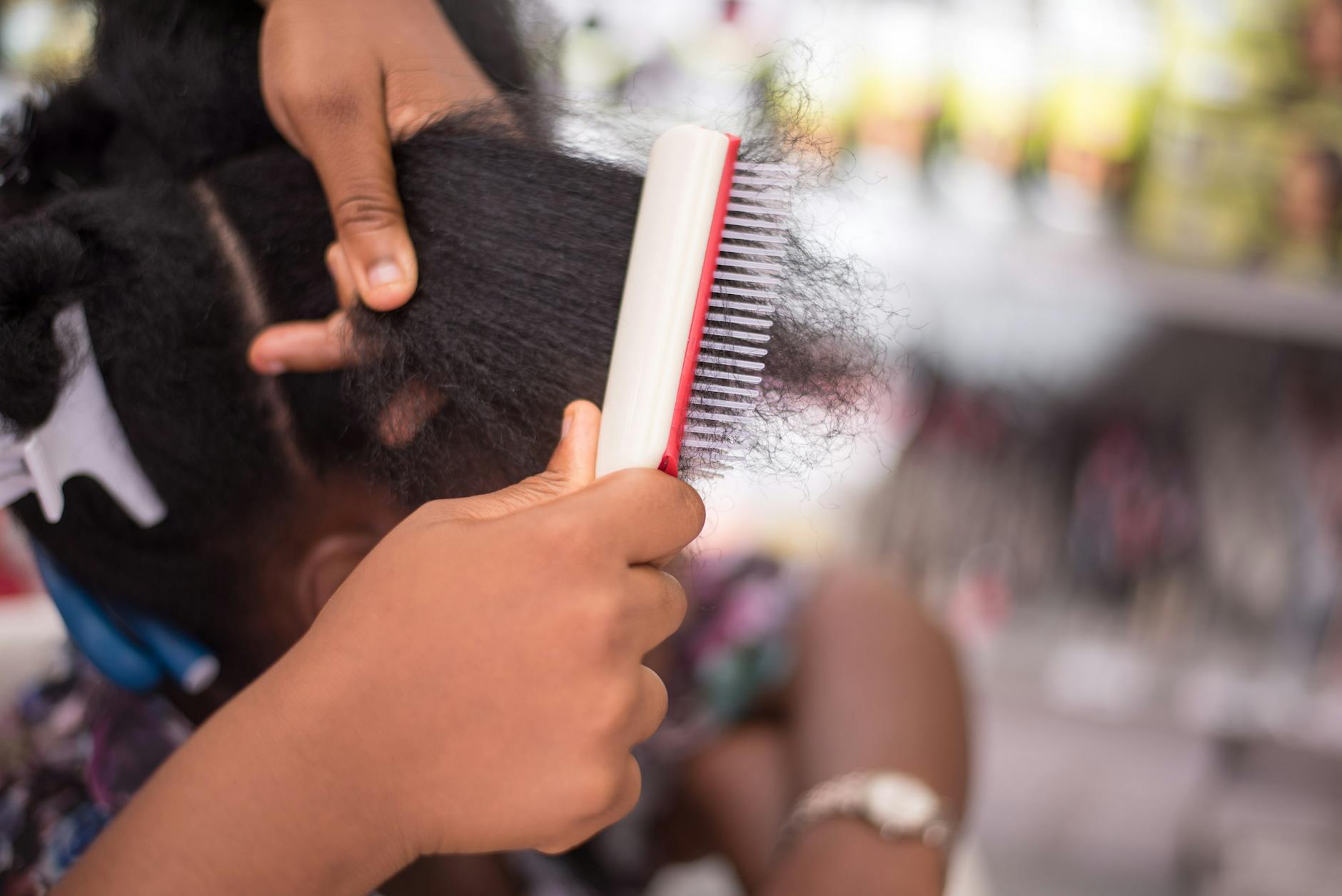
Ripping a brush through knots causes immediate breakage and split ends. Patience is required to work through tangles without snapping the hair fiber. Applying a detangling spray provides slip that makes the process smoother and safer. Starting from the bottom and working up protects the density of the hair.
Wearing Wool Hats

Wool creates friction against hair cuticles and absorbs moisture from the strands. This material grabs onto hair fibers and causes breakage when the hat is removed. Wearing a silk scarf underneath a wool hat protects the hair from this rough texture. This simple layer preserves the hairstyle and prevents static and dryness.
Ignoring Split Ends
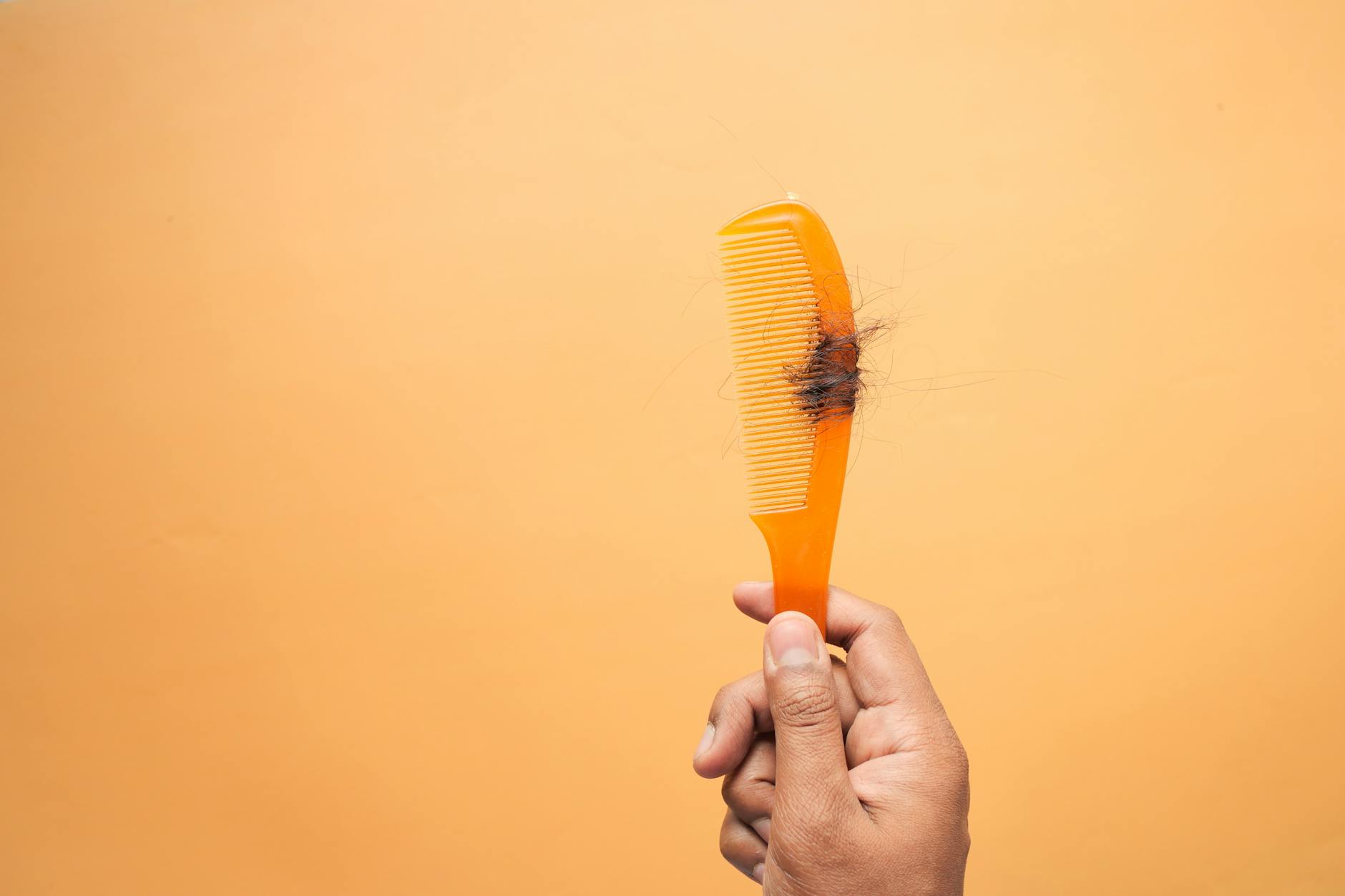
Split ends travel up the hair shaft if they are not removed promptly. Refusing to trim hair in an effort to retain length actually results in shorter and thinner hair eventually. Regular trims stop the damage from spreading and keep the ends looking full. Healthy ends are essential for the overall appearance of long hair.
Applying Conditioner to Roots
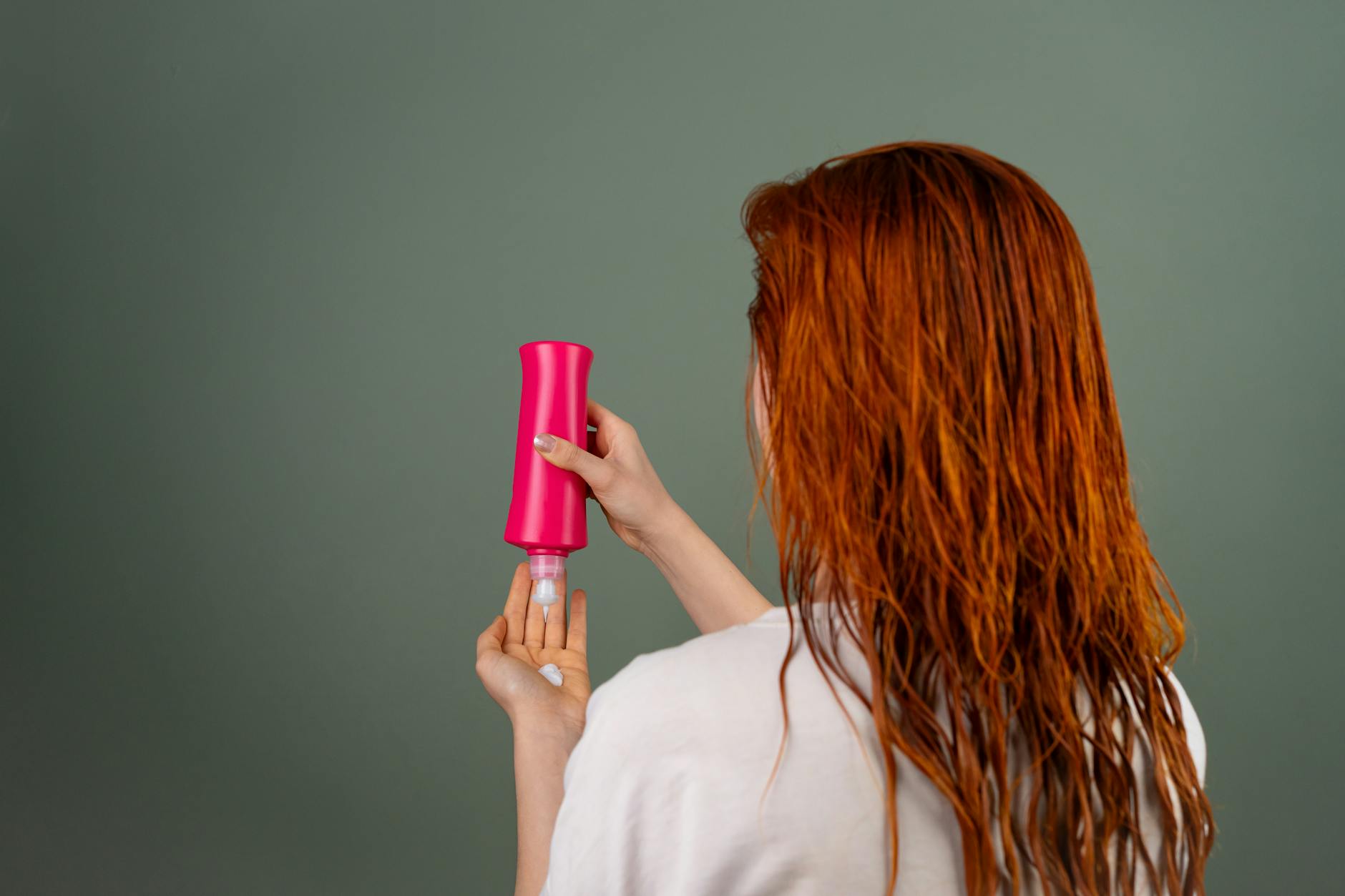
Conditioner is designed to hydrate the older and drier parts of the hair shaft. Applying it to the roots weighs down hair and creates a greasy appearance quickly. The scalp naturally produces enough oil to maintain the hair nearest to it. Focusing product on the mid-lengths and ends ensures volume and proper hydration.
Hard Water Buildup
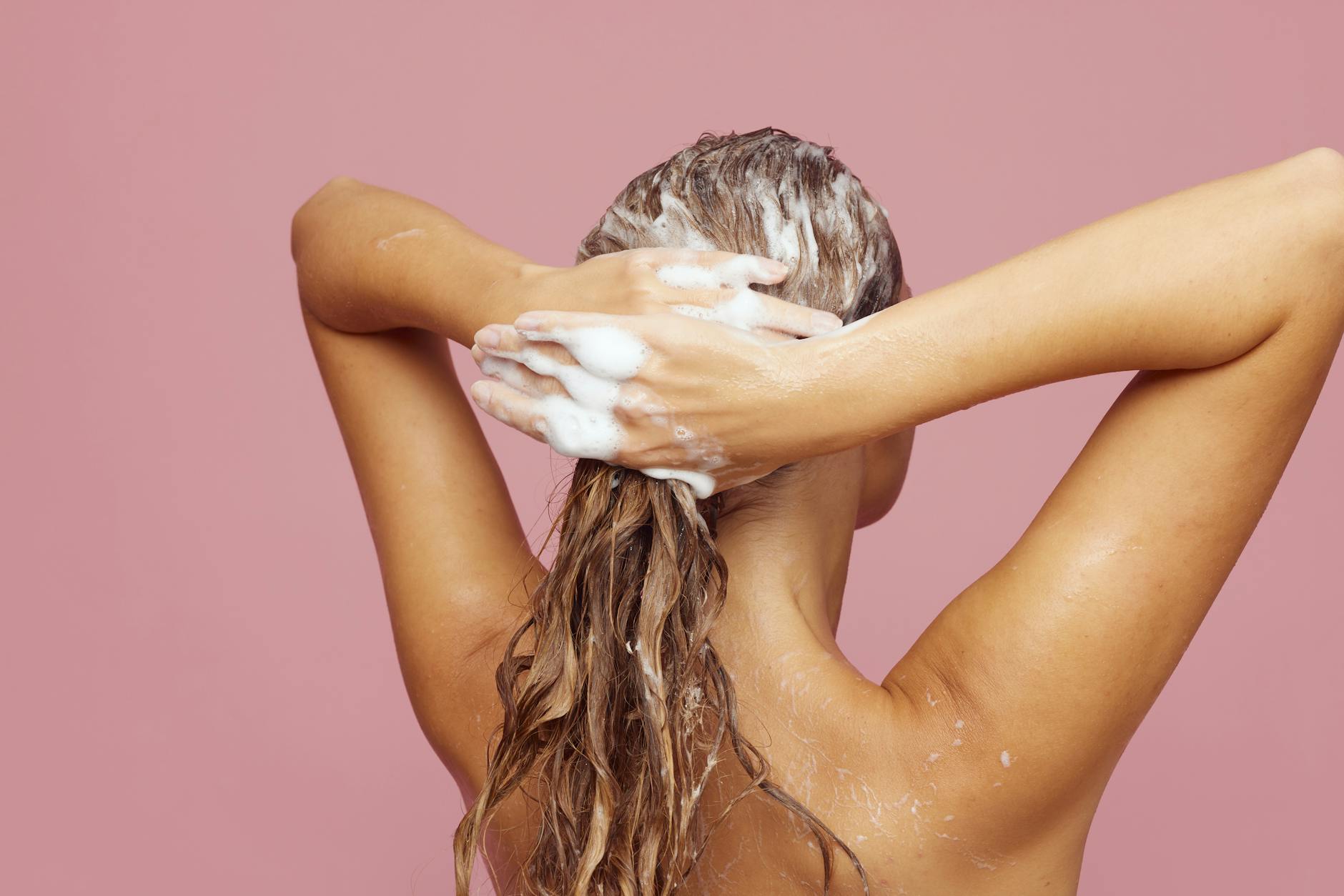
Water with high mineral content deposits calcium and magnesium onto the hair. These minerals create a barrier that prevents moisture from entering the hair shaft. The result is often dry and tangly hair that resists styling efforts. Installing a shower filter or using a chelating shampoo removes these mineral deposits.
Using Hot Tools on Damp Hair

Applying a straightener or curling iron to damp hair boils the water inside the shaft. This creates steam that expands and ruptures the hair structure from within. Hair must be one hundred percent dry before any hot tool touches it. This error causes instant and often irreparable damage known as bubble hair.
Rubbing Shampoo into Ends
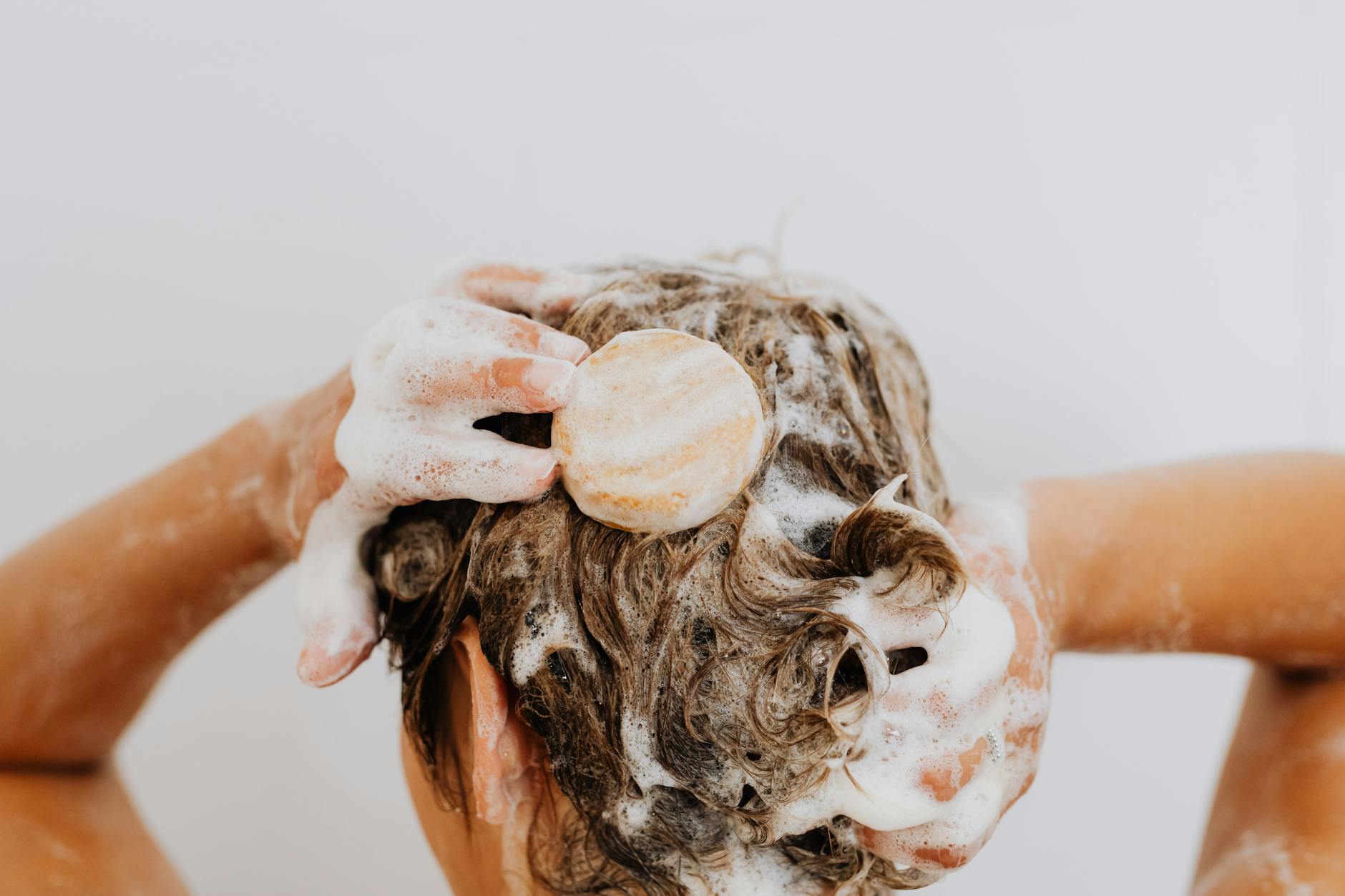
The ends of the hair are the oldest and driest parts and do not need harsh scrubbing. Shampoo should be concentrated on the scalp where oil and dirt accumulate. Suds that rinse down the length of the hair are sufficient to cleanse the ends gently. Scrubbing the ends leads to dryness and tangling and frizz.
Skipping Salon Visits
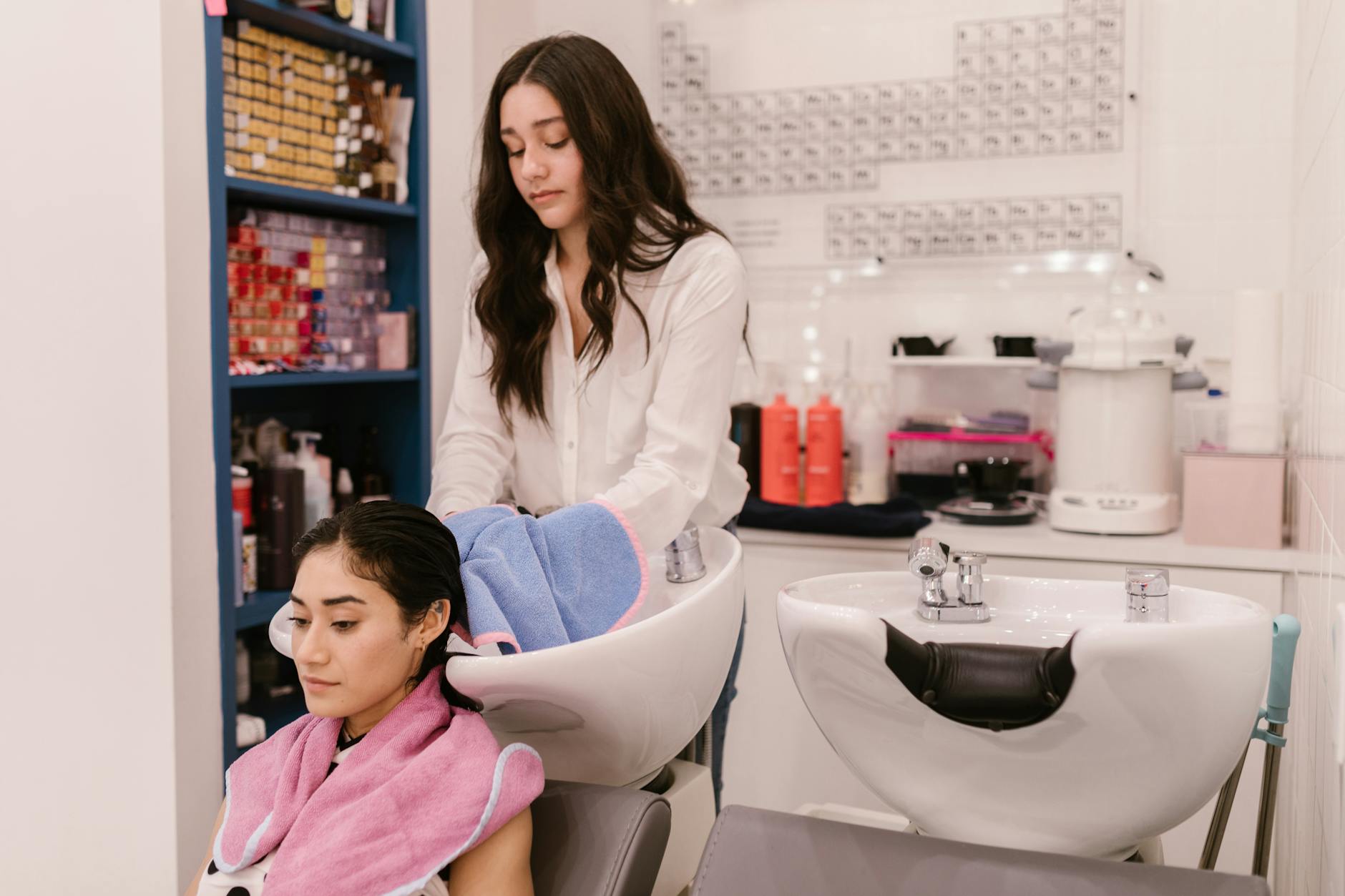
Avoiding professional care can lead to undetected issues and unmanaged damage. Stylists can identify scalp conditions or structural damage that requires specific treatments. Regular appointments ensure that hair shape and health are maintained consistent. Professional deep conditioning treatments offer benefits that home routines cannot match.
Ignoring Your Hair Type
Using products designed for a different hair texture can lead to poor results. Fine hair is weighed down by heavy creams while coarse hair remains dry with light lotions. Understanding porosity and density helps in selecting the correct regimen. tailored care is far more effective than a generic approach.
Using Elastic Bands with Metal Clasps
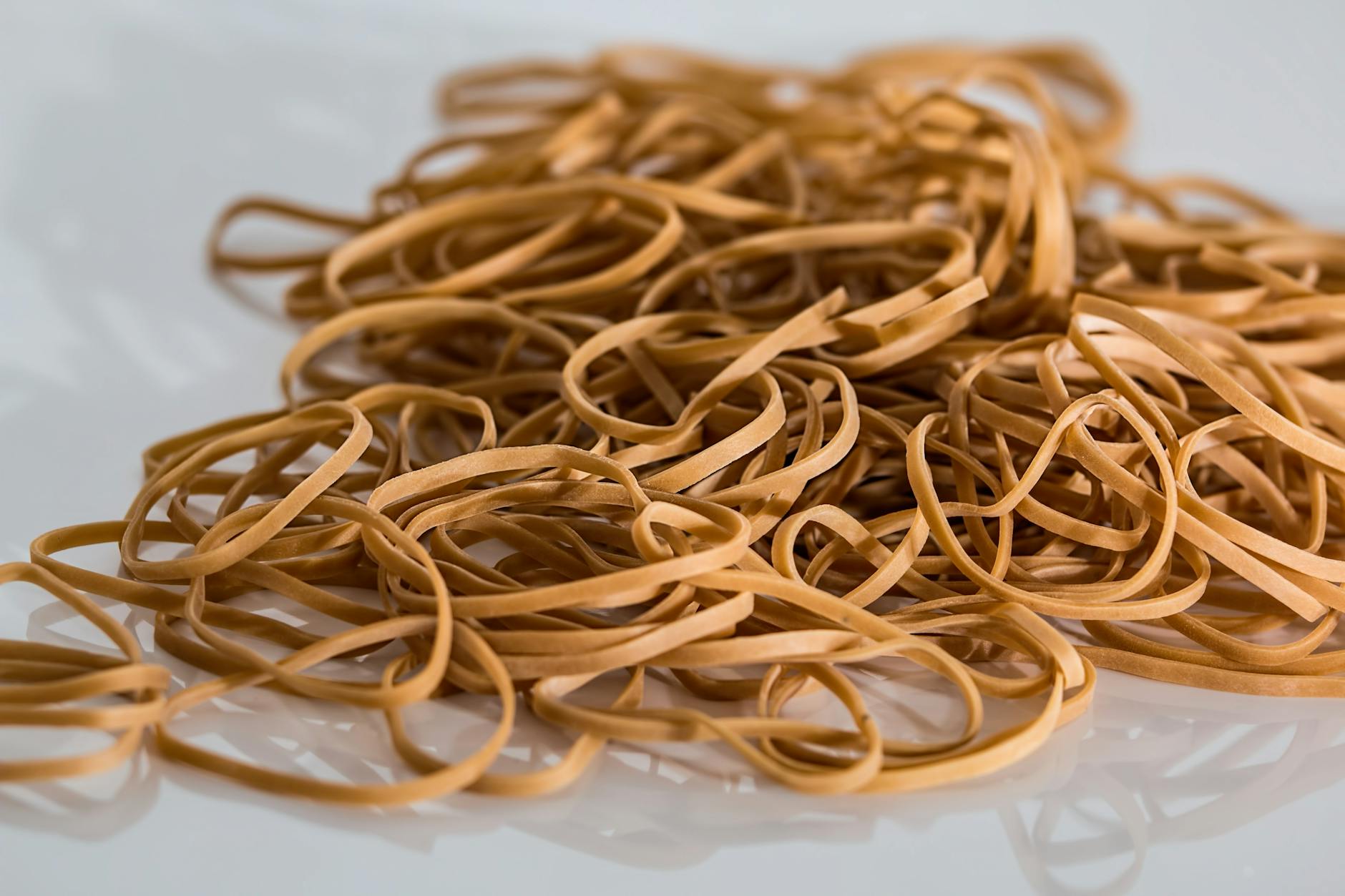
Metal parts on hair ties snag and catch on individual strands of hair. Removing these ties often rips out hair or shreds the cuticle layer. Fabric-covered elastics or spiral ties are much gentler on the hair shaft. Avoiding metal clasps is a simple switch that prevents unnecessary mechanical damage.
Not Cleaning Your Hat
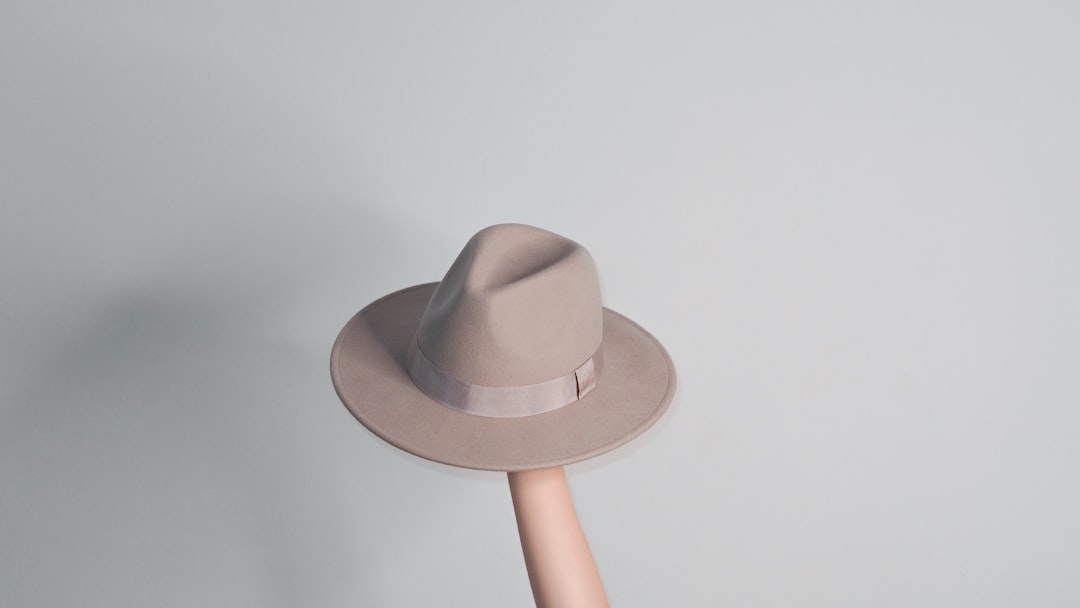
Hats collect sweat and oils and bacteria from the forehead and scalp. Wearing a dirty hat reintroduces this grime to clean hair and can cause breakouts. Regular washing of headwear maintains hygiene and scalp health. A clean accessory prevents the transfer of odors and dirt to the hair.
Overusing Protein Treatments
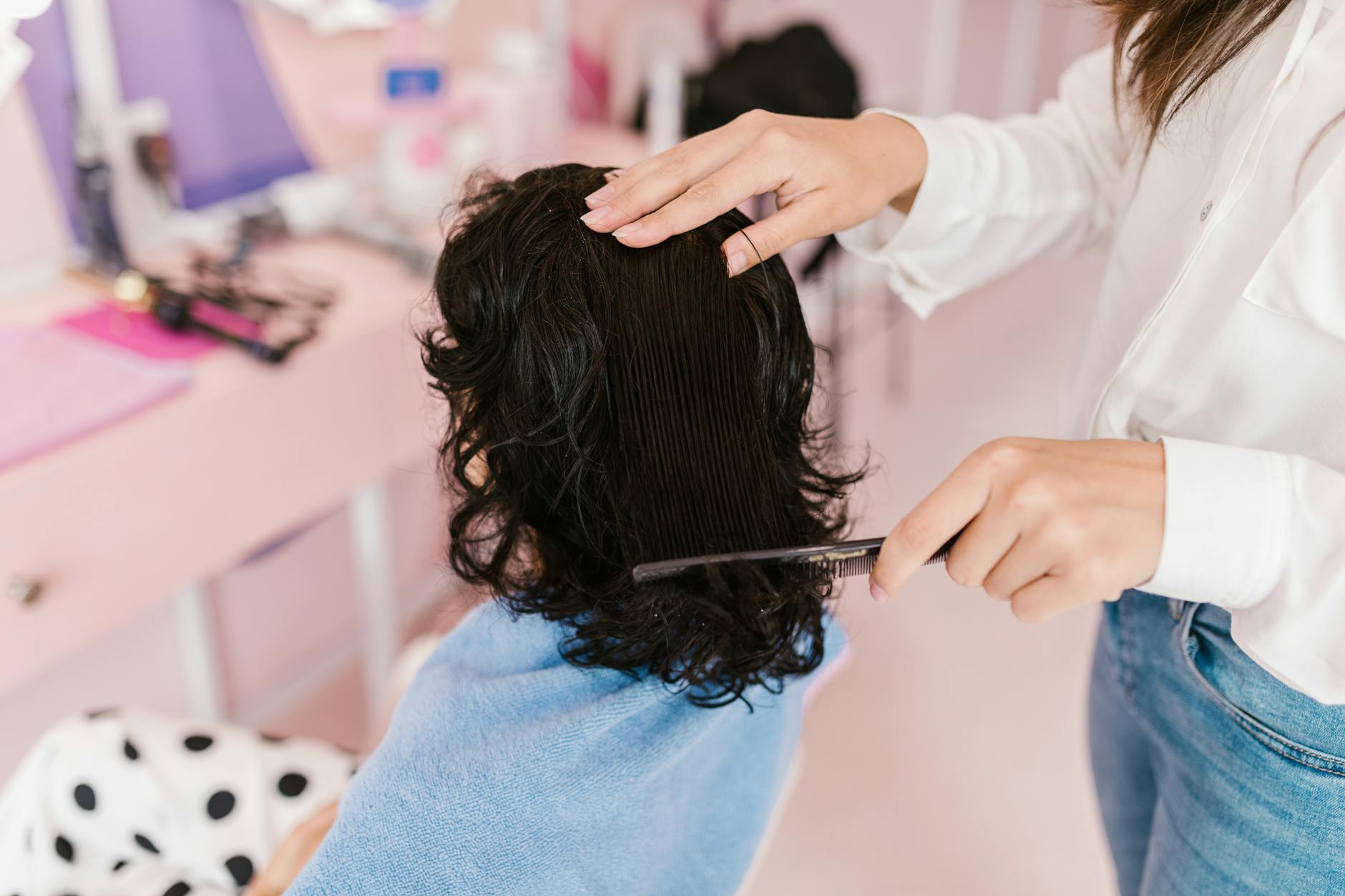
Protein is vital for strength but too much causes hair to become stiff and brittle. An imbalance between protein and moisture makes hair snap easily under tension. It is important to alternate strengthening treatments with hydrating ones. Listening to how hair responds to products prevents protein overload.
Drying Hair with a Hairdryer Too Close
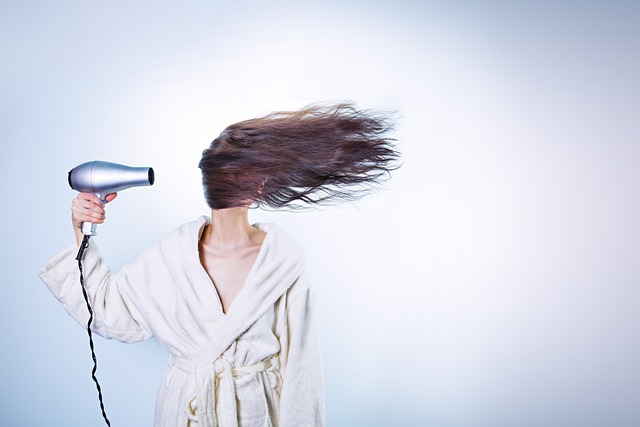
Holding a hairdryer nozzle directly against the brush or hair concentrates extreme heat. This burns the hair cuticle and can scorch the scalp as well. Keeping the dryer a few inches away allows for effective drying without thermal damage. moving the dryer constantly prevents hot spots from forming on the hair.
Following Trends Blindly
Adopting every new hair trend can lead to excessive processing and styling manipulation. Not every style or color technique is suitable for every hair type or condition. prioritizing hair health over the latest fashion ensures long-term vitality. Consulting a professional before making drastic changes protects the integrity of your hair.
Tell us which of these habits you are planning to break first in the comments.