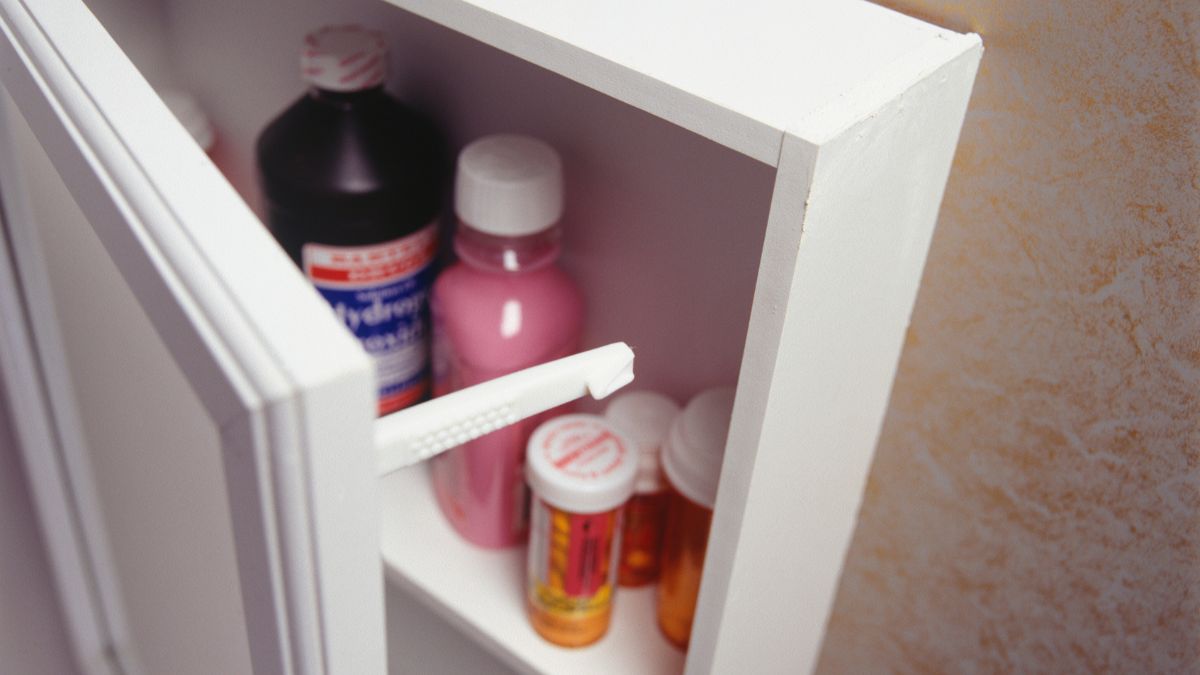
Most people treat their medicine cabinet as a private and unremarkable corner of daily life, but security experts, pharmacists, and law enforcement professionals have increasingly flagged it as one of the most exploitable spaces in a home. The information, substances, and documents stored there represent a goldmine for identity thieves, prescription fraudsters, and opportunistic criminals of every kind. Understanding what makes these items valuable to bad actors is the first step toward protecting yourself and your household. The following items are among the most frequently targeted by scammers, burglars, and fraudsters operating in both physical and digital spaces.
Prescription Labels
Every prescription bottle carries a concentrated bundle of personally identifiable information that identity theft specialists consider highly dangerous in the wrong hands. A full name, home address, date of birth, prescribing physician, pharmacy name, and prescription number appear on every single label. Fraudsters use this information to impersonate patients at pharmacies, file false insurance claims, and build synthetic identity profiles for financial fraud. Prescription labels should always be removed and destroyed before bottles are discarded, a step that the vast majority of households skip entirely.
Opioid Medications
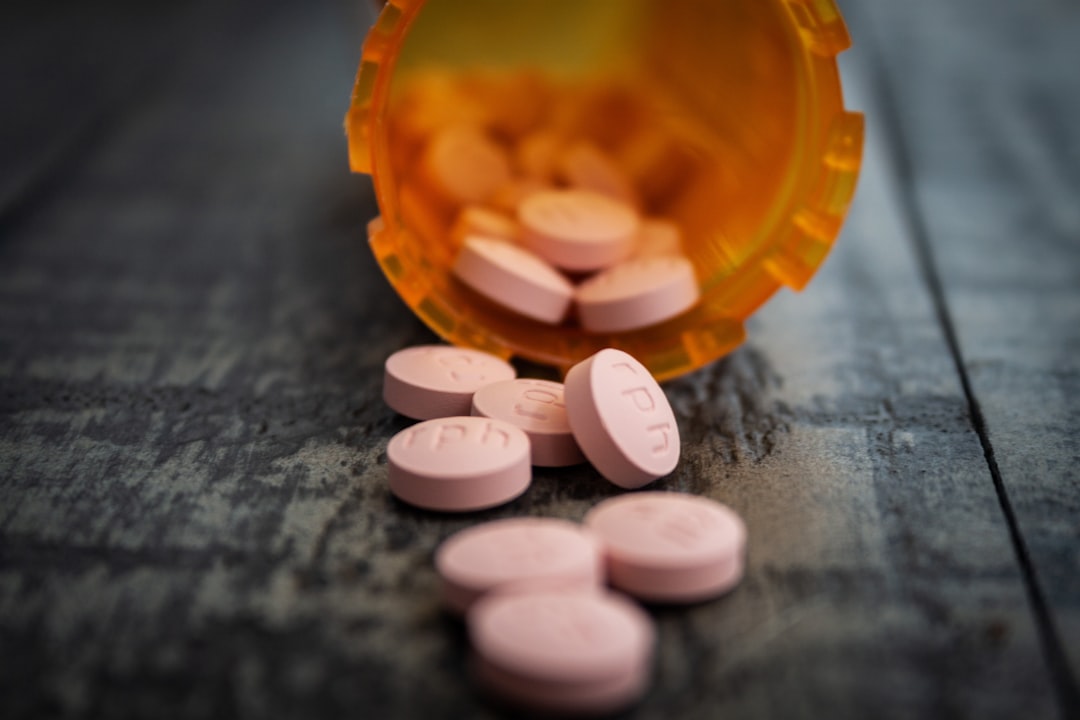
Prescription opioids including oxycodone, hydrocodone, and codeine-based medications are among the most frequently stolen items in residential burglaries according to law enforcement data compiled across multiple jurisdictions. Their street value makes them a primary target for opportunistic theft as well as for more sophisticated prescription fraud operations. Scammers who gain access to a home through service calls, caregiving roles, or social visits frequently identify and pocket these medications without the owner’s knowledge. Secure storage in a locked box rather than a standard medicine cabinet is the recommendation most consistently issued by poison control and law enforcement agencies.
Insurance Cards
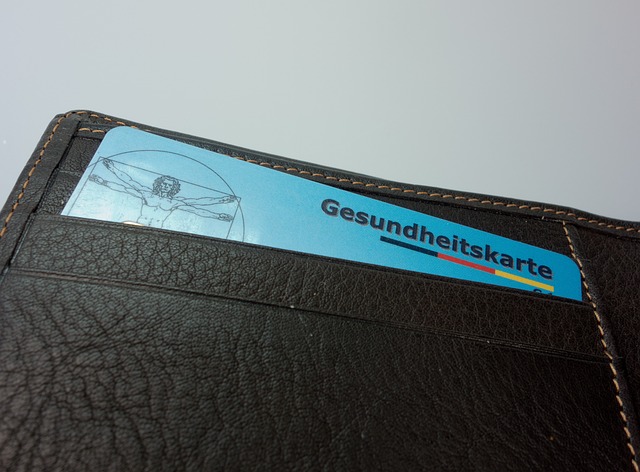
A health insurance card contains the policyholder’s member identification number, group number, insurer name, and often a date of birth, all of which are sufficient to begin filing fraudulent medical claims. Medical identity theft is one of the fastest-growing categories of financial fraud and can result in erroneous entries on a victim’s health record that affect future coverage and care. Scammers who photograph or memorize the details from an insurance card during a home visit have everything they need to begin exploiting a policy. Many households store insurance cards in the medicine cabinet for convenience without recognizing the exposure this creates.
Benzodiazepines
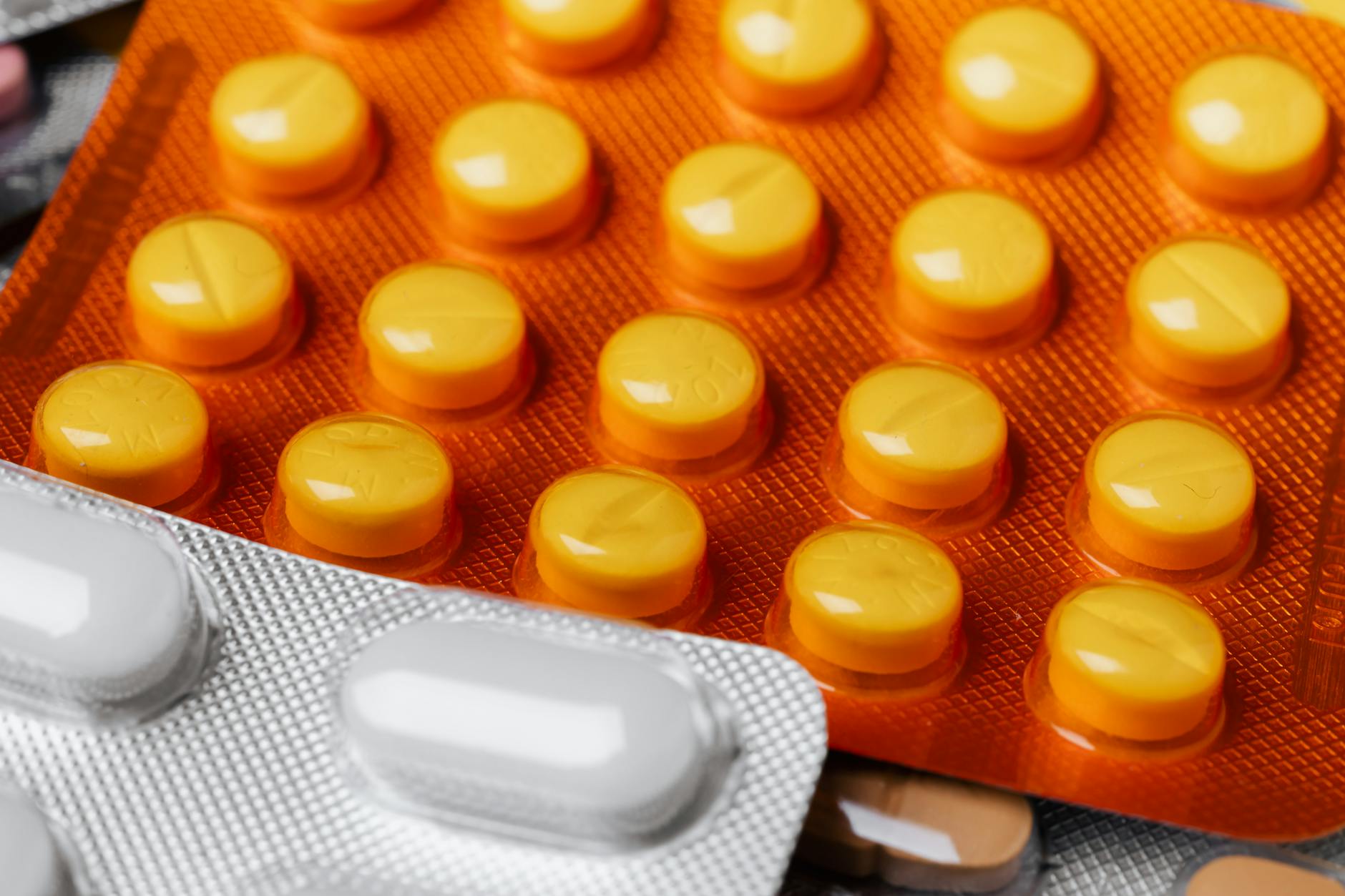
Medications in the benzodiazepine class including diazepam, alprazolam, and lorazepam carry significant street value and are frequently sought by prescription drug traffickers operating at both small and large scales. These medications are also used in drug-facilitated crimes, making their theft a public safety concern beyond simple financial fraud. Household staff, tradespeople, and visitors with access to bathroom spaces are the most commonly identified perpetrators in residential benzodiazepine theft cases. The combination of high demand and loose storage makes them one of the most exploited items in a typical home.
Medicare Cards
Medicare cards issued before the 2018 transition away from Social Security-based numbers still carry legacy identifiers that remain useful for fraudulent billing in certain contexts. Even current Medicare cards contain sufficient information for scammers to bill the program for services never rendered by pairing card details with a stolen provider number. Medicare fraud costs the program billions of dollars annually and the exploitation often begins with physical access to a card stored carelessly in a home. The card should be stored in a secure location and its number treated with the same sensitivity as a Social Security number.
Sleep Aids
Prescription sleep medications including zolpidem and eszopiclone have both street value and utility in drug-facilitated crimes, making them a target for theft from medicine cabinets during home visits. Their sedative effects make them particularly sought after by bad actors with harmful intentions beyond simple resale. Law enforcement agencies have documented cases where these medications were stolen from elderly individuals by carers or family members who then used or sold them. Even over-the-counter sleep aids in large quantities attract attention from individuals seeking substances to resell in informal markets.
Stimulant Prescriptions
ADHD medications including amphetamine salts and methylphenidate rank among the most frequently diverted prescription drugs in the United States and many other countries. Their value in academic, professional, and recreational markets makes them a consistent target for theft from family medicine cabinets, particularly in households where a child or teenager has a legitimate prescription. Scammers also use stolen prescription information from these bottles to attempt fraudulent refills at pharmacies in different geographic areas. Storage in a locked container separate from the general medicine cabinet is the standard recommendation from addiction medicine specialists.
Expired Passports
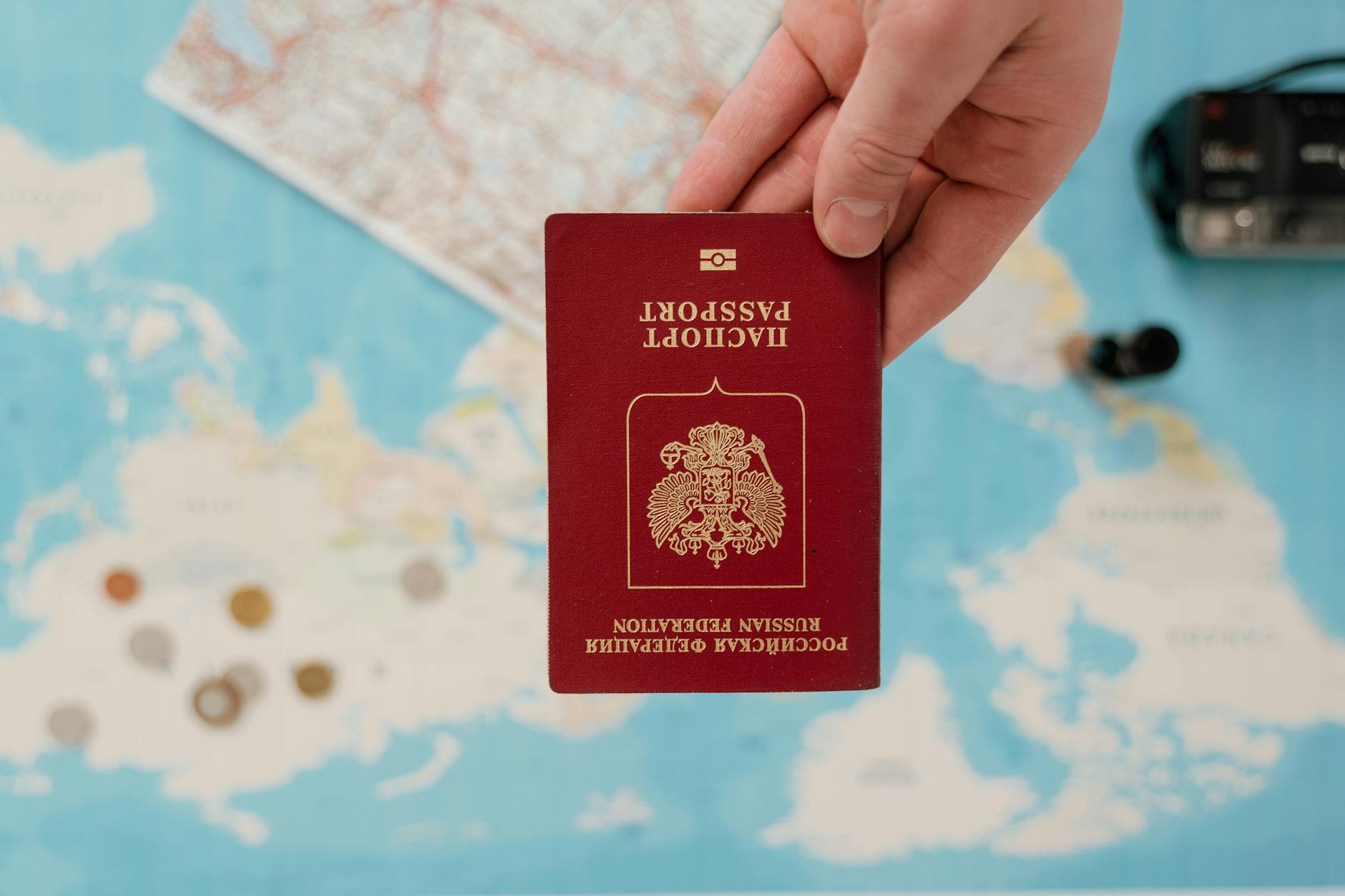
An expired passport retains significant value for document fraudsters who use it to create forged or altered identity documents for resale on criminal markets. The biographical data page contains everything needed to establish a false identity including full legal name, date of birth, place of birth, and a photograph. Many households store expired travel documents in the bathroom or near other personal items without recognizing the risk they represent. Document security specialists recommend shredding or officially surrendering expired passports rather than keeping them in accessible household locations.
Testosterone Medications
Prescription testosterone in gel, injection, or patch form is consistently identified by law enforcement as a frequently stolen controlled substance due to its demand in bodybuilding and performance enhancement communities. Its theft is often opportunistic, occurring during home service calls or social visits where the thief has legitimate but temporary access to the bathroom. Prescription information on the container also enables fraudulent refill attempts at pharmacies. The combination of physical theft risk and prescription fraud risk makes this medication one of the more dangerous items to store in an unsecured cabinet.
Allergy Epinephrine
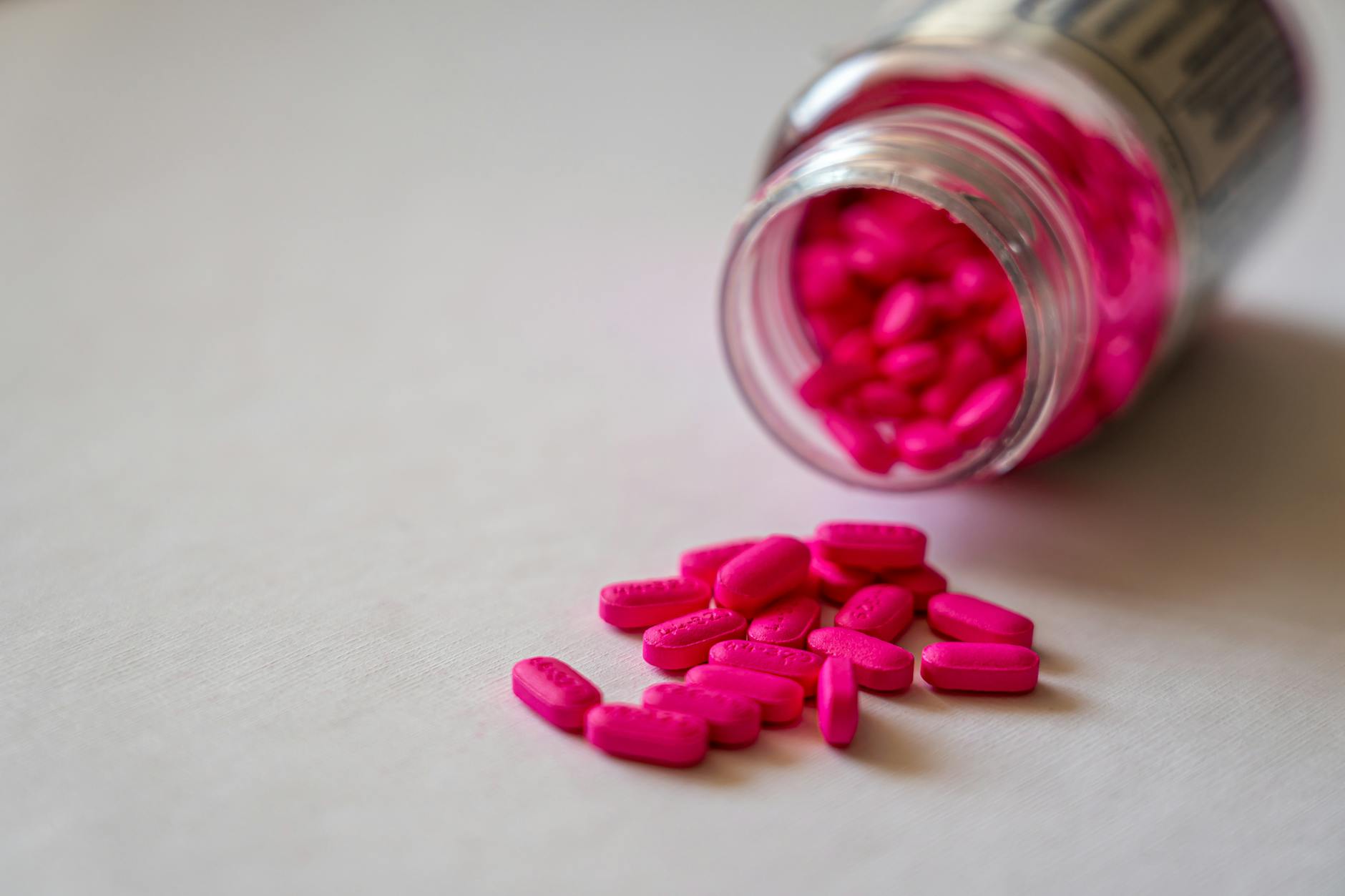
Auto-injectors containing epinephrine are expensive devices that have developed a secondary resale market among individuals without insurance coverage who cannot afford them at retail prices. While the humanitarian dimensions of this market are complex, the theft and resale of epinephrine devices constitutes medical device fraud and creates liability concerns for everyone in the chain. A stolen auto-injector that is past its prime or improperly stored can fail at a critical moment, making the consequences of this particular form of theft potentially fatal. Patients who discover their device has been stolen or tampered with should replace it immediately and report the incident.
Blood Thinner Prescriptions
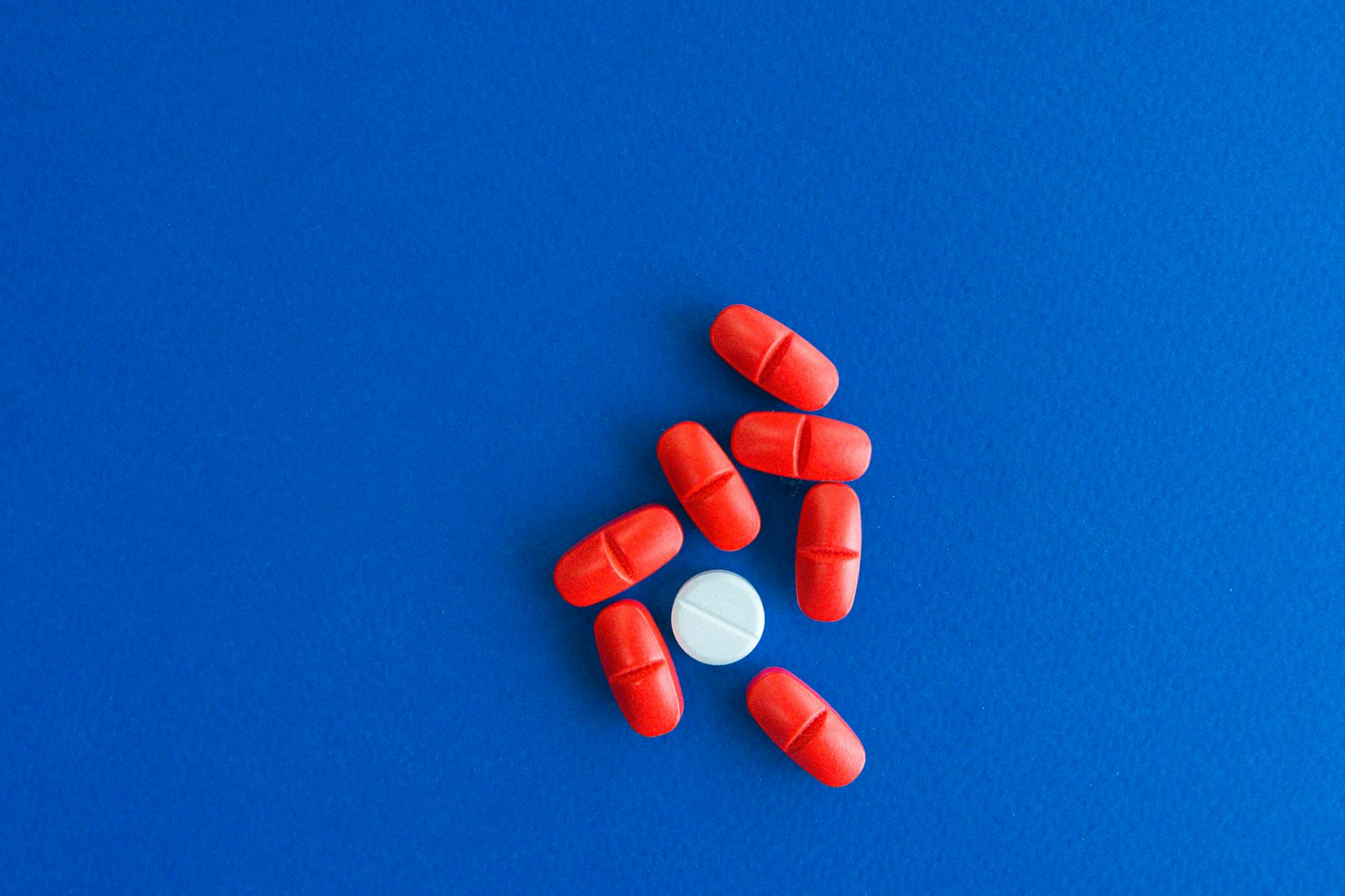
Warfarin, apixaban, and similar anticoagulant medications are targets for pharmaceutical theft due to their consistent demand and identifiable street value in communities where access to medication is economically constrained. Beyond physical theft, the detailed prescription information on these bottles enables fraudsters to impersonate patients and obtain refills at pharmacies across a region. Medication errors involving blood thinners can be life-threatening, making the diversion of these drugs a serious public health concern in addition to a financial one. The prescribing physician’s information on the label also provides fraudsters with a target for impersonation in healthcare billing schemes.
Social Security Cards
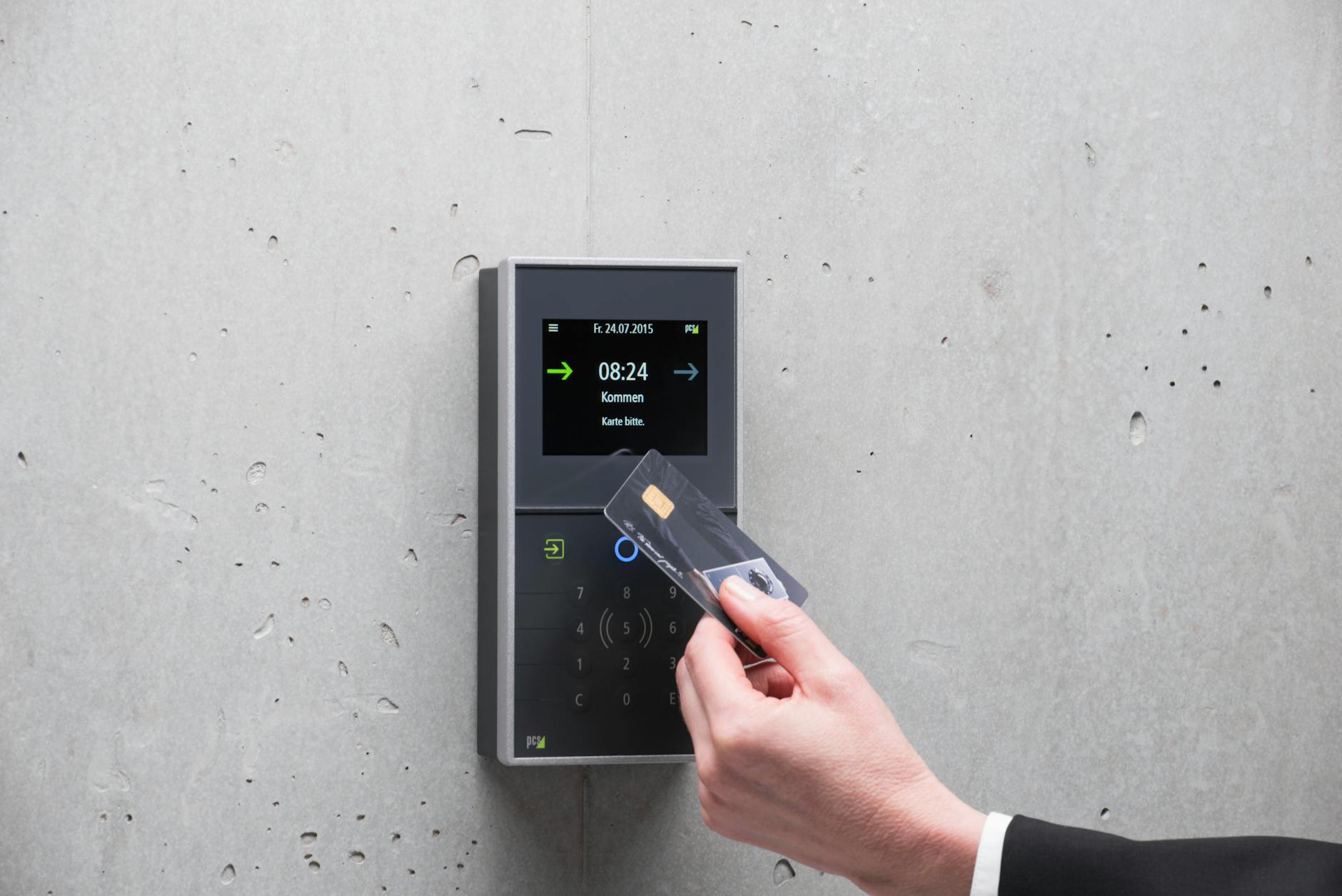
A Social Security card stored in the medicine cabinet for any reason represents one of the most dangerous identity theft exposures a person can create. The number alone is sufficient to open credit accounts, file fraudulent tax returns, apply for government benefits, and create entirely new financial identities in the victim’s name. Security experts across government and private sectors consistently rate Social Security number exposure as the single most damaging form of personal data loss available to fraudsters. The card should be stored in a fireproof home safe or safe deposit box and never in any bathroom or bedroom location.
Antianxiety Samples

Physician-distributed medication samples of antianxiety drugs are frequently stored loosely in bathroom cabinets without the packaging or labeling oversight of a standard pharmacy prescription. Their informal storage makes them easier to steal without detection and harder to account for when an inventory is taken. Drug diversion investigators note that samples are frequently the first medications removed during opportunistic theft because they carry no pharmacy tracking number. Even sample packaging often contains enough printed information to support a fraudulent prescription request when presented to a less careful pharmacy.
Birth Certificates
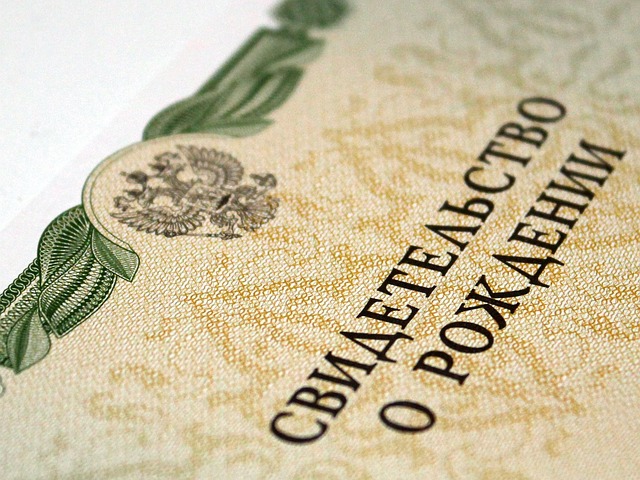
Many households keep birth certificates in the bathroom or bedroom alongside other personal documents, creating an exposure that identity fraud specialists describe as among the most serious possible. A birth certificate is a foundational identity document that enables a fraudster to obtain a driver’s license, passport, Social Security card replacement, and a wide range of government benefits under a stolen identity. The combination of a birth certificate and any one other identifying document found in the same location dramatically accelerates the identity theft process. Vital records should always be stored in a locked, fireproof safe rather than any accessible household location.
Psychotropic Medications
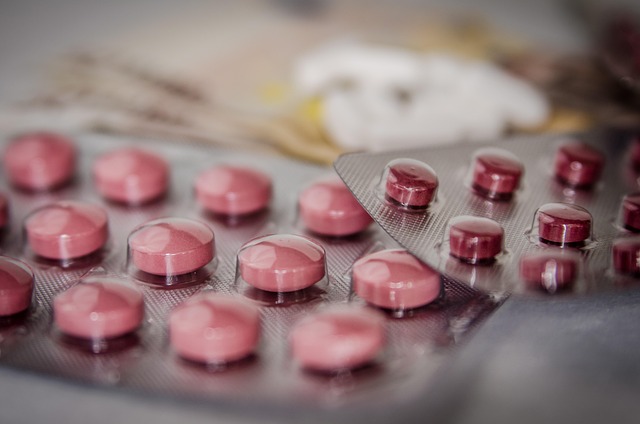
Antipsychotics, mood stabilizers, and other psychotropic medications have a documented secondary market driven by both recreational use and self-medication among individuals without insurance or psychiatric access. Their theft from residential settings is frequently carried out by individuals who are personally acquainted with the household, a pattern that mental health advocacy organizations have highlighted as a particular concern for vulnerable patients. The disruption caused to the legitimate patient when their medication is stolen without their knowledge can precipitate serious psychiatric episodes before the loss is even identified. Secure storage is especially important for this category of medication.
Old Checkbooks
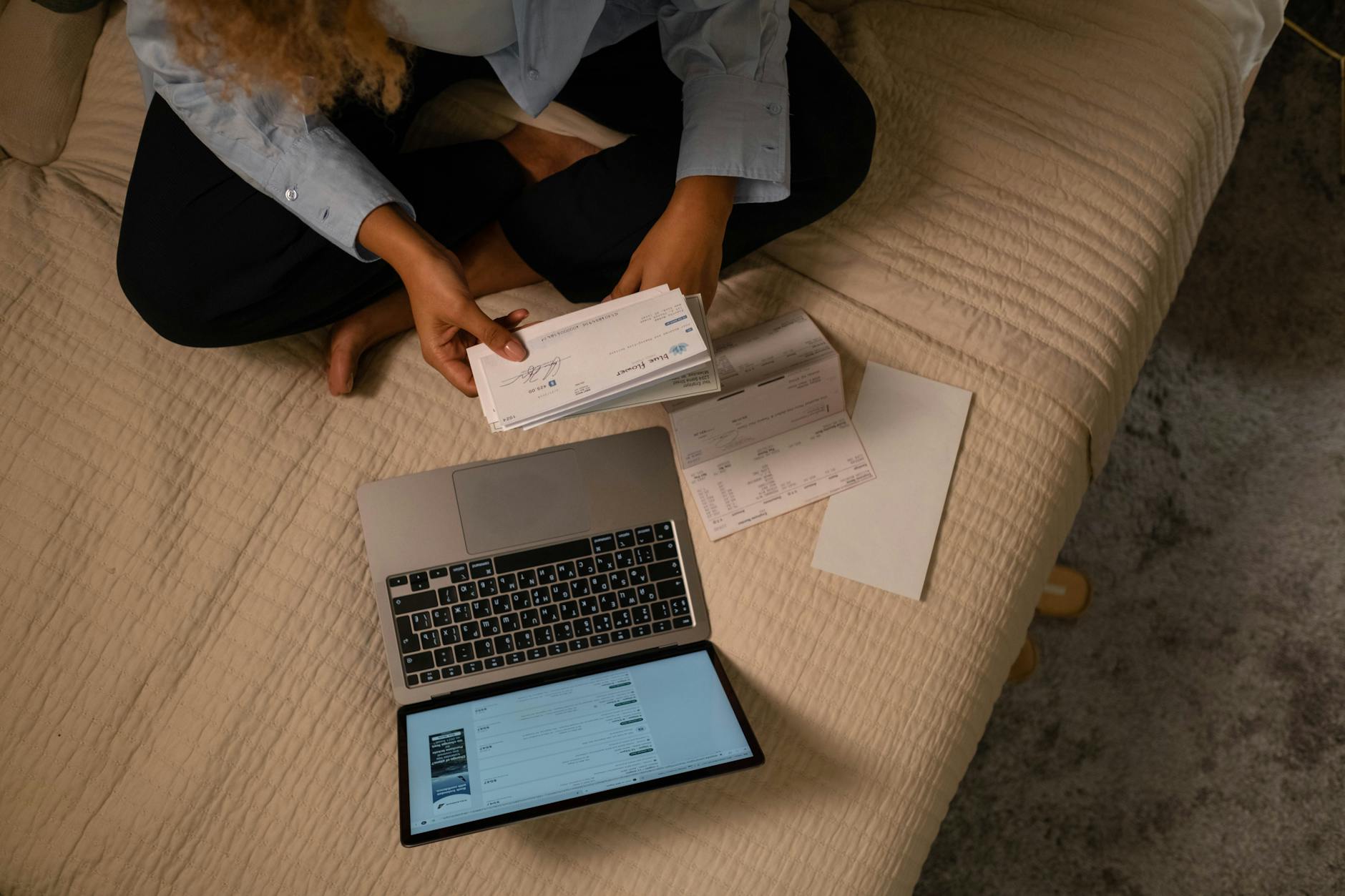
Unused checks from old or inactive accounts stored in the medicine cabinet for convenience represent a significant fraud exposure that financial crime investigators frequently encounter. A check contains the account holder’s routing number, account number, full legal name, and often a home address, which is sufficient information to initiate unauthorized electronic transfers or produce counterfeit checks. Financial fraud attorneys note that check fraud remains one of the most underreported and underestimated forms of financial crime precisely because victims often do not connect the loss to a specific moment of exposure. Old checkbooks should be shredded rather than stored in any accessible location.
Hormone Treatments
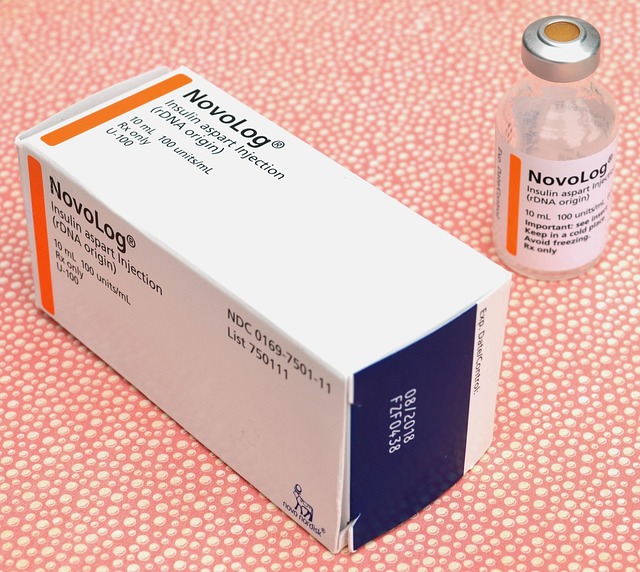
Hormone replacement therapy medications in all their forms carry both street value and prescription fraud potential that law enforcement and pharmacy benefit managers have increasingly documented. Their theft from residential settings is most commonly perpetrated by individuals with regular household access such as cleaning services, home health aides, or frequent visitors. The prescribing information on the packaging also enables targeted fraud against specific endocrinologists and gynecologists who are then impersonated in fraudulent billing schemes. Patients who use these medications regularly should audit their supply periodically and report unexplained shortages to their physician.
Vehicle Registration
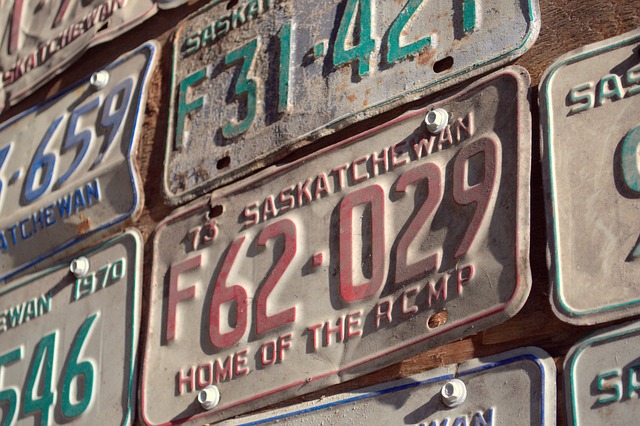
A vehicle registration document stored in the bathroom or near other personal papers contains the vehicle identification number, license plate number, registered owner’s name and address, and insurance information, all of which are useful to a range of fraudsters. This combination of information is sufficient to file fraudulent insurance claims, facilitate vehicle title fraud, or provide cover for individuals operating a stolen vehicle of the same make and model. Auto fraud investigators note that the physical registration document is far more dangerous when separated from the vehicle than most owners appreciate. It should be kept in the glove compartment of the vehicle or in a secured home document storage system.
Controlled Cough Medicines
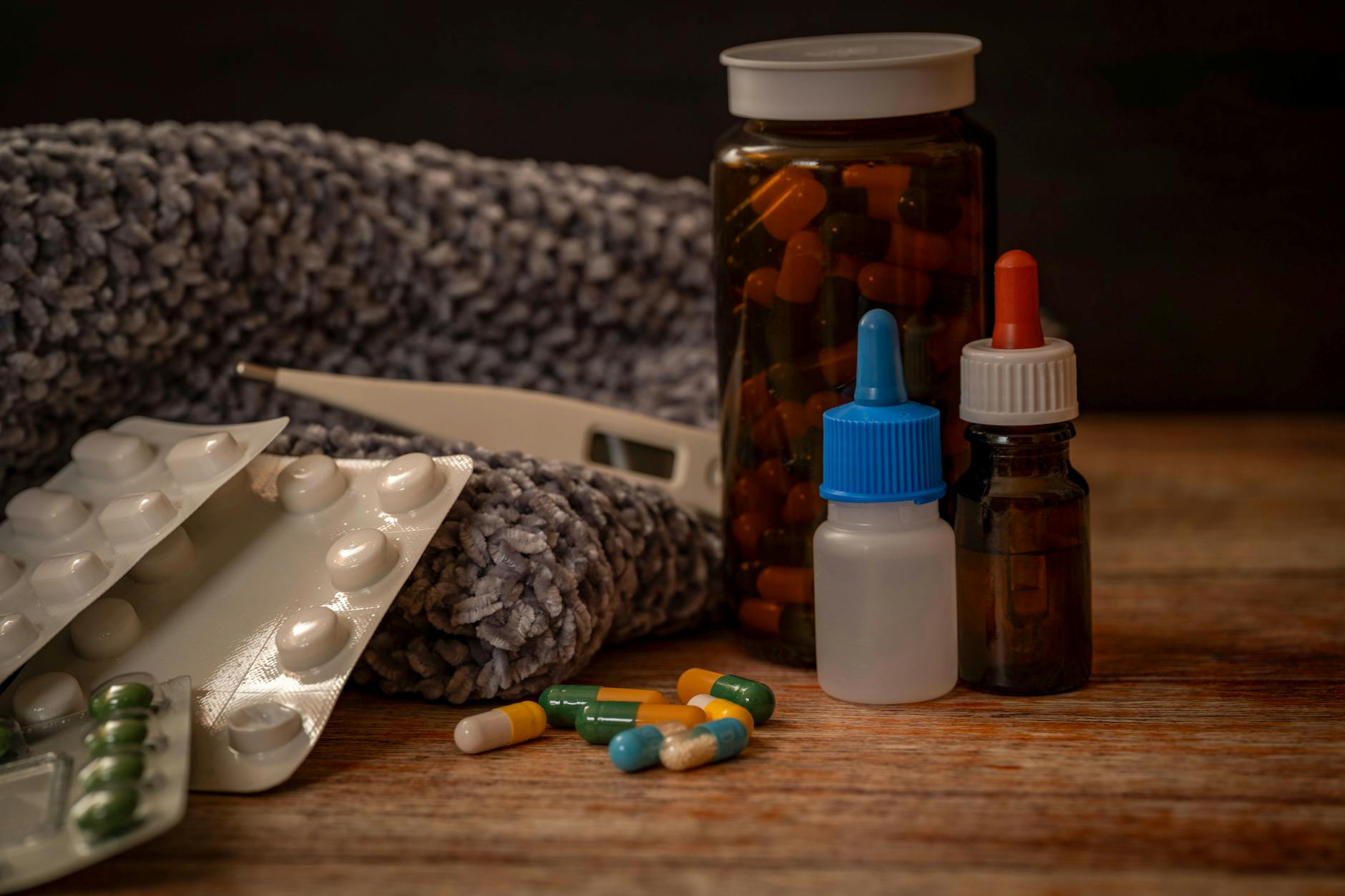
High-dose prescription cough suppressants containing codeine or hydrocodone are a consistent target for residential theft due to both their recreational demand and their resale value in illicit markets. Their liquid form makes it possible to remove a portion without obvious detection, a method that law enforcement refers to as skimming and which can go unnoticed for extended periods. Households with elderly patients who use these medications regularly are disproportionately targeted by fraudsters who pose as carers, delivery personnel, or service workers. Tracking the volume of liquid medications by marking the bottle is one method pharmacists recommend for monitoring unexplained depletion.
Credit Card Statements
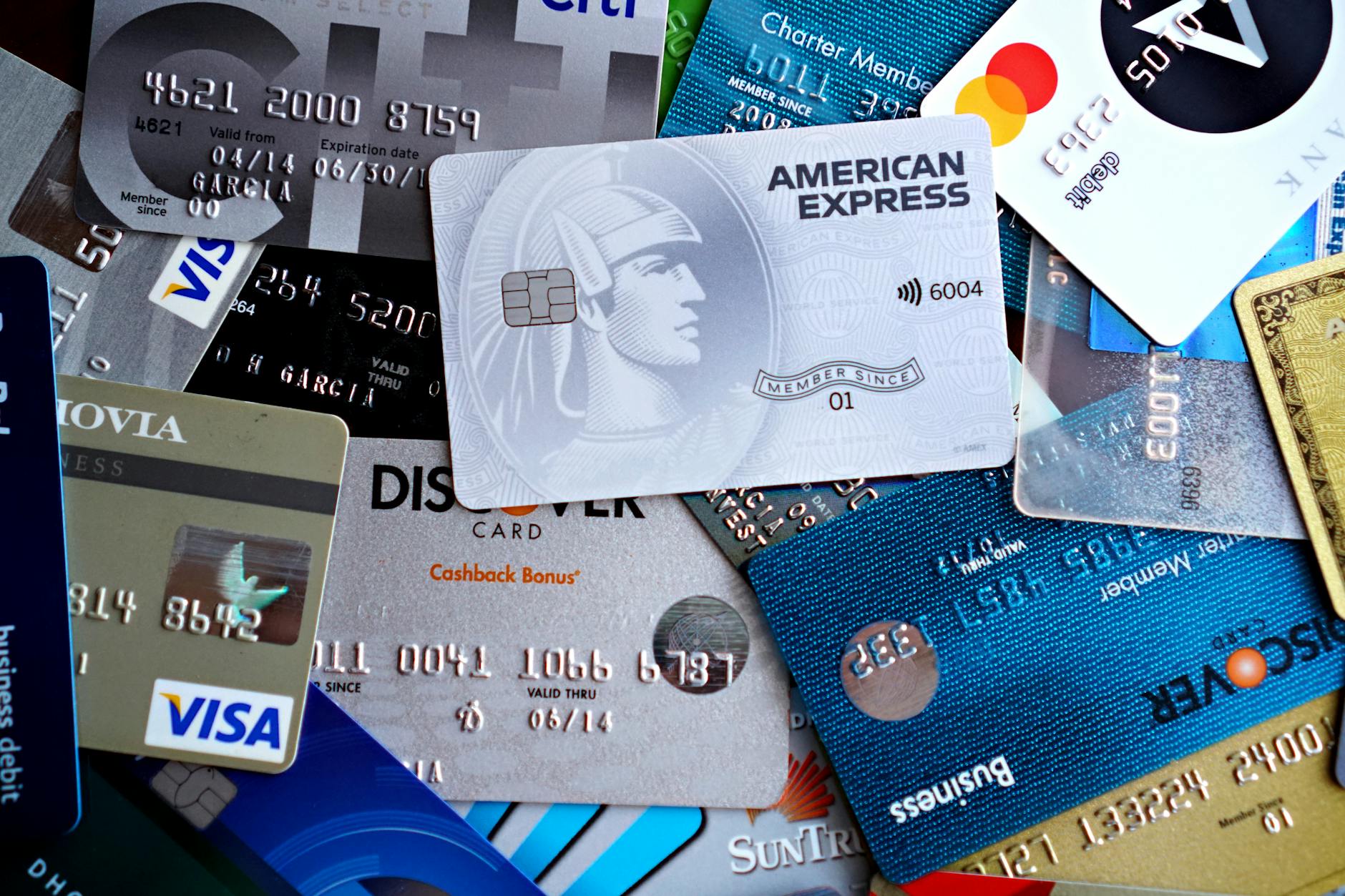
Paper credit card statements stored in or near the medicine cabinet contain account numbers, transaction histories, credit limits, and billing addresses that represent a comprehensive profile for financial fraud. A single statement provides enough information to attempt account takeover, apply for duplicate cards through fraudulent address changes, or sell the account details on criminal markets. Financial crime researchers note that paper documents remain a primary source of account information for fraudsters despite the cultural assumption that financial crime has moved entirely online. All financial statements should be shredded immediately upon review or switched to paperless delivery to eliminate the physical exposure entirely.
Muscle Relaxants
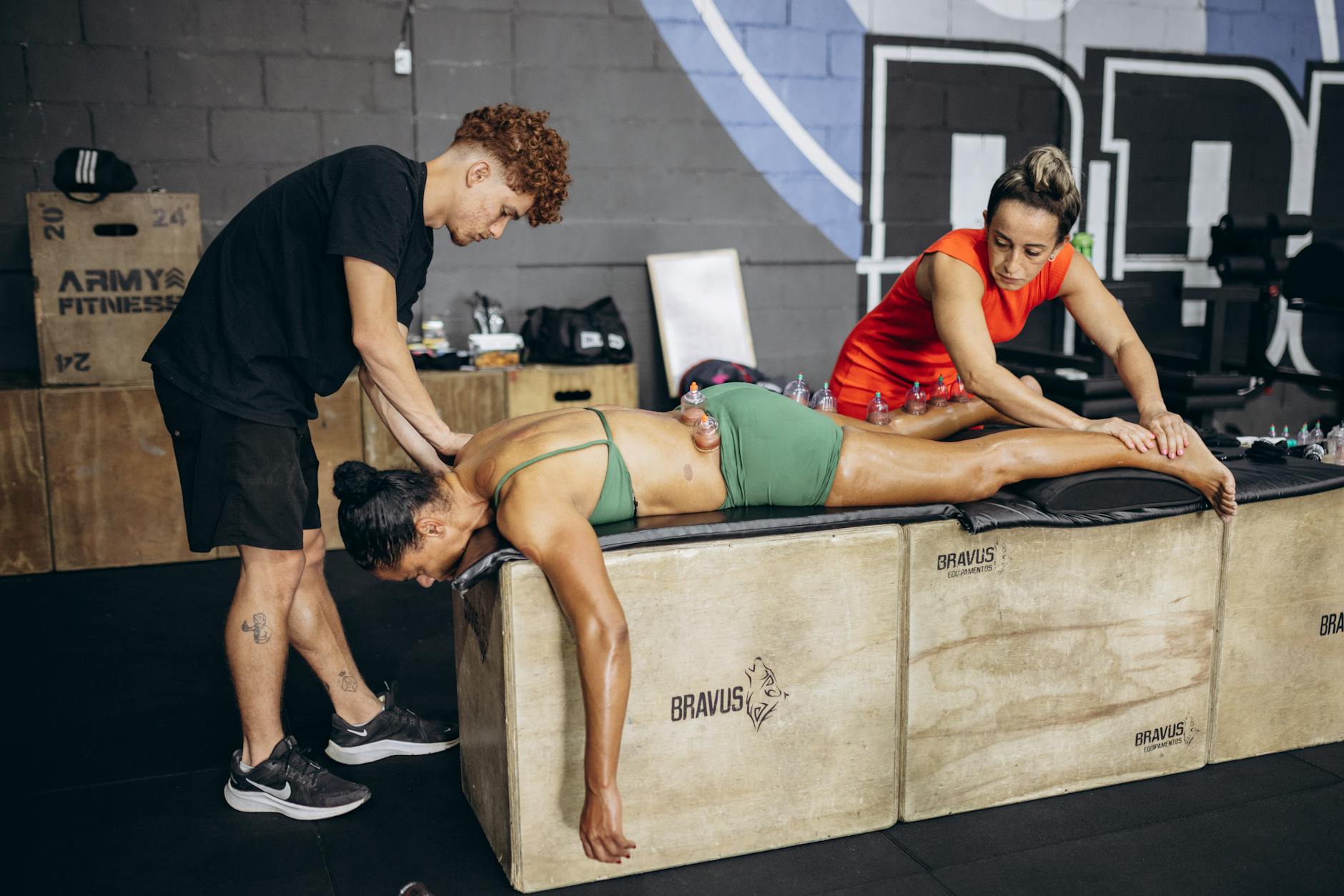
Prescription muscle relaxants including cyclobenzaprine and carisoprodol have an established illicit market driven by their sedative and euphoric effects when combined with other substances. Their theft from medicine cabinets is frequently incidental to a visit motivated by another purpose, with the thief identifying and pocketing the medications during what appears to be an ordinary interaction. Addiction medicine specialists note that carisoprodol in particular has a high potential for abuse and diversion that is not always fully communicated to patients receiving it for legitimate musculoskeletal conditions. Treating this class of medication with the same security awareness applied to opioids is the consistent recommendation from pharmacy safety experts.
Reading Glasses Prescriptions
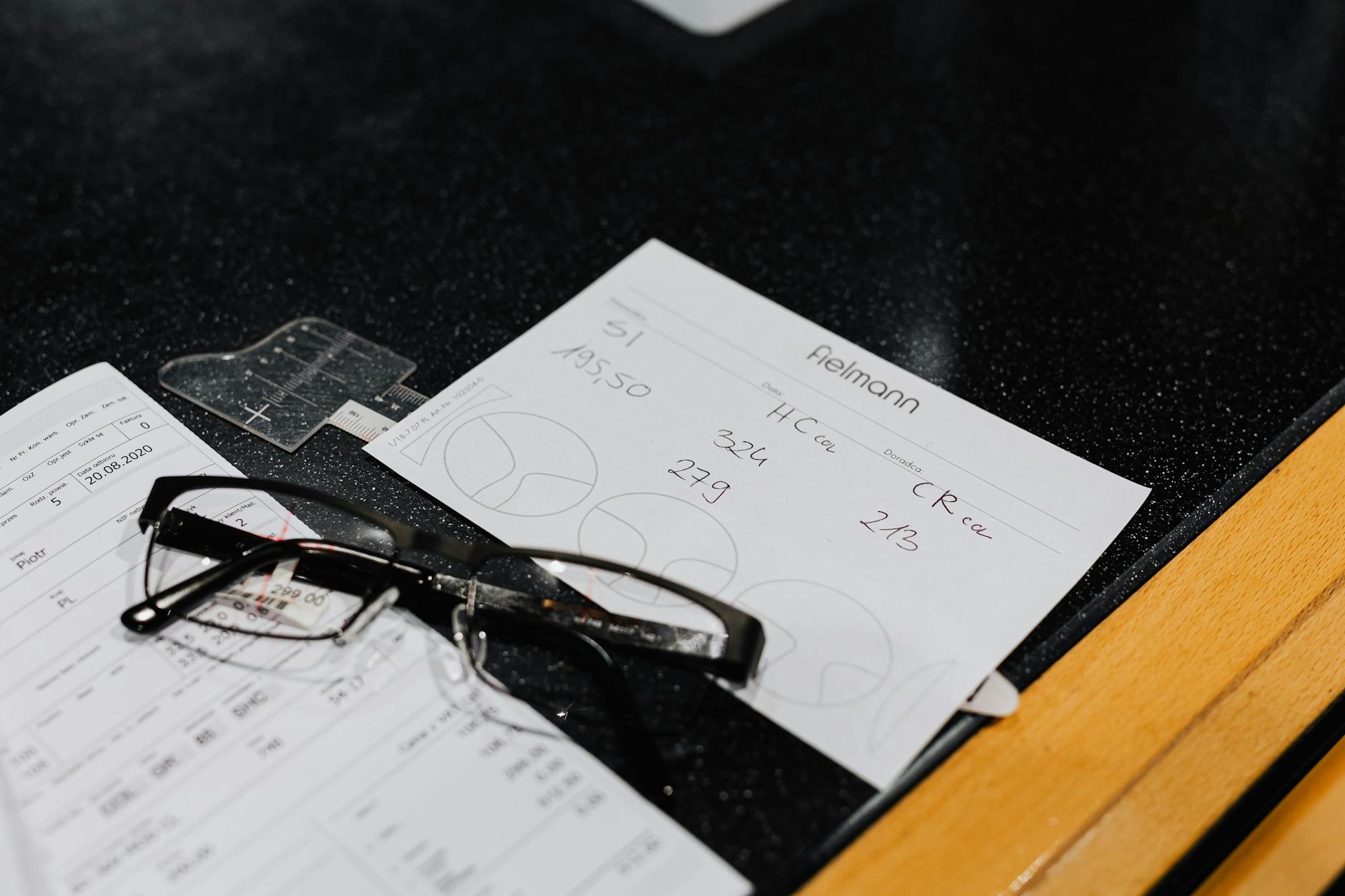
A written eyeglass prescription stored in the medicine cabinet contains enough identifying information to order prescription eyewear fraudulently through online retailers that do not require in-person verification. While this may seem like a minor form of fraud compared to financial identity theft, it is part of a broader category of medical identity exploitation that generates significant losses for insurers and vision care providers annually. The prescription also confirms details about the holder’s identity and healthcare provider that can be combined with other stolen information to build a more complete fraudulent profile. Medical documents of all kinds should be stored securely rather than left accessible in bathroom cabinets.
Unused Gift Cards

Gift cards stored in the medicine cabinet for safekeeping are a frequently overlooked target for opportunistic theft because they are easily pocketed without obvious evidence of removal. A thief with momentary access to the cabinet can note the card number and PIN from the back of an unactivated card and drain the balance remotely once the card is activated, a technique known as card draining that retailers and consumer protection agencies have documented extensively. The physical appearance of the card is unchanged after this information is copied, meaning the owner may not discover the theft until attempting to use the card. Gift cards should be stored in a locked location and their balances checked immediately upon receipt.
Antidepressant Medications
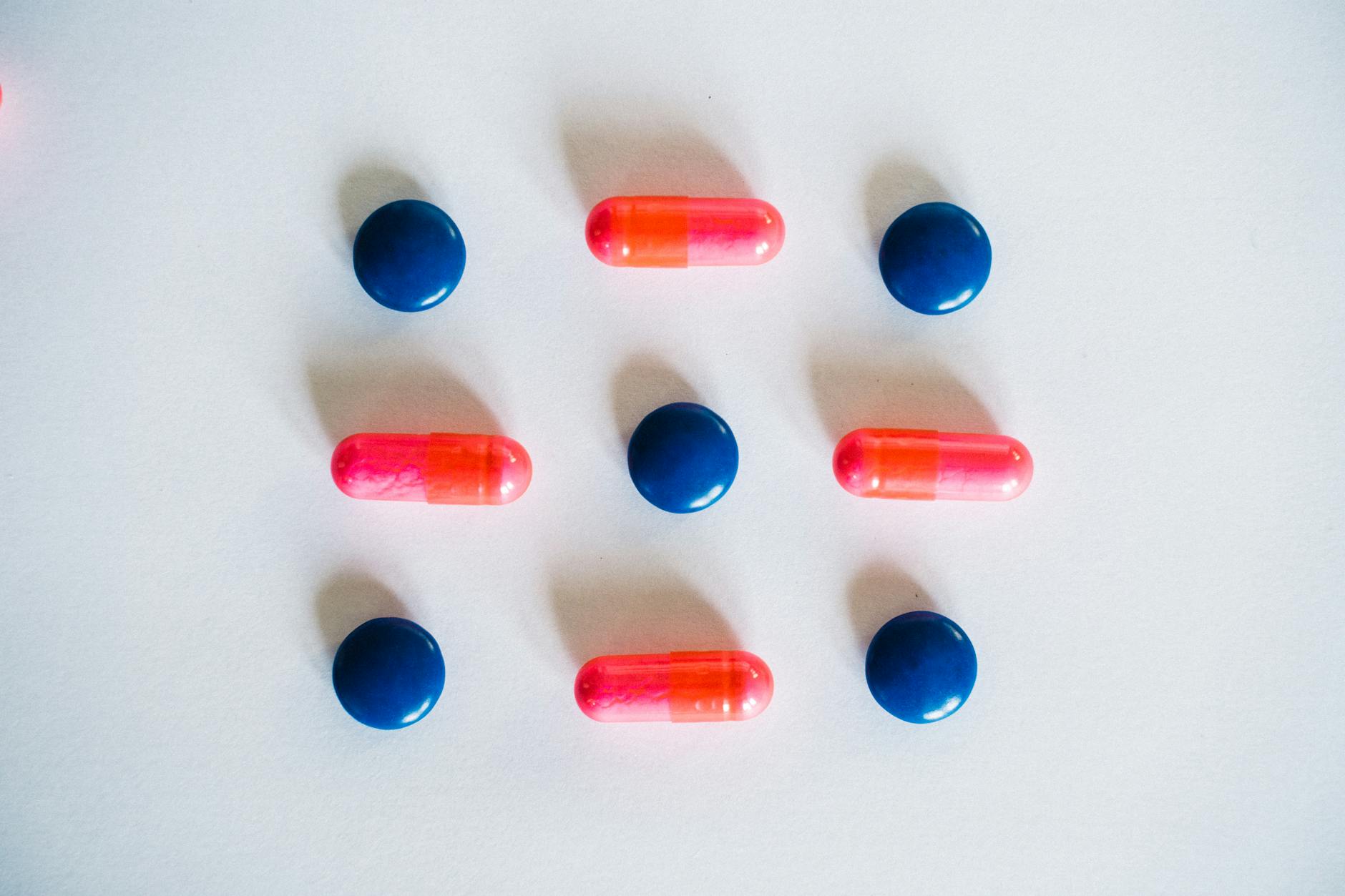
While antidepressants do not carry the same street value as controlled substances, they are frequently stolen to supply individuals who self-medicate without a prescription or to resell to communities with limited mental healthcare access. Their theft also represents a serious disruption to the legitimate patient, as abrupt discontinuation of many antidepressants causes a recognized withdrawal syndrome that can significantly impair functioning. Pharmacy benefit fraud investigators also note that antidepressant prescription information is used to submit fraudulent insurance claims because the medications are often expensive brand-name products. Patients on these medications should treat them with the same physical security awareness applied to other prescription drugs.
Pain Patches
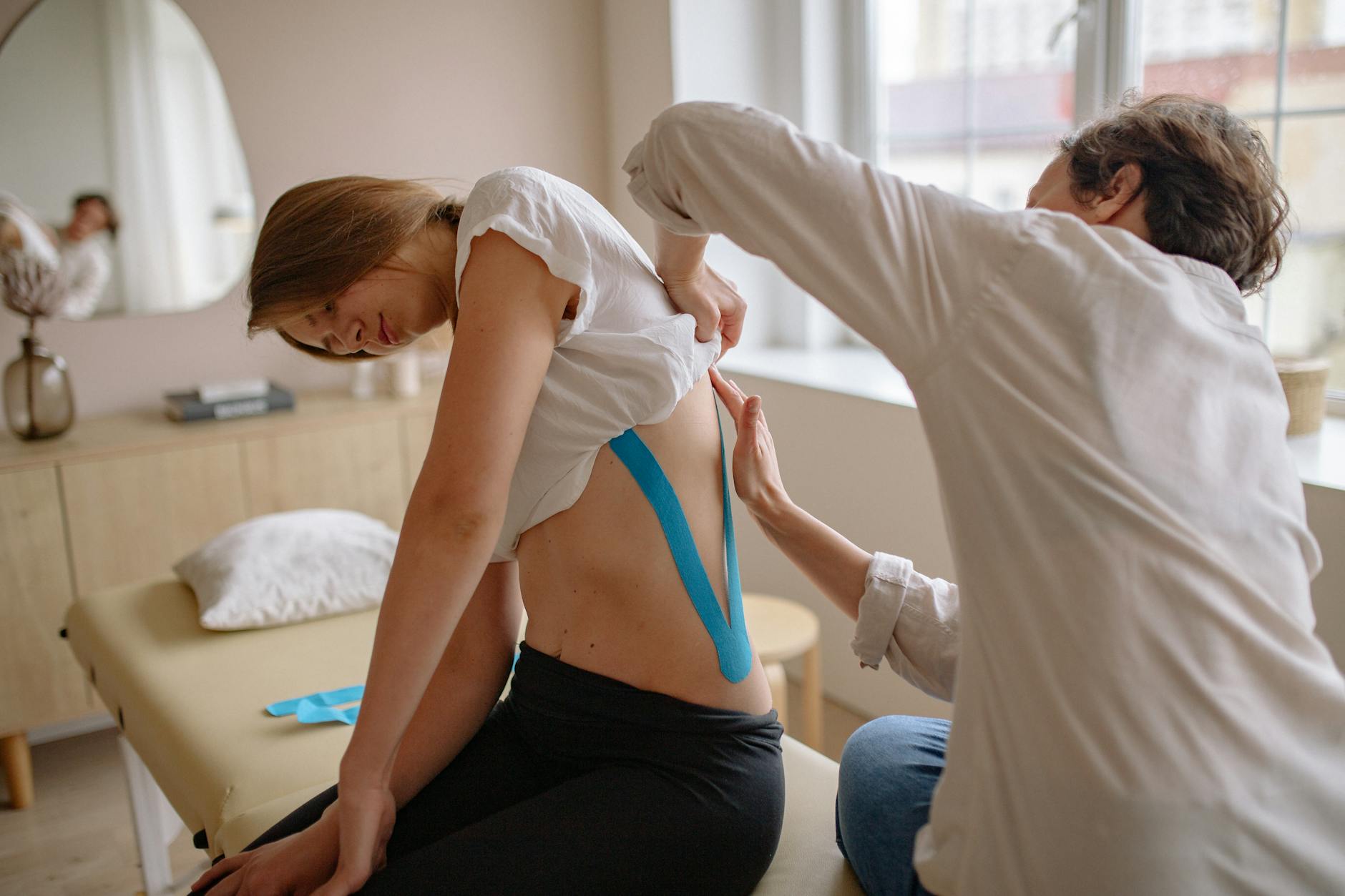
Transdermal pain patches containing fentanyl or buprenorphine are among the most dangerous items that can be stored in a residential medicine cabinet from a diversion and overdose risk perspective. Their potency means that a single stolen patch represents both significant street value and a genuine overdose risk for any individual who misuses it. Law enforcement and poison control agencies have documented fatalities associated with diverted fentanyl patches, including cases where children came into contact with partially used patches that were improperly discarded. These medications require locked storage and proper disposal through official take-back programs rather than household waste streams.
Home Alarm Codes
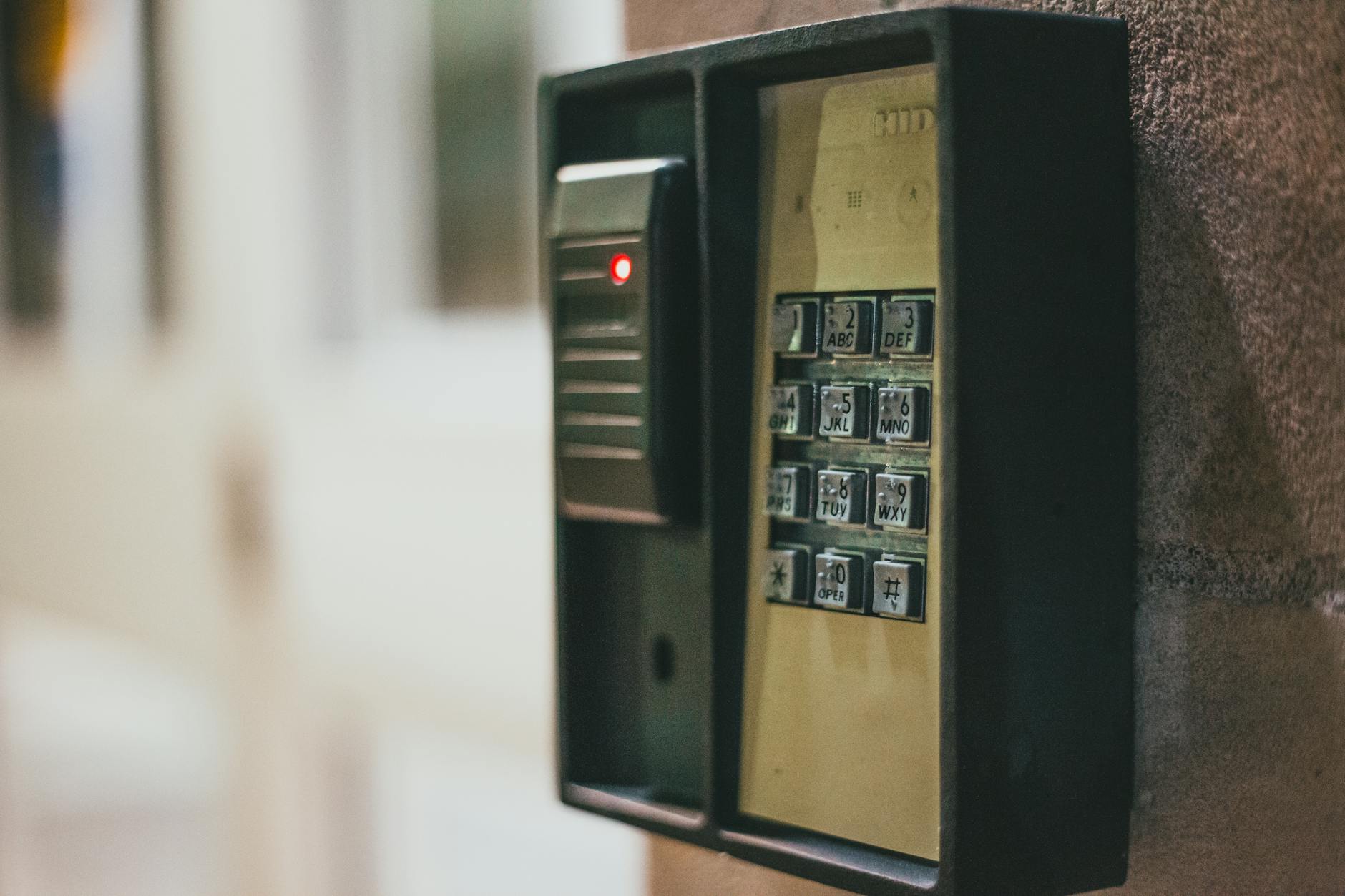
Written home security codes stored on paper in the medicine cabinet for emergency reference represent a catastrophic security vulnerability that burglary investigators encounter with surprising frequency. A thief who accesses the code during a visit has effectively neutralized the primary security system of the entire property for any future unauthorized entry. Security consultants consistently advise that alarm codes should be memorized and never written down in any accessible household location regardless of how private it may feel. The medicine cabinet, despite its private association, is one of the most frequently accessed spaces by anyone who visits the home.
Thyroid Medications
Prescription thyroid medications including levothyroxine are among the most commonly prescribed drugs in many countries, and their widespread availability makes them a frequent target for theft by individuals seeking to resell them to uninsured patients who use them for weight management or energy outside of their clinical indication. The theft disrupts the legitimate patient’s hormonal balance in ways that can have serious health consequences over even a short period of missed doses. Prescription information on the bottle also enables pharmacy fraud attempts, particularly at independent pharmacies where verification protocols may be less rigorous. Patients on thyroid medication should count their tablets regularly and report any unexplained shortage to their physician and pharmacist.
Old Tax Documents
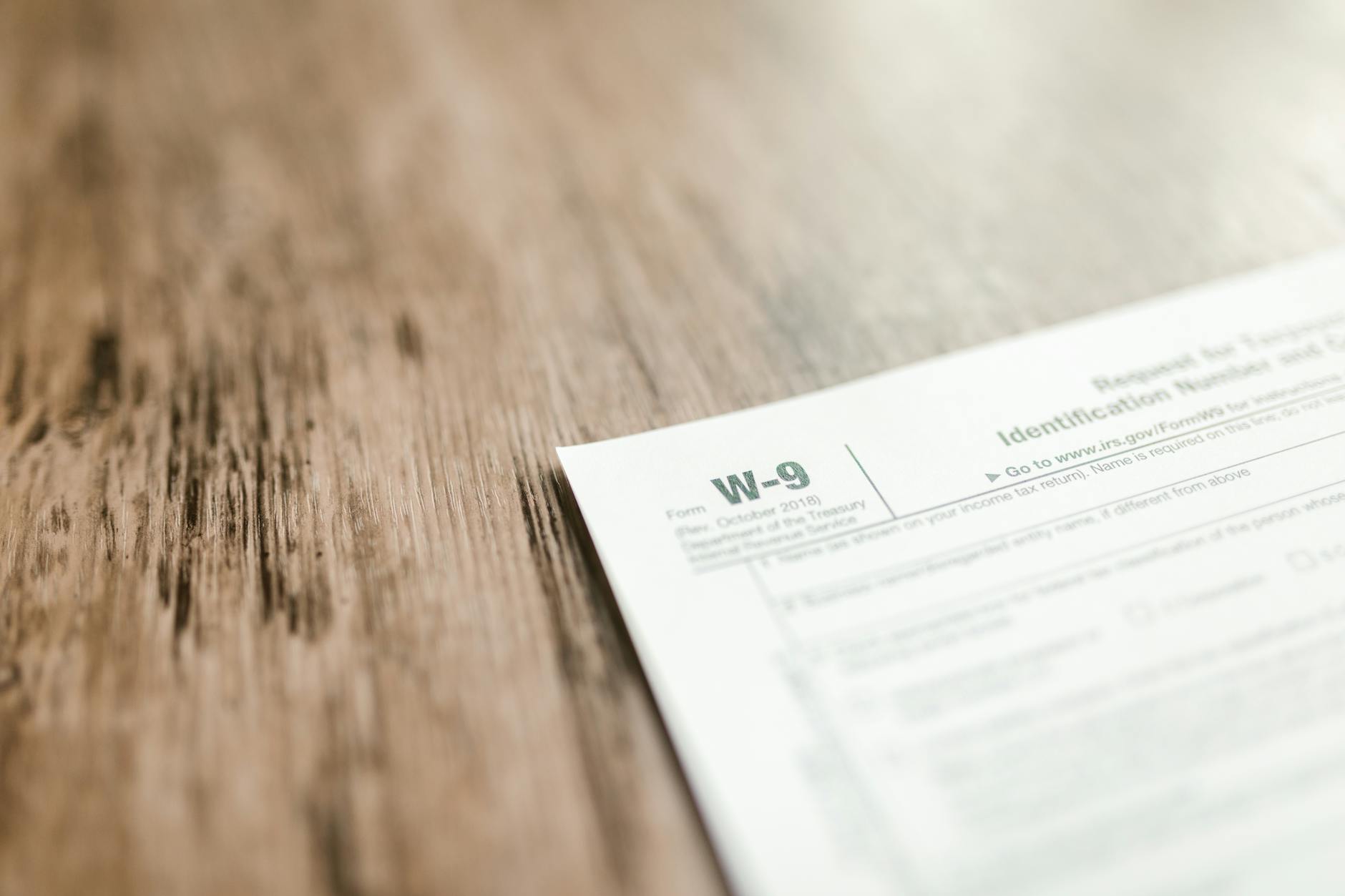
Tax returns and related documents stored in the bathroom alongside other personal papers contain Social Security numbers, income figures, employer information, bank routing numbers, and dependent information that represent a comprehensive identity theft package. A single tax return provides fraudsters with enough information to file a false return in the victim’s name and redirect a refund, a crime that the IRS processes millions of reports about annually. Tax documents should be stored in a locked fireproof container for the legally required retention period and then shredded using a cross-cut or micro-cut shredder. No tax-related document should ever be stored in an accessible bathroom or bedroom location.
Anti-Seizure Medications
Prescription anticonvulsants have a documented illicit market driven by their mood-stabilizing and sedative effects, and their theft from residential settings is a recognized concern for patients who depend on uninterrupted supply to prevent neurological episodes. Missing even a single dose of certain anticonvulsants can trigger breakthrough seizures in patients who have been stable for years, making the consequences of theft immediately dangerous rather than merely inconvenient. Neurologists consistently recommend locked storage for these medications, particularly in households where multiple people have bathroom access. The prescription label information also enables targeted fraud against the neurologists and epilepsy specialists who appear as the prescribing physician.
Jewelry and Watches
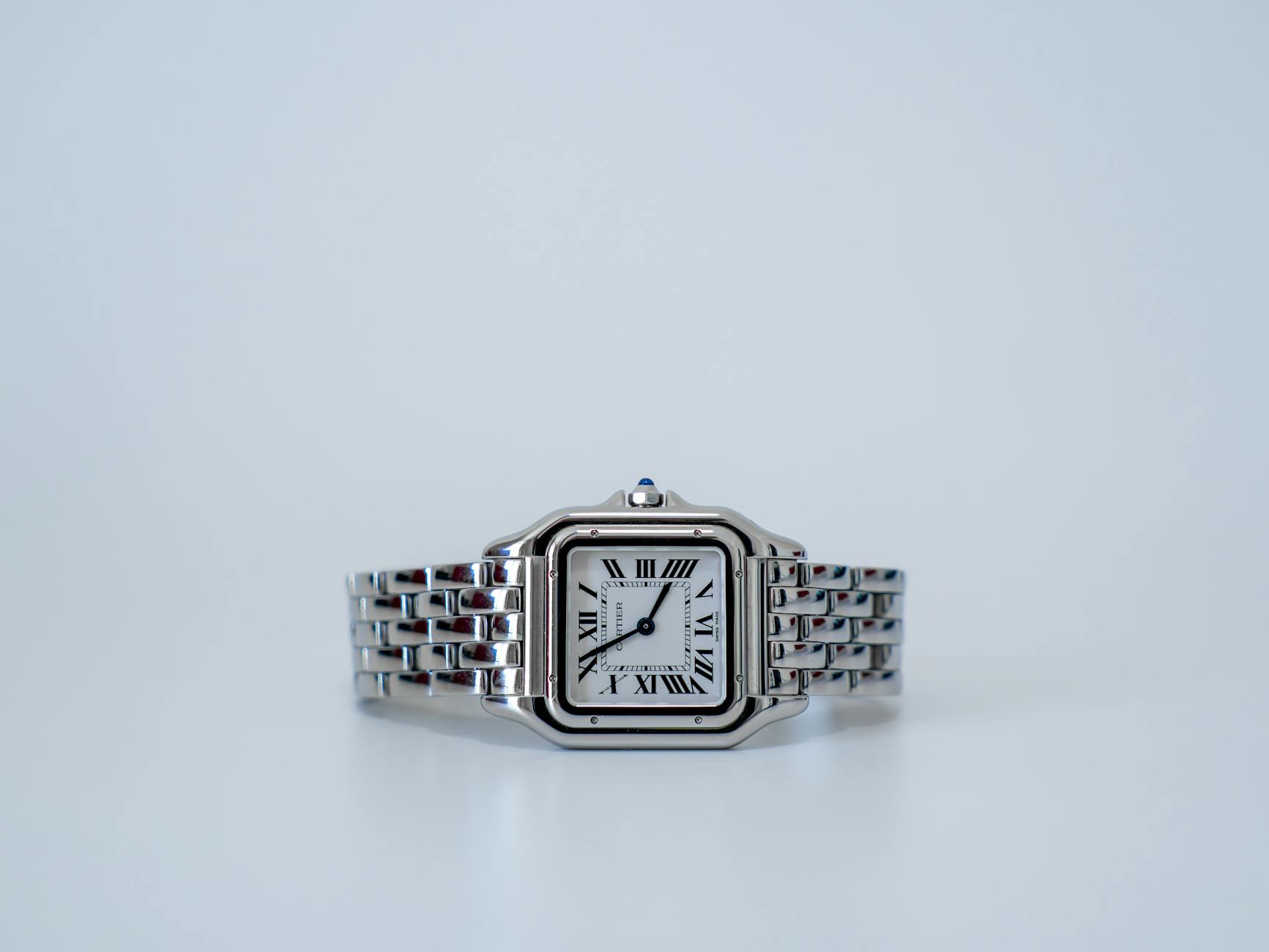
Small items of significant value stored in the medicine cabinet for convenience during daily routines represent an obvious but frequently overlooked physical theft risk. A thief with brief bathroom access can pocket a watch, ring, or pair of earrings without any evidence of forced entry or obvious disruption. Insurance fraud investigators note that items stored in bathrooms are among the most difficult to recover because the theft is rarely witnessed and often not reported promptly. High-value personal items should always be stored in a dedicated secure location rather than left on cabinet shelves where their removal requires no tools and no time.
Narcotic Cough Syrups
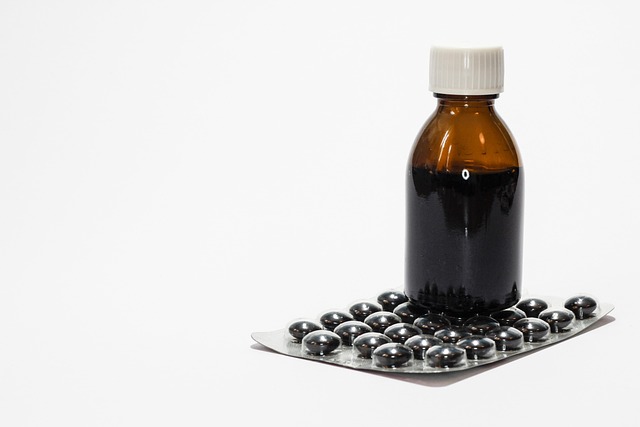
Prescription cough syrups containing promethazine with codeine have an established recreational market driven by popular culture associations as well as genuine pharmacological demand. Their appealing taste and liquid form make them easier to consume recreationally than pill-form opioids, contributing to consistent demand in illicit markets. Households that store these medications for legitimate respiratory conditions are frequently targeted by visitors who are aware of their value. Pharmacy investigators recommend that these syrups be treated with the same security protocols applied to solid opioid medications rather than stored casually as though they were standard over-the-counter products.
Unused Prescription Pads
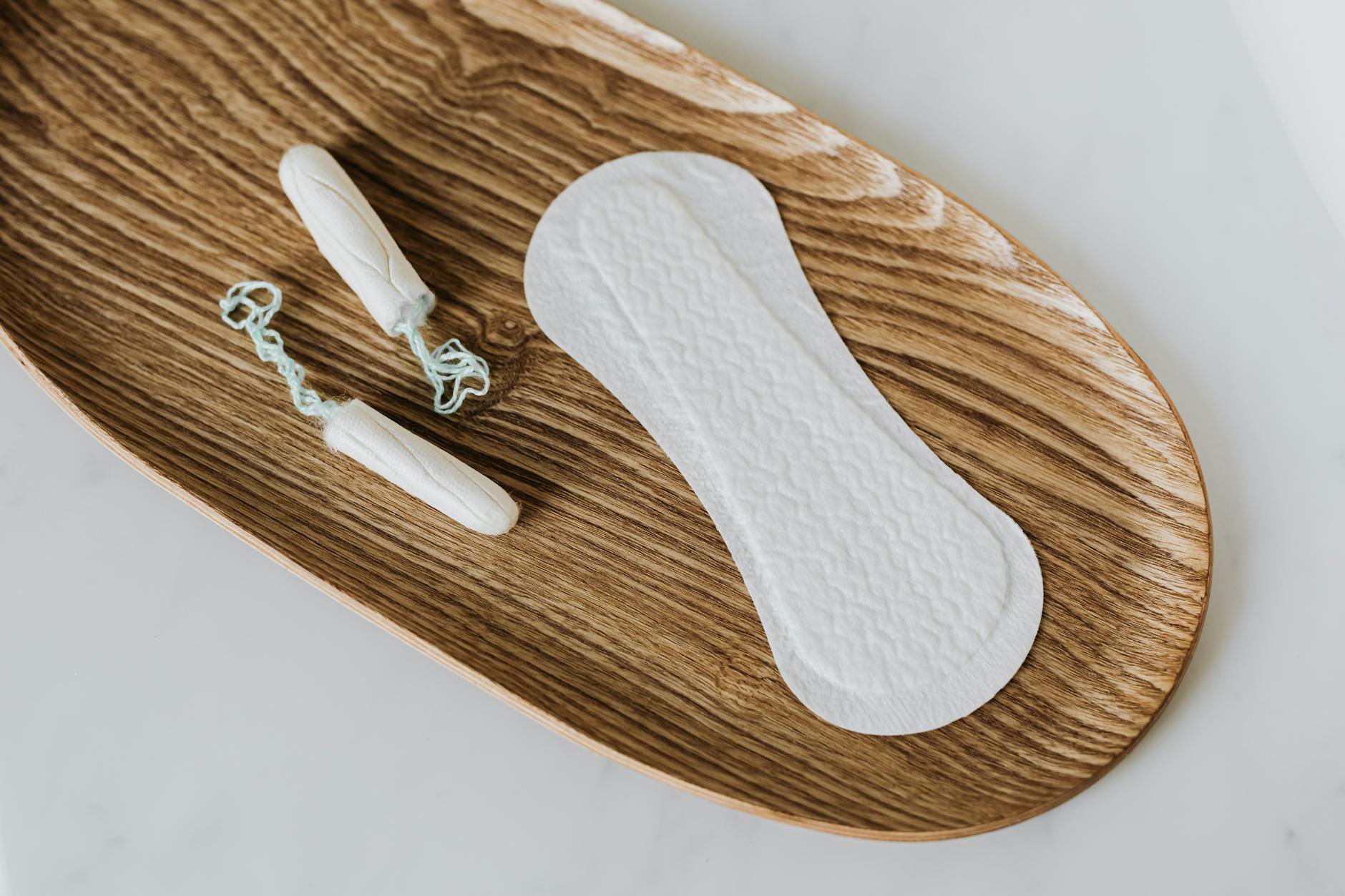
Prescription pads belonging to a household member who is a medical professional represent one of the most dangerous items that can be left accessible in a home environment. A single stolen prescription pad enables the production of fraudulent prescriptions for any controlled substance the thief chooses to target, and the legitimate prescriber’s DEA number on the pad amplifies the potential scale of the fraud exponentially. Law enforcement agencies that investigate prescription fraud consistently identify stolen prescription pads as a primary enabler of large-scale diversion operations. Medical professionals should store prescription pads in a locked location at all times and immediately report any unexplained shortage of pages to their state medical board and the DEA.
Power of Attorney Documents
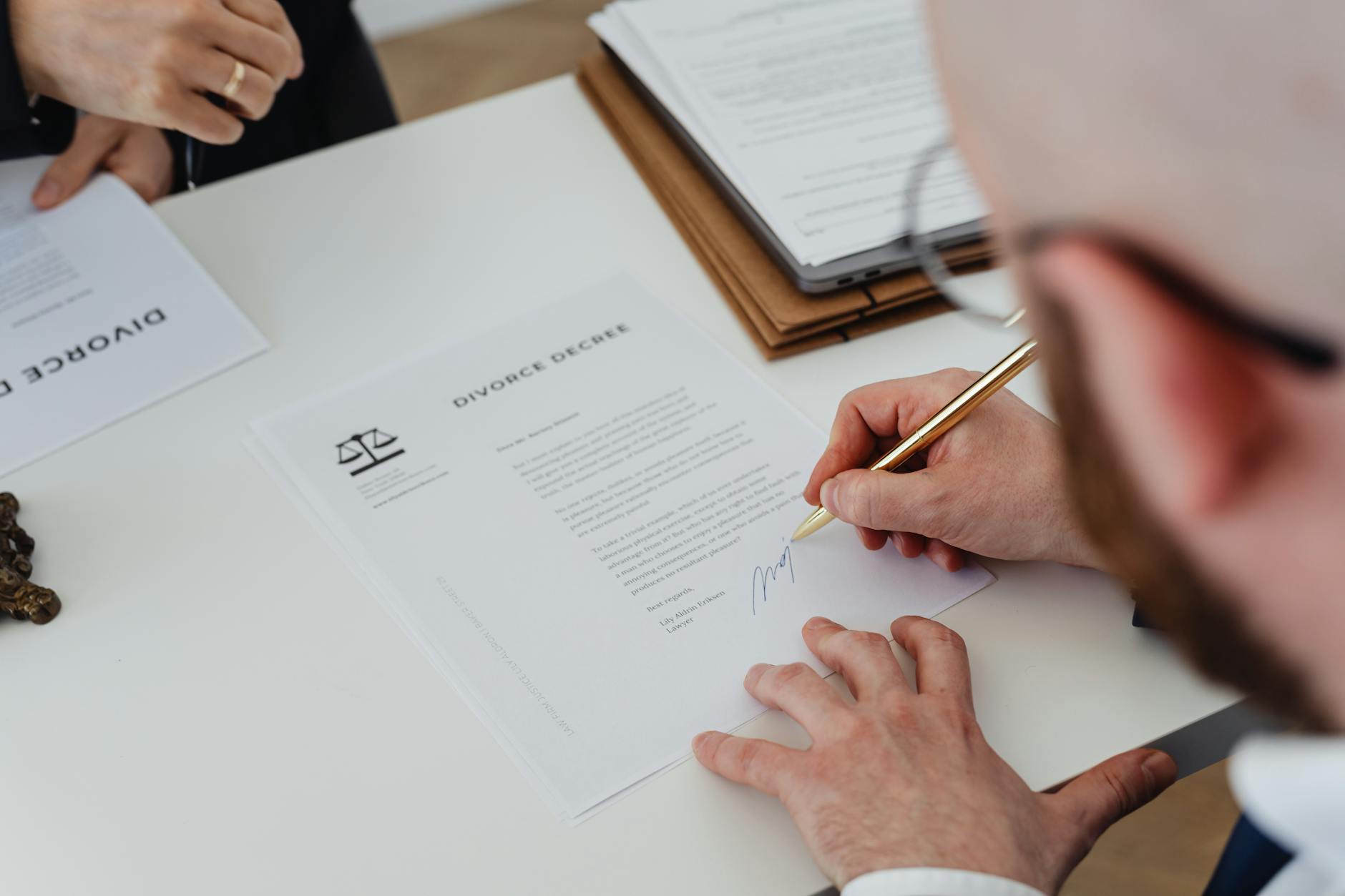
A power of attorney document stored in the medicine cabinet alongside other personal papers grants whoever possesses it the legal authority to act on the named individual’s behalf in financial and personal matters. Elder fraud specialists identify the theft or fraudulent use of power of attorney documents as one of the most damaging forms of financial exploitation, particularly among older adults. A fraudster who photographs or removes this document can use it to access bank accounts, sell property, and make legal decisions in the victim’s name before the exploitation is detected. These documents belong in a fireproof safe or with a trusted legal advisor rather than in any accessible household location.
Veterinary Medications
Prescription medications dispensed for pets including opioid pain relievers, gabapentin, and tramadol have the same pharmacological properties as their human equivalents and are increasingly targeted by individuals aware of their value. Their theft is often opportunistic and occurs during home visits by people who recognize the medications from their own or a family member’s prescriptions. Veterinary prescription labels carry the same identifying information about the owner and prescribing clinic that makes human prescription labels useful for fraud. Pet owners should store veterinary controlled substances with the same security awareness they apply to their own prescription medications.
Spare House Keys
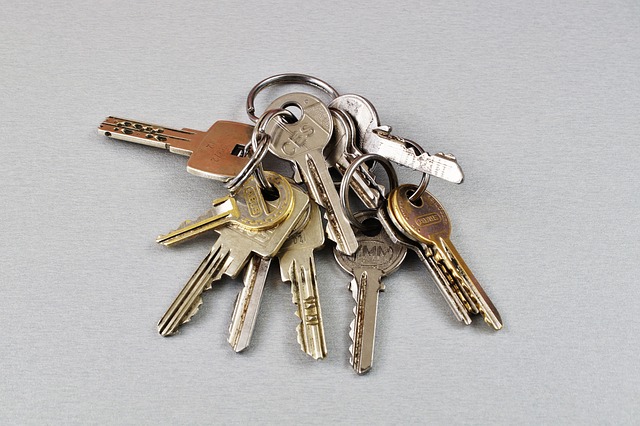
A spare key stored in the medicine cabinet for emergency access represents an obvious but widely practiced security vulnerability that residential burglary investigators encounter in a significant proportion of cases. A thief who locates and copies or pockets a spare key during a legitimate visit has effectively acquired unlimited future access to the property. Locksmiths and home security consultants consistently advise that spare keys should never be stored in predictable household locations and that key management should be treated as a formal security practice rather than a casual convenience. Digital or combination lockboxes mounted outside the home are the recommended alternative for households that need emergency key access.
If any of these items are currently sitting in your medicine cabinet, share your reaction and any security steps you have already taken in the comments.