Creating a stunning outdoor space starts with a simple introduction to affordable landscaping and creative reuse. These projects focus on maximizing visual impact while minimizing financial investment through clever repurposing and natural materials. Homeowners can transform dull corners into vibrant sanctuaries by applying basic crafting skills to everyday objects. The following ideas provide practical inspiration for gardeners of all experience levels looking to enhance their surroundings without a major renovation.
Vertical Herb Planters
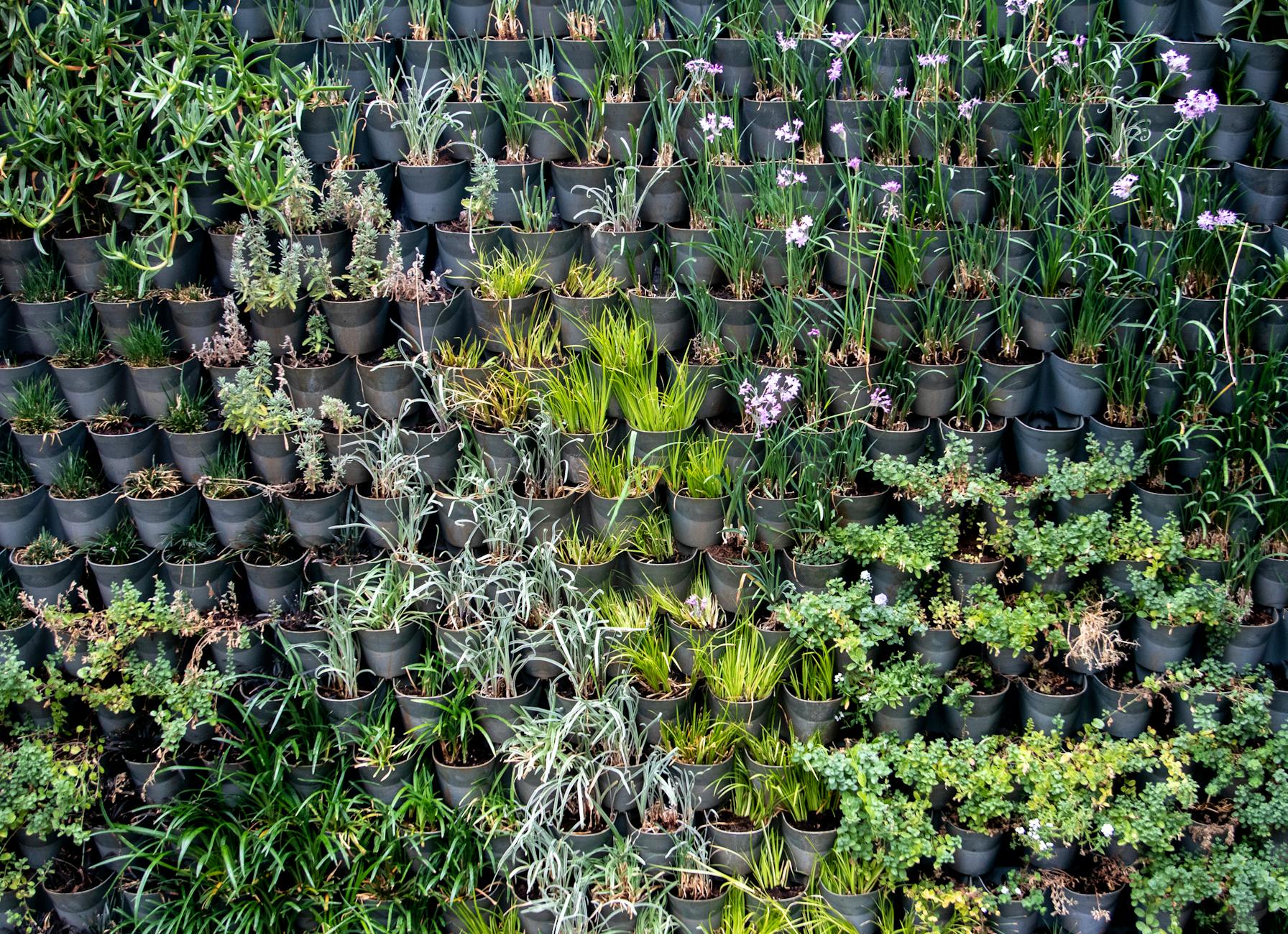
Old wooden pallets or hanging organizers offer an efficient way to grow fresh seasonings in limited square footage. Secure the structure to a sunny wall or fence and fill the pockets with high quality potting soil. Choose a variety of resilient herbs like rosemary and thyme that thrive in well draining environments. Regular pruning keeps the vertical display looking neat while providing a steady supply of ingredients for the kitchen.
Cinder Block Benches
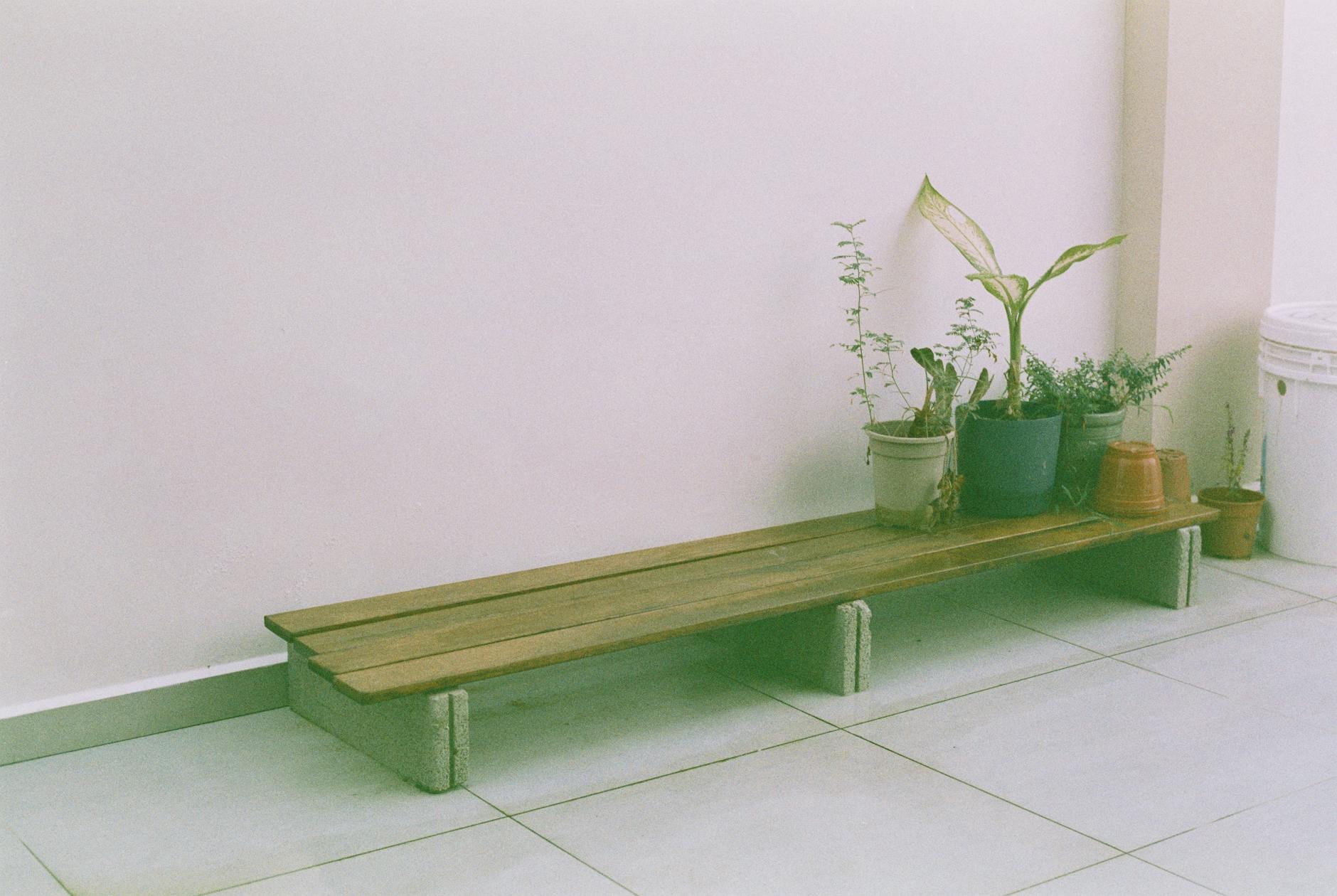
Inexpensive concrete blocks serve as a sturdy foundation for custom outdoor seating areas. Stack the blocks to the desired height and thread heavy timber beams through the openings to create a flat surface. Adding weather resistant cushions and colorful pillows improves comfort and softens the industrial aesthetic. This modular design allows for easy adjustments to fit the specific dimensions of a patio or garden nook.
Upcycled Tin Can Lanterns

Empty food containers can be transformed into atmospheric lighting for evening gatherings and path illumination. Clean the cans thoroughly and punch patterns into the metal using a hammer and a large nail. Fill the bottom with a small amount of sand to secure a tea light candle or a battery operated LED. Hanging these lanterns from tree branches or placing them along walkways creates a warm and inviting glow throughout the yard.
Tire Retaining Walls

Discarded tires provide a durable and cost effective solution for managing soil erosion on sloped landscapes. Arrange the tires in a staggered pattern and fill the centers with gravel and packed dirt to ensure stability. Planting trailing vines or hardy groundcovers within the tire rings eventually hides the rubber and creates a lush green embankment. This method turns a common waste product into a functional structural element for the garden.
Wine Bottle Borders
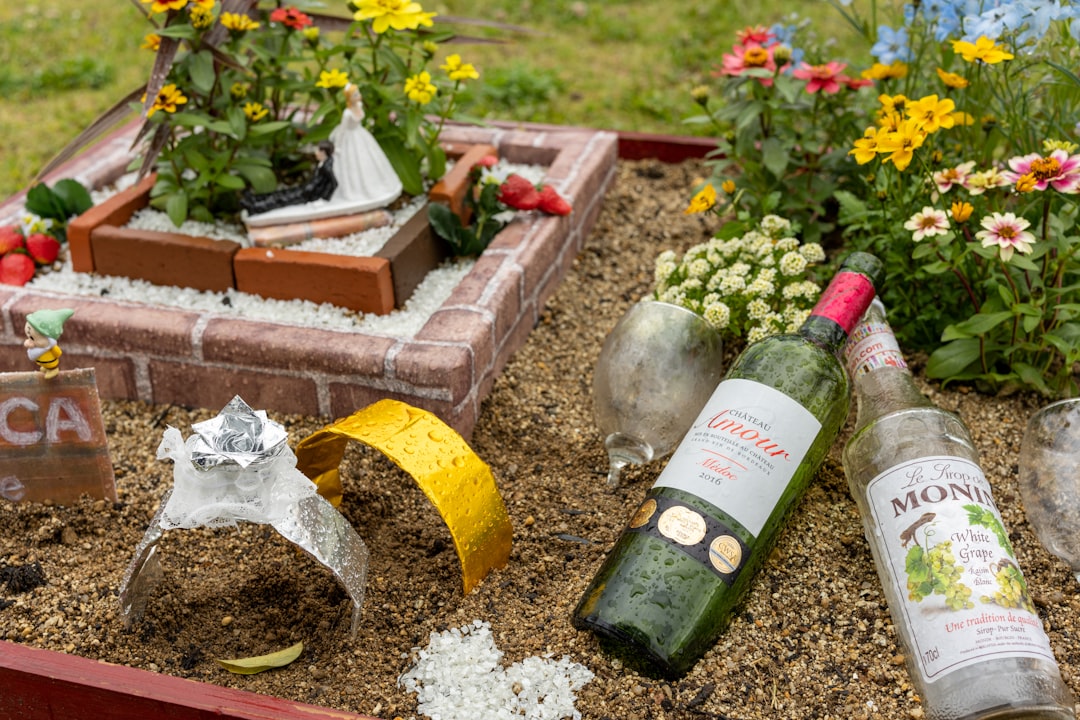
Used glass bottles act as unique and colorful edging for flower beds or garden pathways. Bury the bottles neck down in a shallow trench so that only the glass bottoms remain visible above the soil line. Mixing different colors like emerald green and amber adds a stained glass effect when sunlight hits the borders. This sustainable edging technique prevents soil runoff and clearly defines the transition between different garden zones.
Tree Stump Side Tables
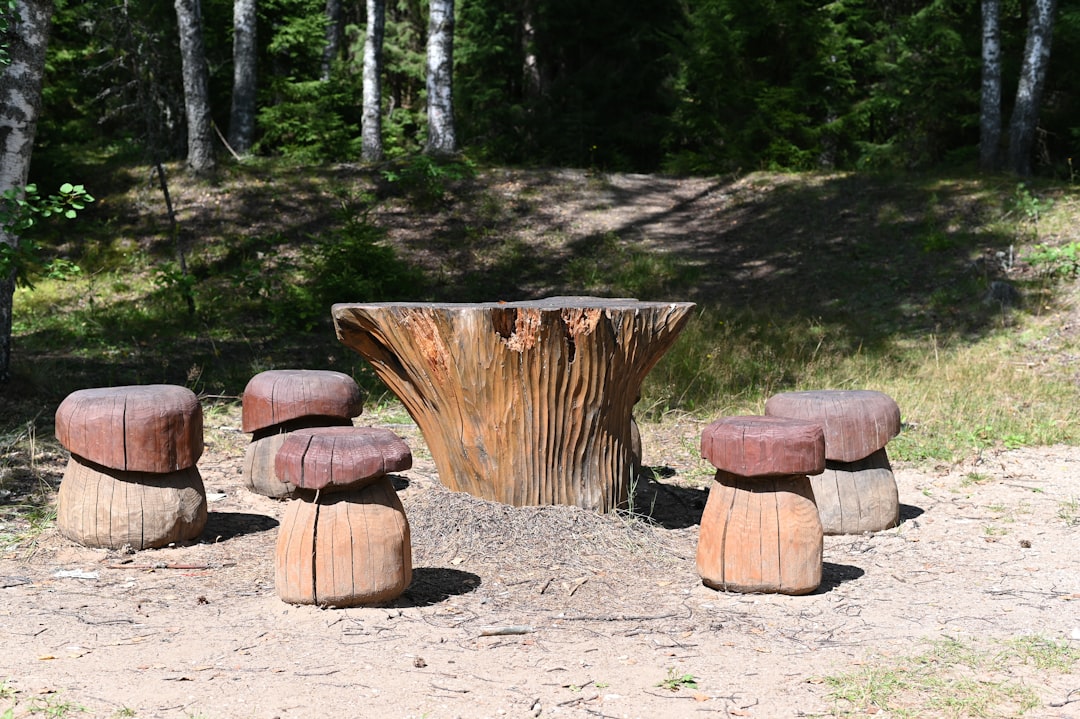
Natural logs or stumps salvaged from local tree services make excellent rustic furniture pieces for an outdoor lounge. Sand the top surface to remove splinters and apply a clear waterproof sealant to protect the wood from the elements. Level the base to ensure the table remains steady on uneven grass or gravel surfaces. These organic accents provide a convenient place for drinks or books while blending seamlessly into the woodland environment.
Ladder Plant Stands

An old wooden ladder serves as a charming multi tiered display for a collection of potted flowers and succulents. Clean the rungs and apply a fresh coat of outdoor paint to match the existing garden color palette. Place larger pots on the bottom steps for stability and smaller decorative containers toward the top. This vertical arrangement maximizes sun exposure for the plants while creating a focal point in a small backyard.
Colander Hanging Baskets
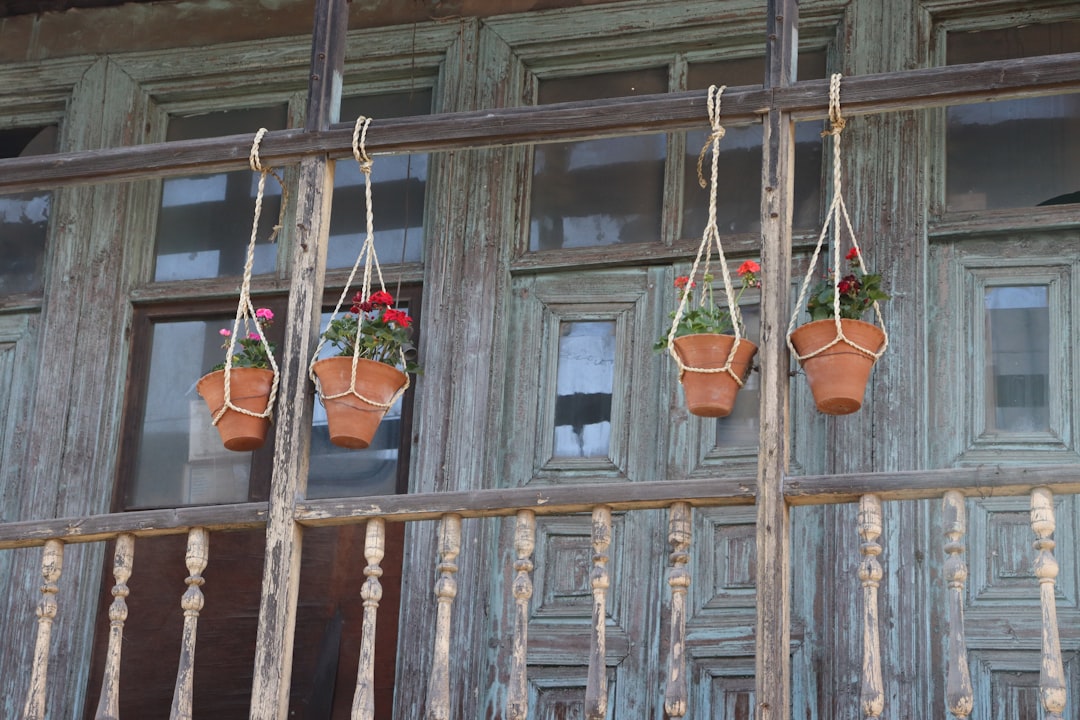
Vintage metal colanders make quirky and effective planters because they already feature built in drainage holes. Attach sturdy chains to the handles and hang the vessels from porch eaves or sturdy tree limbs. Fill the colander with bright annuals like petunias or trailing lobelia for a burst of seasonal color. The airflow through the perforated sides promotes healthy root growth for moisture loving plant varieties.
Stone Mosaic Paths
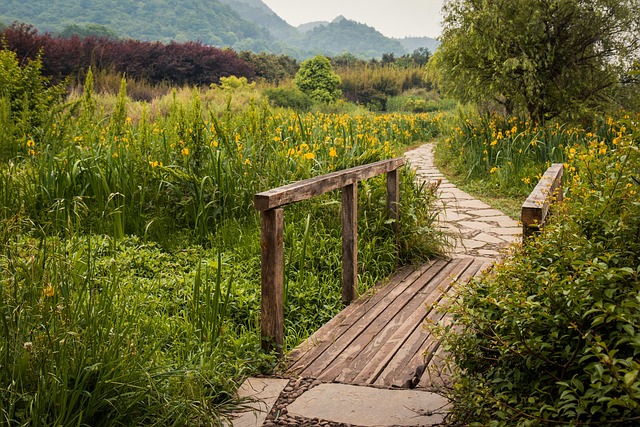
Collecting smooth pebbles from local landscapes allows for the creation of intricate and durable garden walkways. Dig a shallow path and fill it with a layer of sand to provide a level base for the decorative stones. Arrange the pebbles in geometric patterns or swirling designs to add artistic flair to the ground. Compacting the stones tightly into the sand ensures the path remains stable underfoot for years to come.
Shoe Organizer Seedlings
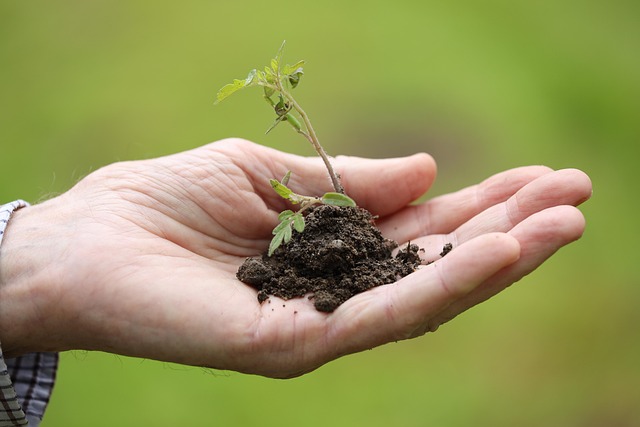
Over the door fabric shoe organizers work perfectly as space saving nurseries for starting new seeds. Hang the organizer on a sunny fence or balcony railing where it can receive consistent light throughout the day. Each pocket holds enough soil for a single seedling to develop a strong root system before being transplanted. This method keeps young plants off the ground and away from common garden pests.
Broken Pot Fairy Gardens
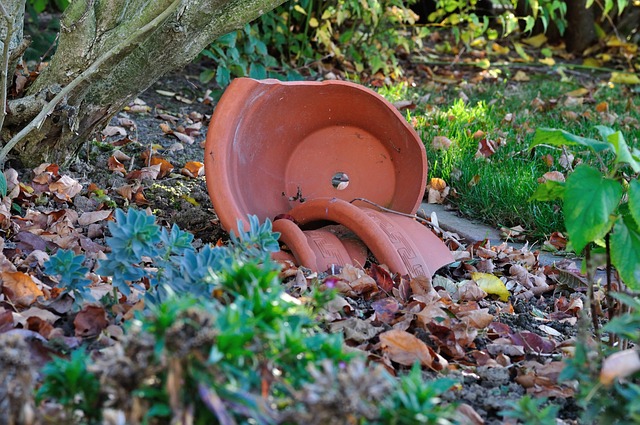
Damaged terracotta pots can be reimagined as miniature enchanted landscapes filled with tiny accessories. Arrange the broken shards to create steps or terraced levels within a larger intact container. Plant slow growing succulents and mosses to mimic the appearance of a tiny forest or mountain range. Adding small figurines or pebbles completes the whimsical scene and gives new life to ceramic pieces that would otherwise be discarded.
Plastic Bottle Greenhouse

Clear soda bottles can be cut and used as individual protective domes for vulnerable outdoor plants. Placing these makeshift cloches over young starts helps trap heat and moisture during the cool early spring months. The plastic shield also acts as a physical barrier against hungry insects and harsh winds. This simple recycling trick extends the growing season and improves the survival rate of delicate vegetable crops.
Bamboo Privacy Screens

Bundled bamboo poles offer an affordable and sustainable way to block unwanted views from neighboring properties. Wire the poles together tightly and attach them to an existing chain link fence or a simple wooden frame. The natural texture of the bamboo provides a neutral backdrop that complements a wide range of plant species. This quick installation creates an immediate sense of seclusion and tranquility in an open backyard.
Chandelier Bird Feeders
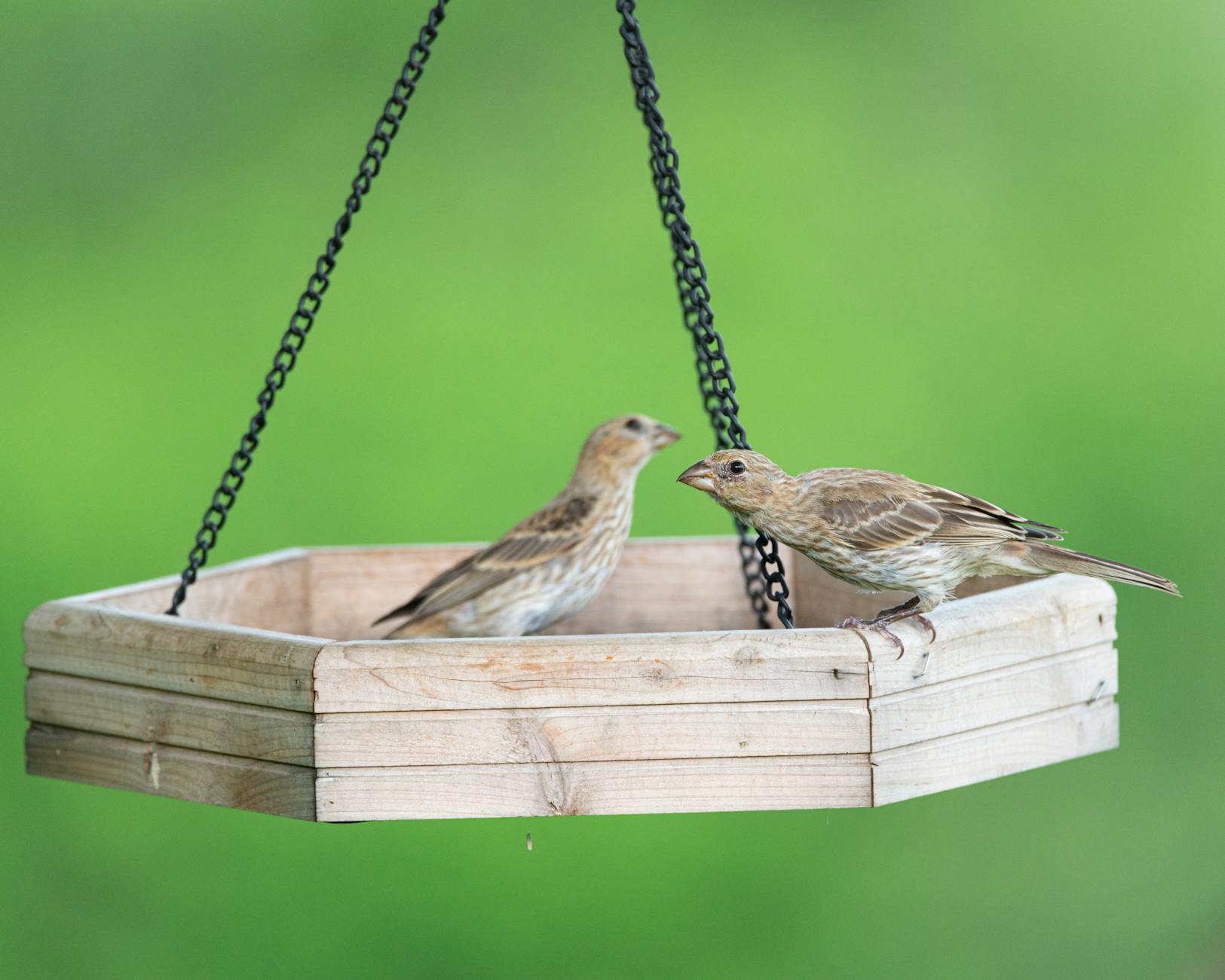
Repurposed light fixtures can be turned into elegant stations for feeding local wildlife. Remove the electrical components and replace the light bulbs with small glass bowls or saucers to hold birdseed. Hang the chandelier from a high branch where birds feel safe from ground predators. Painting the frame a bright color makes the feeder a decorative garden ornament as well as a functional resource for nature.
Drawer Planters
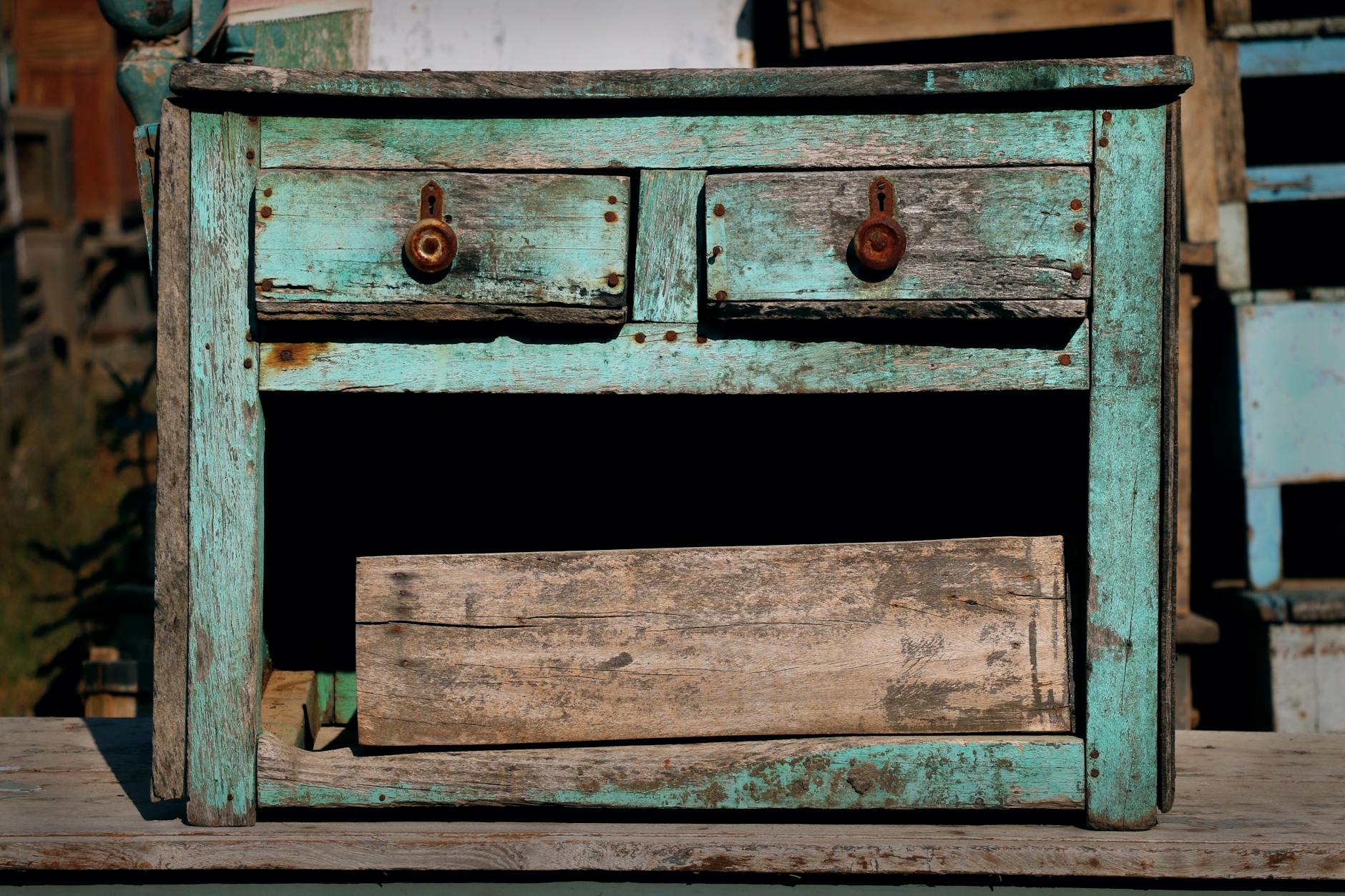
Old dresser drawers found at thrift stores make excellent containers for shallow rooted vegetables and greens. Drill several drainage holes in the bottom and line the wood with plastic to prevent rot from constant moisture. Arrange the drawers in a staggered stack to create a unique topographical interest in a garden corner. These recycled units are ideal for growing lettuce and spinach close to the kitchen door.
Painted Rock Markers
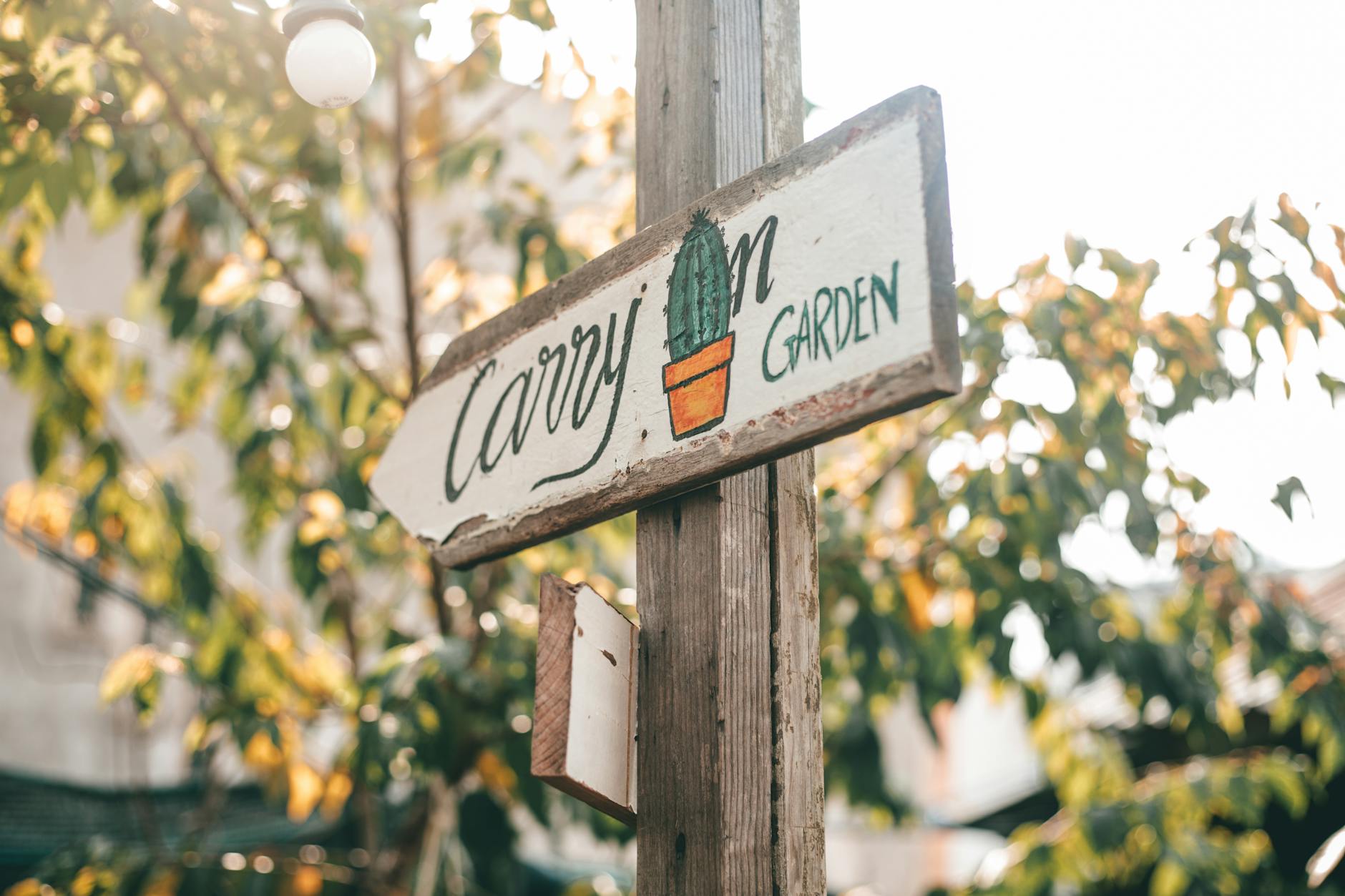
Smooth river stones serve as permanent and artistic labels for identifying different plant varieties in the garden. Use outdoor acrylic paint or permanent markers to write the names of herbs and vegetables on the surface of the stones. A quick spray of clear varnish protects the writing from fading in the sun or washing away in the rain. Placing these markers at the base of each plant helps keep the garden organized and visually appealing.
Rain Barrel Systems
Collecting runoff from a garage or house roof provides a free source of water for thirsty garden beds. Position a large plastic drum under a downspout and install a simple spigot at the bottom for easy hose attachment. Covering the top with a fine mesh screen prevents debris and mosquitoes from entering the water supply. Utilizing harvested rainwater reduces utility costs and provides plants with water that is free from harsh chemicals.
Mirror Garden Windows
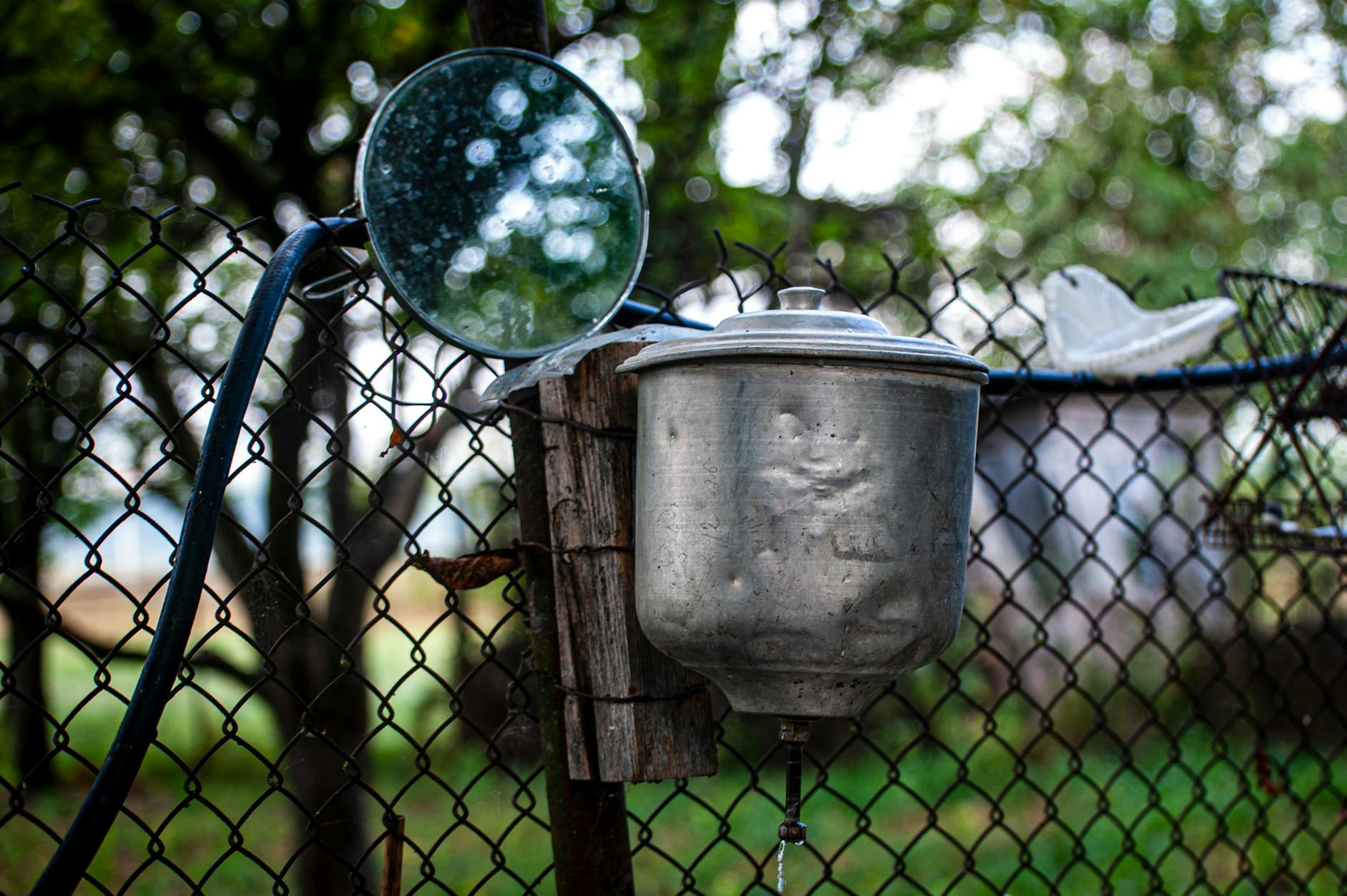
Mounting old mirrors on a garden fence or wall creates the illusion of more space and reflects natural light. Frame the mirrors with salvaged wood to give them the appearance of windows looking into a hidden part of the yard. This technique is particularly effective in small or shaded gardens where extra brightness is needed. Strategic placement allows the mirror to capture reflections of colorful flowers and lush foliage.
Tea Cup Succulents

Mismatched china cups and saucers provide a delicate and charming home for small succulent varieties. Carefully drill a small hole in the bottom of each cup to ensure proper drainage for the desert plants. These miniature arrangements make beautiful centerpieces for outdoor dining tables or accents for a sunny windowsill. The variety of patterns and colors in the ceramic adds a vintage touch to the garden decor.
PVC Pipe Vertical Garden

Large diameter plastic pipes can be modified to hold dozens of strawberry plants or leafy greens in a compact tower. Drill large holes along the sides of the pipe and fill the center with a mix of potting soil and compost. Standing the pipe upright allows for easy watering from the top and ensures every plant receives adequate sunlight. This vertical system is an ideal solution for gardeners with limited ground space or concrete patios.
Log Planter Logs
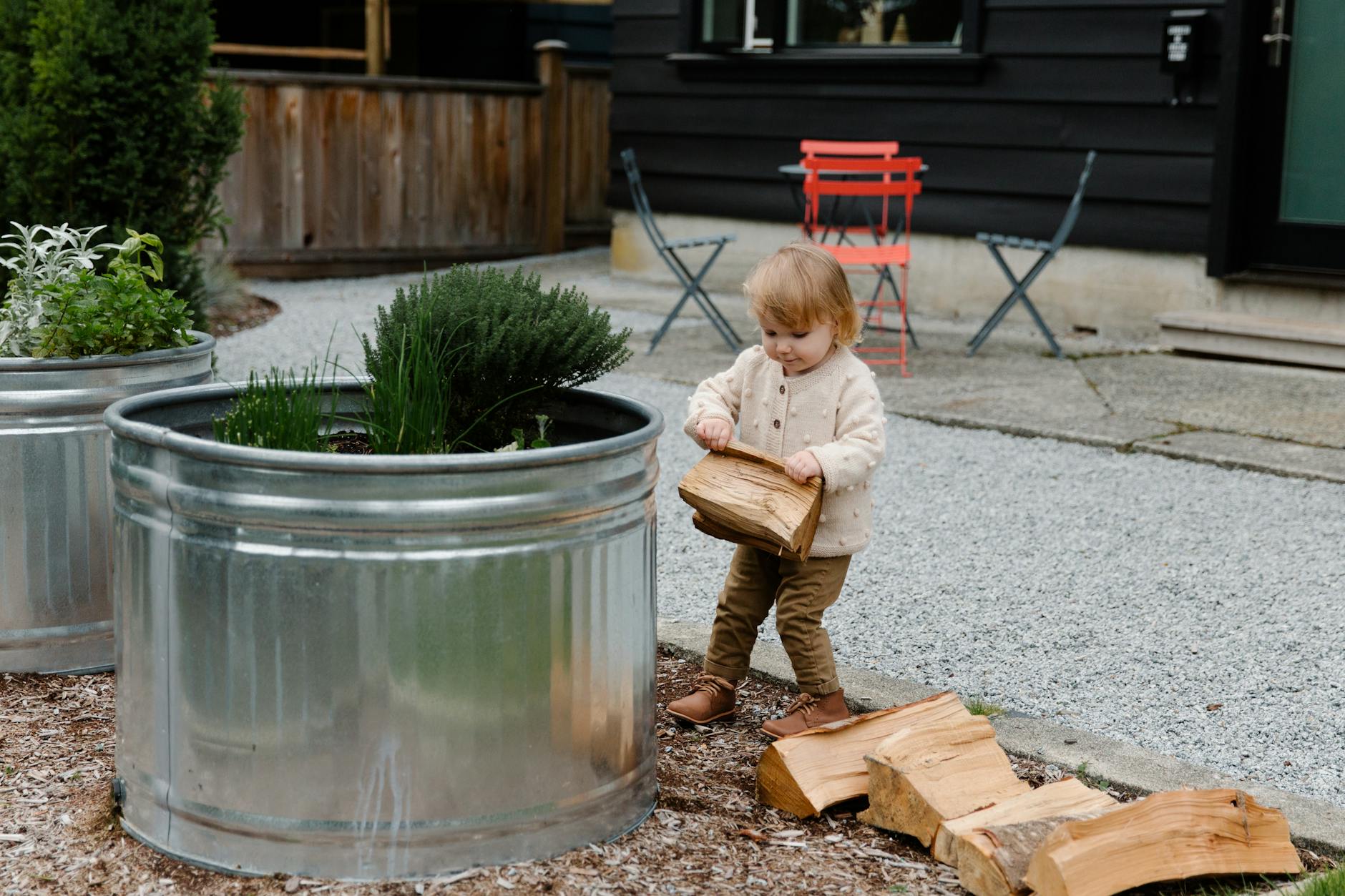
Fallen logs can be hollowed out to create organic and rustic containers for forest dwelling plants. Use a chisel or a drill to create a planting cavity along the top surface of the wood. Fill the space with rich soil and add moisture loving ferns or woodland flowers for a natural look. As the log slowly decomposes it provides valuable nutrients to the plants growing inside its frame.
Mason Jar Herb Garden
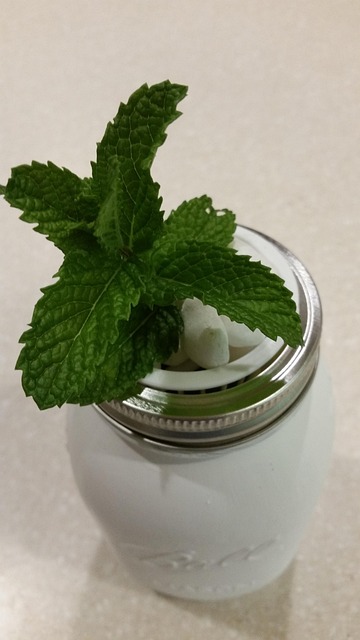
Glass jars mounted to a piece of reclaimed wood create a stylish and functional indoor or outdoor herb station. Secure the jars with metal hose clamps to ensure they stay in place when filled with soil and water. This setup allows the roots to be visible and provides a clean aesthetic for a modern kitchen or patio. Using clear glass makes it easy to monitor moisture levels and ensure the herbs stay hydrated.
Shutter Plant Display
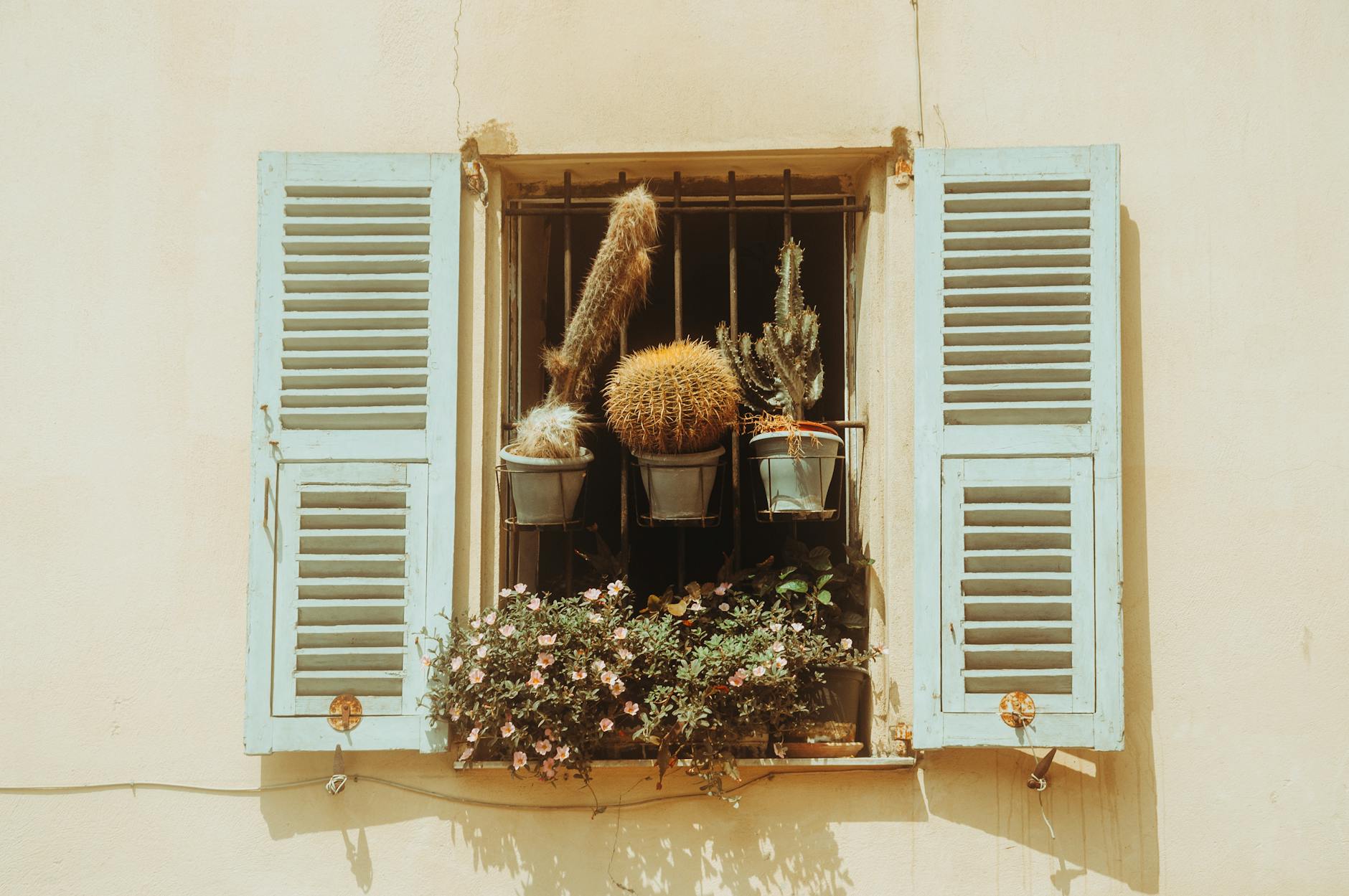
Old window shutters can be repurposed into a vertical mounting surface for small terracotta pots. Lean the shutter against a wall or bolt it securely to a fence to create a textured backdrop. Use wire or specialized pot hangers to attach a variety of flowering plants to the horizontal slats. This project adds architectural interest to a flat wall while providing more room for seasonal blooms.
Rubber Boot Planters
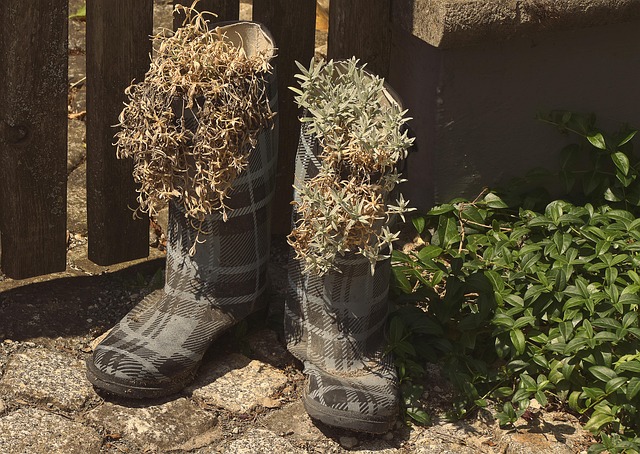
Outgrown or leaky rain boots make playful and durable containers for bright garden flowers. The tall shape of the boots provides plenty of room for root development and adds a whimsical element to a childs garden. Poke a few holes in the soles for drainage and fill them with lightweight potting mix. Grouping several pairs of boots together creates a fun and colorful focal point near a garden gate.
Bicycle Flower Basket
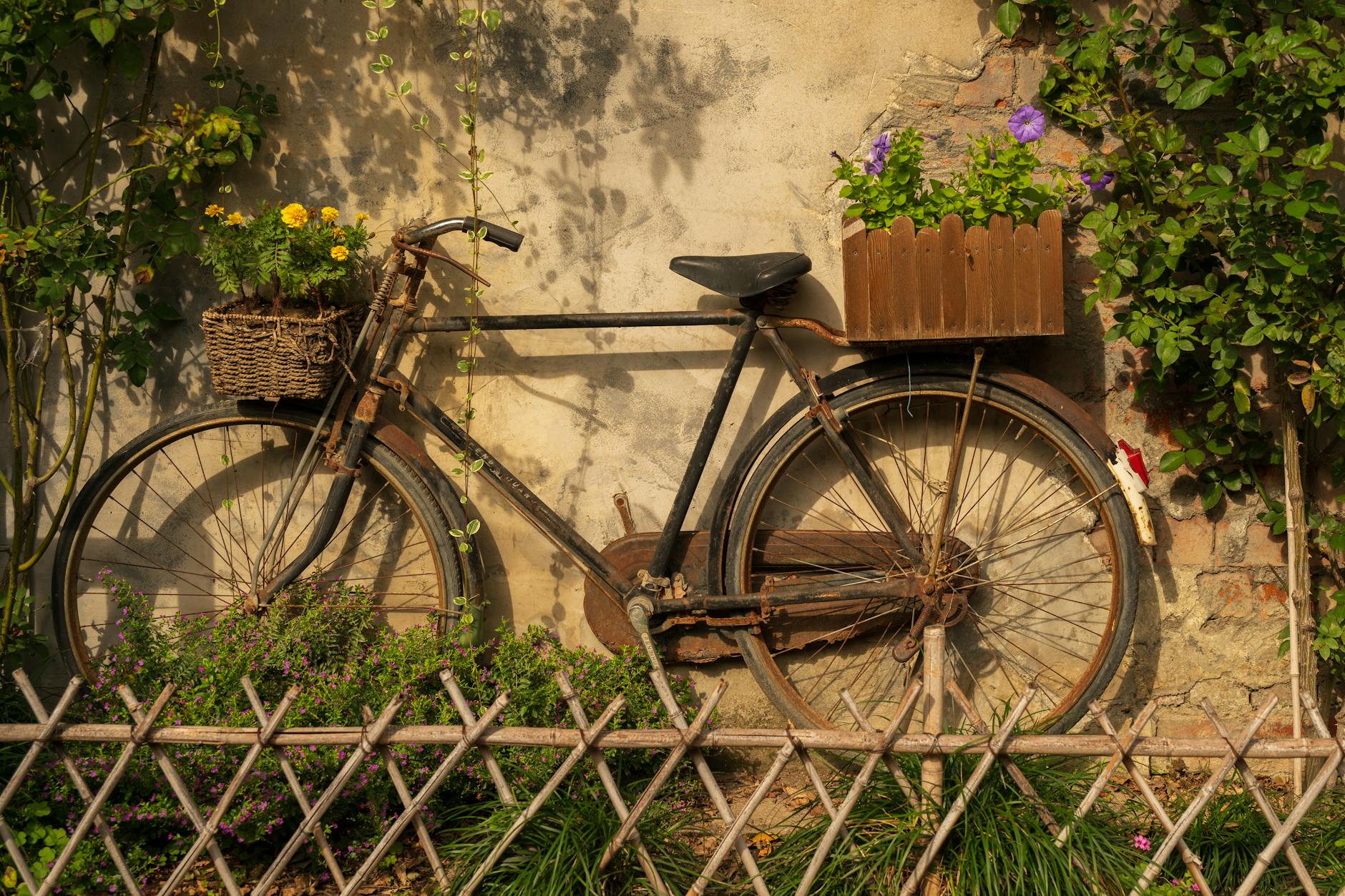
An antique bicycle leaned against a tree or fence serves as a nostalgic base for a mobile garden display. Fill the front basket and any rear panniers with overflowing ivy or vibrant annuals. Painting the entire bike a single bold color like white or light blue creates a cohesive and striking garden ornament. This project uses a large vintage item to fill empty space with personality and charm.
Cedar Slat Privacy Wall
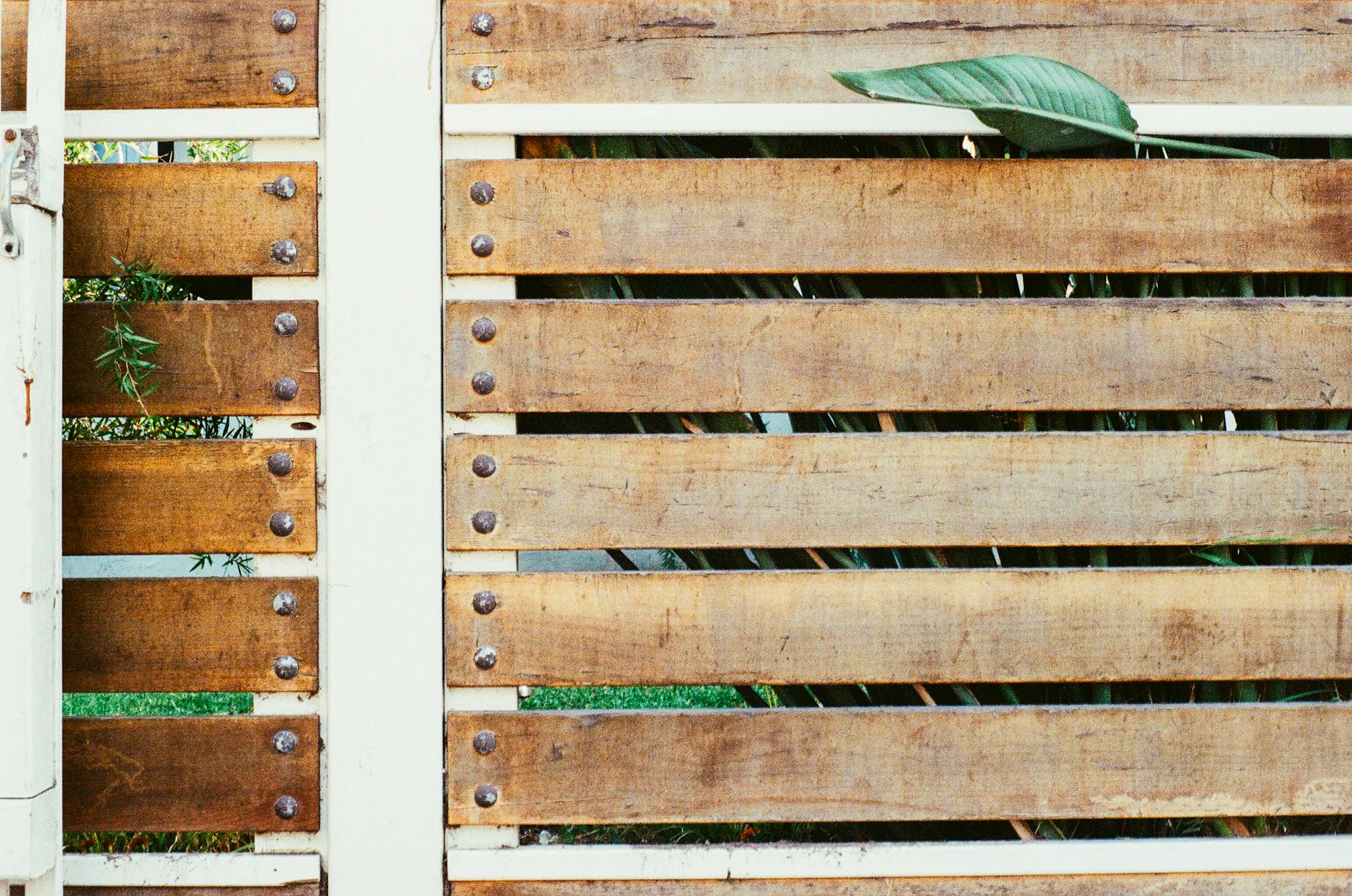
Horizontal cedar slats mounted to simple posts provide a modern and clean look for an outdoor divider. Leaving small gaps between the slats allows for airflow and filtered light while still maintaining a sense of privacy. Cedar is naturally resistant to decay and insects which makes it an ideal material for long term outdoor use. This structure can also serve as a trellis for climbing roses or jasmine vines.
Birdhouse Village
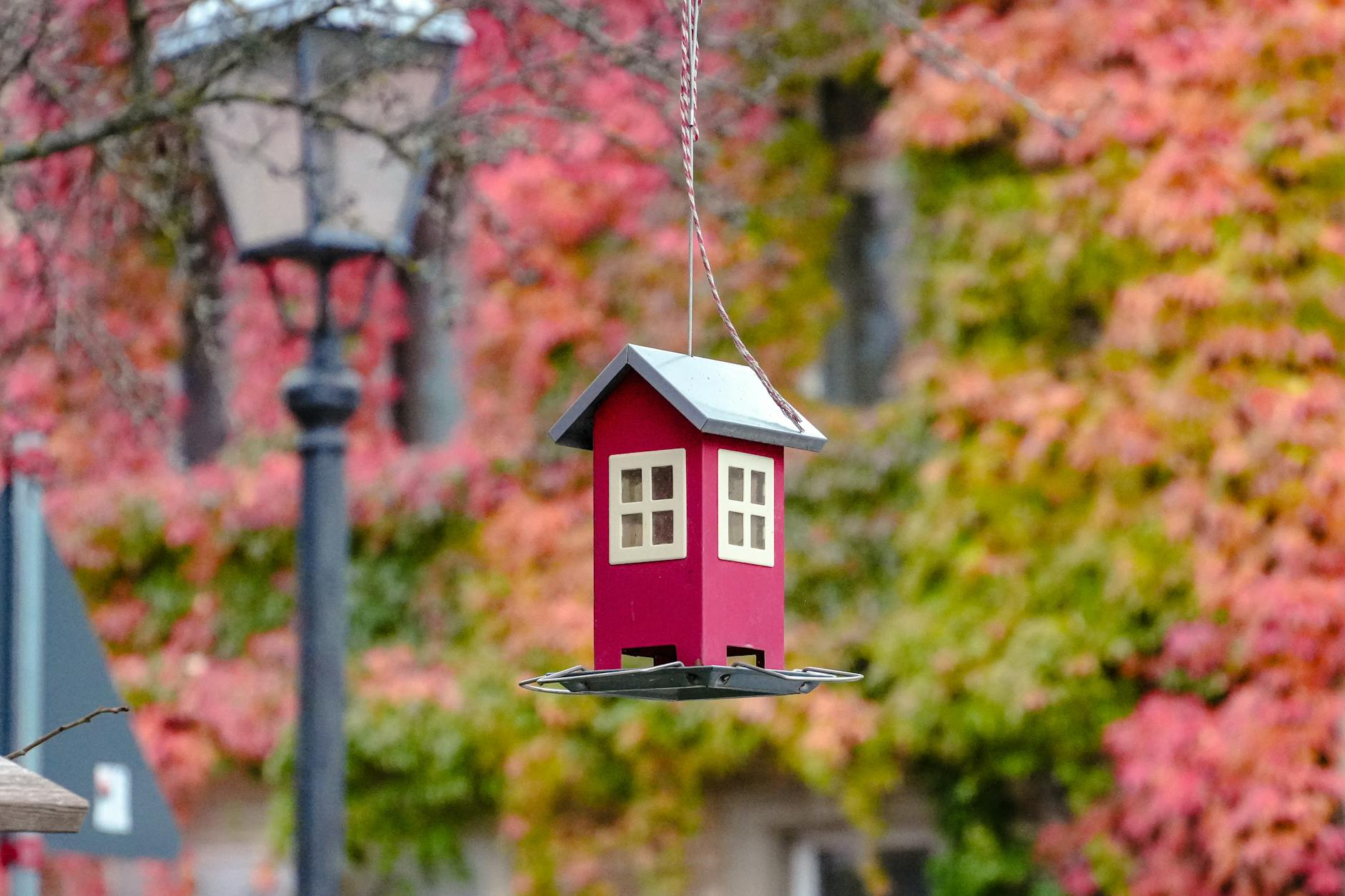
Grouping several small birdhouses together on a single post or wall creates a decorative community for local songbirds. Paint each house a different shade to add a pop of color to a shaded garden area. Varying the heights and entry hole sizes attracts a diverse range of bird species to the yard. This collective display adds height to the landscape and encourages biodiversity in the local environment.
Watering Can Water Feature
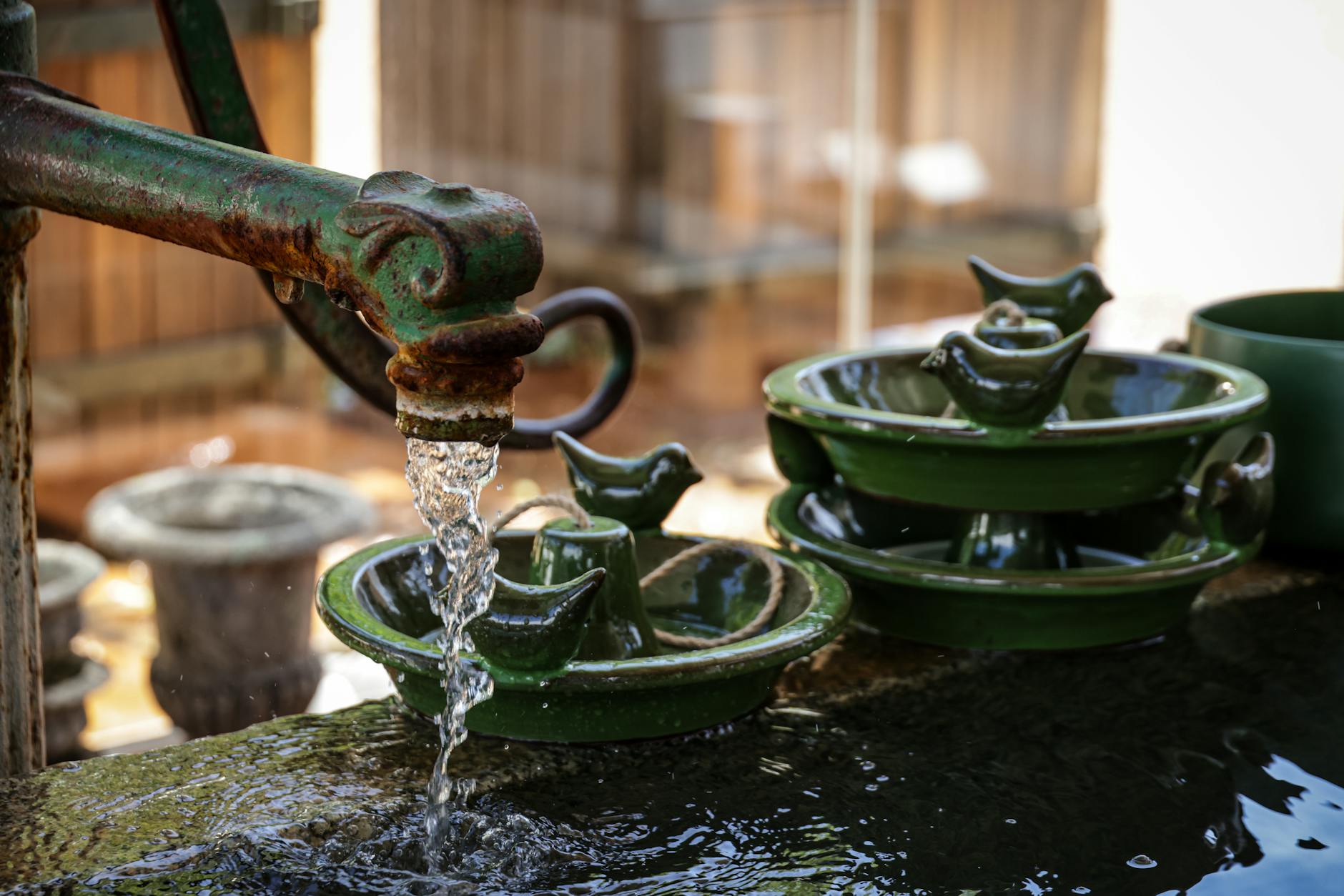
A vintage watering can suspended over a small basin creates the soothing sound of trickling water. Use a small submersible pump to circulate water from the basin back up into the can for a continuous flow. This simple DIY fountain adds movement and a sense of calm to a patio or flower bed. The metallic finish of the can develops a beautiful patina over time when exposed to the moisture.
Woven Branch Fencing
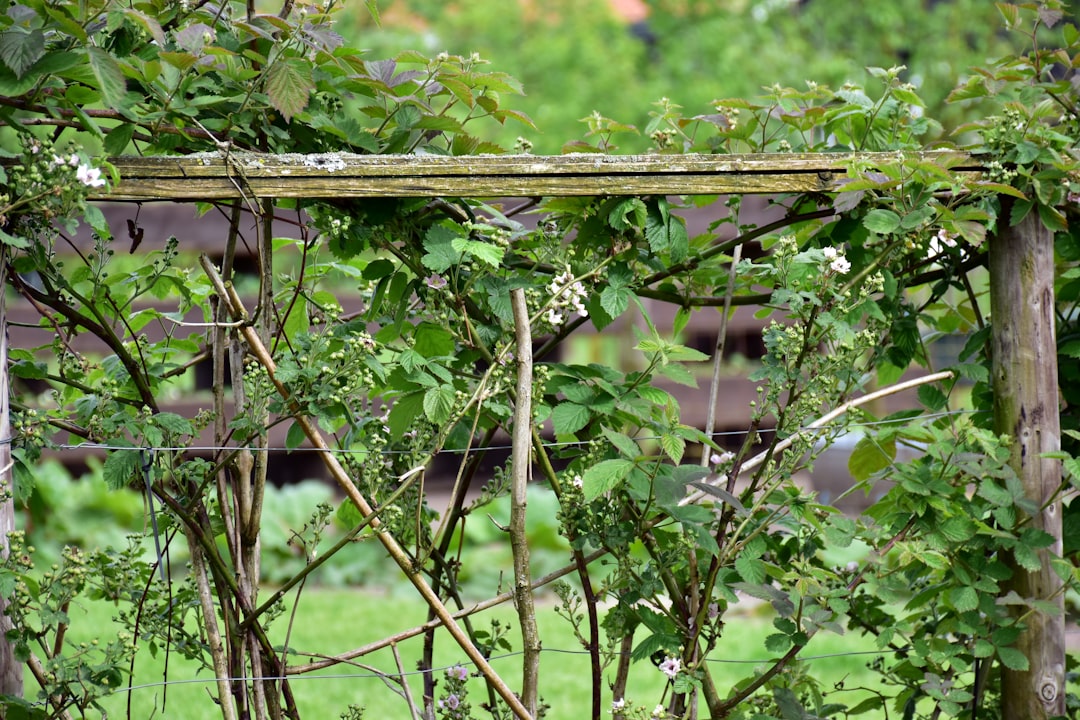
Flexible willow or hazel branches can be woven together to create a traditional wattle fence for garden borders. Drive sturdy stakes into the ground and weave the thinner branches in an over and under pattern. This rustic fencing technique is perfect for enclosing vegetable patches or protecting delicate plants from wind. The natural materials blend perfectly into a cottage garden style and require no specialized tools.
Picture Frame Trellis
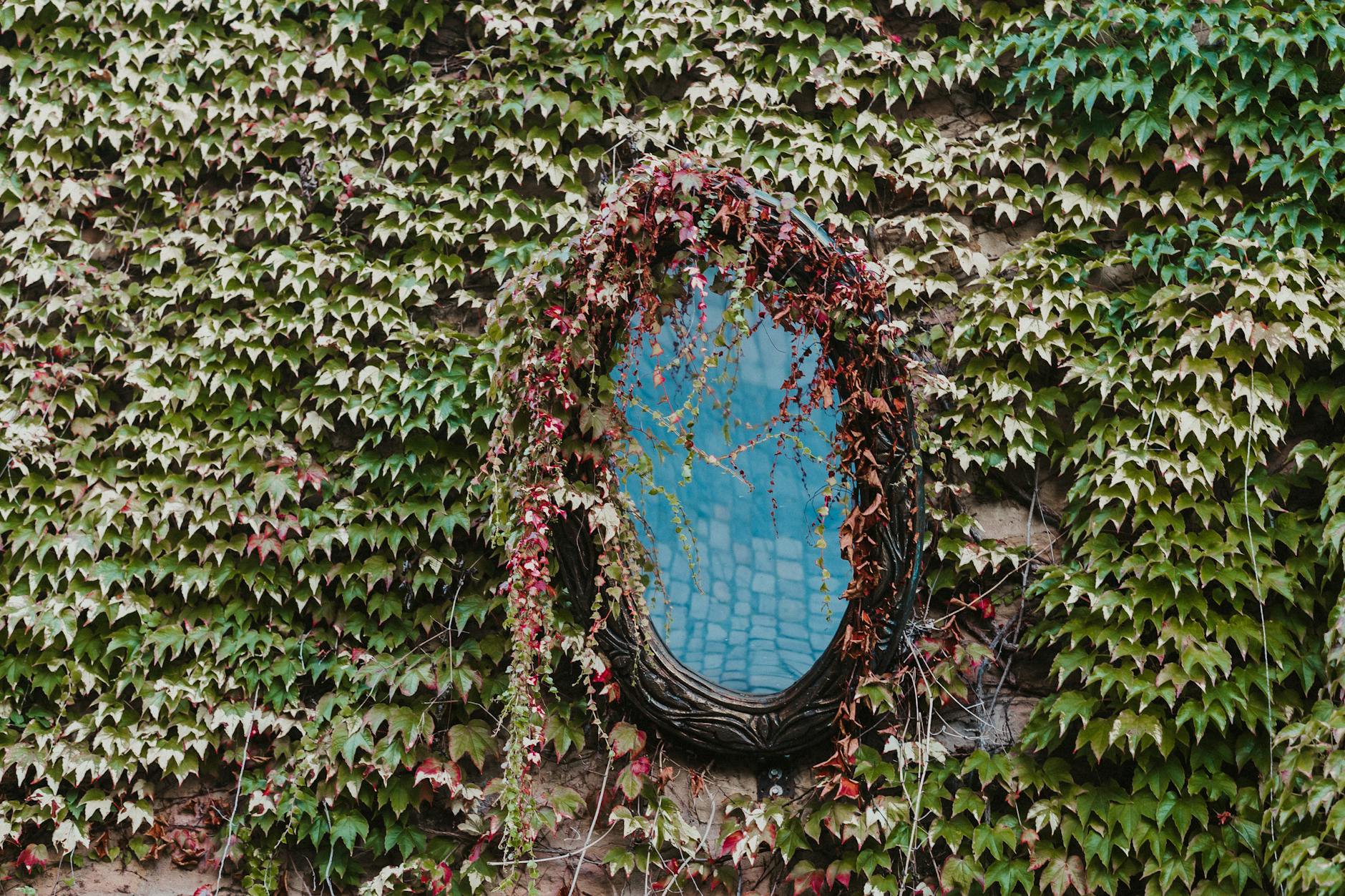
Large empty picture frames fitted with wire mesh provide a decorative support for climbing vines. Paint the frames in contrasting colors and mount them to a wall where plants can easily reach the wire. This project turns functional plant support into a gallery style art installation for the outdoor living area. Fast growing climbers like sweet peas or morning glories quickly fill the frames with lush foliage.
Skateboard Swings

Old skateboard decks can be easily converted into a unique and sturdy swing for a sturdy backyard tree. Remove the wheels and drill holes at both ends of the board to thread heavy duty rope through. Knot the rope securely underneath the deck to provide a stable seat for children or adults. This upcycling project gives a second life to sporting equipment while adding a fun element to the landscape.
Pallet Compost Bin

Four wooden pallets standing on their ends and lashed together create a functional and breathable compost station. The gaps between the pallet slats allow for essential oxygen flow which speeds up the decomposition process. This setup keeps organic waste contained and tidy while it transforms into nutrient rich soil for the garden. Using reclaimed pallets makes this essential gardening tool virtually free to construct.
Metal Bucket Sink
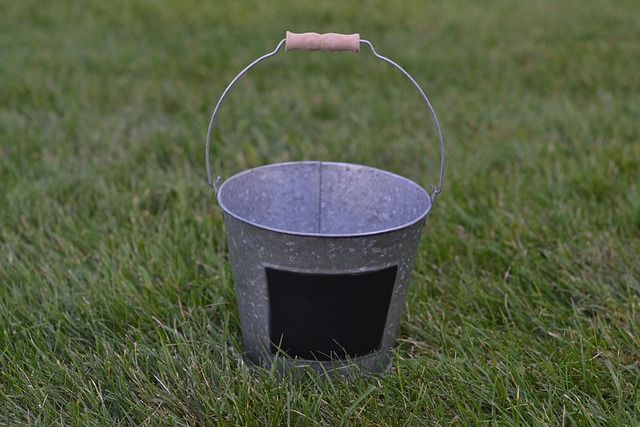
A large galvanized metal bucket can be turned into a rustic outdoor wash station for cleaning garden tools and vegetables. Drill a hole in the bottom for a drain fitting and mount the bucket into a simple wooden frame. Connect a garden hose to a basic faucet fixture to provide a steady supply of water. This practical addition keeps dirt out of the house and provides a dedicated workspace for messy garden tasks.
Crate Coffee Table

Four wooden milk crates arranged in a square with their openings facing outward create a functional outdoor coffee table. The center of the square provides a perfect spot for a potted plant or a decorative lantern. The side openings of the crates serve as built in shelving for storing garden magazines or small tools. This modular furniture piece is lightweight and easy to move around the patio as needed.
Gravel Fire Pit Area
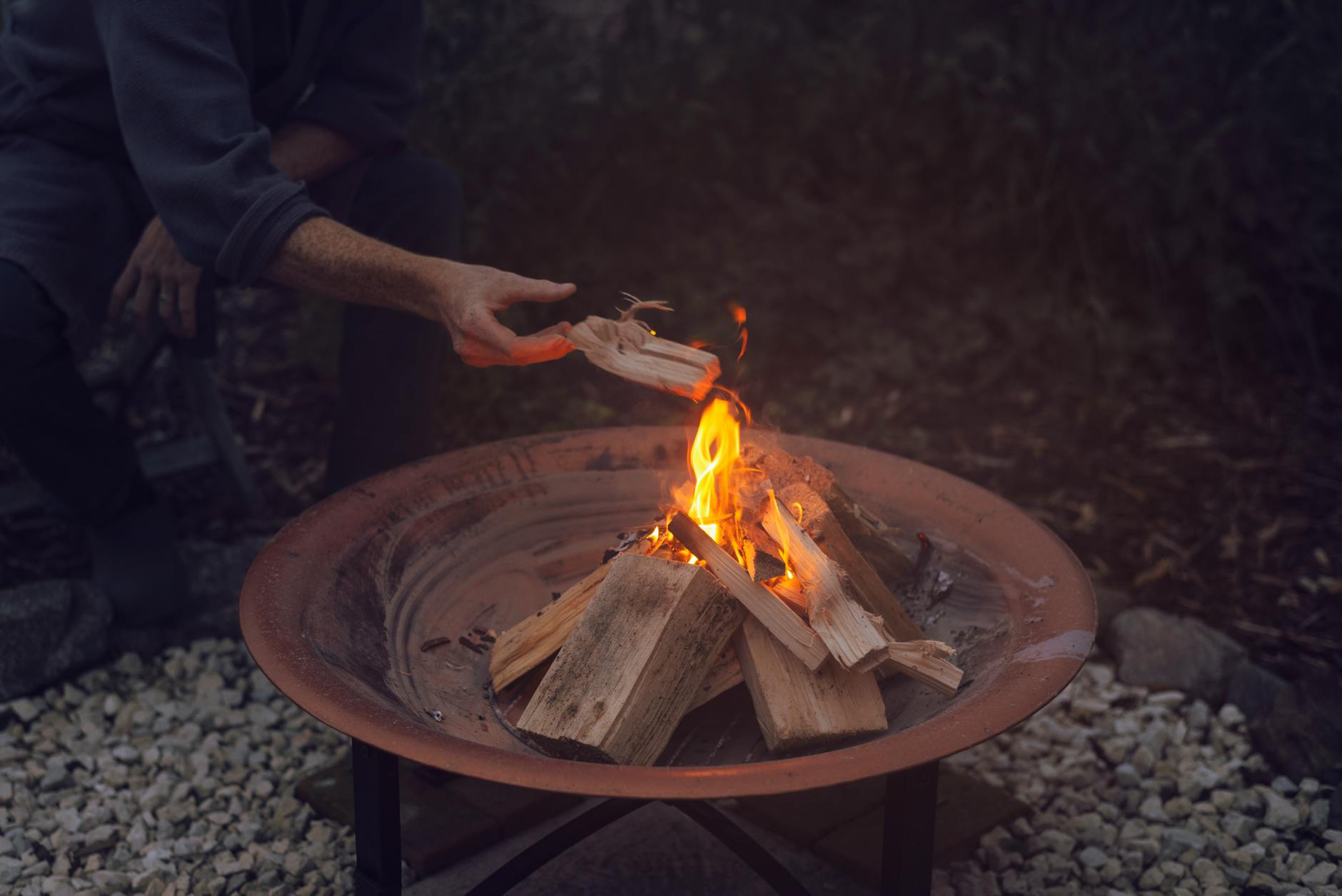
Defining a circular area with heavy stones and filling it with pea gravel creates a safe and stylish spot for a backyard fire pit. This project provides a clear boundary for the seating area and prevents sparks from reaching the surrounding grass. Placing a simple metal fire ring in the center allows for cozy evening gatherings with friends and family. The crunch of the gravel underfoot adds a sensory element to the outdoor experience.
Share your favorite budget friendly garden transformations in the comments.