
Walking into a car dealership without preparation is one of the most financially risky things a modern consumer can do. Salespeople are trained professionals operating within systems specifically designed to extract maximum profit from every transaction. The tactics used are often subtle enough to feel like helpful advice while quietly working against the buyer’s best interests. Understanding these strategies ahead of time is the single most powerful tool any car shopper can bring to the table. The following list counts down the 35 most common dealership lies ranked from the mildest manipulation to the most financially damaging traps in the industry.
Fuel Economy Claims

Dealers frequently quote best-case fuel economy figures drawn from ideal laboratory testing conditions rather than real-world driving scenarios. These numbers can differ significantly from what a driver will actually experience on daily commutes or highway travel. Manufacturer window stickers display a range for this reason though sales staff often emphasize only the highest figure. Independent automotive testing organizations consistently record lower averages than the numbers quoted during a sales pitch.
Certification Programs

Certified Pre-Owned labels are used to justify premium pricing on used vehicles but the certification standards vary enormously between manufacturers and dealerships. Some programs involve rigorous multi-point inspections conducted by trained technicians while others amount to little more than a basic visual check. Buyers are rarely shown the full inspection checklist unless they specifically request it in writing. The warranty coverage attached to these programs often contains exclusions that only become apparent after a mechanical issue arises.
Safety Ratings

Sales staff will often cite a vehicle’s safety rating as a key selling point without clarifying which testing body issued the score or under what conditions. The two major testing organizations in North America use different crash test protocols and a top score from one does not guarantee the same result from the other. Ratings also apply specifically to the tested trim level and model year meaning a different configuration of the same vehicle may have scored lower. Buyers should independently verify ratings before allowing them to influence a purchase decision.
Resale Value

Promises about a vehicle holding its value exceptionally well are common on the showroom floor but resale value is determined by market forces entirely outside any dealer’s control. Depreciation rates shift based on fuel prices consumer trends new model releases and broader economic conditions. A model praised for strong resale value in one year can drop significantly in a market where buyer preferences shift toward different vehicle types. Historical depreciation data from independent automotive research firms provides a far more reliable picture than dealer assurances.
Low Mileage Claims

A low odometer reading is presented as a straightforward indicator of vehicle condition but mileage alone tells an incomplete story about a used car’s history. Short frequent trips can cause more engine wear than longer highway drives at consistent speeds. Vehicles used primarily for towing or driven in extreme climates accumulate stress that the odometer does not reflect. A full vehicle history report combined with an independent mechanical inspection provides substantially more useful information than mileage figures alone.
Dealer Exclusivity

Salespeople sometimes suggest that a particular model trim or color is exclusive to their dealership or in extremely limited supply when inventory data tells a different story. This manufactured scarcity is designed to discourage comparison shopping and create a sense of urgency that bypasses careful decision-making. Online inventory tools now allow buyers to search stock across an entire region within minutes making these claims easy to verify or disprove. Pressure based on exclusivity is almost always a negotiation tactic rather than a factual statement.
Paint Protection

Dealership paint protection packages are presented as essential shields against environmental damage but the markup on these products is extraordinarily high relative to their actual cost. Many of the sealants applied by dealers are available to consumers directly through automotive retailers at a fraction of the price. Modern factory paint finishes are already engineered with durability in mind and often come with their own limited warranty coverage. Independent detailers can apply equivalent or superior protective coatings for significantly less than the amounts rolled into dealer financing packages.
Trade-In Offers

Initial trade-in valuations offered at dealerships typically come in well below what independent valuation tools and competing buyers would offer for the same vehicle. Dealers assess trades knowing they will recondition and resell at a profit making lowball offers a standard opening position. The trade-in negotiation is frequently conducted separately from the new vehicle negotiation as a deliberate strategy to obscure the true cost of the overall transaction. Obtaining competing offers from independent car-buying services before visiting any dealership creates meaningful leverage.
Credit Score Impact

Buyers are sometimes warned that shopping for auto financing at multiple lenders will severely damage their credit score in a way that makes approval harder. Credit scoring models used by major bureaus are specifically designed to group multiple auto loan inquiries made within a short window into a single inquiry for scoring purposes. This means rate shopping across lenders within a 14 to 45 day period typically has minimal impact on a consumer’s credit profile. The warning is used to discourage buyers from discovering lower rates available elsewhere before signing dealer financing paperwork.
Dealer Financing Rates

Finance managers frequently present a single interest rate as the best available approval when in fact lenders have often approved the buyer at a lower rate that the dealership marks up for additional profit. The difference between the buy rate offered by the lender and the rate presented to the customer is called the dealer reserve and it can add thousands of dollars to the total cost of a loan. Pre-approval through a personal bank or credit union before visiting a dealership gives buyers a concrete benchmark to compare against any dealer offer. Buyers have the right to ask for the lender’s actual approval rate rather than accepting the presented figure without question.
Monthly Payment Focus

Steering the entire conversation toward monthly payment amounts rather than total vehicle price is one of the most effective tools for obscuring the true cost of a transaction. Stretching a loan term from 48 to 84 months can make an overpriced vehicle appear affordable on a per-month basis while dramatically increasing the total interest paid over the life of the loan. Every dollar added through add-ons dealer fees or inflated vehicle prices becomes far less visible when diluted across a long payment schedule. Total out-of-pocket cost across the full loan term is always the figure that matters most.
Manufacturer Incentives

Dealer staff sometimes take credit for manufacturer-sponsored financing incentives or cashback offers as though they are personal favors being extended to the buyer as a result of negotiation. These programs are created and funded by the vehicle manufacturer and are available to any qualifying buyer regardless of dealership. They are advertised publicly on manufacturer websites and through automotive news publications. Claiming credit for pre-existing incentives is a trust-building illusion designed to create goodwill that discourages further negotiation.
Paperwork Urgency

Buyers are regularly pressured to sign paperwork quickly with suggestions that the deal will expire at midnight the rate will change tomorrow or that another buyer is waiting to take the vehicle. These artificial deadlines rarely correspond to any real external constraint and exist primarily to prevent buyers from sleeping on a decision or seeking outside advice. Consumer protection laws in most jurisdictions provide buyers with specific rights around contract cancellation depending on the circumstances of the sale. Any dealer unwilling to allow a buyer reasonable time to review documents independently is signaling that closer scrutiny would not benefit the dealer.
Gap Insurance Pricing

Guaranteed Asset Protection insurance is a genuinely useful product in specific financial situations but the price presented in the finance office is almost always significantly above market rate. The same coverage sold through personal insurance providers or credit unions typically costs a fraction of the amount folded into a dealer-arranged loan. When gap insurance is financed as part of a loan the buyer also pays interest on the premium over the life of the contract multiplying the true cost. Independent quotes obtained before entering the finance office provide a clear comparison point.
Dealer Add-Ons

Nitrogen-filled tires fabric protection window tinting and various electronic security systems are presented as must-have features often described as already installed on the vehicle and therefore non-negotiable. In practice these items are frequently added by dealers specifically to increase the sticker price with high-margin products that cost a fraction of the listed price to install. Nitrogen in tires offers negligible real-world benefit over standard air for typical consumer vehicles according to independent automotive testing. Any add-on that appears on a vehicle sticker can be negotiated or in many cases removed from the transaction entirely.
Documentary Fees

Documentation fees covering the administrative cost of processing paperwork are presented as fixed government-mandated charges when they are actually dealership-imposed fees that vary widely and in most cases are fully negotiable. Some states cap the amount dealers may charge while others impose no limit at all allowing fees to reach several hundred dollars on a single transaction. The framing as a standard non-negotiable cost is designed to move the buyer’s attention past the line item without resistance. Awareness of local fee regulations before entering negotiations prevents unnecessary acceptance of inflated charges.
Extended Warranties

Finance managers present extended service contracts with language suggesting that repairs on modern vehicles are so costly that coverage is practically essential for financial safety. These contracts are among the highest-margin products sold in the finance office with dealer profit margins frequently exceeding 50 percent of the purchase price. Many new vehicles already carry manufacturer warranties that overlap substantially with the coverage period of the extended contract being sold. Independent warranty providers offer comparable or superior coverage at significantly lower prices than those available through dealer finance offices.
Invoice Price Claims

Salespeople frequently reference the dealer invoice price as though it represents the actual cost the dealership paid for a vehicle suggesting that any price above invoice is a transparent and fair transaction. Manufacturers routinely provide dealers with holdback payments amounting to a percentage of the vehicle’s price which are paid after the sale and not reflected on the invoice document. Dealer incentive programs volume bonuses and regional marketing allowances further reduce the dealer’s true cost below what the invoice shows. The invoice figure is a useful data point but not an accurate representation of dealership profit margins.
Market Adjustment Fees

Additional markups labeled as market adjustments or dealer additions appear on window stickers for high-demand vehicles and are presented as non-negotiable reflections of market reality. These fees represent pure dealer profit above the manufacturer’s suggested retail price and have no connection to the vehicle’s production cost or any manufacturer-approved pricing structure. Consumer reporting on actual transaction prices for the same vehicle at competing dealerships frequently reveals that the adjustment is not universally applied. Patience and willingness to expand the geographic search radius often eliminates the need to pay any market adjustment at all.
Loyalty Discounts

Special pricing presented as an exclusive loyalty reward for returning customers or referrals is frequently the same offer available to any buyer who negotiates effectively or qualifies through a manufacturer program. The personalized framing creates an emotional sense of being valued that can reduce a buyer’s motivation to push for further reductions. Manufacturer loyalty programs are real and verifiable through official brand websites making it easy to confirm whether a quoted discount is program-based or fabricated. Treating any loyalty offer as a starting point rather than a final concession is always the more financially sound approach.
Demo Vehicle Discounts

Vehicles described as demonstrators or loaner cars are offered with discounts framed as exceptional value but these vehicles often carry mileage history that is not fully disclosed upfront. Service loaner vehicles may have been driven by dozens of different individuals under varying conditions over an extended period. The warranty start date on these vehicles is typically tied to when they first entered service rather than when the new buyer takes ownership reducing the effective remaining coverage. Full service history and mileage documentation should be requested and independently verified before accepting any discount framing as sufficient justification.
Financing Approval Speed

Buyers are often told their financing was approved when in fact the transaction was completed as a spot delivery meaning the final loan approval from a lender is still pending at the time the buyer drives the vehicle home. If the lender subsequently declines to fund the loan at the agreed terms the buyer may be asked to return the vehicle or sign a new contract at a higher interest rate. This practice is regulated differently across jurisdictions with some states providing stronger consumer protections than others. Understanding the difference between conditional delivery and full financing approval before leaving the dealership lot prevents this situation entirely.
Recall Status Claims

Sales staff may assert that a used vehicle has no outstanding recalls or that all recall work has been completed without providing documentation to support the claim. The National Highway Traffic Safety Administration database allows anyone to search a vehicle identification number for open recall status at no cost and in under one minute. Unrepaired recall items can affect safety performance and in some cases affect the vehicle’s insurability or resale eligibility. Independently verifying recall status before purchase is a basic step that requires no reliance on dealer-provided assurances.
Lease Return Values

Customers returning a leased vehicle are sometimes told the buyout price listed in their contract is a special dealer courtesy rather than a pre-agreed figure they are fully entitled to exercise regardless of current market conditions. When used vehicle values rise above the contractual residual the dealer has a financial incentive to encourage the customer to walk away from the buyout so the vehicle can be resold at a higher market price. The contractual purchase option is a legal right the lessee holds and no dealer comment can override or modify that entitlement. Comparing the lease buyout price against current market values for the same vehicle before returning it reveals whether exercising the buyout option makes financial sense.
First Payment Deferral

Deferred first payment offers are presented as financial relief or a bonus concession when they are actually a standard loan feature that simply delays the calendar date of the first scheduled payment. No actual payment is waived and the interest that accrues during the deferral period is added to the loan balance increasing the total amount financed. The psychological effect of receiving something that feels like a gift reduces the buyer’s motivation to continue negotiating on price or rate. Deferral offers should be evaluated as part of the total loan cost calculation rather than as a standalone benefit.
Trade-In Payoff Handling

When a trade-in vehicle carries an outstanding loan balance dealers sometimes represent that they will handle the payoff as a seamless convenience that has no impact on the new transaction. If the trade-in is worth less than the amount owed the negative equity is typically rolled into the new vehicle loan inflating the financed amount and the total interest paid. This practice is not always clearly explained at the point of transaction and buyers may not realize their new loan began with thousands of dollars of pre-existing debt included. Understanding the exact payoff amount and trade value before any negotiation begins prevents this from being used as a concealed cost.
Same Day Decision Pressure

The suggestion that a deal is only available today is applied broadly regardless of whether any genuine time constraint exists and is designed specifically to eliminate the buyer’s most powerful tool which is the ability to leave and return with better information. Dealers understand that buyers who sleep on a decision frequently return with competitive quotes or choose not to purchase at all. Walking away from a same-day pressure situation has in documented cases prompted immediate improved offers from the same salesperson within minutes. No legitimate deal that exists today will cease to exist tomorrow if the buyer is willing to walk.
Tire and Wheel Protection
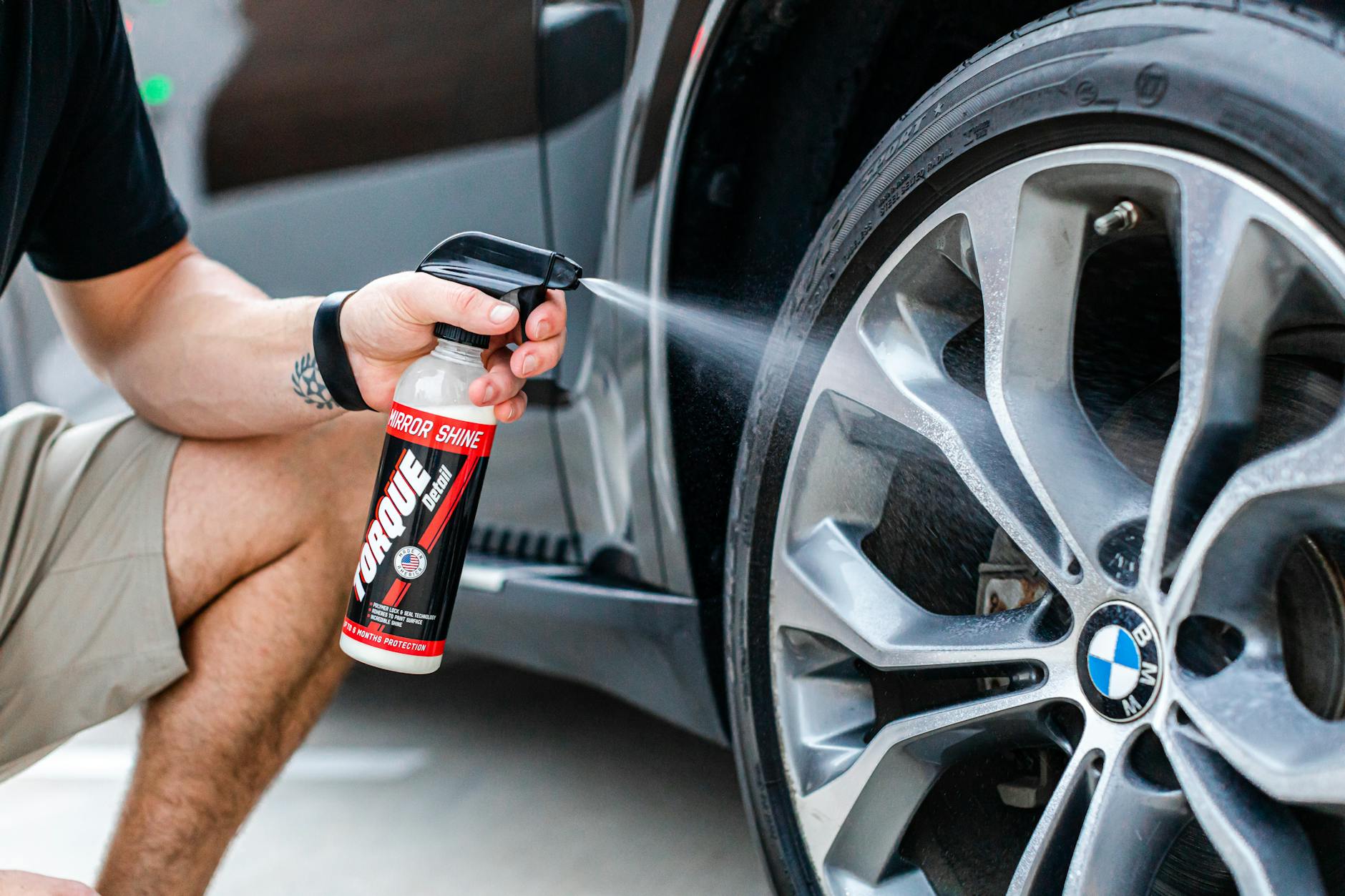
Tire and wheel protection plans are sold in the finance office with scenarios involving pothole damage and sidewall punctures presented as near-certain future expenses. These plans carry significant markups and contain exclusions for specific types of damage that are common in real driving conditions. Many personal auto insurance policies already include some form of tire or rim damage coverage that buyers are unaware of at the point of sale. Checking existing insurance coverage and independent plan pricing before entering the finance office provides essential context for evaluating these offers.
Mileage Penalty Warnings

Customers finalizing lease agreements are warned in exaggerated terms about the catastrophic cost of exceeding mileage limits as a way to persuade them to pay upfront for additional miles at the per-mile rate the dealer sets. The per-mile overage rate charged at lease end is often the same as or lower than the per-mile rate charged upfront for additional contracted miles. Real-world driving patterns are the most reliable predictor of mileage needs and historical annual mileage from previous vehicles provides a more accurate baseline than dealer estimates. Paying for excess miles at lease origination is rarely the most cost-effective approach when compared to paying only for actual overage at return.
Service Package Bundles

Prepaid maintenance plans are bundled into financing packages as convenience products with projected savings quoted against the dealer’s own retail service pricing rather than competitive market rates. Independent service centers and dealership service departments at competing brands frequently perform the same maintenance work at lower cost than the inflated retail rates used to calculate the plan’s projected value. The plans are also tied to a specific dealership location which creates a long-term service commitment that may not be practical if the buyer relocates or sells the vehicle before using all included services. Total projected usage versus total cost is the only calculation that determines whether a prepaid plan represents genuine value.
Rebate Stacking Restrictions

Finance managers sometimes tell buyers that manufacturer rebates cannot be combined with low-rate financing offers without clearly explaining that this is a manufacturer program rule rather than a dealership decision or negotiating concession. The choice between cash rebate and special financing is a genuine tradeoff that requires calculation based on the buyer’s specific loan amount and repayment timeline. In many scenarios the cash rebate combined with an independently sourced loan at a competitive rate produces a lower total cost than the special financing rate alone. Running both scenarios with actual numbers before committing to either option is the only way to determine the financially superior choice.
Cosmetic Damage Disclosure

Minor cosmetic damage on used vehicles including scratches chips or upholstery wear is sometimes omitted from verbal descriptions with the expectation that buyers will not inspect closely or will accept a token allowance after the fact. Dealers are aware that buyers who discover flaws after emotional attachment to a vehicle has developed are less likely to walk away over cosmetic concerns. A thorough independent inspection in natural light before any paperwork is signed protects the buyer from inheriting undisclosed repair costs. Photographic documentation of a vehicle’s condition at the time of delivery provides a record in the event of future disputes.
Approval Rate Fabrication

Buyers are sometimes told that their credit profile only qualified them for a single lender’s approval when in fact the dealer submitted the application to multiple lenders and is presenting only the offer with the highest dealer markup. The fair credit reporting act provides buyers with rights around credit application disclosures and buyers may request information about where their application was submitted. Pre-approval through a personal financial institution before visiting the dealership creates an independent benchmark that makes fabricated approval claims immediately visible. Knowledge of one’s own credit score range and the rates typically available at that tier is essential context for any finance office negotiation.
Negative Equity Minimization

Buyers carrying negative equity from a previous loan are sometimes told the situation is minor or easily absorbed into a new deal in a way that treats thousands of dollars of additional debt as a trivial inconvenience. Rolling negative equity into a new loan increases the principal balance the monthly payment and the total interest paid while also increasing the risk of the buyer becoming upside down on the new vehicle quickly. Some buyers cycle through this pattern across multiple vehicle purchases creating compounding debt that takes years to resolve. Addressing negative equity before initiating a new vehicle transaction through accelerated payoff or waiting for the vehicle’s value to recover is the financially sound approach.
Final Numbers Alteration

Buyers who negotiate a clear purchase price sometimes discover that the out-the-door figures presented in the finance office include additional items fees or products that were not part of the agreed negotiation without clear explanation of when or how those items were added. The transition from sales floor to finance office is specifically designed to reopen a transaction the buyer believed was settled. Requesting a complete itemized out-the-door price in writing before entering the finance office eliminates ambiguity and creates a clear reference document for comparison. Any figure that appears on the final contract and was not present on the pre-finance itemization warrants an immediate and specific explanation before signing.
If you’ve experienced any of these tactics firsthand or know of others that should be on this list share your story in the comments.