Wolves are highly social apex predators that live in structured family units known as packs. These animals have complex communication systems involving vocalizations and body language. They play a vital role in maintaining the balance of their ecosystems by controlling prey populations. Their thick fur allows them to survive in extreme temperatures across the Northern Hemisphere. Understanding these creatures requires looking closely at their biological traits and social behaviors.
Pack Hierarchy
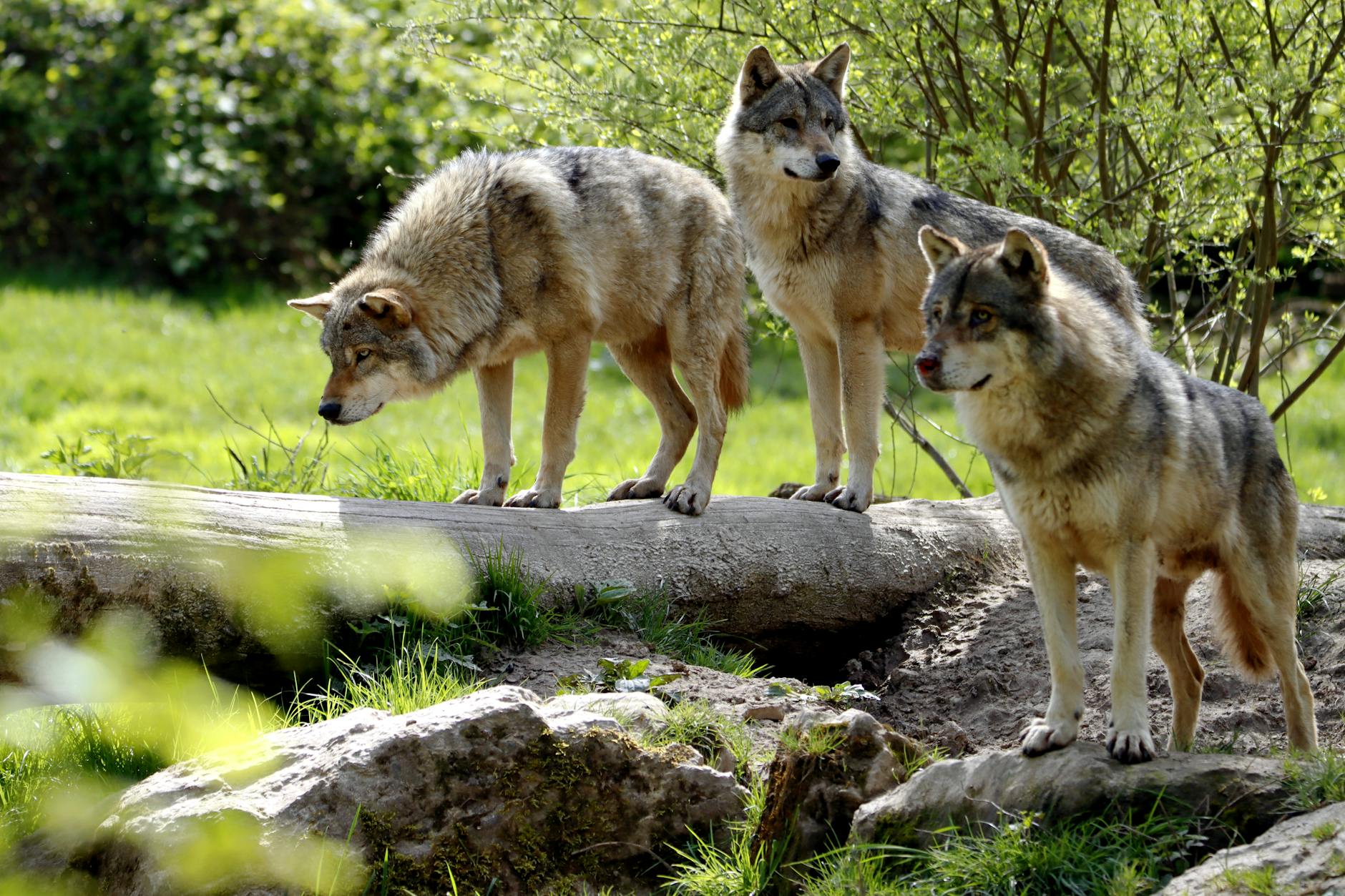
A typical wolf pack consists of a breeding pair and their offspring from several years. The dominant male and female lead the group during hunts and territorial defense. Younger members of the pack often assist in raising new litters of pups. This social structure ensures the survival and protection of every individual within the family. Strong emotional bonds keep the pack cohesive during times of food scarcity.
Vocal Communication
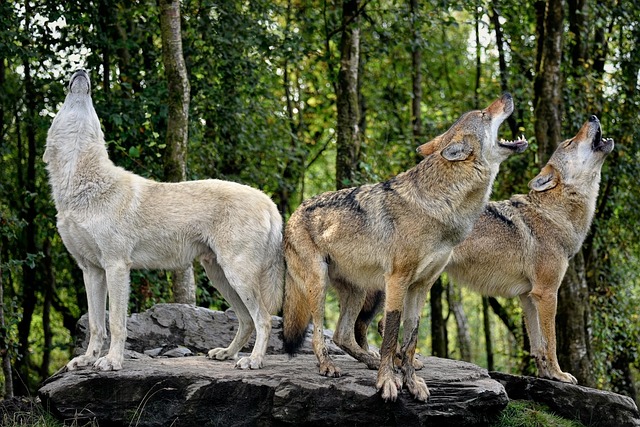
Howling serves as a long distance communication tool for wolves to locate one another. Each individual possesses a unique howl that allows pack members to recognize them from miles away. This vocalization is also used to warn rival packs to stay away from a claimed territory. Wolves do not actually howl at the moon but rather direct their sound upward to maximize travel distance. Barking and growling are used for close range interactions and expressing immediate emotions.
Physical Endurance
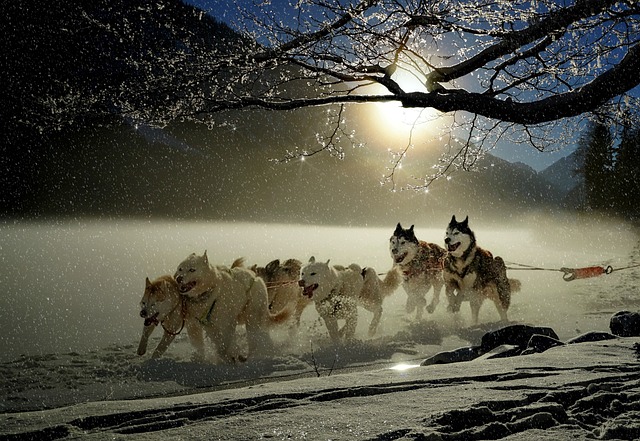
A wolf can travel over thirty miles in a single day while patrolling its vast territory. Their paws are equipped with fleshy pads and claws that provide excellent traction on snow and ice. The powerful muscles in their legs allow them to maintain a steady trot for many hours without tiring. They are capable of reaching speeds up to thirty eight miles per hour during a short chase. This incredible stamina is essential for tracking and exhausting large prey animals.
Hunting Strategies
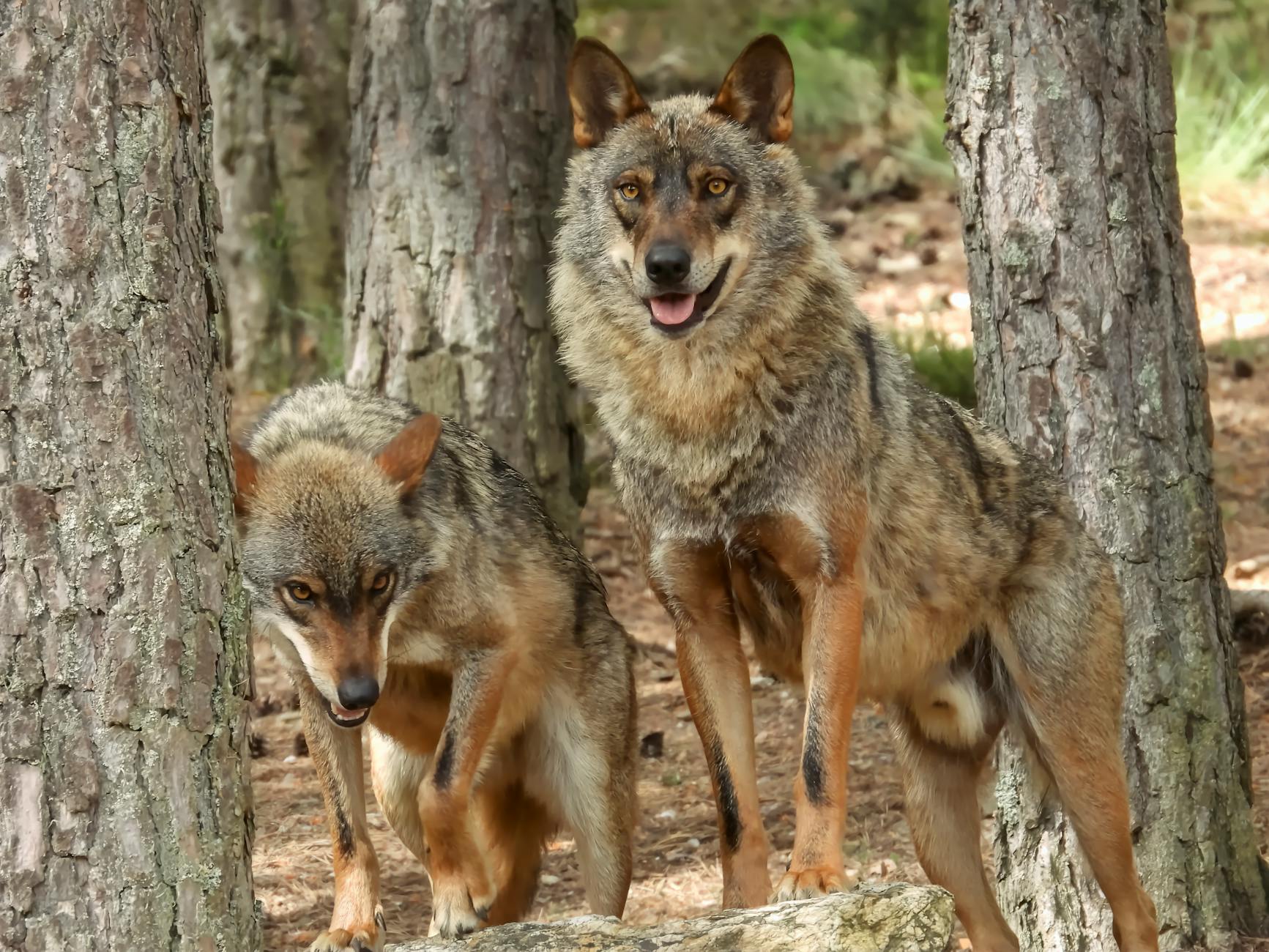
Wolves primarily target large ungulates like elk and deer through coordinated group efforts. They use their keen sense of smell to track herds over long distances across varied terrain. The pack often tests the strength of a herd to identify the weakest or oldest members. Once a target is selected the wolves use strategic positioning to surround and take down the animal. Successful hunts provide enough nourishment to sustain the entire pack for several days.
Territorial Range
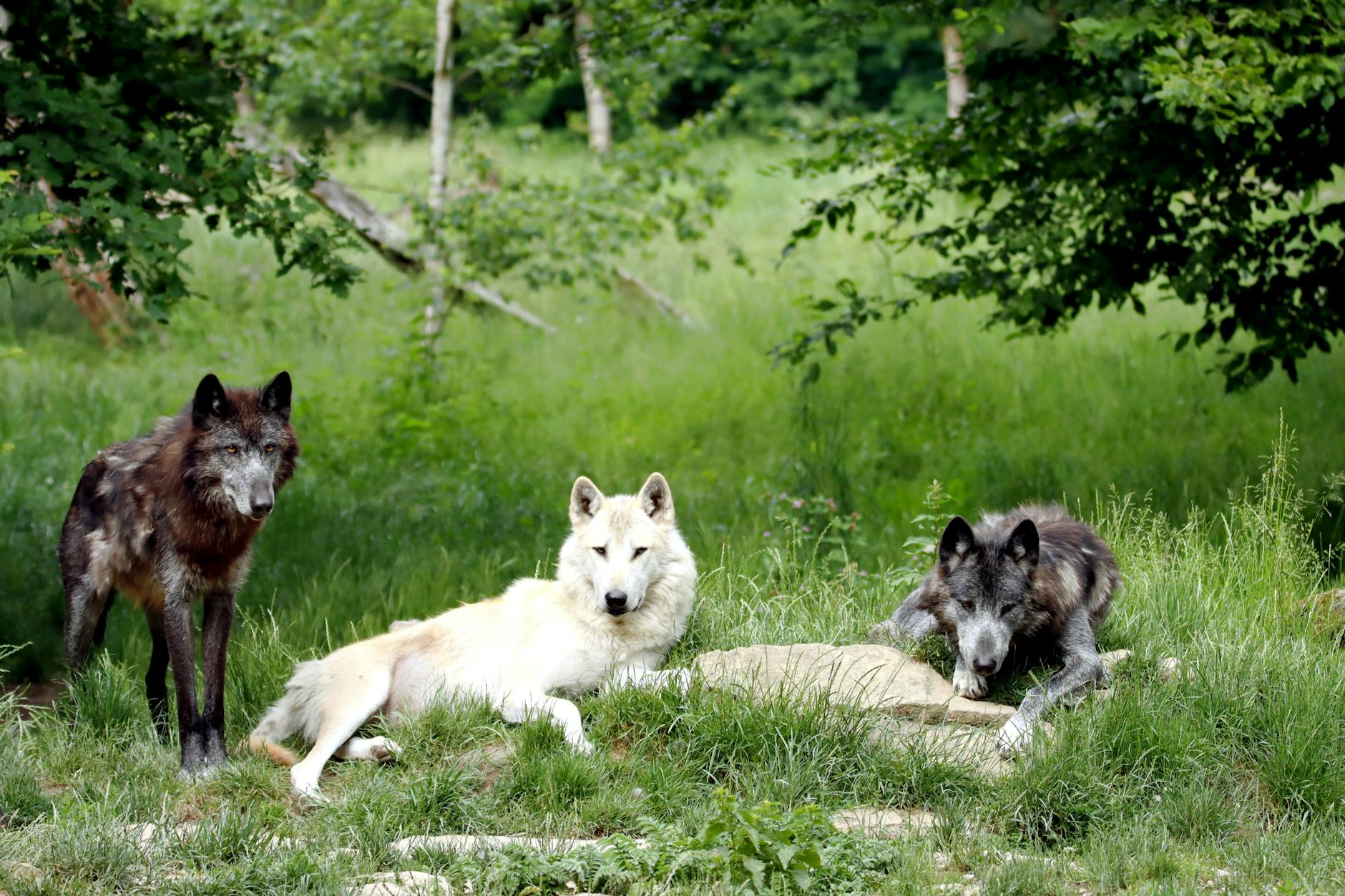
The size of a wolf territory depends largely on the density of available prey in the area. Some packs defend regions spanning hundreds of square miles to ensure a steady food supply. Scent marking with urine and scat helps define the boundaries for neighboring packs to see. Intrusions into another pack’s territory often lead to aggressive physical confrontations between the groups. Maintaining a large range allows the wolves to rotate hunting grounds and prevent overhunting.
Sensory Capabilities
A wolf has a sense of smell that is roughly one hundred times stronger than that of a human. This ability allows them to detect prey and other wolves from more than a mile away. Their ears are highly sensitive and can rotate to pinpoint the exact location of a faint sound. They possess excellent night vision which makes them highly effective hunters during low light hours. These heightened senses are critical for survival in the wilderness where threats and food are often hidden.
Pup Development
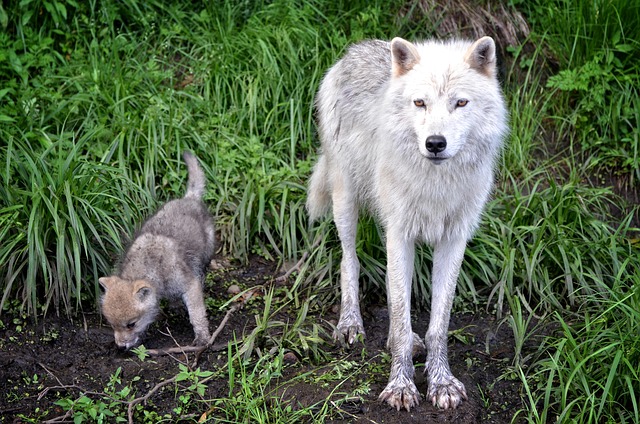
Wolf pups are born blind and deaf within the safety of an underground den. They remain in the den for several weeks while the mother provides constant care and warmth. At around three weeks old the pups begin to explore the area immediately outside the den entrance. The entire pack contributes to their upbringing by bringing food and guarding the nursery site. Play behavior among pups helps them develop the physical skills and social understanding needed for adulthood.
Winter Survival
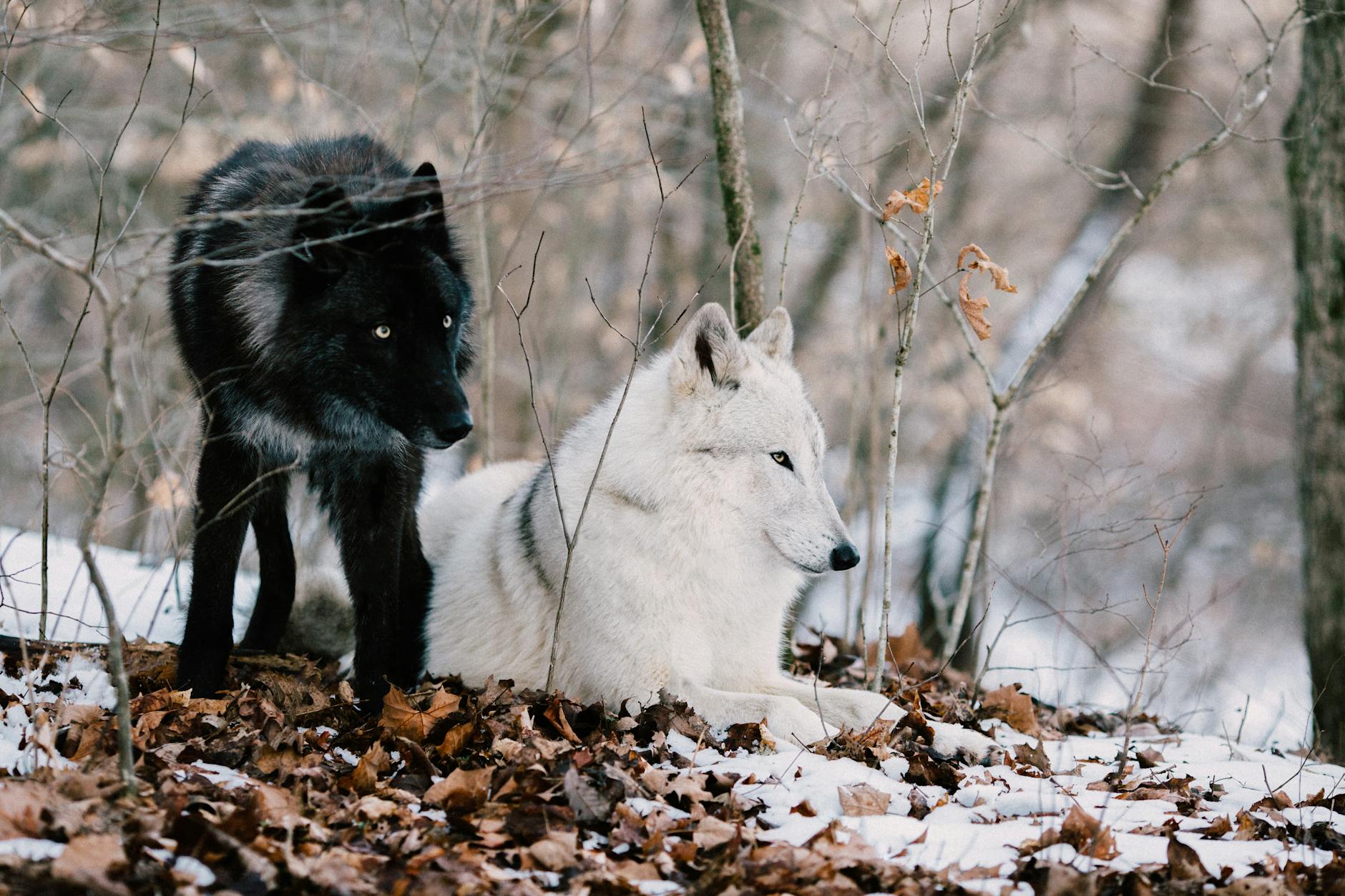
The winter coat of a wolf is composed of two layers to provide maximum insulation against the cold. Long guard hairs shed water and snow while the dense undercoat traps heat against the skin. They often sleep in a curled position with their bushy tails covering their sensitive noses. Wolves are well adapted to moving through deep snow thanks to their large and wide paws. These physical adaptations allow them to remain active and hunt successfully throughout the harshest months.
Genetic Diversity
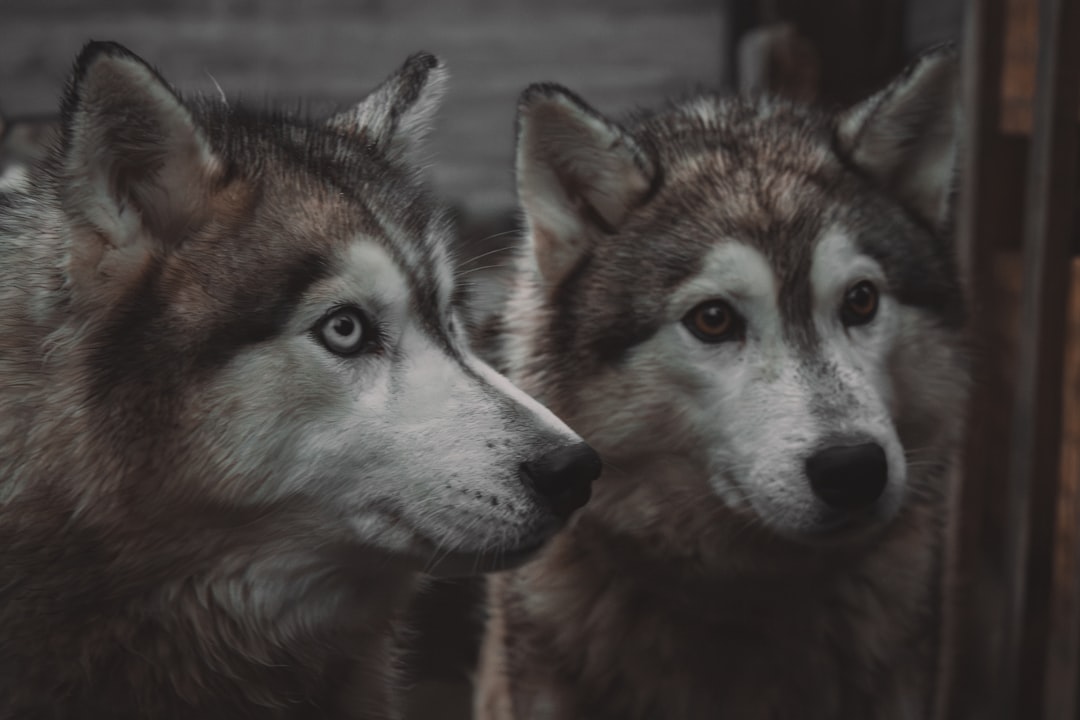
Wolves and domestic dogs share a vast majority of their DNA due to a common ancient ancestor. Despite these similarities wolves have significantly larger brains and more powerful jaw structures. Natural selection in the wild has preserved the traits necessary for survival in untamed environments. Genetic studies show that different wolf subspecies have adapted to their specific local climates and prey. Maintaining high levels of genetic diversity is crucial for the long term health of wolf populations.
Alpha Misconception
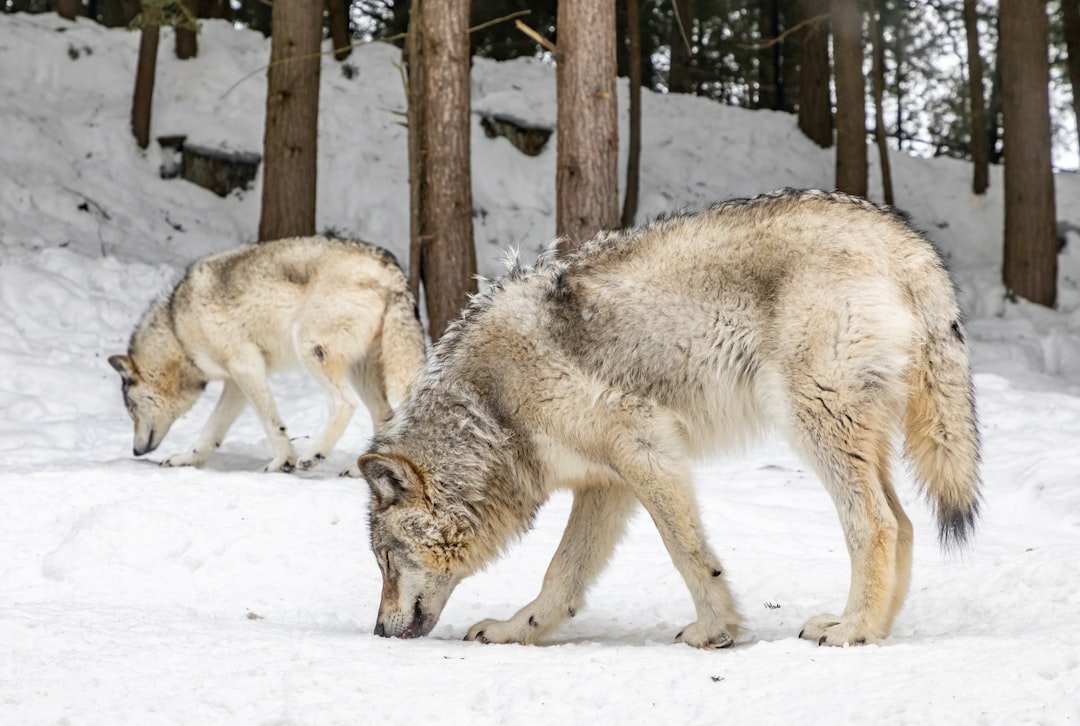
Modern research suggests that the term alpha does not accurately describe the leadership in a wild pack. Wild packs function more like human families where the parents naturally lead their own children. The aggressive competition for dominance is more commonly observed in captive wolves than in natural settings. Leadership is based on guidance and cooperation rather than constant physical intimidation or fighting. This familial bond creates a stable environment for the younger wolves to learn and grow.
Population Density
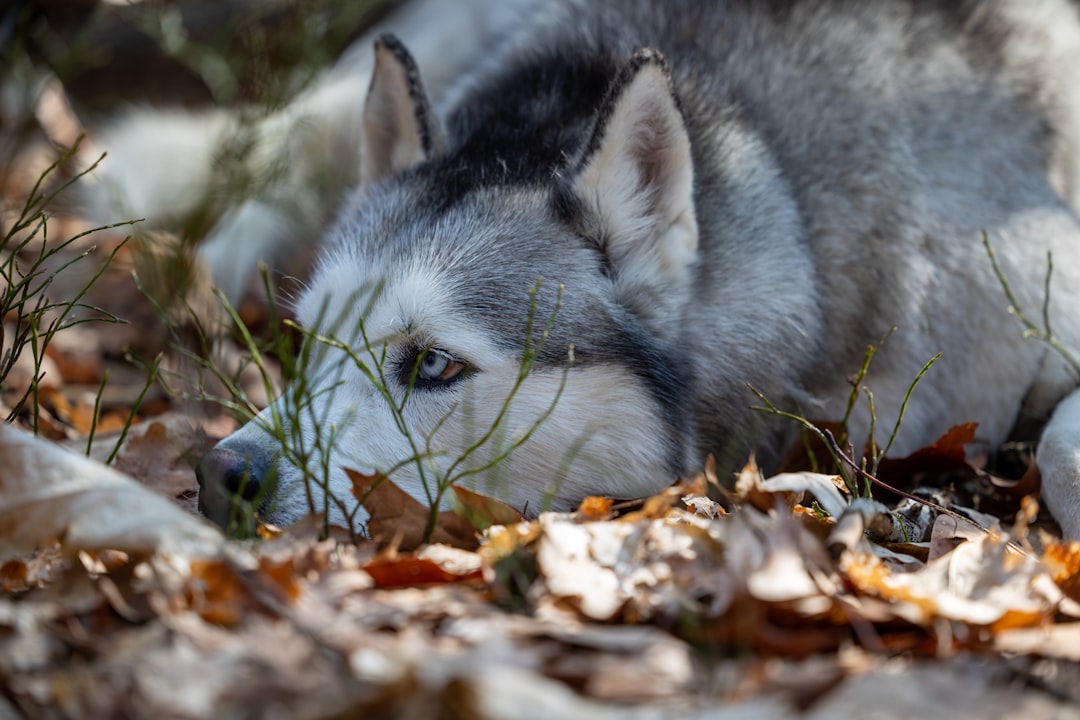
The number of wolves in a specific region is naturally limited by the amount of food available. When prey becomes scarce the birth rates within the pack tend to decrease significantly. Large territories prevent the overcrowding of predators and ensure each group has enough space. Dispersal occurs when young wolves leave their birth pack to find a mate and start their own. This natural movement helps spread the population and prevents inbreeding within a single family line.
Jaw Strength
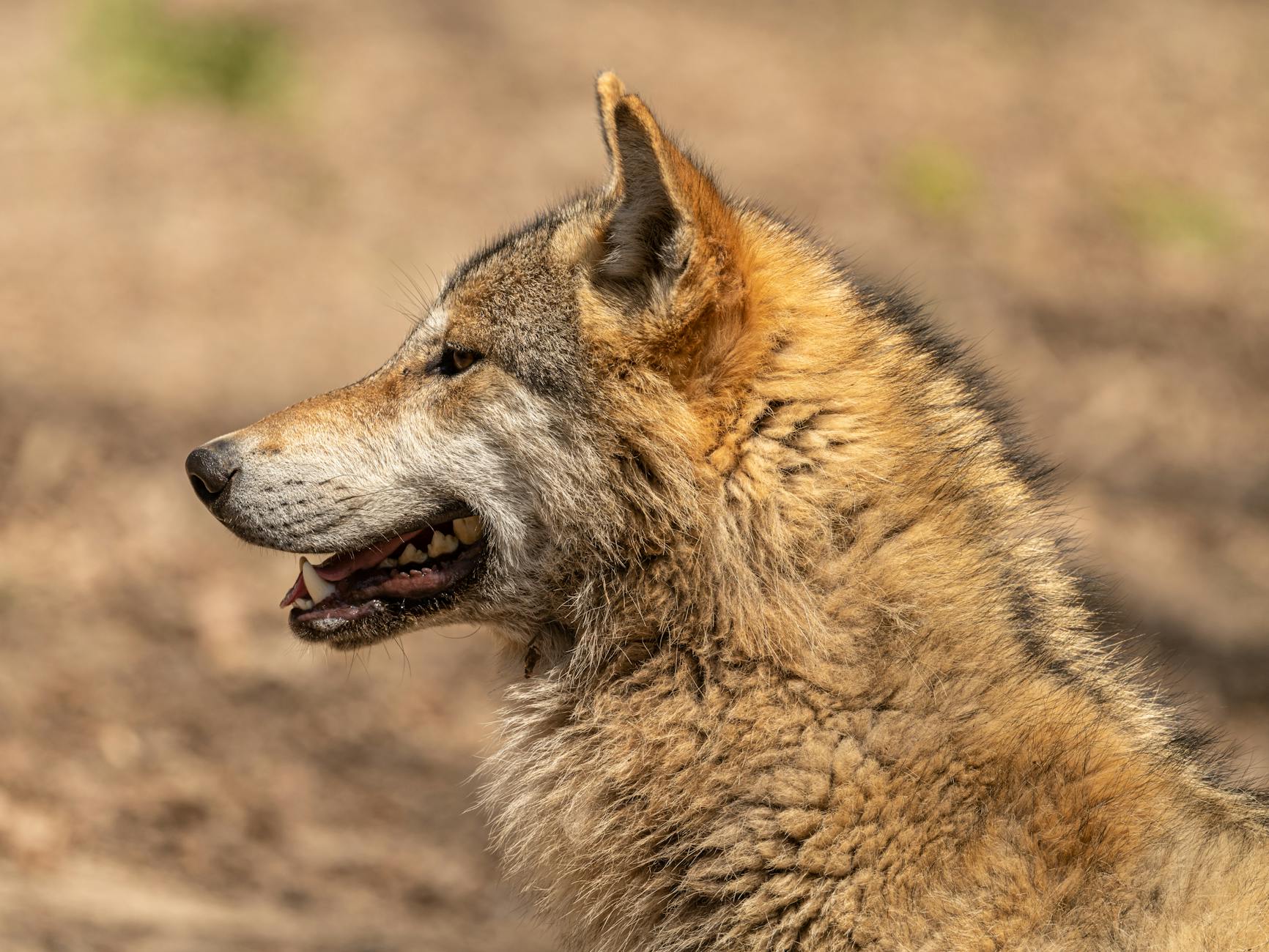
The massive jaws of a wolf are capable of exerting a pressure of fifteen hundred pounds per square inch. This strength is nearly double that of a German Shepherd and is essential for breaking through thick bones. Their teeth are specialized for both gripping and crushing to efficiently process a kill. A total of forty two teeth work together to provide the mechanical force needed for survival. This biological engineering allows them to consume nearly every part of their prey including the marrow.
Coat Coloration
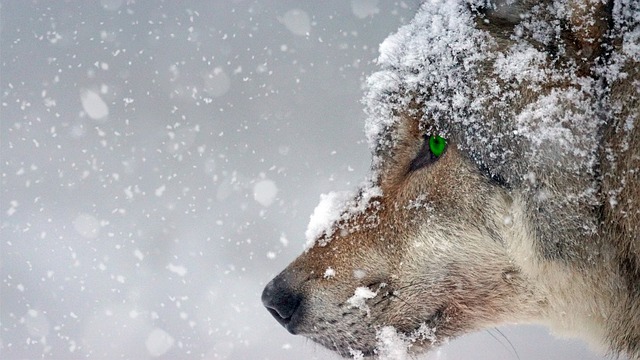
Wolf fur varies widely in color ranging from pure white to jet black and various shades of gray or brown. These colors serve as camouflage within specific habitats such as the tundra or deep forests. In some regions black coats are the result of historical crossbreeding with domestic dogs. This genetic variation can provide advantages in specific environments or during different seasons. The thickness of the coat changes significantly as they shed their heavy winter layer for a lighter summer one.
Speed and Agility

While wolves are known for endurance they can also exhibit impressive bursts of speed during a hunt. Their long legs and streamlined bodies are designed for efficient movement across rough terrain. They can jump up to sixteen feet in a single bound to clear obstacles or capture prey. Flexible spines allow for quick turns and pivots while navigating through dense trees or over rocky cliffs. This combination of speed and agility makes them formidable competitors in the natural world.
Life Expectancy
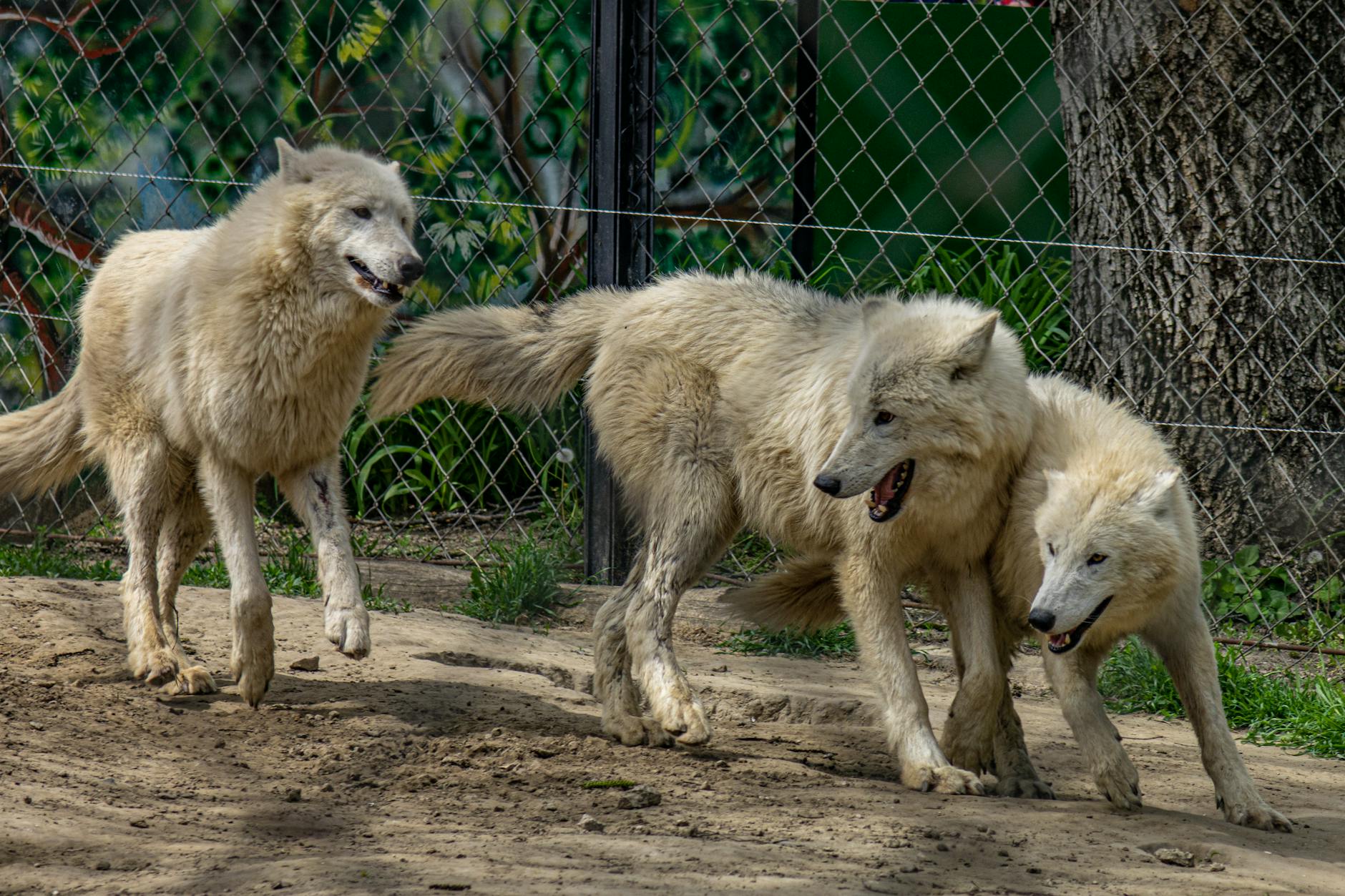
In the wild most wolves live between six and eight years due to the harsh realities of nature. Factors such as injuries from prey or conflicts with rival packs often limit their lifespan. Wolves in protected areas or captivity can live significantly longer sometimes reaching fifteen years. Pup mortality remains a major factor in the overall growth of a population. Despite these challenges the pack structure provides a safety net that helps individuals survive difficult conditions.
Subspecies Variation
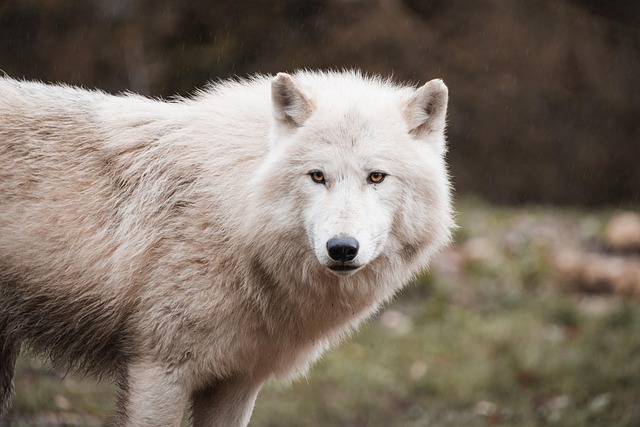
There are many recognized subspecies of gray wolves that have adapted to diverse global environments. The Arctic wolf features a thick white coat and shorter ears to minimize heat loss in freezing zones. Timber wolves are typically larger and darker to blend into the shadows of dense North American forests. Ethiopian wolves have evolved as specialized hunters of rodents in high altitude grasslands. Each variety displays unique physical and behavioral traits suited to its specific geographical niche.
Swimming Ability
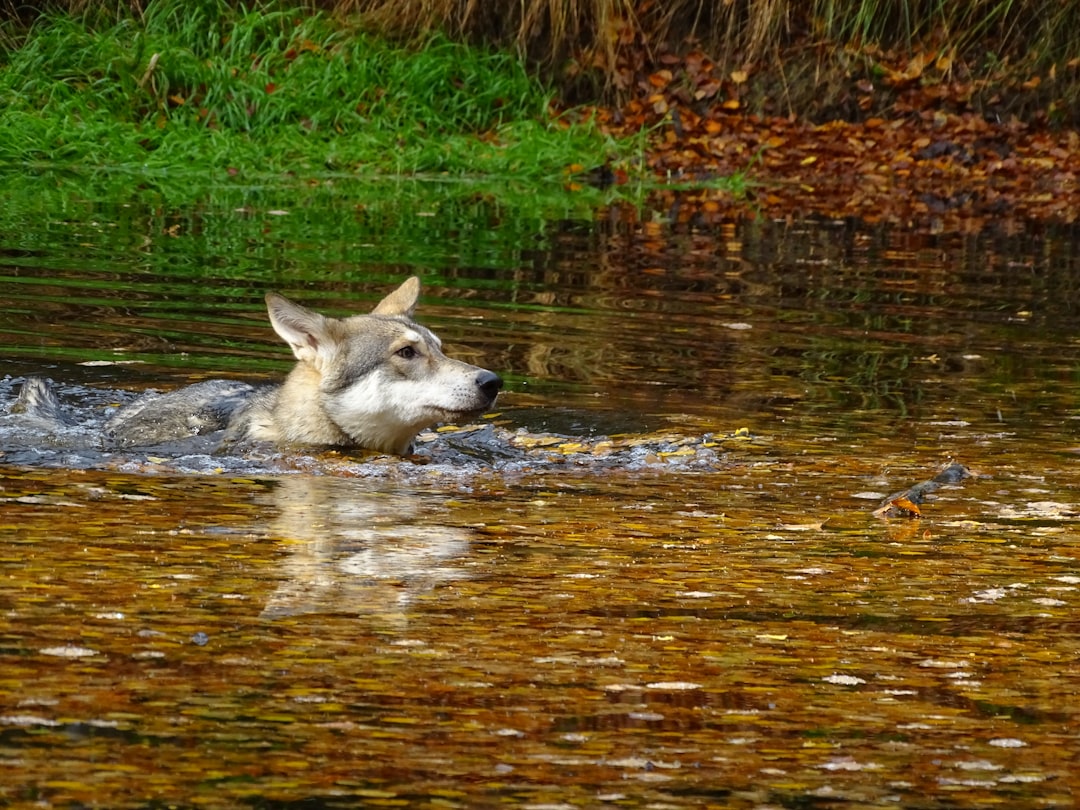
Wolves are capable swimmers and have been known to cross wide rivers in pursuit of prey. They use their large paws like paddles to propel themselves through the water with surprising efficiency. Some populations in coastal regions rely heavily on marine resources such as fish or seals. Crossing water barriers is also a common part of searching for new territory or mates. Their water resistant outer coat helps them dry off quickly once they return to land.
Tail Positioning
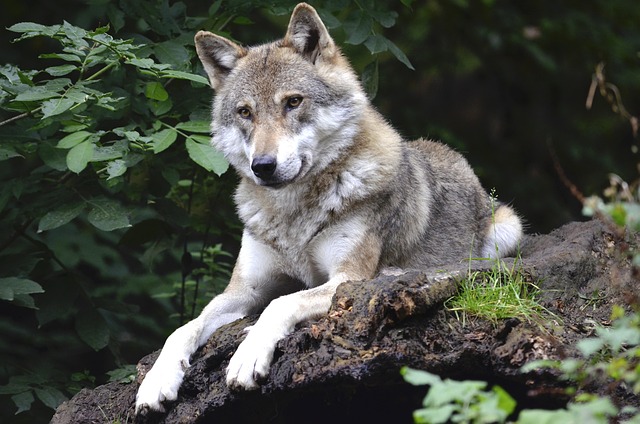
The position of a wolf tail is a primary indicator of its status and current mood. A high and stiff tail signifies dominance or a state of high alertness within the group. A tail tucked between the legs is a clear sign of submission or fear toward a higher ranking member. Wagging can indicate excitement or a friendly greeting during social reunions. These visual cues are essential for maintaining harmony and avoiding unnecessary physical conflict within the pack.
Bone Consumption
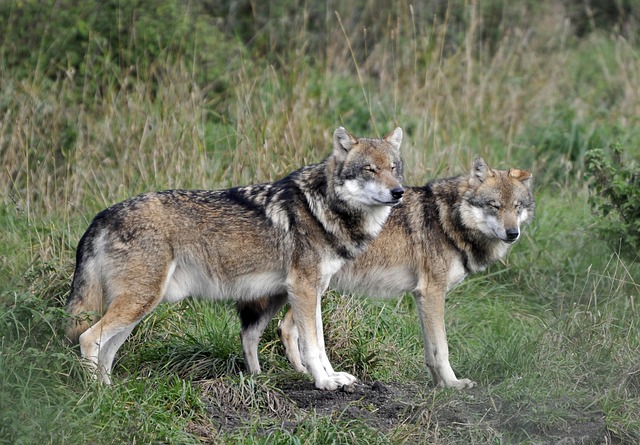
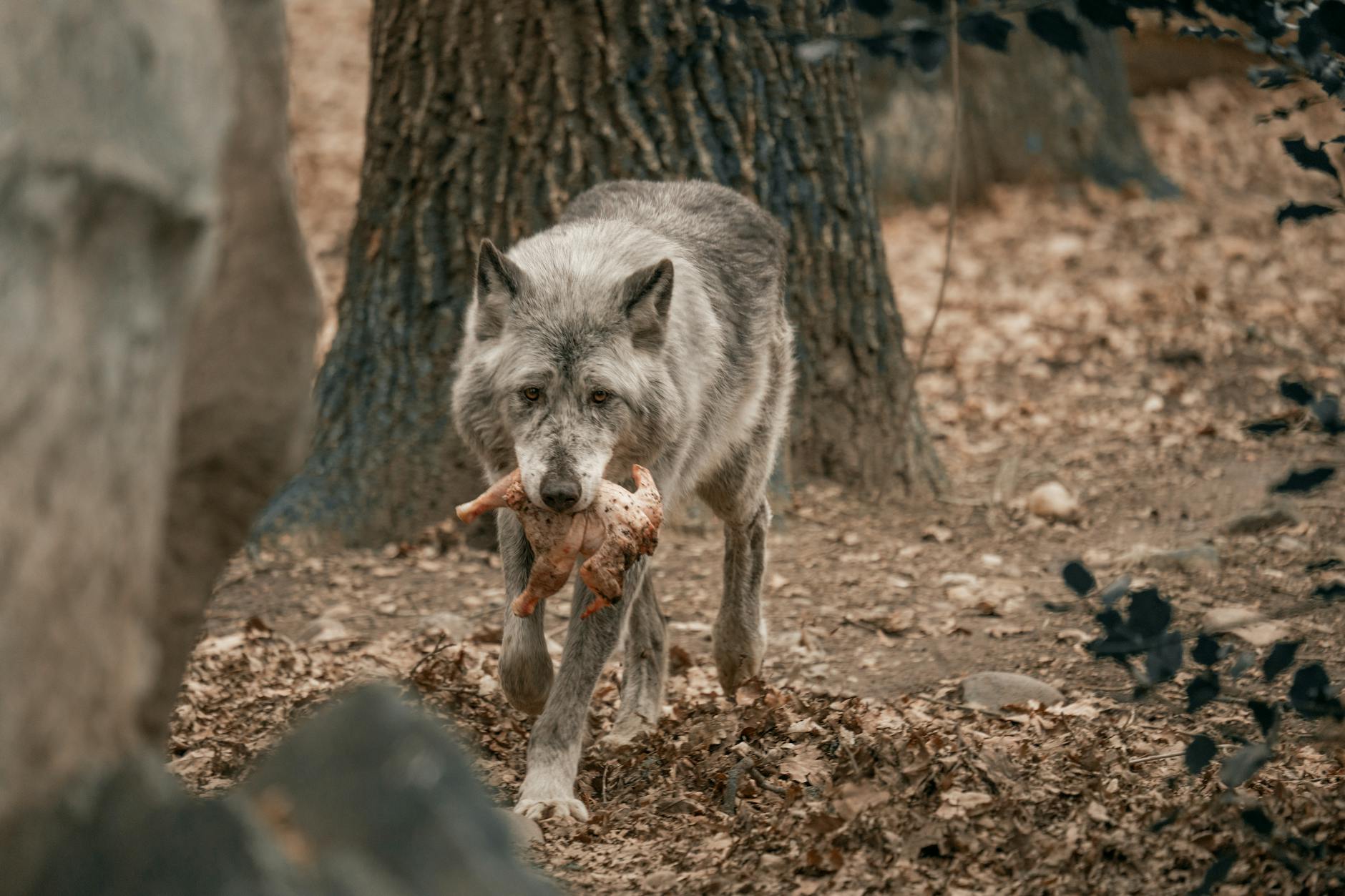
Wolves are known as opportunistic feeders that leave very little of their prey behind. Their specialized digestive systems can process bone fragments that would be dangerous for other animals. Consuming the mineral rich marrow provides essential nutrients that are otherwise difficult to obtain. This thorough eating habit ensures that the pack receives the maximum possible energy from every successful hunt. It also reduces the amount of carrion left to attract other competing scavengers.
Ecosystem Engineers
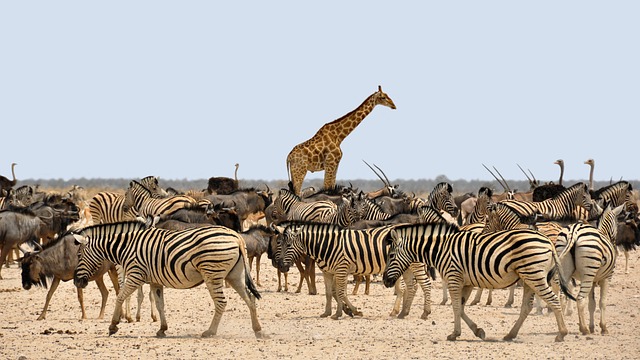
By preying on large herbivores wolves prevent the overgrazing of vegetation in river valleys and forests. This allows willow and aspen trees to thrive which in turn provides habitats for birds and beavers. The presence of wolves can actually change the physical geography of a landscape by influencing animal movement. Their role as a keystone species supports a high level of biodiversity across multiple trophic levels. Healthy wolf populations are often a sign of a robust and functioning natural environment.
Paws and Tracks
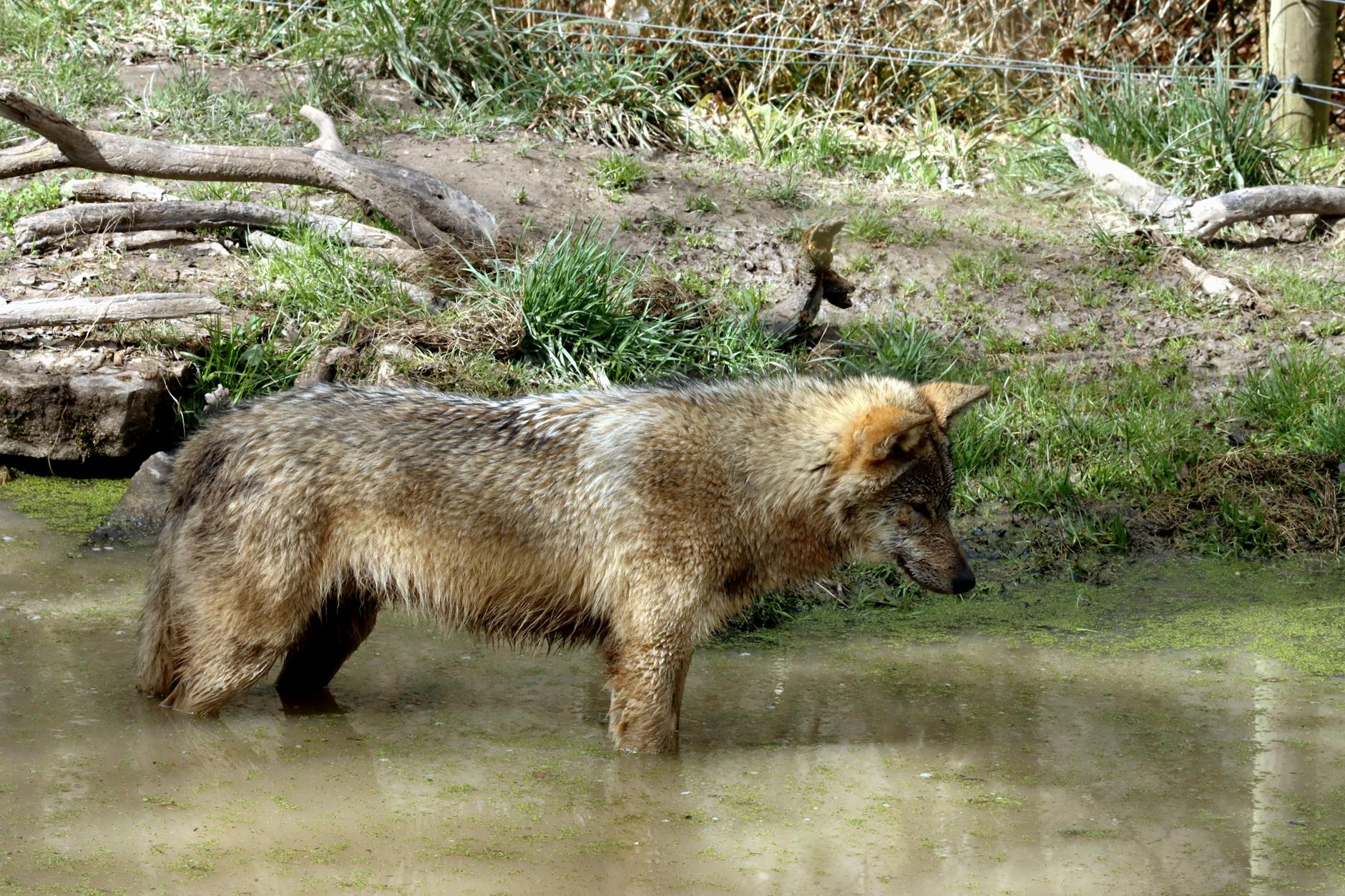
A wolf track is typically much larger than that of a domestic dog often measuring five inches long. The two middle toes are slightly longer than the outer toes which creates a distinct oval shape. Their tracks often appear in a straight line because they place their hind paws directly into the prints of their front paws. This specialized gait conserves energy and makes movement through deep snow much easier. In soft mud or snow the webbing between their toes becomes visible and provides extra surface area.
Social Grooming
Grooming is a vital social activity that reinforces the bonds between different pack members. Wolves will lick and nibble at each other to remove parasites and clean hard to reach areas. This behavior often occurs after a hunt or during periods of rest to promote relaxation. It serves as a way to soothe tension and show affection within the family unit. Maintaining a clean coat is also functional for temperature regulation and general health.
Memory and Learning
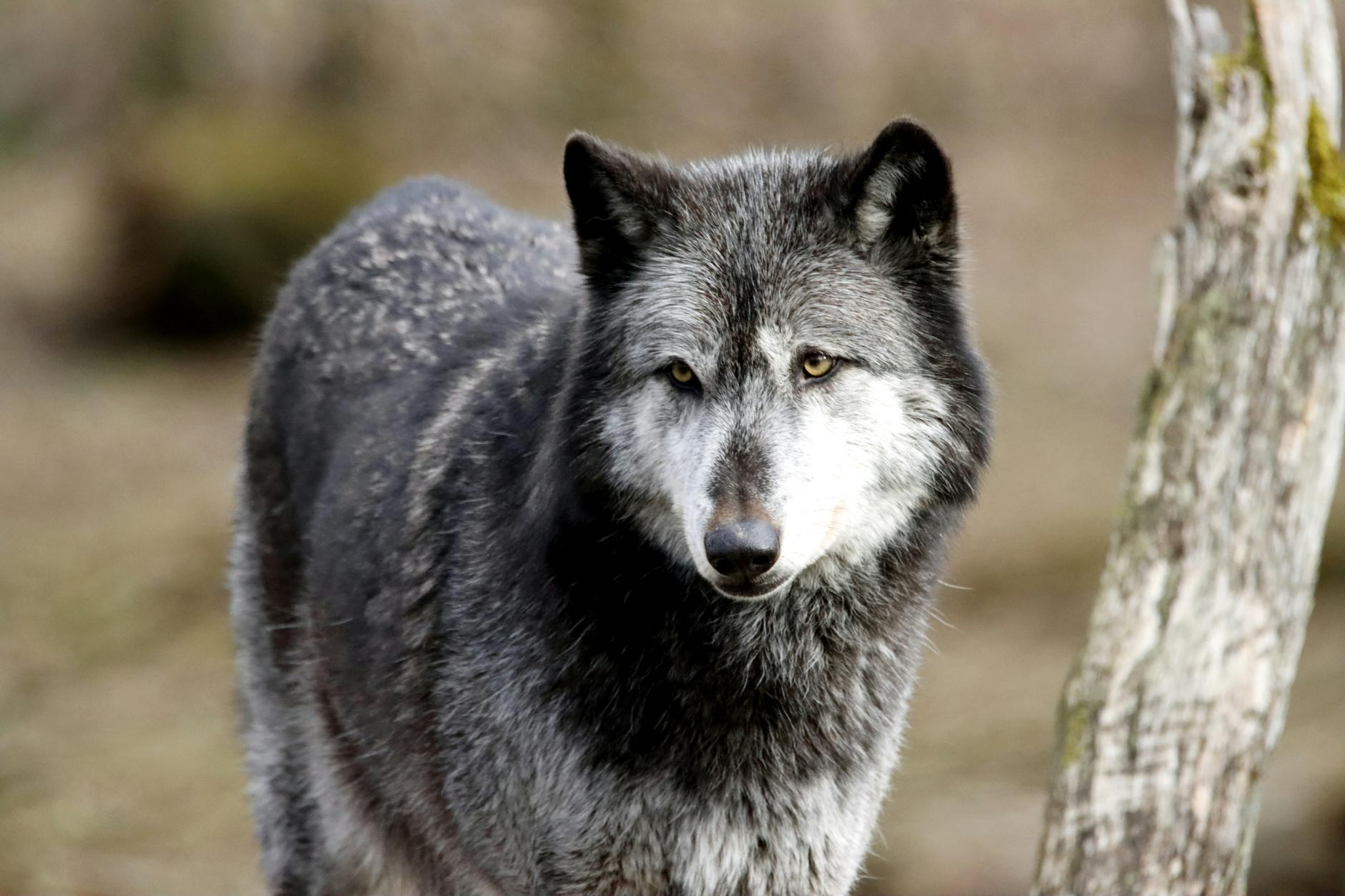
Wolves possess a high capacity for learning and can remember the locations of prey and hazards for years. They observe the hunting techniques of older pack members and practice these skills through play. Their ability to solve complex problems is often compared to that of primates or highly intelligent dogs. They can adapt their strategies based on the behavior of different prey species they encounter. This cognitive flexibility allows them to thrive in rapidly changing or challenging environments.
Heart and Lungs
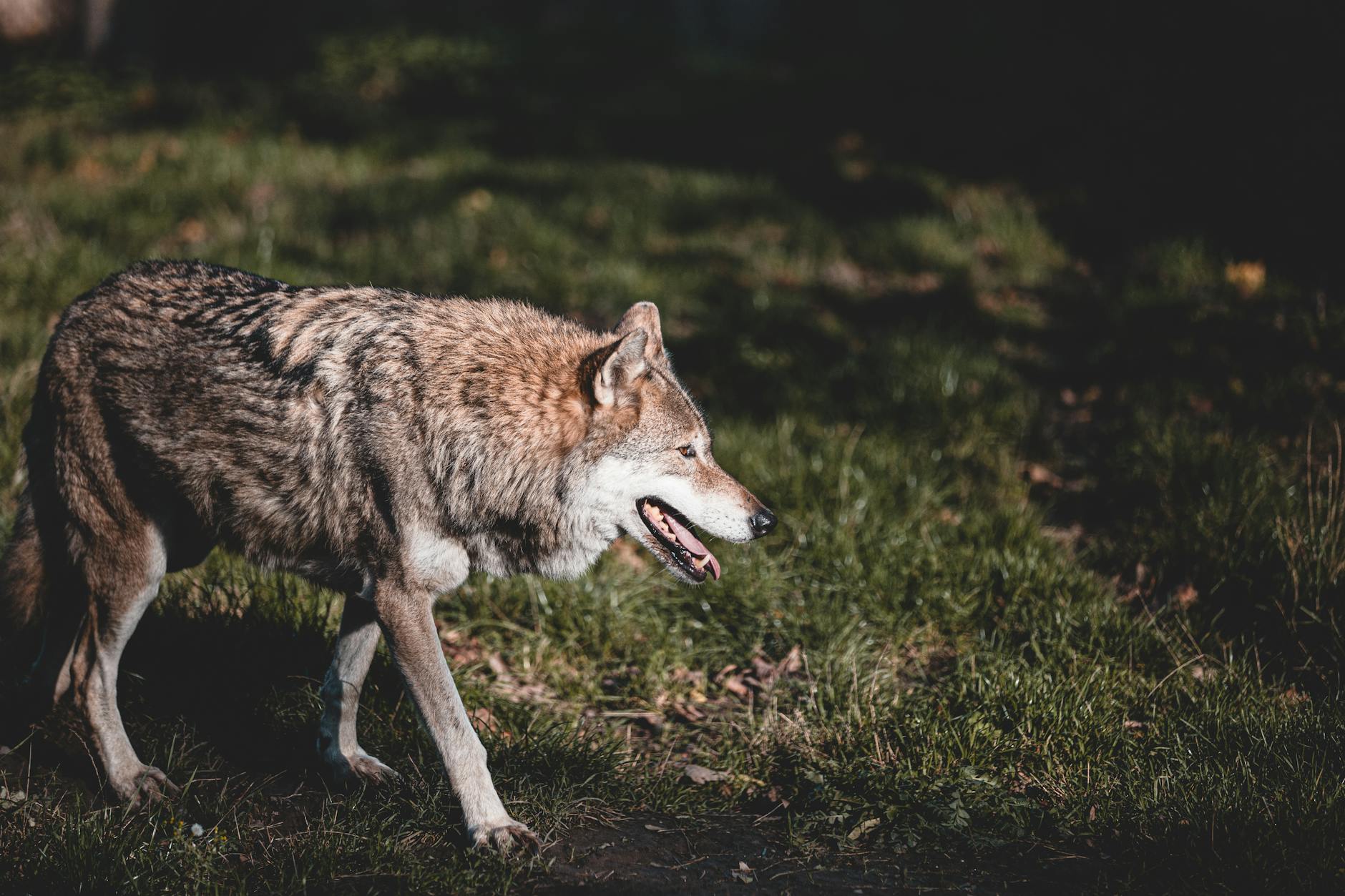
The cardiovascular system of a wolf is incredibly large relative to its body size. A large heart and expansive lungs allow for the efficient delivery of oxygen during long pursuits. This physiological advantage is what enables their famous long distance stamina in the wild. Their resting heart rate can drop significantly to conserve energy during periods of inactivity. These internal adaptations are just as important as their external traits for maintaining an apex predator status.
Non-Verbal Cues
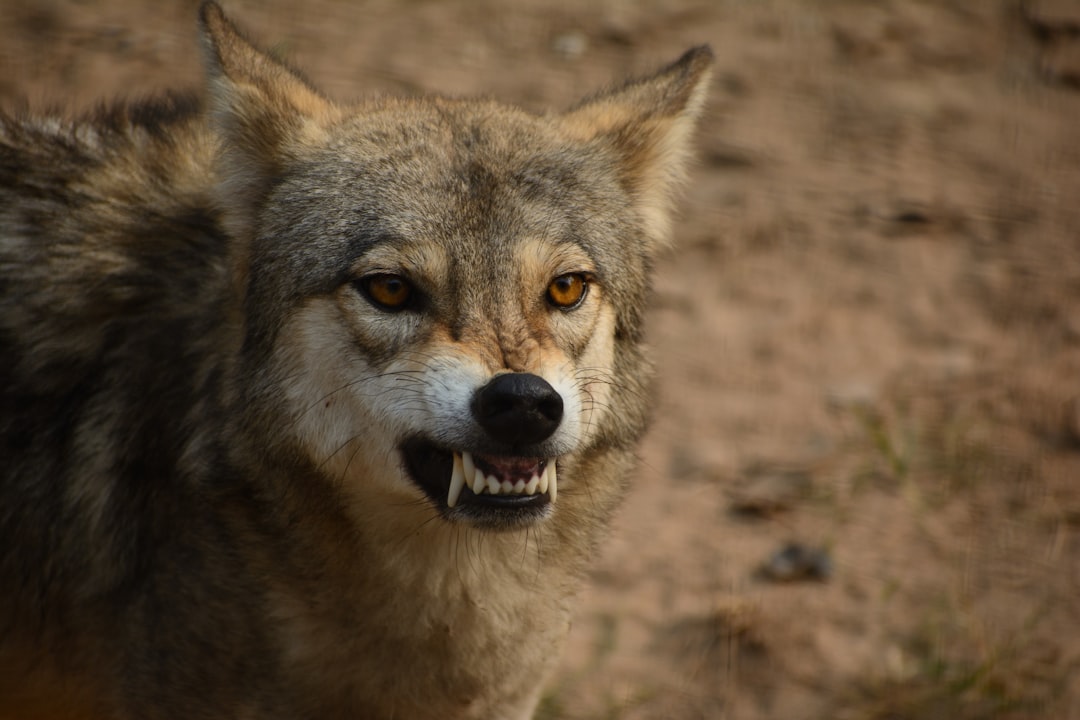
Beyond vocalizations wolves use subtle ear movements and facial expressions to communicate intent. Flattened ears can signal a defensive posture while forward pointing ears show curiosity or confidence. Narrowed eyes and a wrinkled snout are clear warnings of impending aggression during a dispute. Lip licking and submissive crouching are used by lower ranking wolves to appease the leaders. These silent signals allow for constant communication without alerting prey to their presence.
Dispersal Instinct
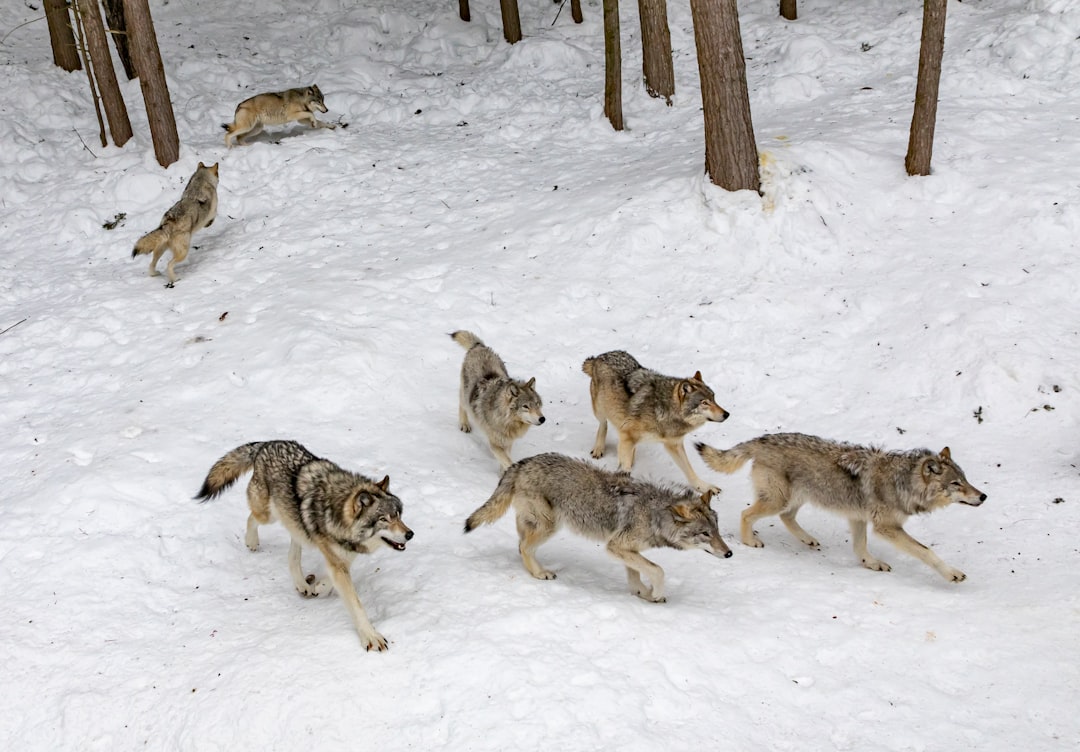
Young wolves typically reach sexual maturity at around two years of age and may choose to leave the pack. This drive to find a new territory and a mate is known as dispersal. Some individuals travel hundreds of miles away from their natal range to find unoccupied land. This process is dangerous as lone wolves lack the protection and cooperative hunting power of a pack. However dispersal is the primary mechanism for establishing new packs and maintaining genetic flow.
Scavenging Behavior
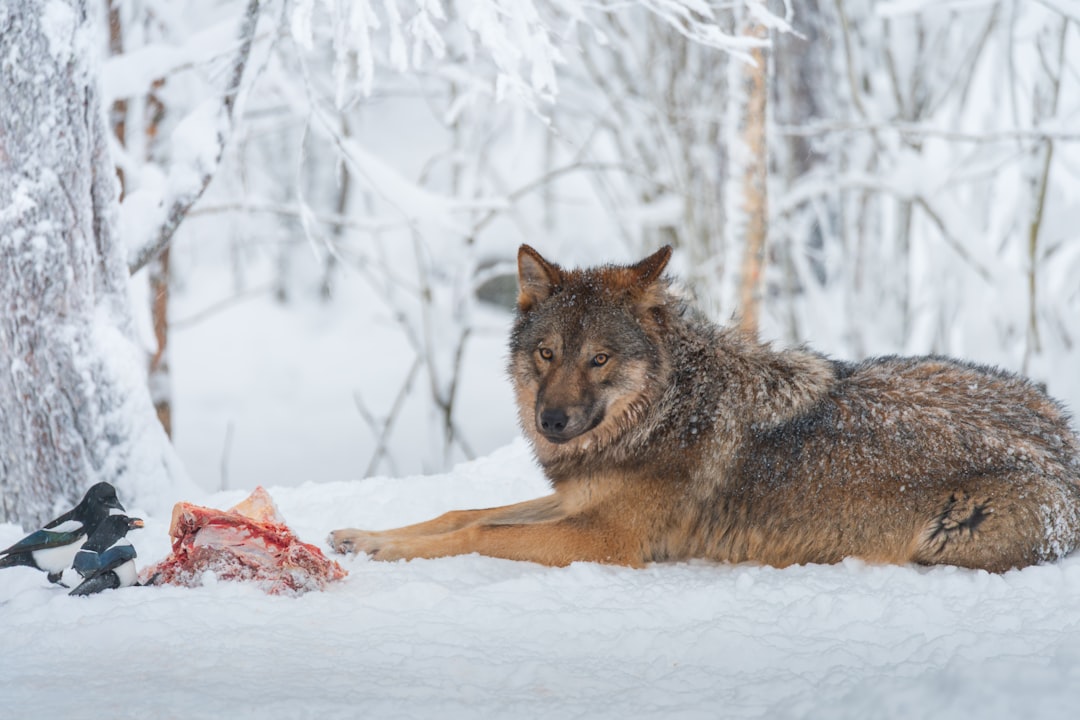
While they are skilled hunters wolves will readily scavenge on carcasses left by other predators or natural causes. This behavior is particularly common during the winter when active hunting becomes more difficult. They often follow other large predators like bears to see if any scraps remain after a meal. Scavenging provides a low energy way to supplement their diet during times of food scarcity. It demonstrates their resourcefulness and ability to utilize all available calories in their environment.
Territorial Howling
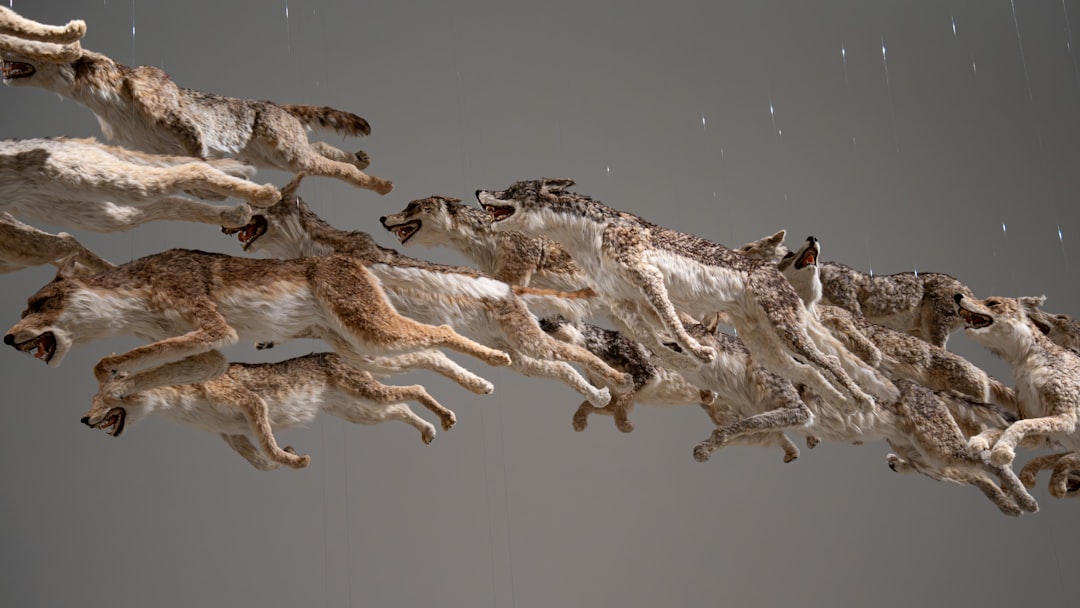
Packs use communal howling sessions to announce their presence to any wolves in the surrounding area. These sessions often involve multiple members howling at different pitches to make the pack sound larger. This acoustic trick can discourage smaller packs or lone wolves from entering the area. It serves as a defensive wall of sound that protects the pack’s resources without physical fighting. These chorus howls also strengthen the emotional connection and morale of the group.
Seasonal Diet

The diet of a wolf can shift significantly depending on the season and the availability of different food sources. In the summer they may supplement their meat intake with wild berries or large insects. They have also been observed catching fish during spawning seasons in certain northern regions. Small mammals like rabbits or rodents become more important when large ungulates are difficult to find. This dietary flexibility helps them survive throughout the changing conditions of the year.
Den Sites

A wolf den is usually located on high ground with a clear view of the surrounding landscape. They often choose locations near water sources but well away from the activity of other large predators. Dens can be dug into sandy soil or established within rock crevices and hollow logs. A single pack may use the same denning area for several generations if the location remains safe. The den serves as a temporary home only during the first few months of a pup’s life.
Scent Marking
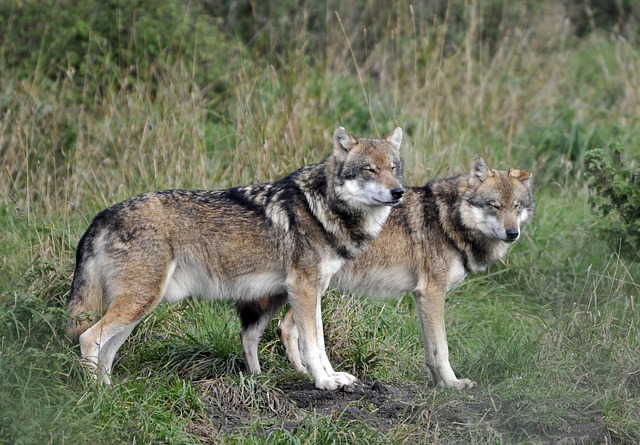
Wolves have specialized scent glands located between their toes and at the base of their tails. These glands release chemical signals that provide information about the individual’s identity and reproductive status. By rubbing against trees or rolling in the grass they leave behind a long lasting scent profile. This chemical communication system is essential for marking boundaries and finding mates during the breeding season. It allows wolves to gather information about their environment without direct physical contact.
Cooperative Parenting
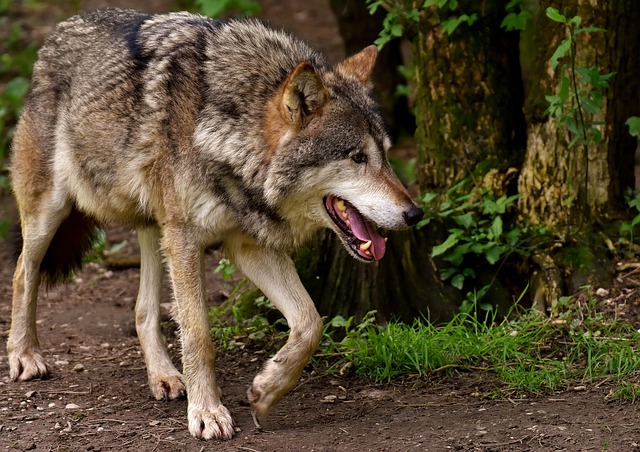
The entire wolf pack shares the responsibility of feeding and protecting the growing pups. While the mother stays in the den other pack members will bring back meat in their stomachs to regurgitate for the young. Yearlings often act as babysitters by staying behind to watch the pups while the rest of the pack hunts. This communal care increases the survival rate of the offspring and allows the mother to recover her strength. The pups learn the social rules of the pack through these early interactions with multiple adults.
Eyesight and Focus
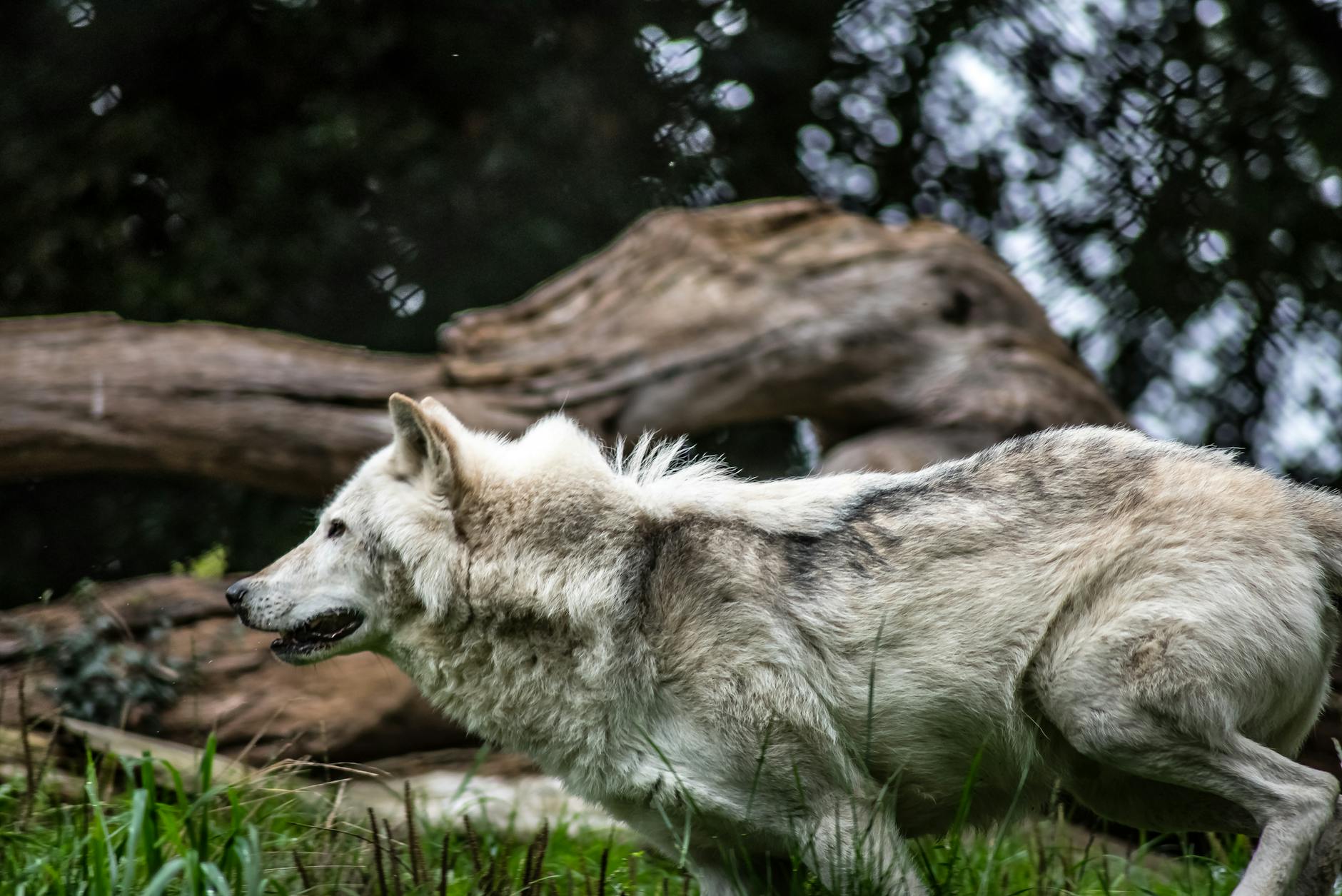
A wolf’s eyes are positioned on the front of its head which provides excellent depth perception for hunting. They are particularly sensitive to movement which helps them spot prey at a great distance across a field. While their color vision is not as sharp as a human’s it is well suited for identifying contrasts in nature. They can focus on a single target even in the middle of a chaotic and fast moving herd. This visual focus is a key component of their success as a high level predator.
Impact of Habitat Loss
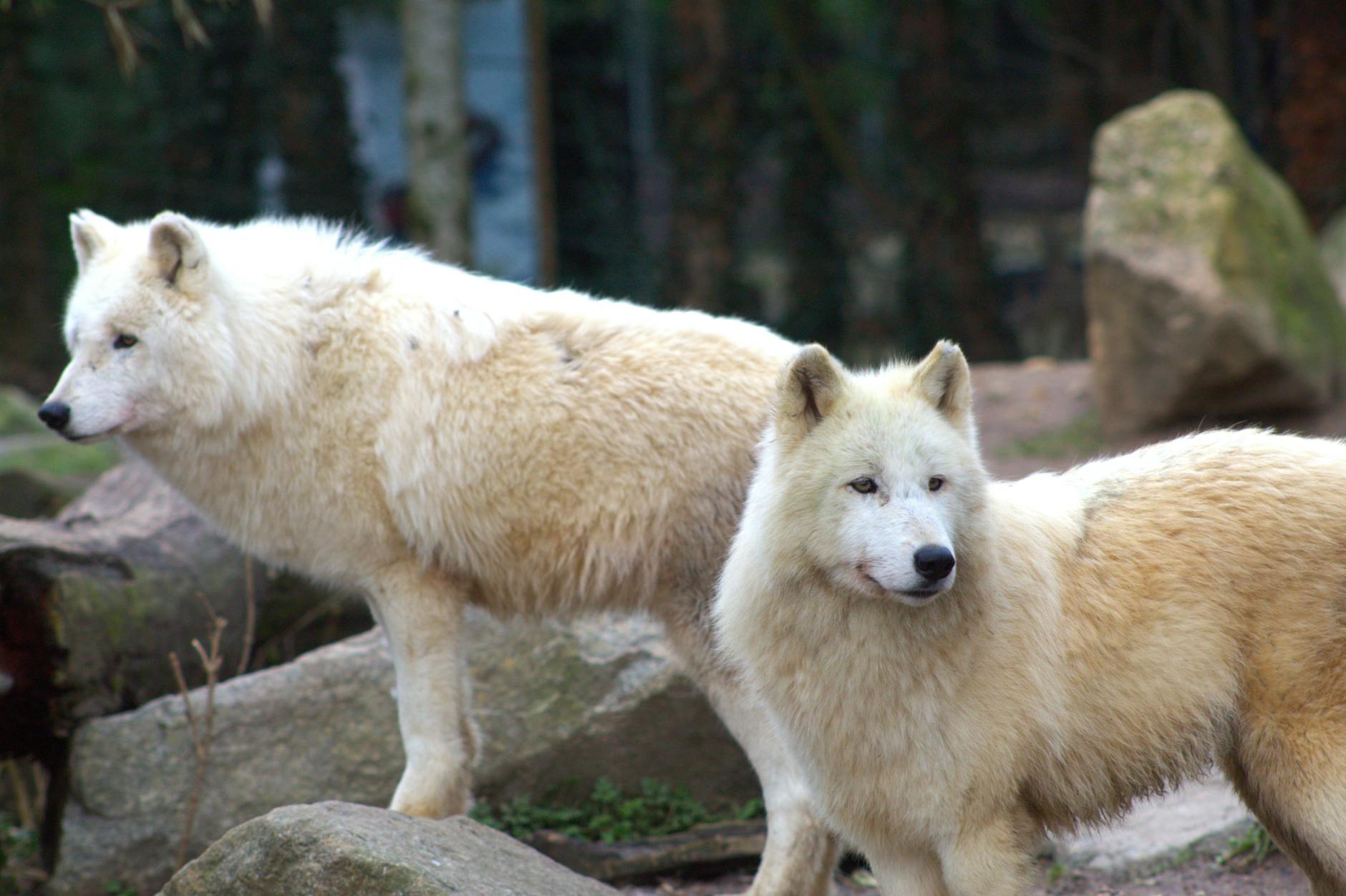
Human expansion and habitat fragmentation remain the greatest threats to wild wolf populations today. As forests are cleared wolves are forced into smaller areas which increases the likelihood of conflict with livestock. Road construction can split territories and make it difficult for dispersing wolves to find mates. Conservation efforts often focus on creating wildlife corridors that allow packs to move safely between protected areas. Protecting large tracts of wilderness is essential for the continued survival of these expansive roamers.
Historical Range
Wolves once occupied the widest natural range of any land mammal aside from humans. They were found throughout nearly every habitat in the Northern Hemisphere from deserts to high mountains. Persecution and environmental changes led to their disappearance from many regions over the last few centuries. Recent reintroduction programs have successfully brought wolves back to some of their historical territories. This restoration helps revive the natural processes that these predators have influenced for thousands of years.
Please share your thoughts on these fascinating apex predators in the comments.